Your Aging Kitty

By Dr. Becker and Diane WeinmannPoppy-oldest-cat-main_tcm25-20149
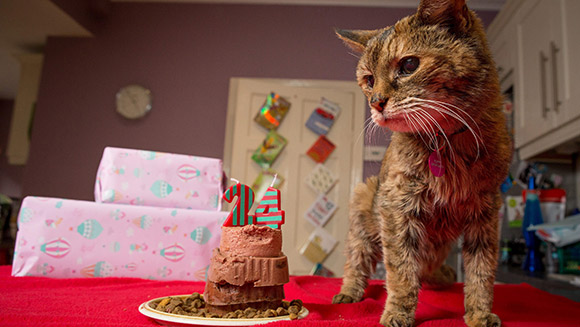
Just like us, our feline companions face physical and mental challenges as they age. At around 10 years, your kitty is considered a senior and will start to slow down a bit. For instance, she might not jump up on high surfaces as often as she once did, or she might settle for a lower perch on the cat tree.


Kitties of all ages do best with a consistent daily routine, but older cats tend to get extra stressed when presented with anything new or different in their environment.

You might also notice Mr. Whiskers doesn’t always run to greet you when you come home as he once did. He may play less and sleep more. Many cats also tend to become more vocal as they age, and more easily startled by strange or loud noises.

In addition, aging cats can suffer from many of the same health problems older humans face, including arthritis, diabetes, thyroid problems, and kidney disease. That’s why it’s important to bring your pet for twice-yearly wellness visits with your veterinarian.


At veterinary visits, be sure to mention any behavior changes you’ve noticed in your cat, no matter how minor, as these can provide important clues about health problems that may be brewing under the surface. It’s also important to monitor your cat’s weight to ensure she isn’t becoming too heavy or too thin. It is Diane’s opinion that a senior cat who does not go outside should not require any vaccinations. I feel that vaccinations stress your cat’s system. If your cat is not subjected to being outside they should not encounter any diseases that would threaten their life.

A Cat at 16 is Comparable to an 80 Year-Old Human

Your senior kitty may also be experiencing some vision and hearing loss, less tolerance for the cold and mental confusion. Cats can and do develop age-related dementia, which means even the smallest change in your kitty’s routine can cause stress.

Your senior cat may become a little cranky and easily irritated. If there are young children or a playful dog at home, it’s important that all family members approach your kitty in a quiet, non-aggressive manner. It’s also important to protect an aging cat from potential bullying by younger or more active pets.

During those twice-yearly veterinary visits I mentioned earlier, your vet will perform a senior wellness checkup, including a physical exam and blood (including thyroid levels), urine, and stool sample tests. The results will provide a snapshot of how well your cat’s organs are functioning, and point to any potential problems.


As a point of reference, a cat at 16 is the approximate equivalent of an 80-year-old human. If your kitty is seeing the vet at least twice a year and between visits you’re keeping an eye out for significant or sudden behavior or health changes, you’re on the right track.

However, as he ages, try to avoid becoming a “helicopter pet parent” who constantly hovers over kitty. He’s still a cat after all, and prefers attention on his own terms!

Do make every effort to keep him comfortable, secure and relaxed by maintaining a consistent daily routine and providing him with a quiet, cozy hideaway with comfy bedding and a favorite toy or two.

How to Provide an Excellent Quality of Life for Your Aging Cat

  1. Feed balanced, antioxidant rich, species-appropriate nutrition. Your cat’s diet should include omega-3 essential fats, such as krill oil.

Moisture is a cat’s best friend, so encourage hydration by offering kitty a variety of water bowls around the house or a drinking fountain, in addition to minimizing or (preferably) eliminating dry food. You can even put some broth or tuna water into their drinking dish to encourage hydration.

If your cat is addicted to a poor-quality processed diet, consider adding a supplement such as Feline Whole Body Support.


  1. Keep your pet’s body and mind active with regular exercise appropriate for her age and physical condition, and mental stimulation (puzzles and treat-release toys can be beneficial).

Think of creative ways to enrich your cat’s indoor environment and if kitty never touches the earth’s surface directly (many indoor cats don’t), consider a grounding pad.

  1. Provide your cat with a SAMe (S-adenosylmethionine) supplement as a safe and effective way to stall or improve mental decline, enhance mobility, and assist in liver detoxification.

Periodic detoxification with the herbs milk thistle and dandelion can also be very beneficial, along with super green foods in the form of fresh “cat grass” to nibble on. Chlorophyll, chlorella, or spirulina can also be offered in supplement form to enhance your cat’s detoxification processes.

  1. If your cat seems disoriented, consider limiting her access to certain parts of the house. Keep doors closed so she can’t wander into a closet or any place where she might be unable to get herself out.

Medium-chain triglycerides (MCTs) have been shown to be safe for cats and can improve brain energy metabolism and decrease the amyloid protein buildup that results in brain lesions in older pets. Coconut oil is a rich source of MCTs and may also reduce hairball issues.


I recommend one-fourth teaspoon for every 10 pounds of body weight twice daily for basic MCT support, if your cat will voluntarily eat it.

  1. Some older cats tend to vocalize loudly and often from cognitive decline. Sometimes all a talkative cat needs to quiet down is to hear her owner’s voice, so try calling your kitty’s name when she starts to vocalize from another room or in the middle of the night.

Calming flower essences, such as Senior Citizen, Bach flower essences or homeopathics, such as low potency Belladonna or Aconitum, depending on your cat’s specific symptoms, may also reduce yowling. If that doesn’t do the trick and the nighttime crying is really a problem for you, consider earplugs. Consult an animal communicator, like Diane Weinmnn, to find out the reason for the howling. Diane can also create a custom Bach flower essence treatment bottle to help your kitty through these emotional changes as they age.


  1. For aging kitties who are on the prowl all night, consider low dose melatonin, which is not only a sedative with a calming effect, but also an antioxidant. I also use rhodiola, chamomile, and l-theanine with good results. Night Owl Solution may also help.

You can also try gently waking him up from naps during the day. The more active you can keep him during daylight hours, the more likely he’ll be to sleep on your schedule.

  1. Set aside time each day to hang out with your cat. Make sure meals are provided on a consistent schedule, along with playtime and petting/lap time. If your cat tolerates being brushed or combed, work that into the daily schedule as well, to help her with grooming chores.
  2. If eliminating outside the litterbox is an issue, try putting additional boxes around the house. Also insure your cat can get into and out of the box easily. Remember that kitties are very adept at hiding arthritis and other aches and pains, which can limit their ability to climb into high-sided boxes, or boxes kept in bathtubs or up a flight of stairs, for example. Again if providing more boxes doesn’t do the trick to help your cat to eliminate in the appropriate place please contact an animal communicator.


Senior cats are a blessing. They bring love and a gentleness into our daily lives. Let’s treat them right, honor their place in our life and ensure their lives are stress free. Don’t forget to kiss the kitty often!
 

Heimlich Maneuver on a Cat or Small Dog

By Dr. Becker dog heimlick

Just like humans, pets (typically dogs) occasionally choke on things. Fortunately, it’s uncommon for an animal to choke, especially to the point of unconsciousness, but if your pet ever does, knowing how to perform the Heimlich maneuver could save his life.

Signs and Causes of Choking in Pets

It can sometimes be difficult to tell whether a dog is choking or just coughing. However, a choking dog will have trouble inhaling, whereas a dog who is just coughing will breathe relatively normally.

If your dog is choking, she’s suffocating, and she will get panicky. Also watch for pawing at the mouth.

The most common cause of choking in pets is ingestion of an object that lodges in the airway, including things like hard rubber balls, meat gristle, and chew sticks that swell when they become moist.

Heimlich Maneuver in 9 Steps cat  heimlick

  1. Open your pet’s mouth and check for a foreign object. If you can see something in his mouth or throat, try to remove it with your fingers, or grip his tongue and pull it toward you to try to dislodge the object.

Alternatively, move your finger around inside your dog’s mouth to try to feel and dislodge any foreign object. (There is obviously a risk of being bitten, so take appropriate precautions anytime you put your fingers in your pet’s mouth.)

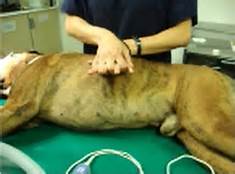
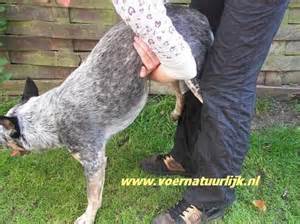
  1. If you have no luck dislodging the object by manually removing it, pick your dog up and place his back against your chest. Put both hands under his waist area behind the ribs. Make a fist with your hands, place them behind the last rib, and rapidly push up and in 5 times.
    • If your dog is too heavy to lift, stand behind him, place your arms around him under the rib cage, make a fist with both hands, and pull in and upward rapidly 5 times.
    • If your dog is unconscious and too heavy to lift, lay him on his right side. Kneel beside him with his legs pointing toward you. Place one hand on the other and place the palm of the bottom hand right behind his ribs. Push in and up 5 times rapidly.
  2. Open your dog’s mouth again and look for any foreign object dislodged during the abdominal thrusts you just performed. Move your finger around in his mouth to dislodge and remove the object.
  3. If the object still hasn’t been dislodged, with your dog on the ground, put your hands in front of his hips, then lift and suspend him with his head toward the floor.
    • If he’s too heavy to lift, lift his back feet, until his head is lower than his hips.
  4. Recheck your pet’s mouth and use your finger to feel for the object and remove it.
  5. If this doesn’t work, put your dog in a sitting or standing position and use the palm of your hand to deliver 5 sharp blows to his back between the shoulder blades.
  6. Open your dog’s mouth to check again for a foreign object. You might want to use a small flashlight to get a better look inside. Use your fingers to try to find and clear the object.
  7. Until the object is dislodged, continue to repeat the above steps.
  8. If your dog loses consciousness, give him 5 breaths followed by 5 abdominal thrusts and continue these 2 steps (breaths and thrusts) until the object is dislodged.

As soon as the object is dislodged, check your dog’s airway, breathing, and heart rate. Perform CPR if necessary and get your dog to your veterinarian or an emergency animal hospital immediately.

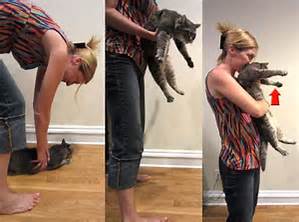
How to Perform the Heimlich Maneuver on a Cat or Small Dog


https://youtu.be/nmNl9X50jxk


Pet CPR

The American Red Cross conducts local pet CPR classes for dog and cat owners, pet caretakers, and anyone who is interested in saving the lives of animals.  I participated in this training and I would highly encourage any animal lover to do so..it is time well spent!

Their formula makes the technique simple to remember in the event of an emergency:

  • A is for Airway
  • B is for Breathing
  • C is for Circulation and Chest Compressions

Dr. Becker’s Comments:

The need to resuscitate your beloved pet in an emergency isn’t something most pet owners want to think about.

But it’s better to be safe than sorry, especially when it comes to saving the life of your dog or cat.

The American Red Cross’s ABC’s of Pet CPRdog CPR Nose

A = Airway

If you find your pet unconscious and you don’t know the cause, it’s very likely he has choked on food, a toy, or a foreign object.

Open his mouth and check for a visible obstruction. Try to remove it, but take care not to put your fingers in the mouth of a conscious, panicked dog that might bite you. Instead, try to use a tool to remove the object – pliers or perhaps tweezers.

If you can’t see an obstruction or can’t get to it, use abdominal thrusts or back blows to try to dislodge it.

Place a hand on each side of the animal’s rib cage and apply quick, firm pressure in three to four bursts.

You can also place your pet on his side and strike the side of the ribcage firmly with the palm of your hand three to four times. Repeat these three to four count bursts until hopefully, the object is dislodged.

B = Breathing

If your pet isn’t choking but also isn’t getting air into her lungs, you’ll need to breathe for her.

If the animal is a cat or a small dog with a muzzle (nose and mouth) small enough to fit entirely in your mouth, put your mouth over your pet’s muzzle. Exhale and watch for the chest to rise.

If your dog’s muzzle won’t fit in your mouth, hold her mouth closed, put your mouth over her nose and exhale into her nostrils, again watching for the chest to rise as you breathe air into her lungs.

C = Circulation followed by chest compressions if necessaryDog chest compressions

If your pet is unconscious or unresponsive, check for a heartbeat where the elbow of the left front leg contacts the chest. You should only perform chest compressions in the absence of a heartbeat.

If you can’t detect a heartbeat, lay your pet on his right side. For an animal 30 pounds or smaller, place a hand on each side of the ribs where the elbows contact the chest. Squeeze or press gently several times in rapid succession.

For a dog over 30 pounds, you’ll need to cup your hands and place them over the widest area of the chest. Perform rapid chest compressions of one to three inches, depending on the size of the dog.

For an animal under 90 pounds, you’ll need to give one breath as described under B, above, for every five chest compressions so the animal is getting 30 breaths per minute.

For a giant dog 90 pounds or heavier, you’ll need to do one breath for every 10 chest compressions, which will give him 20 breaths per minute.

This is a lot of fast work in a short amount of time. If there’s another person available to help, one of you should do the compressions while the other does the breathing.

Preparation is Priceless

If you want to be prepared for any emergency with your pet, I recommend attendance at a local American Red Cross pet CPR class so you can receive hands-on training using a mannequin.

When you get home to your own pet, you can get familiar with finding her heartbeat and practice placing your hands in the proper position for chest compressions. You don’t want to practice breathing or actual compressions on a healthy animal, however.

You can find other resources on the Red Cross website as well, including dog and cat first aid handbooks.

You can also view an instructional pet CPR video here.

https://youtu.be/0AFrUiRIeVo


Empathy from your Pets?

By Dr. Becker and Diane Weinmann


rescue remedy

Your mood and emotions matter to everyone in your household, including your pets. A dog living in a household with a lot of yelling and tension may become stressed, fearful, anxious or aggressive. On the other hand, a happy, relaxed household signals to your pets that it’s OK to relax.

Your pets are, in fact, very observant of your emotional state, which they can pick up via your voice, body language and other subtle clues. Additionally, since they can read your thoughts, they understand what you are feeling whether it’s sadness, happiness or stress. It’s in their best interest to decipher your emotional expressions and it gives him a leg up (pun intended!) in evaluating your motivations and intentions especially with how it would ultimately relate to their wellbeing.

Are you friendly? Are you a threat? Is it a good time to ask for a belly rub? Your dog may pick up your mood not only for her own devices but also for your benefit. Dogs are known, for instance, to respond to people when they cry. My dog will come cuddle hen I cry, pressing his body against me to give comfort and offering his paw to get my attention away from the sadness. My horse would wrap me in a hug with her neck when she felt I was stressed or unhappy.

They do all these actions by approaching and displaying submissive behaviors, which is a signal that they’re showing empathy.

Dogs Can Tell the Difference Between Angry and Happy Faces

Does your dog wag her tail in glee when you arrive home with a big smile and lots of ear scratches to give? And does she, in turn, hang back or crawl into her bed when you’re angry or yelling? She may also run up and lick your face or roll onto her back when you’re sad and crying. My dog responds to yelling and conflict by running for comfort from a stable, happy person in the room. He rubs his face on my leg and puts his ears back to show he is afraid of the noise and confrontation while attempting to draw comfort from the person not engaged in the yelling.

These behaviors aren’t a coincidence; your dog can discriminate between your different emotional expressions.

According to research published in the journal Current Biology, dogs can discriminate emotional expressions of human faces in a controlled experiment, which they do by using their memories of real emotional human faces.

Research published in Biology Letters also found dogs recognize both dog and human emotions. The dogs were presented with either human or dog faces with different expressions (happy and playful versus angry and aggressive). The faces were paired with a vocalization that was positive, negative or neutral.


The dogs looked significantly longer at the faces that matched up to the appropriate vocalization, which is an ability previously thought to be distinct to humans. The researchers concluded:

“These results demonstrate that dogs can extract and integrate bimodal sensory emotional information, and discriminate between positive and negative emotions from both humans and dogs.”

Pets Are Sensitive to Shifts in Your Mood

The way you move, speak and behave all send subtle signals to your pets that indicate your mood. When you’re in a situation that’s stressful to your dog, such as at your veterinarian’s office, your pet will look to you to help her calm down. They search your heart and mind along with your actions for strength and stability.

If however, you seem tense and nervous, your pet will likely become even anxious. This is true of your veterinarian as well — his or her energy can either calm or agitate your pet, so it’s important to choose a provider who uses deliberate body language and communication to help put your pet at ease.

Pets are extremely intuitive. According to scientists dogs appear to process emotional cues and meanings of words in different hemispheres of the brain, similar to humans. As an animal communicator, I am aware that your pet knows what you are emotionally feeling inside; however, sometimes the emotions are so complicated (like us humans) they fail to understand why you are feeling the way you do. After all, animals have a different way of thinking than us humans. They do not have an ego and do not judge. When most people become upset they are coming from a place that pets cannot fathom!


Dogs also pay attention to your body language, taking note of your posture and eye contact, so recognize that your pets may sense changes to your vibe even when you don’t think you’re being overtly emotional.

10 Tips to Reduce Your (and Thereby Your Pet’s) Stressrescue remedy 2

When you reduce your own stress, you thereby reduce your pet’s stress. The following tips can help you adjust your mood for the better:

  1. Interact With Your Pet: Cuddling with your pet, petting her, or playing a game of fetch is calming for both of you. Better yet, take your dog for a walk, which adds the stress-busting benefits of exercise into the mix.
  2. Breathe Slowly and Intentionally: When you breathe deeply, it stimulates your parasympathetic system, which lowers your heart rate and blood pressure and helps you relax.
  3. Try Meditation: Meditation helps to lower levels of anxiety and depression and improve symptoms of stress-related disorders. You can also try mindfulness, which is a less formal variation of meditation that involves actively paying attention to the moment you’re in right now.
  4. Play Calming Music: Pets and people respond to music in similar ways, and both of you can benefit from the stress-relieving benefits of calming music.
  5. Take Five Minutes to Recharge: When your day is getting overly hectic, take five minutes to stop and regroup. You might step outside to get some sunshine and fresh air, read a few inspirational quotes, jot down your thoughts in a journal or have a chat with a positive person.
  6. Engage in Meaningful Activities: Having a sense of purpose and focus is important to your emotional well-being. Try a new hobby, volunteer, or mentor those in need or join a local community group, such as a church or recreational club.
  7. Nurture Your Human Relationships: Pets provide unconditional companionship and love, but it’s important to develop strong relationships with other humans too. Take time to nurture important relationships and create new ones throughout your life.
  8. Get Support When Stress Is Overwhelming: If you feel you’re nearing burnout and can’t cope, get help. This might mean talking to your spouse, another family member or a friend, or you may want to seek the help of a therapist.
  9. Tap: Also called Emotional Freedom Techniques (EFT), this simple exercise can have profound benefits that decrease your anxiety level and overall attitude about stressful or negative situations or thoughts. For more information, check out Dr. Mercola’s website on EFT. This technique can also benefit pets!
  10. Rescue Remedy or Essential oils: Rescue Remedy is a pre-made Bach Flower essence that is a natural way to obtain calmness. Additionally, lavender essential oil can be worn by you or your pet and also diffused in the home to create a serene atmosphere. Both, Rescue Remedy and essential oils can be enjoyed by pets or people in stressful situations.

4 Stress Relief Tips for Your Dog

As I mentioned above, you’re not the only one who might need some stress relief. The tips that follow are especially useful when you know your dog is going into a stressful situation, such as trip to the veterinarian or groomer.

  1. Exercise your dog right before the stressful event. Vigorous activity will tire your dog out, which will help to relieve his nervous energy later.
  1. Add a flower essence blend like Stress Stopper by Spirit Essences, Anxiety by Green Hope Farms, Rescue Remedy Bach Flower Essence or Stress and Trauma Relief from OptiBalance to your dog’s drinking water. Homeopathic Aconitum may also help.       Additionally essential oils can invoke peace whether it is lavender or another blend. See Dr. Melissa Shelton’s at http://www.animaleo.info/learn-more.html.


  1. Invest in an Adaptil collar or diffuser for your dog. Adaptil is a pheromone and is designed to have a calming affect on dogs. The collar seems to work well for many dogs suffering from stress-related behaviors. Put the collar on your dog the morning of the stressful event and remove it just before the event begins.


  1. Offer an Earthing Mat. Providing a means for your pet to ground out and reduce EMFs may reduce stress in a variety of physiologic ways, especially if you live in a condo or apartment off the ground, live in an area with significant weather extremes or have a home full of electronics.

If you’re a cat owner, don’t worry — homeopathic, herbal or nutraceutical remedies can be helpful for kitties too. Talk with your integrative veterinarian about stress-relief options for your cat. Feliway spray or diffusers can offer calming pheromones to stressed felines.


Blended flower essences, such as Spirit Essences or several Green Hope Farms Essences, and Rescue Remedy along with essential oil are often effective for cats and birds, too. And remember, your mood matters! The more you display relaxed, happy behaviors, the more likely your pet is to follow suit.

What is it all comes down to is that the calmer/happier you are, the more serene the atmosphere in your home will be; thereby, providing the healthiest environment for you and your pet to thrive.essentail oil chart

Photo courtesy of Natural Healers (http://www.naturalhealers.com/alternative-medicine/animal-therapy/)


essentail oils

Updated List of Best-to-Worst Types of Pet Food

By Dr. Becker and Diane Weinmanngood-dog-food-2620000

Feeding your pet is a major portion of your job as a pet parent. You obsess and worry if you are feeding the right food, heck, you are inundated with commercials on the TV of which food is best for your pet.  How do you chose?  Here is some information that can help in the decision making process.

Processed Diets Can Also Contain Carcinogens

Not only are processed pet foods biologically inappropriate, they also contain added synthetic vitamins and minerals to meet basic nutritional requirements. The food is heated to very high temperatures, which at best denatures proteins and decreases nutrient value. At worst, it introduces carcinogens into your pet’s body on a daily basis.

Two potent cancer-causing substances are created when dry pet food is made by the extrusion process. When protein is extruded, carcinogenic heterocyclic amines are created. The byproducts of extruded starches are acrylamides. Both are known to cause cancer in dogs and cats. This is quite disturbing when you consider the fact that most pets across the globe are eating dry food their entire lives, and the cancer rate is skyrocketing in companion animals.

Feeding dogs and cats inappropriate ingredients for several generations has created significant metabolic and physiologic stress. Convenience pet foods are the root cause of the inflammatory processes and degenerative diseases that plague today’s dogs and cats. A biologically correct diet for a carnivore is high in moisture, high in protein, moderate in fat, and low in carbohydrates. The vast majority of pet foods on the market today are the opposite – low in moisture content, with low to moderate amounts of poor quality protein and fat, and high in starches or carbs.

Feed Your Pet the Best Diet You Can Reasonably Afford

The goal in feeding your pet a diet she can truly thrive on is to mimic the ancestral diet of dogs and cats as closely as possible without breaking the bank.

Now, I know some of you might be thinking “Gee, I would like to feed myself an all-organic, free range, non-genetically modified, and fresh food diet… but I just can’t afford to.” I certainly understand, and my basic recommendation is to feed yourself and your pet as much unprocessed, fresh food as you can afford.

I have clients who can’t afford to feed an all-fresh, living, and raw food diet, so they offer fresh food snacks instead. Research shows that offering some healthy foods is better than offering no healthy food at all.

I also have clients who can afford to feed their pet maybe 2 to 4 fresh food meals out of 14 in a week. Others do a 50/50 split, meaning one meal a day is a processed pet food, and the other is a fresh food meal.

I recommend taking baby steps toward providing the best diet you can afford for your dog or cat.

 dogs and cats eating

  1. Nutritionally balanced raw homemade diet. This is the best diet you can feed your dog or cat. It’s very important not to wing it when preparing your pet’s meals at home. I say this because when pet food nutrition expert Steve Brown and I analyzed many of the homemade and prey model diets available, we learned they fall far short in trace minerals, antioxidants including nutrients like manganese, magnesium, vitamin E and D, copper, zinc, iron, choline, and essential fatty acids.

Additionally, if the diet doesn’t have a proper fat or calcium to phosphorus balance, it can actually cause a myriad of health problems, especially in growing animals. So, it’s critically important that you know your homemade diet is balanced.

The great thing about homemade raw diets is you get to handpick the ingredients. You know the quality of the meat you’re using. And if your dog is allergic to chicken, for example, you simply pick a different protein source. Another benefit is you can wash the veggies to your own satisfaction to remove any pesticide residue.

Making your own pet food can provide peace of mind because it’s becoming increasingly more difficult to find ethical pet food companies that use locally sourced or even US-grown ingredients. With homemade food, you’re in complete control of every ingredient that enters your pet’s body.

And of course, raw food is just that. It’s raw and unadulterated. It contains all of the enzymes and phytonutrients that are typically destroyed during food processing.

Homemade food also gives you the flexibility to include a lot of nutritional variety in your pet’s diet. You can buy seasonal fruits and veggies on sale. You can use produce that comes from your local supermarket, your local farmer’s market, or even from your own garden.

  1. Nutritionally balanced cooked homemade diet. This option gives you all of the benefits of the homemade raw diet above, minus the benefits of the free enzymes and phytonutrients found in living foods. Interestingly, there are a few nutrients that are actually more bioavailable when cooked, for example, lycopene.

Reasons to cook your pet’s meals include the fact that some animals prefer cooked over raw food, or warm food over chilled food. Also, some pet owners simply prefer to cook the food. And then, there are some medical conditions such as recent GI surgery or pancreatitis for which cooked food is just a better idea.


  1. Commercially available balanced raw food diet. Again, it’s critically important that the diet be balanced. There are a lot of raw diets on the market these days that are nutritionally incomplete. These foods should say right on the label, “For supplemental or intermittent feeding.” I don’t recommend feeding unbalanced foods without adding in the missing nutrients, or your pet can have nutrition-related medical problems in the future.

Commercially available balanced raw food diets are found in the freezer section of small or privately owned pet boutiques. Some big-box stores are now starting to carry a larger selection of frozen raw diets, and you can also find an excellent selection online.

There are new raw diets coming on the market every month and vegetable, bone, and fat content vary widely between products. For example, diets range from 0 to 40 percent in vegetable content. This can impact the amount of synthetic vitamins and minerals that must be added to the diet to make it nutritionally complete. In addition, vegetable content impacts digestive and stool health. So if, for example, you have a dog who suffers from chronic constipation, you may want to choose a food with higher veggie content.

Commercially available raw food diets also range from low fat to high fat. If you have an obese cat, you would want to select a low-fat diet, but if you have a highly active dog on the lean side who loses weight quickly, it would make sense to choose a higher fat food.

Ground bone, bone meal, or a bone meal equivalent is typically added to raw diets for mineral balance. Some raw foods contain bone pieces that are actually too big to be safely cooked, so if you choose a raw diet and want to cook it, make sure it’s safe to do so.

When it comes to ingredient sourcing, some raw food companies pride themselves on using only healthy, grass-fed animals and organic veggies. Others use animal meats and produce imported from China or other countries, as well as factory-farmed and GMO-fed animals raised in feedlots here in the US.

Some use whole foods to meet trace mineral requirements, while others use very few ingredients and rely on vitamin and mineral pre-mixes to meet their nutritional requirements.

Another factor to consider is how the raw food is formulated. Meat-based foods like raw diets are almost always calorically dense. They should be formulated on a caloric basis and not on a dry matter basis. This is a more demanding method of formulating. Comparing the formulation on a dry matter basis to caloric basis shows that raw foods formulated on a dry matter basis actually fall significantly short of nutrients.

You know a raw diet is formulated on a caloric basis when the nutrients are listed as a gram or milligram of nutrient per 1,000 kilocalories. Diets formulated on a dry matter basis will have nutrients listed as a percentage of dry matter. I only recommend choosing raw foods that are formulated on a caloric basis.

How companies manage potentially pathogenic bacteria is another consideration, and ranges from manufacturers who do nothing, to those who batch test, use UV treatments, ozone, fermentation, or HPP (high pressure pasteurization).

Fortunately, this sector of the pet food industry is the fastest growing category, which means you should be able to find a food that fits your ethical and financial parameters, with the added convenience of not having to make the food yourself. The downside is the cost – you’re paying for the luxury of having someone else do the work for you. As with all pet food manufacturers, you’ll need to investigate the company you’re buying from to make sure you’re feeding the correct product for your pet’s specific nutritional and medical goals.

  1. Dehydrated or freeze-dried raw diet. If you can’t or don’t want to feed fresh raw food, a good alternative is a dehydrated freeze-dried raw diet that is reconstituted with water. These diets are shelf-stable so they’re very convenient. To make them biologically appropriate, all you have to do is add water.

Dehydrated or freeze-dried raw diets haven’t been processed at high temperatures. In many cases, the nutrient value has been retained minus a balanced fatty acid profile.

Keep in mind that there is a difference between fresh and dehydrated or freeze-dried raw food. Dehydrated and freeze-dried foods by definition are not the same as fresh raw diets, but they can be a great choice for people on the move, people who go camping with their dog or cat, and for pets that go to day care or need to be boarded. It’s really the next best thing to a fresh raw food diet. Make sure the brand you select is nutritionally balanced for all life stages.

  1. Commercially available cooked or refrigerated food. This is a new category of pet food that is exploding in the marketplace. These diets have been gently heat-processed so the proteins are slightly denatured, but the moisture content is excellent. The food is fresher than processed diets, so the nutrient content is better than choices lower on this list. You’ll find these foods in the refrigerated section of pet stores, and in many human grocery stores as well.

The quality of raw materials in refrigerated pet food ranges from absolutely terrible to excellent, so you do need to do some research before choosing which brand to buy.

  1. Human-grade canned food. If the package label or the manufacturer’s website doesn’t say the ingredients are human grade, you should assume they are not. Pet food made with human grade ingredients is a great deal more expensive than feed-grade or animal-grade canned food. These foods will typically be found in boutiques and small independent retailers that focus on high-quality foods.
  2. Super premium canned food. These products are typically found at big-box stores like Petco and PetSmart, or a conventional veterinary clinic. These diets contain feed-grade ingredients (which mean foods not approved for human consumption). But, the moisture content is much more biologically correct than dry food. Many have excellent protein, fat, fiber, and carb ratios.
  3. Human-grade dry food. Dry food is not biologically appropriate for dogs or cats in terms of moisture content when compared to the ancestral diet. Additionally, even grain-free dry foods contain unnecessary starch that can cause inflammation issues in your pet.

Human-grade is very important because the ingredients have passed quality inspection, which means they don’t contain poor quality or rendered unidentified proteins. If the food has been baked, it will clearly say so on the label. Otherwise, you should assume it has been extruded, which means you are probably feeding a small amount of carcinogens to your pet with every meal.


  1. Super premium dry food. These diets are found at big-box stores and conventional veterinary clinics. These extruded dry foods are made with feed-grade ingredients not approved for human consumption but are typically naturally preserved. Most of these foods contain added grains or starches, which are not species-appropriate and may harbor mycotoxins.


  1. Grocery store brand canned food. These foods rank below super premium dry foods because even though the moisture content is more biologically appropriate, they usually contain high levels of unnecessary grains and synthetic toxic preservatives such as butylated hydroxyanisole (BHA) and butylated hydroxytoluene (BHT), and ethoxyquin.


  1. Grocery store brand dry food. These diets have all the same issues as grocery store brand canned food, and also do not contain adequate moisture.
  2. Semi-moist pouched food. This stuff is really bad. The reason it is so far down the list is because in order to make the food semi-moist, the manufacturers must add an ingredient called propylene glycol. Propylene glycol is an undesirable preservative that is closely related to ethylene glycol, which is antifreeze. While propylene glycol is approved for use in pet foods, it’s unhealthy for dogs and cats to consume.


  1. Unbalanced homemade diet, raw or cooked. Dead last on the list for good reason is an unbalanced homemade diet. Some pet owners believe they can offer their dog or cat a chicken breast and some veggies, and call it a day. Many caring pet owners are unfortunately sorely lacking in knowledge about their companion animal’s nutritional requirements.


Feeding fresh homemade food is a good thing, however, if the diet you’re offering your pet is nutritionally unbalanced, it can cause significant irreversible and even potentially fatal health problems. These include endocrine abnormalities, skeletal issues, and organ degeneration as a result of deficiencies in calcium, trace minerals, and essential fatty acids.

Almost every veterinarian has seen patients that have been harmed by well-meaning owners who feed unbalanced diets. It’s heartbreaking and entirely preventable. Homemade pet diets must be done right or not at all. When in doubt please consult your vet before starting a homemade diet for your pet. Going homemade is a huge decision and obviously you’ll want to do what’s best for your pet so don’t do it alone get information from reliable proven sources. Don’t forget the old saying, “you are what you eat”…I must be ice cream!

DogsIceCream (2)


Avoidable Mistakes Owners Make When Their Dog Meets Another

By Dr. Becker and Diane Weinmanndog meets dog

Whether you’re adding a new dog to your family, watching a friend’s pet for a couple of weeks or passing other doggy friends on your morning walk, your dog has plenty of opportunities to make new acquaintances.  Friends are good right???

The difference between those meetings going pleasantly or possibly turning aggressive lies, to some extent, with you and how you approach these delicate dog-to-dog introductions.

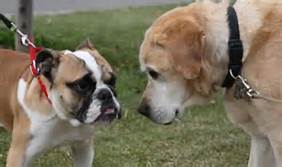
Unlike people, who walk right up to one another, look each other in the eye and shake hands upon first meeting, dogs prefer to greet one another in a more roundabout way. A direct frontal approach may cause tension or even aggression among two dogs, especially unfamiliar dogs.

Further, while dogs are social animals, they also have a defined hierarchy within their own packs. Adding a new dog to your family will disrupt this hierarchy until each dog learns their new place in the pack.

The first meeting is incredibly important and can set the stage for the rest of the relationship. In order to help your dog make friends, not foes, here’s what can help, according to Karen B. London, Ph. D., a certified applied animal behaviorist.1

10 Top Tips for New Dog-to-Dog Introductions

  1. Meet One-on-One

Your dog should meet new dogs one at a time, as group meetings can be overwhelming. This is one reason why some dogs don’t do well at dog parks.


  1. Meet on Neutral Ground

Avoiding setting up the meeting in your dog’s (or the other dog’s) territory, which may make the dogs feel an intruder is coming in. A neutral location is best. Choose a park or a completely neutral place –neither of the dog’s back yards!


  1. Let the Dogs Meet Outside

Sometimes a dog will urinate when meeting a new dog, and then walk away to help diffuse tension. The other dog can then sniff the urine and get to know the other dog this way before coming into closer contact.

If the meeting is indoors, housetrained dogs will probably avoid urinating and therefore miss out on this important method of introduction.

  1. Give the Dogs Room to Roam

Holding an introduction in a tight space can be stressful for the dogs, who will prefer room to move freely. This doesn’t mean you should let your dog run loose, but rather use a leash (with some slack) and hold the meeting in the middle of your backyard as opposed to near a fence or doorway.

If you can safely do so (such as in a fenced backyard with two non-aggressive dogs), drop the leash and let your dog approach the other dog as he wishes. (Leave the leash on, however, in case you need to grab it to diffuse tension). Ensure the leash does not get tangled on anything that would cause your dog to feel trapped or vunerable!

  1. Avoid Hovering Over Your Dog

You may want to stay close in case something goes wrong, but hovering over your dog will add to his tension. You should give the dogs space to say hello, and if the situation seems to be getting too stressful, move away from the dogs to lower arousal.

  1. Try a Moving Introduction

If you walk purposefully during the introduction (such as between two dogs on a sidewalk), it helps prevent the meeting from getting overly intense.

  1. Stay Calm

Your dog will sense your emotions about the meeting and respond in suit. If you’re nervous, stressed or overly excited, your dog may be too. A better option is to stay calm, breathe slowly and portray a relaxed attitude to your dog.


  1. Avoid Bringing Toys or Food

Meeting a new dog is stimulating enough — add in treats and toys and the situation can quickly escalate out of control. Plus, your dog may feel possessive about the food and treats, leading to issues between the dogs.

  1. Keep it Short

A few minutes is long enough for an initial interaction between two unfamiliar dogs. It keeps the meeting fun and interesting while leaving less time for things to get tense. For dogs that are easily stressed, a short meeting will be essential to keep your dog from feeling overwhelmed.

  1. Introduce Your Dogs Ahead of Time

It’s possible to let dogs become familiar with one another before they actually meet. This can be done by letting your dog smell the other dog’s urine or by keeping them in close vicinity without an actual greeting (such as walking two dogs side-by-side, but a few feet apart). Smelling clothes that have the other dog’s scent is a great way to introduce your pet to a new friend ahead of the actual face to face!

Bringing Home a New Pet? Plan to Take a Few Days Off Work

The first week your new dog spends in your home is a crucial time of building new relationships, between you and your dog as well as your dog and any other pets. I recommend taking at least a few days off of work — and ideally about a week — so you can stay home and focus on your new addition.

This is the time you can introduce your dog to your daily routine, which will give him a sense of security, as well as take time to slowly introduce him to your other pets.

If your dog has been rescued from a shelter, keep in mind that the transition may take more time. I recommend using Bach Flower Essences to assist in your rescue’s adjustment to his new home.


You should not force any new introductions on a dog that’s not ready; allow him to get to know his new housemates at his own pace. Senior pets may also need additional time and attention when adjusting to a new pet in your home.

A separate space for both pets to retreat to where they feel safe is the ideal atmosphere. Do not force them together rather let they come to it naturally and watch the toy and food sharing. I recommend feeding in same room but not next to each other, rather place food bowls far from each other and have two separate water bowls.


Watching all new pet associations carefully to diffuse any aggression. New friends are great –we all love them and your pet will too if it is approached in a safe way.

goofy meet friend

Vaping and your Pet’s Health


vaping and pets


My son smokes cigarettes and I hate it.  Not only is it dangerous for him but for the entire household including our dog.  My son smokes in the garage but my bedroom is right above it and I can smell wafts of smoke when he is out there with his friends.  Additionally, the garage has a door right into our family room and everytime he opens the door the fumes filter in.  So, I bought him a e-cigarette..does he use it—heck no!  Here is some info I found about the current fad of vaping.

If you ever read the labels on your e-juices, they clearly state: “keep away from children and pets”. This is because most e-juices contain nicotine, which, if consumed, can be extremely dangerous for kids as well as pets. One British vaper learned it the hard way a couple years ago. According to a story Dog Dies After Eating Electronic Cigarette Capsule published by Huffington Post, Keith Sutton, dropped a cartridge of e-juice on the floor, his 14-week old pup got hold of it, ended up consuming a little amount of the juice, and even though Keith took his beloved pup to the vet within a few minutes, the pup succumbed to the nicotine in her stomach.

Although, media has used this, and some other stories to defame vaping, totally ignoring the carelessness of the owners. The question is: is vaping around your pets really dangerous? Let’s try to find out.

It is an established fact that second-hand smoking affects people pretty much the same way as it does the smoker. There are hundreds of dangerous chemicals in the smoke of the tobacco cigarettes, and studies show these can cause countless diseases such as lung diseases and heart problems, among pets. But the good thing is that researches have confirmed that e-cigarettes don’t have any of these chemicals. In fact, e-cigs are considered to be 95% less harmful than their shouldering counterparts. So, is vaping around your pets safe?

The answer is: yes, as long as you vape responsibly.

In fact, dogs usually love the smell of the vape and chase the clouds. Even some dog foods have PG in them, although it’s a subject of hot debate whether it’s a good ingredient or not. Cats are attracted to VG, however, since the e-juice also has PG – which is considered to be “generally safe”, but is believed to be not safe for cats particularly.

So What Should I Do?

Here are a few things you can do to enjoy your vape, and at the same time make sure your pets are not affected in any way.

  • Always keep e-liquids away from your pets. Most e-juice bottles are child-proof, but pets can use their needle-sharp teeth to pierce through the packing. So, your biggest concern is to make sure they can’t get anywhere near the e-liquids.
  • When not in use, lock up your e-cigs and vaporizers in a place inaccessible by your pets.
  • While you can enjoy your vape around pets, but it’s better to vape away from them. Or at least make sure there is proper ventilation when you’re vaping.
  • Even if you use an external charger to charge the batteries, your pets shouldn’t be in the same room.
  • In case of any mishap, instantly call your vet and take your pet to the nearest hospital.

We love our pets, and a little caution can go a long way. Vaping is fun, and you should try to keep it that way, or a little carelessness can cause irrevocable damage. If you’ve pets, be a responsible owner and a responsible vaper.

How to recognize nicotine poisoning in your pets?

If you suspect that your pet has ingested nicotine (or any other poisonous substance for that matter), here’s how you can assess if a trip to the vet is in order. Carefully viewing your pet’s gums and tongue can indicate if they have eaten something hazardous. If the gums or tongue turns entirely or partly blue, purple, white, brick colored or extremely bright red, seek immediate veterinary attention. Some other signs of poisoning include higher pulse rate, high temperature, vomiting, diarrhea, panting, seizures, lethargy, blood in stool, nosebleed, and sudden loss of appetite.

So What Should I Do as a Vaper?

  • In a case of any mishap, instantly call your vet or Pet Poison Helpline at 1-800-213-6680 (free of charge) and take your pet to the nearest hospital asap.
  • Never allow your pets to lick the vapor you exhale, as it may contain nicotine.
  • Always keep e-liquids away from your pets. Most e-juice bottles are child-proof, but pets can use their needle-sharp teeth to pierce through the packing. So, your biggest concern is to make sure they can’t get anywhere near the e-liquids. Always change cartridge away from your pets, as they can instantly pounce on it in case it falls down accidently.
  • When not in use, lock up your e-cigs and vaporizers in a place inaccessible by your pets.
  • While you can enjoy your vape around pets, but it’s better to vape away from them. Or at least make sure there is proper ventilation when you’re vaping.
  • Even if you use an external charger to charge the batteries, your pets shouldn’t be in the same room.

We love our pets, and a little caution can go a long way. I hear vaping is fun, and you should try to keep it that way, or a little carelessness can cause irrevocable damage. If you’ve pets, be a responsible owner and a responsible vaper.

Kitties — Gentle Souls

Kitties—Gentle Souls

 heart cat

by Dr. Becker and Diane Weinmann

Cats are adored for their strong will and independent spirit. It’s what makes cats cats. But despite their seemingly aloof nature, cats are not unbreakable physically or even emotionally speaking.


If you value your cats’ spirit, you’ll want to avoid the following habits. As Pet360 shared, these are surefire ways to zap your kitty’s true feline nature.

10 Habits That May Crush Your Cat’s Spirit

  1. Not Cleaning the Litter Box

Virtually all cats demand a clean litter box. If you neglect to clean yours regularly, your cat may very well find a new place to do her business. And can you blame her?

While cats vary in how particular they are about a clean litter box (some won’t use it if there’s any feces in it while others will tolerate it), all cats deserve a clean ‘bathroom.’

I recommend scooping all feces and urine clumps, and removing any litter or urine/feces stuck to the sides or bottom of the box with a damp paper towel, twice a day. Dry any wiped areas thoroughly before scooping dry litter back over it.

This regimen of keeping the sides and floor of the box clean and dry may help extend the time between full box clean-outs. Even so, you should dispose of all used litter and clean the box out entirely at least once a week.

It’s important to wash the container thoroughly to remove as much odor as possible. This lowers the chances that your kitty will become averse to using her litter box due to a lingering smell.

The box should be washed with plain hot water. If you use soap, choose a natural, fragrance-free variety. Avoid any cleaning product that is scented or contains potential toxins.

  1. Shouting

Most cats are very sensitive to loud noises, including the sound of a human yelling. Many cats will run and find a place to hide if yelling ensues, even if it’s not directed at her. For your cat’s sake (and everyone else in the household), keep yelling to a minimum.

  1. Punishing

Punishing your cat for bad behavior is likely to backfire. Your cat probably won’t understand why you’re scolding her, but she will learn to be afraid when you do. If your cat has a problem behavior, you’re far better off getting to the bottom of it than attempting to punish the behavior.


As a point of reference…my cat Aaron did something my husband didn’t like and so my husband yelled at him and chased him with a broom as I stood there screaming to leave him alone. Once all the drama was over my cat calmly jumped up on our couch table, carefully picking his way around my belongings to go to my husband’s limit edition collectable and deliberately knocked it on the ground where it smashed into a million pieces. I TRIED not to laugh…..


  1. Ignoring Her Pain

Cats are excellent at masking feelings of discomfort and pain, so it takes an observant, attentive owner to spot a kitty in need. Signals of acute pain in cats include changes in posture, activity level, attitude, vocalization, appetite, facial expression and reaction to being touched or handled.


There may also be noticeable changes in her eyes, ears and whiskers. Changes in behavior, especially a cat that retreats or hides or loses her appetite, should be checked out by a veterinarian.

  1. Leaving Her in the Dark

Cats can see much better in the dark than you can, but they cannot see in total darkness. Plus, a cat left alone in the dark may feel lonely or abandoned.

If you’ll be gone for an extended period, have a trusted friend, neighbor or pet sitter come to your home for once or twice daily visits. You may want to leave on a nightlight or even a quiet radio or television to give your kitty some additional companionship while you’re away.


  1. Teasing

This should be common knowledge to cat owners, but you’ll want to avoid teasing your cat or treating her like a toy (this goes for children too). So, no pulling her tail, ruffling her fur, blowing in her face or even picking her up if she dislikes it.

  1. Grooming Her Infrequently

Cats are fastidious groomers, but they still need help to maintain their coat and nails. How much grooming your cat requires depends a great deal on the type and texture of the fur, as well as your pet’s age, lifestyle and health status.

Older cats may have trouble grooming themselves, for instance, while cats with “pushed in” faces (such as Himalayans or Persians) may need the folds of their skin cleaned to prevent infection. Your cat also needs regular brushing and may even need an occasional bath.


  1. Hurting/Intimidating

Hurting or intimidating your cat in any way—hitting, kicking, swatting with a newspaper, etc.—will teach your cat to fear people and will quickly break her spirit.

  1. Changing Her Water Bowl Infrequently

Cats should have access to fresh water daily, but some cat owners will leave a bowl of water out for days on end without changing it or washing the bowl. Your cat likes clean, fresh water just like you do. Some cats also enjoy taking a sip of water from the running tap as well (make sure you filter your tap water). In fact, this is why I always had company in the bathroom. I could never sneak in to be alone because the cat would follow me to jump up on the sink and meow at me until I turned on the water to let him drink. If I didn’t go to the bathroom often enough my kitty would sit outside of the bathroom an “talk” to me demanding his refreshment!

  1. Ignoring Her

Cats can be independent but most still love regular attention, affection and playtime.

Cats use multiple methods of communication and will actually follow your lead in terms of how much involvement the two of you share.1 So if you take the time to regularly give your cat love and attention, she’ll reward you with the same in return. My husband learned this the hard way when he tried to read the newspaper when the cat felt he need more attention. The cat would simply jump onto his lap and climb on top of the paper making it impossible for him to read it.


Healing with Color

banner


The International Year of Light – a UN-sponsored tag for thousands of events unfolding  worldwide throughout 2015, showed off the power of light. We are finally starting to fully appreciate the power of light, globally. Its advanced uses on land, at sea, deep under ground and far out in space prove us able to tap the essence of the world around us. But how about the world inside us? Health-related uses of light range from diagnostics to  surgery, from psychiatry to psychology, from revitalization to rejuvenation, from emotional to spiritual makeovers. We have LASER-based instruments, LED-based apparatuses, full-spectrum lights, various digital and analogue devices using light and much, much more.

Where we lag behind is in understanding how exactly our bodies respond to light. This is why terms such as chromotherapy, phototherapy and light therapy in general – although ancient in origin  – very slowly progress toward full endorsement of the medical establishment.

Auto-immune problems, emotional trauma, allergies, metabolic imbalances, seasonal affective disorder, jet lag, sleep and attention deficit disorders etc. – often respond better to light than to traditional interventions. And there’s good reasons for that, we just haven’t explored them enough.

In the 20th century, a photo-biologist John Ott was hired to document the effects of pharmaceutical drugs on living cells, with an electronic microscope and a special camera.  Ott noticed that changing the color filters on his camera lens changed the cells’ behavior. In fact, lens color change had a more dramatic effect on the cells than did the observed drugs.

So on the “ground level”, where life in our bodies unfolds, light and color have more say than chemical compounds which we concoct. Our cells understand the language of light and its messages, which the colors through their frequencies convey: ignite, burn, sizzle, scorch, smolder or go off. (That’s the same cycle the stars in our universe undergo).

I’m often asked how color light therapy really works. It appears esoteric and mystical, bordering on magic. The best analogy  I know, one we all know well, is fire.

COLOR LIGHT THERAPY HOW IT REALLY WORKS © March 2016. Julianne Bien

LUMALIGHT BY SPECTRAHUE

Fire is quirky. It is our species’ first tool, process and weapon. It gives off light and heat on demand, echoing our life-giving star in the sky, yet we get to wield it at will. And if you look closely, it varies in color, depending on intensity. It’s yellow and orange at first; green flame tips and blueish bursts will tell you it’s sizzling; you’ll want it bright white, if you wish to, say, melt metal or bake clay.

Still, starting and maintaining a fire is tricky at best. It’s moody. It might flare up in an instant or just smolder for hours. Sometimes a trained hand gives up in frustration, another time a fire will light itself up. Too much moisture around it and it won’t even start; too little and it burns itself out.

So it is with us. We are internal combustion engines, with trillions of tiny burners. Our cells burn up oxygen and produce heat. They use the resulting light as an ultra-fast messaging system. It all works to perfection – from toes to teeth – except when it won’t.

When an imbalance sets in, our internal flame in an organ dies down. Or it flares up, past all safety limits, causing redness, fever and pain. We don’t know what triggers this any more than we can pinpoint the cause of or control a wild forest fire.

Knowing how small, how tiny our internal burners are, it’s easy to see how fine-tuned, how delicate any support we give them must also be.

Most light-based treatments rely on emitting an intense light beam or outputting a wide swath of bright light, one way; interaction is not usually foreseen. In contrast, hand-held color light illuminators work off the silent communication between the person sending faint light and the person receiving it.

Instant reactions – live bio-feedback – guide the hand holding the penlight. By spontaneously adjusting the angle and the height of the light beam, we work within the aura and can affect all levels (physical, emotional and spiritual). As with lighting a fire, intuition and experience play a part. This adaptability is why low-intensity, hand-held color light therapy tools and protocols are so effective.

Color light therapy is ancient. Thousands of years-old records exist of diagnoses and cures based on colors. Chromotherapy is a well-traveled road to wellness we’ve all but forgotten over time.

With more research and even a fraction of resources poured into developing chemical cures, we could restore much of what was known long ago about light and potentially discover more color power than we ever imagined.

Julianne Bien is the inventor of The Spectrahue Method of light therapy. She owns Spectrahue Light & Sound Inc., a Toronto-based company which distributes its original Lumalight hand-held tools and educational materials, including books, DVDs, and live trainings. Her website is http://www.spectrahue.com.

*No medical claims are made or implied. This information does not replace the advice and care of your medical health care professional. © March 2016. Julianne Bien

color-light-therapy-works-bien-2016

Ingredients to avoid in Dog Food

By Dr. Becker and Diane Weinmann hungry-dog-5434576

If you’re like most pet owners, you’ve probably given a lot of thought to the type of food you feed your animal companion. Even I, Diane, being certified in canine nutrition does not know everything about the chemicals that go into your pet’s processed food!

It seems recalls of commercial pet foods are happening on a weekly basis these days, so it’s no wonder so many dog and cat guardians are concerned that the food they buy for their furry family members could make them sick. No one wants to feel like they’ve poisoned their pet even if it was inadvertently. After all, many pet food-associated illnesses (i.e., any disease or disorder linked to or caused by pet food) can be life-threatening.

When pet food triggers a sudden illness in a dog or cat, it often involves either infection from a bacterial contaminant, or toxicosis. According to Dr. Becker, two frequent offenders are aflatoxins and salmonella.

Aflatoxins

Aflatoxin contamination was responsible for a number of regional pet food recalls in 2011, as well as several major disease outbreaks over the past 20 years.1

Aflatoxins are noxious metabolites produced by the Aspergillus flavus and Aspergillus parasiticus fungi, and are the most extensively researched mycotoxins in the world.

Aflatoxins are known to cause acute toxic illness and cancer in animals and humans, and are considered among the most carcinogenic substances on the planet. Cats and dogs are more sensitive to aflatoxins than many other animals.

Aflatoxins can infect agricultural crops before they are harvested. Conditions that promote contamination include high temperatures, prolonged periods of drought, and insect activity.

Aflatoxins can also be a problem after harvesting if the crop stays wet for too long. They can grow on stored crops, as well, if the moisture level is too high and mold develops.

The three plants with the highest rate of aflatoxin contamination are corn, peanuts and cottonseed. Other frequently contaminated agricultural products include:

  • Maize, sorghum, pearl millet, rice, and wheat cereals
  • Peanut, soybean, and sunflower oilseeds
  • Chili peppers, black pepper, coriander, turmeric, and ginger spices
  • Almonds, pistachios, walnuts, coconuts, and brazil nutsAflatoxins in Pet FoodA 2016 survey of premium and super premium pet food in Brazil highlights the ongoing, serious problem of mycotoxin contamination:The survey looked at 14 commercially available premium and super premium dry dog and cat food samples purchased from pet shops in Brazil. Almost 100 tests were run to check for the presence of mycotoxins frequently found in agricultural crops intended for pet food production.
  • The test results were stunning:
  • “Based on the results of this survey, it is the belief that pet food which contains grain should not be considered safe for cats and dogs in Brazil. Grains and grain by-products such as maize, maize gluten meal, wheat, soya, etc. are the most important sources of mycotoxins in pet food.”2
  • In the U.S., aflatoxin contamination is more common in processed dog food than cat food because commercial dog food formulas more often contain corn products.
  • Processed foods containing corn can also carry a risk of aflatoxin adulteration. Infected corn and cottonseed meal fed to dairy cows has resulted in aflatoxin contamination of milk and other dairy products including cheese and yogurt.
  • 93 percent of the pet food samples were contaminated with the mycotoxin fumonisin B1 (FB1)
  • 85 percent were contaminated with fumonisin B2 (FB2)
  • 43 percent contained the mycotoxin ZEN
  • 22 percent contained aflatoxin B1If you feed kibble to your pet (which I only recommend if you cannot afford to feed better quality food), be sure to study the ingredient list carefully and avoid brands containing grains or corn in any form, including corn gluten meal, whole grain corn, corn flour, etc. Additionally, the ingredient carrageenan can be found in many variety of wet cat/dog food is a known carcinogenic.The disease caused by aflatoxins is called aflatoxicosis, and in animals it primarily involves the liver. Clinical signs of a problem with the liver include gastrointestinal dysfunction, reproductive issues, anemia and jaundice.
  • Certain types of aflatoxins are associated with the development of cancer in animals. If your pet becomes ill from food contaminated with aflatoxins, you’ll see one or more of these symptoms:

Signs of Aflatoxicosis in Pets

  • Many inexpensive, low quality pet foods rely heavily on all these ingredients. Many treats also contain these ingredients, including organic “cookies” (made from organic whole wheat or rice), which are an under-represented potential source of toxicosis, in my opinion.
  • Along with the increased risk of aflatoxin contamination, corn is a notoriously allergenic food that is difficult for many animals to digest. Also avoid formulas containing cereal grains like maize, sorghum, pearl millet, rice and wheat. Rice can also contain toxic levels of arsenic.
  • Most of the mycotoxins found in the samples were at concentrations considered “medium.”
  • Severe, persistent vomiting combined with bloody diarrhea
  • Loss of appetite
  • Fever and sluggishness
  • Discolored urine
  • Jaundice (yellow whites of the eyes, gums, belly)Bring your pet’s food with you if possible, for testing. You should also consult your holistic veterinarian for recommendations on natural liver detox agents like NAC, glutathione, milk thistle, SAMe and chlorophyll. Salmonella contamination is the leading cause of pet food (and human food) recalls. And despite what many in the conventional veterinary community would have you believe, the vast majority of recalls are for processed pet food diets, not raw diets. The most important thing to understand about salmonella contamination of pet food is that the risk of illness is primarily to human family members, not the four-legged kind. Dogs and cats are built to handle bacterial loads from food that would cause significant illness in humans. Your pet’s body is well equipped to deal with heavy doses of familiar and strange bacteria because he evolved to catch, kill and consume prey. Your pet’s stomach is highly acidic, with a pH range of 1 to 2.5. Nothing much can survive that acidic environment. It exists so that dogs and cats can consume potentially contaminated raw meat and other foods.Risk factors for clinical disease include the age of the pet, his nutritional status, the presence of cancer or another concurrent disease, his stress level, and whether he’s been given antibiotics, steroids, or chemotherapy.

Keeping Your Pet Safe from a Salmonella Infection

    • In addition to the acid, dogs and cats also naturally produce a tremendous amount of bile. Bile is both anti-parasitic and anti-pathogenic. So if something potentially harmful isn’t entirely neutralized by stomach acid, the bile is a secondary defense. Now, that’s not to say no dog or cat has ever become ill from salmonella. However, healthy pets typically do not.
    • That’s because dogs and cats naturally have some salmonella in their GI tracts much of the time. Salmonella is not an unknown foreign invader — it’s bacteria your pet’s body is familiar with. The most common strain found in dogs and cats is salmonella typhimurium

Salmonella

    • If you suspect your pet has ingested aflatoxins (if your pet becomes ill after switching to a new food or grain-based treat), even if he seems normal, get him to your veterinarian or an emergency animal clinic right away, since the mortality rate is high once a pet is showing symptoms.
  • Feed a balance, fresh, whole, and species-appropriate diet that is free of genetically modified ingredients.
  • If you feed raw, freeze the meat or meat mixture in individual serving-size packets for at least 3 days before serving. Defrost in the refrigerator overnight.
  • Use safe food handling techniques. Clean and sterilize all utensils, bowls, surfaces and equipment after each use.
  • Discard any uneaten fresh food after 30 minutes.
  • Minimize the drugs your pet takes, including vaccines.
  • Reseed the gut during and after antibiotic therapy with a probiotic. It’s also a good idea to maintain your dog or cat on a daily probiotic to balance the ratio of good to bad bacteria (gut flora).
  • Help your pet’s body get the most out of the food you feed by offering a good-quality digestive enzyme.

Safe Handling of Processed Pet Food

  • Wash your hands thoroughly after handling any pet food or treats.
  • Don’t allow very young children, elderly people or those who are immunocompromised to handle pet food or treats.
  • Keep all pet foods and treats away from your family’s food.
  • Do not prepare pet foods in the same area or with the same equipment/utensils you use to prepare human foods.
  • Wash pet food bowls after each meal.
  • Do not allow pets on countertops or other areas where human food is prepared.
  • Feeding pets in the kitchen can be a source of salmonella infection. Feed your pet in an area other than your kitchen, or as far away from human food preparation areas as possible

pet-treat