Stroke in Pets

By Dr. Becker and comments by Diane Weinmann

It wasn’t until fairly recently that the veterinary community realized that just like humans, dogs and cats also suffer strokes — perhaps more frequently than we thought.

With increased use of magnetic resonance imaging (MRI) and computerized tomography (CT) scans in pets, strokes are being diagnosed more often. Fortunately, they are still a relatively rare occurrence in both dogs and cats.

What Exactly Is a Stroke?

In a nutshell, a stroke is a brain abnormality that occurs as the result of a disruption of the blood supply to the area. Circulating blood feeds oxygen and glucose to the brain. If a blood vessel becomes blocked or ruptures, the brain is deprived of those critical nutrients.

Most strokes are ischemic strokes caused by a blood clot (embolus) that develops in the circulatory system. The clot at some point dislodges and travels to a blood vessel that feeds nutrients to the brain, interrupting blood flow and causing surrounding tissue to die.

Strokes in dogs and cats can also result from bleeding in the brain (called hemorrhagic strokes) caused by the rupture of blood vessels or a clotting disorder. Hemorrhagic strokes are much less common in pets than ischemic strokes, and are usually the result of trauma or disease.

There’s also a non-brain related type of stroke called a fibrocartilaginous embolism (FCE). An FCE is a blockage in a blood vessel in the spinal cord. It’s often referred to as a spinal cord stroke.

There are several disorders that are associated with strokes in pets, including bleeding disorders, diabetes, hypertension, heart, kidney or thyroid disease, Cushing’s syndrome, Rocky Mountain Spotted Fever (a tick-borne disease) and cancer.

Internal parasites, tumors, ingestion of toxins, head trauma and high doses of steroids such as prednisone can also be contributing factors.

Symptoms to Watch For

The symptoms of stroke in dogs and cats depend on the location and extent of bleeding from cerebral arteries in the case of hemorrhagic stroke, or much more commonly, blockage of cerebral arteries in the event of an ischemic stroke. Symptoms typically come on suddenly and can include:

✓ Head tilt ✓ Weakness ✓ Abnormal eye movements (nystagmus) or eye positioning Seizures
✓ Difficulty walking or inability to walk ✓ Disorientation ✓ Loss of bowel control ✓ Collapse
✓ Loss of balance ✓ Persistent circling ✓ Inappropriate urination ✓ Coma
✓ Loss of coordination ✓ Sudden vision impairment ✓ Stupor ✓ Other sudden behavioral changes

Pet parents often remark that one minute their dog or cat was fine, and the next minute the animal was down and couldn’t get up. These episodes can last for just a few minutes, or for hours or even days.

When a pet recovers from one or more signs of a stroke in less than 24 hours, it’s usually considered a transient ischemic attack (TIA). Fortunately, TIAs typically don’t result in permanent brain damage.

Stroke Diagnosis

If your pet is exhibiting symptoms of a stroke, it’s important to get him to your veterinarian or an emergency animal hospital right away. Since there are many unrelated disorders with stroke-like symptoms, quick action and a proper diagnosis are critical.

For example, vestibular disease in geriatric dogs is often mistaken for stroke. The vertigo caused by the disease can be particularly intense in older dogs with symptoms of nausea, difficulty or complete inability to stand up, head tilt, nystagmus and circling.

Your veterinarian will need to run a variety of diagnostic tests, including bloodwork and a urinalysis, to rule out other possible causes for your pet’s symptoms.

If the problem isn’t obvious from initial test results, additional diagnostics will be required to look for evidence of a stroke, including an MRI or CT scan of your pet’s brain.

Your pet may be sent to a veterinary specialist (neurologist) for these scans, and may need to be hospitalized for the procedures. CT and MRI scans are the gold standard for diagnosing strokes in pets, including whether the stroke is ischemic or hemorrhagic. Other tests that may be needed include:

  • Arterial blood gases to assess oxygenation of blood
  • Coagulation profiles to assess blood clotting
  • X-rays of the skull to look for evidence of trauma or fractures
  • Electrocardiogram (ECG) to evaluate heart rhythm
  • A spinal tap to evaluate cerebrospinal fluid

Treating a Pet Who Has Had a Stroke

If your pet’s symptoms are severe, she may need to be hospitalized to receive oxygen and fluid therapy and other supportive care.

Treatment of stroke patients is focused on minimizing brain swelling and tissue damage, maximizing oxygen flow to the brain, identifying and treating the underlying cause of the stroke if possible and physical therapy.

Initial treatment typically involves intravenous fluids and IV corticosteroids to control brain swelling and support blood circulation to the brain.

This is a situation in which giving corticosteroids immediately can be life-saving and help prevent permanent damage. Seizures must also be controlled with conventional drugs to prevent further brain damage. Anti-seizure herbs usually do not work quickly enough to help during the initial crisis, and are difficult to administer to a vomiting dog.

The neurologic symptoms of a stroke gradually resolve on their own as the animal’s body re-establishes normal blood flow to the brain and swelling resolves. During this period, acupuncture, antioxidants (SOD and astaxanthin), Chinese herbs and homeopathy can be very beneficial.

The most crucial supplement to add for these patients, in my opinion, is nattokinase, which can also help prevent additional strokes from occurring. The brain has the ability to recover given time. As always, early diagnosis and treatment can dramatically improve your pet’s chances for a full recovery.

Pets who survive the first few days following a stroke have a good chance for a full or nearly full long-term recovery when the underlying cause can be identified and either eliminated, or successfully controlled.

My personal experience was a horse who seemed to have a stoke and could not longer see.  He was walking weirdly and bumping into things, leaning against his stall wall and seemed very confused.  I started doing several healing touch for animal techniques on him about 4 times per week and within less than a month he was walking normally and he could see again.  Did I help, I pray that was true!
horse-with-girl

Can Cats Have a Raw Food Diet?

By Aly Semigran as seen on PetMD

cat-wet-food

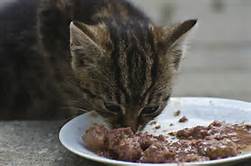
 A cat’s natural instinct—even a friendly, loveable housecat—is to hunt for food. And if left to their own devices out in the wild, cats would find their food in a raw, natural state.

 That’s why, with the proper preparation, knowledge, and veterinary guidance, a pet parent can provide their cat with a raw food diet that not only taps into their feline instincts, but keeps them healthy and strong too.

 Should Cats Have a Raw Food Diet?

 Cats, like dogs, can be fed a raw food diet, and some holistic veterinarians even recommend that pet parents should have this as part of their cat’s lifestyle. In fact, as Jodie Gruenstern, DVM, points out, a raw food diet may be even more important for cats than it is for dogs “because they are stricter carnivores than dogs.”

What Should Be Included in a Raw Food Diet for Cats?

 Gruenstern says there are four main components that need to be included in a raw food diet for cats. A balanced raw diet should include flesh, organs, a bone or ground bone and a small amount of vegetation.

In addition, Jill Elliot, DVM, explains that pet parents can also add calcium to a raw-food diet for cats. This can be administered through supplements and small amounts of cat-safe dairy products.”

 When planning a raw food diet for cats—whether preparing food at home or purchasing a commercial raw food from the pet store—it’s important to work closely with your veterinarian to ensure that your cat is receiving proper, balanced nutrition, and to decide which supplements need to be included.

You can also choose a commercially prepared raw cat food. These are available at many pet stores and come with a certification from the Association of American Feed Control Officials (AAFCO). AAFCO certified foods provide complete and balanced nutrition and do not require supplementation. This often takes the guesswork out if you’re considering switching to a raw food diet for cats.


What Are the Benefits of a Raw Food Diet For Cats?

 Gruenstern explains that the biggest benefit to a raw food diet for cats is the elimination of starch. Starches and sugars in cat foods may lead to health issues such as diabetes, inflammation, arthritis, urinary tract diseases, and obesity, she says.

 Erika Halle, DVM, agrees. “Obesity is still possible with raw food, but much less likely than with processed, high carbohydrate food.”

 Cats also need taurine in their diets (about 125 milligrams on average) to achieve maximum heart health. This essential compound is often damaged in the heating process of kibble cat foods. “Raw foods tend not to have this issue,” Halle adds, noting that a high volume of taurine is often found in muscle and heart meat that is often a part of raw food diets.

 How Early Can a Cat Be Started on a Raw Food Diet?

 As soon as a kitten is weaned from its mother, the feline can begin a raw food diet.

 Halle suggests feeding home cooked, dehydrated raw, or canned food until six months, then switching to fresh and frozen raw. “Once the system is mature at six months they are ready to handle a raw diet,” she says.

What Are the Best Foods For a Raw Food Diet?

 Variety is an important component of this meal plan for cats. Meats, like ground turkey, are the best option when it comes to a raw food diet for cats, but Gruenstern suggests providing a cat with a variety of meat. “That’s how you’ll minimize the repetition of a deficiency or an excess,” she says.

 One of Gruenstern’s preferred raw food meals for a cat is a whole quail, which can be fed half in the morning and then half in the evening. She explains that quail is a good choice for cats because their bones are a safe size and do not present a choking hazard for cats. Cats can also benefit from the oral care that bones—such as quail bones—provide. Of course, pet parents should monitor cats whenever they are eating bones to ensure there are no choking risks.

 Judy Morgan, DVM, recommends dark muscle meat from poultry and heart muscles in raw cat diets. She also recommends that pet parents include liver in raw food diets for cats. Both dark meat and heart muscle have high rates of taurine.

Morgan also suggests including whole eggs for the fat soluble vitamins (A, D, E, and K) found in the yolk, and the protein in the whites. Fish can also be included in a raw food diet for the omega 3 fatty acid content, she adds. According to Morgan, sardines are a good option because they are less likely to have a high concentration of heavy metals.


While veggies aren’t necessary in a raw food diet for cats, some vets like to add them into the food. “A small amount of pumpkin is a nice addition for the fiber it provides,” Morgan says. “A small amount of kelp will provide sodium and iodine. I also like to add about five percent ground veggies, which can include kale, carrots, zucchini, and parsley.”

 However, whatever meats and veggies you do decide to include in your cat’s diet, Gruenstern recommends adding a veterinary-recommended calcium source as well as freeze dried organs (including brain, spleen, kidney, liver, heart, and gizzards) to fill in any nutritional gaps.

 Commercial Raw Foods for Cats: What to Look For

 Commercial raw foods for cats are prepared foods you’ll find in stores, often found in a frozen or freeze-dried form. But, labels are important when it comes to deciding which raw food is best for your cat.

 “A few of the main differences among commercial raw diets is whether or not they’re high-pressure pasteurized, and whether or not they have synthetic vitamins and minerals,” explains Gruenstern. “In general, there’s lots of commercial raw diets that have attained the AAFCO certification [showing] they’re balanced in a variety of ways, just like kibble or canned food.”

 Finding a high-pressure pasteurized food is important because the pasteurization process destroys any pathogenic bacteria, says Gruenstern. This is especially important for cats that suffer from immune disorders such as feline leukemia or have been treated with steroids, which can weaken the immune system.

 Gruenster adds that most healthy cats are prime candidates for commercial raw pet foods, though she warns that pet parents should avoid foods with synthetic vitamins and minerals, since the concentrated vitamin form in synthetics may cause a toxicity in cats. “A toxicity occurs when high doses of [synthetic] vitamins are taken over a prolonged period of time,” adds Scerba.

 Raw Food for Cats: Home Preparation Tips and Safety Guidelines

 If preparing raw food for cats at home—whether feeding whole prey and parts or grinding the meats—pet parents need to take more precautions and steps to ensure the cat’s safety, as well as their own.

 “If you are making your own food, the meats should be purchased frozen, then thawed before serving or partially thawed before grinding and refreezing,” says Halle.

 “If raw diets are not formulated to be balanced properly, there can be nutritional deficiencies,” Halle notes. “And if the food is not handled appropriately there is a risk of foodborne illnesses like salmonella.”


Still, both Elliot and Gruenstern note that salmonella poisoning from handling raw foods for cats is very rare, and that as long as pet parents are taking all the proper steps (washing their hands, disinfecting surfaces and utensils, buying foods from a reputable source) they shouldn’t experience this problem.

Just be sure to wash out bowls after every feeding and don’t forget to refrigerate and put away any raw food after mealtime.

cat-fat


Muscle Testing

Muscle Testingcircle-muscle-test

Each body’s needs are different, and each body holds all the answers to what it needs. Kinesiology is simple, non-invasive, and inexpensive. It is a relatively recent methodology that is becoming more widely utilized by veterinarians, chiropractors, medical doctors, dentists, sports trainers and natural health care practitioners. For more than forty years the use of kinesiology has been developing and it has branched out in many directions. New information is unfolding all the time for use in treatment and prevention. Kinesiology, which works with the body’s own inner intelligence and ability to heal itself, can help determine the underlying cause of a problem and reveal what is needed to address it, by simply asking the body. But how is that done?

WHAT IS KINESIOLOGY?

Kinesiology is often described as “muscle testing”, a way to read the body by feeling a response from the muscles. Muscles are part of the body’s communication system and they provide a method by which the body can be read. This diagnostic and therapeutic system is based upon muscular reactions to specific questions, situations, or objects. Kinesiology takes the guesswork out of what and how to treat by allowing the body to reveal precisely where the problem is and what it needs to heal itself. Through muscle testing, the therapist can access the body’s communication system, gather information, act on the information received, and recheck to see if the treatment was effective.

Kinesiology and muscle testing can do miracles for healing health problems of people naturally, and it works even better on animals. This is because animals are less likely to eat the wrong food (as long as we feed them correctly) or to have emotional problems. And unlike some people, they don’t have subconscious thoughts which sabotage their desire to do what it takes to get well.

So why would you want to do muscle testing for a pet?  Simply, you can discover things about what might be causing your pet’s illness.

How Muscle Testing Is Done on Humansmuscle-test3

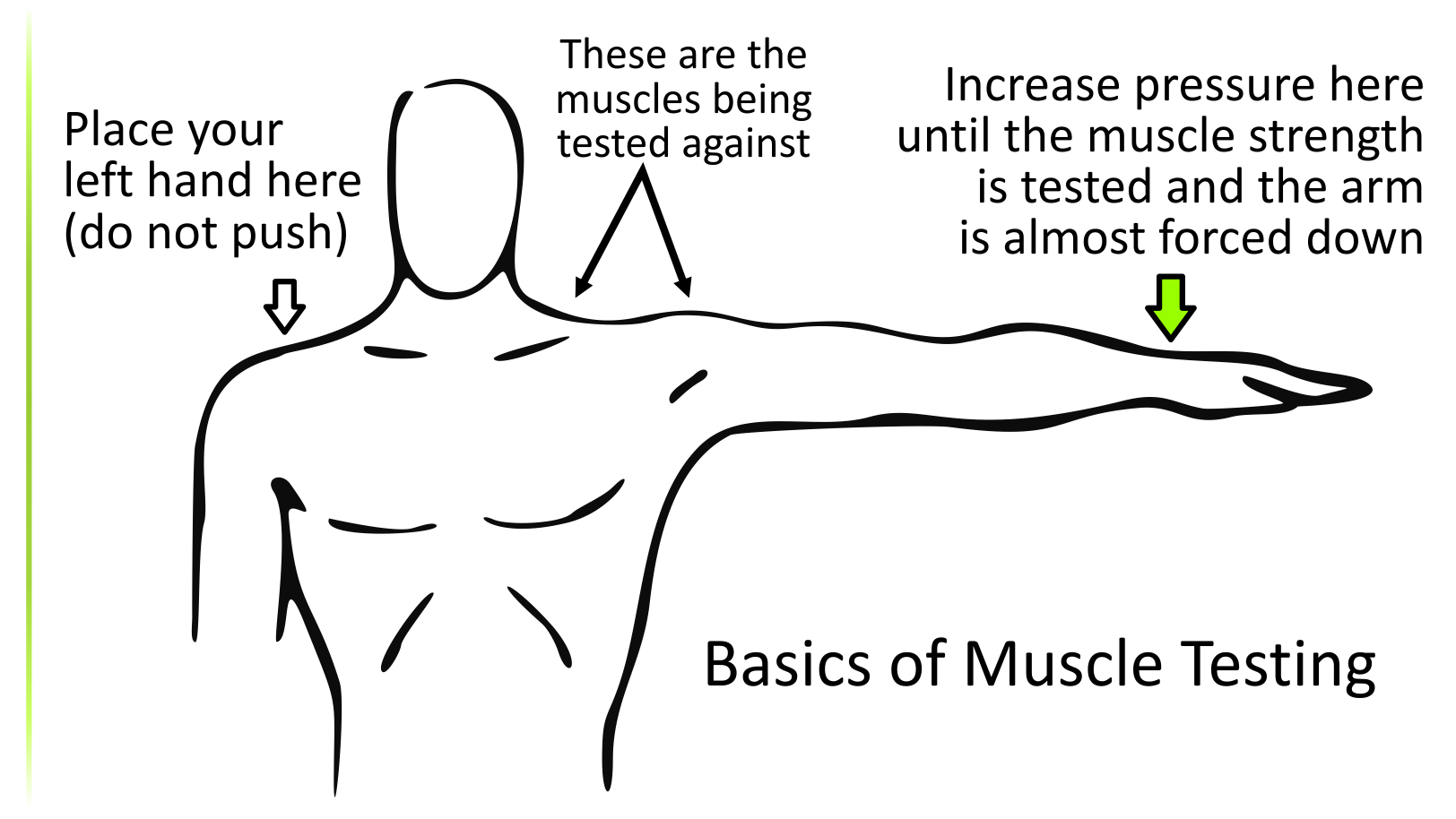
The normal way of testing is to use the extended arm, as though as a lever; held out perpendicular to the body (whether the subject is standing, sitting, or lying down doesn’t matter), it either can or can’t easily be pushed downward by the tester.  Usually, it’s a clear yes or no, and when it’s no, it’s really no!

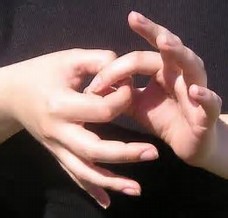
You can also test yourself by making an “O” from touching one’s thumb and little finger together, and seeing if one can easily break through the ring with a finger of the other hand.
Dr. Roger DeHaan, DVM, veterinarian and educator from Frazee, Minnesota, uses applied kinesiology along with several other complementary modalities in his veterinary practice.

“Kinesiology is utilized very successfully with animals,” he says. “Since they can’t respond to your command to resist with a muscle, you use a surrogate. I like to tell people it’s like a jumper cable. It’s just an electrical transfer. They’re touching the animal, I test their arm, and I test a point, and we have just completed an electrical circuit.”

He explains, “There are many different terminologies for testing, but all of them have to do with electromagnetic energy flow in the system. Every cell is like a microchip, with positive and negative energy flow. Cells have energy flow and glands have their unique energy flow; there’s a very complex electrical circuit within the body. There are different connections, points, and switches in the body, which is what we are testing.”

How Muscle Testing Can Be Done on an Animalmuscle-test-pet

You can use surrogate testing, having a person stand in, so to speak, for the subject being tested.  Simply put your hand on top of the surrogate’s body.  Energy from the subject flows through the surrogate, and the weakness or strength can be seen in the surrogate’s body. That way it’s possible to do muscle testing on an animal.

The surrogate keeps one hand on the animal and their arm outstretched to the side at shoulder height. The tester asks for resistance while he pushes down on the arm. Then a supplement or other substance to be tested is placed against the animal while the tester retests the strength in the surrogate’s resisting arm. If the resistance is stronger with the substance, it is considered a positive response and the substance is considered helpful. If the resistance is weaker, the substance is considered not helpful. Also, certain points on the animal’s body may be touched such as organ, gland, or infection points, to determine the source of some problems.

Who can be a Surrogate?

Not just anybody can be used as a surrogate. One’s own system has to be in good electrical condition. Says Dr. DeHaan, “If somebody has had a lot of operations, is taking medication, or has metal pins or plates in his body, his own system might not be working well, and he might not be a good pair of jumper cables. There is a way to test him for suitability, and if he’s not in good electrical condition, then you find somebody else.

“Likewise, the person who does the testing also has to be in good polarity, and needs to be in reasonable health with good electrical circuits. The human brain, which is part of the circuit, must be in a neutral mode and in a healthy state to get the proper results back. It’s like a computer. If you have some short circuits or bad information in it, then you don’t get the right information back.”

Kinesiology is trainable and teachable, and anybody can learn some but those who are gifted can be exceptional and often use more advanced forms. Those who have advanced training are far more accurate and get far more useful information than those who just do muscle testing or kinesiology in more subjective terms or with less learned methodologies.

Dr. DeHaan summarizes, “To me, kinesiology is a complementary medicine, meaning it complements other things. It is not something that stands alone all by itself. It’s a useful diagnostic methodology, a methodology for acquiring information. It is not 100% accurate, but I would say it is probably 90% accurate for those who are properly trained in it.”

Information obtained from Natural Horse Magazine who thanks Roger DeHaan, DVM, MTS  Roger DeHaan is a veterinarian with 32 years experience in natural animal care

=========


Cancer and Pets

Cancer and Pets

heart-rate-dog

Cancer picks on everyone including our beloved pets. Here are some facts you should be aware of:

50% of all disease related deaths in older pets is attributed to cancer

Both humans and animals can benefit from new treatment options that are supposedly just for pets

The usual preventative care can also help your pets prevent cancer so ensure they are spayed/neutered, have protection from the sun, are not exposed to cigarette smoke and have good oral care.

Look for persistent abnormal swelling, loss of weight and appetite persistent lameness and any sore that won’t heal as symptoms of cancer and have your pet checked right away by a vet

Cancer is not necessarily a death sentence because some cancers can be cured with proper treatment.

Chemo, immunotherapy and radiation are all the types of treatments that can be used on both humans and animals alike.

Animals don’t experience a lot of the crappy side effects that people do from cancer treatments—lucky them!


Thank you BluePearlvet.com for these insights

Exercise for an Arthritic Dog or Cat

By PetMD and Diane Weinmanndog-sit-ups

Just because you or your pet has arthritis doesn’t mean they are necessarily incapable of exercising. Staying active actually helps many arthritic pets that suffer from achy bones and joints.  I can personally attest to the fact that I am bone on bone in right knee and it feels better when I walk around than sit a lot.   It is, however, vital you follow these five exercise tips before you begin an exercise routine with your pet.  Make sure that if you are participating in the activity that you’ve talked with your doctor or trainer too and don’t over-do!  I can tell you I just recently did that and I had to ice, ice, ice my knee!

1. Consult Your Veterinarian First

A veterinarian will be better able to assist you in combining of exercise, diet, and medications or therapies which are targeted for your pet’s individual needs. A veterinarian can also help monitor your pet’s progress and identify any serious changes in health.

2. Go Low-impact

Light activities such as walking and swimming help strengthen muscles, keep ligaments and tendons flexible, prevent obesity and circulate blood to stiff joints. Keep them short but regular — 15-30 minutes of activities five days a week is a great start. Swimming is especially great for dogs with arthritis because the water supports much of the bodyweight and inhibits sudden excessive movements. Cats with arthritis, meanwhile, may not be as keen to get in the water but can participate in short sessions of gentle play. Just remember to avoid activities in which your dog or cat has to leap, jump, turn quickly or run. They can cause damage to your pet’s joints.

3. Warm Updog-tread-mill

A minute or two of walking or gentle playing before initiating low-impact exercise activities will help pets with arthritis move easier. It also helps reduce sprains, cramps, and muscle injuries as well as gradually increases their heart rate. If your pet is reluctant to start moving because of aching joints, try a little incentive like a small healthy treat or positive affection (petting, hugging, etc.). A positive exercise experience is a happy one.

4. Cool Down

Cool down periods are just as important as warming up for exercise. As your pet completes the exercise routine, they may be all wound up — jumping, running, or rough-housing. This is not good and can in fact be harmful. Try to calm them down and gradually reduce their heart rate to an optimal resting place. Cooling down also reduces stiffness and soreness by assisting the removal of lactic acids in the body. Massaging during “cool downs” improves the stiffness and muscle pain associated with arthritis too.

5. Watch for Signs of Exertion

Be sure to watch for heavy panting, pain or other signs of overexertion. If they do occur stop the activity immediately and consult a veterinarian. Pushing forward with the exercising can cause injury, especially if your pet isn’t accustomed to a lot of activity.

cat-weights 

Do you know how to Bandage your Horse?

There are right and wrong ways to bandage horses’ limbs, no matter the wrap’s purpose

By Christy Corp-Minamiji, DVM

wrap-polos-on-horse

At some point nearly every horse, from the fine-boned, flashy Arabian halter horse to the cowboy’s sturdy, no-frills roping mount, will sport a wrap or bandage on one or more legs. Just because we see bandages around the barn frequently doesn’t mean bandaging and wrapping are easy, and that bandages and wraps are interchangeable and always appropriate. Before you reach for the nearest roll of Vetrap or grab that splint boot out of your tack trunk, look at some of the basic principles behind bandaging or wrapping equine limbs.

Owners commonly apply bandages to shield recent wounds or tendon or -ligament injuries, to protect during shipping or performance, and to prevent fluid accumulation in the limb (“stocking up”) during stall rest. Reid Hanson, DVM, Dipl. ACVS, ACVECC, professor of equine surgery and lameness at Auburn University’s College of Veterinary Medicine, in Alabama, adds topical dressing application, immobilization, and support to this list. However, bandaging and wrapping, while useful, are not wholly benign. Improper application and/or use of an inappropriate bandaging material can do more harm than leaving the leg unwrapped.

Architecture of a Bandage

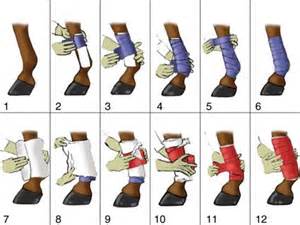
Bandage design varies according to purpose, but most bandages include the same two to three layers:

·         Topical dressing, which might be a liniment, medicated pad, ointment, or powder. These are generally used in horses with injuries or skin conditions.

·         Thick cotton padding such as practical (roll) cotton, layers of sheet cotton, cast padding, or fabric quilt or pillow wraps.

·         Compressive/securing layer such as stable/track bandage, Vetrap, gauze, polo wrap, elastic tape, or stockinette.

Of course, veterinarians might modify or augment this basic structure to suit particular circumstances. They might recommend adding splints or bandage casts to provide immobilization in the case of a wound in a high motion area or with a severe tendon injury. As for protection, owners might use Velcro-style shipping boots, single-layer devices that provide skin protection but little compression. In contrast, some wraps and boots intended for performance might provide focal protection suited to a particular sport.

And some might not look like a traditional or prefabricated bandage at all. For some wounds, such as those in areas that are difficult or detrimental to immobilize or where topical medication application is the main requirement, Hanson describes a minimalist wound covering technique known as the “Jolly method.” This technique uses Velcro tabs to secure a wound dressing and a stockinette tube as covering.

wrap-horse-hock

Bandage and Wrap Uses

Wounds Owners and veterinarians commonly bandage limbs to protect wounds and surgical sites. A bandage can prevent contamination, provide compression to minimize swelling, hold topical medications against the wound, reduce motion of the wound edges, and keep the exudates (pus) in contact with the wound.

Although exudate triggers an “ick” response in many people, that yellowish slime serves a critical purpose in the healing process. “The exudate has all of the cytokines (cell-signaling proteins) that -produce healing,” says Hanson. Many horse owners “see exudate and assume (the wound) must be infected, and so they get their iodine scrub and clean it,” but Hanson cautions against this. By scrubbing a healing wound, “they’ve removed all the good juice that allows it to heal.”

Hanson prefers using an acemannan (an aloe vera derivative) wound cleanser that is gentle to the tissues. “You should not clean a wound with anything you are not willing to put in your eye’s conjunctival sac,” he notes as a rule of thumb.

Excessive swelling or motion of the wound edges can delay wound margin contracture, a major step in the healing process. A bandage that applies compression can help prevent fluid from accumulating in the limb in response to injury and reduce this swelling.

To reduce movement, however, the veterinarian might need to amend the basic bandage design. A standard soft wrap-type bandage often does not provide sufficient immobilization regardless of how thickly or firmly it is applied. Where immobilization is required, Hanson recommends using a splint or bandage cast.

For most limb wounds, Hanson suggests applying both a primary and secondary bandage. Once a veterinarian cleans and debrides the wound appropriately, Hanson recommends applying a medicated dressing (such as an acemannan hydrogel or calcium alginate dressing) as the primary bandage to promote autolytic debridement (use of the body’s own enzymes and moisture to liquefy and remove dead tissue). In most cases he will cover this dressing with a thick layer of padding and secure it with a wrap material. If the area requires immobilization he will then apply a secondary bandage, such as a splint or a semisoft bandage cast. Hanson prefers bandage casts over traditional hard casts because he believes they produce fewer complications, such as cast sores, and generally the horse can be sent home rather than having to remain in a hospital for monitoring.

Tendon or ligament injuries Wrapping legs with suspected or diagnosed tendon or ligament injuries has its pros and cons. A wrap can control swelling and provide some support to a leg with what Hanson refers to as a classic mid-tendon bow. “However, if the injury was the result of a bandage bow (caused by a too-tight or inproperly applied wrap), I probably would not use a wrap,” he says.

While these wraps generally do not require a dressing, pay attention to the bandage basics of using padding and applying even tension. Hanson does not believe placing a support wrap on an uninjured leg is necessary.

Julie Dechant, DVM, MS, Dipl. ACVS, ACVECC, associate professor at the University of California, Davis, School of Veterinary Medicine, comments that wraps alone do not give “enough support to provide true protection for tendon injuries. We certainly use (them), but in any severely damaged tendon a bandage alone is not enough support.” In these cases, says Dechant, a splint will most likely be required.

Shipping Owners can apply wraps and/or shipping boots to trailered horses’ legs both to protect the leg from trauma and provide support. Hanson notes that he sees horses arrive at the Auburn teaching hospital in one of two types of shipping wrap: the quilt and wrap type or a more modern shipping boot with Velcro closures. Overall, Hanson prefers the quilt and wrap style, feeling that it provides “support, compression, and protection.”

However, he notes that prefabricated shipping boots can provide more complete protection of the leg, covering the coronary band. “It seems that if someone was really concerned about protection, a combination of the styles might be best,” he says. “Bell boots that cover the coronary band are a nice addition to the (quilt and wrap) bandage if one is concerned with protecting that area from injury.”

Dechant believes that shipping boots are useful during travel, but owners need to be sure the boots fit well so they don’t trip up the horse. She agrees with Hanson that “if you’re only covering the cannon, (the boot or wrap) is not as useful in the trailer where the horse is more likely to step on itself.”

Dechant recommends getting the horse accustomed to having wraps or boots on his legs prior to shipping to avoid trauma from panicking in the confines of the trailer.

Confinement Owners can use standing wraps to minimize limb swelling in a stall-confined horse. Dechant says that “whenever standing wraps are placed, they need to be monitored daily and ideally reset at least once per day.” This way owners and managers can ensure the wrap is not tightening or loosening inappropriately and that no debris has worked its way inside the wrap, where it might cause a sore.

Performance Wraps, bandages, and boots are used in a wide variety of equine performance disciplines for protection and, in some cases, support. Dechant emphasizes the importance of clean, well-fitting, and situationally appropriate equipment. “It’s important to apply and use it in the intended manner,” she says. “Some wraps intended for performance are not meant for horses standing in the stall, where they may not have the same degree of blood flow.” Also, cautions Dechant, many performance wraps have less padding, so owners need to be aware of precise application with appropriate pressure.

Bandaging Demystified

Equine wraps and bandages are sort of like sushi: The menu of supplies is extensive, and everyone has an opinion about the “right way” to combine them. While it is true that inappropriate bandage application can cause as many problems as a well-applied bandage can prevent, following these common sense steps can result in successful bandaging:

1. Keep everyone safe. Preventing human injuries is just as important as treating or preventing equine ones. The person applying the bandage should avoid kneeling or sitting on the ground, says Dechant, and should instead crouch, ready to move out of the way if necessary. She also recommends having a competent handler hold the horse during the process. Bear in mind, too, that some horses initially resent wraps on the hind legs, especially over the hocks, so it’s best to apply these in an open area in case the horse kicks out.

2. Don’t skimp on the padding. “Insufficient padding is going to cause a bandage bow,” says Hanson. Padding should be clean, dry, and in reasonable shape, Dechant adds. Since the idea of the padding is to protect the leg, it’s important to avoid incorporating frayed bits of padding or fill that contains wrinkles or bunches–these can cause pressure points under a bandage.

3. Keep it even under pressure. Remember that “anything directly against the skin should not be applied with any tension at all,” Dechant says. But uneven tension in a bandage’s securing layers also can potentially cause tendon damage. “You want an even distribution of compression along the leg” with this layer, too, says Hanson.

“The key is to apply it firmly but not too tightly,” Dechant adds. If using Vetrap or a similar flexible bandage to secure the padding, she suggests applying enough tension to remove 80% of the wrap’s innate “wrinkles.” She also stresses the importance of overlapping layers of bandage by 50% to avoid having edges of the wrap material dig into the leg.

Using a neatly and tightly rolled bandage will ease application and reduce the need to pull against the horse’s leg and sensitive tendons to tighten the wrap. This will also help ensure the bandage is as smooth against the horse’s leg as possible to avoid uneven pressure.

4. Choose your own direction. Despite barn lore to the contrary, neither sources believe the direction a wrap is applied is critical. “Counterclockwise vs. clockwise is less important than technique,” says Dechant. “I don’t think the tendons care if they’re rolled to the outside or to the inside. However, each layer should be rolled the same (direction).” Hanson agrees with Dechant, noting that he hasn’t come across anything in literature to suggest wrapping in one direction or the other is superior. It is, however, important to be consistent in your technique and not to pull too tightly across the tendons.

5. Keep it clean. Shavings, straw, dirt, and moisture can irrate the skin and increase the risk of a wound becoming infected. Start with clean, dry materials and check the bandage frequently for damage, dirt, or moisture. To seal out debris, Dechant recommends securing the top and bottom of a disposable-type wrap with elastic tape such as Elastikon.

Take-Home Message

Bandages and wraps have numerous uses in the horse world but like many things, they can cause good or ill. Proper materials, application, and devices for the case at hand are all critical to safe and successful bandaging. Equally important is experienced instruction, as the information in this article can in no way replace a veterinarian’s experience and advice.


Clipping A Bird’s Wing

bird-wing-cockatielClipping your bird’s wings can seem like a daunting task, and indeed it takes patience and practice to master. In the wrong hands, wing clipping can be a bit risky, but if you have a steady hand and are good at following directions, then you should be able to minimize any hazards and do a good job. By following a few simple steps, you can learn to safely clip your own bird’s wings at home without having to make frequent vet visits and playing fees to have it done for you. If you feel like you can confidently complete the task yourself, read on for instructions and advice that will help you along the way. Always keep safety as your first priority, however — if you are unsure of your ability to safely clip your bird’s wings, or if you become nervous even in the middle of doing a trim, it’s always best to stop and take your bird to an avian veterinarian to have the procedure done.

Fetch your bird first aid kit. Although you know you are going to do everything you can to minimize the risk of injury to your bird, accidents can and do occur, and it’s better to be safe than sorry! Before you begin clipping your bird’s wings, get your bird first aid kit and have it handy nearby. In the event of an unforeseen emergency, it will be helpful for you to have quick access to your bundle of medical supplies.


  • Select a quiet location. Choosing a good location for you to clip your bird’s wings will help keep your pet as calm as possible during the process. Try to choose a location away from your bird’s cage, away from any loud, sudden noises, and away from the traffic of the household. Removing your bird from areas that they are familiar with will make them less likely to jump or fight while they are getting their wings trimmed, so a quiet spot like a spare bedroom or bathroom is ideal.
  • Recruit help if necessary. The very first time to clip your bird’s wings, and subsequent times until you are confident that you can handle the procedure yourself, it’s a good idea to have a friend or family member help restrain your bird for you while you do the trimming. Most wing clipping accidents stem from trying to work on birds that are not properly restrained, so you can minimize a great deal of risk by having a partner help you while you are learning.
  •  
  • Restrain your bird using a towel. By “toweling your bird“, you will put your bird into a comfortable but secure position so that you can examine the wings and trim the necessary feathers without fear of being bitten or scratched while minimizing the risk that your bird will be able to jump, twist, or lunge. This makes the wing clipping process much safer for all involved.
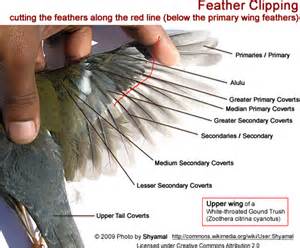
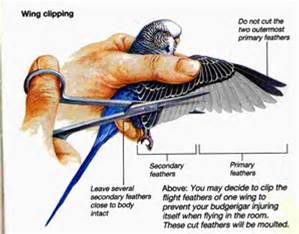
  • Clip only the primary flight feathers. Different people like different styles of wing-clipping, but in general, the most widely accepted, efficient, and effective method is to clip only the first five primary flight feathers on each of your bird’s wings. These feathers, along with an approximate location to start the trim-line, are highlighted in green in the accompanying photo. When trimming the feathers, be sure that you use sharp scissors and avoid cutting into feather shafts that appear dark in color. A dark feather shaft indicates a blood feather, which can cause serious problems if broken or cut. If you do happen to catch a blood feather between your blades, check here to find out how to fix a broken blood feather.

Once you are done clipping your bird’s wings, place the bird back inside of its cage and allow it to rest for a couple of hours. Wing trims can be very stressful for pet birds, so allowing them time to relax and recoup their strength before any further interaction is imperative. After several sessions, however, your bird should become more used to wing trims, and become more agreeable during and after the procedure.

You can re-trim your bird’s wings anytime it becomes necessary and you see your bird regaining full flight. In general, this occurs every 4 to 6 weeks as old feathers are molted away and new ones grow in. Each time, even as you become more confident in your wing clipping prowess, keep safety as your top priority. Doing so will ensure that you and your bird will have many more happy times together.

clip-birds-parakeet


How to Make a Portable First-Aid Kit for Horses

portable-first-aid-kit-lori-schmidt

Every horse owner should have an equine first-aid kit in their barn and trailer. There are a variety of equine first-aid kits commercially available, ranging from less than $50 to more than $500. While the expensive kits offer a great deal of diverse treatment options, most horse owners can get by with a more affordable homemade kit for travel.

The Bucket The first step in making your own portable first-aid kit is locating a suitable bucket. A 5 gallon bucket with a snap on lid is the best option. If you don’t have a good bucket (with a lid) you may be able to get one from any of several community locations. Many delis, bakeries, and other food producing companies buy supplies (like pickles, frosting, and filling) by the bucket. When the contents of those buckets are used the facility is left with disposal. When you ask for a bucket you may want to specify the size (5 gallons) and that it have a lid. Smaller buckets may also be available and they can be useful for other things. If you cannot find a free bucket you should be able to buy one from a local feed, supply, or tack store.

The bucket serves two purposes: 1. It is a container to hold your first-aid kit items together and keep them clean; 2. It can be emptied and used as a bucket for first-aid purposes like washing wounds. Before you begin assembling your first-aid kit, thoroughly clean and dry your bucket. There should be no residue, lingering scent, or moisture in the bucket.

Filling the Bucket Supplies for your portable first-aid kit should be carefully selected to fit inside the bucket. Liquid and gel topical medications can be transferred from larger containers into smaller leak proof applicators. Leave the larger containers at home where you have more storage room. Travel shampoo containers work well for both liquids and gels. Small size Tupperware or Rubbermaid type food containers are also handy for holding more solid compounds, and organizing supplies.

Dry Supplies You’ll Need:

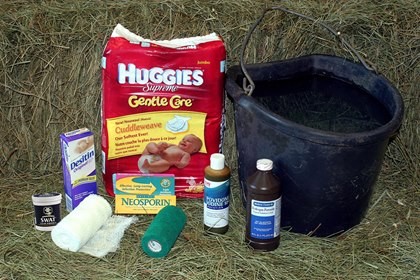
  • 16″ Combine Bandage
  • 4 – 3×4″ Non-stick Telfa Pads
  • Vetwrap
  • 5 – Wooden Tongue Depressors *
  • 4 – 10 cc. Syringes **
  • 4×4″ Gauze
  • Epsom Salt
  • Thermometer
  • Stethoscope
  • Scissors
  • Tweezers/Forceps
  • Duct Tape
  • 4 – Disposable Diapers ***
  • Gloves
  • Clean, Small Towel(s)
  • Hand Sanitizer
  • 2- 6″ Sections of Rubber Tubing ****
  • Small Flashlight

Wet Supplies You’ll Need:

  • Alcohol Preps OR 4×4″ Gauze in a container with ample Rubbing Alcohol
  • Betadine
  • Dawn Dish Soap OR Betadine Scrub OR Chlorhexidine Scrub
  • Triple Antibiotic Ointment
  • 1 Gallon Bottled Water
  • Antiseptic Wound Spray

You should talk to your veterinarian about other prescription medications to include in your portable first-aid kit like anti-inflammatories, analgesics, and tranquilizers. Some prescription medication may require special handling and storage and might have to housed in a location other than your handy first-aid bucket. Once the bucket is filled just snap on the lid and you are ready. As you deplete supplies from the kit simply replace them from your barn supply. It is important that you not only carry these items, but also know how to use them. To learn more about providing first-aid care for your horse, talk to your veterinarian or attend a training conducted by a veterinarian.

*Tongue depressors can be used to apply topical medication without contaminating the wound or the medication.

**You probably noticed that this list includes syringes but not needles. For a basic first-aid kit, without any injectable medication, you don’t need needles. The syringes can be used to flush wounds. A 10 cc syringe is especially nice as you can draw up 2 cc of Betadine and then fill the remainder of the syringe with water for safe flushing of punctures and other open wounds.

***Diapers work great for packing hooves and they are very absorbent and can also be used to staunch the blood flow from a seeping wound.

****Rubber tubing can be inserted into the horse’s nostril and secured, to keep the horse’s airway open in the event of snakebite, excessive bee stings, or other bites that cause severe swelling of the face.


Cat’s Weight and Healthy Treats

By Dr. Becker and comments by Diane Weinmann

cat-hunting-outside

It’s a fact that almost 60 percent of house cats in the U.S. are overweight or obese. It’s also a fact that the formula for a fat cat is:

  • An inappropriate diet, including junk food treats
  • Free feeding and/or over feeding
  • Insufficient exercise

If you’re the parent of a corpulent kitty and you’ve committed to dieting your furry family member down to a healthy weight, the first step is to make a slow, gradual switch from dry food to canned food, then to either a balanced homemade or commercially prepared species-appropriate diet.


One cat I know is hugely overweight because he gets too many treats and not enough exercise.  This is your typical scenario but there are many ways to change the outcome for this chubby kitty.

Here’s What Biologically Appropriate Cat Food Looks Like

“Species-appropriate” for cats means a diet of animal protein that is moisture-rich and very low in carbohydrates. For example, a popular commercial raw organic chicken diet for cats consists of 98 percent chicken necks (with ground bone), backs, thigh meat, gizzards, livers and hearts.

The manufacturer adds a small amount of fish oil and a nutrient mix that includes important trace minerals, sea salt and vitamins from natural sources, as well as organic psyllium husk fiber.

There are no grains in this diet, and the protein comes from real meat, not vegetables, not plants and not meat byproducts. This meat-based diet is best fed raw, or very gently cooked.

How Much Should Your Cat Eat Every Day?cat-with-feather

Since a fresh food diet can’t be free-fed due to spoilage, you’ve solved two problems at once by transitioning your chunky kitty away from kibble. Most likely you’re feeding two meals a day, morning and evening, so now the goal is portion control of those two meals to insure you’re not overfeeding.

Let’s say your chunky kitty weighs 18 pounds and you and your veterinarian believe his ideal weight is 14 pounds. The following formula will give you the amount of calories he should consume each day to lose those 4 pounds. First, convert his goal weight to kilograms by dividing by 2.2:

14 pounds divided by 2.2 = 6.36 kilograms

Second, multiply the kilograms by 30 and then add 70:

6.36 kilograms x 30 = 191 + 70 = 261

Third, multiply that result by 0.8:

261 x 0.8 = 209

Your 18-pound cat should eat 209 calories a day, or about 104 to 105 calories at each of his two daily meals, to reach his 14-pound goal weight. If you also offer him treats, you’ll need to determine how many treat calories you’re feeding, and reduce the amount of food accordingly to maintain the 209 calories-per-day total.

This isn’t something I recommend you do on a regular basis because treats — even homemade ones — don’t offer the balance of nutrients found in a species-appropriate, fresh food diet.

In addition, most processed pet treats are loaded with sugar and preservatives. Most cats will transition from junk food treats to cubed low fat meats quite easily. But surprisingly, many cats will also eat fresh produce (think “roughage”), and there are some fruits and vegetables you can safely feed to your cat as occasional treats that are high in antioxidants and fat-free.  Shown below is a list of these fruits and veggies:

Cat Safe Veggies and Fruits for Snackingcats-safe


✓ Apple slices (no cores or seeds) — contain powerful antioxidants and vitamin C ✓ Kale — loaded with vitamins (especially vitamins K, A and C), iron and antioxidants
✓ Cantaloupe — loaded with vitamins C and A ✓ Baked sweet potatoes — rich in beta-carotene and antioxidants, high in vitamins A and C
✓ Bananas — a rich source of potassium and fiber ✓ Steamed green beans — contain vitamins A, C and K, beneficial minerals and beta-carotene
✓ Baked carrots — low in calories and high in fiber and vitamins ✓ Steamed spinach — has anti-inflammatory properties
✓ Steamed broccoli — contains healthy fiber and beneficial nutrients including potassium, calcium, protein, and vitamin C ✓ Steamed asparagus — a rich source of vitamins and minerals
Fermented veggies — potent detoxifiers that contain high levels of probiotics and vitamin K2 Cooked or canned 100 percent pumpkin — an excellent source of fiber, vitamin A and antioxidants.

All the fruits and vegetables above are safe for cats. If your kitty will eat them, remember to:

  • Cook the veggies to prevent choking and improve digestibility
  • Serve them plain (no sugar, salt, spices, butter or other additives)
  • Offer them only occasionally, and in very small portions

Foods you never want to offer your cat include onions, garlic, chives, grapes and raisins.

5 Tips for Helping Your Cat Exercise

  1. Make sure kitty has things to climb on, like a multi-level cat tree or tower.
  2. Invest in a laser toy, either an inexpensive one, or something a bit more sophisticated like the Frolicat™ line.


  1. Choose toys and activities that appeal to your cat’s hunting instinct.
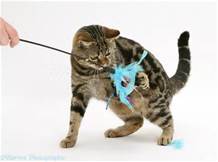
  2. Don’t overlook old standbys, like dragging a piece of string across the floor in view of your cat. Ping-pong balls are another oldie but goodie, along with bits of paper rolled into balls, and any light object that can be made to move fast and in unexpected ways.
  3. I also recommend walking your cat in nice weather using a harness. This gets him out into the fresh air, stimulates his senses and gets his paws in direct contact with the ground.

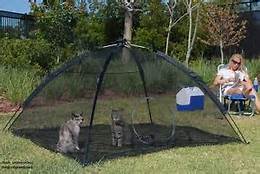
An alternative is a safe, fully enclosed porch or patio area that prevents your cat from getting out and other animals from getting in.


A cat companion that is a healthy weight will be more likely to feel better, have less vet visits and provide many more years of fun together than an overweight pet.  My question to all cat owners is how much do you love them?  Enough to keep them healthy and provide the environment they need to excel?  I know the pitfall of providing treats to show love but playful  affection is a much better choice for your kitty’s wellness!


Cushings Disease in Dogs

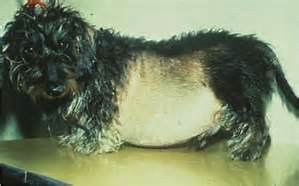
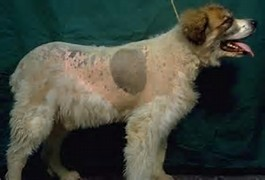
cushings-in-dogCushing’s syndrome happens when your dog’s body makes too much of a hormone called cortisol. This chemical helps him respond to stress, control his weight, fight infections, and keep his blood sugar levels in check. But too much or too little of it can cause problems.

Cushing’s, which is also known as hypercortisolism and hyperadrenocorticism, can be tricky for a vet to diagnose, because it has the same symptoms as other conditions. The key is to let your vet know about anything that’s different about your pet.

The diagnosis of Cushing’s can be done with several blood tests. A general hint of Cushing’s can be obtained by a blood panel. To confirm it, a test known as a low dose dexamethasone test is done. A baseline blood sample is drawn in the morning, an injection of dexamethasone given and a follow-up blood test done 8 hours later. In a normal dog, the dexamethasone should suppress cortisol levels in the blood stream. In Cushing’s disease this effect does not occur. Once the disease is diagnosed, it is possible to differentiate between the adrenal tumors and pituitary gland tumors using a second test, a high dose dexamethasone suppression test. Most dogs with pituitary tumors will have cortisol suppression on this test. There are other tests used, including ACTH response tests and urine cortisol/creatinine ratios to diagnose this disease. X-rays and ultrasonography can help determine if an adrenal gland tumor is present.

If it can be determined that there is an adrenal gland tumor, it can be removed. Many veterinarians prefer to have a specialist attempt this since the surgical risks can be high. Pituitary gland tumors are not usually removed in veterinary medicine. This situation is treated using Lysodren (o’p’-DDD, which is a relative of DDT) or ketaconazole. Some research with Deprenyl for treatment of this is being done, too, I think. Lysodren selectively kills the outer layer of the adrenal gland that produces corticosteroids. By administering it in proper amounts it is possible to kill just enough of the gland off to keep the production of corticosteroids to normal levels. Obviously, close regulation of this using blood testing is necessary since overdoing it can cause severe problems with Addison’s disease – hypoadrenocorticism. Adverse reactions to Lysodren occur at times but it is the standard treatment at this time. Over medication with Lysodren can cause inappetance, vomiting, diarrhea, lethargy and weakness. If any of these signs occur then your veterinarian should be immediately notified.

There are two major types that affect dogs:

  • Pituitary dependent. This form is the most common, affecting about 80% to 90% of the animals who have Cushing’s. It happens when there’s a tumor in a pea-sized gland at the base of the brain, called the pituitary.
  • Adrenal dependent: This type comes from a tumor in one of the glands that sit on top of the kidneys, called adrenal glands. About 15% to 20% of diagnosed dogs will have this type.

Another kind, called iatrogenic Cushing’s syndrome, happens after a dog has taken steroids for a long time.

Treatment

Treatment consists of several different options. Depending on the type of disease, surgery can be performed. If an adrenal tumor is identified, then surgical removal may be a viable option. There are several different forms of tumors that can invade the adrenal gland and their treatment will be based on the particular tumor type.

Nonsurgical treatment is the most common treatment for canine Cushing’s disease.

Non surgical treatment is the most often used treatment for most cases of canine Cushing’s disease. About 80% of the cases of Cushing’s disease in the dog are of the pituitary type, and since both the adrenal and the pituitary type will respond effectively to some of the oral treatments, many veterinarians do not perform the diagnostics necessary to distinguish between the two different forms. There are currently several different oral medications being used to treat canine Cushing’s disease.

Lysodren: Until recently, Lysodren (also known as mitotane, and o,p’-DDD) was the only treatment available for pituitary dependent Cushing’s disease. It is convenient to use and is relatively inexpensive and is still probably the most widely used treatment. The downside of this drug is that it can have some serious side effects and regular blood-monitoring needs to be performed. During the initial phases of the therapy, the dog must be very carefully monitored, and there must be close communication between the veterinarian and the owner.

The use of Lysodren is somewhat like chemotherapy. It works by destroying cells of the adrenal gland that produce the corticosteroid hormones. As the number of corticosteroid-producing cells is reduced, even though the pituitary gland continues to produce excess ACTH, the adrenal gland is less able to respond, so the amount of glucocorticoid being produced is reduced. The problems arise when too much of the adrenal cortex is killed off. The animals may then need to be placed on prednisone, either short or long term. The Lysodren is initially given daily while the animal is being monitored for a decrease in the symptoms (water consumption, appetite). On the 8th or 9th day of the initial therapy, the dog needs to be examined and an ACTH stimulation test is performed to determine if the drug is working. If the goal is achieved, maintenance therapy is started. If the goal has not been reached, then the dog generally remains on the daily medication for 3 to 7 additional days and is rechecked until the proper results are achieved. If the dog becomes lethargic, vomits, or has diarrhea, or if the treatment does not work by 30 days, then the treatment plan is reevaluated. If treatment is successful, then symptoms should resolve within 4 to 6 months. A certain percentage of dogs will relapse and need to undergo the daily therapy again at some point in their lives. If a dog ever becomes ill while on Lysodren, the Lysodren should be stopped immediately and the dog should be examined by a veterinarian. If the therapy is successful, the dog will need to be on Lysodren for the rest of his life.

Trilostane: Trilostane is a newer treatment that is used to treat some dogs with Cushing’s disease. It is more expensive, but may be an alternative treatment for dogs with adrenal tumors. As with Lysodren, the dog is reexamined repeatedly during the initial phase of treatment, and ACTH stimulation tests are performed. In many cases, after several months of therapy the dose needs to be increased.

Ketoconazole: Ketoconazole is an oral antifungal agent that has been used extensively since the mid 80s. One of the side effects of ketoconazole is that it interferes with the synthesis of steroid hormones. It therefore gained some popularity as a treatment for Cushing’s disease. However, it is rarely used today.

L-deprenyl (Anipryl): L-deprenyl (Anipryl) has been advocated for the treatment of Cushing’s disease in dogs, but its effectiveness has come into question.


Adrenal Harmony Gold for Dog Cushings from Pet Wellbeing

http://www.petwellbeing.com/products/dog-adrenal-glands?mkwid=Nv9L78CC_dc&pcrid=6163978366&pmt=e&pkw=cushing’s%20syndrome%20in%20dogs

  • Fresh Ashwagandha root (Withania somniferum):  A primary adaptogen in this formula, Ashwagandha assists the adrenal glands directly to respond normally and produce healthy amounts of cortisol. This is a well-known herb for helping the body’s stress levels and supporting normal, restful sleep.
  • Holy Basil leaf (Ocimum sanctum):  Also called Tulsi, Holy Basil is a gentle adaptogen for supporting the adrenal glands. Of key importance, adaptogens will neither cause the body to relax nor become stimulated, necessarily. Rather, their action is to assist the body to adapt as needed and bring it back into balance. For that reason, adaptogens are used for a variety of reasons when normal adrenal function is desired.
  • Fresh Turmeric rhizome (Curcuma longa):  One of the best antioxidant herbs available, Turmeric also supports liver health. Turmeric can be difficult for the body to absorb. Our extraction method using fresh, organic Turmeric is an extremely potent liquid extract, much stronger than a simple glycerin extraction and captures all of the useful constituents of this herb, including curcumin and other curcuminoids.
  • Bacopa herb (Bacopa monnieri):  Bacopa exhibits uses both as an adaptogen and as an antioxidant. It has also been used for stress and is said to generally contribute to healthy moods and cognitive function.
  • Sarsaparilla root (Smilax officinalis):  A traditional herb of the south western United States, Sarsaparilla has a long-standing use for helping the body to normally excrete excess toxic materials through the lymphatic system. It has also been used to support liver function and healthy blood pressure levels.
  • Astragalus root (Astragalus membranaceous):  Another popular “adaptogen”, Astragalus helps the body’s normal ability to adapt to stress. It also contains polysaccharides, constituents that assist the body’s normal immune response to fight off bacteria and viruses.
  • Milk Thistle seed (Silybum marianum):  A gentle and effective herb for normal liver function, Milk Thistle supports the liver’s metabolization of drugs and toxins for excretion. Another function of the liver is to denature (take apart) circulating hormones, thereby helping to keep the balance of hormones in the body.
  • Blessed Thistle flower (Cnicus benedictus):  Blessed or Holy Thistle has similar uses as Milk Thislte for liver support. Additionally, it has been shown to exhibit support for the immune system and digestion.
  • Chaste Tree berry (Vitex agnus-castus):  Used for its gentle, tonic action on the anterior pituitary, Vitex is an amphoteric herb, meaning it will help maintain normal hormonal levels, rather than cause them to go higher or lower. Vitex is included in this formula for its affect on the pituitary’s action in adrenal hormone regulation.
  • Prickly Ash bark (Zanthoxylum americanum):  Used by many First Nations communities at one time, the bark of the Prickly Ash tree has been termed an “alterative”, meaning that it will help support normal flow of lymphatic circulation. It also helps maintain normal arterial and capillary circulation.


Essential Oils for Cushings

http://www.animaleo.info/adrenobalance.html

dog-cushings