Benefits of Apple Cider Vinegar for Dogs

apple cider vinegar

Apple cider vinegar is great for people but did you know that dogs can benefit from it too?  Here are some ways you can help your dog with apple cider vinegar:

  • External: Use it after a shampoo for dogs with sensitive/itchy skin
  • Internal: Prevents bladder stones, kidney infections and urinary tract infections
  • Internal: Soothes upset tummies, remedy gas, constipation and food poisoning
  • Internal: Great for arthritis, joint and hip problems
  • Internal: Great for the digestive tract, which means that it improves the immune system, helping to prevent infections and disease

How Much Apple Cider Vinegar Do We Give Dogs?

If using topically, dilute 50/50 with water before applying to a sore on the skin. If you’d like to include it as part of your dog’s diet (this is the part I’m interested in), dilute it 50/50 with water and add a teaspoon per 15 pounds of your dog’s body weight.

  • Neko = 65 pounds = 4 teaspoons

Explaining the Many Colors of My Dog’s Poop

by Kimberly from Keep the Tail Wagging Blog and Diane Weinmannhungry-dog-5434576

Background info—  Keep the Tail Wagging blog is about feeding your dog raw food.  This is their experience but we can all learn from the information that they have brought forward.

For the most part, our dogs’ poop changes given what you are feeding them–and you may find this to be true also – poultry yields lighter poop, red meat yields darker poop.  But that’s not all.

What Does Grey Dog Poop Mean?

Let’s start with grey poop, since that’s what inspired this post.  When I Googled “grey poop” I found that Rodrigo could be experiencing a blockage of the bile duct.  It turns out that the reason dog poop is brown is because of bile and if our dogs’ poop is grey or light in color…

  • the right amount of bile isn’t being produced,
  • gallstones are developing,
  • or there is a blockage of the bile ducks

Source: WayCoolDogs.com

What Does White Dog Poop Mean?

When their dog’s poop is white (or a super pale color), then he has too much bone in his diet. He will have white poop after a few meals of turkey or duck necks. The bone content in turkey and duck necks is pretty high, so I’ve started mixing in ground duck hearts when I mix up our dogs’ weekly meals.

Hearts are classified as meat, not organ meat, and helps to bring the meat to bone ratio into a better balance for our dogs.  Take care in how much heart you add to a dog’s meal, because they are rich and can lead to diarrhea.  When I mix up a 20 pounds of dog food, the hearts make up 5 pounds.

I mix the meat with The Honest Kitchen to finish off their balanced raw meals.

Dog Poop that Starts Out as Brown, but Turns White

Sometimes their dog’s poop will start out as brown, then slowly turns white over a day or two.  They’ve noticed that this happens if  they feed him raw ground turkey from the grocery store.  The bacteria in meat that we buy at the grocery store is higher than the meat they buy through our co-op, because…

  • the meat arrives at our grocery store thawed out (the co-op meat is always frozen),
  • it’s immediately set out for sale under temperatures that don’t kill or slow the growth of bacteria,
  • and the meat isn’t intended to be fed as raw dog food; it’s intended to be cooked.

They no longer feed our dogs meat from the grocery store unless they cook it first.  When they notice their dog’s’s poop changing color, they add a little more FullBucket or In Clover OptaGest to his meals or give him raw goats milk for a few days.  They either add it to a meal or  give it to him separately as a yummy, cool treat.

Mucus on Dog Poop

They actually rarely see mucus on their dog’s poop; it’s mainly on Scout’s poop and kind of looks like a slug danced all around his turd.  They’ve read that this is perfectly normal.  The mucus is the stuff that lines the intestines to keep them lubricated and keep everything flowing nicely.  If his poop was completely covered with a thick layer of mucus, they will give the vet a call to see what he’d recommend.

Dog Poop Varies in Color with Proteins

Another thing they’ve noticed is that their dogs have darker poop when they eat elk, venison or emu.  Brown poop with rabbit and pork.  Lighter poop with duck and turkey.

When the poop is very dark, it could be due to blood higher up in the digestive tract or due to the protein a dog is eating.  And red blood on the poop is due to something closer to exit.  Either way, it’s worth a call to the veterinarian, because it’s better to be safe than sorry, and blood in the stool can be serious.

When in doubt- call your vet!  It is better to bother your vet now than to regret something later on that was easy to spot and may mean the difference in your time with your pet!

Life is Better with Pets

Kitty readingWhat do you really want to do with your life?

What do you want to achieve?

I bet you never really sit down and give time to think about what you want in life!

Let me guess— You rush, rush, rush doing everything that you must do like grocery shopping, cooking, cleaning, laundry, taking care of family needs and of course that pesky job of yours! But you never look inward to determine if you are happy and fulfilled in your life.

Please take a minute or two, maybe even 20 minutes:

to relax,

breathe deep,

close your eyes

forget about the demands of your life

think about what makes you smile,

makes you laugh

what puts a spring in your step

what gives you the feeling of utter joy and bliss….

Ok now that you’ve done that— is your happiness related to anything that is on your daily or even weekly list of what you put your energy towards? If not, rethink your priorities.  You are not getting any younger and it will never be easier to make a change for the better unless you make time for it.

I personally feel like I wasted most of my life at my 8-5pm job in corporate America. I was really good at it, in fact I excelled, but it didn’t really make me happy.  You know what makes me happy?  Animals!  Plain and simple.  I can look at any animal, watch for just a few seconds and they will make me smile and I feel that smile inside me!  You know the smile I mean—the one you rarely get to enjoy but tickles you to your toes.  Yep, that’s what animals do for me.  It’s where I belong and who I really am deep down inside.

So, who are you?Rainbow Bridge Pic 1

Cat Body Postures

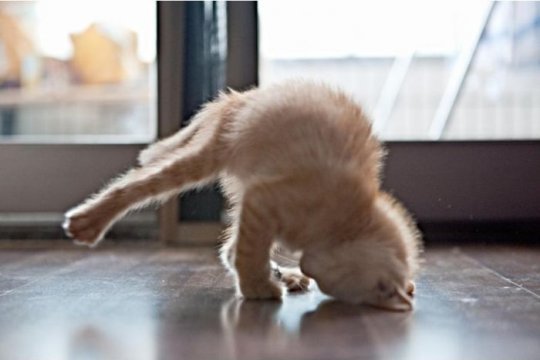
Yoga catYour cat does crazy things all the time.  Sometimes you probably think they are from Mars, am I right?  They contort into all kinds of shapes and go into places that you would never think they could fit into!

But did you know that a cat’s posture can communicate their emotions. It is best to observe cats’ natural behavior when they are by themselves, with humans, and with other animals. Their postures can be friendly or aggressive, depending upon the situation. Some of the most basic and familiar cat postures include the following:

 Relaxed posture – The cat is seen lying on the side or sitting. Its breathing is slow to normal, with legs bent, or hind legs laid out or extended. The tail is loosely wrapped, extended, or held up. It also hangs down loosely when the cat is standing.

Stretching posture – another posture indicating cat is relaxed.

Yawning posture – either by itself, or in conjunction with a stretch: another posture of a relaxed catcat yawn

Alert posture – The cat is lying on its belly, or it may be sitting. Its back is almost horizontal when standing and moving. Its breathing is normal, with its legs bent or extended (when standing). Its tail is curved back or straight upwards, and there may be twitching while the tail is positioned downwards.

Tense posture – The cat is lying on its belly, with the back of its body lower than its upper body (slinking) when standing or moving back. Its legs, including the hind legs are bent, and its front legs are extended when standing. Its tail is close to the body, tensed or curled downwards; there can be twitching when the cat is standing up.

Anxious/ovulating posture – The cat is lying on its belly. The back of the body is more visibly lower than the front part when the cat is standing or moving. Its breathing may be fast, and its legs are tucked under its body. The tail is close to the body and may be curled forward (or close to the body when standing), with the tip of the tail moving up and down (or side to side).

Fearful posture – The cat is lying on its belly or crouching directly on top of its paws. Its entire body may be shaking and very near the ground when standing up. Breathing is also fast, with its legs bent near the surface, and its tail curled and very close to its body when standing on all fours.

Terrified posture – The cat is crouched directly on top of its paws, with visible shaking seen in some parts of the body. Its tail is close to the body, and it can be standing up, together with its hair at the back. The legs are very stiff or even bent to increase their size. Typically, cats avoid contact when they feel threatened, although they can resort to varying degrees of aggression when they feel cornered, or when escape is impossible

My personal and most favorite posture is when my cat Milo would lay on his head and roll around!  Let’s face it– they are simply adorable no matter what they are doing!


Source: http://en.wikipedia.org/wiki/Cat_behavior

Updated: 2015-10-01T02:39Z

Meow Meow Meow…what does it all mean????

cute-cat-paw-up-5151240

Cats have wide range of vocalizations to communicate with other cats, but seem to reserve “meows” primarily for talking to their people. What exactly does your cat want? Are they cat-cursing at you, praising your taste in bed linens, or just bugging you for the heck of it?

Meows are usually demands: let me OUT, let me IN, pet me, play with me, FEED me! As the cat becomes more passionate and insistent, their meows grow more strident and lower-pitched. Meow demands most frequently take place in the wee hours of the night, when owners want to sleep.

Cats normally sleep 16 hours a day, and are most active at night when mousy prey is about.

Your cat will go through the motions of mouse-patrol whether there are outside or indoors. It’s perfectly normal.   In the summer I bet you appreciate them finding those pesky flies and insects that make their way into your home!

Have you ever heard a meow that sounded like they were actually saying words?  A long time ago, my brother-in-law had a cat that would meow and he drew it out so long that it sounded like he was saying “help me”.  Freaky, right????

Now if you want to have an in-depth discussion with your kitty, contact me, Diane Weinmann the animal communicator at Dianefortheloveofanimals @yahoo.com

Weird Things your Dogs Do and Why!

Your dog does some very wacky things. In fact, at times, watching the antics of your pet is better than watching TV especially those that don’t have cable! So I bet you think to yourself –what are they thinking and why in the world are they doing that?

I’ve listed a few strange doggie antics that I think you will enjoy.

My Dog dips his paw in his water bowl   dog splashing

I was at the shelter this week and witnessed an odd behavior when a yellow lab was dipping his paw and splashing water in and all around his bowl as I filled it. In fact, as fast as I filled it, he was emptying it with his paw. He did not seem interested in drinking the fresh, cool water—oh no, he was just playing! I bet this happens once in a while in your home too. Well, when I asked the dog why he was scooping the water out of the bowl he told me he liked wet paws and licking them. Ah ha! That answer sort of made sense to me. I have witnessed dogs repeatedly licking their paw but obviously having wet paws in the first place was better than wetting them with their tongue.

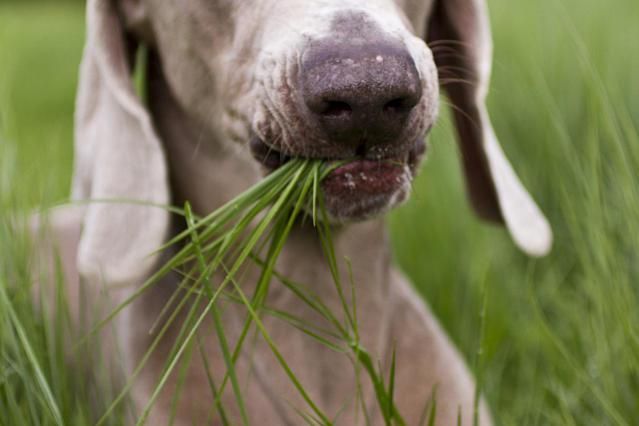
My Dog Eats Grass and Other Strange Plants!  dog eating grass

Yep, my dog thinks the park is a gourmet buffet of tempting grasses for his palate. He will walk past dandelions, chives and many other types of edible plants to happily chew on a tall leafy plant that looks like really long grass.

According to Dr. Karen Becker, if your otherwise healthy, well-nourished dog nibbles on selected grass once in awhile, there’s no cause for concern. (as long as there was no toxins on the plants).


Dogs that selectively choose specific grasses to nibble on may be seeking out the plant’s medicinal qualities (many grasses are high in potassium and enzymes) or looking for a natural source of fiber. But then there are the frantic, non-selective grass eaters, which may mean a GI problem is brewing. I have seen this behavior in our back yard. Once in a blue moon he will run into the back yard and immediately start pulling grass out, roots and all, and scarfing it down like it’s a delicacy.


Dogs will instinctively search for natural remedies for the occasional upset stomach, and grass often does the trick, not to mention it’s usually easy to find. There is something about the texture of grass that triggers vomiting or a bowel movement in many dogs, which relieves tummy discomfort. But if the grass eating is chronic and especially if it causes your pet to vomit frequently, it’s time to make an appointment with your veterinarian.

In the meantime, I recommend upgrading your dog’s diet if she’s still eating kibble or any non-human grade commercial dog food. Most healthy dogs fed a balanced, species-appropriate diet don’t eat grass because they receive all the nourishment their bodies need from their food, and they rarely suffer from digestive issues. Adding probiotics and digestive enzymes can also benefit dogs with “sensitive stomachs.”

I purchase very expensive, grain free food and supplement it with home cooked meat. Being certified in canine nutrition I am certain that my dog is receiving optimal nutrition from a species-appropriate diet but if he continues to eat a good amount of grass, I would consider growing my own sunflower sprouts. Sprouts can provide an easy, inexpensive source of fresh, live, organic vegetation and are much more nutritious for your pet than grass.

Ever see your Dog Performing the Scratch Dance?

Every day when I walk my dog, he moves his bowels (obviously the reason for the walk). As I stand there waiting for him to finish, I get my bag all ready and the second he is done I bend down to pick up his excrement. Guess what? I get a face full of grass, dirt, leaves or snow depending on the time of the year. That’s a fine thank you for the walk! It’s bad enough that I have to carry the stinky stuff back home but to get a face full of dirt/grass/snow is not my idea of facial!

So why is this annoying behavior occurring? It seems that many of the dog’s ancestors (wild dogs and wolves) kicked at the ground after pooping to hide and also mark their territory. Dogs have glands in their paws that have pheromones and by scratching the ground they release their individual scent onto the dirt. Ever have to physically pull your dog away from sniffing a tree, fire hydrant or specific flower? They are learning about the dog that has previously been there. So let’s doe-si-doe!

Why Does My Dog Eat Poop?

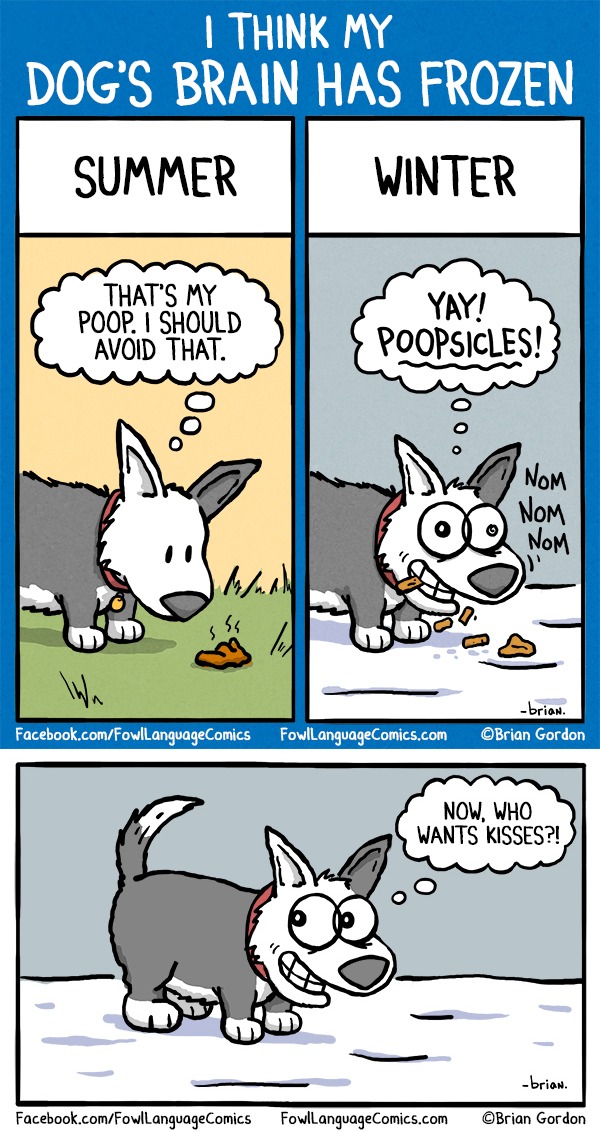
You witness your dog gobble up a turd he found outside like it’s a filet migon. Gross, right? So what is with this disgusting habit? Well, dogs eat poop for lots of reasons.

Again, according to Dr. Becker the scientific name for stool eating is coprophagia. Sometimes, there’s an underlying medical problem like an enzyme deficiency or pancreatic insufficiency. Intestinal malabsorption and GI parasites are also common medical reasons underlying coprophagia.

If your dog is on a poor-quality, processed dry food diets he will often seek out other sources of digestive enzymes to make up for a chronic enzyme deficiency brought on by a biologically inappropriate diet.

Coprophagia can also have a behavioral cause. Dogs that are feeling anxious or stressed may eat poop. Additionally so will dogs who have been punished for inappropriate elimination, which includes many puppy mill dogs.

Dr. Becker’s recommendations for curbing/eliminating this behavior include feeding a diet containing human-grade (preferably unprocessed) protein and supplement with probiotics and digestive enzymes, and insuring your dog has toys that stimulate her brain and alleviate boredom. Also insure he is well-exercised. You may want to consider experimenting with some of the over-the-counter coprophagia deterrent products. Make sure you look for a non-toxic product that doesn’t contain MSG.

If despite your best efforts your dog’s poop eating behavior isn’t improving, or is getting worse, I recommend making an appointment with your vet to rule out any underlying medical reason for the behavior.fowllanguagecomics-comics-dogs-poop-1717830


Alfalfa is just not for Horses!

horse an dog

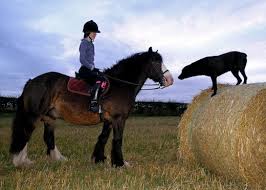
As you may already know, I am certified in canine nutrition. What you don’t know is that alfalfa is great for dogs. I know..right—who’d of guessed that! I was just as shocked as you all are because I thought it was only for my horse! Here is how it can help:

Benefits of Alfalfa for Dogs

  • Rich in Nutrients 9A, B12, C, D, E, and K)
  • Arthritis Relief
  • Antioxidant
  • Cancer Prevention
  • Kidney Health

With all these good benefits listed above be aware that you do need to be careful with some dogs. For example, listed below are some precautions you should use when feeding alfalfa to your dog:

  • it is NOT for anemic dogs
  • it could lead to an upset stomach, especially when fed fresh
  • seeds shouldn’t be fed to dogs
  • Due to allergies, it should be fed in its “pre bloom” phase

Because of these warnings, it’s been recommended to me that you only give your dog alfalfa powder – not the stuff I feed to my horse (in this case fresh is not always best – besides where would you get fresh alfalfa ifyou don’t know a farmer?) I can tell you that Montana (my palomino) is probably very happy that no dog is going to touch his alfalfa! (Montana is food aggressive at times).

So you are wondering where you can actually buy alfalfa powder—where else – AMAZON!

I would recommend the NOW brand, which is 100% pure alfalfa.

How much Alfalfa should you give to Your Dog?

Like most supplements I give- just sprinkle the ground alfalfa over your dog’s food.

A wonderful magazine that I live and breathe by, The Dogs Naturally, recommends a pinch per 10 pounds once a day, which means 1 teaspoon for a 50 pound dog.hungry-dog-5434576

10 Symptoms you should NOT Ignore in Dogs

By Dr. Beckerdog getting meds

Because I respect Dr. Becker and her medical knowledge and opinions I print a lot of her posts with my comments attached.  Today I am giving it to you straight from her.  She is the VET and she knows best.

When your dog starts acting strangely or seems a little inexplicably “off,” it’s often impossible to know whether to take a wait-and-see approach, or hit the panic button. This is especially true when the symptoms are characteristic of certain benign conditions as well as life threatening disorders.

The following symptoms fall into the category of Do Not Ignore. They may or may not indicate a serious underlying disease, but they should be investigated immediately by your veterinarian or an emergency animal clinic.

10 Do Not Ignore Symptoms in Dogs

  1. Loss of appetite, weight loss. Often, loss of appetite is the very first sign of an underlying illness in pets. There can be many reasons your dog isn’t hungry or refuses to eat, but not eating can begin to negatively impact his health within 24 hours. And for puppies 6 months or younger, the issue is even more serious.

Weight loss is the result of a negative caloric balance, and it can be the consequence of anorexia (loss of appetite) or when a dog’s body uses or eliminates essential dietary nutrients faster than they are replenished. Weight loss exceeding 10 percent of your dog’s normal body weight will be a red flag for your vet. There can be several underlying causes, some of which are very serious.

  1. Lethargy, extreme fatigue. A lethargic dog will appear drowsy, “lazy,” and/or indifferent. She may be slow to respond to sights, sounds and other stimuli in her environment.

Lethargy or exhaustion is a non-specific symptom that can signal a number of potential underlying disorders, including some that are serious or life-threatening. If your pet is lethargic for longer than 24 hours, it’s time to make an appointment with your veterinarian.

  1. Coughing in dogs, unless it’s a one-and-done situation, generally indicates an underlying problem. Examples include a possible windpipe obstruction, kennel cough, bronchitis, pneumonia, heartworm disease, heart failure, and tumors of the lung.

All causes of coughing require investigation, and in most cases, treatment.

  1. If your dog’s temperature spikes, it usually means his body is fighting an infection. The normal temperature in dogs is 100.5 to 102.5 degrees F. If your pet feels warm to you and his temp is higher than normal, make an appointment with your veterinarian.
  2. Difficulty breathing. A dog in respiratory distress will have labored breathing or shortness of breath that can occur when she breathes in or out. Breathing difficulties can mean that not enough oxygen is reaching her tissues. Additionally, dogs with heart failure may not be able to pump enough blood to their muscles and other tissues.

Respiratory distress often goes hand-in-hand with a buildup of fluid in the lungs or chest cavity that leads to shortness of breath and coughing. If your dog has sudden undiagnosed breathing problems, she should see a veterinarian immediately.

  1. Trouble urinating. This includes discomfort while urinating, straining to urinate, and frequent attempts to urinate with little success. If your dog cries out while relieving himself, seems preoccupied with that area of his body or is excessively licking the area, you should make an appointment with your veterinarian right away.

There are several underlying causes of urinary difficulties, some of which can result in death within just a few days.

  1. Bloody diarrhea, urine, vomit. Digested blood in your dog’s poop will appear as black tarry stools. Fresh blood in the stool indicates bleeding in the colon or rectum. Either situation is cause for concern and should be investigated as soon as possible.

Blood in a dog’s urine, called hematuria, can be obvious or microscopic. There are a number of serious disorders that can cause bloody urine, including a blockage in the urinary tract, a bacterial infection, and even cancer.

Vomited blood can be either bright red (fresh), or resemble coffee grounds (indicating partially digested blood). There are a variety of reasons your dog might vomit blood, some of which are relatively minor, but others are serious and even life threatening.

  1. Pacing, restlessness, unproductive retching. When a dog paces and seems unable or unwilling to settle down, it can signal that he’s in pain, discomfort, or distress. One very serious condition in which these symptoms are common is gastric dilatation volvulus (GDV), also called bloat. Another sign of bloat is when a dog tries to vomit but brings nothing up.

Bloat is a life-threatening condition that most often occurs in large breed dogs and those with deep chests.

  1. Fainting, collapsing. When a dog collapses, it means she experiences a sudden loss of strength that causes her to fall and not be able to get back up. If a collapsed dog also loses consciousness, she has fainted.

Either of these situations is an emergency, even if your dog recovers quickly and seems normal again within seconds or minutes of the collapse. All the reasons for fainting or collapsing are serious and require an immediate visit to your veterinarian. They include a potential problem with the nervous system (brain, spinal cord or nerves), the musculoskeletal system (bones, joints, muscles), the circulatory system (heart, blood vessels, blood), or the respiratory system (mouth, nose, throat, lungs).

  1. Red eye(s). If the white area of your dog’s eye turns bright red, it’s a sign of inflammation or infection that signals one of several diseases involving the external eyelids, the third eyelid, the conjunctiva, cornea, or sclera of the eye.

Redness can also point to inflammation of structures inside the eye, eye socket disorders, and also glaucoma. Certain disorders of the eye can lead to blindness, so any significant change in the appearance of your dog’s eyes should be investigated.

Some symptoms of illness in dogs are best handled by simply giving them a chance to run their course, for example, a temporary GI upset resulting from indiscriminate snacking.

Other symptoms can be so sudden, severe and frightening that you know immediately you need to get your pet to the vet or an emergency animal hospital.

The 10 symptoms I’ve listed above are less definitive, so I hope I’ve provided you with some guidance in the event your own pet develops symptoms that point to a potentially severe or life-threatening illness.dog with med bottles

Changes in Your Pet’s Behavior As they Age

By Dr. Becker and Diane Weinmanndog with glasses
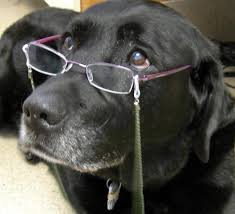
Most pet parents are aware of the physical changes that can take place as their animal companion gets up in years, but did you know your aging pet’s behavior may also change?

Of course, any variation in your pet’s normal conduct should be discussed with your veterinarian, because dogs and cats often express underlying physical problems through a behavior change. For example, a painful hip or back can result in one or more of the behaviors listed below.

Changes in Your Pet’s Behavior As they Age

  • Aggression

Unfortunately, along with an age-related reduction in hearing, eyesight and sense of smell, your pet may startle more easily, and in some pets this can result in unprovoked aggression.

The situation will require some sleuthing on your part, potentially with the help of your veterinarian, to understand the specific causes or triggers of the behavior so that a treatment or behavior modification protocol can be implemented. This may require the help of a veterinary behaviorist, and I encourage you to contact one sooner rather than later if your older pet is having episodes of unprovoked aggressive behavior. Aggression can be holistically handled in many ways. Essential oils, bach flower essences and animal communication can help to get to the root of the problem and restore your pet’s good nature.

  • Anxiety

Pets who are anxiety-prone as youngsters and adults (for example, those with noise phobias or separation anxiety) often become more so as they age. Signs of increasing anxiety in your pet can include:

  • Heightened sensitivity and irritability
  • Fear of and/or aggression toward strangers or unfamiliar pets
  • Decreased tolerance for being restrained or even touched
  • Needing to be with you constantly or demanding more attention and increased physical contact
  • Destruction of doorways (typically the ones you leave by) and/or refusing to eat while you’re away

Positive reinforcement training may be helpful in curbing anxiety-related behavior in your pet, and it certainly can’t hurt as long as you don’t get too focused on results. It’s important to realize that just as you’ve dealt with some level of anxiety in your pet for years, you should expect and plan for amplification of those issues as she ages. Bach flower essences or essential oils can help with anxiety. Call Diane Weinmann to obtain a custom treatment bottle to provide peace of mind to your pet.

  • Destructiveness

Sadly, some pets become destructive as they age – a situation that can be quite disturbing for family members. You might lose a cherished belonging or two at this stage of your pet’s life, or she might turn her destructive urges on herself.

Some older pets develop pica (eating non-food objects) for the first time. Others seem driven to lick, suck or chew their own body parts, those of family members, or household objects. Digging and scratching can also become a problem.

Once again, it’s important to talk with your veterinarian about any destructive tendencies your pet develops to rule out an underlying physical cause. Meanwhile, you’ll want to pet-proof your home and belongings, and insure your pet has plenty of appropriate toys to gnaw on, but only when you’re around to supervise. I have not received any animal communication calls due to this issue but if you happen to experience destructiveness with your pet, and the medical side of it has been ruled out, give me a call!

  • Hypersensitivity, Fears, and Phobias

If your senior pet has deteriorating vision or hearing, even his own home can become a frightening place. Pets thrive on routine and consistency, and this goes double for aging companions who are having trouble navigating even familiar terrain.

It’s important at this stage of your pets’s life to keep his environment consistent. Don’t arbitrarily change the location of his food or water bowl, his crate, his bed, or his toys. Try to avoid rearranging the furniture in your home. Mealtimes and potty walks or litter box locations should be consistent from one day to the next, as well as exercise and play time. Pets adore routine!

If your pet is becoming more sensitive to normal household or neighborhood sounds, play background music or keep the TV on to mask noises.

  • Inappropriate Elimination

If your older pet seems to have forgotten his housetraining, there are a number of potential causes, none of which involve deliberate disobedience. The first order of business is to make an appointment with your veterinarian to rule out any underlying disease process. Once that’s done, you’ll need to investigate other possible causes for inappropriate elimination, including decreased mobility, needing to go more often, or less control over his bladder or bowels.

Initial steps you can take to resolve the problem include taking him outside more often to eliminate, and/or introducing/re-introducing him to a crate. It’s also important to recognize the difference between urine dribbling, over which your dog has no control no matter how often he goes outside, and urinating. Cats that eliminate outside the litter box may become more sensitive to the litter being used or may not be able to get to the litter box depending on the location due to physical issues that never existed when they were young. Numerous litter boxes may be appropriate on different floors and even several on one floor if the house is large. Again, once a medical reason has been eliminated from the equation contact an animal communicator to determine where the problem lies.

  • Nighttime Restlessness

Some older pets develop an inability to sleep through the night. I know I have that issue and I am only middle-aged! Age-related issues that can cause this change in your pet’s behavior include loss of vision or hearing that affects sleep quality, the need to relieve himself more often (that’s my issue), or an increased response to noises that never bothered him before.

All pets, including senior and geriatric pets, need age- and condition-appropriate exercise each day. If your pet gets some exercise already, try increasing the time he spends playing or taking walks. If he doesn’t get much exercise, start safely increasing his daily activity level. The goal is to tire him out physically so he’ll be more likely to sleep at night. With cats, play with them using a new toy will usually stimulate movement.

If your dog needs midnight trips outside to relieve himself but is otherwise healthy (as confirmed by your vet), he may be taking in too much water before bed. Try removing his water bowl after dinner, and insure he gets an opportunity to relieve himself right before you retire for the night.

Let your pet sleep in your bedroom. Sleeping near his humans should help ease any anxiety that is contributing to his nighttime restlessness. If you allow your pet on your bed with you, you may want to supply a ramp or stairs for them to safely get on and off the bed.

  • Obsessive-Compulsiveness

These are behaviors your pet may perform over and over, for no apparent reason. They can include constant licking (usually of a particular body part like a paw), which can result in hot spots. Other O-C behaviors include repetitive tail chasing, spinning, jumping, pacing, “air biting,” and staring blankly into space.

If a thorough workup by your veterinarian shows no medical cause for your pets’s obsessive behavior, she may be doing it to relieve feelings of anxiety or conflict. One way to try to break the cycle is to simply stop her as soon as she begins the behavior, by speaking calmly to her and petting or massaging her.

If the obsessive behavior is potentially dangerous or harmful and you don’t feel you can manage it on your own, talk with your holistic veterinarian or a veterinary behaviorist or an animal communicator.

  • Vocalizingcat lounging


Excessive vocalizing is more common in older cats than dogs, but if your dog is growing more “talkative,” it can be unsettling because as her guardian, you want desperately to understand what she needs from you.

An increase in vocalizing can be caused by the disorientation that comes with a decline in cognitive function. It can also mean your pet isn’t hearing or seeing things as well as she once did, or that she’s in pain.

If your veterinarian has ruled out an underlying medical condition, try training your pet to respond to a gentle verbal cue such as “Quiet” or “Shhh”, and reward her lavishly for her efforts. However, keep in mind it’s possible she doesn’t realize she’s making noise, in which case she’s not likely to learn a verbal command to be quiet. If that’s the case, you’ll just need to distract her when she vocalizes by speaking quietly and reassuringly to her. Another option would be to call me, Diane Weinmann to communicate with your pet to discover what the issue my be.

Suggestions to Enhance Your Older Pet’s Quality of Life

  • Address subtle changes when you first notice them, talk to your holistic vet or Diane Weinmann about homeopathic remedies, bach flower essences, essential oils, herbs or nutraceuticals that may be appropriate for your pets’s symptoms.
  • Treat-release and puzzle toys provide fun and mental stimulation.
  • Walks instead of jogs. Tug games instead of chase games. New toys for cats.
  • Ramps so they can still get into the car or up on the bed or their favorite chair.
  • Adequate social interaction with other pets and people, but take care not to over stimulate your pet – short periods of exercise and playtime in controlled situations are best for older animals.
  • If your pet has problems hearing or seeing, use odor cues like essential oil diffusers or other aromatherapy products to help him find his way around.
  • Guide your pet with clear cues and easy-to-follow instructions, especially if they are showing signs of mental decline.
  • When you talk to your pet, keep your voice quiet, calm and kind. No shouting.
  • Keep your pet at a healthy size – overweight animals are at significant increased risk for disease as they age.
  • Provide extra warmth on cold days.  Soft pillows and beds, blankets to snuggle in plus to wear outside along with rain gear if appropriate.  Arthritis acts up in the damp and cold weather. Allow pets to bask in sun as it warms their aging bones.
  • Maintain your pets’s dental health.
  • Feed an anti-inflammatory, nutritionally balanced, species-appropriate diet, which is the foundation of good health and a long life for pets of any age. Contact your vet to obtain ideas on which brands would work best for your pet. Also you can contact someone certified in canine nutrition like Diane Weinmann.
  • Lots of good old fashioned quality time together, talking, cuddling, brushing them or just letting them sit on your lap or next to you will help your pet feel cherished and loved as they can no longer do the physical things that they used to. It helps them feel like they are still valuable so tell them your troubles and you will be surprised how better you both will feel.

  • dog with scarf

Being Proactive with your Pet’s Health – Annual Exams

By Dr. Becker and comments by Diane Weinmann

dog with vet
dog with vet

Dr. Becker recently ran across an online column about the importance of being proactive in identifying health issues in pets. I liked what she learned and what was said.

“At least once a week I diagnose a pet with a terminal illness that in the parents’ eyes came on suddenly,” writes Dr. Perry Jameson of Veterinary Specialty Care in Mt. Pleasant, SC. “But I know it took months to develop.”1

Dr. Jameson writes about Sadie, a 7-year-old Golden Retriever whose appetite and energy level had been down for less than a week before her owner brought her in. The ultrasound showed fluid in Sadie’s abdominal cavity, masses in her liver and spleen, and several enlarged abdominal lymph nodes. Jameson knew he was looking at metastatic cancer and a very poor prognosis.

Sadie’s devastated mom couldn’t believe that her precious dog, visibly sick for less than a week, had a terminal illness. But Jameson knew the cancer had been spreading in the dog’s body for much longer.

“Dogs and cats are so good at masking symptoms,” says Jameson. “A small discomfort that you and I would complain about, they tolerate. They want to please us and will act normal as long as they can until the disease process reaches a point they can no longer tolerate. Occasionally by that time, it has reached a point where there is little therapy we can offer.”

Detecting Health Problems Before They Become Crises

While it was too late for Sadie, Jameson also wrote about a cat patient with a newly diagnosed heart murmur. The kitty was acting normally according to his owner, but an echocardiogram showed significant heart changes that left untreated would have likely led to blood clots or heart failure.

In another case, a dog was sent to Jameson because her calcium level was elevated on a blood test, and she was drinking more water than usual. Dr. Jameson discovered she had an anal sac tumor, which was producing a hormone that caused elevated calcium levels, along with increased thirst and urination. Fortunately, the mass was found early enough to be removed before it spread.

Finally, Jameson wrote about an 8-year-old Springer Spaniel whose regular veterinarian had noticed a slight liver abnormality on the dog’s annual bloodwork. She had been acting normally and was very energetic according to her owner. However, an ultrasound showed a small tumor on her right adrenal gland that had invaded a major vessel in her abdomen.

The dog had surgery right away and the mass was removed successfully. According to Dr. Jameson, “Had she come in when symptomatic, the tumor probably would have grown to a size where removal was impossible.”

Why I Recommend Regular Wellness Visits

Dr. Jameson encourages pet owners to take their companions to the veterinarian for at least one physical a year, and twice annually for animals over 8 years of age.

As a proactive wellness veterinarian, I prefer to see each of my healthy patients twice a year, and more frequently as necessary for older pets and those with chronic conditions. A dog’s or cat’s wellness and nutritional needs change yearly, and over the age of 8 can require fine-tuning every 4 to 6 months. I want to regularly review each patient’s weight, muscle tone, joint range of motion, diet, supplement protocol and exercise habits with the owner.

My goal is to help my clients avoid preventable disease in their pets. I don’t follow the traditional medical approach, which is to wait around until an animal is sick or debilitated and then attempt to fix the problem or simply treat the symptoms.

I view regularly scheduled wellness visits as opportunities to check the status of your pet’s health and take proactive steps to prevent serious disease from developing.

Wellness exams are a perfect time for you and your vet to discuss any and all changes in your pet’s health, for example, if your pet’s endurance level has changed, if there is plaque or tartar on any teeth, if there have been changes in sleep or bathroom habits or water intake, or if your pet has had exposure to ticks or other infectious pathogens that may need to be addressed.

We want to keep your pet in the white zone of good health and out of the black zone of disease. In between those zones lies the grey zone, which is where dysfunction in the body begins and gradually moves the state of your pet’s health in the direction of full-blown disease.

To successfully reverse or stall dysfunction in the grey zone, we have to deal with it there, which means we must regularly check your pet’s health status. For pets over the age of 8, I almost always find a health related change occurring at every 6-month exam that we can address proactively.

Most importantly, by making intentional, regular changes to a pet’s wellness protocol (via a supplement, diet, or therapeutic exercise routine), we can dramatically slow down aging and potentially slow the onset of degenerative disease.

Organ Function Should Be Checked at Least Yearly

For middle-aged and older pets, Dr. Jameson also recommends that a complete blood count (CBC) be done annually to check for liver, kidney, and thyroid issues, protein levels, and calcium and electrolyte levels.

One of the best ways to keep on top of a patient’s health is by tracking blood work changes over time. Let’s say your cat’s kidney enzymes (BUN and creatinine) are climbing, but are still within normal reference ranges. Many veterinarians will note the elevation but wait until the levels climb out of the normal range before taking action.

However, my approach is to view those slightly elevated levels as requiring attention, and long before your kitty is diagnosed with chronic kidney failure, I’ll make recommendations for supporting and enhancing kidney function so that we can prevent full-blown disease.

In addition to organ function evaluations, I suggest completing a urinalysis and internal parasite analysis annually as well.

I did not do this with my cat Milo and now he is gone! I wish I had annual blood counts down and maybe I would have been able to stop his kidney issues from happening. Since he always seemed healthy and was an indoor cat I felt he didn’t need to go to the vet. BIG MISTAKE!   I will never assume that again however it provides little comfort to me now …he cannot be replaced!

When I had a geriatric workup performed on my golden retriever who was 14 years old, I was astounded by what was uncovered. She had tumors all around her lungs and was being suffocated. I had no idea! She had simply slowed down and had lost some weight which I thought was normal for a senior dog! WRONG AGAIN!

Wellness Exams Should Be a Proactive Review of Your Pet’s Health

Being proactive means being focused on initiating change rather than simply reacting to events as they occur.

Dr. Becker uses what she calls the Three Pillars of Health as a proactive approach to wellness. These pillars form the foundation for your pet’s health, quality of life, and longevity.

  • Pillar #1 is species-appropriate nutrition. The diet you feed your cat or dog should be balanced and biologically appropriate for a carnivore. Over time there will be changes required to your pet’s diet which may include the reduction or increase of balanced fats (depending on your pet’s activity and metabolic health), an increase or change in protein sources, an increase in antioxidant or phytonutrient intake, and/or an increase in essential fatty acids, depending on your pet’s lifestyle and age.
  • Pillar #2 is a sound, resilient frame. This aspect of your pet’s health involves maintenance of the musculoskeletal system and organs. In addition to maintaining your pet’s weight (monitored by twice yearly weigh ins) proactive vets will monitor changes in your pet’s muscle tone, range of motion, strength, balance, and brain-body connection, and suggest specific exercises or changes in your exercise routine to minimize atrophy and age related changes over time.
  • Pillar #3 is a balanced, functional immune system. The goal here is to keep your pet’s immune system in balance. It should protect against pathogens, but not be over-reactive to the point of creating allergies and other autoimmune conditions. Wellness veterinarians will replace vaccines with titers, offer detox protocols when necessary (if pets are exposed to heartworm, flea, or tick chemicals), and evaluate your pet’s immune health risks that change over time, including your pet’s risk of breed related cancers.


  • I wish more veterinarians would reject the traditional notion of preventive healthcare, which too often centers around re-vaccinations and chemical pesticides, and instead help their clients understand the value of a proactive approach to keeping their pets healthy.
  • You know what? I have the same wish Dr. Becker has! It was that tradition notion of re-vaccinations and chemical pesticides that kept me from making annual check ups to my pet’s vet. So now I know better. I know what to look for and what to do. I know I will schedule annual exams for all my beloved furry family members. Will you?Cat at the vet