5 Fall Dangers for Dogs

By: Jill Fanslau comments by Diane Weinmann


During the hot summer months, you’ve learned how to keep your dog cool, hydrated, and happy. But what about when the chillier fall season rolls in, and brings its own set of unique challenges? How do we prep our pooches for the change in atmosphere and the possible dangers that befall them? Here are five ways to keep your dog safe when the temperature changes from warm to crisp.

Rodenticides


As the weather gets cooler, you’ll stay indoors more often. Unfortunately, mice and rats will follow your lead, coming inside shelters to find warmth and food.

You may be tempted to put out pesticides or rodenticides—otherwise known as rat poison—to get rid of unwanted visitors. “But these rodent control chemicals can be toxic for pets if ingested,” says Len Donata, VMD, Radnor Veterinary Hospital in Pennsylvania.

“When a dog eats mouse or rat bait, a clotting factor gets blocked,” he explains. “Your pet will start to bleed.” This bleeding can start anywhere—internally or externally, from a small bump on their skin to inside their lungs. You may never even see it.” Symptoms can include rapid breathing, blood in their vomit, weakness, or seizures. “If you notice something wrong, immediately call your vet’s emergency line,” Donata urges.

Another thing to remember: some traps can be just that to a dog and they may face injuries as a result. “A mousetrap with cheese or peanut butter may look like an appetizer to an inquisitive dog,” says Teoti Anderson, CPTA-KA, KPA-CTP, owner of Pawsitive Results in Lexington, South Carolina.

Make sure your pets have no access to areas containing bait or traps. Keep doors locked and regularly check the areas to determine children or pets haven’t disturbed them.

I have an life and death personal experience with this very topic with my dog Cocoa.  He at rat poison and went into seizures.  I thought we were going to lose him but he pulled through (thank the Lord!).  All caused from putting poison in a chipmunk hole by my husband!


Allergies


Along with the beautiful fall foliage, unfortunately, comes mold, ragweed, and pollen. For many people, those seasonal allergens can lead to sneezing, a scratchy throat, and watery eyes for both you and your dog. Sure, you can pop an allergy medicine—but what about your pooch?

“When your dog comes in from outside, wipe him down with some gentle baby wipes,” says Anderson. This will help remove any microscopic allergens from his fur so he’s not carrying them around all day long.

“If your pup continues to have symptoms—like scratching, shaking his head, or constantly tearing up—see a vet,” says Dr. Donato. “Depending on how severe the symptoms are, treatments range from simple antihistamines to more aggressive medications.”

My husky Neko has been coughing after he smells crushed leaves and when he smells the base of trees where the mold grows.  I gave him Benadryl based on the vet’s recommendation and it cleared up.


Ticks

“You might only think of ticks as a danger during the summer, but they can pose a big problem to your dog in the fall, too,” Dr. Donato explains.  That’s because many animals limit their times outdoors or hibernate when the temps start to drop.  The result: fewer victims for ticks to latch on to. If your dog hangs out in the backyard or goes on walks near woods, he’s now an easy target for ticks.

“Ticks have heat sensors and can detect heat up to 30 feet away,” he says. “They can hang out on a branch or tall grass, and then latch on to the creature when they walk by.” Your dog can contract Lyme disease or other nasty infections from a tick after only 24 hours of the bug attaching.

“If a tick does attach to your pet, remove it immediately,” says Anderson. First, wipe the bite site and a pair of fine-point tweezers with rubbing alcohol. (Regular tweezers may squeeze germs from the tick’s body into your pet’s body.) Then grab the tick as close to your dog’s skin as possible, and pull slowly upward with constant pressure until the tick pops out. “Clean the area again with rubbing alcohol,” she adds.

If there’s a bit of the tick still in the skin, don’t worry—it’ll eventually work itself out. But you may want to drop the tick in a small bottle full of alcohol and then take a photo of it on your phone. “That way you can show your vet if he or she needs to identify it later on,” Anderson recommends, adding, “Keep an eye on your dog’s health for the next two weeks.”

Still don’t want to attempt remove the bug yourself? No problem. Just call your vet!

I continue to give my dog his flea and tick meds but I also use essential oils called AWAY from Dr. Melissa Shelton DVM.  Shown below is more info on the product and where you can purchase it:

AWAY

Ingredients:  Essential Oils of Eucalyptus citriodora, Catnip, Citronella, Lemon Tea Tree, White Cypress

Away was created for many purposes, but all are encompassed in the word “Away”.  Bugs go “Away”, smells go “Away”, and stale energy can also go “Away”!  I put it on my dog any time we are going into the woods or open field for a walk.

Petting Technique
The petting technique is a way to apply the oils to your pet. This technique is well tolerated by almost every form of animal. The technique can be modified for small rodents, amphibians, or animals that may be difficult to handle, simply by having the oils absorbed into your hands, and then “cupping” and holding the animal within your hands.


Dogs:  Away can also be applied to most dogs topically using the “Petting Technique.”  Place 1-3 drops into your hands, rub them together until a light coating remains, then pet onto areas of need.  For insect repellent; rubbing down the legs, neck, shoulders, and back are good locations to concentrate on.  I especially focus on the “ankle” area of my dogs, since ticks will often contact this area first, as they start to climb up the legs.

Cats:  Diffusion of Away in a water-based diffuser is also recommended for cat households.  Away is wonderful for eliminating pet odors from the household, and litter box areas.

http://www.animaleo.info/order-animaleo.html

 Closed Pools

If you’re a pool owner, chances are you’ve already covered your pool for the winter. “Even though the pool is closed up, you still need to keep your pooch away from it,” says Dr. Donato.

The reason? Water can collect in puddles on top of solid covers. If your dog slides out on the cover, he may have trouble getting back to solid ground. “He can get stranded, and quickly get hypothermia if temperatures are low enough,” says Dr. Donato.

This can also occur with mesh covers and if the water isn’t low enough, your pet can walk across and get wet.


Holiday Treats

October brings a bunch of trick-or-treating superheroes, goblins, and Frozen Elsa’s to your front door. It also brings a ton of chocolate into your house. Most dog owners know to keep chocolate away from their dogs, but if your pup gets his paws on those sweets, bring them to the vet right away to induce vomiting. Too much chocolate can be toxic.

“You’ll want to keep your Thanksgiving leftovers to yourself, too,” says Anderson. Onions, grapes, and raisons can be toxic to dogs, and “turkey skin is very fatty and can lead to pancreatitis in your pet,” she explains. Dr. Donato warns that feeding Thanksgiving table scraps causes a lot of gastroenteritis issues in dogs. “I know it’s a way for people to bond with their pets, but it’s a big reason why we’re kept busy.”

In other words, more leftovers for you.


How your dog’s size and shape influences her behavior

By Dr. Karen Becker


A study published in 2013 by researchers at the University of Sydney suggests that a dog’s size and the shape of his skull play a significant role in his behavior.1 Using the Canine Behavioral Assessment and Research Questionnaire (C-BARQ) as a data-gathering tool, the research team analyzed information on over 8,300 dogs of 80 different breeds and compared them to the shape of 960 dogs of those breeds.

Their results revealed a strong association between height, bodyweight, skull proportions (width and length), and behavior and concluded that smaller dogs show more aggression than their larger counterparts.

“[In] the most comprehensive study undertaken to date, our research shows that certain physical characteristics in dogs are consistently associated with certain types of behavior,” lead study author Paul McGreevy, Ph.D., of the University of Sydney’s Faculty of Veterinary Science told Phys.org. “Essentially, the shorter the dogs the less controllable their behavior is for their owners.”2

33 of 36 unwanted behaviors were size-related

The researchers found that as the height of the dogs decreased, there was an increase in the incidence of mounting behavior, owner-directed aggression, begging for food and attention-seeking. In contrast, increasing height was associated with trainability. Another finding: When average body weight decreased, excitability and hyperactivity increased. The study revealed that 33 out of 36 undesirable behaviors were associated with a dog’s height, body weight and the shape of her skull. Some of these included:

Begging for food Urine marking
Fear of other dogs Peeing or pooping when left alone
Non-social fear Separation anxiety
Attention-seeking Sensitivity to being touched
Mounting people or objects Aggression toward owner

Additional revelations about dog size and behavioral tendencies

Another interesting insight from the study was that while long-skulled dogs (e.g., Afghans, Salukis and Whippets), excel at hunting and chasing behaviors, they also tend to display certain negative behaviors, including fear of strangers, persistent barking and stealing food.

“Given hunting dogs have not traditionally been companion animals sharing close quarters,” said McGreevy, “this may not be surprising.”

Short-skulled dogs like the Pug and Boxer — breeds that have undergone, and in many cases suffered generations of selective breeding to further “enhance” their pushed-in faces — tend to display more puppy-like behaviors as adults. They also seem to have completely abandoned many of their hunting instincts. Some additional observations from the study:

Unwanted behaviors increase as the size and height of a dog decrease.
Dogs with short muzzles engage in more grooming and compulsive staring.
Smaller breeds, especially terriers, showed more stranger-directed aggression. The researchers wonder if terriers were selected for aggressiveness because their job at one time was to chase and hunt underground prey. It could be that smaller breeds with short legs have inherited aggression.
Smaller dogs engage in more attention-seeking behaviors — which are linked to jealousy and territorialism — during times when their owner is paying attention to someone else.
Larger breeds descended from smaller breeds that were meant as companion dogs may have behaviors that are at odds with their body size.
Lightweight breeds are more apt to be excitable, hyperactive and energetic compared to breeds with heavy bodies.
Coping behaviors in response to stress, such as fly-snapping, are related more to a dog’s weight than height. The shorter and stockier the dog, the greater the tendency to display coping behaviors.
Obsessive tail-chasing isn’t linked to size or breed, nor is coprophagia (poop eating), chewing or pulling on leash.

Owners tend to tolerate and even encourage bad behavior in small dogs

In drawing conclusions from their research, the University of Sydney team considered the fact that dog owners may be more tolerant of undesirable behavior in smaller dogs, which may in turn result in increased behaviors such as excessive barking, nipping, eliminating indoors, begging, separation anxiety and attention-seeking.

The researchers speculate that owners of small dogs may encourage undesirable behaviors and predispose their pets to separation anxiety, puppy-like behaviors, mounting and begging. The tendency to keep small dogs indoors and under-exercised may also be contributing factors.

“Undesirable behaviors such as owner aggression, or mounting, occur more often among small dogs. This suggests that, in small dogs, these behaviors are tolerated more than they would be in larger dogs where such behaviors are more unwelcome and even dangerous. Equally, such behaviors in small dogs may be a result of their being overindulged and over-protected,” McGreevy explained.

Another consideration is that smaller breeds are known to be more reactive, neurologically, to stimuli in their environment than larger dogs, who tend to be more laid back.

“These findings … remind us that domestic dogs are an extremely useful model for exploring the biological forces that produce diverse animal structures and their related behaviors,” says McGreevy. “The interaction of nature and nurture in producing the relationships we have described in this study creates a raft of fascinating questions that further studies will address.”

Tiny terror training tips

If you’re a small dog parent and the above study findings resonate with you, there’s no time like the present to help your little one become a better canine citizen. Training a small dog is really no more difficult than training a large one — you just need to make a few accommodations for size.

  1. Stand small — Towering over a dog is intimidating when the animal hasn’t yet learned human body language and vocal tones. And the smaller the dog, the more overwhelmed she can feel in the presence of a big hulking human.

So, when training your little one, until she’s had some experience reading your signals, be sure to show her welcoming eyes, small movements and a soft voice. Don’t deal with her “head on” immediately. Turn slightly to the side and get down close to her level instead of looming over her.

  1. Use small training treats — Tiny dogs need only tiny training treats. Otherwise, you’ll own a not-so-tiny dog in no time. Anything more than, say, a treat the size of a housefly, is too big. You can buy or make treats to break into very small pieces; you can also use some of his regular food, subtracted from his meals, as treats.
  2. Train on her level — Training a small dog from a standing position can be merciless on your back, and the last thing you want is to be in pain when you’re trying to focus on molding your pet’s behavior. Initially you should sit on the floor not only to save your back, but also to appear less intimidating.

Other ways to do training exercises include sitting on a low stool or chair or moving your dog to a comfortable raised surface such as a table or bed.

  1. Use tiny toys and training tools — Your small dog needs a lightweight collar, harness and leash. Generally speaking, leather and chain collars and leashes aren’t a good idea for little guys. I always recommend harnesses for small dogs to avoid neck injuries. Some very small dogs have incredibly fragile necks. And just as his treats should be an appropriate size, so should your small dog’s toys and other supplies like food and water bowls, crate, etc.
  2. Teach your dog a verbal “lift-off” cue — Small dogs are often startled to be suddenly lifted off the ground by a human. If you put yourself in her place, imagining at any moment you will lose the ground beneath your feet, you can see why this is a stressful event. That’s why it’s good to train your dog with a verbal cue that signals you’re about to pick her up. Just make it a simple one-word signal.

To train her to the cue, put your hands on her, say the word and apply just a bit of pressure without actually lifting her. This gives her time to understand she’s about to be lifted. When you know she’s aware you’re about to pick her up, go ahead and do so. Consistent use of the cue will help her learn to prepare for “lift off.”

  1. Respect his smallness — Little dogs can be difficult to train to lie down – and there’s a good reason for it. Your pet is already small and vulnerable, and he knows it. When he’s lying on the floor, he’s even smaller and more vulnerable. He’s also likely to be more sensitivethan a bigger dog to cold, hard or rough surfaces. So, train your little guy to lie down using a soft, raised surface. He’ll feel less threatened and comfier.
  2. Give your little dog some space — As much as possible, your dog should be allowed to meet new people and dogs on her own terms. Picking up a shy or frightened small dog to force an introduction removes her ability to keep her distance if she needs to. So, leave her on the ground, and respect her wishes. If she seems skittish or unfriendly, don’t force the issue. This may be an area where extra work is needed to properly socialize your pet.
  3. Set big dog standards for your small dog’s behavior — If you wouldn’t allow a 70-pound dog to jump up on you, don’t accept the behavior from your little one. Reward only desirable behavior and ignore behavior you want to extinguish. Little dogs can learn to sit and stay just like the big guys do. The same goes for jumping up into your lap, charging out the door ahead of you or ripping treats from your fingers. Don’t accept rude behavior just because your pet is small.

Lastly, treat your little dog like a dog! He’s not a baby or a dress-up doll. He needs to be socialized, which means having lots of positive experiences with other dogs and people. He needs to be on the ground much of the time so he can learn how to climb stairs, get into and out of your vehicle, and move confidently on all kinds of terrain.


How to give your indoor cat the best of both worlds

By Dr. Karen Becker and comments by Diane Weinmann


Not long ago at a veterinary conference, a Dr. Margie Scherk, a vet from Vancouver, Canada with a feline practice, spoke on the topic of lifestyle risks of indoor versus outdoor cats. One of her points was that while many people believe responsible cat owners keep their pets indoors, “The fact is that cats have not been selectively bred to be indoors 24 hours a day, and many don’t adjust to living in close contact to people — they’re forced to.”1

Lifestyle risks of indoor cats

According to Scherk, who cites a 2005 study published in the journal Applied Animal Behaviour Science,2 the following are risks to cats who live entirely indoors:

Lower urinary tract diseases Boredom
Hyperthyroidism Household hazards (burns, poison exposure, falls)
Obesity Inactivity, decreased fitness
Diabetes Behavior problems (spraying, scratching, obsessive behavior)
Odontoclastic resorptive lesions Dermatologic problems (atopic dermatitis, acral lick dermatitis)

Lifestyle risks of indoor-outdoor and outdoor-only cats

Thanks to KittyCams, researchers have been able to learn plenty about the kinds of risky business free-roaming cats get up to when they’re wandering around outdoors, including:3

Trauma (usually involving being hit by a vehicle) or human abuse Entering storm drains
Parasites Climbing trees
Crossing roads Climbing on roofs
Having non-aggressive contact with unfamiliar cats (infectious disease risk) Having contact with wild animals (injury and disease risk)
Consuming solids or liquids left by owners, baits Crawling into car engines

Cats are also prey for wildlife such as coyotes, mountain lions, wolves and raptors, and fights among outdoor cats can also lead to serious injury and infections, including bite abscesses. Sadly, cruel humans also pose a grave risk to cats through gunshots, poisonings, burnings and asphyxia.4

Infectious diseases, several of which are zoonotic (can be spread to humans) commonly sicken and kill outdoor cats, including feline retroviruses, mycoplasmosis, toxoplasmosis, bartonellosis (cat scratch fever), tularemia, plague and rabies, along with worms, ectoparasites and fungal infections.

Best of both worlds: Cats should live indoors and also spend safe, supervised time outdoors

Given the risks associated with living entirely indoors, Scherk believes it should be the goal of veterinarians to encourage people to make indoor living more suitable for cats by decreasing stressful stimuli and enriching and improving the environment.

I certainly agree. I tend to think of cats like humans; we live in protected, safe environments indoors, but enjoy going outside, and spending lots of time outside, in safe environments. Living indoors all the time isn’t what most cats would choose, nor is it an entirely natural environment for them, but it’s by far the safest life we can choose for them. Letting them roam free outdoors some or all of the time presents much more risk.

But just because your kitty lives inside doesn’t mean she can’t go on supervised visits outside to bask in the sun, exercise and ground herself on a daily basis. Outdoor adventures are wonderful for cats, as long as they’re safe.

I recommend walking your cat in nice weather using a harness. This gets him out into the fresh air, stimulates his senses and gets his paws in direct contact with the ground. An alternative is a safe, fully enclosed catio that prevents him from getting out and other animals from getting in. Many cats with catios spend the majority of their days outside, but safe.

Diane tried walking her cat once but the kitty was so scared she had to bring him back inside so this outdoor experience doesn’t always work; however, some cats love it especially in enclosed strollers!

How to provide your cat with an optimal life indoors

  • Enrich the indoor environment — The term “environmental enrichment” means to improve or enhance the living situation of captive animals to optimize their health, longevity and quality of life. The more comfortable your cat feels in your home, the lower her stress level. Reducing stress is extremely important in keeping cats physically healthy.

Enriching your kitty’s surroundings means creating minimally stressful living quarters and reducing or eliminating changes in her life that cause anxiety. Jackson Galaxy has written several books on creating feline environmental enrichment around the house that I highly recommend.

The essentials of your cat’s life — food, water and litterbox (which should be kept scrupulously clean), should be located in a safe, secure location away from any area that is noisy enough to startle her or make her feel trapped and unable to escape. Your cat also needs approved places for climbing and scratching (natural feline behaviors) in her indoor environment, as well as her own resting place and a hiding place where she feels untouchable.

Think about what you can do to appeal to your kitty’s visual, auditory and olfactory senses. For example, some cats can gaze out the window for hours, while others are captivated by fish in an aquarium. Some even enjoy kitty videos.

When you’re away from home, open all your shades and blinds to provide natural light during the day. Provide background noise for kitty similar to the ambient sounds she hears when you’re at home, for example, nature music or a TV at low volume. You can stimulate your cat’s keen sense of smell with cat-safe herbs or synthetic feline pheromones.

  • Make sure he gets daily exercise — Consistent daily exercise, including at least 20 minutes of high-intensity activity will help your cat burn fat and increase muscle tone. Make sure he has things to climb on, like a multilevel cat tree or tower. Think like a cat and choose toys and activities that answer his need for hunting, stalking and pouncing on “prey.” One of Diane’s friends had stairs created going up a wall so the cats could jump from one to another or just sit on them! Ingenious!

Because our cats don’t have the freedom they would in the wild, it’s up to us to give them opportunities to practice those natural instincts. A great way to do that is to have your kitty “hunt” for his food. Try separating his daily portion of freeze-dried raw food into three to five small meals fed throughout the day in a variety of puzzle toys or indoor hunting feeder mice, or load them with a small piece of tasty, dehydrated meat treat.

This will encourage him to “hunt” and eat on a schedule similar to his wild cousins, and as an added bonus, he might just sleep through the night thanks to the puzzle toy you give him at bedtime.

  • Feed a moisture-rich, nutritionally balanced, species-appropriate diet — Offering your cat an optimal diet is the single most important thing you can do to help her have a long, healthy life. That’s why it’s important to understand that some foods are metabolically stressful, for example, all dry (kibble) formulas, processed pet food (canned or dry) containing feed-grade (versus human-grade) ingredients and diets containing grains, potatoes or other starches.

The nutrition that generates the least amount of metabolic stress for most cats, regardless of age, is their ancestral diet: whole, raw (or gently cooked), unprocessed, organic, non-GMO and in its natural form. Animal meat should be the foundation of your kitty’s diet throughout her life. Filtered, pure, fresh water in nontoxic metal or glass (not plastic) bowls is also important.

  • Keep your cat at a healthy weight — Tragically, the majority of cats in the U.S. are overweight or obese. The obesity-related diseases overweight kitties inevitably acquire shorten their lifespans and often destroy their quality of life along the way. If you want your kitty by your side and able to get around comfortably for 20 years, one of the worst things you can do is encourage him to get fat.

The first step in keeping your cat at a healthy weight is to feed an optimal diet as I described above. It’s equally important not to free-feed. It’s also important to calculate kcal (kilocalorie) requirements for your cat’s ideal weight and include treats in his total daily calorie count.

  • Schedule regular veterinary wellness exams — I recommend twice-yearly wellness visits because:

◦Changes in your kitty’s health can happen rapidly, especially on the inside where you can’t see it, like sudden changes in kidney health

◦Sick cats often show no signs of illness, but early detection allows for early intervention

◦Semi-annual visits give you and your veterinarian the opportunity to closely monitor changes in your kitty’s behavior and attitude that require further investigation

At a minimum, younger healthy cats should see the vet once a year. Kitties over the age of 7 and those with chronic health conditions should be seen twice a year or more frequently if necessary. If your cat hates car travel, consider a mobile vet who makes house calls.

I recommend that you find a veterinarian whose practice philosophy you’re comfortable with. This may be a holistic or integrative veterinarian, or a conventional veterinarian who doesn’t aggressively promote vaccines, pest preventives or veterinary drugs at every visit. House call vets can also be a great, lower stress option for indoor kitties.

Generally speaking, if you’re dealing with a conventional vet, you’ll need to advocate for your cat and push back as necessary, politely but firmly. Always remember that you have the final say in what treatments and chemicals are administered to your pet.


The 10 Funniest Questions Pet Nutritionists Have Been Asked


Animal nutritionists and experts know that their clients love their pets, and sometimes, they can ask some interesting questions. Needless to say, if you’ve ever felt silly asking something about your dog or cat, don’t — you’re certainly not alone!


We asked dozens of pet professionals from around the world the funniest question they’ve ever been asked, and the results are definitely entertaining. One thing we have to add, though: you should never feel strange asking your vet or pet nutritionist your questions because chances are, they’ve heard it all!


Don’t have a pet nutritionist yet? That’s okay! Check out How To Find The Right Pet Nutritionist For You & Your Pet to find the perfect match and have all your burning questions answered.


1. “Is it okay for my dog to eat cat food?”


Lynes Downing of Pet Sitting Professionals in Novato, California said he’s heard this question before. The short answer is, if Fido sneaks a few bites of your feline’s food, it’s probably fine; however, cat food will not provide a balanced diet for dogs, and should never be given as a meal.


2. “Can I eat this dog food?”


“We sell a dry food that it is made fresh monthly, a customer asked if they could eat it themselves,” says Carlos Deleon of Pet Wants San Antonio North in San Antonio, Texas. “I said, ‘There’s nothing bad in the food, all good, high-quality ingredients, so it should be fine … she proceeded to eat it. She said, ‘it tastes good!’ I was crying!”


How’s that for some human-grade kibble?


3. “Can my dog eat the same meals that I do?”


There are some healthy human foods that can add nutrition to a dog or cat’s diet, but the nutritional needs of pets are not the same as humans. “It still boggles my mind that some people believe that their pets can eat the same meals that their owners eat,” says Concetta Ferragamo of King’s Cages International, LLC in East Brunswick, New Jersey. She continues, “and, they seem to usually be a poor choice of meals, such as hotdogs or beans and rice (with nothing else) … Yikes!”


4. “Can I neuter my female puppy instead of spay her?”


“One time a client asked us if she could neuter her puppy instead of spay her since it was much cheaper,” recalls Kyle Goguen of Pawstruck.com.


Neutering is for males and spaying is for females, so needless to say, that would be impossible.


5. “Can my pet be vegan?”


Lisa Bliss of Fluffy Mustaches Pet Grooming in Mustang, Oklahoma was once asked by a client, “Can my dog live on strawberries? I think I want him to be vegan.”


It’s not natural for pets to live without meat, especially cats, who are obligate carnivores. That means they’ll eventually die without meat in their diets. This is because meat provides more than protein; it’s full of other essential nutrients, too.


6. “Is bread nutritional?”


This question was asked to Richard Nowak of Avian Sanctuary and Protection in Utah.

A bite of bread won’t hurt your pet, but it’s not very nutritional (and all those carbs can back on the pounds), so they should only enjoy small bits, if any at all.


7. “What’s a bully stick made of?”


According to Diana Farrar of Fifi & Fidos Pet Boutique & Holistic Nutrition Center in San Antonio, Texas, the funniest part about this question is the answer.


Farrar remembers a hilarious exchange with customers that went something like this:


“What’s that?”

“A bully stick.

“What’s it made of?”

“A bull penis!”


8. “What food would help calm my dog?”


Margaret and Steve Gelinas of Market Pet Shop recalls hearing this question from a customer. In actuality, diet can sometimes help with hyperactivity in pets. However, most naughty or anxious behaviors must be addressed through training.


9. “Why should your animal be fed human-grade food?”


George Craft of GGC Healthy Paws in Willingboro, New Jersey has heard this question before. Pets should be fed humane-grade food because it’s the safest, most nutritious way to maintain a healthy diet. Also, they’re family!


10. “My dog likes to eat cat poop. Should I feed it to him every day?”


A client asked this to Chris White of The Urban Zoo in Hamilton, Ontario … and his answer was likely a resounding “no!”


Eating cat poop is a common habit of dogs who live with felines, however indulging in this “snack” should definitely be discouraged.


We hope you found these questions entertaining, and more importantly, we hope you don’t feel silly asking your own questions after reading them!


The next article in our pet nutrition series is called 7 Healthy Dog & Cat Homemade Treats Recommended By Vet and Pet Nutritionists, containing ideas from experts around the world. If you’ve ever wondered about the healthiest snacks to feed your dog or cat, stay tuned for lots of amazing ideas!


Written by:
Suzie Cyrenne

CO-FOUNDER OF HOMEOANIMAL

Suzie Cyrenne co-founded HomeoAnimal over five years ago, and has worked in naturopathic pet medicine for more than six. Day-to-day, she works as the lead manager for the homeoanimal staff and specializes in training the team to have thorough knowledge of pet health and the company’s extensive line of naturopathic remedies.

Although Suzie has gained a lot of experience from years spent in the pet health field, she is studying at the School of Classical Homeopathy in Quebec, Canada, (a partner of the European Academy of Natural Medicine (AEMN) in France), in order to earn her degree.

Feel free to contact me anytime at support@homeonanimal.com


Can Dogs Empathize With Other Dogs’ Emotions?

Reviewed for accuracy on May 7, 2019, by Dr. Jennifer Coates, DVM

If you have a dog, you’ve probably had an emotional connection with them. Most dog owners claim that their pups are incredible at empathizing—picking up on their emotional cues and taking action to make them feel better when they’re sad or distressed.


And the evidence isn’t just anecdotal; a 2018 study on dog empathy found that when their owners made distressing sounds—like saying “help” or crying—dogs would try to reach them much faster than if they made neutral sounds.


It was also discovered that the higher the dog scored on a “bond test” (which measured the level of attachment a dog felt to their owner), the faster they’d try to reach them when they were in distress.


Dogs oftentimes mirror our emotions, says Russell Hartstein, certified dog behaviorist, dog trainer and founder of Fun Paw Care.


So clearly, dogs can empathize with humans. But can dogs feel sympathy for other dogs?


Can Dogs Read Other Dogs’ Emotions?


“I would argue that yes, dogs may have empathy for other [dogs],” says Hartstein. And while there isn’t a large amount of research on dog empathy, there is one promising study that explores how dogs react to other dogs’ emotions.


In a 2017 study, researchers from the University of Vienna sought to test how dogs would react to human and dog emotions. The researchers had pet owners bring their dogs into a laboratory that was equipped with speakers at different points in the room.


The researchers then played a series of human and dog sounds. For human emotions, they used laughing (positive) or crying (negative). For dog emotions, they used lighthearted and playful barking (positive) and dog whining (negative). They also played neutral sounds, like nature sounds or a person speaking in a neutral voice.


The researchers then observed whether the dogs paid greater attention to the positive, negative or neutral audio. They also looked to see whether the dogs showed signs of distress, like paw licking, whining or barking. The researchers tallied the behaviors and assigned a “score” to each auditory cue.


The study found that dogs paid more attention to emotional auditory cues than neutral ones. Even more tellingly, they found that dogs scored significantly higher when exposed to negative auditory cues, which implies that dogs can differentiate between positive and negative emotions in both humans and other dogs. They also found that dogs show higher levels of distress when exposed to negative emotions.


According to the study, there was no difference in emotional reactions when dogs heard human sounds compared to when they heard dog sounds.


While this study isn’t irrefutable proof that dogs experience empathy for other dogs, it certainly makes a strong argument that dogs have the ability to empathize with other canines.


But Hartstein cautions, “[A dog’s] ability—or any animal’s ability—to put themselves in another’s shoes to experience what [another dog] is feeling or experiencing is not possible to measure.”


Do Dogs Have More Sympathy for Dogs They Know?


So, the study shows that dogs have strong reactions to hearing other dogs in distress. But what about their dog friends? If they share a home with another dog, will they have more empathy for them versus a dog they do not know?


The same study suggests that dogs do empathize even more with their canine housemates.


Researchers from the study explored whether dogs would behave any differently when played emotional auditory cues of unfamiliar dogs versus dogs they shared a home with.


They found that the dogs showed much higher levels of stress (and scored higher overall) when played negative auditory cues from their dog friends.


How to Encourage Empathy Within Your Dog


If you want to encourage your dog to be more empathetic—to you, your family and to your other dogs—it starts with you.


“My suggestion for creating more empathy in your pet is working on a respectful, kind relationship. This can mean simply hanging out, spending time together, and enjoying walks and playtime that is nurturing and kind,” says Dr. Jim D Carlson, DVM CVA CVTP, owner of Riverside Animal Clinic McHenry and Grove Animal Hospital & Holistic Center in Chicago. “Truly connecting with the human-animal bond will help you start to spot some humanlike emotions in your pet.”


If you want to encourage more empathy between your dogs, foster your relationship with each dog and encourage their relationship and interactions with each other.


“Dogs develop their own relationships within their pack. Encouraging positive behavior, comfort and fun will help dogs bond over time,” says Dr. Carlson.


And don’t be surprised or discouraged if your dog’s way of showing empathy is different than yours. “Dogs have their own cues for reading emotions in each other. Many of them are physical. But they will also seek each other out during times of stress or emotion.”


So, if you notice one dog licking the other’s face after a trip to the vet or rubbing his body against the other during a thunderstorm, recognize it as their way of showing empathy. If you want that empathy to continue, reward the behaviors with plenty of praise.


By: Deanna deBara


Trail Etiquette and Safety Tips for Hiking With Your Dog

Reviewed for accuracy on May 13, 2019, by Dr. Katie Grzyb, DVM

Nothing beats hiking with a dog. A brisk walk or even a stroll through natural surroundings can be great exercise for two-legged and four-legged family members.


And, because hiking exposes your canine companion to new and interesting things, it’s mentally stimulating for your pup too, says Katherine Aromaa, avid hiker and owner of Cooper’s Dog Training and Behavior Modification in Portland, Oregon.


Before you hit the trails, you want to make sure that you and your dog enjoy the park responsibly by following both safety and hiking etiquette rules. That way, everyone else can enjoy the park, too.


Keep Your Dog’s Safety In Mind


During hot or humid summer days, take your dog hiking in the early morning or late evening when the weather is cooler. This is especially important if your dog has a short snout (like French Bulldogs, Pugs and Boxers).


In colder months, hit the trails midmorning, recommends Katy Chadwick, owner of Brightside Dog Training and Boarding in Dacula, Georgia. Always remember to take water or food breaks.


Also watch out for unfamiliar terrain if you’ve got a newbie hiking dog—cliffs and drop-offs to fast streams or icy ponds. “Lots of young and inexperienced dogs can get perilously close to the edge or think that they can go down just fine. Sometimes that is true, but then they can’t get back up! Keep your inexperienced dog on a leash in these situations,” says Aromaa.


Practice Trail Etiquette When Hiking With Dogs


With these tips, you’ll be prepared with the right knowledge, training and dog supplies so you can enjoy hiking the trails with your pup.


Follow Dog Leash Rules


Make sure you always adhere to the rules for each hiking trail. Many state parks and nature preserves allow hiking with dogs, but only if they’re leashed. Do not ignore this guideline.


The leash rule is there for a reason. It makes it safer for other hikers that are there with or without pets, says Aromaa. Having all dogs on leashes eliminates the potential for negative interactions between dogs or between your dog and other people.  


The leash rule is also in place to protect the environment. Many parks are preserving habitats and animal species, so a loose dog could end up disrupting nesting sites, trampling natural flora or getting injured themselves.


There are many off-leash hiking trails available to dogs, but that still doesn’t mean you should just let your dog run free, especially if your dog is reactive to strangers or other dogs. You need to make sure that your dog is properly trained to be loose in a public space.


Let Other Hikers Pass


It is also important to remember that you are not the only ones enjoying public hiking trails.


If you pass other pups or people, step to the side and let them go by. “It avoids so many problems, especially on single-track trails,” says Aromaa.


To help other hikers or dogs pass, Aromaa has her dog come to her and sit. Chadwick likes to keep her dog’s attention by offering dog treats. 


“A dog with basic training and manners will greatly improve your experience,” says Chadwick. Your pooch must be able to obey the commands “sit,” “come,” “stop” and “leave it,” even with distractions.


Help Prevent the Spread of Disease


It also important to make sure your dog is all up-to-date on their vaccinations, flea and tick prevention, and heartworm prevention. The National Park Service says that by keeping your dog up-to-date on these, you can prevent the spread of disease to and from wildlife. Tick-borne diseases are especially concerning in certain regions.


Make Sure to Bring These Hiking Dog Supplies


Having the right hiking supplies with you can ensure that both you and your pup have a safe and fun hike. Here are a few of must-have hiking supplies when out with your dog:


Dog Leash


Chadwick recommends a durable 6- to 9-foot dog leash that easily lets your hiking dog explore but keeps him close by so that you still have control.


You will want to steer clear of retractable leashes because they can break or tangle if your pup takes off after something.


A dog leash like the Hertzko hands-free running dog leash is a great option because it allows you to have free hands but also keeps your pup close and under control.


Fresh Water


Always make sure to bring enough water for you and your dog. (along with portable water bowls to drink from) so she can stay hydrated.


“I try to avoid letting my dogs drink from unknown water sources as it can cause an upset stomach, diarrhea or diseases like giardia,” says Chadwick. 


Dog Treats


It is always smart to have dog treats with you—they can help to get your dog’s attention. Treats are great for rewarding your pup when she comes back to you or sits quietly by your side as other dogs walk by.


Dog Poop Bags


Yes, your dog’s poop is biodegradable, but dog poop can also transmit diseases that can affect local wildlife and ecosystems.


The National Park Service suggests you use the “Leave No Trace” principles when hiking with dogs, so it is super important that you always remember to bring dog poop bags, and pick up after your dog while hiking.


It’s the polite thing to do, and it will help to ensure that you keep the local wildlife safe and healthy.


Dog First Aid Kit


Finally, you will always want to make sure you have a dog first aid kit on hand. This will help to make sure you are prepared for any unplanned circumstances while out hiking with your dog.


Your dog first aid kit should include:


·         An emergency contact card

·         Blunt-tipped scissors

·         Bandages

·         Sterile eye solution

·         Latex or rubber gloves,

·         A plastic syringe

·         Tweezers

·         Antiseptic wipes

·         A thermometer


You should also have a stash of your dog’s medications just to be safe and prepared.


By: Linda Rodgers


An integrative approach to chronic kidney disease (CKD) in cats

By: Barbara Fougere, BSc, BVMS (Hons), BHSc (Comp Med), MODT, MHSc (Herb Med), CVA, CVCP, CVBM
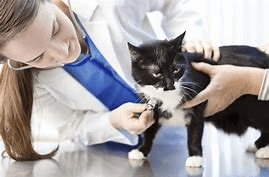
CKD is a common but manageable condition in feline patients, and responds well to integrative medicine. Herbs and acupuncture are key therapies.

Chronic kidney disease (CKD) is a common problem in cats, and one which all veterinarians encounter in practice. An integrative approach that includes herbs and acupuncture can help treat and even reverse this condition in feline patients.

CKD can be detected early through careful monitoring at annual wellness programs. IRIS (International Renal Interest Society) staging allows for the conventional staging of treatment, including any dietary changes. Key treatment strategies for feline CKD include supporting hydration, reducing phosphorus (usually through protein restriction), regulating blood pressure and controlling calcium levels. The intensity of intervention increases with disease progression.

Integrative treatment goals

Using integrative approaches to CKD, we have observed cats moving from IRIS Stages 2 and 3 to Stage 1, and remaining there for years. This reversal implies that nephrons are hypoxic and under-functioning, and that improving their functional capacity is a key goal. See below for integrative treatment goals for CKD.

Herbs can optimise kidney cell function by reducing oxidative stress, improving renal blood flow and mitigating fibrosis, thereby maintaining patients in early stages for extended periods. Acupuncture, manipulative therapies and other modalities can also be a part of the integrative approach.

With acute renal disease, the goals are modified to regulate/decongest the kidneys by reducing blood flow, and provide anti-inflammatory support to inflamed glomeruli. This may be a starting point with pyelonephritis, for example. Most cats, however, benefit from increased perfusion unless the renal disease is acute in onset (inflammatory).

Dietary considerations

Despite numerous experimental studies and clinical trials, questions about feeding protein to cats with chronic kidney disease (CKD) remain. What is the optimal amount of protein for a cat with CKD? How much restriction is necessary? Do different types of kidney disease require different dietary therapies? At what point in disease progression should protein restriction be implemented? Does the type of protein make a difference? Does every meal have to be restricted? Will a cat in IRIS Stage 3 or 4 benefit if phosphorus is restricted by other means? Might some cats with advanced disease benefit from increased protein levels?1 These concerns remain despite the common practice of prescribing therapeutic renal diets to cats in any stage of CKD.

Integrative practitioners provide, or are requested to provide, natural feeding advice to cat owners. Excellent resources include the veterinary Diplomats in Nutrition; Balance It and several software programs that can be used for formulating diets while taking feline preferences into account. See page xx for an example of a low-phosphorus diet for cats with CKD.

From an integrative perspective, real food is considered to have many benefits, including palatability for ill cats, and these benefits may outweigh those offered by processed foods. In IRIS Stage 1 and early Stage 2, the diet may not need to be modified, although serum phosphorus and the phosphorus content of the diet should be evaluated. From late Stage 2 onwards, consideration may be given to reducing protein by diluting with fat and carbohydrates.

Herbal help

Herbs can delay the onset and progression of CKD in cats by improving mitochondrial function, and providing antioxidant protection and ACE-inhibiting effects. Many herbs are anti-inflammatory, anti-fibrotic and nephroprotective, and several improve renal blood flow. A principle of herbal medicine is that formulations containing multiple plants can have greater effects than the same herbs taken separately. These synergistic effects enhance the desired action.2

Following are several herbs to be considered and included in formulas for renal treatments.

1. Rehmannia glutinosa

Rehmannia glutinosa occurs in many Chinese herbal formulas, including Rehmannia Eight Combination (Shen Qi Wan, Jin Gui Shen Qi Wan, Ba Wei Di Huang Wan), which is very useful for cats with CKD and weight loss, loss of strength, polyuria, polydipsia, and that are seeking warmth. It is also included in Zhi Bai Di Huang Wan, which is useful in cats with CKD and hyperthyroidism, particularly in those tending towards constipation, agitation and weight loss, along with polydipsia and polyuria.

Rehmannia has a long history of research and effective use in CKD. In humans, studies have found that it has a 91% efficacy in reducing renal damage from nephritis, due to the enhancement of renal blood flow and glomerular filtration.3 In a model of renal ischemia, ligated rats that received Rehmannia extract showed improved renal blood flow (to near normal levels) and reduced mortality and hypertension compared to controls, through either ACE inhibition or juxtaglomerular desensitization.4 Rehmannia reduces oxidative stress and can promote red blood cell production through bone marrow stimulation; reduce serum creatinine and urinary protein excretion and glomerulosclerosis in compromised patients; and inhibit the expression of Angiotensin II as well as Type IV collagen in the renal cortex.5, 6

Fresh Rehmannia is utilised in Ba Wei Di Huang Wan and Zhi Bai Di Huang Wan. Interestingly, a recent study supports the use of fresh over prepared Rehmannia; the former acts more powerfully on attenuating interstitial fibrosis by downregulating the expressions of transforming growth factor, a smooth muscle actin, and Type 1 collagen.7

2. Astragalus membranaceus

Astragalus membranaceus is known as a Qi tonic in Chinese medicine, and as a major immune-modulating herb in Western herbal medicine. It should also be known as a major kidney herb. Its major constituent, astragaloside, ameliorates renal interstitial fibrosis in vivo by inhibiting inflammation.8 It has major antioxidant effects.9 Astragalus has been reviewed by Cochrane and was found to offer some promising effects in reducing proteinuria and increasing haemoglobin.10 Its nephroprotective effects against oxidative stress include anti-inflammatory and anti-apoptotic mechanisms.11 In a systematic review of Astragalus on diabetic nephropathy in animal models, this herb was able to reduce blood glucose and albuminuria levels and reverse the glomerular hyperfiltration state, thus ameliorating pathologic changes.12

3. Angelica sinensis

Angelica sinensis contains polysaccharides that inhibit oxidative stress injury in mouse kidneys.13 Like Astragalus, its nephroprotective effects include anti-inflammatory and anti-apoptotic mechanisms.11 Renal microvascular lesions can contribute to the progression of glomerular sclerosis and tubulo-interstitial fibrosis in chronic kidney Both Astragalus and Angelica can improve microvascular lesions by increasing local renal blood flow to lessen hypoxic renal injury, promoting the recovery of renal blood flow and glomerular filtration rate after ischemia-reperfusion; modulating the imbalance of vaso-activators such as nitric oxide and angiotensin; increasing the expression of vascular epithelial growth factor; inhibiting the release of the intracellular calcium ion; and promoting DNA synthesis in endothelial cells to improve the function of endothelial cells. The evidence suggests that both herbs may retard the progress of renal diseases through the above-mentioned mechanisms.14

In one study involving rats with an obstructive uropathy, Astragalus and Angelica were administered with Enalapril and compared to monotherapy. Enalapril with Astragalus and Angelica decreased tubulointerstitial fibrosis to a significantly greater extent than did treatment with Enalapril alone.15

4. Cinnamon

Cinnamon is readily accepted by cats and offers a mono-herbal treatment for fussy felines. It occurs in the Wei Ling Tang formula, which is useful for overweight CKD cats with proteinuria, hematuria, urolithiasis, azotemia, glomerulonephritis and pyelonephritis. Cinnamon can inhibit advanced glycation end products (AGE) and can ameliorate AGE-mediated pathogenesis in diabetic nephropathy.16 Cinnamon is a major antioxidant and anti-inflammatory spice, and has had over 178 papers published on it from 1995 to 2015.17 Cinnamon at a dose of 50 mg/kg for two weeks was given to dogs; the systolic blood pressure and heart rate in the treated dogs was significantly lower than in the normal group.18

5. Silybum marianum

Silybum marianum is one of our preeminent nephron-protective herbs. It should be considered an adjunct to ameliorative potential effects against drug-induced kidney disease, particularly in chemotherapy.19 It is also an herb that could be considered for CKD support. It is a potent antioxidant and free radical scavenger that inhibits lipid peroxidation and stabilizes cell membranes. It also increases intracellular glutathione, which plays a crucial role in the body’s antioxidant capacity, and it has anti-inflammatory properties inhibiting T-cell proliferation and cytokine secretion.20 There is also evidence that Silybum has a regenerative effect on renal tissue after injury.21

Mushrooms — Ganoderma and Cordyceps

Mushrooms are well tolerated by cats when given in the form of powders or concentrated tinctures added to food. Ganoderma lucidum is a medicinal mushroom that has been widely used in China and Japan for hundreds of years for its immune-modulating, anti-inflammatory and anti-tumor effects. Ganoderma compounds are renoprotective.22.The active peptide in Ganoderma counteracts oxidative stress from renal ischemia, and in an animal model of diabetic nephropathies has renal protective effects.23

Likewise, Cordyceps sinensis is extensively used by Chinese physicians to treat chronic renal diseases and to stimulate the immune system. It also displays anti-oxidative activities. It is commonly used in renal transplant patients; it has been shown to significantly improve renal fibrosis.24

Acupuncture and moxibustion

A recent single blinded randomized controlled study in patients with CKD showed that acupuncture at bilateral LI4, ST36 and KI3, and electroacupuncture to right ST36 and KI3 and left ST36 and KI3, once a week for 12 weeks, led to reduced creatinine levels and increased glomerular filtration rates.25 Moxibustion at Bl 23 in patients with CKD reduced renal vascular resistance.26

Most of the benefits that acupuncture offers in renal failure are undoubtedly due to the ability of these points to manipulate blood flow. Local blood flow is manipulated using BL23, BL22 and GB25, while systemic blood flow is manipulated with GB34, BL40 and KI3. Systemic blood flow greatly impacts renal function. Peripheral vasoconstriction can be induced to drive more blood to the kidneys. Peripheral vaso-relaxation can be induced to decongest the kidneys.

For animals in Stage II renal failure (using the IRIS classification system), and particularly where UPC ratios are greater than 2.5, use GB25, BL22 and GB34. These animals will typically have benefited from hypotensive drugs and low-protein diets, but won’t show an immediate improvement from fluid therapy. For animals in Stage I renal failure, or where UPC ratios are less than 2 to 2.5, use KI3, BL40 and BL23. These animals will typically not benefit from low-protein diets and hypotensive drugs, but will show an overt improvement from fluids.27

Integrative treatment goals for feline CKD

·         Mitigate oxidative stress by using antioxidant herbs

·         Improve renal perfusion (in most cases)

·         Prevent fibrosis, which is a natural consequence of renal disease

·         Optimise systemic health and well-being

Example of a low-phosphorus diet for cats with CKD

·         50 grams or ¼ cup pearl barley

·         200 grams raw chicken breast meat

·         10 grams chicken liver

·         1 large egg yolk

·         2 cups raw sweet potato

·         4 teaspoons salmon oil plus 4 teaspoons flaxseed oil

Cook barley, sweet potato, chicken and liver are on low heat with water. When warm, mix in egg yolk to lightly cook it (and preserve the choline). When cool, the recipe is divided into four meals (average 250 kcals) with the addition of 1 teaspoon of salmon oil and 1 teaspoon of flaxseed oil daily. The meals are divided.

The whole recipe provides 1,029 kcal, 36% carb, 40% fat, 24% protein and 724 mg of phosphorus. It needs to be supplemented as it is low in a number of minerals and vitamins, and is still low in choline. Any supplement added should be evaluated for its phosphorus content. This should demonstrate the complexity of balancing diets. Another excellent strategy is to have several recipes and vary the composition of diets over time. More protein can be utilised alongside phosphorus binders in later stages of kidney disease.

Conclusion

Chronic kidney disease in cats is a manageable condition that responds well to integrative medicine. In the author’s experience herbal medicine and acupuncture are key. Many integrative practitioners have reported success with other additional therapies, including homeopathy, cell salts, flower essences and osteopathy.

References

1Larsen JA. “Controversies in Veterinary Nephrology: Differing Viewpoints: Role of Dietary Protein in the Management of Feline Chronic Kidney Disease”. Vet Clin North Am Small Anim Pract. 2016 Nov;46(6):1095-8.

2Bangar OP, Jarald EE, Asghar S, Ahmad S. “Antidiabetic activity of a polyherbal formulation (Karnim Plus)[J]”. Int J Green Pharm, 2009, 3(3) : 211-214.

3Su ZZ, He YY, Chen G. “Clinical and experimental study on effects of man-shen-ling oral liquid in the treatment of 100 cases of chronic nephritis”. Chung Kuo Chung Hsi I Chieh Ho Tsa Chih. 1993;13(5): 259–260,269–272.

4Yi NY, Chu W, Koang NK. “Pharmacologic studies on Liu Wei Di Huang Wan: its action on kidney function and blood pressure of rats with renal hypertension”. Chin Med J-Peking. 1965;84(7):433–436.

5Yuan Y, Hou S, Lian T, Han Y. “Rehmannia glutinosa promotes the recovery of RBC and Hb levels in hemorrhagic anemia by promoting multiplication and differentiation of CFU-S and CFU-E bone marrow cell line”. Chung Kuo Chung Yao Tsa Chih. 1992;17(6):366–368.

6Lee BC, Choi JB, Cho HJ, Kim YS. “Rehmannia glutinosa ameliorates the progressive renal failure induced by 5/6 nephrectomy”. J Ethnopharmacol. 2009;122(1):131–135.

7Liu DG, Zeng M, Gao HY, et al. “Rehmanniae Radix and Rehmanniae Radix Praeparata Ameliorates Renal Interstitial Fibrosis Induced by Unilateral Ureteral Occlusion in Rats and Their Mechanism”. Zhong Yao Cai. 2015 Dec;38(12):2507-10.

8Zhou X1, Sun X1, Gong X1. “Astragaloside IV from Astragalus membranaceus ameliorates renal interstitial fibrosis by inhibiting inflammation via TLR4/NF-кB in vivo and in vitro”. Int Immunopharmacol. 2017 Jan;42:18-24.

9Shahzad M, Shabbir A, Wojcikowski K. “The Antioxidant Effects of Radix Astragali (Astragalus membranaceus and Related Species) in Protecting Tissues from Injury and Disease”. Curr Drug Targets. 2016;17(12):1331-40.

10Zhang HW1, Lin ZX, Xu C, et al. “Astragalus (a traditional Chinese medicine) for treating chronic kidney disease”. Cochrane Database Syst Rev. 2014 Oct 22;(10):CD008369.

11Shahzad M1, Small DM2, Morais C. “Protection against oxidative stress-induced apoptosis in kidney epithelium by Angelica and Astragalus”. J Ethnopharmacol. 2016 Feb 17;179:412-9.

12Zhang J1, Xie X, Li C, et al. “Systematic review of the renal protective effect of Astragalus membranaceus (root) on diabetic nephropathy in animal models”. J Ethnopharmacol. 2009 Nov 12;126(2):189-96.

13Fan YL, Xia JY, Jia DY. “Protective effect of Angelica sinensis polysaccharides on subacute renal damages induced by D-galactose in mice and its mechanism”. Zhongguo Zhong Yao Za Zhi. 2015 Nov;40(21):4229-33. [Article in Chinese].

14Song JY1, Meng LQ, Li XM. “Therapeutic application and prospect of Astragalus membranaceus and Angelica sinensis in treating renal microvascular lesions”. Zhongguo Zhong Xi Yi Jie He Za Zhi. 2008 Sep;28(9):859-61.[Article in Chinese].

15Wojcikowski K1, Wohlmuth H, Johnson DW. “Effect of Astragalus membranaceus and Angelica sinensis combined with Enalapril in rats with obstructive uropathy”. Phytother Res. 2010 Jun;24(6):875-84.

16Muthenna P1, Raghu G1, Kumar PA, et al. “Effect of cinnamon and its procyanidin-B2 enriched fraction on diabetic nephropathy in rats”. Chem Biol Interact. 2014 Oct 5;222:68-76.

17Mollazadeh H1, Hosseinzadeh H2. “Cinnamon effects on metabolic syndrome: a review based on its mechanisms”. Iran J Basic Med Sci. 2016 Dec;19(12):1258-1270.

18Kaffash Elahi R. “The effect of the cinnamon on dog’s heart performance by focus on Kortkoff sounds”. J Animal Veterinary. 2012;11:3604–3608.

19Dashti-Khavidaki S1, Shahbazi F, Khalili H, et al. “Potential renoprotective effects of silymarin against nephrotoxic drugs: a review of literature”. J Pharm Pharm Sci. 2012;15(1):112-23.

20Sedighifard Z1, Roghani F1, Bidram P, et al.  “Silymarin for the Prevention of Contrast-Induced Nephropathy: A Placebo-Controlled Clinical Trial”. Int J Prev Med. 2016 Jan 22;7:23.

21Sonnenbichler J, Scalera F, Sonnenbichler I, et al. “Stimulatory effects of silibinin and silicristin from the milk thistle Silybum marianum on kidney cells”. J Pharmacol Exp Ther. 1999 Sep; 290(3):1375-83.

22Wang XL1, Zhou FJ2, Dou M3, et al “Cochlearoids F-K: Phenolic meroterpenoids from the fungus Ganoderma cochlear and their renoprotective activity”. Bioorg Med Chem Lett. 2016 Nov 15;26(22):5507-5512.

23Joob B1, Wiwanitkit V2 Linzhi. “(Ganoderma lucidum); evidence of its clinical usefulness in renal diseases”. J Nephropharmacol. 2015 Dec 27;5(1):9-10.

24Du F1, Li S2, Wang T, et al. “Cordyceps sinensis attenuates renal fibrosis and suppresses BAG3 induction in obstructed rat kidney”. Am J Transl Res. 2015 May 15;7(5):932-40.

25Yu JS1,2,3, Ho CH4,5, Wang HY6,7, et al. “Acupuncture on Renal Function in Patients with Chronic Kidney Disease: A Single-Blinded, Randomized, Preliminary Controlled Study”. J Altern Complement Med. 2017 Apr 19.

26Matsumoto-Miyazaki J1, Miyazaki N1, Murata I, et al “Traditional Thermal Therapy with Indirect Moxibustion Decreases Renal Arterial Resistive Index in Patients with Chronic Kidney Disease”. J Altern Complement Med. 2016 Apr;22(4):306-14.

27Marsden S. “Introduction to veterinary acupuncture course notes’> College Integrative Veterinary Therapies, 2017.


Does Saying Goodbye Help Prevent Dog Separation Anxiety?

By: Dr. Wailani Sung and comments by Diane Weinmann

Are you one of those dog owners who says goodbye to your pets as you walk out the door? Don’t be embarrassed—you are not alone.


Why do many dog owners feel the need to say goodbye or tell their dogs that they will be back?


Pet parents will say goodbye to their pets mostly because it is part of our human culture to notify our family of our imminent departure or to let them know when to expect us back.


But the question is, does your dog care if you do or don’t? Find out if it means anything to your dog, whether it actually makes things worse, and what you can do about dog separation anxiety.


Does Your Dog Need You to Say Goodbye to Him?


Research on dogs suffering from separation anxiety has indicated that dogs know well in advance when their owners are going to leave.


You may not realize that you are projecting your pending departure as you prepare to leave—well before you say “goodbye.” Most people will put their shoes on, grab their jackets, pick up a bag or purse and keys, and head towards the front door.


Some owners may put out special dog toys or treats for their dog right before they leave. These are all signals that tell your dog that you are going to leave.


Other pet parents will go through elaborate displays of affection such as hugging their dogs and/or kissing them and telling them they love them and will be back.

Animal communicators can tell you that your dog can read what’s in your head and that’s how they know you are going on vacation or to the grocery store.  Granted, picking up coats, keys and locking doors are outward indicators that you are leaving but for the most part, your dog can be sleeping in a bedroom on the bed completely away from visually seeing you perform these tasks and they will still know you are leaving—that’s how they miraculously show up as you are leaving the house!


Every dog’s reaction to their owner’s departure will vary according to their personality. It is not unusual to hear dogs vocalize after their owners leave. Some may whine, bark or howl briefly as the owners leave and, within a few minutes, settle down.


These dogs are exhibiting contact-calling behavior, which is a series of vocalizations some social species will use to try to contact other members of the group that may have wandered off beyond the immediate area. Dogs will typically demonstrate this behavior with barking or howling; it’s like they are saying, “Hello, are you there?”


Some dogs may even scratch at the door or run to the window to watch their owners leave.


The majority of dogs appear to tolerate their owners’ absence with minimal drama. However, 14-29 percent of the dog population may suffer from owner-separation-related distress.


For a dog with separation anxiety, making the departure and return greeting routine very exciting and dramatic may enhance the dog’s anxiety when they are all alone.


How to Know If Your Dog Suffers From Separation Anxiety


Most pet parents rely on signs that something’s amiss in their home—such as scratches on the door, items that are chewed up, or evidence of house soiling—to detect separation anxiety. If they do not see anything amiss, they usually think that their dogs were fine.


Some people may not find the house torn apart but may later hear from their neighbors or landlord that their dogs were vocalizing intensely when they first left or throughout the entire length of their absence.


If you are unsure whether your dog suffers from separation anxiety, record his behavior for 15-20 minutes after your departure using a device such as the Petcube Bites Wi-Fi pet camera or Pawbo+ Wi-Fi interactive pet camera. You can also use the camera on your computer or leave your phone behind to record their activity.


It is really important that you actually walk out the door, lock it, and walk or drive away. The dogs will know if you are just pretending to leave because they won’t hear the familiar indicators, such as your footsteps fading away or the start of the car engine.


Then you can review your dog’s behavior and show the recording to your veterinarian or a trainer or behaviorist. Dogs suffering from separation anxiety will exhibit the most intense anxiety and distress during the first moments the owners are absent.


Treating Separation Anxiety in Dogs


If your dog does not appear to get upset after you have left, then you can continue to say goodbye to them when you leave.


If you have determined that your dog does get upset in your absence, it is best to seek professional help right away. They can help determine whether your dog is suffering from mild, moderate or severe separation anxiety.


Mild Separation Anxiety


Dogs that show some mild anxiety may be less upset if they receive long-lasting dog treats, like WHIMZEES Stix dental dog treats, or if they have to work for their favorite treats in a dog puzzle toy, like the Milk-Bone Active biscuit-dispensing ball.


Moderate to Severe Separation Anxiety


For dogs that exhibit a moderate to severe level of anxiety, it is best to downplay your departures by not saying effusive goodbyes or greeting them excitedly when you return home.


A board-certified veterinary behaviorist can provide a diagnosis and recommend a treatment plan that includes immediate management options, behavior modification exercises and the potential use of anti-anxiety medication, if warranted.


Other educated dog professionals, such as Certified Applied Animal Behaviorists (CAAB) can also help but will not be able to make any recommendations regarding pet behavior meds.


Dogs that become so upset that they exhibit panicked behavior that may cause injury to themselves or damage the house might need prescription pet medication. In some cases of severe separation anxiety, injuries have included dogs breaking their teeth, pulling out toenails, jumping out of windows, or chewing holes through the walls.


When the owners do not have other options, such as the use of daycare or a pet sitter, medication can sometimes help to decrease the dog’s anxiety so that they can tolerate being left home alone.   Also, holistic avenues should be explored such as Bach Flower Essence Rescue Remedy and essential oils such as Calm-A-Mile by Dr. Melissa Shelton DVM to bring relief to your pet!


The distress these dogs experience is a mental health crisis. The quicker the problem is addressed, the better the prognosis.


Cat Periodontal Disease

As seen in Petrax

Cat periodontal disease, or gum disease in cats, is an inflammation of some or all of a tooth’s deep supporting structures. It is one of the most common diseases in cats today.


If food particles and bacteria are allowed to accumulate along a cat’s gumline, it can form plaque, which, when combined with saliva and minerals, will transform into calculus (tartar). This causes gum irritation and leads to an inflammatory condition called gingivitis.


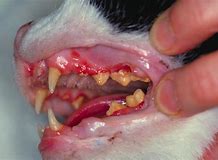
Gingivitis, which is evidenced by a reddening of the gums directly bordering the teeth, is considered to be an early stage of periodontal disease in cats.


After an extended period, the calculus eventually builds up under the gum and separates it from the teeth. Spaces will form under the teeth, fostering bacterial growth.


Once this happens, the cat has irreversible periodontal disease. This usually leads to bone loss, tissue destruction and infection in the cavities between the gum and teeth.


Symptoms and Types of Gum Disease in Cats


Periodontal disease in cats generally begins with the inflammation of one tooth, which may progress if not treated during different stages of the condition.


A cat with stage 1 periodontal disease in one or more of its teeth, for example, will exhibit gingivitis without any separation of the gum and tooth.


Stage 2 is characterized by a 25 percent attachment loss, while stage 3 involves a 25 to 30 percent attachment loss.


In stage 4 of cat periodontal disease, which is also called advanced periodontitis, there is more than a 50 percent attachment loss. In the most advanced stage of the disease, the gum tissue will usually recede and the roots of the teeth will be exposed.


Cats may also develop a cat gum disease called stomatitis (gingivostomatitis). Stomatitis is the severe inflammation of all of the gum tissue, which may affect the other tissues in the mouth.


Stomatitis occurs due to an overactive immune response to even small amounts of plaque and calculus.


Causes of Gum Disease in Cats


Cat periodontal disease can be caused by a variety of factors,  but is most commonly associated with bacterial infection. Bacteria under the gumline leads to pain and inflammation of the tissue.


There may also be a relationship between having a history of calicivirus infection and severe gingivitis.


Diagnosis of Periodontal Disease in Cats


In the exam room, your veterinarian will look inside your cat’s mouth for red, inflamed gums. That is the first indication of a problem. Your veterinarian may press gently on the gums to see if they bleed easily, which is a sign that a deep dental cleaning, or more, is needed.


Once under anesthesia, the diagnosis of cat periodontal disease involves a number of procedures. If periodontal probing reveals more than one millimeter of distance between the gingivitis-affected gum and tooth, a cat is considered to have some form of periodontal abnormality.


X-rays are extremely important in diagnosing periodontal disease in cats because up to 60 percent of the symptoms are hidden beneath the gumline.


In the disease’s early stages, X-rays will reveal loss of density and sharpness of the root socket (alveolar) margin. In more advanced stages, it will reveal loss of bone support around the root of the affected tooth.


Treatment


The specific treatment for cat periodontal disease depends on how advanced the disease is. In the early stages, treatment is focused on controlling plaque and preventing attachment loss.


This is achieved through daily brushing with pet-safe toothpaste, professional cleaning and polishing, and the prescribed application of fluoride or other pet prescription products to minimize the development of plaque.


Sometimes it is necessary to remove the teeth associated with severe stomatitis.


In the more advanced stages, bone-replacement procedures, periodontal splinting and guided tissue regeneration may become necessary.


Living and Management


Follow-up treatment for periodontal disease in cats consists mostly of maintaining good cat dental care and taking your cat for weekly, quarterly or biannual checks.


The prognosis will depend on how advanced the cat gum disease is, but the best way to minimize the adverse effects caused by the disease is to get an early diagnosis, adequate treatment and proper therapy.


Prevention


The best prevention for cat gum disease is to maintain your pet’s good oral hygiene and to regularly brush and clean her mouth and gums.


Cats can be trained to accept brushing when trained slowly over time and rewarded for their cooperation.


Prescription cat food dental diets are available for those cats who are unwilling to have their teeth brushed.


Cat dental treats, water additives and other products certified by the Veterinary Oral Health Council (VOHC) are also shown to help reduce plaque and calculus.


Is your Dog Anxious??

By Karen Becker and comments by Diane Weinmann

When we talk about “nervous” dogs, we’re really discussing dogs who are anxious. And while it may seem unlikely your pampered pooch has any reason to feel stressed, it’s important to recognize that dog stressors can be quite different from human stressors.

It’s also really important to understand that research clearly shows dogs can and often do experience stress, and according to one study, “There is evidence to suggest that the stress of living with a fear or anxiety disorder can have negative effects on health and lifespan in the domestic dog.”1

When dogs feel anxious, their bodies release an excessive amount of norepinephrine, the fight or flight hormone, which has the potential to alter gut bacteria and interfere with gastrointestinal (GI) tract motility.2 This flood of norepinephrine can result in physical symptoms like diarrhea, which only exacerbates your dog’s stress — especially if she has an accident in the house.

Some dogs primarily experience short-lived stress, but others suffer chronic stress. The more you know about what triggers your pet’s anxiety, the behaviors she tends to perform when she’s anxious, and the effect of stress on her health, the better able you’ll be to identify the signs and take action to minimize or eliminate stressors.

Signs Your Dog Is Anxious

Estimates are that about 30% of dogs show signs of anxiety, identified by either body language or behaviors such as obsessive licking. Since each dog has his own communication style, it’s important to learn your pet’s signals that he’s feeling nervous or stressed. There are many signs of anxiety in dogs, and they can change over time. Some of them include:3

Lowered or tucked tail Trembling/shaking
Ears pulled or pinned back Increased whining, howling and/or barking
Yawning or panting Diarrhea
Nose or lip licking Reduced or absent appetite
Cowering, crouched body posture and/or hiding Destructive behaviors

If your dog is showing one or more signs that he’s anxious, I strongly encourage you to make an appointment with your veterinarian for a wellness checkup. It’s important to rule out an underlying medical condition that may be the cause of or a contributor to the anxiety.

8 Common Triggers for Anxiety in Dogs

Some of the causes of stress in dogs are species-specific, while others are triggers that can cause anxiety in humans as well. And just like sensitive people, sensitive dogs generally tend to be more susceptible to stress. Some common triggers include:

  1. Sudden loud noises (e.g., fireworks, thunderstorms)
  2. Punishment-based training methods involving yelling, hitting, shock collars, etc.
  3. Adverse relationships with other pets or humans in the household
  4. Unwanted attention such as being randomly awakened from a nap, or being forcibly hugged, kissed or held
  5. Lack of opportunities to express normal species- and breed-specific behaviors such as running, retrieving, hunting, herding, etc.
  6. Exposure to the strange and unfamiliar (objects, animals, people, etc.)
  7. Changes in housing, household routine or household members
  8. Separation from family members, including other pets

As you go about identifying the triggers for your dog’s anxiety, also consider her history. If you adopted her, what do you know about her past? Was she abused or neglected? Is she anxious mainly around men or kids? Other dogs? Some of the things that cause anxiety in dogs can be unavoidable, such as thunderstorms passing through or a move to a new home. However, there are several things you can control to minimize stress and improve your dog’s quality of life. Examples:

  • Use only positive reinforcement behavior training/trainers.
  • Help everyone in the family understand and respect your dog’s need for uninterrupted sleep and human handling he feels comfortable with.
  • Increase your dog’s daily physical activity level, since the vast majority of dogs, especially large breeds, don’t get nearly enough. Daily movement is extremely important in mitigating your dog’s stress response.
  • Dogs left alone for several hours during the day get lonely and bored. If there’s often no one home to keep your dog company, recruit a friend or neighbor or hire a dog walker to take him for a stroll around the block, at a minimum. An alternative is doggy daycare.

Tips to Calm an Anxious Dog

  1. Consider adding a probiotic supplement or fermented veggies to your dog’s fresh, nutritionally balanced, species-appropriate whole food diet, as studies show probiotics reduce stress-related GI disturbances in dogs.
  2. Make sure your dog gets plenty of exercise, playtime, mental stimulation, attention and affection. Daily rigorous exercise is one of the most overlooked, free and effective treatments for reducing stress that very few pet parents take advantage of.
  3. Add a flower essence blend like Solutions Separation Anxiety to her drinking water and invest in an Adaptil pheromone collar or diffuser.
  4. When your dog will be home alone, leave him with an article of clothing or blanket with your scent on it and a treat-release toy, place small treats and his favorite toys around the house for him to discover, and put on some soothing doggy music before you leave.
  5. Also play calm, soothing music before a possible stressor occurs. This may relax your dog and have the added bonus of drowning out distressing noises.
  6. If your dog responds well to pressure applied to her body, invest in a wrap like the Thundershirt; also consider Ttouch, a specific massage technique that can help anxious pets.
  7. Consult a holistic or integrative veterinarian about homeopathic and TCM (traditional Chinese medicine) remedies, Rescue Remedy or other specific Bach flower remedies that could be helpful in alleviating your dog’s intermittent stress.   Diane makes custom blends depending on your unique situation after she talks with your pet to determine the triggers for stress and anxiety. Products I use, always in conjunction with behavior modification, include homeopathic aconitum (or whatever remedy fits the symptoms best), Hyland’s Calms Forte or calming milk proteins (variety of brands).

Calming nutraceuticals and herbs that can be of benefit include holy basil, l-theanine, rhodiola, ashwagandha, GABA, 5-HTP and chamomile.

The essential oil of lavender has been proven to reduce the stress response in dogs. Place a few drops on your pet’s collar or bedding before a stressor occurs or diffuse the oil around your house. There are also great oil blends specifically for calming animals. Diane likes Calm-A-Mile by Dr. Melissa Shelton DVM. http://www.animaleo.info/order-animaleo.html


  1. If you’ve adopted a dog who may have had a rocky start in life, I highly recommend a program called A Sound Beginning, which is designed to help rescue dogs and their adopters learn to communicate effectively and form an unbreakable bond.
  2. If your dog’s anxiety seems to be getting worse instead of better, consider an individualized approach to managing her stress by allowing her to choose what best soothes her via applied zoopharmacognosy (self-healing techniques offered through a trained professional).