Diarrhea Home Remedies

By Dr. Becker

dog-poop-on-beach

If you have a four-legged family member at home, you know that the occasional bout of diarrhea just goes with the territory. It’s not really a matter of if your pet will have diarrhea, but when. Because at some point, it’s going to happen!

Knowing what to expect when your pet has loose stools — and how to manage it when it happens — is good information to have, preferably before you need it.

Causes of Diarrhea

There are several reasons dogs and cats get diarrhea, but the most common cause by far is dietary indiscretion, which means your pet ate something he shouldn’t have and his body wants to get rid of it right away. This is probably why the occasional bout of diarrhea is more a problem for dogs than cats.

Cats tend to throw up, whereas dogs tend to have lower GI (gastrointestinal) problems and loose stools. Also, many dogs are indiscriminate eaters, whereas cats are typically more selective about what they put in their mouths.

If your dog eats a stick or a chew toy, diarrhea or intermittent loose stools can be the result. If your kitty swallows a rubber band, though it may not cause a GI blockage, it can still cause diarrhea.

A sudden change in diet can also cause diarrhea, especially in pets who are fed the same food day in and day out for a long period of time. It’s one of the reasons I recommend variety in your pet’s diet. If your dog or cat has a strong, resilient GI tract, he should be able to eat different foods regularly and not have diarrhea.

Just as your body is designed to eat different foods every day and not have diarrhea, so is your pet’s. If you feed your dog or cat the same food day after day, month after month, year in and year out, then suddenly switch to a new diet, a case of diarrhea is just about guaranteed.

It’s not the fault of the different food — it’s because your pet’s gut has been conditioned to process only one type of food, which is not ideal, nutritionally or physiologically.

Transitioning Your Pet to a Varied Diet

The goal is to diversify your pet’s diet to include a variety of foods with different nutrient contents, which ultimately fosters a diversified gut microbiome, and makes the digestive system strong and resilient.

Up to 80 percent of your pet’s immune system is located within the GI tract, so the more you focus on creating good gut health, the healthier your pet will be overall.

If you want to feed your pet a different food, you have to make the transition very slowly. I can’t tell you the number of times I’ve had clients throw out their old pet food and switch their dog or cat immediately to a new food.

They often end up at the emergency animal hospital with a debilitated animal who’s dealing with a terrible case of diarrhea due to the sudden dietary change.

A slow dietary transition means days to weeks for most dogs, and often weeks to months for cats. I recommend you start by feeding 10 percent new food blended with 90 percent old food for several days. Watch your pet’s stool and if all seems well, move to 20 percent new/80 percent old.

Keep watching for stool changes and if none occur, move to 30 percent new food and 70 percent old, and so on, until you’re feeding only the new diet. The process should be slow enough that no bowel changes occur.

Other Causes of Diarrhea

Food allergies or sensitivities are another common cause of diarrhea for both dogs and cats. What many veterinarians call inflammatory bowel disease (IBD) or irritable bowel syndrome (IBS) is actually a response to something in the diet. Both IBD and IBS can cause intermittent loose stools or diarrhea.

Pancreatitis, which is inflammation of the pancreas, and feline hyperthyroidism have diarrhea as a symptom.

Viral and bacterial infections in the gastrointestinal tract can cause diarrhea. And parasites like giardia are another culprit. This microscopic parasite causes intermittent diarrhea that can be difficult to diagnose.

Let’s say your otherwise healthy dog or cat develops intermittent loose stools seemingly out of the blue. You didn’t switch her diet, she didn’t eat anything she shouldn’t have — she just has loose stools for a few days. About the time you think you should call your vet, the stool firms up on its own.

You assume all is well — until another bout of diarrhea occurs days or weeks later. At this point, it’s time to ask your veterinarian to check for a giardia infection.

Stress is another cause of loose stools in some pets. Stress-induced diarrhea occurs when peristalsis, which is the wave-like motion of the GI tract that moves food through the intestines, is increased due to anxiety or stress.

Diarrhea Symptomsdog-scooping-poop
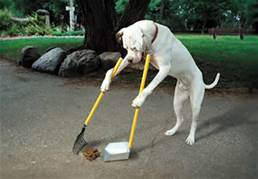
Diarrhea symptoms can be quite varied. Of course, frequency, urgency, and loose watery stools are the classic signs, but so is straining. Many pet guardians mistake constipation for diarrhea because they see kitty hunched up in her litterbox, or the dog hunched up outside, and nothing much seems to be happening.

What looks like constipation in this instance is really just another sign the pet is having a bout of diarrhea. Diarrhea upsets the normal rhythmic contractions and sensations of the GI tract, causing your dog or kitty to feel the constant need to eliminate. This is why she’s hunching and straining.

If your indoor cat is having diarrhea, it’s easy to know — just check the litterbox. Outdoor cats and dogs can be a bit more difficult to diagnose, so if you see your dog or kitty hunched up outside, check around for loose, brown or watery stools. If you find any, your pet is more likely to have diarrhea than constipation.

Other symptoms that can go hand-in-hand with diarrhea include lethargy, loss of appetite, fever and dehydration. Typically young, healthy pets have a single episode of loose stool or diarrhea, and it’s done. However, if your dog or cat is having chronic bouts of diarrhea, she runs the risk of becoming debilitated and ill.

Puppies and kittens, small adult pets, and older animals are at high risk of becoming dehydrated from even a single episode of diarrhea. If your dog or cat seems fine and healthy after a bout of diarrhea, it’s safe to simply keep a careful eye on her. But if you notice any lethargy, or a fever or change in behavior, you should call your veterinarian.

If your pet seems fine otherwise but is having recurring episodes of diarrhea that don’t seem to be resolving, or episodes that last more than three days, it’s also time to call the vet for an appointment. If your dog or cat is passing blood in her stool or if you notice any weakness or other signs of debilitation along with diarrhea, it’s important to get her to the vet immediately.

Treating a Pet With Diarrhea at Homedog-on-toliet

If your dog or cat is otherwise healthy and his behavior is normal, my recommendation is to withhold food — not water, just food — for 12 hours. A short-term fast gives the GI tract a chance to rest, repair and restore itself. Tissues can only heal when they’re resting.

Follow the 12-hour food fast with a bland diet. I recommend cooked, fat-free ground turkey and 100 percent canned pumpkin. If canned pumpkin isn’t available, you can use fresh, steamed pumpkin. If you can’t use either one of those, you can use cooked sweet potato or even cooked white potato.

Many veterinarians still recommend a bland diet of ground beef and rice. I don’t agree. Even the leanest ground beef is high in fat, which can worsen GI upset, and boiling it doesn’t substantially decrease the fat content. That’s why I recommend fat-free meat for bland diets. You can easily find fat-free ground turkey or turkey breast in most grocery stores.

Rice is a very starchy carbohydrate that tends to ferment in the GI tract and also provides a food source for opportunistic bacteria. Rice also often zips right through the digestive system and leaves your pet’s body looking just like it did going in. This tells you it hasn’t provided much in the way of calories or nutrition.

Canned 100 percent pumpkin provides about 80 calories and 7 grams of soluble fiber per cup, compared to 1.2 grams of fiber in a cup of cooked white rice. The soluble fiber (the type that dissolves in water to form a viscous gel) in pumpkin coats and soothes the GI tract.

Soluble fiber also delays gastric emptying, slowing down GI transit times and helping to reverse the effects of increased peristalsis. When animals have diarrhea, they can lose important electrolytes, including potassium, which puts them at risk of dehydration. Hypokalemia, or low potassium levels, can result in cramping, fatigue, weakness and heart rate irregularities.

Pumpkin happens to be an excellent source of potassium, with 505 milligrams of naturally occurring potassium per cup. Pumpkin is also safer for diabetic pets than rice. And most animals love it, including cats.

Since dogs and cats don’t have a nutritional requirement for grain, feeding a pro-inflammatory food like rice when they’re already having GI upset is counter-intuitive. There’s also the issue of arsenic in rice. Mix the turkey and pumpkin, 50/50, and feed it to your pet until the diarrhea resolves. If it doesn’t clear up in about three days on a bland diet, it’s time to call your veterinarian.

Additional Treatment Suggestions

I also recommend keeping some slippery elm on hand. Slippery elm is a neutral fiber source that works really well to ease episodes of diarrhea. I call it “nature’s Pepto-Bismol” because it reduces GI inflammation and acts as a non-irritating source of fiber to bulk up the stool and slow down GI transit time.

Give your dog or cat about a half a teaspoon or a capsule for each 10 pounds of body weight with every bland meal. I also recommend adding in a good-quality probiotic once the stool starts to firm up. In addition to slippery elm and probiotics, many pet owners have good luck with herbs such as peppermint, fennel or chamomile. These are especially helpful for the cramping and other uncomfortable GI symptoms that come with diarrhea.

There are several homeopathic remedies that can be very beneficial for intermittent diarrhea depending on your pet’s specific symptoms, including nux vomica, veratrum, podophyllum, arsenicum album and china.

When to See the Veterinarian

If your pet’s diarrhea isn’t resolving or keeps returning, I recommend you collect a quarter-size bit of poop on, for example, a stiff piece of cardboard, and slip it into a plastic baggie. Otherwise, your veterinarian may have to manually extract a sample, which will make your already uncomfortable pet that much more so.

Your vet will probably do bloodwork in addition to evaluating the stool to determine if there’s infection present. He or she should also treat your pet for dehydration if necessary, with IV (intravenous) or SQ (subcutaneous) fluids. Two fecal tests should be performed. One test checks for parasite antigens and/or eggs, and the other checks for bacterial or viral agents that cause diarrhea.

Prevention Tips

If your pet is a puppy, chances are he’s getting into grass, mulch, sticks, rocks, dirt and who knows what else every time you take him outside. Close supervision of very young dogs is important. If you have a cat who is obsessed with your houseplants, again, supervision is essential.

Puppies naturally harbor internal parasites. If the mother dog had parasites during pregnancy, the litter will also have parasites. One of my pet peeves with my traditional veterinary colleagues is they often give a universal dewormer to every puppy they see.

The problem is, there’s no such thing as a universal dewormer. Roundworm/hookworm, tapeworm, coccidia and giardia all require different dewormers. Don’t let your veterinarian try to convince you that one universal dewormer will get rid of all of those parasites. It’s not true.

Guessing is bad medicine. I recommend asking your veterinarian what specific parasite your dog or cat has before giving your pet what could be an unnecessary drug. Keep potentially toxic houseplants out of the reach of your pet. It’s important that your house is puppy- and kitten-proof.

You should go through each room and make sure there’s nothing potentially deadly your pet could get into. Young animals are naturally inquisitive about their environment, and they investigate with their mouths.

Your new puppy or kitten provides the very best incentive for keeping a clean, orderly home. It’s also important to pick up any food you drop on the floor. Although digestive disturbances come with the territory of pet ownership, a bland diet and a soothing herbal remedy like slippery elm will usually do the trick in managing the occasional bout of diarrhea in dogs and cats.
 

Photo courtesy of ct.gov.

Dog With These 2 Undesirable Behaviors?

By Dr. Becker and comments by Diane Weinmann

faith-on-couch

I think one of the most difficult concepts for dog parents to grasp when it comes to training their canine companion is that punishment is typically ineffective, and it’s often counterproductive. In other words, you can make your dog’s behavior worse using punitive tactics. As veterinary behaviorist Dr. Valarie Tynes explains:

“When punishment is used incorrectly, it will appear unpredictable and confusing, so many pets become anxious or fearful around the owner that administers the punishment.

When punishment is used in an attempt to train an animal that is already afraid or anxious, [the] fear and anxiety are likely to worsen and may lead to aggression“.1

According to Tynes, three important rules must be met for punishment (correction) to be effective:

1. The punishment must occur every time the unwanted behavior occurs

2. The punishment must be administered within a second or two of the inappropriate behavior

3. The punishment must be aversive enough to stop the dog from repeating the unwanted behavior in the future but not be so aversive as to frighten the dog

Unless your dog is physically tethered to you (e.g., you have him on a leash and the leash is attached to you in some manner), it will be extremely difficult to be on top of him when he misbehaves, and within a second or two of his mischief.

In addition, in my experience it’s the rare individual who can deliver “just enough” punishment to train a dog not to repeat the behavior without frightening him, or conversely, without teaching him to simply ignore verbal commands.

In other words, it’s easy to over-deliver or under-deliver punishment. If you allow anger into the equation, it can result in both physical and emotional harm to your dog. The flip side of the coin is punishment that’s so wishy-washy and non-committal the dog learns to simply ignore you. As Tynes points out:

“Meeting all three of these criteria can be difficult. That’s why punishment often fails to solve behavior problems and should not be the first training method of choice. Positive reinforcement training, in which animals are rewarded for appropriate behaviors, is safer and more effective.”

I absolutely agree with this, and can’t stress strongly enough the importance of positive reinforcement behavior training, not only to help your dog become a good canine citizen, but also to preserve and protect the close and priceless bond you share with him. 


Diane’s theory is catch them doing something good and reward them for that!  I love this method and it really makes you pay attention to your pet and how many times they are displaying good behavior vs bad.  So make time each day to catch them doing something good then praise and reward them for it showing them in your mind what they are doing that is so wonderful!  This could be as simple as being good while you eat dinner, laying down next to the cat without tormenting him, not jumping on someone, or coming when called.

Why Punishment Fails, Example No. 1: Couch-Loving Dog

Tynes offers two examples of why punishment usually doesn’t work. In the first, a dog who isn’t allowed on the couch is routinely found there by her owner, who reacts by yelling and waving a rolled-up newspaper at the dog each time the behavior occurs.

The dog’s response is to get off the couch when she’s yelled at, only to return when her owner isn’t around. As Tynes points out, because the dog still gets on the couch when the owner is away, she’s being rewarded some of the time for her undesirable behavior.

Remember rule No. 1 above? “The punishment must occur every time the unwanted behavior occurs.” In this case, it’s not possible for the couch-surfing canine’s owner to be there to deliver punishment each and every time the behavior occurs, so the punishment doesn’t solve the problem long-term.

I’d venture to guess the vast majority of dog parents are in a similar predicament. Most people lead busy lives, and it’s simply not possible to keep an eye on the dog 24 hours a day, seven days a week, 365 days a year.

In addition, punitive tactics delivered repeatedly have a way of escalating, because the dog parent grows increasingly frustrated that the punishment isn’t working. If the severity of the punishment increases, the dog may grow fearful of her owner, or a feistier dog may respond with growling or snapping.

Why Punishment Fails, Example No. 2: Jumping Dog

In Tynes’ second example, a dog greets people by jumping on them, and the owners’ response is to either knee the dog in the chest or kick him when he does it to them. As a result, the dog now avoids the husband because the kicking has caused him to be fearful. However, he still jumps on everyone else. As Tynes explains:

“Many dogs are highly motivated to greet people by getting close to their faces. In most cases, kneeing or kicking such a dog is less powerful than the dog’s desire to greet people by jumping on them.”

I think this is good information that can further your understanding of your dog’s motivation if he’s also a “jump greeter.” You know how some people greet everyone they meet with a big hug and a kiss? Seems there are dogs who are similarly inspired!

Back to the dog in the example — since not everyone he meets responds to his jumping with a knee or a kick (thank goodness), the punishment doesn’t meet rule No. 2 above: “The punishment must be administered within a second or two of the inappropriate behavior.”

It also doesn’t meet rule No. 3: “The punishment must be aversive enough to stop the dog from repeating the unwanted behavior in the future but not be so aversive as to frighten the dog.”

According to Tynes, this dog doesn’t always perceive kneeing as punishment, but rather often views it as reinforcement for his behavior because he’s getting attention (negative though it may be).

A Better Approach to Reclaiming the Couch

In the first example of the couch-loving dog, Tynes suggests blocking the dog’s access to the furniture whenever she’s home and unsupervised. A couple of options are crate training or confining her to another room in the house.

However, physically separating the dog from her beloved couch won’t teach her to stay off it, so I would suggest the crate or the separate room only while her owner is helping her learn what to do instead of getting up on the furniture.

Positive reinforcement behavior training is about showing your dog what you want her to do instead of the behavior you don’t want her to do. In this instance, the owner will need both a deterrent and an alternative behavior to teach.

An effective deterrent makes it uncomfortable for the dog to lie on the couch. Examples: a plastic cover over the couch (most dogs don’t like plastic), or one of those rubber carpet runners with the spikey side up.

Teaching the alternative behavior involves placing a comfy dog bed close to the couch, encouraging her with treats to lie down in it, and rewarding her each time she does. Once the dog learns to associate discomfort with the couch, and a yummy treat with lying in her own bed, the couch-surfing behavior should be gradually extinguished.

A Better Approach to Extinguishing Jumping Behavior

Kneeing a jumping dog or worse, kicking him as a form of punishment (or simply to keep him off you) is another example in which the dog isn’t learning a more acceptable behavior to replace the unacceptable one. In addition, you can cause injury to the dog and/or yourself using your knee or foot against him.

And there’s also the issue of unintentionally reinforcing the bad behavior because you’re paying attention to him when he jumps. This dog needs a replacement behavior that is equally motivating. Tynes suggests teaching him to sit to greet everyone. Sitting becomes the alternative behavior that gets rewarded with petting and/or a food treat.

While he’s being taught to sit to greet people, it’s important to stop reacting when he jumps on you. Turn your back, stand straight and ignore him. This is the opposite of what he wants (attention) and sends the message that you don’t welcome his exuberant jumping routine.

Positive Reinforcement Dog Training in 5 Simple Steps

The goal of positive reinforcement behavior training is to use very small-sized treats (pea-sized is good, and you can even use frozen peas if your dog seems to like them) and verbal praise and affection to encourage desired behaviors in your dog.

1. Come up with short, preferably one-word commands for the behaviors you want to teach your pet. Examples are Come, Sit, Stay, Down, Heel, Off, etc. Make sure all members of your family consistently use exactly the same command for each behavior.

2. As soon as your dog performs the desired behavior, reward him immediately with a treat and verbal praise. Do this every time he responds appropriately to a command. You want him to connect the behavior he performed with the treat. This of course means you’ll need to have treats on you whenever you give your dog commands in the beginning.

3. Keep training sessions short and fun. You want your dog to associate good things with obeying your commands. You also want to use training time as an opportunity to deepen your bond with your pet.

4. Gradually back off the treats and use them only intermittently once your dog has learned a new behavior. Eventually they’ll no longer be necessary, but you should always reward your dog with verbal praise whenever he obeys a command.

5. Continue to use positive reinforcement to maintain the behaviors you desire. Reward-based training helps create a range of desirable behaviors in your pet, which builds mutual feelings of trust and confidence.

If your dog is displaying undesirable behavior and you’re not sure you can deal with it on your own, talk with your veterinarian, a positive dog trainer or a veterinary behaviorist.  Additionally you can call me, Diane Weinmann, an animal communicator, to talk with your pet about the expectations of their behavior.

 Dog and Hand

Types of Bird Nests

By Melissa Mayntz and comments by Diane Weinmann

bird-nest

I love birds.  I love the way they look with the beautiful colors and patterns on their feathers, how they glide through the air and above all else, their delightful songs.   Since it’s the winter season in the area I live in, I have noticed lots of bird nests in the bare trees.  I wondered if I would ever be able to distinguish who were the occupants.  I started searching the internet and found this wonderful article about bird nests.  I hope you enjoy it as much as I did.

Just as different houses have different architectural styles to meet different residents’ needs – Victorian, ranch, colonial, Mediterranean, etc. – birds also use different types of nests to best suit their needs. Learning the different styles of nests can help birders better appreciate birds’ engineering ingenuity, and nest types can be a great clue for proper bird identification.

Why Birds Build Nestsbird-nests-2

No matter what style a bird uses, all nests serve the same purpose – to protect the eggs and hatchlings.

There are different ways nests do this, including:

  • Cushioning: Many nests are lined with soft plant fibers, animal fur, fine grasses, moss and similar materials that provide cushioning for the eggs, protecting them even when a brooding adult may be moving around on top of the nest. Most nests also have a degree of flexibility in order to continue protecting growing hatchlings without breaking or collapsing.
  • Shelter: Nests help shade and protect eggs and chicks from poor weather. Some birds do this by creating nests that include roofs or overhangs, but more often the nests is positioned in a sheltered location out of the wind and protected from the worst of hot summer sun or drenching rains.
  • Camouflage: Eggs and chicks are exceptionally vulnerable, and most nests are constructed to help keep the birds and eggs hidden from predators. Birds may do this by building their nest in a hidden location or by using materials to help conceal the nest, such as adding bits of bark, lichen or other materials to the outside of the nest as camouflage.

In some cases, nests also help attract mates, and some birds build especially elaborate nests or may start several nests in different locations to better appeal to a mate. Once the partnership is formed, the nest construction will be finished and the eggs laid.

Bird Nest Designsbird-nest-3

Birds can create many different types of nests.

While the same species will always create the same sort of nest structure – birds can’t change their minds and invent new nests – there is great variety among nests types.

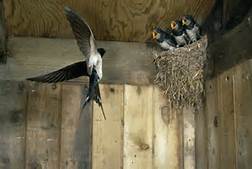
  • Cup: A simple cup-shaped nest is the most familiar, most common nest type. The overall size, dimensions and depth of the cup may differ, and some birds build distinct inner and outer layers of the cup. Cups are often positioned along tree branches or in tree forks, or may be nestled on ledges or in any number of unique places.Birds That Build Cup Nests: Barn swallows, ruby-throated hummingbirds, yellow warblers, American robins and many different passerines.
  • Scrape: A basic scrape is a shallow depression on the ground without much nesting material, though it may have a light lining of down, pebbles, weeds or other debris. Scrapes are popular nest types for terrestrial birds or birds that prefer open habitats that lack abundant trees, such as shorebirds or tundra species.Birds That Build Scrape Nests: Common ostrich, killdeer, American avocet, Arctic tern and many shorebirds.
  • Burrow: A nesting burrow is dug into the ground, and may be a shallow cave or could have a long tunnel leading to a nesting chamber. These nests are often excavated in soft material such as loose dirt banks or guano accumulation. The inner nesting chamber may be lined with some material or could be bare. Birds may excavate their own burrows or may usurp suitable burrows from other animals.Birds That Nest in Burrows: Atlantic puffin, burrowing owl, great hornbill, barbets, kiwis and many kingfishers.
  • Mound: A mound nest is built on the ground but is a relatively large accumulation of nesting material in a tall cone or bell-shaped structure. The eggs may be nearly buried in the nest, which helps provide additional protection and insulation. The height and diameter of the nest mound will vary.Birds That Build Mound Nests: Horned coot, Adelie penguin, malleefowl and most flamingo species.
  • Cavity: Cavity-nesting birds are common, and will either excavate their own nesting cavities or use natural cavities in trees, snags, cacti, telephone poles or even nestled in gaps in houses or will easily use bird houses. The interior cavity may be bare or could be lined with a variety of materials, and some birds may even build loose cups inside the cavity.Birds That Use Nest Cavities: Eastern bluebird, house sparrow, most woodpeckers, many parrots, tits and chickadees.
  • Platform: A platform nest is a relatively large, bulky structure often built of larger twigs or sticks. The surface is typically flat or may have a very shallow depression, but not enough to be considered a deliberate cup. Many birds reuse platform nests for many years, often adding material to the nest each year.Birds That Build Platform Nests: Bald eagle, osprey, great blue heron, white stork and many other raptors and large wading birds.
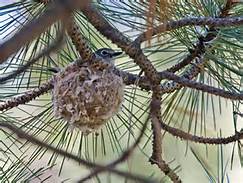
  • Pendant: Pendant nests are elaborately woven sacks that dangle from branches, giving birds in the nest great protection from predators. Some are not suspended very far from the branches while others may hang several feet below their attachment point. Birds enter the nest through an entrance on the side.Birds That Build Pendant Nests: Baltimore orioles, caciques, oropendolas and most weaver bird species.
  • Sphere: A sphere or dome nest is almost completely enclosed and provides great protection and camouflage, though the trade off is that these nests are often on the ground or in low areas and may be more susceptible to predators. The nest entrance is typically on the side so it still provides protection from rain.Birds That Build Sphere Nests: American dipper, marsh wren, winter wren, ovenbird and different meadowlarks.

Birds Without Nests

While birds can be very creative architects, there are a number of bird species that have no nests at all. Some species, such as the peregrine falcon, common murre and emperor penguin, simply lay their eggs in the open or in a relatively secluded spot without actually having a nest structure. Other birds practice egg dumping or brood parasitism and lay their eggs in other birds’ nests, abandoning their parental duties completely.

Birds’ nests are amazing structures that come in a wide range of sizes and styles. Understanding more about why and how birds build nests gives birders even better insights into the amazing lives and reproductive habits of their favorite bird species.  So grab your binoculars and take a look for yourself!

 bird-nest-4

Shock Wave Therapy for Pets

By Dr. Becker

shock-therapy

Recently a team of researchers at the School of Veterinary Medicine and Animal Science, University of São Paulo, Brazil, studied the effects of radial extracorporeal shockwave treatment (rESWT) on dogs with hip osteoarthritis (OA).1 The study involved 30 dogs with bilateral hip OA (arthritis in both hips).

The dogs underwent three weekly shockwave treatment sessions on day one of the study, day eight and day 16. Their progress was evaluated using a special pressure walkway that allowed the researchers to measure peak vertical force, vertical impulse and symmetry.

The researchers also evaluated the dogs using a blinded visual analog scale. In addition, the dogs’ owners provided input on their pets’ level of physical activity, and the researchers collected follow-up data 30, 60 and 90 days after the first shockwave treatment.

At the end of the study, all three measures (peak vertical force, vertical impulse and symmetry) in the treated dogs had improved. The visual analog scale scores also indicated improvement in the dogs’ pain and lameness, and their owners reported improved physical activity levels and quality of life as well.

The study authors concluded that shockwave therapy has beneficial effects in dogs with hip OA. Further studies are needed to determine an ideal treatment protocol.

These study results confirm the conclusions reached in a 2007 Austrian study in which similar significant improvement in the same measures was seen in a group of 18 dogs with hip OA.2

Shockwave Therapy Explained

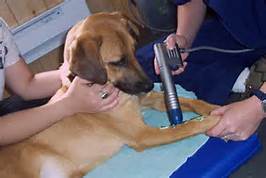
Many people hear the word “shockwave” and immediately think of an electrical jolt. But the shockwaves used in veterinary rESWT are high-energy sound waves (acoustic energy) that are directed to a target treatment area on an animal’s body.

The shockwaves trigger the body’s own repair mechanisms, which speeds healing and provides long-term improvement.

The technology uses electrohydraulic technology to generate shockwaves. The high-intensity sound waves interact with the tissues of the body, leading to a beneficial effects including:

  • Development of new blood vessels
  • Reversal of chronic inflammation
  • Stimulation of collagen
  • Dissolution of calcium build-up

This activity creates an optimal healing environment, and as the damaged area returns to normal, pain is alleviated and functionality is restored.

When shockwave therapy is applied to areas of non-healing tissue, it may trigger release of acute cytokines that stimulate healing. Accompanying pain relief may be the result of increased serotonin activity in the dorsal horn (located in the spinal cord).

Conditions Successfully Treated With rESWT

In addition to osteoarthritis, shockwave therapy can be beneficial in treating a variety of other disorders in canine companions, including:

✓ Hip and elbow dysplasia ✓ Painful scar tissue
✓ Degenerative joint disease ✓ Chronic back pain
Spondylosis Lick granuloma
✓ Tendon and ligament injuries ✓ Sesamoiditis (chronic inflammation of bones in the foot)
Legg-Calve-Perthes disease ✓ Chronic wound care
✓ Non-healing fractures ✓ Trigger points
✓ Delayed healing fractures ✓ Acupressure points

Additional Study Results of rESWT in Dogs

  • Of four dogs treated for non-healing fractures, three had significant improvement in bone healing following rESWT treatment.3
  • In a study of dogs with distal radial fracture non-unions (a break near the bottom of the front limb, just above the wrist joint), all dogs that received rESWT showed complete bone healing after 12 weeks, while no dogs in the control group achieved complete bony union.4
  • In a study of dogs with lameness resulting from soft tissue shoulder conditions, 88 percent showed improvement after shockwave therapy, with no surgical intervention.5
  • rESWT was also shown to significantly reduce distal ligament thickening in dogs with inflammation of knee joints following surgery for a CCL rupture.6
  • Shockwave therapy has proved beneficial in promoting the development of new blood vessels at the bone-tendon interface of the Achilles tendon in dogs.7

Currently, there are only unpublished case reports on shockwave therapy for treating chronic wounds in small animals. However, based on its mechanism of action, rESWT may prove valuable in managing skin flaps and difficult and chronic wounds.

What to Expect During and After rESWT Therapy

The equipment used in rESWT can be loud, and the treatment can be uncomfortable, so some animals require sedation. Since shockwave therapy is often used in combination with surgery, some patients may already be anesthetized at the time of treatment.

Treatment time depends on the strength of the shockwaves and the number of locations being treated. A common dose is 800 pulses per joint, which can be accomplished in under four minutes. Animals normally begin to experience pain relief within about 24 hours of treatment. Depending on the condition being treated, other types of pain management may be necessary as well.

When treating musculoskeletal conditions, therapy is recommended every two to three weeks for one to three treatments or until symptom improvement or resolution is achieved. Wounds are usually treated once a week for as many weeks as necessary. With arthritis patients, rESWT is typically repeated every six to 12 months as needed. Shockwave therapy should be used in conjunction with physical rehabilitation to return patients to full activity.


shock-wave-therapy

How to Pick up your Dog

By Dr. Beckerpick-up-dog

There are times in every dog parent’s life, even owners of large and giant breeds, when it becomes necessary to physically lift their canine companion in their arms.

It could be a very ordinary occasion like a trip in the car, or it might be an extraordinary circumstance in which you have to pick up your pet to prevent a fight or traumatic injury of some kind.

Picking up a small- or even medium-sized dog wouldn’t seem to present a big challenge, but you’d be surprised how many well-meaning people get it mostly wrong. And lifting a large or heavy dog is an even bigger project, especially if you’re not very large or strong yourself.

Before I explain how to pick up your dog the right way, though, let’s get the “don’ts” out of the way.

3 Don’ts When Picking Up Your Dog

1. Don’t involve your dog’s legs.

Your dog’s front and back limbs aren’t intended as suspension devices, nor can they be expected to support the full weight of his body if, heaven forbid, he’s lifted by them.

Children who don’t know better tend to lift by the front legs, whereas adults are more apt to put their hands under the armpits and lift as they would a child. Picking up a dog in this manner strains the muscles in the front legs and spine, which can result in torn ligaments and even a dislocated shoulder or elbow.

There’s also the risk of dropping the dog, and in older dogs with arthritis or degenerative joint disease, this type of lifting can be extremely painful.

2. Don’t “scruff” your dog.

Yes, mother dogs carry their pups by the scruff of the neck in their first few weeks of life. However, this happens only for a very brief period and doesn’t continue as the puppies get larger.

“Scruffing” is an unnatural, uncomfortable and even painful way for larger puppies and certainly adult dogs to be lifted or carried.

3. Don’t hold his collar or tail when picking your dog up.

It should go without saying that pulling on a dog’s collar, especially while lifting him, can cut off his air supply and cause him to choke. It’s also a good way to do serious permanent damage to the very delicate organs located in his neck, including the throat, larynx and trachea.

Just as your dog’s collar should never serve as a “handle” to lift him, neither should his tail. Damage caused by pulling your dog’s tail can affect the nerves and muscles that move the tail as well as those that control elimination.

Significant injury can cause the tail to hang limply, no longer move or even affect your dog’s ability to urinate or defecate on his own.

If you regularly pick up your dog incorrectly but she never complains, it doesn’t mean she’s okay with it or that she, for some reason, can be picked differently from other dogs. Many pets will endure a great deal of discomfort and even pain without yelping or crying.

Chances are your dog is sending you a signal, but you don’t recognize it as a sign of distress, for example, yawning, lip licking, looking away or struggling to get free. These are all signs of a dog who is at a minimum feeling anxious, and may even be in pain.

How to Lift a Small- or Medium-Size Dog the Right Way

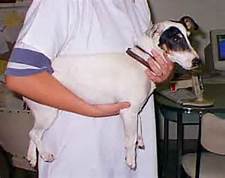
If your dog is less than 25 pounds, slide your dominant arm under his chest between his front legs, and tuck his back end between your arm and body as you lift him.

If your dog is in the 25- to 40-pound range, put your dominant arm behind his back legs, your other arm around his chest in front of the back legs and hold him against your chest as you lift.

This method will help him feel secure and comfortable as you pick him up, and will also insure you don’t accidently drop him.

For low-to-the-ground dogs and really tiny fellows, I recommend teaching a verbal “lift-off” cue. Small dogs are often startled to be suddenly lifted off the ground by a human.

If you put yourself in his place, imagining at any moment you will lose the ground beneath your feet, you can see why it could be a stressful event. That’s why it’s good to train your dog with a verbal cue that signals you’re about to pick him up. Just make it a simple one-word signal.

To train your pet to the cue, put your hands on him, say the word and apply just a bit of pressure without actually lifting him. This gives him time to understand he’s about to be lifted.

When you know he’s aware you’re about to pick him up, go ahead and do so. Consistent use of the cue will help him learn to prepare for “lift off.”

How to Lift a Large Dog

The best way to lift a large dog is with two people, so depending on your size and health, I recommend getting help if your pet is over 40 pounds.

One of you should lift from under your dog’s chest while the other lifts the abdomen and back end. Dogs tend to struggle more and risk being dropped when they aren’t properly supported while being picked up.

Lifting a Pregnant or Injured Dog

If your dog is expecting, you should avoid the belly area if you need to pick her up. Put your hands under her chest and back end instead. If your dog has an injured or sore back, get help if necessary so that you can keep her back completely level as she’s lifted.

One of my favorite techniques is the “dog taco wrap.” While your dog is lying on her dog bed, you simply fold the edges up and pick her up in the bed. You can also use a beach towel for this purpose with smaller dogs. It’s best to pick up your dog when he’s relaxed, because it’s much easier to lose your grip on a bouncy or wiggly dog. If your dog won’t sit still and absolutely must be picked up, as a last resort, you can use a comforter or blanket to scoop him into your arms.

For dogs who are frightened or in pain, it’s important to avoid the mouth area to prevent a bite. You might want to consider a homemade muzzle (as long as she’s breathing normal), as well as sliding her onto a board for support.

https://youtu.be/EkX0MdrxM6g


Stroke in Pets

By Dr. Becker and comments by Diane Weinmann

It wasn’t until fairly recently that the veterinary community realized that just like humans, dogs and cats also suffer strokes — perhaps more frequently than we thought.

With increased use of magnetic resonance imaging (MRI) and computerized tomography (CT) scans in pets, strokes are being diagnosed more often. Fortunately, they are still a relatively rare occurrence in both dogs and cats.

What Exactly Is a Stroke?

In a nutshell, a stroke is a brain abnormality that occurs as the result of a disruption of the blood supply to the area. Circulating blood feeds oxygen and glucose to the brain. If a blood vessel becomes blocked or ruptures, the brain is deprived of those critical nutrients.

Most strokes are ischemic strokes caused by a blood clot (embolus) that develops in the circulatory system. The clot at some point dislodges and travels to a blood vessel that feeds nutrients to the brain, interrupting blood flow and causing surrounding tissue to die.

Strokes in dogs and cats can also result from bleeding in the brain (called hemorrhagic strokes) caused by the rupture of blood vessels or a clotting disorder. Hemorrhagic strokes are much less common in pets than ischemic strokes, and are usually the result of trauma or disease.

There’s also a non-brain related type of stroke called a fibrocartilaginous embolism (FCE). An FCE is a blockage in a blood vessel in the spinal cord. It’s often referred to as a spinal cord stroke.

There are several disorders that are associated with strokes in pets, including bleeding disorders, diabetes, hypertension, heart, kidney or thyroid disease, Cushing’s syndrome, Rocky Mountain Spotted Fever (a tick-borne disease) and cancer.

Internal parasites, tumors, ingestion of toxins, head trauma and high doses of steroids such as prednisone can also be contributing factors.

Symptoms to Watch For

The symptoms of stroke in dogs and cats depend on the location and extent of bleeding from cerebral arteries in the case of hemorrhagic stroke, or much more commonly, blockage of cerebral arteries in the event of an ischemic stroke. Symptoms typically come on suddenly and can include:

✓ Head tilt ✓ Weakness ✓ Abnormal eye movements (nystagmus) or eye positioning Seizures
✓ Difficulty walking or inability to walk ✓ Disorientation ✓ Loss of bowel control ✓ Collapse
✓ Loss of balance ✓ Persistent circling ✓ Inappropriate urination ✓ Coma
✓ Loss of coordination ✓ Sudden vision impairment ✓ Stupor ✓ Other sudden behavioral changes

Pet parents often remark that one minute their dog or cat was fine, and the next minute the animal was down and couldn’t get up. These episodes can last for just a few minutes, or for hours or even days.

When a pet recovers from one or more signs of a stroke in less than 24 hours, it’s usually considered a transient ischemic attack (TIA). Fortunately, TIAs typically don’t result in permanent brain damage.

Stroke Diagnosis

If your pet is exhibiting symptoms of a stroke, it’s important to get him to your veterinarian or an emergency animal hospital right away. Since there are many unrelated disorders with stroke-like symptoms, quick action and a proper diagnosis are critical.

For example, vestibular disease in geriatric dogs is often mistaken for stroke. The vertigo caused by the disease can be particularly intense in older dogs with symptoms of nausea, difficulty or complete inability to stand up, head tilt, nystagmus and circling.

Your veterinarian will need to run a variety of diagnostic tests, including bloodwork and a urinalysis, to rule out other possible causes for your pet’s symptoms.

If the problem isn’t obvious from initial test results, additional diagnostics will be required to look for evidence of a stroke, including an MRI or CT scan of your pet’s brain.

Your pet may be sent to a veterinary specialist (neurologist) for these scans, and may need to be hospitalized for the procedures. CT and MRI scans are the gold standard for diagnosing strokes in pets, including whether the stroke is ischemic or hemorrhagic. Other tests that may be needed include:

  • Arterial blood gases to assess oxygenation of blood
  • Coagulation profiles to assess blood clotting
  • X-rays of the skull to look for evidence of trauma or fractures
  • Electrocardiogram (ECG) to evaluate heart rhythm
  • A spinal tap to evaluate cerebrospinal fluid

Treating a Pet Who Has Had a Stroke

If your pet’s symptoms are severe, she may need to be hospitalized to receive oxygen and fluid therapy and other supportive care.

Treatment of stroke patients is focused on minimizing brain swelling and tissue damage, maximizing oxygen flow to the brain, identifying and treating the underlying cause of the stroke if possible and physical therapy.

Initial treatment typically involves intravenous fluids and IV corticosteroids to control brain swelling and support blood circulation to the brain.

This is a situation in which giving corticosteroids immediately can be life-saving and help prevent permanent damage. Seizures must also be controlled with conventional drugs to prevent further brain damage. Anti-seizure herbs usually do not work quickly enough to help during the initial crisis, and are difficult to administer to a vomiting dog.

The neurologic symptoms of a stroke gradually resolve on their own as the animal’s body re-establishes normal blood flow to the brain and swelling resolves. During this period, acupuncture, antioxidants (SOD and astaxanthin), Chinese herbs and homeopathy can be very beneficial.

The most crucial supplement to add for these patients, in my opinion, is nattokinase, which can also help prevent additional strokes from occurring. The brain has the ability to recover given time. As always, early diagnosis and treatment can dramatically improve your pet’s chances for a full recovery.

Pets who survive the first few days following a stroke have a good chance for a full or nearly full long-term recovery when the underlying cause can be identified and either eliminated, or successfully controlled.

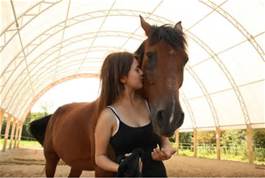
My personal experience was a horse who seemed to have a stoke and could not longer see.  He was walking weirdly and bumping into things, leaning against his stall wall and seemed very confused.  I started doing several healing touch for animal techniques on him about 4 times per week and within less than a month he was walking normally and he could see again.  Did I help, I pray that was true!

horse-with-girl

Can Cats Have a Raw Food Diet?

By Aly Semigran as seen on PetMD

cat-wet-food

 A cat’s natural instinct—even a friendly, loveable housecat—is to hunt for food. And if left to their own devices out in the wild, cats would find their food in a raw, natural state.

 That’s why, with the proper preparation, knowledge, and veterinary guidance, a pet parent can provide their cat with a raw food diet that not only taps into their feline instincts, but keeps them healthy and strong too.

 Should Cats Have a Raw Food Diet?

 Cats, like dogs, can be fed a raw food diet, and some holistic veterinarians even recommend that pet parents should have this as part of their cat’s lifestyle. In fact, as Jodie Gruenstern, DVM, points out, a raw food diet may be even more important for cats than it is for dogs “because they are stricter carnivores than dogs.”

What Should Be Included in a Raw Food Diet for Cats?

 Gruenstern says there are four main components that need to be included in a raw food diet for cats. A balanced raw diet should include flesh, organs, a bone or ground bone and a small amount of vegetation.

In addition, Jill Elliot, DVM, explains that pet parents can also add calcium to a raw-food diet for cats. This can be administered through supplements and small amounts of cat-safe dairy products.”

 When planning a raw food diet for cats—whether preparing food at home or purchasing a commercial raw food from the pet store—it’s important to work closely with your veterinarian to ensure that your cat is receiving proper, balanced nutrition, and to decide which supplements need to be included.

You can also choose a commercially prepared raw cat food. These are available at many pet stores and come with a certification from the Association of American Feed Control Officials (AAFCO). AAFCO certified foods provide complete and balanced nutrition and do not require supplementation. This often takes the guesswork out if you’re considering switching to a raw food diet for cats.


What Are the Benefits of a Raw Food Diet For Cats?

 Gruenstern explains that the biggest benefit to a raw food diet for cats is the elimination of starch. Starches and sugars in cat foods may lead to health issues such as diabetes, inflammation, arthritis, urinary tract diseases, and obesity, she says.

 Erika Halle, DVM, agrees. “Obesity is still possible with raw food, but much less likely than with processed, high carbohydrate food.”

 Cats also need taurine in their diets (about 125 milligrams on average) to achieve maximum heart health. This essential compound is often damaged in the heating process of kibble cat foods. “Raw foods tend not to have this issue,” Halle adds, noting that a high volume of taurine is often found in muscle and heart meat that is often a part of raw food diets.

 How Early Can a Cat Be Started on a Raw Food Diet?

 As soon as a kitten is weaned from its mother, the feline can begin a raw food diet.

 Halle suggests feeding home cooked, dehydrated raw, or canned food until six months, then switching to fresh and frozen raw. “Once the system is mature at six months they are ready to handle a raw diet,” she says.

What Are the Best Foods For a Raw Food Diet?

 Variety is an important component of this meal plan for cats. Meats, like ground turkey, are the best option when it comes to a raw food diet for cats, but Gruenstern suggests providing a cat with a variety of meat. “That’s how you’ll minimize the repetition of a deficiency or an excess,” she says.

 One of Gruenstern’s preferred raw food meals for a cat is a whole quail, which can be fed half in the morning and then half in the evening. She explains that quail is a good choice for cats because their bones are a safe size and do not present a choking hazard for cats. Cats can also benefit from the oral care that bones—such as quail bones—provide. Of course, pet parents should monitor cats whenever they are eating bones to ensure there are no choking risks.

 Judy Morgan, DVM, recommends dark muscle meat from poultry and heart muscles in raw cat diets. She also recommends that pet parents include liver in raw food diets for cats. Both dark meat and heart muscle have high rates of taurine.

Morgan also suggests including whole eggs for the fat soluble vitamins (A, D, E, and K) found in the yolk, and the protein in the whites. Fish can also be included in a raw food diet for the omega 3 fatty acid content, she adds. According to Morgan, sardines are a good option because they are less likely to have a high concentration of heavy metals.


While veggies aren’t necessary in a raw food diet for cats, some vets like to add them into the food. “A small amount of pumpkin is a nice addition for the fiber it provides,” Morgan says. “A small amount of kelp will provide sodium and iodine. I also like to add about five percent ground veggies, which can include kale, carrots, zucchini, and parsley.”

 However, whatever meats and veggies you do decide to include in your cat’s diet, Gruenstern recommends adding a veterinary-recommended calcium source as well as freeze dried organs (including brain, spleen, kidney, liver, heart, and gizzards) to fill in any nutritional gaps.

 Commercial Raw Foods for Cats: What to Look For

 Commercial raw foods for cats are prepared foods you’ll find in stores, often found in a frozen or freeze-dried form. But, labels are important when it comes to deciding which raw food is best for your cat.

 “A few of the main differences among commercial raw diets is whether or not they’re high-pressure pasteurized, and whether or not they have synthetic vitamins and minerals,” explains Gruenstern. “In general, there’s lots of commercial raw diets that have attained the AAFCO certification [showing] they’re balanced in a variety of ways, just like kibble or canned food.”

 Finding a high-pressure pasteurized food is important because the pasteurization process destroys any pathogenic bacteria, says Gruenstern. This is especially important for cats that suffer from immune disorders such as feline leukemia or have been treated with steroids, which can weaken the immune system.

 Gruenster adds that most healthy cats are prime candidates for commercial raw pet foods, though she warns that pet parents should avoid foods with synthetic vitamins and minerals, since the concentrated vitamin form in synthetics may cause a toxicity in cats. “A toxicity occurs when high doses of [synthetic] vitamins are taken over a prolonged period of time,” adds Scerba.

 Raw Food for Cats: Home Preparation Tips and Safety Guidelines

 If preparing raw food for cats at home—whether feeding whole prey and parts or grinding the meats—pet parents need to take more precautions and steps to ensure the cat’s safety, as well as their own.

 “If you are making your own food, the meats should be purchased frozen, then thawed before serving or partially thawed before grinding and refreezing,” says Halle.

 “If raw diets are not formulated to be balanced properly, there can be nutritional deficiencies,” Halle notes. “And if the food is not handled appropriately there is a risk of foodborne illnesses like salmonella.”


Still, both Elliot and Gruenstern note that salmonella poisoning from handling raw foods for cats is very rare, and that as long as pet parents are taking all the proper steps (washing their hands, disinfecting surfaces and utensils, buying foods from a reputable source) they shouldn’t experience this problem.

Just be sure to wash out bowls after every feeding and don’t forget to refrigerate and put away any raw food after mealtime.

cat-fat


Muscle Testing

Muscle Testingcircle-muscle-test

Each body’s needs are different, and each body holds all the answers to what it needs. Kinesiology is simple, non-invasive, and inexpensive. It is a relatively recent methodology that is becoming more widely utilized by veterinarians, chiropractors, medical doctors, dentists, sports trainers and natural health care practitioners. For more than forty years the use of kinesiology has been developing and it has branched out in many directions. New information is unfolding all the time for use in treatment and prevention. Kinesiology, which works with the body’s own inner intelligence and ability to heal itself, can help determine the underlying cause of a problem and reveal what is needed to address it, by simply asking the body. But how is that done?

WHAT IS KINESIOLOGY?

Kinesiology is often described as “muscle testing”, a way to read the body by feeling a response from the muscles. Muscles are part of the body’s communication system and they provide a method by which the body can be read. This diagnostic and therapeutic system is based upon muscular reactions to specific questions, situations, or objects. Kinesiology takes the guesswork out of what and how to treat by allowing the body to reveal precisely where the problem is and what it needs to heal itself. Through muscle testing, the therapist can access the body’s communication system, gather information, act on the information received, and recheck to see if the treatment was effective.

Kinesiology and muscle testing can do miracles for healing health problems of people naturally, and it works even better on animals. This is because animals are less likely to eat the wrong food (as long as we feed them correctly) or to have emotional problems. And unlike some people, they don’t have subconscious thoughts which sabotage their desire to do what it takes to get well.

So why would you want to do muscle testing for a pet?  Simply, you can discover things about what might be causing your pet’s illness.

How Muscle Testing Is Done on Humansmuscle-test3

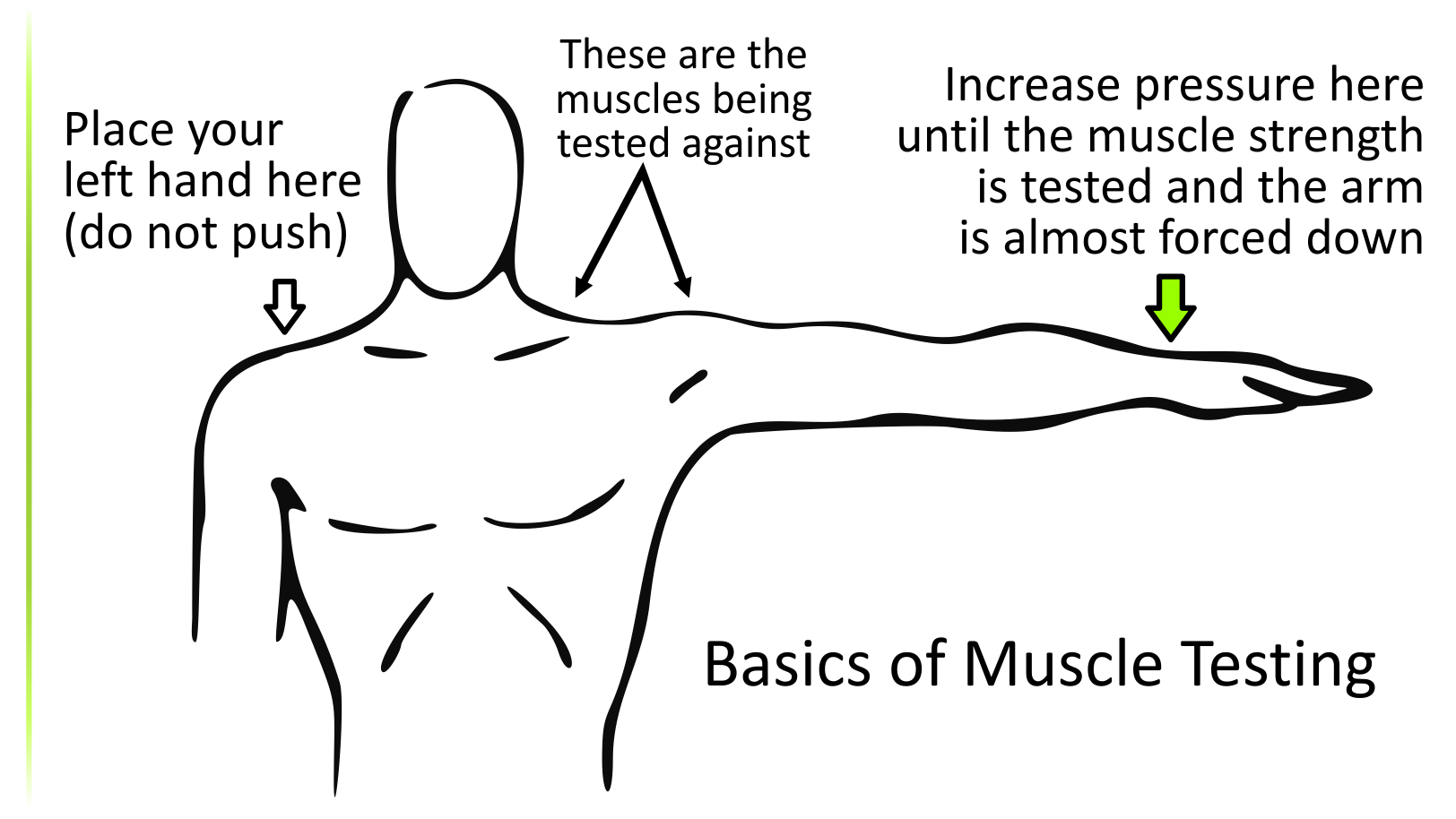
The normal way of testing is to use the extended arm, as though as a lever; held out perpendicular to the body (whether the subject is standing, sitting, or lying down doesn’t matter), it either can or can’t easily be pushed downward by the tester.  Usually, it’s a clear yes or no, and when it’s no, it’s really no!

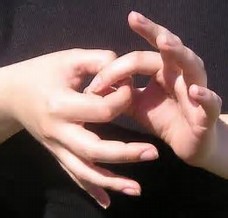
You can also test yourself by making an “O” from touching one’s thumb and little finger together, and seeing if one can easily break through the ring with a finger of the other hand.
Dr. Roger DeHaan, DVM, veterinarian and educator from Frazee, Minnesota, uses applied kinesiology along with several other complementary modalities in his veterinary practice.

“Kinesiology is utilized very successfully with animals,” he says. “Since they can’t respond to your command to resist with a muscle, you use a surrogate. I like to tell people it’s like a jumper cable. It’s just an electrical transfer. They’re touching the animal, I test their arm, and I test a point, and we have just completed an electrical circuit.”

He explains, “There are many different terminologies for testing, but all of them have to do with electromagnetic energy flow in the system. Every cell is like a microchip, with positive and negative energy flow. Cells have energy flow and glands have their unique energy flow; there’s a very complex electrical circuit within the body. There are different connections, points, and switches in the body, which is what we are testing.”

How Muscle Testing Can Be Done on an Animalmuscle-test-pet

You can use surrogate testing, having a person stand in, so to speak, for the subject being tested.  Simply put your hand on top of the surrogate’s body.  Energy from the subject flows through the surrogate, and the weakness or strength can be seen in the surrogate’s body. That way it’s possible to do muscle testing on an animal.

The surrogate keeps one hand on the animal and their arm outstretched to the side at shoulder height. The tester asks for resistance while he pushes down on the arm. Then a supplement or other substance to be tested is placed against the animal while the tester retests the strength in the surrogate’s resisting arm. If the resistance is stronger with the substance, it is considered a positive response and the substance is considered helpful. If the resistance is weaker, the substance is considered not helpful. Also, certain points on the animal’s body may be touched such as organ, gland, or infection points, to determine the source of some problems.

Who can be a Surrogate?

Not just anybody can be used as a surrogate. One’s own system has to be in good electrical condition. Says Dr. DeHaan, “If somebody has had a lot of operations, is taking medication, or has metal pins or plates in his body, his own system might not be working well, and he might not be a good pair of jumper cables. There is a way to test him for suitability, and if he’s not in good electrical condition, then you find somebody else.

“Likewise, the person who does the testing also has to be in good polarity, and needs to be in reasonable health with good electrical circuits. The human brain, which is part of the circuit, must be in a neutral mode and in a healthy state to get the proper results back. It’s like a computer. If you have some short circuits or bad information in it, then you don’t get the right information back.”

Kinesiology is trainable and teachable, and anybody can learn some but those who are gifted can be exceptional and often use more advanced forms. Those who have advanced training are far more accurate and get far more useful information than those who just do muscle testing or kinesiology in more subjective terms or with less learned methodologies.

Dr. DeHaan summarizes, “To me, kinesiology is a complementary medicine, meaning it complements other things. It is not something that stands alone all by itself. It’s a useful diagnostic methodology, a methodology for acquiring information. It is not 100% accurate, but I would say it is probably 90% accurate for those who are properly trained in it.”

Information obtained from Natural Horse Magazine who thanks Roger DeHaan, DVM, MTS  Roger DeHaan is a veterinarian with 32 years experience in natural animal care

=========


Cancer and Pets

Cancer and Pets

heart-rate-dog

Cancer picks on everyone including our beloved pets. Here are some facts you should be aware of:

50% of all disease related deaths in older pets is attributed to cancer

Both humans and animals can benefit from new treatment options that are supposedly just for pets

The usual preventative care can also help your pets prevent cancer so ensure they are spayed/neutered, have protection from the sun, are not exposed to cigarette smoke and have good oral care.

Look for persistent abnormal swelling, loss of weight and appetite persistent lameness and any sore that won’t heal as symptoms of cancer and have your pet checked right away by a vet

Cancer is not necessarily a death sentence because some cancers can be cured with proper treatment.

Chemo, immunotherapy and radiation are all the types of treatments that can be used on both humans and animals alike.

Animals don’t experience a lot of the crappy side effects that people do from cancer treatments—lucky them!


Thank you BluePearlvet.com for these insights

Exercise for an Arthritic Dog or Cat

By PetMD and Diane Weinmanndog-sit-ups

Just because you or your pet has arthritis doesn’t mean they are necessarily incapable of exercising. Staying active actually helps many arthritic pets that suffer from achy bones and joints.  I can personally attest to the fact that I am bone on bone in right knee and it feels better when I walk around than sit a lot.   It is, however, vital you follow these five exercise tips before you begin an exercise routine with your pet.  Make sure that if you are participating in the activity that you’ve talked with your doctor or trainer too and don’t over-do!  I can tell you I just recently did that and I had to ice, ice, ice my knee!

1. Consult Your Veterinarian First

A veterinarian will be better able to assist you in combining of exercise, diet, and medications or therapies which are targeted for your pet’s individual needs. A veterinarian can also help monitor your pet’s progress and identify any serious changes in health.

2. Go Low-impact

Light activities such as walking and swimming help strengthen muscles, keep ligaments and tendons flexible, prevent obesity and circulate blood to stiff joints. Keep them short but regular — 15-30 minutes of activities five days a week is a great start. Swimming is especially great for dogs with arthritis because the water supports much of the bodyweight and inhibits sudden excessive movements. Cats with arthritis, meanwhile, may not be as keen to get in the water but can participate in short sessions of gentle play. Just remember to avoid activities in which your dog or cat has to leap, jump, turn quickly or run. They can cause damage to your pet’s joints.

3. Warm Updog-tread-mill

A minute or two of walking or gentle playing before initiating low-impact exercise activities will help pets with arthritis move easier. It also helps reduce sprains, cramps, and muscle injuries as well as gradually increases their heart rate. If your pet is reluctant to start moving because of aching joints, try a little incentive like a small healthy treat or positive affection (petting, hugging, etc.). A positive exercise experience is a happy one.

4. Cool Down

Cool down periods are just as important as warming up for exercise. As your pet completes the exercise routine, they may be all wound up — jumping, running, or rough-housing. This is not good and can in fact be harmful. Try to calm them down and gradually reduce their heart rate to an optimal resting place. Cooling down also reduces stiffness and soreness by assisting the removal of lactic acids in the body. Massaging during “cool downs” improves the stiffness and muscle pain associated with arthritis too.

5. Watch for Signs of Exertion

Be sure to watch for heavy panting, pain or other signs of overexertion. If they do occur stop the activity immediately and consult a veterinarian. Pushing forward with the exercising can cause injury, especially if your pet isn’t accustomed to a lot of activity.

cat-weights