Thyroid Dysfunction

By Dr. Dodds DVM

Thyroid Dysfunction is the most frequently recognized endocrine disorder of pets and it’s often difficult to make a definitive diagnosis, since many clinical signs mimic those resulting from other causes.


Dogs

Hypothyroidism is the most common endocrine disorder of canines. Nearly 90 percent of canine cases result from autoimmune thyroiditis. The heritable nature of this disorder poses significant genetic implications for breeding stock.
Common symptoms to look for in dogs:

  • Scratching  •  Hair loss  •  Seizures  •  Chronic bowel issues • Seizures in adulthood  •  Chewing feet and skin  •  Skin and ear infections  • Behavioral changes: aggression, moodiness, phobias

Cats
Hyperthyroidism in readily induced, especially in geriatric cats, by feeding commercial pet foods, treats and snacks containing excessive amounts of iodine. This finding has led to a major change in the iodine formulations of feline commercial pet foods.

Common symptoms to look for in cats:
Pacing  •  Anxiety  •  Phobias   •  Howling  •  House soiling  • Insatiable hunger  •  Dementia with aging  •  Hunger and weight loss

5 Fall Dangers for Dogs

By: Jill Fanslau comments by Diane Weinmann
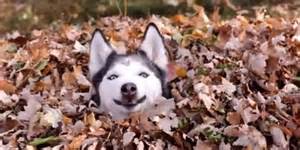
 

During the hot summer months, you’ve learned how to keep your dog cool, hydrated, and happy. But what about when the chillier fall season rolls in, and brings its own set of unique challenges? How do we prep our pooches for the change in atmosphere and the possible dangers that befall them? Here are five ways to keep your dog safe when the temperature changes from warm to crisp.

Rodenticides


As the weather gets cooler, you’ll stay indoors more often. Unfortunately, mice and rats will follow your lead, coming inside shelters to find warmth and food.

You may be tempted to put out pesticides or rodenticides—otherwise known as rat poison—to get rid of unwanted visitors. “But these rodent control chemicals can be toxic for pets if ingested,” says Len Donata, VMD, Radnor Veterinary Hospital in Pennsylvania.

“When a dog eats mouse or rat bait, a clotting factor gets blocked,” he explains. “Your pet will start to bleed.” This bleeding can start anywhere—internally or externally, from a small bump on their skin to inside their lungs. You may never even see it.” Symptoms can include rapid breathing, blood in their vomit, weakness, or seizures. “If you notice something wrong, immediately call your vet’s emergency line,” Donata urges.

Another thing to remember: some traps can be just that to a dog and they may face injuries as a result. “A mousetrap with cheese or peanut butter may look like an appetizer to an inquisitive dog,” says Teoti Anderson, CPTA-KA, KPA-CTP, owner of Pawsitive Results in Lexington, South Carolina.

Make sure your pets have no access to areas containing bait or traps. Keep doors locked and regularly check the areas to determine children or pets haven’t disturbed them.

I have an life and death personal experience with this very topic with my dog Cocoa.  He at rat poison and went into seizures.  I thought we were going to lose him but he pulled through (thank the Lord!).  All caused from putting poison in a chipmunk hole by my husband!


Allergies


Along with the beautiful fall foliage, unfortunately, comes mold, ragweed, and pollen. For many people, those seasonal allergens can lead to sneezing, a scratchy throat, and watery eyes for both you and your dog. Sure, you can pop an allergy medicine—but what about your pooch?

“When your dog comes in from outside, wipe him down with some gentle baby wipes,” says Anderson. This will help remove any microscopic allergens from his fur so he’s not carrying them around all day long.

“If your pup continues to have symptoms—like scratching, shaking his head, or constantly tearing up—see a vet,” says Dr. Donato. “Depending on how severe the symptoms are, treatments range from simple antihistamines to more aggressive medications.”

My husky Neko has been coughing after he smells crushed leaves and when he smells the base of trees where the mold grows.  I gave him Benadryl based on the vet’s recommendation and it cleared up.


Ticks

“You might only think of ticks as a danger during the summer, but they can pose a big problem to your dog in the fall, too,” Dr. Donato explains.  That’s because many animals limit their times outdoors or hibernate when the temps start to drop.  The result: fewer victims for ticks to latch on to. If your dog hangs out in the backyard or goes on walks near woods, he’s now an easy target for ticks.

“Ticks have heat sensors and can detect heat up to 30 feet away,” he says. “They can hang out on a branch or tall grass, and then latch on to the creature when they walk by.” Your dog can contract Lyme disease or other nasty infections from a tick after only 24 hours of the bug attaching.

“If a tick does attach to your pet, remove it immediately,” says Anderson. First, wipe the bite site and a pair of fine-point tweezers with rubbing alcohol. (Regular tweezers may squeeze germs from the tick’s body into your pet’s body.) Then grab the tick as close to your dog’s skin as possible, and pull slowly upward with constant pressure until the tick pops out. “Clean the area again with rubbing alcohol,” she adds.

If there’s a bit of the tick still in the skin, don’t worry—it’ll eventually work itself out. But you may want to drop the tick in a small bottle full of alcohol and then take a photo of it on your phone. “That way you can show your vet if he or she needs to identify it later on,” Anderson recommends, adding, “Keep an eye on your dog’s health for the next two weeks.”

Still don’t want to attempt remove the bug yourself? No problem. Just call your vet!

I continue to give my dog his flea and tick meds but I also use essential oils called AWAY from Dr. Melissa Shelton DVM.  Shown below is more info on the product and where you can purchase it:

AWAY

Ingredients:  Essential Oils of Eucalyptus citriodora, Catnip, Citronella, Lemon Tea Tree, White Cypress

Away was created for many purposes, but all are encompassed in the word “Away”.  Bugs go “Away”, smells go “Away”, and stale energy can also go “Away”!  I put it on my dog any time we are going into the woods or open field for a walk.

Petting Technique
The petting technique is a way to apply the oils to your pet. This technique is well tolerated by almost every form of animal. The technique can be modified for small rodents, amphibians, or animals that may be difficult to handle, simply by having the oils absorbed into your hands, and then “cupping” and holding the animal within your hands.


Dogs:  Away can also be applied to most dogs topically using the “Petting Technique.”  Place 1-3 drops into your hands, rub them together until a light coating remains, then pet onto areas of need.  For insect repellent; rubbing down the legs, neck, shoulders, and back are good locations to concentrate on.  I especially focus on the “ankle” area of my dogs, since ticks will often contact this area first, as they start to climb up the legs.

Cats:  Diffusion of Away in a water-based diffuser is also recommended for cat households.  Away is wonderful for eliminating pet odors from the household, and litter box areas.

http://www.animaleo.info/order-animaleo.html

 Closed Pools

If you’re a pool owner, chances are you’ve already covered your pool for the winter. “Even though the pool is closed up, you still need to keep your pooch away from it,” says Dr. Donato.

The reason? Water can collect in puddles on top of solid covers. If your dog slides out on the cover, he may have trouble getting back to solid ground. “He can get stranded, and quickly get hypothermia if temperatures are low enough,” says Dr. Donato.

This can also occur with mesh covers and if the water isn’t low enough, your pet can walk across and get wet.


Holiday Treats

October brings a bunch of trick-or-treating superheroes, goblins, and Frozen Elsa’s to your front door. It also brings a ton of chocolate into your house. Most dog owners know to keep chocolate away from their dogs, but if your pup gets his paws on those sweets, bring them to the vet right away to induce vomiting. Too much chocolate can be toxic.

“You’ll want to keep your Thanksgiving leftovers to yourself, too,” says Anderson. Onions, grapes, and raisons can be toxic to dogs, and “turkey skin is very fatty and can lead to pancreatitis in your pet,” she explains. Dr. Donato warns that feeding Thanksgiving table scraps causes a lot of gastroenteritis issues in dogs. “I know it’s a way for people to bond with their pets, but it’s a big reason why we’re kept busy.”

In other words, more leftovers for you.


How your dog’s size and shape influences her behavior

By Dr. Karen Becker


A study published in 2013 by researchers at the University of Sydney suggests that a dog’s size and the shape of his skull play a significant role in his behavior.1 Using the Canine Behavioral Assessment and Research Questionnaire (C-BARQ) as a data-gathering tool, the research team analyzed information on over 8,300 dogs of 80 different breeds and compared them to the shape of 960 dogs of those breeds.

Their results revealed a strong association between height, bodyweight, skull proportions (width and length), and behavior and concluded that smaller dogs show more aggression than their larger counterparts.

“[In] the most comprehensive study undertaken to date, our research shows that certain physical characteristics in dogs are consistently associated with certain types of behavior,” lead study author Paul McGreevy, Ph.D., of the University of Sydney’s Faculty of Veterinary Science told Phys.org. “Essentially, the shorter the dogs the less controllable their behavior is for their owners.”2

33 of 36 unwanted behaviors were size-related

The researchers found that as the height of the dogs decreased, there was an increase in the incidence of mounting behavior, owner-directed aggression, begging for food and attention-seeking. In contrast, increasing height was associated with trainability. Another finding: When average body weight decreased, excitability and hyperactivity increased. The study revealed that 33 out of 36 undesirable behaviors were associated with a dog’s height, body weight and the shape of her skull. Some of these included:

Begging for food Urine marking
Fear of other dogs Peeing or pooping when left alone
Non-social fear Separation anxiety
Attention-seeking Sensitivity to being touched
Mounting people or objects Aggression toward owner

Additional revelations about dog size and behavioral tendencies

Another interesting insight from the study was that while long-skulled dogs (e.g., Afghans, Salukis and Whippets), excel at hunting and chasing behaviors, they also tend to display certain negative behaviors, including fear of strangers, persistent barking and stealing food.

“Given hunting dogs have not traditionally been companion animals sharing close quarters,” said McGreevy, “this may not be surprising.”

Short-skulled dogs like the Pug and Boxer — breeds that have undergone, and in many cases suffered generations of selective breeding to further “enhance” their pushed-in faces — tend to display more puppy-like behaviors as adults. They also seem to have completely abandoned many of their hunting instincts. Some additional observations from the study:

Unwanted behaviors increase as the size and height of a dog decrease.
Dogs with short muzzles engage in more grooming and compulsive staring.
Smaller breeds, especially terriers, showed more stranger-directed aggression. The researchers wonder if terriers were selected for aggressiveness because their job at one time was to chase and hunt underground prey. It could be that smaller breeds with short legs have inherited aggression.
Smaller dogs engage in more attention-seeking behaviors — which are linked to jealousy and territorialism — during times when their owner is paying attention to someone else.
Larger breeds descended from smaller breeds that were meant as companion dogs may have behaviors that are at odds with their body size.
Lightweight breeds are more apt to be excitable, hyperactive and energetic compared to breeds with heavy bodies.
Coping behaviors in response to stress, such as fly-snapping, are related more to a dog’s weight than height. The shorter and stockier the dog, the greater the tendency to display coping behaviors.
Obsessive tail-chasing isn’t linked to size or breed, nor is coprophagia (poop eating), chewing or pulling on leash.

Owners tend to tolerate and even encourage bad behavior in small dogs

In drawing conclusions from their research, the University of Sydney team considered the fact that dog owners may be more tolerant of undesirable behavior in smaller dogs, which may in turn result in increased behaviors such as excessive barking, nipping, eliminating indoors, begging, separation anxiety and attention-seeking.

The researchers speculate that owners of small dogs may encourage undesirable behaviors and predispose their pets to separation anxiety, puppy-like behaviors, mounting and begging. The tendency to keep small dogs indoors and under-exercised may also be contributing factors.

“Undesirable behaviors such as owner aggression, or mounting, occur more often among small dogs. This suggests that, in small dogs, these behaviors are tolerated more than they would be in larger dogs where such behaviors are more unwelcome and even dangerous. Equally, such behaviors in small dogs may be a result of their being overindulged and over-protected,” McGreevy explained.

Another consideration is that smaller breeds are known to be more reactive, neurologically, to stimuli in their environment than larger dogs, who tend to be more laid back.

“These findings … remind us that domestic dogs are an extremely useful model for exploring the biological forces that produce diverse animal structures and their related behaviors,” says McGreevy. “The interaction of nature and nurture in producing the relationships we have described in this study creates a raft of fascinating questions that further studies will address.”

Tiny terror training tips

If you’re a small dog parent and the above study findings resonate with you, there’s no time like the present to help your little one become a better canine citizen. Training a small dog is really no more difficult than training a large one — you just need to make a few accommodations for size.

  1. Stand small — Towering over a dog is intimidating when the animal hasn’t yet learned human body language and vocal tones. And the smaller the dog, the more overwhelmed she can feel in the presence of a big hulking human.

So, when training your little one, until she’s had some experience reading your signals, be sure to show her welcoming eyes, small movements and a soft voice. Don’t deal with her “head on” immediately. Turn slightly to the side and get down close to her level instead of looming over her.

  1. Use small training treats — Tiny dogs need only tiny training treats. Otherwise, you’ll own a not-so-tiny dog in no time. Anything more than, say, a treat the size of a housefly, is too big. You can buy or make treats to break into very small pieces; you can also use some of his regular food, subtracted from his meals, as treats.
  2. Train on her level — Training a small dog from a standing position can be merciless on your back, and the last thing you want is to be in pain when you’re trying to focus on molding your pet’s behavior. Initially you should sit on the floor not only to save your back, but also to appear less intimidating.

Other ways to do training exercises include sitting on a low stool or chair or moving your dog to a comfortable raised surface such as a table or bed.

  1. Use tiny toys and training tools — Your small dog needs a lightweight collar, harness and leash. Generally speaking, leather and chain collars and leashes aren’t a good idea for little guys. I always recommend harnesses for small dogs to avoid neck injuries. Some very small dogs have incredibly fragile necks. And just as his treats should be an appropriate size, so should your small dog’s toys and other supplies like food and water bowls, crate, etc.
  2. Teach your dog a verbal “lift-off” cue — Small dogs are often startled to be suddenly lifted off the ground by a human. If you put yourself in her place, imagining at any moment you will lose the ground beneath your feet, you can see why this is a stressful event. That’s why it’s good to train your dog with a verbal cue that signals you’re about to pick her up. Just make it a simple one-word signal.

To train her to the cue, put your hands on her, say the word and apply just a bit of pressure without actually lifting her. This gives her time to understand she’s about to be lifted. When you know she’s aware you’re about to pick her up, go ahead and do so. Consistent use of the cue will help her learn to prepare for “lift off.”

  1. Respect his smallness — Little dogs can be difficult to train to lie down – and there’s a good reason for it. Your pet is already small and vulnerable, and he knows it. When he’s lying on the floor, he’s even smaller and more vulnerable. He’s also likely to be more sensitivethan a bigger dog to cold, hard or rough surfaces. So, train your little guy to lie down using a soft, raised surface. He’ll feel less threatened and comfier.
  2. Give your little dog some space — As much as possible, your dog should be allowed to meet new people and dogs on her own terms. Picking up a shy or frightened small dog to force an introduction removes her ability to keep her distance if she needs to. So, leave her on the ground, and respect her wishes. If she seems skittish or unfriendly, don’t force the issue. This may be an area where extra work is needed to properly socialize your pet.
  3. Set big dog standards for your small dog’s behavior — If you wouldn’t allow a 70-pound dog to jump up on you, don’t accept the behavior from your little one. Reward only desirable behavior and ignore behavior you want to extinguish. Little dogs can learn to sit and stay just like the big guys do. The same goes for jumping up into your lap, charging out the door ahead of you or ripping treats from your fingers. Don’t accept rude behavior just because your pet is small.

Lastly, treat your little dog like a dog! He’s not a baby or a dress-up doll. He needs to be socialized, which means having lots of positive experiences with other dogs and people. He needs to be on the ground much of the time so he can learn how to climb stairs, get into and out of your vehicle, and move confidently on all kinds of terrain.


Can Dogs Empathize With Other Dogs’ Emotions?

Reviewed for accuracy on May 7, 2019, by Dr. Jennifer Coates, DVM

If you have a dog, you’ve probably had an emotional connection with them. Most dog owners claim that their pups are incredible at empathizing—picking up on their emotional cues and taking action to make them feel better when they’re sad or distressed.


And the evidence isn’t just anecdotal; a 2018 study on dog empathy found that when their owners made distressing sounds—like saying “help” or crying—dogs would try to reach them much faster than if they made neutral sounds.


It was also discovered that the higher the dog scored on a “bond test” (which measured the level of attachment a dog felt to their owner), the faster they’d try to reach them when they were in distress.


Dogs oftentimes mirror our emotions, says Russell Hartstein, certified dog behaviorist, dog trainer and founder of Fun Paw Care.


So clearly, dogs can empathize with humans. But can dogs feel sympathy for other dogs?


Can Dogs Read Other Dogs’ Emotions?


“I would argue that yes, dogs may have empathy for other [dogs],” says Hartstein. And while there isn’t a large amount of research on dog empathy, there is one promising study that explores how dogs react to other dogs’ emotions.


In a 2017 study, researchers from the University of Vienna sought to test how dogs would react to human and dog emotions. The researchers had pet owners bring their dogs into a laboratory that was equipped with speakers at different points in the room.


The researchers then played a series of human and dog sounds. For human emotions, they used laughing (positive) or crying (negative). For dog emotions, they used lighthearted and playful barking (positive) and dog whining (negative). They also played neutral sounds, like nature sounds or a person speaking in a neutral voice.


The researchers then observed whether the dogs paid greater attention to the positive, negative or neutral audio. They also looked to see whether the dogs showed signs of distress, like paw licking, whining or barking. The researchers tallied the behaviors and assigned a “score” to each auditory cue.


The study found that dogs paid more attention to emotional auditory cues than neutral ones. Even more tellingly, they found that dogs scored significantly higher when exposed to negative auditory cues, which implies that dogs can differentiate between positive and negative emotions in both humans and other dogs. They also found that dogs show higher levels of distress when exposed to negative emotions.


According to the study, there was no difference in emotional reactions when dogs heard human sounds compared to when they heard dog sounds.


While this study isn’t irrefutable proof that dogs experience empathy for other dogs, it certainly makes a strong argument that dogs have the ability to empathize with other canines.


But Hartstein cautions, “[A dog’s] ability—or any animal’s ability—to put themselves in another’s shoes to experience what [another dog] is feeling or experiencing is not possible to measure.”


Do Dogs Have More Sympathy for Dogs They Know?


So, the study shows that dogs have strong reactions to hearing other dogs in distress. But what about their dog friends? If they share a home with another dog, will they have more empathy for them versus a dog they do not know?


The same study suggests that dogs do empathize even more with their canine housemates.


Researchers from the study explored whether dogs would behave any differently when played emotional auditory cues of unfamiliar dogs versus dogs they shared a home with.


They found that the dogs showed much higher levels of stress (and scored higher overall) when played negative auditory cues from their dog friends.


How to Encourage Empathy Within Your Dog


If you want to encourage your dog to be more empathetic—to you, your family and to your other dogs—it starts with you.


“My suggestion for creating more empathy in your pet is working on a respectful, kind relationship. This can mean simply hanging out, spending time together, and enjoying walks and playtime that is nurturing and kind,” says Dr. Jim D Carlson, DVM CVA CVTP, owner of Riverside Animal Clinic McHenry and Grove Animal Hospital & Holistic Center in Chicago. “Truly connecting with the human-animal bond will help you start to spot some humanlike emotions in your pet.”


If you want to encourage more empathy between your dogs, foster your relationship with each dog and encourage their relationship and interactions with each other.


“Dogs develop their own relationships within their pack. Encouraging positive behavior, comfort and fun will help dogs bond over time,” says Dr. Carlson.


And don’t be surprised or discouraged if your dog’s way of showing empathy is different than yours. “Dogs have their own cues for reading emotions in each other. Many of them are physical. But they will also seek each other out during times of stress or emotion.”


So, if you notice one dog licking the other’s face after a trip to the vet or rubbing his body against the other during a thunderstorm, recognize it as their way of showing empathy. If you want that empathy to continue, reward the behaviors with plenty of praise.


By: Deanna deBara


How to treat hot spots on dogs

By: Animal Wellness

Hot spots bugging your dog? Here’s how to identify these irritating lesions and heal them as quickly as possible.

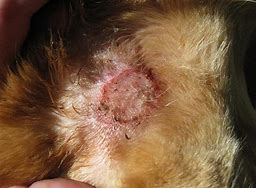
Canines with allergies, sensitivities or skin irritations are prone to developing hot spots. Excessive paw licking is the first sign of a developing hot spot, and the infection can quickly worsen if your dog continuously aggravates the area.  Luckily, there are a number of natural remedies available. But before you reach for a solution, let’s take a closer look at hot spots so you can identify whether your pet has one. Remember – the earlier you start the healing process, the better!

What causes hot spots in dogs?

Your dog will generally feel immediate relief from hot spots when gentle topical solutions are used. But first, it’s important to note that hot spots have an underlying cause — which, if not addressed, will result in additional problems.  Causes may include:

·         Skin fungal condition

·         Allergy to flea or tick bites

·         Skin disease

·         Dietary intolerance

·         Food allergy/sensitivity

·         Environmental allergy/sensitivity

Treating hot spots

You’ve identified the cause of your dog’s hot spot. Now it’s time to treat it. Your first step should be to heal him from the inside out with a healthy, high-quality diet. An allergy test can help you determine which ingredients are best for your pooch. Next, remove anything in his immediate environment that might be irritating his skin. Rule out causes of allergies such as fleas, dust mites, mold, or chemical-based cleaning products.

Once you’ve removed the underlying problem, reach for a non-toxic solution formulated for pets. Antibacterial and anti-fungal products like Banixx Pet Care are designed to help your dog make a speedy recovery from hot spots, regardless of the cause. This steroid-free, sting-free solution does not contain alcohol, and won’t harm the healthy tissue surrounding your dog’s hot spot. Simply apply twice a day to the affected area (disposable gloves are good for this), and take your dog on a short walk to allow the formula time to work its magic.

If your dog’s hot spots persist despite home treatment, seek help from your veterinarian


Dogs with Compulsive Disorders

By Dr. Karen Becker

Dogs with compulsive disorders are relatively common, and unfortunately, this is due in large part to modern-day lifestyles. As much as we love our four-legged family members and try to provide for all their needs, most of us aren’t in a position to allow them to live according to their true canine natures. If they could make their own choices, our dogs would be extremely active, spending lots and lots of time outdoors.

Canine Compulsive Disorder

Canine compulsive disorder (CCD), also called compulsive behavior disorder, is similar to obsessive-compulsive disorder (OCD) in humans. People with OCD perform repetitive activities (e.g., washing their hands over and over) and can’t seem to control the behavior.

Compulsive behavior disorder in dogs is also characterized by the repetitive performance of behaviors that serve no purpose. These behaviors include tail chasing or spinning, excessive licking or self-mutilation, flank sucking, chasing lights or shadows, fly snapping and chasing after or pouncing on invisible prey.

CCD shouldn’t be confused with similar repetitive behaviors some healthy, well-balanced dogs perform. For example, herding dogs and other working breeds evolved to do jobs that require the same behavior over and over again. Many retrievers will fetch the ball from sunrise to sunset; other dogs spin in happy circles when they’re excited.

There are also dogs who fixate on smaller animals such as lizards or birds, or inanimate objects like rocks or golf balls. Bored dogs also tend to develop habits that might seem compulsive, such as running along the fence in the front or backyard, or gently licking and chewing a particular paw.

As with humans with OCD, the favored behavior of dogs with CCD can take them over to the point that it interferes with normal daily activities like mealtime and playing. It can also be difficult to interrupt the compulsive behavior once the dog begins performing it.

Research Compares CCD in Dogs and OCD in People

Two of the most common repetitive behaviors in dogs are obsessive licking which results in acral lick dermatitis (ALD), also known as a lick granuloma, and tail chasing. A 2012 Finnish study suggests that dogs exhibiting indicators like tail chasing, air biting (fly snapping), obsessive pacing, trance-like freezing, or licking or biting their own flanks do indeed have a disorder similar to OCD in humans.1 A number of features of tail-chasing dogs are similar to obsessive-compulsive humans, including:

  • People with OCD and tail-chasing dogs begin acting out their behaviors at a young age
  • Both are inclined to engage in more than one compulsive activity
  • Nutritional supplements (vitamins and minerals) are beneficial in reducing the behaviors in both people and dogs
  • OCD is linked to childhood trauma and stress; tail chasing is seen more often in dogs who were separated too early from their mothers
  • Certain people with OCD are on the shy, inhibited side, and this tendency is also seen in tail-chasing dogs

In addition to these similarities, a team of researchers including veterinary behaviorist Dr. Nicholas Dodman, professor emeritus at Tufts University and the Cummings School of Veterinary Medicine, performed MRI scans on a group of Doberman Pinschers (a breed predisposed to repetitive behaviors), half with acral licking and half without.2

“When we scanned the Dobermans with acral licking, we found they had sophisticated, minute details in the brain that are also found in humans suffering from OCD,” Dodman told veterinary journal dvm360. “The changes were, if not identical, compellingly similar.”3

The Doberman study also revealed a genetic component to CCD. “We … found a gene called CDH2, otherwise known as neural cadherin (NCAD), expressed most significantly in dogs with the compulsive problem,” explains Dodman. Following Dodman’s study, psychiatrists in South Africa discovered that the same deformation of CDH2 was found in humans with OCD.4

Important Considerations for Dogs With Compulsive Behaviors

If you suspect your dog is developing a compulsive disorder, I strongly encourage you to take her to your veterinarian for a wellness exam to ensure the source of the repetitive behavior is indeed behavioral and not an underlying physical condition that needs to be identified and addressed.

The sooner strange behavior stemming from CCD (and diseases causing behaviors that mimic CCD) is addressed, the sooner you can intervene and help. For example, there are lots of reasons dogs lick certain areas of their bodies, many of which can involve allergies and/or skin disorders. It’s important to rule out a problem that actually started in the body rather than CCD, which starts in the head. Other steps you can take to help a dog with CCD:

  • Feed a nutritionally balanced, species-appropriate diet that provides everything your dog needs and nothing she doesn’t (e.g., dyes, preservatives, artificial flavors, synthetic nutrients).
  • Ensure she’s getting daily (and sometimes twice a day, depending on the dog), consistent, rigorous exercise that promotes good muscle tone and body weight, and provides for a strong and resilient musculoskeletal system and organ systems. Exercise releases “feel good” hormones dogs benefit from on a daily basis.
  • Find a hobby or “job” she really enjoys (my personal favorite is K9 nose work).
  • Limit exposure to EMFs in your home by turning off the wireless router at night and providing a grounding pad.
  • Ensure your dog’s immune system is balanced and optimally functional and titer test, in lieu of potentially over-vaccinating.

Most dogs today aren’t nearly as physically active as they’re designed to be. It can be a challenge to tire out a big or high-energy pet, especially a working or sporting breed. If your dog is performing compulsive behaviors, try increasing her exercise. Some suggestions:

Walking or hiking Jogging
Swimming Obedience or nose work events
Playing fetch or tug-of-war Flyball
Biking with a special dog bike leash Agility or other canine sports

I also recommend helping your dog stay mentally stimulated with chews and treat-release toys. In my experience, there are very few extremely healthy, physically active dogs with intractable compulsive disorders, so I can’t overstate the importance of helping your dog be as healthy and active as possible.

Additional Recommendations

Dogs with compulsive disorders tend to be more anxious and high strung than other dogs. An anxious nature may be inherited, but studies suggest environment also plays a role in triggering the expression of a compulsive behavior. Dr. Dodman makes the point that environmental enrichment by itself probably won’t resolve a compulsive disorder, but a stress-free, enriched environment can prevent CCD in the first place and make relapse less likely after a dog has been successfully treated.5

Veterinarians often treat dogs with CCD with drugs that block opioid receptors, but needless to say, I’m not in favor of jumping immediately to pharmaceuticals to treat this condition. They are sometimes appropriate in extreme, intractable cases (for example, a dog headed for the shelter) or when an animal is causing harm to himself.

They can also be beneficial as an interim measure to interrupt the cycle of behavior at the same time other less harmful remedies are being attempted. But my general recommendation is to try behavior modification along with a wide variety of natural remedies first, since every drug has side effects.

In a recent post in the Whole Dog Journal, professional trainer Mardi Richmond discusses additional treatment strategies such as avoiding known triggers, interrupting and redirecting the compulsive behavior, teaching an alternative response, and creating a structured daily routine (to reduce stress).

It’s also important not to try to prevent a dog from performing a repetitive behavior with physical restraint, because it typically causes more anxiety, not less.


4 Health Care Considerations for Flat-Faced Dogs

By Jennifer Coates, DVM as seen in PetMD

Flat-faced dogs, like the French Bulldog, Pug, Boston Terrier and English Bulldog, are among some of the most easily recognizable dog breeds. Many of the most famous dogs on social media fall into these breeds.


While flat-faced dogs are undeniably cute, the physical attributes that make them so unique are what cause them to require special care considerations.


So before taking the leap and adding a flat-faced dog to your family, it is important to do some research into brachycephalic dog breeds to learn about the specific health issues and care requirements they have.


Health Considerations With Flat-Faced Dogs


Flat-faced dogs come with some unique health considerations. Not every individual will suffer from all of these conditions, but owners of brachycephalic dog breeds should be observant for their potential symptoms.


  • Respiratory Issues Brachycephalic obstructive airway syndrome, also known as brachycephalic syndrome, is the name for the respiratory distress dogs with flat faces can experience. These dogs often have small nostrils, an elongated soft palate, extra tissue in the larynx and a narrower-than-average windpipe, all of which can lead to breathing difficulties.


Symptoms of brachycephalic obstructive airway syndrome include:

o    Difficulty breathing/wheezing

o    Excessive snoring, panting, coughing or gagging

o    Heat and/or exercise intolerance

o    Discoloration of the gums or tongue due to lack of blood oxygenation

o    Difficulty sleeping (especially when dogs lie on their sides)

o    Difficulty swallowing


  • Eye Problems – Since flat-faced dogs tend to have shallow eye sockets, their eyes protrude further than other breeds. This makes their eyes vulnerable to dryness, injury, infection and proptosis (displacement from the socket). Facial skin folds may also result in fur rubbing on the eye’s surface.


  • Dental Issues – Because of their relatively small jaw structure, dental problems, like overcrowded and overlapping teeth and an underbite, are common in brachycephalic dogs.


Caring for Flat-Faced Breeds


Awareness of the conditions that can afflict flat-faced dogs is important because there are things you can do to make their lives easier. For example, keeping these dogs slim is vital to their overall health. Monitor their diet and weight closely.


Exercise is also essential, but you need to take special precautions to prevent overheating and/or a worsening of breathing problems. Avoid walking or playing with your dog when it’s particularly hot or humid outside, and always watch for signs that it’s time to take a break.


Walking the dog-how are you doing it?

By Dr. Karen Becker comments by Diane Weinmann

Thinking About Dog Walks in a Whole New Way


Many pet parents tend to look at dog walks as chores to be quickly finished, and I think part of the reason is they’re simply in a rut. They’re not using their imaginations. There are actually lots of ways to change up your dog walking routine that can make it fun for both you and your canine BFF, and something you look forward to. Different types of dog walks:

1. Purposeful walks — These are typically short and have a specific goal, for example, walking your dog to her potty spot.

2. Training walks — These walks can be about improving leash manners, learning basic or advanced obedience commands, ongoing socialization, or anything else you can think of that can be done on a leashed walk. Be sure to bring some healthy training treats on these outings.

Ongoing training throughout your dog’s life is a great way to keep his faculties sharp and boredom at bay. It’s also a wonderful way to strengthen the bond between you and your pet.

3. Power walks — Power walks keep your dog’s frame strong, his weight in check, and help alleviate arthritis and other degenerative joint diseases. These walks can also be an essential method for ensuring your dog gets the exercise he needs, as long as you’re consistent with them.

Remember: A healthy dog needs to exercise an absolute minimum of every three days (every other day is better; every day is ideal) at an intensity that elevates his heart rate for 20 minutes to maintain cardiovascular conditioning and muscle tone. If your dog is out of shape, you’ll need to start slow and build gradually to 20 minutes per power walk.

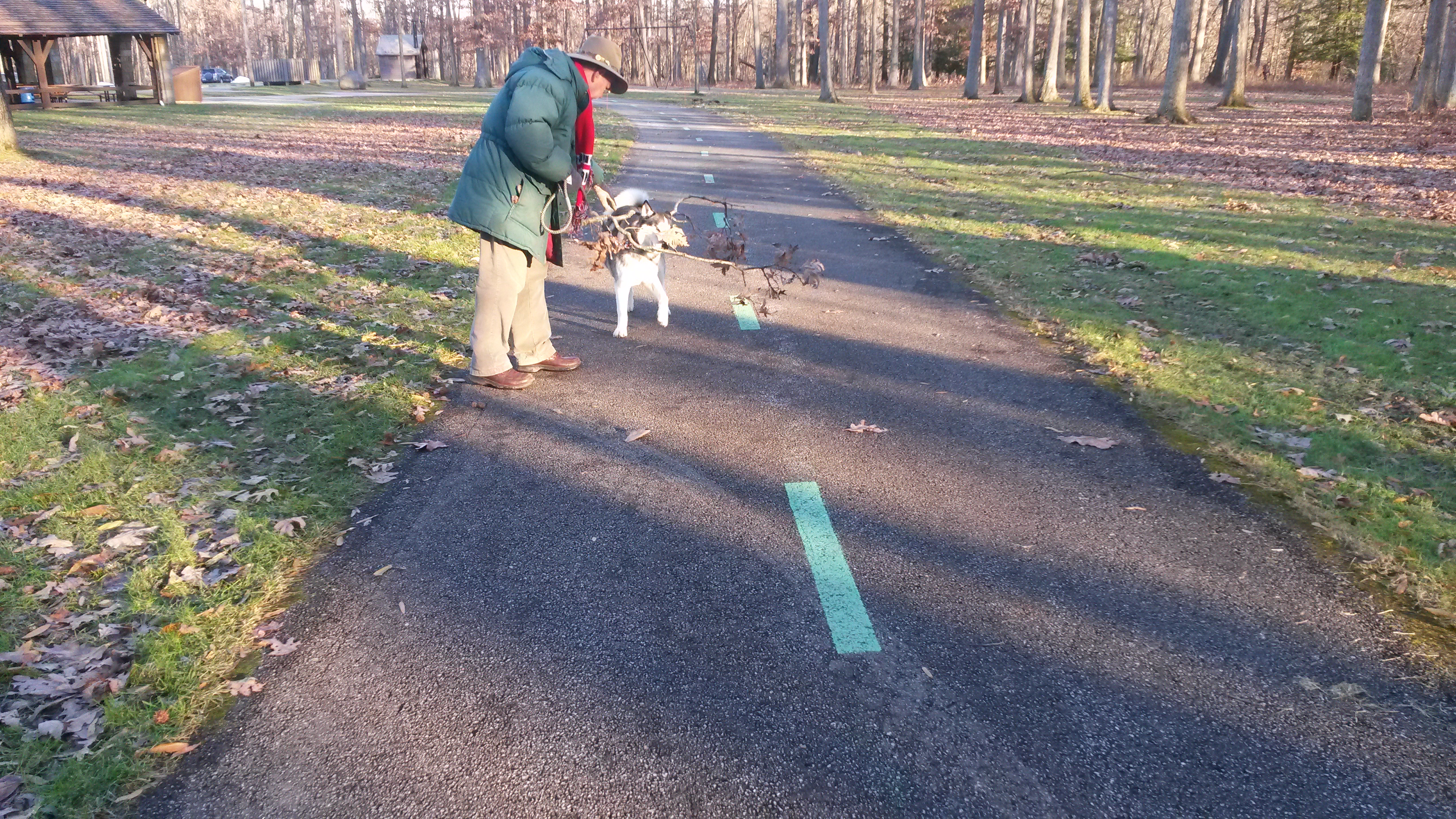
4. Mentally stimulating walks — Most leashed dogs don’t get to spend nearly as much time sniffing and investigating as they would like, so allowing your pet some time to explore is good mental stimulation for her. These walks allow her to stop, sniff, investigate, and pick up and send pee-mail. Dogs accumulate knowledge about the world through their noses.  Take them to the woods—it’s great for their mind and body.  They sniff all kinds of stimulating smells, walk over logs and branches which gently helps with coordination and they can find treasures of leaves and rocks and if lucky, maybe a glimpse of wildlife.  The woods is a treasure trove of activity for your pet to enjoy just remember to leave the leash on!

5. Sniffaris — I don’t know who coined this term, but I love it! Sniffaris are walks during which your dog takes the lead, you follow, and he gets to sniff whatever he pleases. Sniffaris are upgraded mentally stimulating walks, more or less, with your dog making all the navigational and investigational decisions!

6. Change-of-scenery walks — Instead of heading outside in the same old direction, instead, buckle your dog in and drive a few blocks away or to a neighborhood park or nearby hiking trail for your walk. Both you and she will find new things to see, smell and experience.

7. Walks with friends — If your dog is comfortable around other dogs, consider meeting up with neighbors or friends with dogs for group walks. Everyone on two legs and four gets to socialize and exercise simultaneously, and dog parents can also be valuable resources for one another.

8. Different dog-walker walks — Everyone walks a dog a little differently, so the more members of your household who walk your dog, the more variety she’ll enjoy. And since walks done right are bonding experiences, everyone in the family gets to spend one-on-one time with the dog.

A variation on this if you work outside the home is to hire a professional dog walker a few times a week or ask a willing friend or neighbor to take your dog out for a walk in your absence.

One of the most important things you can give your dog whenever you interact with him, including on walks, is your undivided attention. Put down the phone and other distractions and let your dog know through your focus on him how much he means to you.

Carri Westgarth, Ph.D., a research fellow at the University of Liverpool and the lead author of a 2017 study titled “I Walk My Dog Because It Makes Me Happy: A Qualitative Study to Understand Why Dogs Motivate Walking and Improved Health”3 also suggests leaving your cell phone behind to thoroughly enjoy the walk and the time with your dog.

“Dog walking can be really important for our mental health, and there is no joy like seeing your dog having a good time,” Westgarth told Health Newsletter. “In this age of information and work overload, let’s thank our dogs for — in the main — being such a positive influence on our well-being … leave the mobile and worries at home and try to focus on observing our dog and appreciating our surroundings.”4


7 ways to beat dog arthritis

By  Sherman O. Canapp Jr., DVM, MS, CCRT and Lisa M. Fair, VT, CCRA, CMT and comments by diane weinmann

With early intervention and a multi-faceted treatment plan, you can help get the better of the common condition of arthritis.

If your dog has arthritis, he has lots of company. It’s the most common joint disease in canines. One in every five dogs older than a year is affected, and by the time a dog is ten or older, that incidence has increased to one in two.

Managing osteoarthritis (OA) often involves the palliative treatment of well-established disease using just a few therapies. But early intervention, coupled with a multimodal treatment regime, could do a lot more to reduce the effects of this prevalent disease.

  1. Diet and supplements

Nutrition plays a role in developmental skeletal disease. An excess of specific nutrients can exacerbate musculoskeletal disorders, and fast-growing, large breed puppies are at particular risk. For these dogs, controlled growth, optimum levels of calcium, phosphorus and essential fatty acids, and specific nutrients to enhance development are all essential to reduce the risk of developmental skeletal disease. In all dogs, providing proper nutrition during growth, and maintaining a healthy weight through life, can help minimize OA.

Diets that include or are supplemented with these nutrients may reduce inflammation, slow degradation, enhance cartilage repair and provide relief from discomfort:

  • EPA and DHA, two components of Omega-3 fatty acids, reduce inflammation and reduce pain associated with OA. EPA suppresses the enzymes associated with cartilage destruction.
  • Glucosamine is a precursor for glycosaminoglycans (GAGs), a primary component of joint cartilage. It may influence cartilage structure and restore synovial fluid. GAGs may aid in the prevention of OA.
  • Chondrotin sulfate is an important structural component of cartilage and helps it resist compression. It may reduce inflammation, stimulate synthesis of proteoglycans and hyaluronic acid, and decrease catabolic activity.
  • ASUs (avocado/soybean unsaponifiables) help protect cartilage from degradation. Studies have shown a synergy when glucosamine hydrochloride, chondrotin sulfate and AUS are combined. They help inhibit the expression of agents involved in cartilage breakdown.
  • MSM (methylsulfonylmethane) may have anti-inflammatory effects. Research suggests there may be increased benefits when MSM is combined with glucosamine and chondrotin.
  • SAM-e (S-Adenosyl methionine) can reduce discomfort associated with OA. Some studies even found it to be as effective for relieving pain as NSAIDs.
  • Vitamin E is an antioxidant. Oxidative damage caused by free radicals can contribute to degenerative joint disease. Vitamin E inhibits oxidation, but the levels must be higher than minimal requirements to achieve these benefits.
  • Vitamin C is well known for its antioxidant activity. Although dogs can synthesize enough to meet minimal requirements, supplementation may improve antioxidant performance. It is important to note that vitamin C supplementation can contribute to calcium oxalate crystal formation in susceptible dogs.
  • DLPA (DL-phenylalanine) is a natural amino acid used to treat chronic pain. It inhibits several enzymes responsible for the destruction of endorphins, pain-killing hormones. DLPA can be used as an alternative to NSAIDs.
  • Traumeel is a homeopathic formulation of 12 botanical substances and one mineral substance. It is purported to have anti-inflammatory, anti-edematous and anti-exudative properties. Traumeel is often used as an alternative to NSAIDs.
  • GLM (green-lipped mussel) contains anti-inflammatory components that may benefit joint health. Clinical studies of GLM powder added to diets showed it to be effective in reducing symptoms.
  • Several herbs have anti-inflammatory and analgesic properties, including boswellia, yucca root, turmeric, hawthorn, nettle leaf, licorice, meadowsweet and willow bark. Consult with a veterinarian experienced in using herbs.
  • Hyaluronic acid (HA) has been shown to slow the progression of osteoarthritis and decrease inflammation within the joint. Specifically, it increases joint fluid viscosity, increases cartilage (GAG) formation, and decreases degrading enzymes and cytokines. Over 70% of dogs have been reported to respond well to HA and improvement can be noted for over six months following administration. My clinical impression is that HA used alone is useful for synovitis and mild to moderate OA.
  1. Weight management and exercise

Obesity is a known risk factor for OA. Dogs with excess weight should be placed on a diet management program, which may include food and treat restriction, a change of diet, exercise and behavior modification. Weight management alone may result in significant clinical improvement.

Light to moderate low impact exercise is recommended to reduce stiffness and maintain joint mobility. Specific exercise requirements vary based on the individual dog, but short walks (15 to 20 minutes) two to three times daily are typically recommended. Swimming is an excellent low impact activity that can improve muscle mass and joint range of motion. Consistency is critical – exercise should be performed on a routine basis. Excessive and/ or high impact exercise should be avoided.

  1. Acupuncture and chiropractic

Dogs have approximately 360 acupuncture points throughout their bodies. Response varies, with some dogs showing significant improvements in discomfort and mobility. Some experience no obvious benefits and a few do not tolerate needling. Consulting a veterinarian trained in TCVM provides the best chance of successful treatment. TCVM can help with weight management as well as joint issues.

Chiropractic can improve comfort and mobility in dogs with OA. These dogs often develop improper spinal biomechanics secondary to gait changes. Adjustments can restore proper bony relationships and re-set receptors responsible for maintaining correct posture, balance and mobility.

  1. Rehabilitation therapy

This may be used in conjunction with other therapies. In some cases of mild to moderate OA, it may actually eliminate the need for additional medical therapies. The goals of rehabilitation therapy for dogs with OA include pain relief, maintaining or building muscle strength, flexibility, and joint range of motion, core strengthening and overall conditioning.

  • Cold therapy causes vasoconstriction to reduce inflammation, muscle spasms and pain. It benefits dogs with acute exacerbation of chronic arthritis.
  • Heat therapy causes vasodilation. It reduces muscle tension and spasm, improves flexibility of joint capsules and surrounding tendons and ligaments, and provides pain relief.
  • Transcutaneous electrical nerve stimulation (TENS) reduces pain. It stimulates large cutaneous nerve fibers that transmit sensory impulses faster than pain fibers. TENS also increases the release of endorphins, which block pain perception.
  • Neuromuscular electrical stimulation (NMES) involves the stimulation of muscle fibers for strengthening. Dogs with OA typically lose muscle mass due to weakness and disuse. NMES may help minimize atrophy, and provide proprioceptive, kinesthetic and sensory input directly to the muscle as well as give pain relief.
  • Therapeutic ultrasound (TUS) uses sound energy to affect biological tissues. It provides deep heating of tissues and can increase blood flow, collagen extensibility, metabolic rate and pain thresholds. It can also decrease muscle spasm.
  • Low level laser therapy (LLLT) may have positive effects on injured cartilage and may also reduce pain.
  • Extracorporeal shock wave therapy (ESWT) uses sound waves characterized by a rapid and steep rise in pressure followed by a period of negative pressure. Mechanical and chemical effects on a cellular level may stimulate healing and modulate pain signals.
  • Manual modalities:

Stretching – Most dogs with arthritis have some inflexibility due to shortened muscles and joint restriction. Performing gentle passive range of motion therapy and stretching can increase overall range of motion. Heat therapy applied prior to these therapies enables collagen fibers to be maximally stretched.

Joint mobilization – May help improve joint range of motion and decrease pain in dogs with mild to moderate OA. It involves low-velocity movements within or at the limit of the dog’s range of motion.

Massage – Decreases myofascial pain, adhesion formation and muscle tension, and increases vascular and lymphatic circulation. Can help reduce edema, improve blood flow, decrease muscle stiffness and improve muscle flexibility and joint mobility.

  • Therapeutic exercises can be of significant benefit. Most dogs with OA have moderate to severe muscle atrophy and loss of motion within affected joints. Therapeutic exercises maintain and rebuild muscle mass, strengthen muscle force, maintain and improve joint range of motion and overall function and conditioning.
  • Hydrotherapy includes underwater treadmill and swim therapy. It encourages range of motion, and improves muscle tone and mass with reduced stress to joints and tissues. Hydrotherapy can help relieve pain, swelling and stiffness, improve muscle mass and tone, increase joint range of motion, and improve circulation.
  1. Regenerative medicine therapy
  2. a) Stem cell therapy

Published literature supports the use of stem cell therapy (SCT) to treat OA in dogs. Most veterinary research has focused on adult stem cells, specifically mesenchymal stem cells. MSCs decrease pro-inflammatory and increase anti-inflammatory mediators.

  1. b) Platelet-rich plasma (PRP)

The concentrated platelets found in PRP contain bioactive proteins and growth factors. These work by binding to cell surface receptors and activating intra-cellular signaling cascades. They promote cell proliferation, cell migration and differentiation, and work as antiinflammatory factors counteracting the inflammatory cytokines at work in arthritis.

SCT and PRP are often administered together.

6. Assistive devices

These provide assistance with mobility. Booties can provide traction for slippery surfaces. Orthotics provide support to joints and can improve comfort. Slings and harnesses can be used to assist dogs when rising, walking, climbing stairs and during elimination. Carts provide independent mobility for dogs that have difficulty walking.

7. Conventional medications – NSAIDs and corticosteroids

NSAIDs have been the conventional foundation for treating symptoms of arthritis. They have anti-inflammatory, analgesic and antipyretic properties. However, serious adverse effects can occur, especially with chronic use. These most commonly include gastrointestinal, renal, hepatic and coagulation disorders. The goal is to use the minimal effective dose when other treatments are not successful.

In the treatment of severe arthritis, an intra-articular corticosteroid may be beneficial.

It can provide pain relief for end-stage osteoarthritis. Response to treatment is typically seen within a week and benefits may last a year or more.

Once established, canine osteoarthritis is incurable. But if joint problems are diagnosed early on, and managed with a range of integrative therapies, you can help stave off the debilitating effects of arthritis, and that means greater longevity and quality of life.

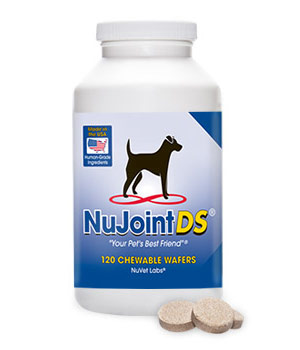
As an animal communicator and holistic healer for pets, Diane Weinmann recommends NuJoint Plus and NuJoint DS (double stuff) for a dog who has arthritis.   Here is some information regarding the product below:

NuJoint Plus® K-9 Wafers

Hip and Joint Support


MSM supplies biologically active sulfur to animals’ joints. Use of MSM has been shown to reduce the rigidity of cells in the soft tissues of the body. By reducing this rigidity, fluids are able to pass more freely from the cell and this helps to reduce cell pressure.

Glucosamine provides the joints with the building blocks needed to for good health.. Acting as a catalyst, Glucosamine helps animals synthesize new cartilage caused by wear and tear. Hip and joint discomfort can happen when normal wear and tear break down cartilage.

Chondroitin attracts and holds fluid within cartilage tissue helping to lubricate joints and increase mobility. Chondroitin neutralizes the destructive enzymes that are known to damage and destroy cartilage. Chondroitin aids the entry of Glucosamine which is the building block of healthy joints.

Vitamin C plays a vital role by supporting immune function, helping white blood cells function normally, and it also promotes cartilage growth and tissue repair. Aging dogs may especially benefit as they become less proficient at producing their own supply of vitamin C.

Ingredients

Glucosamine Sulfate 250 mg
Chondroitin Sulfate 125 mg
MSM (Methylsulfonylmethane) 125 mg
50 mg Vitamin C (Ester-C®) 50 mg

Flavored with Real Chicken Liver


Recommended Daily Dosage


 Daily Dosage

Pets Weight
1/2 to 1 wafer under 10 lbs
1 wafer 10-24 lbs
2 wafers 25-49 lbs
3 wafers 50-100 lbs
4 wafers over 100 lbs

To jump-start your pet’s immune health and provide maximum support, please contact our Customer Service department for additional dosage recommendations.


NuJoint DS® K-9 Wafers

Hip and Joint Support

MSM supplies biologically active sulfur to animals’ joints. Use of MSM has been shown to reduce the rigidity of cells in the soft tissues of the body. By reducing this rigidity, fluids are able to pass more freely from the cell and this helps to reduce cell pressure.

Glucosamine provides the joints with the building blocks needed to for good health. Acting as a catalyst, Glucosamine helps animals synthesize new cartilage caused by wear and tear. Hip and joint issues can happen when normal wear and tear break down cartilage.

Chondroitin attracts and holds fluid within cartilage tissue helping to lubricate joints and increase mobility. Chondroitin neutralizes the destructive enzymes that are known to damage and destroy cartilage. Chondroitin aids the entry of Glucosamine which is the building block of healthy joints.

Vitamin C plays a vital role by supporting immune function, helping white blood cells function normally, and it also promotes cartilage growth and tissue repair. Aging dogs may especially benefit as they become less proficient at producing their own supply of vitamin C.

Ingredients

Glucosamine Sulfate 500 mg
Chondroitin Sulfate 250 mg
MSM (Methylsulfonylmethane) 250 mg
50 mg Vitamin C (Ester-C®) 50 mg

Flavored with Real Chicken Liver


Recommended Daily Dosage

Daily Dosage Pets Weight
1/2 to 1 wafer under 10 lbs
1 wafer 10-24 lbs
2 wafers 25-49 lbs
3 wafers 50-100 lbs
4 wafers over 100 lbs

To jump-start your pet’s immune health and provide maximum support, please contact our Customer Service department for additional dosage recommendations.

CALL NOW TO ORDER

800-474-7044

Order Code: 82416

or click here

https://www.nuvetlabs.com/order_new2/nujoint.asp

Walking Your Dog vs. Just Letting Your Dog Out in the Backyard

By Paula Fitzsimmons and comments by Diane Weinmann

Letting your dog use your fenced-in backyard for potty breaks and exercise is convenient, especially when life gets hectic. It’s also a great way for her to get fresh air and exercise in a safe environment.


Walking your dog, however, is associated with a myriad of physical and mental benefits, which contributes to your dog’s well-being. Learn how to balance the backyard with the sidewalk to make sure your pup gets the exercise and bonding time she needs.


Is a Backyard Enough for Your Dog?


Letting your dog run around in the backyard is a beneficial supplement to walking your dog. But dogs thrive on variety, says Dr. Pam Reid, a certified applied animal behaviorist (CAAB) and vice president of the ASPCA Anti-Cruelty Behavior Team. “Most dogs enjoy seeing different things, smelling new smells, feeling novel substrates under their feet and hearing unfamiliar sounds.”


Relying solely on the backyard for your dog’s exercise can lead to problems. “It is not uncommon for these dogs to become bored and frustrated, which can lead to destructive behaviors, barking, repetitive behaviors (like perimeter circling, and even escape attempts. It is also common for many backyard dogs to begin showing territorial behaviors like barking, rushing at the fence and running the fence when people or other dogs pass by,” says Jenn Fiendish, a veterinary behavior technician who runs Happy Power Behavior and Training in Portland, Oregon.


If solely kept in enclosed spaces, they can also become sheltered, says Dr. Ari Zabell, a Vancouver, Washington-based veterinarian with Banfield Pet Hospital. As a result, “They can become less confident and comfortable with new people, pets and experiences that they aren’t exposed to on a regular basis.”


While walking your dog does provide them with exercise, a fenced-in backyard can, too. “The backyard is the safest option to let the dog run full tilt and burn off some steam, so both activities should be incorporated into a happy dog’s lifestyle,” says Dr. Reid.


Be sure that you have a secure, fenced yard so that animals cannot escape. You should also microchip your pet, as many animals get out through small holes or by digging under fences.


What Walks Provide That Backyards Don’t


Aside from the physical health benefits, dog walking provides opportunities for enrichment, socialization and training that a backyard may not. “Dogs are, by nature, curious explorers, so going on a walk or hike is a great way to let them explore,” says Fiendish.


Dr. Reid agrees: “Walks are great for providing the mental stimulation that comes from visiting places outside of the familiar backyard. Sniff walks (allowing the dog to set the pace and stop and sniff whenever she likes) are particularly gratifying to dogs.”


Walking your dog on a dog leash also plays an important role in developing her social skills, she adds. “They see, and perhaps even get to meet, unfamiliar adults, children, dogs and other pets. They become comfortable with motorcycles and bicycles zipping by, kids on skateboards, and just about anything else you can imagine!”


Leash walking requires you to be with your dog, providing an opportunity to strengthen your bond, says Dr. Reid. “It’s no fun walking a dog that pulls on leash or zigzags back and forth all over the place, so you’ll be motivated to work on training your dog to be more mannerly while on leash.”


Finding the Right Balance Between the Backyard and Walking Your Dog


The right balance of yard and walk time is unique to every pet, family, home environment, neighborhood and lifestyle, says Dr. Zabell. “Exercise is an important component of every well-rounded dog’s life, but young, high-energy dogs, for example, will likely require more walks (or runs) than low-energy or geriatric dogs.”


Some dogs prefer the familiarity of a backyard, but still need the exposure that leash walking provides, while others quickly become bored and thrive when walked, says Dr. Reid. “Also, if you’re in a hurry to make sure your dog is ‘empty’ before heading out for a few hours, walking is by far the best option for encouraging the dog to empty his bladder and bowels. The sustained movement plus the novel vegetation that invariably contain the smells of other dogs’ eliminations will quickly prompt your dog to urinate and defecate.”


Walking Your Dog for Maximum Benefits


How often should you walk your dog? Fiendish recommends at least one 15 to 20 minute session each day, and “more if your dog doesn’t have a backyard to be in.” (Experts recommend speaking with your vet if your dog has health problems to determine the appropriate walk duration.)


Any dog collar or harness you use should be comfortable, fit properly and be safe for your dog, she adds. “It is not recommended to use products that cause pain or discomfort as these can inhibit learning, cause fear and harm the human-animal bond.”


If your dog has a tendency to pull, a dog harness has an advantage over a collar because it relieves pressure from her neck, says Laura Hills, certified dog trainer and owner of The Dogs’ Spot, based in North Kansas, Missouri. “In addition, many harnesses have a place in the front, on the dog’s chest, to clip the leash. When used in this way, a dog that pulls will find themselves turned back toward the person holding the leash. This makes pulling more difficult, as it causes the dog to be slightly off balance, and like training wheels, is a great aid while working on loose leash walking.”


If your dog doesn’t typically pull, a flat collar may be a good option, she says. And if you typically walk your dog in the evenings, “Collars and harnesses that are reflective will help dogs be seen better in lower light, which is especially good during the shorter days of winter.”


Learning how to properly exercise your dog includes knowing how to balance walks and yard time. Your vet or dog training professional is in the best position to help. “Your veterinarian should be able to advise you on the best ways to keep your pet safe, exercised and socialized, based on their individual needs, characteristics and lifestyle,” advises Dr. Zabell.

Diane plays with her dog in the backyard, spends time relaxing and reading there with her dog, even having dinner/lunch outside in the company of her dog; however, they go to the park daily (weather permitting) for the enrichment aspect to her dog’s life.  Many experiences, good or bad, cannot be found anywhere but on a walk in the park, neighborhood or woods.  Walk with a friend today!