There ain’t no bugs on me!

Essential oils can assist animals with their healing using energetic vibration and the essence of the natural product. They can help bring balance and healing through their sense of smell which is the most receptive of the pet’s systems.

The oil stimulates the olfactory system which in turn sends a signal to the brain regarding the specific oil. The brain then activates the pet’s natural ability to begin the healing process.
Aromatherapy does not cure conditions, but helps the body to find a natural way to cure itself and to improve immune response.s the body to find a natural way to cure itself and improve immune response.

the body to find a natural way to cure itself and improve immune response.

AWAY

Ingredients:  Essential Oils of Eucalyptus citriodora, Catnip, Citronella, Lemon Tea Tree, White Cypress

Away was created for many purposes, but all are encompassed in the word “Away”.  Bugs go “Away”, smells go “Away”, and stale energy can also go “Away”!  I put it on my dog any time we are going into the woods or open field for a walk.Petting Technique
The petting technique is a way to apply the oils to your pet. This technique is well tolerated by almost every form of animal. The technique can be modified for small rodents, amphibians, or animals that may be difficult to handle, simply by having the oils absorbed into your hands, and then “cupping” and holding the animal within your hands.

Petting Technique
The petting technique is a way to apply the oils to your pet. This technique is well tolerated by almost every form of animal. The technique can be modified for small rodents, amphibians, or animals that may be difficult to handle, simply by having the oils absorbed into your hands, and then “cupping” and holding the animal within your hands.

s the body to find a natural way to cure itself and improve immune response.

Dogs:  Away can also be applied to most dogs topically using the “Petting Technique.”  Place 1-3 drops into your hands, rub them together until a light coating remains, then pet onto areas of need.  For insect repellent; rubbing down the legs, neck, shoulders, and back are good locations to concentrate on.  I especially focus on the “ankle” area of my dogs, since ticks will often contact this area first, as they start to climb up the legs.

Cats:  Diffusion of Away in a water-based diffuser is also recommended for cat households.  Away is wonderful for eliminating pet odors from the household, and litter box areas.

http://www.animaleo.info/order-animaleo.html

Petting Technique
The petting technique is a way to apply the oils to your pet. This technique is well tolerated by almost every form of animal. The technique can be modified for small rodents, amphibians, or animals that may be difficult to handle, simply by having the oils absorbed into your hands, and then “cupping” and holding the animal within your hands.

Away product sheet

What is heartworm disease?

What is heartworm disease?
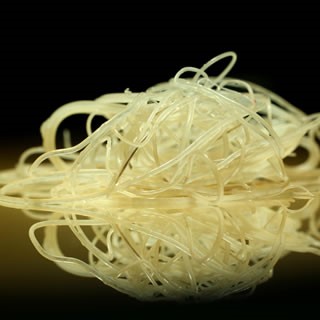
Heartworm disease is a serious and potentially fatal disease in pets in the United States and many other parts of the world. It is caused by foot-long worms (heartworms) that live in the heart, lungs and associated blood vessels of affected pets, causing severe lung disease, heart failure and damage to other organs in the body. Heartworm disease affects dogs, cats and ferrets, but heartworms also live in other mammal species, including wolves, coyotes, foxes, sea lions and—in rare instances—humans. Because wild species such as foxes and coyotes live in proximity to many urban areas, they are considered important carriers of the disease.

Dogs. The dog is a natural host for heartworms, which means that heartworms that live inside the dog mature into adults, mate and produce offspring. If untreated, their numbers can increase, and dogs have been known to harbor several hundred worms in their bodies. Heartworm disease causes lasting damage to the heart, lungs and arteries, and can affect the dog’s health and quality of life long after the parasites are gone. For this reason, prevention is by far the best option, and treatment—when needed—should be administered as early in the course of the disease as possible.

Cats. Heartworm disease in cats is very different from heartworm disease in dogs. The cat is an atypical host for heartworms, and most worms in cats do not survive to the adult stage. Cats with adult heartworms typically have just one to three worms, and many cats affected by heartworms have no adult worms. While this means heartworm disease often goes undiagnosed in cats, it’s important to understand that even immature worms cause real damage in the form of a condition known as heartworm associated respiratory disease (HARD). Moreover, the medication used to treat heartworm infections in dogs cannot be used in cats, so prevention is the only means of protecting cats from the effects of heartworm disease.

How is heartworm disease transmitted from one pet to another?

The mosquito plays an essential role in the heartworm life cycle. Adult female heartworms living in an infected dog, fox, coyote, or wolf produce microscopic baby worms called microfilaria that circulate in the bloodstream. When a mosquito bites and takes a blood meal from an infected animal, it picks up these baby worms, which develop and mature into “infective stage” larvae over a period of 10 to 14 days. Then, when the infected mosquito bites another dog, cat, or susceptible wild animal, the infective larvae are deposited onto the surface of the animal’s skin and enter the new host through the mosquito’s bite wound. Once inside a new host, it takes approximately 6 months for the larvae to mature into adult heartworms. Once mature, heartworms can live for 5 to 7 years in dogs and up to 2 or 3 years in cats. Because of the longevity of these worms, each mosquito season can lead to an increasing number of worms in an infected pet.

What are the signs of heartworm disease in dogs?

In the early stages of the disease, many dogs show few symptoms or no symptoms at all. The longer the infection persists, the more likely symptoms will develop. Active dogs, dogs heavily infected with heartworms, or those with other health problems often show pronounced clinical signs.

Signs of heartworm disease may include a mild persistent cough, reluctance to exercise, fatigue after moderate activity, decreased appetite, and weight loss. As heartworm disease progresses, pets may develop heart failure and the appearance of a swollen belly due to excess fluid in the abdomen. Dogs with large numbers of heartworms can develop a sudden blockages of blood flow within the heart leading to a life-threatening form of cardiovascular collapse. This is called caval syndrome, and is marked by a sudden onset of labored breathing, pale gums, and dark bloody or coffee-colored urine. Without prompt surgical removal of the heartworm blockage, few dogs survive.

What are the signs of heartworm disease in cats?

Signs of heartworm disease in cats can be very subtle or very dramatic. Symptoms may include coughing, asthma-like attacks, periodic vomiting, lack of appetite, or weight loss. Occasionally an affected cat may have difficulty walking, experience fainting or seizures, or suffer from fluid accumulation in the abdomen. Unfortunately, the first sign in some cases is sudden collapse of the cat, or sudden death.

How significant is my pet’s risk for heartworm infection?

Many factors must be considered, even if heartworms do not seem to be a problem in your local area. Your community may have a greater incidence of heartworm disease than you realize—or you may unknowingly travel with your pet to an area where heartworms are more common. Heartworm disease is also spreading to new regions of the country each year. Stray and neglected dogs and certain wildlife such as coyotes, wolves, and foxes can be carriers of heartworms. Mosquitoes blown great distances by the wind and the relocation of infected pets to previously uninfected areas also contribute to the spread of heartworm disease (this happened following Hurricane Katrina when 250,000 pets, many of them infected with heartworms, were “adopted” and shipped throughout the country).

The fact is that heartworm disease has been diagnosed in all 50 states, and risk factors are impossible to predict. Multiple variables, from climate variations to the presence of wildlife carriers, cause rates of infections to vary dramatically from year to year—even within communities. And because infected mosquitoes can come inside, both outdoor and indoor pets are at risk.

For that reason, the American Heartworm Society recommends that you “think 12:” (1) get your pet tested every 12 months for heartworm and (2) give your pet heartworm preventive 12 months a year.

What do I need to know about heartworm testing?

Heartworm disease is a serious, progressive disease. The earlier it is detected, the better the chances the pet will recover. There are few, if any, early signs of disease when a dog or cat is infected with heartworms, so detecting their presence with a heartworm test administered by a veterinarian is important. The test requires just a small blood sample from your pet, and it works by detecting the presence of heartworm proteins. Some veterinarians process heartworm tests right in their hospitals while others send the samples to a diagnostic laboratory. In either case, results are obtained quickly. If your pet tests positive, further tests may be ordered.

When should my pet be tested?

Testing procedures and timing differ somewhat between dogs and cats.

Dogs. All dogs should be tested annually for heartworm infection, and this can usually be done during a routine visit for preventive care. Following are guidelines on testing and timing:

·         Puppies under 7 months of age can be started on heartworm prevention without a heartworm test (it takes at least 6 months for a dog to test positive after it has been infected), but should be tested 6 months after your initial visit, tested again 6 months later and yearly after that to ensure they are heartworm-free.

·         Adult dogs over 7 months of age and previously not on a preventive need to be tested prior to starting heartworm prevention.  They, too, need to be tested 6 months and 12 months later and annually after that.

·         You need to consult your veterinarian, and immediately re-start your dog on monthly preventive—then retest your dog 6 months later. The reason for re-testing is that heartworms must be approximately 7 months old before the infection can be diagnosed.

Annual testing is necessary, even when dogs are on heartworm prevention year-round, to ensure that the prevention program is working. Heartworm medications are highly effective, but dogs can still become infected. If you miss just one dose of a monthly medication—or give it late—it can leave your dog unprotected. Even if you give the medication as recommended, your dog may spit out or vomit a heartworm pill—or rub off a topical medication. Heartworm preventives are highly effective, but not 100 percent effective. If you don’t get your dog test, you won’t know your dog needs treatment.

Cats. Heartworm infection in cats is harder to detect than in dogs, because cats are much less likely than dogs to have adult heartworms. The preferred method for screening cats includes the use of both an antigen and an antibody test (the “antibody” test detects exposure to heartworm larvae). Your veterinarian may also use x-rays or ultrasound to look for heartworm infection. Cats should be tested before being put on prevention and re-tested as the veterinarian deems appropriate to document continued exposure and risk. Because there is no approved treatment for heartworm infection in cats, prevention is critical.

What happens if my dog tests positive for heartworms?

No one wants to hear that their dog has heartworm, but the good news is that most infected dogs can be successfully treated. The goal is to first stabilize your dog if he is showing signs of disease, then kill all adult and immature worms while keeping the side effects of treatment to a minimum.

Here’s what you should expect if your dog tests positive:

·         Confirm the diagnosis. Once a dog tests positive on an antigen test, the diagnosis should be confirmed with an additional—and different—test. Because the treatment regimen for heartworm is both expensive and complex, your veterinarian will want to be absolutely sure that treatment is necessary.

·         Restrict exercise. This requirement might be difficult to adhere to, especially if your dog is accustomed to being active. But your dog’s normal physical activities must be restricted as soon as the diagnosis is confirmed, because physical exertion increases the rate at which the heartworms cause damage in the heart and lungs. The more severe the symptoms, the less activity your dog should have.

·         Stabilize your dog’s disease. Before actual heartworm treatment can begin, your dog’s condition may need to be stabilized with appropriate therapy. In severe cases of heartworm disease, or when a dog has another serious condition, the process can take several months.

·         Administer treatment. Once your veterinarian has determined your dog is stable and ready for heartworm treatment, he or she will recommend a treatment protocol involving several steps. The American Heartworm Society has guidelines for developing this plan of attack. Dogs with no signs or mild signs of heartworm disease, such as cough or exercise intolerance, have a high success rate with treatment. More severe disease can also be successfully treated, but the possibility of complications is greater. The severity of heartworm disease does not always correlate with the severity of symptoms, and dogs with many worms may have few or no symptoms early in the course of the disease.

·         Test (and prevent) for success. Approximately 6 months after treatment is completed, your veterinarian will perform a heartworm test to confirm that all heartworms have been eliminated. To avoid the possibility of your dog contracting heartworm disease again, you will want to administer heartworm prevention year-round for the rest of his life.

What if my cat tests positive for heartworms?

Like dogs, cats can be infected with heartworms. There are differences, however, in the nature of the disease and how it is diagnosed and managed. Because a cat is not an ideal host for heartworms, some infections resolve on their own, although these infections can leave cats with respiratory system damage. Heartworms in the circulatory system also affect the cat’s immune system and cause symptoms such as coughing, wheezing and difficulty breathing. Heartworms in cats may even migrate to other parts of the body, such as the brain, eye and spinal cord. Severe complications such as blood clots in the lungs and lung inflammation can result when the adult worms die in the cat’s body.

Here’s what to expect if your cat tests positive for heartworm:

·         Diagnosis. While infected dogs may have 30 or more worms in their heart and lungs, cats usually have 6 or fewer—and may have just one or two. But while the severity of heartworm disease in dogs is related to the number of worm, in cats, just one or two worms can make a cat very ill. Diagnosis can be complicated, requiring a physical exam, an X-ray, a complete blood count and several kinds of blood test. An ultrasound may also be performed.

·         Treatment. Unfortunately, there is no approved drug therapy for heartworm infection in cats, and the drug used to treat infections in dogs is not safe for cats. Nevertheless, cats with heartworm disease can often be helped with good veterinary care. The goal is to stabilize your cat and determine a long-term management plan.

·         Monitor your cat. Heartworm-positive cats may experience spontaneous clearing of heartworms, but the damage they cause may be permanent. If your cat is not showing signs of respiratory distress, but worms have been detected in the lungs, chest X-rays every 6 to 12 months may be recommended. If mild symptoms are noted, small doses of prednisolone may be administered to help reduce inflammation.

·         Provide veterinary care. If the disease is severe, additional support may be necessary. Your veterinarian my recommend hospitalization in order to provide therapy, such as intravenous fluids, drugs to treat lung and heart symptoms, antibiotics, and general nursing care. In some cases, surgical removal of heartworms may be possible.

·         Maintain prevention. A cat that has developed heartworm disease has demonstrated that it is susceptible to heartworm infection, and both outdoor and indoor cats are at risk. It’s important to give your cat monthly heartworm preventives, which are available in both spot-on and pill form. Preventives keep new infections from developing if an infected mosquito bites your cat again.

The age of the dog is just one factor affecting the success of heartworm treatment. When making a diagnosis and administering treatment, veterinarians consider the dog’s overall health and the severity of his symptoms, as well as the results of X-rays and laboratory test results. Older dogs with long-term heartworm infections may have damage to their lungs, hearts, livers, and kidneys that can complicate heartworm treatment. To ensure the best chance of success, it is vital to follow your veterinarian’s instructions carefully. This includes severely restricting the dog’s activity, as exercise during the treatment period is the leading cause of complications.


After treating a dog with melarsomine injections, adult worms may continue to die for more than a month following this treatment. Heartworm antigen testing is the most reliable method of confirming that all of the adult heartworms have been eliminated. Although many dogs are antigen-negative 16 weeks after treatment, it can take longer for the antigen to be completely cleared from some dogs. Additionally, even though melarsomine is highly effective, a single course of treatment may not completely clear all dogs of infection (the American Heartworm Society protocol calls for three separate injections of melarsomine.  Consequently, in most cases, a dog that is still antigen positive at 4 months should be rechecked 2 to 3 months later before determining whether there are still adult heartworms remaining, and a second treatment course may be required.


Senior Cats

By Dr. Becker and comments by Diane Weinmann


By the time your cat reaches the age of 10, she’s officially a senior citizen. The good news is that many cats today are living into their late teens and even early 20s. With the proper care, a kitty in good health at 10 can easily live another 8, 10 or even 12 years. There’s no need to worry that your feline companion is getting older. In fact, this is a great time to take steps to make the second half of kitty’s life with you as healthy and happy as the first half.

7 Tips to Keep Your Senior Cat Healthy and Happy

1. Schedule twice-yearly veterinary visits

Once your cat is into her senior years and beyond, her wellness and nutritional needs can require fine-tuning every four to six months. It’s very important to review weight, muscle tone, joint range of motion, diet, supplement protocol and exercise habits at least semi-annually for older pets.

At veterinary visits, be sure to mention any behavior changes you’ve noticed in your cat, no matter how minor, as these can provide important clues about health problems that may be brewing under the surface. It’s also important to monitor your cat’s weight to ensure she isn’t becoming too heavy or too thin.

The senior pet wellness screen is an excellent tool for early detection of changes in your cat’s health so that treatment, including appropriate lifestyle changes, can begin immediately. As part of the checkup, your vet will perform a physical exam and blood (including thyroid levels), urine and stool sample tests.

The results will provide a snapshot of how well your cat’s organs are functioning, and point to any potential problems. Regular wellness screens also allow your vet to compare current test results with past results to check for changes that may need further investigation.

2. Minimize environmental stressors

Kitties of all ages do best with a consistent daily routine, but older cats tend to get extra stressed when presented with anything new or different in their environment. Your senior kitty may be dealing with some vision and hearing loss, less tolerance for the cold and mental confusion. Cats can and do develop age-related cognitive decline, which means even the smallest change in your kitty’s routine can cause stress.

Your senior cat may become a little cranky and easily irritated. If there are young children or a playful dog at home, it’s important that all family members approach your kitty in a quiet, non-aggressive manner. It’s also important to protect an aging cat from potential bullying by younger or more active pets.

Of course, it’s important to avoid becoming a “helicopter pet parent” who constantly hovers over kitty. He’s still a cat after all, and prefers attention on his own terms! But do make a concerted effort to keep him comfy, secure and relaxed by maintaining a consistent daily routine and providing him with a quiet, cozy hideaway with comfy bedding and a favorite toy or two.

3. Feed your cat like a carnivore

Contrary to what many cat parents and even veterinarians believe, aging pets need MORE protein than their younger counterparts, and the quality is of paramount importance. The more digestible and assimilable the protein is, and the higher the moisture content of the food, the easier it will be for aging organs to process.

Feed kitty a nutritionally balanced, antioxidant-rich, species-appropriate diet that includes omega-3 essential fats such as krill oil. Since moisture is a cat’s best friend, be sure to encourage hydration by offering kitty a variety of water bowls around the house or a drinking fountain, in addition to minimizing or (preferably) eliminating dry food. If your cat is addicted to a poor-quality processed diet, consider adding a supplement such as Feline Whole Body Support.

4. Provide appropriate supplementation

Offering your cat SAMe (S-adenosylmethionine) is a safe and effective way to stall mental decline, improve mobility and assist in liver detoxification. Consult your holistic veterinarian for the right dose size.

Periodic detoxification with the herbs milk thistle and dandelion can also be very beneficial, as can providing super green foods in the form of fresh “cat grass” to nibble on. Chlorophyll, chlorella or spirulina can also be offered in supplement form to enhance your cat’s detoxification processes.

Medium-chain triglycerides (MCTs) have been shown to be safe for cats and can improve brain energy metabolism and decrease the amyloid protein buildup that results in brain lesions in older pets. Coconut oil is a rich source of MCTs and may also reduce hairball issues. I recommend 1/4 teaspoon for every 10 pounds of body weight twice daily for basic MCT support, if your cat will voluntarily eat it.

For aging kitties who prowl the house all night and vocalize, consider low-dose melatonin, which is not only a sedative with a calming effect, but also an antioxidant. I also use rhodiola, chamomile and l-theanine with good results.

5. Make sure kitty stays physically and mentally stimulated

Keep your cat’s body and mind active with regular exercise appropriate for your cat’s age and physical condition, and mental stimulation (puzzles and treat-release toys can be beneficial). Think of creative ways to enrich your cat’s indoor environment and if your kitty never touches the earth’s surface directly (most housecats don’t), consider a grounding pad to help reduce the buildup of EMFs.

Regular massage can help keep your senior cat’s muscles toned and reduce the slackening that comes with aging. Massaged muscles are looser, which makes it easier for your pet to move around comfortably. Massage also improves circulation, encourages lymphatic drainage and eases joint stiffness.

6. Take steps to keep your cat’s aging body comfortable

If kitty seems physically uncomfortable, it’s important not to assume it’s just a natural part of aging. You want to make sure she’s not in pain, so a visit to your vet is in order. The sooner a health problem is diagnosed and treated, in most cases, the better the outcome.

Keeping your cat at a good weight and physically active will help control arthritis and degenerative joint disease as he ages. Chiropractic adjustments and acupuncture can also be very helpful in keeping cats fully mobile in their later years. There are a wide range of supplements that can be added to your cat’s diet to help maintain healthy tendons, ligaments, joints and cartilage. These include:

• Glucosamine sulfate with MSM and eggshell membrane

• Omega-3 fats (krill oil)

• Ubiquinol

• Supergreen foods like spirulina and astaxanthin

• Natural anti-inflammatory formulas (herbs, proteolytic enzymes and nutraceuticals)

In addition, talk to your vet about Adequan injections, which can stimulate joint fluid very rapidly in pets with arthritis. Also insure your cat can get into and out of the litterbox easily. Remember that kitties are very adept at hiding arthritis and other aches and pains, which can limit their ability to climb into high-sided boxes, or boxes kept in bathtubs or up a flight of stairs, for example.

7. Spend some time with your cat every day

Set aside time each day to hang out with your kitty. If she tolerates being brushed or combed, work that into the daily schedule as well, to help her with grooming chores. Trimming the hair around the perineal area is usually much appreciated by older cats. Make sure meals are provided on a consistent schedule, along with playtime and petting/lap time. Organic catnip (for kitties who respond to it — not all do) can be a very effective way to encourage your cat to play.

I know my older cats, Arron and Milo both really enjoyed their snuggle time.  It’s very important for both your pet’s and your own emotional security to spend time together sharing the love and demonstrating how much you mean to each other.  Make sure you spend time each day cuddling because the memories you make together are irreplaceable!


Is your Cat Depressed?

by Jessica Vogelsang, DVM and comments by Diane Weinmann


You’re probably familiar with Grumpy Cat, the little feline whose frown has made her famous across the internet. You may also be familiar with your own grumpy cat, if you happen to have a particularly temperamental one at home.


Cats are known for their diverse, often feisty, personalities; some are anxious, some reserved, others inquisitive. But what does it mean if your cat is acting depressed? Do cats even suffer from depression? Well, yes and no.


How is Depression in Cats Defined?


Certainly cats can exhibit depressed behavior, but the general consensus is that they do not experience the same emotional changes associated with clinical depression in humans.


“In general, depression in humans is considered a multifactorial disease,” says Dr. Lynn Hendrix, the owner of Beloved Pet Mobile Vet in Davis, California and a palliative care expert. Depression can be situational, caused by a stressful situation, or medical, due to chemical imbalances in the brain. The diagnosis is based on self-reported symptoms, says Hendrix, meaning that the symptoms can be expressed verbally to the doctor or psychologist.


Those diagnostic criteria are not available to veterinarians. Since  most people  can’t ask cats exactly what they are feeling, whether they’re sad or angry or anxious or joyous, they must rely on the clues that the cat gives us through their behavior and daily activities and make our assessments based on that.  If  you talk with an animal communicator you can find out for sure.


“The clinical signs we see tend to be loss of appetite, avoidance behavior, less active, and abnormal behavior, like hissing,” says Hendrix. Some cats may show changes in litterbox usage, while others have disturbed sleep patterns.


Other Causes for Symptoms of Depression in Cats


Unfortunately, those symptoms are caused by a wide variety of conditions in felines, so getting to the root of the problem usually involves a visit to the veterinarian to rule out other problems. Medical problems such as kidney disease or GI cancer can cause nausea and decreased appetite that mimic depression.


According to Hendrix, pain is one of the most underdiagnosed conditions in cats, seniors in particular, and is one of the leading causes of clinical signs of depression. “Most of the time, there is pain or physical disease causing a cat to act ‘depressed’,” she says.


In Hendrix’s experience, many pet owners who are dealing with terminally cats are concerned that their cat is experiencing depression, often mirroring their own sadness about a pet’s illness. Hendrix encourages those owners to consider medical causes instead. Often, “it is sick behavior,” she says. “Their terminal illness [is] making them feel sick, nauseous, painful.”


As a hospice and palliative care veterinarian, Hendrix is able to address those specific symptoms and help cats feel much more comfortable, even during the end of life process. In some cases, owners who were considering euthanasia actually postponed their decision due to the improvement in their pet’s temperament once proper treatment was instituted. For that reason, she recommends people seek veterinary care for pets exhibiting depressed behavior, as accurate diagnosis and treatment can significantly improve quality of life.


The Evaluation Process for Depression in Cats


Veterinarians will begin the evaluation by taking a full history of the symptoms and performing a complete physical examination.


“Bloodwork, chest x-rays, and abdominal ultrasound may be suggested by your veterinarian,” says Hendrix. Those baseline tests usually provide a good overall look at a pet’s health and organ function. Depending on the results, other tests may be recommended.  Infections, tumors, and inflammatory diseases of the nervous system can result in significant behavioral changes in cats. Changes due solely to stress and anxiety can be difficult to differentiate from medical conditions, so it is often a process of elimination to reach a diagnosis in cats.


Again, if the issue is physical in nature these tests will help; however, if the cause of the depression is emotional, you will learn nothing.  At that point you should consult an animal communicator, like Diane Weinmann, to determine how to proceed.


Although cats tend to be independent and resilient, they can suffer from anxiety due to changes in routine, feeling threatened, or the addition or loss of family members. Anxiety is, in fact, one of the major behavioral conditions seen by veterinarians. Chronic stress can have an impact on a pet’s emotional, and even physical, health. Self-inflicted hair loss, aggression, or changes in litterbox usage are often traced back to anxiety.


Treating the Cat’s Stress Instead of Depression


If a stressor can be identified and eliminated, often the symptoms will improve or resolve. A veterinarian, trainer or animal communicator experienced in cat behavior can help with recommendations to make a home environment less stressful to an anxious cat. A cat that feels exposed and doesn’t have a place to hide, for example, may respond to more covered furniture or additional vertical spaces in the house so he or she feels more in control of the environment.


Competition in multi-cat households can also cause stress. Depending on the situation, owners may need to add resources in the form of additional litterboxes and food bowls, or even separate cats that are not getting along.


As another environmental modification, some cats respond to pheromone diffusers such as Feliway, which can have a calming effect.  Diane has had success with essential oils and bach flower essences to alleviate emotional issues.


Using Medication to Treat Stress in Cats


For more severe cases, veterinarians can prescribe prescription medications which have been known to help with anxiety in some cats. Trazodone, gabapentin, alprazolam, and midazolam are just some of the options that a veterinarian may recommend, depending on the situation.


Regardless of the cause, a cat showing signs of depression can benefit greatly from a prompt evaluation by a veterinarian. If we resist applying the human definitions of mood disorders to our feline friends and instead evaluate them strictly from a cat-friendly perspective, there is often much we can do to make our beloved kitties happier and healthier!  If the issue doesn’t seem to be physical—call an animal communicator (like Diane Weinmann-  www.theloveofanimals.com)


Cat Facts: 10 Interesting Things About Cat Ears

By Matt Soniak

Cats are fascinating creatures, and they’re built with some pretty amazing functions. As we’ve already pointed out, their “software” is pretty advanced, and they’re not lacking for cool hardware, either. A lot of attention gets paid to animals’ senses of smell and sight and their noses and eyes, but cats’ ears and hearing deserve a little praise, too. Here are 10 things you might not know about your cat’s ears and what they can do.


  1. Cats’ ears are pretty similar to those of other mammals and share the same three structural areas: the outer ear, middle ear, and inner ear. The outer ear is made up of the pinna (that’s the external triangular part you can see on top of their heads, and what we usually think of when we talk about their ears) and the ear canal. The pinna’s job is to capture sound waves and funnel them down the ear canal to the middle ear. Cats’ pinnae are mobile, and they can turn and move them independently. “Cats have a lot of muscle control over their ear,” says Dr. George Strain, a neuroscientist at Louisiana State University’s School of Veterinary Medicine. “They can actually use it like a radar unit and turn it toward the source of sound and increase their hearing sensitivity by 15 to 20 percent.”


The middle ear contains the eardrum and tiny bones called ossicles, which vibrate in response to sound waves and transmit those vibrations to the inner ear. In the inner ear, sensory cells in the organ of Corti respond to the vibrations by moving and bending, which sends electrical signals through the auditory nerve to the brain for processing.


The inner ear also contains the vestibular system, which helps provide a sense of balance and spatial orientation. Its shared location and connectivity to the sensory parts of the inner ear mean that an inner ear infection can affect both hearing and vestibular function, Strain says. “As a result, [a cat with an inner ear infection] may exhibit signs like a head tilt or a curvature of the body toward the side where the infection is.”


  1. For all their similarities to other mammalian ears, cat ears do have some anatomical differences, including one that can frustrate veterinarians. “One of the things that we struggle with in patients who have middle ear infections is that cats have a septum, like a bony shelf, that separates their middle ear into two compartments,” says Dr. Christine Cain, the section chief of dermatology and allergy at the University of Pennsylvania School of Veterinary Medicine. “That can make it really difficult for us to resolve their middle ear infections because there’s a compartment that you just can’t get to very easily.”


  1. You might have noticed cats have folds of skin forming what look like small slits on the outer bases of their pinnae. These little structures are formally called the cutaneous marginal pouches, but are more commonly known as Henry’s pockets. Veterinarians are unsure what purpose the pockets serve, if any.


Henry’s pocket is a pretty great anatomical term, and there’s another one for the tufts of fur that grow on the interior of cat’s pinnae—they’re called “ear furnishings” by cat fanciers and breeders.


  1. Most cat owners can tell you, anecdotally, that their pet has a very good sense of hearing. But just how good is it? “Cats hear lower frequencies and higher frequencies than dogs and people do,” Strain says. A cat’s hearing range is approximately 45hz to 64khz, compared to 67hz to 45khz in dogs. While the range of human hearing is usually pegged at 20hz to 20khz, Strain says 64hz to 23khz is a better representation.

“Among domestic animals, cats have some of the best hearing,” he says. “It helps them in that they’re predators by nature—being able to hear a wider range of sounds helps them detect a wider range of prey species, and gives them a chance of hearing and avoiding their own predators.”


  1. White cats with blue eyes have higher than normal incidences of congenital deafness due to genetic anomalies that result in the degeneration of some of the important sensory parts of the ear. “The gene that produces white hair and skin does so by suppressing pigment cells,” Strain explains, including those in the tissue of the inner ear. If those cells don’t function, he says, the tissue degenerates and the sensory cells involved in hearing die, leading to deafness.


  1. Some cats have four ears (or at least four outer ears, with extra pinnae behind their normal pinnae). The additional ears are the result of a genetic mutation. “They also have some other abnormalities,” Cain says. “Their eyes are smaller and they have a little bit of an underbite, too.”


  1. Cats’ ear canals have a self-cleaning mechanism, Cain says, and they don’t need your help keeping their ears clean. In fact, trying to clean a cat’s ears can cause ear problems to develop. “They’re sensitive creatures and susceptible to developing things like irritant reactions when we put things into their ears,” Cain says. “Unless your cat has an ear problem, for which you should go to your veterinarian, I wouldn’t do a lot of cleaning at home. Don’t try to fix it if it’s not broken.”


  1. Cats are an altricial species, which means that for some time after birth, they’re relatively immobile and not all of their sensory systems are working at their full potential. Strain says cats are born with their ear canals sealed and their auditory systems immature. “They respond to sounds as soon as the ear canal opens, and their hearing threshold will get better—that is, they can hear softer and softer sounds—in the several weeks after that,” he says.


  1. A cat’s ear temperature can help you tell if he is stressed out. Cats’ responses to fear and stress include increased adrenaline and other physiological changes that lead to energy generation in the body. Part of that energy is released as heat, increasing a cat’s body temperature in several areas. Scientists have found that the temperature of a cat’s right ear (but not the left ear) is related to the level of certain hormones released in response to stress, and could be a reliable indicator of psychological stress.


  1. Giving a hearing test to a cat is sometimes tricky, but it can be done. Behavioral tests where veterinarians make a noise and look for responses have several problems, Strain says. They can’t detect unilateral deafness, for example, and it’s not uncommon for cats to be stressed out and unresponsive during the tests.


“The most objective test we have available to us is the BAER test, which stands for brainstem auditory evoked response,” Strain says. In these tests, he explains, electrodes are placed under the skin on the top of a cat’s head and in front of each ear. A sound is then played into each ear, and the electrodes detect electrical activity in the auditory pathway.


“It’s like a TV antennae picking up a signal deep in the brain,” he says. A series of peaks in activity indicates the ear heard the noise, while a lack of activity peaks suggests the ear is deaf.


Dealing With Chronic Stress

CHRONIC STRESS is one of the foundations of disease in dogs. Adverse stress-related behaviors, such as destructiveness and self-injury, arise because their needs are not being met. Veterinarians and pet owners are often challenged in their efforts to help dogs with behavior issues that arise from anxiety, fears and phobias because these conditions have many causes. Treatment and support requires great patience, teamwork, and often multiple therapeutic strategies:

Folic Acid (Vitamin B9): Deficiency can induce irritability, behavior disorders, reduced appetite, weight loss, and weakness.

Cyanocobalamine (Vitamin B12): Maintains normal brain and CNS functioning. Deficiency can lead to severe and irreversible CNS damage.

Magnesium: Essential for basic cellular life. Deficiency can aggravate sleep disturbance, irritability and depression.

Selenium: Helps regulate the thyroid gland; deficiency is rare in pets, but can cause muscle weakness, increased susceptibility to infection, cancer, and heart disease.

DL-Phenylalanine: Comprised of a combination of the D and L isomers of the amino acid phenylalanine. Acts as a natural pain reliever by blocking the enzymes responsible for endorphin and enkephalin breakdown.

Eleuthero powder (Eleutherococcus senticosus): Also known as Siberian ginseng, it’s an adaptogen that helps the body adapt more effectively to stress. Enhances immune function, and reduces cortisol levels, inflammatory response, and the depletion of stress-reducing hormones.

Inositol: Plays an important role as a component of several cellular messengers, including some lipids such as phosphatidylinositol phosphate.

L-Tyrosine: Necessary for neurotransmitter synthesis, such as epinephrine, norepinephrine, serotonin, and dopamine, each of which can regulate mood. Assists in the synthesis of enkephalins (pain-relieving effects). Research suggests tyrosine acts as an adaptogen, helping the body adapt and cope with the effects of stress. It is a building block for norepinephrine and epinephrine, two of the body’s primary stress hormones.

St. John’s Wort (Hypericum perforatum): Reduces anxiety and stress, and is used in dogs to help alleviate mild anxiety, fears, and phobias. It acts via a mechanism similar to opiates such as morphine.

Passion Flower (Passiflora) Extract: Its flavonoids have relaxing and anti-anxiety effects. Can help with sleep problems and restlessness. May also be effective in reducing neuralgia, including (theoretically) neuralgia in cats infected with FHV. The herb of choice for chronic insomnia.

L-5-hydroxytryptophan (Griffonia simplicifolia botanical): Has a documented sleep-inducing effect. It is a direct precursor to serotonin, which has a calming effect and regulates sleep. Griffonia seed has been shown to raise serotonin levels in the brain, relieving anxiety and improving sleep patterns.

All 11 of the natural and complementary ingredients above are contained in Serenin Vet™. This product down-regulates the triggers that over-stimulate a dog’s brain, and is formulated to help dogs suffering from separation anxiety, hyperactivity, noise phobias, sleep disturbances, etc. Any of these conditions can seriously affect the quality of your patients’ lives, and that of their owners.


Dr. Terri McCalla is a board-certified veterinary ophthalmologist and a member of Animal HealthQuest, LLC.


Cats and Holistic Décor!

By Dr. Becker and comment by Diane Weinmann

Himalayan salt lamps are very popular these days. They’re used in homes to help beautify and refresh the indoor air and provide an attractive, soothing light. They come in a range of calming colors and interesting shapes. Unfortunately, these lovely lamps may pose an attractive nuisance in homes with pets, especially cats. Kitties, as we know, can jump or climb onto tabletops, dressers, nightstands, kitchen and bathroom counters, bookshelves … you get the idea.

Anywhere you might place a salt lamp around your home is probably accessible to your cat, and apparently there are kitties who enjoy licking the lamps. I have absolutely no idea how widespread this problem might be. Some cats seem to completely ignore the salt lamps in their homes, while others find them irresistible.

I have salt lamps everywhere in my house but my kitty has been in heaven for the past 2 years so I am not concerned.  I had them when he was in the home and he never seemed interested in them.  Thank goodness!   I know he will be coming back to me so I am glad to know this information and I will redecorate when that happens.

Salt Toxicity in Cats

The problem if your pet licks a salt lamp is that too much salt is toxic to cats (and dogs). In fact, the use of salt to induce vomiting in pets is no longer the standard of care and is absolutely not a recommended approach for either pet parents or veterinarians. Symptoms of salt poisoning include:

✓ Vomiting ✓ Walking drunk ✓ Tremors
Diarrhea ✓ Abnormal fluid accumulation in the body ✓ Seizures
✓ Lack of appetite ✓ Excessive thirst or urination ✓ Coma
✓ Lethargy ✓ Potential kidney damage ✓ Death

Treatment for salt poisoning in pets includes administration of intravenous (IV) fluids, electrolyte monitoring, treatment for dehydration and brain swelling and supportive care.1

Besides salt lamps, other sources of salt around the house include table salt, rock salt (used in de-icers), seawater, homemade play dough, paint balls and enemas containing sodium phosphate. If you suspect your cat has been poisoned by salt, call your veterinarian or an emergency animal hospital immediately.

5 More Surprising Cat Toxins

  1. Topical Pain Medications Containing Flurbiprofen

Flurbiprofen is a human non-steroidal anti-inflammatory drug (NSAID) applied to the skin to relieve muscle, joint or other pain. Cats are extremely sensitive to NSAIDs, and reports of five kitties who became ill after their owners applied the medications to their neck or feet prompted an FDA safety alert on these products.2

The medications the five cats ingested contained flurbiprofen and a variety of other active ingredients. Two cats in one family developed kidney failure but recovered with veterinary care. Three cats in another household weren’t so lucky. Two of the three developed symptoms that included lack of appetite, lethargy, vomiting, bloody stools, anemia and dilute urine. Sadly, all three ultimately died despite veterinary care.

Veterinarians performed necropsies on all three kitties and found evidence of NSAID toxicity. Since the pet owners applied the medicated cream or lotion to their own bodies and not directly to their cats, it’s reasonable to assume one of three likely scenarios occurred:

  • The owners applied their medications and then handled their cats without washing their hands
  • The kitties licked the medication off their owners’ skin
  • The cats rubbed up against their owners, transferring the medication to their fur, and then ingested it during grooming.
  1. Flea/Tick Spot-on Products for Dogs

Never, ever use a canine flea/tick product on your cat. Depending on the ingredients in the product, just a drop has the potential to kill a cat within hours. A few years ago, a newspaper in the Pittsburgh area told the heartbreaking story of four family cats who died over a four-week period because their owners treated them with spot-on products intended for dogs.3

In one tragic case, the owners noticed fleas on both their cats, so they applied “just a drop” of a topical spot-on flea treatment on each kitty. Within hours both cats were very sick and one was having convulsions. The owners immediately took both kitties to a veterinary clinic, but neither survived. In this case, the owners knew the flea treatment was intended for dogs, but figured a small amount would be safe for cats.

  1. Glow Sticks and Glow Jewelry

For reasons known only to them, many kitties enjoying gnawing on glow sticks and glow jewelry. So many, in fact that these items routinely appear on yearly top 10 cat toxin lists. The liquid inside glow sticks has a foul taste and may cause your cat to salivate excessively. More importantly, they also contain dibutyl phthalate, a chemical that can leak out and burn your cat’s fur and tongue. The plastic casing also poses a choking hazard.

  1. Detergent Pods

Most detergents and soaps contain ionic and anionic surfactants. When ingested in small amounts, these chemicals can cause GI upset in a pet, such as excessive drooling, vomiting or diarrhea. Fortunately, it’s unlikely your cat would have the opportunity or desire to ingest a large amount of bottled detergent.

Of more concern are those little brightly colored laundry detergent pods that smell good and look like candy or some other type of yummy treat to a small child or a pet. It’s conceivable that a pet might eat enough pods to cause an obstruction in the GI tract, but the greater danger of laundry and also dish detergent pods is actually the potential for a pet to bite into them and inhale the detergent.

The reason pods are more dangerous for pets than simply licking a bit of spilled detergent off the floor or their fur is the product formulation. The detergent in the pods is both highly concentrated and under pressure. If your kitty bites down on the pod, it can cause the liquid to be forcefully expelled and easily aspirated or swallowed, often in large amounts.

So even if you are using natural detergents in pods, there are still substantial risks. Detergent is foamy, and when an animal ingests it and then vomits, the foam can be pulled into the lungs. In a worst-case scenario, the detergent coats the airways and hampers oxygen exchange in the lungs, which causes suffocation.

  1. Plants, Specifically Oleanders This Time of Year

Many pet parents don’t realize how deadly the oleander plant can be if ingested by humans, dogs, cats, birds, horses, cows and other animals. The plant only grows in certain regions of the U.S. and isn’t especially attractive to animals, which is probably why many people are unaware of the danger it poses.

The common oleander is the prevalent species in the U.S., and is found primarily in warm regions of the south and southwest, California and Hawaii. Every part of the oleander plant, including the roots, stems, leaves, flowers, seeds, fruit, sap and nectar, contains naturally-occurring cardiac glycosides, which are toxins that directly affect the electrolyte balance within the heart muscle.

Even water in which oleander leaves are floating contains these toxins. The roots and stems of the plant contain the highest amount of cardiac glycosides, followed by the leaves and flowers. The most toxic oleanders are thought to be the plants with red flowers. Oleandrin is the most widely recognized of as many as 30 different cardiac glycosides found in oleanders. Oleandrin acts similarly to the human and veterinary drug digoxin, which is used in the treatment of a variety of heart conditions.


Personally I had no idea all these items could be potential problems for cat households!  Please take precautions to keep your furry loved one safe!


Exercise for an Arthritic Dog or Cat

By PetMD and Diane Weinmanndog-sit-ups

Just because you or your pet has arthritis doesn’t mean they are necessarily incapable of exercising. Staying active actually helps many arthritic pets that suffer from achy bones and joints.  I can personally attest to the fact that I am bone on bone in right knee and it feels better when I walk around than sit a lot.   It is, however, vital you follow these five exercise tips before you begin an exercise routine with your pet.  Make sure that if you are participating in the activity that you’ve talked with your doctor or trainer too and don’t over-do!  I can tell you I just recently did that and I had to ice, ice, ice my knee!

1. Consult Your Veterinarian First

A veterinarian will be better able to assist you in combining of exercise, diet, and medications or therapies which are targeted for your pet’s individual needs. A veterinarian can also help monitor your pet’s progress and identify any serious changes in health.

2. Go Low-impact

Light activities such as walking and swimming help strengthen muscles, keep ligaments and tendons flexible, prevent obesity and circulate blood to stiff joints. Keep them short but regular — 15-30 minutes of activities five days a week is a great start. Swimming is especially great for dogs with arthritis because the water supports much of the bodyweight and inhibits sudden excessive movements. Cats with arthritis, meanwhile, may not be as keen to get in the water but can participate in short sessions of gentle play. Just remember to avoid activities in which your dog or cat has to leap, jump, turn quickly or run. They can cause damage to your pet’s joints.

3. Warm Updog-tread-mill

A minute or two of walking or gentle playing before initiating low-impact exercise activities will help pets with arthritis move easier. It also helps reduce sprains, cramps, and muscle injuries as well as gradually increases their heart rate. If your pet is reluctant to start moving because of aching joints, try a little incentive like a small healthy treat or positive affection (petting, hugging, etc.). A positive exercise experience is a happy one.

4. Cool Down

Cool down periods are just as important as warming up for exercise. As your pet completes the exercise routine, they may be all wound up — jumping, running, or rough-housing. This is not good and can in fact be harmful. Try to calm them down and gradually reduce their heart rate to an optimal resting place. Cooling down also reduces stiffness and soreness by assisting the removal of lactic acids in the body. Massaging during “cool downs” improves the stiffness and muscle pain associated with arthritis too.

5. Watch for Signs of Exertion

Be sure to watch for heavy panting, pain or other signs of overexertion. If they do occur stop the activity immediately and consult a veterinarian. Pushing forward with the exercising can cause injury, especially if your pet isn’t accustomed to a lot of activity.

cat-weights 

Why Is Your Cat Limping?

Why Is Your Cat Limping?

Info found on Pet Traxcat-with-feather

If your cat starts to limp suddenly, don’t panic.  Remember our cats are little acrobats that jump on the counters, sprint around the house, and prowl their cat trees.  The limping can be a simple paw strain that if you give your cat a couple days, he or she will be back to normal.   However, if it lasts more than a few days, you should make an appointment with your veterinarian.

But, there are many other reasons that your cat could be limping.  Below are some of the most common:

Damage to your cat’s soft tissues which is not serious.

As mentioned above, strained or sprained muscles or ligaments are usually responsible for most cat limps. A limp associated with a pulled muscle may last intermittently for a day or two.  The injury might cause a little swelling, which you can treat by place a heat pack on the sore area.

Torn ligaments are more serious than a strained muscle

Torn ligaments are a more serious source of cat limping. A partial tear to a ligament can result in intermittent limping, leading the owner to believe that the injury is less than serious. A partial tear may become a complete tear, making it impossible for your cat to put any weight at all on the affected leg. Torn ligaments are difficult to heal and often require surgery.

Foot and nail injuries are another common reason your cat might limp

Foot and nail injuries are another common cause of cat limping. Glass, splinters, and other sharp objects can cut your cat’s paw, or become lodged in the pads of your cat’s feet, causing limping. Nail injuries can also be quite painful for cats. If your cat is limping, check your kitty’s feet carefully and in between the toes. Check his nails for cracks, tearing, and dried blood.

Infections, abscesses and insect bites can cause limping

Infections and abscesses can also cause cat limping. An infection below the surface of the skin, or abscess, can cause redness, swelling, and tenderness. Any wound in your cat’s skin can become infected, from a flea bite, tick bite, a puncture wound, or an ordinary scratch.  It’s a good idea to check your cat’s skin daily for such infections.

Broken bones and dislocations of the tendon

Broken bones and dislocations are among the most serious causes of cat limping. Depending on the severity of the break, the limping may be intermittent and your cat might be able to put weight on the injury, but will limp.  In more severe cases, your cat will refrain from putting any weight on the injured limp and may experience extreme pain and severe swelling.  Your veterinarian can determine this by an x-ray.

Arthritis, most common in older cats, can cause limping

Arthritis is a common cause of limping, pain and join stiffness in older cats. Arthritic cat limping may seem worse in the morning and on colder days; a cat with arthritis may have difficulty sitting, standing, lying down and squatting. Cat limping caused by arthritis usually involves both rear legs and can result in a stiff, irregular gait. Limping due to arthritis usually gets worse with time and you can help your cat by trying to make him or her comfortable and do your best to prevent your kitty from jumping.

 tuxedo-catcat-in-tree

Strokes in Cats

Strokes in Cats

By Dr. Justine A. Lee, DVM, DACVECC and http://www.askthecatdoctor.com/feline-stroke.html

cute-cat-paw-up-5151240

There are two types of strokes in cats:

(1) Ischemic – the blood supply to an area of the brain is cut off

(2) Hemorrhagic – the wall of a blood vessel is damaged and blood leaks out of it into an area of the brain

In either case, an area of the cat’s brain can be deprived of oxygen or damaged from pressure and a stroke follows.


It’s scary to see your cat suddenly not be able to walk, look drunk, fall over to his or her side, have a head tilt, or act neurologically inappropriate (e.g., seizure). Other signs that look like “acute strokes” in cats include:


  • sudden imbalance
  • falling over to the side
  • not being able to walk
  • vomiting
  • nausea
  • inappetance (who wants to eat when they are nauseated?)
  • rolling or circling to one side
  • nystagmus (abnormal eye movement)

When this happens, there are four primary causes:

  • an ischemic event secondary to hypertension
  • a life-threatening blood clot called a “saddle thrombus”
  • vestibular disease
  • a brain tumor


Keep in mind, however, that these symptoms are the symptoms of so many other diseases. Just because your cat has some of all of the above symptoms does not mean she has had a feline stroke. All of the symptoms are serious so an immediate trip to the veterinarian is essential. I know that I say this in almost every article I write, BUT the earlier a diagnosis is made, the better the outcome.

Possible Causes of a Feline Stroke

  • Trauma
  • Anything that interferes with the clotting ability of the blood
  • Blood clot
  • Heart Disease
  • High Blood Pressure
  • Hyperthyroidism
  • Diabetes
  • Kidney Disease


In older cats, secondary hypertension (high blood pressure) may be a result of chronic kidney diseasehyperthyroidism (an overactive thyroid gland), or even cardiac disease. With uncontrolled hypertension (in other words, if it wasn’t previously diagnosed or isn’t responding to blood pressure medication called “Norvasc,” or amlodipine), an acute ischemic event can occur. This means that lack of blood flow occurs in a region (typically in the brain or spinal cord), and results in neurologic abnormalities. Thankfully, ischemic events often respond well to symptomatic supportive care and anti-hypertensive blood pressure medications. However, these ischemic events can leave permanent neurologic defects in your cat like wobbliness, a head tilt, etc.


The second cause may be due to a blood clot (commonly called a “saddle thrombus”). This is typically due to severe heart disease, and may result in severe pain. Due to the complexity of this disease, which typically has a poor prognosis, I’ll cover it in a separate blog.


The third cause is similar to old dog vestibular disease in dogs. While cats rarely get acute vestibular disease (like a tinnitus in humans), it can occur acutely for several reasons: from ear infections; from a tumor in the ear; from sticking aQ-tip too far down in your cat’s ear; cleaning your cat’s ear with liquid ear medications; from old trauma or underlying metabolic problems; or just simply for no reason at all (we call this reason idiopathic vestibular disease in cats, which is a fancy way of saying that we have no idea what caused it!).


Lastly, underlying cancer or infections in the brain or spinal cord can cause these signs. When in doubt, a CT or MRI may be necessary to diagnose what’s going on. But before potentially euthanizing for an “acute stroke,” make sure to check with a veterinarian. Simple tests like a blood pressure, thyroid level, kidney test, and chest x-rays are a great place to start to help rule out some of the more benign versus malignant causes.


Simple tests like a blood pressure, thyroid level, kidney test, and chest x-rays are a great place to start to help rule out some of the more benign versus malignant causes.

However, for a definitive diagnosis, CT or MRI is needed. In reality, most cat owners do not have this type of testing capability in their area or cannot afford it, so in many, many cases, the diagnosis of a feline stroke is made on the basis of history, physical exam and the ruling out of other diseases through laboratory tests and radiology.

Treatment of a Cat Stroke

Treatment for a cat stroke is most often supportive (warmth, food, care) although IV fluids may be needed as well as anti-inflammatories, seizure medications, and other treatments as determined by the cat’s needs. If an underlying cause has been determined, then treatment will also be directed at that cause.

For example, if feline heart disease has been discovered, then heart medications, dietary changes, and other treatments directed at the underlying heart disease will be prescribed. If the cat has an elevated thyroid level and has been determined to have feline hyperthyroidism, then medication for hyperthyroidism in cats will be prescribed.

However, in many cases, an underlying cause is not found and treatment will involve time, patience, and support. Keeping your cat well hydrated, well fed, warm and comfortable goes a long way toward recovery.

Cat at the vet