Here’s the Scoop on Cat Poop

Here’s the Scoop on Cat Poop

 By Cheryl Lock

While most cat owners are on the lookout for litter box problems, they may not be paying close enough attention to what’s going on inside the box. As unappealing as it may sound, keeping an eye on your cat’s poop can provide an important window into his health.

By knowing what a healthy bowel movement is supposed to look like, you can notice when something isn’t quite right with your kitty, and figure out what to do about it.

What Cat Poop Reveals About Overall Health

Just like for humans, your cat’s feces can be a predictor of important things going on inside his body. For example, a cat with abnormal feces may be suffering from a digestive disorder or liver or kidney disease, says Dr. Alan Schwartz of Compassion Veterinary Health Center in Poughkeepsie, New York. “In a relatively normal cat, [problems with bowel movements] can also be a sign of a sensitivity to the diet offered, as well as parasites,” he adds.

Many times, when cats start to show signs of kidney disease, they become dehydrated, which causes them to have hard stools, says Dr. M. Duffy Jones of Peachtree Hills Animal Hospital in Atlanta, Georgia. “This can lead to constipation, but also should tip you off to get some blood work run to see if there is early kidney disease.” Of course, constipation can have other causes as well, including anything else that leads to dehydration, intestinal blockages, dirty litter boxes, inactivity, neurologic disorders, painful defecation, and the use of some types of drugs.

Diarrhea can also indicate intestinal upset and inflammation, Jones adds, so it’s important to get it checked out. “It can be caused by anything from worms to things stuck in the intestines,” and many other potential problems, he says.

abrupt change in your cat’s diet will almost always cause a change in stool, Schwartz says. Diet changes can temporarily affect the smell, color, and quality of your cat’s poop, notes Dr. Mark Waldrop of the Nashville Cat Clinic. If your cat is otherwise healthy, however, these symptoms should resolve within three to five days. “While your cat’s feces will never smell like roses, a notable worsening in smell should be evaluated, as it can be a symptom of intestinal disease,” Waldrop stresses.
Frequency of Your Cat’s Bowel Movements


“Cats are all different as far as regularity, but most will have once daily bowel movements,” Schwartz says.

As cats age, however, they may have less frequent bowel movements, Waldrop says. “You may even see times when they skip a day.”

But if your cat goes more than two days without stool production, it’s best to call your vet. When cats are constipated, “they will strain or take an inordinately long time in the box, or frequent the box with no stool produced,” Schwartz says.

On the other hand, too much stool can also indicate something is wrong. If your cat consistently has more than two bowel movements a day, you should consult with your vet, Waldrop says.

Color of Your Cat’s Poop

Under normal circumstances, a cat’s stool is dark brown, Waldrop says. “Black is consistent with digested blood in the stool, especially if it’s shiny and looks like road tar,” he describes. Tan or light brown can be an indication of liver or pancreatic issues, he says, but diets high in fiber will also produce a lighter-colored stool.

If you notice blood in your pet’s stool, make an appointment to see your veterinarian, Schwartz advises, as that can be a sign of a potentially serious problem and provide a route for bacteria to enter your cat’s bloodstream.

Pet parents should also call their vet if they notice mucus in the stool. Your cat’s poop should not have any coating, Waldrop adds. “If you find coating on the stool, it could be an indication of colitis.”

Consistency of Your Cat’s Poop

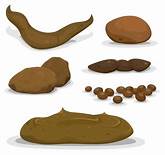
To know what loose or hard stool looks like, you’ll first need to know what regular, healthy stool looks like. The ideal stool should be firm (but not rock hard) and shaped like a log, a nugget, or a combination of the two, Waldrop says.


Keep in mind that the ancestors of domestic cats were desert dwelling creatures. As such, their colons are very effective at removing moisture from the stool, which means it’s normal for their stool to be firm, Waldrop says. “I have a lot of clients bring in normal stool for analysis thinking their cat is constipated,” he says.

Anything that is not formed (i.e., soupy or soft stool) is considered diarrhea, Waldrop says. “Whether it’s liquid or pasty, it’s abnormal and should be evaluated.”

Schwartz notes that it’s important to keep an eye on the consistency of your cat’s stools, especially since cats are prone to inflammatory bowel disease, which is a relatively common cause of diarrhea.

Content of Your Cat’s Poop

“Hair is the most common item noticed in stool, and if it’s not excessive, then this is totally normal,” Waldrop says. If you find large amounts of hair in your cat’s poop, it can be an indication that the cat is over-grooming, he explains, which can be associated with anxiety, itchy skin, or diseases causing excessive shedding.

Tapeworms may also be seen in your cat’s poop, Waldrop says. “They are shiny, white, and about the size of rice,” he describes. “They may also be moving.” Most other intestinal parasites are not visible in the feces.

Other things to watch out for include pieces of cat toys or other household items, such as thread or dental floss. “Some cats are chewers, and if you see these kinds of things in your cat’s stool, you will really need to keep those items out of your cat’s reach, as they can potentially lead to an obstruction,” Waldrop says.

If you notice any of these objects in your cat’s stool, make an appointment with your veterinarian.

What to Do About Cat Poop Issues

As a rule of thumb, never try a home remedy for your cat’s poop issues—or for any malady—without first checking in with your veterinarian, Schwartz says. “Cats are very particular with their sensitivity and tolerance to over-the-counter medicines,” he says.

In addition, it’s always important to make sure your cat has access to fresh water and is drinking enough of it, he says. “Elderly cats are commonly dehydrated because they tend to drink less,” and are prone to diseases that increase their water intake needs.

Jones reminds pet parents to relate their cat’s stools with how the cat is acting. “If your cat is lethargic and the stools change, that is cause for concern,” he says. “If the cat is normal and the stools change, normally I will give them a little time and look for other clinical signs of disease.”

Cat Talk- what the meow means

When Your Cat’s Meowing May Be a Red Flag in Disguise


By Dr. Karen Shaw Becker

A very common question many pet parents have is, “Why does my cat meow constantly? Is he sick, or is he just trying to drive me nuts?” Even if the crying isn’t constant, it can be frequent enough to be of concern, and sometimes it’s just plain annoying. Just as some dogs bark more than others, some kitties tend to meow a lot (just ask anyone with a Siamese at home). If Mr. Whiskers is otherwise healthy and is meowing right at you, he probably wants something. And that something is usually food or attention.

Cats whose owners answer their meows tend to grow more meow-y over time, until the cat and his human are actually having lengthy conversations. And kitties who learn they get food if they meow will ramp up the behavior — especially around mealtime. Senior and geriatric cats also tend to vocalize more, especially at night.

8 Types of Cat Vocalizations

Cats meow to communicate with other cats as well as with humans, and they actually have a rather extensive range of vocalizations. You may know the difference between your cat’s dinnertime meow, for example, and the way she sounds if she’s frightened or annoyed. But many kitty sounds and intonations are more subtle and don’t fit a particular pattern, which can make them harder to interpret. Here’s a cheat sheet for decoding some common kitty chatter:1

Vocalization How It Sounds What It Means Translation
Meow The classic mee-yoww Usually just a shout-out to whoever is around “Hey there!”
Purr Similar to a low idling motor; made by contracting the muscles of the larynx A sign of contentment in most cats; rarely, a sign of anxiety or illness “Backrub feels great… don’t stop!”
Murmur, trill Soft rhythmic “thump” made on exhalation A request or greeting “Pet me?”
Growl, hiss, spit Low-pitched, severe, “I mean business” sound Kitty is feeling fearful, stressed, defensive or aggressive “Back off!”
Shriek or screech High-pitched, loud, harsh scream Kitty is either in pain or about to cause some “Ouch!”
“Don’t touch me!” “Get away from me!”
Chatter Teeth chattering; jaw vibrating Feline hunting sound; frustration from being unable to hunt visible prey “Let me at it… let me at it… let me at it!”
Howl or yowl Loud, drawn out calls Cognitive dysfunction in older cats; aggression; distress “Where are you?”
“Where am I?”
“Why am I yelling?”
Moan Long, low, throaty cry Prelude to vomiting, bringing up a hairball “Get here quick I’m about to make a mess!”

When to Worry About Your Cat’s Meowing

Since you know your pet better than anyone else, it’s up to you to learn his “normal” when it comes to vocalizations so you can immediately pick up on any change in the way he communicates.

Changes in your cat’s meow can signal an underlying medical condition, such as laryngeal disease, high blood pressure or hyperthyroidism. It can also mean he’s dealing with a painful and potentially life-threatening problem such as a urinary tract blockage, especially if he cries out while in his litterbox.

In older cats, increased meowing can be the result of cognitive dysfunction, which is essentially a form of dementia. If your senior or geriatric kitty also seems disoriented, he could be vocalizing due to stress or confusion.

When to Call the Vet

Generally speaking, almost any feline medical condition that results in physical or mental discomfort can cause your cat to vocalize more often or abnormally. If kitty is typically fairly quiet but suddenly gets talkative, or cries when she jumps onto or off of high surfaces, or when you’re holding or petting her, you should make an appointment with your veterinarian.

This is especially true if you’ve noticed other changes, such as a decrease or increase in appetite or sleep patterns, eliminating outside the litterbox, a change in the way she walks or sits or rests, a lack of interest in grooming or a desire to hide away from the rest of the family. Also keep in mind that a normally talkative cat who suddenly grows quiet can also be cause for concern.

Senior Cats

By Dr. Becker and comments by Diane Weinmann


By the time your cat reaches the age of 10, she’s officially a senior citizen. The good news is that many cats today are living into their late teens and even early 20s. With the proper care, a kitty in good health at 10 can easily live another 8, 10 or even 12 years. There’s no need to worry that your feline companion is getting older. In fact, this is a great time to take steps to make the second half of kitty’s life with you as healthy and happy as the first half.

7 Tips to Keep Your Senior Cat Healthy and Happy

1. Schedule twice-yearly veterinary visits

Once your cat is into her senior years and beyond, her wellness and nutritional needs can require fine-tuning every four to six months. It’s very important to review weight, muscle tone, joint range of motion, diet, supplement protocol and exercise habits at least semi-annually for older pets.

At veterinary visits, be sure to mention any behavior changes you’ve noticed in your cat, no matter how minor, as these can provide important clues about health problems that may be brewing under the surface. It’s also important to monitor your cat’s weight to ensure she isn’t becoming too heavy or too thin.

The senior pet wellness screen is an excellent tool for early detection of changes in your cat’s health so that treatment, including appropriate lifestyle changes, can begin immediately. As part of the checkup, your vet will perform a physical exam and blood (including thyroid levels), urine and stool sample tests.

The results will provide a snapshot of how well your cat’s organs are functioning, and point to any potential problems. Regular wellness screens also allow your vet to compare current test results with past results to check for changes that may need further investigation.

2. Minimize environmental stressors

Kitties of all ages do best with a consistent daily routine, but older cats tend to get extra stressed when presented with anything new or different in their environment. Your senior kitty may be dealing with some vision and hearing loss, less tolerance for the cold and mental confusion. Cats can and do develop age-related cognitive decline, which means even the smallest change in your kitty’s routine can cause stress.

Your senior cat may become a little cranky and easily irritated. If there are young children or a playful dog at home, it’s important that all family members approach your kitty in a quiet, non-aggressive manner. It’s also important to protect an aging cat from potential bullying by younger or more active pets.

Of course, it’s important to avoid becoming a “helicopter pet parent” who constantly hovers over kitty. He’s still a cat after all, and prefers attention on his own terms! But do make a concerted effort to keep him comfy, secure and relaxed by maintaining a consistent daily routine and providing him with a quiet, cozy hideaway with comfy bedding and a favorite toy or two.

3. Feed your cat like a carnivore

Contrary to what many cat parents and even veterinarians believe, aging pets need MORE protein than their younger counterparts, and the quality is of paramount importance. The more digestible and assimilable the protein is, and the higher the moisture content of the food, the easier it will be for aging organs to process.

Feed kitty a nutritionally balanced, antioxidant-rich, species-appropriate diet that includes omega-3 essential fats such as krill oil. Since moisture is a cat’s best friend, be sure to encourage hydration by offering kitty a variety of water bowls around the house or a drinking fountain, in addition to minimizing or (preferably) eliminating dry food. If your cat is addicted to a poor-quality processed diet, consider adding a supplement such as Feline Whole Body Support.

4. Provide appropriate supplementation

Offering your cat SAMe (S-adenosylmethionine) is a safe and effective way to stall mental decline, improve mobility and assist in liver detoxification. Consult your holistic veterinarian for the right dose size.

Periodic detoxification with the herbs milk thistle and dandelion can also be very beneficial, as can providing super green foods in the form of fresh “cat grass” to nibble on. Chlorophyll, chlorella or spirulina can also be offered in supplement form to enhance your cat’s detoxification processes.

Medium-chain triglycerides (MCTs) have been shown to be safe for cats and can improve brain energy metabolism and decrease the amyloid protein buildup that results in brain lesions in older pets. Coconut oil is a rich source of MCTs and may also reduce hairball issues. I recommend 1/4 teaspoon for every 10 pounds of body weight twice daily for basic MCT support, if your cat will voluntarily eat it.

For aging kitties who prowl the house all night and vocalize, consider low-dose melatonin, which is not only a sedative with a calming effect, but also an antioxidant. I also use rhodiola, chamomile and l-theanine with good results.

5. Make sure kitty stays physically and mentally stimulated

Keep your cat’s body and mind active with regular exercise appropriate for your cat’s age and physical condition, and mental stimulation (puzzles and treat-release toys can be beneficial). Think of creative ways to enrich your cat’s indoor environment and if your kitty never touches the earth’s surface directly (most housecats don’t), consider a grounding pad to help reduce the buildup of EMFs.

Regular massage can help keep your senior cat’s muscles toned and reduce the slackening that comes with aging. Massaged muscles are looser, which makes it easier for your pet to move around comfortably. Massage also improves circulation, encourages lymphatic drainage and eases joint stiffness.

6. Take steps to keep your cat’s aging body comfortable

If kitty seems physically uncomfortable, it’s important not to assume it’s just a natural part of aging. You want to make sure she’s not in pain, so a visit to your vet is in order. The sooner a health problem is diagnosed and treated, in most cases, the better the outcome.

Keeping your cat at a good weight and physically active will help control arthritis and degenerative joint disease as he ages. Chiropractic adjustments and acupuncture can also be very helpful in keeping cats fully mobile in their later years. There are a wide range of supplements that can be added to your cat’s diet to help maintain healthy tendons, ligaments, joints and cartilage. These include:

• Glucosamine sulfate with MSM and eggshell membrane

• Omega-3 fats (krill oil)

• Ubiquinol

• Supergreen foods like spirulina and astaxanthin

• Natural anti-inflammatory formulas (herbs, proteolytic enzymes and nutraceuticals)

In addition, talk to your vet about Adequan injections, which can stimulate joint fluid very rapidly in pets with arthritis. Also insure your cat can get into and out of the litterbox easily. Remember that kitties are very adept at hiding arthritis and other aches and pains, which can limit their ability to climb into high-sided boxes, or boxes kept in bathtubs or up a flight of stairs, for example.

7. Spend some time with your cat every day

Set aside time each day to hang out with your kitty. If she tolerates being brushed or combed, work that into the daily schedule as well, to help her with grooming chores. Trimming the hair around the perineal area is usually much appreciated by older cats. Make sure meals are provided on a consistent schedule, along with playtime and petting/lap time. Organic catnip (for kitties who respond to it — not all do) can be a very effective way to encourage your cat to play.

I know my older cats, Arron and Milo both really enjoyed their snuggle time.  It’s very important for both your pet’s and your own emotional security to spend time together sharing the love and demonstrating how much you mean to each other.  Make sure you spend time each day cuddling because the memories you make together are irreplaceable!


Why do Cat like Heights?

Why Do Cats Like Heights?


By Monica Weymouth


To us humans, a refrigerator is simply a kitchen appliance—no more, no less. But to some cats the top of the refrigerator is the Promised Land, a must-visit destination to be reached at all costs. 


What’s behind the strange choice of hang-out? It’s not about the food (this time, at least). As one of the highest vantage points in your home, the refrigerator holds a special place in your cat’s height-loving heart.


“Cats live in three dimensions—they’re not earthbound creatures like dogs,” says Trish McMillan Loehr, a certified cat behavior consultant. “They simply love to climb.”


Why Do Cats Like Heights?


Cats have a long and storied history with heights. Long before your kitty was scaling the dining room curtains and prowling across the top of the kitchen cabinets, his wild, just-as-agile ancestors were climbing trees to survey their meal options.


“In the wild, a higher place serves as a concealed site from which to hunt,” explains Bridget Lehet, a certified feline training and behavior specialist.


Trees also help wild animals from becoming meals themselves, perfect for escaping land-bound predators and hiding from birds of prey. While your home likely isn’t teeming with hyenas, it may have two other pesky threats that require constant monitoring and quick exits: dogs and children.


“Cats feel safe when they’re up high, especially if you have small kids or dogs who may follow and annoy them,” explains Loehr, who stresses that it’s important to provide cats with plenty of vertical space to feel secure.


There’s also a certain prestige that comes along with the highest spot in the house. For multi-cat households, the position is equivalent to the corner office—and may be defended just as aggressively.


“Height can indirectly be a sign of status,” says Lehet. “The cat who controls the best perches is generally the most dominant, literally the ‘top cat.’ From that location, the cat can survey his ‘realm’ and be more aware of activities of people and other pets.”


How to Give Cats Vertical Space at Home

Yes, cats instinctually like and take comfort from heights, but they also require vertical spaces to feel mentally stimulated. So it’s crucial that you provide kitty with plenty of opportunities to climb and explore inside the home.


“Vertical space is very, very important to cats,” says Dr. Jennifer Fry, a Pennsylvania-based veterinarian who stresses that a lone bookcase won’t cut it. “You can increase vertical space by hanging shelves on the wall for them to climb, and you should have at least one tall condo for each cat.”


Katenna Jones, a certified cat behavior consultant, agrees that homes should be outfitted with cat-specific vertical spaces to keep everyone engaged, happy, and healthy. City-dwellers in particular want to make sure to maximize their square-footage—if you think your apartment’s tiny, imagine spending all day in it. “The smaller your home, the more you need vertical space,” she advises. “Climbing posts are like litter boxes—they’re simply a must-have.”


Windows provide an especially exciting vantage point for cats—especially windows frequented by birds. But keep in mind that curiosity has notoriously gotten the best of cats, and an open window or balcony door or a loose screen can turn deadly. During the warmer months, cats are at risk of “high-rise syndrome,” a term coined by veterinarians to refer to injuries sustained from falls from buildings.


Still, you can give kitty a safe and entertaining window hangout with a little creativity, says Lehet. Consider a suction-cup perch for prime-time viewing, or positioning cat trees near closed windows—if the window has a bird feeder, all the better. “This safely provides much-needed enrichment through watching birds—also known as ‘Bird TV’ for cats,” she says.


Panting in Cats — When Is It a Sign of Trouble?

Panting in Cats — When Is It a Sign of Trouble?


By Dr. Becker

Unlike dogs, kitties don’t naturally pant, so it can be disconcerting to see little Fluffy breathless, and rightfully so. In most cases, panting in a cat is a sign of an underlying health concern that requires attention. However, there are a few situations in which panting in cats is harmless and short lived. Some cats pant during or after exercise or to try to cool off. Young, energetic kittens might pant for a short time while playing.

Some kitties who live or spend time outdoors may pant to cool down in warm weather. In addition, a cat who’s enduring a stressful event, for example, a car ride or veterinary visit, might pant.

Outside of momentary episodes with an obvious cause, panting in cats indicates there’s an underlying problem involving either the respiratory tract or the heart. In older kitties who start panting, a potential cause is congestive heart failure. In younger cats, especially those who are also coughing, the more likely cause is a respiratory disorder such as feline asthma.

Congestive Heart Failure as a Cause of Panting in Kitties

When a cat’s heart can’t pump enough blood to the body, fluid backs up into the lungs, and congestive heart failure is the result. There are many causes of congestive heart failure in cats, but most often it results from hypertrophic cardiomyopathy. Thyroid disease, high blood pressure, birth defects and other conditions can also cause congestive heart failure.

Hypertrophic cardiomyopathy (HCM) is by far the most common type of primary heart disease in kitties, accounting for 85 to 90 percent of all cases. The word “hypertrophic” means thickened, so this is a condition in which the walls and ventricles of the heart become too thick, or hypertrophied.

HCM is often inherited in cats. In fact, there’s a test available now for a specific gene mutation in Maine Coons and Ragdolls. Purebred cats such as the Persian, other oriental breeds and American shorthairs are also predisposed to develop the condition. However, it’s the regular house cat that is most commonly diagnosed with HCM. Cats usually develop the condition in midlife, but it can occur at any age.

Symptoms of feline hypertrophic cardiomyopathy vary and depend to some extent on the severity of the disease. Cats with mild disease don’t necessarily have symptoms. But in a kitty with significant HCM, there are usually obvious signs.

As we know, kitties mask illness very well, so until this condition is severe, even a cat with significant disease may have no symptoms, or very mild symptoms that don’t seem to be indicative of heart disease. In cats with obvious symptoms, there can be respiratory distress caused by congestive heart failure, or leg paralysis due to a blood clot.

Cats suffering congestive heart failure don’t cough like people or dogs do. Instead, they tend to breathe through an open mouth, and sometimes they pant. You should watch for breathing difficulties during exertion. Some kitties with HCM and congestive heart failure have a hard time walking any distance without stopping to rest and recuperate.

Feline Asthma Can Also Cause Panting

Feline asthma, also called bronchial asthma, allergic bronchitis and chronic bronchitis, affects cats of all ages worldwide. Asthma is a condition in which there is recurring constriction of the airways to the lungs.

Excessive amounts of mucus form in the airways, which causes them to become inflamed and sometimes ulcerated. This situation leads to spasms of the muscles of the airways, which is what causes the constriction or narrowing. Kitties with asthma can’t draw a deep breath.

Symptoms to watch for include a dry hack, which often sounds like gagging or retching. In fact, it’s not unheard of for an asthmatic cat to be diagnosed with hairballs. Wheezing, which can sound like a high-pitched sigh or a whistle, is another classic symptom. Labored breathing and exercise intolerance are also signs.

Even if your cat has a dry cough as her only symptom, it’s not necessarily a measure of the severity of her asthma. Kitties can have really serious asthma but very few symptoms. Some cats have no symptoms at all, except they suddenly are unable to breathe. An acute asthma attack such as this can occur any time and obviously can be life-threatening for your cat.

Cats with serious asthma can also suffer obvious symptoms like panting or open-mouthed breathing. Brachycephalic cats with pushed in faces, such as Persians and Himalayans, are especially susceptible to breathing problems, including asthma. Sudden airway constriction can occur for no apparent reason. It can also result from an allergic reaction to inhaled triggers like grasses, pollens, ragweed, aerosol sprays, smoke, mildew, molds, dust mites, household chemicals — even kitty litter dust.

How to Tell If Your Cat’s Panting Is Cause for Concern

To determine if there’s a problem, it’s important to pay attention to how often your kitty pants. Obviously, panting that is continuous or recurs is cause for concern. Persistent panting, especially in a cat with other behavior changes such as lack of appetite or lethargy, means it’s time to call your veterinarian for an appointment.

The 3 Stages of Your Senior Cat’s Life, and What to Expect of Each


By Dr. Becker

By the time your cat reaches the age of 10, she’s officially a feline senior citizen. The good news is that many cats today are living into their late teens and even early 20s. With the proper care, a kitty in good health at 10 can easily live another 8, 10, or even 12 years.

So there’s no need to panic if your purr-y companion is getting older, but it IS time to start taking some steps to insure your pet stays as happy and healthy as possible throughout her senior and geriatric years.

But first, let’s take a look at how cats show signs of aging and what you can expect as your kitty gets older.

What to Expect at 10 to 12 Years

By the time most kitties turn 10, they have slowed down a little (or a lot, depending on how high-energy they were as youngsters). You might notice your cat isn’t jumping up on high surfaces as much anymore, or isn’t climbing to the uppermost spot on the cat tree.

And while all cats, regardless of age, do best with a consistent daily routine, older cats can become especially stressed when presented with anything new or different in their environment.

You might also notice your kitty doesn’t always run right out to greet you when you get home. He may not initiate play as often as he once did, and he may take more naps.  

Many cats also become more vocal as they age, and more fearful of strange or loud noises and unfamiliar people.

Older cats can also suffer from many of the same health challenges older humans face, including arthritis, diabetes, thyroid problems, and kidney disease, so it’s really important to bring your cat for twice-yearly wellness visits with your veterinarian. The sooner a change in your kitty’s health is identified and addressed, the easier it will be to resolve or manage the problem.

At veterinary visits, be sure to mention any and all behavior changes you’ve noticed in your cat, no matter how minor, as these can provide important clues about health problems that may be brewing under the surface. It’s also important you and your vet keep regular tabs on your cat’s weight, to assure she isn’t gaining or shrinking over time.

What to Expect at 13 to 15 Years

From 13 to 15 years of age, not only are most cats moving quite a bit slower than they once did, many are also experiencing at least some loss of vision and hearing. They may also have less tolerance for cold temperatures.

Elderly cats can develop age-related dementia, making small changes in their environment or routine increasingly stressful. Some older kitties are also easily confused.

Along with more napping and less activity, your senior cat may grow a bit cranky and easily irritated. If your household includes young children or a rambunctious dog, everyone will need to learn to approach kitty in a quiet, non-aggressive manner. And if yours is a multi-pet household, it’s important not to allow your aging cat to be bullied by younger pets who may sense a change in the natural pecking order.

You may also notice that your cat prefers to spend more time alone these days. You can enhance his feelings of safety and security by making his favorite hideout a warm, comfy little spot he can retreat to whenever he likes. But keep in mind that senior cats still need to interact with their humans regularly, so set aside some time each day to spend with your pet. You can engage him in gentle play, an ear scratching session, or some brushing or combing.

As I mentioned earlier, your cat is now at the age where twice-yearly veterinary checkups are essential in order to safeguard his health. Your vet will perform a geriatric workup, including a physical exam and blood, urine, and stool sample tests. The results of these tests will provide a snapshot of how well your cat’s organs are functioning, and point to any potential problems.

Your vet will also check the condition of your kitty’s coat and skin, his footpads and nails, and his teeth and gums.

What to Expect at 16 Years and Older

If you’re lucky enough to share your life with a cat of 16 or more, first of all, congratulations! Either you’ve done a bang-up job raising your kitty to a ripe old age, or you’ve opened your heart to an elderly cat in need of a loving home in her final years. Regardless, you did good!

As a point of reference, you can reasonably compare your cat at 16 to an 80-year-old human. She’s moving and thinking more slowly these days, and she may have an assortment of age-related health challenges. She’s probably not as alert or responsive as she once was, and at times she may seem quite confused.

Even if she’s still in good health, chances are she’s sleeping and vocalizing more, and interacting with family members less. She may not be as perfectly groomed as she was in her younger years, and even the most well-mannered geriatric cat may occasionally forget to use her litter box.

As long as your cat is seeing the vet at least twice a year for checkups, and between visits you’re keeping an eye out for significant or sudden behavior or health changes, there’s no reason to be alarmed. Try not to hover, as your cat is still a cat and prefers attention on her own terms. Do make every effort to keep her comfortable, secure and relaxed by maintaining a consistent daily routine and providing her with a quiet, cozy hideaway equipped with comfy bedding and a familiar toy or two.

At your regular vet visits, you’ll want to mention any changes you’ve noticed in your pet, including increased or decreased appetite or water consumption, constipation or incontinence, aggressive behavior, or mental confusion. You’ll also want to keep an eye out for signs that your cat is in pain, which can include hiding, teeth grinding, panting, shortness of breath, loss of interest in food, or reluctance to move around.

10 Tips for Helping Your Senior Cat Sail Through Old Age

1.    Feed a balanced, antioxidant rich species-appropriate diet. Your kitty’s diet should include omega-3 essential fats, such as krill oil. Moisture is an aging cat’s best friend, so encourage adequate hydration by offering a variety of water bowls around the house or a drinking fountain, in addition to minimizing dry food. If your cat is addicted to terrible food, adding a whole body supplement, such as Feline Whole Body Support is a good idea.

2.    Keep your pet’s body and mind active with regular exercise appropriate for your cat’s age and physical condition, and mental stimulation (puzzles and treat-release toys can be beneficial). Think of creative ways to enrich your cat’s indoor environment and if your kitty never touches the earth’s surface directly (most housecats don’t), consider a grounding pad to help reduce the buildup of EMFs.

3.    Provide your kitty with a SAMe (S-adenosylmethionine) supplement as a safe and effective way to stall or improve mental decline, improve mobility, as well as assist in liver detoxification. Consult your holistic veterinarian for the right dose size. Periodic detoxification with the herbs milk thistle and dandelion can also be very beneficial, as can providing super green foods in the form of fresh “cat grass” to nibble on. Chlorophyll, chlorella, or spirulina can also be offered in supplement form to enhance your cat’s detoxification processes.

4.    Medium-chain triglycerides (MCTs) have been shown to be safe for cats and can improve brain energy metabolism and decrease the amyloid protein buildup that results in brain lesions in older pets. Coconut oil is a rich source of MCTs and may also reduce hairball issues. I recommend 1/4 teaspoon for every 10 pounds of body weight twice daily for basic MCT support, if your cat will voluntarily eat it.

5.    For aging kitties who prowl the house all night and vocalize, consider low dose melatonin, which is not only a sedative with a calming effect, but also an antioxidant. I also use Rhodiola, chamomile, and l-theanine with good results.

6.    If your cat seems disoriented, consider limiting her access to certain parts of the house. Keep doors closed so she can’t wander into a closet or any place where she might be unable to get herself out.

7.    Set aside time each day to interact with your kitty. Make sure meals are provided on a consistent schedule, along with playtime and petting/lap time. If your cat tolerates being brushed or combed, work that into the daily schedule as well, to help her with grooming chores. Trimming hair around her perineal area reduces her grooming chores and is usually much appreciated by retired cats.

8.    If your cat has turned into a midnight prowler, if possible, try gently waking him up from naps during the day. The more active you can keep him during daylight hours, the more likely he’ll be to sleep on your schedule.

9.    Sometimes all a vocalizing cat needs to quiet down is to hear his owner’s voice, so try calling your kitty’s name when he starts to vocalize from another room or in the middle of the night. If that doesn’t do the trick and the nighttime crying is really a problem for you, consider earplugs. Flower essences and homeopathics (such as low potency Belladonna) may also reduce yowling.

10. If eliminating outside the litter box is an issue, try putting additional boxes around the house. Also insure it’s comfortable for your cat to get into and out of the box. Cats are very adept at hiding arthritis and other aches and pains, which can limit their ability to climb into high-sided boxes, or boxes kept in bathtubs or up a flight of stairs, for example.

As you can see taking care of a senior cat can be challenging but they are well worth it.  If you wonder if you are doing something incorrectly or need help knowing what may be bothering them please contact me, Diane Weinmann, animal communicator and holistic healer at dianefortheloveofanimals@yahoo.com


Cat’s Weight and Healthy Treats

By Dr. Becker and comments by Diane Weinmann

cat-hunting-outside

It’s a fact that almost 60 percent of house cats in the U.S. are overweight or obese. It’s also a fact that the formula for a fat cat is:

  • An inappropriate diet, including junk food treats
  • Free feeding and/or over feeding
  • Insufficient exercise

If you’re the parent of a corpulent kitty and you’ve committed to dieting your furry family member down to a healthy weight, the first step is to make a slow, gradual switch from dry food to canned food, then to either a balanced homemade or commercially prepared species-appropriate diet.


One cat I know is hugely overweight because he gets too many treats and not enough exercise.  This is your typical scenario but there are many ways to change the outcome for this chubby kitty.

Here’s What Biologically Appropriate Cat Food Looks Like

“Species-appropriate” for cats means a diet of animal protein that is moisture-rich and very low in carbohydrates. For example, a popular commercial raw organic chicken diet for cats consists of 98 percent chicken necks (with ground bone), backs, thigh meat, gizzards, livers and hearts.

The manufacturer adds a small amount of fish oil and a nutrient mix that includes important trace minerals, sea salt and vitamins from natural sources, as well as organic psyllium husk fiber.

There are no grains in this diet, and the protein comes from real meat, not vegetables, not plants and not meat byproducts. This meat-based diet is best fed raw, or very gently cooked.

How Much Should Your Cat Eat Every Day?cat-with-feather

Since a fresh food diet can’t be free-fed due to spoilage, you’ve solved two problems at once by transitioning your chunky kitty away from kibble. Most likely you’re feeding two meals a day, morning and evening, so now the goal is portion control of those two meals to insure you’re not overfeeding.

Let’s say your chunky kitty weighs 18 pounds and you and your veterinarian believe his ideal weight is 14 pounds. The following formula will give you the amount of calories he should consume each day to lose those 4 pounds. First, convert his goal weight to kilograms by dividing by 2.2:

14 pounds divided by 2.2 = 6.36 kilograms

Second, multiply the kilograms by 30 and then add 70:

6.36 kilograms x 30 = 191 + 70 = 261

Third, multiply that result by 0.8:

261 x 0.8 = 209

Your 18-pound cat should eat 209 calories a day, or about 104 to 105 calories at each of his two daily meals, to reach his 14-pound goal weight. If you also offer him treats, you’ll need to determine how many treat calories you’re feeding, and reduce the amount of food accordingly to maintain the 209 calories-per-day total.

This isn’t something I recommend you do on a regular basis because treats — even homemade ones — don’t offer the balance of nutrients found in a species-appropriate, fresh food diet.

In addition, most processed pet treats are loaded with sugar and preservatives. Most cats will transition from junk food treats to cubed low fat meats quite easily. But surprisingly, many cats will also eat fresh produce (think “roughage”), and there are some fruits and vegetables you can safely feed to your cat as occasional treats that are high in antioxidants and fat-free.  Shown below is a list of these fruits and veggies:

Cat Safe Veggies and Fruits for Snackingcats-safe


✓ Apple slices (no cores or seeds) — contain powerful antioxidants and vitamin C ✓ Kale — loaded with vitamins (especially vitamins K, A and C), iron and antioxidants
✓ Cantaloupe — loaded with vitamins C and A ✓ Baked sweet potatoes — rich in beta-carotene and antioxidants, high in vitamins A and C
✓ Bananas — a rich source of potassium and fiber ✓ Steamed green beans — contain vitamins A, C and K, beneficial minerals and beta-carotene
✓ Baked carrots — low in calories and high in fiber and vitamins ✓ Steamed spinach — has anti-inflammatory properties
✓ Steamed broccoli — contains healthy fiber and beneficial nutrients including potassium, calcium, protein, and vitamin C ✓ Steamed asparagus — a rich source of vitamins and minerals
Fermented veggies — potent detoxifiers that contain high levels of probiotics and vitamin K2 Cooked or canned 100 percent pumpkin — an excellent source of fiber, vitamin A and antioxidants.

All the fruits and vegetables above are safe for cats. If your kitty will eat them, remember to:

  • Cook the veggies to prevent choking and improve digestibility
  • Serve them plain (no sugar, salt, spices, butter or other additives)
  • Offer them only occasionally, and in very small portions

Foods you never want to offer your cat include onions, garlic, chives, grapes and raisins.

5 Tips for Helping Your Cat Exercise

  1. Make sure kitty has things to climb on, like a multi-level cat tree or tower.
  2. Invest in a laser toy, either an inexpensive one, or something a bit more sophisticated like the Frolicat™ line.


  1. Choose toys and activities that appeal to your cat’s hunting instinct.
  2. Don’t overlook old standbys, like dragging a piece of string across the floor in view of your cat. Ping-pong balls are another oldie but goodie, along with bits of paper rolled into balls, and any light object that can be made to move fast and in unexpected ways.
  3. I also recommend walking your cat in nice weather using a harness. This gets him out into the fresh air, stimulates his senses and gets his paws in direct contact with the ground.

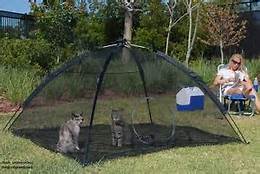
An alternative is a safe, fully enclosed porch or patio area that prevents your cat from getting out and other animals from getting in.


A cat companion that is a healthy weight will be more likely to feel better, have less vet visits and provide many more years of fun together than an overweight pet.  My question to all cat owners is how much do you love them?  Enough to keep them healthy and provide the environment they need to excel?  I know the pitfall of providing treats to show love but playful  affection is a much better choice for your kitty’s wellness!


Women Cat Owners Enjoy a 40 Percent Lower Risk of Stroke

By Dr. Becker with comments by Diane Weinmanncat-lines-up-to-go

It’s long been known that owning a pet may offer benefits to your health. Much of these benefits have been attributed to the increased physical activity that dog owners, in particular, get while walking their dogs.

In 2012, for instance, a study in the Scandinavian Journal of Public Health found that dog owners had several health advantages compared to non-pet or cat owners.

The cat owners, meanwhile, had a higher body mass index (BMI), higher blood pressure and worse general health status than the non-pet owners or dog owners. They also tended to exercise less than the others.1 A new study, however, may vindicate cat owners.

Women Who Own Cats Have a Lower Risk of Stroke

In a study of nearly 4,000 adults aged 50 and older, who were generally healthy, owning a pet was associated with a lower risk of dying from cardiovascular events like a stroke — but only for women.2

Women who owned pets were 40 percent less likely to have died of stroke, and while dogs were the most common pet, it was cat owners who enjoyed most of this stroke risk reduction. This suggests increased physical activity was not the reason for the health benefits. The scientists concluded:3

“Owning a cat rather than a dog was significantly associated with a reduced hazard of dying from CVD [cardiovascular disease] events, in particular, stroke.

The protection pets confer may not be from physical activities, but possibly due to personality of the pet owners or stress-relieving effects of animal companionship.”

Do Dog Owners and Cat Owners Have Different Personalities?

There are, for the record, noted differences between “dog people” and “cat people.” Research presented at an annual Association for Psychological Science (APS) meeting showed distinct personality differences between the two.

In particular, dog lovers were more lively, energetic and outgoing, and tended to follow rules. Cat lovers were more introverted, open-minded and sensitive, and tended to be non-conformist rather than follow the rules. The study also found that cat lovers scored higher on intelligence.

A study at the University of Texas also found that dog people are more extroverted, agreeable and conscientious while cat people are less traditional, more creative and more neurotic.4

There are certainly many exceptions to these “rules,” and it’s unclear exactly how these personality traits may confer health advantages or disadvantages — or where people who love both dogs and cats fit in.

Nonetheless, it’s interesting to speculate whether your preference for owning a cat or a dog might lend clues to your health.

US Pet Ownership Results in Health Care Savings of $11.7 Billion a Year

Human Animal Bond Research Initiative (HABRI) Foundation found that Americans save $11.7 billion annually in health care costs due to pet ownership.5 Much of the savings came in the form of reduced doctor visits, with pet owners visiting 0.6 times less often annually than people without pets.

The study found the average cost of a doctor visit is $139, which led to savings of $11.37 billion annually in health care costs. About 20 million dog owners also walked their pet five or more times a week, which led to even greater benefits.

The extra pet-related activity lowered the incidence of obesity in this group, leading to another $419 million in health care savings.

Further, the researchers believe their estimates of the health care savings associated with pet ownership are conservative, as it did not factor in many health conditions known to be positively influenced by pets.

More economic data was necessary before the related savings could be calculated, but adding them into the mix would likely significantly increase the $11.7 billion figure.

✓ Infection control ✓ Cardiovascular disease ✓ Hypertension
✓ Cholesterol ✓ Allergies ✓ Stress
✓ Blood pressure ✓ Psychological issues

Many of the Benefits of Pet Ownership Cannot Be Measuredheart-cat

It’s difficult to put a monetary value on pet ownership since much of what they offer — unconditional love, companionship, loyalty — is priceless. As study co-author Terry Clower, Ph.D., director of GMU’s Center on Regional Analysis, told the Washington Business Journal:6

“What we didn’t calculate is how much better you feel, [when] you come home after a tough day at the office and your pet is waiting for you. But there’s value to that.”

Historically, people have tended to own fewer pets as they age, but the baby boomer generation is showing no signs of slowing pet ownership. This is likely to offer many benefits, as owning pets in retirement offers unique advantages, including:7

✓ Something to touch, which provides comfort ✓ Requiring nurturing, which brings psychological and physical relaxation ✓ Encouraging more exercise
✓ Helping to lower blood pressure ✓ Helping to orient your day, as they require regular feeding and care ✓ Focusing your attention
✓ Providing humor ✓ Acting as social facilitators, giving you something to talk about ✓ Giving you a sense of purpose and adding a routine to your day

Vindication for Women With Cats?

There is an unfair stigma attached to women who love cats, but the featured study offers payback of sorts. Not only do female cat owners enjoy a 40 percent lower risk of stroke, but a 2009 study also revealed benefits specific to cat owners.

It found cat owners had a lower risk of heart attack and all cardiovascular diseases (including stroke) compared to non-cat owners.8 The researchers concluded, “Acquisition of cats as domestic pets may represent a novel strategy for reducing the risk of cardiovascular diseases in high-risk individuals.”


While you shouldn’t adopt a cat (or any pet) only because of the health advantages, the fact that they exist serves as the proverbial icing on the pet ownership cake.  Just be careful to only adopt the number of kitties that you can realistically care for and ensure they can get along together!  No pet should not be uncomfortable in a home where they are bullied by another pet.

cat-playing

Cat’s Hunting Abilities

By Dr. Becker and Diane Weinmanncat hunting mouse

According to cat expert Jackson Galaxy, when we learn to walk through the world as our cats do, we understand their needs on a very basic level, and we naturally insure they have outlets for their curiosity, energy, and other innate gifts.

Today’s cats are still very much in touch with what Galaxy calls their raw cat. They’ve retained their drive to awake from a nap to go hunt, catch, kill and eat prey, groom, go back to sleep, and do it all over again in a few hours. That’s the life of a cat living in the wild, and when your indoor kitty isn’t given those outlets, she can wind up “hunting” your ankles, your children, or your dog!


Diane has found that as an animal communicator, many kitties enjoy stalking and killing bugs and flying insects in your home. Most of the time, cats assume this job as their daily work for their family’s household. If your cat does not take on this job and seems bored and destructive please tell them this is their job. Job assignment is a great way to motivate and challenge your pets to provide environmental enrichment in their life.


In addition, interactive play is also crucial in drawing out the raw cat. Interactive play means we become our cat’s prey — the mouse or the bird — moving the way it would, unpredictably, and really drawing out the cat’s hunter energy.

Galaxy has seen miraculous results when shy cats find their inner hunter. Their new confidence comes from the thought that “I just killed something,” which is 100 percent raw cat at its core. The toy moves across the floor, the cat pounces on it and “kills” it. He realizes, “This is what I was meant to do, isn’t it!”

cat hunting outside

This is what interactive play is all about. Finding ways to move the toys that energize your cat and bring out the swatting, batting, chasing, pouncing hunter in her. As Galaxy points out, cats are family members with very strong needs. Interactive prey play gives you a meaningful minute-by-minute bond with your cat and encourages her to be the feline hunter she was born to be.

So whether you give your beloved furry friend a job in the house or engage them in interactive play, you will be enriching their life and providing them with the means to get in touch with their inner hunter and to do what comes natural! Roar!!!!!!

cat playing

Bartonellosis in Cats – Cat Scratch Fever

Definitioncat scratch fever paw

Bartonellosis, also referred to as feline bartonellosis or cat scratch disease in people, is an emerging world-wide disease caused by rod-shaped bacteria in the genus Bartonella. Bartonella henselae is the most common cause of feline bartonellosis and cat scratch fever. The infective bacteria are carried in the saliva and feces of infected fleas and possibly other external parasites, which are called “vectors”. The vectors transfer the bacteria to cats in their feces and to dogs in their saliva while they feed. Most cats with bartonellosis don’t actually get sick, or at least don’t show outward signs of illness; this makes them asymptomatic carriers of the infection. They do, however, frequently transmit Bartonella bacteria to humans through scratches (from infected flea or other parasite feces under the cat’s nails) and bites (through infected parasite feces in the cat’s mouth from licking and grooming).

How Cats Become Infected

Most companion cats are infected with Bartonella. There are five or more different types of Bartonella bacteria that are known to infect cats, the most common of which is Bartonella henselae. It used to be thought that cats became infected with Bartonella through the saliva of inflected fleas after they fed. More recently, the consensus is that cats usually get Bartonella infection from the feces of infected Ctenocephalides felis fleas and possibly other external parasites, while dogs are thought to become infected from the saliva of infected ticks. Ticks and fleas, which are considered “vectors” or carriers of this disease, become infected by feeding on animals that have Bartonella organisms in their bloodstream. When the vectors eliminate, their feces contains live Bartonella bacteria. Flea feces, also known as flea dirt, can be gathered under a cat’s claws while the cat scratches, and in its mouth from licking and grooming.

How the Disease is Transmitted

Many cats carry these bacteria without ever showing any noticeable symptoms of being sick. However, when cats are very young, elderly or have a suppressed or weakened immune system (such as cats with FIV or FeLV), or if they are in especially stressful, overcrowded environments or situations, they can become clinically ill from this disease. Bartonella have a propensity to infect red blood cells, which are called erythrocytes, and certain cells of the skin. The bacteria are covered by small finger-like structures called pili, which help them stick to and then enter their target cells. Once the bacteria are inside, they disrupt the cells’ normal functions.

Potential Danger to Humanscat scratch fever

Feline bartonellosis is not exactly a contagious or zoonotic disease. However, because the Bartonella bacteria can be transferred from cats to people in flea feces as a result of cat scratches and bites, it should be treated as a transmissible illness. In most cases, people are resistant to developing infections from exposure to Bartonella henselae. However, those that have compromised immune systems definitely have an increased chance of developing so-called “cat scratch fever.” People who get cat scratch fever typically develop a raised red sore at the site of the scratch, lick or bite 3 to 10 days after exposure. The sore may progress to a red streak extending outward. Lymph nodes in the person’s neck, groin, armpits and/or elsewhere become tender and enlarged, which can persist for many months.  It is recommend that if you suspect you are infected you obtain a blood test to determine diagnosis.

Symptoms of Bartonellosis in Cats – What the Owner Sees

Bartonella organisms tend to invade red blood cells and some other cells. While most cats are asymptomatic, which means that they don’t show outward symptoms of illness, when symptoms do occur they typically show up in more than one area of the cat’s body. This can happen suddenly, slowly or sporadically. Owners of cats with clinical feline bartonellosis disease may notice one or more of the following coming on all at once, showing up gradually or waxing and waning over time:

  • Enlarged lymph nodes (lymphadenopathy; extremely common in cats that are sick from bartonellosis; the veterinarian will need to rule out lymphoma/lymphosarcoma as a cause of this condition)
  • Gingivitis (inflammation, swelling, redness, pain and bleeding of the gums)
  • Ulcers (sores) in the mouth; sloughing of necrotic or dying inflammatory oral tissue
  • Stomatitis (inflammation of the mucosal lining of the mouth)
  • Diarrhea (usually chronic; may be intermittent)
  • Vomiting (usually chronic; may be intermittent)
  • Lack of appetite (inappetance; anorexia; refusal to eat normally)
  • Weight loss
  • Sinusitis (inflammation of the nasal sinus passageways)
  • Rhinitis (inflammation of the mucosal lining of the nose)
  • Difficulty breathing (dyspnea); shortness of breath; labored breathing
  • Lethargy
  • Weakness
  • Reproductive difficulties; infertility
  • Fever
  • Swollen, weepy eyes
  • Eye infections
  • Conjunctivitis (inflamed conjunctiva; eye redness)
  • Hepatitis (inflammation of the liver)
  • Heart murmurs
  • Endocarditis (uncommon in cats)

Once symptoms of feline bartonellosis appear, they may slowly worsen or suddenly get worse within a matter of days to weeks, depending on how the cat’s immune system and organs respond to the infectious Bartonella organisms

Initial Evaluation

Veterinarians presented with a cat showing non-specific signs of lethargy and enlarged tender lymph nodes, possibly also with digestive and/or respiratory symptoms, will take a thorough history from the cat’s owner and conduct a complete physical examination. The initial evaluation probably will include taking blood and urine samples and performing routine blood work and a urinalysis on those samples. While the results of these tests can be helpful to ruling in or out other causes of the cat’s symptoms, unfortunately they usually don’t show consistent abnormalities in cats that have bartonellosis.

Diagnostic Procedures

Several different advanced diagnostic tests can be used to identify the presence of Bartonella henselae or anti-Bartonella henselae antibodies in cats. These include immunofluorescent assay (IFA), polymerase chain reaction (PCR), blood cultures and Western blot, among others. All of the blood tests, except for the blood cultures, check for the presence of antibodies to the Bartonella bacteria. If a sufficient number of antibodies are present, then a positive diagnosis usually will be made. Currently, a Western Blot Test known as FeBart is one of the more popular diagnostic tests for bartonellosis in cats. However, even if a cat tests positive on one or more of these tests, it doesn’t necessarily confirm that Bartonella infection is the cause of the cat’s clinical problems, because so many cats are infected with Bartonella without showing any signs of being sick. In addition, some cats that harbor Bartonella don’t produce antibodies to the bacteria; blood tests will not catch the infection in those cases. Multiple blood samples are necessary to accurately test for bartonellosis using blood cultures; even when a number of separate blood cultures are conducted, the bacteria still may be missed. Additional tests are usually conducted to check the cat’s overall health status; these may include testing for FIV (feline immunodeficiency virus infection), FIP (feline infectious peritonitis) and FeLV (feline leukemia virus infection).

Special Notes

Because it is so difficult to confirm that Bartonella organisms are the real cause of symptoms in a particular cat, and also because so many domestic cats are infected with Bartonella, many veterinarians will start treating the cat for bartonellosis even before they have made a definitive diagnosis that the cat actually is infected. Unfortunately, there currently is no reliable treatment protocol that successfully eliminates a cat’s infection with these organisms. The most common “treatment” is to administer oral antibiotics for several months and then reevaluate to see if the animal’s symptoms have subsided.

The outlook for cats with noticeable symptoms of feline bartonellosis is highly variable. However, in cases where treatment delayed, or if the cat is seriously affected by the infection, the prognosis is more guarded. Preventative measures such as flea and tick control and testing other cats in the household for Bartonella are important to managing this disease.

Information from http://www.petwave.com/Cats/Health/Bartonellosis.aspx