Peppermint – Good tasting and good for your horse!

by Hilary Self, BSc (Hons), MNIMH comments by Diane Weinmann

Peppermint is one of the main herbs for digestion and contains between 0.5% and 1.5% of volatile oil, found in all parts of the plant. The oil content is highest just before flowering. The quantity of oil in the plant can vary depending on the variety of mint, the soil it is grown in and the climate. The oil consists of about 50% menthol.

The reason peppermint is such a valuable herb for the digestive system is because of this oil. It has a carminative action, helping to relax sphincters and the smooth muscles of the digestive system, assist in the expulsion of intestinal gas, tone mucous membrane surfaces and increase peristalsis. Peppermint oil is sometimes administered to people in capsules for irritable bowel syndrome.

The oil has a cooling, soothing and anesthetic effect on the smooth muscles of the stomach and intestines, which makes it one of the key herbs to choose when dealing with horses prone to colic, gastric or duodenal ulceration, smooth muscle spasm, trapped gas, digestive cramping or poor appetite.

Peppermint contains a bitter quality that increases bile secretion and helps stimulate the appetite as well as tannins, which can help with horses who suffer from loose droppings or bouts of diarrhea.

Other internal and external benefits

For the respiratory system, antibacterial peppermint oil can be added to a pad or steam inhalant and used to help loosen residual mucus/catarrh, relieve and reduce the frequency of a troublesome cough, encourage perspiration in the early phases of colds and flu, or help combat lung infections.

The menthol content of the plant is antiseptic and when used in high concentrations can act as a disinfectant. The oil has been extensively trialed and shown to offer very significant antimicrobial and antifungal effects against over 25 bacterial and 20 fungal species.

Externally, peppermint oil can be sparingly added to topical lotions or blended with a carrier oil (such as almond oil) and applied directly on the skin or mucus membrane. The oil can act as an insect repellent and is often used to reduce the sensitivity of skin receptors, helping to reduce pain, itching, or sensitivity to temperature, making it fantastic for topical use on skin conditions such as eczema, psoriasis and neuralgia.

In the winter time I used to melt peppermint candies in hot water and add sweet feed and some bran to make a hot bran mash for my horse.  It helps keep things moving (if you get my drift with the bran) and it’s a favorite treat to warm their bellies!

Next time you brush past some peppermint and smell that fresh aroma, remember how many benefits this humble herb has to offer.

Does My Senior Horse Need Calories or Protein?

Does My Senior Horse Need Calories or Protein?

Posted on August 19, 2014 by Roy J. for Nutrena


There are some common questions come up when we talk about what happens to horses as they age and why their bodies change shape:

§  Does my good old horse need more calories (energy) or more protein?

§  He is out on good pasture and is holding his weight, but his hair coat looks dull and he has lost muscle mass.

§  She looks a little thin, should I add some fat/oil to her diet?

These are all apparently simple questions, but actually we need to look at the nutrient supply and purpose a little closer.

Calories from fat/oil, digestible fiber (structural carbohydrates and starch & sugar (non-structural carbohydrates) are the key energy sources for horses. If a horse is thin, that tells us that the horse needs more Calories to maintain fat cover measured by Body Condition Score system. Those Calories can be added from extra fat/oil, extra digestible fiber or additional starch and sugar. Vegetable oil contains 2.25 x the Calories per pound of carbohydrates and is a safe way to add Calories. Switching to a highly digestible fiber source (better quality forage, added beet pulp etc.) can also add Calories of digestible energy (DE). It takes 2-3+ pounds of added feed to add 1 pound of gain, depending on the feed.

Adding Calories alone will not bring back the muscle mass. This will require added protein (really added essential amino acids, particularly lysine, methionine and threonine, the first 3 limiting essential amino acids). If a horse is getting adequate crude protein, but the protein is of limited quality and is low in one or more essential amino acids, the horse will not be able to utilize it fully to maintain or restore muscle mass. This is why it is essential to know the quality of the protein in feeds, particularly these first 3 limiting amino acids.

A common situation is an old horse retired to a grass pasture. It may be difficult for the horse to consume enough to maintain body condition, thus the horse loses weight. The grass pasture may also be low in crude protein and certainly low in essential amino acids, so the horse also loses muscle mass. Tough combination for an old friend!

The good news is that this can be reversed with the use of a well-designed senior horse feed providing both Calories and essential amino acids!


Supplements for Horses

equine-supplements-39100


As a horse lover I have provided many supplements to my various horses through my 42 years of owning and loving horses.  Obviously many of us horse lovers want the very best for our beloved equine friends and we turn to supplements to keep them comfortable and happy.  I have used hoof supplements, joint supplements, blood enhancers such as Red Cell and many more.  Ah, what we do for our pets!  Read all about supplements by clicking on the link.  Enjoy and learn!


Can Cats Have a Raw Food Diet?

By Aly Semigran as seen on PetMD

cat-wet-food

 A cat’s natural instinct—even a friendly, loveable housecat—is to hunt for food. And if left to their own devices out in the wild, cats would find their food in a raw, natural state.

 That’s why, with the proper preparation, knowledge, and veterinary guidance, a pet parent can provide their cat with a raw food diet that not only taps into their feline instincts, but keeps them healthy and strong too.

 Should Cats Have a Raw Food Diet?

 Cats, like dogs, can be fed a raw food diet, and some holistic veterinarians even recommend that pet parents should have this as part of their cat’s lifestyle. In fact, as Jodie Gruenstern, DVM, points out, a raw food diet may be even more important for cats than it is for dogs “because they are stricter carnivores than dogs.”

What Should Be Included in a Raw Food Diet for Cats?

 Gruenstern says there are four main components that need to be included in a raw food diet for cats. A balanced raw diet should include flesh, organs, a bone or ground bone and a small amount of vegetation.

In addition, Jill Elliot, DVM, explains that pet parents can also add calcium to a raw-food diet for cats. This can be administered through supplements and small amounts of cat-safe dairy products.”

 When planning a raw food diet for cats—whether preparing food at home or purchasing a commercial raw food from the pet store—it’s important to work closely with your veterinarian to ensure that your cat is receiving proper, balanced nutrition, and to decide which supplements need to be included.

You can also choose a commercially prepared raw cat food. These are available at many pet stores and come with a certification from the Association of American Feed Control Officials (AAFCO). AAFCO certified foods provide complete and balanced nutrition and do not require supplementation. This often takes the guesswork out if you’re considering switching to a raw food diet for cats.


What Are the Benefits of a Raw Food Diet For Cats?

 Gruenstern explains that the biggest benefit to a raw food diet for cats is the elimination of starch. Starches and sugars in cat foods may lead to health issues such as diabetes, inflammation, arthritis, urinary tract diseases, and obesity, she says.

 Erika Halle, DVM, agrees. “Obesity is still possible with raw food, but much less likely than with processed, high carbohydrate food.”

 Cats also need taurine in their diets (about 125 milligrams on average) to achieve maximum heart health. This essential compound is often damaged in the heating process of kibble cat foods. “Raw foods tend not to have this issue,” Halle adds, noting that a high volume of taurine is often found in muscle and heart meat that is often a part of raw food diets.

 How Early Can a Cat Be Started on a Raw Food Diet?

 As soon as a kitten is weaned from its mother, the feline can begin a raw food diet.

 Halle suggests feeding home cooked, dehydrated raw, or canned food until six months, then switching to fresh and frozen raw. “Once the system is mature at six months they are ready to handle a raw diet,” she says.

What Are the Best Foods For a Raw Food Diet?

 Variety is an important component of this meal plan for cats. Meats, like ground turkey, are the best option when it comes to a raw food diet for cats, but Gruenstern suggests providing a cat with a variety of meat. “That’s how you’ll minimize the repetition of a deficiency or an excess,” she says.

 One of Gruenstern’s preferred raw food meals for a cat is a whole quail, which can be fed half in the morning and then half in the evening. She explains that quail is a good choice for cats because their bones are a safe size and do not present a choking hazard for cats. Cats can also benefit from the oral care that bones—such as quail bones—provide. Of course, pet parents should monitor cats whenever they are eating bones to ensure there are no choking risks.

 Judy Morgan, DVM, recommends dark muscle meat from poultry and heart muscles in raw cat diets. She also recommends that pet parents include liver in raw food diets for cats. Both dark meat and heart muscle have high rates of taurine.

Morgan also suggests including whole eggs for the fat soluble vitamins (A, D, E, and K) found in the yolk, and the protein in the whites. Fish can also be included in a raw food diet for the omega 3 fatty acid content, she adds. According to Morgan, sardines are a good option because they are less likely to have a high concentration of heavy metals.


While veggies aren’t necessary in a raw food diet for cats, some vets like to add them into the food. “A small amount of pumpkin is a nice addition for the fiber it provides,” Morgan says. “A small amount of kelp will provide sodium and iodine. I also like to add about five percent ground veggies, which can include kale, carrots, zucchini, and parsley.”

 However, whatever meats and veggies you do decide to include in your cat’s diet, Gruenstern recommends adding a veterinary-recommended calcium source as well as freeze dried organs (including brain, spleen, kidney, liver, heart, and gizzards) to fill in any nutritional gaps.

 Commercial Raw Foods for Cats: What to Look For

 Commercial raw foods for cats are prepared foods you’ll find in stores, often found in a frozen or freeze-dried form. But, labels are important when it comes to deciding which raw food is best for your cat.

 “A few of the main differences among commercial raw diets is whether or not they’re high-pressure pasteurized, and whether or not they have synthetic vitamins and minerals,” explains Gruenstern. “In general, there’s lots of commercial raw diets that have attained the AAFCO certification [showing] they’re balanced in a variety of ways, just like kibble or canned food.”

 Finding a high-pressure pasteurized food is important because the pasteurization process destroys any pathogenic bacteria, says Gruenstern. This is especially important for cats that suffer from immune disorders such as feline leukemia or have been treated with steroids, which can weaken the immune system.

 Gruenster adds that most healthy cats are prime candidates for commercial raw pet foods, though she warns that pet parents should avoid foods with synthetic vitamins and minerals, since the concentrated vitamin form in synthetics may cause a toxicity in cats. “A toxicity occurs when high doses of [synthetic] vitamins are taken over a prolonged period of time,” adds Scerba.

 Raw Food for Cats: Home Preparation Tips and Safety Guidelines

 If preparing raw food for cats at home—whether feeding whole prey and parts or grinding the meats—pet parents need to take more precautions and steps to ensure the cat’s safety, as well as their own.

 “If you are making your own food, the meats should be purchased frozen, then thawed before serving or partially thawed before grinding and refreezing,” says Halle.

 “If raw diets are not formulated to be balanced properly, there can be nutritional deficiencies,” Halle notes. “And if the food is not handled appropriately there is a risk of foodborne illnesses like salmonella.”


Still, both Elliot and Gruenstern note that salmonella poisoning from handling raw foods for cats is very rare, and that as long as pet parents are taking all the proper steps (washing their hands, disinfecting surfaces and utensils, buying foods from a reputable source) they shouldn’t experience this problem.

Just be sure to wash out bowls after every feeding and don’t forget to refrigerate and put away any raw food after mealtime.

cat-fat


Love These Chews, but They Fracture Teeth Like Dogs Crazy

By Dr. Becker and comments by Diane Weinmanndog-with-bone-2

When it comes to recreational bones and chews for dogs, antlers seem to be a blessing for some dogs, and a curse for others. The upside to antlers is that most dogs seem to love them, they’re long-lasting and they help keep teeth clean.

However, an increasing number of veterinarians are discouraging dog guardians from offering very hard chews, including antlers, due to the potential for broken teeth. In the U.K., veterinarians have seen a steady increase in fractured carnassial teeth. And while broken teeth are common in dogs, fractures in back teeth are not.


The veterinary dentist Dr. Becker works with is fond of saying he has been able to fund an entire wing of his dental clinic thanks to dog owners offering antler bones to aggressive chewers!

Anything your dog chews on that is harder than his teeth can cause a fracture, largely due to the force with which dogs are able to bite down. This typically occurs when a dog moves the chew or bone toward the back of his mouth on one side and chomps down on it like this fellow here:

According to the U.K. DentalVets group, “The teeth damaged have all had the same buccal slab fractures of the upper carnassials (see image). Many have fractured so severely that surgical extraction is the only treatment possible.”1

What Happens When Your Dog Cracks a Tooth

When your dog breaks a tooth, the pulp — which is the sensitive nerve inside — can be exposed. Not only is an exposed nerve extremely painful, it can also lead to a deep infection and root abscess.

Most pets with tooth fractures don’t show obvious signs of pain, but sadly, many suffer silently for weeks, months or even years before the situation progresses to the point where they can’t eat comfortably and lose their appetite. The longer a broken tooth goes untreated, the worse it gets.

Oral bacteria can invade and infect the tooth pulp and cause it to die. Next, the infection often moves from the root tip to the bone, destroying it. In severe cases, the infection moves past the bone into the skin, forming a facial fistula (a whole in the face through which the infection drains).

Fortunately, not all broken teeth are so serious. If only the enamel has been fractured, the tooth can often be smoothed to remove sharp edges.

However, if x-rays indicate the tooth is dead, if pulp is visible or if the tooth has turned from white to pink, purple, grey or black, treatment typically involves either extraction or root canal therapy.

It’s important for every dog parent to understand that a fractured tooth requires prompt veterinary care.

Antlers and Other Hard Chews Result in Lots of Fractured Teeth

I spend a lot of time with dog parents going over detailed recommendations for appropriate recreational bones.

Some of my clients think I’m overplaying the importance of choosing the right type of bone for their dog, but part of the reason I’m so detailed and thorough is to avoid fractures and other chew bone-related catastrophes.

There are some dogs for which no bone or chew is appropriate because they are just too aggressive, or they’ve already broken too many teeth. The veterinary dentist I work with, Dr. Stephen Juriga, sees hundreds of cases of fractured teeth as a result of inappropriate raw bones, and not just from my practice.

He notes that antlers are often a problem, as are Nylabones. Anything you can’t put a dent in with your fingernail has the potential to fracture the crown of your dog’s tooth.

It’s very important to pair the personality, breed, age and tooth condition of the dog with the right type of chew. One size does not fit all when it comes to recreational chews and bones.

The Type of Chew I Recommend for Forceful Chewerschewing-bone

The first thing to ask yourself: “Is my dog an aggressive chewer?” This type of chewer is more interested in eating the bone than leisurely gnawing on it. She wants to consume the chew in its entirety, and the sooner, the better.

Many aggressive chewers fracture their teeth. They acquire multiple slab fractures in their eagerness to break the bone down as quickly as possible. These dogs get hold of a bone and chew like mad, fracturing or wearing down their teeth very quickly.

If this describes your dog, needless to say, she shouldn’t be given hard bones like antlers or marrowbones smaller than the size of her head. I also advise against thin or narrow bones that fit nicely into her mouth, allowing her to apply a strong vertical bite force.

My pack includes pit bulls who are very powerful chewers. They’re not into swallowing their bones, but they’re very passionate chewers. Offering them small, narrow femur rings or antlers would be a really bad idea, because the vertical bite force as they chomped down on an antler could easily break teeth.

What I offer my pitties are big, raw knucklebones. Raw knucklebones are much softer than rock hard antlers and are gentler on the teeth. I also monitor their chewing very closely, because they can whittle a large bone down to the size of a ping-pong ball in about an hour.

Once a bone is that small, it’s too small to be safe, so I watch my dogs closely and when they’ve worked a bone down significantly, I take it away.

Are Antlers Appropriate for Any Dog?

If your dog happens to be a soft chewer who just enjoys holding or gently gnawing on a bone, antlers may be a good choice. You can purchase elk, moose or deer antlers, and they’re very economical because they last forever.

Antlers come in a variety of sizes and can be split, cut or whole, but again, you don’t want to give a small antler to a large dog because of the potential for tooth fracture. Giving small antlers to small dogs and big antlers to big dogs is fine, but first you want to make sure they’re gentle chewers.

An alternative for any chewer is sweet potato chews or liver chews.  They are nutritious for your dog and will not hurt their teeth no matter how hard they chew.  Contact Diane Weinmann to find out where to purchase them.  See www.theloveofanimals.com


Updated List of Best-to-Worst Types of Pet Food

By Dr. Becker and Diane Weinmanngood-dog-food-2620000
Feeding your pet is a major portion of your job as a pet parent. You obsess and worry if you are feeding the right food, heck, you are inundated with commercials on the TV of which food is best for your pet.  How do you chose?  Here is some information that can help in the decision making process.

Processed Diets Can Also Contain Carcinogens

Not only are processed pet foods biologically inappropriate, they also contain added synthetic vitamins and minerals to meet basic nutritional requirements. The food is heated to very high temperatures, which at best denatures proteins and decreases nutrient value. At worst, it introduces carcinogens into your pet’s body on a daily basis.

Two potent cancer-causing substances are created when dry pet food is made by the extrusion process. When protein is extruded, carcinogenic heterocyclic amines are created. The byproducts of extruded starches are acrylamides. Both are known to cause cancer in dogs and cats. This is quite disturbing when you consider the fact that most pets across the globe are eating dry food their entire lives, and the cancer rate is skyrocketing in companion animals.

Feeding dogs and cats inappropriate ingredients for several generations has created significant metabolic and physiologic stress. Convenience pet foods are the root cause of the inflammatory processes and degenerative diseases that plague today’s dogs and cats. A biologically correct diet for a carnivore is high in moisture, high in protein, moderate in fat, and low in carbohydrates. The vast majority of pet foods on the market today are the opposite – low in moisture content, with low to moderate amounts of poor quality protein and fat, and high in starches or carbs.

Feed Your Pet the Best Diet You Can Reasonably Afford

The goal in feeding your pet a diet she can truly thrive on is to mimic the ancestral diet of dogs and cats as closely as possible without breaking the bank.

Now, I know some of you might be thinking “Gee, I would like to feed myself an all-organic, free range, non-genetically modified, and fresh food diet… but I just can’t afford to.” I certainly understand, and my basic recommendation is to feed yourself and your pet as much unprocessed, fresh food as you can afford.

I have clients who can’t afford to feed an all-fresh, living, and raw food diet, so they offer fresh food snacks instead. Research shows that offering some healthy foods is better than offering no healthy food at all.

I also have clients who can afford to feed their pet maybe 2 to 4 fresh food meals out of 14 in a week. Others do a 50/50 split, meaning one meal a day is a processed pet food, and the other is a fresh food meal.

I recommend taking baby steps toward providing the best diet you can afford for your dog or cat.
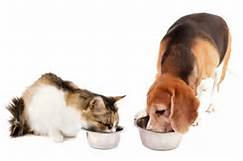
 dogs and cats eating

  1. Nutritionally balanced raw homemade diet. This is the best diet you can feed your dog or cat. It’s very important not to wing it when preparing your pet’s meals at home. I say this because when pet food nutrition expert Steve Brown and I analyzed many of the homemade and prey model diets available, we learned they fall far short in trace minerals, antioxidants including nutrients like manganese, magnesium, vitamin E and D, copper, zinc, iron, choline, and essential fatty acids.

Additionally, if the diet doesn’t have a proper fat or calcium to phosphorus balance, it can actually cause a myriad of health problems, especially in growing animals. So, it’s critically important that you know your homemade diet is balanced.

The great thing about homemade raw diets is you get to handpick the ingredients. You know the quality of the meat you’re using. And if your dog is allergic to chicken, for example, you simply pick a different protein source. Another benefit is you can wash the veggies to your own satisfaction to remove any pesticide residue.

Making your own pet food can provide peace of mind because it’s becoming increasingly more difficult to find ethical pet food companies that use locally sourced or even US-grown ingredients. With homemade food, you’re in complete control of every ingredient that enters your pet’s body.

And of course, raw food is just that. It’s raw and unadulterated. It contains all of the enzymes and phytonutrients that are typically destroyed during food processing.

Homemade food also gives you the flexibility to include a lot of nutritional variety in your pet’s diet. You can buy seasonal fruits and veggies on sale. You can use produce that comes from your local supermarket, your local farmer’s market, or even from your own garden.

  1. Nutritionally balanced cooked homemade diet. This option gives you all of the benefits of the homemade raw diet above, minus the benefits of the free enzymes and phytonutrients found in living foods. Interestingly, there are a few nutrients that are actually more bioavailable when cooked, for example, lycopene.

Reasons to cook your pet’s meals include the fact that some animals prefer cooked over raw food, or warm food over chilled food. Also, some pet owners simply prefer to cook the food. And then, there are some medical conditions such as recent GI surgery or pancreatitis for which cooked food is just a better idea.


  1. Commercially available balanced raw food diet. Again, it’s critically important that the diet be balanced. There are a lot of raw diets on the market these days that are nutritionally incomplete. These foods should say right on the label, “For supplemental or intermittent feeding.” I don’t recommend feeding unbalanced foods without adding in the missing nutrients, or your pet can have nutrition-related medical problems in the future.

Commercially available balanced raw food diets are found in the freezer section of small or privately owned pet boutiques. Some big-box stores are now starting to carry a larger selection of frozen raw diets, and you can also find an excellent selection online.

There are new raw diets coming on the market every month and vegetable, bone, and fat content vary widely between products. For example, diets range from 0 to 40 percent in vegetable content. This can impact the amount of synthetic vitamins and minerals that must be added to the diet to make it nutritionally complete. In addition, vegetable content impacts digestive and stool health. So if, for example, you have a dog who suffers from chronic constipation, you may want to choose a food with higher veggie content.

Commercially available raw food diets also range from low fat to high fat. If you have an obese cat, you would want to select a low-fat diet, but if you have a highly active dog on the lean side who loses weight quickly, it would make sense to choose a higher fat food.

Ground bone, bone meal, or a bone meal equivalent is typically added to raw diets for mineral balance. Some raw foods contain bone pieces that are actually too big to be safely cooked, so if you choose a raw diet and want to cook it, make sure it’s safe to do so.

When it comes to ingredient sourcing, some raw food companies pride themselves on using only healthy, grass-fed animals and organic veggies. Others use animal meats and produce imported from China or other countries, as well as factory-farmed and GMO-fed animals raised in feedlots here in the US.

Some use whole foods to meet trace mineral requirements, while others use very few ingredients and rely on vitamin and mineral pre-mixes to meet their nutritional requirements.

Another factor to consider is how the raw food is formulated. Meat-based foods like raw diets are almost always calorically dense. They should be formulated on a caloric basis and not on a dry matter basis. This is a more demanding method of formulating. Comparing the formulation on a dry matter basis to caloric basis shows that raw foods formulated on a dry matter basis actually fall significantly short of nutrients.

You know a raw diet is formulated on a caloric basis when the nutrients are listed as a gram or milligram of nutrient per 1,000 kilocalories. Diets formulated on a dry matter basis will have nutrients listed as a percentage of dry matter. I only recommend choosing raw foods that are formulated on a caloric basis.

How companies manage potentially pathogenic bacteria is another consideration, and ranges from manufacturers who do nothing, to those who batch test, use UV treatments, ozone, fermentation, or HPP (high pressure pasteurization).

Fortunately, this sector of the pet food industry is the fastest growing category, which means you should be able to find a food that fits your ethical and financial parameters, with the added convenience of not having to make the food yourself. The downside is the cost – you’re paying for the luxury of having someone else do the work for you. As with all pet food manufacturers, you’ll need to investigate the company you’re buying from to make sure you’re feeding the correct product for your pet’s specific nutritional and medical goals.

  1. Dehydrated or freeze-dried raw diet. If you can’t or don’t want to feed fresh raw food, a good alternative is a dehydrated freeze-dried raw diet that is reconstituted with water. These diets are shelf-stable so they’re very convenient. To make them biologically appropriate, all you have to do is add water.

Dehydrated or freeze-dried raw diets haven’t been processed at high temperatures. In many cases, the nutrient value has been retained minus a balanced fatty acid profile.

Keep in mind that there is a difference between fresh and dehydrated or freeze-dried raw food. Dehydrated and freeze-dried foods by definition are not the same as fresh raw diets, but they can be a great choice for people on the move, people who go camping with their dog or cat, and for pets that go to day care or need to be boarded. It’s really the next best thing to a fresh raw food diet. Make sure the brand you select is nutritionally balanced for all life stages.

  1. Commercially available cooked or refrigerated food. This is a new category of pet food that is exploding in the marketplace. These diets have been gently heat-processed so the proteins are slightly denatured, but the moisture content is excellent. The food is fresher than processed diets, so the nutrient content is better than choices lower on this list. You’ll find these foods in the refrigerated section of pet stores, and in many human grocery stores as well.

The quality of raw materials in refrigerated pet food ranges from absolutely terrible to excellent, so you do need to do some research before choosing which brand to buy.

  1. Human-grade canned food. If the package label or the manufacturer’s website doesn’t say the ingredients are human grade, you should assume they are not. Pet food made with human grade ingredients is a great deal more expensive than feed-grade or animal-grade canned food. These foods will typically be found in boutiques and small independent retailers that focus on high-quality foods.
  2. Super premium canned food. These products are typically found at big-box stores like Petco and PetSmart, or a conventional veterinary clinic. These diets contain feed-grade ingredients (which mean foods not approved for human consumption). But, the moisture content is much more biologically correct than dry food. Many have excellent protein, fat, fiber, and carb ratios.
  3. Human-grade dry food. Dry food is not biologically appropriate for dogs or cats in terms of moisture content when compared to the ancestral diet. Additionally, even grain-free dry foods contain unnecessary starch that can cause inflammation issues in your pet.

Human-grade is very important because the ingredients have passed quality inspection, which means they don’t contain poor quality or rendered unidentified proteins. If the food has been baked, it will clearly say so on the label. Otherwise, you should assume it has been extruded, which means you are probably feeding a small amount of carcinogens to your pet with every meal.


  1. Super premium dry food. These diets are found at big-box stores and conventional veterinary clinics. These extruded dry foods are made with feed-grade ingredients not approved for human consumption but are typically naturally preserved. Most of these foods contain added grains or starches, which are not species-appropriate and may harbor mycotoxins.


  1. Grocery store brand canned food. These foods rank below super premium dry foods because even though the moisture content is more biologically appropriate, they usually contain high levels of unnecessary grains and synthetic toxic preservatives such as butylated hydroxyanisole (BHA) and butylated hydroxytoluene (BHT), and ethoxyquin.


  1. Grocery store brand dry food. These diets have all the same issues as grocery store brand canned food, and also do not contain adequate moisture.
  2. Semi-moist pouched food. This stuff is really bad. The reason it is so far down the list is because in order to make the food semi-moist, the manufacturers must add an ingredient called propylene glycol. Propylene glycol is an undesirable preservative that is closely related to ethylene glycol, which is antifreeze. While propylene glycol is approved for use in pet foods, it’s unhealthy for dogs and cats to consume.


  1. Unbalanced homemade diet, raw or cooked. Dead last on the list for good reason is an unbalanced homemade diet. Some pet owners believe they can offer their dog or cat a chicken breast and some veggies, and call it a day. Many caring pet owners are unfortunately sorely lacking in knowledge about their companion animal’s nutritional requirements.


Feeding fresh homemade food is a good thing, however, if the diet you’re offering your pet is nutritionally unbalanced, it can cause significant irreversible and even potentially fatal health problems. These include endocrine abnormalities, skeletal issues, and organ degeneration as a result of deficiencies in calcium, trace minerals, and essential fatty acids.

Almost every veterinarian has seen patients that have been harmed by well-meaning owners who feed unbalanced diets. It’s heartbreaking and entirely preventable. Homemade pet diets must be done right or not at all. When in doubt please consult your vet before starting a homemade diet for your pet. Going homemade is a huge decision and obviously you’ll want to do what’s best for your pet so don’t do it alone get information from reliable proven sources. Don’t forget the old saying, “you are what you eat”…I must be ice cream!

DogsIceCream (2)


Fussy Felines

By Dr. Becker and Diane Weinmann good til the last drop

Even if your own cat is a hearty eater, I’m sure you’re aware that many feline companions are notoriously persnickety at mealtime.

For better or worse, the results of a recent study1 by scientists at the Monell Chemical Senses Center in Philadelphia may shed some light on why little Percy or Priscilla is so darned fussy about food.

Cats (Meat-Eaters) and Plant-Eating Animals Have Certain Taste Receptors in Common

Cats are obligate carnivores, meaning they must eat meat to survive. Their bodies aren’t designed to process or assimilate large amounts of plant-based nutrition. But as it turns out, despite their strict meat-eating nature, felines have certain significant genes in common with plant-eating herbivores.


The specific genes I’m talking about give herbivores the ability to taste bitter flavors, which helps them avoid eating poisonous plants. Animals use their taste buds to identify certain characteristics of foods they’re about to ingest.

Sweet flavors mean there’s sugar in the food, which is an important source of energy. And it has long been assumed by scientists that a bitter taste warns vegetarian animals that a plant or unripe fruit contains a harmful substance.

Cats have no sweet taste receptors, probably because as strict meat-eaters, they evolved without those receptors since they had no use for them. Other exclusively carnivorous animals, e.g., sea lions and spotted hyenas, have also lost the ability to taste sweet flavors. Having learned this I cannot understand why my cat, Milo, absolutely adored whipped cream! He would hear the can, no matter where he was in the house, and would come running!

Cats (Carnivores) Are Equipped with Several Bitter Taste Receptors That Detect Toxins in Plants. The Question Is, Why?

Animals’ taste buds evolve in response to changing dietary requirements. Over time, alterations in an animal’s normal diet can eliminate the need to sense certain chemicals in food, which causes the genes to mutate in response.

A good example of this is cats, which as strict meat-eaters have evolved without the ability to taste sweet flavors. But here’s a question: If the ability to taste bitterness is nature’s way of alerting vegetarian animals to potentially toxic plants, why do strictly meat-eating cats have a need to taste bitter flavors?

In theory, if cats have evolved with no ability to taste bitterness, their receptor genes should be mutated accordingly. However, when the Monell scientists looked at the genomes of different carnivorous species, they learned they all possess a similar amount of genes for bitter taste.

For example, cats have 12 identified bitter taste receptors, polar bears have 13, ferrets have 14, dogs have 15, and the giant panda has 16. All these animals belong to the order Carnivora, however, in terms of their diets, they range from strictly carnivorous (cats) to exclusively vegetarian (giant panda).


So the question becomes: If primarily meat-eating animals aren’t likely to sample any bitter or potentially toxic plant-based food sources, why are they genetically equipped to taste bitter flavors?

Cats’ Bitter Taste Receptors May Help Them Detect Toxic Compounds in Their Prey

Lead study author and molecular biologist Peihua Jiang set out to evaluate feline taste buds. He did this in the laboratory by inserting the cat taste receptor gene into human tissue cells. Together, the cells and the gene behave as a taste receptor that responds to chemicals.

The taste receptor created by Jiang responded to bitter substances in toxic plants, as well as to substances that also activate human bitter taste receptors.

The researchers determined feline bitter taste receptors help them detect potential toxins in the prey they hunt in the wild, including frogs and toads. According to study author Gary Beauchamp, Ph.D., a behavioral biologist at Monell:

” … [B]itter taste could exist to minimize intake of toxic compounds from skin and other components of certain prey species, such as invertebrates, reptiles and amphibians.”

Could Bitter Taste Receptors Help Detect Infections in Cats?

The researchers suggest that cats aren’t exposed often enough to bitter and toxic meat-based foods to warrant the number of bitter taste receptors they have retained. Let’s face it– you have probably all seen the pretty blue frogs at the zoo that are highly poisonous, right? They are not present in the U.S.A. so why would a pet owner worry? The study authors conclude that cat taste receptors may have evolved for reasons other than taste. Interestingly, human bitter taste receptors are found not only in the mouth, but in the heart and lungs as well, and may serve to detect infections.

“Alternate physiological roles for bitter receptors may be an important driving force molding bitter receptor number and function,” says Beauchamp.

“For example, recent Monell-related findings show that bitter receptors also are involved in protecting us against internal toxins, including bacteria related to respiratory diseases.”

Whether this is also the case with kitties remains to be seen.

Feline Foodies?

Based on this new discovery that our feline companions have taste buds for bitter flavors, it could be they pick up subtle noxious tastes in the food we offer them.

This would explain why many cats are so food finicky … except that dogs have a similar number of bitter taste receptors and many have never met a meal they didn’t like. However, there are quite a few fussy dog eaters- I have one and he is a husky!

Perhaps cats are simply more sensitive to bitter substances than dogs, or are able to detect many more bitter compounds in their food than dogs are. It’s possible ingredients that are essentially tasteless to your dog taste just plain nasty to your cat … which would certainly explain why so many kitties are so selective when it comes to the food they will eat.

Tips for Encouraging a Fussy Cat to Eat

According to Dr. Becker, her first recommendation is to try to slowly and safely transition a cat eating processed pet food to a balanced, fresh, organic, non-GMO, species-appropriate diet. Unless your cat is hopelessly addicted to the processed stuff, offering fresh whole food with no additives or preservatives essentially eliminates the possibility her delicate tastebuds will detect noxious chemical compounds in her meal.


Whether her diet is fresh or processed, however, the goal should always be to make sure your cat eats something. Unlike dogs and humans, it’s dangerous for kitties to go any length of time without nourishment, as it can lead to a potentially fatal liver disease called hepatic lipidosis.


Enticing a picky kitty to stay nourished can require creativity along with some gentle prodding, and lots of patience. Things you can do to tempt your finicky feline’s sensitive tastebuds include:

  • Warming her food to bring out the aroma
  • Offering canned food with a strong smell or topped with a sardine or tuna (packed in water)
  • Offering new food from a paper plate in case she’s developed an aversion to her food bowl for some reason
  • Offering a small selection of different flavors and textures of canned cat food or home cooked meat or bone broth
  • Enticing her with species-appropriate human food she has enjoyed in the past, such as warm baked chicken or salmon
  • If she’s addicted to dry food and refuses everything else, try adding warm water to each meal or add an aromatic enticement like tuna juice, warm goat’s milk, or chicken brothIf all else fails you kitty may have an emotional or physical issue going on. I always recommend that you take your pet to the vet and have them determine if anything is physically amiss before assuming the problem is emotional. If you have done that, they please contact me to talk with your pet and allow me to recommend a treatment of blended bach flower essences that will target the heart of the emotional problems your pet is experiencing.
  • Let me give you an example: my cat refused to eat and lost a bunch of weight. I knew in my heart he was mad because I brought a dog into the house to live without consulting him (he would have said no anyway because he always wanted to be the only pet). The dog had no where to go and he belonged to my son who lives with us. So while I was on vacation the dog moved in—hence the cat decided to punish us! I took him to the vet and many hundreds of dollars later determined nothing was physically wrong with him. Did I call that or what? So I made a special treatment bottle of a blend of bach flower essences to help him emotionally deal with a new pet in the home. Within three weeks he was back to normal and gaining weight. Problem solved!
  • It’s also important to make kitty’s mealtime a very low-stress, pleasant experience. Make sure you feed her in a calm, quiet environment that is optimally comfortable.

Fish or Coconut Oil for Dogs—Why Not Both?

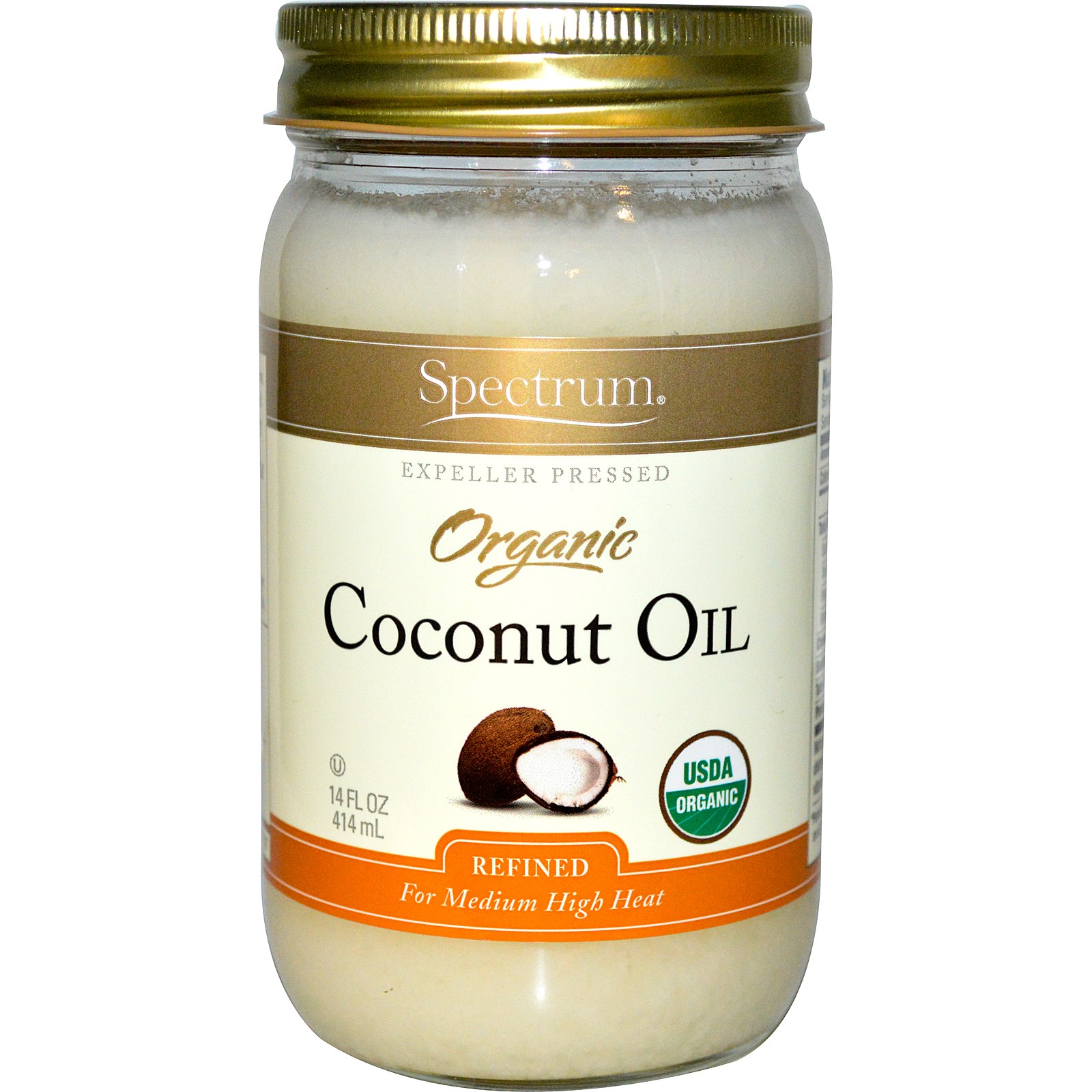
Coconut oilBenefits of Fish Oil for Dogs

Adding fish oil to our dogs’ meals can help a variety of aliments :

  • joint and ligament health; acts as an anti-inflammatory and lubricant
  • eases allergy symptoms
  • boosts digestive health
  • produces healthy skin and shiny coat; reduces shedding

Did you know that it has been written that fish oil can slow the growth of cancer too. Seems to me it is a wonder food product!  So where can you get it and which do you buy?

I know a blogger and raw food advocate that feeds Bonnie & Clyde, because it’s concentrated, made with wild caught fish, has human grade ingredients, and the vitamin E is sourced from sunflowers. She feels the biggest benefit of using Bonnie & Clyde fish oil is that the EPA and DHA levels are far superior to other fish oil products for dogs on the market today.

Benefits of Coconut Oil for Dogs

Giving your dog coconut oil promotes healthy skin and helps with the following:

  • disinfects cuts – I use it on scrapes and abrasions
  • promotes shiny, lovely smelling coats
  • supports a healthy digestive system
  • freshens breath
  • supports healthy joints and ligaments
  • prevents and controls diabetes
  • helps with weight loss
  • helps promote a healthy thyroid
  • treat hot stops, dry/cracked paw pads, and dry skin
  • massage into a dog’s coat, then brush to roots

Fish Oil or Coconut Oil for Dogs

So which do you choose, fish or coconut oil? I think we should feed both to our dogs, because alternating oils is an excellent idea for dogs because each offers different flavors, and it keeps meal time interesting. Fish oil and coconut oil aren’t the same or similar beyond the “oil.”

Fish oil is rich in Omega 3 fatty acids (EPA and DHA).  Being certified in canine nutrition I can tell you that fatty acids derived from animal sources have EPA and DHA which are easier for dogs to absorb into their system.  Fatty acids derived from some plant sources contain short form fatty acids, ALA, which needs to be converted to EPA before being absorbed into you dog’s system; something that becomes more difficult as a dog ages. However, my husband is allergic to all fish products so giving fish oil is not really favored in my household.

Coconut oil is rich in saturated fat.  That sounds bad, because we’ve been told that saturated fat is bad, but what we’re getting in coconut oil is easier to digest, so it’s considered good for you (and your dog).  Coconut oil also contains lauric acid, which is what gives it the antifungal and antibacterial benefits. I personally use the organic kind for my face to clean off makeup and I use it in my dog’s food.  It’s great for your hair and your dog’s coat and for  immune systems both human and canine.

So how much should I give my Dog?

URL for Bonnie & Clyde Pet Goods

http://bncpet.com/

Bottle_Complete_Kit_-_1024px

Probiotics for Pets

By Dr. Becker and comments by Diane Weinmannpet-probiotics

The holistic human medicine and veterinary communities have long touted the health benefits of probiotics, while traditional practitioners have been slow to come around.

But given the rapidly growing number of probiotic products popping up on store shelves, it seems they’re really starting to catch on with mainstream consumers.

So what are probiotics, exactly?

According to Dr. Becker, probiotics are gut-friendly strains of bacteria that help maintain healthy levels of good bacteria in the gastrointestinal tract, and also defend against opportunistic, potentially pathogenic bacteria.

The digestive tract is the largest immune organ in the body, and despite her much smaller size, your dog or cat has even more intestinal bacteria than you do, in fact her microbes outnumber her cells ten to one.

The GI tracts of companion animals are designed to handle a tremendous bacterial load — bacteria that would likely develop into a life-threatening infection if found elsewhere in the body.

A healthy population of friendly bacteria keeps your pet’s immune system in good working order. If the ratio of bad-to-good intestinal bugs gets out of balance, your dog or cat will eventually develop GI symptoms and an increased susceptibility to illness.

Studies have shown that animals raised without friendly bacteria in the gut, or with a poor balance of good-to-bad gut bacteria, are at significantly increased risk for disease.

Why Most Dogs and Cats Can Benefit from a Probiotic Supplement

The bacteria in your pet’s GI tract can be easily influenced by a number of factors, ranging from emotional stress to an unhealthy lifestyle.

Among the most powerful influences on your dog’s or cat’s gut bacteria are antibiotics. These drugs are designed to kill harmful bacteria that cause illness, but they work indiscriminately.

They kill healthy bacteria right along with disease-causing bacteria. In addition, antibiotics are overprescribed in both human and veterinary medicine. I know often times when I’ve been prescribed antibiotics I have gotten a yeast infection afterwards.  Many dogs have the same problems with their ears after treatment with antibiotics.  Other stressors that can throw off the balance of good-to-bad gut bacteria include:


Sudden change in diet Veterinary drugs (e.g., prednisone, dewormers)
Poor quality diet Surgery
Strange eating habits (feces, grass, rocks, etc.) GI disease, nutritional disease
Unclean/contaminated drinking water (fluoride and chlorine) Stress (boarding at a kennel or shelter, travel)
Ingestion of fertilizers, pesticides or chemicals in the water supply GMOs in food
Vaccinations Emotional stress


When GI stressors upset the balance of bacteria in your pet’s digestive system, it can create a cascade of nutritional and other health problems, including poor food absorption and intermittent or chronic diarrhea. The quality of your pet’s poop should be consistent.

It also opens the door to leaky gut (dysbiosis), which means your dog or cat can absorb partially digested amino acids, foreign proteins, and allergens into the bloodstream. This in turn can trigger a host of other health problems, from allergies to autoimmune disease.

How Probiotics Work

The exact mechanism by which probiotics work in the GI tract is still being studied, but a reasonable working theory is that friendly bacteria establishes itself in the gut, and its presence discourages proliferation of potentially pathogenic (unfriendly) bacteria and opportunistic yeast.

More simply, probiotics help good bacteria compete with bad bacteria for nutrients and intestinal binding sites, while also supporting the immune system in its fight against pathogens. Once the natural bacterial balance is reestablished, if no other issues exist, GI function returns to normal.

When your pet’s gut bacteria are in balance with the right amount and type of healthy bugs, several vital functions take place inside the body including:

  • Vitamins are made
  • Vegetable fiber is processed as it should be
  • Unfriendly bacteria are kept in check
  • Toxins are well-managed

Veterinary Use of Probiotics Is Expanding

Most of us who practice holistic and integrative veterinary medicine have known of the benefits of probiotics for decades. But because probiotics are a supplement rather than a drug, the traditional veterinary community has been slow to incorporate it into pet health care protocols.

Fortunately, things are changing. An increasing number of veterinarians, pet guardians and animal shelters are using probiotics to:

  • Treat diarrhea
  • Help cats and dogs in shelters manage the stress of abandonment and confinement
  • Alleviate GI upset while pets are being boarded
  • Reseed the gut with beneficial bacteria after a round of antibiotics
  • Calm digestive upsets caused by travel and dietary changes
  • Improve digestion and stool quality in large and giant breed dogs
  • Boost immune system function, especially in pets that are very young, elderly, or have compromised health

The intestinal bacteria puppies and kittens are exposed to by their mothers during their first few weeks of life can ultimately affect their long-term bacteria colonization. Studies show that probiotics can benefit orphaned animals, and may be one of the mechanisms behind why microbiome restorative therapy is so effective in pets.

Another encouraging sign is a greater focus by new veterinary school graduates on preventing illness, and the importance of nutrition and digestion in keeping pets healthy.

Now that the use of probiotics to support digestion and immune function is growing in acceptance, both MDs and veterinarians are more willing to consider other types of conditions that respond to probiotics. For example in humans, research suggests that asthma and other immune-related disturbances may be reduced with probiotic use.

All Probiotics Are Not Created Equal

In most cases, probiotic formulas developed for human consumption aren’t appropriate, in terms of being most efficacious, for companion animals.

Pets have strains of bacteria unique to them — they require organisms derived from their own species for best results, for instance the “poo probiotic” species E. faecium. This strain is considered a pathogen in human medicine (many production companies will not bring this strain into their facilities), but is one of the more effective strains used for dogs and cats.

In Dr. Becker’s opinion, commercial pet foods containing probiotics are a waste of money. The bacteria in a probiotic must be live and able to reproduce in order to do its job in your pet’s GI tract. The pet food manufacturing process kills too many of the live bacteria, rendering the probiotic effect useless.

Even if they are added to the food post-production, the extended shelf life of processed diets means the probiotics are probably not present in high enough concentration to affect the GI tract in any way.

Many commercially available probiotic supplements for pets are of low quality (feed grade or “animal grade”, and not food grade or “human grade”). Often, what’s on the label can’t be found in the supplement. There are also contamination, potency and purity issues with many products.

There are three crucial components to a high quality pet probiotic:

1.It should contain 10 or more strains of beneficial bacteria

2.Each serving should contain a minimum 20 million beneficial bacteria –— the higher the number, the better

3.It should be GMP certified to assure the viability, potency and purity of the product

If your dog or cat has specific health challenges, talk with your veterinarian about the best approach to probiotic supplementation for your pet’s individual needs.

I personally give a probiotic to my horse starting in September due to weather changes and he continues to get this as a supplement until the weather stabilizes. Needless to say, Ohio weather does not cooperate very well and I do end up giving my horse his daily dose into late spring.  You would think I would be able to stop in the winter but our last few winters have seen temperature changes from in the single digits to 40 degrees every other day!

As Dr. Becker was saying very few products have all the necessary strains of bacteria that is necessary to accomplish our goals. Listed below is a link to where I would recommend to obtain your probiotics for your dog and cat.

http://probiotics.mercola.com/probiotics-for-pets.html

Label Snapshot for Complete Probiotics For Pets

Supplement Facts Serving Size: (3 grams) Servings Per Container: 30
Amt. Per Serving (billion viable organisms) % Daily Value
Bifidobacteruim lactis 5 *
Lactobacillus acidophilus 5 *
Bifidobacteruim longum 5 *
Bifidobacteruim bifidum 5 *
Lactobacillus casei 5 *
Lactobacillus plantarum 5 *
Bifidobacteruim breve 5 *
Streptococcus thermophilus 5 *
Saccromyces boulardi 5 *
Bifidobacterium animalis 5 *
E. faecium 5 *
Lactobacillus rhamnosus 1 *
Lactobacillus bulgaricus 1 *
Lactospore ® Lactobacillus sporogenes 1 *

View Full Product Label Snapshot

*Daily Value (DV) not established.

Other ingredients: Microcrystalline Cellulose, Silica


×

How Much Do You Need? One container lasts for…


Cats Normal: 3 months Therapeutic: 1.5 months


Medium Dogs: Normal: 1.5 months Therapeutic: 3 weeks


Small Dogs: Normal: 3 months Therapeutic: 1.5 months


Large Dogs: Normal: 1 month Therapeutic: 2 weeks

TREATS FOR DOGS WITH SPECIAL NEEDS

Compliments of Animal Wellness Magazine

If your dog has a health issue such as arthritis, cancer or diabetes, you need to watch what they eat.  Being certified in canine nutrition I know that providing healthy food and treats for your pet is your first defense against disease.

Good, healthy food and treats please!

The treats in this article are easy to make – just refer to the chart at the end of the article to find your dog’s condition, select from the ingredients specified, then follow the instructions for mixing and baking.

 Instructions:

  1. Choose four cups of whole flour. You can use one flour or a combination.

2.Choose 1½ cups of filling. Have fun with it. Depending on the flour/s used, additional liquid may be needed.

3.Choose 2 teaspoons of healing spices.

4.Combine all ingredients in a food processor or blender, until the dough pulls away from the side of the bowl. This recipe can also be mixed by hand.

5.Preheat your oven to 325°F. Cover a large cookie sheet with parchment paper, for easy cleanup.

6.Turn out dough onto a lightly floured surface and knead well.

7.Roll out and cut the dough into desired shapes using cookie cutters or cut it into squares. You can also take small pieces of dough, roll them out to the thickness of a crayon, and use a sharp knife to cut pieces appropriate to the size of your dog.

8.Bake for 20 minutes, then turn the oven down to 175°F and bake for 40 more minutes. Turn the oven off and allow biscuits to cool completely before removing.

9.Store in an airtight container or Ziploc bag.

Treat Ingredients for Common Conditions

Health Issue Whole Flour Filling Healing Spices
Arthritis Oats, brown rice, chia, quinoa, coconut Pumpkin puree Ginger, turmeric
Cancer Chickpea, sweet potato, oats Fruit and/or vegetable mash, including apples, blueberries, broccoli, carrots, green beans, pumpkin, and/or shiitake mushrooms Cinnamon, carob, turmeric, green tea
Diabetes Brown rice, quinoa, oats Applesauce, green vegetables, pumpkin puree Cinnamon, oregano, thyme
Gastrointestinal problems Oats, chia, coconut Applesauce,  pumpkin puree Cinnamon, carob, ginger, turmeric, dill
Heart Brown rice, oats, sweet potato Broccoli, carrots, green beans, squash, blueberries Cinnamon, oregano, turmeric, green tea
Kidney Brown rice, oats Green beans, squash, turnips, zucchini, carrots, cranberries Cinnamon, ginger, parsley
Liver Quinoa, oats, coconut Shiitake mushrooms, broccoli Ginger, parsley, turmeric