Pain Levels in your Pets

By Dr. Becker and comments by Diane Weinmann
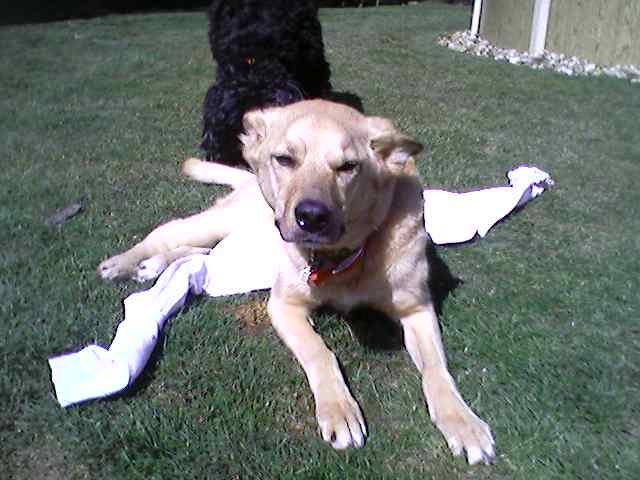
2012-03-25-20-43-34

Most of us are familiar with pain scoring. It’s when a doctor or nurse asks us to rate the pain we’re experiencing with a number, for example, 0 to 10, with 0 indicating almost no pain, and 10 signifying excruciating pain.

As an animal communicator who just spent a lot of time with doctors, I accidentally asked a animal client what their pain level was on a scale of 1-10.  When the pet said “what??” I realized that I was parroting the phrase I’ve been hearing over and over but for our pets it’s not that easy.  You see, your pet is not lineal so they cannot tell me their level of pain based on a scale.  I said DUHHH to myself and vowed to stop seeing doctors so much!  Here is some info on pain score levels:

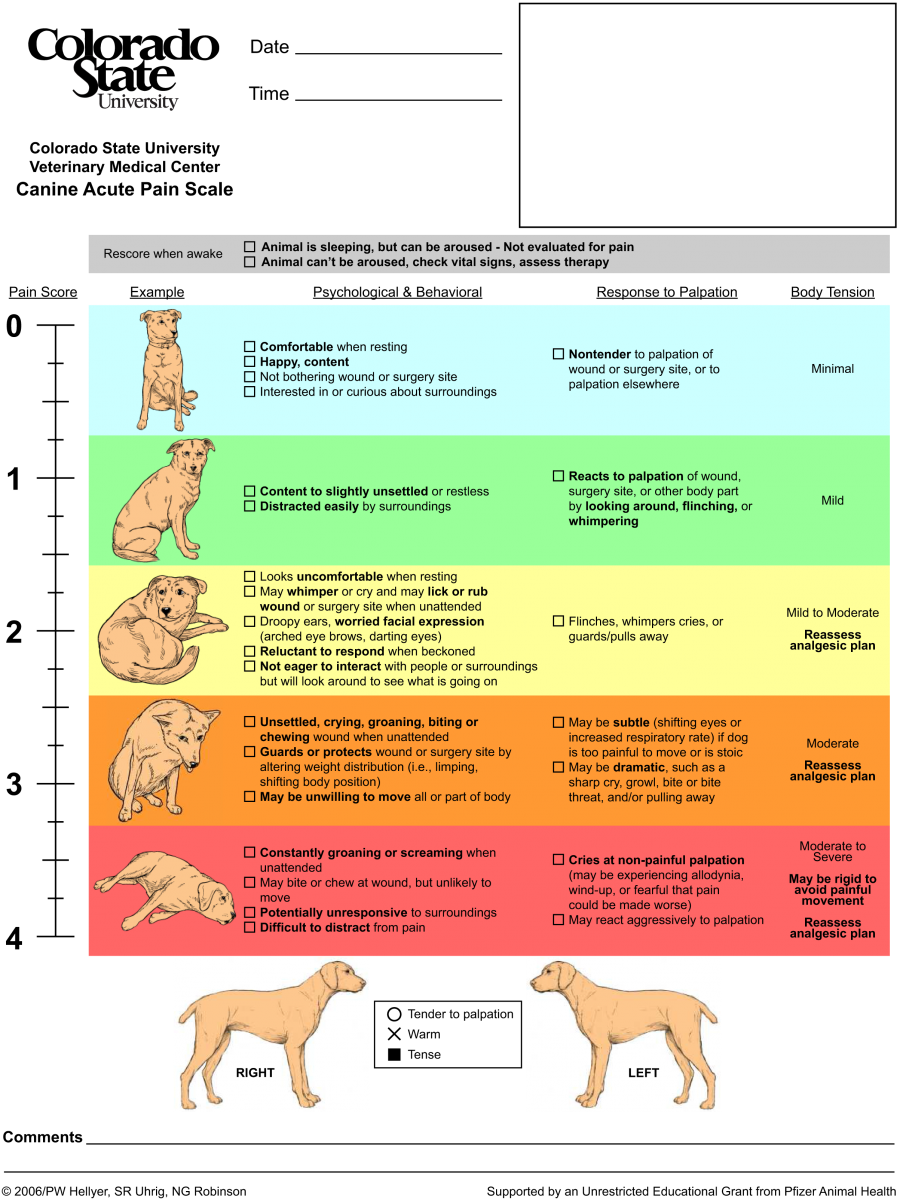
“… [A] pain score is a subjective number that gauges a patient’s pain intensity based on behavioral and physiological parameters,” says Dr. Phil Zeltzman, writing for Veterinary Practice News.

“Several pain scales are available, such as the Visual Analog Scale, the Colorado Pain Scale and the Glasgow Composite Pain Scale.”1

The Colorado Pain Scale uses just five numbers (0 to 4), making it quick and easy to use. Unfortunately, pain scoring is almost exclusively a human medicine tool. The veterinary community hasn’t yet “embraced the concept,” according to Zeltzman, and I’ve certainly seen evidence of this myself.

I still regularly have pet owners tell me their vets won’t administer pain medications after extensive surgeries or accidents, despite some clients begging for them. This breaks my heart for the animal having to suffer unnecessarily and enrages me that doctors who take an oath to relieve suffering are failing to do so.

Zeltzman, a board-certified veterinary surgeon with a traveling surgery practice covering eastern Pennsylvania and western New Jersey, urges his veterinary colleagues to get onboard with pain scoring.

“With practice, attributing a pain score to cats and dogs will become second nature to you and your team,” he says. “It shouldn’t be much more complicated than attributing a body condition score to a patient.”2

Evaluating Patients Who Can’t Tell Us How Much Pain They’re In

In veterinary medicine, our patients can’t tell us in words how much they’re hurting, so pain scoring must be done primarily through observation. It can be used not only with animals who’ve had surgery, but also any pet dealing with an injury or illness.

Since every animal is an individual with a specific pain threshold, to use pain scoring effectively, we must observe the patient before painkillers are given and before any procedure is attempted, no matter how minor (e.g., a blood draw).

We also need to apply some science to the art of observation when determining a pet’s pain score. We need to know average pain levels for the condition the animal has or the surgery about to be performed, and factor those into the equation.

This is necessary because many dogs, and especially cats are stoic even when in significant pain.

“We all have encountered a young Lab hit by a car,” says Zeltzman. “Despite extensive open wounds and fractured bones, he might be wagging his tail.

The same applies to cats that may be purring despite significant trauma. Therefore, expected pain levels for a particular surgery or condition are taken into account when we give a pain score.”

Benefits of Pain Scoring Veterinary Patients

Dr. Zeltzman explains four benefits for veterinarians and their staffs who measure each patient’s pain level:

  • Pain scoring increases the awareness of everyone on the vet staff who is caring for the patient. It also allows for customizing and modification of pain management protocols based on the individual pet and the procedure being performed.

“[Using the Colorado Pain Scale] a pain score of 0 or 1 should be our goal,” says Zeltzman. “A score of 2, 3 or 4 should lead you to immediately reassess the analgesic plan and better understand what is happening to your patient.”

  • Zeltzman believes any veterinary clinic can benefit from pain-scoring every animal, just as all patients are weighed, their temperature, pulse and respiration are measured, and their body condition is scored
  • Pain scores are not static — they change over time depending on a wide range of factors, including patient characteristics, veterinary procedures performed, pain medication and dose timing, and others. Pain scores in hospitalized patients should be taken every few hours.
  • Zeltzman suggests veterinary staffs incorporate pain scoring as the “fourth vital sign” following temperature, pulse and respiration (TPR) measures.

Colorado State University Pain Scales

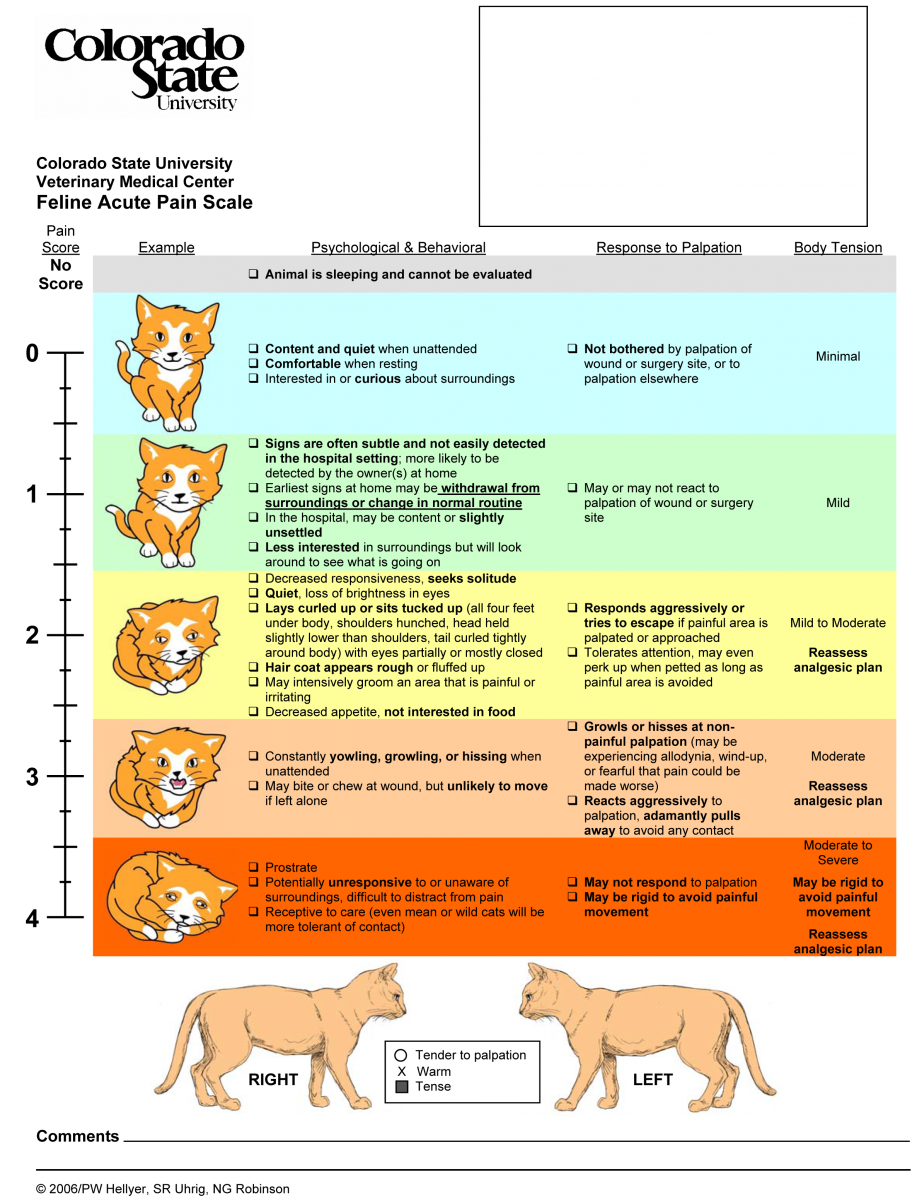
Pain scales such as Colorado State University’s (CSU) are obviously intended for use by veterinarians and their staffs, but they can also be helpful for pet parents who want to learn what signs to look for to determine if their dog or cat might be in pain.

Pain score: 0 No pain present. The patient is happy, acts normally, moves comfortably, has a normal appetite and (if applicable) does not bother the surgery site. TPR is normal.
Pain score: 1 Mild pain present. This is usually displayed by a slight limp, difficulty getting up or down or a slight increase in TPR.

The patient is eating, tail wagging or purring and not depressed.

Pain score: 2 Moderate pain present. The patient shows sensitivity and may lick or chew at the surgical site or wound.

The patient may vocalize, may refuse to eat and may seem depressed, and has slow, shallow respirations.

Pain score: 3 Severe pain present. Signs include depression, reluctance to move and sensitivity at the surgical site or wound.

The patient will usually not eat, may vocalize and may lie down but not sleep.

Pain score: 4 Excruciating pain present. The patient shows all the signs described with a pain score of 3, in addition to intermittent panting, increased TPR — even at rest — constant vocalizing, profound depression, dilated pupils, aggressiveness and deep breathing.

To view the full detailed CSU pain scales, which include rough drawings of how your dog or cat might appear with a pain score of 0, 1, etc.: Canine Pain Scale, Feline Pain Scale.

What to Do If Your Pet Seems to Be in Pain

Healing Hands using Healing Touch for Animals or Reiki

How your animal companion’s pain is managed depends on what’s causing it, so it’s crucially important to make an appointment with your veterinarian for a thorough exam. Once your veterinarian has evaluated your pet and depending on the root cause of his discomfort, there are a number of integrative therapies that blend nicely to reduce the amount of medications needed to manage pain, including:

There are also some newer therapies I’ve used with good success, including the Assisi Loop, a form of pulsed electromagnetic field therapy. In addition, there are a number of beneficial supplements you can add to your pet’s diet, again depending on his diagnosis and treatment protocol.

For information on pain management with healing touch for animals, acupressure or essential oils please contact Diane Weinmann at dianefortheloveofanimals@yahoo.com or check out her website at www.theloveofanimals.com

Tuning Fork and Activator

dog with med bottles


TLC Therapies Many Pet Owners Now Embrace

By Dr. Becker with comments by Diane Weinmannpet-rehabilitation

Rehabilitation therapy can be invaluable for pets, but it hasn’t always been considered as part of mainstream veterinary care.

Demand for such services has been growing significantly in recent years, however, including for upscale facilities that improve pets’ strength, functional ability and quality of life using tools ranging from obstacle courses and underwater treadmills to laser therapy and massage.

Let me tell you a brief story about a dog with a loving message about rehabilitation:  I was asked to talk with a dog that a vet’s office basically took care of for at least a year. The owners didn’t want to deal with his medical issues any longer and signed him over to the vet.  I was told that everyone at the clinic was heartbroken that the dog had passed away and would appreciate a message from him.  I talked to the dog and he gave many loving messages for the people who cared for him in the clinic.  One of the most profound messages didn’t make sense to me but brought all of the workers to tears.  He told me to thank them for the water.  What I didn’t know is that they let him participate a lot in hydrotherapy because he has terrible painful arthritis.   Obviously the water therapy was extremely helpful to him medically and it meant a lot to him that they took the time to let him participate .  So, that being said, listed below are some reasons why therapy helps pets…..

3 Reasons Why Rehabilitation Centers Are on the Rise

There are a number of reasons why rehabilitation centers are growing so rapidly, starting with pet obesity.


The majority of dogs and cats in the U.S. are not a healthy weight, according to the Association for Pet Obesity Prevention (APOP). The organization revealed that 58 percent of cats and 54 percent of dogs were overweight or obese in 2015.1


The extra weight puts stress on joints, which can leave your pet unable to get around. Other common complications of excess weight in pets include arthritis, torn knee ligaments and diseased discs in the spine, along with other orthopedic diseases.

While the foundational solution to address these complications is weight loss, rehabilitation is incredibly beneficial for stimulating your pet’s metabolism through movement.

For extremely obese pets who are unable to move around, rehabilitation centers can provide life-saving solutions to get your pet moving, such as walking in water, which takes pressure off joints.

Some owners also bring in their aging pets to help them retain and recover mobility and strength. Why else are rehab services becoming so sought after by pet owners?

  • High-Impact Activities: Some dogs suffer from sports-related injuries as a result of running or engaging in other strenuous activities with their owners.
  • Pets Are Part of the Family: About 90 percent of pet owners view their pets as part of their family and, as such, want to provide them with similar medical services to those available to humans, such as post-surgery physical therapy, which improves surgical outcomes and speeds recovery time.

Michael San Filippo, spokesman for the American Veterinary Medical Association (AVMA) told the Daily Herald:2

“Over the last few generations we have brought our pets into our houses, into our beds in some cases and included them as a part of our families … Along with that comes a demand or expectation that they can get the same kinds of treatments that we get as humans.”

What Types of Treatments Are Available at Pet Rehab Facilities?

From dogs with obesity and arthritis to those recovering from surgery or a sports-related injury, there are rehab options that can support your pet. These include more familiar strategies like massage, therapeutic exercise and stretching, heat therapy and acupuncture as well as:

  • Cold laser therapy (aka low-level laser therapy): This is used to stimulate cell regeneration and increase blood circulation to promote wound healing and treat arthritis, tendon injuries, sprains and strains, back disc problems and more.
  • Acoustic compression therapy: This technique uses sound waves to provide deep-tissue massage in muscles, tendons and joints. It offers increased circulation and pain relief.
  • Transcutaneous electrical nerve stimulation (TENS): This involves a battery-powered device that sends a low electrical current to the body, which disrupts pain perception pathways, helping to relieve pain. TENS is also sometimes used to stimulate acupuncture points.
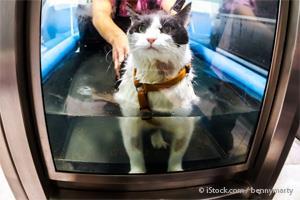
  • Aquatic therapy: Various therapies using water are available, including underwater treadmills to promote weight loss, strengthen cardiovascular health and muscle strength. As explained by the American Association of Rehabilitation Veterinarians (AARV):3

“The [underwater] treadmill can be used in the very early stages of learning to move well again; the higher the water level, the more of your pet’s weight that is supported.

As strength and correct movement improves, the water level is lowered each session to further increase strength. Underwater treadmills can decrease recovery time from surgery, improve arthritis through low impact exercise, and improve cardiovascular fitness.”

  • Thermography: Thermography is the study of how much heat the body is giving off, which reveals areas with inflammation and, therefore, likely pain. Thermography may be used at rehab facilities to diagnose orthopedic or other health issues or to monitor progress during therapy sessions.4

There are many other therapeutic modalities used as well, including:

✓ Pulsed magnetic therapy ✓ Active exercise
✓ Veterinary chiropractic ✓ Therapeutic ultrasound
✓ Joint mobilization ✓ Neuromuscular electrical stimulation

Health Conditions That May Be Treated With Rehabilitation Therapies

If your pet is having trouble recovering from an injury, is struggling with mobility, or has unresolved pain, a rehabilitation specialist may help. AARV provided the following list of conditions that may be successfully treated with rehabilitation, as well as the types of improvements that may be experienced:5

Osteoarthritis: Increased mobility and range of motion, decreased inflammation Hip dysplasia: Build-supporting muscle mass, increase mobility and comfort Muscle injuries: Speed healing, restore normal functional length and decrease inflammation
Back injuries: Prevent reinjury and manage pain Fractures: Speed recovery and prevent muscle contracture Amputation: Help with adaptation, build supporting muscles and manage pain
Neuromuscular disease: Strengthening, adaptation and pain management Joint dislocation: Strengthen supporting muscles and ligaments and prevent reinjury Tendon injury: Increase range of motion and strength, decrease inflammation and scar tissue

Keep in mind that rehabilitation isn’t only for dogs. Cats, horses, rabbits and many other pets may also benefit. In the video below, for instance, you can see underwater treadmill therapy for a rabbit. These therapies excel at providing your pet with improved quality of life, regardless of species, so if your pet is in need of extra physical support and healing, consider seeking the help of a professional rehabilitation specialist.


Strokes in Cats

Strokes in Cats

By Dr. Justine A. Lee, DVM, DACVECC and http://www.askthecatdoctor.com/feline-stroke.html

cute-cat-paw-up-5151240

There are two types of strokes in cats:

(1) Ischemic – the blood supply to an area of the brain is cut off

(2) Hemorrhagic – the wall of a blood vessel is damaged and blood leaks out of it into an area of the brain

In either case, an area of the cat’s brain can be deprived of oxygen or damaged from pressure and a stroke follows.


It’s scary to see your cat suddenly not be able to walk, look drunk, fall over to his or her side, have a head tilt, or act neurologically inappropriate (e.g., seizure). Other signs that look like “acute strokes” in cats include:


  • sudden imbalance
  • falling over to the side
  • not being able to walk
  • vomiting
  • nausea
  • inappetance (who wants to eat when they are nauseated?)
  • rolling or circling to one side
  • nystagmus (abnormal eye movement)

When this happens, there are four primary causes:

  • an ischemic event secondary to hypertension
  • a life-threatening blood clot called a “saddle thrombus”
  • vestibular disease
  • a brain tumor


Keep in mind, however, that these symptoms are the symptoms of so many other diseases. Just because your cat has some of all of the above symptoms does not mean she has had a feline stroke. All of the symptoms are serious so an immediate trip to the veterinarian is essential. I know that I say this in almost every article I write, BUT the earlier a diagnosis is made, the better the outcome.

Possible Causes of a Feline Stroke

  • Trauma
  • Anything that interferes with the clotting ability of the blood
  • Blood clot
  • Heart Disease
  • High Blood Pressure
  • Hyperthyroidism
  • Diabetes
  • Kidney Disease


In older cats, secondary hypertension (high blood pressure) may be a result of chronic kidney diseasehyperthyroidism (an overactive thyroid gland), or even cardiac disease. With uncontrolled hypertension (in other words, if it wasn’t previously diagnosed or isn’t responding to blood pressure medication called “Norvasc,” or amlodipine), an acute ischemic event can occur. This means that lack of blood flow occurs in a region (typically in the brain or spinal cord), and results in neurologic abnormalities. Thankfully, ischemic events often respond well to symptomatic supportive care and anti-hypertensive blood pressure medications. However, these ischemic events can leave permanent neurologic defects in your cat like wobbliness, a head tilt, etc.


The second cause may be due to a blood clot (commonly called a “saddle thrombus”). This is typically due to severe heart disease, and may result in severe pain. Due to the complexity of this disease, which typically has a poor prognosis, I’ll cover it in a separate blog.


The third cause is similar to old dog vestibular disease in dogs. While cats rarely get acute vestibular disease (like a tinnitus in humans), it can occur acutely for several reasons: from ear infections; from a tumor in the ear; from sticking aQ-tip too far down in your cat’s ear; cleaning your cat’s ear with liquid ear medications; from old trauma or underlying metabolic problems; or just simply for no reason at all (we call this reason idiopathic vestibular disease in cats, which is a fancy way of saying that we have no idea what caused it!).


Lastly, underlying cancer or infections in the brain or spinal cord can cause these signs. When in doubt, a CT or MRI may be necessary to diagnose what’s going on. But before potentially euthanizing for an “acute stroke,” make sure to check with a veterinarian. Simple tests like a blood pressure, thyroid level, kidney test, and chest x-rays are a great place to start to help rule out some of the more benign versus malignant causes.


Simple tests like a blood pressure, thyroid level, kidney test, and chest x-rays are a great place to start to help rule out some of the more benign versus malignant causes.

However, for a definitive diagnosis, CT or MRI is needed. In reality, most cat owners do not have this type of testing capability in their area or cannot afford it, so in many, many cases, the diagnosis of a feline stroke is made on the basis of history, physical exam and the ruling out of other diseases through laboratory tests and radiology.

Treatment of a Cat Stroke

Treatment for a cat stroke is most often supportive (warmth, food, care) although IV fluids may be needed as well as anti-inflammatories, seizure medications, and other treatments as determined by the cat’s needs. If an underlying cause has been determined, then treatment will also be directed at that cause.

For example, if feline heart disease has been discovered, then heart medications, dietary changes, and other treatments directed at the underlying heart disease will be prescribed. If the cat has an elevated thyroid level and has been determined to have feline hyperthyroidism, then medication for hyperthyroidism in cats will be prescribed.

However, in many cases, an underlying cause is not found and treatment will involve time, patience, and support. Keeping your cat well hydrated, well fed, warm and comfortable goes a long way toward recovery.

Cat at the vet


Your Aging Kitty

By Dr. Becker and Diane WeinmannPoppy-oldest-cat-main_tcm25-20149

Just like us, our feline companions face physical and mental challenges as they age. At around 10 years, your kitty is considered a senior and will start to slow down a bit. For instance, she might not jump up on high surfaces as often as she once did, or she might settle for a lower perch on the cat tree.


Kitties of all ages do best with a consistent daily routine, but older cats tend to get extra stressed when presented with anything new or different in their environment.

You might also notice Mr. Whiskers doesn’t always run to greet you when you come home as he once did. He may play less and sleep more. Many cats also tend to become more vocal as they age, and more easily startled by strange or loud noises.

In addition, aging cats can suffer from many of the same health problems older humans face, including arthritis, diabetes, thyroid problems, and kidney disease. That’s why it’s important to bring your pet for twice-yearly wellness visits with your veterinarian.


At veterinary visits, be sure to mention any behavior changes you’ve noticed in your cat, no matter how minor, as these can provide important clues about health problems that may be brewing under the surface. It’s also important to monitor your cat’s weight to ensure she isn’t becoming too heavy or too thin. It is Diane’s opinion that a senior cat who does not go outside should not require any vaccinations. I feel that vaccinations stress your cat’s system. If your cat is not subjected to being outside they should not encounter any diseases that would threaten their life.

A Cat at 16 is Comparable to an 80 Year-Old Human

Your senior kitty may also be experiencing some vision and hearing loss, less tolerance for the cold and mental confusion. Cats can and do develop age-related dementia, which means even the smallest change in your kitty’s routine can cause stress.

Your senior cat may become a little cranky and easily irritated. If there are young children or a playful dog at home, it’s important that all family members approach your kitty in a quiet, non-aggressive manner. It’s also important to protect an aging cat from potential bullying by younger or more active pets.

During those twice-yearly veterinary visits I mentioned earlier, your vet will perform a senior wellness checkup, including a physical exam and blood (including thyroid levels), urine, and stool sample tests. The results will provide a snapshot of how well your cat’s organs are functioning, and point to any potential problems.


As a point of reference, a cat at 16 is the approximate equivalent of an 80-year-old human. If your kitty is seeing the vet at least twice a year and between visits you’re keeping an eye out for significant or sudden behavior or health changes, you’re on the right track.

However, as he ages, try to avoid becoming a “helicopter pet parent” who constantly hovers over kitty. He’s still a cat after all, and prefers attention on his own terms!

Do make every effort to keep him comfortable, secure and relaxed by maintaining a consistent daily routine and providing him with a quiet, cozy hideaway with comfy bedding and a favorite toy or two.

How to Provide an Excellent Quality of Life for Your Aging Cat

  1. Feed balanced, antioxidant rich, species-appropriate nutrition. Your cat’s diet should include omega-3 essential fats, such as krill oil.

Moisture is a cat’s best friend, so encourage hydration by offering kitty a variety of water bowls around the house or a drinking fountain, in addition to minimizing or (preferably) eliminating dry food. You can even put some broth or tuna water into their drinking dish to encourage hydration.

If your cat is addicted to a poor-quality processed diet, consider adding a supplement such as Feline Whole Body Support.


  1. Keep your pet’s body and mind active with regular exercise appropriate for her age and physical condition, and mental stimulation (puzzles and treat-release toys can be beneficial).

Think of creative ways to enrich your cat’s indoor environment and if kitty never touches the earth’s surface directly (many indoor cats don’t), consider a grounding pad.

  1. Provide your cat with a SAMe (S-adenosylmethionine) supplement as a safe and effective way to stall or improve mental decline, enhance mobility, and assist in liver detoxification.

Periodic detoxification with the herbs milk thistle and dandelion can also be very beneficial, along with super green foods in the form of fresh “cat grass” to nibble on. Chlorophyll, chlorella, or spirulina can also be offered in supplement form to enhance your cat’s detoxification processes.

  1. If your cat seems disoriented, consider limiting her access to certain parts of the house. Keep doors closed so she can’t wander into a closet or any place where she might be unable to get herself out.

Medium-chain triglycerides (MCTs) have been shown to be safe for cats and can improve brain energy metabolism and decrease the amyloid protein buildup that results in brain lesions in older pets. Coconut oil is a rich source of MCTs and may also reduce hairball issues.


I recommend one-fourth teaspoon for every 10 pounds of body weight twice daily for basic MCT support, if your cat will voluntarily eat it.

  1. Some older cats tend to vocalize loudly and often from cognitive decline. Sometimes all a talkative cat needs to quiet down is to hear her owner’s voice, so try calling your kitty’s name when she starts to vocalize from another room or in the middle of the night.

Calming flower essences, such as Senior Citizen, Bach flower essences or homeopathics, such as low potency Belladonna or Aconitum, depending on your cat’s specific symptoms, may also reduce yowling. If that doesn’t do the trick and the nighttime crying is really a problem for you, consider earplugs. Consult an animal communicator, like Diane Weinmnn, to find out the reason for the howling. Diane can also create a custom Bach flower essence treatment bottle to help your kitty through these emotional changes as they age.


  1. For aging kitties who are on the prowl all night, consider low dose melatonin, which is not only a sedative with a calming effect, but also an antioxidant. I also use rhodiola, chamomile, and l-theanine with good results. Night Owl Solution may also help.

You can also try gently waking him up from naps during the day. The more active you can keep him during daylight hours, the more likely he’ll be to sleep on your schedule.

  1. Set aside time each day to hang out with your cat. Make sure meals are provided on a consistent schedule, along with playtime and petting/lap time. If your cat tolerates being brushed or combed, work that into the daily schedule as well, to help her with grooming chores.
  2. If eliminating outside the litterbox is an issue, try putting additional boxes around the house. Also insure your cat can get into and out of the box easily. Remember that kitties are very adept at hiding arthritis and other aches and pains, which can limit their ability to climb into high-sided boxes, or boxes kept in bathtubs or up a flight of stairs, for example. Again if providing more boxes doesn’t do the trick to help your cat to eliminate in the appropriate place please contact an animal communicator.


Senior cats are a blessing. They bring love and a gentleness into our daily lives. Let’s treat them right, honor their place in our life and ensure their lives are stress free. Don’t forget to kiss the kitty often!


Heimlich Maneuver on a Cat or Small Dog

By Dr. Becker dog heimlick

Just like humans, pets (typically dogs) occasionally choke on things. Fortunately, it’s uncommon for an animal to choke, especially to the point of unconsciousness, but if your pet ever does, knowing how to perform the Heimlich maneuver could save his life.

Signs and Causes of Choking in Pets

It can sometimes be difficult to tell whether a dog is choking or just coughing. However, a choking dog will have trouble inhaling, whereas a dog who is just coughing will breathe relatively normally.

If your dog is choking, she’s suffocating, and she will get panicky. Also watch for pawing at the mouth.

The most common cause of choking in pets is ingestion of an object that lodges in the airway, including things like hard rubber balls, meat gristle, and chew sticks that swell when they become moist.

Heimlich Maneuver in 9 Steps cat  heimlick

  1. Open your pet’s mouth and check for a foreign object. If you can see something in his mouth or throat, try to remove it with your fingers, or grip his tongue and pull it toward you to try to dislodge the object.

Alternatively, move your finger around inside your dog’s mouth to try to feel and dislodge any foreign object. (There is obviously a risk of being bitten, so take appropriate precautions anytime you put your fingers in your pet’s mouth.)

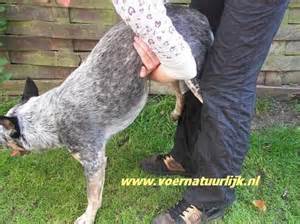
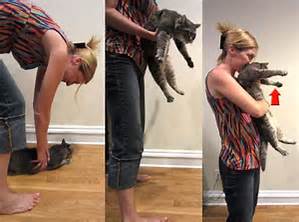
  1. If you have no luck dislodging the object by manually removing it, pick your dog up and place his back against your chest. Put both hands under his waist area behind the ribs. Make a fist with your hands, place them behind the last rib, and rapidly push up and in 5 times.
    • If your dog is too heavy to lift, stand behind him, place your arms around him under the rib cage, make a fist with both hands, and pull in and upward rapidly 5 times.
    • If your dog is unconscious and too heavy to lift, lay him on his right side. Kneel beside him with his legs pointing toward you. Place one hand on the other and place the palm of the bottom hand right behind his ribs. Push in and up 5 times rapidly.
  2. Open your dog’s mouth again and look for any foreign object dislodged during the abdominal thrusts you just performed. Move your finger around in his mouth to dislodge and remove the object.
  3. If the object still hasn’t been dislodged, with your dog on the ground, put your hands in front of his hips, then lift and suspend him with his head toward the floor.
    • If he’s too heavy to lift, lift his back feet, until his head is lower than his hips.
  4. Recheck your pet’s mouth and use your finger to feel for the object and remove it.
  5. If this doesn’t work, put your dog in a sitting or standing position and use the palm of your hand to deliver 5 sharp blows to his back between the shoulder blades.
  6. Open your dog’s mouth to check again for a foreign object. You might want to use a small flashlight to get a better look inside. Use your fingers to try to find and clear the object.
  7. Until the object is dislodged, continue to repeat the above steps.
  8. If your dog loses consciousness, give him 5 breaths followed by 5 abdominal thrusts and continue these 2 steps (breaths and thrusts) until the object is dislodged.

As soon as the object is dislodged, check your dog’s airway, breathing, and heart rate. Perform CPR if necessary and get your dog to your veterinarian or an emergency animal hospital immediately.

How to Perform the Heimlich Maneuver on a Cat or Small Dog


https://youtu.be/nmNl9X50jxk


Pet CPR

The American Red Cross conducts local pet CPR classes for dog and cat owners, pet caretakers, and anyone who is interested in saving the lives of animals.  I participated in this training and I would highly encourage any animal lover to do so..it is time well spent!

Their formula makes the technique simple to remember in the event of an emergency:

  • A is for Airway
  • B is for Breathing
  • C is for Circulation and Chest Compressions

Dr. Becker’s Comments:

The need to resuscitate your beloved pet in an emergency isn’t something most pet owners want to think about.

But it’s better to be safe than sorry, especially when it comes to saving the life of your dog or cat.

The American Red Cross’s ABC’s of Pet CPRdog CPR Nose

A = Airway

If you find your pet unconscious and you don’t know the cause, it’s very likely he has choked on food, a toy, or a foreign object.

Open his mouth and check for a visible obstruction. Try to remove it, but take care not to put your fingers in the mouth of a conscious, panicked dog that might bite you. Instead, try to use a tool to remove the object – pliers or perhaps tweezers.

If you can’t see an obstruction or can’t get to it, use abdominal thrusts or back blows to try to dislodge it.

Place a hand on each side of the animal’s rib cage and apply quick, firm pressure in three to four bursts.

You can also place your pet on his side and strike the side of the ribcage firmly with the palm of your hand three to four times. Repeat these three to four count bursts until hopefully, the object is dislodged.

B = Breathing

If your pet isn’t choking but also isn’t getting air into her lungs, you’ll need to breathe for her.

If the animal is a cat or a small dog with a muzzle (nose and mouth) small enough to fit entirely in your mouth, put your mouth over your pet’s muzzle. Exhale and watch for the chest to rise.

If your dog’s muzzle won’t fit in your mouth, hold her mouth closed, put your mouth over her nose and exhale into her nostrils, again watching for the chest to rise as you breathe air into her lungs.

C = Circulation followed by chest compressions if necessaryDog chest compressions

If your pet is unconscious or unresponsive, check for a heartbeat where the elbow of the left front leg contacts the chest. You should only perform chest compressions in the absence of a heartbeat.

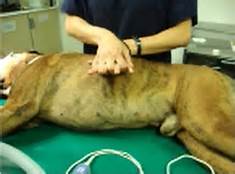
If you can’t detect a heartbeat, lay your pet on his right side. For an animal 30 pounds or smaller, place a hand on each side of the ribs where the elbows contact the chest. Squeeze or press gently several times in rapid succession.

For a dog over 30 pounds, you’ll need to cup your hands and place them over the widest area of the chest. Perform rapid chest compressions of one to three inches, depending on the size of the dog.

For an animal under 90 pounds, you’ll need to give one breath as described under B, above, for every five chest compressions so the animal is getting 30 breaths per minute.

For a giant dog 90 pounds or heavier, you’ll need to do one breath for every 10 chest compressions, which will give him 20 breaths per minute.

This is a lot of fast work in a short amount of time. If there’s another person available to help, one of you should do the compressions while the other does the breathing.

Preparation is Priceless

If you want to be prepared for any emergency with your pet, I recommend attendance at a local American Red Cross pet CPR class so you can receive hands-on training using a mannequin.

When you get home to your own pet, you can get familiar with finding her heartbeat and practice placing your hands in the proper position for chest compressions. You don’t want to practice breathing or actual compressions on a healthy animal, however.

You can find other resources on the Red Cross website as well, including dog and cat first aid handbooks.

You can also view an instructional pet CPR video here.

https://youtu.be/0AFrUiRIeVo


Vet Checks- What’s is all about?

By Dr. Becker and Diane Weinmann

dog with vet
dog with vet

When you take your dog or cat for a wellness exam, do you have any idea what your veterinarian is looking for as he or she pokes, pushes, prods and palpates your pet? My educated guess is, probably not! I know I don’t have a clue….but I do ask and you should too!

While some vets are quite forthcoming and explain what they’re doing and why each step of the way, others are considerably less communicative.

Of course, some clients aren’t especially interested in the details of their pet’s physical exam. But if you’re curious about what your vet is doing and learning about your pet during an exam, I encourage you to ask questions. If an answer you receive is confusing, ask for clarification and don’t feel shy about asking what is normal and what is not!

Your Dog’s or Cat’s Physical Exam

The physical exam is a critically important part your pet’s wellness checkup. All body systems should be assessed to check for any abnormalities.

During the physical exam your vet should also check a pet’s weight, muscle tone, and joint range of motion, and measure the animal’s current status against past exam findings as well as norms for the breed, age, and gender.

The following chart provided by dvm360 with Dr Becker’s additions, may help you better prepare for your next veterinary wellness visit with your dog or cat.1

Body Part What Your Vet Is Looking For
Mouth ·         Signs of periodontal disease in teeth and gums

·         Bad breath

·         Tooth wear

·         Fractured teeth

·         Plaque accumulation patterns

·         Tongue coat and color

·         Gum hydration and color

Neck ·         Irregularities or changes in size of lymph nodes and thyroid gland

·         Cervical range of motion

·         Muscle tension from collar

Eyes ·         Signs of disease

·         Discharge

·         Squinting or tearing

·         Abnormal movement or reaction to light

·         Clouding of the lens

·         Iris health and irregularities

·         Eyelid, corneal, and sclera (the white part) health

·         Changes in vision

Ears ·         Signs of an ear infection (pain, tenderness, redness, swelling, yeasty smell, discharge)

·         Excessive wax

·         Color of the pinna (flappy part)

Heart ·         Weak or abnormal heart sounds

·         An abnormally fast or slow rate

·         Irregular beats or murmurs

Lungs ·         Wheezing, crackling, or other abnormal lung sounds
Abdomen ·         Any irregularities in the margins of the liver, spleen, kidneys, and bladder

·         Masses or tumors

·         Thickened intestines

·         Mammary chain abnormalities

Base of tail ·         Abnormalities in anal glands

·         Fecal mats

·         Evidence of soft stools

·         Growths

·         Parasites, like tapeworm segments and flea dirt

Legs ·         Limited range of motion in all limbs

·         Signs of pain or discomfort

·         Grinding sound in joints

Coat, skin, and nails ·         Poor overall quality of coat

·         Lumps and bumps

·         Warts and skin tags

·         Rashes

·         Areas of hair loss or excessive dander

·         Matted or saliva-stained fur

·         Fleas or ticks

·         Calluses

·         Ingrown, overgrown, or flakey toenails

·         Dehydration

Holistic vets will also palpate the vertebrae down the spinal column, assess joint range of motion and health, assess the body according to TCM (traditional Chinese medicine), ayurvedic or homeopathic principles, and assess pain or guarding behaviors as well as areas of tension, heat or cold.

This list is very comprehensive and most, if not all, of these areas are checked when I perform an acupressure session. The outcome or findings from checking these areas on your pet will help determine how to proceed with the acupressure session and what points will require work.

Other Tests Commonly Performed During Wellness Checkups

  • Complete blood count (CBC)
  • The CBC gives information on hydration status, anemia, infection, the blood’s clotting ability, and the ability of your pet’s immune system to respond. It provides a detailed look at the blood itself and reveals problems such as anemia or the presence of infection.
  • Urinalysis
  • The urinalysis is used to assess the overall health of your pet’s urinary tract, including the kidneys and bladder, and to check for other health indicators such as glucose regulation and liver function. A complete urinalysis measures the function of the nephrons in the kidneys and gives information about your pet’s metabolic and fluid status. The test is also used to evaluate substances in the urine that might indicate an underlying disease process.
  • Thyroid screenDecreased levels of thyroid hormones often signal hypothyroidism in dogs, while high levels indicate hyperthyroidism, commonly diagnosed in cats. Performing a complete thyroid panel is important, as measuring just a T4 may not reveal an underlying thyroid problem.
  • The thyroid screen helps diagnose thyroid disease, which is an especially common ailment in older cats and dogs. T4 (thyroxine) is a thyroid hormone.
  • Glaucoma screen
  • Glaucoma testing measures the pressure in each of your pet’s eyes quickly and painlessly. This is an important test because undetected glaucoma can lead to permanent blindness.
  • Retinal exam
  • This eye test is used to check for evidence of problems deep in the eyes by viewing the structures beyond the lens, through the pupil. The retinas should be healthy and there should be no signs of bleeding, degeneration, inflammation, or detachment.
  • Blood pressure measurement
  • This test checks your pet for hypertension (high blood pressure). Like humans, pets with hypertension are at significantly increased risk for kidney problems, heart disease, blindness, and other complications. Cats are especially prone to high blood pressure.
  • X-raysAbdominal x-rays can be used to assess the liver and kidneys. X-rays best define problems within the skeletal system, such as arthritis and bone tumors.
  • Since many vet clinics don’t have digital x-ray equipment and their x-rays still involve radiation, I don’t typically order them unless the results of other tests indicate a potential problem requiring further investigation.
  • Radiographs (x-rays), if indicated, can also be helpful as part of a pet wellness checkup. If your vet finds abnormalities on physical examination, digital x-rays may be needed to identify the underlying problem. Chest x-rays, for example, can reveal certain things about the heart and lungs.
  • SNAP 4Dx Plus or Accuplex4 (dogs)
  • These tests check for tick-borne illnesses, including heartworm, Lyme disease, ehrlichiosis, and anaplasmosis. They should be done once or even twice a year for dogs living in areas where ticks are a problem.
  • FeLV/FIV testing (cats)These viruses can suppress the immune system and lead to secondary infections, anemia, and even cancer. Early identification of viral positive cats gives you the best chance of managing infections optimally. As an involved, hands-on guardian, you are in the best position to make informed decisions for your pet — decisions that may not always agree 100 percent with the recommendations of your veterinarian.
  • Let me give you an example: I went to my vet for my husky, Neko. He was due for his shots and I was prepared to tell the vet what I wanted and why. They seemed surprised but understood that I was prepared for this visit. I discussed the Lepto shot at length with the vet talking about the pros and cons and the how my dog could come into contact with the disease. After careful consideration I decided that they vet’s responses to my questions and the type of area I frequently walked my dog necessitated him receiving the shot. After I agreed and he received the shot I found out that the shot actually only works for approximately 5 different strains of Lepto while there are 50 or more strains to the disease! I was not a happy camper. Needless to say, my dog has not received the shot again. Be wise people, consider carefully. I am not hating on vets – I love them, in fact, some of my favorite people are vets; however, we all have our unique way of looking at health and wellness. Make sure it’s the appropriate choice for your pet!
  • Partnering with your veterinarian in the care of your dog or cat should always be the goal. While it’s true your vet is the degreed veterinary professional in the partnership, you know your pet better than anyone, and are therefore the primary advocate for your animal companion. Tell your vet what you have observed, any behavior changes or anything you can think of that could make a difference to the quality of life your pet may have.
  • When it makes sense (like if you’ve just rescued a kitty or your cat has never been tested), these tests are run to check for the presence of the feline leukemia and feline immunodeficiency viruses. These viruses can suppress the immune system and lead to secondary infections, anemia, and even cancer. Early identification of viral positive cats gives you the best chance of managing infections optimally.Partnering with your veterinarian in the care of your dog or cat should always be the goal. While it’s true your vet is the degreed veterinary professional in the partnership, you know your pet better than anyone, and are therefore the primary advocate for your animal companion. Tell your vet what you have observed, any behavior changes or anything you can think of that could make a difference to the quality of life your pet may have.

    As an involved, hands-on guardian, you are in the best position to make informed decisions for your pet — decisions that may not always agree 100 percent with the recommendations of your veterinarian.

    Let me give you an example: I went to my vet for my husky, Neko.  He was due for his shots and I was prepared to tell the vet what I wanted and why.  They seemed surprised but understood that I was prepared for this visit.  I discussed the Lepto shot at length with the vet talking about the pros and cons and the how my dog could come into contact with the disease.  After careful consideration I decided that they vet’s responses to my questions and the type of area I frequently walked my dog necessitated him receiving the shot.  After I agreed and he received the shot I found out that the shot actually only works for approximately 5 different strains of Lepto while there are 50 or more strains to the disease!  I was not a happy camper.  Needless to say, my dog has not received the shot again.  Be wise people, consider carefully.  I am not hating on vets – I love them, in fact, some of my favorite people are vets; however, we all have our unique way of looking at health and wellness.  Make sure it’s the appropriate choice for your pet!


Seizures in Dogs

Seizures in Dogs german-shepherd-12270656

You dog is perfectly healthy one minute and the next he’s having a seizure. It may be small or it may be a long lasting one.  What do you do?

Your veterinarian can perform several tests to help ascertain the cause of seizures, including CBC, chemistry panel, liver function test, and advance imaging of the brain (i.e., CT or MRI scans). However, it is helpful if you note when the attack occurred, the duration of the seizure, and what the dog was doing prior to the incident.

As your dog is having a seizure, don’t put anything in his mouth. Dogs cannot choke on their tongues. If you can, time the seizure – it is important info for your vet.

If the seizure lasts for more than a couple of minutes, your dog is at risk of overheating. Turn a fan on your dog and put cold water on his paws to cool him down. The longer a seizure goes on, the higher a dog’s body temperature can rise, and he may have problems breathing. This can raise his risk of brain damage. Your vet may give your dog IV Valium to stop the seizure.

Talk to your dog softly and gently touch him to assure him if you feel it is safe to do so.

What Should I Expect When I Take My Dog to the Vet?

Your vet will want to do a thorough physical exam and get some lab work to look for the causes of your dog’s seizures.

Your vet may prescribe medicines to control seizures, like phenobarbital or potassium bromide. You can give your dog phenobarbital twice a day, but over time it can damage his liver. Dogs that take phenobarbital need blood tests about every 6 months.

Potassium bromide doesn’t work its way through the liver, making it a better choice for young dogs that need medicine for life.

Please note that the activity you observed is very important. In order to determine if seizures are due to an underlying disease or are a result of idiopathic inherited epilepsy, your veterinarian will consider the age and breed of your dog and the changes you observed, do various diagnostic tests to rule out other possible causes, and ask questions such as whether your dog may have been exposed to any toxins or possibly received a head injury.

My dog, Cocoa, went into numerous seizures because he ate rat poison that my husband put in a mole hole in the backyard—don’t ever do this! We had a happy outcome- $600 dollars later (and this was at least 15 years ago!) I like to spread the word since this episode that you NEVER, NEVER put chemicals or poisons in any area where your pet may wander especially in the house or back/front yard! Use natural deterrents and check to see if ingesting the product would cause harm to your pet before you use it!   The sudden onset of frequent seizures usually indicates an active brain disease (except in my poison scenario above), whereas otherwise normal animals that have a few seizures a year likely have idiopathic epilepsy.

Prevention

Most forms of prevention will depend upon the frequency and underlying cause of the seizures. Your veterinarian may prescribe medication(s) or, if there is a behavioral cause (loud surroundings, etc.) to the seizures, he or she may teach you techniques for avoiding such triggers or direct you to a behavioral specialist

Seizures from unknown causes are called idiopathic epilepsy.  They usually happen in dogs between 6 months and 6 years old. Although any dog can have a seizure, idiopathic epilepsy is more common in border collies, Australian shepherds, Labrador retrievers, beagles, Belgian Tervurens, collies, and German shepherds.

A Private Goodbye Ritual

Rainbow bridge with animalsYou have lost one of the loves of your life.  Your beloved pet.  How do you deal with the pain, grief and go on living day to day.  It is not easy, but love rarely is.  Honor your pet, your love for them and their meaning in your life.  Maybe these tips below will help you in that task:

How to Prepare:


Take some time out from your busy schedule

Set aside a half hour or more

Find a quiet, comfortable place to sit.

Play a piece of music that opens your heart


While this time of loss is sad and painful, it helps to take a moment in silence to reflect on the memories of your beloved pet.


Take a moment – Sit in a place where you will be undisturbed for a while and make it a sacred moment.

Reflect – Consider what a privilege it has been to have shared your life with such a special soul.  Consider that each of our pets is assigned to us for a particular reason and for a specific length of time.

Recall the lessons and the love.  As you hold your pet’s memory in your heart, reflect upon how he/she came into your life and what you learned from them.

Know that you are richer.  Focus on this until you rise above the tears and you become aware of a wealth of experiences that made your life richer in so many ways.

Celebrate a life.  Take joy in these memories and let them lighten your heart.

wishing