The Dog Scoot is not the Dance you want to See!

By Dr. Karen Becker DVM


The ‘What’ and ‘Why’ of Canine Anal Glands

Your dog’s anal glands or sacs are small and oval-shaped and sit just inside the rectum on either side of the anus at about the 8:00 and 4:00 o’clock positions. They’re located within the muscle of the anal sphincter and the tiny openings to the ducts aren’t easily visible along the anal mucosal junction.

The glands secrete an oily substance with a potent odor that humans perceive as unpleasant, to put it mildly. This fluid may function as a territorial marker in the world of canine communication, allowing dogs to leave personal biochemical information for other dogs to investigate.

When your dog poops, if the stool is of normal consistency, the oily fluid is expelled from the anal glands through tiny ducts and onto the feces. Anal glands empty from the pressure of the stool as it passes through the rectum and anus. This is a useful design of nature, but unfortunately, today’s dogs often have loose stools or irregular bowel movements that don’t provide sufficient pressure against the anal glands during evacuation.

“Scooting,” as the behavior is affectionately called, signals an itchy or irritated backside. Once in a great while, the problem is caused by tapeworms or other parasites in which case there are usually other symptoms such as weight loss, poor coat or skin condition, a distended or painful abdomen, or diarrhea.

You might also see worm segments near your dog’s anus, but other parasites that cause an itchy anus and an irritated rectum are microscopic and require a stool analysis for correct diagnosis.

Scooting can signal a problem like a perianal tumor or irritation caused by diarrhea or a perineal yeast infection, but most often the reason is an anal gland issue. Your dog is dragging or scooting her bottom across the floor to try to relieve the discomfort of inflamed, infected or impacted anal gland(s).

Impactions, Infections, Abscesses, and Tumors

When a dog’s anal sacs malfunction, it’s most commonly a problem of impaction. This occurs when the oily substance builds up in the glands and thickens and isn’t expressed, resulting in enlargement and irritation of the glands. Anal gland infections are usually bacterial in nature and cause irritation and inflammation. As the infection progresses, pus accumulates within the anal gland.

An anal gland abscess is the result of an unaddressed anal gland infection. The abscess will continue to grow in size until it eventually ruptures. My recommendation for these extreme cases is to infuse the anal glands with ozonated olive oil or silver sulfadiazine (diluted with colloidal silver).

Anal gland tumors, classified as adenocarcinomas, are usually malignant. Occasionally anal gland tumors cause elevations in blood calcium levels, which can result in significant organ damage, including kidney failure.

Other contributors to anal gland problems can include obesity where there is insufficient muscle tone and excess fatty tissue, certain skin disorders, and infections. But in my experience, the three most common causes of anal gland problems in dogs are diet resulting in loose stools, trauma to the glands, or the position of the glands.

Cleaning Up Your Dog’s Diet

The unnecessary carbohydrates found in commercial pet food are allergenic and inflammatory, especially to your dog’s digestive system. The last part of your dog’s digestive tract is her rectum, anus and anal glands, which tend to be excellent indicators of food-related irritation.

If your dog is experiencing recurrent anal gland issues it means there’s systemic inflammation present and the first thing you should do is address the most logical causes of inflammation, the first step being food. Eliminate excess inflammatory foods from her diet, including all sources of grains and legumes. Stop feeding any food that contains corn, potato, legumes, oatmeal, wheat, rice or soy.

I also recommend ordering a NutriScan test to identify food sensitivities, followed by a novel diet depending on the results of the scan. When a dog is having a reaction to something in her diet, her body needs a break from that food. After determining her food intolerance(s), my recommendation is to introduce a novel diet to promote healing. This means transitioning her to a different food she isn’t sensitive to made up of ingredients her body isn’t familiar with.

Unfortunately, many dog foods claiming to contain “novel proteins,” don’t. In addition, pet food mislabeling is a widespread problem, so if you’re planning to go with a commercially available processed novel diet, be aware it will almost undoubtedly contain ingredients you’re trying to avoid.

The very safest approach, especially for the first few months, is homecooked meals that allow you to control virtually everything that goes into your dog’s mouth. Second best is a human-grade commercially available fresh food containing an uncommon protein, produced by a company you trust.

A common reason for sudden anal gland issues is an episode of acute diarrhea. If there is suddenly no pressure from firm feces to expel the contents of the glands, secretions can accumulate quickly, leading to scooting.

If your dog’s poop is frequently unformed, soft, or watery, her anal sacs aren’t consistently getting the firm pressure they need to empty on a daily basis and recurrent scooting may be seen. Feeding a nutritionally optimal, species-specific diet will address both food sensitivities and intermittent poor stool consistency.

Adding probiotics, fiber (for example, 100% canned pumpkin or slippery elm powder) and digestive enzymes to her diet can also assist in creating consistently firm stools. Address an episode of loose stools immediately with these suggestions and a bland meal to correct the bowel imbalance before it creates anal gland issues.

If your dog has regular episodes of diarrhea, you need to investigate the root cause as soon as possible. The most common reason pets have poop issues are problems with their food. You can find an in-depth discussion of food sensitivities and the havoc they can wreak on your pet’s health here.

Has There Been Trauma to the Anal Glands?

Many injuries to dogs’ anal sacs are caused by well-meaning but misguided groomers, veterinarians, and even pet parents. Many groomers are in the habit of expressing the anal glands of every dog they groom, as a part of “included services,” along with cleaning ears and trimming nails.

Routine expression of healthy anal glands is unnecessary, unpleasant for both dog and human, and potentially harmful, so if you take your pet to a groomer, make sure to mention that no anal gland expression is necessary. Over time, regular manhandling of these little sacs can interfere with their ability to function as nature intended.

Some veterinarians offer anal sac expression as an included service for pets who are being anesthetized for some other procedure. In addition, many veterinarians immediately express the anal glands if the owner mentions their dog scoots now and then. This approach doesn’t identify or address the cause of the problem, only the symptom.

And then there are dog parents who feel it’s in their pet’s best interest to express their anal sacs on a regular basis. Just as manually draining other glands in your pet’s body is unthinkable, expressing healthy anal glands can create problems.

If your dog is having recurrent or chronic anal sac issues, it’s important to identify the root cause rather than repetitively treating the symptom by manually expressing the glands.

The anal sacs are delicate little organs that can be easily injured through squeezing and pinching. They were designed to function optimally without assistance. Trauma to the glands causes tissue damage and inflammation, which in turn causes swelling. Swollen glands can obstruct the exit duct through which the fluid is expressed. If blocked secretions build up and thicken in the glands, it can lead to impaction and anal gland infection.

Sometimes, the Problem Is Structural

Certain dogs have anal sacs that are located very deep inside their rectums. As stool collects in the colon, the pressure should cause the glands to empty. But if a dog’s anal glands aren’t adjacent to where the greatest amount of pressure builds in her large intestine, they won’t express properly.

This is a situation that may require surgery to correct because the location of the glands is dictated by genetics.

Final Thoughts

If your four-legged family member is having anal gland issues, your veterinarian should investigate thoroughly to determine the cause of the problem rather than just treating it symptomatically by manually expressing the glands.

It’s important to try to re-establish the tone and health of malfunctioning glands using a combination of dietary adjustments, homeopathic remedies, and natural GI anti-inflammatories. Sometimes manually infusing the glands with natural lubricants or herbal preparations can help return them to normal function.

The goal should be to resolve the underlying cause and return your pet’s anal glands to self-sufficiency. If your dog doesn’t have anal gland issues, I recommend telling both your groomer and your veterinarian to leave these little glands completely alone to avoid problems down the road.


Advertisement


Is a Thyroid Problem Causing Your Pet’s Wasting or Obesity?

Is a Thyroid Problem Causing Your Pet’s Wasting or Obesity?

By Dr. Karen Becker DVM

Both dogs and cats experience disorders of the thyroid, but they’re usually affected in different ways. Dogs much more commonly develop hypothyroidism, or low thyroid hormone (thyroxine) levels, in the age range of 2 to 7 years.1 Cats, on the other hand, almost always develop hyperthyroidism, or high thyroxine levels, and it tends to occur in middle-aged and older kitties.

Thyroxine is an extremely important hormone in the body, playing an essential role in food metabolism, growth and development, oxygen consumption, reproduction and resistance to infection.

Causes of Canine Hypothyroidism

Your dog’s thyroid gland is a small butterfly-shaped organ in his neck at the base of his throat, with one lobe on each side of his trachea. There are a variety of things that can cause this little gland to fail. One is an immune system disorder called autoimmune thyroiditis, which means the body is attacking the tissues of the thyroid gland.

In response, the thyroid will first try to compensate by producing more and more hormone (thyroxine). But after a while, the gland becomes depleted. It’s at this point your dog develops symptoms of the disorder and is diagnosed with hypothyroidism.

Another way your dog can become hypothyroid is if the gland begins to shrink with age or becomes inflamed, producing less and less hormone over time, until eventually it doesn’t produce enough to support normal biological processes. A nutritional deficiency of iodine, tyrosine or the body’s inability to convert the amino acid phenylalanine to tyrosine can also result in hypothyroidism.

Other potential causes of hypothyroidism include certain medications, especially corticosteroids and exposure to endocrine disrupting toxins, including antigens in vaccines, which can ultimately lead to immune-mediated disease in the gland.

Symptoms to Watch For

Because an underactive thyroid affects so many bodily functions that rely on thyroxine, symptoms of the disorder vary widely and can be different from one dog to the next. Lack of energy, evidenced by frequent napping, exercise intolerance, or loss of interest in running and playing, is a hallmark sign of hypothyroidism. Other symptoms include:

Weight gain without increase in appetite or calorie intake Discoloration or thickening of the skin
Low tolerance for the cold Chronic infections of the skin or ears
Dull, dry, brittle, thin or greasy coat, dark coats can become reddish-brown Depression or mental dullness
Hair loss or failure to regrow clipped hair Slow heart rate
Dry, itchy skin and flakey nails Significant behavioral changes (e.g., aggression, head tilting, anxiety, compulsiveness, seizures)

If you suspect your dog has developed hypothyroidism, in addition to making an appointment with your integrative veterinarian, I encourage you to review this article for much more information on how the condition is diagnosed, including appropriate tests, and treating both simple and autoimmune forms of the disease.

It’s important to remember this condition doesn’t happen overnight and long before the diagnosis of clinical hypothyroidism there’s always declining thyroid levels, or “sluggish” hormone production (another great reason to include thyroid testing on your pet’s annual bloodwork).

If your dog’s thyroid levels are dropping over time but are still within range, “borderline” or “low normal” levels can be bolstered with a variety of thyroid stimulating nutrients, herbs and glandulars. I recommend partnering with your proactive vet to institute a protocol as soon as thyroid levels aren’t optimal to prevent fulminant disease.


Causes of Feline Hyperthyroidism

Feline hyperthyroidism is the most commonly diagnosed endocrine disorder in domestic cats, especially senior kitties. In fact, 95% of cats with hyperthyroid disease are 10 years or older.2 The disorder is typically caused by a benign tumor (adenoma) on the thyroid gland that causes overproduction of thyroxine, a situation that can cause serious, even life-threatening symptoms in cats.

Exposure to flame retardant chemicals (polybrominated diphenyl ethers, or PBDEs) has been linked to the development of hyperthyroidism in cats. PBDEs are recognized endocrine and thyroid disruptors.

In a 2015 study, researchers analyzed the blood from 60 pet cats for the presence of flame-retardant chemicals. The objective of the study was to evaluate the differences in the levels of chemicals in healthy cats vs. cats diagnosed with hyperthyroidism. Of the 60 cats in the study, 23 had normal thyroid function and 37 were hyperthyroid.

The study results showed that the hyperthyroid cats had higher blood levels of PBDEs on a fat weight basis; in essence, endocrine-disrupting environmental chemicals are making their way into our feline’s bodies at alarming rates.

Another earlier study suggested that flame retardant chemicals in house dust are linked to thyroid disease in cats. The study authors concluded that cats are primarily exposed to flame retardant chemicals by ingesting house dust — which occurs when they groom themselves.3

Housecats seem to have extraordinary exposure to PBDEs. In 2012, Swedish researchers demonstrated that serum PBDE levels in Swedish cats were about 50 times higher than in the Swedish human population,4 and a 2007 study showed that PBDE levels in U.S. cats were 20 to 100-fold greater than median levels in U.S. adults.5

A more recent study sheds even more light on the connection between flame retardant compounds and feline hyperthyroidism, suggesting that fish-flavored cat food could be a culprit.6 Scientists evaluated cat food and feline blood samples and discovered that the type of polychlorinated biphenyl (PCB) and PBDE byproducts found in both the food and blood samples are derived from marine organisms.

The researchers were also able to simulate the way in which the bodies of cats convert the type of chemical present in the food into the type of chemical seen in the cats’ blood samples.

Based on their results, the team concluded that the byproducts detected at high levels in cats’ blood samples likely came from fish flavored cat food and not exposure to PCBs or PBDEs. However, further work is needed to determine the link between the metabolites (byproducts) and hyperthyroidism.

Symptoms to Watch For, Especially in Cats Over 10

About half of all kittiesthat develop hyperthyroidism have an increased appetite, but ultimately, about 90% of them lose weight because a side effect of excessive thyroid hormone levels is an increase in metabolism.

Other symptoms of hyperthyroidism include high blood pressure; frequent vomiting; increased body temperature, heart and respiration rates (due to the up regulation of metabolic processes); hyperactivity, restlessness, nighttime yowling and eye problems in undiagnosed/untreated cases.

A combination of increased appetite, weight loss and sudden, unexpected bursts of energy in an older cat is a definite sign he or she may have an overactive thyroid. It’s important to make an appointment with your veterinarian as soon as possible.

If you suspect your kitty is hyperthyroid, in addition to making an appointment with your integrative veterinarian, I recommend reviewing this article for very important information on appropriate diagnostic tests, as well as information on how to both treat and prevent the disease.


Defining Senior Age in Dogs

Reviewed and updated for accuracy on May 13, 2019 by Dr. Hanie Elfenbein, DVM, PhD as seen in PetMD


Our pets are family no matter their age. We love senior dogs just as much as when they were puppies, but some of us might be in denial when it comes to admitting that they’ve entered their senior years.

And it can also be confusing knowing exactly when you should call your pup a senior, especially when that range is different for different breeds and sizes of dogs.

Here’s a guide for determining when your dog is truly considered to be a senior and recognizing signs of health issues so you can adapt her care to fit her needs.

Is There a Set Range for a Senior Dog’s Age?

According to the Journal of the American Animal Hospital Association (AAHA), the term “senior” can describe an aging pet, but the number of years a pet is considered to be “senior” varies.

Identifiers such as weight, breed and the state of their organs can also help determine if your pet has reached old age.

“Though many old guidelines talk about seven dog years being equal to one human year, the size of the dog really depends on the extent to which you can follow that rule,” says Dr. Heidi Lobprise, DVM, DAVDC, and spokesperson for the International Veterinary Senior Care Society.

For example, large dogs will typically age faster than smaller dogs. “For a dog between 20-40 pounds, these guidelines are more effective, but it’s not uncommon to see a geriatric Great Dane at age 7 or a Chihuahua in [his] 20s,” Dr. Lobprise says. 

In most cases, however, dogs can be considered senior between 5 and 10 years old.

“The terms ‘geriatric’ and ‘senior’ also differ,” Dr. Lobprise says. “While a dog may be considered senior, they’re likely still healthy or just beginning to experience signs of aging. Geriatric animals are at the older end of the aging spectrum and often experience more health-related issues.”

Signs of Aging for Senior Dogs

“There is a wide range of factors to help you recognize signs of aging in your pet—many of them similar to the signs of aging in people,” Dr. Lobprise says. Some of these factors may be more obvious, like an intolerance to exercise or limited mobility, while others are much more subtle.

Your pet’s behavior may also help indicate signs of aging. While cats don’t always show that something is wrong until their issues become more advanced, many dogs are more demonstrative and vocal with their discomfort.

Here are some things to keep an eye on:

Eating Patterns and Weight

You’ll want to monitor your dog’s eating patterns and body weight, as obesity can cause issues, including osteoarthritis and diabetes. A too-thin animal or dog that won’t eat could be having dental or stomach issues.

Sleeping Patterns and Cognitive Health

Sleeping patterns and cognitive behavior are also things to look out for. A dog that isn’t aware of his surroundings or has difficulty recognizing people may be experiencing early canine dementia.

Drinking Patterns and Urination

“A less obvious but just as important sign of aging is how much your pet is drinking and urinating,” Dr. Lobprise says. How much your pet is or isn’t drinking can be indicative of many problems, from endocrine issues to kidney disease.

Urinary incontinence in female dogs may also be a sign of trouble. It’s challenging to watch for, especially in multi-pet households, but should be monitored if possible.

Monitoring your dog’s urination and defecation on walks can be a useful tool. Even if both are normal, you may notice your senior dog being slower or more resistant to posturing.

Lumps and Bumps

Being aware of your pet’s overall body condition may also help you spot any abnormalities, like cancer.

“We’re keeping animals healthier and healthier now, and as our pet population is graying, an eventual cause of death is cancer, especially in specific breeds,” Dr. Lobprise says. “We need to be aware of lumps and bumps.”

Many dogs develop lumps and bumps while they age. Not every lump will need to be tested or removed, but keeping track of them can avoid problems. Lumps that are new, growing or are different from the other ones on your pet can indicate a problem.

Recognizing Common Diseases for Senior Dogs

“A very common and preventable disease that is prevalent in senior pets is dental disease,” Dr. Lobprise says. “While it’s not always a serious disease to have, it is one worth paying attention to and can change your dog’s demeanor if treated early and effectively.”

You can spot periodontal disease by smelling your dog’s breath and regularly checking their teeth and gums for signs of bacterial infection, such as inflammation, reddened gums and tartar.

Left untreated, dental issues can impact a dog’s heart, kidneys and the rest of the body. If dental disease is causing discomfort, it may make your dog not want to eat, which can lead to all sorts of other problems; that is why your veterinarian recommends regular dental cleanings.

Kidney and liver disease can be an issue for both cats and dogs, as can heart valve disease. Endocrine issues, including those impacting the adrenal glands and thyroid, can also affect aging dogs.

Hypothyroidism can make older dogs feel lethargic and potentially gain weight.

Unfortunately, Dr. Lobprise says, it’s more common for multiple problems to compound each other in senior pets than in younger animals.

Your pet’s cognitive function is also a common issue; are they aware of their surroundings? Do they recognize their people? There are minor, natural declines in cognition as a part of the aging process, but as it advances, it can disrupt a pet’s quality of life.

Working With Your Veterinarian

Dr. Lobprise recommends getting senior animals checked by their vets at least twice a year, complete with blood work, urine analysis and a full body examination, in addition to yearly dental cleaning, if needed.

Unfortunately, however, the AAHA reports that only 14 percent of senior animals have regular health screenings as recommended by their vets. Having just an annual exam may [allow an issue to] progress into something worse that can impact the life span of your dog,” Dr. Lobprise says.

“Whether it’s kidney disease, heart disease or cancer, the earlier something is caught, the better,” Dr. Lobprise adds.

Talk to your veterinarian about what and how much your pet is eating, as different conditions will require different dietary needs to maintain a healthy weight. Some senior pets benefit from prescription dog food diets aimed to help treat specific diseases.

You should also take into consideration their lean muscle mass and body score. Your pet could be the same weight as always, but they may be retaining fluids and losing muscle as a result of some illness. To help keep track and recognize changes in your dog’s weight, you can take photos or keep a body score chart at home.

Depression and anxiety can also be issues with older pets, so you’ll want to discuss this and any other behavior-related issues with your veterinarian. Your vet can provide you with prescription pet medication to help ease anxiety and behavior modification training tools, but you’ll also want to make sure their lives at home are as comfortable as possible.

“When looking at the senior or geriatric pet, there will be some rough days,” Dr. Lobprise says.  

As a pet parent, you can help your pets thrive in their senior years by first admitting that they are indeed seniors, taking them twice a year to the vet for a checkup, and looking out for any issues that require your vet’s immediate attention.

By: Jessica Remitz


At What Age Are Cats Fully Grown?

Reviewed for accuracy on September 30, 2019, by Dr. Jennifer Coates, DVM as seen in PetMD


When a child finally turns 18 years old, they are generally considered to be an adult.

But what about our feline family members? At what age are cats fully grown? How do you know when to start feeding them adult cat food?

Your cat will hit several different milestones that signify that she’s becoming an adult cat, but there’s no one magic age where a cat stops growing and maturing.

Although there’s no definitive age, there are general age ranges where most cats generally stop growing and reach adulthood. Here’s what you can expect as your cat makes that transition.

When Do Kittens Stop Growing?

“Kittens usually stop growing at approximately 12 months of age,” says Dr. Nicole Fulcher, assistant director of the Animal Medical Center of Mid-America, although they still may have some filling out to do. “A 12-month-old kitten is equivalent to a 15-year-old person. They are considered full-grown at 18 months of age—which is equivalent to a 21-year-old person.”

Even though many cats stop growing at 12 months, not all cats are done growing at this age. But if they are still growing, it will be at a much slower rate, generally from 12-18 months, so you can expect your cat to be very close to their full adult size at this point. But there may be some cats that can take up to 2 years to be fully grown.

Large breeds, in particular, can take longer. Maine Coons, for instance, might not reach their full size until they are 2 years old or so.

Milestones for Growing Cats

Here are some important milestones for kittens as they become adult cats:

  • Months 3-4: Baby teeth start to fall out and are replaced by adult teeth; this process is usually complete by 6 months of age.
  • Months 4-9: Kittens go through sexual maturation.
  • Months 9-12: A kitten is almost fully grown.
  • 1 year+: Kittens are just reaching adulthood.
  • 2 years+: Kittens are socially and behaviorally mature.

When Should I Feed My Kitten Adult Cat Food?

The right time to transition your cat from kitten to adult food is dependent on many factors. For most cats, around 10-12 months of age is appropriate.

However, a young Maine Coon who is struggling to keep weight on could probably benefit from remaining on kitten food until they are 2 years old or even longer. On the other hand, a kitten who is maturing quickly and becoming overweight on kitten food might benefit from switching at around 8 months of age.

Ask your veterinarian when your cat is ready to make sure you are meeting her nutritional needs.

How Often Should You Feed Kittens?

Most kittens should be fed free-choice until they are around 6 months old because of their high energy requirements.

“From 6 months to a year, an owner can feed three times a day,” says Dr. Jim Carlson, owner of the Riverside Animal Clinic, located outside of Chicago.

After a year, offering meals two times a day will work for most cats, but more frequent, smaller meals may continue to be beneficial for others.

By: Deidre Grieves


Going to Foster a Dog?

By Dr. Karen Becker DVM


Congratulations! You’ve made the decision to bring a foster dog into your home — or you’re seriously considering it. This is an altruistic act that will change the animal’s life forever, and is key to helping the approximately 3.3 million dogs that enter U.S. animal shelters annually.1

Not only is there simply not enough room to keep every dog in need of a permanent home in a community animal shelter, but such shelters are notoriously stressful places to be. As a result, dogs don’t show their true personalities, making it harder for them to get adopted.

It’s also common for animals to become sick in shelters, and the typical animal shelter environment, with its concrete floors, kennels and chaotic environment, is so traumatic for many dogs that it brings out behavioral issues, like fearfulness or excessive barking, that may keep them from getting adopted.

Imagine, then, that a dog that would otherwise end up cowering in a corner in a shelter kennel is able to instead spend his days waiting for his forever family while cozying up on a couch, in a home, with a temporary family to show him love and get him used to the routines of a household environment. Fosterers like you make that possible.

Getting Prepared for Your Foster

Once you fill out an application to foster a dog, be aware that your new foster could arrive sooner than you expect, so it’s a good idea to get prepared right away. While the animal shelter or rescue group that you’re fostering for will typically pay for veterinary care for the animal, you’ll need to supply basics, like food, shelter and other supplies.

Not knowing the personality of the animal you’ll be fostering, it’s also smart to prepare your home for your new guest much like you would do for a human toddler coming to visit: put away all items on the floor you don’t want investigated, keep electrical cords out of reach, and close off rooms you don’t want the foster pup to have access to.

Items to have on hand include food and water bowls (preferably non-plastic), a leash and harness, a pet bed, toys, food and treats. You’ll also need poop bags and a crate or pen. If your foster has had a negative experience with the crate, time in your home is a perfect opportunity to help them reframe this experience.

Next, decide where in your home you plan to keep these items, particularly where your foster dog will sleep, eat, go to the bathroom and spend time in his crate.

The biggest part of being prepared for a foster animal is knowing that your time with your pup will vary, and you’ll be working together to develop a relationship during this time, as well as care for a dog that may come with physical and behavioral challenges that need to be positively and appropriately addressed.

According to Second Chance Rescue, based in New York, the average time a dog spends in foster care is two weeks, but some dogs get adopted in a couple of days, while others may spend a month or more in foster care.2 In addition to caring for the dog in your home, some rescue organizations will ask their foster volunteers to bring the animal to adoption events to increase their chances of being adopted.

Making Your Foster Feel at Home

As soon as you bring your foster pup home, show him where to use the potty and where he can find a safe place to rest. This will help the dog feel less anxious, as he’s just been through a number of sudden, unpleasant experiences. You’ll want to do your best to keep his first hours and days in your home as calm as possible to help him feel at ease.

According to Karen B. London, Ph.D., who co-authored the book, “Love Has No Age Limit: Welcoming an Adopted Dog into Your Home,” “For introductions, that means having him meet every person in your household one at a time in a calm way with no pressure and perhaps some treats or toys if he likes them. He should also meet other dogs, cats and any other species in your household one at a time, with a break between each introduction.”3

During this time of transition, London also advises keeping the dog on a leash when you take him outside, even if you have a fenced yard. A stressed-out dog may run away and be difficult to convince to come inside when you call him, and he may also appreciate having you nearby when he’s outside.

Helping your foster dog feel safe, secure and loved is the primary goal of foster care. While you may want to engage in some brief positive training sessions, the goal right now isn’t to teach him obedience but rather trust and acceptance.

“He may know a lot or he may not even know his name or how to sit when asked. Perhaps he is too overwhelmed to learn much right now. Keep training relaxed and low-key. Consider it a fun way to interact with him rather than a way for him to learn any particular skills,” London says, suggesting that you want your foster dog to associate you with love and attention more than anything else.4

Fostered Animals Are More Likely to Get Adopted

Fostering a dog is rewarding for those who want to make a difference in a dog’s life without making the full-time commitment to adopting. And it’s a proven fact that fostering makes an immense difference to animals, helping dogs to get adopted into permanent homes.

In a comparison of 30 dogs put into foster care and 30 dogs that stayed in a shelter for one week or more, those given foster care had significant improvements in behavior and wellbeing. Specifically, dogs in foster care were rated as being more playful, happier, friendlier and confident than the shelter dogs, as well as showing less signs of insecurity, anxiousness, barking and repetitive behaviors.5

Not only will your love help your foster find a home faster, but it will open up space in shelters and rescues so more animals can get the help they need. It’s a win-win scenario for everyone involved — and sometimes foster parents even end up falling for their foster and becoming their permanent home.

The possibility of “foster failure” is just one more part of the job to be aware of, but when it happens, it’s still a winning scenario for everyone.


The Best Food to Avoid Shrinking Kitty Syndrome

By Dr. Karen Becker

If you’re a cat person, you’ve probably noticed that many kitties seem to get thinner as they get older. This isn’t your imagination — in fact, research shows that a decrease in body weight is quite common in kitties over 11 years of age.1

There are a variety of reasons older cats lose weight. Today I’m discussing dietary considerations, but it’s important to note that other factors, such as stress and certain diseases can also play a role. For more information on those issues, read Shrinking Kitty Syndrome.

Studies show that both protein and fat digestibility decrease in cats after age 10.2,3 Dietary fat contains more calories per gram than either proteins or carbohydrates, so if older cats’ ability to digest fat is limited, it can have a major effect on their ability to extract calories from food.4

Research also shows that about 20% of cats 14 years of age and older don’t digest protein efficiently.5 A compromised ability to digest both fat and protein is likely a major reason senior and geriatric cats lose both fat and muscle mass.

The cause of this phenomenon hasn’t been identified, but in my opinion, long-term consumption (often a lifetime) of ultra-processed cat food containing poor quality, hard-to-digest ingredients plays a significant role.

Reducing Your Older Cat’s Protein Intake Isn’t the Answer

For many years, the veterinary community’s answer to the problem of reduced protein digestibility in older cats was reduced protein diets to mitigate compromised kidney and liver function. However, reduced protein cat food can be a recipe for disaster, because we now know aging cats actually need more protein than their younger counterparts.

In the 1990s, retired veterinary nutritionist Dr. Delmar Finco discovered protein requirements actually increase as pets age. He demonstrated that even in animals with kidney failure, restricting protein didn’t improve their health or longevity.6

In fact, Finco’s research proved cats on low protein diets develop hypopro­teinemia, which is an abnormally low level of protein in the blood. The cats had muscle wasting, became catabolic (lost both fat and muscle mass), and lost weight. The more protein was restricted, the sicker these kitties became.

Finco discovered it was the level of phosphorus in foods, not necessarily the amount of protein that exacerbated kidney disease, and thanks to his groundbreaking research, veterinary recommendations have changed.

These days, we recommend a diet containing excellent quality (human grade) protein that is highly digestible and assimilable for animals struggling with under-functioning kidneys and livers. We also recommend restricting phosphorus in the diet, but not necessarily protein.

If your cat is in the later stages of kidney failure, as defined by the International Renal Interest Society (IRIS), a reduced amount of protein is suggested, but should still be offered in a high-quality, kidney-friendly fresh food format.

We now know that cats, as true carnivores, require lots of high-quality, human grade animal protein not only to maintain good organ and immune function, but also to maintain healthy muscle mass as they go through life and the aging process.

Not All Protein Is Created Equal

The quality of the protein you feed your senior cat is of utmost importance. Highly digestible and assimilable protein, coupled with high moisture content, is the type of nutrition that causes the least amount of stress on your kitty’s aging organs.

It’s sort of a well-kept secret, especially among ultra-processed pet food manufacturers, that protein quality is extremely variable. There are highly assimilable and digestible animal proteins (proteins your cat’s body can easily absorb and derive nutrition from), and there are plant proteins that are both biologically inappropriate and difficult to process.

All protein has a biologic value, which is its usable amino acid content. Eggs have the highest biologic value at 100%. Fish is a close second at 92%. Feathers, as you might guess, have zero biologic value. They are technically animal protein, but they are neither digestible nor assimilable.

There are also foods that are high in (plant) protein but biologically inappropriate for cats. Soy is a good example, with a biologic value of 67%. Many popular pet foods contain soy as a protein source, as well as corn. This is an inexpensive way for pet food manufacturers to increase protein content on the guaranteed analysis printed on the label. But because soy and corn are not species-appropriate, they don’t belong in your cat’s diet.

Since digestion and assimilation are not always measured for pet foods, manufacturers are not penalized for adding protein that has little to no nutritional value for the species of animal eating it. Call your pet food manufacturer and ask if their meat is human-edible quality. “Feed-grade” meat is substantially cheaper (and potentially much less assimilable), which is why 99% of pet food companies use it.

In addition to corn and soy (as well as other grains) that are inflammatory and incomplete proteins for carnivores, there are many other reasons not to feed carbohydrates to cats. Mycotoxins, GMO’s, glyphosate exposure and sugar load (which leads to lifestyle-induced diabetes), as well as obesity and arthritis are all solid reasons to avoid offsetting high quality protein with cheap fillers.

The Best Diet for Most Older Cats

Some foods are metabolically stressful; for instance, grains and potatoes prompt a big insulin release. The nutrition that generates the least amount of metabolic stress for most cats, regardless of age, is whole, unprocessed, organic, non-GMO, and minimally processed (raw or poached). This of course includes human quality animal meat, which should be the foundation of your kitty’s diet throughout her life.

Foods that have not been highly processed are the most assimilable for a cat’s body. All the moisture in the food remains in the food, whereas foods that have been extruded (most dry food) can have drastically depleted moisture content — as low as 12%.

If you can’t feed fresh food (raw or gently cooked), second-best is a dehydrated or freeze-dried balanced diet reconstituted with plenty of water. Your cat’s kidneys and liver can be further stressed as a result of chronic low-grade dehydration, so all foods served dry can pose a problem long term.

I recommend serving your cat food in its natural state to provide needed moisture, and to insure the highest level of biologic assimilation and digestion. That means feeding a nutritionally optimal, antioxidant rich, species-specific diet that includes omega-3 essential fats, such as krill oil.

Moisture is an aging cat’s best friend, so encourage yours to drink by offering a variety of glass, metal or food grade ceramic water bowls around the house or a drinking fountain, in addition to minimizing (or preferably eliminating) dry food.

However, if your kitty is addicted to terrible food, adding a whole body supplement, such as Feline Whole Body Support is a good idea. Adding bone broth to a dry food addict’s meal is also a great way to increase hydration and fluid balance.

Additional beneficial supplements include SAMe (S-adenosylmethionine) as a safe and effective way to stall mental decline, improve mobility and assist in liver detoxification. Consult your integrative veterinarian for the right dose size.

Periodic detoxification with milk thistle, superoxide dismutase (SOD) and dandelion can also be very beneficial, as can providing super green foods in the form of fresh cat grass to nibble on. Chlorophyll, chlorella or spirulina can also be offered in supplement form to enhance your cat’s detoxification processes.

Medium-chain triglycerides (MCTs) have been shown to be safe for cats and can improve brain energy metabolism and decrease the amyloid protein buildup that results in brain lesions in older pets. Coconut oil is a rich source of MCTs and may also reduce hairball issues. I recommend 1/4 teaspoon for every 10 pounds of body weight twice daily for basic MCT support, if your cat will voluntarily eat it.

For aging kitties with a cognitive shift that makes them prowl the house at night and vocalize, consider low dose melatonin, which is not only a sedative with a calming effect, but also an antioxidant. I also use rhodiola, chamomile and l-theanine with good results.

Tips for Encouraging Your Cat to Eat

If your kitty is eating ultra-processed pet food, again, my first recommendation is to try to slowly and safely transition her to a balanced, fresh, organic, non-GMO, species-appropriate diet made with human grade ingredients. Whether her diet is fresh or processed, however, the goal should always be to make sure your cat eats something.

Unlike dogs and humans, it’s dangerous for kitties to go any length of time without nourishment, as it can lead to a potentially fatal liver disease called hepatic lipidosis. Keeping your older cat well-nourished can require creativity along with some gentle prodding, and lots of patience. Things you can do to tempt her include:

Warming her food to bring out the aroma
Offering gently cooked food with a strong smell or topped with a sardine (packed in water)
Offering new food from a paper plate in case she’s developed an aversion to her food bowl for some reason
Offering a small selection of different flavors and textures of canned cat food or home cooked meat or bone broth
Enticing her with species-appropriate human food she has enjoyed in the past, such as warm baked chicken or salmon
If she’s addicted to dry food and refuses everything else, try adding warm water to each meal or add an aromatic enticement like tuna juice, warm goat’s milk, chicken broth or bonito flakes

It’s also important to make kitty’s mealtime a very low-stress, pleasant experience. Make sure you feed her in a calm, quiet environment that is optimally comfortable.


9 House Hunting and Moving Resources for Pet Owners

By Cindy Aldridge


Moving is stressful on we humans — and it’s no easier for the animal companions we share our homes and lives with. However, there are some steps we can take to make the house hunting and moving process a whole lot easier on ourselves and our beloved animal companions. For some tips on finding a pet-friendly home, planning a safe move, and helping our animal companions to settle into their new living environments, check out the nine resources below!

Find a Pet-Friendly Home

Looking for a Rental? 13 Steps to Finding Pet-Friendly Housing

Tips for Buying a Home With Pets

Parma Housing Market: House Prices & Trends

Plan a Safe Moving Day

Find a Moving Service Online

Tips on Moving With Your Pet

Find the Top 10 Pet Sitters Near You

Help Your Pet to Settle In at Home

Diane Weinmann Animal Communication and Healing Services

Tips for Settling Pets Into a New Home

10 Quick Tips for Conquering Pet Odors


When looking for a pet-friendly home or apartment, don’t underestimate the importance of working with an experienced real estate agent — even if you’ll be renting. Your agent can help you to find a home that meets the needs of you and your animal companions — whether you need parks and trails nearby, a fenced-in backyard, or a specific type of flooring for your pet. Whatever you’re looking for in your new home, an experienced real estate agent can help you to find it!

3 Remedies for Upset Stomach in Dogs

Katherine Smith, DVM, CVA, CVSMT


 When you have an upset stomach, you probably reach for ginger ale or crackers to settle your tummy. But what should you do when your dog’s stomach is out of sorts?

Here’s some information about the causes and symptoms of upset stomach in dogs and tips for how to make your pup feel better with natural remedies. 

Common Causes of Upset Stomach in Dogs

There are many reasons your dog may have an upset stomach, though there’s one common cause: they ate something they shouldn’t have, says Kathy Backus, DVM, at Holistic Veterinary Services in Kaysville, Utah.

“Dogs are curious like kids; they’re always putting things in their mouth,” she says. “Vomiting and diarrhea are signs that a dog’s body is trying to expel something that shouldn’t be in their system. In a healthy dog, it’s a protective mechanism of the body that’s totally normal.”

These are a few (of many) things that can trigger an upset stomach in dogs:

  • Ingesting something that they shouldn’t
  • Bacterial imbalances within the digestive tract
  • Chronic conditions such as food sensitivities

Symptoms of Upset Stomach in Dogs

The most common signs of upset stomach in dogs are diarrhea and vomiting. If your dog is nauseous, you may also see him eat grass to soothe his stomach or try to induce vomiting, says Jody Bearman, DVM at Anshen Veterinary Acupuncture, Madison, Wisconsin.

Watch for other signs of upset stomach in dogs, such as:

  • Decreased appetite or loss of appetite
  • Fatigue
  • Drinking less water
  • Seeming depressed
  • Looking uncomfortable and stretching more often (like they are attempting a downward dog)
  • Gulping to combat reflux
  • Licking their lips, the air, or objects

When to Call Your Vet

Monitor your pup’s symptoms. If your dog is consistently uncomfortable, or if the signs worsen at any point, call your veterinarian.

Watch for these signs:

  • Increasing discomfort
  • Vomiting or having an episode of diarrhea more than twice
  • Blood in their vomit or stool
  • Toy or other foreign object in their vomit or stool
  • Weakness or collapse

These can all be signs of something more serious, including pancreatitis, stomach bloating, a severe allergic reaction, or internal parasites.

If you realize that your dog has eaten something he shouldn’t have—a plant, food, toy, or chemical—you should seek immediate veterinary care.

If your primary veterinarian is unavailable, call your local emergency veterinary hospital. They will be able to advise whether your pet needs to be seen or whether you can continue to monitor him at home.

You can also call the ASPCA Animal Poison Control hotline at 888-426-4435 for a fee. They can also determine a poison’s level of toxicity and recommended care for your dog.

3 Remedies for Upset Stomach in Dogs

It is crucial to consult with your veterinarian before administering any home remedies to soothe your pup’s tummy troubles. If your veterinarian recommends at-home monitoring, these are a few ideas you can ask them about trying while you are at home with your dog.

Fasting

When your dog’s stomach is trying to get rid of something, it can be helpful to stop putting more things in their stomach for 12-24 hours, Dr. Backus says. “If the gastrointestinal (GI) system is having a tough time, you don’t want it to digest things.” 

Fasting may seem simple enough, but it’s important to speak with your veterinarian first because some dogs (particularly small breeds or those with prior health conditions) cannot tolerate fasting as well as others.

If your veterinarian does recommend fasting, ask whether they would like you to start a bland diet (and what they recommend) after the fasting period is complete.

Ice Cubes

When your dog is vomiting or has diarrhea, you want them to stay hydrated, but giving him too much water may make his stomach even more upset, Dr. Backus says.

Monitoring your dog’s water intake and discouraging gulping is important. Offer your dog ice chips to help encourage drinking.

If your dog can keep down small quantities of water or ice chips, you can gradually increase the amount and how often you are offering the water and ice.

Canned Pumpkin

When fighting indigestion and upset stomach in dogs, 100% canned pumpkin is a favorite of many holistic veterinarians.

“It has a low glycemic index, so it slowly absorbs, which helps with upset stomach and digestion,” Dr. Bearman says.

Make sure to get 100% canned pumpkin, not pumpkin pie mix, as you don’t want to feed your dog spices and other ingredients, she says. Check that there are no ingredients listed other than pumpkin (such as sugar or sugar substitutes).

According to Dr. Bearman, smaller dogs (approximately 5 pounds) can be fed one-half teaspoon of canned pumpkin, while larger dogs (approximately 75 pounds) can be fed 1 tablespoon.

Is Upset Stomach in Dogs a Sign of Food Allergies?

An upset stomach every once in a while can be normal in a dog, but if it happens often, it could signal that something is wrong in their GI tract, says Randy Aronson, DVM, of P.A.W.S. Veterinary Center in Tucson, Arizona.

If digestive upset is a frequent occurrence for your dog, discuss the possibility of a food allergy with your veterinarian. When food allergies are diagnosed in dogs, it is often an allergy to a protein source, which is why a more “novel” protein (one that your dog has never eaten) may be recommended.

There are many options on the market, but examples may include beef, buffalo, venison, or lamb.

How to Help Prevent Upset Stomach in Dogs

To help your dog maintain a healthy gut, consider giving them a prebiotic and probiotic, Dr. Aronson says. There are both prebiotics and probiotics that are made specifically for dogs, some of which are available over the counter. Be sure to ask your veterinarian if they have a particular brand recommendation.

Always talk to your veterinarian first to find out the best course of action.

How to Relieve Cat Stomach Issues

Reviewed for accuracy on August 28, 2018, by Dr. Jennifer Coates, DVM


When you’re hit with an upset stomach, you seek sympathy from your cat while contemplating the contents of your medicine cabinet. But cat stomach issues are different. If your cat throws up, or you wake up to the nasty reality of cat diarrhea, your kitty relies on you to find out what’s wrong and how to get her back on track.

Symptoms of Cat Stomach Upset

“Symptoms of an upset stomach in a cat include licking the lips, which is a sign of nausea, vomiting and refusing to eat,” says Dr. Elizabeth Arguelles, medical director and founder of Just Cats Clinic in Reston, Virginia. “Possibly the cat ate something it shouldn’t have, like a bug or a leaf of a plant.” Diarrhea may also develop if the problem affects the lower part of the gastrointestinal tract.

Dr. Mark Rondeau, DVM, BS, of PennVet in Philadelphia, Pennsylvania, says that while vomiting is the most visible sign of cat stomach upset, “a change in behavior, such as being less active or not interacting or hiding in unusual places—a lot of those behaviors are common in cats that may have upset stomachs.”

And no, those hairballs that suddenly appear on the new living room carpet are not the same thing as when your cat throws up. “This is an extremely common myth,” Dr. Arguelles says. “There’s a distinction between a hairball—which looks like a piece of poop made out of hair—and vomit, which may have hair in it along with partially digested food or bile.”

Dr. Rondeau adds that if a cat occasionally hurls a hairball—ejecting hair that isn’t processed out through the ‘other end’—it’s not something to worry about, but that “the reasons for feline vomiting can include a long list of things.”

Possible Causes of Cat Stomach Upset

Dr. Arguelles says frequent causes of cat stomach upset include switching cat food too frequently as well as intestinal parasites. Dr. Rondeau adds that parasites are especially common in young cats and kittens.

Both Dr. Arguelles and Dr. Rondeau say that food intolerance, food allergies and inflammatory bowel disease (IBD) also commonly lead to an upset cat stomach. More serious causes, such as gastrointestinal cancers, kidney disease and hyperthyroidism, can also result in vomiting.

If you are worried that your cat is sick, seek veterinary care immediately, says Dr. Arguelles.

How To Cure Cat Stomach Upset

Detecting what’s behind your cat’s vomiting is crucial, and that means a trip to the vet.  A cat who throws up multiple times in a day or who has not eaten in 48 hours needs to see a vet immediately.

Dr. Arguelles says, “Veterinarians have anti-nausea medication that can be given as an injection or as an oral tablet (Cerenia)” as well as medications to help with diarrhea and poor appetite. A temporary switch to a bland diet may be recommended until the cat’s symptoms subside. 

In some cases, a veterinarian will recommend heartworm medicine for cats or a prescription dewormer for cats. “A cat that is vomiting more than once per month should be examined by a veterinarian, who will deworm—or recommend your cat be on monthly prevention with Revolution, Advantage Multi or Heartgard,” says Dr. Arguelles. Many heartworm medicines for cats also kill some of the intestinal parasites that can cause cat stomach upset.

She says a vet may also recommend abdominal radiographs (X-rays) to check for an obstruction, foreign body or other problem, or lab work to seek underlying metabolic causes of vomiting, such as kidney disease and hyperthyroidism. 

“In cases that have normal labs and radiographs, your vet may then recommend an abdominal ultrasound to visualize the layers and thickness of the stomach and intestines. Sometimes, we find foreign material that wasn’t visible on radiographs, other times we find thickening of the intestines and enlargement of lymph nodes—and then we are looking at either inflammatory bowel disease or gastrointestinal lymphoma,” she says. “The only way to determine which of these diseases is present is through intestinal biopsies.”

Dr. Rondeau says if your cat has just started vomiting or is suddenly “lethargic, won’t eat or is hiding, definitely bring him to the vet. But we also see a lot of cats with chronic vomiting… In those cases, maybe they aren’t lethargic, but the owners notice some vomiting and see the cat has lost weight … for those, it is definitely time to check with the vet.”

Preventing Cat Stomach Issues

Once the serious issues are ruled out, you can work on helping to avoid future cat stomach issues.

“The three things that you can do to promote good digestive health in cats are placing them on monthly prevention that deworms them for intestinal parasites, feeding them a balanced diet (not raw and not homemade), and taking them to the veterinarian at least yearly,” says Dr. Arguelles. As long as your cat is healthy, “if you are feeding a high-quality diet, your cat’s digestive health will be good.”

High-Quality Diets for Cats

Dr. Rondeau agrees that a high-quality diet is key, along with “avoiding table scraps. It is mostly about consistency for cats. If yours is happy to eat the same thing and is getting that balanced diet, don’t switch brands or flavors. We might project onto them that they are bored with whatever brand and taste, but rapid diet changes can create problems.”

When cats develop diarrhea, a diet change alone can fix the problem about half the time, explains Dr. Arguelles. “Diarrhea is frustrating in that even if we treat appropriately and make the right changes and recommendations, it can take several days to clear up.”

She recommends a vet visit if a diet change doesn’t help or if your cat is vomiting, lethargic or has other worrisome symptoms.

Prescription Cat Food

Cats with fiber-responsive diarrhea “will respond to adding fiber to the diet. You can do this by feeding Royal Canin Veterinary Diet Gastrointestinal Fiber Response cat food, a prescription cat food that includes brewers’ rice, B vitamins and psyllium husk seed, among other ingredients, or by adding canned pumpkin or Metamucil.” Nummy Tum-Tum Pure Organic Pumpkin is 100% organic pumpkin that can be mixed with dry or canned cat food to help provide some relief to your cat’s stomach.

Dr. Rondeau says that a tablespoon of pumpkin with a cat’s food is also often a recommendation for cats with constipation, but adds that “Pumpkin is fibrous, but Metamucil or similar supplements will offer more fiber per volume.”

Probiotics for Cats

Additional help for cat diarrhea may come from probiotics for cats, which Dr. Rondeau describes as “A colony of good bacteria that can populate the cat’s GI tract [and is] good for the gut health.”

Dr. Arguelles says that when the good bacteria thrive, the bad bacteria are crowded out. “Not all probiotic supplements are created equal,” she says. “The probiotics I recommend include Purina’s FortiFlora and Nutramax’s Proviable.”

Both Nutramax Proviable-DC capsules and Purina Pro Plan Veterinary Diets FortiFlora probiotic cat supplement contain live microorganisms, and FortiFlora includes antioxidant vitamins E, C and beta-carotene. Both can be sprinkled on, or mixed in with, your cat’s food.

Monitoring your cat’s activity and being aware of changes in her habits, as well as working closely with your vet, is the best way to promote a healthy cat stomach.

By: Kathy Blumenstock


How communication between veterinarians and a canine (and feline) massage therapist (CCMT or CFMT) can ensure a safe treatment plan for your clients.

How communication between veterinarians and a canine (and feline) massage therapist (CCMT or CFMT) can ensure a safe treatment plan for your clients.

As seen in Innovative Veterinarian Care

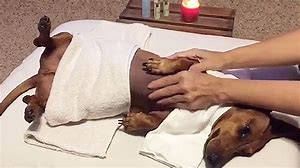
Massage therapy can be a valuable addition to a clinic’s treatment options. Whether a client or their veterinarian initiate the idea of supportive massage therapy, the benefits for the patient and the potential for successful treatment will increase with good communication on behalf of the veterinarian and certified canine (and feline) massage therapist (CCMT or CFMT).

Appropriate processes when working with a CCMT or CFMT

Vets may come across reasons for their clients to consult a CCMT or CFMT and should keep them in mind for referrals. Veterinarians are all familiar with the need to forward the relevant medical history of a patients’ condition to a referral specialist/practitioner. This communication is just as important when referring a client to a CCMT or CFMT. Ideally, with the clients’ approval, the pertinent medical history and any treatment restrictions should be forwarded to the therapist. This will help reduce potential problems or misunderstandings that could negatively impact the patient or slow achievement of the desired outcome.

A CCMT or CFMT will likely become aware of some contraindications through their interview and intake history notes, however clients may not remember or think to disclose particular conditions. Getting permission from the client to contact the animals’ veterinarian can be crucial for a successful outcome in some cases.


Contraindications and caveats

There are a number of contraindications and caveats that a veterinarian should inform a massage therapist about before starting treatment. If a CCMT or CFMT does not know these contraindications beforehand, it can pose risk to the patient and prevent proper treatment. Contraindications and caveats include:

Acute pain and/or inflammation – Injury resulting in severe pain, heat, and/or inflammation should be examined by a vet first. Massage can only begin after the area of pain, heat, and/or inflammation has been resolved.

Cancer – Light massage, especially acupressure, can be used safely for the palliative process, otherwise massage will increase lymphatic flow, increasing the potential for cancer cell metastasis.

Circulation problems – Massage in the case of edema is safe in short, frequent sessions. As for hematoma, massage could be dangerous, as it may cause small blood clots to break away and migrate to the heart, lungs, or brain.

Dermatological conditions – Mange, hot spots, septic foci, or ringworm can be severely aggravated by massage, so the therapist must be sure the patient is receiving veterinary care, and massage may only be done in non-affected sites.

Infectious or contagious disease – Do not massage in the case of these types of diseases, including Kennel Cough, Distemper, Infectious Enteritis, or any viral or bacterial related illness. The possibility for contamination of equipment, including hands and clothing, is too great, and spreading such an infection is too easy. In the case of fever (when the body temperature exceeds 38.5 C +/- 1 degree), massage may work against the immune system and the body’s ability to regulate temperature, and the infection could also spread deeper into the body.

Post-surgery – Hemorrhaging could result in areas not fully healed, therefore massage may only commence two weeks after surgery, or once the sutures have been removed, and only in areas that are remote from the surgical site. The surgical site will not be massaged for at least another six weeks after this.

Pregnancy – Neck, arm and leg massage is okay, but massage cannot be done over the abdomen or low back where the fetuses could be disturbed and labor triggered prematurely.

These are just some of the potential contraindications, and there are details on more including after meals, diabetes, epilepsy and heart conditions.

Conclusions

Keeping each other in mind and sharing our experiences with our patients as we go along is always helpful, especially as the pet’s healthcare needs change. For the most part, information will be communicated back and forth through the clients and it will be important to encourage them to share certain information between the therapist and veterinarian as is required.

It is crucial to establish good communication right from the start, prior to the animal’s first massage appointment to ensure lines of communication flow smoothly between vet and therapist from that point on throughout the animal’s life.