Reviewed and updated for accuracy on January 2, 2019 by Katie Grzyb, DVM
As seen in PetMD
Behind every cat behavior there is a reason, and understanding some basic—and natural—cat behaviors may save you a great deal of time and energy when your cat is scratching at your carpets and furniture—and your patience.
But before you start trying to deter your cat’s scratching, it is important to understand why cats scratch and why it’s such an essential part of their overall health and happiness.
Why Do Cats Need to Scratch?
Dr. Leslie Sinn, CPDT-KA, DVM, and founder of Behavior Solutions for Pets, explains it like this, “Scratching is a normal behavior for cats. They do it to physically stretch as well as maintain their claws (in preparation for hunting). Vigorous scratching helps to dislodge old nail covers, expose the new growth underneath, and is also used by cats to mark their territory.” Dr. Sinn adds that it is really only when cats are scratching our furniture do we label it destructive.
Why does this matter? Scratching is a natural and healthy behavior for cats, so you should be redirecting the behavior rather than trying to stop the behavior. Lisa Stemcosky, CCBC, CPDT-KA, SBA, founder of Pawlitically Correct, a behavior modification and training organization, is known for her work in the shelter animal community. She puts it like this, “Cats aren’t intending to be destructive when they are scratching items in the home. Scratching is an instinctive behavior for cats, they have to do it. They scratch for many reasons. They scratch to groom their claws, to mark territory both visibly and with scent, when they are excited, and when they are stressed.”
Cat scratching is imperative in keeping cats healthy and well-balanced, so it is important that we give them the things they need to do it in a productive way. You wouldn’t withhold cat food or water from your cat, so why withhold something else they need to thrive?
Stemcosky explains, “Because scratching is so important to cats, you don’t want to alter the behavior. But, you can teach cats to scratch in the appropriate places. Cats want to scratch in social areas and areas that are important to them.”
Redirecting the Behavior
Stemcosky explains, “First, you’ll want to make the areas that you don’t want them to scratch undesirable. For example, if your cat is scratching your sofa, you can put foil over the area that they are scratching. But you need to add appropriate scratching surfaces in that area for your cat. A study showed that cats prefer a tall, sturdy post covered with sisal. In addition to providing cats with an appropriate scratching substrate, you should reward them for using it, a yummy treat when you see them investigate it or scratch on it.”
Does your cat prefer to scratch sides of furniture or your carpets? If she is a side-of-the-couch scratcher, start with a cat scratching post or hanging cat scratcher. If she is a carpet scratcher, try something horizontal like cat scratch boxes to mimic the floor she enjoys so much.
Which substrate does your cat prefer? As Stemcosky explained, sisal is a popular choice among the feline community, but there are a variety of other options out there. Try something made of recycled cardboard or carpeting.
Once you have chosen a cat scratcher, make sure to place it in the same area where your cat likes to do their scratching. You can also add a little bit of catnip onto the new cat scratcher to entice them over to that option. You want the cat to keep scratching but scratching the appropriate cat-designated furniture.
In understanding this basic instincts of our feline housemates and how to coexist comfortably, we can create a well-balanced home for all.
The Dangers of Deterrents and Declawing
Declawing is the amputation of part of the cat’s toes, and it is illegal in most cities nationwide, with strong support from the animal community. It strips the cat of its natural ability to climb and protect itself and can even cause chronic pain and behavioral changes. In fact, many rescue facilities have a no-declaw clause in their adoption contracts. Before considering this radical procedure, speak with your veterinarian regarding safer options.
Both Dr. Sinn and Stemcosky recommend against using cat deterrent spray. Stemcosky explains, “I never recommend using [deterrents], like canned air or a spray bottle to punish a cat for doing something. It’s better to teach them what you want them to do and where. As for pheromone sprays, the studies are 50-50 on their effectiveness. Using them won’t hurt anything but you may not get the benefits that you were hoping for.”
Dr. Sinn further explains, “The problem with using deterrent sprays is that the cat often associates the spray with the owner becoming worried or scared in the owner’s presence. At best, they learn not to scratch when the owner is around but go right back to it when the owner is absent.” She goes on to say, “Indoor cats need attention and exercise, so spending at least 15 minutes of ‘me’ time with your cat will help—playing, grooming and petting.”
If you have a dog, offer recreational bones and/or a fully digestible, high quality dental dog chew to help control plaque and tartar. The effect of dental chews is similar to raw bones, but safer for power chewers or dogs who have restorative dental work and can’t chew raw bones.
Brush your pet’s teeth, preferably every day. A little time spent each day brushing your dog’s or kitty’s teeth can be tremendously beneficial in maintaining her oral health and overall well-being.
Perform routine mouth inspections. Your pet should allow you to open his mouth, look inside, and feel around for loose teeth or unusual lumps or bumps on the tongue, under the tongue, along the gum line and on the roof of the mouth. After you do this a few times, you’ll become aware of any changes that occur from one inspection to the next. You should also make note of any differences in the smell of your pet’s breath that aren’t diet-related.
Arrange for regular oral exams performed by your veterinarian. He or she will alert you to any existing or potential problems in your pet’s mouth, and recommend professional teeth cleaning under anesthesia, if necessary.
Daily homecare and as-needed professional attention by your veterinarian are the best way to keep your pet’s mouth healthy and disease-free. They are also important for pets with chronic conditions such as diabetes, heart disease and kidney failure.
What to Expect From a Veterinary Oral Exam and Cleaning
Prior to the oral exam and cleaning, your pet should undergo a physical exam and blood tests to ensure she can be safely anesthetized for the procedure. The day of the cleaning, she’ll be sedated and a tube will be placed to maintain a clear airway and so that oxygen and anesthetic gas can be given.
An IV catheter should also be placed so that fluids and anesthesia can be administered as appropriate throughout the procedure. If you’re wondering why pets require general anesthesia and intubation for a seemingly simple procedure, there are a number of benefits:
Anesthesia immobilizes your dog or cat to insure her safety and cooperation during a confusing, stressful procedure
It provides for effective pain management during the procedure
It allows for a careful and complete examination of all surfaces inside the oral cavity, as well as the taking of digital x-rays, which are necessary to address issues that are brewing below the surface of the gums that can’t been seen and could cause problems down the road
It permits the veterinarian to probe and scale as deeply as necessary below the gum line where 60% or more of plaque and tartar accumulate
Intubation while the patient is under general anesthesia protects the trachea and prevents aspiration of water and oral debris
While your pet is anesthetized, her teeth will be cleaned with an ultrasonic scaler as well as a hand scaler to clean under and around every tooth. Your vet will use dental probes to measure the depths of the pockets in the gum around each tooth, and x-rays should be taken.
Once all the plaque and tartar is off the teeth, the animal’s mouth will be rinsed and each tooth will be polished. The reason for polishing is to smooth any tiny grooves on the teeth left by the cleaning so they don’t attract more plaque and tartar. After polishing, the mouth is rinsed again.
The oral exam, x-rays and cleaning with no tooth extractions usually takes about 45 minutes to an hour. The cost will depend on where you live, and typically ranges from around $400 to $1,000. Veterinary dental specialist visits will be more expensive; you’re paying for more specialized equipment and their ability to expertly manage complicated oral problems.
Extractions are typically priced according to the type of tooth and the time and work needed to remove it. There are simple extractions, elevated extractions, and extractions of teeth with multiple roots, which tend to be the priciest. Exceptional pain management after dental extractions should never be elective; always give adequate pain control for as long as necessary after more invasive dental procedures.
Urinary incontinence in dogs, means your dog has the inability to retain urine in his bladder … in other words, bladder leaks.
The urinary system is quite elegant. Urine is produced by the kidneys and fed through the ureters to the bladder. A sphincter (circular muscle) keeps the passage to outside closed until it’s voluntarily opened during urination. At that point, urine flows through the urethra to whatever object your dog decides to gift with his or her scent.
When the sphincter doesn’t stay fully tightened, involuntary leakage occurs. If the bladder is too full, urine can overflow into the urethra and escape. This often happens while your dog is resting or sleeping, or when she gets up from lying down.
Dribbling urine can also be a behavior issue if it happens when your dog is frightened or being submissive.
Signs Of Incontinence In Dogs
I probably don’t need to tell you how you’ll know your dog is incontinent. It’s usually pretty obvious!
The most common sign of urinary incontinence in dogs is wet spots wherever your dog sleeps.
You might also notice …
Dampness around the hindquarters and thighs
Dribbling urine as she walks
Irritated skin or redness from the dripping (urine is caustic and can burn)
Licking the vulva or penis more than usual
Dribbling urine when she is excited, frightened, submissive, or stressed
What Causes Incontinence In Dogs
There are many potential causes and contributors to incontinence, including:
Low estrogen (the most common cause in spayed female dogs).
Masses, cysts, or polyps impeding the sphincter muscle.
What this adds up to is the need for adequate testing to pin down an accurate diagnosis.
Breeds Prone to Incontinence
Research shows that females are more prone to urinary incontinence in dogs than males. Two UK studies found that urinary incontinence affects 3% of females overall, but more than 15% in high risk breeds. These include …
Irish Setter
Doberman
Bearded Collie
Rough Collie
Dalmatian
Prevalence in males is less than 1%, with breeds affected including …
Bull Mastiff
Irish Red Setter
Fox terrier
Bulldog
Boxer
Spay/Neuter Increases Incontinence
Urinary incontinence in dogs is more likely in spayed females, especially if they’re spayed early. One study of 492 female dogs concluded that …
“Neutering itself and early-age neutering (<6 months) are major risk factors for early-onset urinary incontinence.”
Another study found that size was a factor in spayed females developing USMI (urinary sphincter incompetence). For every month neuter was delayed in the dogs’ first year, the risk of USMI was reduced in dogs weighing over 25 kg. The risk did not change for dogs under 15 kg.
So, if you decide to spay your dog of 50 lbs or more, it’s best to defer the procedure as long as you can.
Your vet will do (at least) a thorough physical exam, standard blood tests and urinalysis.
If these tests don’t point to an answer, your vet may do more specialized blood tests, urine culture, radiographs, ultrasound, or other types of scans.
If leaks started when your dog was very young, and the vet suspects an anatomical abnormality like ectopic ureter (see below), she may do a dye “urography” that traces the course of the ureter.
You want to determine the cause of your dog’s incontinence so you can treat it appropriately. For example …
An older spayed female dog is most likely to have estrogen-responsive incontinence from spaying. But you don’t want to waste time and money treating that when the real problem may be something else that requires very different therapies.
Ectopic ureters or other anatomical issues may be corrected with surgery.
Incontinent dogs are more likely to develop urinary tract infections. That’s because the presence of urine in the urethra can provide a route for bacteria to climb up to the bladder and set up housekeeping.
If the problem is a urinary tract infection or uroliths (stones), then resolving that problem may quickly take care of the incontinence.
The same applies to hormonal issues that can be treated appropriately.
PRO TIP
Before we get to the details, my #1 recommendation for any kind of bladder problem is protect your stuff! Managing a dog with incontinence, a UTI, or inappropriate urination for any reason is unpleasant and frustrating.
Waterproof dog beds and washable pee pads make clean-up easy and convenient. If your dog sleeps on the bed, at the very least get a waterproof mattress pad, and perhaps a flannel or comfy waterproof flat sheet to put over the covers. Temporary use of doggy diapers may also reduce the emotional toll on the human family.
Conventional Treatments For Incontinence
There are several conventional approaches to treating incontinence problems.
Phenylpropanolamine (Proin®, Propalin®)
This drug releases chemicals that strengthen the bladder sphincter muscles. It’s not a cure … so if your dog stops taking it, she’ll go back to leaking urine.
Side effects in the manufacturer’s clinical trials included …
Vomiting
High blood pressure
Diarrhea
Lack of appetite
Weight loss
Proteinuria (protein in the urine)
Excessive thirst
Restlessness or difficulty sleeping
Irritability or anxiety
Lethargy
Some more serious side effects can occur, usually at higher dosages. These include cardiac issues, tremors and difficulty urinating.
At low doses the risk of side effects is minimal, so some holistic vets may use this drug along with other alternative therapies.
Estrogen (Estriol/Incurin, DES)
This synthetic estrogen drug is often used for females with spay incontinence. It comes with quite a list of side effects. Studies show adverse effects like …
Vomiting
Swollen/itchy vulva
Lethargy
Aggression (leading to euthanasia in some cases)
Hyperpigmentation and lichenification of vulva (black skin spots and thickened skin)
Hair loss
Vaginal hemorrhage
Seizures
Those are quite unpleasant side effects. But this drug also has some even more serious risks. It may cause cancer and bone marrow toxicity. There are good non-pharmaceutical substitutes.
Surgery To Correct Anatomical Abnormalities
If your dog’s incontinence is caused by an anatomical abnormality, your vet may recommend surgery.
The most likely kind of abnormality is ectopic ureter. It’s fairly rare, with reported incidence of less than 0.1%.
The ureters transport urine from the kidneys to the bladder. Ectopic ureter means that one or both ureters by-pass the bladder and connect to the urethra, uterus or vagina. This can cause continual dripping of urine.
This problem is usually seen in 3 to 6 month old dogs, and females are 8 times more prone than males.
High risk breeds for this problem are …
Siberian Husky
Miniature and Toy Poodle
Labrador Retriever
Collie
Welsh Corgi
Wire-haired Fox Terrier
West Highland White Terrier
This condition may be corrected with surgery to redirect the ureter into the bladder.
A less invasive method is cystoscopic-guided laser ablation. It’s done under anesthesia and involves inserting a ureteral catheter into the ectopic ureter. A laser then “ablates” (removes) the wall of the ureter. This effectively moves the opening from the urethra to the bladder. One study showed a 47% success rate for this procedure.
PRO TIP
However you decide to treat your dog’s incontinence … adjust and increase your dog’s potty break time. This will help reduce the amount of urine in the bladder at any one time. Make sure she goes out to pee before you leave for work or school, and right before bedtime.
Natural Treatments For Incontinence
These are some of my favorite alternative approaches for urinary incontinence In dogs.
Chiropractic, Acupuncture, And Osteopathy
These hands-on treatments are excellent choices that can be very successful in resolving incontinence. They’re especially effective if urinary incontinence in dogs is due to physical issues like spine misalignment, muscle spasms, or nerve injury or impairment.
Read how to find a practitioner under the “Find A Holistic Vet” section below. You may also be able to find a local veterinary rehab facility that offers these modalities.
Herbs And Nutraceuticals
These are some effective options, depending on the cause of your dog’s incontinence.
Wild Yam extract has estrogenic and anti-spasmodic effects, but may require fairly high doses (100 mg per 25 lbs. body weight). It’s often included in herbal blends with Rehmannia, licorice, red clover, cranberry, and other herbs. Follow package directions for products intended for dogs. If using a human product, the dose is based on a 150 lb person, so reduce the dose proportionally for your dog’s weight.
Soy isoflavones are the best natural substitute for estrogen, but be sure you choose an organic product, since most soy in the U.S. is GMO (genetically engineered). Vetriscience Vetri-Bladder chews are a good choice; give 1 chew per 30 lbs. body weight once a day. The same dose applies to their canine Bladder Strength tablet, which also contains supportive herbs.
Estroven® contains Rheum raponiticum extract. he dose is based on a 150-lb person, so reduce the dose proportionally for your dog’s weight. It may work by itself or need to be combined with estrogenic herbs. Estrogenic herbs include soy, Mexican wild yam, black cohosh, dong quai, red clover. It’s best to ask a holistic vet or herbalist for help using these herbs.
Herbs that are good for urinary tract infections (if that’s the cause of your dog’s leakage) include cranberry, ginger, turmeric, olive leaf, and uva ursi. Cranberry prevents E. coli bacteria from attaching to the bladder wall; olive leaf has antibiotic properties; uva ursi is antiseptic and anti-inflammatory; turmeric and ginger are great antioxidant and anti-inflammatory herbs. They are available in a wide variety of combinations, usually with other natural antioxidants.
Anti-arthritic herbs, such as turmeric, ginger, Boswellia, yucca, and barberry, have antioxidant and anti-inflammatory effects. Antioxidants work best in combination; many such products are available, but my favorite (which I take myself!) is Boswellia Complex by Standard Process. A small or medium size dog can take 1/2 tablet twice a day; for large and giant breeds, give a whole tablet twice a day. CBD also relieves pain and may be a good adjunct.
Chinese herbs are very useful; but it’s important to work with a veterinarian trained and experienced in Traditional Chinese Veterinary Medicine. These herbs are powerful, and appropriate formulas must be individualized for your dog.
Glandular support. Here again, Standard Process shines. Symplex F is excellent as a replacement for hormones missing due to spaying. Symplex M is for neutered male dogs. Both products also support the thyroid, adrenal, and pituitary glands. Both synergize well with Vasculin, which contains a multitude of herbs and vitamins that support healthy blood vessel and nerve function.
Omega-3 fatty acids from a marine source have antioxidant and anti-inflammatory properties.
Protein and collagen are both important for any muscle, including the bladder sphincter. The bladder itself is also a muscular organ. Protein is also a natural urinary acidifier. Bone broth and a higher protein diet may be helpful.
Homeopathy
A good homeopath can work virtual miracles. There are many remedies indicated for urinary incontinence in dogs, but it’s important to work with a qualified homeopathic veterinarian. The choice of remedy and potency must be highly individualized for not only incontinence, but also for the dog’s personality, environment, history, and many other factors.
I have seen homeopathy restore bladder and bowel control in a dog who had been hit by a car, after months of unsuccessful medical management. Find a homeopath at The Academy of Veterinary Homeopathy (AVH).
The next two approaches are newer and less common, but worth exploring with your holistic vet. Studies show promising results with these therapies.
Botulinum Toxin Injections
Research has found that injections of Clostridium botulinum toxin into the bladder wall (50-100 botulinum toxin units per animal in 10 injections) successfully prevented recurrence of incontinence in dogs for up to 5 months.
Electrical Stimulation
Researchers are currently experimenting with implants that provide electric stimulation to the nerves in dogs with a spinal cord injury. While it’s not likely to be coming to your local veterinary clinic, veterinary teaching hospitals may incorporate it in the not-too-distant future.
Green Lipped Mussel Oil
Safe-Sea is a sustainable and healthy combination of New Zealand Green Lipped Mussel Oil and Ahiflower.
Shop Now
Support Your Dog’s Overall Health
Finally, as with all chronic health problems, it’s important to keep your dog as healthy overall as you can.
Minimize toxic exposures, including home, garden, and anti-parasitic pesticides (such as flea/tick spot-ons and collars).
Secure your stash! In many states, there is one other important consideration: THC, the psychoactive component of marijuana, is highly toxic to dogs. One of the adverse effects of THC is incontinence. THC intoxication is increasingly seen in veterinary emergency clinics. Keep those edibles locked securely away from pets and kids!
Minimize vaccinations. Most adult dogs, under average circumstances, do not need any vaccinations other than rabies as required by law.
Provide adequate sunshine, snuffling opportunities, exercise, fun time, and quality petting and cuddle time (but don’t overdo the exercise as it may exacerbate the problem!)
Not all incontinent dogs can be completely cured. But with the right management and therapies, it can be well controlled … so you and your dog can enjoy a long, happy, and puddle-free life together.
When veterinarians talk about a cat’s weight, it’s usually focused on feline obesity.
While obesity is a prominent health issue among cats, many cats are also struggling with being underweight. And similar to losing weight, gaining weight gain can also be a tricky issue for cats. It’s not just about changing food portions.
First, you’ll need to find out why your cat is losing weight. Then you can determine a plan of action that includes a diet that will safely help your cat return to a healthy weight.
Once you and your veterinarian have a plan for treating the underlying disease, you can get to the hard work of weight gain. Your veterinarian will likely have specific suggestions for your cat based on their age and medical needs.
A diet that is customized to your cat’s specific medical condition is likely to result in the best outcome. Your vet will also identify your cat’s ideal weight, and can do regular weigh-ins to make sure that your plan is effective and that your cat does not exceed his/her ideal weight.
For sick cats, returning to a healthy weight is about more than just calories. Diets for specific conditions are customized to have the right macronutrients and micronutrients to provide weight gain while addressing the unique disease-related concerns.
What to Feed a Cat to Help Them Gain Weight
If your cat’s medical problem is under control—parasites are treated or painful teeth are pulled—correcting the calorie deficit may be the only treatment necessary.
Here’s what your veterinarian will look for in a healthy cat food for weight gain.
Find a Type of Food That Fits Your Cat’s Preferences
The most important first step is to find a food that your cat enjoys eating but that doesn’t cause stomach upset. You want a food that fits their dietary requirements but is also highly palatable so they will want to eat it.
It’s not unusual for a cat to have a strong preference for a specific flavor, type (canned/dry) or even texture of food. The same goes for a cat being repulsed by one or more of these factors.
Navigating your cat’s preferences is the first, and most important, step of getting your cat to eat well.
Make Sure the Food Fits Their Nutritional Needs
Cats are obligate carnivores. This means that cats need to get the essential nutrients for their health from animal products.
The natural prey for cats, such as small rodents, are estimated to contain around 55% protein, 45% fat and 1–2% carbohydrate on a dry matter basis.
Although the macronutrient breakdown of prey is only 1-2% carbohydrate, most cats can use up to 40% of their diet in the form of carbohydrates as a good source of energy.
In general, dry food contains more carbohydrates than wet food.
Cat Food Options for Weight Gain
Good quality kitten food is an excellent choice for weight gain in healthy cats. And most cats enjoy eating kitten food.
These formulations are highly digestible and provide the extra calories your cat needs to gain weight.
Calculate How Much to Feed Your Cat
Once you have found a food that fits your cat’s needs and also gets them excited about mealtime, it’s time to work out the right portion sizes.
Math is our friend here. In general, for gradual and healthy weight gain, it’s best to assess your cat’s resting metabolic needs and then to feed this amount of calories plus 20% more.
Your vet can help you translate this into the correct amount of the food to feed.
Tips for Helping a Cat Gain Weight
Addressing the underlying health issues, selecting the right food and figuring out how much to feed are vital for success.
But that’s just the starting point. Once you have that sorted, you will need to establish a feeding routine.
Here are a few tips for getting your cat to eat reliably and gain weight safely.
Feed Small, Frequent Meals
A cat’s stomach is only about the size of a ping-pong ball. So it’s normal that your cat won’t eat a lot all at once.
Whether your cat prefers wet food, dry food or both, try feeding one tablespoon of food every few hours.
These small, regular meals are better tolerated than large meals and can reduce the risk of vomiting after a meal.
Try Warming Up Your Cat’s Wet Food
Cats are stimulated to eat by the smell of their food. Warming up wet food can help make the food more aromatic and enticing to your cat.
To heat your cat’s food, put their food in a microwave-safe bowl and microwave it for a few seconds.
The optimal temperature for most cats is at, or near, their body temperature—38.5°C (101.5°F).
Offer the Right Snacks Between Meals
Healthy snacks between meals can aid in putting weight on your cat.
A calm cat is a happy cat, and happy cats are more likely to have a good appetite.
Cats are solitary hunters and solitary eaters. That means that they prefer to eat their meals without being bothered.
When your cat has been unwell, it’s normal to want to hover over them. But your cat will likely eat better if you give them some space.
Talk to Your Vet About Appetite-Stimulating Medicine
There are a few medicines available from your veterinarian that can help stimulate your cat’s appetite.
An hour or so after talking the medicine, your cat will feel the urge to eat. You can even ask if your vet can get the medicine in a transdermal form (patch or gel for the skin or gums), so that you can avoid having to give a pill.
A change in a dog’s eating habits, either up or down, is a clue that something is not right with your dog. When a dog refuses to eat out of the blue, he is telling you that he doesn’t feel well, either physically, mentally, or emotionally. There are many things that affect a dog’s appetite, such as dental disease, undiagnosed pain, stress and anxiety, upset stomach, infectious disease such as worms or influenza, or cognitive dysfunction.
In humans, we know that taste decreases with age, and humans on cancer treatment say that nothing tastes good. The same may be true for our canine companions. When your dog doesn’t eat, it is important to visit your veterinarian to figure out what isn’t right, and fix it. If it is going to take some time to resolve the underlying issue, then an appetite stimulant may be indicated to support your dog on the road to recovery.
When Can Appetite Stimulants Help My Dog?
Appetite stimulants are indicated when a dog refuses to eat long enough that it impacts his health, consistently does not consume enough calories to support a healthy weight, is on a medication (such as chemotherapy) that decreases appetite, is recovering from an illness and needs appetite support, or to help a dog eat a new diet. Dogs with kidney disease, for example, can have underactive appetites that lead to weight loss, or may not want to eat their therapeutic kidney diet. An appetite stimulant can help in this case to get the dog the nutritional support that he needs. There are several options that your veterinarian can suggest, including pharmaceutical, natural, and holistic options.
Ways to Stimulate Your Dog’s Appetite
Rotisserie Chicken
For a sick, debilitated, or geriatric dog who is picky about eating, one of the easiest (and cheapest) options to try is tempting him to eat rotisserie chicken. We all know how good rotisserie chicken smells in the grocery store when we walk by—and it smells even better to dogs. Even the pickiest eater will often gobble up his food if you doctor it up with a little white meat from a rotisserie chicken. Do not give dogs the bones or skin from a rotisserie chicken, and if they are instructed to eat a low-fat diet, only feed the white meat portions. Other easy strategies to try to increase appetite include hand-feeding and microwaving the food to warm it up.
Acupuncture
Acupuncture, while it cannot cure a condition, is known to reduce pain, inflammation, and nausea. Dogs with decreased appetites due to medical conditions such a diabetes, kidney or liver failure, inflammation of the pancreas, or hormonal conditions, such as Addison’s disease, are known to benefit and have an increase in appetite after acupuncture sessions.
Mirtazapine
When natural options stop working, it is time for pharmaceutical intervention. Mirtazapine is a common drug that is prescribed to dogs who have a decreased appetite due to other conditions that make them feel queasy, such as kidney disease or cancer, or medications such as chemotherapy. Mirtazapine acts on the central nervous system and increases serotonin levels, so it is important that it is not given to dogs who are on SSRIs (selective seratonin reuptake inhibitors).
Meclizine
Meclizine can help with appetite in some dogs. Meclizine is an antihistamine that is known to reduce nausea due to vertigo. If your dog is not eating due to nausea, there are several other medications available, such as maropitant, a common drug available through your local veterinarian.
Ghrelin Receptor Agonist
There is a new medication on the market for dogs that mimics the effect of ghrelin, which is the hormone that makes a dog or a person feel hungry. The medication binds to ghrelin receptors and signals the brain to cause the dog to feel hungry.
CBD Products
Finally, for those of you living in states where it is legal, CBD (cannabidiol) products manufactured for pets are exploding onto the veterinary scene. The benefits include reduction of pain and increase in appetite. It is important to note that CBD from hemp is not THC, and marijuana is toxic to pets. Ask your veterinarian for product recommendations.
It is important to note that these suggestions do not replace medical advice. If your dog is not eating and you have not seen your veterinarian, you should make an appointment to rule out serious underlying health issues that are causing your dog not to eat.
Panting can be a normal behavior for a dog, but it can also signal an underlying medical issue.
So how do you know when your dog’s panting is a sign that something’s wrong? Here’s what you need to know about dog panting.
What Causes Dog Panting?
Here are some common reasons why dogs pant.
Heat
Panting is a normal behavior for happy and active dogs. It helps dogs cool themselves down because they can’t sweat like humans do.
Panting allows a dog to rapidly inhale, humidify, then exhale the air, which increases the evaporation of water from your dog’s nose and lungs. The evaporation of water cools the body from the inside out.
A large amount of water can be evaporated in a short amount of time when a dog’s panting, so always make sure that your dog has access to plenty of fresh water on hot days.
This type of normal panting can be quite heavy, but the level of heavy breathing should correlate with the air temperature or amount of activity your dog is doing.
Excitement
Dogs also pant when they are excited. Panting is a normal behavioral response when something exciting happens, like meeting new people or getting a treat. This type of panting can be rapid and shallow, and it’s often accompanied by whining.
Stress
Similar to dog panting that’s brought on by excitement, dogs also commonly pant and whine when they are stressed.
If you see your dog panting, take note of their body language. Are their eyes wide and weary? Are they looking away and yawning? These are some common body language cues that indicate your panting dog is stressed.
Assess the situation to determine how you can make your dog more comfortable to prevent them from becoming fearful or more stressed.
Pain
It is important to know that dog panting can indicate nausea, discomfort, and pain. Your veterinarian can assess whether your dog is panting because they are in pain by conducting a thorough examination and possibly diagnostic tests.
Medicine
Medications, especially prednisone or other steroids, may cause increased panting even when your dog is not hot, excited, or stressed. This is a common side effect, and if your dog’s panting is excessive, you should talk with your vet.
Heatstroke
Overheating, or heatstroke, will cause heavy panting in dogs, which can quickly lead to dehydration and death if untreated. Treating heatstroke requires emergency veterinary care.
Dogs that are overheated pant very heavily and will likely appear uncomfortable in some way. They could be restless, laid out flat, and/or not responding to you because they are so focused on cooling themselves.
You can prevent heatstroke on hot summer days or while hiking and spending time outdoors by taking frequent breaks, seeking shade, and offering your dog plenty of water. Do not have your dog out in high temperatures or for long periods of time. Dogs with short snouts should stay cool and hydrated on warm days as they are more prone to heatstroke.
NEVER leave your dog in a hot car. The interior of a car can reach scorching temperatures and threaten your dog’s life in as little as 10-15 minutes, even on mild days. Run the air conditioner or leave your friend at home when running errands.
How Can You Tell Normal Dog Panting From Excessive Panting?
Use these tips to help determine whether your dog’s panting is normal or a sign that something is wrong. If you have any feeling that your dog is panting excessively or abnormally, call your vet.
Take Note of What Your Dog Is Doing
Panting should correlate with the outside temperature or activity. Healthy dogs usually don’t need to pant in the absence of exercise or excitement.
Could your dog be stressed, excited, or hot? If so, this is probably normal dog panting. If your dog is panting or breathing rapidly during rest or sleep, however, this is often abnormal panting.
Look for Other Symptoms
Is your dog lethargic or not eating well? Have they been coughing? Other symptoms are clues that can help distinguish normal panting from abnormal panting. These clues will help your vet diagnose the cause of your dog’s panting.
Pay Attention to Changes in Your Dog’s Panting Sounds
Changes in the sound of your dog’s panting shouldn’t be ignored. Some dogs, particularly Labradors and Golden Retrievers, are predisposed to a condition called laryngeal paralysis. This is a dysfunction of the vocal cords that causes the airway to not open as wide as it should. The result is a characteristic abrasive sound when these dogs pant.
Similarly, dogs with short snouts like Pugs and English Bulldogs can make abnormal snorting sounds while panting due to a long soft palate or excessive tissue in the throat that causes obstruction of the airway.
Dogs with either of these conditions are more predisposed to heatstroke because they cannot efficiently pant to cool themselves. Keep them cool and watch for these sounds when they pant.
When in Doubt, Call Your Vet
How do you know when to call your vet? Short answer: Whenever you are concerned. Don’t wait and worry about your dog’s panting needlessly. Leave it to your veterinarian to determine if your dog is experiencing abnormal panting.
What to Do if Your Dog Is Panting Heavily
If you think something is wrong, take these steps to help your dog immediately.
If your dog is overheating:
Act quickly, but don’t panic:
Cool your dog by wetting them with a hose, and move them indoors or at least to the shade.
Offer them water to drink.
Call your veterinarian or a local emergency hospital for guidance.
If you have to bring your dog to the hospital, run the air conditioner in your car.
Your dog may be hospitalized to receive treatment with fluids and to have blood work done to make sure their organs were not damaged.
If your dog’s panting is accompanied by any other symptoms:
Consult a veterinarian right away to schedule an appointment.
Your pet may need blood work or x-rays to rule out many concerning diseases. Treating the various other causes of excessive panting can range from giving your dog medication at home to hospitalizing your dog for advanced treatment.
You know your dog’s behavior best, so if you’re concerned, call your veterinarian. You may be saving your pet’s life.
When you think of smelly pets, cats aren’t the first species that come to mind. Cleanliness is one of their biggest draws, after all. So, if you start to detect a bad odor emanating from your cat, you need to take notice. In most cases, foul feline smells are a sign that something is seriously wrong.
The best way for pet parents to start to determine what could be making their cats smell bad is to focus on the exact nature of the odor and where on the body it’s coming from.
Mouth Odor
A healthy feline mouth doesn’t stink, but a lot can go wrong to change that. Dental disease is the most common cause of unpleasant cat odors. Plaque and tartar accumulating on the teeth, gums becoming inflamed and separating from their underlying structures, and loose teeth all provide the perfect environment for bad breath. Food lodges in abnormal gum pockets and rots there, and bacterial infections that produce foul odors can proliferate in the unhealthy environment. Bad smells may also develop as a result of foreign material getting lodged in the mouth, trauma to oral tissues, and oral tumors.
Sometimes systemic diseases will cause abnormal smelling breath. Most notably, kidney disease can lead to a urine or ammonia-like odor coming from the mouth. Diabetes mellitus may produce a sweet or “fruity” smell or, when a cat’s condition has worsened, an odor similar to nail polish. Cats with severe liver disease or an intestinal blockage may have breath that smells like feces.
Skin Odor
The skin is another relatively common source of bad odors in cats. Skin infections often develop as a result of other, underlying health problems such as wounds, allergies, parasites, cancer, immune disorders… basically anything that disrupts the skin’s normal protective mechanisms.
Bacterial infections usually have a putrid odor, but depending on the type of organism involved you may even notice a sweet smell. Yeast infections are typically described as smelling “musty.”
If your cat develops an abscess, oftentimes due to bite wound from another cat, and that abscess ruptures, you’ll probably notice a very foul odor associated with the pus as it drains.
Regular self-grooming is one of the reasons that cats tend to have little odor associated with their skin. When cats are sick or aren’t flexible because of arthritis or obesity, they can’t groom themselves well and may develop a greasy, unkempt coat that has a slightly “funky” odor.
Ear Odor
Most feline ear infections also have odors associated with them. Musty smelling yeast infections sometimes develop when a cat has an allergy or other condition that alters the environment within the ear in a way that promotes the growth of yeast.
Bacterial infections can have a no obvious underling cause or be related to allergies, polyps, tumors, foreign bodies, etc., and they tend to smell fetid or somewhat sweet, depending on the specific type of bacteria involved.
When cats have an ear mite infestation, their ears typically contain a dark material that looks a little bit like coffee grounds, which may have a foul odor associated with it.
Rear End Odor
Healthy cats are such fastidious self-groomers that you rarely catch a whiff of urine or feces emanating from their back ends… unless they’ve just emerged from the cat litter box. But when cats can’t groom themselves normally, typically because of arthritis, obesity, or systemic illness, that might change.
Cats, particularly long-haired cats, with diarrhea can accumulate fecal material in the fur around their hind end, and a urinary tract infection might be to blame if you become aware of an unusually strong smell of urine from the rear end of your cat.
Cats have two anal glands, one on either side of the anus, that produce a musky or fishy smelling material. Under normal circumstances, pet parents are barely aware that these glands exist, but if your cat becomes scared or excited, he or she may release their contents. The smell can be truly overwhelming but as long as it only happens intermittently, it is usually normal.
Infections, tumors, and other conditions that affect the anal glands’ functioning can result in more persistent odors.
Getting Rid of Bad Smells in Cats
Of course, cats will sometimes smell for perfectly obvious and relatively commonplace reasons, like after eating a can of super stinky cat food or wandering outside and investigating the garbage, but unless you can easily identify a benign source of your cat’s odor, make an appointment with your veterinarian. The doctor will start with a complete health history and a physical examination (including a close look at your cat’s mouth, skin, ears, and hind end) and then should be able to tell you where the smell is coming from and what needs to be done next to diagnose and treat it.
I am excited to tell you about a new producs, Hemp My Pet, that I have found and tested to be very effective for our beloved pets!
HempMy Pet™ Information
Founded in 2015 and headquartered in Longmont, CO, HempMy Pet is a vertically integrated hemp oil production company using strictly organic farming methods, creating only the highest-quality human grade formulations for pets.
With over 30 years of experience in cannabis cultivation and dietary supplement manufacturing, HempMy Pet grows all their own hemp right here in the US.
HempMy Pet makes cultivar-specific full-spectrum hemp oil products for pets. It is the ONLY CBD label for pets that has been Clinically Studied and proven effective at treating pain in dogs by independent Veterinarians.
HempMy Pet is Vertically Integrated. This means we grow our own hemp and handle the entire process from seed to sale right here on our Colorado farm.
HempMy Pet is Organic. Both the ingredients and the farm itself is fully organic and in the process of being officially certified. (Our founders started the very first certified organic hemp farm here in Colorado and are doing it again.)
HempMy Pet is Cultivar-Specific. We use one type of hemp (cultivar-specific) grown specifically for its medicinal properties. If it works for you and your pet today you can be assured the next time you buy it is the same product.
HempMy Pet is Full-Spectrum. This means we have the full complement of CBD compounds plus so much more, including beneficial terpenes and yes, even trace amounts of THC for what is known as the ‘entourage effect’ for maximum effectiveness.
HempMy Pet uses Human Grade Manufacturing. All production and manufacturing meets human-grade standards and while we do not market to humans, we do have plenty of customers who also use it, give it to their kids, etc.
HempMy Pet is Veterinarian Recommended and has been used in authentic clinical studies for its effectiveness on pain and inflammation associated with arthritis, etc.
HempMy Pet takes their Corporate Social Responsibility (CSR) seriously and fundamentally embodies a generous, give-back mentality with regular support for rescues, shelters, canine cancer research, and more.
Feel free to read more about this company and their amazing products using the link below and if you use either link you will get 20% off your order!
Dog noses are fascinating little structures. Not only do dogs use their noses for breathing, dog noses also drain excessive tears from the eyes through tear ducts. In addition, they have sweat glands, which help to cool the body through sweating.
Dog noses are also involved in collecting information about the environment. They do this through sniffing, but not all of the “information” is carried through the nasal passage. When a dog licks her nose, she transfers all sorts of scents to specialized scent detection olfactory glands located on the roof the mouth. This allows the dog to process her environment.
Check out your dog the next time she is intently sniffing something; you will notice that she sniff, sniff, sniffs, and then licks her nose, transferring all the information about what other dogs, cats, squirrels, or other creatures might have left — a “scent mail”, if you will — for her to read.
Does a Warm, Dry Nose Mean a Dog is Sick?
Clients often ask me if their dog’s nose is warm and dry, does that mean the dog is sick? Not necessarily, I tell them. Some dogs have dry noses because they just don’t lick their noses often. Sometimes, however, a dog will have a warm, dry nose in relation to a fever, but it can get tricky. That is because if a dog has the flu, she can have a fever with a warm, dry, nose, or a wet, runny nose.
Dogs can also lick their noses excessively due to neurological conditions (partial seizures), excessive anxiety, behavioral reasons (dogs will lick their muzzles to signal submission), or because their nose itches from allergies.
If your dog is acting sick, feels warm, seems to licking her nose excessively, and/or is coughing or sneezing, then it is time to the see your veterinarian to figure out what is wrong, and then fix it.
Diseases That Can Cause Dry Nose in Dogs
There are some diseases that can cause a chronically dry nose. Auto-immune disorders, such as lupus or pemphigus, can cause changes in the surface of the nose that leads to dryness, cracking, and bleeding.
Auto-immune disorders are diagnosed with blood and urine testing, and a biopsy of the nose. They are treated with immuno-suppressive drugs, such as prednisone.
Severe allergic reactions to pollen, mold, food, etc. can lead to redness and swelling of the nose, as well as to excessive rubbing and scratching of the face. Allergies can be treated with anti-histamines, and in severe cases, steroids must also be prescribed.
Dry Nose from Sunburn and Face Shape in Dogs
Excessive sun exposure, especially in dogs that have pink skin, can cause sunburned skin on the nose that can peel and crack.
Still other dogs, especially brachycephalic breeds such as Pugs and Bulldogs, can’t lick their nose very well because of the conformation of their skull. These dogs will often develop a lumpy, crusty, chalky, cracked, uncomfortable nose in place of the cute little black button that used to sit on their face.
Treatment for Dry Nose in Dogs
For a case of chronically dry nose, your dog may benefit from a prescription lotion specifically designed to hydrate and nourish the skin on the nose.
Because dogs are nose lickers, whatever lotion is used must be safe for ingestion. Most skin lotions that are sold over the counter are not safe for ingestion. It is for this reason that I do not recommend treating the nose with any over the counter lotions unless your veterinarian has specifically recommended it to you.
If you notice changes in the way the skin on your dog’s nose looks, schedule an appointment with your veterinarian to discuss options in diagnosis and treatment.
Dog barks and cat purrs couldn’t sound more different, but they do share one thing in common, which is that they can serve as a form of communication with you, their owner. Your cat may use a special “solicitation purr,” which is more urgent and “less pleasant” than a typical purr, as a tool to get you to feed her.
You may hear the solicitation purr — a low-pitched purr with a high-frequency voiced component that sounds almost like a cry or meow — early in the morning when your cat is hungry.1 Dogs also use barking as an effective form of communication, both with humans and other dogs. Yet, this natural and beneficial vocalization is sometimes perceived as a nuisance, especially if it’s persistent or takes place at inopportune times.
Like cats’ purrs, dogs also use different types of barks in different situations and for different reasons, which you can become more in tune with to develop a deeper bond with your pet.
Different Types of Dog Barks
Generally speaking, dogs use longer, lower frequency barks in response to a stranger approaching and higher pitched barks when they’re isolated.2 Your dog’s voice is also capable of communicating in a variety of nuanced tones beyond barks, including huffs, growls, whines, whimpers, howls and more. Each will be unique to your dog, and if you have multiple dogs, you can probably easily distinguish one dog’s bark from another’s.
Dogs bark for a variety of reasons, ranging from distress to trying to attract your attention. The key to understanding why a dog is barking lies in looking at the context, as although dogs make an incredible variety of sounds, comparatively little research has been done to uncover what individual barks mean. Examples of why dogs bark include:3
Excitement — A high-pitched yip or yowl is often a sign that something exciting is happening in your dog’s mind, and may be accompanied by an alert body position, wagging tail, spinning in circles and feet tapping.
Attention — If your dog looks at you and barks, then pauses and barks again (then repeats and repeats again), he’s probably trying to get your attention. He may want food, a belly rub or a game of tug-of-war; he’s trying to tell you something about what he wants.
One word of warning before giving in, especially if your dog is barking for treats — if you give your dog a treat in response to the barking, it will teach him to bark more to get more treats.
Boredom — A bored dog may bark because he’s got nothing better to do, or because he’s trying to get your attention to play with him or take him for a walk. If your dog barks due to boredom, increase his physical activity and provide outlets for mental stimulation.
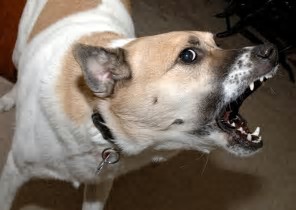
Fear/Anxiety or Territorial — If a strange dog or person is approaching your home, or your dog feels threatened, he may use defensive barking, which tends to be deep, persistent and may have a growl tone to it as well. A fearful dog will have a low tail, possibly between the legs, and a low head posture, while a territorial dog will have a straight tail and more alert posture.
Stress — Dogs may also bark due to stress, such as due to a change in your household. In this case, consider talking with an animal behavior specialist about desensitization and counter conditioning exercises for a stressed-out pet. Basic obedience training may also help.
Surprise — If you startle your dog, he may let out a single, high-pitched bark because he’s surprised, similar to the way you might say “Oh!” when startled.
Pain — A dog in pain may bark a higher pitched bark with a staccato quality. If your pet does this when you touch him in a certain area or suddenly starts barking at unexpected times of the day or night, it’s time for a trip to your veterinarian.
Canine Dementia — If your dog barks into a corner or a wall, barks unusually at night or in response to nothing, cognitive dysfunction could be behind it. You should have your dog checked out for canine dementia.
Advertisement
Why Your Cat Purrs
Cat purrs have been described as “opera singing for cats” and involve a neural oscillator sending messages to laryngeal muscles, which causes them to vibrate during inhalation and exhalation, similar to vibrato.4 Domestic cats, some wild cats and other animals, including hyenas, guinea pigs and raccoons, also purr, so why do they do it?
It’s been suggested that purring may have developed to keep cats healthy as they spent long hours silently, and stilly, in wait of prey. Cats purr with a frequency between 25 and 150 Hertz, a sound frequency that is beneficial for improving bone density and healing.5
“Because cats have adapted to conserve energy via long periods of rest and sleep, it is possible that purring is a low energy mechanism that stimulates muscles and bones without a lot of energy,” Scientific American reported.6
Purr frequencies also correspond to vibrational and electrical frequencies used to treat bone fractures, pain, muscle strains, wounds, joint flexibility and more, adding more credence to the theory that purrs may be a form of self-healing.7 While humans often associate the soothing sound of a cat’s purr as a sign that their cat is content, cats also purr when they’re injured or frightened, while they’re in shelters and at the vet.
They may use purrs as a form of stress relief or to calm down, and cats may also use purrs after giving birth to lead their kittens, which are born blind and deaf, toward them.8
Since cats also often purr when they’re cozy on their owner’s lap, getting a good scratch, it could also be a sign of happiness or a way to encourage you to keep doing what you’re doing. Purring is normal and natural in cats, but if your cat is acting unusually, it’s a good idea to contact your veterinarian, even if he’s also purring.





 Diane Weinmann's HOPE