Animal Testing—Did you Know???

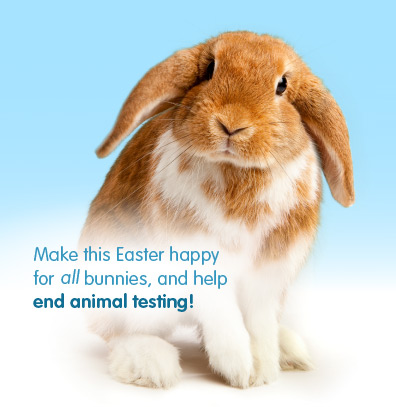
bunny end animal testingGiven our growing environmental awareness, animal testing is a hot-button issue among beauty lovers and activists alike. As we move toward more natural, less chemical and carcinogen-packed products in our regular routines, we’ve got cruelty-free beauty on the mind, too.  I will pledge to go UGLY to save animals!   Will you?

Did you know that millions of animals—including dogs and cats just like the ones with whom you might share your home—are tormented in U.S. laboratories annually for cruel experiments? While this fact might have surprised you, here are the top shocking animal experimentation facts that you should know. Some of these stats are according to DoSomething.org….

  1. Over 100 million animals are burned, crippled, poisoned, and abused in US labs every year.
  2. 92% of experimental drugs that are safe and effective in animals fail in human clinical trials because they are too dangerous or don’t work.
  3. Labs that use mice, rats, birds, reptiles and amphibians are exempted from the minimal protections under the Animal Welfare Act (AWA).
  4. Up to 90% of animals used in U.S. labs are not counted in the official statistics of animals tested. Take a stand by kidnapping your friends’ products that were tested on animals (seriously!).
  5. Europe, the world’s largest cosmetic market, Israel and India have already banned animal testing for cosmetics, and the sale or import of newly animal-tested beauty products.
  6. No experiment is illegal, no matter how cruel, irrelevant to human health, redundant, or painful.
  7. Ninety five percent of animals used for experiments are excluded from the only federal law offering any sort of protection.
  8. Even when valid alternatives to animals are available, the law doesn’t require that they be used.
  9. Ninety two percent of experimental drugs that are safe and effective in animals fail in human clinical trials because they don’t work or are dangerous. Even animals that are protected under the AWA can be abused and tortured. And the law doesn’t require the use of valid alternatives to animals, even if they are available.
  10. According to the Humane Society, registration of a single pesticide requires more than 50 experiments and the use of as many as 12,000 animals.
  11. In tests of potential carcinogens, subjects are given a substance every day for 2 years. Others tests involve killing pregnant animals and testing their fetuses.
  12. The real-life applications for some of the tested substances are as trivial as an “improved” laundry detergent, new eye shadow, or copycat drugs to replace a profitable pharmaceutical whose patent expired.
  13. Several cosmetic tests commonly performed on mice, rats, rabbits, and guinea pigs include: skin and eye irritation tests where chemicals are rubbed on shaved skin or dripped into the eyes without any pain relief. replaces a procedure that uses animals with a procedure that doesn’t, refines a procedure to alleviate or minimize potential animal pain. If brands are able to answer “no” to all of those points, then they’re cruelty-free for all intents and purposes, even if they haven’t made it to PETA’s official list. These 10 beloved brands are among the very favorites, but what makes them even better is that they’re entirely cruelty-free, which goes to show that beauty without cruelty does exist.
  14. LUSH is a UK-based bath and body brand and is a longtime mainstay of vegan, cruelty-free beauty products, and their wide variety of offerings are more than just guilt-free—they’re really fun, too, with everything from a vodka-based salt scrub that banishes body acne to luxurious bath melts that render skin soft and heavenly-scented.
  15. E.L.F. Crazy cheap and cruelty-free? Yep, E.L.F. covers all the bases. The high-quality, low-priced brand sticks to a totally cruelty-free ethos, so much so that the company’s CEO, Joey Shamah, was award with a PETA Trail-Blazer Award for his commitment to never testing on animals. You have no reason at all to feel guilty next time you blow just your spare change on a full face’s worth of makeup. François Nars is vegan himself, so it only makes sense that his eponymous brand take the high road on animal testing. Because Heat Wave was made for your lips, not animals’. (Note that while NARS as a brand does not test on animals, their parent company, Shiseido, does.)
  16. NYX  has affordability, accessibility, and awesome products is the name of their game when it comes to NYX, which is made all the better by the fact that they don’t test on animals. After being purchased by parent company L’Oreal, which historically tests on animals, NYX proclaimed that they would enforce remaining 100% cruelty-free despite the acquisition. That’s commitment.  LOVE THESE PEOPLE!
  17. Physician’s Formula-BECCA    BECCA makes just about every cruelty-free beauty list, and for damn good reason: It’s one of the few high-end brands to actively adopt the approach, even going so far as to condemn the practice. Quoth the brand’s website, “BECCA actively participates in collaborative research to prove that other methods are in fact more relevant and reliable. BECCA test its products comprehensively in human clinical trials. All trials are conducted on paid volunteers and neither BECCA, nor any company contracted to BECCA, conducts tests on animals.” Jump on board!

American products are animal tested in China because if any of our ingredients are not available on the Chinese market, they have to be tested. And because they don’t have laws against animal testing, you can bet that’s what they do most of the time. It’s obvious that the lawsuit put against various cosmetics companies has had an impact. Here’s to hoping that China works fast to save our furry friends from a tragic end.Replacing animal tests does not mean putting human patients at risk. It also does not mean halting medical progress. Instead, replacing animal testing will improve the quality as well as the humaneness of our science.The reasons why animal testing persists are often not scientific.  Instead it can be due to conservatism within the scientific establishment – it is easier and more comfortable to simply do what has always been done. Test results on animals can be easily compared to earlier tests on animals to give confidence to scientists. Regulators can adopt a ‘tick box’ approach, divorced from the needs of the real world.

Types of alternatives

  1. Almost every type of human and animal cell can be grown in the laboratory. Scientists have even managed to coax cells to grow into 3D structures, such as miniature human organs, which can provide a more realistic way to test new therapies. Cell cultures have been central to key developments in areas such as cancers, sepsis, kidney disease and AIDS, and are routinely used in chemical safety testing, vaccine production and drug development. Both healthy and diseased tissues donated from human volunteers can provide a more relevant way of studying human biology and disease than animal testing.Human tissue can also be used after a person has died (e.g. post-mortems). Post-mortem brain tissue has provided important leads to understanding brain regeneration and the effects of Multiple Sclerosis and Parkinson’s disease.

Computer models  Computer models of the heart, lungs, kidneys, skin, digestive and musculoskeletal systems already exist.  They can be used to conduct virtual experiments based on existing information and mathematical data. Rapid advances in technology have allowed for the development of sophisticated scanning machines and recording techniques that can be used to safely study human volunteers.An innovative technique called microdosing can also be used in volunteers to measure how very small doses of potential new drugs behave in the human body. These microdoses are radio-labelled, injected into human volunteers and measured (usually in blood samples) using a very sensitive measuring device called an accelerator mass spectrometer

Human medical breakthroughs

  1. Less high-tech studies for nutrition, drug addiction and pain can also be carried out on consenting humans in the interest of advancing medical science. These studies can help replace animal tests.
  2. Brain imaging machines that can ‘see’ inside the brain can be used to monitor the progression and treatment of brain disease.  They can help researchers understand the causes by comparing with healthy volunteers.

Volunteer studies

  1. With the growing sophistication of computers, the ability to ‘model’ or replicate aspects of the human body is ever more possible.
  2. Human tissue can be donated from surgery (e.g. biopsies, cosmetic surgery and transplants). For example, skin and eye models made from reconstituted human skin and other tissues have been developed and are used to replace the cruel rabbit irritation tests. Companies such as Episkin, Mattek and CellSystems GmbH now produce these tests in easy to use kits for companies to use to test their cosmetics and other substances.

Human tissues

  1. Human cells have been used to create innovative little devices called ‘organs-on-chips’. These can be used instead of animals to study biological and disease processes, as well as drug metabolism. Devices have already been produced that accurately mimic the lung, heart, kidney and gut. The ultimate goal is to use these chips to create a whole ‘human-on-a-chip’.

Cell cultures

  1. Once new alternatives have been developed, there are also massive bureaucratic hurdles to implementing and enforcing their use. One of the most important jobs the Cruelty Free International science team does is encourage regulators to accept and promote alternative methods to animal testing.
  2. Thankfully, the development of alternative methods is growing. Due to innovations in science, animal tests are being replaced in areas such as toxicity testing, neuroscience and drug development.  But much more needs to be done.

Alternatives to animal tests are often cheaper, quicker and more effective

“Cosmetics are by and large not a medical product saving lives,” Anthony James, the head of the Laboratory Animal Services Centre at the Chinese University of Hong Kong has argued. “It’s not a need, it’s a want. There has to be a higher bar set for animal testing for cosmetics, and it shouldn’t be permissible at all where there are alternatives.”

  1. Daily MakeOver said in 2012 that not all animal-free testing cosmetic companies are completely true to their word.  Surprise! Surprise! When their products enter China, it’s anyone’s guess whether they are tested on little critters. So as an animal lover I am ecstatic to hear that China’s State Food and Drug Administration has proposed a draft for non-animal testing alternatives on their cosmetics.
  2.  Physician’s Formula does not test on animals, and also claims a “mostly vegan” ingredients list for all of their products. The brand has long been a favorite of the sensitive-skinned—and now it can be a favorite of the beauty ethics-conscious, too.
  3. Obsessive Compulsive Cosmetics– Every product from this alternative brand comes with the guarantee of being 100% vegan and cruelty-free, so you can go ahead and breathe a sigh of relief while clutching your precious Lip Tars. It’s recommend you give their other offerings a try, too: Their Cosmetic Colour Pencils are amazing for both eye and lip purposes.
  4.  Hourglass and their extensive (and well-designed) collection of killer beauty products, especially considering they’re entirely cruelty-free and listed on PETA’s preferred brands list. It’s just yet another reason to be impressed by the high-quality, slightly under-the-radar brand.
  5. Tarte  is another high-quality favorite to add to the list: Not only does Tarte not test on animals, but they have a wide selection of vegan makeup, too, which means even the most diehard can get in on their beloved makeup and skin offerings. We’re especially fond of their mascaras, so look no further for full, feathery lashes that benefit you and our animal friends.
  6. Too Faced –  Many people wore Too Faced makeup for years without ever suspecting that they might actually be cruelty-free. Forgive us for saying, but the brand just seemed too good, each product packed with pigment and a real pleasure to use. Lo, each product is completely cruelty-free, with even their brushes made from soft synthetic “teddy bear” hair.

With that said, the definition of “cruelty-free” is controversial: Some brands don’t personally test on animals, but may be owned by parent companies that do, or use third parties to test on animals on their behalf. Another big no-no is selling products in China, where animal testing is mandatory. Let that one sink in.

Alternatives are better

  • Crude skin allergy tests in guinea pigs only predict human reactions 72% of the time. But a combination of chemistry and cell-based alternative methods has been shown to accurately predict human reactions90% of the time.
  • The notorious Draize skin irritation test in rabbits can only predict human skin reactions 60% of the time.  But using reconstituted human skin is up to 86% accurate.
  • The standard test on pregnant rats to find out if chemicals or drugs may harm the developing baby can only detect 60% of dangerous substances.  But a cell-based alternative (EST) has 100% accuracy at detecting very toxic chemicals.
  • The cruel and unreliable shellfish toxin testing on live mice has now been fully replaced with a far superior analytical chemistry method that is better at protecting humans.
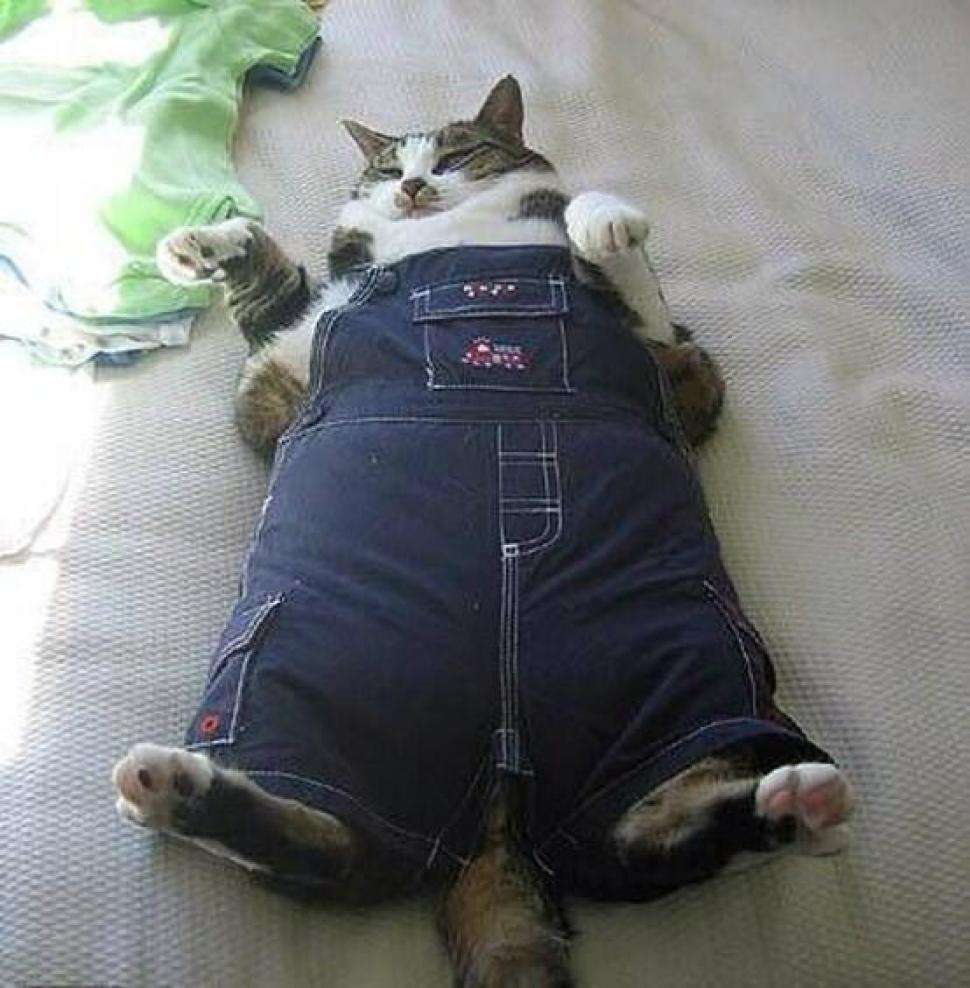
Fat Cat is NOT where it’s At!

By Dr. Becker and Diane Weinmanncat-in-overalls-photo-u2

Sadly, the majority of pet cats in the U.S. are either overweight or obese. According to the most recent research by the Association for Pet Obesity Prevention (APOP), 58 percent of American kitties are overweight, and 28 percent are considered obese.1

Even more discouraging is that an astonishing 90 percent of cat guardians think their too-heavy cat is a normal weight. According to Dr. Ernie Ward, founder of APOP:

“Pet owners think their obese dog or cat is a normal weight, making confronting obesity difficult. No one wants to think their pet is overweight, and overcoming denial is our first battle.”

Our animal companions have much shorter lifespans than we do. Depending on her breed and other factors, your kitty’s life is compressed into a short 12 to 20 years. And just as her lifespan is accelerated compared to yours, so too is the damage done to her body when she is forced to carry too much weight.

Yes, I said forced. There are no fat felines in the wild. It is humans who have created this problem, and it is humans alone who have the power to reverse the disastrous trend of an ever-increasing number of fat, sick, immobile, and short-lived pet cats.

I am serious when I say I have seen many fat felines. In fact, my mother-in-law’s cat is so fat he almost seems to drag his tummy. She feeds him treats constantly and he doesn’t really play or get exercise. Although, you must remember this is a cat belonging to a very sedate 83 year old woman. I would believe that pets belonging to our senior generation do not get a lot of exercise. This is a mistake but I doubt if you or I would be able to correct it.

So we must start now with cat owners that know better and can provide the stimulation and exercise a feline or dog needs to remain a healthy weight.

Fat Cats Routinely Become Very Sick Cats

There are so many reasons to prevent your cat from becoming overweight or obese. One of the most important is to insure your kitty has a good quality of life throughout her life. Another is so that you’ll have your pet with you for as long as possible.

  • Overweight pets often don’t live as long as pets at a normal weight. The shortened lifespan of a heavy cat can be the result of one or more obesity-related diseases.
  • Carrying around extra weight on a small feline frame places tremendous stress on joints, tendons and ligaments. This can cause arthritis. Tragically, in worst-case scenarios, senior cats immobilized by weight and intractable pain wind up euthanized.
  • Overweight cats have fat lurking in places you can’t see. For example, accumulations of fat deposits in the chest and abdomen can restrict the ability of your kitty’s lungs to expand, making breathing difficult.
  • Obesity is the biggest risk factor for diabetes mellitus in cats. Kitties fed processed cat food, in particular dry food (kibble), are at highest risk for developing this often difficult-to-manage disease.
  • Overweight kitties can also develop hypertension (high blood pressure), which can negatively impact major organ systems.
  • Hypertension does significant damage to a cat’s body. It causes small blood vessels to leak and in some cases, rupture. The result can be a detached retina or a stroke. High blood pressure also takes a toll on the kidneys and heart.
  • Overweight and obese cats are often predisposed to fatty liver disease, a potentially life-threatening disorder also called hepatic lipidosis. A buildup of fat cells in the liver prevents normal functioning. Left untreated, the liver ultimately fails and sadly, cats can and do die from this condition.
  • Your overweight kitty is also at greater risk for feline lower urinary tract disease (FLUTD). FLUTD is a group of disorders, any of which can affect your cat’s bladder or urethra, including cystitis (inflammation of the bladder), urinary tract infections, urinary stones, urethral plugs, cancer and other disorders.

Now, I am not one to talk—I am overweight, and yes, I have arthritis in my knees. Is that from being overweight? It is probably part of it—the other part is that I’ve had a horse since I was 18 years old and I ride constantly. Do I get enough exercise- in my estimation, yes! But maybe the ice cream and chocolate calories that I consume is too high for the exercise I get. Ya think?????

Given the tremendous risks associated with allowing cats to become overweight, I hope veterinarians and cat owners alike will heed the words of Dr. Steve Budsberg, Director of Clinical Research at the University of Georgia College of Veterinary Medicine:As an orthopedic surgeon I see, on a daily basis, the effects of obesity on dogs and cats with osteoarthritis. It is very frustrating to see how much pain and discomfort excess weight has on my patients.

 Nutrition and Exercise Recommendations for Overweight Cats

  • My mother-in-law the enabler! My dog and horse are not overweight and my cat (when he was alive) was not heavy either. I make sure they receive plenty of exercise based on the food they consume.
  • Veterinarians and owners have the ability to stop obesity in our pets. No animal goes to the refrigerator or the pantry and helps themselves. We enable our pets to get fat!”
  • “The prevention of obesity needs to be at the forefront of all discussions people have about the health of their pet with their veterinarian. The body of evidence that shows the negative impact of obesity on all the body’s systems is overwhelming.

Are You Enabling YOUR Cat to Be Fat?

  • Overweight cats are also at higher risk for surgical complications, decreased immune function, skin disorders, constipation, and certain types of cancer.
  1. In order to slim down an overweight cat, you must feed a portion-controlled, balanced, and species-appropriate diet. In my experience, most overweight cats are fed a dry diet and are often free-fed, which means they’re grazing day and night on food that is keeping them fat.

If your cat is still eating kibble, she’ll need to be slowly and safely transitioned to the right nutrition for her species: a low carb, moisture-dense, and fresh food diet. Not only will a better diet help with weight loss, it will make your feline companion much healthier overall.

  1. Next, make sure your kitty has at least one thing to climb on in your home, like a multi-level cat tree or tower. If he’s willing to use it, he’ll get some good stretching, scratching and climbing time in each day even when you’re not around.
  2. It’s important to keep in mind that your cat has a very limited attention span. Consider investing in a laser toy, either a very inexpensive, simple one or something more sophisticated like the FrolicCat. Many kitties will enthusiastically chase the beams or dots from these toys.
  3. You’ll also want to invest in a few interactive cat toys. To pick the best ones, consider things from your pet’s point of view. She’s a hunter, so when choosing toys and activities to engage her, think in terms of appealing to her natural instincts to stalk prey.

For example, if you have a cat toy like Da Bird, make it land and take off like the real thing. To keep her interest, every so often have the bird land on a tasty treat and let your cat discover it when she pounces on her prey.

5. Also keep some low-tech interactive toys on hand, like a piece of string you drag across the floor, ping-pong balls, or bits of paper rolled into balls. Any lightweight object that can be made to move fast and in unexpected directions will entice almost any cat to chase after it.

Your cat will tell you when he’s had enough, and you shouldn’t expect one game with one toy to go on for very long. Cats in the wild stalk prey for only a few minutes at a time and then move on.

  1. Turn mealtime into a workout session. Put your kitty’s food in a bowl, and then walk around the house with it, with her following close behind. Stop from time to time and offer her small bites of food. As she gets used to this new game, you’ll probably notice her being very active as she weaves around your ankles, runs ahead then turns back and runs towards you, stretches up toward the bowl, and hops around on her back legs.

After 10 to 20 minutes and a good little workout for kitty, you can put the bowl on the floor and let her finish up her meal.

A Word of Caution About Cats and Dieting

It’s extremely important that you diet your kitty slowly. I recommend you weigh your cat every week until he reaches his ideal body weight. Once that’s accomplished, you can weigh him every four to six months to insure he stays at his new healthy weight.

If your cat is obese, he should lose no more than a half-pound per month to prevent triggering a potentially deadly case of hepatic lipidosis. As your cat’s body senses weight being lost, it will begin to mobilize accumulated stores of fat. If weight loss occurs too quickly, the rush of fats being mobilized can overwhelm the liver and shut it down. Very overweight kitties are more prone to this life-threatening condition because their percentage of body fat is so high.

If your cat is only mildly overweight, he can probably safely lose up to a pound a month. What’s important is that his weight goes down and not up, but progress should be slow and steady. There’s no such thing as too slowly when it comes to weight loss in cats.

These weight loss timing guidelines are only suggestions. Some kitties should lose weight much slower than I’ve outlined here due to existing medical issues like diabetes and other chronic conditions. You should work with your veterinarian to determine a safe and healthy amount of weight loss for your cat, and the rate at which weight loss should occur.

It’s also very important that you not change your cat’s food while he’s dieting. If your cat rejects his food and won’t eat (which cats sometimes do when new food is introduced), it can cause a whole host of metabolic problems. This is especially true with overweight kitties.

Please talk with your vet about a meal and exercise plan for an overweight pet! You will be able to thank yourself later because you will have extended your pet’s lifespan…what a great accomplishment for both of you—not to mention all the more memories and love you can share together!


A Private Goodbye Ritual

Rainbow bridge with animalsYou have lost one of the loves of your life.  Your beloved pet.  How do you deal with the pain, grief and go on living day to day.  It is not easy, but love rarely is.  Honor your pet, your love for them and their meaning in your life.  Maybe these tips below will help you in that task:

How to Prepare:


Take some time out from your busy schedule

Set aside a half hour or more

Find a quiet, comfortable place to sit.

Play a piece of music that opens your heart


While this time of loss is sad and painful, it helps to take a moment in silence to reflect on the memories of your beloved pet.


Take a moment – Sit in a place where you will be undisturbed for a while and make it a sacred moment.

Reflect – Consider what a privilege it has been to have shared your life with such a special soul.  Consider that each of our pets is assigned to us for a particular reason and for a specific length of time.

Recall the lessons and the love.  As you hold your pet’s memory in your heart, reflect upon how he/she came into your life and what you learned from them.

Know that you are richer.  Focus on this until you rise above the tears and you become aware of a wealth of experiences that made your life richer in so many ways.

Celebrate a life.  Take joy in these memories and let them lighten your heart.

wishing

8 Things Only Cat People Understand

By Dr. Becker and Diane Weinmannneed a little help

As cat people we know they are let’s say…unique! We expect odd behaviors from time to time and we love them for it. If you are a cat person you are totally different from a dog person and you know it!  Let’s explore some of the unique characteristics of cats:

  1. Cats don’t respect personal boundaries (except their own). Cat guardians are accustomed to sharing every square inch of space with their favorite feline.

For example, most kitties figure out early in life that a human sitting on a toilet is a captive audience and the perfect target for some leg bunting (this is when your cat repeatedly head butts your lower legs and rubs against them).

Bathtub time is their’s also…don’t think you are going in to the tub to be alone and have a nice quiet soak..oh no, your cat will still want your attention! My cat used to walk around the rim and once or twice has inadvertently joined my husband in the tub quite a shock for them both!

Needless to say, this isn’t a two-way street, so don’t dare even look in the direction of kitty when she’s busy in her litterbox.


  1. The house belongs to the cat. Anyone with the audacity to shrink Fluffy’s territory by closing doors to certain rooms will live to regret it – especially if he or she is on one side of the door while kitty’s on the other. There will be howling, scratching, thumping, and paws appearing and disappearing under the door.

More than a few clever cats have figured out how to work door handles after being locked out of rooms in “their” house.

Don’t get me started on the paws under the door reaching for help when they are locked in a specific room!

  1. All sunny spots also belong to the cat. Cats prefer an ambient temperature about 20 degrees warmer than most humans find comfortable, so they figure out creative ways to stay warm.

That’s why kitties tend to stretch out in patches of sunshine wherever they may fall – on the floor, on furniture, on a windowsill, or right in the middle of your desk or the kitchen counter as you’re working.

Learning the spots where sunshine falls and clearing them ahead of time for Miss Kitty is the least you can do for She Who Will Not Be Denied.

  1. If it moves, it’s prey. And this goes double if whatever “it” is moves quickly, furtively, or is underneath something. Obviously this makes for a very long list of “prey” around the house, including anything real or imagined moving under bed covers, paperwork, and area rugs.

It also includes your ankles if kitty happens to be stalking you as you walk from room to room, and your toes if you move them underneath the sheets as you sleep.

The good news is that once kitty has caught you with a quick swipe or dig of his sharp claws, he’ll take off the second you scream out in pain. Until next time.

Also good news is that pests like flies, mosquitos and moths don’t stand a chance and are really affordable toys for your feline!

  1. The vacuum is evil. It’s ungodly loud, and cats hate loud. You cat could care less how you remove the fur he so generously deposits all over everything – he’d put that varmint vacuum out of the house if he could.

Short of that, he’d like you to at least show some respect for his delicate sensibilities and warn him before you turn the horrible thing on.

  1. A cat’s backend is every bit as cute as his frontend. Let’s say you’re lying on the couch or in bed and kitty jumps up on your chest in an affectionate mood. You scratch his head or stroke the fur on his back, and the next thing you know, his tail is raised and his bottom is an inch from your face.

Cat guardians realize this is just a feline’s way of being sociable. Your kitty is looking for attention and affection from you. You can try turning him to face you, but take no offense, since none is intended. Smell me!

  1. The human head is an excellent rubbing or licking post. Most cats enjoy rubbing against things as much or more than they enjoy being petted. And as your kitty’s human, it’s your job to cooperate while she uses your face or head as a rubbing or licking post. This can get a bit dicey if you’re sensitive to cat fur or dander and Fluffy seems determined to shove her head into your mouth or up your nose. In that case, it’s best to try to distract her with some petting or a toy.

Many cats also head bunt the top of their human’s head. If your kitty does this, she’s rubbing her scent on you so that everyone knows you belong to her. Now you’re in their “club”!

  1. The best time to meow really loud is at night when the house is quiet. Sometimes cats vocalize for a reason, for example, it’s mealtime or they’re saying hi as you come through the door. Other times, they meow for no conceivable reason. This is especially true of older kitties.

People with elderly cats are often awakened multiple times during the night by throaty, sometimes blood-curdling yowls, howls, and meows. The first few times it happens, we leap from our beds, sure a knife-wielding cat slayer has snuck into the house. Next, we visit the vet to make sure the otherworldly noises coming from kitty aren’t health-related.

Finally, we devise ways to sleep through the midnight wailing, because as we’ve also learned, there’s no “shushing” a cat. Just know that you house will not be desirable to a burglar if your cat is “cat-r-waling” at the top of his lungs!


HOW TO MASSAGE YOUR DOG

According to Modern Dog magazine, massaging your pup can be quite simple.

“Use a flat palm to slowly touch all the parts of your dog’s body. Really focus on what you are feeling, and pay attention to all the layers, from hair through skin, fat, muscle, and down to bone.”

While rubbing is great for the larger muscles, they recommend that for the legs you “wrap your fingers around each lower leg and squeeze gently.”

Gently squeeze paws and tips of ears.relaxing

You can then finish up any massage session with a gentle full-body petting using the intention to heal and relax.

Read more: http://ilyke.co/this-is-why-you-should-give-your-dog-a-massage-regularly/74297#ixzz3zJ4a1oJk


5 Nutrients That Make Your Pet Move Like a Puppy Again

By Dr. Becker and comments by Diane Weinmann

Please don't walk me with a retractable leash !
Let’s Go for a Walk!

Osteoarthritis (OA), also called degenerative joint disease (DJD), is a condition in which there is inflammation of the synovium, which is a thin layer of tissue that lines the joints and tendon sheaths. Cells within the synovium secrete fluids that lubricate the joints.

OA is characterized by progressive, long-term, and permanent deterioration of the cartilage surrounding the joints. Arthritis is the term used for inflammation of the joints; osteoarthritis describes chronic joint inflammation caused by deterioration of the joint cartilage.

Primary osteoarthritis typically doesn’t have an identifiable cause. However, there are many causes for secondary OA, including trauma, abnormal wear and tear on the joints and cartilage, or an inherited defect present at birth such as hip dysplasia.

Other causes of secondary OA include:

  • Abnormal development of joints, commonly the hip or elbow (exacerbated by irregular growth and development, as well as vaccine reactions)
  • Dislocation of the kneecap or subluxation of the kneecap or shoulder
  • Osteochondrosis dissecans (OCD), a condition in which a flap of cartilage develops abnormally within the joint
  • Obesity, which increases stress on the joints
  • Diabetes
  • Prolonged steroid therapy
  • Excessive laxity (looseness) of the joint

Nutritional Intervention for Osteoarthritis

  • The cells in the synovium produce inflammatory cytokines (small proteins that facilitate signaling between cells). Inflammatory cytokines promote systemic inflammation, but the good news is they are often responsive to therapeutic nutritional intervention, including:
  • Symptoms of osteoarthritis vary and include reduced activity level, occasional lameness, and a stiff gait that gets worse after exercise, long periods of activity, or in cold weather.


EPA

  • In a 2010 study of 38 dogs with osteoarthritis, dietary supplementation with omega-3 fatty acids resulted in an improvement in weight bearing.1To achieve systemic anti-inflammatory effects, the recommended intake of EPA is 40 to 100 mg/kg.
  • In another study of 131 dogs with OA being treated with the drug carprofen for pain, omega-3 supplementation allowed for a reduction in pain medication.2
  • Arachidonic acid is a precursor to the proinflammatory cytokines prostaglandins and leukotrienes, which are elevated in pets with osteoarthritis. EPA (eicosapentaneoic acid), an omega-3 essential fatty acid, reduces levels of arachidonic acid.
  • Glucosamine and chondroitin sulfate
  • Oral glucosamine and chondroitin sulfate has been demonstrated to control inflammation in other species, as well as in a small group of dogs with induced synovitis (inflammation of the synovial membrane).4
  • Green-lipped mussel
  • Green-lipped mussel is a rich source of omega-3 fatty acids as well as chondroitin sulfate. In a 2013 study of 23 arthritic dogs, dietary supplementation with green-lipped mussel and glucosamine raised blood levels of omega-3 fats and improved lameness.
  • Elk velvet antler
  • In a study of 38 dogs with OA, supplementation with elk velvet antler (which contains chondroitin sulfate) improved subjective and objective signs of osteoarthritis.
  • Boswellia
  • A resin extract from the Boswellia serrata plant is known for its anti-rheumatic and anti-inflammatory properties. When given at 40 mg/kg to 29 dogs with osteoarthritis, it had a positive subjective effect on pain and lameness.
  • Turmeric
  • In one study, curcumin significantly decreased the expression of genes involved in inflammation more effectively than non-steroidal drugs

Chondroprotective Agents for Pets with OA

  • The form, dose, and type of CPA your veterinarian prescribes will be based on your pet’s individual medical circumstances. For example, many of my patients with inflammatory bowel disease (IBD) also have arthritis. They can’t take oral supplements without significant gastrointestinal side effects. For these patients, I use an injectable joint-support product to bypass the gut, such as acetyl-d-glucosamine or polysulfated glycosaminoglycans, otherwise known as Adequan. I know lots of horse that have Adequan shots and it really seems to help them!Some of my patients are allergic to fish, beef or pork. Using chondroitin or glucosamine from these sources can be aggravating to their systems. So for these pets, I choose a supplement like methylsulfonylmethane (MSM) or eggshell membrane. I might also consider using cetyl myristoleate (CMO).It’s important to monitor your pet’s symptoms on an ongoing basis, because osteoarthritis progresses over time. Your dog’s or cat’s body is dynamically changing, and her arthritis protocol will need to change as well to meet her body’s evolving requirements.I have always found that a multimodal approach to managing osteoarthritis is critical for slowing down its progression.

The Importance of Lifetime Weight Management and Muscle Tone for Your Pet

  • By the age of 6, the overweight dogs had 1.5 times the incidence of shoulder arthritis as the calorie-restricted dogs. In an 18-week study of 14 overweight dogs with hip dysplasia and arthritis, the dogs were placed on a weight loss program and were evaluated every 2 weeks for 12 weeks then 4 weeks apart for the final 2 visits, with the following results:
  • Certainly arthritic pets who are also overweight or obese will have a much more difficult time with pain and mobility than lean animals, but it’s also important to understand that overfeeding young pets may play a role in causing OA. In a lifetime study of Labrador Retrievers, 25 percent of the dogs who were overweight at age 2 developed arthritis of the hip. However, the calorie-restricted (ideal weight) Labs had just a 4 percent occurrence rate.
  • Incorporating maintenance chiropractic, massage, acupuncture, acupressure, daily stretching, and mild exercise — like swimming, which is perfect — along with an oral protocol to manage pain and inflammation will yield the very best results for an arthritic pet.
  • You should bring your pet for a wellness check with your veterinarian at least twice a year to review the status of her health, but also to check the range of motion in her joints, the muscle mass she is either gaining or losing, and to make adjustments to her protocol as necessary to ensure her quality of life is optimal.
  • I have found that each animal responds differently to CPAs. Sometimes, rotating through a variety of products is necessary before we find the one that is most beneficial for a pet’s specific symptoms.
  • In my experience, chondroprotective agents (CPAs) or joint-protecting agents like the ones above and others are a must for pets with osteoarthritis. They slow the rate of cartilage degeneration, which is critical.
  • This spice, along with its active ingredient, curcumin, has been proven to reduce pain and inflammation alone or in conjunction with other medications.
  • By visit 3, body weights were significantly decreased from starting weights
  • By visit 5, pelvic circumference was significantly reduced from starting measurements
  • By the final visit, the dogs had lost on average 8.85 percent of their initial body weight and their pelvic circumference was reduced on average almost 7 percent
  • From visit 2 onward, lameness scores for both walking and trotting significantly improved week by week
  • At the end of the study, 82 percent of the dogs showed improvement in lamenessBottom line: an obese dog with osteoarthritis can have noticeable improvement in lameness after losing just 6 to 9 percent of body weight. Maintaining your pet’s muscle tone as he grows older can be difficult due to age-related sarcopenia, or muscle wasting (atrophy). To offset how quickly atrophy is occurring in our pets, we actually need to move their bodies more with age. Although the intensity, duration and type of exercise will change with age, daily activity is still crucial to prevent profound musculoskeletal weakness with age.So what did you learn? I learned that many herbs can help inflammation and losing weight in a pet will usually improve their lameness – so go walk your pet! It’s good for both you and them. Just think about the quality time you can spend together—simply taking in nature and telling them your problems or how your day went. Both of you will come back, refreshed, invigorated with a decrease in your stress level and pain due to inflammation!
  • Muscles are what hold your pet’s frame in place, so maintaining muscle tone will also slow the amount of joint laxity (which causes arthritis) as well.
  • And while “shrinking” is to be expected, to some extent, as pets move from senior to geriatric, many pet parents assume their pets need less exercise as they age, which is simply incorrect.
  • These results demonstrate that when an overweight dog reaches about a 6 percent decrease in body weight, lameness is significantly decreased. Additional improvement is seen as additional weight is lost. I bet this works for humans too! I think I just learned a lot about my arthritic knees that hold up my larger-than-life butt!

Bottom line: an obese dog with osteoarthritis can have noticeable improvement in lameness after losing just 6 to 9 percent of body weight. Maintaining your pet’s muscle tone as he grows older can be difficult due to age-related sarcopenia, or muscle wasting (atrophy).

And while “shrinking” is to be expected, to some extent, as pets move from senior to geriatric, many pet parents assume their pets need less exercise as they age, which is simply incorrect.

To offset how quickly atrophy is occurring in our pets, we actually need to move their bodies more with age. Although the intensity, duration and type of exercise will change with age, daily activity is still crucial to prevent profound musculoskeletal weakness with age.

Muscles are what hold your pet’s frame in place, so maintaining muscle tone will also slow the amount of joint laxity (which causes arthritis) as well.

So what did you learn? I learned that many herbs can help inflammation and losing weight in a pet will usually improve their lameness – so go walk your pet! It’s good for both you and them. Just think about the quality time you can spend together—simply taking in nature and telling them your problems or how your day went. Both of you will come back, refreshed, invigorated with a decrease in your stress level and pain due to inflammation!

I'll walk myself


Can Your Dog Tell If You’re Happy or Mad?

Can Your Dog Tell If You’re Happy or Mad?

By Dr. Becker and Diane Weinmanndog-listening-big-ear-27392035

Does your dog ever look you in the eye and seem to know exactly what you’re thinking? This isn’t all in your imagination. Dogs are keen observers and have adapted to living closely with humans for more than 10,000 years.

Shown below is some scientific research on how dogs can interpret your mood. Now, as an animal communicator, I can tell you without a shadow of a doubt that your dog can communicate and understand everything you say—they just do it mostly through telepathy- which is my specialty! Many of you can understand what you dog needs or is saying based on their actions and body language. This is your way of receiving communication from your pet. My way, since I never really met most of my clients, I receive the information using a picture of your pet. So what do you think a picture can tell you? Probably diddily-squat! But for me, as I look into your pet’s eyes, I can connect with their mind and soul and tell you everything. Many people who have never experienced animal communication do not believe in it. This information below is basically for them so they can scientifically understand how they pet “knows” them!

New research published in the journal Current Biology confirmed that pet dogs can, indeed, discriminate emotional expressions in human faces. A group of dogs were first trained to associate pictures of happy or angry faces with a treat reward.

The dogs were shown pictures of half faces (either the upper half or lower half of a face) showing happy or angry emotions. Half were given a treat when they touched their nose to a happy face while the other half were rewarded for touching the angry faces.

The dogs were then tested using pictures of faces they hadn’t seen before or showing parts of the face that were new to the dog (so a dog that had previously seen the lower half of a face would be shown the upper half).

The results showed the dogs were quite clever and able to differentiate between the different emotions.

Dogs Likely Can Discriminate Between Happy and Angry

Dr. Kun Guo, a psychologist and expert in Human-Animal Interaction from the University of Lincoln, told BBC News:

“Showing dogs only half of the face and then the other half separately means they can’t rely on the shape of the eyes or the mouth — they must have some sort of template in their mind … So it looks like they can really discriminate between happy and angry.”

The researchers speculated that dogs probably used their memories of real emotional human faces to help them complete the experiment successfully. Interestingly, during the training portion of the study it took the dogs about three times longer to learn to touch an angry face.

The researchers said it seemed as though they didn’t like to touch an angry face, and perhaps they really have an understanding that an angry face is something they do not like.3 Another thing dogs seem not to like? People who are mean to their owners.

Dogs Snub People Who Are Mean to Their Owners

Research led by Kazuo Fujita, a professor of Comparative Cognition at Kyoto University, showed that dogs will refuse food offered by someone who was uncooperative to their owner.

For the study, dogs watched as a person either helped their owner open a box, actively refused to help with the task, or behaved in a neutral manner. The strangers then offered food to the dog.

It turned out the dogs were more likely to choose food being offered by the neutral party and refuse food offered by the uncooperative party.The study shows the dogs make social and emotional evaluations of people and may make decisions based on those evaluations, even if it doesn’t benefit them directly. Fujita told Discovery News:

“We discovered for the first time that dogs make social and emotional evaluations of people regardless of their direct interest … This ability is one of key factors in building a highly collaborative society, and this study shows that dogs share that ability with humans.”

Dogs Will Stop Trusting a Person Who Lies

Separate research has even shown dogs learn when a person is not trustworthy and no longer follow their commands. In one study, all dogs initially went to a container that a researcher pointed to, under which a bit of food was hidden. The researchers next pointed to an empty container after showing the dogs that food was hidden under a different container. Then, in the final phase, the researchers again pointed the dogs toward the correct container with the hidden food. However, by this point the dogs were no longer willing to trust him and only 8 percent went in the direction he pointed. According to the study:

“These results suggest that not only [are] dogs … highly skilled at understanding human pointing gestures, but also they make inferences about the reliability of a human who presents cues and consequently modify their behavior flexibly depending on the inference.”

Your Dog Listens When You Talk

Research has shown that the average dog understands about 165 different words, although they may learn many more if you train them to.

It’s known that dogs pay attention to the tone of your voice, the pitch and the rhythm in your speech, and research suggests dogs also sense a difference between the verbal and emotional components of speech.


Dogs appear to process emotional cues and meanings of words in different hemispheres of the brain, similar to humans. Dogs also pay attention to your body language, taking note of your posture and eye contact, for instance.


Dogs will follow your gaze similarly to a 6-month-old infant, but only if you convey the intention of communication, which suggests they’re quite in-tune with your communicative signals. Dogs have even been shown to experience cross-species empathy in response to a crying baby. In humans, levels of the stress hormone cortisol tend to rise in response to an infant crying, which is said to be a primitive form of empathy. Research shows that dogs, too, experience increases in cortisol levels when a human infant cries.


Dogs also displayed a combination of submissive and alert behavior in response to the cries. According to the study, published in Behavioral Processes:

“These findings suggest that dogs experience emotional contagion in response to human infant crying and provide the first clear evidence of a primitive form of cross-species empathy.”

Taken together all the research suggests dogs and humans have developed many forms of communication that allow us to understand one another. Of course, if you’re a dog owner you probably knew that already. If you are one of my clients—you already know how it REALLY works!Think I am crazy


Fussy Felines

By Dr. Becker and Diane Weinmann good til the last drop

Even if your own cat is a hearty eater, I’m sure you’re aware that many feline companions are notoriously persnickety at mealtime.

For better or worse, the results of a recent study1 by scientists at the Monell Chemical Senses Center in Philadelphia may shed some light on why little Percy or Priscilla is so darned fussy about food.

Cats (Meat-Eaters) and Plant-Eating Animals Have Certain Taste Receptors in Common

Cats are obligate carnivores, meaning they must eat meat to survive. Their bodies aren’t designed to process or assimilate large amounts of plant-based nutrition. But as it turns out, despite their strict meat-eating nature, felines have certain significant genes in common with plant-eating herbivores.


The specific genes I’m talking about give herbivores the ability to taste bitter flavors, which helps them avoid eating poisonous plants. Animals use their taste buds to identify certain characteristics of foods they’re about to ingest.

Sweet flavors mean there’s sugar in the food, which is an important source of energy. And it has long been assumed by scientists that a bitter taste warns vegetarian animals that a plant or unripe fruit contains a harmful substance.

Cats have no sweet taste receptors, probably because as strict meat-eaters, they evolved without those receptors since they had no use for them. Other exclusively carnivorous animals, e.g., sea lions and spotted hyenas, have also lost the ability to taste sweet flavors. Having learned this I cannot understand why my cat, Milo, absolutely adored whipped cream! He would hear the can, no matter where he was in the house, and would come running!

Cats (Carnivores) Are Equipped with Several Bitter Taste Receptors That Detect Toxins in Plants. The Question Is, Why?

Animals’ taste buds evolve in response to changing dietary requirements. Over time, alterations in an animal’s normal diet can eliminate the need to sense certain chemicals in food, which causes the genes to mutate in response.

A good example of this is cats, which as strict meat-eaters have evolved without the ability to taste sweet flavors. But here’s a question: If the ability to taste bitterness is nature’s way of alerting vegetarian animals to potentially toxic plants, why do strictly meat-eating cats have a need to taste bitter flavors?

In theory, if cats have evolved with no ability to taste bitterness, their receptor genes should be mutated accordingly. However, when the Monell scientists looked at the genomes of different carnivorous species, they learned they all possess a similar amount of genes for bitter taste.

For example, cats have 12 identified bitter taste receptors, polar bears have 13, ferrets have 14, dogs have 15, and the giant panda has 16. All these animals belong to the order Carnivora, however, in terms of their diets, they range from strictly carnivorous (cats) to exclusively vegetarian (giant panda).


So the question becomes: If primarily meat-eating animals aren’t likely to sample any bitter or potentially toxic plant-based food sources, why are they genetically equipped to taste bitter flavors?

Cats’ Bitter Taste Receptors May Help Them Detect Toxic Compounds in Their Prey

Lead study author and molecular biologist Peihua Jiang set out to evaluate feline taste buds. He did this in the laboratory by inserting the cat taste receptor gene into human tissue cells. Together, the cells and the gene behave as a taste receptor that responds to chemicals.

The taste receptor created by Jiang responded to bitter substances in toxic plants, as well as to substances that also activate human bitter taste receptors.

The researchers determined feline bitter taste receptors help them detect potential toxins in the prey they hunt in the wild, including frogs and toads. According to study author Gary Beauchamp, Ph.D., a behavioral biologist at Monell:

” … [B]itter taste could exist to minimize intake of toxic compounds from skin and other components of certain prey species, such as invertebrates, reptiles and amphibians.”

Could Bitter Taste Receptors Help Detect Infections in Cats?

The researchers suggest that cats aren’t exposed often enough to bitter and toxic meat-based foods to warrant the number of bitter taste receptors they have retained. Let’s face it– you have probably all seen the pretty blue frogs at the zoo that are highly poisonous, right? They are not present in the U.S.A. so why would a pet owner worry? The study authors conclude that cat taste receptors may have evolved for reasons other than taste. Interestingly, human bitter taste receptors are found not only in the mouth, but in the heart and lungs as well, and may serve to detect infections.

“Alternate physiological roles for bitter receptors may be an important driving force molding bitter receptor number and function,” says Beauchamp.

“For example, recent Monell-related findings show that bitter receptors also are involved in protecting us against internal toxins, including bacteria related to respiratory diseases.”

Whether this is also the case with kitties remains to be seen.

Feline Foodies?

Based on this new discovery that our feline companions have taste buds for bitter flavors, it could be they pick up subtle noxious tastes in the food we offer them.

This would explain why many cats are so food finicky … except that dogs have a similar number of bitter taste receptors and many have never met a meal they didn’t like. However, there are quite a few fussy dog eaters- I have one and he is a husky!

Perhaps cats are simply more sensitive to bitter substances than dogs, or are able to detect many more bitter compounds in their food than dogs are. It’s possible ingredients that are essentially tasteless to your dog taste just plain nasty to your cat … which would certainly explain why so many kitties are so selective when it comes to the food they will eat.

Tips for Encouraging a Fussy Cat to Eat

According to Dr. Becker, her first recommendation is to try to slowly and safely transition a cat eating processed pet food to a balanced, fresh, organic, non-GMO, species-appropriate diet. Unless your cat is hopelessly addicted to the processed stuff, offering fresh whole food with no additives or preservatives essentially eliminates the possibility her delicate tastebuds will detect noxious chemical compounds in her meal.


Whether her diet is fresh or processed, however, the goal should always be to make sure your cat eats something. Unlike dogs and humans, it’s dangerous for kitties to go any length of time without nourishment, as it can lead to a potentially fatal liver disease called hepatic lipidosis.


Enticing a picky kitty to stay nourished can require creativity along with some gentle prodding, and lots of patience. Things you can do to tempt your finicky feline’s sensitive tastebuds include:

  • Warming her food to bring out the aroma
  • Offering canned food with a strong smell or topped with a sardine or tuna (packed in water)
  • Offering new food from a paper plate in case she’s developed an aversion to her food bowl for some reason
  • Offering a small selection of different flavors and textures of canned cat food or home cooked meat or bone broth
  • Enticing her with species-appropriate human food she has enjoyed in the past, such as warm baked chicken or salmon
  • If she’s addicted to dry food and refuses everything else, try adding warm water to each meal or add an aromatic enticement like tuna juice, warm goat’s milk, or chicken brothIf all else fails you kitty may have an emotional or physical issue going on. I always recommend that you take your pet to the vet and have them determine if anything is physically amiss before assuming the problem is emotional. If you have done that, they please contact me to talk with your pet and allow me to recommend a treatment of blended bach flower essences that will target the heart of the emotional problems your pet is experiencing.
  • Let me give you an example: my cat refused to eat and lost a bunch of weight. I knew in my heart he was mad because I brought a dog into the house to live without consulting him (he would have said no anyway because he always wanted to be the only pet). The dog had no where to go and he belonged to my son who lives with us. So while I was on vacation the dog moved in—hence the cat decided to punish us! I took him to the vet and many hundreds of dollars later determined nothing was physically wrong with him. Did I call that or what? So I made a special treatment bottle of a blend of bach flower essences to help him emotionally deal with a new pet in the home. Within three weeks he was back to normal and gaining weight. Problem solved!
  • It’s also important to make kitty’s mealtime a very low-stress, pleasant experience. Make sure you feed her in a calm, quiet environment that is optimally comfortable.

Fish or Coconut Oil for Dogs—Why Not Both?

Coconut oilBenefits of Fish Oil for Dogs

Adding fish oil to our dogs’ meals can help a variety of aliments :

  • joint and ligament health; acts as an anti-inflammatory and lubricant
  • eases allergy symptoms
  • boosts digestive health
  • produces healthy skin and shiny coat; reduces shedding

Did you know that it has been written that fish oil can slow the growth of cancer too. Seems to me it is a wonder food product!  So where can you get it and which do you buy?

I know a blogger and raw food advocate that feeds Bonnie & Clyde, because it’s concentrated, made with wild caught fish, has human grade ingredients, and the vitamin E is sourced from sunflowers. She feels the biggest benefit of using Bonnie & Clyde fish oil is that the EPA and DHA levels are far superior to other fish oil products for dogs on the market today.

Benefits of Coconut Oil for Dogs

Giving your dog coconut oil promotes healthy skin and helps with the following:

  • disinfects cuts – I use it on scrapes and abrasions
  • promotes shiny, lovely smelling coats
  • supports a healthy digestive system
  • freshens breath
  • supports healthy joints and ligaments
  • prevents and controls diabetes
  • helps with weight loss
  • helps promote a healthy thyroid
  • treat hot stops, dry/cracked paw pads, and dry skin
  • massage into a dog’s coat, then brush to roots

Fish Oil or Coconut Oil for Dogs

So which do you choose, fish or coconut oil? I think we should feed both to our dogs, because alternating oils is an excellent idea for dogs because each offers different flavors, and it keeps meal time interesting. Fish oil and coconut oil aren’t the same or similar beyond the “oil.”

Fish oil is rich in Omega 3 fatty acids (EPA and DHA).  Being certified in canine nutrition I can tell you that fatty acids derived from animal sources have EPA and DHA which are easier for dogs to absorb into their system.  Fatty acids derived from some plant sources contain short form fatty acids, ALA, which needs to be converted to EPA before being absorbed into you dog’s system; something that becomes more difficult as a dog ages. However, my husband is allergic to all fish products so giving fish oil is not really favored in my household.

Coconut oil is rich in saturated fat.  That sounds bad, because we’ve been told that saturated fat is bad, but what we’re getting in coconut oil is easier to digest, so it’s considered good for you (and your dog).  Coconut oil also contains lauric acid, which is what gives it the antifungal and antibacterial benefits. I personally use the organic kind for my face to clean off makeup and I use it in my dog’s food.  It’s great for your hair and your dog’s coat and for  immune systems both human and canine.

So how much should I give my Dog?

URL for Bonnie & Clyde Pet Goods

http://bncpet.com/

Bottle_Complete_Kit_-_1024px

Light your Horses Fire but make sure your have water to put it out!

By Sharon Biggs Waller who is a freelance writer for equine ­science and human interest publications and Diane Weinmann

Fuel the FurnaceHorses_eating_hay

People often think a nice restoring cup of hot tea, coffee, hot chocolate or a steaming bowl of oatmeal will warm us on cold days, but it doesn’t work that way for our horses. Hot food, such as a warm bran mash, might temporarily knock the chill off, but it won’t help him stay toasty throughout the night. I used to make a hot bran mash using peppermints melted in water that I heated up then I threw in bran and sweet feed with some apples or carrots. Now that was a treat and it keeps horses tummies warm and everything else moving well if you get my drift…..But what will really help keep those fires stoked is– hay.

It’s been said that “It is how they digest hay that creates the heat”—but did you know that the hay you provide to your horse is fermented in the hindgut, and that fermentation gives off a long-lasting heat. It works just like the steam that rises from your fermenting manure pile. Mmmm, just breathe deep (HA HA HA).

According to vets, horses use that heat to maintain their core body temperature. So as a horse owner, you’re stoking the furnace by feeding them a good quality hay that they can digest and gather nutrients from.

Of course it goes without saying that the forage has to be of good quality. The better the quality of the forage, the more they can eat and the more they will eat.

Any good-quality hay that you can get locally will fit the bill. Just note that as long as it wasn’t overly mature when it was harvested and has a high leaf-to-stem ratio, and absolutely no dust and mold it will work.   If you are in an area where you can get reasonably good alfalfa/orchard grass hay, that would be great. If you are in an area that allows for growing high-quality timothy hay, then that is equally good.

Grain still has plenty to offer in winter, if the quality is good. However, many people think that grains, particularly corn, are “warming” feeds. The truth is, a small amount of high-energy feed will only keep a horse warm for a short time. With hay you get calories, but also heat from digestion.

According to vets, grain helps, but it’s easier to break down and it won’t cause that heat of fermentation, There are readily available calories from a grain that should be part of the maintenance pack, but it still behooves you to base your horse’s diet largely on hay.

What Role does the Water Play?

To help your horse keep his core body temperature up, you must make sure that his digestion is able to function at its peak. That means making sure he has a readily available source of drinkable water which does NOT include snow.

Horses need to have a certain amount of water for the digestion process. If you are in a position where your horse is being fed hay and he has to eat snow for his water, he won’t be able to eat enough snow to compensate for the amount of water he needs for digestion and hydration. Then he may get an impaction…the dreaded COLIC!

In the old days, it was believed that eating snow cooled the horse’s body, but studies done with beef cattle showed that lots of snow had to be consumed at one time before the core body temperature was cooled. Cold water, however, is a different story.

There are some water sources that horses will drink from that may prove the cooling theory correct. If you think how cold some water can get before it freezes, a belly full of that would probably change his core temperature—I mean it would yours’— right?

A bucket of half-frozen water will not fulfill your horse’s needs; he needs unfrozen water that is free of slush and snow. It’s even better if you have taken the chill off. If your horse is going to winter outside, you’ll need to invest in an automatic waterer with a heater. Vets have suggested that you set the water temperature to 37-40°F (2.7-4.4°C).

The colder the weather gets, the more calories your horse will burn to stay warm. If you see the thermometer dropping, the best way you can help your horse stay warm is by tossing him another flake of hay.

Do you hear that barn owners and horse lovers????? Warm your horse with love, treats and HAY (but provide lots of drinkable water)!