Does My Senior Horse Need Calories or Protein?

Does My Senior Horse Need Calories or Protein?

Posted on August 19, 2014 by Roy J. for Nutrena


There are some common questions come up when we talk about what happens to horses as they age and why their bodies change shape:

§  Does my good old horse need more calories (energy) or more protein?

§  He is out on good pasture and is holding his weight, but his hair coat looks dull and he has lost muscle mass.

§  She looks a little thin, should I add some fat/oil to her diet?

These are all apparently simple questions, but actually we need to look at the nutrient supply and purpose a little closer.

Calories from fat/oil, digestible fiber (structural carbohydrates and starch & sugar (non-structural carbohydrates) are the key energy sources for horses. If a horse is thin, that tells us that the horse needs more Calories to maintain fat cover measured by Body Condition Score system. Those Calories can be added from extra fat/oil, extra digestible fiber or additional starch and sugar. Vegetable oil contains 2.25 x the Calories per pound of carbohydrates and is a safe way to add Calories. Switching to a highly digestible fiber source (better quality forage, added beet pulp etc.) can also add Calories of digestible energy (DE). It takes 2-3+ pounds of added feed to add 1 pound of gain, depending on the feed.

Adding Calories alone will not bring back the muscle mass. This will require added protein (really added essential amino acids, particularly lysine, methionine and threonine, the first 3 limiting essential amino acids). If a horse is getting adequate crude protein, but the protein is of limited quality and is low in one or more essential amino acids, the horse will not be able to utilize it fully to maintain or restore muscle mass. This is why it is essential to know the quality of the protein in feeds, particularly these first 3 limiting amino acids.

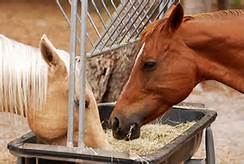
A common situation is an old horse retired to a grass pasture. It may be difficult for the horse to consume enough to maintain body condition, thus the horse loses weight. The grass pasture may also be low in crude protein and certainly low in essential amino acids, so the horse also loses muscle mass. Tough combination for an old friend!

The good news is that this can be reversed with the use of a well-designed senior horse feed providing both Calories and essential amino acids!


Using essential oils in accordance with Chinese medicine

Using essential oils in accordance with Chinese medicine

By Cynthia Lankenau, DVM, CVA, CVCHM, RH (AHG) | June 8, 2015
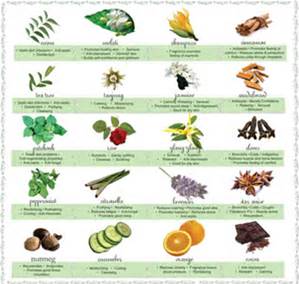
 

Many diseases result from habituations that create chronicity. Essential oils are among the modalities that can change habituations. Sensations create our perception and oils can change our perception.

Essential oils represent the genetic unfolding of the plant – the Jing, the essence of the plant. They therefore have potential effects on physical developmental problems as well as the mental and spiritual development of an individual. The plant’s Jing will resonate with the body’s Jing. As a result, a vast degree of possible healing can occur when essential oils are applied to acupuncture meridians such as the Eight Extraordinary channels, Yuan-source points, or Mu-points.

Dr. Jeffrey Yuen first began using essential oils in his pediatric practice, since children often fear needles and do not want to eat/drink Chinese herbs. This is also often the case with animals.

It is important to use oils on yourself so you can personally experience their effects. The aromas can induce fi ve different states that can influence and affect an individual, and transform one emotion into another e.g. fear into acceptance.

The five states are:

1.    Healing relaxation – resins like Frankincense and myrrh can create this state.

2.    Assistance with non-healing wounds.

3.    A sense of internal beauty, help with self-esteem and lifting of the spirit – fl oral oils such as carnation can create this emotional state in which a patient learns to love.

4.    Nobility – it’s enhanced when one is able to embrace both the bad and the good and still see the beauty or the worth in any situation. Sage is an example of an oil to use for this purpose.

5.    A solitary state without distraction – some aromas such as sandalwood, vetiver and spikenard root can encourage this. An oil with a light intensity, like citrus, will affect the moods very quickly. Moderately intense aromas will affect the emotions, while a strongly intense aroma can affect temperament.

OIL QUALITY IS CRITICAL

The preparation of essential oils varies and some should never be used on animals.

1.    Absolutes have been extracted using chemicals, so should never be used on animals, either topically or internally.

2.    You should always use medicinal quality oils; these are safe if ingested.

3.    Hydrosols can be used in place of essential oils to avoid toxicity issues, although they may be less effective.

MECHANISMS OF ACTION

There are many theories around how essential oils work. For example, the chemotype theory is based on the pharmacology of the chemical components found in essential oils. Clinical results points to the efficacy of the oils, and testing has been done to fi nd out which organs are predominantly affected by which oils. For example, rosemary oil is associated with the liver.

Most oils contain monoterpenes, which are antiseptic and antibacterial. These are used to stimulate acupuncture points and tend to irritate the skin. An example would be using lemon on St 26 to stimulate the Wei Qi, the defensive immune system, for any immune
deficiency or imbalance.

Other oils contain sesquiterpenes, which are antiseptic, antibacterial and anti-viral, and soothing to the skin. They are more cooling and nourishing. An example would be using chamomile to help with sleep.

Additional characteristics are also attached to other groups of oils:

• Alcohol groups tend to be strongly antibacterial, anti-viral, and anti-infl ammatory. E.g. lavender.

• Ketone groups break up fat (lipolytic) and phlegm (mucolytic) and help regulate fl uid metabolism – e.g. Phase 1 (garlic) and Phase 2 (rosemary) conjugation in liver detoxifi cation.

• Ester groups are analgesic and regulate pain as well as, if not better than, NSAIDs.

• Phenol groups break up lymphatic congestion and stimulate WBCs (e.g. cinnamon bark). If a goiter is present, bay laurel could help. Caution must be used with cats if the phenol group eugenol is used, due to its hepatotoxic effects.

HIGH, MIDDLE AND BASE NOTES

Chinese medicine classifies essential oils based on criteria similar to the classifi cation of Chinese herbs – i.e. via the law of signatures, five elemental associations, nature or temperature, taste, aroma, relationship to neighboring plants and channel (or meridian) affiliation. An additional feature for oils is the “notes”.

1. High notes (top notes) are oils that evaporate rapidly, often in a few hours. They influence the Wei Qi (defensive immune system or external) level and include the citruses (safest – mandarin orange, tangerine, clementine), mints, peppermint, wintergreen (toxic to animals) and eucalyptus. These oils are primarily used for acute conditions. They awaken the senses, serving as the first invitation for a patient to change. The safer hydrosols usually act as top notes. Peppermint can be thought of as the “rescue remedy” of essential oils.

2. The middle notes have a duration of five to seven hours and are used for more sub-acute problems that tend to be in the Ying level, which affects the plasma in the blood, or the internal level. They are useful for circulatory issues (movement of Qi moving blood), to regulate digestion (both assimilation and elimination) and for cognitive function (digesting and assimilating the information around us, and eliminating that which is not needed).

The oils at this level tend to be spices – fennel, dill, caraway, rosemary, parsley and oregano (the safest are seeds of caraway, coriander/cilantro). Also included are fl oral oils like chamomile, ylang ylang, geranium and lavender – safest are naroli/orange blossom, rose (absolute) lavender, German or Roman chamomile. Grass seeds like lemon grass, as well as melaluca (tea tree oil) are also part of this group. Lavender is also often used as a “rescue remedy” of sorts, but the initial burst is more subtle and it will have a longer effect than peppermint.

3. The base notes evaporate in 24 to 48 hours, and are therefore effective for chronic, constitutional issues at the Yuan level (which can influence genetic tendencies). They include the resins, like frankincense, myrrh and sandal wood; precious fl orals, like rose and jasmine; roots like spikenard and vetiver; and wood oils. When making a therapeutic blend for a patient, an essential oil is often chosen from each note level. The top note is used to awaken the senses and is often the first one to be smelled. The middle notes are often used as harmonizers and modifiers for the formula, and the base notes are used as fixatives. In an acute situation, a blend can be made using all top notes, but know that there is always is a deeper constitutional susceptibility, and a more balanced blend is usually needed to support and address this constitutional issue.

For example, if you have a dog with an autoimmune joint disease such as rheumatoid arthritis, you could use a top note of peppermint to help with his ability to rest during any acute situations; a middle note of thyme or gerianol to help clear the heat of the latent infection; and a base note of sandalwood to help treat the fascial pain.

USE AND APPLICATIONS

There are three ways to use essential oils:

1.    Topical application for bodywork and cranial-sacral work.

2.    Topical application on acupuncture points for point stimulation, or on discrete areas of the body. Topical application depends on the humors you want to affect –lymphatics, blood or nerves – and the regions you want to influence. Massaging the ears with oils can have an effect on the nervous system. Massaging the paws will have an effect on the circulation of blood.

3.    Medical grade essential oils can be given orally in a one- or two-drop dose. (Remember that cats are sensitive to the eugenols of the phenol group.)

While essential oils have long been popular for healing in people and animals, integrating their effects into a Chinese medicine approach gives you an even more powerful healing modality to explore. More than merely treating animal’s ailments, essential oils are excellent for treating the home environment – people, living space and animals.


Due to their concentrated strength, essential oils need to be diluted in another oil before any topical application.

Hazelnut oil can penetrate the epidermis and fi nd its way into the dermis; it’s astringent and good for oily skin in any animal, including humans.

Macadamia oil is an appropriate carrier for dry or aged skin.

Almond oil is energetically absorbed through the skin very quickly; it’s high in antioxidants, vitamins E and B, and is very protective and nourishing for the skin.

Olive oil is green and very heavy; it has a descending effect on the body, so it’s very good for hyperacidity in any animal. It’s also good for heart conditions and promotes drainage of stagnation in the blood. It nourishes the blood and can be used in cases of anemia.

Sunflower oil opens the Heart and the Zhong Qi, is very good for respiratory conditions and cardiovascular conditions, resonates with CV 17 and stimulates Wei energy, and is very high in antioxidants, especially vitamin E.

Safflower oil is similar to sunflower but resonates more with the chest for cardiovascular
issues; it promotes blood circulation and is good for blood stagnation.

Coconut and palm oils are very high in amino acids. They resonate with our Jing (essence).
They help with constitution and neurologic issues, and whenever there is a problem with
the curious vessels, bowels, brain, spine, genitals, bones and marrow (they would be good
for arthritic conditions).

Sweet almond and grape seed oils help with functional imbalances and Ying/Qi functions,
and have a humeral effect.

Not recommended: Peanut oil, due to potential toxins; and soy oil because of its high
susceptibility to oxidation (plus it is usually GMO).

 

Senior Horse Care Tips

Nutrena Posted on August 25, 2015 by Megan C. comments by Diane Weinmann


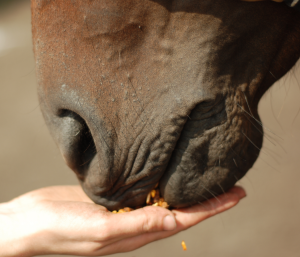
These days, horses are living longer, more productive lives than ever before.  Thanks to advances in care, medicine, nutrition and veterinary practices, it’s not unusual to find a horse active into their thirties.  But with more active years comes the need to provide accommodations which meet the special needs of the aging equine.

Turn-out and Exercise

Moving is a key factor in keeping your senior comfortable.  Not only does moving about help with preserving muscle mass, motion also aids in digestion, reducing inflammation and increasing circulation.  Daily turnout is a great way to provide this opportunity, as is regular exercise.  Some ideas to exercise include light schooling, trail rides, driving or hand walking.  Whether in a pasture or dry lot, daily turnout and frequent exercise of your senior horse will go a long way in providing a happy, healthy retirement. Plus it’s more time to spend with your aging friend.


Dentition

As horses age, their teeth change due to wear.  Hopefully your senior horse has had the advantage of regular dental care in their earlier years, setting them up for success later in life.  Regular dental checks and floats not only help to maintain good dental health, it also provides your senior with the best chance at chewing and digesting their feed and forage.

Forage and alternative options

With the change in teeth comes some accommodation to forage.  Though aged, the equine senior still requires fiber as the main source of energy. Changes in dental efficacy as well as digestive system changes means the importance of good quality fiber is even higher.  If high quality hay (more leafy, less stems) is not readily available, hay cubes are a good alternate source of easy to chew fiber.  If needed, hay cubes can be soaked, providing an easy to chew fiber source.

Feed and Mashes

Changes in the digestive efficiency of the senior horses requires some specific nutritional needs.  As the digestive system ages, the ability to digest and absorb nutrients is more of a challenge than in earlier years.  In addition, nutrients are needed in different ratios to support the aging body.  For example, higher levels of quality amino acids are required to maintenance muscle mass in the senior horse.  Feeds that are specially formulated for senior horses provide these higher levels of nutrients in the proper ratio.  Many varieties of senior feeds are considered ‘complete’, in that they contain higher levels of fiber, providing an alternative to forage, thereby making it easier for the senior horse to get the nutrients needed.

Blanketing

You may notice a difference in your horse’s ability to stay warm during cold or wet weather.  Blanketing may be needed to help keep your senior horse warm during inclement weather.  Not only does blanketing help with warmth, your senior horse isn’t spending valuable calories trying to stay warm, burning off energy and their weight.  Blanketing in extreme cold or dampness may help your horse in maintaining a desired body condition.

Senior horse care may require some extra steps and more attention to details, but with the right adjustments, your senior can enjoy productive, happy and healthy golden years.


Bunnies are great Pets!

Bunnies are great Pets!


By Dr. Becker and comments by Diane Weinmann

What small animal is shy, has luxuriously soft fur and is surprisingly intelligent? One might add that it’s also one of the most popular 4-H project animals, and a wonderful critter for almost any kid — or adult — to enjoy. Those attributes could be true for many potential pets, but it fits the bill for bunnies.

There are many more reasons why a rabbit makes an excellent house pet. When well taken care of, they can live for 5 or even 15 years. They enjoy being around people and are very affectionate, playful, clean and can even be litter trained.  Diane’s experience has been that her bunnies never lived past 10 years and I had one that didn’t live much past 2 years old.  As I was grief stricken at this loss, I was told that many rabbits don’t get past 2 years of age because of heart problems.  This information was given to me by a person who raised them for many years.  Nevertheless, I love bunnies and have had many thru the years.  Most lived at least 8 years and are wonderful pets for younger children to learn how to care for a pet.

But if you’re interested in getting a rabbit as a family pet, it’s always important to take into consideration what’s good for the animal. It’s fun having such a cute and cuddly animal to hold, but knowing what to expect and how to keep your bunny happy and healthy as he gets bigger is crucial.

If you have expectations about what having a bunny (or any other pet) will look like without gathering the facts, you may be disappointed, and that’s one of the leading reasons why so many pets are surrendered back to shelters or just given away.

It’s also why, if you’re a first-time rabbit owner, your lifestyle is an important factor to consider, especially since rabbits tend to be more fragile than dogs and cats. In fact, they’re a whole ’nuther animal! Knowing how a rabbit will fit into your household space and family is important because like any other pet, rabbits have their own foibles, tendencies and personalities.

Things to Consider When Choosing a Rabbit as a Pet

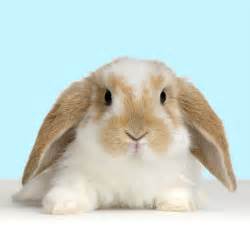
Once you’ve decided that a rabbit would be a great pet for your family (or just you), it may come as a surprise to learn there are about 60 breeds to choose from. Size and color can vary widely, but in the U.S., the Dutch rabbit, usually either black and white or brown and white, is one of the most common. There are also dwarf varieties and the kind with droopy “lop” ears rather than the erect ears you typically think of in regard to rabbits.

Males (bucks) and females are both very tame and sociable, but if you decide on a pair (rabbits are social creatures who tend to be happier if they have a buddy), unless you want to start up a bunny factory (please don’t), you’ll want to adopt a same-sex pair or arrange for well-timed spaying/neutering before they are put together).

Angora rabbits with long fur should be groomed often, and loose hair can be an issue. Again, like many other pets, if they’re not used to having people and especially children around, socializing rabbits gradually, including with other pets, is good for everyone. 

One thing to make sure of beforehand is if someone in your home has an allergy that a rabbit might make worse. While children seem to gravitate toward them, the fragility of rabbits whether they’re small or more mature is something to consider carefully if you have small children in the household. Some rabbits don’t like being picked up, carried around or held closely, and may respond by scratching, and in their struggle to get away, could be dropped.

Rabbits need to be picked up carefully so their back and hind legs aren’t injured. Ask your veterinarian about the best way to handle rabbits, especially large ones. One thing prospective rabbit owners should know is that they love to chew. While some may love the idea of giving their bunny free reign in the house or even the yard, it’s imperative that you keep an eye on them at all times.

Untreated grass and carrots might be fine for Snowball to nibble on, but keep in mind that electrical cords, furniture, indoor and outdoor plants and papers, magazines, books … if it’s on her level, it’s fair game! Instead, keep your rabbit corralled in a known environment for her own safety, and rotate appropriate, non-toxic chew toys.  Diane still has nightgowns with chew holes in them as her bunnies loved to sit on her lap and chest but still felt the need to chew!

What Should You Look for When Choosing Your Forever Bunny?

Speaking of eating, when you bring a pet home, one of the things families with children need to talk about and make clear is who will be responsible for feeding him or her. That’s also true if your new pet is a rabbit. A good diet assures that your bunny will have shiny, lush fur and bright eyes, and that’s what you should look for the first time you go looking for your forever bunny, ideally from a rescue organization near you.

When you take your fluffy bunny home, you should already be prepared for him, with hay ready, and pure, filtered water should be available to her at all times. Although it may take a little longer, you should start litter training your bunny the day you bring her home. My House Rabbit explains:

“Fresh hay should make up the bulk of your rabbit’s diet and needs to be readily available at all times. Adult rabbits can eat timothy, grass, and oat hays, while younger rabbits should be fed alfalfa. Alfalfa should not be given to adult rabbits because of the higher protein and sugar content.

Hay is important for rabbits because it provides the essential fiber needed for good digestive health and it helps wear down a rabbit’s teeth (which continuously grow) for good dental health. Placing hay at one end of a litter box will also encourage the use of the litter box, as rabbits tend to eat hay and poop at the same time.”1

Vegetables are another staple food for rabbits, such as celery, lettuce, bok choy and carrot tops (sparingly). Leafy greens and herbs are a definite prerequisite for rabbits to eat and can include a wide variety, including cilantro, dill, kale (sparingly), broccoli leaves, mustard, collard and dandelion greens. Treats like apples, raspberries, bananas, pineapples and strawberries are enjoyed by many rabbits, but organic is best, and limit the amount because too much sugar for rabbits isn’t good, either.  Diane’s rabbit, Cinnamon, LOVED blueberries and would throw everything out of his bowl to get to those berries or to search for them!  Let’s just say that in the winter months we had many conversations as to why I was not supplying these preferred berries.  Cinnamon didn’t seem to understand the cost of buying out of season!!!

Don’t feed rabbits cabbage or the “trees” of broccoli because they can cause gas. As mentioned, like the veggies you feed your family, look for organic varieties and wash them thoroughly before letting Thumper eat. Fresh pellets are acceptable as a supplement for rabbits’ diet, especially if they’re low in protein and high in fiber, but processed pellets should not be fed as a sole food source.

Rabbits Have Special Needs, Too

There’s also shelter and exercise to think through, in addition to knowing what food is appropriate. Along those lines and according to the American Veterinary Medical Association (AVMA):

“As its owner, you will ultimately be responsible for your rabbit’s food, shelter, exercise, physical and mental health for the rest of its life. While families should involve their children in caring for a rabbit, youngsters need the help of an adult who is willing, able, and available to supervise the animal’s daily care.

Rabbits are well-known for their ability to produce large numbers of babies. Purchasing and breeding a rabbit for the purpose of allowing children to witness the birth process is not responsible rabbit ownership. If a female rabbit becomes pregnant, it is your responsibility to find good homes for the offspring.”

In regard to rabbit sizes, The Spruce lists several breeds, including dwarf bunnies, which can be as small as 2.5 pounds, and the largest ones (Flemish Giants), which can weigh 16 pounds or more. For comparison purposes, an American fuzzy lop will weigh in at 3.5 to 4 pounds, an American sable might be 7 to 10 pounds, a Flemish Giant 13 pounds and higher and a New Zealand from 9 to 12 pounds.2

Consider Where You’ll Keep Your Rabbit

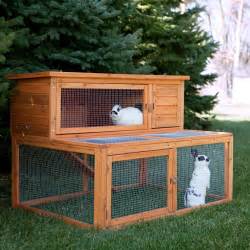
Many people like the idea of placing their rabbit in an outdoor hutch, but knowledgeable rabbit guardians know that the safest place for their pet is indoors. While wild rabbits are accustomed to temperature extremes, domestic bunnies are not. In addition, rabbits are prey for many animals, so even in a safe outdoor enclosure your pet is vulnerable to predators. Sadly, just the presence of a wild animal nearby can cause so much stress in a rabbit that he may suffer a heart attack and die of fear. The AVMA emphasizes:

“Keeping a rabbit outdoors in a hutch may seem more ‘natural,’ but it can be harmful for the rabbit. An outdoor cage exposes it to weather extremes and predators such as cats, dogs, and foxes. Even if a predator cannot get access to the rabbit, the rabbit could die from the stress of an attempted attack.

Many condominium associations allow their residents to keep rabbits as pets since most no-pet clauses apply only to dogs or cats. However, be sure to consult your association bylaws before you decide to bring a rabbit into your unit.”3

Inside your house, a large cage or an area strewn with newspapers or with a low litter box and food and water bowls will work for your rabbit’s home, but she’ll need plenty of time outside of her cage, in a bunny-proofed area, for exercise and mental well-being.  Don’t  forget the climate control is important as your bunny does not do well in extreme heat and humidity or cold.

Once your bunny settles in, you’ll find she makes a good companion, and needs to have exercise, which gives you a chance to engage and interact with your new fluff ball. He will show how much he appreciates you, and the feeling will be mutual.  Diane was exercising her lop eared bunny using a harness and leash and traffic pulled over in the development to see what type of pet it was…the people thought it was a puppy!  Crazy!!!


Is your Cat Depressed?

by Jessica Vogelsang, DVM and comments by Diane Weinmann


You’re probably familiar with Grumpy Cat, the little feline whose frown has made her famous across the internet. You may also be familiar with your own grumpy cat, if you happen to have a particularly temperamental one at home.


Cats are known for their diverse, often feisty, personalities; some are anxious, some reserved, others inquisitive. But what does it mean if your cat is acting depressed? Do cats even suffer from depression? Well, yes and no.


How is Depression in Cats Defined?


Certainly cats can exhibit depressed behavior, but the general consensus is that they do not experience the same emotional changes associated with clinical depression in humans.


“In general, depression in humans is considered a multifactorial disease,” says Dr. Lynn Hendrix, the owner of Beloved Pet Mobile Vet in Davis, California and a palliative care expert. Depression can be situational, caused by a stressful situation, or medical, due to chemical imbalances in the brain. The diagnosis is based on self-reported symptoms, says Hendrix, meaning that the symptoms can be expressed verbally to the doctor or psychologist.


Those diagnostic criteria are not available to veterinarians. Since  most people  can’t ask cats exactly what they are feeling, whether they’re sad or angry or anxious or joyous, they must rely on the clues that the cat gives us through their behavior and daily activities and make our assessments based on that.  If  you talk with an animal communicator you can find out for sure.


“The clinical signs we see tend to be loss of appetite, avoidance behavior, less active, and abnormal behavior, like hissing,” says Hendrix. Some cats may show changes in litterbox usage, while others have disturbed sleep patterns.


Other Causes for Symptoms of Depression in Cats


Unfortunately, those symptoms are caused by a wide variety of conditions in felines, so getting to the root of the problem usually involves a visit to the veterinarian to rule out other problems. Medical problems such as kidney disease or GI cancer can cause nausea and decreased appetite that mimic depression.


According to Hendrix, pain is one of the most underdiagnosed conditions in cats, seniors in particular, and is one of the leading causes of clinical signs of depression. “Most of the time, there is pain or physical disease causing a cat to act ‘depressed’,” she says.


In Hendrix’s experience, many pet owners who are dealing with terminally cats are concerned that their cat is experiencing depression, often mirroring their own sadness about a pet’s illness. Hendrix encourages those owners to consider medical causes instead. Often, “it is sick behavior,” she says. “Their terminal illness [is] making them feel sick, nauseous, painful.”


As a hospice and palliative care veterinarian, Hendrix is able to address those specific symptoms and help cats feel much more comfortable, even during the end of life process. In some cases, owners who were considering euthanasia actually postponed their decision due to the improvement in their pet’s temperament once proper treatment was instituted. For that reason, she recommends people seek veterinary care for pets exhibiting depressed behavior, as accurate diagnosis and treatment can significantly improve quality of life.


The Evaluation Process for Depression in Cats


Veterinarians will begin the evaluation by taking a full history of the symptoms and performing a complete physical examination.


“Bloodwork, chest x-rays, and abdominal ultrasound may be suggested by your veterinarian,” says Hendrix. Those baseline tests usually provide a good overall look at a pet’s health and organ function. Depending on the results, other tests may be recommended.  Infections, tumors, and inflammatory diseases of the nervous system can result in significant behavioral changes in cats. Changes due solely to stress and anxiety can be difficult to differentiate from medical conditions, so it is often a process of elimination to reach a diagnosis in cats.


Again, if the issue is physical in nature these tests will help; however, if the cause of the depression is emotional, you will learn nothing.  At that point you should consult an animal communicator, like Diane Weinmann, to determine how to proceed.


Although cats tend to be independent and resilient, they can suffer from anxiety due to changes in routine, feeling threatened, or the addition or loss of family members. Anxiety is, in fact, one of the major behavioral conditions seen by veterinarians. Chronic stress can have an impact on a pet’s emotional, and even physical, health. Self-inflicted hair loss, aggression, or changes in litterbox usage are often traced back to anxiety.


Treating the Cat’s Stress Instead of Depression


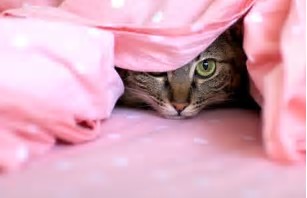
If a stressor can be identified and eliminated, often the symptoms will improve or resolve. A veterinarian, trainer or animal communicator experienced in cat behavior can help with recommendations to make a home environment less stressful to an anxious cat. A cat that feels exposed and doesn’t have a place to hide, for example, may respond to more covered furniture or additional vertical spaces in the house so he or she feels more in control of the environment.


Competition in multi-cat households can also cause stress. Depending on the situation, owners may need to add resources in the form of additional litterboxes and food bowls, or even separate cats that are not getting along.


As another environmental modification, some cats respond to pheromone diffusers such as Feliway, which can have a calming effect.  Diane has had success with essential oils and bach flower essences to alleviate emotional issues.


Using Medication to Treat Stress in Cats


For more severe cases, veterinarians can prescribe prescription medications which have been known to help with anxiety in some cats. Trazodone, gabapentin, alprazolam, and midazolam are just some of the options that a veterinarian may recommend, depending on the situation.


Regardless of the cause, a cat showing signs of depression can benefit greatly from a prompt evaluation by a veterinarian. If we resist applying the human definitions of mood disorders to our feline friends and instead evaluate them strictly from a cat-friendly perspective, there is often much we can do to make our beloved kitties happier and healthier!  If the issue doesn’t seem to be physical—call an animal communicator (like Diane Weinmann-  www.theloveofanimals.com)


Why do Dogs Hide their Bones?


Dogs descended from wild canids. According to a study published in Science in November 2013, our dogs derived from a wolf population in Europe that has since become extinct. Early dogs never knew where their next meal would come from so the stashing behavior evolved. Their sensitive noses would lead them back to the hiding places when they wanted a snack. Any food item that is in excess of hunger at the time is a surplus that must be saved and not wasted.

Because of their ancestral background, burying or hiding bones and other items is a typical dog behavior, like sniffing and tail-wagging.  Just like the wolf that they decended from, their behavior is instinctual and goes back millions of years. It’s a food-saving technique that all dogs today are born having an instinct for, just as their wolf ancestors were. Before being domesticated, this was often a necessary behavior for dogs/wolves to ensure that they’d have adequate nutrition at times when food was scarce.

Even today, canines in the wild (such as foxes) will kill a small animal, feed on it until only the bones remain, then bury the bones to hide them from other animals looking for food. If their next hunt isn’t successful, they can return to the hiding spot and feed on the leftover bones from the previous hunt. The marrow from bones is rich in nutrients and will usually be sufficient nourishment until the next successful hunting expedition.

You might wonder why dogs may also hide their plastic chew toys, which obviously have no nutritional value. The reason is that, initially, dogs don’t realize that the toy is not food, and their instincts lead them to hide the toy when they’re not chewing on it, hoarding it as if it were spare food. A difference between domesticated and wild canines is that domesticated dogs don’t generally retrieve items they’ve hidden or buried, since they are consistently fed and don’t need to return for the hidden item.

The first time I witnessed this hiding the food trait in my dog is when I gave him a marrow bone outside.  He only held it for a minute in his mouth, went to the base of a large tree and began to dig a hole.  Since he is not a digger by nature (not destructive to the flower beds or yard) I watched, fascinated, as he dug his hole and drop his bone in.  He immediately used his nose to cover it up, pushing the dirt back over the bone.  He then came right back to where I was sitting on the patio, obviously pleased with himself and wanted to be petted.  I brushed all the dirt from his nose and said “Well I guess that was a waste of money”!  Since then, he has performed this ritual twice so I don’t give him those kind of bones outside anymore—however, it was highly entertaining!


Solutions For Dog Barking

Solutions For Dog Barking


https://animalwellnessmagazine.com/wp-content/uploads/magazine-covers/V15I5.jpg

by Sandra Murphy

Does your dog explode into barking whenever someone knocks at the door or rings the bell? Here are 6 ways to help him simmer down.

Ding dong! Chaos erupts as Molly skids barking down the hallway to get to the door before her human, Pat. “She’s such a sweet dog, but why does she act like we’re under attack when someone comes to the door?” asks Pat.

To answer that question, Pat needs to think like a canine, says Eileen Proctor, dog lifestyle expert and author of Relief for the Latchkey Dog. “When a dog sees people walk down the sidewalk, he barks and the people go away. The mail carrier comes to the door, rattles the mail slot, the dog barks and he goes away. It’s a dog’s job to protect the pack. When intruders leave, he’s successful.”

“The doorway is a high intensity location,” adds dog psychologist Linda Michaels. “There’s an unseen person on the other side, a human who needs protection on this side, and often, it’s a cramped space. This is the line a stranger crosses that can increase the dog’s desire to protect.”

In other words, when your dog is barking at the door, he’s only following his natural instincts. That doesn’t make it any less nerve-wracking for you, though. Luckily, there are ways you can help train him to stop treating the doorbell or a knock as a trigger for hysterical or aggressive behavior.

1. Acknowledge his efforts

Since a dog believes barking is in his job description, praise him for doing it – but set limits. A warning bark or two is fine to let you know someone’s at the door. Extended barking is not. Retool his job description to “alert” rather than “make the stranger go away”. It’s easier than you think…read on.

2. Choose a command, and don’t shout

Yelling doesn’t help. Already in a frenzy, the dog may hear “Save me, save me!” instead of “Knock it off” or “Quiet!” when you raise your voice. Choose a verbal cue like “That’s enough” or “No bark”. Use a firm voice rather than a loud one. Eileen uses a simple, “Thank you, good dog.” That says to the dog, “Stand down while I check the threat level.” He then knows the two of you are working as a team and the responsibility is not all on him.

“Consistency is the key,” adds Eileen. “Make sure all the people in the house use the same phrase. Practice makes perfect for both the human and the dog.” Have everyone in the family work with the dog so he doesn’t think the lesson applies to only one of his humans.

3. Make it more satisfying not to bark

Barking turns into its own reward because it gets attention, good or bad. To make it more rewarding for the dog to alert and then be quiet, pick a high value treat or toy that stays by the door. Its only use is as a reward for alert/quiet. The goal is to change the meaning of the doorbell or knock from “Danger!” to “Somebody’s here! Gimme a treat.” Linda concurs: “Teach the dog: ‘I can bark at the door, or I can get cookies.’

“Safety first is always a good rule,” she adds. “To diffuse the dog’s heightened emotions, have him move away from the door to a spot where he can see what’s happening but not be between his person and the visitor.” A baby gate works well as you train for calm behavior. “A handful of tiny treats scattered over the floor will distract him from territorial guarding,” says Linda. “His guarding instincts won’t disappear. He’ll just have better control.”

4. Do some practice runs

Friends who have the willingness and patience to stand on your porch and ring the doorbell while you train are priceless. Another option could be a neighborhood kid with time on his hands. If all else fails, knock on the inside of the door yourself. When the dog rushes to see what’s going on, show the reward, use the verbal cue and take him to the chosen location where he has more space to move around and time to calm himself.

Several ten or 15-minute sessions are better than 30 minutes of continuous training. End on a successful note. If you or your dog begin to get frustrated, have him do something different, such as a few sits and downs, then reward him and take a break.

5. Open the door

Once he knows the routine – alert, move to the calm spot, get the reward – it’s time to let the person come into the house. If your dog remembers the new division of labor – he alerts, you check it out – the visitor can talk to him from a distance.

If it’s still peaceful, bring the dog closer while he’s leashed. A leash gives you control over sudden jumps, inappropriate sniffs, or a body slam greeting. If he walks nicely, let him approach the visitor. If he gets excited or pulls on the leash, stop where you are to see if he remembers that only good behavior gets a reward. Is he still overly excited? Go back and start again from the calm spot.

Watch for a wagging tail. Give your guest tiny treats too. Your dog needs to see company as a good thing. If he’s relaxed, sit down and talk to your visitor for a few minutes. Take the dog back to his calm spot, scatter treats and then escort your visitor back to the door.

6. Praise good behavior!

Whether it’s a practice run or the real thing, remember to always praise or treat your dog when he does what you want him to. “The best way is to use positive reinforcement for wanted behavior,” says Eileen. “Don’t punish bad behavior.” Friends, relatives, the UPS driver or mail carrier – the number of people who have occasion to come to your door can be legion. And each one can be a learning experience for a happy human and a well-mannered dog!

Cat Facts: 10 Interesting Things About Cat Ears

By Matt Soniak

Cats are fascinating creatures, and they’re built with some pretty amazing functions. As we’ve already pointed out, their “software” is pretty advanced, and they’re not lacking for cool hardware, either. A lot of attention gets paid to animals’ senses of smell and sight and their noses and eyes, but cats’ ears and hearing deserve a little praise, too. Here are 10 things you might not know about your cat’s ears and what they can do.


  1. Cats’ ears are pretty similar to those of other mammals and share the same three structural areas: the outer ear, middle ear, and inner ear. The outer ear is made up of the pinna (that’s the external triangular part you can see on top of their heads, and what we usually think of when we talk about their ears) and the ear canal. The pinna’s job is to capture sound waves and funnel them down the ear canal to the middle ear. Cats’ pinnae are mobile, and they can turn and move them independently. “Cats have a lot of muscle control over their ear,” says Dr. George Strain, a neuroscientist at Louisiana State University’s School of Veterinary Medicine. “They can actually use it like a radar unit and turn it toward the source of sound and increase their hearing sensitivity by 15 to 20 percent.”


The middle ear contains the eardrum and tiny bones called ossicles, which vibrate in response to sound waves and transmit those vibrations to the inner ear. In the inner ear, sensory cells in the organ of Corti respond to the vibrations by moving and bending, which sends electrical signals through the auditory nerve to the brain for processing.


The inner ear also contains the vestibular system, which helps provide a sense of balance and spatial orientation. Its shared location and connectivity to the sensory parts of the inner ear mean that an inner ear infection can affect both hearing and vestibular function, Strain says. “As a result, [a cat with an inner ear infection] may exhibit signs like a head tilt or a curvature of the body toward the side where the infection is.”


  1. For all their similarities to other mammalian ears, cat ears do have some anatomical differences, including one that can frustrate veterinarians. “One of the things that we struggle with in patients who have middle ear infections is that cats have a septum, like a bony shelf, that separates their middle ear into two compartments,” says Dr. Christine Cain, the section chief of dermatology and allergy at the University of Pennsylvania School of Veterinary Medicine. “That can make it really difficult for us to resolve their middle ear infections because there’s a compartment that you just can’t get to very easily.”


  1. You might have noticed cats have folds of skin forming what look like small slits on the outer bases of their pinnae. These little structures are formally called the cutaneous marginal pouches, but are more commonly known as Henry’s pockets. Veterinarians are unsure what purpose the pockets serve, if any.


Henry’s pocket is a pretty great anatomical term, and there’s another one for the tufts of fur that grow on the interior of cat’s pinnae—they’re called “ear furnishings” by cat fanciers and breeders.


  1. Most cat owners can tell you, anecdotally, that their pet has a very good sense of hearing. But just how good is it? “Cats hear lower frequencies and higher frequencies than dogs and people do,” Strain says. A cat’s hearing range is approximately 45hz to 64khz, compared to 67hz to 45khz in dogs. While the range of human hearing is usually pegged at 20hz to 20khz, Strain says 64hz to 23khz is a better representation.

“Among domestic animals, cats have some of the best hearing,” he says. “It helps them in that they’re predators by nature—being able to hear a wider range of sounds helps them detect a wider range of prey species, and gives them a chance of hearing and avoiding their own predators.”


  1. White cats with blue eyes have higher than normal incidences of congenital deafness due to genetic anomalies that result in the degeneration of some of the important sensory parts of the ear. “The gene that produces white hair and skin does so by suppressing pigment cells,” Strain explains, including those in the tissue of the inner ear. If those cells don’t function, he says, the tissue degenerates and the sensory cells involved in hearing die, leading to deafness.


  1. Some cats have four ears (or at least four outer ears, with extra pinnae behind their normal pinnae). The additional ears are the result of a genetic mutation. “They also have some other abnormalities,” Cain says. “Their eyes are smaller and they have a little bit of an underbite, too.”


  1. Cats’ ear canals have a self-cleaning mechanism, Cain says, and they don’t need your help keeping their ears clean. In fact, trying to clean a cat’s ears can cause ear problems to develop. “They’re sensitive creatures and susceptible to developing things like irritant reactions when we put things into their ears,” Cain says. “Unless your cat has an ear problem, for which you should go to your veterinarian, I wouldn’t do a lot of cleaning at home. Don’t try to fix it if it’s not broken.”


  1. Cats are an altricial species, which means that for some time after birth, they’re relatively immobile and not all of their sensory systems are working at their full potential. Strain says cats are born with their ear canals sealed and their auditory systems immature. “They respond to sounds as soon as the ear canal opens, and their hearing threshold will get better—that is, they can hear softer and softer sounds—in the several weeks after that,” he says.


  1. A cat’s ear temperature can help you tell if he is stressed out. Cats’ responses to fear and stress include increased adrenaline and other physiological changes that lead to energy generation in the body. Part of that energy is released as heat, increasing a cat’s body temperature in several areas. Scientists have found that the temperature of a cat’s right ear (but not the left ear) is related to the level of certain hormones released in response to stress, and could be a reliable indicator of psychological stress.


  1. Giving a hearing test to a cat is sometimes tricky, but it can be done. Behavioral tests where veterinarians make a noise and look for responses have several problems, Strain says. They can’t detect unilateral deafness, for example, and it’s not uncommon for cats to be stressed out and unresponsive during the tests.


“The most objective test we have available to us is the BAER test, which stands for brainstem auditory evoked response,” Strain says. In these tests, he explains, electrodes are placed under the skin on the top of a cat’s head and in front of each ear. A sound is then played into each ear, and the electrodes detect electrical activity in the auditory pathway.


“It’s like a TV antennae picking up a signal deep in the brain,” he says. A series of peaks in activity indicates the ear heard the noise, while a lack of activity peaks suggests the ear is deaf.


Dealing With Chronic Stress

CHRONIC STRESS is one of the foundations of disease in dogs. Adverse stress-related behaviors, such as destructiveness and self-injury, arise because their needs are not being met. Veterinarians and pet owners are often challenged in their efforts to help dogs with behavior issues that arise from anxiety, fears and phobias because these conditions have many causes. Treatment and support requires great patience, teamwork, and often multiple therapeutic strategies:

Folic Acid (Vitamin B9): Deficiency can induce irritability, behavior disorders, reduced appetite, weight loss, and weakness.

Cyanocobalamine (Vitamin B12): Maintains normal brain and CNS functioning. Deficiency can lead to severe and irreversible CNS damage.

Magnesium: Essential for basic cellular life. Deficiency can aggravate sleep disturbance, irritability and depression.

Selenium: Helps regulate the thyroid gland; deficiency is rare in pets, but can cause muscle weakness, increased susceptibility to infection, cancer, and heart disease.

DL-Phenylalanine: Comprised of a combination of the D and L isomers of the amino acid phenylalanine. Acts as a natural pain reliever by blocking the enzymes responsible for endorphin and enkephalin breakdown.

Eleuthero powder (Eleutherococcus senticosus): Also known as Siberian ginseng, it’s an adaptogen that helps the body adapt more effectively to stress. Enhances immune function, and reduces cortisol levels, inflammatory response, and the depletion of stress-reducing hormones.

Inositol: Plays an important role as a component of several cellular messengers, including some lipids such as phosphatidylinositol phosphate.

L-Tyrosine: Necessary for neurotransmitter synthesis, such as epinephrine, norepinephrine, serotonin, and dopamine, each of which can regulate mood. Assists in the synthesis of enkephalins (pain-relieving effects). Research suggests tyrosine acts as an adaptogen, helping the body adapt and cope with the effects of stress. It is a building block for norepinephrine and epinephrine, two of the body’s primary stress hormones.

St. John’s Wort (Hypericum perforatum): Reduces anxiety and stress, and is used in dogs to help alleviate mild anxiety, fears, and phobias. It acts via a mechanism similar to opiates such as morphine.

Passion Flower (Passiflora) Extract: Its flavonoids have relaxing and anti-anxiety effects. Can help with sleep problems and restlessness. May also be effective in reducing neuralgia, including (theoretically) neuralgia in cats infected with FHV. The herb of choice for chronic insomnia.

L-5-hydroxytryptophan (Griffonia simplicifolia botanical): Has a documented sleep-inducing effect. It is a direct precursor to serotonin, which has a calming effect and regulates sleep. Griffonia seed has been shown to raise serotonin levels in the brain, relieving anxiety and improving sleep patterns.

All 11 of the natural and complementary ingredients above are contained in Serenin Vet™. This product down-regulates the triggers that over-stimulate a dog’s brain, and is formulated to help dogs suffering from separation anxiety, hyperactivity, noise phobias, sleep disturbances, etc. Any of these conditions can seriously affect the quality of your patients’ lives, and that of their owners.


Dr. Terri McCalla is a board-certified veterinary ophthalmologist and a member of Animal HealthQuest, LLC.


5 Fall Dangers for Dogs

By: Jill Fanslau comments by Diane Weinmann


During the hot summer months, you’ve learned how to keep your dog cool, hydrated, and happy. But what about when the chillier fall season rolls in, and brings its own set of unique challenges? How do we prep our pooches for the change in atmosphere and the possible dangers that befall them? Here are five ways to keep your dog safe when the temperature changes from warm to crisp.

Rodenticides


As the weather gets cooler, you’ll stay indoors more often. Unfortunately, mice and rats will follow your lead, coming inside shelters to find warmth and food.

You may be tempted to put out pesticides or rodenticides—otherwise known as rat poison—to get rid of unwanted visitors. “But these rodent control chemicals can be toxic for pets if ingested,” says Len Donata, VMD, Radnor Veterinary Hospital in Pennsylvania.

“When a dog eats mouse or rat bait, a clotting factor gets blocked,” he explains. “Your pet will start to bleed.” This bleeding can start anywhere—internally or externally, from a small bump on their skin to inside their lungs. You may never even see it.” Symptoms can include rapid breathing, blood in their vomit, weakness, or seizures. “If you notice something wrong, immediately call your vet’s emergency line,” Donata urges.

Another thing to remember: some traps can be just that to a dog and they may face injuries as a result. “A mousetrap with cheese or peanut butter may look like an appetizer to an inquisitive dog,” says Teoti Anderson, CPTA-KA, KPA-CTP, owner of Pawsitive Results in Lexington, South Carolina.

Make sure your pets have no access to areas containing bait or traps. Keep doors locked and regularly check the areas to determine children or pets haven’t disturbed them.

I have an life and death personal experience with this very topic with my dog Cocoa.  He at rat poison and went into seizures.  I thought we were going to lose him but he pulled through (thank the Lord!).  All caused from putting poison in a chipmunk hole by my husband!


Allergies


Along with the beautiful fall foliage, unfortunately, comes mold, ragweed, and pollen. For many people, those seasonal allergens can lead to sneezing, a scratchy throat, and watery eyes for both you and your dog. Sure, you can pop an allergy medicine—but what about your pooch?

“When your dog comes in from outside, wipe him down with some gentle baby wipes,” says Anderson. This will help remove any microscopic allergens from his fur so he’s not carrying them around all day long.

“If your pup continues to have symptoms—like scratching, shaking his head, or constantly tearing up—see a vet,” says Dr. Donato. “Depending on how severe the symptoms are, treatments range from simple antihistamines to more aggressive medications.”

My husky Neko has been coughing after he smells crushed leaves and when he smells the base of trees where the mold grows.  I gave him Benadryl based on the vet’s recommendation and it cleared up.


Ticks

“You might only think of ticks as a danger during the summer, but they can pose a big problem to your dog in the fall, too,” Dr. Donato explains.  That’s because many animals limit their times outdoors or hibernate when the temps start to drop.  The result: fewer victims for ticks to latch on to. If your dog hangs out in the backyard or goes on walks near woods, he’s now an easy target for ticks.

“Ticks have heat sensors and can detect heat up to 30 feet away,” he says. “They can hang out on a branch or tall grass, and then latch on to the creature when they walk by.” Your dog can contract Lyme disease or other nasty infections from a tick after only 24 hours of the bug attaching.

“If a tick does attach to your pet, remove it immediately,” says Anderson. First, wipe the bite site and a pair of fine-point tweezers with rubbing alcohol. (Regular tweezers may squeeze germs from the tick’s body into your pet’s body.) Then grab the tick as close to your dog’s skin as possible, and pull slowly upward with constant pressure until the tick pops out. “Clean the area again with rubbing alcohol,” she adds.

If there’s a bit of the tick still in the skin, don’t worry—it’ll eventually work itself out. But you may want to drop the tick in a small bottle full of alcohol and then take a photo of it on your phone. “That way you can show your vet if he or she needs to identify it later on,” Anderson recommends, adding, “Keep an eye on your dog’s health for the next two weeks.”

Still don’t want to attempt remove the bug yourself? No problem. Just call your vet!

I continue to give my dog his flea and tick meds but I also use essential oils called AWAY from Dr. Melissa Shelton DVM.  Shown below is more info on the product and where you can purchase it:

AWAY

Ingredients:  Essential Oils of Eucalyptus citriodora, Catnip, Citronella, Lemon Tea Tree, White Cypress

Away was created for many purposes, but all are encompassed in the word “Away”.  Bugs go “Away”, smells go “Away”, and stale energy can also go “Away”!  I put it on my dog any time we are going into the woods or open field for a walk.Petting Technique The petting technique is a way to apply the oils to your pet. This technique is well tolerated by almost every form of animal. The technique can be modified for small rodents, amphibians, or animals that may be difficult to handle, simply by having the oils absorbed into your hands, and then “cupping” and holding the animal within your hands.

Petting Technique The petting technique is a way to apply the oils to your pet. This technique is well tolerated by almost every form of animal. The technique can be modified for small rodents, amphibians, or animals that may be difficult to handle, simply by having the oils absorbed into your hands, and then “cupping” and holding the animal within your hands.

s the body to find a natural way to cure itself and improve immune response.

Dogs:  Away can also be applied to most dogs topically using the “Petting Technique.”  Place 1-3 drops into your hands, rub them together until a light coating remains, then pet onto areas of need.  For insect repellent; rubbing down the legs, neck, shoulders, and back are good locations to concentrate on.  I especially focus on the “ankle” area of my dogs, since ticks will often contact this area first, as they start to climb up the legs.

Cats:  Diffusion of Away in a water-based diffuser is also recommended for cat households.  Away is wonderful for eliminating pet odors from the household, and litter box areas.

http://www.animaleo.info/order-animaleo.html


Closed Pools


If you’re a pool owner, chances are you’ve already covered your pool for the winter. “Even though the pool is closed up, you still need to keep your pooch away from it,” says Dr. Donato.

The reason? Water can collect in puddles on top of solid covers. If your dog slides out on the cover, he may have trouble getting back to solid ground. “He can get stranded, and quickly get hypothermia if temperatures are low enough,” says Dr. Donato.

This can also occur with mesh covers and if the water isn’t low enough, your pet can walk across and get wet.


Holiday Treats


October brings a bunch of trick-or-treating superheroes, goblins, and Frozen Elsa’s to your front door. It also brings a ton of chocolate into your house. Most dog owners know to keep chocolate away from their dogs, but if your pup gets his paws on those sweets, bring them to the vet right away to induce vomiting. Too much chocolate can be toxic.

“You’ll want to keep your Thanksgiving leftovers to yourself, too,” says Anderson. Onions, grapes, and raisons can be toxic to dogs, and “turkey skin is very fatty and can lead to pancreatitis in your pet,” she explains. Dr. Donato warns that feeding Thanksgiving table scraps causes a lot of gastroenteritis issues in dogs. “I know it’s a way for people to bond with their pets, but it’s a big reason why we’re kept busy.”

In other words, more leftovers for you.