Walking Your Dog vs. Just Letting Your Dog Out in the Backyard

By Paula Fitzsimmons and comments by Diane Weinmann

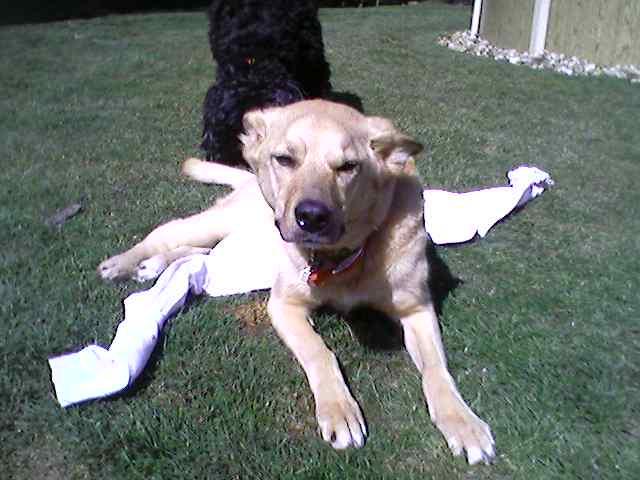
Letting your dog use your fenced-in backyard for potty breaks and exercise is convenient, especially when life gets hectic. It’s also a great way for her to get fresh air and exercise in a safe environment.


Walking your dog, however, is associated with a myriad of physical and mental benefits, which contributes to your dog’s well-being. Learn how to balance the backyard with the sidewalk to make sure your pup gets the exercise and bonding time she needs.


Is a Backyard Enough for Your Dog?


Letting your dog run around in the backyard is a beneficial supplement to walking your dog. But dogs thrive on variety, says Dr. Pam Reid, a certified applied animal behaviorist (CAAB) and vice president of the ASPCA Anti-Cruelty Behavior Team. “Most dogs enjoy seeing different things, smelling new smells, feeling novel substrates under their feet and hearing unfamiliar sounds.”


Relying solely on the backyard for your dog’s exercise can lead to problems. “It is not uncommon for these dogs to become bored and frustrated, which can lead to destructive behaviors, barking, repetitive behaviors (like perimeter circling, and even escape attempts. It is also common for many backyard dogs to begin showing territorial behaviors like barking, rushing at the fence and running the fence when people or other dogs pass by,” says Jenn Fiendish, a veterinary behavior technician who runs Happy Power Behavior and Training in Portland, Oregon.


If solely kept in enclosed spaces, they can also become sheltered, says Dr. Ari Zabell, a Vancouver, Washington-based veterinarian with Banfield Pet Hospital. As a result, “They can become less confident and comfortable with new people, pets and experiences that they aren’t exposed to on a regular basis.”


While walking your dog does provide them with exercise, a fenced-in backyard can, too. “The backyard is the safest option to let the dog run full tilt and burn off some steam, so both activities should be incorporated into a happy dog’s lifestyle,” says Dr. Reid.


Be sure that you have a secure, fenced yard so that animals cannot escape. You should also microchip your pet, as many animals get out through small holes or by digging under fences.


What Walks Provide That Backyards Don’t


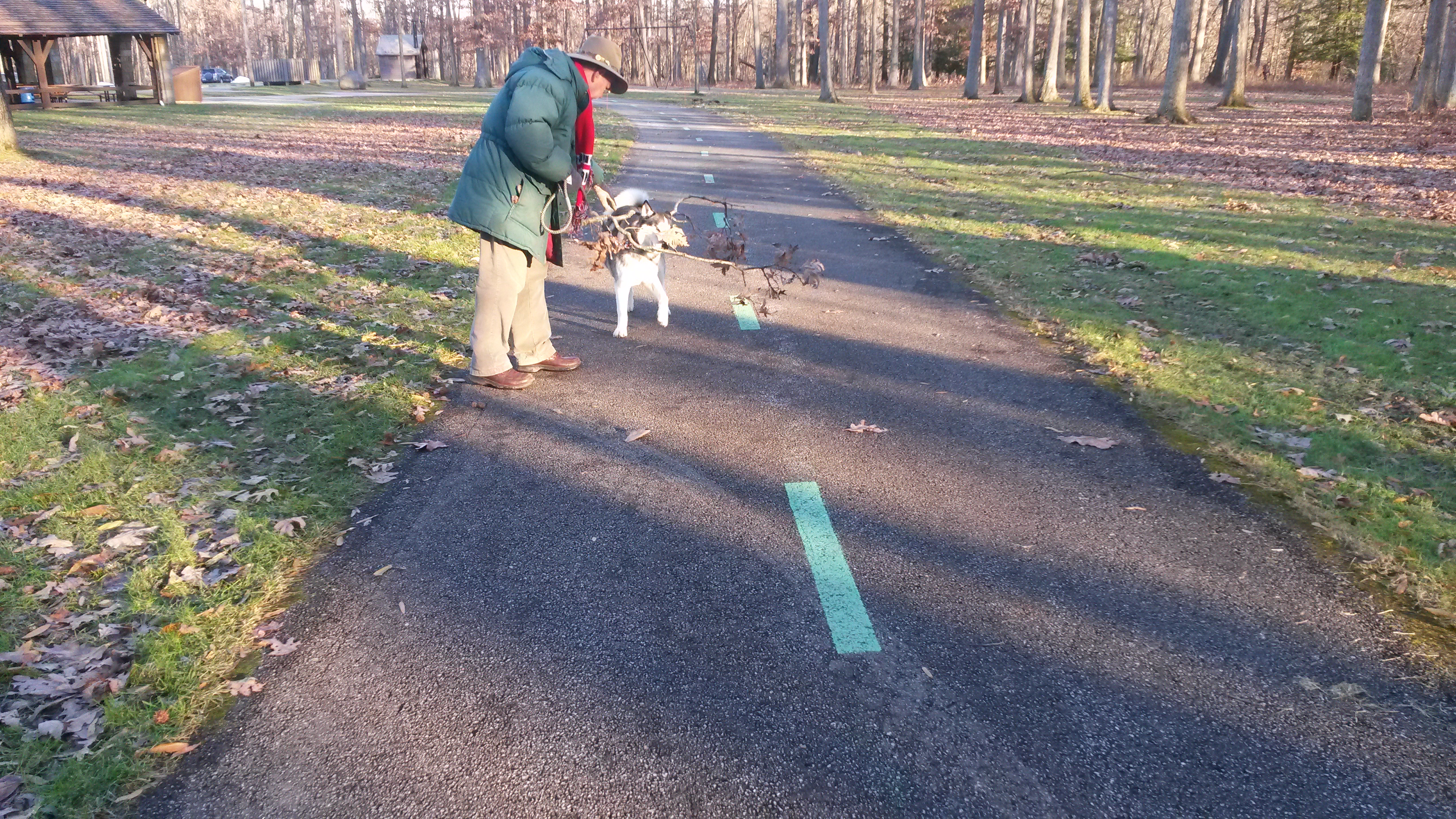
Aside from the physical health benefits, dog walking provides opportunities for enrichment, socialization and training that a backyard may not. “Dogs are, by nature, curious explorers, so going on a walk or hike is a great way to let them explore,” says Fiendish.


Dr. Reid agrees: “Walks are great for providing the mental stimulation that comes from visiting places outside of the familiar backyard. Sniff walks (allowing the dog to set the pace and stop and sniff whenever she likes) are particularly gratifying to dogs.”


Walking your dog on a dog leash also plays an important role in developing her social skills, she adds. “They see, and perhaps even get to meet, unfamiliar adults, children, dogs and other pets. They become comfortable with motorcycles and bicycles zipping by, kids on skateboards, and just about anything else you can imagine!”


Leash walking requires you to be with your dog, providing an opportunity to strengthen your bond, says Dr. Reid. “It’s no fun walking a dog that pulls on leash or zigzags back and forth all over the place, so you’ll be motivated to work on training your dog to be more mannerly while on leash.”


Finding the Right Balance Between the Backyard and Walking Your Dog


The right balance of yard and walk time is unique to every pet, family, home environment, neighborhood and lifestyle, says Dr. Zabell. “Exercise is an important component of every well-rounded dog’s life, but young, high-energy dogs, for example, will likely require more walks (or runs) than low-energy or geriatric dogs.”


Some dogs prefer the familiarity of a backyard, but still need the exposure that leash walking provides, while others quickly become bored and thrive when walked, says Dr. Reid. “Also, if you’re in a hurry to make sure your dog is ‘empty’ before heading out for a few hours, walking is by far the best option for encouraging the dog to empty his bladder and bowels. The sustained movement plus the novel vegetation that invariably contain the smells of other dogs’ eliminations will quickly prompt your dog to urinate and defecate.”


Walking Your Dog for Maximum Benefits


How often should you walk your dog? Fiendish recommends at least one 15 to 20 minute session each day, and “more if your dog doesn’t have a backyard to be in.” (Experts recommend speaking with your vet if your dog has health problems to determine the appropriate walk duration.)


Any dog collar or harness you use should be comfortable, fit properly and be safe for your dog, she adds. “It is not recommended to use products that cause pain or discomfort as these can inhibit learning, cause fear and harm the human-animal bond.”


If your dog has a tendency to pull, a dog harness has an advantage over a collar because it relieves pressure from her neck, says Laura Hills, certified dog trainer and owner of The Dogs’ Spot, based in North Kansas, Missouri. “In addition, many harnesses have a place in the front, on the dog’s chest, to clip the leash. When used in this way, a dog that pulls will find themselves turned back toward the person holding the leash. This makes pulling more difficult, as it causes the dog to be slightly off balance, and like training wheels, is a great aid while working on loose leash walking.”


If your dog doesn’t typically pull, a flat collar may be a good option, she says. And if you typically walk your dog in the evenings, “Collars and harnesses that are reflective will help dogs be seen better in lower light, which is especially good during the shorter days of winter.”


Learning how to properly exercise your dog includes knowing how to balance walks and yard time. Your vet or dog training professional is in the best position to help. “Your veterinarian should be able to advise you on the best ways to keep your pet safe, exercised and socialized, based on their individual needs, characteristics and lifestyle,” advises Dr. Zabell.

Diane plays with her dog in the backyard, spends time relaxing and reading there with her dog, even having dinner/lunch outside in the company of her dog; however, they go to the park daily (weather permitting) for the enrichment aspect to her dog’s life.  Many experiences, good or bad, cannot be found anywhere but on a walk in the park, neighborhood or woods.  Walk with a friend today!


Common Reasons Your Dog Might be Limping and When to See a Vet

Common Reasons Your Dog Might be Limping and When to See a Vet

Veterinarian Reviewed by Dr. Janice Huntingford, DVM on August 12, 2018
Posted in Dog Injury by PetWellbeing

Limping is never a good sign, and it may be easy to feel worried or distressed when signs of limping begin to show in your beloved companion dog. While a veterinarian visit is most likely inevitable, you may want or need more information before making the decision to take your dog in for medical attention. The more you know about your dog’s limping, the easier the veterinarian’s job will be in order to start the process of diagnosis and treatment.

Recognizing a limp and taking action

It is important to know what to watch for when you see limping in your dog. Most of the time limping is due to an internal injury, but when you first notice limping it will behoove you to check for things like tics, barbs, or other external causes to the leg and/or foot. Once you have ruled out any sort of external injury, you can focus on what may be happening on the inside.

Your dog will most likely be shifting their weight unnaturally or spending an inordinate amount of time laying down. Your dog may even change their eating habits, eating less or losing interest in things that once brought them joy. These are all signs that something is wrong.

Recommended Posts

Dogs and People Food: What’s Safe and What Isn’t?Comfort Gold – Dog Pain Support

Sudden limping

Sudden limping in dogs is almost exclusively caused by trauma, including breaks or tears of muscle tissue.

Dogs are an active species, often jumping, running and rolling around. Trauma can easily occur when dogs participate in any of these types of activities. Just like humans, the spectrum of trauma injuries is quite wide, including but not limited to breaks, sprains, strains, dislocations, fractures, back injuries, and muscle tears.

Some may be easier to spot, for example a broken bone that shows an unnatural angle in your dog’s leg. Most of these injuries require medical attention and some even require periods of recovery in the form of physical therapy.

Gradual limping

Regardless of the age of your dog, if you notice gradual limping that gets worse over time, this could be a sign of some sort of degeneration of bone or muscle strength. Although it is more common in older dogs, arthritis, spinal degeneration and disease or infection can all be causes of limping in dogs. Disease and infection are harder to diagnose and treat, and may require x-rays or other more in-depth medical procedures.

There are some dog-specific medications that your veterinarian may be able to prescribe your pooch for any pain they may experience due to arthritis especially. Natural supplements for bone and joint health may also prove to be beneficial to your dog’s daily health.

Home remedies

Cold compresses can help lower a dog’s pain in some cases and could be a good idea. If, however, you administer a cold compress for a period longer than 24 hours with no signs of relief, switch to a hot compress and plan on taking your dog in to the vet.

Under no circumstances should you administer over-the-counter human medications to your dog without the supervision or advice of a veterinarian specialist, as this could result in severe side-effects that could harm the well-being of your furry friend.

Never exercise a limping dog

There is never a case where exercise will improve the limping of your dog. Be sure to let them sleep, rest and simply lie down when you notice a limp. If your dog is small enough, you can even carry them instead of having them walk around, which is great for when they need to relieve themselves, eat, drink or move positions.

This may be easier or harder depending on the age of your dog as well as size. If you have a puppy that has a limp, the puppy may be more brazen in its attempts to play instead of rest. Try confining your puppy to an enclosed space as much as possible to prevent further injury, at least until there are signs of improvement.

When to see a vet

The unfortunate part about knowing when to take your dog to the veterinarian is that dogs cannot tell you what hurts or how much it hurts. This leaves their humans guessing pain level and balancing that against both costs of a vet visit, as well as the well-being of their companion.

Here’s the thing—you know your dog best, and if your dog is in pain, it’s best to simply get them to someone who can diagnose and treat the injury, whether it be sudden or gradual onset. A vet will be able to qualify your pet’s pain and provide solutions that get them back on the road to a full recovery.


Urinary Blockages in Cats

Urinary Blockages in Cats

By Jennifer Coates, DVM

One of the biggest emergencies that pet parents can face is urinary blockage in cats. Treatment often involves a panicked trip to the veterinary clinic (usually at the least convenient time possible) and hospitalization for the intensive care and monitoring needed to save the cat’s life.


If your cat has blocked once, he is at high risk for it happening again. So whether you’re looking to prevent a recurrence or to protect your cat from every having to experience this condition in the first place, it’s important to be informed about ways to prevent urinary blockages in cats.


What Causes Urinary Blockages in Cats?


Urinary blockages (also called urinary obstructions) are usually caused by plugs of proteinaceous sludge, crystals and/or small stones that become lodged within a cat’s urethra—the tube leading from the urinary bladder to the outside of the body. Neutered males have very narrow urethras, which explains why these cats have, by far, the highest incidence of urinary blockages. Urinary obstructions can also be caused by involuntary muscular contractions called urethral spasms or, less frequently, by tumors, infections, trauma and other conditions.


Urinary Obstruction Symptoms


When a cat is blocked, he will frequently squat like he is going to pee, but little to no urine will come out. Urine continues to flow into the bladder, and the pressure and pain increase. Additionally, the toxic waste products that are supposed to exit the body in the urine begin to back up within the bloodstream leading to symptoms like lethargy, disorientation and vomiting. Without timely treatment, a cat’s bladder can eventually rupture. Needless to say, get to your veterinarian immediately if you think that your cat may be blocked.


How to Prevent Urinary Blockages in Cats


In some cases, your veterinarian may identify a particular risk factor that increases the chances that your cat will become blocked. For example, a cat who has a history of developing urinary crystals or stones made of struvite (magnesium ammonium phosphate) will often benefit from eating a food that contains low levels of magnesium and phosphorus and promotes a urinary pH that makes it less likely that crystals will form. If your cat has a history of urinary blockages, make sure to ask your veterinarian about any specific prevention strategies that he or she can recommend.


If the cause of your cat’s urinary blockage can’t be identified or you simply want to prevent the condition from developing in the first place, don’t worry, you still have good options. The following three strategies will go a long way towards lowering the risk of urinary blockages in cats:


·         Provide enrichment. Research has shown that environmental enrichment and stress relief play a huge role in maintaining a cat’s urinary (and overall) health. Stress relief can take many forms. For example, you may need to modify your cat’s living arrangements if he is routinely fighting with other cats in your home. More generally, cats love a regular schedule so keep his routine as predictable as possible. Give your cats lots of opportunities to exercise their bodies and minds. Play with him, and purchase or make new cat toys and rotate through them regularly. Make use of food puzzles. Place perches near windows. Have lots of cat scratchers available.

·         Manage the cat litter box. You want your cat to keep his bladder as empty as possible so make his “bathrooms” pleasant and easy to access. Always have at least one more box available than the number of cats in your home and don’t place them all in one out of the way location. Keep all the boxes scrupulously clean. Determine what type of box and litter your cat likes best. Large, uncovered boxes with a deep layer of unscented, clumping litter are generally the most popular.

·         Keep your cat hydrated. You cat should be well hydrated so his urine stays dilute. Feed canned food rather than dry. Place several water bowls throughout your house and keep them clean and filled with fresh water. Some cats prefer drinking from a running source of water. An easy-to-clean cat water fountain can be an excellent investment.


Follow these tips and any advice from your veterinarian and you can rest assured that you’ve done everything possible to protect your cat from developing a urinary blockage.


10 Signs of Cancer to Keep an Eye Out for in Your Senior Dog

10 Signs of Cancer to Keep an Eye Out for in Your Senior Dog

Veterinarian Reviewed by Dr. Janice Huntingford, DVM on August 8, 2018
Posted in Dog Cancer as seen in PetWellbeing


Your dog is getting older and as they do, you want to be on the lookout for potential health concerns that may impact their quality of life in their later years. Cancer is one such disease your dog can develop as they age and it’s a leading cause of death in older canines. In some cases, cancer is treatable, but it needs to be caught early on. Here are 10 of the most common signs of developing cancer in aging dogs:

  1. Loss of appetite: Your dog eats normally, but suddenly is inattentive to his food or eating smaller and smaller portions, disinterested in treats or other food that used to bring joy. This may be a sign that your dog has a loss of appetite or there has been a change in health that is preventing an interest in food. This could indicate a larger problem.
  1. Problems eating: Perhaps it is not loss of appetite, but instead a physical problem with being able to eat? Loss of teeth could be an explanation, but cancer of either the mouth or throat could also be a potential cause. If it seems that your dog is in pain while eating, affecting how much they eat, it may be time to take them in to the vet.
  2. Weight loss: Loss of appetite and problems eating could result in significant weight loss. If you do not catch the first two problems, you will likely notice the change in your dog’s physical appearance. Significant weight loss for any reason is unhealthy, but it could signal a disease like cancer.
  3. Lumps, bulges and signs of tumors: Every time you groom your dog, or even after taking them for a walk outside, you should be in the habit of doing a general check of your dog’s body. Besides any tics or other things that could cause problems with your dog’s health or skin, you may also find unnatural lumps that could signal the initial stages of a tumor. If you are unsure whether or not what you have found is benign, be sure to take your dog to the vet.
  4. Open wounds that do not heal: When your dog goes for a walk or hike with you, it may be a frequent occurrence to find scratches or scrapes on their skin. It is not normal, however, if these continue to bleed or remain unhealed for long periods of time. This could signal the dog’s inability to heal, which may be part of a larger problem.
  5. Vomiting/diarrhea: If your dog is either vomiting or having diarrhea, it’s likely the result of something they ate or that upset their stomach. However, whenever both vomiting and diarrhea are present at the same time, this is an emergency situation. Take your dog to the emergency vet right away to be looked at and taken care of.
  1. Bad odor: Bad odor can come from a variety of places and have a variety of causes. However, if your dog has extremely bad breath or smells even after teeth brushing or grooming/bathing, it may be time to have a vet check on the cause. It could be that a tumor or lesion is causing the odor.

7.Problems relieving themselves: If you notice that your dog is bending in a strange way to relieve themselves, or even yelping in pain, this is a sign something is wrong. This could indicate a disease in the area, or any number or skin-related issues that could be causing pain or distress in your dog.

  1. Increased lethargy: Your dog is normally a ball of energy, bouncing around the house and begging to be let outside. But now, he is quiet, sleepy, and laying down for inordinate amounts of time. This increased lethargy could have a variety of causes, but one reason could be the amount of energy your dog’s body is using to fight a disease or larger problem. He may simply not have enough energy leftover to spend doing the things he loves, like begging for treats.


  1. Stiffness of joints: Lethargy and stiffness of joints can be easy to mix up, and so it is important to pay attention to how your dog reacts to long walks or having to jump in and out of the car. Stiffness of joints can prevent these activities and can be attributed to arthritis or be indicative of a larger issue.

Caught early, cancer is more treatable than if realized in a more advanced stage. Be sure to provide your dog with routine veterinary visits as part of your prevention plan. And if your dog exhibits any combination of symptoms above, consider taking them right away to seek medical attention. Your senior dog may not be as spry as they once were, but that doesn’t mean they’re not tough enough to fight back against cancer if it develops!


Guinea Pig Diet: What Fruits and Veggies Can Guinea Pigs Eat?

Guinea Pig Diet: What Fruits and Veggies Can Guinea Pigs Eat?

By Deanna deBara as seen in PETMD


Knowing what goes into the ideal guinea pig diet will ensure that your little rodent friend stays healthy (and happy!) for years to come.


Aside from regular guinea pig food, you’ll definitely want to supplement your pet’s diet with plenty of fresh fruits and vegetables for a little variety.


“Variety is important because fruits and veggies all provide different nutrients,” says Dr. Amy Williams, a veterinarian at Alaqua Animal Refuge, a no-kill animal shelter in Northwest Florida that provides care to neglected and abused animals (including guinea pigs). “Daily small amounts of veggies and fruit should be fed, but use a variety of veggies and fruits to ensure proper vitamins and minerals are consumed.”


“Think small! Use veggies and fruits in moderation,” says Dr. Williams. “Rule of thumb: veggies about 3/4 cup per day; fruit about 1/3 cup per day.”


So how do you know which fruits and vegetables are okay to feed to your pet? Here are six fruits and veggies that are safe and beneficial to your pet guinea pig’s health:

Strawberries

Strawberries are high in vitamin C, an essential nutrient to support guinea pig health.  “Guinea pigs can’t make their own vitamin C, so it must be in their diet [through fruits like] strawberries,” says Dr. Williams. Just don’t overdo it on fruit.


“[Fruit] is also high in sugar, so use in moderation,” says Dr. Williams. Rotate strawberries (and other fruit) into your guinea pig’s meals once or twice per week.

Bell Peppers

If you want to give your guinea pig plenty of vitamin C without any of the sugar, try bell peppers—the more variety, the better. “Definitely bell peppers … red, green, yellow, orange. Those are really high in vitamin C,” says Dr. Laurie Hess, DVM at the Veterinary Center for Birds and Exotics in Bedford Hills, New York.

Kiwis

Another fruit that’s packed with plenty of vitamin C—making it a great option for your guinea pig—is kiwi. Just make sure to safety-proof the fruit before handing it over to your furry friend. “Guinea pigs can choke, so be sure to remove seeds [from the kiwi],” says Dr. Williams.

Carrots

Carrots are a rich source of vitamin A, and both the carrot and the carrot greens are safe for your guinea pig to munch on. Just make sure to feed them in moderation—too much vitamin A isn’t good for your pet, and carrots can be high in carbohydrates.


“[Carrots] are higher in carbohydrates than some of the other vegetables,” says Dr. Hess. “You shouldn’t feed them in excess because they can be sugary in the sense of having a lot of carbohydrates … Sugar promotes abnormal … gas producing bacteria to grow in their intestinal tract and so that can [throw off] their intestinal system.”

Leafy Green Lettuce

Leafy green lettuce—like butterhead or Bibb lettuce—is the perfect veggie for your guinea pig, as green lettuces are rich in vitamin C, potassium and fiber. And the greener the better, according to Dr. Hess—deep green lettuces, and red and green leaf lettuce.


Leafy greens should make up the majority of your guinea pig’s produce diet. They are safe to feed to guinea pigs daily—just make sure to avoid iceberg lettuce, which is low on nutrients and high in nitrates, which can cause diarrhea.

Parsley

Parsley is another green that’s rich in vitamin C, making it an ideal snack for your guinea pig. Be sure to use in moderation; parsley is also high in calcium, which could lead to bladder issues.


“People love to feed [their guinea pigs] parsley. [But] when guinea pigs eat too much calcium, it kind of sediments out in their bladder, and it can form stones in their kidneys and stones in their bladder,” says Dr. Hess.


Avoid feeding parsley to your pet every day. Instead, rotate it into your guinea pig’s diet a few times a week. Be sure to consult with a veterinarian who feels comfortable with guinea pig husbandry and diet to make sure your guinea pig doesn’t get too much calcium.


Equine First Aid Kit

Equine first aid kit

Ensure you have an emergency kit convenient at all times whether you haul your horse or not. You will want to make sure it is well stocked and easily accessible along with centrally located.


Keep a first aid kit in multiple locations including the barn, trailer and put together a portable one for the trail.


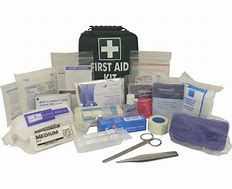
A well-stocked first aid kit should include items to:


  1. stabilize and treat wounds
  2. including a tourniquet
  3. hemostat
  4. bandage
  5. scissors
  6. antimicrobial solution
  7. gauze pads and rolls
  8. elastic adhesive
  9. wrap and roll
  10. all purpose healing salve
  11. wound spray
  12. an easy boot for injuries to the foot
  13. a roll of duct tape to secure waterproof bandages
  14. water proof bandages
  15. extra tetanus toxoid on hand in the refrigerator (for the barn)


Pancreatitis in Dogs

By Dr. Karen Shaw Becker


Pancreatitis (inflammation of the pancreas) is a very serious condition that probably doesn’t get the attention it warrants. In humans, the disease is reportedly fatal in 5 to 15 percent of cases. In dogs, it’s even more dangerous — from 27 to 58 percent of patients with the disease don’t survive it.1

Inflammation of the pancreas disrupts its normal functions, which include secreting insulin to balance blood sugar levels, and producing digestive enzymes such as amylase, lipase and protease, which are necessary for nutrient digestion and absorption.

Severe damage to the pancreas can trigger a massive inflammatory reaction known as systemic inflammatory response syndrome (SIRS), characterized by increased capillary permeability, fever, rapid heart rate, a drop in blood pressure and ultimately, multiple organ failure. In addition, as the result of a process called autodigestion, dogs can develop severe necrotizing pancreatitis in which entire portions of the pancreas are completely destroyed.

Potential Risk Factors and Triggers for Pancreatitis in Dogs

Risk factors for canine pancreatitis include:

Obesity Hypothyroidism
Diabetes Middle age or older
Cushing’s disease Small breed
Pre-existing gastrointestinal (GI) disease

According to veterinary journal dvm360, about 25 percent of dogs with acute diabetes also have acute pancreatitis.2 The condition is also more common in dogs who have had recent surgery, especially procedures involving the abdominal cavity. In addition, certain drugs are also suspected of triggering acute pancreatitis, including anti-seizure drugs such as potassium bromide or phenobarbital, prednisone and other catabolic steroids, and even the diuretic Lasix.

Dietary indiscretions are also very commonly implicated in attacks of pancreatitis and typically involve high-fat foods such as fatty meats, turkey skin, bacon grease, etc. In my experience, processed pet food also plays a role in pancreatitis in pets (more about that shortly).

Any dog can develop pancreatitis, but several small breed dogs are predisposed, including the Miniature Schnauzer, Cavalier King Charles Spaniel, Cocker Spaniel, Sheltie, Toy Poodle and the Yorkshire Terrier.

Signs to Watch For

Pancreatitis in dogs can cause a variety of symptoms that are also seen in many other conditions, and they can range from mild to very severe. A 1999 study showed that in dogs with acute pancreatitis that ultimately proved fatal, the following symptoms were reported:3

Anorexia (91 percent) Abdominal pain (58 percent)
Vomiting (90 percent) Dehydration (46 percent)
Weakness (79 percent) Diarrhea (33 percent)

When the disease is very severe, inflammation can become systemic, which can cause shock or cardiovascular (circulatory) collapse. The most common symptoms veterinarians see when examining dogs with acute pancreatitis are dehydration, excessive drooling and lip-licking (signs of nausea), and abdominal pain. Since these symptoms are present in a wide variety of diseases and disorders, a thorough diagnostic workup should be performed, including bloodwork and x-rays or scans.

Veterinarians have historically diagnosed pancreatitis using a blood test called the PLI (pancreatic lipase immunoreactivity) test. More recently, Texas A&M University has developed a test for canine pancreatic-specific immunoreactivity called the Spec cPL test. There’s also now a cPL test that offers results almost immediately at the vet clinic, without the need to ship the sample to an outside lab.

Treatment Options and Prognosis for Dogs With Pancreatitis

There is no procedure or medication that cures pancreatitis, so treatment is supportive, with the goal of reducing the dog’s symptoms. Supportive therapy includes:

  • Intravenous (IV) fluids to address dehydration, hypovolemia (decreased blood volume) and electrolyte imbalances
  • Pain management
  • Antiemetics to alleviate nausea and vomiting
  • Enteral nutrition (tube feeding)

In most cases of pancreatitis, antibiotics are unnecessary and unhelpful. In addition, nonsteroidal anti-inflammatory drugs (NSAIDs) and steroid medications like prednisone should be avoided.

Dogs who suffer an acute bout of pancreatitis can have different outcomes. Some recover fully with no further issues, some recover but go on to suffer from chronic pancreatitis, and some dogs have recurrences of acute pancreatitis. In dogs with coexisting conditions such as diabetes, successful treatment of pancreatitis depends on successful treatment or management of other diseases.

Preventing Pancreatitis (or Its Recurrence)

Veterinarians are seeing increasing numbers of both dogs and cats with pancreatitis, and I’m convinced processed pet food plays a big role. High-carbohydrate diets affect insulin levels, which affect the pancreas.

KetoPet Sanctuary has made some interesting discoveries about dogs consuming unadulterated (raw) fat versus dogs eating cooked (processed) fat, in that raw fat (even very high-fat diets) did not cause pancreatitis in their cohort of patients, but cooked fat did induce pancreatitis in some patients, even in small amounts.

So the question we should be asking is, do the highly processed, poor-quality fats (heated repeatedly, up to four times during the manufacturing process before “pet food” is created) contribute to the epidemic of chronic, low-grade pancreatitis occurring worldwide in pets? I’m suspicious.

In addition, processed pet food is devoid of natural enzymes that help reduce pancreatic stress, which is why I suspect the pancreas of many pets exists in a state of chronic, low-grade inflammation. Food that doesn’t contain natural enzymes triggers the pancreas to try to make up the difference. If it fails to perform adequately, pancreatitis results. In addition, many pets are fed high-fat diets, which we know are a cause of pancreatitis.

Dogs (and cats) are designed to get supplemental enzymes from the foods they consume, since their ancestral diet is loaded with living foods that contain abundant enzymes. In the wild, dogs consume portions of the GI tracts of their prey, which is a rich source of enzymes. They also consume the glands, including pancreatic tissue, which are abundant in naturally occurring enzymes.

Even if you’re a raw feeder, chances are you aren’t giving your dog the stomach contents of prey animals, since this is where parasites reside. What this means is that even pets consuming a nutritionally balanced, species-appropriate raw food diet can be enzyme deficient.

One of the most important steps you can take to lower your dog’s risk of a repeat episode of pancreatitis is to provide a rich source of digestive enzymes, either through feeding pancreatic tissue (which is unappealing to most pet parents, and can be difficult to source) or a supplement. This will help reduce the stress your pet’s pancreas is under to produce enough enzymes to process food.

So if you have a dog who’s currently dealing with pancreatitis, has had it in the past or if you want to take preventive measures to reduce the likelihood your pet will develop the condition, adding digestive enzymes to his food that contains no cooked or processed fat at mealtime is a great way to help reduce pancreatic stress.


Reducing Vet Clinic Anxiety: Fear Free, Low Stress Handling and Cat Friendly Veterinarians

Reducing Vet Clinic Anxiety: Fear Free, Low Stress Handling and Cat Friendly Veterinarians

By Victoria Schade and comments by Diane Weinmann

A visit to the vet clinic can be stressful for both pets and their people. For many cats and dogs, a simple wellness exam is actually a series of increasingly scary and uncomfortable manipulations that might result in the animal lashing out at the practitioner. And for pet parents, the stress of watching their best friend go through necessary yet anxiety-inducing exams might deter them from returning to the veterinarian for important health checks.


That doesn’t have to be the case. Three revolutionary certifications are changing the way veterinarians interact with their patients, and in turn, are changing the way pets and their people view their time in the vet clinic. Practitioners report less stress on both sides of the exam table, which leads to better diagnostics and happier, healthier patients.


What Is Fear Free Certification?


Developed by Dr. Marty Becker in 2016, the mission of Fear Free Certification is to prevent and alleviate fear, anxiety and stress in pets by inspiring and educating the people who care for them. The certification process includes a series of courses, both online and in person, that is available to veterinary professionals as well as all individuals employed at a vet clinic, from veterinarians and nurses to customer service representatives and practice managers.


The Difference Between Traditional and Fear Free Handling


According to Dr. Joanne Loeffler, DVM and Fear Free Certified Practitioner at the Telford Veterinary Hospital in Telford, Pennsylvania, the primary difference is the way the practitioner interacts with the patient.


“The traditional way of doing veterinary medicine was to make the pet deal with whatever procedure we needed to get done,” says Dr. Loeffler. “That would mean pinning an animal down, forceful restraint, etc., for sometimes unnecessary things, like a nail trim.”


Dr. Loeffler says that using Fear Free techniques allows the practitioner to change their approach to consider the animal’s emotional state in order to accomplish procedures. She adds, “Fear Free is a culture change from the way most of us were taught how to handle animals. In the time I’ve been involved in Fear Free, I’ve seen such a change in the compliance rate of my patients and clients. Fear Free is about treating the animal with respect and working with them to realize the vet’s office isn’t such a scary place.”


Fear Free Certification and the Diagnostic Process


“Lower stress means better diagnostics,” says Dr. Loeffler. “By having a more compliant patient, we can get more accurate heart rates, temperatures and blood pressures, and even some bloodwork values (like glucose) are more accurately assessed on a calm patient versus a stressed one. Also, when a pet has continued low-stress visits with us, a pet owner will be more likely to bring them in earlier if they get sick, which often translates into a better and quicker response to treatment.”


What Is the Cat Friendly Practice Program?


Established by the American Association of Feline Practitioners (AAFP) and the International Society for Feline Medicine (ISFM), the Cat Friendly Practice program (CFP) is a global initiative designed to elevate care for cats by reducing the stress for the cat, the caregiver and the entire veterinary team.


According to Dr. Elizabeth J. Colleran, DVM, MS, Diplomate Feline Specialty Practice and Cat Friendly Practice Task Force Chair, CFP is a self-paced online program that walks veterinary practices and professionals through all the tasks necessary to reduce the fear and stress of a cat’s visit to the vet clinic.


How Cat Stress at the Veterinarian Is Different Than Dog Stress


“Cats have a very deep connection to their home. They don’t like to leave it. Ever.” Dr. Colleran explains. “The anxiety begins as soon as they leave their ‘home range.’ From there, each new experience adds a bit more stress: strangers, loud noises, unusual odors, quick movements. Once fully anxious, they will stay that way for a long, long time. Cats have uniquely heightened senses and are more sensitive to stimuli than many other animals—sensations can be overwhelming for cats.”


Cats can also show redirection anger, which means that they will lash out at anyone in front of them at the peak moment of stress. Many owners will try to calm their cats during stressful times, putting themselves at risk of scratching, or even worse, a cat bite.


Benefits for Veterinarians Using Cat Friendly Practice Protocols


Cat Friendly Practice veterinarians note that the designation can decrease anxiety for everyone in the exam room. In a 2017 survey, CFP veterinarians said that their patients are less stressed; their clients are happier about the visit experience; and their clients noticed that how much these specialized vets care about cats. “Understanding how cats experience the world gives CFPs the tools to make the changes essential to make health care easy,” Dr. Loeffler says.


What Is Low Stress Handling Certification?


The Low Stress Handling Certification program was developed by Dr. Sophia Yin and released in 2014. Certification involves completing 10 online lecture and lab courses, passing a multiple-choice exam at the end of each lecture, and passing a final multiple-choice exam. Dr. Sally J. Foote, DVM, CABC-IAABC, LSHC-S and Low Stress Handling Silver Certified veterinarian states, “This is an in-depth program in the fundamentals of behavior, understanding the patient in front of you right now, and how to approach and deliver care right now to this animal in a less stressful way.”


The Difference Between Traditional and Low Stress Handling


Dr. Foote notes a connection between the traditional use of force during an exam and the animal’s stress levels. “The most common misstep by veterinary clinics not using Low Stress is adding more people for restraint to get the job done, like vaccinations, nails or blood draw, and not removing or reducing the triggers that are increasing the stress in the animal.” She adds that recognizing when the animal has had enough, and either using medication to assist the exam process or splitting up care, is also important for the health of the animal and safety of the practitioner.


How Does Low Stress Handling Aid Veterinarians and Pets?


Low Stress Handling techniques teach veterinarians to better understand the emotional states of the animals they’re examining, which can reduce the animal’s reactivity, and in turn reduce injury risk to the practitioner. Dr. Foote states that clients are more likely to come in when care is needed rather than trying to avoid the stress of care on the pet.


“I have also heard many veterinarians say that the client finds the veterinarian more credible because the veterinarian recognizes what this pet is feeling,” says Dr. Foote. “So if this vet can recognize stress and fear, they certainly must be able to recognize a bigger medical problem.”


Helping Your Pet Feel More Comfortable at the Vet


Dr. Foote says that creating a handling plan based on the animal’s needs and combining the efforts of both the veterinarian and pet parent in reducing the patient’s stress is the most effective approach.


She suggests open communication with your veterinarian as a way to reduce stress in the exam room. “Tell the veterinary staff and veterinarian before the exam begins what part of your pet’s body they do not like touched [and] how they like to be approached—for example, no reaching or avoid looking in the eye.”


Cats


Much like with dogs, the process of traveling to the veterinarian often sets the stage for intensifying anxiety. Dr. Loeffler says that one of the most powerful ways cat parents can reduce this stress buildup is to teach their cats to love their cat carriers. Leave the carrier out and place bedding and cat toys inside well in advance of a scheduled visit, so that when the time comes to head to the cat veterinarian, the cat will already have a positive association with the carrier.


Dogs


Dr. Loeffler believes that the first step to a happier vet visit for dogs is a stress-free car ride, as well as teaching your dog simple placement cues that are helpful during the exam. Dr. Loeffler says that teaching a dog to stand for an exam and blood draw can go a long way in making the exam more comfortable for everybody involved.


Bringing a hungry pet and high-value dog treats can also help, as well as establishing a comfort level with muzzling beforehand, since veterinarians often need to examine areas that may be painful, which puts them at risk for biting.


You can also talk to your veterinarian about using anxiety management products for dogs or cats, like holistic calming treats or sprays that can help to diffuse stress.  Diane recommends rescue remedy the premade Bach Flower Essence.  Give 5-6 drops to your dog or cat directly into their mouth or on food 10 minutes before leaving your house.  You can re-dose with no issues and there are no interactions with any meds your pet may be on!


How to Check for Dog Ear Problems

How to Check for Dog Ear Problems


By Teresa K. Traverse and comments by Diane Weinmann

Having a dog ear infection or other dog ear problem can cause a great deal of discomfort, so it’s important for pet parents to notice when there’s an issue. Most pet parents are probably not in the habit of peering into your dog’s ears every day.


To help protect the health of your dog’s ears, it’s smart to get into a routine of checking them at least once a week. That way you are able to spot any potential dog ear infections or problems, and you can take proactive measures before these issues develop into more serious dog ear problems.


Getting your dog used to having their ears handled as a puppy will make it easier to handle them when checking for or treating dog ear infections in the future.


Here’s some advice from veterinarians on how to check your dog’s ears, what to look for and how to keep them healthy.


Signs of Dog Ear Problems


You should check the ears about once a week, especially if your dog has had skin or ear issues in the past. If you have a hanging ear dog breed, be sure to lift up the flap and check on their ears more often to watch for infection or disease. Dr. Loft says you can shave around the ear opening so it’s not as hidden.


Before you get out the dog hair clippers, though, make sure to ask a professional groomer or veterinarian how to shave this area properly to avoid rashes or wounds that can lead to infection and irritation.


Some surefire signs that your pup is suffering from a dog ear problem are:


  • Pungent odor
  • Discharge
  • Blood
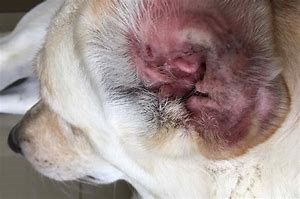
  • Irritated or red skin
  • Inflammation


Dr. Goetz cautions that if part of your dog’s ear feels like a pillow or balloon, he might have an aural hematoma. Essentially, the dog has broken blood vessels underneath the skin, which causes the ear flap to start to fill with blood. If you notice that your dog’s ear flap has started to look inflated or swollen, you should take them to your veterinarian right away. They will examine the ear and decide on an appropriate course of treatment.


If you notice any of this in your dog’s ears, then it is time to make a trip to your veterinarian.


Common Behaviors That Indicate Dog Ear Problems


If your dog is excessively scratching or pawing in the ear, tilting his head or excessively flipping his head, it may also be a sign that he is experiencing discomfort, says Dr. Matthew Goetz, DVM, medical director for the Arizona Animal Welfare League and SPCA in Phoenix.


If your dog is turning in circles, off balance, ataxic or uncoordinated, tripping over objects, or showing signs of vertigo, it could be a sign of a middle or inner ear infection, which is serious and should be treated immediately, says Dr. Klaus Earl Loft, DVM, a veterinary dermatologist at Angell Animal Medical Center in Boston, Massachusetts.


Another sign of a dog ear problem that you may not have expected is if you notice other dogs continually sniffing at your pup’s ear. Dr. Loft suggests that this could also be a sign of ear infections in dogs.


How a Vet Might Treat Your Dog


If your pup’s ears show any signs of infection, or you’ve noticed any of the behaviors that indicate an infection, you need to take your pet to see the vet before trying any type of treatment at home.


“The reason why it’s really important that you go see your veterinarian before you start any medication is that it’s important that the vet be able to look into your dogs’ ear and make sure that the ear drum is still intact. If you have a ruptured ear drum, and you put certain medications in there, it can cause deafness,” says Dr. Goetz.


A vet will perform an ear swab first. The ear swab tests for yeast, bacteria, ear mites and white or red blood cells. If you suspect an ear infection, heading to the vet is important.


A vet might need to send test results to a lab to determine the best treatment, depending on the infection. Most veterinarians can look at the sample through a microscope and determine the cause of acute and external ear infections. Chronic and middle/inner ear infections often need a culture that is then submitted to a lab for evaluation.


Dogs will typically receive antifungal or antibacterial medications, says Dr. Goetz. For a really severe ear infection, Dr. Goetz may prescribe oral antibiotics. If you’re having trouble administering ear medication, Dr. Goetz advises asking your veterinarian about long-lasting ear medications, which can last for 10-14 days.


How Often Should You Clean Dog Ears?


When it comes to cleaning dog ears, Dr. Loft warns pet parents that too much ear cleaning can actually damage your pet’s ears.


“I’m not encouraging people to clean the ear every day and do it as a precautionary, because that sometimes will render the ear more susceptible to maceration [when the skin breaks down after exposure to moisture] or infections,” says Dr. Loft.


Although you shouldn’t be cleaning your dog’s ears often or as a preventative method, there may be instances where you will want to clean them. This should be done after you’ve consulted your vet and discussed treatment.


If your dog is prone to ear infections, you may want to consider cleaning his ears weekly or monthly. You will also want to take extra precaution if you take your dog swimming or submerge his ears during a bath. Try drying them out afterwards or even cleaning them, since moisture in the ear can cause infection. Most veterinary recommended ear cleaners contain a safe drying agent which allows residual water to evaporate, which lessens the risk of infection after swimming or bathing.


How to Clean Dog Ears


According to Dr. Loft, “It’s best to stay away from harsh products like alcohol, vinegar or peroxide, which can make a bubbly sound inside the ear and scare your dog.” To clean your dog’s ear, you should always use an ear cleaner that is made specifically for dogs.


Never use cotton swabs on or in your pet’s ears for any reason. This can lead to serious injury and a trip to the emergency vet.


Here are the steps:


  1. Dr. Loft recommends holding the bottle over the ear canal and gently squeezing the solution into the ear. He advises not putting the bottle or tip in the ear directly.
  2. You then massage the base of your dog’s ear to loosen up the debris within the ear
  3. Let your dog shake their head. By shaking their head, your dog is bringing the softened wax and debris to the front of the ear canal, which makes it easier for you to clean away.
  4. Use a large cotton ball to wipe away all the wax and debris. Be gentle when wiping inside your pup’s ears. The skin within the ear is very sensitive and can be injured if you continually wipe at it.


Chronic Dog Ear Infections


Goetz says having your dog’s ear infections treated early is important for ear health. This is especially crucial for chronic ear infections.


Some chronic infections are so bad that surgical removal of the ear canal is the only option left for pain control—total ear canal ablation (TECA) surgery.


“If you have chronic ear infections that go untreated, you’re definitely going to be predisposed to having hearing loss earlier in life,” says Goetz.


Diane, animal communicator and holistic healer for pets highly recommends a product called Canine Ear spray by Dr. Melissa Shelton that will help reduce ear infections on your dog if used regularly.  Many of my clients have had great success with regular use. Here is the info about the product below:


Ingredients:  Fractionated Coconut Oil, Water, Grain Alcohol, Essential Oils of Copaiba (Copaifera officinalis) , Lavender (Lavendula angustifolia), Lemongrass (Cymbopogon flexuosus), Melaleuca alternifolia, Citronella (Cymbopogon nardus), Clove (Syzygium aromaticum), Helichrysum (H. italicum), Rosemary (Rosmarinus officinalis Verbenone Chemotype), Lemon (Citrus limon), Frankincense (Boswellia carterii)Canine Ear Spray is intended as a spray to be used with a variety of ear conditions in dogs.  Essential oils contained within this product exhibit anti-parasitic, anti-fungal, anti-bacterial, anti-tumoral, and anti-inflammatory properties.  In our veterinary hospital, the use of this spray has proven incredibly beneficial for dogs with chronic ear conditions, and especially those that are resistant to many traditional drugs and antibiotics.  Many of our patients were near surgical removal of the ear canal (Total Ear Canal Ablation or TECA surgery) prior to starting on the Canine Ear Spray.  In clinical use, we see great comfort with the use of the spray and also vast improvements in infection, swelling, and pigmentation.  A major benefit to a spray such as this – is that is actually supports a healthy immune system, instead of shutting the immune system off – as in the case with steroid use.

There are many factors that may contribute to your dog’s chronic, recurrent, or first time ear condition.  Please read more about other changes you can make in your dog’s lifestyle that will help you to combat chronic ear infections and allergies.

Directions for Use:

Shake well before each use.  Spray 1-3 pumps into the ear(s), once to twice a day.  You are not trying to saturate the ear canal or drip the solution into the ear canal directly.  Coating the outer surface of the ear and upper part of the exposed ear canal, will result in the “traveling” of this solution to deeper parts of the ear.  Monitor the ear tissues for any signs of irritation, and stop use if noted.  Generally this recipe is used for 2 weeks or longer.  Work with your veterinarian to determine frequency and length of use, based on response and recheck ear smear results.

This recipe has been used long term, for several months at a time or more when needed.  However, if irritation occurs, please discontinue use.  Although this new formulation of the Canine Ear Spray rarely creates irritations, if it does occur, placing Fractionated Coconut Oil into the ear and onto any irritated surfaces will help decrease any issues.  Fractionated Coconut Oil is safe for use in the ear – however we do not recommend filling the entire ear canal with it.

If your dog is very resistant to having a “spray” in the ear, you can spray the product onto your fingers and wipe gently into the ear and ear canal.


To order

http://www.animaleo.info/canine-ear-spray.html


Chronic vomiting in cats

Chronic vomiting in cats

By Dr. Karen Shaw Becker

Chronic vomiting in cats is unfortunately so common that many pet parents and even some veterinarians view it as “normal” behavior. However, in my professional opinion, chronic vomiting, even in kitties with hairballs, is a sign something’s wrong and needs to be investigated. After all, big cats in the wild don’t routinely vomit.

Wild cats also don’t have hairball issues, which is why I believe recurrent hairballs in housecats is also a sign that something’s amiss. Other common causes of persistent vomiting in cats include a poor diet, food intolerances, eating too fast and too much time in between meals.

Other causes include enzyme deficiencies, gastrointestinal (GI) problems that result in hairballs, toxin ingestion and underlying medical conditions like kidney disease and GI cancer.

Problem: Hairballs

If your kitty is vomiting hairballs, you’ll see cylindrical wads of hair and debris, probably some undigested bits of food, and usually a little phlegm to hold the disgusting little mess together.

Long-haired cats and cats who are really into grooming themselves — and often all the other cats (and dogs, and even people) in the house — typically have more hairball issues than normal. Cats eating dry food don’t get enough moisture in their diet, so their organs tend not to function as efficiently as they should. And unlike dogs, kitties don’t make up the deficiency by drinking lots of water, so they often end up chronically mildly dehydrated.

A GI tract that is moisture-depleted is less able to transport a hairball than the digestive tract of a well-hydrated cat eating a species-appropriate diet. Cats in the wild pass hair in their feces on a regular basis. Felines have tiny bristles on their tongues and are designed to process swallowed hair. Recurrent hairballs are abnormal.

What to do: Brush your cat and feed a moisture-rich diet. To help prevent your cat from swallowing so much hair that it forms hairballs in his GI tract, you’ll need to brush him regularly. If he’s grooming everyone in a multi-cat household, you’ll also need to brush the other kitties.

If your cat is eating exclusively dry food and you can’t or aren’t willing to switch to a different diet, I recommend adding bone broth to his dry food and a bit of fiber to each meal, or a petroleum-free hairball remedy, or even a dab of coconut oil on his front paw. I also recommend fiber and coconut oil together. Kibble fed cats definitely need additional GI lubrication to help ingested hair pass through the digestive tract.

Problem: An Underlying Medical Condition

Many cats today have inflammatory bowel disease (IBD), or irritable bowel syndrome (IBS), which causes intermittent vomiting. IBD can progress to GI lymphoma in cats, which is another reason that chronic vomiting in any kitty should be investigated medically.

In addition to lymphoma, other types of GI cancers can also cause vomiting, as can metabolic disorders like hyperthyroidism, which is a very common disease diagnosed in older kitties. Organ disease or a malfunction of the organs of detoxification, including the liver and the kidneys, will also cause vomiting.

What to do: Make an appointment with your veterinarian. Your vet should first rule out all potential medical reasons for vomiting, for example kidney failure, liver failure, hyperthyroidism or GI cancer.

If all those problems are ruled out and your veterinarian is concerned about potential IBD or IBS, I recommend submitting a blood sample to the GI lab at Texas A&M University for a functional GI test. That test can determine if your cat is dealing with malabsorption and maldigestion, or a disease of the small intestine or pancreas.

Many cats have a reduced number of hairballs and vomiting episodes when their unbalanced microbiome is addressed by switching to a species-appropriate diet, or at a minimum, have probiotics added to their food.

Problem: Poor-Quality Cat Food

Cats fed processed diets containing rendered ingredients may vomit due to poor-quality, biologically inappropriate ingredients. Rendered ingredients that wind up in pet food are leftovers from the human food industry, and can include animal pieces and parts like bird feathers, snouts, beaks, eyes, hooves and nails.

These are very low-quality ingredients with low-to-no bioavailability that are difficult for cats to digest, which can cause GI upset. Cats tend to have upper GI issues, so they vomit. Dogs typically have lower GI issues, and are more apt to develop diarrhea.

Since the introduction of processed pet food, many cats have been fed diets that are not species-appropriate, which has led to the development of food intolerances and allergies — a very common reason for intermittent vomiting over a period of months or years.

If your kitty is at a healthy weight with a normal energy level, but just throws up occasionally, food sensitivity could be the culprit. Food sensitivities develop when the same foods are fed over and over, which happens a lot with cats because they get addicted to certain foods and refuse to eat anything else.

Feeding the same type of protein, even if it’s excellent human-grade quality, can over time create GI inflammation and food sensitivities. So it’s not just about feeding good-quality protein, but also switching proteins frequently. I recommend transitioning cats with GI upset to human-grade cat food (which unfortunately can be very difficult to find), and then to a fresh food diet.

What to do: Upgrade your cat’s diet. I prefer a raw diet for cats who will eat it, but even gently cooked fresh food is a huge improvement over processed pet food. I also recommend rotating proteins every three to four months to avoid hypersensitivity reactions.

If you believe your cat may have a food hypersensitivity or allergy, I recommend Dr. Jean Dodd’s Nutriscan saliva test, which can provide help in choosing a diet that’s less reactive for your kitty. The good news is I’ve found that correcting food sensitivities, removing noxious or unnecessary ingredients from a cat’s diet, as well as transitioning to a species-appropriate, fresh food, natural diet eliminates most of the common causes of vomiting in cats.

If you feed your cat treats, be sure to offer only high-quality treats. You don’t want to spend money upgrading your kitty’s diet and then feed junky treats that can create GI inflammation and vomiting. So if you feed treats, it’s important to offer the highest quality you can afford. Or better yet, make homemade cat treats.

In store-bought treats, you should look carefully at the label and avoid anything containing propylene glycol, FD&C red #4, ethoxyquin, chemical dyes, emulsifiers, surfactants and other questionable ingredients. All those additives, preservatives and other chemicals can cause GI inflammation and vomiting.

It’s also important to note that contrary to what many people think, cats don’t need milk. Animals are only suited to digest and process milk from their own species. Drinking the milk of a different species past weaning can cause or exacerbate GI inflammation. If your cat can’t tolerate cow’s milk, it can cause vomiting, so if you’re giving him milk, I recommend you stop offering it.

Problem: Enzyme Deficiencies

Sometimes a kitty’s pancreas doesn’t produce enough digestive enzymes, such as lipase, protease and amylase, which can result in acute or chronic pancreatitis. Pancreatitis (inflammation of the pancreas), is very common in cats, and even if there are no other obvious symptoms, can be an underlying cause of intermittent vomiting.

What to do: Supplement with digestive enzymes. Cats evolved to eat an entirely fresh food diet, primarily mice, which is a very rich source of digestive enzymes that is entirely missing from processed cat food. That’s why I recommend adding a digestive enzyme to your cat’s diet.

If your kitty’s pancreas is producing adequate enzymes, adding additional enzymes to her food won’t cause any problems. However, if her pancreas is not secreting sufficient enzymes, supplementing ensures she’ll have what her body needs to process her food. Providing a high-quality digestive enzyme can help reduce vomiting as well as the potential for pancreatitis.

Problem: Speed Eating

Another very common reason cats throw up is from eating too fast. Your cat’s esophagus is horizontal and flat. Everything he eats has to travel horizontally before it moves into the stomach.

In cats with a tendency to wolf their meals, the food can back up in the esophagus and push against the lower esophageal sphincter. This can result in regurgitation of part or all of the meal, undigested, within moments of swallowing. This seems to be a special problem in multi-cat households in which all the kitties are fed in the same area at the same time, which can spark competition.

There’s usually at least one gobbler in the group, and when the food bowls hit the floor, he scarfs his own meal in a flash and then visits everyone else’s bowl to see about leftovers. He’s such a little glutton that he often ends up returning all that hastily eaten food to the floor.

What to do: Provide separate eating areas in multi-cat households. If you have a scarfer in the house, you need to feed your kitties in separate areas so they can’t see or hear the others eat. It’s best if you can close the door behind each cat, because it won’t take long for your gobbler to figure out where the rest of the bowls are if he can still get to them.

Give them about 20 minutes of solitude to eat their food slowly and uninterrupted, then remove the bowls. This may slow down your gobbler, reduce or eliminate the vomiting, and keep him from getting fat. It also allows your slower-eating kitties to relax while they dine.

If you have just one cat but she’s a gobbler, you may need to split her meals into smaller portions and feed her more often so the food doesn’t come right back up. You can also use a mini-muffin tin to slow her down. Just put a bit of food in each individual muffin cup. Moving from cup to cup will naturally slow her down.

If you don’t own a mini muffin tin, you can also try spreading the food out over a large cookie or baking sheet. If you prefer something more high-tech, there are slow-feed bowls you can purchase that provide essentially the same benefit.

Problem: Too Much Time Between Meals

Cats fed on a regular schedule, for example, at 7:00 AM and 5:00 PM each day, tend to start looking for their meal an hour or so earlier because their bodies know it’s getting to be that time.

Around the same time, your cat’s stomach begins releasing digestive substances like hydrochloric acid, gastric juices and bile in anticipation of the upcoming meal. If you’re late with her meal, she may throw up a white foamy liquid mixed with a bit of yellow bile.

This is because the digestive substances irritate the lining of the stomach when there’s nothing in there for them to work on, so your cat’s body gets rid of some of the acid to prevent further irritation.

What to do: Offer a pre-meal snack. If this scenario is occurring with your cat, give her a little something to snack on before you feed her, like a treat or a small bite of her meal. This will give her stomach juices something to digest and should alleviate the vomiting.

Problem: Toxin Ingestion

Rarely, poisoning can also be the cause of acute vomiting in kitties. It’s rare, but it happens. If you have a cat who is otherwise healthy, especially an indoor-outdoor kitty, and he suddenly starts vomiting, you should be concerned he has ingested something toxic.

Even if your cat is indoors only, unfortunately, many types of houseplants are poisonous for cats — and many cats like to sample houseplants. It’s important to make sure you’re not bringing anything into your home that could potentially poison your feline family member.

It’s important to note that since cats are designed to eat fresh food, they’ll nibble on anything fresh in your house if they’re not provided a fresh food diet. Since felines don’t have a biological requirement for plants, it’s a good bet most house-plant sampling cats are trying to supplement a processed diet with living foods.

What to do: Offer safe greens to your cat, and safely store all household chemicals out of reach. If you have kitties that like to snack on your houseplants, I recommend providing them roughage that is more palatable and safer than houseplants. You can do this in the form of cat grass, which is wheatgrass, or by offering fresh sunflower sprouts.

Any pesticides, herbicides or household cleaners that are stamped “call poison control” need to be safely stored out of the way of cats. You should assume that any cleaner you’re using in your house will ultimately be ingested by your cat, because kitties lay on surfaces, and they’re fastidious groomers.

All your household cleaners should be cat-friendly. I can’t emphasize enough that if you are still using traditional toxic household cleaners, if you have cats, one of the best gifts you can give them is to switch to nontoxic household cleaners.