Horse Body Condition

Horse Body Condition

As seen in Equus Extra


When you see your horse every day, slow, subtle fluctuations in weight can be easy to miss, especially under a winter coat or blanket. That’s why it’s a good idea to keep an eye on your horse’s body condition so you can catch developing changes earlier.

One of the most objective ways to evaluate a horse’s weight, short of walking him onto a scale in a veterinary hospital, is to learn to determine his body condition score (BCS), a method of ranking body fat on a scale from 1 (poor) to 9 (extremely fat) developed in 1983 by Don Henneke, PhD.

When horses develop fat, they tend to store it in distinct places just under the skin where it can be easily seen and felt. And they lay fat in certain parts of the body in a particular order—first over the heart and the ribs, then over the rump and back, forward to the withers, and last over the neck. As a result, the specific location of stored fat can tell you how overweight the horse is.

If your horse has a “weight problem” —whether he needs to lose or gain—his feed ration will obviously be central to the solution. An overweight horse needs to consume fewer calories and/or exercise more. But simply cutting back on your horse’s regular feed is not a good idea if it means you’ll be shortchanging his nutrition. Instead, consider switching to a lower-calorie feed meant for easy keepers. Ration balancer products can help ensure  your horse gets all of the vitamins and minerals he needs if you need to  reduce or eliminate his concentrates.

So what’s your horse’s body condition score?

score: 1 (Poor) • Extreme emaciation. • Spinous processes, ribs, tailhead, and hooks and pins are prominent. • Bone structure of withers, shoulder and neck is easily noticeable. • No fatty tissue can be felt.

score: 2 (Very thin) • Emaciated. • Thin layer of fat over base of spinous processes. • Transverse0 processes of lumbar vertebrae feel rounded. • Spinous processes, ribs, tailhead, and hooks and pins are prominent. • Withers, shoulders and neck structures are faintly discernible.

score: 3 (thin) • Fat about halfway up spinous processes; transverse processes cannot be felt. • Thin fat layer over ribs. • Spinous processes and ribs are easily discernible. • Tailhead prominent, but individual vertebrae cannot be visually identified. • Hook bones appear rounded but not easily discernible. • Pin bones not distinguishable. • Withers, shoulders and neck  are accentuated.

score: 4  (Moderately thin) • Ridge along back. • Faint outline of ribs discernible. • Tailhead prominence depends on conformation; fat can be felt around it. • Hook bones not discernible. • Withers, shoulders and neck are not obviously thin.

score: 5 (Moderate) • Back is level. • Ribs cannot be visually distinguished but can be easily felt. • Fat around tailhead beginning    to feel spongy. • Withers appear rounded over    spinous processes. • Shoulders and neck blend     smoothly into body.

score: 6  (Moderate to fleshy) • May have slight crease down back. • Fat over ribs feels soft and spongy. • Fat around tailhead feels soft. • Fat beginning to be deposited along sides of the withers, behind the shoulders and along the sides of the neck.

score: 7 (Fleshy) • May have crease down back. • Individual ribs can be felt, with noticeable filling between ribs with fat. • Fat around tailhead is soft. • Fat deposited along withers, behind shoulders, along neck

score: 8 (Fat) • Crease down back. • Difficult to feel ribs. • Fat around tailhead very soft. • Area along withers filled with fat. • Area behind shoulder filled in. • Noticeable thickening of neck. • Fat deposited along inner buttocks.

score: 9  (extremely fat) • Obvious crease down back. • Patchy fat appearing over ribs. • Bulging fat around tailhead, along withers, behind shoulders and along neck. • Fat along inner buttocks may rub together. • Flank filled in flush.

Dogs with Compulsive Disorders

By Dr. Karen Becker

Dogs with compulsive disorders are relatively common, and unfortunately, this is due in large part to modern-day lifestyles. As much as we love our four-legged family members and try to provide for all their needs, most of us aren’t in a position to allow them to live according to their true canine natures. If they could make their own choices, our dogs would be extremely active, spending lots and lots of time outdoors.

Canine Compulsive Disorder

Canine compulsive disorder (CCD), also called compulsive behavior disorder, is similar to obsessive-compulsive disorder (OCD) in humans. People with OCD perform repetitive activities (e.g., washing their hands over and over) and can’t seem to control the behavior.

Compulsive behavior disorder in dogs is also characterized by the repetitive performance of behaviors that serve no purpose. These behaviors include tail chasing or spinning, excessive licking or self-mutilation, flank sucking, chasing lights or shadows, fly snapping and chasing after or pouncing on invisible prey.

CCD shouldn’t be confused with similar repetitive behaviors some healthy, well-balanced dogs perform. For example, herding dogs and other working breeds evolved to do jobs that require the same behavior over and over again. Many retrievers will fetch the ball from sunrise to sunset; other dogs spin in happy circles when they’re excited.

There are also dogs who fixate on smaller animals such as lizards or birds, or inanimate objects like rocks or golf balls. Bored dogs also tend to develop habits that might seem compulsive, such as running along the fence in the front or backyard, or gently licking and chewing a particular paw.

As with humans with OCD, the favored behavior of dogs with CCD can take them over to the point that it interferes with normal daily activities like mealtime and playing. It can also be difficult to interrupt the compulsive behavior once the dog begins performing it.

Research Compares CCD in Dogs and OCD in People

Two of the most common repetitive behaviors in dogs are obsessive licking which results in acral lick dermatitis (ALD), also known as a lick granuloma, and tail chasing. A 2012 Finnish study suggests that dogs exhibiting indicators like tail chasing, air biting (fly snapping), obsessive pacing, trance-like freezing, or licking or biting their own flanks do indeed have a disorder similar to OCD in humans.1 A number of features of tail-chasing dogs are similar to obsessive-compulsive humans, including:

  • People with OCD and tail-chasing dogs begin acting out their behaviors at a young age
  • Both are inclined to engage in more than one compulsive activity
  • Nutritional supplements (vitamins and minerals) are beneficial in reducing the behaviors in both people and dogs
  • OCD is linked to childhood trauma and stress; tail chasing is seen more often in dogs who were separated too early from their mothers
  • Certain people with OCD are on the shy, inhibited side, and this tendency is also seen in tail-chasing dogs

In addition to these similarities, a team of researchers including veterinary behaviorist Dr. Nicholas Dodman, professor emeritus at Tufts University and the Cummings School of Veterinary Medicine, performed MRI scans on a group of Doberman Pinschers (a breed predisposed to repetitive behaviors), half with acral licking and half without.2

“When we scanned the Dobermans with acral licking, we found they had sophisticated, minute details in the brain that are also found in humans suffering from OCD,” Dodman told veterinary journal dvm360. “The changes were, if not identical, compellingly similar.”3

The Doberman study also revealed a genetic component to CCD. “We … found a gene called CDH2, otherwise known as neural cadherin (NCAD), expressed most significantly in dogs with the compulsive problem,” explains Dodman. Following Dodman’s study, psychiatrists in South Africa discovered that the same deformation of CDH2 was found in humans with OCD.4

Important Considerations for Dogs With Compulsive Behaviors

If you suspect your dog is developing a compulsive disorder, I strongly encourage you to take her to your veterinarian for a wellness exam to ensure the source of the repetitive behavior is indeed behavioral and not an underlying physical condition that needs to be identified and addressed.

The sooner strange behavior stemming from CCD (and diseases causing behaviors that mimic CCD) is addressed, the sooner you can intervene and help. For example, there are lots of reasons dogs lick certain areas of their bodies, many of which can involve allergies and/or skin disorders. It’s important to rule out a problem that actually started in the body rather than CCD, which starts in the head. Other steps you can take to help a dog with CCD:

  • Feed a nutritionally balanced, species-appropriate diet that provides everything your dog needs and nothing she doesn’t (e.g., dyes, preservatives, artificial flavors, synthetic nutrients).
  • Ensure she’s getting daily (and sometimes twice a day, depending on the dog), consistent, rigorous exercise that promotes good muscle tone and body weight, and provides for a strong and resilient musculoskeletal system and organ systems. Exercise releases “feel good” hormones dogs benefit from on a daily basis.
  • Find a hobby or “job” she really enjoys (my personal favorite is K9 nose work).
  • Limit exposure to EMFs in your home by turning off the wireless router at night and providing a grounding pad.
  • Ensure your dog’s immune system is balanced and optimally functional and titer test, in lieu of potentially over-vaccinating.

Most dogs today aren’t nearly as physically active as they’re designed to be. It can be a challenge to tire out a big or high-energy pet, especially a working or sporting breed. If your dog is performing compulsive behaviors, try increasing her exercise. Some suggestions:

Walking or hiking Jogging
Swimming Obedience or nose work events
Playing fetch or tug-of-war Flyball
Biking with a special dog bike leash Agility or other canine sports

I also recommend helping your dog stay mentally stimulated with chews and treat-release toys. In my experience, there are very few extremely healthy, physically active dogs with intractable compulsive disorders, so I can’t overstate the importance of helping your dog be as healthy and active as possible.

Additional Recommendations

Dogs with compulsive disorders tend to be more anxious and high strung than other dogs. An anxious nature may be inherited, but studies suggest environment also plays a role in triggering the expression of a compulsive behavior. Dr. Dodman makes the point that environmental enrichment by itself probably won’t resolve a compulsive disorder, but a stress-free, enriched environment can prevent CCD in the first place and make relapse less likely after a dog has been successfully treated.5

Veterinarians often treat dogs with CCD with drugs that block opioid receptors, but needless to say, I’m not in favor of jumping immediately to pharmaceuticals to treat this condition. They are sometimes appropriate in extreme, intractable cases (for example, a dog headed for the shelter) or when an animal is causing harm to himself.

They can also be beneficial as an interim measure to interrupt the cycle of behavior at the same time other less harmful remedies are being attempted. But my general recommendation is to try behavior modification along with a wide variety of natural remedies first, since every drug has side effects.

In a recent post in the Whole Dog Journal, professional trainer Mardi Richmond discusses additional treatment strategies such as avoiding known triggers, interrupting and redirecting the compulsive behavior, teaching an alternative response, and creating a structured daily routine (to reduce stress).

It’s also important not to try to prevent a dog from performing a repetitive behavior with physical restraint, because it typically causes more anxiety, not less.


5 Weird Things Cats Love

By Dr. Wailani Sung comments by Diane Weinmann

Everyone has behavioral quirks, and sometimes it appears that our cats have them, too. Do you find it unusual that you buy expensive cat toys and your cat would rather play with a simple hair tie?


Cats may be mysterious creatures, but there’s usually a reason behind their behaviors or an explanation for their interests. If you’re curious as to why your cat likes the weird things he does, then keep reading for insight on the motivation behind your cat’s fascination.


Drinking From Your Water Cup or the Faucet Instead of Their Fountain


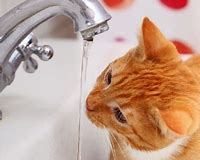
So, you purchase an expensive cat water fountain and your cat likes to drink out of your glass or from the faucet. Why does he do that?


Your cat may not realize that your glass of water is your glass of water. He just may find it convenient that there is a vessel that contains water when he is thirsty, so he drinks from it. Cats in the wild will drink whenever they are thirsty and find a water source; they do not specifically look around for bowls of water.


Another perspective may be that your cat watches you drink, and she wants to drink what you are drinking. If it is good enough for you, it is good enough for her.


Some cats may prefer to drink from the faucet when you are busy washing dishes or brushing your teeth due to their fascination by water that suddenly appears.


Or, your cat may just have a taste preference for running water compared to water that has been sitting in a cat bowl all day, which leads to bacteria formation. Plus, food particles may fall in and change the taste of the water.


This is the reason why your cat’s water bowl should be changed several times a day and washed with soap and water at least daily.


Pushing Things Off Tables and Watching Them Break


Do you have a cat that just lives to knock things off your shelf? It is so frustrating to provide your cat with plenty of toys, only to have her knocking items off of counters and breaking things on a daily basis. Why do cats feel the need to do this?


Well, every time your cat pushes an item until it drops, it reacts in a different manner. It may just be fun for him to watch the items bounce around in different directions each time they fall or watch them shatter to multiple pieces.


One time, my cat was mad at my husband, so he wound his way through very fragile breakable items on a sofa table that belonged to me to go to a very expensive one of a kind object that belonged to my husband and swiped it onto the floor!  LOL


Getting Into Boxes and Jumping Out of Them


Why are some cats obsessed with boxes? They are creatures of comfort, and sometimes being in a box with side support is comfortable. Other times, being in a box makes some cats feel safe and secure, like they are protected from all sides.


Boxes are also fun to hide in, spring out and surprise people and other pets in the household. I think the cats are secretly amused by the look of surprise or terror on our faces or the reactions from their housemates when they catch us unaware. Just like some people like to pull pranks, this is their way of pranking us.


Paper bags from the grocery store were great entertainment for Diane’s cat Milo.  She always had to be careful when picking them up off the floor because they frequently contained the cat!


Stalking Inanimate Electrical Cords


My cat is fascinated by electrical cords. Every night as we sit and watch television, I see him make the rounds around the living room. He bats at the tags attached to the cords. Then he grabs the cords and tries to bite it.


You would think that by now he would be bored with the game. Why would he keep doing it?


A reason may be that he might have learned that playing with the cord was a good way of getting my attention. Playing with the cord may also be fun because it moves in different and unexpected ways, which piques his interest.


By now I know his MO (modus operandi). So, I now pre-emptively get his attention and distract him with a cat feather wand, or we play a game of fetch to take his mind of off hunting the cord.


Having Their Butt Scratched


Have you ever had a cat walk up to you, turn around, and present their tail end? The area just above the tail that we would call the “butt” is an area that a cat cannot use its paws to scratch, and sometimes using your tongue to scratch does not do the trick.


Some cats have learned to back up against a dangling hand if they want a good scratch. Cats might indicate their enjoyment by purring, twitching their tails, raising their butts and sometimes arching up against your hand or foot.


What we see as quirky cat behaviors are normal cat behaviors that they need to express or those that are inadvertently reinforced. So relax and enjoy your cat’s unique personality!


Is Your Guinea Pig’s Diet Providing the Right Nutrients?

By Dr. Sandra Mitchell


Feeding your pets seems like such a simple process: buy a bag of food and feed it to your pet, right? But in reality, it is a lot more complicated than that.


Guinea pigs have some very specific dietary needs, and these may differ from their dietary “wants.” Add this to the fact that some guinea pig foods favor taste appeal over good nutrition, which makes it difficult for pet parents to know if their pets are getting the nutrition they need to thrive.


All of that being said, feeding a guinea pig doesn’t have to be hard; however, it isn’t quite as easy as picking up a bag of guinea pig food and pouring some into the bowl, either.


Let’s take some of the mystery out of making sure your companion is getting everything necessary for good health!


The “Natural” Guinea Pig Diet


Understanding what guinea pigs used to eat in the wild is the cornerstone of figuring out what their diet should be today.


Guinea pigs are designed to be herbivores, which means their biology has been adapted over the years to strictly digest plant materials and fibers. As natives of the Andes of South America, wild guinea pigs ate primarily forage—grasses and plant materials that are low in nutrition and high in fiber. 


When we domesticated the guinea pig, we also adjusted their diet to include nutrient-rich foods, such as yogurt drops, dried nuts and fruits, commercial guinea pig pellets and sweet and sugary treats.


Their bodies have not adapted quickly to these changes in diet, so the foods we often offer them—although well-loved by the guinea pig with a sweet tooth—are likely to cause disease.


Additionally, guinea pig teeth continue to grow throughout their lives, and if they are not properly worn, it can cause massive (and even fatal) health problems.


What Should a Guinea Pig Eat?


In reality, guinea pig diets are pretty simple. In fact, if I had to pick one item for a guinea pig to eat, it would be hay—lots and lots of hay!


Did you know that hay comes in different flavors and varieties? And, each of these different types of hay has a different nutrient profile. By balancing out differing types of hay, it is possible to create a balanced diet for a guinea pig as well as provide some interesting variety of tastes.


A few types of hay that you can offer to your guinea pig include timothy (e.g., Oxbow western timothy hay), orchard grass (e.g., Oxbow western timothy and orchard hay or Oxbow orchard grass hay), barley hay, bromegrass, bluegrass, oats (e.g., Oxbow oat hay), wheat and fescue. In general, the only hay I routinely recommend avoiding for most animals is alfalfa. It is quite high in calcium and can cause stones in some animals.


It is quite possible for guinea pigs to eat a well-balanced and complete diet alone through a variety of hays. Hay also has the additional advantage of being a food that the guinea pig intestinal tract is designed to process—and it even helps keep the teeth worn down in a proper fashion.


If you purchase a sun-dried hay, there is the added benefit that it may contain more vitamin D as well.


Fresh Vegetables in a Guinea Pig’s Diet


Guinea pigs benefit tremendously from fresh vegetables. Notice I’m not saying fresh fruit, which is high in sugar, and we already know that most pigs have a sweet tooth.


I recommend about a cup of vegetables per guinea pig per day. If you haven’t been feeding any, you might need to start slowly and work up because we certainly don’t want to cause an upset tummy with a diet change—but a cup a day is a good goal.


You can also use vegetables to provide vitamin C and other nutrients that are not found in high amounts in hay to help round out your guinea pig’s diet while also continuing to help grind those teeth down.


Some of the best vegetables for guinea pigs include green or red peppers, parsley, romaine lettuce (not iceberg, which is not very nutrient-rich), cantaloupe, dandelion greens, corn husks and silk, cilantro and carrots. Be creative and try different varieties to see what your pig likes the best! But with nutrition, the more variety, the merrier.


Just make sure to discuss the introduction of new foods and portions sizes with your veterinarian beforehand.


Vitamin C Is an Essential Part of a Guinea Pig’s Diet


Guinea pigs have a unique metabolism that does not allow them to create their own vitamin C; they rely on what they eat to provide them enough this essential vitamin—which is about 10-30 mg/kg/day.


There are a number of vitamin C supplements on the market, but I prefer to supplement it the natural way—through their diet. Some fresh veggies that are rich in vitamin C include beet greens, alfalfa sprouts, broccoli, brussels sprouts, cauliflower, swiss chard, dill and parsley—just to name a few.


If you do feel the need to add supplements to your guinea pig’s diet, it is best to talk to your veterinarian to find the best option for your guinea pig.


I don’t recommend adding the vitamin C to their water because some pigs do not like the taste and will avoid drinking it, which causes them to become dehydrated. Offering some vitamin C drops or children’s tablets may be the best alternative in that instance, but you should talk to your veterinarian to find the best option and dosage for your guinea pig.


Don’t Forget About Fresh Water


Guinea pigs need lots and lots of fresh water. Some will drink best from a sipper bottle—like the Kaytee chew-proof small animal water bottle—while others simply plug up the sipper with hay and do better from a bowl—like the Ethical Pet stoneware crock cat dish. No matter the vessel you choose, fresh water should be readily available 24 hours a day.


Commercial Guinea Pig Pellet Food


In reality, guinea pig pellets are not a necessary or required part of their regular diet. In fact, guinea pigs that overeat pellets can develop obesity as well as dental disease, so the amounts should be restricted.


Additionally, guinea pig pellets are often made from alfalfa, which is often too high in calcium and may cause bladder stones.


If you choose to feed your guinea pig pellets, limiting the amount to 1 tablespoon per day might help to round out the diet without causing harm. You will want a timothy-based pellet with no added fruits or nuts that is formulated with a stabilized vitamin C. However, pellet food is not needed if you are careful to round out the remainder of the diet.


Guinea pigs do best on a wide variety of foods, including multiple types of grass hays, several different vegetables (preferably that contain vitamin C) and lots of fresh water. So, head out to the grocery store and see what special vegetable treat your piggy can enjoy for dinner tonight!


Let’s talk Animal Communications!! Come out to meet me and hear all about how to talk with your pets!

YOU ARE INVITED TO THE FRIENDS OF THE STRONGSVILLE LIBRARY ANNUAL MEETING AUTHOR EVENT

PLEASE RSVP FOR THIS SPECIAL EVENT THAT IS FREE!!!!!!

440-238-5530

AUTHOR EVENT ANNUAL MEETING

AUGUST 14, 2019

7PM

Strongsville Library

18700 Westwood Drive

Strongsville, Ohio 44136-3495

440-238-5530 Directly behind the police station.

Please register on the library website http://www.cuyahogalibrary.org/

 or call the Strongsville branch to register 440-238-5530 .


Memberships for the Friends of the Strongsville Library

  Available at the door (or in advance at the library front desk)

$8 for a Family Membership.

Ask about our Business Sponsor Membership $25

Join the Strongsville Friends of the Library for our author event/annual meeting. A short meeting begins this wonderful event featuring Diane Weinmann. Books will be available for purchase and autographing as well as tasty treats while we all enjoy our author’s presentation.

Diane Weinmann has been involved with animals all her life.  She is an Animal Communicator, Healing Touch for Animal’s practitioner and Reiki Master.  Diane uses interspecies telepathic communication to help our companion animals have a “voice”.  Hearing their cries for help, she was drawn to provide comfort in the form of energy healing (Reiki, TTouch, Healing Touch for Animals).  She also uses sound and vibrational healing (tuning  forks) and color techniques in her healing practice. Diane is able to bring balance into your pet’s energy systems.   In addition to animal communication, Diane uses Bach Flower essences and essential oils as a holistic method to facilitate emotional healing or to evoke a change in behavior. Please visit her web site at www.theloveofanimals.com for more information on her animal communication and healing methods.  Diane is the award winning author of “A Tail of Hope’s Faith” which can be purchased at Balboa Press Bookstore, Amazon and Barnes & Noble.  A Tail of Hope’s Faith won two awards for Best Non Fiction New Age and Best in the Animal/Pet category by the Beverly Hills International Book Awards for 2015. Diane has also written for Animal Wellness and Dog’s Naturally magazines.

2013 Feb Diane PRMO AD (7)       A%20Tail%20of%20Hope's%20Faith

4 Health Care Considerations for Flat-Faced Dogs

By Jennifer Coates, DVM as seen in PetMD

Flat-faced dogs, like the French Bulldog, Pug, Boston Terrier and English Bulldog, are among some of the most easily recognizable dog breeds. Many of the most famous dogs on social media fall into these breeds.


While flat-faced dogs are undeniably cute, the physical attributes that make them so unique are what cause them to require special care considerations.


So before taking the leap and adding a flat-faced dog to your family, it is important to do some research into brachycephalic dog breeds to learn about the specific health issues and care requirements they have.


Health Considerations With Flat-Faced Dogs


Flat-faced dogs come with some unique health considerations. Not every individual will suffer from all of these conditions, but owners of brachycephalic dog breeds should be observant for their potential symptoms.


  • Respiratory Issues Brachycephalic obstructive airway syndrome, also known as brachycephalic syndrome, is the name for the respiratory distress dogs with flat faces can experience. These dogs often have small nostrils, an elongated soft palate, extra tissue in the larynx and a narrower-than-average windpipe, all of which can lead to breathing difficulties.


Symptoms of brachycephalic obstructive airway syndrome include:

o    Difficulty breathing/wheezing

o    Excessive snoring, panting, coughing or gagging

o    Heat and/or exercise intolerance

o    Discoloration of the gums or tongue due to lack of blood oxygenation

o    Difficulty sleeping (especially when dogs lie on their sides)

o    Difficulty swallowing


  • Eye Problems – Since flat-faced dogs tend to have shallow eye sockets, their eyes protrude further than other breeds. This makes their eyes vulnerable to dryness, injury, infection and proptosis (displacement from the socket). Facial skin folds may also result in fur rubbing on the eye’s surface.


  • Dental Issues – Because of their relatively small jaw structure, dental problems, like overcrowded and overlapping teeth and an underbite, are common in brachycephalic dogs.


Caring for Flat-Faced Breeds


Awareness of the conditions that can afflict flat-faced dogs is important because there are things you can do to make their lives easier. For example, keeping these dogs slim is vital to their overall health. Monitor their diet and weight closely.


Exercise is also essential, but you need to take special precautions to prevent overheating and/or a worsening of breathing problems. Avoid walking or playing with your dog when it’s particularly hot or humid outside, and always watch for signs that it’s time to take a break.


Spaying and Neutering Dogs 101: Everything You Need to Know

Reviewed for accuracy on January 8, 2019, by Dr. Hanie Elfenbein, DVM as seen on PetMD

Spaying or neutering is one of the most responsible ways dog owners can care for their pet. First-time dog owners are likely to have many questions about spaying and neutering procedures, from the risks involved to how much they will cost. Here are some answers to the most common questions that pet parents have about the spay and neutering process.


What’s the Difference Between Spaying and Neutering?


Spaying a dog refers to the removal of a female dog’s reproductive organs, while neutering refers to the procedure that’s done for males.


When a female dog is spayed, the vet removes her ovaries and usually her uterus as well. Spaying renders a female dog no longer able to reproduce and eliminates her heat cycle. Typically, behavior related to breeding instincts will cease, according to the American Veterinary Medical Association (AVMA), but this is not always true for every dog.


The procedure is also known as an ovariohysterectomy (where both uterus and ovaries are removed) or an ovariectomy (where only ovaries are removed). Both surgeries are equally safe and effective.


When neutering a dog, both testicles and their associated structures are removed. This procedure is also known as castration. Neutering renders a male dog unable to reproduce, but any behavior related to breeding instincts, like humping, usually ceases—but not always, says the AVMA. This may depend on the age of the dog and other factors.


Alternative procedures, like vasectomies for male dogs (the severing of the tubes that conduct sperm from the testes), are available but not commonly performed.


Why Spay or Neuter?


Animal shelters around the country are filled with unwanted puppies and dogs. The American Society for the Prevention of Cruelty to Animals (ASPCA) reports that approximately 6.5 million animals enter the shelter or rescue system annually. Of those 6.5 million animals, only an estimated 3.2 million find their way out of the shelter or rescue and into a home.


Spaying and neutering reduces the number of unwanted litters, which, in turn, helps to reduce the number of unwanted pets or stray animals that enter shelters or rescues.


These procedures also have specific health benefits that can help a dog live a healthier, longer life, and they may reduce behavioral issues. Spaying a dog helps prevent serious health problems, including mammary cancer and pyometra, a potentially life-threatening uterine infection, says Carolyn Brown, senior medical director of community medicine at the ASPCA.


Neutering male dogs helps keep them from developing testicular cancer, Brown says. Neutered male dogs are also generally less aggressive and less likely to stray from home. This helps keep them safe because they are less likely to get into fights or be hit by a car.


On the other hand, some diseases, like prostatic cancer and certain orthopedic conditions, are slightly more common in dogs who have been spayed or neutered. For most pet parents, however, the pros of spaying and neutering their dogs outweigh the cons.


When Should You Spay or Neuter Your Dog?


The traditional age for spaying or neutering a dog is between 4 and 6 months, although a spay clinic or shelter may safely spay or neuter dogs as young as 2 months old, says Brown. However, “each individual owner should discuss their specific circumstances with their personal vets,” recommends Brown. Several factors can influence the timing of spaying and neutering.


For example, a dog’s breed can make a difference. Research has shown that larger dog breeds tend to mature a little later than their smaller counterparts, explains Brown. An animal’s living situation may also be a consideration.


For example, a male and female from the same litter who are adopted into the same home should be spayed and neutered earlier, before the female goes into heat, Brown says. On the other hand, there’s less urgency to spay or neuter if the puppy is the only intact dog living in the house, she adds.


Most veterinarians recommend spaying a female dog before her first heat cycle. This varies but occurs somewhere between 5 and 10 months of age. Spaying before the first heat cycle greatly reduces her risk of developing dog mammary (breast) cancer.


For male dogs, adult size is an important factor. Small and medium male dogs are generally neutered earlier—around 6 months of age—while your veterinarian may recommend waiting until a giant breed puppy is a year or more before neutering.


But before a dog is spayed or neutered, it’s very important that the vet, whether at a private practice, a spay/neuter clinic or a shelter, give the animal a complete checkup to ensure he or she has no health issues, Brown points out. The pet’s owner should also provide a full medical history, because underlying conditions or current prescription pet medications could be relevant, she says.


Recovery From Spay and Neuter Surgery 


Dog owners can help their pets have safe and comfortable recoveries after being spayed or neutered by following some precautions recommended by the ASPCA:


  • Keep the dog inside and away from other animals during the recovery period.
  • Don’t let the dog run around and jump on and off things for up to 2 weeks after surgery, or as long as the vet advises.
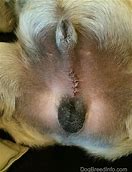
  • Ensure the dog is unable to lick their incision site by using a dog recovery cone (popularly known as the “cone of shame”) or other methods, as recommended by the vet.
  • Check the incision every day to make sure it’s healing properly. If redness, swelling, discharge or a foul odor are present, contact your vet immediately.
  • Don’t bathe the dog for at least 10 days post-surgery.
  • Call the vet if the dog is uncomfortable, is lethargic, is eating less, is vomiting or has diarrhea.


Brown also recommends discussing pain management with the vet before the procedure is done to be sure that pet pain medication is sent home with the dog. Pain medication may or may not be needed, but it’s best to have on hand just in case, she notes.


A good way to gauge a dog’s recovery is that if the dog is comfortable and energetic enough to play, he or she is probably doing okay, says Dr. Marina Tejeda of the North Shore Animal League America’s SpayUSA based in Port Washington, New York.


However, a playful dog is not license to allow her to run around before she is fully healed. Feeling like her usual self is just evidence that your dog is on her way to recovering.


Is Spay and Neuter Surgery Risky?


Spay and neutering are common surgeries, but there’s always some degree of risk involved for animals undergoing surgery and with general anesthesia, according to the AVMA.


Dogs should be given a thorough physical exam to ensure their general good health before surgery is performed. Blood work may be recommended to ensure that the dog has no underlying health issues, says Dr. Tejeda. Liver and kidney issues and heart murmurs may require further investigation, she notes.


What Are Some Misconceptions About Spay and Neuter Procedures?


A number of misconceptions about spaying and neutering dogs persist. One of the most popular beliefs is that a sterilized dog will get fat. Not true, as long as dog owners provide the proper amount of exercise and dog food, notes Brown of the ASPCA.


Dogs do tend to need fewer calories (by about 20 percent) after being spayed or neutered, but changing their diet appropriately and keeping them active will prevent weight gain.


Another misconception is that spaying or neutering a dog will change a dog’s personality. That’s not true, either. “It shouldn’t change their behavior much at all,” Brown says. If anything, it may help stop unwanted behaviors such as marking in the house.


What Does It Cost to Spay or Neuter Your Dog?


The cost of spaying or neutering a dog varies widely by geographic area as well as the size of the dog. Petfinder reports that most animal hospitals charge more than 300 dollars for the surgery. A low-cost clinic may charge in the range of 45 to 135 dollars, but this varies by location.


But the proliferation of low-cost spay and neuter clinics makes it worth researching the low-cost options available in a given area. Organizations SpayUSA and the ASPCA offer searchable national databases to help dog owners find affordable spay and neuter resources in their areas.


SpayUSA offers vouchers that cover part of the surgery’s cost at participating clinics. Dog owners can also check with their local municipalities for specific low-cost and affordable options for spay and neuter procedures.


Dr. Tejeda points out that low-cost care provided by spay and neuter clinics does not necessarily mean the care will be less comprehensive than what a private practice provides. “Low-cost does not mean low-quality,” she emphasizes. Ask for a breakdown of the costs associated with your dog’s spay or neuter to get an idea of what is and what is not included.


By: Samantha Drake


STROKES IN DOGS AND CATS

By W. Jean Dodds, DVM on March 24, 2019

With the untimely passing of actor Luke Perry, awareness of strokes came into the spotlight. Can dogs and cats have strokes? Yes; they can. Here’s what you need to know.

Types

Just like humans, dogs and cats can have one of two types of stroke: ischemic or hemmorhagic.

Ischemic
Ischemic strokes are caused by a blood clot, called a thrombus, which forms inside one of the brain’s arteries. The clot then blocks blood flow to a part of the brain. However, unlike humans, its typically only involve the smaller blood vessels in pets.

An embolism is a small blood clot (or piece of atherosclerotic plaque debris in people) that develops elsewhere in the body and then travels through the bloodstream to one of the blood vessels in the brain.

Hemorrhagic Stroke
There are two types of hemorrhagic strokes: intracerebral and subarachnoid.

An intracerebral hemorrhagic stroke occurs when a blood vessel inside the brain bursts and leaks blood into the surrounding brain tissue.

Subarachnoid strokes are typically caused by an aneurysm, which refers to a weakening of an artery wall that creates a bulge, or distention, of the artery. This type of stroke involves bleeding in the area between the brain and the tissue covering the brain, known as the subarachnoid space.

Signs

The symptoms or signs of strokes are similar in dogs and cats. They are rare and usually occur in geriatric pets.

Cats

·         Abnormal eye movements

·         Altered mental status

·         Circling

·         Head pressing

·         Head tilt

·         Muscle spasms

·         Not using the legs normally

·         Seizures

·         Unequal pupil sizes

·         Unsteadiness when walking

·         Weakness

Dogs

·         Abnormal behavior

·         Abnormal eye movements

·         Abnormal eye positioning

·         Blindness

·         Falling to one side

·         Head tilt

·         Inability to walk or walking with an uncoordinated gait

·         Loss of consciousness

Causes

Cats

·         Brain tumors

·         Cancer

·         Diabetes

·         Heart disease

·         High blood pressure

·         Hyperthyroidism

·         Kidney disease

·         Liver disease

·         Lung disease

·         Vestibular disease

Dogs

·         Bleeding disorders

·         Cancer

·         Cushing’s disease (hyperadrenocorticism)

·         Diabetes

·         Heart disease

·         High blood pressure

·         High and prolonged doses of steroids like prednisone

·         Hypothyroidism, severe

·         Kidney disease

·         Vestibular disease

Prevention

A stroke is usually caused by an underlying disease. The best preventative measure is to monitor the pet periodically in order to diagnose the disease before a stroke can occur. Disease diagnosis involves twice yearly check-ups in geriatrics and annually in younger pets , which includes routine blood, endocrine and urinalysis screening.

What to Do in the Event of a Stroke

If you think your companion dog or cat has suffered from a stroke, please take him or her to a veterinarian as soon as possible. As well, we recommend that you always keep the phone number and address of your area emergency veterinarian on hand for all pet related emergencies.


8 Fun Games You Can Play With Your Dog

By Dr. Karen Becker and comments by Diane Weinmann

We all love our pets but dogs seem to need a lot of entertaining, right?  No worries, you’ll have a lot of fun too if you play these games with them:


1. Play Frisbee fetch — If your dog loves to play fetch-the-ball, consider adding a Frisbee to the mix. Agile, athletic dogs can be taught to catch flying discs. It’s a good idea to start small, by rolling the Frisbee on the ground toward your dog. Once she’s picking up the disc as it’s rolled to her, try tossing it to her at a very low level.

If she’s able to catch or at least stop it in mid-air, you can gradually increase the height and distance you throw it. If the Frisbee seems to hold your dog’s interest and focus, you’ll can teach her to bring it back to you so you can continue throwing it for her.

2. Expand your dog’s vocabulary — With time, patience and lots of practice, most dogs can learn to associate certain words with certain objects. Here’s how to start. Give two of your dog’s favorite toys a name — something simple, like “ball,” “bear” or “baby.” Remove all other toys from sight to help him focus. Say the name of one toy and throw it so he can retrieve it. Do this a few times, repeating the name of the toy as you toss it. Then do the same with the other toy.

Now put both toys on the ground and say the name of the first toy. Each time he goes to it, reward him with praise and treats. If you want to make it more challenging, have him bring the toy to you for his reward. Repeat this with the other toy. When you’re sure your dog is consistently identifying the right toy by name, you can try expanding his vocabulary even further using additional toys or other objects.

3. Create a simple at-home agility course — Setting up an agility course for your dog and teaching her how to navigate it can be very mentally stimulating for her, and fun for you. Items to consider include a sturdy crate or stool, a chair to jump on or run under, a box with open ends to crawl through, a pole attached to two stools or boxes to jump over, a hula hoop to jump through and a disc or ball to catch.

Tailor the course to your dog’s physical ability, focus and attention span. Teach her to handle one obstacle at a time, and make sure to offer lots of praise, treats and other high-value rewards each time she conquers an obstacle. This should be all about fun, not work!

4. Play indoor hide-and-seek — Hide and seek challenges your dog’s obedience skills (so obedience training is a prerequisite for this activity) and provides both mental and scent stimulation. Here’s how to do it. Grab a few treats and give your dog a sit-stay command. Go into another room to hide, and once you’re out of sight, call him. When he finds you, reward him with praise and treats.

If you’ve taught your dog a find-it command that sends him in search of something, you can also play hide and seek with objects or food treats. To play, show your dog what you’re about to hide, and then do a sit-stay or put him behind a closed door so he can’t see you. Hide the object or treat, then go to your dog and tell him to find it.

Unless he’s a canine Einstein or has played the game awhile, you’ll probably need to give him verbal cues as he gets close to, or farther away from the object. You can also give physical hints by pointing or moving toward the hiding place until he catches on to the game. When he finds the hidden object or treat, be sure to make a huge deal out of it with lots of praise and a few additional treats.

5. Lead your dog in a stair aerobics session — If your dog is fully-grown (his joints are fully developed) and you have stairs in your home, this game is a good way to get his heart pumping.

Go to the bottom of the stairs and put him in a sit-stay. Throw a toy up to the landing, then give him the nod to go after it, bounding up the steps as fast as he can. Allow him to come back down the stairs at a slower pace, to reduce the risk of injury. Ten or so repetitions of this will get his heart rate up and tire him out. Stair exercise in conjunction with a device like Dr. Sophia Yin’s brilliant Treat&Train system can provide the foundation for an excellent winter workout program for dogs.

6. Turn on the water hose — If your dog isn’t afraid of spraying water or getting wet, on warm days you can turn your backyard hose into a fun chasing toy. It’s best to have a nozzle on the hose that shoots out a jet of water. Make sure the force of the jet isn’t too much for her and take care not to spray her in the face. This can be accomplished by standing a good distance away as you move the jet around for her to chase.

A word of caution: be sure to monitor your dog’s activity closely, since water from a hose (or sprinkler) is under pressure and she can ingest a great deal of it in a short amount of time, potentially causing water intoxication.

7. Bring out your dog’s prey drive with a flirt stick — Also called a flirt pole, it’s a simple pole or handle with a length of rope tied to one end, and a toy attached to the far end of the rope. You can buy one or create your own homemade version, just be sure to use regular rope and not flexible or bungee cord.

Flirt sticks appeal to the prey drive in dogs and they’re a fun way to exercise your pet in your backyard (or in the house if you have the space or your dog is small) without overly exerting yourself. The game is simple — just drag the toy on the ground in a circle, and your dog will chase and tug at it.

The flirt stick can be a fun way to help your dog with basic commands like sit, down, look, wait, take it, leave it and drop it. It’s also useful for helping him practice listening while in a state of high arousal and cooling down immediately on command.

8. Liven up your walks by playing find-it — On your daily walks with your dog, after she’s done her business and checked her pee-mail and the two of you are just strolling along, you can use the time to stimulate her mind. Give her a sit-stay, show her a treat and then place it on the ground out of her reach.

Return to her and give her a treat for holding her sit-stay, then give her the find-it command to get the other treat. Repeat this a few times, and then make the challenge a bit more difficult.

Place the treat under some leaves, behind a tree or on a rock. Stop at several spots as though you’re hiding the treat there but hide only one treat. If you’re playing the game off-leash, make sure you’re in a safe area, and don’t hide treats beyond your line of vision. Keep your dog in sight at all times.


Resources for Pet-Friendly Travel

By Dr. Karen Becker and comments by Diane Weinmann

The following resources provide a wealth of links and information on pet-friendly hotels, vacation rentals, timeshares, campgrounds and RV parks, restaurants and bars, attractions and activities:

PetFriendlyTravel.com Bring Fido
GoPetFriendly.com PetsWelcome.com
Take Your Pet DogTrekker
PetFriendly.Travel Pet Hotels of America
Pet Friendly Travel on Facebook National Geographic’s The Dog Lover’s Guide to Travel
AAA Pet Travel


7 Tips for Safe Air Travel With Your Dog

With that said, if you do decide to bring your pet on a flight, here are some tips to help keep her safe and relatively comfortable:

  1. Make sure your dog is fit to fly — Very young animals, elderly pets, ill pets, pets with a chronic health condition, pregnant animals and brachycephalic breeds are among the types of pets for whom air travel is in my opinion an unacceptable risk. In fact, many commercial airlines have in recent years banned flat-faced pets from their planes due to the significant health risks involved.

Talk with your integrative veterinarian about whether your dog is a good candidate for air travel. You’ll also want to get any required health certifications, for example, pets traveling to a different state by air must have a current rabies vaccination and a certification of veterinary inspection within 10 days prior to travel.

  1. Make sure your dog is very comfortable in her carrier before heading to the airport — Long before your scheduled flight, your dog should view her carrier as a safe place. Purchase it well ahead of time and get her used to hanging out in it at home.
  2. Make sure your dog is wearing a secure collar and a current ID tag — Also keep a photo of your pet on your person to help with identification in case he is lost.
  3. Bring your dog in the main passenger cabin with you if possible — Whether or not your pet can fly in the passenger cabin will depend on his size and the airline you use. Most if not all airlines only allow dogs in passenger cabins that can fit in a carrier small enough to slide under the seat.

Having your dog right there with you, in a climate-controlled cabin, has obvious benefits and is by far the best way to travel by plane with a pet. Book your flights as early as possible since airlines only allow a certain number of pets to travel in the passenger cabin.

You won’t be able to remove your dog from the carrier during the flight, so make sure he isn’t traveling on a full stomach and has an opportunity to relieve himself shortly before you board the aircraft.

  1. Avoid flying in very hot or cold weather and book nonstop flights whenever possible — In warmer months, book morning or evening flights so you’re traveling during the coolest part of the day. In cold weather, try to fly during the warmest part of the day.

Nonstop flights are highly preferable to connections, especially if your dog is flying in the baggage compartment or cargo hold. Keep in mind that direct flights are neither nonstop nor connecting but are preferable to a connecting flight. If your pet will be traveling in the baggage or cargo area, retrieve her as quickly as possible when you land at your destination.

  1. If your pet will be traveling in the baggage compartment or cargo hold, invest in a good-quality carrier — Defective or inappropriate carriers are behind most of the problems with escaped or injured pets during air travel. A suitable carrier will be TSA-approved, have secure construction (for example, locking bolts), metal doors (not plastic), metal rods that fasten the door to the container, a strong and effective lock mechanism, and no wheels.
  2. Reduce your pet’s anxiety with natural remedies — I’m not a fan of sedating pets for travel except in the most extreme circumstances, and only in consultation with a veterinarian. If your dog is so anxious she needs to be tranquilized to fly, she really shouldn’t be put through the experience if it can be avoided.

If your dog must be sedated for travel (usually due to hyperactivity) she must be in the cabin with you so you can monitor her throughout the flight. Never, under any circumstances, sedate a pet that cannot be supervised. Natural calming agents that may be beneficial include ashwagandha, holy basil and rhodiola.

To help reduce your dog’s anxiety during a trip, consider giving flower essences such as Jackson Galaxy Solutions orally before, during and after travel, and mist her carrier with specially blended pet-friendly essential oils such as those from the Earth Heart line. I also recommend homeopathic aconitum for extreme fear, if warranted. CBD oil can also be very effective at reducing stress. Try out the protocol prior to travel to make sure you’re happy with the results.

Diane recommends Rescue Remedy Bach Flower Essence 4-5 drops directly in mouth or on treat throughout the travel to keep your pet calm.  It also helps to have an animal communicator talk to your pet before the journey to explain everything that is going to happen to help alleviate stress for your pets.

If your dog has never flown before, you can gauge her potential response to air travel by how well she travels by other means. If she relaxes comfortably in her crate during car rides, chances are she’ll handle air travel reasonably well.

Most if not all the major air carriers have information about traveling with pets on their websites. If you’re thinking about flying with your dog, I recommend you contact the individual carrier as a first step. Find out what pet restrictions apply, approved carrier/kennel dimensions and other critical information you’ll need for planning purposes.

This is the time of year when many people, weary of winter, start looking forward to the warm months ahead and summer vacation. If you’re a dog parent, you’re probably also facing the question of whether to bring your pet on your trip this year or leave her at home.

Traveling with dogs is commonplace these days, but the fact is, as bonded as we are to our furry companions, we’re much better equipped to handle disruptions in routine than animals are. As much as our dogs love to be with us, they thrive in a familiar setting with a structured daily routine.

Taking your dog away from home and her daily schedule for several days or weeks can generate a level of anxiety even your constant presence can’t overcome. Now, that’s not to say you absolutely shouldn’t bring her along or that she won’t have fun, but you should be aware that her travel experience will be very different from your own. If you do intend to bring your dog with you on vacation this year, plan ahead and keep your pet’s safety top-of-mind.

Traveling Safely by Car With Your Dog

Putting your dog into a crate, carrier or secure harness is for their safety as well as yours. An unrestrained dog or cat can be a distraction while you’re driving and can become a projectile in the event of an accident, which is life-threatening for both your pet and other passengers.

You’ll want to choose a crate or carrier that fits your dog snugly, with enough room to be comfortable but not excess room (which poses a risk in the event of an accident). The crate or carrier should then be secured into the back seat or cargo area of the vehicle — not the front passenger seat.

While you can fasten almost any crate or carrier in your vehicle using elastic or rubber bungee cords, this method may not be secure enough in an accident, putting your pet at risk of injury. In addition, many pet restraint manufacturers claim their products are crash-tested and safe for use in a vehicle, but there are no established test protocols or standards required to make such claims.

Fortunately, the Center for Pet Safety (CPS) and Subaru have collaborated to perform crash tests on a wide range of harnesses, carriers and crates on the market. CPS actually provides a list of crash test-certified pet restraint systems (up to date as of November 2018).

The CPS and Subaru also crash-tested pet travel seats. These are portable booster seats for small dogs that are placed on the passenger seat or console to elevate small dogs so they can see out the windows. None of the four tested seats safely restrained the (stuffed) dogs in the crash tests,1 .


The Ultimate Guide to Travel with Pets

https://www.comparetravelinsurance.com.au/resources/the-ultimate-guide-to-travelling-with-pets