There ain’t no bugs on me!

Essential oils can assist animals with their healing using energetic vibration and the essence of the natural product. They can help bring balance and healing through their sense of smell which is the most receptive of the pet’s systems.

The oil stimulates the olfactory system which in turn sends a signal to the brain regarding the specific oil. The brain then activates the pet’s natural ability to begin the healing process.
Aromatherapy does not cure conditions, but helps the body to find a natural way to cure itself and to improve immune response.s the body to find a natural way to cure itself and improve immune response.

the body to find a natural way to cure itself and improve immune response.

AWAY

Ingredients:  Essential Oils of Eucalyptus citriodora, Catnip, Citronella, Lemon Tea Tree, White Cypress

Away was created for many purposes, but all are encompassed in the word “Away”.  Bugs go “Away”, smells go “Away”, and stale energy can also go “Away”!  I put it on my dog any time we are going into the woods or open field for a walk.Petting Technique
The petting technique is a way to apply the oils to your pet. This technique is well tolerated by almost every form of animal. The technique can be modified for small rodents, amphibians, or animals that may be difficult to handle, simply by having the oils absorbed into your hands, and then “cupping” and holding the animal within your hands.

Petting Technique
The petting technique is a way to apply the oils to your pet. This technique is well tolerated by almost every form of animal. The technique can be modified for small rodents, amphibians, or animals that may be difficult to handle, simply by having the oils absorbed into your hands, and then “cupping” and holding the animal within your hands.

s the body to find a natural way to cure itself and improve immune response.

Dogs:  Away can also be applied to most dogs topically using the “Petting Technique.”  Place 1-3 drops into your hands, rub them together until a light coating remains, then pet onto areas of need.  For insect repellent; rubbing down the legs, neck, shoulders, and back are good locations to concentrate on.  I especially focus on the “ankle” area of my dogs, since ticks will often contact this area first, as they start to climb up the legs.

Cats:  Diffusion of Away in a water-based diffuser is also recommended for cat households.  Away is wonderful for eliminating pet odors from the household, and litter box areas.

http://www.animaleo.info/order-animaleo.html

Petting Technique
The petting technique is a way to apply the oils to your pet. This technique is well tolerated by almost every form of animal. The technique can be modified for small rodents, amphibians, or animals that may be difficult to handle, simply by having the oils absorbed into your hands, and then “cupping” and holding the animal within your hands.

Away product sheet

What is heartworm disease?

What is heartworm disease?
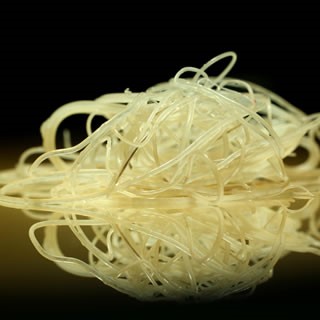
Heartworm disease is a serious and potentially fatal disease in pets in the United States and many other parts of the world. It is caused by foot-long worms (heartworms) that live in the heart, lungs and associated blood vessels of affected pets, causing severe lung disease, heart failure and damage to other organs in the body. Heartworm disease affects dogs, cats and ferrets, but heartworms also live in other mammal species, including wolves, coyotes, foxes, sea lions and—in rare instances—humans. Because wild species such as foxes and coyotes live in proximity to many urban areas, they are considered important carriers of the disease.

Dogs. The dog is a natural host for heartworms, which means that heartworms that live inside the dog mature into adults, mate and produce offspring. If untreated, their numbers can increase, and dogs have been known to harbor several hundred worms in their bodies. Heartworm disease causes lasting damage to the heart, lungs and arteries, and can affect the dog’s health and quality of life long after the parasites are gone. For this reason, prevention is by far the best option, and treatment—when needed—should be administered as early in the course of the disease as possible.

Cats. Heartworm disease in cats is very different from heartworm disease in dogs. The cat is an atypical host for heartworms, and most worms in cats do not survive to the adult stage. Cats with adult heartworms typically have just one to three worms, and many cats affected by heartworms have no adult worms. While this means heartworm disease often goes undiagnosed in cats, it’s important to understand that even immature worms cause real damage in the form of a condition known as heartworm associated respiratory disease (HARD). Moreover, the medication used to treat heartworm infections in dogs cannot be used in cats, so prevention is the only means of protecting cats from the effects of heartworm disease.

How is heartworm disease transmitted from one pet to another?

The mosquito plays an essential role in the heartworm life cycle. Adult female heartworms living in an infected dog, fox, coyote, or wolf produce microscopic baby worms called microfilaria that circulate in the bloodstream. When a mosquito bites and takes a blood meal from an infected animal, it picks up these baby worms, which develop and mature into “infective stage” larvae over a period of 10 to 14 days. Then, when the infected mosquito bites another dog, cat, or susceptible wild animal, the infective larvae are deposited onto the surface of the animal’s skin and enter the new host through the mosquito’s bite wound. Once inside a new host, it takes approximately 6 months for the larvae to mature into adult heartworms. Once mature, heartworms can live for 5 to 7 years in dogs and up to 2 or 3 years in cats. Because of the longevity of these worms, each mosquito season can lead to an increasing number of worms in an infected pet.

What are the signs of heartworm disease in dogs?

In the early stages of the disease, many dogs show few symptoms or no symptoms at all. The longer the infection persists, the more likely symptoms will develop. Active dogs, dogs heavily infected with heartworms, or those with other health problems often show pronounced clinical signs.

Signs of heartworm disease may include a mild persistent cough, reluctance to exercise, fatigue after moderate activity, decreased appetite, and weight loss. As heartworm disease progresses, pets may develop heart failure and the appearance of a swollen belly due to excess fluid in the abdomen. Dogs with large numbers of heartworms can develop a sudden blockages of blood flow within the heart leading to a life-threatening form of cardiovascular collapse. This is called caval syndrome, and is marked by a sudden onset of labored breathing, pale gums, and dark bloody or coffee-colored urine. Without prompt surgical removal of the heartworm blockage, few dogs survive.

What are the signs of heartworm disease in cats?

Signs of heartworm disease in cats can be very subtle or very dramatic. Symptoms may include coughing, asthma-like attacks, periodic vomiting, lack of appetite, or weight loss. Occasionally an affected cat may have difficulty walking, experience fainting or seizures, or suffer from fluid accumulation in the abdomen. Unfortunately, the first sign in some cases is sudden collapse of the cat, or sudden death.

How significant is my pet’s risk for heartworm infection?

Many factors must be considered, even if heartworms do not seem to be a problem in your local area. Your community may have a greater incidence of heartworm disease than you realize—or you may unknowingly travel with your pet to an area where heartworms are more common. Heartworm disease is also spreading to new regions of the country each year. Stray and neglected dogs and certain wildlife such as coyotes, wolves, and foxes can be carriers of heartworms. Mosquitoes blown great distances by the wind and the relocation of infected pets to previously uninfected areas also contribute to the spread of heartworm disease (this happened following Hurricane Katrina when 250,000 pets, many of them infected with heartworms, were “adopted” and shipped throughout the country).

The fact is that heartworm disease has been diagnosed in all 50 states, and risk factors are impossible to predict. Multiple variables, from climate variations to the presence of wildlife carriers, cause rates of infections to vary dramatically from year to year—even within communities. And because infected mosquitoes can come inside, both outdoor and indoor pets are at risk.

For that reason, the American Heartworm Society recommends that you “think 12:” (1) get your pet tested every 12 months for heartworm and (2) give your pet heartworm preventive 12 months a year.

What do I need to know about heartworm testing?

Heartworm disease is a serious, progressive disease. The earlier it is detected, the better the chances the pet will recover. There are few, if any, early signs of disease when a dog or cat is infected with heartworms, so detecting their presence with a heartworm test administered by a veterinarian is important. The test requires just a small blood sample from your pet, and it works by detecting the presence of heartworm proteins. Some veterinarians process heartworm tests right in their hospitals while others send the samples to a diagnostic laboratory. In either case, results are obtained quickly. If your pet tests positive, further tests may be ordered.

When should my pet be tested?

Testing procedures and timing differ somewhat between dogs and cats.

Dogs. All dogs should be tested annually for heartworm infection, and this can usually be done during a routine visit for preventive care. Following are guidelines on testing and timing:

·         Puppies under 7 months of age can be started on heartworm prevention without a heartworm test (it takes at least 6 months for a dog to test positive after it has been infected), but should be tested 6 months after your initial visit, tested again 6 months later and yearly after that to ensure they are heartworm-free.

·         Adult dogs over 7 months of age and previously not on a preventive need to be tested prior to starting heartworm prevention.  They, too, need to be tested 6 months and 12 months later and annually after that.

·         You need to consult your veterinarian, and immediately re-start your dog on monthly preventive—then retest your dog 6 months later. The reason for re-testing is that heartworms must be approximately 7 months old before the infection can be diagnosed.

Annual testing is necessary, even when dogs are on heartworm prevention year-round, to ensure that the prevention program is working. Heartworm medications are highly effective, but dogs can still become infected. If you miss just one dose of a monthly medication—or give it late—it can leave your dog unprotected. Even if you give the medication as recommended, your dog may spit out or vomit a heartworm pill—or rub off a topical medication. Heartworm preventives are highly effective, but not 100 percent effective. If you don’t get your dog test, you won’t know your dog needs treatment.

Cats. Heartworm infection in cats is harder to detect than in dogs, because cats are much less likely than dogs to have adult heartworms. The preferred method for screening cats includes the use of both an antigen and an antibody test (the “antibody” test detects exposure to heartworm larvae). Your veterinarian may also use x-rays or ultrasound to look for heartworm infection. Cats should be tested before being put on prevention and re-tested as the veterinarian deems appropriate to document continued exposure and risk. Because there is no approved treatment for heartworm infection in cats, prevention is critical.

What happens if my dog tests positive for heartworms?

No one wants to hear that their dog has heartworm, but the good news is that most infected dogs can be successfully treated. The goal is to first stabilize your dog if he is showing signs of disease, then kill all adult and immature worms while keeping the side effects of treatment to a minimum.

Here’s what you should expect if your dog tests positive:

·         Confirm the diagnosis. Once a dog tests positive on an antigen test, the diagnosis should be confirmed with an additional—and different—test. Because the treatment regimen for heartworm is both expensive and complex, your veterinarian will want to be absolutely sure that treatment is necessary.

·         Restrict exercise. This requirement might be difficult to adhere to, especially if your dog is accustomed to being active. But your dog’s normal physical activities must be restricted as soon as the diagnosis is confirmed, because physical exertion increases the rate at which the heartworms cause damage in the heart and lungs. The more severe the symptoms, the less activity your dog should have.

·         Stabilize your dog’s disease. Before actual heartworm treatment can begin, your dog’s condition may need to be stabilized with appropriate therapy. In severe cases of heartworm disease, or when a dog has another serious condition, the process can take several months.

·         Administer treatment. Once your veterinarian has determined your dog is stable and ready for heartworm treatment, he or she will recommend a treatment protocol involving several steps. The American Heartworm Society has guidelines for developing this plan of attack. Dogs with no signs or mild signs of heartworm disease, such as cough or exercise intolerance, have a high success rate with treatment. More severe disease can also be successfully treated, but the possibility of complications is greater. The severity of heartworm disease does not always correlate with the severity of symptoms, and dogs with many worms may have few or no symptoms early in the course of the disease.

·         Test (and prevent) for success. Approximately 6 months after treatment is completed, your veterinarian will perform a heartworm test to confirm that all heartworms have been eliminated. To avoid the possibility of your dog contracting heartworm disease again, you will want to administer heartworm prevention year-round for the rest of his life.

What if my cat tests positive for heartworms?

Like dogs, cats can be infected with heartworms. There are differences, however, in the nature of the disease and how it is diagnosed and managed. Because a cat is not an ideal host for heartworms, some infections resolve on their own, although these infections can leave cats with respiratory system damage. Heartworms in the circulatory system also affect the cat’s immune system and cause symptoms such as coughing, wheezing and difficulty breathing. Heartworms in cats may even migrate to other parts of the body, such as the brain, eye and spinal cord. Severe complications such as blood clots in the lungs and lung inflammation can result when the adult worms die in the cat’s body.

Here’s what to expect if your cat tests positive for heartworm:

·         Diagnosis. While infected dogs may have 30 or more worms in their heart and lungs, cats usually have 6 or fewer—and may have just one or two. But while the severity of heartworm disease in dogs is related to the number of worm, in cats, just one or two worms can make a cat very ill. Diagnosis can be complicated, requiring a physical exam, an X-ray, a complete blood count and several kinds of blood test. An ultrasound may also be performed.

·         Treatment. Unfortunately, there is no approved drug therapy for heartworm infection in cats, and the drug used to treat infections in dogs is not safe for cats. Nevertheless, cats with heartworm disease can often be helped with good veterinary care. The goal is to stabilize your cat and determine a long-term management plan.

·         Monitor your cat. Heartworm-positive cats may experience spontaneous clearing of heartworms, but the damage they cause may be permanent. If your cat is not showing signs of respiratory distress, but worms have been detected in the lungs, chest X-rays every 6 to 12 months may be recommended. If mild symptoms are noted, small doses of prednisolone may be administered to help reduce inflammation.

·         Provide veterinary care. If the disease is severe, additional support may be necessary. Your veterinarian my recommend hospitalization in order to provide therapy, such as intravenous fluids, drugs to treat lung and heart symptoms, antibiotics, and general nursing care. In some cases, surgical removal of heartworms may be possible.

·         Maintain prevention. A cat that has developed heartworm disease has demonstrated that it is susceptible to heartworm infection, and both outdoor and indoor cats are at risk. It’s important to give your cat monthly heartworm preventives, which are available in both spot-on and pill form. Preventives keep new infections from developing if an infected mosquito bites your cat again.

The age of the dog is just one factor affecting the success of heartworm treatment. When making a diagnosis and administering treatment, veterinarians consider the dog’s overall health and the severity of his symptoms, as well as the results of X-rays and laboratory test results. Older dogs with long-term heartworm infections may have damage to their lungs, hearts, livers, and kidneys that can complicate heartworm treatment. To ensure the best chance of success, it is vital to follow your veterinarian’s instructions carefully. This includes severely restricting the dog’s activity, as exercise during the treatment period is the leading cause of complications.


After treating a dog with melarsomine injections, adult worms may continue to die for more than a month following this treatment. Heartworm antigen testing is the most reliable method of confirming that all of the adult heartworms have been eliminated. Although many dogs are antigen-negative 16 weeks after treatment, it can take longer for the antigen to be completely cleared from some dogs. Additionally, even though melarsomine is highly effective, a single course of treatment may not completely clear all dogs of infection (the American Heartworm Society protocol calls for three separate injections of melarsomine.  Consequently, in most cases, a dog that is still antigen positive at 4 months should be rechecked 2 to 3 months later before determining whether there are still adult heartworms remaining, and a second treatment course may be required.


Common Uses of Lemon Balm on Dogs and Horses

Common Uses of Lemon Balm on Dogs

Lemon balm contains, amongst other things, volatile oils, tannins, and flavonoids. These elements give the herb a number of therapeutic effects, including calming and relaxing, anti-viral, anti-bacterial, muscle-relaxing and pain-relieving effects.

In dogs, lemon balm can be used for numerous health issues, including stress, anxiety, depression, and digestive problems, especially gas.

In older dogs, lemon balm can be used to address sleep disorders and reduce agitation and anxiety caused by canine cognitive dysfunction.

Topically, it is also an effective disinfectant for minor cuts and wounds, as well as an effective muscle-relaxant for sores and pains.

On horses, lemon balm’s anti-spasmodic effects on muscle pains and stomach issues is [perfect for stress related situations or environments, like stall rest. Lemon balm can also help horses with metobolic issues by reducing the production of thyroid hormones and ease the symptoms of hyperthyroidism.

How to Use Lemon Balm on Dogs

There are quite a few ways that our dogs can reap the lemon balm benefits. The herb can be used orally or topically depending on what your dog needs. For example:

For Oral Use

To make a lemon balm tea that is strong enough therapeutically, pour 1 cup of boiling water over 2 tablespoons of coarsely chopped fresh leaves (or 2 tablespoons dried herb per cup of water). As this herb is non-toxic and extremely safe, you don’t have to worry about exact dosages or measurements too much.

Cover the brewing tea and let stand until it cools to room temperature.

To give the tea to your dog, either add it to his food or water, or both! Add up to 1 tablespoon of the tea per 20 pounds of body weight twice or three times daily. If you are trying to treat a specific health condition, such
 as gas or anxiety, double that amount.

For Topical Use

Freshly brewed lemon balm tea can also be used topically as a disinfecting rinse for minor cuts and other wounds. To make the rinse even more effective, add 2 teaspoons unrefined sea salt to each cup of tea and stir to dissolve. Simply pour the tea over the wound (be sure that the tea is not hot).

To use lemon balm tea as a cold compress (good for acute injuries), soak a clean wash cloth in the cold
 tea, apply, and hold the compress in place for several minutes. To keep the area cold, soak the compress again and reapply.

As mentioned above, lemon balm has muscle-relaxing and antispasmodic properties. Therefore, it can be used to help ease some aches and pains in dogs caused by chronic conditions like arthritis, hip or elbow dysplasia, or old sports injuries. To this end, make a hot compress using lemon balm tea. The tea should be reasonably hot (but not scalding hot). Soak a wash cloth in the tea, wring just enough to stop dripping, then apply to the affected area and hold it in place for several minutes. Soak the compress again and reapply as needed to keep the area warm for 10 to 15 minutes.

Herbal Honey

Since lemon balm is anti-viral and anti-bacterial, it is a good herb to use to make herbal honey, which can be used topically to dress wounds and treat skin infections, and orally to prevent bacterial or viral infections, help with indigestion, and generally boost the immune system. See this page for instructions to make herbal honey.

Safety of Lemon Balm

As mentioned above, lemon balm is an extremely safe herb, and the only contraindication is, in large amounts, it may interfere with the body’s assimilation of iodine, and may therefore affect the thyroid. However, the amounts of lemon balm used for dogs are not high enough to cause hypothyroidism in dogs.

How to Use Lemon Balm on Horses

Horses can eat the fresh or dried leaves or you can make a tea from the leaves  or a tincture and pour it right on their grain or hay. 


Dog Stomach Noises: What Do They Mean?

Dog Stomach Noises: What Do They Mean?


By Matt Soniak


When your stomach growls or gurgles, you usually know what it means. Sometimes, it’s because you’re hungry. Sometimes it’s because you’re digesting a meal. Unfortunately, sometimes it’s because you’re sick. Your dog’s stomach can make plenty of noise, too, but does a dog’s stomach make noises for the same reasons as yours?


Abdominal rumblings (which aren’t always necessarily coming from the stomach, and are often produced in the intestines) are known as borborygmi in medical terminology, and they’re a normal part of life for both dogs and humans. And you may be surprised that in both dogs and humans, these noises have the same causes.


Common Causes of Dog Stomach Noises


Digestion

During digestion, the gastrointestinal tract breaks down food. That food moves around, the gases that are created by the digestive process move around, and even some of the organs involved in the digesting move a bit. “Most sounds audible to a pet owner are related to gas moving through the intestines,” says Dr. Mark Rondeau, DVM, a clinical professor of internal medicine at the University of Pennsylvania School of Veterinary Medicine. All of that moving gas creates soft, gurgling borborygmi. Sometimes, digestion can produce louder-than-normal sounds when the process creates a lot of gas or when the gastrointestinal tract suddenly experiences an increase in activity, like when a dog eats after having an empty stomach.


Hunger

A dog’s stomach will sometimes growl due to hunger, just like yours. Again, the noises are produced by the movement and contractions of the gastrointestinal tract and are usually a little louder than the sounds of digestion, says Rondeau. These hunger rumbles are, of course, most common in the morning before breakfast, a little before dinner, or anytime a dog has gone a while without food.


Air

Ingesting a lot of air, whether while scarfing down food or just breathing heavily, can cause “excessive” stomach noise in dogs (and doggy burps), Rondeau says. If your pup is eating too fast, you can try using a special type of food bowl or other techniques, like putting a large ball or toy in a regular bowl, to slow your dog’s eating.


More Serious Causes of Dog Stomach Noises


While the majority of dog stomach noises are normal and harmless, some stomach noises in dogs can result from—and be a sign of—potentially serious gastrointestinal problems. If a dog gets into the garbage, eats something that doesn’t agree with him, or has his diet changed suddenly, stomach upset—and accompanying gastrointestinal noises—may occur.


More serious problems that can be associated with dog stomach noises include intestinal parasites, swallowing foreign objects, or a gastrointestinal diseases or disorders. In rare cases, excessive stomach noises can be associated with certain endocrine or metabolic disorders.


“Pet owners should mainly be concerned if the noises are associated with other clinical signs,” says Rondeau. These symptoms could include decreased appetite, vomiting, diarrhea, hypersalivation (drooling), and lethargy. You should also be on the lookout for signs of abdominal pain, such as a hunched posture.


If these symptoms are persistent, you should consult your veterinarian, says Rondeau. 


Why do Dogs Hide their Bones?


Dogs descended from wild canids. According to a study published in Science in November 2013, our dogs derived from a wolf population in Europe that has since become extinct. Early dogs never knew where their next meal would come from so the stashing behavior evolved. Their sensitive noses would lead them back to the hiding places when they wanted a snack. Any food item that is in excess of hunger at the time is a surplus that must be saved and not wasted.

Because of their ancestral background, burying or hiding bones and other items is a typical dog behavior, like sniffing and tail-wagging.  Just like the wolf that they decended from, their behavior is instinctual and goes back millions of years. It’s a food-saving technique that all dogs today are born having an instinct for, just as their wolf ancestors were. Before being domesticated, this was often a necessary behavior for dogs/wolves to ensure that they’d have adequate nutrition at times when food was scarce.

Even today, canines in the wild (such as foxes) will kill a small animal, feed on it until only the bones remain, then bury the bones to hide them from other animals looking for food. If their next hunt isn’t successful, they can return to the hiding spot and feed on the leftover bones from the previous hunt. The marrow from bones is rich in nutrients and will usually be sufficient nourishment until the next successful hunting expedition.

You might wonder why dogs may also hide their plastic chew toys, which obviously have no nutritional value. The reason is that, initially, dogs don’t realize that the toy is not food, and their instincts lead them to hide the toy when they’re not chewing on it, hoarding it as if it were spare food. A difference between domesticated and wild canines is that domesticated dogs don’t generally retrieve items they’ve hidden or buried, since they are consistently fed and don’t need to return for the hidden item.

The first time I witnessed this hiding the food trait in my dog is when I gave him a marrow bone outside.  He only held it for a minute in his mouth, went to the base of a large tree and began to dig a hole.  Since he is not a digger by nature (not destructive to the flower beds or yard) I watched, fascinated, as he dug his hole and drop his bone in.  He immediately used his nose to cover it up, pushing the dirt back over the bone.  He then came right back to where I was sitting on the patio, obviously pleased with himself and wanted to be petted.  I brushed all the dirt from his nose and said “Well I guess that was a waste of money”!  Since then, he has performed this ritual twice so I don’t give him those kind of bones outside anymore—however, it was highly entertaining!


Solutions For Dog Barking

Solutions For Dog Barking


https://animalwellnessmagazine.com/wp-content/uploads/magazine-covers/V15I5.jpg

by Sandra Murphy

Does your dog explode into barking whenever someone knocks at the door or rings the bell? Here are 6 ways to help him simmer down.

Ding dong! Chaos erupts as Molly skids barking down the hallway to get to the door before her human, Pat. “She’s such a sweet dog, but why does she act like we’re under attack when someone comes to the door?” asks Pat.

To answer that question, Pat needs to think like a canine, says Eileen Proctor, dog lifestyle expert and author of Relief for the Latchkey Dog. “When a dog sees people walk down the sidewalk, he barks and the people go away. The mail carrier comes to the door, rattles the mail slot, the dog barks and he goes away. It’s a dog’s job to protect the pack. When intruders leave, he’s successful.”

“The doorway is a high intensity location,” adds dog psychologist Linda Michaels. “There’s an unseen person on the other side, a human who needs protection on this side, and often, it’s a cramped space. This is the line a stranger crosses that can increase the dog’s desire to protect.”

In other words, when your dog is barking at the door, he’s only following his natural instincts. That doesn’t make it any less nerve-wracking for you, though. Luckily, there are ways you can help train him to stop treating the doorbell or a knock as a trigger for hysterical or aggressive behavior.

1. Acknowledge his efforts

Since a dog believes barking is in his job description, praise him for doing it – but set limits. A warning bark or two is fine to let you know someone’s at the door. Extended barking is not. Retool his job description to “alert” rather than “make the stranger go away”. It’s easier than you think…read on.

2. Choose a command, and don’t shout

Yelling doesn’t help. Already in a frenzy, the dog may hear “Save me, save me!” instead of “Knock it off” or “Quiet!” when you raise your voice. Choose a verbal cue like “That’s enough” or “No bark”. Use a firm voice rather than a loud one. Eileen uses a simple, “Thank you, good dog.” That says to the dog, “Stand down while I check the threat level.” He then knows the two of you are working as a team and the responsibility is not all on him.

“Consistency is the key,” adds Eileen. “Make sure all the people in the house use the same phrase. Practice makes perfect for both the human and the dog.” Have everyone in the family work with the dog so he doesn’t think the lesson applies to only one of his humans.

3. Make it more satisfying not to bark

Barking turns into its own reward because it gets attention, good or bad. To make it more rewarding for the dog to alert and then be quiet, pick a high value treat or toy that stays by the door. Its only use is as a reward for alert/quiet. The goal is to change the meaning of the doorbell or knock from “Danger!” to “Somebody’s here! Gimme a treat.” Linda concurs: “Teach the dog: ‘I can bark at the door, or I can get cookies.’

“Safety first is always a good rule,” she adds. “To diffuse the dog’s heightened emotions, have him move away from the door to a spot where he can see what’s happening but not be between his person and the visitor.” A baby gate works well as you train for calm behavior. “A handful of tiny treats scattered over the floor will distract him from territorial guarding,” says Linda. “His guarding instincts won’t disappear. He’ll just have better control.”

4. Do some practice runs

Friends who have the willingness and patience to stand on your porch and ring the doorbell while you train are priceless. Another option could be a neighborhood kid with time on his hands. If all else fails, knock on the inside of the door yourself. When the dog rushes to see what’s going on, show the reward, use the verbal cue and take him to the chosen location where he has more space to move around and time to calm himself.

Several ten or 15-minute sessions are better than 30 minutes of continuous training. End on a successful note. If you or your dog begin to get frustrated, have him do something different, such as a few sits and downs, then reward him and take a break.

5. Open the door

Once he knows the routine – alert, move to the calm spot, get the reward – it’s time to let the person come into the house. If your dog remembers the new division of labor – he alerts, you check it out – the visitor can talk to him from a distance.

If it’s still peaceful, bring the dog closer while he’s leashed. A leash gives you control over sudden jumps, inappropriate sniffs, or a body slam greeting. If he walks nicely, let him approach the visitor. If he gets excited or pulls on the leash, stop where you are to see if he remembers that only good behavior gets a reward. Is he still overly excited? Go back and start again from the calm spot.

Watch for a wagging tail. Give your guest tiny treats too. Your dog needs to see company as a good thing. If he’s relaxed, sit down and talk to your visitor for a few minutes. Take the dog back to his calm spot, scatter treats and then escort your visitor back to the door.

6. Praise good behavior!

Whether it’s a practice run or the real thing, remember to always praise or treat your dog when he does what you want him to. “The best way is to use positive reinforcement for wanted behavior,” says Eileen. “Don’t punish bad behavior.” Friends, relatives, the UPS driver or mail carrier – the number of people who have occasion to come to your door can be legion. And each one can be a learning experience for a happy human and a well-mannered dog!

5 Fall Dangers for Dogs

By: Jill Fanslau comments by Diane Weinmann


During the hot summer months, you’ve learned how to keep your dog cool, hydrated, and happy. But what about when the chillier fall season rolls in, and brings its own set of unique challenges? How do we prep our pooches for the change in atmosphere and the possible dangers that befall them? Here are five ways to keep your dog safe when the temperature changes from warm to crisp.

Rodenticides


As the weather gets cooler, you’ll stay indoors more often. Unfortunately, mice and rats will follow your lead, coming inside shelters to find warmth and food.

You may be tempted to put out pesticides or rodenticides—otherwise known as rat poison—to get rid of unwanted visitors. “But these rodent control chemicals can be toxic for pets if ingested,” says Len Donata, VMD, Radnor Veterinary Hospital in Pennsylvania.

“When a dog eats mouse or rat bait, a clotting factor gets blocked,” he explains. “Your pet will start to bleed.” This bleeding can start anywhere—internally or externally, from a small bump on their skin to inside their lungs. You may never even see it.” Symptoms can include rapid breathing, blood in their vomit, weakness, or seizures. “If you notice something wrong, immediately call your vet’s emergency line,” Donata urges.

Another thing to remember: some traps can be just that to a dog and they may face injuries as a result. “A mousetrap with cheese or peanut butter may look like an appetizer to an inquisitive dog,” says Teoti Anderson, CPTA-KA, KPA-CTP, owner of Pawsitive Results in Lexington, South Carolina.

Make sure your pets have no access to areas containing bait or traps. Keep doors locked and regularly check the areas to determine children or pets haven’t disturbed them.

I have an life and death personal experience with this very topic with my dog Cocoa.  He at rat poison and went into seizures.  I thought we were going to lose him but he pulled through (thank the Lord!).  All caused from putting poison in a chipmunk hole by my husband!


Allergies


Along with the beautiful fall foliage, unfortunately, comes mold, ragweed, and pollen. For many people, those seasonal allergens can lead to sneezing, a scratchy throat, and watery eyes for both you and your dog. Sure, you can pop an allergy medicine—but what about your pooch?

“When your dog comes in from outside, wipe him down with some gentle baby wipes,” says Anderson. This will help remove any microscopic allergens from his fur so he’s not carrying them around all day long.

“If your pup continues to have symptoms—like scratching, shaking his head, or constantly tearing up—see a vet,” says Dr. Donato. “Depending on how severe the symptoms are, treatments range from simple antihistamines to more aggressive medications.”

My husky Neko has been coughing after he smells crushed leaves and when he smells the base of trees where the mold grows.  I gave him Benadryl based on the vet’s recommendation and it cleared up.


Ticks

“You might only think of ticks as a danger during the summer, but they can pose a big problem to your dog in the fall, too,” Dr. Donato explains.  That’s because many animals limit their times outdoors or hibernate when the temps start to drop.  The result: fewer victims for ticks to latch on to. If your dog hangs out in the backyard or goes on walks near woods, he’s now an easy target for ticks.

“Ticks have heat sensors and can detect heat up to 30 feet away,” he says. “They can hang out on a branch or tall grass, and then latch on to the creature when they walk by.” Your dog can contract Lyme disease or other nasty infections from a tick after only 24 hours of the bug attaching.

“If a tick does attach to your pet, remove it immediately,” says Anderson. First, wipe the bite site and a pair of fine-point tweezers with rubbing alcohol. (Regular tweezers may squeeze germs from the tick’s body into your pet’s body.) Then grab the tick as close to your dog’s skin as possible, and pull slowly upward with constant pressure until the tick pops out. “Clean the area again with rubbing alcohol,” she adds.

If there’s a bit of the tick still in the skin, don’t worry—it’ll eventually work itself out. But you may want to drop the tick in a small bottle full of alcohol and then take a photo of it on your phone. “That way you can show your vet if he or she needs to identify it later on,” Anderson recommends, adding, “Keep an eye on your dog’s health for the next two weeks.”

Still don’t want to attempt remove the bug yourself? No problem. Just call your vet!

I continue to give my dog his flea and tick meds but I also use essential oils called AWAY from Dr. Melissa Shelton DVM.  Shown below is more info on the product and where you can purchase it:

AWAY

Ingredients:  Essential Oils of Eucalyptus citriodora, Catnip, Citronella, Lemon Tea Tree, White Cypress

Away was created for many purposes, but all are encompassed in the word “Away”.  Bugs go “Away”, smells go “Away”, and stale energy can also go “Away”!  I put it on my dog any time we are going into the woods or open field for a walk.Petting Technique The petting technique is a way to apply the oils to your pet. This technique is well tolerated by almost every form of animal. The technique can be modified for small rodents, amphibians, or animals that may be difficult to handle, simply by having the oils absorbed into your hands, and then “cupping” and holding the animal within your hands.

Petting Technique The petting technique is a way to apply the oils to your pet. This technique is well tolerated by almost every form of animal. The technique can be modified for small rodents, amphibians, or animals that may be difficult to handle, simply by having the oils absorbed into your hands, and then “cupping” and holding the animal within your hands.

s the body to find a natural way to cure itself and improve immune response.

Dogs:  Away can also be applied to most dogs topically using the “Petting Technique.”  Place 1-3 drops into your hands, rub them together until a light coating remains, then pet onto areas of need.  For insect repellent; rubbing down the legs, neck, shoulders, and back are good locations to concentrate on.  I especially focus on the “ankle” area of my dogs, since ticks will often contact this area first, as they start to climb up the legs.

Cats:  Diffusion of Away in a water-based diffuser is also recommended for cat households.  Away is wonderful for eliminating pet odors from the household, and litter box areas.

http://www.animaleo.info/order-animaleo.html


Closed Pools


If you’re a pool owner, chances are you’ve already covered your pool for the winter. “Even though the pool is closed up, you still need to keep your pooch away from it,” says Dr. Donato.

The reason? Water can collect in puddles on top of solid covers. If your dog slides out on the cover, he may have trouble getting back to solid ground. “He can get stranded, and quickly get hypothermia if temperatures are low enough,” says Dr. Donato.

This can also occur with mesh covers and if the water isn’t low enough, your pet can walk across and get wet.


Holiday Treats


October brings a bunch of trick-or-treating superheroes, goblins, and Frozen Elsa’s to your front door. It also brings a ton of chocolate into your house. Most dog owners know to keep chocolate away from their dogs, but if your pup gets his paws on those sweets, bring them to the vet right away to induce vomiting. Too much chocolate can be toxic.

“You’ll want to keep your Thanksgiving leftovers to yourself, too,” says Anderson. Onions, grapes, and raisons can be toxic to dogs, and “turkey skin is very fatty and can lead to pancreatitis in your pet,” she explains. Dr. Donato warns that feeding Thanksgiving table scraps causes a lot of gastroenteritis issues in dogs. “I know it’s a way for people to bond with their pets, but it’s a big reason why we’re kept busy.”

In other words, more leftovers for you.

Shock Wave Therapy for Pets

By Dr. Becker

shock-therapy

Recently a team of researchers at the School of Veterinary Medicine and Animal Science, University of São Paulo, Brazil, studied the effects of radial extracorporeal shockwave treatment (rESWT) on dogs with hip osteoarthritis (OA).1 The study involved 30 dogs with bilateral hip OA (arthritis in both hips).

The dogs underwent three weekly shockwave treatment sessions on day one of the study, day eight and day 16. Their progress was evaluated using a special pressure walkway that allowed the researchers to measure peak vertical force, vertical impulse and symmetry.

The researchers also evaluated the dogs using a blinded visual analog scale. In addition, the dogs’ owners provided input on their pets’ level of physical activity, and the researchers collected follow-up data 30, 60 and 90 days after the first shockwave treatment.

At the end of the study, all three measures (peak vertical force, vertical impulse and symmetry) in the treated dogs had improved. The visual analog scale scores also indicated improvement in the dogs’ pain and lameness, and their owners reported improved physical activity levels and quality of life as well.

The study authors concluded that shockwave therapy has beneficial effects in dogs with hip OA. Further studies are needed to determine an ideal treatment protocol.

These study results confirm the conclusions reached in a 2007 Austrian study in which similar significant improvement in the same measures was seen in a group of 18 dogs with hip OA.2

Shockwave Therapy Explained

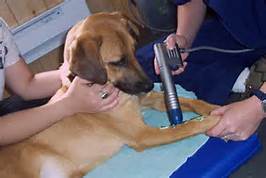
Many people hear the word “shockwave” and immediately think of an electrical jolt. But the shockwaves used in veterinary rESWT are high-energy sound waves (acoustic energy) that are directed to a target treatment area on an animal’s body.

The shockwaves trigger the body’s own repair mechanisms, which speeds healing and provides long-term improvement.

The technology uses electrohydraulic technology to generate shockwaves. The high-intensity sound waves interact with the tissues of the body, leading to a beneficial effects including:

  • Development of new blood vessels
  • Reversal of chronic inflammation
  • Stimulation of collagen
  • Dissolution of calcium build-up

This activity creates an optimal healing environment, and as the damaged area returns to normal, pain is alleviated and functionality is restored.

When shockwave therapy is applied to areas of non-healing tissue, it may trigger release of acute cytokines that stimulate healing. Accompanying pain relief may be the result of increased serotonin activity in the dorsal horn (located in the spinal cord).

Conditions Successfully Treated With rESWT

In addition to osteoarthritis, shockwave therapy can be beneficial in treating a variety of other disorders in canine companions, including:

✓ Hip and elbow dysplasia ✓ Painful scar tissue
✓ Degenerative joint disease ✓ Chronic back pain
Spondylosis Lick granuloma
✓ Tendon and ligament injuries ✓ Sesamoiditis (chronic inflammation of bones in the foot)
Legg-Calve-Perthes disease ✓ Chronic wound care
✓ Non-healing fractures ✓ Trigger points
✓ Delayed healing fractures ✓ Acupressure points

Additional Study Results of rESWT in Dogs

  • Of four dogs treated for non-healing fractures, three had significant improvement in bone healing following rESWT treatment.3
  • In a study of dogs with distal radial fracture non-unions (a break near the bottom of the front limb, just above the wrist joint), all dogs that received rESWT showed complete bone healing after 12 weeks, while no dogs in the control group achieved complete bony union.4
  • In a study of dogs with lameness resulting from soft tissue shoulder conditions, 88 percent showed improvement after shockwave therapy, with no surgical intervention.5
  • rESWT was also shown to significantly reduce distal ligament thickening in dogs with inflammation of knee joints following surgery for a CCL rupture.6
  • Shockwave therapy has proved beneficial in promoting the development of new blood vessels at the bone-tendon interface of the Achilles tendon in dogs.7

Currently, there are only unpublished case reports on shockwave therapy for treating chronic wounds in small animals. However, based on its mechanism of action, rESWT may prove valuable in managing skin flaps and difficult and chronic wounds.

What to Expect During and After rESWT Therapy

The equipment used in rESWT can be loud, and the treatment can be uncomfortable, so some animals require sedation. Since shockwave therapy is often used in combination with surgery, some patients may already be anesthetized at the time of treatment.

Treatment time depends on the strength of the shockwaves and the number of locations being treated. A common dose is 800 pulses per joint, which can be accomplished in under four minutes. Animals normally begin to experience pain relief within about 24 hours of treatment. Depending on the condition being treated, other types of pain management may be necessary as well.

When treating musculoskeletal conditions, therapy is recommended every two to three weeks for one to three treatments or until symptom improvement or resolution is achieved. Wounds are usually treated once a week for as many weeks as necessary. With arthritis patients, rESWT is typically repeated every six to 12 months as needed. Shockwave therapy should be used in conjunction with physical rehabilitation to return patients to full activity.


shock-wave-therapy

Exercise for an Arthritic Dog or Cat

By PetMD and Diane Weinmanndog-sit-ups

Just because you or your pet has arthritis doesn’t mean they are necessarily incapable of exercising. Staying active actually helps many arthritic pets that suffer from achy bones and joints.  I can personally attest to the fact that I am bone on bone in right knee and it feels better when I walk around than sit a lot.   It is, however, vital you follow these five exercise tips before you begin an exercise routine with your pet.  Make sure that if you are participating in the activity that you’ve talked with your doctor or trainer too and don’t over-do!  I can tell you I just recently did that and I had to ice, ice, ice my knee!

1. Consult Your Veterinarian First

A veterinarian will be better able to assist you in combining of exercise, diet, and medications or therapies which are targeted for your pet’s individual needs. A veterinarian can also help monitor your pet’s progress and identify any serious changes in health.

2. Go Low-impact

Light activities such as walking and swimming help strengthen muscles, keep ligaments and tendons flexible, prevent obesity and circulate blood to stiff joints. Keep them short but regular — 15-30 minutes of activities five days a week is a great start. Swimming is especially great for dogs with arthritis because the water supports much of the bodyweight and inhibits sudden excessive movements. Cats with arthritis, meanwhile, may not be as keen to get in the water but can participate in short sessions of gentle play. Just remember to avoid activities in which your dog or cat has to leap, jump, turn quickly or run. They can cause damage to your pet’s joints.

3. Warm Updog-tread-mill

A minute or two of walking or gentle playing before initiating low-impact exercise activities will help pets with arthritis move easier. It also helps reduce sprains, cramps, and muscle injuries as well as gradually increases their heart rate. If your pet is reluctant to start moving because of aching joints, try a little incentive like a small healthy treat or positive affection (petting, hugging, etc.). A positive exercise experience is a happy one.

4. Cool Down

Cool down periods are just as important as warming up for exercise. As your pet completes the exercise routine, they may be all wound up — jumping, running, or rough-housing. This is not good and can in fact be harmful. Try to calm them down and gradually reduce their heart rate to an optimal resting place. Cooling down also reduces stiffness and soreness by assisting the removal of lactic acids in the body. Massaging during “cool downs” improves the stiffness and muscle pain associated with arthritis too.

5. Watch for Signs of Exertion

Be sure to watch for heavy panting, pain or other signs of overexertion. If they do occur stop the activity immediately and consult a veterinarian. Pushing forward with the exercising can cause injury, especially if your pet isn’t accustomed to a lot of activity.

cat-weights 

Extract Rivals Antibiotics in Preventing Urinary Tract Infections

By Dr. Becker and comments by Diane Weinmanndog-peeing

Bacterial urinary tract infections (UTIs) are fairly common in dogs, and similar to humans, females are more often affected. E. coli bacteria is responsible for about half of all canine UTIs.

The development of a urinary tract infection is the result of a change in a dog’s immune defenses that allows pathogenic bacteria to proliferate. This can be the result of a disease process, the dog’s individual anatomy, the use of catheters, and certain drugs.

For example, dogs with diabetes or Cushing’s disease (hyperadrenocorticism), dogs who are treated repeatedly with steroids (e.g., prednisone), and hospitalized dogs who are catheterized have more E. coli-related bacterial UTIs than other dogs.

Unfortunately, adding antibiotics to the mix can further increase the risk, as does the increasing age of the dog.

Risks Associated With Chronic Urinary Tract Infections

Urinary tract infections are treated with antibiotics. For treatment to be successful, it’s important that the appropriate drug is selected (which requires a culture and sensitivity test), and the length of therapy is adequate.

There are many side effects of antibiotic use, including gastrointestinal (GI) symptoms that can lead to the dog’s owner not giving the drug as prescribed, the dog refusing the drug, and/or decreased absorption leading to inadequate levels of antibiotic in the blood or urine.

These issues can interfere with the elimination of the bacteria that is causing the UTI, and can also contribute to antibiotic resistance. When a dog has recurring UTIs, it can be the result of a too-short course of antibiotic therapy, or the inability of the drug to reach the location of the bacteria.

Sometimes, relapses occur very quickly after a course of antibiotics is finished; other times, the infection reappears after some time has passed, in which case it can be mistaken for a new infection.

Antibiotic resistance is a growing problem in both human and veterinary medicine. A 2008 study revealed that bacterial resistance is highest in dogs with recurrent E. coli-related urinary tract infections.1

An earlier study identified E. coli bacteria in two dogs that proved resistant to 12 different antibiotics over the span of two weeks.2

Study Shows Cranberry Extract May Prevent UTIs

Recently, a team of researchers from the College of Veterinary Medicine at National Chung Hsing University in Taiwan conducted a study to determine the effects of cranberry extract on the development of urinary tract infections in dogs.3

They also wanted to measure the adherence of E. coli bacteria to canine kidney cells.

The team studied 12 pet dogs in one experiment, and six additional dogs in a second experiment. In the first experiment, the 12 dogs all had a history of recurrent UTIs (at least three infections in the previous year).

Six of the 12 received an antibiotic for two weeks, while the remaining dogs received cranberry extract for six months. Over the course of the six-month study, none of the 12 dogs developed a UTI.

In the second experiment, six dogs received cranberry extract for 60 days. In urine samples taken at 30 and 60 days, E. coli adhesion to kidney cells was significantly reduced compared to samples taken before the dogs began the extract. The researchers concluded that:

“Oral administration of cranberry extract prevented development of a UTI and prevented E. coli adherence to MDCK [canine kidney] cells, which may indicate it has benefit for preventing UTIs in dogs.”4

Translation: Cranberry extract appears to be as or more effective in preventing E. coli-related urinary tract infections in dogs as short-term antimicrobial treatment — without the side effects. In addition, cranberry extract can help fight multi-drug resistant bacteria in dogs with recurrent E. coli UTIs.

I recommend choosing an organic cranberry extract with D-mannose, which is a simple sugar closely related to glucose that occurs naturally in cranberries, peaches, apples, other berries and some plants.

D-mannose is fully absorbed (but does not prompt an insulin release or rock blood glucose levels, so there’s no negative systemic side effects) and quickly travels to the kidneys, then the bladder, and is excreted in urine.

D-mannose goes to work in your dog’s bladder, where it adheres to E. coli lectins. Almost all the D-mannose winds up in urine, which in turn coats the E. coli bacteria so it can’t stick to the walls of the bladder, and is rinsed out of the body when your dog urinates.

Symptoms of a Urinary Tract Infectiondog-with-urinals

Some signs your dog may have a urinary tract infection include:

✓ Suddenly urinating in the house ✓ Constant licking of urinary openings
✓ Visible blood in the urine; dark or cloudy urine ✓ Loss of bladder control; urine dribbling
✓ Inability to pass urine; passing very little urine ✓ Vomiting, lethargy and lack of appetite
✓ Straining to urinate; crying out in pain ✓ Drinking more water than usual

These are all signals that may indicate a potentially serious issue with your dog’s urinary tract or bladder. It’s important to get your canine companion, along with a urine sample, to your veterinarian as soon as possible. As an animal communicator, I received many calls from clients that desmonstrate these symptoms and behavioral issues that indicate you must take your pet to the vet!

A urinalysis will provide valuable information about why your dog is having urinary problems. In addition to providing information about the presence of blood, protein, glucose, ketones and bilirubin, a urinalysis will also determine how well your dog can concentrate his urine, which is an indicator of kidney health.

The urinalysis will also detect white blood cells, which means there is inflammation or infection, and a urine culture and sensitivity can determine if bacteria is present, and what type, to help devise a treatment plan. If an infection is present, medication will be needed to treat the problem.

However, sometimes pets experience inflammation or crystals without any infection present. In this latter case, a different set of medications may initially be needed, but ultimately, in both situations, this is often a sign that it may be time to change your dog’s diet (more about that shortly).

The Importance of Urine pH in Urinary Tract Health

Dogs are carnivores and should have a slightly acidic urine pH of between 6 and 6.5. (The higher the urine pH, the more alkaline it is.) Vegetarian mammals like rabbits and horses naturally have a very alkaline urine pH (above 8.0). Human urine is slightly more alkaline (between 6.5 and 7), and many pet owners wrongly assume their dog’s body functions in the same manner as their own.

It’s important to keep your healthy dog’s urine pH slightly acidic (below 7), because urine maintains its natural defenses when kept in the appropriate 6 to 6.5 range. When the pH creeps up toward the alkaline side, the urine loses its natural defenses and creates a more hospitable environment for bacterial growth and the development of struvite crystals.

The flip side of the coin is a urine pH below 6, which can cause your dog to develop a different type of problem — calcium oxalate stones. If your dog has had one or more infections or other problems with the urinary tract, I recommend buying pH strips from your veterinarian or at the local drug store, to check her urine pH at home so you know when it’s in or outside the desired range.

You should collect urine samples in the morning before you feed your dog. You can either hold the pH tape in the stream of urine while your dog is voiding, or you can catch a urine sample in a container and dip the tape into the sample to check the pH. This should be done immediately with a fresh sample to insure accuracy.

The Right Diet for a Healthy Urinary Tract

In my experience, poor or improper diet is the culprit in the vast majority of cases of dogs with chronic urinary tract problems. A prescription diet, which many conventional veterinarians recommend, typically combines high-carb foods with medications to lower your dog’s urine pH. This is never my approach. Instead, I transition dogs to a diet that does not contain pro-inflammatory alkalizing carbohydrates.

When we feed carnivores a cereal-based diet, their urine becomes alkaline as a result. Meat-based diets are naturally acidic, whereas alkalizing starch-based diets are frequently the cause of chronic UTIs, because lack of acidity removes the antimicrobial activity in urine.

Alkaline urine can also create cystitis (irritation of the lining of the bladder), crystals, and even uroliths, or stones, that require surgery.

Often, a dog’s urine pH can be maintained naturally between 6 and 6.5 by feeding a species-appropriate diet. To reduce urine pH, you must feed a low-carb, starch-free, potato/tapioca/lentil-free (so no “grain free” dry foods), and preferably fresh or at least canned food diet for the increased moisture content.

There are products on the market to reduce urine pH that contain the acidifying amino acid DL-methionine. This is a safe addition to your dog’s diet, but a more logical approach is to simply stop feeding grains and alkalizing foods.

dog-on-toliet