At What Age Are Cats Fully Grown?

Reviewed for accuracy on September 30, 2019, by Dr. Jennifer Coates, DVM as seen in PetMD


When a child finally turns 18 years old, they are generally considered to be an adult.

But what about our feline family members? At what age are cats fully grown? How do you know when to start feeding them adult cat food?

Your cat will hit several different milestones that signify that she’s becoming an adult cat, but there’s no one magic age where a cat stops growing and maturing.

Although there’s no definitive age, there are general age ranges where most cats generally stop growing and reach adulthood. Here’s what you can expect as your cat makes that transition.

When Do Kittens Stop Growing?

“Kittens usually stop growing at approximately 12 months of age,” says Dr. Nicole Fulcher, assistant director of the Animal Medical Center of Mid-America, although they still may have some filling out to do. “A 12-month-old kitten is equivalent to a 15-year-old person. They are considered full-grown at 18 months of age—which is equivalent to a 21-year-old person.”

Even though many cats stop growing at 12 months, not all cats are done growing at this age. But if they are still growing, it will be at a much slower rate, generally from 12-18 months, so you can expect your cat to be very close to their full adult size at this point. But there may be some cats that can take up to 2 years to be fully grown.

Large breeds, in particular, can take longer. Maine Coons, for instance, might not reach their full size until they are 2 years old or so.

Milestones for Growing Cats

Here are some important milestones for kittens as they become adult cats:

  • Months 3-4: Baby teeth start to fall out and are replaced by adult teeth; this process is usually complete by 6 months of age.
  • Months 4-9: Kittens go through sexual maturation.
  • Months 9-12: A kitten is almost fully grown.
  • 1 year+: Kittens are just reaching adulthood.
  • 2 years+: Kittens are socially and behaviorally mature.

When Should I Feed My Kitten Adult Cat Food?

The right time to transition your cat from kitten to adult food is dependent on many factors. For most cats, around 10-12 months of age is appropriate.

However, a young Maine Coon who is struggling to keep weight on could probably benefit from remaining on kitten food until they are 2 years old or even longer. On the other hand, a kitten who is maturing quickly and becoming overweight on kitten food might benefit from switching at around 8 months of age.

Ask your veterinarian when your cat is ready to make sure you are meeting her nutritional needs.

How Often Should You Feed Kittens?

Most kittens should be fed free-choice until they are around 6 months old because of their high energy requirements.

“From 6 months to a year, an owner can feed three times a day,” says Dr. Jim Carlson, owner of the Riverside Animal Clinic, located outside of Chicago.

After a year, offering meals two times a day will work for most cats, but more frequent, smaller meals may continue to be beneficial for others.

By: Deidre Grieves


The Best Food to Avoid Shrinking Kitty Syndrome

By Dr. Karen Becker

If you’re a cat person, you’ve probably noticed that many kitties seem to get thinner as they get older. This isn’t your imagination — in fact, research shows that a decrease in body weight is quite common in kitties over 11 years of age.1

There are a variety of reasons older cats lose weight. Today I’m discussing dietary considerations, but it’s important to note that other factors, such as stress and certain diseases can also play a role. For more information on those issues, read Shrinking Kitty Syndrome.

Studies show that both protein and fat digestibility decrease in cats after age 10.2,3 Dietary fat contains more calories per gram than either proteins or carbohydrates, so if older cats’ ability to digest fat is limited, it can have a major effect on their ability to extract calories from food.4

Research also shows that about 20% of cats 14 years of age and older don’t digest protein efficiently.5 A compromised ability to digest both fat and protein is likely a major reason senior and geriatric cats lose both fat and muscle mass.

The cause of this phenomenon hasn’t been identified, but in my opinion, long-term consumption (often a lifetime) of ultra-processed cat food containing poor quality, hard-to-digest ingredients plays a significant role.

Reducing Your Older Cat’s Protein Intake Isn’t the Answer

For many years, the veterinary community’s answer to the problem of reduced protein digestibility in older cats was reduced protein diets to mitigate compromised kidney and liver function. However, reduced protein cat food can be a recipe for disaster, because we now know aging cats actually need more protein than their younger counterparts.

In the 1990s, retired veterinary nutritionist Dr. Delmar Finco discovered protein requirements actually increase as pets age. He demonstrated that even in animals with kidney failure, restricting protein didn’t improve their health or longevity.6

In fact, Finco’s research proved cats on low protein diets develop hypopro­teinemia, which is an abnormally low level of protein in the blood. The cats had muscle wasting, became catabolic (lost both fat and muscle mass), and lost weight. The more protein was restricted, the sicker these kitties became.

Finco discovered it was the level of phosphorus in foods, not necessarily the amount of protein that exacerbated kidney disease, and thanks to his groundbreaking research, veterinary recommendations have changed.

These days, we recommend a diet containing excellent quality (human grade) protein that is highly digestible and assimilable for animals struggling with under-functioning kidneys and livers. We also recommend restricting phosphorus in the diet, but not necessarily protein.

If your cat is in the later stages of kidney failure, as defined by the International Renal Interest Society (IRIS), a reduced amount of protein is suggested, but should still be offered in a high-quality, kidney-friendly fresh food format.

We now know that cats, as true carnivores, require lots of high-quality, human grade animal protein not only to maintain good organ and immune function, but also to maintain healthy muscle mass as they go through life and the aging process.

Not All Protein Is Created Equal

The quality of the protein you feed your senior cat is of utmost importance. Highly digestible and assimilable protein, coupled with high moisture content, is the type of nutrition that causes the least amount of stress on your kitty’s aging organs.

It’s sort of a well-kept secret, especially among ultra-processed pet food manufacturers, that protein quality is extremely variable. There are highly assimilable and digestible animal proteins (proteins your cat’s body can easily absorb and derive nutrition from), and there are plant proteins that are both biologically inappropriate and difficult to process.

All protein has a biologic value, which is its usable amino acid content. Eggs have the highest biologic value at 100%. Fish is a close second at 92%. Feathers, as you might guess, have zero biologic value. They are technically animal protein, but they are neither digestible nor assimilable.

There are also foods that are high in (plant) protein but biologically inappropriate for cats. Soy is a good example, with a biologic value of 67%. Many popular pet foods contain soy as a protein source, as well as corn. This is an inexpensive way for pet food manufacturers to increase protein content on the guaranteed analysis printed on the label. But because soy and corn are not species-appropriate, they don’t belong in your cat’s diet.

Since digestion and assimilation are not always measured for pet foods, manufacturers are not penalized for adding protein that has little to no nutritional value for the species of animal eating it. Call your pet food manufacturer and ask if their meat is human-edible quality. “Feed-grade” meat is substantially cheaper (and potentially much less assimilable), which is why 99% of pet food companies use it.

In addition to corn and soy (as well as other grains) that are inflammatory and incomplete proteins for carnivores, there are many other reasons not to feed carbohydrates to cats. Mycotoxins, GMO’s, glyphosate exposure and sugar load (which leads to lifestyle-induced diabetes), as well as obesity and arthritis are all solid reasons to avoid offsetting high quality protein with cheap fillers.

The Best Diet for Most Older Cats

Some foods are metabolically stressful; for instance, grains and potatoes prompt a big insulin release. The nutrition that generates the least amount of metabolic stress for most cats, regardless of age, is whole, unprocessed, organic, non-GMO, and minimally processed (raw or poached). This of course includes human quality animal meat, which should be the foundation of your kitty’s diet throughout her life.

Foods that have not been highly processed are the most assimilable for a cat’s body. All the moisture in the food remains in the food, whereas foods that have been extruded (most dry food) can have drastically depleted moisture content — as low as 12%.

If you can’t feed fresh food (raw or gently cooked), second-best is a dehydrated or freeze-dried balanced diet reconstituted with plenty of water. Your cat’s kidneys and liver can be further stressed as a result of chronic low-grade dehydration, so all foods served dry can pose a problem long term.

I recommend serving your cat food in its natural state to provide needed moisture, and to insure the highest level of biologic assimilation and digestion. That means feeding a nutritionally optimal, antioxidant rich, species-specific diet that includes omega-3 essential fats, such as krill oil.

Moisture is an aging cat’s best friend, so encourage yours to drink by offering a variety of glass, metal or food grade ceramic water bowls around the house or a drinking fountain, in addition to minimizing (or preferably eliminating) dry food.

However, if your kitty is addicted to terrible food, adding a whole body supplement, such as Feline Whole Body Support is a good idea. Adding bone broth to a dry food addict’s meal is also a great way to increase hydration and fluid balance.

Additional beneficial supplements include SAMe (S-adenosylmethionine) as a safe and effective way to stall mental decline, improve mobility and assist in liver detoxification. Consult your integrative veterinarian for the right dose size.

Periodic detoxification with milk thistle, superoxide dismutase (SOD) and dandelion can also be very beneficial, as can providing super green foods in the form of fresh cat grass to nibble on. Chlorophyll, chlorella or spirulina can also be offered in supplement form to enhance your cat’s detoxification processes.

Medium-chain triglycerides (MCTs) have been shown to be safe for cats and can improve brain energy metabolism and decrease the amyloid protein buildup that results in brain lesions in older pets. Coconut oil is a rich source of MCTs and may also reduce hairball issues. I recommend 1/4 teaspoon for every 10 pounds of body weight twice daily for basic MCT support, if your cat will voluntarily eat it.

For aging kitties with a cognitive shift that makes them prowl the house at night and vocalize, consider low dose melatonin, which is not only a sedative with a calming effect, but also an antioxidant. I also use rhodiola, chamomile and l-theanine with good results.

Tips for Encouraging Your Cat to Eat

If your kitty is eating ultra-processed pet food, again, my first recommendation is to try to slowly and safely transition her to a balanced, fresh, organic, non-GMO, species-appropriate diet made with human grade ingredients. Whether her diet is fresh or processed, however, the goal should always be to make sure your cat eats something.

Unlike dogs and humans, it’s dangerous for kitties to go any length of time without nourishment, as it can lead to a potentially fatal liver disease called hepatic lipidosis. Keeping your older cat well-nourished can require creativity along with some gentle prodding, and lots of patience. Things you can do to tempt her include:

Warming her food to bring out the aroma
Offering gently cooked food with a strong smell or topped with a sardine (packed in water)
Offering new food from a paper plate in case she’s developed an aversion to her food bowl for some reason
Offering a small selection of different flavors and textures of canned cat food or home cooked meat or bone broth
Enticing her with species-appropriate human food she has enjoyed in the past, such as warm baked chicken or salmon
If she’s addicted to dry food and refuses everything else, try adding warm water to each meal or add an aromatic enticement like tuna juice, warm goat’s milk, chicken broth or bonito flakes

It’s also important to make kitty’s mealtime a very low-stress, pleasant experience. Make sure you feed her in a calm, quiet environment that is optimally comfortable.


How to Relieve Cat Stomach Issues

Reviewed for accuracy on August 28, 2018, by Dr. Jennifer Coates, DVM


When you’re hit with an upset stomach, you seek sympathy from your cat while contemplating the contents of your medicine cabinet. But cat stomach issues are different. If your cat throws up, or you wake up to the nasty reality of cat diarrhea, your kitty relies on you to find out what’s wrong and how to get her back on track.

Symptoms of Cat Stomach Upset

“Symptoms of an upset stomach in a cat include licking the lips, which is a sign of nausea, vomiting and refusing to eat,” says Dr. Elizabeth Arguelles, medical director and founder of Just Cats Clinic in Reston, Virginia. “Possibly the cat ate something it shouldn’t have, like a bug or a leaf of a plant.” Diarrhea may also develop if the problem affects the lower part of the gastrointestinal tract.

Dr. Mark Rondeau, DVM, BS, of PennVet in Philadelphia, Pennsylvania, says that while vomiting is the most visible sign of cat stomach upset, “a change in behavior, such as being less active or not interacting or hiding in unusual places—a lot of those behaviors are common in cats that may have upset stomachs.”

And no, those hairballs that suddenly appear on the new living room carpet are not the same thing as when your cat throws up. “This is an extremely common myth,” Dr. Arguelles says. “There’s a distinction between a hairball—which looks like a piece of poop made out of hair—and vomit, which may have hair in it along with partially digested food or bile.”

Dr. Rondeau adds that if a cat occasionally hurls a hairball—ejecting hair that isn’t processed out through the ‘other end’—it’s not something to worry about, but that “the reasons for feline vomiting can include a long list of things.”

Possible Causes of Cat Stomach Upset

Dr. Arguelles says frequent causes of cat stomach upset include switching cat food too frequently as well as intestinal parasites. Dr. Rondeau adds that parasites are especially common in young cats and kittens.

Both Dr. Arguelles and Dr. Rondeau say that food intolerance, food allergies and inflammatory bowel disease (IBD) also commonly lead to an upset cat stomach. More serious causes, such as gastrointestinal cancers, kidney disease and hyperthyroidism, can also result in vomiting.

If you are worried that your cat is sick, seek veterinary care immediately, says Dr. Arguelles.

How To Cure Cat Stomach Upset

Detecting what’s behind your cat’s vomiting is crucial, and that means a trip to the vet.  A cat who throws up multiple times in a day or who has not eaten in 48 hours needs to see a vet immediately.

Dr. Arguelles says, “Veterinarians have anti-nausea medication that can be given as an injection or as an oral tablet (Cerenia)” as well as medications to help with diarrhea and poor appetite. A temporary switch to a bland diet may be recommended until the cat’s symptoms subside. 

In some cases, a veterinarian will recommend heartworm medicine for cats or a prescription dewormer for cats. “A cat that is vomiting more than once per month should be examined by a veterinarian, who will deworm—or recommend your cat be on monthly prevention with Revolution, Advantage Multi or Heartgard,” says Dr. Arguelles. Many heartworm medicines for cats also kill some of the intestinal parasites that can cause cat stomach upset.

She says a vet may also recommend abdominal radiographs (X-rays) to check for an obstruction, foreign body or other problem, or lab work to seek underlying metabolic causes of vomiting, such as kidney disease and hyperthyroidism. 

“In cases that have normal labs and radiographs, your vet may then recommend an abdominal ultrasound to visualize the layers and thickness of the stomach and intestines. Sometimes, we find foreign material that wasn’t visible on radiographs, other times we find thickening of the intestines and enlargement of lymph nodes—and then we are looking at either inflammatory bowel disease or gastrointestinal lymphoma,” she says. “The only way to determine which of these diseases is present is through intestinal biopsies.”

Dr. Rondeau says if your cat has just started vomiting or is suddenly “lethargic, won’t eat or is hiding, definitely bring him to the vet. But we also see a lot of cats with chronic vomiting… In those cases, maybe they aren’t lethargic, but the owners notice some vomiting and see the cat has lost weight … for those, it is definitely time to check with the vet.”

Preventing Cat Stomach Issues

Once the serious issues are ruled out, you can work on helping to avoid future cat stomach issues.

“The three things that you can do to promote good digestive health in cats are placing them on monthly prevention that deworms them for intestinal parasites, feeding them a balanced diet (not raw and not homemade), and taking them to the veterinarian at least yearly,” says Dr. Arguelles. As long as your cat is healthy, “if you are feeding a high-quality diet, your cat’s digestive health will be good.”

High-Quality Diets for Cats

Dr. Rondeau agrees that a high-quality diet is key, along with “avoiding table scraps. It is mostly about consistency for cats. If yours is happy to eat the same thing and is getting that balanced diet, don’t switch brands or flavors. We might project onto them that they are bored with whatever brand and taste, but rapid diet changes can create problems.”

When cats develop diarrhea, a diet change alone can fix the problem about half the time, explains Dr. Arguelles. “Diarrhea is frustrating in that even if we treat appropriately and make the right changes and recommendations, it can take several days to clear up.”

She recommends a vet visit if a diet change doesn’t help or if your cat is vomiting, lethargic or has other worrisome symptoms.

Prescription Cat Food

Cats with fiber-responsive diarrhea “will respond to adding fiber to the diet. You can do this by feeding Royal Canin Veterinary Diet Gastrointestinal Fiber Response cat food, a prescription cat food that includes brewers’ rice, B vitamins and psyllium husk seed, among other ingredients, or by adding canned pumpkin or Metamucil.” Nummy Tum-Tum Pure Organic Pumpkin is 100% organic pumpkin that can be mixed with dry or canned cat food to help provide some relief to your cat’s stomach.

Dr. Rondeau says that a tablespoon of pumpkin with a cat’s food is also often a recommendation for cats with constipation, but adds that “Pumpkin is fibrous, but Metamucil or similar supplements will offer more fiber per volume.”

Probiotics for Cats

Additional help for cat diarrhea may come from probiotics for cats, which Dr. Rondeau describes as “A colony of good bacteria that can populate the cat’s GI tract [and is] good for the gut health.”

Dr. Arguelles says that when the good bacteria thrive, the bad bacteria are crowded out. “Not all probiotic supplements are created equal,” she says. “The probiotics I recommend include Purina’s FortiFlora and Nutramax’s Proviable.”

Both Nutramax Proviable-DC capsules and Purina Pro Plan Veterinary Diets FortiFlora probiotic cat supplement contain live microorganisms, and FortiFlora includes antioxidant vitamins E, C and beta-carotene. Both can be sprinkled on, or mixed in with, your cat’s food.

Monitoring your cat’s activity and being aware of changes in her habits, as well as working closely with your vet, is the best way to promote a healthy cat stomach.

By: Kathy Blumenstock


What’s Behind Your Aging Cat’s Quirky Behavior?

By Dr. Karen Becker DVM

Cats, like humans, experience physical and mental changes as they age, which can translate into behavioral changes that range from minor to major. Your once social kitty may spend much of his time sleeping or even avoiding the family, and cats that are typically mellow can react aggressively when you don’t expect it.

While it may sound alarming that your cat may morph into a seemingly different feline once he reaches his golden years, it’s a natural and, typically, gradual process.

It’s important, though, to keep a close eye on your senior kitty to watch out for any changes that could signal an underlying disease or pain. Twice-yearly wellness visits with your veterinarian will help with this, as will being a dutiful owner who takes note of any unusual changes.

How Old Is ‘Old’ for a Cat?

It’s often said that one cat year is equal to seven human years. This isn’t entirely accurate, but it’s true that cats age much faster than humans. Generally, a 1-year-old cat is similar physiologically to a 16-year-old human, while 2-year-old cat is like a 21-year-old human.

“For every year thereafter,” the Cornell University Feline Health Center notes, “each cat year is worth about four human years. Using this formula, a ten-year-old cat is similar age wise to a 53-year-old person, a 12-year-old cat to a 61-year-old person, and a 15-year-old cat to a person of 73.”1 With proper care, many cats live into their late teens and early 20, but around the age of 10, a cat is considered to be a “senior.”

You may notice he’s slowed down a bit from his younger years, and by the time a cat reaches 12 to 14 years, he’s probably moving even slower and may be having some age-related health problems, such as vision and hearing loss or age-related cognitive decline.

At 15 or 16, cats join the geriatric club, where their movements and cognitive function are likely noticeably slower than they once were. These numbers are just estimates, though, as every cat will age at its own individual pace — just like humans.

Behavioral Changes Are Common as Cats Age

Aging is a natural process that’s often accompanied by behavioral changes, which commonly include:2

Less grooming, and less effective grooming, which can lead to fur matting or skin odor Less use of a scratching post, which may lead to overgrown claws
Avoidance of social interaction Wandering
Excessive meowing, especially at night Disorientation
Changes in temperament, such as increased aggression or anxiety Increased napping
Litterbox accidents Acting less responsive or less alert

Some of these changes, such as sleeping more and preferring to spend more time alone, are a normal part of getting older, but other are signs of potential health issues. Even though your cat is a senior, many conditions can be treated or managed, which is why letting your veterinarian know about behavioral changes is so important.

Hiding, loss of appetite or a reluctance to move around can be signs that your cat is in pain, possibly due to arthritis, for instance. Aggression can also be rooted in pain or can result if your cat is feeling increasingly anxious — an outcome sometimes linked to anxiety.

“Cats who are suffering from cognitive decline, and thus experiencing increased anxiety, can show a tendency to react aggressively,” Dr. Ragen T.S. McGowan, a behavior research scientist, told PopSugar.3

Hyperthyroidism can also lead to behavioral changes in cats. Sudden, unexpected bursts of energy in an older cat is a definite sign he or she may have an overactive thyroid. It’s important to make an appointment with your veterinarian as soon as possible in this case.

In older cats, increased meowing can be the result of cognitive dysfunction, which is a form of dementia, especially if it’s accompanied by confusion (staring off into space), eliminating outside the litterbox and loss of interest in interacting with human family members. Increased vocalizing could also be due to stress or confusion.


How to Support Your Aging Cat

Aside from bringing your senior cat to your veterinarian twice a year to keep an eye out for age-related health problems, there are simple ways to help your pet age gracefully. You’ll want to respect his wishes for increased alone time and sleep, but at the same time make a point to interact with him daily, via belly rubs, ear scratches, toys or treats — whatever he prefers.

Senior cats can also be easily stressed by changes in their household and routine, so keep to a familiar schedule and avoid making any significant changes that aren’t absolutely necessary. Providing a warm, soft space for your cat to nap is essential, as is regular brushing and nail trims.

Continue feeding a nutritionally balanced, antioxidant-rich, species-appropriate diet that includes omega-3 essential fats such as krill oil, and consider supplements that may benefit your aged kitty, including:

  • SAMe (S-adenosylmethionine), which may help stall mental decline, improve mobility and assist in liver detoxification.
  • Superoxide Dismutase (SOD) is a naturally produced enzyme that is important for the conversion of superoxide radicals into less reactive molecules in the body, but production can diminish with age. SOD is found in unprocessed raw food but is inactivated with heat processing, so if your cat is consuming ultra-processed food (kibble or canned food), supplementing with SOD may be a wise choice.
  • Medium-chain triglycerides (MCTs), found in coconut oil, which can improve brain energy metabolism. I recommend 1/4 teaspoon for every 10 pounds of body weight twice daily for basic MCT support, if your cat will voluntarily eat it.
  • Low dose melatonin, which is not only a sedative with a calming effect but also an antioxidant. This is useful for senior cats that vocalize and wander at night.
  • Glucosamine sulfate with MSM and eggshell membrane, to help maintain healthy tendons, ligaments, joints and cartilage.

Most of all, make sure to spend all the time you can with your long-time friend, and if you notice any behavioral changes, bring them up with your veterinarian. Even small changes can give clues about your pet’s health that shouldn’t be overlooked.


Cat Constipated???

Cat Constipated???

By Dr. Karen Becker


Just like us, our feline friends can suffer from constipation. In some kitties it happens just once in a while; for others it can become a persistent problem.

When stool stays in the colon too long, it becomes dry, hard, and difficult to pass. Left untreated, chronic constipation can lead to megacolon, a terrible condition in which the large intestine stretches so much it can no longer do its job effectively.

How to Tell if Your Cat Is Constipated

Your kitty should poop at least once every day because it’s an important part of the body’s natural detoxification process.

Your cat is constipated when he either has difficulty pooping (and the stool he produces is dry and hard), or he isn’t pooping at all. This is why it’s so important to keep an eye on kitty’s daily “output.” The quantity, color, texture, and smell, along with the presence of mucus or blood, are all indicators of his general well-being.

Often, what passes from (or in the case of constipation, doesn’t pass from) your pet’s body is the first sign of a health problem, so you should regularly monitor your cats litterbox and familiarize yourself with what “normal” looks like for your kitty.

Your cat’s stools should be brown, formed, and soft enough that litter sticks to them. If your kitty isn’t going daily or his stools are so hard and dry that litter doesn’t stick to them, he could be constipated. And keep in mind most constipated cats will never show overt signs of a problem. In fact, some suffer their entire lives and their humans don’t realize it because they aren’t aware of the more subtle signs of chronic constipation.

Left untreated, a constipated cat may begin to vomit intermittently, lose his appetite, and start dropping weight. He may seem lethargic. Don’t let the problem progress to this point before you take action.

Potential Causes of Feline Constipation

Often, constipation in cats is simply the result of inadequate water consumption or lack of dietary fiber. But sometimes the situation is more complicated, involving an obstruction inside the colon or a problem in the pelvic cavity, such as a tumor that interferes with bowel function.

If you actually saw your cat swallow something that could cause an obstruction, get veterinary help right away as this situation can rapidly progress to a very serious and even fatal problem.

Intact males, especially if they’re older, can develop enlarged prostates that compress the bowel, creating very thin stools or even an obstruction. This problem can usually be resolved by having your male cat neutered.

Hernias in the rectum are another obstruction that can cause constipation. The hernia bulges into the rectum, closing off passage of stool. Hernias usually require surgery to repair.

Constipation can also be the result of a neuromuscular problem or a disease like hypothyroidism or hypercalcemia. Some kitties have insufficient muscle tone or neuromuscular disorders that impede the body’s ability to efficiently move waste through the colon.

Other causes of constipation can include infected or cancerous anal glands, or a hip or pelvic injury that makes pooping painful, the effects of surgery, certain medications, iron supplements, and stress.

Hands Down, the Most Common Reason for Kitty Constipation

With all the above said, when it comes to constipation in cats, by far the most common cause is inadequate fluid intake. Your kitty’s natural prey (e.g., mice) contains 70% to 75% water, and felines are designed to get most of the water their bodies need from their diet.

Cats fed exclusively kibble are getting only a very small amount (10% to 12%) of the moisture their bodies need, and unlike dogs and other animals, they won’t make up the difference at the water bowl due to their “underactive” thirst drive. So, these cats are chronically dehydrated, which causes constipation.

The lack of moisture causes stool in the colon to turn dry, hard and painful to pass; it also causes the kidneys to become stressed. If your cat happens to be overweight and not getting enough exercise, the problem is exacerbated. Physical activity stimulates rhythmic muscle contractions (peristalsis) in the colon, which helps move things through the gastrointestinal (GI) tract.

Unfortunately, many housecats have lifestyles that involve eating too much of the wrong type of food and moving too little. Swallowing fur during grooming can further slow the transit time of waste through the colon, especially in cats fed dry diets who are also not getting adequate exercise.

How to Help a Constipated Cat

Assuming your kitty is in otherwise good health, there are several things you can do to help solve her constipation issues.

  1. If you’re feeding kibble, I strongly encourage you to switch to a moisture-rich, nutritionally optimal, species-specific diet. It’s always the first thing I recommend, especially for cats with any sort of digestive issue. At a minimum, transition from dry food to canned food, which will automatically increase the moisture in your cat’s system.
  2. If you make your own food, be absolutely sure your kitty’s diet is nutritionally balanced. Many of the homemade recipes I’ve analyzed have two to three times the upper safe limits of calcium levels recommended for pets, which will lead to constipation, among many other things. Recipes to try.
  3. Make sure your cat has access to clean, fresh, filtered drinking water at all times. Place a few stainless steel or Pyrex glass bowls around the house in areas she frequents. Avoid plastic water bowls, which can make the water taste unpleasant. You might also want to consider purchasing a pet water fountain to replace your cat’s water bowl, since many kitties will drink more from a moving water source. If she still isn’t drinking enough, consider adding bone broth to her food to increase the moisture content in her diet.
  4. Offer bone broth, in addition to water. Broths are an excellent way to entice cats to drink more. Add a bowl of warm broth beside her regular food on a daily basis. Here’s a recipe for homemade bone broth.
  5. Cats need to move their bodies through play and exercise. Movement also helps stool move through the colon. Regular physical activity can help prevent or remedy constipation.
  6. Add digestive enzymes and probiotics to your pet’s meals. Both these supplements will help with maldigestion, which is often the cause of both occasional constipation and diarrhea.
  7. If your cat lived in the wild, his natural prey would provide ample fiber in the form of fur, feathers and predigested gut contents. Needless to say, domesticated pets don’t get a lot of these things in their meals! Good replacement options for your feline companion include:
Psyllium husk powder — 1/2 teaspoon per 10 pounds of body weight 1-2 times daily on food Ground dark green leafy veggies — 1 teaspoon per 10 pounds of body weight 1-2 times daily with food
Coconut oil — 1/2 teaspoon per 10 pounds of body weight 1-2 times daily Canned 100 percent pumpkin — 1 teaspoon per 10 pounds of body weight 1-2 times daily on food
Aloe juice (not the topical gel) — 1/4 teaspoon per 10 pounds of body weight 1-2 times daily on food Acacia fiber — 1/8 teaspoon per 10 pounds of body weight 1-2 times daily as prebiotic fiber
  1. Chiropractic, acupuncture, and massage can also be very beneficial in helping to alleviate chronic constipation in pets.

Please note these recommendations are for cats experiencing a minor, temporary bout of constipation. If your kitty’s condition is not resolving or seems chronic, or if you aren’t sure of the cause, make an appointment with your veterinarian.


Products to Clean Cat Urine Messes

Several products can help neutralize cat pee odor, including vinegar or baking soda and enzymatic cleaners. Here are some options to help you get rid of the cat pee smell.


Baking Soda and Vinegar

Vinegar, while a bit smelly itself, works to remove the lasting odor of sprayed cat urine because vinegar is an acid that neutralizes the alkaline salts that form in dried urine stains.

A solution of one part water and one part vinegar can be used to clean walls and floors. Proponents say that the vinegar smell subsides after a few days, taking the urine smell with it.

Enzyme-Based Cleaners

For odor elimination in carpets, couch cushions, mattresses, and linens, you can try an enzyme-based cleaner. The enzymes in these products actually break down the acid in cat urine, helping to get rid of the smell at the same time. The natural enzymes and helpful bacteria help get rid of the bad bacteria that’s causing the unpleasant odors.

When cleaning any surface, it’s important to get to the point where not only can you not smell the urine, but your cat can’t smell it, either. “When a cat can smell a previous urine spot (from themselves or another cat), that area is likely to be used again,” Dr. George says.

Avoid Products That Contain Ammonia

Most importantly, avoid any cleaning products that contain ammonia. “Ammonia is one component of cat urine, and if cats smell that, they’re more likely to go there,” Dr. Kornreich says.

In addition, ammonia and other chemical cleaners can often set the stain—the opposite of what you’re trying to do.

How to Get Cat Urine Smell Out of Carpet

Here’s what you should do to help eliminate the smell of cat pee from a surface.

1. Blot the Spot to Absorb the Urine

Find the stain as soon as possible and blot up as much of the urine as you can with a clean cloth.

2. Rinse and Vacuum the Area

Next, rinse the area with clean water and remove the liquid with a wet/dry vacuum. “You don’t want to use a steam cleaner, as the heat can set the stain,” Roberts said.

3. Soak the Spot in Enzyme Cleaner

While enzyme cleaners come in a spray bottle, spraying a light coat over the stain won’t do much. Instead, remove the sprayer and douse the spot liberally.

4. Let It Sit Before Blotting With a Clean Cloth

Let the cleaner sit for 10-15 minutes and blot up as much of it as possible with a clean cloth.

5. Prevent Your Cat From Returning to the Spot

To keep your cat from returning to the spot during the cleaning process, place a piece of aluminum foil or an aluminum baking sheet over the area, or cover it with an upside-down laundry basket.

6. Reapply the Cleaner if Necessary

You may need to reapply the cleaner and let it dry again for older or particularly smelly stains.

Removing Cat Urine Smells From the Subflooring

Urine can often soak through the carpet and into the subflooring, leaving a stain and a stench that can’t be lifted with carpet cleaner and elbow grease.

If you have pet odor that will not go away despite your best carpet-cleaning efforts, neutralize the scent by using an oil-based, stain-blocking primer on the subfloor beneath the carpeting. Replace the padding as well as that area of carpet.

How to Get Cat Urine Smell Out of Cushions

Here a few easy steps you can take to remove the cat pee smell from a cushion.

1. Soak the Area in Water

Soak the affected area of the cushion with water. Blot up as much of the cat urine as possible with a towel.

2. Soak the Area With an Enzyme Cleaner

Then soak the cushion by very slowly, pouring the enzyme cleaner on and around the affected area.

3. Let It Sit Before Blotting With Towels

Let it sit for 15 minutes, then squish out as much of the excess enzyme cleaner as possible before blotting with towels.

4. Let the Cushion Dry

If possible, leave the cushion outside as long as possible while it dries. Since cushions take days to dry, lay aluminum foil down before putting the cushion back, then put a second layer of foil over the top of the cushion to discourage your cat from peeing on the cushion again.

How to Get Cat Urine Smell Out of a Mattress

Mattresses require almost the same process as cushions.

1. Soak the Area in Water

Soak the affected area of the mattress with water. Blot up as much of the cat urine as possible with a towel.

2. Soak the Area With Enzyme Cleaner

Then soak the mattress by very slowly pouring the enzyme cleaner on and around the affected area.

3. Let It Sit Before Blotting With Towels

Let the enzymatic cleaner sit for 15 minutes and then blot it up. Place several layers of clean towels over the mattress and then make the bed.

4. Let the Mattress Dry

Swap out the towels each day until the mattress completely dries. To discourage peeing on the spot while the mattress dries, cover the bed with a large plastic sheet or tarp when you’re not using it. You can also get a waterproof mattress cover to protect it from future incidents.

5. Reapply If Needed

Mattresses may require several applications to completely remove the cat urine.

How to Get Cat Urine Smell Out of Linens and Clothing

One important rule with linens and clothing is: NEVER use bleach—when mixed with ammonia and cat urine, it can cause harmful gases.

1. Rinse the Spot With Cool Water

If your bed linens and clothing are machine washable, first rinse the spot in a sink with cool water.

2. Wash With Detergent and Baking Soda or Cider Vinegar

Add the items to the washing machine with detergent plus a cup of baking soda OR a quarter cup of cider vinegar.

3. Add Enzyme Cleaner If the Smell Persists

If you can still smell the urine after the cycle is complete, add enzyme cleaner to the load (following instructions on the package) and run the cycle again.

4. Air-Dry After Washing

Always air-dry linens, as the heat of the dryer may lock in the smell before it’s completely gone.

5. Rewash

You may need to rewash one or more times until the scent is completely gone.

Keep Your Cat From Urinating in That Spot in the Future

Once you’ve cleaned a particular area, prevent a recurrence by changing the significance of that area to your cat. In other words, since cats prefer to eat and eliminate in separate areas, place food bowls and treats in previously soiled areas, or play with your cat in that space and leave toys there.

By Michelle Shapiro 


Hyperthyroidism in Cats: Symptoms and Treatment

Hyperthyroidism in Cats: Symptoms and Treatment

by: Dr. Lorie Huston as seen in PetMD 

 Reviewed and updated on March 18, 2020, by Jennifer S. Fryer, DVM
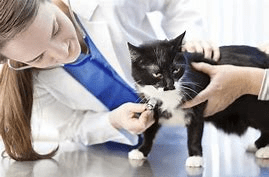
 

Hyperthyroidism in cats is a disease that’s usually caused by a benign tumor within the thyroid gland. This tumor causes an overproduction of the thyroid hormone called thyroxine. One of the primary functions of this thyroid hormone is to regulate an animal’s metabolism

Cats with too much thyroid hormone have a greatly increased metabolic rate, which leads them to lose weight despite having a ravenous appetite. Other symptoms can include anxiety, vomiting, diarrhea, and increased thirst and urination.

These excessive hormone levels push a cat’s body into constant overdrive, which frequently leads to high blood pressure and a type of heart disease called hypertrophic cardiomyopathy

Here’s everything you should know about hyperthyroidism in cats so you can spot the signs and get your cat on a treatment plan as soon as possible.

How Common Is Hyperthyroidism in Cats? 

There is no known genetic predisposition for hyperthyroidism, but it is quite common in cats. 

In fact, hyperthyroidism is the most common hormonal (endocrine) disease in the cat population, often seen in late middle-aged and older cats. 

The average age of diagnosis is approximately 13 years. The possible age range is 4-20 years, although seeing young hyperthyroid cats is very rare.

What Does the Thyroid Gland Do?

In cats, the thyroid gland has two parts, with one on each side of the trachea (windpipe), just below the larynx (voice box).

The thyroid gland makes several different hormones (mostly thyroxine, or T4). These thyroid hormones affect many of your cat’s body processes:

·         Regulation of body temperature

·         Metabolism of fats and carbohydrates

·         Weight gain and loss

·         Heart rate and cardiac output

·         Nervous system function

·         Growth and brain development in young animals

·         Reproduction

·         Muscle tone

·         Skin condition

Symptoms of Hyperthyroidism in Cats

Here are the major symptoms of hyperthyroidism that you should look for in your cat:

·         Weight loss

·         Increased appetite (ravenous)

·         Unkempt appearance

·         Poor body condition

·         Vomiting

·         Diarrhea

·         Drinking more than usual (polydipsia)

·         Peeing more than usual (polyuria)

·         Rapid breathing (tachypnea)

·         Difficulty breathing (dyspnea)

·         Heart murmur; rapid heart rate; an abnormal heartbeat known as a “gallop rhythm”

·         Hyperactivity/restlessness

·         Aggression

·         Enlarged thyroid gland, which feels like a lump on the neck

·         Thickened nails

Less than 10% of cats suffering from hyperthyroidism exhibit atypical signs such as poor appetite, loss of appetite, depression, and weakness.

What Causes Cats to Be Hyperthyroid?

Hyperfunctioning thyroid nodules (where the thyroid nodules produce excess thyroid hormones outside of the control of the pituitary gland) cause hyperthyroidism. But what causes the thyroid to go haywire?


There are several theories about what causes cats to become hyperthyroid:

·         Rarely, thyroid cancer

·         Some reports have linked hyperthyroidism in cats to some fish-flavored canned food diets

·         Research has pointed to flame-retardant chemicals (PBDEs) that are used in some furniture and carpeting and circulated in house dust

·         Advancing age increases risk

How Do Vets Test for Feline Hyperthyroidism?

In most cases, diagnosing hyperthyroidism is straightforward: high levels of thyroid hormone in the bloodstream (total T4 or TT4) along with the typical signs. 

In some cases, however, your cat’s T4 levels may be in the normal range, making a diagnosis of hyperthyroidism more difficult. This is especially true in the early stages of this disease. 

If your cat is showing the symptoms of hyperthyroidism but the blood tests are not conclusive, you will need to return to your veterinarian for further blood tests or for a referral for a thyroid scan.

The signs of feline hyperthyroidism can also overlap with those of chronic renal failurediabetes mellitus, chronic hepatic disease, and cancer (especially intestinal lymphoma). 

These diseases can be excluded on the basis of routine laboratory findings and thyroid function tests. Your veterinarian will conduct a battery of tests to zero in on a reliable diagnosis.

Kidney disease is commonly diagnosed along with hyperthyroidism in cats. Cats suffering from both diseases may need treatment for both, and the diagnosis of kidney disease in a cat with hyperthyroidism can affect the cat’s prognosis

Treatment for Hyperthyroid Cats

The gold standard therapy is radioiodine (I131) treatment, which can cure the hyperthyroidism in most cases. Daily medication (methimazole) or feeding a low-iodine diet are good options when radioiodine therapy is not an option due to financial considerations or the cat’s overall health.

Radioiodine Therapy (Radioactive Iodine Treatment)

Radioiodine therapy, or I131 treatment, uses radioactive iodine to kill the diseased tissue in the thyroid gland. Most cats undergoing I131 treatment are cured of the disease with one treatment.  

The cat’s thyroid levels are monitored after treatment. Rare cases require a second treatment. Hypothyroidism is not common after treatment, but it can occur, and it can be managed with a daily thyroid medication.

The use of radioiodine is restricted to a confined medical facility, since the treatment itself is radioactive. Depending on the state you live in and the guidelines in place, your cat will need to be hospitalized from several days to a few weeks after being treated with radioactive medicine, to allow the radioactive material to leave your cat’s body before coming home.

Precautions will still need to be taken after bringing your cat home. Your veterinarian will give you specific instructions to reduce your risk of exposure to the radioactive material, which will probably include storing your cat’s used litter in a sealed container for a period of time before disposing of it in the garbage.


Surgically Removing the Thyroid Gland

Surgical removal of the diseased thyroid gland is another potential treatment. Like I131 treatment, surgical treatment is curative, but these cats also must be monitored afterward for hypothyroidism.

Surgical removal of the thyroid gland is best performed when only one thyroid gland is affected, as removal of both can possibly lead to hypothyroidism. Another complication that can occur after surgical removal of the affected thyroid gland is the successive hyperactivity of the remaining thyroid gland.

Methimazole Medication

Giving your cat a medication called methimazole is probably the most common treatment choice. It’s administered by mouth in pill form, or it can be formulated by a compounding pharmacy into a transdermal gel that can be applied to your cat’s ear. Methimazole is often given before radioiodine treatment or surgery to stabilize your cat’s clinical signs.  

Methimazole is effective in controlling the symptoms of hyperthyroidism. However, it does not cure the disease—your cat will need to receive the medication for the rest of his life. If a cat is younger at diagnosis (under 10 years old) and does not have underlying diseases, the cost of methimazole for a lifetime may exceed surgery or radioiodine. 

Methimazole has rare but significant side effects in some cats, so make sure to make and keep regular monitoring appointments with your veterinarian. 

Iodine-Restricted Diet


Feeding a diet that restricts iodine is a newer alternative for treatment of feline hyperthyroidism. Like methimazole treatment, this alternative is not curative, and your cat will require lifelong treatment. 

This diet must be given exclusively. The hyperthyroid cat on this diet must not have access to or be given any treats, other cat food, or human food. Other cats in the household may eat this food, but they must be supplemented with an appropriate cat food for their age and health in order to provide adequate iodine. 

Follow-Up Care for Hyperthyroid Cats

Once treatment has begun, your veterinarian will need to reexamine your cat every two to three weeks for the initial three months of treatment, with a complete blood count to check their T4. Treatment will be adjusted based on the results, such as changing methimazole dosage to maintain T4 concentration in the low-normal range.

If your cat has had surgery, particularly removal of the thyroid gland, your veterinarian will want to closely observe your cat’s physical recovery. Development of low blood-calcium levels and/or paralysis of the voice box during the initial postoperative period are complications that will need to be watched for and treated, should they occur. 

Your doctor will also measure your cat’s thyroid hormone levels in the first week after surgery and every three to six months thereafter, to check for recurrence of thyroid gland overactivity. 

By: Dr. Lorie Huston, DVM, Dr. Jennifer Coates, DVM, Dr. Jennifer S. Fryer, DVM


Cat Anxiety Meds

As seen in PetMD


Cats can suffer from anxiety disorders just as people and dogs can. They can experience generalized anxiety disorders or more specific anxiety issues caused by things like thunder or separation distress when their pet parents are not at home.

The first step to relieving your cat’s anxiety is to talk to your vet, and then you can discuss the need for cat anxiety medications. Here’s a list of the different types of cat anxiety medications and how they work.

Talk With Your Veterinarian About Your Cat’s Anxiety

What can you do to help your cat if they suffer from anxiety? First, your cat needs to be examined by your veterinarian to make sure there are no underlying medical problems.

Your veterinarian can discuss with you some medication options or refer to you an expert in the field—a board-certified veterinary behaviorist.

No matter the direction you take, the use of anti-anxiety medication is just one part of the treatment plan. The other part involves management and behavior modification.

How Cat Anxiety Medications Work

Cat anxiety can manifest itself in a variety of ways, so there are both long-term and short-term anti-anxiety medications available.

Long-Term Anxiety Medications for Cats

Some cat anxiety medications are long-term maintenance medications, meaning they can take 4-6 weeks to take full effect. They also are meant to be taken daily.

If the medication is helping, the cat should be kept on it for a minimum of 2-3 months. Once your cat’s behavior is stable, they can be gradually weaned off the medication.

Some cats benefit from staying on anti-anxiety medications for 6-12 months or longer periods. These cats should get a yearly examination, bloodwork, and a behavior reevaluation to ensure that they are still on the best treatment plan for their needs.

Short-Term Anxiety Medications for Cats 

Other anti-anxiety medications are short-term; they take effect in a shorter period of time and only last for several hours.

They are intended to be used for certain situations where your cat experiences increased levels of anxiety and stress.

These medications typically do not require your cat to be weaned off them if they’re not used consistently.

Types of Cat Anxiety Medications

Please keep in mind that the use of all human medications to treat cats with anxiety disorders is off-label.

Here is a list of the most commonly prescribed anti-anxiety medications and their potential side effects. (A small percentage of cat patients may experience side effects while on a medication.)

Click to Jump to a specific section:

Fluoxetine

Indications: Generalized anxiety (moderate to severe anxiety); aggression directed towards people, cats or other animals; compulsive behavior; urine spraying; inappropriate urination; panic disorder; and fearful behavior.

Fluoxetine is classified as a selective-serotonin reuptake inhibitor (SSRI). It blocks the receptors in the brain from taking up and removing serotonin, which allows for a higher serotonin level.

Serotonin helps modulate mood and behavior. Increased amounts of serotonin in the brain can help decrease anxiety and reduce reactivity and impulsive behavior.

This medication takes 4-6 weeks to take effect and must be given once daily.

It’s typically dispensed in tablet form and needs to be cut into the appropriate size for cats. It can be compounded by specialty pharmacies into flavored, chewable tablets, capsules, or flavored liquids.

Some potential side effects include:

  • Vomiting
  • Diarrhea
  • Agitation
  • Sedation
  • Lethargy
  • Decreased appetite

Most of the side effects improve after the first 1-2 weeks. If your cat’s appetite is affected, this medication should be discontinued and replaced by an alternative.

Paroxetine

Indications: Generalized anxiety (moderate to severe anxiety), aggression directed towards people or other cats, compulsive behavior, urine spraying, inappropriate urination, and fearful behavior.

Paroxetine is another SSRI that increases the amount of serotonin in the brain. It’s a good alternative for cats that become agitated or have decreased appetite on fluoxetine. It is less sedating compared to fluoxetine.

This medication takes 4-6 weeks to take effect. It must be given once daily and should not be abruptly discontinued.

This medication should be used with caution in cats with heart disease.

It’s typically dispensed in tablet form and needs to be cut to the appropriate size for cats. It can be compounded by specialty pharmacies into flavored chewable tablets, capsules, or flavored liquids.

Some potential side effects include:

  • Sedation
  • Lethargy
  • Constipation
  • Vomiting
  • Difficulty urinating

Sertraline

Indications: Generalized anxiety (mild to moderate anxiety), inappropriate elimination, and fearful behavior.

This SSRI takes 4-6 weeks to take full effect. It must be given once daily and should not be abruptly discontinued.

This medication typically needs to be compounded by specialty pharmacies into flavored chewable tablets, capsules, or flavored liquids.

The smallest tablet is too large even when cut into quarter tablets.

Some potential side effects include:

  • Sedation
  • Lethargy
  • Agitation
  • Decreased appetite

However, this medication is less likely to cause side effects compared to the other SSRIs.

Clomipramine

Indications: Generalized anxiety (moderate to severe anxiety); aggression directed towards people, cats, or other animals; compulsive behavior; urine spraying; inappropriate urination; panic disorder; and fearful behavior.

Clompiramine is a tricyclic antidepressant (TCA) that modulates serotonin and norepinephrine receptors to reduce anxiety and aggressive behavior.

This medication takes 4-6 weeks to take effect. It must be given once daily and should not be abruptly discontinued.

Some potential side effects include:

  • Vomiting
  • Diarrhea
  • Agitation
  • Sedation
  • Lethargy
  • Dry mouth
  • Decreased appetite

This medication should be used with caution in cats with heart disease.

Buspirone

Indications: Generalized anxiety (mild to moderate anxiety), and fearful behavior.

Buspirone is classified as an azapirone, which works on the serotonin and dopamine receptors in the brain.

This medication takes 4-6 weeks to take effect. It must be given once daily and should not be abruptly discontinued.

Some potential side effects include:

  • Vomiting
  • Diarrhea
  • Agitation
  • Sedation
  • Increased affection towards the owner and increased confidence

Some cats that are picked on by other cats in the household may appear more confident and defend themselves instead of running away.

Alprazolam

Indications: Anxiety, phobias, panic disorder, and fear.

This medication is classified as a benzodiazepine, which promotes GABA activity in the brain.

This short-acting medication takes effect in 30 minutes. It can be given every 8-12 hours. Tolerance and dependency may occur if this medication is given daily. Slow weaning off the medication is needed if the cat has been on this medication for a prolonged period of time.

Alprazolam must be used with caution in cats with aggressive behavior. It may reduce the cat’s inhibition, which might lead them to display more aggressive behavior.

Some potential side effects include:

  • Lethargy
  • Sedation
  • Loss of motor coordination
  • Increased appetite
  • Paradoxical excitement
  • Disinhibition of aggressive behavior

Lorazepam

Indications: Anxiety, phobias, panic disorder, and fear.

This is another benzodiazepine.

That means it’s a short-acting medication that takes effect in 30 minutes. It can be given every 12 hours. Tolerance and dependency may occur if this medication is given daily. Slow weaning off the medication is needed if the cat has been on this medication for a prolonged period of time.

Some potential side effects include:

  • Lethargy
  • Sedation
  • Loss of motor coordination
  • Increased appetite
  • Paradoxical excitement
  • Disinhibition of aggressive behavior

This medication must be used with caution in cats with aggressive behavior.

Oxazepam

Indications: Anxiety, phobias, panic disorder, and fear.

Oxazepam is another benzodiazepine, which means it’s a short-acting medication that takes effect in 30 minutes. It can be given every 24 hours. Tolerance and dependency may occur if this medication is given daily. Slow weaning off the medication is needed if the cat has been on this medication for a prolonged period of time.

This medication must be used with caution in cats with aggressive behavior.

Some potential side effects include:

  • Lethargy
  • Sedation
  • Loss of motor coordination
  • Increased appetite
  • Paradoxical excitement
  • Disinhibition of aggressive behavior

Trazodone

Indications: Anxiety and aggression.

This medication is classified as a serotonin-2A antagonist reuptake inhibitor.

This is a short-acting medication that takes effect in 60-90 minutes and lasts about 8-12 hours.

Some potential side effects include:

  • Lethargy
  • Sedation
  • Vomiting
  • Diarrhea
  • Agitation

Gabapentin

Indications: Anxiety and aggression.

Gabapentin is classified as an anticonvulsant. It works on calcium ion channels in the brain to reduce excitement. Avoid the use of human oral solution since it contains xylitol.

This is a short-acting medication that takes effect in 60-90 minutes and lasts about 8-12 hours.

Some potential side effects include:

  • Lethargy
  • Sedation
  • Vomiting
  • Loss of motor coordination
  • Agitation

By: Dr. Wailani Sung, MS, PhD, DVM, DACVB


Is Your Cat’s Diarrhea a Cause for Concern?

By Dr. Karen Becker


Generally speaking, when it comes to digestive upsets in pets, dogs tend to have lower gastrointestinal (GI) symptoms and diarrhea, while cats are more prone to upper GI tract issues and vomiting. However, as anyone who has ever scooped unformed poop from a litterbox can attest — kitties can and do develop diarrhea sometimes.

Types of Diarrhea in Cats

When veterinarians set out to diagnose a feline patient with diarrhea, they generally put the problem into one of two categories based on where in the intestinal tract the loose stool is originating — either the small bowel or the large bowel.

If the problem is with the small bowel, the diarrhea is often large in volume, watery, and occurs with increased frequency. When a kitty’s diarrhea originates in the large bowel, it will more typically be small in volume, semi-formed, and may contain mucus. There’s often also increased frequency and straining to go.

Some feline diseases with diarrhea as a symptom involve both the small and large bowel, and in addition, a cat can start out with small bowel diarrhea that subsequently causes secondary irritation of the large bowel.

Blood in the stool can be a feature of both types of diarrhea. Dark, tarry stools indicate the presence of digested blood from the stomach or small intestine. Fresh streaks of blood in or on the stool are usually a sign of a large bowel problem. Vomiting along with diarrhea is more often seen in diseases of the small bowel but can also occur with a large bowel problem.

Causes of Diarrhea

The causes of loose stools in cats are numerous and varied, and include:

Dietary indiscretion; ingestion of foreign bodies Inflammatory bowel disease (IBD) Pancreatitis
Sudden change in diet Giardia and other parasites Immune-mediated disease
Food allergies Viral and bacterial infections Megacolon
Stress colitis Hyperthyroidism Cancer

If your cat has a one-and-done bout of loose stools that resolves within a day or two, chances are she ate something that disagreed with her (or you gave her milk, which is a common culprit in feline digestive issues) and there’s nothing to worry about.

However, since there are many serious feline diseases that have diarrhea as a symptom, if your kitty is experiencing chronic or recurrent diarrhea, it’s time to make an appointment with your veterinarian.

Dehydration is an immediate and potentially life-threatening concern, especially for kittens, petite adult cats, and kitties who are seniors or geriatric, or have a chronic illness. Also, if the diarrhea is accompanied by other signs of illness such as blood in the stool, vomiting, loss of appetite, and/or fever, it’s definitely a sign your pet is ill, and you should seek veterinary care.

I recommend you collect a quarter-size bit of poop on, for example, a stiff piece of cardboard, and slip it into a plastic baggie. Otherwise, your veterinarian may have to manually extract a sample, which will make your already uncomfortable kitty that much more so.

Your vet will probably do bloodwork in addition to evaluating the stool to determine if there’s infection present. He or she should also treat your pet for dehydration if necessary, with IV (intravenous) or SQ (subcutaneous) fluids.

Two fecal tests should be performed. One checks for parasite antigens and/or eggs, and the other checks for bacterial or viral agents that cause diarrhea.

A Too-Fast Dietary Change Is Often the Culprit

In otherwise healthy cats, often it’s a sudden change in diet that triggers a bout of diarrhea, and this is especially true for kitties who eat the same food every day. If you feed your cat the same diet every day for months or years and then suddenly switch to a new food, a case of diarrhea is almost guaranteed.

There’s nothing wrong with the new food, it’s just that kitty’s gut is conditioned to expect only one type of food, which is not ideal, nutritionally or physiologically. Cats fed a varied diet have stronger, more resilient GI tracts and can typically eat different foods regularly without a problem.

After your pet’s stools have returned to normal (I’ll discuss treating diarrhea at home shortly), I recommend you begin varying his diet to include a range of foods with different nutrient contents. This will promote a diversified gut microbiome and make his digestive system strong and resilient.

However, you need to make the transition very slowly, as in, over a period of weeks to months. I recommend starting with 10% new food blended with 90% old food for several days. Watch your cat’s stool and if all seems well, move to 20% new/80% old. Keep watching for stool changes and if none occur, move to 30% new food and 70% old, and so on, until you’re feeding only the new diet.

The process should be slow enough that no bowel changes occur. During the transition period, it’s very important to insure your kitty is eating every day, as cats can’t go without food for long or they risk developing fatty liver disease.

For tips on how to make the transition (especially if kitty is giving you a hard time about the new food), take a look at my videos titled Getting Your Cat to Eat Healthier Food, part 1 and part 2.

Treating Diarrhea at Home

If your cat is otherwise healthy and his behavior is normal, my recommendation is to withhold food — not water, just food — for 12 hours. A short-term fast gives the GI tract a chance for some R&R. Tissues can only heal when they’re resting.

Follow the 12-hour food fast with a bland diet. I recommend cooked, fat-free ground turkey and 100% canned pumpkin. Try starting with an 85-90% turkey/10-15% pumpkin blend. If canned pumpkin isn’t available, you can use fresh, steamed pumpkin or cooked sweet potato. This diet can also be pureed and syringe-fed to kitties that may not feel like eating.

Skip the outdated advice to feed ground beef and rice and go with my recommendation instead. Even lean ground beef is high in fat, which can exacerbate kitty’s tummy troubles, and rice is a starchy, pro-inflammatory carbohydrate that often provides zero nutrition or calories for animals with digestive issues.

Canned 100% pumpkin provides about 80 calories and 7 grams of soluble fiber per cup, compared to 1.2 grams of fiber in a cup of cooked white rice. The soluble fiber in pumpkin coats and soothes the GI tract, and also delays gastric emptying.

When animals have diarrhea, they can lose important electrolytes, including potassium, which puts them at risk of dehydration. Hypokalemia, or low potassium levels, can result in cramping, fatigue, weakness and heart rate irregularities.

Pumpkin happens to be an excellent source of potassium, with 505 milligrams of naturally occurring potassium per cup. Pumpkin is also safer for diabetic pets than rice. And most animals love it, including cats. Feed the bland diet to your pet until the diarrhea resolves. If it doesn’t clear up in about three days, it’s time to call your veterinarian. If at any point your cat becomes lethargic or anorexic, seek medical care immediately.

I also recommend keeping some slippery elm on hand. Slippery elm is a neutral fiber source that works really well to ease episodes of diarrhea. I call it “nature’s Pepto-Bismol” because it reduces GI inflammation and acts as a non-irritating source of fiber to bulk up the stool and slow down GI transit time.

Give your cat about a half a teaspoon or a capsule for each 10 pounds of body weight with every bland meal. I also recommend adding in a good-quality probiotic once the stool starts to firm up.

In addition to slippery elm and probiotics, many pet owners have good luck with herbs such as peppermint, fennel or chamomile. These are especially helpful for the cramping and other uncomfortable GI symptoms that come with diarrhea. Activated charcoal can also help firm the stool if dietary indiscretion is suspected.

There are also several homeopathic remedies that can be very beneficial for intermittent diarrhea depending on your pet’s specific symptoms, including nux vomica, veratrum, podophyllum, arsenicum album and china.


5 Mistakes Owners Make When Adopting a New Cat

5 Mistakes Owners Make When Adopting a New Cat

By Dr. Karen Becker


5 Things to Avoid When Adopting a New Kitten or Cat

1. Don’t make an impulse adoption — Sadly, many pets are acquired on a whim, without thought or preparation. Your heart may be in the right place, but unless you’re prepared to invest the time, effort and money necessary to properly care for a cat for her lifetime, things can go south in a hurry.

In those cases, and there are far too many of them, the kitty is the inevitable loser. Shelters are full of pets that were the result of an impulse purchase or adoption.

Questions to ask yourself: “Can I afford to properly care for a cat?” “Is anyone in the family allergic to cats?” “Does my landlord allow them?” And, “Do I have the time available to give her the attention and care she needs and deserves for the next twenty years?”

2. Don’t assume your current cat will welcome a new feline housemate — It’s crucially important to plan ahead if you already have a kitty and want to add another to the household. Some cats with no history together can learn to get along or at least tolerate each other over time, but there are situations in which it’s just too dangerous or stressful to keep two poorly matched pets under the same roof.

Unfortunately, bringing a new cat into a home with an existing cat is often one of those situations. Give some thought to how your current cat might react to a new cat. If in the past he’s shown aggression or fear around other kitties, you could be setting the stage for a problem.

It’s a good idea to try to match the temperament and energy level of a new cat with that of your existing cat to improve the chances the two will get along. If things don’t go well initially, I encourage you to consult with an animal behavior specialist before throwing in the towel on adopting a second cat.

Often, it just takes some time and a few helpful tips to put an existing pet and a new one on the road to a harmonious relationship.

3. Don’t wait till your new cat is home to stock up on pet supplies — Purchase most of the pet supplies you’ll need before you bring the new kitty home. These include items such as a leash, harness, collar, ID tag, toys, scratching posts, litter and litterbox.

I strongly recommend you keep your new cat on the same food she’s been eating, and wait to transition to a better diet (if necessary) after she’s all settled in. It’s important to realize that change, whether good or bad, gets translated as stress in your kitty’s body.

Kittens, in particular, experience a lot of stress because often they’re being separated from their mom and littermates for the first time. They’re also changing environments, which can mean new allergens that can affect their immune systems.

Your new pet has a brand-new family, humans and perhaps other four-legged members as well. The last thing her body needs at this particular time is a brand-new diet that might cause gastrointestinal problems. That’s why I recommend purchasing whatever food your pet is currently eating, and then slowly move her to a better-quality diet if that’s your goal.

4. Don’t overlook the need to pet-proof your home — This is something you should do before bringing your new fluffy friend home with you. You might not think of every last detail beforehand, but at a minimum, you should move cords out of reach, as well as plants.

If you have children, you can involve them by having them get down on the floor to take a cat’s eye view of all the temptations your new pet might want to investigate. Pick up anything that has dropped on the floor that could pose a temptation or hazard.

Pet-proofing your home before your new kitten or adult cat arrives is the best way to prevent a choking, vomiting, diarrhea or other crisis during those important first few weeks as a new pet parent. For more information and some great tips, read 10 Ways to Kitten-Proof Your Home.

5. Don’t rush introductions and don’t leave your new cat alone with other pets until you’re sure everyone gets along — If possible, take a few days off from work to properly welcome your new kitty home. It will take some time for him to get acclimated to his new environment and daily routine.

The more time you’re able to spend with him giving him lots of positive attention, building trust and teaching him the routines in his new home and life, the better the outcome for both of you.

I recommend separating your new arrival from the rest of the household in a little bed-and-breakfast setup of his own for at least a week. This will help him get acclimated on his own terms, which is the way cat’s prefer things.

Kitties are very sensitive to new environments, sounds, tastes, smells and so forth — and they’re very easily stressed by any change in their lives. Put his litterbox, food and toys in his private room and keep noise, confusion and visitors to a minimum.

Introduce other members of the household one at a time. Ideally, this takes place in a neutral space after the new cat has ventured out on his own to investigate. Meet-and-greets should be done in a calm, quiet, low-stress environment so as not to scare or further stress the new kitty.

It’s also important that the new kitty not have free rein in your home before you’re completely confident he is safe in the new environment, and that both he and your other pets are safe in terms of interacting with each other in your absence.

Don’t ever leave a new pet unattended with existing pets until you’re very sure the new arrival has acclimated to the other animals and vice versa.