Growing Your Own Medicinal Herbs

Growing Your Own Medicinal Herbs

Lemon Balm

Before horses were domesticated, they roamed free and kept themselves healthy by grazing on a large variety of plants and herbs. They used their deeply-ingrained instincts to seek out the plants they needed to maintain their health. A wealth of herbal knowledge was acquired by ancient herders who spent their lives watching the animals in their charge seek out certain plants at different times according to their needs. This information was handed down through many generations.

The Benefits of Having your Own Garden

Cut and dried herbs can be very expensive to purchase, but they are often very easy and inexpensive to grow yourself. Growing an herb garden for your horse will give you the ability to harvest fresh herbs whenever you need them. The herbs can be dried and stored for later use, or made into tinctures or extracts that can be given orally or added to various equine grooming and health products.

Many herbs offer wonderful health benefits for horses when added to feed rations, or by allowing the animals to graze on the fresh plants. Herbs can be a beneficial addition to hoof oils, poultices, wound, skin and coat products, and insect repellents. Planting herbs around the barn can also repel insects. Garlic, geraniums, lavender, rue and wormwood planted near stables and pastures can help control overpopulations of bothersome bugs. Also useful for repelling insects are eucalyptus, citronella, lemongrass and tea tree – these herbs are often used in all-natural insect repellents and applied externally to help repel flies, mosquitos and other pests.

Top 8 Herbs for Your Garden:

  1. Aloe Vera (Aloe barbadensis)

Aloes are semi-tropical succulent plants. They can be grown outdoors in climates where there is no chance of freezing (USDA Zones 10 to 11). Aloe vera is relatively easy to grow indoors if given sufficient light. If grown outdoors, it should be planted in full sun or light shade. The plant is fairly drought-tolerant, but some water should be provided. Watering should be minimal in the winter when the plant becomes somewhat dormant. In the summer, the soil should be soaked and allowed to dry completely before watering again.

Parts used: Juice or gel from the leaves.

Use: The gel soothes itchy dry skin and heal burns and wounds.

Cautions: This plant should be used externally only. Do not let horses ingest it, as it is a strong purgative.

  1. Arnica (Arnica montana)

This perennial herb is native to continental Europe. It is also known as leopard’s bane, mountain tobacco, and mountain arnica. Arnica montana is a member of the aster family, and is closely related to the sunflower and daisy. The plant reaches heights of 12” to 24”; it is hardy and can be grown successfully in Zones 4 to 9. It grows best in full sun, but can do well in partial shade. The stems carry single yellow/orange flowers from mid-spring to the end of summer. The plant can be slow to start from seed but can be propagated by division or from cuttings.

Parts used: Roots and dried flowers.

Use: Apply it externally for musculoskeletal injuries such as sprains, strains, bruises and sore muscles. Arnica stimulates blood circulation and specifically stimulates the action of white blood cells to relieve congested blood and trapped fluids from bruised tissues. Its anti-inflammatory and anti-bacterial qualities can help reduce pain and swelling and improve healing. It is an excellent addition to hoof treatments to prevent and treat bruised soles and sensitive hooves.

Cautions: The plant contains some toxins and should not be taken internally. Arnica may also be toxic when used on open wounds for long periods.

  1. Calendula (Calendula officinalis)

Also known as pot marigold, calendula is an essential part of your medicinal garden. It can grow to almost 24” in height, displays bright yellow/orange flowers, and prefers full sun or partial shade.

Parts used: Flowers.

Use: Entire flower heads can be used in preparations for healing cuts, scrapes, burns, insect bites and irritated skin. Calendula has antiseptic and anti-inflammatory properties. It is my first choice for the topical treatment of wounds.

Cautions: Do not give internally unless under the supervision of a qualified herbalist.

  1. Chamomile (Matricaria recutita)

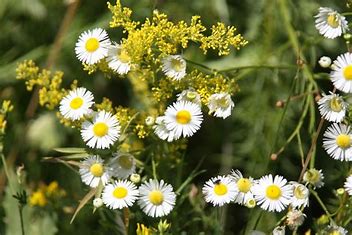
An annual with small, daisy like flowers, chamomile is native to Europe and naturalized in North America. It is a relative of the sunflower and has a sweet characteristic smell. Chamomile seeds are among the few that need light to germinate, so growing can be a delicate process. Chamomile can be planted outdoors by broadcasting the seeds and mixing them very lightly with soil after all chance of frost has past. Seeds can also be started indoors and then transplanted outside after a hardening-off period. Once the plants are established, chamomile is very hardy. It prefers full sun but can tolerate partial shade.

Parts used: Fresh or dried flowers.

Use: Chamomile has anti-inflammatory, relaxant, analgesic (pain relieving), anti-fungal, anti-allergy, tissue-healing and antibacterial properties. The German Commission E has approved chamomile for external use in supporting skin care and inflammation, with several clinical trials supporting its efficacy. Chamomile is used for burns, ulcers, wounds, skin sensitivity and for enhancing coat appearance. Its anti-inflammatory action can be attributed to the natural chemicals alpha bisbolol and chamazulene contained within the flower; they have the ability to inhibit arachidonic acid metabolism. Chamomile’s ability to relieve pain may be due to a prostaglandin-inhibiting action.

Cautions: In rare instances, chamomile may cause an allergic sensitivity in susceptible individuals.

  1. Comfrey (Symphytum officinalis)

This perennial herb originated in Europe. Comfrey is a hardy plant that can grow in a wide range of climates. It does best in USDA Zones 3 to 9, but will grow almost anywhere. Comfrey is most easily propagated from root cuttings and needs three-foot spacing for proper root development.

Parts used: Root and main rib of leaf.

Use: Applied externally for contusions, sprains, wounds, burns, and inflammatory skin disorders. Comfrey decreases healing time and acts as a mild analgesic.

Cautions: Should not be used internally without the guidance of a qualified herbalist.

  1. Dandelion (Taraxacum officinalis)

Like arnica, the dandelion is another plant in the Asteraceae or aster family. Often considered a weed, dandelions actually have some amazing health benefits. They are a wealthy source of many nutrients including vitamins A, B, C, D, potassium, calcium, manganese, sodium, sulfur and choline. You probably don’t need to do much to grow dandelions and will very likely find them growing on their own.

Parts used: Whole plant, leaves, flowers, roots.

Use: The dandelion stimulates liver function and bile production, as well as pancreas and kidney function. It is highly beneficial to the digestive system as a whole. Dandelion cleans the blood and stimulates excretion processes. It makes an excellent spring tonic and can be a great plant for horses to graze on during rehabilitation and conditioning. Dandelion is a very effective diuretic, and is also used for rheumatism, arthritis, laminitis, and as a mild laxative.

Cautions: Because many people consider dandelions a weed, exercise caution when harvesting them or allowing horses to graze on them – be sure they have not been treated with pesticides.

  1. Echinacea (Echinacea purpurea)

Another member of the aster family that’s also known as coneflower, Echinacea is native to the central and eastern United States. It adds color to the garden, blooming with purplish-pink flower heads accented by a raised disk center. It is best to plant Echinacea in spring or fall. It’s very tolerant of heat, humidity and dry conditions. This plant attracts butterflies to the garden.

Parts used: Mostly roots, and seeds/flowers.

Use: Echinacea has immune-dilating, anti-inflammatory, anti-viral, antibacterial, and anti-fungal properties. It is used to increase white blood cell production in the blood and helps clear infection from the body. Can be given dried or as a vinegar extract.

Cautions: Echinacea is possibly contraindicated in cases of autoimmune diseases and cancer.

  1. Peppermint (Mentha piperita)

More than 25 species of mint are grown around the world. Peppermint is distinguished by its square stem with a reddish hue. It prefers partial shade but will grow in full sun. Because it spreads vigorously by underground runners, you may prefer to grow it in containers so it doesn’t take over your garden. Peppermint is usually not grown from seed, but propagated from roots or runners.

Parts used: Leaves

Use: Peppermint can be added to horse feeds to make them more palatable. It has a beneficial effect on the digestive system and helps soothe the GI tract. The oils in peppermint can also be added to skin and coat products to alleviate and cool dry itchy skin.

Cautions: No known contraindications.

Urinary tract infections

Urinary tract infections

By Integrative Vet Care

Urinary tract infections (UTI) are frequently seen in small animal practice. They are estimated to affect up to 5% of all dogs, but are far more common in female and older dogs with diabetes.

Signs of a UTI include difficulty urinating, bloody or cloudy urine, increased urinary frequency along with decreased volume, accidents in the home, strong odor, vomiting, lethargy and increased water consumption. UTIs are caused by bacteria, with Escherichia coli (E.coli) being the most common. Other bacteria implicated in UTIs include Enterococcus, Klebsiella, Staphylococcus pseudintermedius and Pseudomonas.

Antibiotics are commonly prescribed for UTIs, and include cephalosporins, aminoglycosides, tetracyclines, fluoroquinolones and chloramphenicols. This has unfortunately resulted in increased antibiotic resistance among a variety of canine isolates, including E.coli.

Complicating the issue is that many UTI bacteria are present as a biofilm. A biofilm is a community of bacteria surrounded by a protective extracellular polymeric matrix consisting of a variety of compounds, including polysaccharides and glycoproteins. The biofilm matrix provides a physical barrier that protects the bacteria from the effects of antibiotics as well as the host immune system. The matrix is also porous enough to allow for the exchange of fluids and nutrients, resulting in an ideal environment for bacteria to thrive. Several studies have shown that the antibiotic-sensitivity profile of biofilm bacteria is very different than that of non-biofilm (planktonic) bacteria. In fact, biofilm bacteria may be more than 1,000 times more resistant to antibiotics than planktonic bacteria.

Traditional antibiotic culture and sensitivity testing of UTIs involves culturing a urine sample and exposing the resulting bacteria to a variety of antibiotics. A problem with this approach is that these bacteria are not grown as a biofilm. As a result, the test population does not accurately reflect the form of bacteria in the patient, and incorrect antibiotic sensitivity profiles are often obtained. In addition to being ineffective, continued use of the incorrect antibiotic promotes widespread antibiotic-resistance in bacteria.

The BecSCREEN assay has been developed to determine antibiotic-sensitivity profiles specifically for biofilm bacteria. In this assay, the bacteria are first grown as a biofilm and then exposed to a variety of antibiotics and concentrations. The end result is a test that determines the antibiotic sensitivity of the bacteria as it would naturally exist in the UTI. This approach may allow for a more accurate antibiotic sensitivity profile and more effective treatment. Additionally, by treating the infection with the proper antibiotics, the possibility of antibiotic-resistant strains emerging is reduced.

As we learn more about UTIs and the dangers of acquired antibiotic resistance, the need for assays that more accurately test the effectiveness of antibiotics on bacteria as they naturally appear becomes obvious, and provides us with better treatment and improved quality of life for our patients.


Collecting Urine from your pet

by HomeoPet | Feb 26, 2018 | Natural pet health

Getting a urine sample can be a simple or frustrating experience depending on how accommodating or shy your pet is, but a little know how can make for a much easier and more pleasant experience.  For a homeopathic vet, the information gleaned even from the collection process can be very helpful in coming to a suitable treatment.

So ‘how?’; ‘how much?’; ‘when?’ and even ‘why might you need to collect your pet’s urine?’

Lets answer ‘when’ first.  

A urine sample is best obtained first thing in the morning, with the patient having been kept indoors overnight with free access to water. In some cases water restriction is necessary, but only on your vet’s say so – never restrict access to water without veterinary instruction.  For example, a kidney patient can die from the consequences of water deprivation.   Another advantage of an early morning urine sample, especially, if you live in a town or city, is that you are unlikely to become of too much interest to the neighbours as you follow your pet around with a scoop or saucer!

Next to ‘how?

Collecting urine from dogs

For dogs, take them out on lead (so they can’t get too far away from you, unless you have awfully long arms or a polystyrene cup attached to a broom handle). Male dogs usually cock their leg and urinate on a regular basis, especially over the competitions’ sprinklings. Then it is just a matter of placing a urine sample collector or pre-sterilized dish (such as a margarine container or other flat plastic food container) in the stream of urine to collect the sample. Proper urine sample containers are available from a local chemist, drug store, pet store or your veterinarian. Alternatively, the dish needs to be cleaned and sterilized by washing in boiling water. Special urine collection scoops and vials can be bought, but are in many cases unnecessary for initial samples. Avoid the use of vitamin containers or containers with similar contents as contamination can alter the results.

For bitches, the situation can sometimes take more work. You need to have her on a lead and you must wait for her to start passing urine before putting the saucer underneath. If you attempt to put the saucer underneath a bitch before she starts, whatever chance you had of collecting the urine sample is gone! Some bitches will hold on for days if disturbed before starting to urinate. Yet once a bitch starts urinating they can rarely stop before you get a sample!

Collecting urine from cats

For cats, a whole different set of rules apply and the litter tray rules supreme for sample collection at home. You will need to provide a clean, sterilized litter tray with no cat litter in it. The litter tray should be slightly tilted to one end so that the urine runs away from any faeces the cat may also do in the tray. You can put in commercially produced plastic pearls (see photo left in pack and right in litter tray), or shredded plastic, but this is not as easy to get in these days of paper shopping bags. What I do is roll up the plastic and use scissors to cut strips off the roll, which looks just like shredded paper. Then I shake the cut plastic strips apart to make fluffy, sterile, non-absorbent litter, which for some reason almost all cats will use, especially if they are locked in a room with a lino floor.

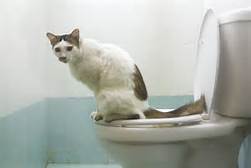
If the bathroom is normally used as your feline’s toilet room, then be sure to put about an inch of water in the sink and bath so kitty doesn’t decide to use one of these giant litter trays!

As I was originally writing this article and had duly told my client all the things to remove from the bathroom, only to discover the cat had started using the potted plants in the bathroom as the ideal replacement litter tray – once removed a sample was forthcoming, so you really need to think like a cat, when setting up the room.

What is heartworm disease?

What is heartworm disease?

Heartworm disease is a serious and potentially fatal disease in pets in the United States and many other parts of the world. It is caused by foot-long worms (heartworms) that live in the heart, lungs and associated blood vessels of affected pets, causing severe lung disease, heart failure and damage to other organs in the body. Heartworm disease affects dogs, cats and ferrets, but heartworms also live in other mammal species, including wolves, coyotes, foxes, sea lions and—in rare instances—humans. Because wild species such as foxes and coyotes live in proximity to many urban areas, they are considered important carriers of the disease.

Dogs. The dog is a natural host for heartworms, which means that heartworms that live inside the dog mature into adults, mate and produce offspring. If untreated, their numbers can increase, and dogs have been known to harbor several hundred worms in their bodies. Heartworm disease causes lasting damage to the heart, lungs and arteries, and can affect the dog’s health and quality of life long after the parasites are gone. For this reason, prevention is by far the best option, and treatment—when needed—should be administered as early in the course of the disease as possible.

Cats. Heartworm disease in cats is very different from heartworm disease in dogs. The cat is an atypical host for heartworms, and most worms in cats do not survive to the adult stage. Cats with adult heartworms typically have just one to three worms, and many cats affected by heartworms have no adult worms. While this means heartworm disease often goes undiagnosed in cats, it’s important to understand that even immature worms cause real damage in the form of a condition known as heartworm associated respiratory disease (HARD). Moreover, the medication used to treat heartworm infections in dogs cannot be used in cats, so prevention is the only means of protecting cats from the effects of heartworm disease.

How is heartworm disease transmitted from one pet to another?

The mosquito plays an essential role in the heartworm life cycle. Adult female heartworms living in an infected dog, fox, coyote, or wolf produce microscopic baby worms called microfilaria that circulate in the bloodstream. When a mosquito bites and takes a blood meal from an infected animal, it picks up these baby worms, which develop and mature into “infective stage” larvae over a period of 10 to 14 days. Then, when the infected mosquito bites another dog, cat, or susceptible wild animal, the infective larvae are deposited onto the surface of the animal’s skin and enter the new host through the mosquito’s bite wound. Once inside a new host, it takes approximately 6 months for the larvae to mature into adult heartworms. Once mature, heartworms can live for 5 to 7 years in dogs and up to 2 or 3 years in cats. Because of the longevity of these worms, each mosquito season can lead to an increasing number of worms in an infected pet.

What are the signs of heartworm disease in dogs?

In the early stages of the disease, many dogs show few symptoms or no symptoms at all. The longer the infection persists, the more likely symptoms will develop. Active dogs, dogs heavily infected with heartworms, or those with other health problems often show pronounced clinical signs.

Signs of heartworm disease may include a mild persistent cough, reluctance to exercise, fatigue after moderate activity, decreased appetite, and weight loss. As heartworm disease progresses, pets may develop heart failure and the appearance of a swollen belly due to excess fluid in the abdomen. Dogs with large numbers of heartworms can develop a sudden blockages of blood flow within the heart leading to a life-threatening form of cardiovascular collapse. This is called caval syndrome, and is marked by a sudden onset of labored breathing, pale gums, and dark bloody or coffee-colored urine. Without prompt surgical removal of the heartworm blockage, few dogs survive.

What are the signs of heartworm disease in cats?

Signs of heartworm disease in cats can be very subtle or very dramatic. Symptoms may include coughing, asthma-like attacks, periodic vomiting, lack of appetite, or weight loss. Occasionally an affected cat may have difficulty walking, experience fainting or seizures, or suffer from fluid accumulation in the abdomen. Unfortunately, the first sign in some cases is sudden collapse of the cat, or sudden death.

How significant is my pet’s risk for heartworm infection?

Many factors must be considered, even if heartworms do not seem to be a problem in your local area. Your community may have a greater incidence of heartworm disease than you realize—or you may unknowingly travel with your pet to an area where heartworms are more common. Heartworm disease is also spreading to new regions of the country each year. Stray and neglected dogs and certain wildlife such as coyotes, wolves, and foxes can be carriers of heartworms. Mosquitoes blown great distances by the wind and the relocation of infected pets to previously uninfected areas also contribute to the spread of heartworm disease (this happened following Hurricane Katrina when 250,000 pets, many of them infected with heartworms, were “adopted” and shipped throughout the country).

The fact is that heartworm disease has been diagnosed in all 50 states, and risk factors are impossible to predict. Multiple variables, from climate variations to the presence of wildlife carriers, cause rates of infections to vary dramatically from year to year—even within communities. And because infected mosquitoes can come inside, both outdoor and indoor pets are at risk.

For that reason, the American Heartworm Society recommends that you “think 12:” (1) get your pet tested every 12 months for heartworm and (2) give your pet heartworm preventive 12 months a year.

What do I need to know about heartworm testing?

Heartworm disease is a serious, progressive disease. The earlier it is detected, the better the chances the pet will recover. There are few, if any, early signs of disease when a dog or cat is infected with heartworms, so detecting their presence with a heartworm test administered by a veterinarian is important. The test requires just a small blood sample from your pet, and it works by detecting the presence of heartworm proteins. Some veterinarians process heartworm tests right in their hospitals while others send the samples to a diagnostic laboratory. In either case, results are obtained quickly. If your pet tests positive, further tests may be ordered.

When should my pet be tested?

Testing procedures and timing differ somewhat between dogs and cats.

Dogs. All dogs should be tested annually for heartworm infection, and this can usually be done during a routine visit for preventive care. Following are guidelines on testing and timing:

·         Puppies under 7 months of age can be started on heartworm prevention without a heartworm test (it takes at least 6 months for a dog to test positive after it has been infected), but should be tested 6 months after your initial visit, tested again 6 months later and yearly after that to ensure they are heartworm-free.

·         Adult dogs over 7 months of age and previously not on a preventive need to be tested prior to starting heartworm prevention.  They, too, need to be tested 6 months and 12 months later and annually after that.

·         You need to consult your veterinarian, and immediately re-start your dog on monthly preventive—then retest your dog 6 months later. The reason for re-testing is that heartworms must be approximately 7 months old before the infection can be diagnosed.

Annual testing is necessary, even when dogs are on heartworm prevention year-round, to ensure that the prevention program is working. Heartworm medications are highly effective, but dogs can still become infected. If you miss just one dose of a monthly medication—or give it late—it can leave your dog unprotected. Even if you give the medication as recommended, your dog may spit out or vomit a heartworm pill—or rub off a topical medication. Heartworm preventives are highly effective, but not 100 percent effective. If you don’t get your dog test, you won’t know your dog needs treatment.

Cats. Heartworm infection in cats is harder to detect than in dogs, because cats are much less likely than dogs to have adult heartworms. The preferred method for screening cats includes the use of both an antigen and an antibody test (the “antibody” test detects exposure to heartworm larvae). Your veterinarian may also use x-rays or ultrasound to look for heartworm infection. Cats should be tested before being put on prevention and re-tested as the veterinarian deems appropriate to document continued exposure and risk. Because there is no approved treatment for heartworm infection in cats, prevention is critical.

What happens if my dog tests positive for heartworms?

No one wants to hear that their dog has heartworm, but the good news is that most infected dogs can be successfully treated. The goal is to first stabilize your dog if he is showing signs of disease, then kill all adult and immature worms while keeping the side effects of treatment to a minimum.

Here’s what you should expect if your dog tests positive:

·         Confirm the diagnosis. Once a dog tests positive on an antigen test, the diagnosis should be confirmed with an additional—and different—test. Because the treatment regimen for heartworm is both expensive and complex, your veterinarian will want to be absolutely sure that treatment is necessary.

·         Restrict exercise. This requirement might be difficult to adhere to, especially if your dog is accustomed to being active. But your dog’s normal physical activities must be restricted as soon as the diagnosis is confirmed, because physical exertion increases the rate at which the heartworms cause damage in the heart and lungs. The more severe the symptoms, the less activity your dog should have.

·         Stabilize your dog’s disease. Before actual heartworm treatment can begin, your dog’s condition may need to be stabilized with appropriate therapy. In severe cases of heartworm disease, or when a dog has another serious condition, the process can take several months.

·         Administer treatment. Once your veterinarian has determined your dog is stable and ready for heartworm treatment, he or she will recommend a treatment protocol involving several steps. The American Heartworm Society has guidelines for developing this plan of attack. Dogs with no signs or mild signs of heartworm disease, such as cough or exercise intolerance, have a high success rate with treatment. More severe disease can also be successfully treated, but the possibility of complications is greater. The severity of heartworm disease does not always correlate with the severity of symptoms, and dogs with many worms may have few or no symptoms early in the course of the disease.

·         Test (and prevent) for success. Approximately 6 months after treatment is completed, your veterinarian will perform a heartworm test to confirm that all heartworms have been eliminated. To avoid the possibility of your dog contracting heartworm disease again, you will want to administer heartworm prevention year-round for the rest of his life.

What if my cat tests positive for heartworms?

Like dogs, cats can be infected with heartworms. There are differences, however, in the nature of the disease and how it is diagnosed and managed. Because a cat is not an ideal host for heartworms, some infections resolve on their own, although these infections can leave cats with respiratory system damage. Heartworms in the circulatory system also affect the cat’s immune system and cause symptoms such as coughing, wheezing and difficulty breathing. Heartworms in cats may even migrate to other parts of the body, such as the brain, eye and spinal cord. Severe complications such as blood clots in the lungs and lung inflammation can result when the adult worms die in the cat’s body.

Here’s what to expect if your cat tests positive for heartworm:

·         Diagnosis. While infected dogs may have 30 or more worms in their heart and lungs, cats usually have 6 or fewer—and may have just one or two. But while the severity of heartworm disease in dogs is related to the number of worm, in cats, just one or two worms can make a cat very ill. Diagnosis can be complicated, requiring a physical exam, an X-ray, a complete blood count and several kinds of blood test. An ultrasound may also be performed.

·         Treatment. Unfortunately, there is no approved drug therapy for heartworm infection in cats, and the drug used to treat infections in dogs is not safe for cats. Nevertheless, cats with heartworm disease can often be helped with good veterinary care. The goal is to stabilize your cat and determine a long-term management plan.

·         Monitor your cat. Heartworm-positive cats may experience spontaneous clearing of heartworms, but the damage they cause may be permanent. If your cat is not showing signs of respiratory distress, but worms have been detected in the lungs, chest X-rays every 6 to 12 months may be recommended. If mild symptoms are noted, small doses of prednisolone may be administered to help reduce inflammation.

·         Provide veterinary care. If the disease is severe, additional support may be necessary. Your veterinarian my recommend hospitalization in order to provide therapy, such as intravenous fluids, drugs to treat lung and heart symptoms, antibiotics, and general nursing care. In some cases, surgical removal of heartworms may be possible.

·         Maintain prevention. A cat that has developed heartworm disease has demonstrated that it is susceptible to heartworm infection, and both outdoor and indoor cats are at risk. It’s important to give your cat monthly heartworm preventives, which are available in both spot-on and pill form. Preventives keep new infections from developing if an infected mosquito bites your cat again.

The age of the dog is just one factor affecting the success of heartworm treatment. When making a diagnosis and administering treatment, veterinarians consider the dog’s overall health and the severity of his symptoms, as well as the results of X-rays and laboratory test results. Older dogs with long-term heartworm infections may have damage to their lungs, hearts, livers, and kidneys that can complicate heartworm treatment. To ensure the best chance of success, it is vital to follow your veterinarian’s instructions carefully. This includes severely restricting the dog’s activity, as exercise during the treatment period is the leading cause of complications.


After treating a dog with melarsomine injections, adult worms may continue to die for more than a month following this treatment. Heartworm antigen testing is the most reliable method of confirming that all of the adult heartworms have been eliminated. Although many dogs are antigen-negative 16 weeks after treatment, it can take longer for the antigen to be completely cleared from some dogs. Additionally, even though melarsomine is highly effective, a single course of treatment may not completely clear all dogs of infection (the American Heartworm Society protocol calls for three separate injections of melarsomine.  Consequently, in most cases, a dog that is still antigen positive at 4 months should be rechecked 2 to 3 months later before determining whether there are still adult heartworms remaining, and a second treatment course may be required.


4 Popular Home Remedies For Itchy Skin In Dogs

4 Popular Home Remedies For Itchy Skin In Dogs

Veterinarian Reviewed by Dr. Janice Huntingford, DVM on January 18, 2018
Posted in Dog Skin Allergies


Yellow Labrador scratching

Itchy skin is one of the most common health problems for dogs, largely because it can be triggered by so many things. If fleas or ticks are not the culprit, your dog’s skin might have become inflamed, infected or excessively dry thanks to allergies, yeast, or dust mites. Some dogs have allergies to seemingly harmless foods like chicken, corn or wheat, while others have naturally dry skin that causes them to scratch or lick themselves to the point where bumps and scabs arise.

Making itchy skin even more troublesome is the fact that traditional medications aren’t always as effective as they should be. Apoquel and medicated shampoos, for example, might achieve temporary relief at best. This has prompted resourceful pet parents to turn to simple home remedies that have proven to treat dryness and eliminate several other triggers of itchy skin. The number of these remedies continues to grow, as does the amount of pet parents reporting their effectiveness.

  1. Apple Cider And Vinegar

A 50/50 mix of raw, unfiltered apple cider and vinegar is a highly recommended home remedy because each ingredient has multiple functions. Apple cider balances the pH levels of the skin while eradicating fleas and mites. Vinegar has antibacterial, antiviral and anti-fungal properties. While it is generally recommended that you mix the remedy with water, some pet parents have found success after adding brewed green tea as well.

The solution can reportedly be applied via a spray bottle or sponge as much as twice a day until the itching has subsided. It might sting, however, if it comes into contact with wounds or raw skin. Results can usually be seen after two weeks, which is the same amount of time the solution can be refrigerated before turning moldy.

  1. Coconut Oil

Coconut oil has been known to stop itching when applied topically and/or orally. The first function stems from coconut oil’s fatty acids that moisturize and repair damaged skin, while the latter boosts your dog’s immune system and fights internal infections. Coconut oil can be mixed into your dog’s food, though it might have to be heated beforehand during winter months.

Dosage typically determines on age and size, though numerous pet parents have said that just about any reputable human brand of extra-virgin, pure coconut oil will work for your dog. It seems that the quickest relief (as little as one week) was experienced by pet parents who performed both applications at least once a day.

  1. Yogurt

Yogurt fights skin and yeast infections with natural probiotics that keep healthy bacteria in your dog’s gastrointestinal system. It’s extremely important to note that unless your vet says otherwise, the only type of yogurt your dog should be eating is low-fat, plain and free of sugar or additives.

Small or young dogs are usually recommended one teaspoon a day compared to two teaspoons for larger or older dogs. Some pet parents have seen results in a little over a week, and these results aren’t just limited to skin. Your vet will likely see no issue in continuing to add yogurt to your dog’s meals to ward off all sorts of infections and prevent diarrhea.

  1. Baking Soda

A 50/50 mix of baking soda and water is said to eliminate skin-irritating pathogens while exfoliating itchy skin. The usual recommendation is to use two tablespoons of baking soda and then apply the thickened paste to the affected areas once or twice a day. The paste should then be left on for fifteen to twenty minutes before it is washed off. If your dog is itching all over his or her body instead of a few affected areas, you might want to try adding one cup of baking soda to your dog’s bath water.

Don’t Hesitate To Act

These are just a small portion of the dozens of solutions touted by pet parents whose dogs had itchy skin in every physical area you can think of. In addition to natural home remedies, it would be wise to ask your vet about anything else you can do to prevent itchy skin from emerging ever again, like simply brushing your dog’s coat every day. And whatever the cause may be, itchy skin is not a problem that should be taken lightly since they can indicate serious internal problems, like cancer.


Untreated Types of Pain in Dogs

Untreated Types of Pain in Dogs


By Dr. Karen Shaw Becker and comments by Diane Weinmann

The practice of scoring pain is almost exclusively a human medicine tool. A doctor or nurse asks a patient to rate the pain he or she is experiencing with a number, for example, 0 to 10, with 0 indicating no pain, and 10 signifying excruciating pain.

Sadly, the veterinary community has been slow to follow suit. In fact, I regularly have pet parents tell me their vets won’t administer pain medications after surgeries or accidents, even when the client demands them. It breaks my heart that so many animals suffer needlessly, and it infuriates me that doctors who take an oath to relieve suffering fail to do so.

Assessing Pain in Canine Patients

In veterinary medicine, our canine patients can’t tell us in words how much they’re hurting, so pain scoring must be done primarily through observation. It can be used not only with dogs who’ve had surgery, but also any pet dealing with an injury or illness. Since every animal is an individual with a specific pain threshold, to use pain scoring effectively, we must observe the dog before painkillers are given and before any procedure is attempted, no matter how minor (e.g., a blood draw).

We also need to apply some science to the art of observation when determining a dog’s pain score. We need to know average pain levels for the condition the animal has or the surgery about to be performed, and factor those into the equation. This is necessary because many dogs are stoic even when in significant pain.

Pet Pain Scales

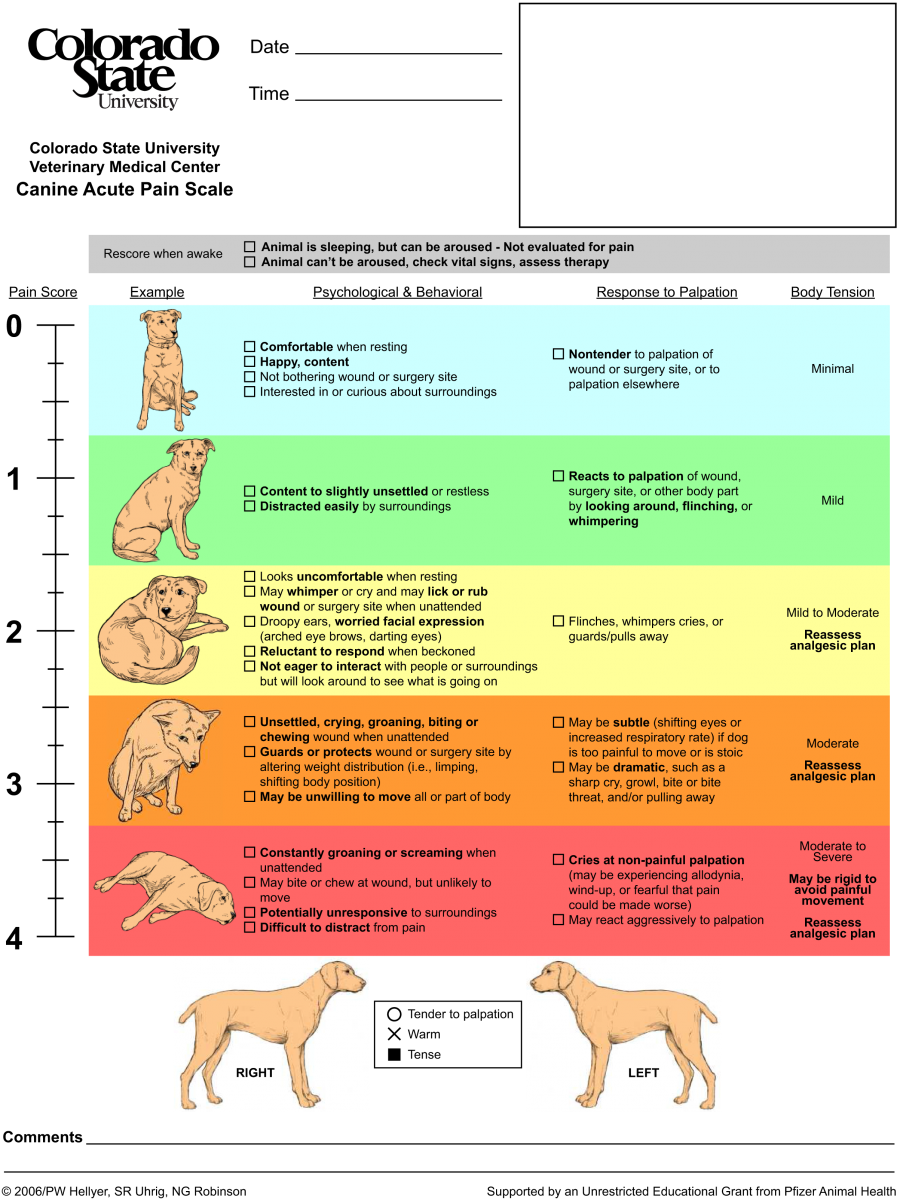
Pain scales such as Colorado State University’s (CSU) below are intended for use by veterinarians and their staffs, but they can also be helpful for pet parents who want to learn what signs to look for to determine if their dog might be in pain.1

Pain score: 0 No pain present. The patient is happy, acts normally, moves comfortably, has a normal appetite and (if applicable) does not bother the surgery site. TPR (temperature) is normal.
Pain score: 1 Mild pain present. This is usually displayed by a slight limp, difficulty getting up or down or a slight increase in TPR. The patient is eating, tail wagging and not depressed.
Pain score: 2 Moderate pain present. The patient shows sensitivity and may lick or chew at the surgical site or wound. The patient may refuse to eat and may seem depressed, and has slow, shallow respirations.
Pain score: 3 Severe pain present. Signs include depression, reluctance to move and sensitivity at the surgical site or wound. The patient will usually not eat, may vocalize and may lie down but not sleep.
Pain score: 4 Excruciating pain present. The patient shows all the signs described with a pain score of 3, in addition to intermittent panting, increased TPR — even at rest — constant vocalizing, profound depression, dilated pupils, aggressiveness and deep breathing.

To view the full detailed CSU pain scales, which include rough drawings of how your dog might appear with a pain score of 0, 1, etc.: Canine Pain Scale.

Signs to Watch for at Home

Determining if your pet is hurting is all about picking up subtle cues. Generally speaking, a cat in pain will make herself scarce, whereas a hurting dog is often a dog with a sad or tense expression. Canines don’t typically whine or cry unless they are in tremendous pain, so here are some other signs to keep an eye out for:2

Lack or loss of appetite Not greeting you as usual
Trembling/shivering Crouching
Not bearing weight on a leg Taking longer than usual to urinate or defecate
Reluctance to climb up or down stairs Excessive panting

What to Do if You Think Your Dog Is in Pain

How your canine companion’s pain is managed depends on what’s causing it, so it’s crucially important to make an appointment with your veterinarian for a thorough exam. Once your vet has evaluated your dog and depending on the root cause of his discomfort, there are a number of integrative therapies that blend nicely to reduce the amount of medications needed to manage pain, including:

There are also some newer therapies I’ve used with good success, including the Assisi Loop, a form of pulsed electromagnetic field therapy. In addition, there are a variety of beneficial supplements you can add to your pet’s diet, again depending on his diagnosis and treatment protocol.

A Type of Pain in Dogs That Often Goes Undiagnosed

Myofascial pain, which is pain in the muscles that results from one or more trigger points, is common in dogs, but because it doesn’t show up on x-rays or other diagnostic tests, it’s often left untreated. The result is that many dogs suffer needlessly with significant, chronic muscle pain.

Trigger points, sometimes described as knots in the muscles, are focal points for inflammation and irritation. They may be in an active or latent phase. In the active phase, a trigger point may be very painful for your pet.

If pressure is applied, pain may radiate from the trigger point to other areas of your dog’s body, such as down the limbs (this is known as referred pain). He may also have latent trigger points that are sensitive, but not as acutely painful as active trigger points. However, even latent trigger points may lead to problems for your dog, including stiffness and restricted range of motion.

Causes of Myofascial Pain

There are many situations that can lead to this type of muscle pain. Some of them may occur suddenly, such as an injury from an unexpected wrenching movement, a fall or a blow to a muscle. Often, however, the development of such pain, and its related trigger points, is gradual.

Just like in humans, dogs may suffer from muscle pain as a result of overuse or muscle imbalance. For example, if your dog runs along a fence every day or favors a back leg due to arthritis, some muscles are being overused and others underused, leading to muscle imbalance and the development of trigger points.

When the pain and related dysfunction becomes chronic, it’s known as myofascial pain syndrome (MPS). Unfortunately, MPS is rarely mentioned in conventional veterinary schools, so it’s often overlooked and left untreated. As veterinarian Dr. Michael Petty notes in his article for dvm360:

“Myofascial pain syndrome is a difficult-to-diagnose and seldom-treated condition in dogs. This is despite the fact that it’s been a recognized pain issue for more than 400 years and entered mainstream human medicine almost 80 years ago. It’s rarely taught in the university setting and there are no books about it.”3

Potential signs of myofascial pain include weakness, muscle tension and stiffness and lameness, or your dog may jump from pain or twitch if you happen to press on a trigger point. Without treatment, trigger points and myofascial pain can turn into a chronic and worsening condition

Treating Myofascial Pain by Relieving Trigger Points

If you suspect your dog is suffering from myofascial pain, see a holistic veterinarian who is experienced at finding trigger points. Once they’ve been located, there are a couple of options for treatment.

One, which is fairly invasive, is dry needling. This involves using an acupuncture needle that is pushed through your pet’s skin to stimulate the trigger point. This may release the tight muscle bands associated with the trigger point, leading to decreased pain and improved function.

Electro-acupuncture and acupressure may also be helpful for some dogs with myofascial pain. Cold laser therapy and ultrasound therapy may be beneficial for dogs that won’t tolerate acupuncture. Another less invasive option is manual manipulation of trigger points using trigger point massage or trigger point therapy. I have found that recurrent trigger point problems can be a result of an underlying chiropractic issue, so if your pet isn’t getting better, consider getting a chiropractic evaluation.


Real life experience from Diane Weinmann

My dog Neko went crazy because some dogs tried to put their faces through our fence.  After they left he ran laps around our back yard because he was so over wrought.  Did I mention he’s a husky?  So once I got him inside and calmed down he flopped down and refused to move.  I figured he was tired from all the running but he was hurting.  Eventually he got up and was limping then holding his leg up and walking on 3 legs.  He was also whimpering.  I immediately started performing reiki energy healing and healing touch for animals on him.  I put an ice pack on the muscle on his hip/leg area.  I also gave him CBD oil to help with pain as I continued to reiki/HTA him and ice his leg.  It took approximately 6 hours for him to really stop whimping when he moved but with rest and repeated healings he completely recovered.  I could have also performed acupressure but was afraid to inflict pressure on an already sensitive area.  In hindsight, I should of went ahead and provided acupressure in addition to the reiki/HTA energy healing. Ah well, live and learn –it’s not like he won’t do it again..he’s a HUSKY!


Senior Cats

By Dr. Becker and comments by Diane Weinmann


By the time your cat reaches the age of 10, she’s officially a senior citizen. The good news is that many cats today are living into their late teens and even early 20s. With the proper care, a kitty in good health at 10 can easily live another 8, 10 or even 12 years. There’s no need to worry that your feline companion is getting older. In fact, this is a great time to take steps to make the second half of kitty’s life with you as healthy and happy as the first half.

7 Tips to Keep Your Senior Cat Healthy and Happy

1. Schedule twice-yearly veterinary visits

Once your cat is into her senior years and beyond, her wellness and nutritional needs can require fine-tuning every four to six months. It’s very important to review weight, muscle tone, joint range of motion, diet, supplement protocol and exercise habits at least semi-annually for older pets.

At veterinary visits, be sure to mention any behavior changes you’ve noticed in your cat, no matter how minor, as these can provide important clues about health problems that may be brewing under the surface. It’s also important to monitor your cat’s weight to ensure she isn’t becoming too heavy or too thin.

The senior pet wellness screen is an excellent tool for early detection of changes in your cat’s health so that treatment, including appropriate lifestyle changes, can begin immediately. As part of the checkup, your vet will perform a physical exam and blood (including thyroid levels), urine and stool sample tests.

The results will provide a snapshot of how well your cat’s organs are functioning, and point to any potential problems. Regular wellness screens also allow your vet to compare current test results with past results to check for changes that may need further investigation.

2. Minimize environmental stressors

Kitties of all ages do best with a consistent daily routine, but older cats tend to get extra stressed when presented with anything new or different in their environment. Your senior kitty may be dealing with some vision and hearing loss, less tolerance for the cold and mental confusion. Cats can and do develop age-related cognitive decline, which means even the smallest change in your kitty’s routine can cause stress.

Your senior cat may become a little cranky and easily irritated. If there are young children or a playful dog at home, it’s important that all family members approach your kitty in a quiet, non-aggressive manner. It’s also important to protect an aging cat from potential bullying by younger or more active pets.

Of course, it’s important to avoid becoming a “helicopter pet parent” who constantly hovers over kitty. He’s still a cat after all, and prefers attention on his own terms! But do make a concerted effort to keep him comfy, secure and relaxed by maintaining a consistent daily routine and providing him with a quiet, cozy hideaway with comfy bedding and a favorite toy or two.

3. Feed your cat like a carnivore

Contrary to what many cat parents and even veterinarians believe, aging pets need MORE protein than their younger counterparts, and the quality is of paramount importance. The more digestible and assimilable the protein is, and the higher the moisture content of the food, the easier it will be for aging organs to process.

Feed kitty a nutritionally balanced, antioxidant-rich, species-appropriate diet that includes omega-3 essential fats such as krill oil. Since moisture is a cat’s best friend, be sure to encourage hydration by offering kitty a variety of water bowls around the house or a drinking fountain, in addition to minimizing or (preferably) eliminating dry food. If your cat is addicted to a poor-quality processed diet, consider adding a supplement such as Feline Whole Body Support.

4. Provide appropriate supplementation

Offering your cat SAMe (S-adenosylmethionine) is a safe and effective way to stall mental decline, improve mobility and assist in liver detoxification. Consult your holistic veterinarian for the right dose size.

Periodic detoxification with the herbs milk thistle and dandelion can also be very beneficial, as can providing super green foods in the form of fresh “cat grass” to nibble on. Chlorophyll, chlorella or spirulina can also be offered in supplement form to enhance your cat’s detoxification processes.

Medium-chain triglycerides (MCTs) have been shown to be safe for cats and can improve brain energy metabolism and decrease the amyloid protein buildup that results in brain lesions in older pets. Coconut oil is a rich source of MCTs and may also reduce hairball issues. I recommend 1/4 teaspoon for every 10 pounds of body weight twice daily for basic MCT support, if your cat will voluntarily eat it.

For aging kitties who prowl the house all night and vocalize, consider low-dose melatonin, which is not only a sedative with a calming effect, but also an antioxidant. I also use rhodiola, chamomile and l-theanine with good results.

5. Make sure kitty stays physically and mentally stimulated

Keep your cat’s body and mind active with regular exercise appropriate for your cat’s age and physical condition, and mental stimulation (puzzles and treat-release toys can be beneficial). Think of creative ways to enrich your cat’s indoor environment and if your kitty never touches the earth’s surface directly (most housecats don’t), consider a grounding pad to help reduce the buildup of EMFs.

Regular massage can help keep your senior cat’s muscles toned and reduce the slackening that comes with aging. Massaged muscles are looser, which makes it easier for your pet to move around comfortably. Massage also improves circulation, encourages lymphatic drainage and eases joint stiffness.

6. Take steps to keep your cat’s aging body comfortable

If kitty seems physically uncomfortable, it’s important not to assume it’s just a natural part of aging. You want to make sure she’s not in pain, so a visit to your vet is in order. The sooner a health problem is diagnosed and treated, in most cases, the better the outcome.

Keeping your cat at a good weight and physically active will help control arthritis and degenerative joint disease as he ages. Chiropractic adjustments and acupuncture can also be very helpful in keeping cats fully mobile in their later years. There are a wide range of supplements that can be added to your cat’s diet to help maintain healthy tendons, ligaments, joints and cartilage. These include:

• Glucosamine sulfate with MSM and eggshell membrane

• Omega-3 fats (krill oil)

• Ubiquinol

• Supergreen foods like spirulina and astaxanthin

• Natural anti-inflammatory formulas (herbs, proteolytic enzymes and nutraceuticals)

In addition, talk to your vet about Adequan injections, which can stimulate joint fluid very rapidly in pets with arthritis. Also insure your cat can get into and out of the litterbox easily. Remember that kitties are very adept at hiding arthritis and other aches and pains, which can limit their ability to climb into high-sided boxes, or boxes kept in bathtubs or up a flight of stairs, for example.

7. Spend some time with your cat every day

Set aside time each day to hang out with your kitty. If she tolerates being brushed or combed, work that into the daily schedule as well, to help her with grooming chores. Trimming the hair around the perineal area is usually much appreciated by older cats. Make sure meals are provided on a consistent schedule, along with playtime and petting/lap time. Organic catnip (for kitties who respond to it — not all do) can be a very effective way to encourage your cat to play.

I know my older cats, Arron and Milo both really enjoyed their snuggle time.  It’s very important for both your pet’s and your own emotional security to spend time together sharing the love and demonstrating how much you mean to each other.  Make sure you spend time each day cuddling because the memories you make together are irreplaceable!


Common Uses of Lemon Balm on Dogs and Horses

Common Uses of Lemon Balm on Dogs

Lemon balm contains, amongst other things, volatile oils, tannins, and flavonoids. These elements give the herb a number of therapeutic effects, including calming and relaxing, anti-viral, anti-bacterial, muscle-relaxing and pain-relieving effects.

In dogs, lemon balm can be used for numerous health issues, including stress, anxiety, depression, and digestive problems, especially gas.

In older dogs, lemon balm can be used to address sleep disorders and reduce agitation and anxiety caused by canine cognitive dysfunction.

Topically, it is also an effective disinfectant for minor cuts and wounds, as well as an effective muscle-relaxant for sores and pains.

On horses, lemon balm’s anti-spasmodic effects on muscle pains and stomach issues is [perfect for stress related situations or environments, like stall rest. Lemon balm can also help horses with metobolic issues by reducing the production of thyroid hormones and ease the symptoms of hyperthyroidism.

How to Use Lemon Balm on Dogs

There are quite a few ways that our dogs can reap the lemon balm benefits. The herb can be used orally or topically depending on what your dog needs. For example:

For Oral Use

To make a lemon balm tea that is strong enough therapeutically, pour 1 cup of boiling water over 2 tablespoons of coarsely chopped fresh leaves (or 2 tablespoons dried herb per cup of water). As this herb is non-toxic and extremely safe, you don’t have to worry about exact dosages or measurements too much.

Cover the brewing tea and let stand until it cools to room temperature.

To give the tea to your dog, either add it to his food or water, or both! Add up to 1 tablespoon of the tea per 20 pounds of body weight twice or three times daily. If you are trying to treat a specific health condition, such
 as gas or anxiety, double that amount.

For Topical Use

Freshly brewed lemon balm tea can also be used topically as a disinfecting rinse for minor cuts and other wounds. To make the rinse even more effective, add 2 teaspoons unrefined sea salt to each cup of tea and stir to dissolve. Simply pour the tea over the wound (be sure that the tea is not hot).

To use lemon balm tea as a cold compress (good for acute injuries), soak a clean wash cloth in the cold
 tea, apply, and hold the compress in place for several minutes. To keep the area cold, soak the compress again and reapply.

As mentioned above, lemon balm has muscle-relaxing and antispasmodic properties. Therefore, it can be used to help ease some aches and pains in dogs caused by chronic conditions like arthritis, hip or elbow dysplasia, or old sports injuries. To this end, make a hot compress using lemon balm tea. The tea should be reasonably hot (but not scalding hot). Soak a wash cloth in the tea, wring just enough to stop dripping, then apply to the affected area and hold it in place for several minutes. Soak the compress again and reapply as needed to keep the area warm for 10 to 15 minutes.

Herbal Honey

Since lemon balm is anti-viral and anti-bacterial, it is a good herb to use to make herbal honey, which can be used topically to dress wounds and treat skin infections, and orally to prevent bacterial or viral infections, help with indigestion, and generally boost the immune system. See this page for instructions to make herbal honey.

Safety of Lemon Balm

As mentioned above, lemon balm is an extremely safe herb, and the only contraindication is, in large amounts, it may interfere with the body’s assimilation of iodine, and may therefore affect the thyroid. However, the amounts of lemon balm used for dogs are not high enough to cause hypothyroidism in dogs.

How to Use Lemon Balm on Horses

Horses can eat the fresh or dried leaves or you can make a tea from the leaves  or a tincture and pour it right on their grain or hay. 


Panting in Cats — When Is It a Sign of Trouble?

Panting in Cats — When Is It a Sign of Trouble?


By Dr. Becker

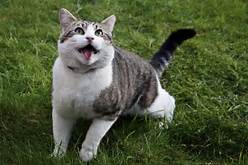
Unlike dogs, kitties don’t naturally pant, so it can be disconcerting to see little Fluffy breathless, and rightfully so. In most cases, panting in a cat is a sign of an underlying health concern that requires attention. However, there are a few situations in which panting in cats is harmless and short lived. Some cats pant during or after exercise or to try to cool off. Young, energetic kittens might pant for a short time while playing.

Some kitties who live or spend time outdoors may pant to cool down in warm weather. In addition, a cat who’s enduring a stressful event, for example, a car ride or veterinary visit, might pant.

Outside of momentary episodes with an obvious cause, panting in cats indicates there’s an underlying problem involving either the respiratory tract or the heart. In older kitties who start panting, a potential cause is congestive heart failure. In younger cats, especially those who are also coughing, the more likely cause is a respiratory disorder such as feline asthma.

Congestive Heart Failure as a Cause of Panting in Kitties

When a cat’s heart can’t pump enough blood to the body, fluid backs up into the lungs, and congestive heart failure is the result. There are many causes of congestive heart failure in cats, but most often it results from hypertrophic cardiomyopathy. Thyroid disease, high blood pressure, birth defects and other conditions can also cause congestive heart failure.

Hypertrophic cardiomyopathy (HCM) is by far the most common type of primary heart disease in kitties, accounting for 85 to 90 percent of all cases. The word “hypertrophic” means thickened, so this is a condition in which the walls and ventricles of the heart become too thick, or hypertrophied.

HCM is often inherited in cats. In fact, there’s a test available now for a specific gene mutation in Maine Coons and Ragdolls. Purebred cats such as the Persian, other oriental breeds and American shorthairs are also predisposed to develop the condition. However, it’s the regular house cat that is most commonly diagnosed with HCM. Cats usually develop the condition in midlife, but it can occur at any age.

Symptoms of feline hypertrophic cardiomyopathy vary and depend to some extent on the severity of the disease. Cats with mild disease don’t necessarily have symptoms. But in a kitty with significant HCM, there are usually obvious signs.

As we know, kitties mask illness very well, so until this condition is severe, even a cat with significant disease may have no symptoms, or very mild symptoms that don’t seem to be indicative of heart disease. In cats with obvious symptoms, there can be respiratory distress caused by congestive heart failure, or leg paralysis due to a blood clot.

Cats suffering congestive heart failure don’t cough like people or dogs do. Instead, they tend to breathe through an open mouth, and sometimes they pant. You should watch for breathing difficulties during exertion. Some kitties with HCM and congestive heart failure have a hard time walking any distance without stopping to rest and recuperate.

Feline Asthma Can Also Cause Panting

Feline asthma, also called bronchial asthma, allergic bronchitis and chronic bronchitis, affects cats of all ages worldwide. Asthma is a condition in which there is recurring constriction of the airways to the lungs.

Excessive amounts of mucus form in the airways, which causes them to become inflamed and sometimes ulcerated. This situation leads to spasms of the muscles of the airways, which is what causes the constriction or narrowing. Kitties with asthma can’t draw a deep breath.

Symptoms to watch for include a dry hack, which often sounds like gagging or retching. In fact, it’s not unheard of for an asthmatic cat to be diagnosed with hairballs. Wheezing, which can sound like a high-pitched sigh or a whistle, is another classic symptom. Labored breathing and exercise intolerance are also signs.

Even if your cat has a dry cough as her only symptom, it’s not necessarily a measure of the severity of her asthma. Kitties can have really serious asthma but very few symptoms. Some cats have no symptoms at all, except they suddenly are unable to breathe. An acute asthma attack such as this can occur any time and obviously can be life-threatening for your cat.

Cats with serious asthma can also suffer obvious symptoms like panting or open-mouthed breathing. Brachycephalic cats with pushed in faces, such as Persians and Himalayans, are especially susceptible to breathing problems, including asthma. Sudden airway constriction can occur for no apparent reason. It can also result from an allergic reaction to inhaled triggers like grasses, pollens, ragweed, aerosol sprays, smoke, mildew, molds, dust mites, household chemicals — even kitty litter dust.

How to Tell If Your Cat’s Panting Is Cause for Concern

To determine if there’s a problem, it’s important to pay attention to how often your kitty pants. Obviously, panting that is continuous or recurs is cause for concern. Persistent panting, especially in a cat with other behavior changes such as lack of appetite or lethargy, means it’s time to call your veterinarian for an appointment.

Peppermint – Good tasting and good for your horse!

by Hilary Self, BSc (Hons), MNIMH comments by Diane Weinmann

Peppermint is one of the main herbs for digestion and contains between 0.5% and 1.5% of volatile oil, found in all parts of the plant. The oil content is highest just before flowering. The quantity of oil in the plant can vary depending on the variety of mint, the soil it is grown in and the climate. The oil consists of about 50% menthol.

The reason peppermint is such a valuable herb for the digestive system is because of this oil. It has a carminative action, helping to relax sphincters and the smooth muscles of the digestive system, assist in the expulsion of intestinal gas, tone mucous membrane surfaces and increase peristalsis. Peppermint oil is sometimes administered to people in capsules for irritable bowel syndrome.

The oil has a cooling, soothing and anesthetic effect on the smooth muscles of the stomach and intestines, which makes it one of the key herbs to choose when dealing with horses prone to colic, gastric or duodenal ulceration, smooth muscle spasm, trapped gas, digestive cramping or poor appetite.

Peppermint contains a bitter quality that increases bile secretion and helps stimulate the appetite as well as tannins, which can help with horses who suffer from loose droppings or bouts of diarrhea.

Other internal and external benefits

For the respiratory system, antibacterial peppermint oil can be added to a pad or steam inhalant and used to help loosen residual mucus/catarrh, relieve and reduce the frequency of a troublesome cough, encourage perspiration in the early phases of colds and flu, or help combat lung infections.

The menthol content of the plant is antiseptic and when used in high concentrations can act as a disinfectant. The oil has been extensively trialed and shown to offer very significant antimicrobial and antifungal effects against over 25 bacterial and 20 fungal species.

Externally, peppermint oil can be sparingly added to topical lotions or blended with a carrier oil (such as almond oil) and applied directly on the skin or mucus membrane. The oil can act as an insect repellent and is often used to reduce the sensitivity of skin receptors, helping to reduce pain, itching, or sensitivity to temperature, making it fantastic for topical use on skin conditions such as eczema, psoriasis and neuralgia.

In the winter time I used to melt peppermint candies in hot water and add sweet feed and some bran to make a hot bran mash for my horse.  It helps keep things moving (if you get my drift with the bran) and it’s a favorite treat to warm their bellies!

Next time you brush past some peppermint and smell that fresh aroma, remember how many benefits this humble herb has to offer.