Strokes in Cats

Strokes in Cats

By Dr. Justine A. Lee, DVM, DACVECC and http://www.askthecatdoctor.com/feline-stroke.html

cute-cat-paw-up-5151240

There are two types of strokes in cats:

(1) Ischemic – the blood supply to an area of the brain is cut off

(2) Hemorrhagic – the wall of a blood vessel is damaged and blood leaks out of it into an area of the brain

In either case, an area of the cat’s brain can be deprived of oxygen or damaged from pressure and a stroke follows.


It’s scary to see your cat suddenly not be able to walk, look drunk, fall over to his or her side, have a head tilt, or act neurologically inappropriate (e.g., seizure). Other signs that look like “acute strokes” in cats include:


  • sudden imbalance
  • falling over to the side
  • not being able to walk
  • vomiting
  • nausea
  • inappetance (who wants to eat when they are nauseated?)
  • rolling or circling to one side
  • nystagmus (abnormal eye movement)

When this happens, there are four primary causes:

  • an ischemic event secondary to hypertension
  • a life-threatening blood clot called a “saddle thrombus”
  • vestibular disease
  • a brain tumor


Keep in mind, however, that these symptoms are the symptoms of so many other diseases. Just because your cat has some of all of the above symptoms does not mean she has had a feline stroke. All of the symptoms are serious so an immediate trip to the veterinarian is essential. I know that I say this in almost every article I write, BUT the earlier a diagnosis is made, the better the outcome.

Possible Causes of a Feline Stroke

  • Trauma
  • Anything that interferes with the clotting ability of the blood
  • Blood clot
  • Heart Disease
  • High Blood Pressure
  • Hyperthyroidism
  • Diabetes
  • Kidney Disease


In older cats, secondary hypertension (high blood pressure) may be a result of chronic kidney diseasehyperthyroidism (an overactive thyroid gland), or even cardiac disease. With uncontrolled hypertension (in other words, if it wasn’t previously diagnosed or isn’t responding to blood pressure medication called “Norvasc,” or amlodipine), an acute ischemic event can occur. This means that lack of blood flow occurs in a region (typically in the brain or spinal cord), and results in neurologic abnormalities. Thankfully, ischemic events often respond well to symptomatic supportive care and anti-hypertensive blood pressure medications. However, these ischemic events can leave permanent neurologic defects in your cat like wobbliness, a head tilt, etc.


The second cause may be due to a blood clot (commonly called a “saddle thrombus”). This is typically due to severe heart disease, and may result in severe pain. Due to the complexity of this disease, which typically has a poor prognosis, I’ll cover it in a separate blog.


The third cause is similar to old dog vestibular disease in dogs. While cats rarely get acute vestibular disease (like a tinnitus in humans), it can occur acutely for several reasons: from ear infections; from a tumor in the ear; from sticking aQ-tip too far down in your cat’s ear; cleaning your cat’s ear with liquid ear medications; from old trauma or underlying metabolic problems; or just simply for no reason at all (we call this reason idiopathic vestibular disease in cats, which is a fancy way of saying that we have no idea what caused it!).


Lastly, underlying cancer or infections in the brain or spinal cord can cause these signs. When in doubt, a CT or MRI may be necessary to diagnose what’s going on. But before potentially euthanizing for an “acute stroke,” make sure to check with a veterinarian. Simple tests like a blood pressure, thyroid level, kidney test, and chest x-rays are a great place to start to help rule out some of the more benign versus malignant causes.


Simple tests like a blood pressure, thyroid level, kidney test, and chest x-rays are a great place to start to help rule out some of the more benign versus malignant causes.

However, for a definitive diagnosis, CT or MRI is needed. In reality, most cat owners do not have this type of testing capability in their area or cannot afford it, so in many, many cases, the diagnosis of a feline stroke is made on the basis of history, physical exam and the ruling out of other diseases through laboratory tests and radiology.

Treatment of a Cat Stroke

Treatment for a cat stroke is most often supportive (warmth, food, care) although IV fluids may be needed as well as anti-inflammatories, seizure medications, and other treatments as determined by the cat’s needs. If an underlying cause has been determined, then treatment will also be directed at that cause.

For example, if feline heart disease has been discovered, then heart medications, dietary changes, and other treatments directed at the underlying heart disease will be prescribed. If the cat has an elevated thyroid level and has been determined to have feline hyperthyroidism, then medication for hyperthyroidism in cats will be prescribed.

However, in many cases, an underlying cause is not found and treatment will involve time, patience, and support. Keeping your cat well hydrated, well fed, warm and comfortable goes a long way toward recovery.

Cat at the vet


Scoop the Poop

By Dr. Becker and comments by Diane Weinmanndog on toliet

If you have a dog, picking up dog poop becomes just another part of life. After you’ve scooped up the poop and tossed it in the trash, you may not give it another thought, nor do most of the other owners of the 83 million pet dogs in the U.S.

Yet, perhaps we should give some thought to dog poop and, more importantly, how to best dispose of it. America’s pet dogs produce 10.6 million tons of poop each year.1 Add in enough plastic poop bags to contain it, and you’ve got a hefty load in the nation’s landfills.


In Cleveland, Ohio we spend a lot of time in the Metroparks with our dogs. The park system provides disposable bags to pick up your dog’s droppings which are biodegradable.

Dog Poop Leaves a Surprisingly Large Environmental Footprint

Dog poop creates a surprisingly high environmental burden. While it doesn’t compare to that created by industrial agriculture’s concentrated animal feeding operations (CAFOs), bacteria, viruses and parasites in dog waste can be a problem.

In some areas, dog waste can lead to high bacteria counts in rivers, streams and other waterways. It can even be “the difference between a beach closing and a beach not closing,” according to California Polytechnic State University microbiologist Christopher Kitts.2


Further, a study conducted by University of Colorado Boulder researchers revealed anywhere from 10 percent to more than 50 percent of bacteria in the air in wintertime may come from dog poop.3 OnEarth also reported:4“Studies have traced 20 to 30 percent of the bacteria in water samples from urban watersheds to dog waste.

Just two to three days of waste from 100 dogs can contribute enough bacteria, nitrogen, and phosphorous to close 20 miles of a bay watershed to swimming and shellfishing, according to the Environmental Protection Agency.”

 dog poop on beach

Forward-Thinking Dog Parks Turn Dog Waste Into Compost

There’s an alternative to tossing dog waste in the trash or, worse, leaving it on the ground in public places: compost.

It’s often said that dog waste can’t be composted because it carries potential pathogens, but when done correctly, dog waste can be composted safely and to great benefit of the surrounding environment.

A small number of dog parks have even caught on to the trend. At Brooklyn, New York’s East River State Park, for instance, two compost bins have been added for dog owners to dispose of their pet’s waste. The park even has a number of pooper-scoopers and brown paper bags for owners’ use.

After being mixed with sawdust and “cooked,” the poop will turn into useable compost that will be spread around city park gardens. “We figured we can use something people don’t want and turn it into something great,” Leslie Wright, New York City’s regional director of state parks, told the New York Post.5

Only two other state parks have similar dog waste composting programs, Robert H. Treman State Park in Ithaca, New York and Denali National Park in Alaska.

Considering one dog park that entertains 50 to 75 dogs daily may generate close to 1.5 tons of dog waste a year, such programs have the potential to make real positive change.6

Sled Dog Waste Composted at Alaska’s Denali National Park

The average dog excretes 274 pounds of waste a year, according to the Environmental Protection Agency (EPA). In Alaska, where sled dogs play an important cultural and practical role, dog waste can be a serious issue.

A musher with 20 sled dogs would need to dispose of more than 2 tons of dog waste each year.7


At Denali National Park kennels, which house a working sled dog team, up to 50 pounds of dog poop are produced daily. For years, the waste was simply flung down a hill behind the kennels, but in 1980 a composting program was established.

Now, the kennels serve as an important example of how to turn waste into an asset. According to the Denali National Park blog:8


“We built a four bin system in which the waste (nitrogen) is mixed with sawdust (carbon) and water and rotated regularly until it transforms into a soil that is jam-packed with nutrients.

The mixture of waste, sawdust, and water is carefully concocted to give us a carbon: nitrogen ratio of 20 or 30:1, with the consistency of a worn out sponge. Once the texture and ratio are adequate, we’ll start monitoring the temperature of the pile.

As the pile sits, microorganisms digest the nitrogen and carbon of the waste mixture and heat is produced. The temperature of the pile tells you the level of microbial activity within it. In Denali, we wait for a pile to heat up to 145 degrees before we turn it.

When the microorganisms have broken down all the organic material, the pile is done ‘cooking.’ This process can take anywhere from four to eight weeks. The odorless, nutrient-rich material that is produced is called humus.

It increases the nutrient content of soils and helps retain moisture. Composting also reduces the volume of waste by over 50 percent!”

How to Compost Your Own Dog’s Waste

If you already have a compost bin in your yard that you use for food scraps and yard waste, good for you! However, you’ll want to create a separate bin for composting dog waste.

To do this, you’ll need to add a carbon source such as sawdust. The University of Florida’s Institute of Food and Agricultural Services (UF/IFAS) Extension recommends a recipe of 2 parts dog manure to 1 part sawdust.9


Mix the two together well once a good-sized pile has been collected, then allow it to heat up to at least 140 degrees. You should turn the compost pile at least once a week. In about four to eight weeks, you should have dirt-like compost that you can add to your flower gardens.

An important caveat: researchers are not yet sure if composted dog waste gets hot enough to kill large roundworms (which are fairly heat-resistant).10


Because of this, you should only use the resulting compost on non-food gardens, such as flowerbeds and shrubs. UF/IFAS even has detailed plans for how to build your own self-contained, covered and turnable compost bin using a plastic or metal garbage can.

Diane is lucky because her dog Neko doesn’t really go in the grass but loves to go under trees, bushes and plants around the house so cutting the grass is not full of “land mines”!


Finally, if you don’t intend to compost your dog’s waste, you can also flush it, which is the disposal method recommended by the EPA. I never actually thought of flushing it which shows you how uncreative I am!

dog scooping poop


Cat’s Hunting Abilities

By Dr. Becker and Diane Weinmanncat hunting mouse

According to cat expert Jackson Galaxy, when we learn to walk through the world as our cats do, we understand their needs on a very basic level, and we naturally insure they have outlets for their curiosity, energy, and other innate gifts.

Today’s cats are still very much in touch with what Galaxy calls their raw cat. They’ve retained their drive to awake from a nap to go hunt, catch, kill and eat prey, groom, go back to sleep, and do it all over again in a few hours. That’s the life of a cat living in the wild, and when your indoor kitty isn’t given those outlets, she can wind up “hunting” your ankles, your children, or your dog!


Diane has found that as an animal communicator, many kitties enjoy stalking and killing bugs and flying insects in your home. Most of the time, cats assume this job as their daily work for their family’s household. If your cat does not take on this job and seems bored and destructive please tell them this is their job. Job assignment is a great way to motivate and challenge your pets to provide environmental enrichment in their life.


In addition, interactive play is also crucial in drawing out the raw cat. Interactive play means we become our cat’s prey — the mouse or the bird — moving the way it would, unpredictably, and really drawing out the cat’s hunter energy.

Galaxy has seen miraculous results when shy cats find their inner hunter. Their new confidence comes from the thought that “I just killed something,” which is 100 percent raw cat at its core. The toy moves across the floor, the cat pounces on it and “kills” it. He realizes, “This is what I was meant to do, isn’t it!”

cat hunting outside

This is what interactive play is all about. Finding ways to move the toys that energize your cat and bring out the swatting, batting, chasing, pouncing hunter in her. As Galaxy points out, cats are family members with very strong needs. Interactive prey play gives you a meaningful minute-by-minute bond with your cat and encourages her to be the feline hunter she was born to be.

So whether you give your beloved furry friend a job in the house or engage them in interactive play, you will be enriching their life and providing them with the means to get in touch with their inner hunter and to do what comes natural! Roar!!!!!!

cat playing

HORSE EMOTIONS

by Annabel Kent and comments by Diane Weinmannhorse and boy

Can your horse sense your mood? “We can hide our irritation from other people by masking our emotions, because humans are not good at reading energy fields,” says Margrit Coates, a part-time lecturer in the Department of Animal Behavior at Southampton University, and author of Healing for Horses and Horses Talking: How to Share Healing Messages with the Horses in your Life (www.thehorsehealer.com).

“A horse will read and see through everything we are feeling. Emotional health must be in control. We need to be a confident leader emotionally with our horses.” This means we need to be very vigilant about how we’re feeling when we’re around our horses.

“We need to look deeper at our inner state because the horse reacts to the truth,” says Margrit. “If horses could speak or write they would tell us exactly how we are. We cannot put horses into human boxes, analysing these animals as types from our viewpoint. Horses are full of emotional instinct, and the nearest we ever get to associating with a wild animal. “Past experiences will program a horse to behave in a certain way,” she adds. “They are incredibly emotional animals. Even our own past experiences will emotionally affect how we are with our horses. If we have been told that we are useless and feel it, this will come through when we are around horses. Finding it difficult to take criticism can also have an effect on our behavior.

This philosophy includes other people who will be working with your horse. “Before getting a trainer, you need to look at the emotional state, characteristics and qualities of that trainer before you let him/her near your horse, as they have a massive influence upon your horse emotionally.”

Training? Be happy “The first rule is that if you feel tense and angry, just don’t bother to school your horse,” says Sheila Bryant, who has been riding and training horses for over 30 years and uses the Bowen technique professionally on both horses and humans (www.healthwithbowen.co.uk). “When it comes to schooling, you need to feel emotionally positive and relaxed. Otherwise the horse will pick up on your mood and respond negatively.”

Sheila emphasizes the value of checking your breathing. “Is it easy and relaxed? This is of paramount importance as your breathing can influence the purity, strength and speed of your pace. If it’s ragged and aggressive, imagine what that can do to the horse.”

Breathing is also important to Jenny Rolfe, a classical trainer and author of the upcoming book, Ride from the Heart (www.spanishdressagehorses.co.uk). She has based her training methods on the horse’s sensitivity to our breathing. In her book, she shows how we can use lateral breathing exercises to help master our emotions and lead to a feeling of calmness. The horse responds to the deep breathing, becoming the rider’s emotional mirror, and the rider can then influence him with calm leadership.

“We can sometimes forget we are not programming a machine,” adds Jenny. “Horses are living animals. We have to make a conscious effort, especially in the beginning, to be very self-aware and vigilant about where our emotions are when training horses. By becoming aware of how much more perceptive horses are than humans, we then start to make it work for us when communicating with our horses. We need to treat them as our friends, not naughty students. We need to be emotionally consistent to develop a strong, solid relationship. It is no good being patient one day and impatient the next.”

For the best ride, Jenny also advises warming up to determine how your horse is feeling that day. “Loose work is very good before riding as it not only helps prepare the horse for ridden work, but it’s another way for the trainer to find out where her mood is at, rather than getting straight on without a thought,” says Jenny.

The same goes for you as the rider. If you’re feeling emotional, it’s important to get your feelings in line before riding, since the emotional and the physical are so deeply connected. “If we can learn to control our emotions and feelings, then we can control our physical body,” explains Jenny. “Rarely can we have a thought without a reaction from our body.”horse with girl

As an animal communicator, Diane can vouch for the fact that horses pick up on our moods and thoughts.  The minute you are around a horse, they know what you are thinking and what you’ve been through.  When I was sad, my horse would put her head against mine and just kind of sigh.  We would stand like that, head to head, for minutes on end just being with each other and sharing without saying a word.  It was hugely comforting to Diane and her horse felt that she had provided a great service to her beloved owner—which she had.

As you can see, emotions are the driving force behind everything we do, and play a huge part in how we and our horses learn. So take the time to stop and think about how you’re feeling when arriving at the stable. Look in that imaginary mirror before you get out of the car. Do it again when standing next to your horse, and you will feel it. A happy you is a happy horse.

Horse friends (2)

Cats that Eliminate outside their Litter Box

By Dr. Becker and Diane Weinmanncat litter box covered

At some point in their lives, many kitties do something their humans find quite repulsive – they pee outside the litterbox. (Some cats also poop outside the box, but this is a much less common problem.) Even worse, for reasons known only to them, some kitties turn their owner’s bed into a second bathroom.

And let’s face it – there are few things as unnerving as waking up in a puddle of piddle left by your loving kitty.

But all joking aside, feline house soiling is such a widespread problem that it is the number one reason cats are banished to the outdoors, dropped off at animal shelters, or even euthanized. Additionally, this is the number one reason why clients call Diane, an animal communicator, to determine the root of the problem as many times it is emotionally based. That’s why it’s important to address a litterbox issue as soon as it occurs.

If Kitty is Relieving Herself Outside the Litterbox, There’s a Reasoncat lines up to go

Cats adapt quickly to using a litterbox because their natural instinct is to eliminate in a substrate (earthy material) that allows them to bury their urine and feces.

Domesticated cats descended from African wildcats for which the desert served as a giant cat box. Modern-day felines are probably attracted to litter because it’s the closest substrate to sand they can find inside a house.

It’s also the nature of cats to bury their feces in their urine, and wet desert sand is the perfect substrate. This is likely why most domesticated kitties prefer clumping litter to other varieties. Although, I have had cats tell me, as an animal communicator, that they do not like the pebbles in their toes especially as they get older and are less able to groom themselves correctly.

Since it’s entirely natural for your cat to seek out her litterbox to eliminate in, you should immediately assume something is haywire if she chooses another location to relieve herself.

It’s is not entirely misguided to suspect your feline companion has suddenly developed anger issues or an attitude problem—because I have found through my animal communication business that sometimes this is indeed what is going on. But—I always recommend that vet care be sought out to determine if any physical reasons exist for your cat’s behavior before assuming they are mad that you moved the furniture or got another pet.

First Stop: Your Veterinarian’s Office

Any behavior change in a cat is the first sign (and often the only sign) of a medical condition, so if your kitty has started relieving himself in inappropriate places, you’ll want to rule out a health problem first.

Urinating outside the litterbox is one of the primary symptoms of feline lower urinary tract disease (FLUTD), which is a very common condition in cats. Other signs your pet might have this problem include:

  • Frequent or prolonged attempts to urinate
  • Straining to urinate
  • Crying out while urinating
  • Blood in the urine
  • Excessive licking of the genital area

Any kitty can develop a lower urinary tract disorder, but it’s most commonly seen in cats who are middle-aged, use an indoor litterbox exclusively, eat a kibble only diet, don’t get enough exercise and are overweight, and who are stressed by their environment.

If you suspect your cat might have a lower urinary tract infection, it’s important to make an appointment with your veterinarian.

If your cat isn’t passing urine, a situation more commonly seen in males than females but can happen to either sex, this is a life-threatening medical emergency and you should seek immediate care.

Once a kitty’s urethra is blocked, the kidneys can no longer do their job. This can lead to uremia, a ruptured bladder, as well as organ failure and death within just a day or two.

Besides lower urinary tract disorders, other medical conditions that can contribute to inappropriate elimination include diabetes, cognitive dysfunction, and hyperthyroidism.

Is the Problem Actually Urine Marking?cat sitting in litter box

Another common reason cats pee outside the litterbox is to urine mark. Kitties who urine mark generally use the litterbox normally, but also perform marking behaviors. Some cats do both house soiling and urine marking.

It’s easy to tell the difference between the two once you know what to look for. Urine marking, when it takes the form of spraying, happens on vertical surfaces.

Urine marking can be hormonally driven, but more often it’s the result of a natural system of feline communication, or stress. Examples of common kitty stressors include:

  • The addition or loss of a pet or human family member
  • Changes in the daily routine brought on by a change in work hours, illness, etc.
  • A neighbor’s cat or a stray in your yard or around the outside of your home
  • Illness of another cat in the home, or a change in the relationship between cats
  • Aggression between cats


Both male and female cats spray, as do both neutered and intact cats. However, neutered cats spray less, and neutering can reduce or eliminate spraying in some cases.

But some cats urine mark on horizontal surfaces, which can make it more difficult to determine whether you have a marking problem or a house soiling problem.

Where your cat marks can provide clues, for example:

  • If he marks under windows or on baseboards, he may perceive a threat from animals outside – usually other cats
  • If he marks on or near furniture or doors inside your home, he might be having problems with other cats in the household
  • If your cat marks personal belongings – clothes, bed linens, a favorite chair or a computer keyboard – he may have some anxiety about the human who owns those things

Tackling Urine Marking

Resolving urine marking involves identifying and addressing the source of your cat’s stress. When did the marking begin, and what was happening in her environment at that time? Just as cats favor certain scratching surfaces, they also return to the same spot to urine mark. Diane’s cat was traumatized when he ran into the basement that was all ripped up due to a water problem (basement was excavated). He took one look at what he considered his safe haven and started spraying on my custom made drapes in my living room. He was a fixed male and this issue did not resolve until we moved!

You’ll need to use an enzyme-based product for clean ups to remove stains and odor.

You might also want to spray a synthetic pheromone called Feliway on kitty’s favorite marking spots. Cats also “mark” by rubbing their cheeks against objects (they do it to you when they rub against you), and Feliway may encourage your cat to mark with his cheeks instead of his urine. Cases of urine marking can be quite difficult to manage, as often the root cause, if determined, can’t be resolved completely. And sometimes despite addressing all possibilities, cats still mark. As I mentioned above, when we moved the situation solved itself.

Litterbox Aversion

A third very common reason for inappropriate elimination in cats is distaste for the litterbox. Kitties who are comfortable with their bathroom arrangement typically approach and jump or climb into the box without hesitation; take a little time to poke around and choose a good spot; dig a hole; turn around and do their business; inspect the result and then cover it up with litter.

Cats who are unhappy with their litterbox may approach it tentatively. They may balance on the side of the box or put only two feet in. They may actually use the litter, but immediately leap from the box when finished. Worst case they may walk to the box, sniff it, turn, walk away … and jump up on your bed to urinate. I have seen this quite a lot in my animal communication business.

Pooping outside the box, but very close to the box, is almost always a litterbox aversion problem. Kitties develop litterbox loathing for a number of reasons. Perhaps your cat’s box isn’t being cleaned frequently, or frequently enough to meet her standards.

Maybe she’s sensitive to a chemical used to clean the box, or perhaps she’s not fond of a box with a hood. The box may be in a noisy or high traffic location, or where another pet in the household can trap kitty in there. Aroma is a deciding factor for many cats. Whether they can smell of the litter itself or another cat in the household has used a specific cat’s perceived box –either way, they chose to not use one particular box anymore.

How to Cure Litterbox Aversioncat using litter box
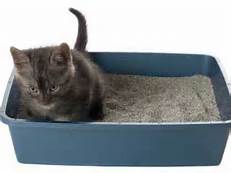
If you have multiple cats, you may need to add more boxes. The general guideline is one box per cat, and one extra. If your house has more than one floor, you should have at least one box per floor. This has worked in most situations and I find when you put each box on a different floor or location it helps the individual cat know which one they can use.

It could be kitty doesn’t like the type of litter in the box, or it’s not deep enough (four inches is recommended). You can discover your pet’s litter preference by buying the smallest amount available of several kinds of litter (unscented, different particle sizes, and made from different materials), and several inexpensive litterboxes. In my business, I’ve had cats tell me that they didn’t like the pebbles in their toes!


Place the boxes with different litters side by side and see which box gets used most often.  This works very well and allowing the cat to pick their choices. Once you’ve discovered your cat’s litter preference, you can donate the remaining litter and extra boxes to your local shelter or cat rescue organization.

Find locations for litterboxes that are somewhat out of the way, and away from noisy household machinery and appliances. Choose warm locations in the house rather than the basement or garage. And make sure boxes aren’t close to kitty’s food or water bowls.

Boxes should be kept scrupulously clean. They should be scooped at least once a day and more often if you’re dealing with a potential litterbox aversion situation. Dump all the used litter every two to four weeks (I recommend every two weeks, minimum), sanitize the box with soap and warm water, dry thoroughly and add fresh litter. Watch the cleaning products you use—vinegar and water is probably best to eliminate the likelihood of your kitty to be repulsed by the lingering smell of the cleaner. Just remember –cat’s noses are very sensitive! Plastic litterboxes should be replaced every year or two.

I hope all these ideas serve to keep you and your kitties happy and eliminating in the appropriate place but if not, please call me or another animal communicator to get down to the fundamentals of what is bothering your beloved cat!


Cat’s Drool—Dogs Rule or Visas Versa???

By Dr. Becker and Diane Weinmanncat drool

One of the most memorable quotes from the 1993 movie “Homeward Bound: The Incredible Journey” is spoken by Sassy the cat, who tells Chance the Bulldog, “Cats rule and dogs drool.”

When Chance brushes off such a notion, Sassy explains, “But it’s true. Cats are smarter than dogs, and more attractive … and we don’t drink from the toilet!” Someone needs to tell Miss Sassy that in fact, members of her species do drool (and some even drink from the toilet) and some even use the toilet to eliminate!

If you have a feline dribbler on your hands, you’re not alone. Kitties drool for a variety of reasons. However, there are only a few truly benign causes of drooling in a cat.

Some kitties drool when they’re purring and feeling very content. Others drool when they “make biscuits” (knead). Many cats drool while enjoying a bit of catnip.

A cat who drools at any other time, or a lot of the time, warrants a visit to the veterinarian. Potential serious causes of excessive salivation include:

  • Dental or oral disease
  • Chronic kidney disease
  • Poisoning
  • Trauma or foreign body
  • Motion sickness/nausea

Dental or Oral Disease

A mouth problem is by far the most likely cause of kitty’s excessive drooling. He could have a buildup of plaque and tartar. His gums could be inflamed or infected (gingivitis). Or his dental disease could be so advanced that he’s experiencing bone loss.

Another problem called tooth resorption can also cause drooling. Tooth resorption is the gradual destruction of a tooth or teeth caused by cells called odontoclasts.

Often an affected cat will drool, bleed from the mouth, and/or have difficulty eating. Occasionally there can also be vomiting of unchewed food, behavior changes, and bad breath.

Another oral disease with similar symptoms, including drooling, is feline stomatitis, a very painful and chronic condition that is thought to be autoimmune in nature. An affected cat’s immune system seems to overreact to dental plaque around the teeth, which triggers inflammation in the tissues of the mouth.

Stomatitis can also occur at the back of the throat at the oral pharynx, and underlying bone in the mouth can become inflamed or infected. The inflammation appears as angry, red, and swollen tissue in the cat’s mouth.

Another mouth problem that can cause drooling, especially in older kitties, is an oral tumor, which can be either benign or cancerous.

Chronic Kidney Diseasecat drool 2

If your cat has chronic kidney disease (CKD), it means the kidneys have been gradually and irreversibly deteriorating over a period of months or years. Sadly, CKD is extremely common in older domestic cats and is a leading cause of death in kitties. In fact, I lost my cat, Milo to this awful disease, although my cat did not drool.


Symptoms of failing kidneys can include increased thirst and urination, leaking urine (especially at night), vomiting, diarrhea, lack of appetite, weight loss, depression, anemia, and overall body weakness.

Other signs of kidney disease can be fractures resulting from weakened bones, high blood pressure that can lead to sudden blindness, itchy skin, bleeding into the stomach, bruising of the skin, and painful sores on the tongue and gums that cause excessive salivation and drooling. Just remember that your cat does not have to have all of the symptoms to have kidney disease.

Cats with kidney failure are also often dehydrated, which causes drooling. If you suspect your kitty is having kidney problems, it’s important to make an appointment with your veterinarian as soon as possible.

If your pet’s kidney disease is the result of irreversible kidney damage, in many cases renal function will stabilize for weeks or even months at a time. The disease will continue to progress and kidney function will continue to deteriorate, but your cat’s symptoms can be minimized with supportive treatment.

Fluid therapy is the cornerstone of treatment for animals with kidney failure, primarily to prevent dehydration. Subcutaneous (under the skin) fluid delivery may be necessary, and many pet owners can learn to do this at home.

Poisons

Almost any type of toxin your cat is exposed to can make her drool. A short list of examples:

Lawn fertilizers and pesticides ✓ Antifreeze
✓ Nicotine products ✓ Human drugs, especially topical medications
✓ Certain plants containing insoluble calcium oxalate crystals (e.g., Peace Lilies and Schefflera) ✓ Liquid potpourri
✓ Laundry detergent pods ✓ Household cleaners

If you suspect your cat has ingested a poisonous substance, immediately call your veterinarian, a local emergency animal hospital, and/or a poison control hotline such as the ASPCA’s Poison Control Center at 1-888-426-4435. The hotline is answered 24 hours a day, 365 days a year.

Trauma or a Foreign Body

Cats allowed outdoors unsupervised are especially at risk for many threats to their safety and health. If a kitty roaming freely outdoors experiences head trauma as the result of being hit by a car or attacked by a dog, injuries to the jaw or temporomandibular joint that prevent the mouth from closing can cause heavy drooling.

Another serious situation that can cause a cat to drool is the presence of a foreign object lodged in the tongue, soft or hard palate, or the back of the throat. Kitties aren’t indiscriminate eaters like many dogs are, however, there are certain strange objects that seem to entice them, for example, Christmas tree decorations, glow sticks and jewelry, and sewing needles attached to thread.

The best way to protect your cat from these types of injuries is to allow her outside only for walks with you on a harness and leash, or inside a safe feline-friendly enclosure. It’s also important to keep all indoor choking hazards out of reach of your kitty.

Motion Sickness/Nausea

It’s the very rare kitty who enjoys a car ride, and it’s not unusual for a cat who’s not used to traveling to develop motion sickness. It may not even be the movement of the vehicle that triggers nausea in your cat — it could just as easily be the stress she’s experiencing. My Milo hated the car- in fact all my cats hated traveling in a car.


Cats prefer to stick close to home and feel threatened by unfamiliar places, sights, sounds, and smells. They like to feel in control wherever they are, which is why being held hostage inside your car as it zips down the highway is so stress-inducing for kitty. One of the first signs your cat is feeling nauseous is excessive drooling. Other symptoms include loud crying, fear-induced immobility, urinating or defecating, and of course, vomiting or regurgitation.

Bach Flower essences, including Rescue Remedy can be beneficial in helping to calm a frightened or stressed-out cat. Administer 4-5 drops directly in your cat’s mouth about 10 minutes before you need to put them in the car. If they are still stressed out you can give another 4-5 drops more as you cannot overdose them and the drops do not interact with any other medications your cat may be taking; therefore, they are safe. In addition, Feliway is a calming pheromone product that you can spray in the cat carrier 15 minutes before you put your kitty in it for travel.


If your cat is having episodes of drooling at home, combined with a reduced appetite or vomiting it’s important to find out why by making an appointment with your vet. I wish I would of taken my cat sooner to the vet. Maybe the eventual outcome would have been different.


Bartonellosis in Cats – Cat Scratch Fever

Definitioncat scratch fever paw

Bartonellosis, also referred to as feline bartonellosis or cat scratch disease in people, is an emerging world-wide disease caused by rod-shaped bacteria in the genus Bartonella. Bartonella henselae is the most common cause of feline bartonellosis and cat scratch fever. The infective bacteria are carried in the saliva and feces of infected fleas and possibly other external parasites, which are called “vectors”. The vectors transfer the bacteria to cats in their feces and to dogs in their saliva while they feed. Most cats with bartonellosis don’t actually get sick, or at least don’t show outward signs of illness; this makes them asymptomatic carriers of the infection. They do, however, frequently transmit Bartonella bacteria to humans through scratches (from infected flea or other parasite feces under the cat’s nails) and bites (through infected parasite feces in the cat’s mouth from licking and grooming).

How Cats Become Infected

Most companion cats are infected with Bartonella. There are five or more different types of Bartonella bacteria that are known to infect cats, the most common of which is Bartonella henselae. It used to be thought that cats became infected with Bartonella through the saliva of inflected fleas after they fed. More recently, the consensus is that cats usually get Bartonella infection from the feces of infected Ctenocephalides felis fleas and possibly other external parasites, while dogs are thought to become infected from the saliva of infected ticks. Ticks and fleas, which are considered “vectors” or carriers of this disease, become infected by feeding on animals that have Bartonella organisms in their bloodstream. When the vectors eliminate, their feces contains live Bartonella bacteria. Flea feces, also known as flea dirt, can be gathered under a cat’s claws while the cat scratches, and in its mouth from licking and grooming.

How the Disease is Transmitted

Many cats carry these bacteria without ever showing any noticeable symptoms of being sick. However, when cats are very young, elderly or have a suppressed or weakened immune system (such as cats with FIV or FeLV), or if they are in especially stressful, overcrowded environments or situations, they can become clinically ill from this disease. Bartonella have a propensity to infect red blood cells, which are called erythrocytes, and certain cells of the skin. The bacteria are covered by small finger-like structures called pili, which help them stick to and then enter their target cells. Once the bacteria are inside, they disrupt the cells’ normal functions.

Potential Danger to Humanscat scratch fever

Feline bartonellosis is not exactly a contagious or zoonotic disease. However, because the Bartonella bacteria can be transferred from cats to people in flea feces as a result of cat scratches and bites, it should be treated as a transmissible illness. In most cases, people are resistant to developing infections from exposure to Bartonella henselae. However, those that have compromised immune systems definitely have an increased chance of developing so-called “cat scratch fever.” People who get cat scratch fever typically develop a raised red sore at the site of the scratch, lick or bite 3 to 10 days after exposure. The sore may progress to a red streak extending outward. Lymph nodes in the person’s neck, groin, armpits and/or elsewhere become tender and enlarged, which can persist for many months.  It is recommend that if you suspect you are infected you obtain a blood test to determine diagnosis.

Symptoms of Bartonellosis in Cats – What the Owner Sees

Bartonella organisms tend to invade red blood cells and some other cells. While most cats are asymptomatic, which means that they don’t show outward symptoms of illness, when symptoms do occur they typically show up in more than one area of the cat’s body. This can happen suddenly, slowly or sporadically. Owners of cats with clinical feline bartonellosis disease may notice one or more of the following coming on all at once, showing up gradually or waxing and waning over time:

  • Enlarged lymph nodes (lymphadenopathy; extremely common in cats that are sick from bartonellosis; the veterinarian will need to rule out lymphoma/lymphosarcoma as a cause of this condition)
  • Gingivitis (inflammation, swelling, redness, pain and bleeding of the gums)
  • Ulcers (sores) in the mouth; sloughing of necrotic or dying inflammatory oral tissue
  • Stomatitis (inflammation of the mucosal lining of the mouth)
  • Diarrhea (usually chronic; may be intermittent)
  • Vomiting (usually chronic; may be intermittent)
  • Lack of appetite (inappetance; anorexia; refusal to eat normally)
  • Weight loss
  • Sinusitis (inflammation of the nasal sinus passageways)
  • Rhinitis (inflammation of the mucosal lining of the nose)
  • Difficulty breathing (dyspnea); shortness of breath; labored breathing
  • Lethargy
  • Weakness
  • Reproductive difficulties; infertility
  • Fever
  • Swollen, weepy eyes
  • Eye infections
  • Conjunctivitis (inflamed conjunctiva; eye redness)
  • Hepatitis (inflammation of the liver)
  • Heart murmurs
  • Endocarditis (uncommon in cats)

Once symptoms of feline bartonellosis appear, they may slowly worsen or suddenly get worse within a matter of days to weeks, depending on how the cat’s immune system and organs respond to the infectious Bartonella organisms

Initial Evaluation

Veterinarians presented with a cat showing non-specific signs of lethargy and enlarged tender lymph nodes, possibly also with digestive and/or respiratory symptoms, will take a thorough history from the cat’s owner and conduct a complete physical examination. The initial evaluation probably will include taking blood and urine samples and performing routine blood work and a urinalysis on those samples. While the results of these tests can be helpful to ruling in or out other causes of the cat’s symptoms, unfortunately they usually don’t show consistent abnormalities in cats that have bartonellosis.

Diagnostic Procedures

Several different advanced diagnostic tests can be used to identify the presence of Bartonella henselae or anti-Bartonella henselae antibodies in cats. These include immunofluorescent assay (IFA), polymerase chain reaction (PCR), blood cultures and Western blot, among others. All of the blood tests, except for the blood cultures, check for the presence of antibodies to the Bartonella bacteria. If a sufficient number of antibodies are present, then a positive diagnosis usually will be made. Currently, a Western Blot Test known as FeBart is one of the more popular diagnostic tests for bartonellosis in cats. However, even if a cat tests positive on one or more of these tests, it doesn’t necessarily confirm that Bartonella infection is the cause of the cat’s clinical problems, because so many cats are infected with Bartonella without showing any signs of being sick. In addition, some cats that harbor Bartonella don’t produce antibodies to the bacteria; blood tests will not catch the infection in those cases. Multiple blood samples are necessary to accurately test for bartonellosis using blood cultures; even when a number of separate blood cultures are conducted, the bacteria still may be missed. Additional tests are usually conducted to check the cat’s overall health status; these may include testing for FIV (feline immunodeficiency virus infection), FIP (feline infectious peritonitis) and FeLV (feline leukemia virus infection).

Special Notes

Because it is so difficult to confirm that Bartonella organisms are the real cause of symptoms in a particular cat, and also because so many domestic cats are infected with Bartonella, many veterinarians will start treating the cat for bartonellosis even before they have made a definitive diagnosis that the cat actually is infected. Unfortunately, there currently is no reliable treatment protocol that successfully eliminates a cat’s infection with these organisms. The most common “treatment” is to administer oral antibiotics for several months and then reevaluate to see if the animal’s symptoms have subsided.

The outlook for cats with noticeable symptoms of feline bartonellosis is highly variable. However, in cases where treatment delayed, or if the cat is seriously affected by the infection, the prognosis is more guarded. Preventative measures such as flea and tick control and testing other cats in the household for Bartonella are important to managing this disease.

Information from http://www.petwave.com/Cats/Health/Bartonellosis.aspx


Get Fit with a Pet ( you’ll both benefit)

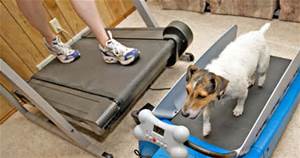
By Dr. Becker and Diane Weinmannrunning with dog

A whopping 58 percent of cats and 54 percent of dogs in the U.S. are overweight or obese, according to the Association for Pet Obesity and Prevention.


This cuts down on your pet’s life expectancy by up to 2.5 years while raising her risk of serious diseases, including heart and respiratory conditions, diabetes, osteoarthritis, cancer and more. Further, there’s a “fat pet gap” in which nearly all owners of overweight pets believe their weight to be just fine.


Helping your pet maintain a healthy weight is one of the ultimate gifts you can give her. It might even save her life. So how do you know if your pet is overweight?


Your veterinarian can tell you for sure whether your dog is a healthy weight, but some telltale signs that your dog may benefit from weight loss include the following:

  • He has an oval shape when you look down on him from above
  • You cannot feel your dog’s ribs
  • You cannot feel the bones near the base of your pet’s tail (his pelvis)
  • You can see excess fat on his abdomen, hips and/or neck


A high-quality fresh food diet is essential for most pets in need of weight loss, but exercise is important too. You can even join in and get fit right along with your pet.

How to Get Fit With Your Pet

Pets’ health tends to mimic that of their owners, with older overweight owners tending to have overweight pets, and younger dog owners being more likely to have an overweight dog if they themselves were obese. The converse is also likely true, in that if your pet gets in shape there’s a good chance you will too, especially if you enlist your pet as your new workout buddy. Here are some examples of how to get fit with your pet.walker dog


  1. Stress Relief

A brisk daily walk is essential for your dog, and research shows it benefits owners too. Research published in the Journal of Physical Activity & Health found dog walking was associated with a significant increase in walking activity and leisure-time physical activity (LTPA). Before I was pitched from my horse and broke 5 bones I walked my dog daily and enjoyed our time together. It helped me get ready for vacation touring. Now I can barely walk at all without my crutches, vacations have been cancelled and I rely on my husband to walk our dog. They are both enjoy walking and are in good shape!

Compared to non-dog owners, dog walkers were 34 percent more likely to get at least 30 minutes of walking, five days a week. They were also 69 percent more likely to be active during their leisure time.

As you and your dog get fitter, you can increase the intensity and duration of your walks. If your dog enjoys it, you can even progress to running — just be sure to offer plenty of water and rest if your dog seems tired. Don’t forget to watch the weather. Rain, heat, humidity along with snow and ice can be dangerous for walkers.

  1. Tug of War

Many dogs enjoy a good game of tug-of-war and you’ll quickly learn that your dog is probably very strong — strong enough to give you a good workout, especially if he’s a large breed. Diane’s husky, Neko enjoys tug very much and tries to pull her off the couch. It’s a battle but she mostly lets him win because she is afraid for his teeth!

If your dog has back problems or issues with aggression and/or biting, tug of war is not the best choice.

  1. Play Fetch

A game of fetch can be immensely satisfying to your dog while requiring you to stay active (throwing and maybe even fetching the ball yourself if your dog leaves it behind).

Choose a secure area where you dog can run freely, like a fenced backyard, then ask your dog to sit before you throw the ball.

Wind up for a good throw and let your dog bring the ball back to you. To increase your own workout, use this opportunity to run with the ball and let your dog chase after you — then repeat.

  1. Agility Training

Agility training involves teaching your dog to run through obstacle courses, weaving around poles, going through tunnels, jumping through rings, walking on seesaws and more.


The physical and mental benefits to your pet are immense, and you’ll also work up a sweat while you run around the agility course with your dog.

  1. Bicycling

Your dog may enjoy trotting alongside as your ride your bicycle. Be sure you have a bicycle dog leash designed for this purpose, which keeps your dog secured and a safe distance away from the wheels.

You’ll need to start slow and bicycle at a lower speed — do not expect your dog to keep up with you pedaling at full force or for long distances. In addition, some dogs are afraid of bicycles and will not enjoy this form of exercise.

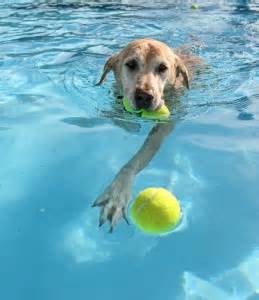
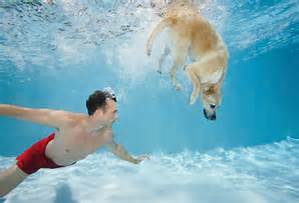
  1. Swimming

Some dogs are built for swimming, others can learn, and some detest the water. If your dog enjoys the water, swimming can be an excellent activity you can do together. Medium- to large-sized breeds with water-resistant coats and webbing between their toes are typically strong swimmers.

Dogs that aren’t designed for swimming include “top heavy” breeds — those with large chests and small hindquarters. Short-muzzled dogs, including the brachycephalic breeds, and dogs with very short legs also don’t do well in water.dog swiming


If you have a breed that isn’t physically built for swimming, but you think may be interested in learning to swim, my recommendation is to get help training him to swim in a controlled environment.

The water is dangerous for dogs that can’t stay afloat or tire out before they can swim to safety, so make sure you know how your dog will respond to water before assuming he can swim well.

Dr. Becker was able to train Rosco, her Boston Terrier (in theory not a “water dog”), to adore water and this proved to be the best exercise throughout his life. The same is true now for Lenny, her Dachshund.

If you do bring your non-swimmer to the lake or the beach, or even out to your backyard pool, I recommend putting a dog flotation vest and a very long tether rope on him to be safe.

  1. Backpacking or Hiking

A hike through a forest preserve or mountain trail can be exciting and invigorating for both you and your dog. Most trails require dogs to be kept on leash, and be sure to bring a plentiful supply of water and poop bags to clean up after your pet. Also, you’ll have an even better time if you choose a dog-friendly hiking trail.  The Cleveland MetroParks are a wonderful place to hike with your dog.  Diane, her husband and Neko, their husky, spend a lot of time on its trails.


  1. Tracking and Scent Games

Dogs excel at tracking scents, so why not make a game of it? Hide some bits of food in a few boxes and let your dog figure out which one contains the treat.

Then, take the game outdoors and let him search for food, clothing, items or you, using his nose as his guide. If you really want to see your dog’s tracking potential, and learn how to engage in tracking games with your dog, consult a local trainer or tracking club..


  1. Skijoring

Skijoring is a sport where your dog tows you along on cross-country skis. You’ll need a special skijoring harness for your dog that will hook up to a belt you wear via a towline.

You and your dog will have to learn to work together as a team, but once you get the hang of it, this can be a very rewarding and physically demanding activity for you both. Be sure to slowly acclimate your dog to this type of intense cold-weather activity.

Looking for a Workout Buddy? Try One of These Athletic Breeds

If you’re an active person looking for a dog to be active with you, some breeds will obviously be better than others. Those that follow are among the most athletic dog breeds that thrive on lots of physical activity. Even so, always watch for signs of overexertion in your dog (such as limping, heaving sides, excessive panting, stopping in his tracks, or extreme fatigue).

Many mixed-breed dogs in shelters also make excellent canine workout partners, but if you have your heart set on a specific breed, check out your local rescues. Your athletic buddy may be there waiting for you!

✓ Jack Russell Terrier ✓ Dalmatian ✓ Brittany Spaniel
✓ Greyhound ✓ Whippet ✓ German Shorthaired Pointer
✓ Australian Cattle Dog ✓ Standard Poodle ✓ Airedale Terrier
✓ Border Collie ✓ Weimaraner ✓ Siberian Husky


Now get out there, get yourself a furry work-out partner and get fit!work out catswim with dog

Mites – what they are and how you get them!

Mites – what they are and how you get them!

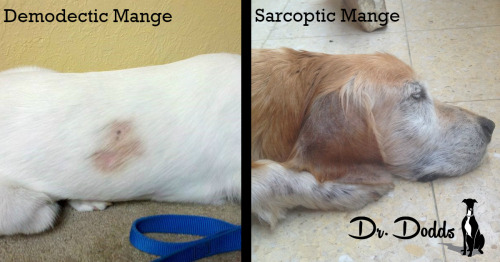
By W. Jean Dodds, DVM Hemopet / NutriScan 11561 Salinaz Avenue Garden Grove, CA 92843Mange tumblr_inline_obwlrij9KO1rrllzk_500

Mites affect immunocompromised (suppressed) dogs, cats and humans more than those with healthy immune systems.

For some of you, that may not make any sense. It is certainly an odd concept to grasp regarding parasites. One would assume that if you put 2 dogs in a room with 50 mites evenly distributed that each dog would get 25 mites and the same reaction, but that’s not true. It is definitely easier to understand that biting insects could carry worms, bacteria or viruses that can then enter the bloodstream and be spread between humans and animals. It is also easier to understand that cats can develop tapeworms by ingesting fleas when they groom themselves.

Let’s look at scabies. As previously mentioned, scabies is highly contagious and worrisome. For humans, we categorize scabies into two types: ordinary scabies and crusted (Norwegian) scabies. The veterinary community does not divide scabies into types with dogs and cats. However, many veterinary dermatologists believe that scabies needs to be considered more often with itchy pets, as sarcoptic mange is a tell-tale sign but occurs in an advanced stage of the infestation.

Now, your first thought might be that the mite mutates to cause different bodily outcomes, and it could do so. However, the kicker about scabies and the way we need to start thinking about skin parasites is described below. According to an article written by Shelley Walton, “Crusted scabies is caused by the same species of mite that causes ordinary scabies with no evidence that mites in patients with severe disease differ in virulence to mites in ordinary scabies.” What this means is that it is not the mite, but the host body’s response to the mite. Indeed, dogs also present different immunological responses to the parasite: one dog in a household could be infested and another one might not be; and, one dog might have a more severe case than another.

We know that antibodies and cells respond to parasites to fight them or manage them. Otherwise, we have no control over them. If the response is a genetic predisposition factor, an environmental exposure issue, or genetic predisposition triggered by environmental factors depends on the parasite and research on this aspect is still evolving.

If the immune response is genetically determined, why do we need to maintain a generally healthy immune system? In essence, if a pet is predisposed to have an infestation of scabies, logically there’s not much you can do about it except to avoid any exposure. This is both right and wrong, as you cannot live life in a bubble.

With that in mind, scabies and other mite-driven infestations can lead to secondary conditions such as fungal or bacterial infections, which perpetuate and exacerbate the problem and may lead to other acquired clinical conditions. Antibodies can activate a group of immune system proteins called complement, which assists in killing bacteria, viruses, or other microbe-infected cells. So, the body truly needs to have the whole immune system functioning as efficiently as possible.


Treatment

Treatment for mites depends on the species infested but generally we look to antiparasitic medications such as ivermectin. Lime sulfur, an all-natural and highly effective treatment, is very smelly. These options should be discussed with your veterinarian as your dog or cat may have a secondary fungal or bacterial infection that also will need to be addressed.


The Healthy Immune System

Creating and maintaining a healthy immune system sounds like a general, nonspecific and ephemeral phrase. It may not stop a potential infestation due to genetic susceptibility, the environmental impact on this susceptibility, the environmental conditions present or even the pest load counts. Again, our goal is to create a healthy immune system to rebuff a potential infestation, get a current infestation under control, minimize a possible infestation, and rely less on medications. No reason exists why you cannot try these tips with yourself or your pet. In fact, these steps may appear so simple that they seem too good to be true. They are good, and they are true.

Minimize Vaccines

Vaccination suppresses the immune system and can trigger immune-mediated (autoimmune) diseases. These diseases include those affecting many tissues of the body such as the blood, thyroid, adrenal glands, joints, kidneys, liver, bowel, reproductive organs, muscles, nervous system, eyes, skin and mucous membranes.

Additionally, if a dog or cat is known to have or is predisposed to a compromised immune system, some veterinarians who may usually advise vaccinating pets annually, will correctly recommend that these pets nor receive vaccine boosters, even for rabies.

Diet

Research studies have proven that both the beneficial and pathogenic bacteria that populate the gut also impact the immune system. Food is stated to be the origin of everything, so this makes sense.

Canine Nutrigenomics: The New Science of Feeding Your Dog for Optimum Health covers the topic of immune support extensively. The summary tips below fit both dogs and cats:

  • High quality, grass-fed, locally raised protein sources
  • Grain-free foods
  • Moisture-rich diets such as freeze dried, dehydrated, or high pressure-pasteurized raw, or home-cooked
  • Organic fruits and vegetables
  • Foods that do not or are suspected to cause food intolerances in your companion pet

I know that these suggestions might feel overwhelming or be out-of-budget for several people. So, I recommend looking at the pet food brands you or wish to feed, and where they source their ingredients.

Immune-Boosting Supplements

  • Vitamin E (A fat soluble vitamin; so be careful with it as very high doses can interfere with absorption of other vitamins A, D and K and cause serious health problems.)
  • Vitamin B-6 (pyridoxine)
  • Selenium (important in combination with vitamin E)
  • Zinc (balance the amount with other minerals in the food to avoid toxicity)
  • Omega-3 fatty acids
  • Curcumin (turmeric)
  • Probiotics
  • Lutein (great for athletic dogs, and eyesight)
  • Taurine (great for athletic dogs, and cats)
  • Thymus glandular (great for osteoarthritis and other immune functions)


Glossary

Demodectic Mange Mites

  • Demodex canis – dogs. These mites are commonly found on the skin of almost all dogs. If a dog has an underdeveloped or dysfunctional immune system, the mite population could grow exponentially because the body is unable to keep it in check. This causes demodectic mange, alopecia (hair loss), and secondary bacterial or fungal infections.
  • Demodex cati – Demodex cati lives in the hair follicles of cats. Infestation is associated with immune and metabolic diseases, like diabetes.
  • Demodex gatoi – Infectious and contagious mites that are commonly found in Florida and Texas. They live in the skin of cats, but can infect dogs too.

Other Mites

  • Chiggers – Chiggers are members of the Trombiculid family and can infect cats, dogs and humans. These mites are found on blades of grass and then jump onto a host. Chiggers do not stick around like several other mites. Once they have their fill, they will typically jump off the dog or cat after a few days. They cause tiny, reddish dots that cluster on the head, feet or stomach. Intense itching can persist after the chiggers have jumped off.
  • Ear Mites (Otodectes cynotis) – Ear mites are very common in cats but can also affect dogs. These mites burrow deep in the crevices of the external ear canal and can sometimes be found on the skin. Dogs and cats will shake their heads a lot and scratch. The scratching can become so intense that secondary bacterial or fungal infections set in and cause an odiferous black or brown discharge to develop and ooze.
  • Scabies (Sarcoptes scabiei/sarcoptic mange) – Scabies are particularly scary because they are highly contagious, will jump from dog to dog, and will burrow under the skin. The worst part is that they have an expanded incubation period from 10 days to 8 weeks. They will wait to hatch, yet can still spread to other dogs before any clinical signs are apparent. Sarcoptic mange can then set in. Cats can get a different species of scabies, too, but it is rare.
  • Ticks (several varieties) Anaplasma phagocytophilum (anaplasmosis); Mycoplasma hemocanis, Hemobartonella felis  (hemobartonellosis); Borrelia burgdorferi (Lyme disease, borreliosis); Dirofilaria immitis (heartworm disease, dirofilariasis); Ehrlichia canis (ehrlichiosis); Rickettsia rickettsia (Rocky Mountain Spotted Fever, rickettsiosis); Coccidioides immitis (Valley Fever, coccidioidomycosis), Babesia canis, Babesia gibsoni (babesiosis); and Leishmania infantum, Leishmania donovani (leishmaniasis). Leishmaniasis is a good example of a zoonotic, vector-borne disease that can be spread between species by ticks and other bugs.
  • Walking dandruff (Cheyletiella yasguri) – The name hails from the appearance that dandruff is walking on the skin and hair but it is actually due to these whitish mites. They are contagious and can affect dogs, cats and humans. The skin will generally take on a scaly look.

Side note: Heartworm is spread by mosquitos. All dogs are susceptible to develop heartworm. Cats are too, but not nearly as much as dogs. Depending on the environmental conditions in your area, I advise monthly preventatives for this condition. For more on this subject, please see my heartworm article.


Water, Water Everywhere!

By Dr. Becker and Diane Weinmanngood til the last drop

Pets are like their owners in many ways, and for dogs and cats this includes their need for plenty of pure, fresh water.

Dogs and cats are made up of mostly water, which is required for maintaining crucial body processes like regulating body temperature, flushing out waste, cushioning the brain, and transporting nutrients through the bloodstream.

How much water your pet requires to stay healthy depends on a number of factors, including her size, diet, age, activity level and environment. Hot weather will increase your pet’s water requirements, for instance, as will eating a primarily dry-food diet.

It can also be difficult to determine how much water your pet is drinking each day, especially if you have multiple pets sharing the same water bowl. Keeping an eye out for signs of potential dehydration is therefore incredibly important, as is making an effort to increase your pet’s water intake if you discover any.

Signs Your Pet May Be Dehydrated

One of the simplest ways to determine if your pet needs to drink more water is to lift some skin at the back of her neck, then let it go. In a well-hydrated animal, the skin will quickly fall back into place. If your pet is dehydrated, however, the skin will fall slower and may stay in a tent formation.

You can also check your pet’s gums; they should be moist and slick. If your pet’s gums are dry or sticky, she probably needs more water. Also, if you press on your pet’s gums, they should turn white and then quickly turn back to pink when you remove your finger.

If the gums take awhile to regain their pink color, your pet may be dehydrated. Other signs of dehydration include:

  • Fatigue
  • Loss of appetite
  • Panting (dogs)
  • Sunken or dry eyes, dry nose and gums
  • Constipation

Signs of severe dehydration include weakness and difficulty walking. If your pet is severely dehydrated, get to an emergency veterinary center right away, as your pet will need to be given fluids intravenously or subcutaneously.

How Much Water Does Your Pet Need?

A healthy dog should drink, on average, between one-half and 1 ounce of water per pound of body weight each day. A typical cat may require from 5 to 10 ounces of water daily.

Puppies and kittens, as well as senior pets, need more water than adult dogs, and toy dog breeds are also especially prone to dehydration. Pets with certain health conditions, including kidney disease and diabetes, may also require more water than average.

If your cat or dog lived in the wild, her natural diet (prey) would be around 70 percent water. A nutritionally balanced, fresh, species-appropriate diet will also be about 70to 80 percent water, as will high-quality canned food. On the contrary, dry food is only 5to 10 percent water.

If your pet is eating moisture-rich food, some of her water requirements will be met during her meals. However, if you’re feeding mostly dry food, which I don’t recommend, she may need more water than average to compensate for the dry diet.

Feeding cats or dogs a dry-food diet actually puts incredible stress on the kidneys because of its lack of moisture.

How to Get Your Pet to Drink More Water

As mentioned, one of the easiest ways to increase your pet’s daily fluid intake is to feed a moisture-rich, fresh, species-appropriate diet or, alternatively, high-quality canned food. If your pet’s water intake is still an issue, be sure to offer her fresh, filtered water (in a clean bowl) daily. As an animal communicator many pets tell me there prefer very cold water or ice in their bowls. Obviously, many of us prefer our drinks cold even in the winter so please indulge your pets and provide COLD water for them.

Many cats enjoy drinking from a pet water fountain, and you can also give your pet bone broth (and even bone broth popsicles in the summer) to increase her fluid intake. Be sure to also offer your pet extra water when the weather is hot or when she’s been very active.  My cat, Milo, would sit outside the bathroom and look at me and look at the bathroom. This was my hint that he wanted me to turn the sink faucet on so he could drink the cold running water. Naturally, I would always accommodate his request!


If your dog is still resisting his water bowl, try offering plenty of praise and a treat whenever you catch him taking a drink. It will help reinforce this positive behavior. If you’re not sure how much water your pet tends to drink in a day, try to keep a close eye on it so you can gauge what’s normal and what’s not.

If your pet suddenly starts drinking more or less water than normal, it can be a sign of an underlying health condition that you should have checked out by your veterinarian.

Dogs with pancreatitis, parvovirus, or leptospirosis tend not to drink much water, for instance, while a bladder infection, other types of infection, or a metabolic problem such as Cushing’s disease or diabetes can cause excessive thirst and water consumption.

One of my favorite ways to support animals struggling to maintain their hydration status is to provide homeopathic tissue salts (I use Bioplasma®). I have found these all-natural pellets to be invaluable in re-establishing electrolyte balance in my injured and orphaned wildlife patients, as well as debilitated companion animals.

Does Your Pet Drink Too Much Water?

Some pets, dogs in particular, may drink more water than they need, leading to a potentially deadly condition known as water intoxication or hyponatremia. If too much water is ingested, it can throw off the body’s electrolyte balance, leading to dangerously low sodium levels.


Signs of water intoxication include bloating, lethargy, pale gums, vomiting and excessive drooling. In severe cases, it can lead to loss of consciousness, seizures, coma and death. Dogs that spend a lot of time in the water are most at risk, as they may lap up water while they’re swimming, or diving to retrieve toys.

Dogs that love to play with the spray from a hose or sprinkler are also at risk. If your dog has recently spent time in water and displays any sign of water intoxication, get her to an emergency veterinary center immediately.

In summary, if you are thirsty, chances are so is your pet. Give them something to drink—it’s nice to have a drinking buddy (ha ha ha)!