Homeopathic remedies for Colic

by Dr. Dan Moore DVM


 It’s difficult for me to discuss any health issue without the mention of a few homeopathic remedies for colic is no exception and overload or excess of anything can often be helped with a remedy called nux- vomica It is my first response favorite remedy for anything related and is great at what I call energetically detoxing as well as for other health issues such as post-anesthesia.


It’s actually also good for people who have eaten or drank too much!


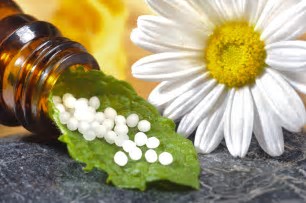
 Most homeopathic remedies are available as liquids but I prefer the little BB sized pellets packaged in lipstick tubes most health food stores and some big grocery change chains can carry them potencies of 30C or 30X are generally used by most people unless they are trained otherwise.


 I am totally convinced that homeopathic remedies can never hurt and can only help in any case we never leave home without a remedy box and there’s always one at the barn.


 Another remedy to consider is Colocynthis should the nux not give comfort it is especially helpful for cramps that would be characterized by kicking and rolling and looking or biting at the belly. Additionally, Colchicum especially if neither of the other remedies seem to work.


 I usually give nux a few times every 10 minutes or so followed by Colocynthis and Colchicum  rotating each at 10 minute intervals.  I also try to prevent rolling by walking the horse because this process often takes his mind off the pain and gets the gut moving


How to Stop Your Dog From Barking at Other Dogs

How to Stop Your Dog From Barking at Other Dogs

From PetPav and comments by Diane Weinmann


Dogs will bark for many reasons as it is their way to communicate and react.  And we never want our dogs to stop barking as it can help us to understand how our dogs are feeling or if there is a threat nearby.  However, if your dog constantly barks at other dogs, it can be a headache for you and distressing.  There are many things you can do to get your dog to stop barking at other dogs.

Below are some of the things you can try to keep your dog from barking at other dogs.  As always, consistency and repetition is key to stop the barking and/or any unwanted behavior.   You and all family members need to be on-board with the same behavior techniques to keep the training consistent.

Remove the motivation that causes your dog to bark

Your dog gets some kind of reward when he barks. Even if it is just attention from you.  If you can figure out what he gets out of barking and remove it, it’s the simplest deterrent.

If your dog barks at other dogs passing by the living room window, manage your dog’s behavior by closing the curtains or putting your dog in another room.  If you live in an apartment, try keeping the music or TV on to mask the barking sounds.

Block your dog’s access to doors and windows while he is indoors so he can’t see outside if the barking is continuous or put him in another room as other dogs pass by (at least while you are training).

There are also some devices that you can use that create a loud noise when your dog starts barking like the Doggie Don’t Device which are very effective to stop the barking.

Ignore the barking

Ignore your dog’s barking for as long as it takes him to stop. Which means don’t give him any attention at all while he’s barking; don’t talk to him and don’t even look at him. When your dog finally quiets down, than reward him with a treat or a hug.  The point is that when the barking is done, all is good!

Be patient even if he barks for a very long time…just let the barking session end and then reward your dog at the end.  Your dog will learn that he gets the reward when he stops barking.  In other words –catch him doing something good and reward him!

Desensitize your dog to the stimulus which in this case means other dogs

Gradually get your dog used to whatever is causing him to bark or in this case, other dogs.  Try to get your dog used to the idea that merely hearing and seeing other dogs does not mean (or allow) barking.

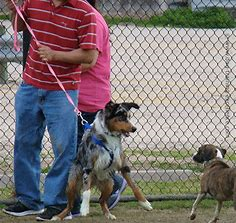
A training technique that works is to have someone, a friend, relative who owns a dog to have his or her dog on a leash and walk towards you.  When your friend approaches, let her feed your dog treats.  When the dog walks away, you stop feeding your dog treats and therefore the dog will learn that when another dog is visible and your dog does not bark is a good thing!   And they are rewarded.

This can take some time so be patient and it’s a big behavior to learn.  It could take weeks or months but consistency is key.

Use the “quiet” command when your dog barks

When your dog starts to bark, teach him the “quiet” command.  When he starts barking, say “quiet” and stick a treat in front of his face. Praise him for being quiet and give him the treat.  Your dog will learn that “quiet” gets a treat and positive reinforcement.  If your dog masters the quiet command, you can apply it to other times when he starts barking.  Praise and reinforce the good, quiet behavior and don’t yell “quiet”- it will scare your dog and he won’t understand it.  Be aware that depending on the excitement level or stimulus all the training in the world may not make this effective 100% of the time.

Ask your dog for an incompatible behavior while barking

When your dog starts barking, ask him to do something that’s incompatible with barking. Teach your dog to react to barking with something that stops him from barking, such as lying down in his bed or chasing his favorite toy or ball.  In fact, you can even give him a toy or a chew toy to put in his mouth which will certainly stop the barking.  Barking, chew toy – no sound!  Again this will only work in the house or yard verses out on a walk.

Make sure that your dog isn’t bored and gets daily exercise

Make sure your dog is getting enough physical and mental exercise every day. A tired dog is a good dog (we’ve all seen the commercials) and one who is less likely to bark from boredom or frustration.  Exercising is important for your dog for so many reasons and it can also help to control the barking.

If none of the above work and you really need more help, it’s best to hire a trainer who can work with you and your dog to stop the barking.   Always keep the training positive and don’t overdue the treats so your dog gains weight.  A hug and a ‘good boy’ is great for positive reinforcement too.

If training doesn’t seem to work you can always call me, an animal communicator to see if we are dealing with a root cause that is just not the normal and expected greetings from one being to another.  Sometimes there is a deeper motivation that we need to understand in order to combat it.  Additionally, if your dog is reactive on walks using bach flower essences before a trip into the public can help curb unwanted behaviors like barking, pulling and jumping.  Again contact me, Diane Weinmann at Dianefortheloveofanimals@yahoo.com if you need a custom bach flower essence treatment bottle.

Why Do Some Dogs Hate The Rain?

Why Do Some Dogs Hate The Rain?

by Amber King and comments by Diane Weinmann


It’s raining, it’s pouring, and the dog refuses to go outside. While some dogs seem drawn to water whether it’s a muddy puddle or a springtime rainstorm, others do everything in their power to stay perpetually dry. The threat of getting wet keeps them inside no matter how full their bladder, and even a slight drizzle on their daily walk is enough to launch them into panic.

If this sounds like your dog, you already know how challenging an aversion to rain can really be. No matter where you live, it’s bound to rain eventually. Your pup can try, but they can’t stay dry forever.

Here are a few reasons to explain your dog’s anti-rain behavior and how to help them work through their weather-related woes.

#1 – It’s Honestly Unpleasant

Umbrellas were invented for a reason. Getting dripped on by raindrops and pelted in downpours isn’t fun. You end up cold and damp, and the feeling of rain hitting your face and falling on your head is irksome. Dogs are sometimes more tolerable than humans when it comes to comfort, but that’s not always the case. A lot of dogs protest going out in the rain simply because it’s irritating.

If you don’t like getting stuck in a random rainstorm without your umbrella, you can’t be surprised that your dog feels the same way. Even dogs that are the first to jump in the pool don’t like the rain. It’s not because they don’t like water, it’s because being dripped on over and over is annoying.


#2 – Doggy See, Doggy Do

Dogs take cues on how to behave from the people they spend the most time with—their owners. In the case of the dreaded rainstorm, a dog could learn to hate the rain because they’ve observed their owner expressing similar feelings.

If you work yourself into a frenzy running around closing windows or moving things inside, your dog is going to pick up on your emotions. Your grumblings about bad weather may only be halfhearted, but your dog takes them seriously.

#3 – Negative Associations

Besides their owner’s reaction, a dog can also develop their own negative associations to the rain. If they’re afraid of thunderstorms, for example, they learn fast that rain is often a precursor to those scary booms. It could only be a light drizzle, but the memory of rain coming down during a storm is enough to put them on edge.

Another negative association toward water could have to do with how you discipline your dog. Spraying the dog with the hose when they’re digging in the garden or barking at the neighbor is never a good idea. The only thing they learn from being sprayed is that when water is falling from the sky, their owner is mad. The same concept works if you scold your dog for not doing their business fast enough in the rain. You’re inadvertently making a connection between getting wet and being punished.


#4 – Noise Sensitivities

It might not be the rain itself that bothers your pet; it could be the sound. Heavy rain can be pretty loud, and nervous dogs and dogs with noise sensitivities can react negatively to even the slightest pings of rain hitting a hard surface. Rain on the windows, roof, even your umbrella—it can make a dog nervous enough to want to stay as far away from it as possible. Bella’s House and Pet Sitting says,


How to Help

On sunny days, your dog’s habit of hating the rain is easy to downplay. It only seems important when the weather channel starts calling for clouds. There are ways to entertain your dog indoors if going out on a walk isn’t an option, but there’s still the problem of outdoor bathroom breaks. If your dog refuses to go outside in the rain even when they’ve been holding their bladder all day, you’ll need to find a solution. Here are a few ideas.


Gear Up

You don’t like going out in the rain without something to cover up with, and your dog might appreciate his own set of rain gear. A doggy rain jacket will keep his fur dry, and a fitted hood or hat will keep drops from hitting his face. Rain jacket material might also amplify the sound, however, so make sure your pup isn’t bothered by noise. Booties are also good for pups that don’t like getting their paws wet. If your pup isn’t the type to tolerate accessories, buying an umbrella big enough to cover the both of you might work.


Be a Partner

Fearful dogs look to their owners for support and reassurance. If you’re trying to force your dog out the door while you stay safe and dry inside, you’re sending a message that they’re on their own. Being alone in an uncomfortable situation will usually only strengthen their aversion. Leading your dog outside into the rain will tell them, “Hey, I’m doing it too. You’re safe with me.”


Start Water Desensitization

Desensitizing your dog to rain needs to be a slow process full of positive reinforcement. Your method of shoving them out the door and not letting them come inside until after they’ve done their business will only traumatize them further. Instead, Rover suggests techniques to make them feel more comfortable. They say,

Get your dog used to water by taking him out to pee after you’ve watered the lawn. You could also try feeding your dog on the wet grass or playing with them in a sprinkler or with a garden hose to create positive associations with the feeling of wet terrain.”

If it’s the noise your dog is afraid of, use the same method of desensitizing. Start with simulating the sound of rain with a hose or sprinkler and give your dog praise and treats at the same time. Your goal is for them to replace their fear with anticipation of a reward. While you’re at it, make an effort to completely halt all negative associations to water. When it starts raining, show your dog you’re happy, not disappointed. Never use water as a punishment.   I will mention that the rain make a huge racket on the roof of the arena in the stable that I kept my horse and my horse never cared—weird!

Just so you know, my husky hates the rain and of course, LOVES the snow.  My horse was the same way.  I think they all imagined that the sky was falling verses the gentle feel of drifting snow flakes on them.  So as you can see, I rarely rode in the rain (unless we got caught and then we’d hurry home) or walked the dog in the rain.  My husky will go out as far at the bottom of the driveway and turn around and go back inside!  What a bunch of wimps!!!!!


There ain’t no bugs on me!

Essential oils can assist animals with their healing using energetic vibration and the essence of the natural product. They can help bring balance and healing through their sense of smell which is the most receptive of the pet’s systems.

The oil stimulates the olfactory system which in turn sends a signal to the brain regarding the specific oil. The brain then activates the pet’s natural ability to begin the healing process.
Aromatherapy does not cure conditions, but helps the body to find a natural way to cure itself and to improve immune response.s the body to find a natural way to cure itself and improve immune response.

the body to find a natural way to cure itself and improve immune response.

AWAY

Ingredients:  Essential Oils of Eucalyptus citriodora, Catnip, Citronella, Lemon Tea Tree, White Cypress

Away was created for many purposes, but all are encompassed in the word “Away”.  Bugs go “Away”, smells go “Away”, and stale energy can also go “Away”!  I put it on my dog any time we are going into the woods or open field for a walk.Petting Technique
The petting technique is a way to apply the oils to your pet. This technique is well tolerated by almost every form of animal. The technique can be modified for small rodents, amphibians, or animals that may be difficult to handle, simply by having the oils absorbed into your hands, and then “cupping” and holding the animal within your hands.

Petting Technique
The petting technique is a way to apply the oils to your pet. This technique is well tolerated by almost every form of animal. The technique can be modified for small rodents, amphibians, or animals that may be difficult to handle, simply by having the oils absorbed into your hands, and then “cupping” and holding the animal within your hands.

s the body to find a natural way to cure itself and improve immune response.

Dogs:  Away can also be applied to most dogs topically using the “Petting Technique.”  Place 1-3 drops into your hands, rub them together until a light coating remains, then pet onto areas of need.  For insect repellent; rubbing down the legs, neck, shoulders, and back are good locations to concentrate on.  I especially focus on the “ankle” area of my dogs, since ticks will often contact this area first, as they start to climb up the legs.

Cats:  Diffusion of Away in a water-based diffuser is also recommended for cat households.  Away is wonderful for eliminating pet odors from the household, and litter box areas.

http://www.animaleo.info/order-animaleo.html

Petting Technique
The petting technique is a way to apply the oils to your pet. This technique is well tolerated by almost every form of animal. The technique can be modified for small rodents, amphibians, or animals that may be difficult to handle, simply by having the oils absorbed into your hands, and then “cupping” and holding the animal within your hands.

Away product sheet

Kidney Disease and your Cat

By Dr. Karen Shaw Becker and comments by Diane Weinmann
 

Feline expert Dr. Lisa Pierson, founder of the fabulous website CatInfo.org. Dr. Lisa graduated from the University of California, Davis veterinary school in 1984. For the last 15 years, she has focused almost exclusively on feline nutrition and feline medicine. Her passion is trying to help prevent some of the diseases we see in kitties today (e.g., diabetes and urethral obstructions) by feeding them properly.

“My biggest goal, as you well know,” says Dr. Lisa, “is to get people to stop feeding dry food to cats due to the water depletion, which can lead to urethral obstruction, and the carbohydrates, which make cats more susceptible to diabetes.”

Feline Kidney Disease May Be Linked to a Particular Vaccine

The no. 1 problem veterinarians see in cats today is kidney disease, and so I wanted to talk with Dr. Lisa about the best way to feed kitties with kidney disease. When I was in veterinary school 20 years ago, I was told 3 out of 4 cats will die of kidney disease. No reason was given. We were told, “There’s nothing you can do. Cats are predisposed to die of kidney failure.” We were taught how to identify the problem, but not what causes it. I asked Dr. Lisa for her thoughts on what’s behind the epidemic of kidney disease in cats.

“That’s a fabulous question I wish I had the answer to,” she replied. “We do know that a well-respected researcher, Dr. Michael Lappin at Colorado State University, has established a possible link between feline kidney disease and the feline viral rhinotracheitis, calicivirus and panleukopenia (FVRCP) vaccine, which is grown in feline kidney cell cultures.”

“We really want to be very careful not to over-vaccinate cats,” Dr. Pierson continued, “because they can possibly set up an autoimmune type of reaction to their own kidney cells. Having said that, my own cats still developed kidney disease.

I assure you they were not over-vaccinated. They got vaccinated as kittens. They passed away between 18 and 20 years of age. They were never vaccinated again after their kitten shots, yet they still got kidney disease. They were not on dry food. They were on a water-rich diet. So the short answer to your question is, ‘I don’t know, but I wish I did.'”

An important point to make here is that as Dr. Lisa’s situation demonstrates, we can do everything right and our cats may still acquire a debilitating disease, including kidney disease. Many parents of sick cats say, “I don’t know what I’ve done wrong.” Often, they’ve done nothing wrong. Even in optimal environments, cats can and do get sick.

How Many Vaccines Do Indoor-Only Cats Require?

I usually recommend, for people with indoor-only cats, that they skip all vaccines. If you know your cat will never step foot outside and no other cats will be brought into the home, there’s virtually no risk of exposure to the diseases we vaccinate against. I asked Dr. Lisa what she thinks about not vaccinating indoor-only cats at all.

“While I’m definitely against over-vaccinating, I always give at least one vaccine when the kitten is at least 16 weeks of age,” Dr. Lisa says. “I’ve seen enough cats die from panleukopenia to make me uncomfortable with the thought of no vaccines at all.

We do take these cats to veterinary clinics and many people do wear shoes in their homes so there is not zero exposure. I would at least vaccinate once. I differ with you on this issue. I’d be worried about leaving them completely unvaccinated for panleukopenia.

I had five cats two years ago. I lost four out of my five cats in the last two years. They were between 18 and 20 years of age. They received [two] FVRCP vaccines as kittens with the last dose administered when they were at least 16 weeks of age. A couple of them may have received another FVRCP vaccine a year later but no FVRCP vaccine was administered after that. None had been vaccinated since they were kittens or maybe a year old.

On their last day with me, I ran panleukopenia titers to measure the antibody levels in their bloodstream. Antibodies aren’t the only things that fight disease, of course, but for all intents and purposes, all the cats’ titers indicated they were protected against panleukopenia.

My mom’s cat is 20 years old. I don’t think I vaccinated him after age 5. I ran a couple of panleukopenia titers on him when he was 18 and again just recently and the titers were at a level that immunologists feel is a protective level against this disease.

My own cats are 100 percent indoor-only. They get vaccinated with FVRCP when they’re kittens, with the last vaccine at about 16 weeks of age when the maternal antibodies should be gone. I do not administer the FVRCP vaccine again.”

So Dr. Lisa does vaccinate her indoor-only cats, but minimally. Historically my indoor cats also received one vaccine at 16 weeks. But I think if I get another kitten who will live strictly indoors, I’ll probably not vaccinate at all. I’ll probably do none, since his or her exposure will be none, in my opinion.

‘Protein Is NOT the Enemy of the Cat Kidney!’

Next I asked Dr. Lisa for her thoughts on what cat parents can do early on in their pet’s life to try to prevent kidney disease.

“I really don’t know anything concrete,” she explained. “Some people believe a water-depleted diet of dry food can harm the kidneys, but I don’t know if there’s any research to support that theory.”

Often, cats fed exclusively dry food have super-concentrated urine because their kidneys are trying to preserve water for the body. “Does that cause or lend itself to kidney disease?” asks Dr. Lisa. “I really don’t know.”

“I feed a water-rich diet. I feed a species-appropriate highprotein/moderate fat/zero carb diet. With regard to how protein affects the kidneys, it’s important to understand protein is not the enemy of the cat kidney. Protein doesn’t cause kidney disease. It doesn’t exacerbate kidney disease. It is not the enemy of the kidney.

If there’s one take-home message I want to get across, it’s ‘Please stop vilifying protein!’ I would not feed any of the protein-restricted, so-called ‘prescription’ diets to any cat in my care. There are always better options.”

The Problem With Protein-Restricted Diets for Cats

Back in 1994, Dr. Delmar Finco proved cats will die of hypoproteinemia (insufficient protein) long before they die of kidney disease. I can’t figure out why, if we’ve had research available for over two decades, there’s still this pervasive idea in veterinary medicine that we should restrict protein. I asked Dr. Lisa why she thinks veterinarians still have not recognized that limiting protein is a really bad idea.

“We have to ask why this idea of protein-restricted diets came to be in the first place,” she replied. “Why did our profession glom onto the idea that protein is the bad guy? When we eat protein, our bodies break it down. We use what we need and our bodies produce BUN (blood urea nitrogen, or urea), which is a waste product of protein metabolism.

The more protein we eat, the higher the BUN load. If the kidneys are efficient and healthy, they filter the BUN out into the urine. When the kidneys become less efficient filtration organs, the BUN rises in the bloodstream. So the powers that be decided, ‘BUN comes from dietary protein. Let’s just minimize dietary protein.’

I do not have a problem with cutting back a little bit (say, from 60 or 70 percent to 40 percent) but I do not agree with feeding cats only 20 percent of their calories from protein.”

My thought is that if you’re feeding a poor-quality, rendered, dehydrated protein that conceivably consists of indigestible animal parts such as hooves and nails, it may negatively affect the kidneys long term. High-quality, human-grade, bioavailable protein — which is what cats in the wild eat — should have little to no negative impact on organ systems. If it did, felines wouldn’t have survived as a species.

However, we’ve preached the low-protein thing for so long, to switch viewpoints now could dramatically impact the billion-dollar pet food industry. I fear it’s possible we’ve gone too far to turn back.

“I’m still hopeful,” says Dr. Lisa. “I spoke with a colleague the other day. She had just attended a seminar at which someone said, ‘We’ve got to stop protein-starving these cats.’ And I thought to myself, ‘Hallelujah!’ I’ve been preaching this for 15 years, as have you.”

What Amount of Protein in a Cat’s Diet Is the Right Amount?

“I want to give your listeners some numbers to chew on,” says Dr. Lisa. “If you look at metabolizable energy, meaning the calories from protein, fat and carbs, they have to add up to 100 percent. Hill’s k/d, Purina NF, Royal Canin are prescription diets that restrict protein to a level between 20 [to] 27 percent of calories. A cat’s natural diet is about 60 to 70 percent.

When I formulate recipes for my chronic kidney disease (CKD) cats, or I recommend over-the-counter diets, using my proteins, fats, carbs, phosphorus chart at CatInfo.org, I recommend a nice happy medium of 40 percent calories from protein. I don’t think cats truly need the 60 to 70 percent they find in the wild. All you are doing is adding to the BUN load. I don’t think it’s necessary.

I’ve had fabulous results over the last 15 years feeding thousands of CKD cats right around 40 percent protein, and less than 10 percent carbs. My homemade diets have zero carbs. That means they have 60 percent fat, because it has to add up to 100 percent.

So those are some numbers I want to share with your listeners. In the vast majority of patients, I find that 40 percent protein calories will support muscle mass and the immune system without unnecessarily overloading the BUN bucket that the kidney then has to deal with.

Of course, more BUN is generated with a 40 percent protein diet than one with 20 percent protein. That is obvious. However, all disease processes are a trade-off and one has to remember a very basic equation: 6 ounces of a 20 percent protein diet = 3 ounces of a 40 percent protein diet in terms of grams of protein ingested — assuming the same caloric and water density.

Sure, a cat can meet their protein requirements on a diet that has only 20 percent of the calories from protein, IF they eat enough of it. But what happens when a cat on a protein-restricted diets starts to eat less? The answer is they will become protein malnourished and the diet needs to be more protein dense to make up for the decrease in volume intake.”

When You Lower the Protein in a Cat’s Diet, You Should Raise the Fat Content, Not the Carbohydrate Content

Interestingly, Dr. Lisa’s 60 percent fat figure lines up with the recommended fat intake in ketogenic diets. I think we need to educate pet parents that fat is an excellent source of energy, and it’s also dogs’ and cats’ evolutionary source of energy.

“In the wild, cats eat about 60 to 70 percent protein, 0 to 2 percent carbs, and then 10 to 30 or 40 percent fat,” says Dr. Lisa. “So the 60 percent fat for a CKD diet can end up being double what their natural diet is if we want to hold back on the protein a bit and NOT overload them with carbohydrates.

Research on fat content in cat diets indicates that some cats with GI problems such as chronic vomiting, chronic diarrhea, inflammatory bowel disease, and pancreatitis don’t do well on a 60 percent fat diet, but it’s rare.

Felines are obligate carnivores. They’re designed to eat protein, fat and no carbs. When pet food producers formulate prescription diets, k/d for example, with lower protein, they have to raise the percentage of either fat or carbs to get to 100 percent. Hill’s raises the carbohydrates, which makes the diet even more species-inappropriate.

Royal Canin actually chooses to raise the fat and keep the carbs down a bit. That’s much more species-appropriate. If you’re going to lower protein at all, don’t raise the carbohydrates. Raise the fat. Cats deal with fat more efficiently than carbohydrates.”

A Brilliant Tip for Monitoring Your Cat’s Kidney Function at Home

In my experience, many people with CKD cats are frustrated that the condition wasn’t discovered earlier. That’s why I like to be proactive and perform annual bloodwork to identify subtle changes that can occur in cats’ bodies long before they start showing symptoms of kidney dysfunction. I asked Dr. Lisa what she feels is the best age to start doing annual bloodwork on cats.

“That’s a great question, but I’m going to turn it around,” she replied. “What I check, because it’s usually the first thing to head south with respect to kidney disease, is urine specific gravity. I have a spoon sitting next to all my litterboxes — the boxes are uncovered because I’m not a fan of covered or hooded litterboxes — and a little syringe.

For around $50 to $70, you can buy a refractometer — this information is actually on my urinary tract diseases page towards the bottom under the video showing how to obtain a free-catch urine sample at home. There’s a link there to a refractometer. I put a couple of drops of urine from the syringe on it and look at urine specific gravity, which is a measure of the concentrating ability of the kidneys.

All my cats go in for annual bloodwork anyway, no matter their age. Of course, if they’re sick, I’ll take them in more frequently. Bottom line is, I do annual bloodwork, but I’m checking their urine specific gravity frequently ([four to six] times a year) when they get to be 10 years of age or if I notice them drinking more than usual. My cats are very used to spoons stuck under their butt!

The SDMA test — which is the proprietary IDEXX urine test that is supposedly better than creatinine levels in detecting early kidney disease — can also be run. However, measuring urine specific gravity can be done at home for no cost other than a refractometer and it may be even better than the SDMA, in some cases, to help us recognize kidney disease earlier.

Urine specific gravity parameters:1.040 and above shows a normal urine concentrating ability of the kidneys; 1.012 is rock bottom. When you start getting 1.030, 1.025, 1.020, you may want to take your cat in to check the BUN, the creatinine, the phosphorus and the potassium.”

That’s really great advice. Cheap, easy, and you’re not stressing out your cat. Just follow kitty with your spoon when he goes into his litterbox, stick spoon under butt, collect a bit of urine, pull it into your syringe and put a couple drops in your refractometer. You can start when he’s a kitten, or as soon as you bring a new adult cat home. You can continue to do it proactively throughout their lives. It’s a brilliant tip!

The Kidney Disease Staging System (IRIS) Has Serious Flaws

“I also suggest setting up an Excel spreadsheet for all the BUN, creatinine, phosphorus, potassium and urine specific gravity results,” Dr. Lisa continues. “Those are my big five: BUN, creatinine, phosphorus, potassium and urine specific gravity. I’ve charted all my cats, which brings me to the IRIS staging system.

The IRIS staging system — IRIS stands for International Renal Interest Society — establishes parameters for judging the severity of kidney disease. When the creatinine is over X, they’re stage one. When it’s over Y, they’re stage two. There are four stages.

I personally strongly dislike this system. I think it’s far too strict. Creatinine over 1.6 is deemed a problem. I disagree with that. My own cat, Robbie, has had a creatinine in the low [2s] for the past 10 years.

He’s 17 years of age, and his kidneys are still fine. I think the IRIS staging system alarms people unnecessarily, and too early. I think it’s too strict. I just want readers and your listeners to understand that when your vet says stage 1 kidney failure it’s a case of maybe, or maybe not.”

This is very true. There’s a whole lot of doom and gloom around IRIS staging. I think it can actually lead to premature euthanasia, when the fact is there is much that can be done for these cats, sometimes for years to come.

“The cats are put on a prescription renal diet, which I strongly dislike,” says Dr. Lisa. “It’s also one of the reasons I have a problem with the SDMA test, because these cats are being put on protein-restricted diets even earlier. I think to myself, ‘Great. We’ve got an early marker, but now these 6-, 7-, 8-year-old cats are being put on protein-restricted diets, which makes me cringe.'”

Why Supplementing With Fish Oil/Omega-3s Is so Important

So let’s say we have a cat for which we regularly check urine specific gravity, and all is well until kitty turns 9 or 10 and his number dips to, say, 1.025. We take him in for an SDMA test, and the vet determines he’s in the beginning stages of renal disease. I asked Dr. Lisa how she would proceed at that point.

“First of all, let’s hope the cat has been off of dry food all his life, or at least as soon as his owner learned dry food is not a very healthy diet for a cat,” she says. “So let’s hope he’s on a water-rich diet.

Regarding urine specific gravity: Picture a sieve in your kitchen, and the holes of that sieve are getting bigger and bigger and bigger. When urine specific gravity drops, it means the kidneys are leaking more and more water. They’re unable to save water for the body.

There’s nothing that frustrates me more than to see cat owners leave their vet’s office with a bag of fluids under one arm and a bag of dry food under the other arm. They’ve been told to feed a water-depleted diet and then stick a needle in their cat’s back to put water into him. That’s pretty nonsensical

The sensible approach? Step one, provide a water-rich diet. Step two, the diet should be low in phosphorus. Step three, supplement with omega-3 fatty acids— fish oil, fish oil, fish oil. When we do post-mortems on these cats, we see nephritis. ‘Neph-‘ means kidney, ‘-itis’ means inflammation.

We know that fish oil and omega-3 fatty acids, specifically eicosapentaenoic acid (EPA) plus docosahexaenoic acid (DHA), are anti-inflammatory. There was a meta-data study done that looked back at all the individual CKD studies that were done, and the researchers discovered that cats getting high amounts of fish oil seemed to live the longest.

Now, I’m not that bright, but two plus two might equal four in this case, where we have an inflammatory process. Fish oil happens to have anti-inflammatory properties, so it stands to reason that fish oil may slow the progression of kidney disease.

Here’s my goal: one capsule per cat per day. One regular strength capsule should have about 300 milligrams of combined EPA plus DHA. They’ve done safety studies to show that 600 milligrams of combined EPA plus DHA per cat per day is safe.

Fish oil can cause bleeding problems in some patients, which is why if you’ve gone in for surgery in recent years you’ve probably been told to stop taking aspirin and also fish oil ahead of time because they have anti-clotting properties. But 300 milligrams of combined EPA plus DHA is safe.”

“We also treat with potassium as needed,” explains Dr. Lisa, “because sometimes these cats get very hypokalemic, meaning they have low blood potassium levels.

One of the reasons I don’t like the prescription renal diets is because toward the end stage, CKD cats can get hyperkalemic, meaning they have too much potassium in the blood. All the renal diets are fortified with potassium, so they end up compounding the problem of hyperkalemia and are detrimental to the patient.”

Switching a Dry Food-Addicted Cat to a Moisture-Rich Diet

“I really love homemade diets,” says Dr. Lisa. “I’m a big fan. The recipes I formulate mimic the prescription diets in that they include plenty of B vitamins and antioxidants, plenty of fish oil, and I can adjust the potassium as needed based on the patient’s blood levels.

They’re low in phosphorus. They contain a moderate amount of high-quality proteins versus the prescription diets, [which] are more protein-restricted and often have very [poor-quality] (low biological value) sources of protein (e.g., [Brewers’] rice). My patients thrive on these homemade diets.”

I’m of course a huge proponent of homemade diets as well. The number one complaint I get from clients, though, is their cat won’t it eat.

“First of all, there is no need to make diet ‘all or nothing,'” says Dr. Lisa. “Many cats will not eat a diet of 100 percent homemade and always need a bit of commercial canned food mixed in to make it more flavorful. It’s fine to mix commercial with homemade. Some homemade is better than nothing.

That said, I find that people give up far too easily when trying to get their cats to eat a new diet. People shouldn’t get discouraged as quickly as they do. They have to roll up their sleeves, work at it, and be patient. Also, the key issue is change the diet before your cat is really sick. No sick cat wants to try something new.

And use your cat’s hunger as your friend. Don’t put the food down, watch them walk away from it, and just give up by putting their old food back down. Make them go 12 hours without food. Make them go 18 hours without food. Get a little tough.

Look at my tips for transitioning a dry food addict. It’s applicable when you need to change any diet. Hunger is your friend, number one. Take the diet they like, 90 percent of it. Mix in 10 percent homemade, then go 80-20 or 70-30. Or do the opposite, take 90 percent of the homemade, start slipping in a little Fancy Feast or Sheba, or whatever you want to feed.

But be patient. Don’t give up. You can actually out-stubborn your cat, but people give up far too easily. It took me three months to get my cats off 100 percent dry food. Some of them had never seen canned food in their entire lives, including my 10-year-old. It took me three months to get them from dry food to canned food.

And then it took me a little bit longer to get them from the canned to the homemade, because the canned tends to be gamier-smelling, and probably a little bit more flavorful.

I love FortiFlora, which is a Purina probiotic. I use it as a flavor enhancer, not as a probiotic. If I were to put that powder on cardboard my cats would eat it! I just use it like salt and pepper, just sprinkle it on their meals. It’s a liver digest. If you’re going to pick something that a cat likes, most cats love liver.

Or you can buy something like Fancy Feast Chicken and Liver or Turkey and Liver, the classic feast, which is kind of my go-to enticement. I try to stay away from fish. I don’t want to create a fish addict. There are other problems with fish. But when you’re trying to transition a cat away from dry food, I don’t mind giving them a little bit of fish, but you’ll have to wean them off it.”

A Word About Fish Versus Fish Oil

For those of you confused as to why we’re recommending fish oil but not fish, I should clarify that our issue with fish as a protein source is that not only are many types of fish contaminated, they are also high in iodine, which can cause hyperthyroidism. Good-quality fish oil supplements don’t contain iodine and are tested for purity and potency, which means they’re screened for heavy metals and PCBs.

Fish oil also doesn’t cause food sensitivities, unlike fish fed as a protein source. Bottom line, fish oil is really in an entirely different category from fish fed as a protein source. It’s protein versus fat, as Dr. Lisa points out. Fish oil is safe and a good source of omega-3 essential fatty acids. However, feeding fish to cats is not recommended.

If Your Cat Has Kidney Disease, Ask Your Vet About Calcitriol

I asked Dr. Lisa what else she would suggest cat parents do to help enhance their kitty’s quality of life, longevity and kidney function.

“You might want to ask your veterinarian about calcitriol,” she answered. “Calcitriol is the active form of vitamin D. One of the jobs of the kidneys is to take the inactive form of vitamin D and activate it. In other words, it makes calcitriol.

The parathyroid gland, not the thyroid gland, but the parathyroid gland, is very intimately involved with calcium and phosphorus balance. It secretes parathyroid hormones (PTH), which can be toxic to the kidneys if it gets too elevated. The off switch for PTH production is calcitriol.

If we don’t have enough calcitriol in our body, there’s nothing to tell the parathyroid gland, ‘Shut up. Be quiet. Stop making so much PTH.’ The research on cats is scant and a little iffy. But calcitriol proved to be beneficial in a study of dogs.

There are some feline specialists who are big proponents of calcitriol for cats, and I personally think it’s a ‘can’t hurt, may help’ issue. Your viewers should ask their vets about administering calcitriol to their CKD cats. It’s recommended early in the disease. If the dosage is adhered to properly, I think it’s a can’t-hurt-may-help.

When we first tried the calcitriol we got some hypercalcemia early on because we were giving it every day and at higher doses than we currently use. We now give it twice a week instead. And for the record, I don’t recheck CKD patients to death. I feed a high[-]quality, low-phosphorus diet with plenty of antioxidants and anti-inflammatories. I use calcitriol and call it a day. Beyond that, the chips are going to fall where they may.

I find that most of my clients get frantic, asking ‘What can I do, what can I do, what can I do?’ The truth is, not much. Cats’ kidney disease will progress as it’s going to progress. So again, don’t over-vaccinate. Feed a water-rich diet. Sit back and relax with your cat. Don’t keep fretting about it because the kidneys are going to do what they’re going to do on their own timetable. There’s really nothing we can do about it beyond the basics I’ve just discussed.”

If Your Cat Is Diagnosed With Kidney Disease, There’s No Need to Panic

I am always impressed with how resilient cats’ bodies are. Even in a state of decompensation (organ failure) they keep going and going and going. Often the BUN is very high and they’re still eating and physically look fine. If we’re chasing a number or making decisions based on a lab result, I think it’s easy to become so overwhelmed that it takes away from our quality of life. It’s possible to fret so much about the future that we don’t enjoy the time we have left with our pet.

“I’m glad you brought that up,” says Dr. Lisa. “I find that subcutaneous fluids are used far too early in the disease process. I’m also not a fan of Azodyl. I don’t feel it works. I don’t feel there’s any benefit. I don’t want to see cats being pilled with these humongous capsules.

You know me, I’m typically not much of a supplement person. I’m a ‘Give them good food, give them fresh water, love them and don’t keep poking a needle in their back until it’s really time’ sort of person.”

Dr. Lisa brings up a great point. I love Azodyl, but I do not believe we should be shoving anything down a cat’s throat. I think if your kitties will eat supplements like Azodyl or probiotics on their own, awesome. But the last thing you want to do is chase a cat, especially a sick cat around the house and have her hide under the bed and fear you.

This is completely disruptive to your relationship with your kitty, and even more important, it significantly increases her stress response, which will end her life sooner than anything else. There’s no reason we should be cramming anything down a cat’s throat. If they take supplements voluntarily, great. If they don’t, don’t force it.

“Absolutely,” says Dr. Lisa. “I have an article on pilling cats on my website. I hate pilling cats. I may be a real weeny about it, but I just hate it. And again, be careful about starting fluids too early. Cats can live a long time with CKD.

My cats got kidney disease at 14 and 16. They both died four years later, but not from kidney disease. They died from cancer. And I want to also mention that just because your cat has a low urine specific gravity, it isn’t the kiss of death. Cats whose kidneys have stopped fully concentrating the urine can live three, four, five years and longer and quite often die from something else. If your cat starts to get a low urine specific gravity number, there’s no reason to panic.”

Honoring Your Sick Cat’s Wishes

All of Dr. Lisa’s suggestions today have been common sense and very respectful of the feline body and spirit. But I think, most importantly, they should provide peace of mind for those of you watching or reading who are worried about your cat and kidney disease.

Sometimes the more information we gather — even though we want to understand everything we can so we can make good decisions — can create profound stress. It can also cause vets to give their clients with CKD cats long lists of tasks to perform that can be daunting. Often, we’re making decisions not on how the cat looks or seems to feel, but on a theoretical disease progression that may or may not occur. We end up creating stress for everyone in the family, including the cat, and it doesn’t have to be that way.

“Exactly,” Dr. Lisa says. “When I go on VIN (the Veterinary Information Network), colleagues are asking each other questions like, ‘When do you start fluids?’ The answer more often than not is something like, ‘When the creatinine is 3,’ which is a very arbitrary approach to a procedure that is stressful for both the cat and the owner.

Instead, you need to look at the patient. Are they eating a water-rich diet? Are they eating plenty of it? Do they have any vomiting or diarrhea? Are they bright and alert? You don’t just start fluids arbitrarily at a number. You look at the patient.

It’s also important to understand that plain water (no sodium, chloride, etc.) taken in orally is healthier for a body then the fluids that are administered subcutaneously. Therefore, we should do whatever we can to increase oral water intake before starting sub Q fluids. This means feeding no dry food and adding some extra water to canned food or a homemade diet.”

I think if an animal is saying, “Don’t do that to me,” we need to not do it to them. That’s one of the hardest things to convince clients of, that “This will be a really nice approach IF our patient participates.” But if we have a cat who chooses not to participate, we need to respect that. I think we need to encourage our clients to be more respectful and push less. “I agree 100 percent,” says Dr. Lisa. “My Toby, I thought he’d be very easy to give fluids to. I tried it, and he hated it, so I didn’t force him to accept the procedure.”

Sometimes we end up making decisions to not treat the patient, because they have decided they don’t want to be treated. That’s called honoring our patients’ wishes. To honor their wishes, why not ask your cat?  Contact an animal communicator like Diane Weinmann at dianefortheloveofanimals@yahoo.com to discover your cat’s wishes.

“Quality over quantity,” Dr. Lisa agrees. “Because let’s face it, we want everybody, human and animal, to live forever. There’s a selfish component to it, because you don’t want to lose them. But don’t be selfish with your cats. Listen to them.”

I very much appreciate Dr. Lisa Pierson making time for me today and sharing her tips, tricks, ideas, thoughts and amazing information with us. Be sure to visit her website, CatInfo.org, which provides a wealth of extremely helpful and practical information about your cat’s health.


Homeopathy for Eye Disorders

By Todd Cooney, DVM, CVH | February 9, 2017


We say the eyes are the window to the soul. One can gauge an individual’s health with a thorough gaze into this amazing organ. Eyes are also a window to the outside environment, and crucial to most animal species. Eye disorders are a regular part of veterinary practice, and homeopaths treat eye symptoms as part of the individual’s total symptom picture, or totality. Let’s consider how homeopathy is useful in treating some of the most common eye disorders seen in practice today, after this quick overview of homeopathy basics.

HOMEOPATHY 101

Homeopathic treatment is based on true natural laws of healing, which do not change over time. Homeopaths study the same textbooks used over 200 years ago, and practice according to the same principles outlined by the old masters of this healing art. Three basic laws undergird all of homeopathy:

1.    The Law of Similars states that any substance that produces symptoms in a healthy individual can cure the same symptoms in disease. For example, the watery nasal and ocular discharge of hay fever or a cold may respond well to Allium cepa, a remedy made from onions, because sliced raw onions cause similar symptoms (it may help any individual with watery ocular discharge).

Another good example is parvo virus in puppies, with its characteristic nausea, vomiting, and foul liquid diarrhea, often helped by Arsenicum album, which causes the same syndrome in healthy individuals. Symptoms are the body’s attempt to restore homeostasis, or balance, and the correct homeopathic remedy supports this process, rather than opposing it. Opposing symptoms or surgery often lead to suppression, forcing the natural disease deeper into the body.

2.    Hering’s Law states that disease tends to develop in a certain direction, and leave in the opposite direction. All cure starts from within and moves out, from the head down, and in reverse order as the symptoms appeared, or were suppressed. This translates to symptoms moving from more vital to less vital organs, from the interior to exterior of the body (think skin), and from the top down (or head to tail in animals) as healing occurs. For the eye, a cure would move from a cataract to an ocular discharge. This direction of cure is universal, and happens regardless of the type of medicine doing the curing.

3.    The Law of Dilution/Potentization states that repeated dilutions and succussions (forceable mixing) of remedies results in a greater strength of effect. A 6c potency is diluted 1:100 six times and succussed each time; the much more potent 200c is diluted 1:100 a total of 200 times with succussions. Quantum physics is shedding some light on possible explanations for this phenomenon, as is nanotechnology (see the two-part article “Homeopathy: a 200-year-old nanomedicine” by Shelly Epstein, DVM, CVH and Iris Bell, MD in the Summer and Fall 2013 issues of IVC Journal), and clinical experience confirms this law.

OPHTHALMOLOGY AND HOMEOPATHY

A noted human homeopathic ophthalmologist, Edward Kondrot MD, CCH, DHt (healingtheeye.com), believes that the largest cause of all eye disease in people is suppression caused by modern medicines and treatment methods. I feel this also translates to our animal patients.1 The following are a few contributing factors:

·        Antibiotics for conjunctivitis

·        Treatment of chronic blepharitis

·        Steroid eye drops and ointments

·        Cataract surgery

·        Laser surgery and injections for retinal disease

These “opposite” treatments cause the disease to go deeper into the body, resulting in more serious eye problems. A good example are the “side effects” listed for steroid eye drops, which are actually the result of suppression – corneal ulcers, infections, cataracts, increased intraocular pressure, to name a few. This is also true in our veterinary patients, as antibiotic/steroid medications are the first line of allopathic treatments for most eye conditions seen in practice. How do we address some common veterinary ophthalmological conditions with homeopathy?

1.    Conjunctivitis

Up to 90% of eye cases have some degree of this inflammatory symptom. Many clients present an animal with eye discharge and want an antibiotic, fearing infection. However, true infections are rare. The ocular organs given the body a route of cleansing and detoxification (lacrimal system), along with the saliva, lungs, skin, gastrointestinal tract, urine, etc.

The most common causes of conjunctivitis are poor diet, toxin accumulation from vaccinations (vaccinosis), GI imbalance, and possibly tight dog collars (harnesses improve many health conditions). Bathing the eye with soothing solutions can be taught to clients.

·        Saline: ¼ teaspoon salt in one cup clean, distilled water.

·        In severe cases, add up to ten drops per cup of water of one of the following herbal tinctures: goldenseal, euphrasia, calendula or hypericum.

Here are a few of the most useful homeopathic medicines for conjunctivitis, with common indications (the symptoms of the patient should be present in the remedy, but not all the remedy symptoms need to be present in the patient):

·        Aconitum – sudden onset; intense fear; exposure to bright sunlight/ snow reflection or cold weather; early stages with intense painful inflammation; profuse watery discharge; bloodshot eyes

·        Allium cepa – minor irritations; watery, bland tears

·        Apis mellifica – swelling is key; chemosis; thick, sticky discharge; thirstlessness

·        Argentum nitricum – young animals; copious yellow/green discharge

·        Arsenicum album – yellow/watery discharge; chilly, restless, thirsty patient

·        Belladonna – sudden, intense inflammation; dry eyes; dilated pupils

·        Euphrasia – also known as “eyebright”; acrid tears leaving a stain; chronicity

·        Mercurius (vivus or solubilis) – acrid, thin discharge; pus in anterior chamber; green nasal discharge; irritable nature; sensitive to hot and cold

·        Pulsatilla – bland yellow discharge; itchy eyes, mild inflammation; resolving upper respiratory infection

·        Rhus toxicodendron – yellow, profuse discharge; intense inflammation; painful; gluey discharge sticking lids together

·        Sulphur – end of upper respiratory infection; acrid discharge; itchy eyes and lids; rubs eyes and face a lot

1.    Corneal ulcers

These are common, and often a sequel to conjunctivitis, ranging in severity from superficial to deep, or even indolent.

·        Euphrasia – a very good remedy for many ulcers; used topically in saline eye wash, or given orally in potency (or both)

·        Aconitum – if the ulcer is very painful, and developed recently

·        Apis, Argentum nitricum, Arsenicum alb., Hepar sulph., Mercurius, Rhus tox., Silicea, Sulphur, Thuya – other remedies to help heal ulcers

·        Silicea or Thuya – to complete healing of stubborn, indolent ulcers

1.    Eye injuries

Scratches, abrasions, lacerations and bruising are some of the most commonly seen injuries. These cases will usually respond very well to the correct remedy, without needing any other treatment. Consider the following:

·        Arnica montana – patient extremely touchy; traumatic injuries of any kind

·        Calcarea sulph. – excellent for splinters or foreign bodies in soft tissue around eye

·        Calendula – used internally or topically

·        Conium – cataract developing after trauma

·        Euphrasia – corneal edema post injury

·        Ledum – bruising; blood pooling under sclera/cornea, in anterior chamber

·        Staphysagria – corneal scratches/lacerations

·        Symphytum – blunt trauma to eye (“Arnica for the eye”)

1.    Entropion

This is a very painful condition, which often requires surgical correction. The following remedies may be helpful in some cases, and even prevent surgery:

·        Borax – patient displays extreme noise sensitivity; fear of falling (avoids going down stairs or panics when picked up)

·        Calcarea carbonica – other developmental problems present; soft, flabby, big-boned patients; slow dentition in history

1.    Ectropion

Many cases can tighten up enough to not need surgery, and involve many of the same remedies listed above, as well as:

·        Calcarea carbonica – if often needed

·        Apis, Argenticum n., Mercury, Sulphur

1.    Cataract

Some cases respond well to homeopathic treatment, especially when the total symptoms shown by the individual are included. Dr. Compton Burnett, a British homeopath in the late 1800s,2 used various remedies, depending on the patient’s symptom totality, and had good success with many cases. He also describes five cured cases in his wonderful book, Fifty Reasons for Being a Homeopath.

Dr. Richard Pitcairn3 lists the following remedies as useful for cataract treatment:  Conium (especially indicated in cataract following eye trauma, and in older patients), Silicea, Pulsatilla, Sulphur and Euphrasia. 

CONCLUSION

The healing responses of many eye cases I’ve treated since I began to practice homeopathy encourage me to use this modality first when presented with eye issues. Eye problems often appear to be isolated from the rest of the body, but must be seen holistically to choose a successful prescription.


Case Studies

1.    Indolent Ulcer in Cat

In November 2012, a specialist diagnosed an herpetic keratitis in the right eye of an 11-year-old Siamese mix named Emma Morse, which had progressed into an indolent ulcer. He recommended surgery to repair it, and dispensed topical and oral antibiotics.

Dr. Jennifer Ramelmeier prescribed Hepar sulphuris calcareum 1M to be given QD on November 17, 18 and 19 because of the severe pain and ulceration.  

On recheck on December 3, the ophthalmologist reported the cat had improved significantly so surgery was no longer needed. A second prescription of one dose of Hepar sulph 10M was administered once, and by January 14 the ulcer was healed.  There was a small milky spot remaining.

2.    Recurrent Uveitis in a Mare

By Stephanie A. Chalmers, DVM, Diplomate ACVD, CVH

Haleakala is a Rocky Mountain Mare. Born in December of 1994, she had been a brood mare before being purchased in September 2005. She had multiple (12) vaccines between October 2005 and May 2007 (at which time her owner stopped vaccinating). She had a hoof abscess in March 2008.

Ocular pain, eyelid swelling and mild scleral injection were noted in the left eye on April 17 of 2008. The local vet made a diagnosis of uveitis and administered Banamine and a topical antibiotic eye ointment. Symptoms recurred on May 25, again in the left eye. This time the vet administered an intravenous steroid and prescribed a topical antibiotic/steroid ointment.

When her owner contacted me on June 9, mild conjunctivitis and squinting were still present in Haleakala’s left eye. She also had early cataract development in the right eye. Her owner described her as a mild-mannered horse, sensitive and responsive when ridden. She liked to be brushed and petted. Though she had been a good mother, she seemed unattached to the other horses on the property.

My assessment was that this was a manifestation of vaccinosis. Drugs temporarily covered up the eye symptoms, but had not resolved the underlying vital force imbalance that continued to generate this symptom.

Silica 30c was prescribed to be given once, based on the symptoms of uveitis, the cataract, the suspected role of vaccination, the history of a hoof abscess and the mildness of Haleakala’s nature. We discontinued the eye ointment.

A complete resolution of her ocular symptoms occurred within one week after administering the single dose of homeopathic medicine. Her owner also noted that her coat looked better.

The uveitis returned in 2010 in the same eye and resolved with one dose of Silicea. The same thing happened again the following year (2011), but the disease never progressed to pathology. During that period, I treated her with Sulphur to resolve a hoof abscess. 

I was unable to continue prescribing to completely cure Haleakala, because the owner decided to treat the mare herself when the eye inflammation recurred in 2013.


1Kondrot, Edward MD, CCH, DHt. (healingtheeye.com)

2Burnett, J. Compton. Cataract: Its nature, causes, prevention, and cure. 1889.

3Pitcairn, R and Hubble, S. Complete Guide to Natural Health for Dogs and Cats


Growing Your Own Medicinal Herbs

Growing Your Own Medicinal Herbs

Lemon Balm

Before horses were domesticated, they roamed free and kept themselves healthy by grazing on a large variety of plants and herbs. They used their deeply-ingrained instincts to seek out the plants they needed to maintain their health. A wealth of herbal knowledge was acquired by ancient herders who spent their lives watching the animals in their charge seek out certain plants at different times according to their needs. This information was handed down through many generations.

The Benefits of Having your Own Garden

Cut and dried herbs can be very expensive to purchase, but they are often very easy and inexpensive to grow yourself. Growing an herb garden for your horse will give you the ability to harvest fresh herbs whenever you need them. The herbs can be dried and stored for later use, or made into tinctures or extracts that can be given orally or added to various equine grooming and health products.

Many herbs offer wonderful health benefits for horses when added to feed rations, or by allowing the animals to graze on the fresh plants. Herbs can be a beneficial addition to hoof oils, poultices, wound, skin and coat products, and insect repellents. Planting herbs around the barn can also repel insects. Garlic, geraniums, lavender, rue and wormwood planted near stables and pastures can help control overpopulations of bothersome bugs. Also useful for repelling insects are eucalyptus, citronella, lemongrass and tea tree – these herbs are often used in all-natural insect repellents and applied externally to help repel flies, mosquitos and other pests.

Top 8 Herbs for Your Garden:

  1. Aloe Vera (Aloe barbadensis)

Aloes are semi-tropical succulent plants. They can be grown outdoors in climates where there is no chance of freezing (USDA Zones 10 to 11). Aloe vera is relatively easy to grow indoors if given sufficient light. If grown outdoors, it should be planted in full sun or light shade. The plant is fairly drought-tolerant, but some water should be provided. Watering should be minimal in the winter when the plant becomes somewhat dormant. In the summer, the soil should be soaked and allowed to dry completely before watering again.

Parts used: Juice or gel from the leaves.

Use: The gel soothes itchy dry skin and heal burns and wounds.

Cautions: This plant should be used externally only. Do not let horses ingest it, as it is a strong purgative.

  1. Arnica (Arnica montana)

This perennial herb is native to continental Europe. It is also known as leopard’s bane, mountain tobacco, and mountain arnica. Arnica montana is a member of the aster family, and is closely related to the sunflower and daisy. The plant reaches heights of 12” to 24”; it is hardy and can be grown successfully in Zones 4 to 9. It grows best in full sun, but can do well in partial shade. The stems carry single yellow/orange flowers from mid-spring to the end of summer. The plant can be slow to start from seed but can be propagated by division or from cuttings.

Parts used: Roots and dried flowers.

Use: Apply it externally for musculoskeletal injuries such as sprains, strains, bruises and sore muscles. Arnica stimulates blood circulation and specifically stimulates the action of white blood cells to relieve congested blood and trapped fluids from bruised tissues. Its anti-inflammatory and anti-bacterial qualities can help reduce pain and swelling and improve healing. It is an excellent addition to hoof treatments to prevent and treat bruised soles and sensitive hooves.

Cautions: The plant contains some toxins and should not be taken internally. Arnica may also be toxic when used on open wounds for long periods.

  1. Calendula (Calendula officinalis)

Also known as pot marigold, calendula is an essential part of your medicinal garden. It can grow to almost 24” in height, displays bright yellow/orange flowers, and prefers full sun or partial shade.

Parts used: Flowers.

Use: Entire flower heads can be used in preparations for healing cuts, scrapes, burns, insect bites and irritated skin. Calendula has antiseptic and anti-inflammatory properties. It is my first choice for the topical treatment of wounds.

Cautions: Do not give internally unless under the supervision of a qualified herbalist.

  1. Chamomile (Matricaria recutita)

An annual with small, daisy like flowers, chamomile is native to Europe and naturalized in North America. It is a relative of the sunflower and has a sweet characteristic smell. Chamomile seeds are among the few that need light to germinate, so growing can be a delicate process. Chamomile can be planted outdoors by broadcasting the seeds and mixing them very lightly with soil after all chance of frost has past. Seeds can also be started indoors and then transplanted outside after a hardening-off period. Once the plants are established, chamomile is very hardy. It prefers full sun but can tolerate partial shade.

Parts used: Fresh or dried flowers.

Use: Chamomile has anti-inflammatory, relaxant, analgesic (pain relieving), anti-fungal, anti-allergy, tissue-healing and antibacterial properties. The German Commission E has approved chamomile for external use in supporting skin care and inflammation, with several clinical trials supporting its efficacy. Chamomile is used for burns, ulcers, wounds, skin sensitivity and for enhancing coat appearance. Its anti-inflammatory action can be attributed to the natural chemicals alpha bisbolol and chamazulene contained within the flower; they have the ability to inhibit arachidonic acid metabolism. Chamomile’s ability to relieve pain may be due to a prostaglandin-inhibiting action.

Cautions: In rare instances, chamomile may cause an allergic sensitivity in susceptible individuals.

  1. Comfrey (Symphytum officinalis)

This perennial herb originated in Europe. Comfrey is a hardy plant that can grow in a wide range of climates. It does best in USDA Zones 3 to 9, but will grow almost anywhere. Comfrey is most easily propagated from root cuttings and needs three-foot spacing for proper root development.

Parts used: Root and main rib of leaf.

Use: Applied externally for contusions, sprains, wounds, burns, and inflammatory skin disorders. Comfrey decreases healing time and acts as a mild analgesic.

Cautions: Should not be used internally without the guidance of a qualified herbalist.

  1. Dandelion (Taraxacum officinalis)

Like arnica, the dandelion is another plant in the Asteraceae or aster family. Often considered a weed, dandelions actually have some amazing health benefits. They are a wealthy source of many nutrients including vitamins A, B, C, D, potassium, calcium, manganese, sodium, sulfur and choline. You probably don’t need to do much to grow dandelions and will very likely find them growing on their own.

Parts used: Whole plant, leaves, flowers, roots.

Use: The dandelion stimulates liver function and bile production, as well as pancreas and kidney function. It is highly beneficial to the digestive system as a whole. Dandelion cleans the blood and stimulates excretion processes. It makes an excellent spring tonic and can be a great plant for horses to graze on during rehabilitation and conditioning. Dandelion is a very effective diuretic, and is also used for rheumatism, arthritis, laminitis, and as a mild laxative.

Cautions: Because many people consider dandelions a weed, exercise caution when harvesting them or allowing horses to graze on them – be sure they have not been treated with pesticides.

  1. Echinacea (Echinacea purpurea)

Another member of the aster family that’s also known as coneflower, Echinacea is native to the central and eastern United States. It adds color to the garden, blooming with purplish-pink flower heads accented by a raised disk center. It is best to plant Echinacea in spring or fall. It’s very tolerant of heat, humidity and dry conditions. This plant attracts butterflies to the garden.

Parts used: Mostly roots, and seeds/flowers.

Use: Echinacea has immune-dilating, anti-inflammatory, anti-viral, antibacterial, and anti-fungal properties. It is used to increase white blood cell production in the blood and helps clear infection from the body. Can be given dried or as a vinegar extract.

Cautions: Echinacea is possibly contraindicated in cases of autoimmune diseases and cancer.

  1. Peppermint (Mentha piperita)

More than 25 species of mint are grown around the world. Peppermint is distinguished by its square stem with a reddish hue. It prefers partial shade but will grow in full sun. Because it spreads vigorously by underground runners, you may prefer to grow it in containers so it doesn’t take over your garden. Peppermint is usually not grown from seed, but propagated from roots or runners.

Parts used: Leaves

Use: Peppermint can be added to horse feeds to make them more palatable. It has a beneficial effect on the digestive system and helps soothe the GI tract. The oils in peppermint can also be added to skin and coat products to alleviate and cool dry itchy skin.

Cautions: No known contraindications.

Urinary tract infections

Urinary tract infections

By Integrative Vet Care

Urinary tract infections (UTI) are frequently seen in small animal practice. They are estimated to affect up to 5% of all dogs, but are far more common in female and older dogs with diabetes.

Signs of a UTI include difficulty urinating, bloody or cloudy urine, increased urinary frequency along with decreased volume, accidents in the home, strong odor, vomiting, lethargy and increased water consumption. UTIs are caused by bacteria, with Escherichia coli (E.coli) being the most common. Other bacteria implicated in UTIs include Enterococcus, Klebsiella, Staphylococcus pseudintermedius and Pseudomonas.

Antibiotics are commonly prescribed for UTIs, and include cephalosporins, aminoglycosides, tetracyclines, fluoroquinolones and chloramphenicols. This has unfortunately resulted in increased antibiotic resistance among a variety of canine isolates, including E.coli.

Complicating the issue is that many UTI bacteria are present as a biofilm. A biofilm is a community of bacteria surrounded by a protective extracellular polymeric matrix consisting of a variety of compounds, including polysaccharides and glycoproteins. The biofilm matrix provides a physical barrier that protects the bacteria from the effects of antibiotics as well as the host immune system. The matrix is also porous enough to allow for the exchange of fluids and nutrients, resulting in an ideal environment for bacteria to thrive. Several studies have shown that the antibiotic-sensitivity profile of biofilm bacteria is very different than that of non-biofilm (planktonic) bacteria. In fact, biofilm bacteria may be more than 1,000 times more resistant to antibiotics than planktonic bacteria.

Traditional antibiotic culture and sensitivity testing of UTIs involves culturing a urine sample and exposing the resulting bacteria to a variety of antibiotics. A problem with this approach is that these bacteria are not grown as a biofilm. As a result, the test population does not accurately reflect the form of bacteria in the patient, and incorrect antibiotic sensitivity profiles are often obtained. In addition to being ineffective, continued use of the incorrect antibiotic promotes widespread antibiotic-resistance in bacteria.

The BecSCREEN assay has been developed to determine antibiotic-sensitivity profiles specifically for biofilm bacteria. In this assay, the bacteria are first grown as a biofilm and then exposed to a variety of antibiotics and concentrations. The end result is a test that determines the antibiotic sensitivity of the bacteria as it would naturally exist in the UTI. This approach may allow for a more accurate antibiotic sensitivity profile and more effective treatment. Additionally, by treating the infection with the proper antibiotics, the possibility of antibiotic-resistant strains emerging is reduced.

As we learn more about UTIs and the dangers of acquired antibiotic resistance, the need for assays that more accurately test the effectiveness of antibiotics on bacteria as they naturally appear becomes obvious, and provides us with better treatment and improved quality of life for our patients.


Collecting Urine from your pet

by HomeoPet | Feb 26, 2018 | Natural pet health

Getting a urine sample can be a simple or frustrating experience depending on how accommodating or shy your pet is, but a little know how can make for a much easier and more pleasant experience.  For a homeopathic vet, the information gleaned even from the collection process can be very helpful in coming to a suitable treatment.

So ‘how?’; ‘how much?’; ‘when?’ and even ‘why might you need to collect your pet’s urine?’

Lets answer ‘when’ first.  

A urine sample is best obtained first thing in the morning, with the patient having been kept indoors overnight with free access to water. In some cases water restriction is necessary, but only on your vet’s say so – never restrict access to water without veterinary instruction.  For example, a kidney patient can die from the consequences of water deprivation.   Another advantage of an early morning urine sample, especially, if you live in a town or city, is that you are unlikely to become of too much interest to the neighbours as you follow your pet around with a scoop or saucer!

Next to ‘how?

Collecting urine from dogs

For dogs, take them out on lead (so they can’t get too far away from you, unless you have awfully long arms or a polystyrene cup attached to a broom handle). Male dogs usually cock their leg and urinate on a regular basis, especially over the competitions’ sprinklings. Then it is just a matter of placing a urine sample collector or pre-sterilized dish (such as a margarine container or other flat plastic food container) in the stream of urine to collect the sample. Proper urine sample containers are available from a local chemist, drug store, pet store or your veterinarian. Alternatively, the dish needs to be cleaned and sterilized by washing in boiling water. Special urine collection scoops and vials can be bought, but are in many cases unnecessary for initial samples. Avoid the use of vitamin containers or containers with similar contents as contamination can alter the results.

For bitches, the situation can sometimes take more work. You need to have her on a lead and you must wait for her to start passing urine before putting the saucer underneath. If you attempt to put the saucer underneath a bitch before she starts, whatever chance you had of collecting the urine sample is gone! Some bitches will hold on for days if disturbed before starting to urinate. Yet once a bitch starts urinating they can rarely stop before you get a sample!

Collecting urine from cats

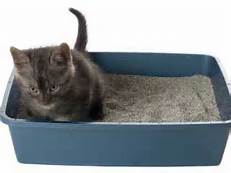
For cats, a whole different set of rules apply and the litter tray rules supreme for sample collection at home. You will need to provide a clean, sterilized litter tray with no cat litter in it. The litter tray should be slightly tilted to one end so that the urine runs away from any faeces the cat may also do in the tray. You can put in commercially produced plastic pearls (see photo left in pack and right in litter tray), or shredded plastic, but this is not as easy to get in these days of paper shopping bags. What I do is roll up the plastic and use scissors to cut strips off the roll, which looks just like shredded paper. Then I shake the cut plastic strips apart to make fluffy, sterile, non-absorbent litter, which for some reason almost all cats will use, especially if they are locked in a room with a lino floor.

If the bathroom is normally used as your feline’s toilet room, then be sure to put about an inch of water in the sink and bath so kitty doesn’t decide to use one of these giant litter trays!

As I was originally writing this article and had duly told my client all the things to remove from the bathroom, only to discover the cat had started using the potted plants in the bathroom as the ideal replacement litter tray – once removed a sample was forthcoming, so you really need to think like a cat, when setting up the room.

What is heartworm disease?

What is heartworm disease?

Heartworm disease is a serious and potentially fatal disease in pets in the United States and many other parts of the world. It is caused by foot-long worms (heartworms) that live in the heart, lungs and associated blood vessels of affected pets, causing severe lung disease, heart failure and damage to other organs in the body. Heartworm disease affects dogs, cats and ferrets, but heartworms also live in other mammal species, including wolves, coyotes, foxes, sea lions and—in rare instances—humans. Because wild species such as foxes and coyotes live in proximity to many urban areas, they are considered important carriers of the disease.

Dogs. The dog is a natural host for heartworms, which means that heartworms that live inside the dog mature into adults, mate and produce offspring. If untreated, their numbers can increase, and dogs have been known to harbor several hundred worms in their bodies. Heartworm disease causes lasting damage to the heart, lungs and arteries, and can affect the dog’s health and quality of life long after the parasites are gone. For this reason, prevention is by far the best option, and treatment—when needed—should be administered as early in the course of the disease as possible.

Cats. Heartworm disease in cats is very different from heartworm disease in dogs. The cat is an atypical host for heartworms, and most worms in cats do not survive to the adult stage. Cats with adult heartworms typically have just one to three worms, and many cats affected by heartworms have no adult worms. While this means heartworm disease often goes undiagnosed in cats, it’s important to understand that even immature worms cause real damage in the form of a condition known as heartworm associated respiratory disease (HARD). Moreover, the medication used to treat heartworm infections in dogs cannot be used in cats, so prevention is the only means of protecting cats from the effects of heartworm disease.

How is heartworm disease transmitted from one pet to another?

The mosquito plays an essential role in the heartworm life cycle. Adult female heartworms living in an infected dog, fox, coyote, or wolf produce microscopic baby worms called microfilaria that circulate in the bloodstream. When a mosquito bites and takes a blood meal from an infected animal, it picks up these baby worms, which develop and mature into “infective stage” larvae over a period of 10 to 14 days. Then, when the infected mosquito bites another dog, cat, or susceptible wild animal, the infective larvae are deposited onto the surface of the animal’s skin and enter the new host through the mosquito’s bite wound. Once inside a new host, it takes approximately 6 months for the larvae to mature into adult heartworms. Once mature, heartworms can live for 5 to 7 years in dogs and up to 2 or 3 years in cats. Because of the longevity of these worms, each mosquito season can lead to an increasing number of worms in an infected pet.

What are the signs of heartworm disease in dogs?

In the early stages of the disease, many dogs show few symptoms or no symptoms at all. The longer the infection persists, the more likely symptoms will develop. Active dogs, dogs heavily infected with heartworms, or those with other health problems often show pronounced clinical signs.

Signs of heartworm disease may include a mild persistent cough, reluctance to exercise, fatigue after moderate activity, decreased appetite, and weight loss. As heartworm disease progresses, pets may develop heart failure and the appearance of a swollen belly due to excess fluid in the abdomen. Dogs with large numbers of heartworms can develop a sudden blockages of blood flow within the heart leading to a life-threatening form of cardiovascular collapse. This is called caval syndrome, and is marked by a sudden onset of labored breathing, pale gums, and dark bloody or coffee-colored urine. Without prompt surgical removal of the heartworm blockage, few dogs survive.

What are the signs of heartworm disease in cats?

Signs of heartworm disease in cats can be very subtle or very dramatic. Symptoms may include coughing, asthma-like attacks, periodic vomiting, lack of appetite, or weight loss. Occasionally an affected cat may have difficulty walking, experience fainting or seizures, or suffer from fluid accumulation in the abdomen. Unfortunately, the first sign in some cases is sudden collapse of the cat, or sudden death.

How significant is my pet’s risk for heartworm infection?

Many factors must be considered, even if heartworms do not seem to be a problem in your local area. Your community may have a greater incidence of heartworm disease than you realize—or you may unknowingly travel with your pet to an area where heartworms are more common. Heartworm disease is also spreading to new regions of the country each year. Stray and neglected dogs and certain wildlife such as coyotes, wolves, and foxes can be carriers of heartworms. Mosquitoes blown great distances by the wind and the relocation of infected pets to previously uninfected areas also contribute to the spread of heartworm disease (this happened following Hurricane Katrina when 250,000 pets, many of them infected with heartworms, were “adopted” and shipped throughout the country).

The fact is that heartworm disease has been diagnosed in all 50 states, and risk factors are impossible to predict. Multiple variables, from climate variations to the presence of wildlife carriers, cause rates of infections to vary dramatically from year to year—even within communities. And because infected mosquitoes can come inside, both outdoor and indoor pets are at risk.

For that reason, the American Heartworm Society recommends that you “think 12:” (1) get your pet tested every 12 months for heartworm and (2) give your pet heartworm preventive 12 months a year.

What do I need to know about heartworm testing?

Heartworm disease is a serious, progressive disease. The earlier it is detected, the better the chances the pet will recover. There are few, if any, early signs of disease when a dog or cat is infected with heartworms, so detecting their presence with a heartworm test administered by a veterinarian is important. The test requires just a small blood sample from your pet, and it works by detecting the presence of heartworm proteins. Some veterinarians process heartworm tests right in their hospitals while others send the samples to a diagnostic laboratory. In either case, results are obtained quickly. If your pet tests positive, further tests may be ordered.

When should my pet be tested?

Testing procedures and timing differ somewhat between dogs and cats.

Dogs. All dogs should be tested annually for heartworm infection, and this can usually be done during a routine visit for preventive care. Following are guidelines on testing and timing:

·         Puppies under 7 months of age can be started on heartworm prevention without a heartworm test (it takes at least 6 months for a dog to test positive after it has been infected), but should be tested 6 months after your initial visit, tested again 6 months later and yearly after that to ensure they are heartworm-free.

·         Adult dogs over 7 months of age and previously not on a preventive need to be tested prior to starting heartworm prevention.  They, too, need to be tested 6 months and 12 months later and annually after that.

·         You need to consult your veterinarian, and immediately re-start your dog on monthly preventive—then retest your dog 6 months later. The reason for re-testing is that heartworms must be approximately 7 months old before the infection can be diagnosed.

Annual testing is necessary, even when dogs are on heartworm prevention year-round, to ensure that the prevention program is working. Heartworm medications are highly effective, but dogs can still become infected. If you miss just one dose of a monthly medication—or give it late—it can leave your dog unprotected. Even if you give the medication as recommended, your dog may spit out or vomit a heartworm pill—or rub off a topical medication. Heartworm preventives are highly effective, but not 100 percent effective. If you don’t get your dog test, you won’t know your dog needs treatment.

Cats. Heartworm infection in cats is harder to detect than in dogs, because cats are much less likely than dogs to have adult heartworms. The preferred method for screening cats includes the use of both an antigen and an antibody test (the “antibody” test detects exposure to heartworm larvae). Your veterinarian may also use x-rays or ultrasound to look for heartworm infection. Cats should be tested before being put on prevention and re-tested as the veterinarian deems appropriate to document continued exposure and risk. Because there is no approved treatment for heartworm infection in cats, prevention is critical.

What happens if my dog tests positive for heartworms?

No one wants to hear that their dog has heartworm, but the good news is that most infected dogs can be successfully treated. The goal is to first stabilize your dog if he is showing signs of disease, then kill all adult and immature worms while keeping the side effects of treatment to a minimum.

Here’s what you should expect if your dog tests positive:

·         Confirm the diagnosis. Once a dog tests positive on an antigen test, the diagnosis should be confirmed with an additional—and different—test. Because the treatment regimen for heartworm is both expensive and complex, your veterinarian will want to be absolutely sure that treatment is necessary.

·         Restrict exercise. This requirement might be difficult to adhere to, especially if your dog is accustomed to being active. But your dog’s normal physical activities must be restricted as soon as the diagnosis is confirmed, because physical exertion increases the rate at which the heartworms cause damage in the heart and lungs. The more severe the symptoms, the less activity your dog should have.

·         Stabilize your dog’s disease. Before actual heartworm treatment can begin, your dog’s condition may need to be stabilized with appropriate therapy. In severe cases of heartworm disease, or when a dog has another serious condition, the process can take several months.

·         Administer treatment. Once your veterinarian has determined your dog is stable and ready for heartworm treatment, he or she will recommend a treatment protocol involving several steps. The American Heartworm Society has guidelines for developing this plan of attack. Dogs with no signs or mild signs of heartworm disease, such as cough or exercise intolerance, have a high success rate with treatment. More severe disease can also be successfully treated, but the possibility of complications is greater. The severity of heartworm disease does not always correlate with the severity of symptoms, and dogs with many worms may have few or no symptoms early in the course of the disease.

·         Test (and prevent) for success. Approximately 6 months after treatment is completed, your veterinarian will perform a heartworm test to confirm that all heartworms have been eliminated. To avoid the possibility of your dog contracting heartworm disease again, you will want to administer heartworm prevention year-round for the rest of his life.

What if my cat tests positive for heartworms?

Like dogs, cats can be infected with heartworms. There are differences, however, in the nature of the disease and how it is diagnosed and managed. Because a cat is not an ideal host for heartworms, some infections resolve on their own, although these infections can leave cats with respiratory system damage. Heartworms in the circulatory system also affect the cat’s immune system and cause symptoms such as coughing, wheezing and difficulty breathing. Heartworms in cats may even migrate to other parts of the body, such as the brain, eye and spinal cord. Severe complications such as blood clots in the lungs and lung inflammation can result when the adult worms die in the cat’s body.

Here’s what to expect if your cat tests positive for heartworm:

·         Diagnosis. While infected dogs may have 30 or more worms in their heart and lungs, cats usually have 6 or fewer—and may have just one or two. But while the severity of heartworm disease in dogs is related to the number of worm, in cats, just one or two worms can make a cat very ill. Diagnosis can be complicated, requiring a physical exam, an X-ray, a complete blood count and several kinds of blood test. An ultrasound may also be performed.

·         Treatment. Unfortunately, there is no approved drug therapy for heartworm infection in cats, and the drug used to treat infections in dogs is not safe for cats. Nevertheless, cats with heartworm disease can often be helped with good veterinary care. The goal is to stabilize your cat and determine a long-term management plan.

·         Monitor your cat. Heartworm-positive cats may experience spontaneous clearing of heartworms, but the damage they cause may be permanent. If your cat is not showing signs of respiratory distress, but worms have been detected in the lungs, chest X-rays every 6 to 12 months may be recommended. If mild symptoms are noted, small doses of prednisolone may be administered to help reduce inflammation.

·         Provide veterinary care. If the disease is severe, additional support may be necessary. Your veterinarian my recommend hospitalization in order to provide therapy, such as intravenous fluids, drugs to treat lung and heart symptoms, antibiotics, and general nursing care. In some cases, surgical removal of heartworms may be possible.

·         Maintain prevention. A cat that has developed heartworm disease has demonstrated that it is susceptible to heartworm infection, and both outdoor and indoor cats are at risk. It’s important to give your cat monthly heartworm preventives, which are available in both spot-on and pill form. Preventives keep new infections from developing if an infected mosquito bites your cat again.

The age of the dog is just one factor affecting the success of heartworm treatment. When making a diagnosis and administering treatment, veterinarians consider the dog’s overall health and the severity of his symptoms, as well as the results of X-rays and laboratory test results. Older dogs with long-term heartworm infections may have damage to their lungs, hearts, livers, and kidneys that can complicate heartworm treatment. To ensure the best chance of success, it is vital to follow your veterinarian’s instructions carefully. This includes severely restricting the dog’s activity, as exercise during the treatment period is the leading cause of complications.


After treating a dog with melarsomine injections, adult worms may continue to die for more than a month following this treatment. Heartworm antigen testing is the most reliable method of confirming that all of the adult heartworms have been eliminated. Although many dogs are antigen-negative 16 weeks after treatment, it can take longer for the antigen to be completely cleared from some dogs. Additionally, even though melarsomine is highly effective, a single course of treatment may not completely clear all dogs of infection (the American Heartworm Society protocol calls for three separate injections of melarsomine.  Consequently, in most cases, a dog that is still antigen positive at 4 months should be rechecked 2 to 3 months later before determining whether there are still adult heartworms remaining, and a second treatment course may be required.