What Does a Dog’s Peeing Position Mean?

By Jennifer Coates, DVM

An old study from the 1970s identified 12 positions that 60 intact male and 53 intact female adult beagles used to pee:

  • Stand: Standing normally
  • Lean: The body is leaning forward and the hind legs are extended to the back.
  • Flex: The hind legs are partially flexed so the rear end is slightly lowered. The hind feet usually remain under the body (no straddle).
  • Squat: The hind legs are straddled and sharply bent to bring the hind end close to the ground. The back is kept straight.
  • Handstand: Both hind feet are lifted off the ground. They may be unsupported or placed against a vertical surface.
  • Arch: The hind legs are usually spread and bent to bring the hind end close to the ground. The back is rounded, and the tail is lifted away from the ground.
  • Raise: One hind leg is bent and raised off the ground but the leg is kept relatively low.
  • Elevate: One hind leg is bent and raised off the ground. The foot and leg is held high.
  • Lean-Raise: A combination of the Lean and Raise postures.
  • Flex-Raise: A combination of the Flex and Raise postures.
  • Squat-Raise: A combination of the Squat and Raise postures.
  • Arch-Raise: A combination of the Arch and Raise postures.

The researchers found that females squatted most of the time but that the squat-raise was also quite popular. Females used most of the other positions too, albeit on a limited basis. Male dogs, on the other hand, had a more restricted repertoire. All of them demonstrated the elevate posture and some used the raised position, but the squat-raise and lean-raise only occurred rarely and the other positions weren’t noted at all. Keep in mind, however, that all the male dogs in this study were mature and intact.


What Does a Dog’s Peeing Position Mean?


Now that all the positions that a dog is likely to take to urinate have been identified, the question “Why?” has to be asked. What does it mean when a dog picks a particular posture at a particular time?

It’s important to remember that urination serves two purposes for dogs—elimination and marking. Both male and female dogs scent mark, but the behavior is more pervasive in males. Dogs who are marking preferentially urinate on vertical surfaces. If they urinate high up on that surface, the urine can flow downward covering a greater area, which leaves a stronger message to anyone who subsequently passes by. Peeing up high may even make a dog seem bigger than he actually is. This is probably why the elevate posture is so popular among males.

Interestingly, leg-raising is a behavior that only develops in male dogs as they mature. The authors of the study on beagles note that the lean posture, which deposits urine directly on the ground, “is typically used by male puppies and juveniles.”

But what about females? That’s where the handstand posture comes in. There’s no better way for a female dog to urinate at least as high as and maybe even higher than a similarly sized male can.

Research supports this hypothesis in female dogs. A paper published in 2004 looked at the urinary behaviors of six spayed and six intact female Jack Russell Terriers while they were being walked close to and further away from their “home area.” The scientists found that when away from their home area, these dogs were more likely to urinate frequently and aim their urine at objects in comparison to when they were walked close to home. The authors concluded “urination in female dogs does not function solely in elimination, but that it also has a significant role in scent marking…”

So, when dogs take a position that results in their urine hitting an object above the ground’s surface, chances are they are doing so to maximize the value of the scent they are leaving behind.

It’s important to note how many peeing positions are perfectly normal for both male and female dogs. Which ones they use depends on many factors including the dog’s location, age, sex, and possibly their reproductive status. The only time to be concerned is when a dog that usually pees in one position switches to another. This could be a sign of pain or another medical problem that needs to be addressed.

3 Summer Safety Tips to Keep Companion Animals Healthy

3 Summer Safety Tips to Keep Companion Animals Healthy

By Ryan Goodchild

Picture of Zoey Heath ( one of Diane’s beloved clients)


Pets are a constant source of love, affection, loyalty, and support. So when it comes time to plan some summer fun for your family, you should be sure to include any furry members.

Summer can be a blast for your animal companions, as long as you’re aware of some potential hazards. You can protect your pets, keep them healthy and happy, and focus on fun with these three important summer safety tips every pet parent should know.

Furkids and Summer Fireworks Don’t Mix

 Summer celebrations tend to involve fireworks, which can be pretty scary for your pets. In fact, shelter stats show that more animals are reported missing from July 4-5 than any other days or time of the year. One of the most helpful steps you can take is to update microchip info.

However, you may also want to keep your pets safe by adding a fence to your yard. Fence installation prices average right around $4,500, but this number can vary according to the size of your yard and the sort of materials you prefer. Where you live can also impact pricing.


Speaking of location, if you need to find reliable local contractors to install your fence, you should try searching online first. There are plenty of websites that offer reviews and ratings, and you can also use these websites to check whether the pros you’re considering have a license and insurance. With a secure and new fence, you won’t have to stress about letting pets out around holidays.

Beware of Ticks

Now for a summer statistic that will make your skin crawl. Although the warmest months always see a rise in tick populations, entomologists are predicting that this summer will be THE summer of ticks and tick-borne diseases. That’s bad news if you and your pets love the outdoors!

The good news is that protecting yourself and your pets from these creepy crawly pests is pretty easy. If you plan on taking some summer walks in the woods with your furkids, and your area is prone to ticks, consider treating your clothes with a quality repellent. Ask your vet about flea and tick preventatives for your pet to keep them safe on wilderness adventures.

If your pet does bring some ticks home, you should use CDC recommended guidelines to safely remove them and disinfect the affected area. Proper disposal is key since coming into contact with a crushed tick can also spread diseases to you and your furry family members.

Furry Coats Can Leave Pets Prone to Heat Exhaustion


Another summer pet hazard to be mindful of? The sun and heat. Because your pets have fur, walking them outside in peak summer temperatures is like you trying to run outside in a thick winter coat. The normal range for a dog’s body temperature is between 100.5 – 102.5 Fahrenheit.

If your pets are active in the sun, heat, and humidity for too long, their temperatures can quickly rise to dangerous levels. Their respiratory rate will elevate as well, which can have severe consequences and even be fatal. Flat-faced or brachycephalic breeds are at an increased risk.

The best thing you can do to prevent deadly heat stroke in your pets is to keep them indoors and cool during hot summer afternoons. If you can’t keep them inside, be sure to provide them with plenty of shade and cool water. You should also know how to cool down overheated pets. Most importantly, never leave your pets in a hot car as death can occur rapidly.

Pets are like family. So be sure to protect yours like family this summer! Watch out for dangers like fireworks, ticks, and extreme temps, and have a happy, healthy season with your furkids.


With Diane Weinmann’s guidance and resources, you can communicate with your beloved pet. Be sure to check out her website for more guides like this one and to discover how you can open the door for communication with the animals you love.


Treating Compulsive Dog Behaviors

By Lisa Radosta, DVM, DACVB

Can dogs have OCD? Not really, but they do get compulsive behaviors. What is the difference? Obsessive compulsive behaviors include obsessive thoughts, which don’t apply to dogs since we can’t know what they are thinking. Instead, in dogs, these disorders are called compulsive disorders. Here are some other important insights into this curious dog behavior we call compulsive disorders…

What are Compulsive Disorders?

Compulsive disorders (obsessive compulsive disorder, OCD) occur in dogs, although not with great frequency. These behaviors are exaggerations of normal dog behaviors. They are exhibited for longer than expected periods of time, are repeated out of context, and in situations in which they would be considered abnormal.

Common dog behaviors which can be classified as compulsive include spinning, tail chasing, fly biting, light chasing, barking, chewing, staring into space, sucking on a toy, or sucking on a part of the body.

What Causes Compulsive Disorders in Dogs?

Compulsive disorders are caused by conflict, stress and/or frustration. With each stressful event that your dog encounters, there is a release of neurotransmitters involved with the stress response. When a dog is frustrated or stressed, he may start to perform a normal behavior such as holding a toy in his mouth in order to relieve that stress. If holding the toy in his mouth actually reduces the neurotransmitters involved with the stressful event, the dog is likely to perform that behavior again when he is stressed. For some dogs, this behavior becomes ritualized and repetitive because of the intense reward that is associated —reduction of the physiologic feeling of stress or frustration.

Over time, compulsive behaviors progress and get worse. Dogs often start to perform the compulsive behavior with any stressful event, not just the original inciting situation. The behavior can take over the dog’s life replacing normal sleep and feeding habits. It can cause injury to the dog as the impulse to perform the particular behavior becomes stronger and stronger. Dogs that chase their tails often end up mutilating the tail requiring amputation, while dogs that suck on themselves frequently cause skin infections.


Sometimes, what appears to be a compulsive behavior is actually an attention seeking behavior. Even behaviors which start as a frustration related behaviors can be rewarded inadvertently when owners pay attention to the dog when he performs the behavior. For example, if an owner yells No!, that is still regarded by the dog as attention and can perpetuate the behavior.

If you think that your dog exhibits a behavior for your attention, try the following tests. First, videotape your dog when you are not home to see if and when the behavior occurs in your absence. Next, try walking out of the room the next time that your dog performs the behavior. If he does not perform the behavior in your absence, your attention or presence is most probably a part of the problem.

Some dog breeds are predisposed hereditarily to certain compulsive behaviors. For example, Bull Terriers and German Shepherds are commonly seen for tail chasing. Labrador Retrievers exhibit oral compulsive behaviors such as pica, whereby the dog is driven to pick up any object and eat it. Doberman Pinschers are well known for flank sucking, whereby the dog holds and sucks on the skin of the flank for long periods. The best way to know if your dog is predisposed to a certain type of behavior is to speak to your veterinarian about your breed’s genetic predisposition. Then, if possible, speak to the owner of your dog’s parents to learn of their behavior.

How Do You Treat Compulsive Disorders in Dogs?

The first thing to do if you think that your dog has a compulsive disorder is to go to your veterinarian for help. Because medical conditions can cause signs similar to compulsive behaviors in dogs, it is extremely important to rule out medical diseases such as neurologic, endocrine, gastrointestinal, and orthopedic disorders. Your dog should receive a thorough physical examination as well as screening labwork before considering treatment for a compulsive disorder.

If your dog is completely healthy and is free of pain, he may have a compulsive disorder. Compulsive disorders are treated with medications to lower arousal and conflict as well as behavior modification to give the dog an alternate coping strategy outside of the compulsive behavior. Treatment is often prolonged and continues for the life of the dog. If your dog is diagnosed with compulsive disorder you can expect some ups and downs in treatment and in your dog’s behavior. Often chronic cases are referred to a board certified veterinary behaviorist for treatment.

The best thing that you can do for your dog if you suspect a compulsive disorder or if your dog repeatedly displays any behavior, even if it seems harmless now, is to seek help from your veterinarian. When compulsive behaviors are treated early and quickly the prognosis is much better than if they have progressed to a chronic state.

What Do Cats Recognize and Respond To?

As a veterinarian who has listened to my clients’ perspectives over the past 30 years and a person who has been “owned by cats” since I was 17 years old, I definitely have my thoughts on the answer—and it seems to be very selective.

An interesting article from 2013 affirms that cats do recognize human voices and respond primarily by ear and head movements. They further found that using harmonics and broad pitch were more effective in eliciting that response. They concluded that cats recognize their owners voice specifically by using the voices of three strangers followed by the owner and then another stranger.

Another interesting study from 2017 discussed how we talk to our pets compared to babies using high-pitched voice, simple content and harmonics. The study used “kitten directed speech” that was simple, higher pitched and musical or harmonic. They found that a cat’s hearing range had a wide scale and pitch and that cats may be attentive to human utterances with more variation.

Teaching a Cat to Respond to Voice Commands

One of the strongest variables I see in how responsive cats are to their owner’s voice is whether they are hungry or not. It is well-known among animal trainers that food is a powerful motivator to respond to verbal or audible cues. Common sense says that food, coupled with the owner’s voice, should result in a response at least some of the time.

If you think about cats only really having only two modes, predator or prey, their responses are typically in line with those modes, to seek food or hide. If we can erase any fear of us, the owner, and use food as a reward, they should come to us for food using an audible cue—or even a clicker.

Training a cat to respond to a verbal cue, such as their name, from a young age is very important. Because kittens have a very early human association period that can begin at 17 days old, it is important that kittens are handled and get used to human voice and touch to make sure there is absolutely no fear and they associate us with attention, love and food.

By starting as a kitten, using a harmonic pitch and variation, and possibly a multi-syllable name in association with food rewards, we should get a better response from our beloved felines (which could be anything from an ear twitch to running to us). As cat lovers we know, we simply need to accept graciously whatever they choose to do!

Now, Diane, as an animal communicator, has found that many cats do indeed respond to their names when called.  Her own cat Milo came to her when he was called and when she talked to one client, the cat told her that his owner comes home at night  from work and yells LEEEEOOOOO  when she wants him. (obviously his name is Leo).  It was so cute they way he imitated his owner.

Do cats know their names or recognize our voice in some other way? Although we’ve spent over 10,000 years sharing our time with cats, there’s very little research to determine the answer to this question.

Fortunately, things do seem to be changing a bit as we share even more time and experiences with our favorite felines, and there are a few interesting recent research pieces that says there is evidence that cats may indeed know their names.

By: Ken Lambrecht, DVM comments by Diane Weinmann


3 Remedies for Upset Stomach in Dogs

By Katherine Smith, DVM, CVA, CVSMT as seen in PetMD

When you have an upset stomach, you probably reach for ginger ale or crackers to settle your tummy. But what should you do when your dog’s stomach is out of sorts?

Here’s some information about the causes and symptoms of upset stomach in dogs and tips for how to make your pup feel better with natural remedies.

Common Causes of Upset Stomach in Dogs

There are many reasons your dog may have an upset stomach, though there’s one common cause: they ate something they shouldn’t have, says Kathy Backus, DVM, at Holistic Veterinary Services in Kaysville, Utah.

“Dogs are curious like kids; they’re always putting things in their mouth,” she says. “Vomiting and diarrhea are signs that a dog’s body is trying to expel something that shouldn’t be in their system. In a healthy dog, it’s a protective mechanism of the body that’s totally normal.”

These are a few (of many) things that can trigger an upset stomach in dogs:

  • Ingesting something that they shouldn’t
  • Bacterial imbalances within the digestive tract
  • Chronic conditions such as food sensitivities

Symptoms of Upset Stomach in Dogs

The most common signs of upset stomach in dogs are diarrhea and vomiting. If your dog is nauseous, you may also see him eat grass to soothe his stomach or try to induce vomiting, says Jody Bearman, DVM at Anshen Veterinary Acupuncture, Madison, Wisconsin.

Watch for other signs of upset stomach in dogs, such as:

  • Decreased appetite or loss of appetite
  • Fatigue
  • Drinking less water
  • Seeming depressed
  • Looking uncomfortable and stretching more often (like they are attempting a downward dog)
  • Gulping to combat reflux
  • Licking their lips, the air, or objects

When to Call Your Vet

Monitor your pup’s symptoms. If your dog is consistently uncomfortable, or if the signs worsen at any point, call your veterinarian.

Watch for these signs:

  • Increasing discomfort
  • Vomiting or having an episode of diarrhea more than twice
  • Blood in their vomit or stool
  • Toy or other foreign object in their vomit or stool
  • Weakness or collapse

These can all be signs of something more serious, including pancreatitisstomach bloating, a severe allergic reaction, or internal parasites.

If you realize that your dog has eaten something he shouldn’t have—a plant, food, toy, or chemical—you should seek immediate veterinary care.

If your primary veterinarian is unavailable, call your local emergency veterinary hospital. They will be able to advise whether your pet needs to be seen or whether you can continue to monitor him at home.

You can also call the ASPCA Animal Poison Control hotline at 888-426-4435 for a fee. They can also determine a poison’s level of toxicity and recommended care for your dog.

3 Remedies for Upset Stomach in Dogs

It is crucial to consult with your veterinarian before administering any home remedies to soothe your pup’s tummy troubles. If your veterinarian recommends at-home monitoring, these are a few ideas you can ask them about trying while you are at home with your dog.

Fasting

When your dog’s stomach is trying to get rid of something, it can be helpful to stop putting more things in their stomach for 12-24 hours, Dr. Backus says. “If the gastrointestinal (GI) system is having a tough time, you don’t want it to digest things.”

Fasting may seem simple enough, but it’s important to speak with your veterinarian first because some dogs (particularly small breeds or those with prior health conditions) cannot tolerate fasting as well as others.

If your veterinarian does recommend fasting, ask whether they would like you to start a bland diet (and what they recommend) after the fasting period is complete.

Ice Cubes

When your dog is vomiting or has diarrhea, you want them to stay hydrated, but giving him too much water may make his stomach even more upset, Dr. Backus says.

Monitoring your dog’s water intake and discouraging gulping is important. Offer your dog ice chips to help encourage drinking.

If your dog can keep down small quantities of water or ice chips, you can gradually increase the amount and how often you are offering the water and ice.

Canned Pumpkin

When fighting indigestion and upset stomach in dogs, 100% canned pumpkin is a favorite of many holistic veterinarians.

“It has a low glycemic index, so it slowly absorbs, which helps with upset stomach and digestion,” Dr. Bearman says.

Make sure to get 100% canned pumpkin, not pumpkin pie mix, as you don’t want to feed your dog spices and other ingredients, she says. Check that there are no ingredients listed other than pumpkin (such as sugar or sugar substitutes).

According to Dr. Bearman, smaller dogs (approximately 5 pounds) can be fed one-half teaspoon of canned pumpkin, while larger dogs (approximately 75 pounds) can be fed 1 tablespoon.

Is Upset Stomach in Dogs a Sign of Food Allergies?

An upset stomach every once in a while can be normal in a dog, but if it happens often, it could signal that something is wrong in their GI tract, says Randy Aronson, DVM, of P.A.W.S. Veterinary Center in Tucson, Arizona.

If digestive upset is a frequent occurrence for your dog, discuss the possibility of a food allergy with your veterinarian. When food allergies are diagnosed in dogs, it is often an allergy to a protein source, which is why a more “novel” protein (one that your dog has never eaten) may be recommended.

There are many options on the market, but examples may include beef, buffalo, venison, or lamb.

How to Help Prevent Upset Stomach in Dogs

To help your dog maintain a healthy gut, consider giving them a prebiotic and probiotic, Dr. Aronson says. There are both prebiotics and probiotics that are made specifically for dogs, some of which are available over the counter. Be sure to ask your veterinarian if they have a particular brand recommendation.

Always talk to your veterinarian first to find out the best course of action.


Dog Anxiety Help: How to Calm Down an Anxious Dog

by Megan Petroff, DVM (Clinical Behavior Resident) as seen in PetMD


For people, anxiety can feel overwhelming and debilitating at times. If you have a dog that struggles with fear, anxiety, or stress, it’s important to be supportive and patient.

Calming a frequently anxious dog is possible, but it may require collaboration between you and your veterinarian, or a board-certified veterinary behaviorist.

If you have a nervous dog, here’s some insight you can use to identify the signs and triggers, and steps you can take to help calm your dog’s anxiety and improve their quality of life.

Recognize the Signs of Dog Anxiety

“Dogs use body language to communicate how they are feeling,” says Ashley Atkinson, CPDT-KA and behavior consultant at Best Friends Animal Sanctuary.

For example, if your dog seems uneasy or is fixated on licking, they could be communicating nervousness, stress, or fear. There are many subtle signs of dog anxiety.

According to Dr. Susan Konecny, RN, DVM, medical director of Best Friends Animal Society, some clinical signs include:

  • Pacing
  • Trembling
  • Shaking
  • Hypervigilance
  • Lip licking
  • Frequent yawning
  • Decreased appetite

She also says that some physiological effects of anxiety can include:

  • Increased salivation or drooling
  • Dilated pupils
  • Increased heart rate and panting
  • Skin lesions from self-trauma
  • Over-grooming

Talk With Your Veterinarian About Your Dog’s Anxiety

Once you learn how to detect when your dog is anxious, you can begin to identify the triggers that are causing the anxiety. Write down the signs that you see and describe the situations and circumstances when your dog showed these signs. Then schedule an appointment with your vet so they can rule out underlying medical issues,and help you get the right treatment for your dog.

Anytime a behavior change is noted in a pet, medical problems in other areas of the body could be at play. Your veterinarian can perform diagnostic tests to confirm that your pet is otherwise healthy.

In all cases, it’s best to seek the help of your veterinarian to make sure you are doing everything you can for your dog. When no other cause is found, your veterinarian can prescribe anxiety medication if needed, and/or recommend a veterinary behaviorist.

Board-Certified Veterinary Behaviorists

If your veterinarian thinks it’s necessary, they may refer you to a board-certified veterinary behaviorist to help your dog.

These veterinarians are specialists who have done a residency for three or more years in clinical behavior medicine, and passed a board-certification exam. Board-certified veterinary behaviorists are experts in treating fear, anxiety, and aggression in pets.

The American College of Veterinary Behaviorists has a directory on their website with the current board-certified veterinary behaviorists near you.

Tips for Calming Your Dog’s Anxiety

Your veterinarian can help create a plan for relieving your dog’s anxiety, and it may include the following steps. Some are simple actions you can try at home, and others require your veterinarian’s oversight.

Remove Triggers That Cause Your Dog’s Anxiety

If you’ve already gone to your veterinarian to rule out other illnesses, and they’ve helped identify possible stressors, then it may be as simple as removing those stressors and seeing if your dog’s anxiety lessens.

For example, if your dog is afraid of other dogs or people, you can skip the dog park. Alternatively, you can take your dog for walks when fewer people will be outside, play in a fenced yard if you have one, and play games inside the home.

Try Dog Appeasing Pheromones

Dog appeasing pheromones are synthetic pheromones similar to the calming pheromones that female dogs give off while nursing puppies.

These pheromones can help reduce anxiety in some dogs and are available in a few different forms. There are collars, sprays, and diffusers, so you can choose the best option for your dog.

Exercise With Your Dog

Exercise can help with our own anxiety, and research studies have shown that greater levels of exercise in dogs are associated with lower levels of aggression, fear, and separation anxiety.1

Create a Sanctuary Space

Some dogs get so anxious in certain situations that no amount of calming, praising, or rewarding will give them relief. “When this is the case, they need a quiet space with no stimulation where they can turn off all the input and simply unwind,” says Dr. Konecny.

This can help in many situations, such as if they are nervous:

Drowning out ambient sounds with white noise may also help them relax in their sanctuary room.

Ask Your Veterinarian About Anti-Anxiety Medications

If your dog is truly struggling with anxiety, you can talk to your veterinarian about whether anti-anxiety medications would be beneficial.

Some pet owners worry about using these medications:

  • Will it make their dog sleepy all the time?
  • Will it change their personality?
  • Will these types of medications shorten their dog’s lifespan?

When treated with the proper medications, your pet should exhibit less anxiety, seem happier, and still have the same personality. If your veterinarian isn’t sure what to prescribe, a board-certified veterinary behaviorist can help you find the best medication for your dog to help them thrive.

Try Behavior Modification

Sometimes, additional modalities are needed to treat behavior problems in pets. Behavior modification can help you change the emotional response your dog has to offending situations or triggers.

Through this cognitive therapy, your dog can learn to become less afraid of stressors and more calm. In some cases, behavior modification can help a dog to the point where they will no longer need to be on medications.

This is something a veterinary behaviorist can help you with as well.

Be Supportive

Learning and avoiding what causes your dog stress, ruling out possible underlying illnesses, and seeking professional help will all improve the quality of life for your anxious dog.

Scientific evidence has shown that stress has negative effects on health in people, and this is true in dogs as well. A 2010 study of 721 dogs concluded that, “The stress of living with a fear or anxiety disorder can have negative effects on health and lifespan in the domestic dog.”2 For this reason it’s important to be proactive to help your dog with their anxieties.

Don’t give up. The solution may not be quick or easy, but with dedication and the right professional assistance, you can help your dog be happier and healthier.

Citations

  1. Lofgren, Sarah E., et al. “Management and Personality in Labrador Retriever Dogs.” Applied Animal Behaviour Science, vol. 156, 2014, pp. 44-53.
  2. Dreschel, Nancy A. “The Effects of Fear and Anxiety on Health and Lifespan in Pet Dogs.” Applied Animal Behaviour Science, vol. 125, no. 3-4, 2010, pp. 157-162.


Do Dogs Have a Sixth Sense That Helps Them Read Your Mood?

By Sarah Wooten DVM as seen in PetMD and comments by Diane Weinmann


Whenever I am sad, my dog Alma never fails to sit by my side, put her head into my lap and bring comfort. Conversely, when she has done something naughty, Alma has this uncanny ability to slink away as soon as I look at her.

Do you ever feel like there’s a dog sixth sense that allows your pup to read your moods and react accordingly? I can imagine you reading this right now, vigorously nodding your head yes!

If you have ever wondered about this phenomenon, or if you like you are losing it for thinking that your fur friend has supernatural dog senses, you are not alone. Pet parents across the globe have the same question: Can dogs pick up on our subconscious cues, and essentially, read our moods?

The Love Hormone Helps Process Those Emotions

It turns out that animal behaviorists have the same question, and this very concept has been studied in both dogs and cats. Dogs, who have been evolving alongside humans for thousands of years, have clearly demonstrated an ability to recognize and respond to human emotions, and scientists now know that they use ordinary and extraordinary dog senses to do this. A 2009 study found that dogs gaze much longer at happy versus sad human faces, indicating that they may be sensitive to human emotions.

Dogs preferentially look to our eyes to read our emotions, and the hormone oxytocin is also involved in this connection. Secreted by the mammalian brain, oxytocin is nicknamed “the love hormone,” and it affects social behaviors and cognition, among other things.

In a 2017 study, researchers used eye-tracking technology to follow gaze patterns of untrained dogs in response to human faces. The faces displayed positive or negative emotions in order to investigate the effect of oxytocin on eye patterns in the dogs. What they noticed was that in order to process the emotions of humans, all of the dogs looked at the eye region of the human faces.

Researchers found that oxytocin decreases the amount of time that dogs looked at the angry human faces and also decreased the dogs’ preference for gazing at the eye region altogether, even with happy human emotions. While more research needs to be done, oxytocin is definitely involved in our fur friends’ ability to read our emotions.

Dogs Avoid Angry Humans

Another study, published in 2016, found that dogs process human emotions from gazing not just at the eye region, but also the midface and mouth regions. Dogs are a highly social species, and they are evolved to evaluate social threats rapidly, including threats the come from humans.

This study found that when dogs viewed images of other threatening dogs, they reacted with increased attention to the image. However, when they viewed images of threatening humans, they responded by avoiding the image.

This makes a lot of sense when you think about it—if you come home and you chew your pup out for chewing on the couch, they are going to slink away to avoid you. Your pet isn’t feeling guilty, but is afraid of you.

This has massive implications on the way we interact with and train our canine companions. The fact is, expressing anger by yelling, shouting or frowning at your dog creates conflict within your relationship and can severely damage the human-animal bond.

Some dogs are more sensitive than others; at the slightest hint of displeasure, my dog Alma slinks away from her human family and hides.

A dog that is afraid is more likely to have behavioral problems, a reduced attention span, increased stress, fear-based aggression, anxiety and a shortened life span. They are also more likely to be relinquished to a shelter and have an overall reduced quality of life.

So How Do I Use This Information?

Knowing how your dog interacts with your emotions and facial cues is empowering. You can modify your interactions with your dog to create a healthy relationship that is based on mutual trust and love—both of which dogs give in spades when they feel safe.

First, be extraordinarily mindful of your emotions around your dog and emotions that you direct toward your dog. This is especially important in high-stress situations like veterinary visits, where the dog is already likely to be triggered.

You can use this information to your benefit when training your dog. Your dog is always looking for positive reinforcement from you to guide behavior development. When your dog does something right, make sure to communicate this with your whole face and your voice; that way, your dog will be more attune to your signals and more likely to repeat the desired dog behavior.

If your dog is engaging in undesirable behaviors that you want to stop, in order to avoid conflict in your relationship, you will need to communicate in a way that is not threatening. Simply by lowering the tone of your voice when you say, “No” can be enough to get a dog to stop what they are doing and look to your face for cues.

As soon as they stop what they are doing and look to you, smile, praise your dog and give a dog treat, or provide some fun playtime! That communicates clearly to your dog what is and what is not desired by you.

The more you work with your dog in a non-threatening manner, the closer your bond will become and the easier it will be to communicate. Remember—your dog can read your facial cues, so keep it positive, and enjoy all the benefits that a healthy relationship with a dog can bring.

As an animal communicator for close to 20 years, I can assure you that your pets, indeed know when you are sad, lonely, upset or happy and share all those emotions with you in an attempt to help your situation/mood or to join in the gladness with you!

7 Signs of Tummy Troubles in Your Pet

7 Signs of Tummy Troubles in Your Pet

By Dr. Karen Becker DVM
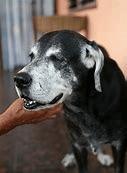
Just like us, dogs can get the occasional upset stomach that makes them feel lousy. And since they can’t talk to us, often the first we know of a dog’s discomfort is when he suddenly starts vomiting. When it happens in your car, while you’re driving, it’s especially stressful for both you and your woozy furry friend.

Symptoms of Nausea in Dogs

The most common signs of upset stomach in dogs are diarrhea and vomiting. Many dogs will also eat grass given the opportunity, to either quell their nausea or induce vomiting. Other signs of an upset stomach include:1

Decrease in or loss of appetite Appearing depressed
Fatigue Gulping to combat reflux
Drinking less water Licking their lips, the air, or objects
Looking uncomfortable and stretching a lot

If your dog tends to suffer with sporadic bouts of nausea and vomiting, the first thing you should do, if you haven’t already, is make an appointment with your veterinarian. There are many disorders that have vomiting as a symptom, so it’s important to rule those out before assuming your dog’s nausea is the result of motion sickness or another relatively harmless cause.

As long as he receives a clean bill of health from your vet and your dog is bright, alert and responsive (and otherwise acting normal) your vet will probably suggest some at-home remedies to help resolve the gastrointestinal (GI) upset. Here are my favorites:

6 Natural Remedies for An Upset Stomach

1.Bone broth fast — When the GI tract is irritated or inflamed, allowing the stomach and colon to rest is a wise idea. The body can’t digest, process or assimilate food while simultaneously attempting to heal and resolve inflammation. Skipping one or both of your dog’s daily meals and replacing regular food with bone broth can provide the much-needed GI tract rest needed to quickly recover from the incident.

2.Bland diet with slippery elm — When vomiting or diarrhea is noted, resting the GI tract allows the body time to heal a bit. When it’s time to introduce food again, a bland diet is wise. My favorite is canned or steamed pumpkin and cooked turkey (click here for directions).

Adding slippery elm (“nature’s Pepto-Bismol”) helps soothe irritated bowels and can be easily mixed into a bland diet, using ½ teaspoon for every 10 pounds of body weight.

3.Activated charcoal — If your dog has diarrhea, activated charcoal (active carbon, the carbon residue derived from vegetable material) can offer at-home help. The adsorptive ability of this natural substance is a function of its massive surface area. Activated charcoal is not absorbed by the body — it stays in the GI tract binding aggravating substances and irritants, excreting them in feces.

The only time it’s not safe to use activated charcoal is when a dog is constipated or may have consumed caustic materials (in which case you should be at the veterinary ER anyway). Recommended dose is 1mg/kg twice daily of coconut charcoal for intermittent episodes of diarrhea.

4.Homeopathic remedies — By far the most popular homeopathic remedy for nausea caused by motion sickness is cocculus (Indian cockles). It can be given right before you put your dog in the car. Other remedies that are often very beneficial, depending on her particular symptoms, include Nux Vomica, Carbo Veg, China, Arsenicum Album, Argentum, and Ipecac.

When giving homeopathic remedies, try not to touch the pellets with your fingers. Instead, shake 3 of the large pellets or a ½ capful of the smaller granular pellets into the cap and try to pop them into your pet’s mouth (they taste sweet, so most dogs don’t mind). Alternatively, you can dissolve the pellets in pure water and give orally. Make sure to give remedies away from food.

5.Herbs — Catnip is a very effective herb for calming a pet with an upset stomach. I recommend using a glycerine tincture, about 12 to 20 drops for every 20 pounds of body weight. You can also combine fennel with catnip to treat your dog’s nausea.

Other herbs that help with indigestion and nausea include peppermint, chamomile, fennel, and one of my personal favorites, ginger. I recommend using fresh ground ginger or the dry herb, in the following amounts mixed into a delicious meatball or in canned pumpkin:

  • Dogs under 10 pounds — 1/8 teaspoon
  • Medium-size dogs — ¼ teaspoon
  • Large dogs — ½ teaspoon
  • Giant breeds — ¾ to 1 teaspoon

Give the ginger 1 to 3 times a day as needed, mixed into bone broth or a bland diet. If you’re using it to help with motion sickness, be sure to give it to your dog at least an hour prior to travel. Alternatively, you can add ¼ cup ginger tea per 20 pounds to food daily as needed.

6.Kefir — Some pet parents swear by the benefits of kefir to soothe their dog’s indigestion. Kefir is a fermented milk beverage that contains beneficial probiotics. Although regular, pasteurized cow’s milk can be irritating to pets’ gastrointestinal (GI) tracts, fermented milk is different.

It’s easy to convert raw milk to kefir yourself. All you need is one-half packet of kefir starter granules in a quart of raw milk (preferably organic and if possible, unpasteurized), which you leave at room temperature overnight.

You can offer the kefir once an hour over the course of 3 hours after your pet stops vomiting. Give 1 to 2 teaspoons to small dogs, 1 to 2 tablespoons for medium-sized dogs, and 2 to 4 tablespoons for large dogs. Going forward, you can add 1 to 3 teaspoons of this super probiotic to your pet’s food once or twice a day for overall improved GI defenses.

What if My Dog’s Upset Stomach Doesn’t Resolve?

It’s important to keep a close eye on your dog’s symptoms, and if her tummy issue doesn’t improve throughout the day or the signs worsen at any point, call your veterinarian. Be alert for:

  • Ongoing or increasing discomfort
  • More than two episodes of vomiting or diarrhea
  • Blood in vomit or stool
  • A toy or other foreign object in vomit or stool
  • Weakness or collapse

Any of these can be a sign that something more serious is going on, including bloat, pancreatitis, a foreign body, a severe allergic reaction or internal parasites. If at any point your pet exhibits additional symptoms or a worsening of symptoms, it’s important to seek medical care immediately.

If you know or suspect your dog has ingested something she shouldn’t have (e.g., a toxin of some kind or a foreign object), or if the problem is bloat, it’s important to seek immediate emergency veterinary care and not wait.

In the case of a potential poisoning, you can also call the ASPCA Animal Poison Control hotline at 888-426-4435.


Symptoms of Canine Cognitive Decline

By Dr. Karen Becker DVM

Veterinar­ians sometimes use the acronym DISHA to evaluate evidence of dementia in a senior dog:

• Disorientation — Is your dog walking aimlessly about the house, staring at the walls, or even losing her balance and falling? The key here is that even when she’s in her normal, familiar environment, she gets disoriented, for example, she goes out her doggy door to the backyard, and then seems to forget how to get back in. There can also be a loss of spatial awareness.

• Interactions — Is your dog interacting differently with family members or other pets in the home? This can involve sudden or increasing irritability or even aggression in a dog who’s been friendly and social all her life. It can also take the form of withdrawal from family members and the features of daily life she was once very interested in, such as a knock at the door or the appearance of her leash, meaning she’s about to get a walk.

• Sleep — Is your dog no longer sleeping through the night, or is restless or wakes frequently? Like many older people, senior dogs can experience changes in sleep patterns or even a disruption in circadian rhythms. Your dog may begin pacing at night instead of falling into a deep slumber as he once did. Some dogs even reverse their schedules entirely, doing during the daytime what they used to do at night and vice versa.

• House soiling — Is your dog no longer alerting you when he needs to go out? Is he urinating or leaking urine indoors? When a dog seemingly “loses” his housetraining, there’s no clearer evidence that something’s amiss with either his health or his cognition.

• Activity level changes — Does your dog seem restless, agitated, or anxious? Does she have a decreased appetite? You may notice she’s no longer coming to the door to greet you or loses focus and no longer responds as she once did to familiar stimuli.

Some dogs seem to forget how to get the food or water out of their bowls or forget where the bowls are located. There can also be periods of restlessness, or repetitive behaviors such as pacing in circles, head bobbing or leg shaking.

Suggestions to Help Your Older Dog Stay Mentally Sharp

1. Offer lots of opportunities for exercise, socialization, and mental stimulation — Senior and even geriatric dogs still need daily exercise to maintain good health and physical conditioning.

While older dogs can’t exercise or compete with the same intensity as their younger counterparts, they still derive tremendous benefit from regular walks — especially gentle, unhurried sniffaris — and other age-appropriate physical activity on a daily basis. There are also a variety of strengthening exercises that can be of tremendous help to aging canine bodies.

No matter how old your dog is he still needs regular social interaction with other pets and/or people. Short periods of socialization and playtime in controlled situations are ideal. Food puzzle and treat release toys provide fun and a good mental workout, as does nose work and brief training sessions to refresh his memory or teach him a new skill.

2. Schedule regular senior wellness check-ups — I recommend twice-yearly wellness visits for pets no matter the age, but this becomes even more important for dogs getting up in years. Ask your functional medicine veterinarian to perform a blood test, including an A1c test to check your pet’s internal organ and metabolic health to make sure you’re identifying possible issues early on.

Alzheimer’s is also called Type 3 Diabetes because so many patients have insulin resistance and persistent hyperglycemia. Keeping your dog’s A1c low and steady means you’re controlling for this variable. If you notice A1c rising in your senior dog, it’s time to take action. Keeping abreast of your animal companion’s internal metabolic changes as she ages is the best way to catch any disease process early.

Over-vaccinating is something older animals do not need, so advocate for your older dog by refusing additional vaccines and insisting on titer tests instead. A titer is a blood test that measures protective immunity against disease. Chances are your dog is very well-protected.

3. Feed a nutritionally optimal, species-specific fresh food diet — A species-specific, nutritionally balanced diet that is rich in healthy fats, including omega-3 fatty acids such as krill oil and others such as MCT oil, is very important for cognitive health.

The best fuel for an aging dog is a variety of living, antioxidant-rich whole foods suitable for a carnivore. Eliminate all refined carbohydrates (which are just unnecessary sugar), as well as grains, potatoes and legumes.

Calculate how much starch your dog is eating and keep it under 20%. Replace those unnecessary carbs with extra high-quality protein and healthy fats. Eliminate extruded diets (kibble) to avoid the toxic byproducts of the manufacturing process that have been linked to neurodegenerative disease.

Processed dog foods are manufactured in a way that creates byproducts that can affect cognitive health, including heterocyclic amines, acrylamides and advanced glycation end products (AGEs).

Fresh, biologically appropriate foods provide the whole food nutrients your pet’s aging brain requires. The right diet will also support the microbiome, which has been linked to improved cognitive health in humans, and I’ve seen an improvement in dogs as well.

4. Provide beneficial supplements — In dogs with CCD and older pets in general, nutraceuticals can significantly improve memory, and the effects are long-lasting. Studies of medium-chain triglycerides (MCTs) such as coconut oil show they can significantly improve cognitive function in older dogs.

Supplementing with MCTs is a great way to offer an instant fuel source for your dog’s brain. I recommend 1/4 teaspoon of coconut oil for every 10 pounds of body weight, added daily to food. If you use MCT oil instead of coconut oil start slowly and use less, as loose stools aren’t uncommon when beginning this supplement.

I also recommend providing a source of methyl donors, such as SAMe (S-adenosylmethionine), which can assist in detoxification and reduce inflammation. Other supplements to consider are jellyfish extracts, glutathione and resveratrol, which is Japanese knotweed. Japanese knotweed has been proven to help reduce free radical damage and beta-amyloid deposits.

Lion’s mane mushroom has some impressive research tied to improved cognition and vinpocetine has been trialed on dogs with positive results. Phosphatidylserine and ubiquinol, which is the reduced form of CoQ10, feed your dog’s mitochondria and improve cellular energy.

When it comes to general senior health supplements, I typically recommend digestive enzymes and probiotics for all older pets. I also recommend an omega-3 fatty acid supplement such as sustainably sourced krill oil (my favorite, because it’s the cleanest) or algal DHA for pets who can’t tolerate seafood. Curcumin is another supplement that benefits the brain and body.

5. Minimize stress in all aspects of your dog’s life — Fortunately, there are many things you can do to minimize anxiety and stress in your older dog.

Senior and geriatric dogs, especially those with dementia, are often disoriented, so sticking to a consistent daily routine your pet can count on can help him stay oriented, which will in turn reduce his anxiety. Try to get up and go to bed at the same time each day, feed him at the same times, and go for walks on a set schedule.

Keeping him at a healthy weight and physically active will help control arthritis and degenerative joint disease as he ages. Acupuncture and chiropractic care, stretching, and hydrotherapy (exercising in water) can also provide enormous benefits in keeping dogs mobile in their later years.

Regular massage can help keep your senior dog’s muscles toned and reduce the slackening that comes with aging. Massaged muscles are looser, which makes it easier for him to move around comfortably. Massage also improves circulation and encourages lymphatic drainage.

It can ease the stiffness of arthritis, which helps him maintain his normal gait and active lifestyle. Massage also loosens the muscles around joints, which helps promote ease of movement.

If your dog is having some urine dribbling or incontinence as a result of his age (and not caused by an underlying condition that should be addressed), provide him with more frequent potty trips outside. You can also reintroduce him to a crate if he was crate trained initially. Acupuncture can also be very beneficial for age-related incontinence.

If your dog has problems hearing or seeing, use odor cues like pet-friendly essential oils or pheromone products to help him find his way around. Also consider purchasing or building ramps if he’s having trouble getting into the car or up on the bed or a favorite chair, and if he’s slipping or unsure on bare floors, add some runners, yoga mats or area rugs.

For sleep problems, try increasing his daytime activity level. Let him sleep in your bedroom. Sleeping near you should help ease any anxiety that may be contributing to his nighttime restlessness. Melatonin supplementation can also be beneficial.

Guide him with clear cues and easy-to-follow instructions, and when you talk to him, keep your voice quiet, calm and loving.

Can Your Dog’s Kiss Make You Sick?

By Dr. Karen Becker DVM

In a survey of 2,089 U.S. pet owners, more than half (52%) said they’re just fine with their dog licking, or “kissing,” their face.1 Another survey revealed that 52% of dog owners smooch their dog more than their significant others, while 61% kiss their dogs on the mouth.2

So it’s clear that many people who share their lives with dogs also share their affection with them — an understandable concept, since many regard their pet as part of the family.

From your dog’s point of view, licking your face is likely a sign of affection. Mother dogs lick their pups from the moment they’re born in order to clean them and stimulate breathing. Puppies will also lick around their mother’s mouth, which may be an instinct carried over from their wolf ancestors, which lick the mouths of adult wolves to trigger regurgitation of partially digested food.3

It’s possible, too, that your dog likes the way your skin tastes or licks your mouth because it contains some leftover food — as is often the case with children. Most likely, though, it’s a friendly gesture your dog uses to show you he loves you.

In dog packs, subordinate members often lick the dominant members to promote pack harmony, and doing so releases endorphins that promote feelings of pleasure.4 Giving your face a lick is probably an extension of this.

Can Kissing Your Dog Make You Sick?

In the majority of cases, a quick kiss from your dog is harmless and will serve to further cement your bond together. It is possible, though, that it could also expose you to bacteria or viral diseases that could, theoretically, make you sick. You may have also seen occasional cases highlighted in the media where a lick from a dog turns catastrophic.5

In Germany in 2019, a 63-year-old man died after becoming infected with capnocytophaga canimorsus bacteria. The bacteria are common in the mouths of dogs and cats, and it’s believed he was exposed when his dog licked him.

Severe and fatal infections occur more often in people with compromised immune systems, but the man in this case was previously healthy. He experienced flu-like symptoms, which progressed into severe sepsis and purpura fulminans, a condition involving blood spots, bruising and discoloration of the skin that can progress to necrosis.

“Pet owners with banal, for instance flu-like, symptoms should urgently seek medical advice when symptoms are unusual,” the researchers wrote in a case report in the European Journal of Case Reports in Internal Medicine.6 This is especially true if you’ve been bitten by your pet, even if it’s just a small nip.

In a separate case in 2019, a woman in Ohio had her hands and legs amputated due to an infection with capnocytophaga canimorsus, which she contracted from her German shepherd licking an open cut.7 According to the U.S. Centers for Disease Control and Prevention (CDC), capnocytophaga have been detected in up to 74% of dogs, and it is a normal part of their flora.8

Another case occurred in 2018, resulting in an otherwise healthy 48-year-old losing his hands and feet due to capnocytophaga canimorsus. While doctors aren’t sure where he contracted the bacteria, they hypothesized that it was due to a dog lick.

Still, Dr. Silvia Munoz-Price, an infectious disease physician who treated the man doesn’t believe there’s cause for alarm: “I have a dog. Many people have dogs, and most of us will never have problems with infections related to our pets.”9 It’s important to understand, however, that capnocytophaga canimorsus rarely pose a risk to humans.

“[I]n the wrong place, at the wrong time, in the wrong patient … it can lead to severe infections,” Dr. Stephen Cole, a lecturer in veterinary microbiology at the University of Pennsylvania School of Veterinary Medicine, told CNN, “but very, very rarely.”10 “Every time your dog licks you,” he added, “you may come into contact with this bacterium, but the vast, vast, vast majority of times, that causes absolutely no problem.”11