Probiotics for Pets

By Dr. Becker and comments by Diane Weinmannpet-probiotics

The holistic human medicine and veterinary communities have long touted the health benefits of probiotics, while traditional practitioners have been slow to come around.

But given the rapidly growing number of probiotic products popping up on store shelves, it seems they’re really starting to catch on with mainstream consumers.

So what are probiotics, exactly?

According to Dr. Becker, probiotics are gut-friendly strains of bacteria that help maintain healthy levels of good bacteria in the gastrointestinal tract, and also defend against opportunistic, potentially pathogenic bacteria.

The digestive tract is the largest immune organ in the body, and despite her much smaller size, your dog or cat has even more intestinal bacteria than you do, in fact her microbes outnumber her cells ten to one.

The GI tracts of companion animals are designed to handle a tremendous bacterial load — bacteria that would likely develop into a life-threatening infection if found elsewhere in the body.

A healthy population of friendly bacteria keeps your pet’s immune system in good working order. If the ratio of bad-to-good intestinal bugs gets out of balance, your dog or cat will eventually develop GI symptoms and an increased susceptibility to illness.

Studies have shown that animals raised without friendly bacteria in the gut, or with a poor balance of good-to-bad gut bacteria, are at significantly increased risk for disease.

Why Most Dogs and Cats Can Benefit from a Probiotic Supplement

The bacteria in your pet’s GI tract can be easily influenced by a number of factors, ranging from emotional stress to an unhealthy lifestyle.

Among the most powerful influences on your dog’s or cat’s gut bacteria are antibiotics. These drugs are designed to kill harmful bacteria that cause illness, but they work indiscriminately.

They kill healthy bacteria right along with disease-causing bacteria. In addition, antibiotics are overprescribed in both human and veterinary medicine. I know often times when I’ve been prescribed antibiotics I have gotten a yeast infection afterwards.  Many dogs have the same problems with their ears after treatment with antibiotics.  Other stressors that can throw off the balance of good-to-bad gut bacteria include:


Sudden change in diet Veterinary drugs (e.g., prednisone, dewormers)
Poor quality diet Surgery
Strange eating habits (feces, grass, rocks, etc.) GI disease, nutritional disease
Unclean/contaminated drinking water (fluoride and chlorine) Stress (boarding at a kennel or shelter, travel)
Ingestion of fertilizers, pesticides or chemicals in the water supply GMOs in food
Vaccinations Emotional stress


When GI stressors upset the balance of bacteria in your pet’s digestive system, it can create a cascade of nutritional and other health problems, including poor food absorption and intermittent or chronic diarrhea. The quality of your pet’s poop should be consistent.

It also opens the door to leaky gut (dysbiosis), which means your dog or cat can absorb partially digested amino acids, foreign proteins, and allergens into the bloodstream. This in turn can trigger a host of other health problems, from allergies to autoimmune disease.

How Probiotics Work

The exact mechanism by which probiotics work in the GI tract is still being studied, but a reasonable working theory is that friendly bacteria establishes itself in the gut, and its presence discourages proliferation of potentially pathogenic (unfriendly) bacteria and opportunistic yeast.

More simply, probiotics help good bacteria compete with bad bacteria for nutrients and intestinal binding sites, while also supporting the immune system in its fight against pathogens. Once the natural bacterial balance is reestablished, if no other issues exist, GI function returns to normal.

When your pet’s gut bacteria are in balance with the right amount and type of healthy bugs, several vital functions take place inside the body including:

  • Vitamins are made
  • Vegetable fiber is processed as it should be
  • Unfriendly bacteria are kept in check
  • Toxins are well-managed

Veterinary Use of Probiotics Is Expanding

Most of us who practice holistic and integrative veterinary medicine have known of the benefits of probiotics for decades. But because probiotics are a supplement rather than a drug, the traditional veterinary community has been slow to incorporate it into pet health care protocols.

Fortunately, things are changing. An increasing number of veterinarians, pet guardians and animal shelters are using probiotics to:

  • Treat diarrhea
  • Help cats and dogs in shelters manage the stress of abandonment and confinement
  • Alleviate GI upset while pets are being boarded
  • Reseed the gut with beneficial bacteria after a round of antibiotics
  • Calm digestive upsets caused by travel and dietary changes
  • Improve digestion and stool quality in large and giant breed dogs
  • Boost immune system function, especially in pets that are very young, elderly, or have compromised health

The intestinal bacteria puppies and kittens are exposed to by their mothers during their first few weeks of life can ultimately affect their long-term bacteria colonization. Studies show that probiotics can benefit orphaned animals, and may be one of the mechanisms behind why microbiome restorative therapy is so effective in pets.

Another encouraging sign is a greater focus by new veterinary school graduates on preventing illness, and the importance of nutrition and digestion in keeping pets healthy.

Now that the use of probiotics to support digestion and immune function is growing in acceptance, both MDs and veterinarians are more willing to consider other types of conditions that respond to probiotics. For example in humans, research suggests that asthma and other immune-related disturbances may be reduced with probiotic use.

All Probiotics Are Not Created Equal

In most cases, probiotic formulas developed for human consumption aren’t appropriate, in terms of being most efficacious, for companion animals.

Pets have strains of bacteria unique to them — they require organisms derived from their own species for best results, for instance the “poo probiotic” species E. faecium. This strain is considered a pathogen in human medicine (many production companies will not bring this strain into their facilities), but is one of the more effective strains used for dogs and cats.

In Dr. Becker’s opinion, commercial pet foods containing probiotics are a waste of money. The bacteria in a probiotic must be live and able to reproduce in order to do its job in your pet’s GI tract. The pet food manufacturing process kills too many of the live bacteria, rendering the probiotic effect useless.

Even if they are added to the food post-production, the extended shelf life of processed diets means the probiotics are probably not present in high enough concentration to affect the GI tract in any way.

Many commercially available probiotic supplements for pets are of low quality (feed grade or “animal grade”, and not food grade or “human grade”). Often, what’s on the label can’t be found in the supplement. There are also contamination, potency and purity issues with many products.

There are three crucial components to a high quality pet probiotic:

1.It should contain 10 or more strains of beneficial bacteria

2.Each serving should contain a minimum 20 million beneficial bacteria –— the higher the number, the better

3.It should be GMP certified to assure the viability, potency and purity of the product

If your dog or cat has specific health challenges, talk with your veterinarian about the best approach to probiotic supplementation for your pet’s individual needs.

I personally give a probiotic to my horse starting in September due to weather changes and he continues to get this as a supplement until the weather stabilizes. Needless to say, Ohio weather does not cooperate very well and I do end up giving my horse his daily dose into late spring.  You would think I would be able to stop in the winter but our last few winters have seen temperature changes from in the single digits to 40 degrees every other day!

As Dr. Becker was saying very few products have all the necessary strains of bacteria that is necessary to accomplish our goals. Listed below is a link to where I would recommend to obtain your probiotics for your dog and cat.

http://probiotics.mercola.com/probiotics-for-pets.html

Label Snapshot for Complete Probiotics For Pets

Supplement Facts Serving Size: (3 grams) Servings Per Container: 30
Amt. Per Serving (billion viable organisms) % Daily Value
Bifidobacteruim lactis 5 *
Lactobacillus acidophilus 5 *
Bifidobacteruim longum 5 *
Bifidobacteruim bifidum 5 *
Lactobacillus casei 5 *
Lactobacillus plantarum 5 *
Bifidobacteruim breve 5 *
Streptococcus thermophilus 5 *
Saccromyces boulardi 5 *
Bifidobacterium animalis 5 *
E. faecium 5 *
Lactobacillus rhamnosus 1 *
Lactobacillus bulgaricus 1 *
Lactospore ® Lactobacillus sporogenes 1 *

View Full Product Label Snapshot

*Daily Value (DV) not established.

Other ingredients: Microcrystalline Cellulose, Silica


×

How Much Do You Need? One container lasts for…


Cats Normal: 3 months Therapeutic: 1.5 months


Medium Dogs: Normal: 1.5 months Therapeutic: 3 weeks


Small Dogs: Normal: 3 months Therapeutic: 1.5 months


Large Dogs: Normal: 1 month Therapeutic: 2 weeks

Constipation in Cats

By Pet Wellbeing

cat with litter box

Constipation is a common problem in cats. Cats should have one bowel movement a day, but if they are constipated they may only have a bowel movement every two or three days. This can cause your cat to become irritable and lethargic, or even vomit. Excess straining to pass stool can damage the muscle wall of the colon and lead to hernias.

So what causes this problem? Feeding dry food, particularly if it is low in fiber can be the culprit. Other causes can include neurological problems due to spinal disease, pain, inflammatory bowel disease, pelvic injury or eating abnormal things such as bones.

When a cat becomes constipated the first thing that is usually done is to put him or her on a high fiber diet. For most conventional veterinarians this means a dry fiber diet. Fiber regulates intestinal mobility. Depending on the type of fiber and the circumstances, fiber can either speed up or slow down digestion. It’s therefore used for both constipation and diarrhea. Our holistic veterinarian generally does not recommend dry food for cats who have constipation issues. The idea is to get more water into the colon to prevent the very dry feces. It just makes sense to go to ‘wet’ food such as canned or homemade diets, as these contain more water. Canned pumpkin is a great source of fiber that can be added to any diet to increase fiber. This usually helps, at least initially, though some cats continue to have problems.

Treatment for constipation depends upon the severity of the problem. Some cats may need to be hospitalized and most of them will require intravenous fluids. For many cases, enemas may be needed. Occasionally the cat needs to be anesthetized and have the feces removed manually.

Other treatments for constipation can include chiropractic and acupuncture, Miralax, lactulose or other stool softeners, slippery elm, stress management, L-theanine, and sometimes a CoLyte infusion.

Before trying these treatments, consider using Smooth BM Gold for Cats for the maintenance of soft, regular bowel movements in cats. This extremely effective herbal formula supports colon health, enables normal, easy elimination through the bowels and will not cause over-purging or runny stools. Made with certified organic and ethically harvested herbs, it is non-irritating and safe for long-term use.

Try Smooth BM Gold for Cats today!

Pets and Moving

By guest blogger John Cho

dog-welcome-home-26629661

Are you a pet owner looking to relocate to a new home? As most of us have already experienced, moving is very stressful and takes up a lot of your time. For dog owners, however, it is also important to understand that moving can be very stressful for your pets as well. This applies especially to both cats and dogs as they are innately territorial animals (even domesticated pets). Fortunately, there are certain steps you can take to make the pet moving experience a seamless one. In the below infographic by Moving FC, you can learn about quick tips on moving your dogs before, during, and after the move.

Before You Move

Research, research, and do more research. The more research you do, the more likely it is that you will find the dream home for both you and your furry friend. First, confirm that the apartments in your moving shortlist are pet-friendly. On top of that, make sure these pet-friendly apartments have no disagreements over your dog’s breed and size.

Once you have identified the home you would like to move to, make sure you locate a trustworthy vet in the area. Some vets may not be as comfortable with dealing with specific dog breeds. Your best bet to finding a good vet is by asking your existing one to see if he or she knows of anyone within his network.

During the Move

Keep your dog well away from all the moving activity. Your dog can get stressed out when he or she sees all the boxes and household items being moved out from the apartment. Ideally, you should ask your friends or family members to take care of your dog while the boxes are being moved out. If that isn’t an option then find a “safe” room in the apartment where your dog can be situated while things are being moved out.

If you are doing a long distance move then don’t forget to also look for pet-friendly hotels if overnight stays are needed.

After the Move

You are almost there! Before you introduce your dog to the new home, make sure you check out the whole apartment and store away any household items that could be hazardous to your dog. For example, items like household chemicals should be securely stored in a cabinet that’s out of your dog’s reach. When your move in is complete, be sure to check-in with the new vet to make sure your dog hasn’t suffered from any mental or physical-related conditions during the move.


Check out John’s website at:

Moving a Dog to Your New Home – Checklist

Is Your Horse Happy in his Stall?

By Christa Lesté-Lasserre, MA and Diane Weinmann

Christa Lesté-Lasserre is a freelance writer based in France

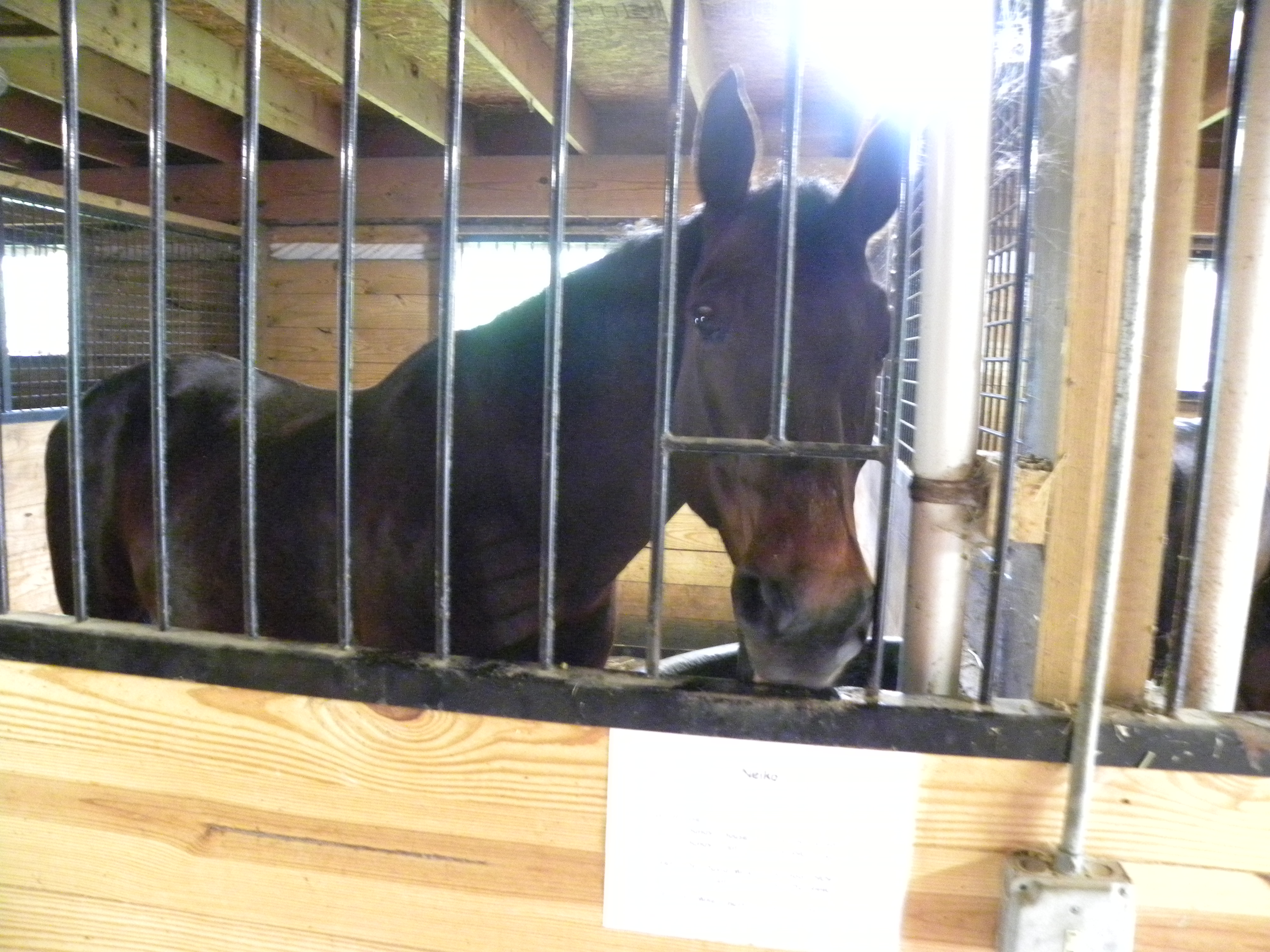
Neiko -passed away recently and was first horse I was able to "rescue" and find a new home
Neiko -passed away recently and was first horse I was able to “rescue” and find a new home

Is your horse happy in the stable? Well, I can tell you from experience that most of the time he is happy if everyone else is in their stalls. If he is alone in the barn and waiting for me to come out- let’s just say he is VERY happy to see me when I show up. On the other hand—on days, especially when we have had quite a few in a row, that he was unable to go outside (they usually get turned out daily weather permitting) he shows his displeasure by pooping in either his water bucket or food tray. Crazy, right? I mean he has to eat or drink out of it there so what is the deal? He is showing his extreme displeasure in the only way that makes sense to him by technically saying this NOT going out is CRAP!!! I laugh for a minute then groan when I am stuck cleaning it out. Sometimes I am lucky enough to be just told about by the unhappy person that found it first and cleaned it up like the angel they are!

But seriously….is your horse happy in the stable is a very important question and one that can polarize equestrians. But it’s also one that a French ethology expert tried to answer during her presentation at the 2015 French Equine Ethology Day, held in April in Saumur.

First, we can’t just look at the horse’s stall—a “box” in more than one sense of the term—but must consider the entire stable situation, said independent ethologist Hélène Roche, MSc. “We really need to see things from the horse’s point of view, not our own,” she said.

A horse expresses his happiness in the stable through emotions and behaviors, though we only see the behaviors, Roche said. Signs that a horse might be unhappy in his lodging include a depressed attitude (minimal reaction to sights and sounds, neck held slightly below the horizontal) and the development of stereotypies—cribbing, wind-sucking, weaving, excessive licking, etc. (Pooping in abnormal places!!)

While these visible behaviors might seem easy to read, others could be confusing or even mean the opposite of what we might think. Take, for example, the group of horses standing at the paddock gate as though they can’t wait to get back in the barn. Does that really indicate that the horse loves his stall? Roche said it could actually mean your horse’s paddock isn’t interesting enough for his basic needs.

“For the paddock to be a pleasant place for him, you can’t just have a few square yards of open space,” she said. “You need the fundamentals: something to eat, some other horses, a dry spot for rolling in, a place to get away from insects, etc. Without that, he probably does want to return to his stall!”

And even if your horse seems to “have fun” playing with balls and stall toys, that doesn’t necessarily mean he’s happy, Roche said. “You see these horses having a great time with those big balls on YouTube,” she said. “And it could be that they really are having genuine fun. But it’s also possible that they’re finding a substitute for social contact, and this is the way they express being deprived of social contact, which is especially true for males.”

Probably the only stable gadget that a horse can find truly pleasant and useful in accordance with his natural behavior is a big brush, said Roche. Having a solid surface for rubbing and scratching against could make for a happier stabled horse. I have not been able to find something like this for my horse’s stall so inventors get going!

Researchers are working to develop and evaluate better stabling systems that are in line with our modern understanding of equine welfare, while still respecting human convenience and time constraints, she said. In the meantime, keep an eye on your horse’s behavior—considering his world from his point of view—and adjust his environment as needed to improve his happiness and pray he doesn’t poop in his water bucket…ewwwww!


Bile in Cats

Information based on internet searches:

I have a client that is a cat that was throwing up fluid that was not associated with a hair ball and I wanted to learn more about what that was all about.  Here is what I found……cat-doctor-8931746

Bile is a bitter, yellow-green fluid that is created in the liver and stored in the gallbladder until food has been ingested. It is then released into the small intestine to aid in digestion of food and to emulsify the food so that it can be used appropriately by the body. Bile also carries various waste materials out of the body along with the feces.

Bilious vomiting syndrome occurs due to motility problems, when bile abnormally enters into the stomach, causing irritation and vomiting. That is, when the gastrointestinal tract fails to react automatically to the normal functions that occur within the tract, contents in the tract do not move as they should, causing abnormal behaviors within the system. Bile that has entered into the stomach is expelled by the cat, and the vomit contents are found to contain bile.

This reaction is usually seen in the early morning or late night just before eating, especially in cats that are fed once daily. It is a rare condition in cats; when it does occur it is usually in older cats. Both genders are equally affected.

Symptoms and Types

Chronic intermittent vomiting containing bile

  • Usually occurs in the morning or late night just before eating
  • Abdominal discomfort
  • Nausea
  • Lack of appetite
  • Weight loss

Causes

The exact cause is still unknown

  • Diseases causing gastritis or inflammation of the intestine, leading to modified gastrointestinal motility

 Diagnosis

You will need to give a thorough history of your cat’s health, a background history of symptoms, possible incidents that might have led to this condition, and recent activities. As much as you can, you will need to tell your veterinarian when the symptoms began, and how frequently the vomiting occurs.

Your veterinarian will then perform a thorough physical exam on your cat, with a complete blood profile, a chemical blood profile, a complete blood count, and a urinalysis.

A history of intermittent vomiting with bile contents is usually enough for a preliminary diagnosis. In the course of diagnosing this disease, laboratory testing is not of much help as the results are usually within normal ranges. Specific radiographic and ultrasound imaging studies of the abdomen may reveal delayed stomach motility. Endoscopic examination often returns normal in these patients.

 Treatment

If there is no serious underlying disease present, your doctor will decide on an appropriate line of treatment based on the symptoms. Drugs to enhance gastric motility will be used to overcome delayed emptying of stomach, increase stomach and gut motility and thus prevent reflux. Also, drugs that will decrease acid secretion in the stomach can be used to prevent damage to the stomach wall due to the increased acidic contents of the bile.

Most patients respond well to such treatment; the length of time your cat is going to need medication will depend on its individual response. Some animals respond quickly to the treatment, while others need a longer course of medication. For patients suffering chronic bilious vomiting, dietary management is a very important component of treatment, usually involving feeding small, frequent meals, especially late at night. Preventing the stomach from being empty for long periods of time will help to increase normal stomach motility. Diets low in fat and fiber content will also help the stomach to empty and reduce gastric retention of food.

Your veterinarian may also suggest canned or liquefied diets, which also can be helpful in such patients because solid food tend to stay longer in the stomach.

Living and Management

The prognosis is excellent for most cats, given that they respond well to dietary changes and medications.


Sugars and Peppermints: Not Safe Treats for All Horses

By Clair Thunes, PhD, The Horse newsletter with comments by Diane Weinmann

peppermint-candy-istock

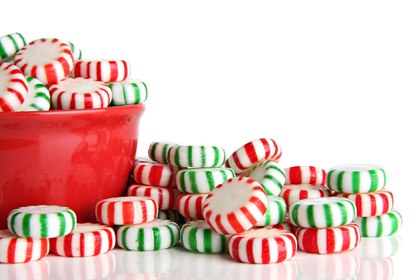
Ok, I admit it—my horse loves peppermints! In fact, he has that cute little ball that you put unwrapped mints into and he can nose it all around in his stall to keep him occupied when the weather requires him to be stall bound. So I saw this article by Clair and I thought I better read it and share it with other horse lovers who indulge their equine pets!

Simple sugars, such as the sucrose found in peppermints and sugar cubes, are absorbed by the horse’s small intestine as glucose and fructose. Glucose causes release of insulin to facilitate the entry of glucose in to cells. Fructose (not to be confused with fructans) is metabolized differently. Only metabolized in the liver, fructose is more lipogenic than glucose, meaning that it’s more likely to lead to production of fat.

Most concern about sugar and starch intake has stemmed from our increasing knowledge about insulin resistance (IR), laminitis, polysaccharide storage myopathies (PSSM), and equine gastric ulcer syndrome (EGUS). Horses with IR release more insulin than is normal in order to remove glucose from their blood stream. As a result, while circulating glucose tends to be normal, circulating insulin is elevated. High circulating insulin creates an increased risk for developing laminitis. Horses with PSSM store glycogen (the storage form of glucose) abnormally in their muscle tissue, and diets high in starch and sugar cause increased production of volatile fatty acids in the gastric stomach causing a more acidic environment and a greater likelihood of a horse developing EGUS

I think it’s important to put the questions of sugar in treats in perspective of a horse’s typical daily non-structural carbohydrate consumption. If we assume a 1,200-pound horse eating 2% of body weight as dry matter from hay a day, and that the hay contains 10% moisture and 10 % nonstructural carbohydrate (NSC) on a dry-matter basis (a value often used as the recommended upper NSC level for horses with metabolic issues, such as IR and PSSM), this horse is consuming 1,090 grams of NSC (starch and simple sugars) per day.

A pure sugar cube weighing about 4 grams is 100% sucrose. The popular round, red-and-white peppermint candies have a human serving size of three pieces (about 15 grams) and of that between 8 and 10 grams are sugar. Traditional peppermint candy canes are heavier at 18 grams and provide about 12 to 14 grams of sugar. You can see that in the context of the above horse’s daily diet these are tiny intakes of sugar. However, there are some important considerations.

When feeding a horse hay, you’re also feeding it proteins and minerals that help buffer stomach acid. Additionally, hay’s fiber component impacts the rate at which the NSC reaches the small intestine and is absorbed. The sugar in sugar cubes dissolves quickly and will move with the liquid fraction of the digesta, which moves more rapidly than larger fibrous particles. This means that that the sugar will likely be absorbed relatively soon after it is fed. This makes it potentially more likely to cause a spike in blood glucose than the NSC contained within hay.

Feeding a healthy horse three or four sugar cubes is unlikely to cause a significant glucose spike; however, for a horse with uncontrolled IR, PSSM, or a laminitis history, feeding sugar cubes isn’t a risk worth taking. Skip the sugary treats, too, if your horse is overweight, especially if he has a cresty neck. After all, every calorie counts and calories from treats mean feeding fewer calories from “real” food. Human research shows that tissues in insulin resistant people are more sensitive to insulin after exercise. This may or may not be the case in horses, but if it is, then your horse might be better able to handle the sugar in these treats when they are given shortly after work.

For the otherwise healthy horse, consuming a candy cane or a few peppermint candies is unlikely to have any major impact. Bottom line for me—my horse has never had any laminitis history and is healthy so he will continue to be entertained by his treat ball but I will ensure I only put less than 5 peppermints in the ball at a time (he doesn’t get it every day –it’s weather induced). He sure loves to hear those mints rattle around in there!


Those Rascally Rabbits!

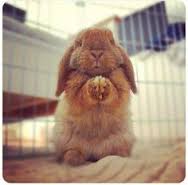
By Susan A. Brown, DVM and Diane Weinmannbunny praying for blueberries

This article is dedicated to Flopsy, Sniffles, Cinnamon and Magic- you were all a true blessing in my life

I’ve had quite a few rabbits in my life. I’ve always loved their gentleness and curiosity. My son requested a bunny when he was younger and I told him he could have one when he was 10 years old because that’s how old I was when I obtained my first bunny.  Well, he was a few months shy of 10 years old but the county fair was in town and had a great bunny selection.  Soooooo, he got his bunny and I was so jealous he was getting one that I got one too!   Now,  that didn’t really work out so well for me because my bunny died prematurely at age 2 years old from a heart attack.  All these years I had bunnies and I never knew that many do not make it past 2 years of age due to heart issues.  WOW, blew me away but of course, I absconded with my son’s rabbit!  He didn’t really give him all the attention he needed anyway—or so I told myself!  What can I say—I’m a rabbit junkie!  Being a bunny lover, I wanted to pass on some good information  regarding their feeding because I used to have fun with all my bunnies when it came to their food.

Background

Rabbits in the wild all over the world successfully consume a wide variety of plant material. Various types of dry and fresh grasses and plants with leaves comprise the largest portion of the wild rabbit diet. Rabbits will also eat bark on trees, tender twigs and sprouts, fruits, seeds and other nutritious foods in much small amounts. This is important to know when we decide what is a healthy diet for our house rabbits.

What to Feed

The majority of the house rabbit diet should be composed of grass hay (any variety). Grass hay is rich in Vitamin A and D as well as calcium, protein and other nutrients. Eating hay promotes healthy teeth and gastrointestinal tract and should be available to your rabbit at all times. Varying the type of grass hay or mixing hays is a great idea (such as timothy, orchard, oat hay, brome, etc). Avoid the use of alfalfa hay as the primary source of hay due to the fact it is very high in calories and protein, far more than the average house rabbit needs. Alfalfa is not a grass, but rather a legume (in the pea and bean family).

Fresh foods are also an important part of your rabbit’s diet and they provide additional nutrients as well as different textures and tastes, which are enriching for your friend as well. Fresh foods also provide more moisture in the diet, which is good for kidney and bladder function. The bulk of fresh foods should be made up of leafy greens (about 75% of the fresh part of the diet). Any leafy green that is safe for a human or a horse to eat is safe for a rabbit to consume.

An approximate amount to feed would be around 1 cup of greens for 2 lbs of rabbit body weight once a day or divided into multiple feedings a day.

Many plants contain a naturally occurring chemicals called an alkaloids, which are mild toxins that protect plant in the wild. The one most talked about with rabbits is oxalic acid and it is completely harmless to animals or humans when consumed in small amounts. The amount of oxalic acid within each plant can vary significantly due to several factors including the composition of the soil the plant grew in, the time of year and the age of the plant. Most of the fresh vegetables we feed rabbits have a low to zero level of oxalic acid, but a few, most notably parsley, mustard greens and spinach have relatively high levels. (Note that kale, which is often implicated as a high oxalate food is actually very low in oxalates). The toxicity of oxalic acid comes with feeding large quantities of foods high in this chemical and can result in tingling of the skin, the mouth and damage to the kidneys over time. These foods are nutritious and do not need to be excluded from the diet if you feed them appropriately. I recommend feeding a minimum of at least 3 types of leafy greens a day (and only one of them should be from the group listed above) Don’t feed the same greens all the time from week to week if possible, mix it up. For instance if you feed parsley this week, then leave it out of the diet for next week and use something else. Rotating the greens will also give your bunny variety in taste, texture and general nutrition!Bunny with greens

Some folks are concerned that you rabbits need to acquire a significant amount of vitamin A from greens. As mentioned above, hay is rich in vitamin A, so it is unnecessary to be concerned about the specific vitamin A content of the greens. Just for information though, kale is extremely rich in vitamin A as well as most of the leaf lettuces. And while we are on the subject of vitamins, rabbits make their own vitamin C in their bodies, unlike humans who have to get vitamin C through their diet. You may know that dark green leafy vegetables and red peppers have more vitamin C per weight than citrus fruits!

Some people are concerned about feeding foods that cause gastrointestinal (GI) gas in people such as broccoli. A rabbit’s GI tract is not the same as a human’s and many of the foods that may cause gas in a human do not cause gas in a rabbit. The most common types of foods that do create havoc in the rabbit’s GI tract are those that are high in starch and sugars because they create a change in the pH of the cecum and eventually can throw the whole system off. The result can be serious GI disease. Foods that are notorious for causing rabbit GI problems when fed improperly are grains of any kind and legumes (beans, peas, etc). Even starchy root vegetables and fruits if fed to excess with their high load of sugars and starch could be a problem and should only be fed as a very small part of the diet.

There has also been discussion about feeding vegetables that are goitrogenic in humans (causing a goiter) more notoriously those in the broccoli/cabbage family. One study done on rabbits indicated that it would take several weeks of exclusively feeding huge quantities of these foods to see any abnormalities in the blood. This is so far removed from normal feeding instructions for rabbits that there is no cause for concern in feeding these nutritious foods.

Beyond leafy greens you can feed other vegetables such as root vegetables or “flowers” such as broccoli and cauliflower. These foods are often higher in starch or sugars and should be fed in lesser amounts than the leafy greens. Avoid foods in the onion family such as leeks, chives and onions because eating these foods could cause blood abnormalities. A good amount of “other” vegetables (non leafy greens) to feed your rabbit would be about 1 tablespoon per 2 lbs of body weight per day in one meal or divided into two or more.

Fruits can also be fed in small amounts. In the wild these would be special high calorie foods obtained only at certain times of the year. Fruits make great training treats! You also might choose to hand-feed the fruit portion of the diet as part of developing a close bond with your bunny and also to make sure he has an appetite every day. It is a great way to see if your bunny is feeling good when you observe if he takes his fruit treat every morning! If he doesn’t want to eat his treat, it is time to call your veterinarian. Remember that dried fruits are about 3 times as concentrated as the fresh variety so feed less of those. Rabbits, like many animals naturally gravitate towards high calorie foods such as those high in sugar or starch. This is a protective device from the wild days when they could never be sure when or if they would get the next meal. When a plant would produce fruit, it is for a limited time and all the animals in the area would want to gobble these gems up quickly! This means that rabbits cannot limit themselves when given sugary or starchy foods if left to their own devices! Overfeeding fruits can result in a weight gain or GI upset so it is up to you to feed these foods in limited amounts. An approximate amount of fruit to feed your rabbit is a teaspoon per 2 lbs of body weight daily in one feeding or divided into multiple feedings.

All my bunnies loved fruit- strawberries and blueberries to be exact. In fact, one of my bunnies would dump her bowl of veggies and fruit to get at the few blueberries that were on the bottom.  And God help me when I didn’t give her a few blueberries!  She would throw all the other food out, give me a dirty look and thump at me to show her displeasure.  In the winter, I would tell her to get over it because they were too expensive to buy!  Once she realized they were not coming she settled for her other food.  That is one of my most favorite memories and it always makes me smile to think of her throwing out those other foods to get to the blueberries.  I know how she felt- I would do the same for chocolate!

IMPORTANT: Before introducing any fresh foods to a rabbit it is best if he has been eating grass hay for a minimum of 2 weeks. The grass hay will help to get his GI tract motility and flora in good working order so that he will be able to accept new foods more easily. When introducing new fresh foods to any rabbit’s diet it is best to go slowly to allow the gastrointestinal tract and all its important microorganisms to adjust. Introduce one new food every three days and keep a watch on the stools. It is rare for a rabbit that has been on a hay diet first, to have any problems using this method, but if you note softer stools that persist over a couple of days, then you might want to remove that food from your bunny’s diet. Keep a list as you go of the foods that your rabbit has successfully eaten; you will then have a handy shopping list when you go to the store!

LIST OF POSSIBLE FOODS TO FEED

NOTE: It is always preferable to buy organic produce if at all possible. If collecting wild foods such as dandelion greens, make sure they are from a pesticide-free area. All fresh foods regardless of the source should be washed or scrubbed (in the case of hard vegetables) before serving them to your rabbit.

LEAFY GREENS These foods should make up about 75% of the fresh portion of your rabbit’s diet (about 1 packed cup per 2 lbs of body weight per day).

Leafy Greens I (need to be rotated due to oxalic acid content and only 1 out of three varieties of greens a day should be from this list)

  • Parsley
  • Spinach
  • Mustard greens
  • Beet greens
  • Swiss chard
  • Radish tops
  • Sprouts (from 1 to 6 days after sprouting, sprouts have higher levels of alkaloids)

An approximate amount to feed would be around 1 cup of greens for 2 lbs of rabbit body weight once a day or divided into multiple feedings a day.

Leafy Greens II (low in oxalic acid)

  • Arugula
  • Carrot tops
  • Cucumber leaves
  • Endive
  • Ecarole
  • Frisee Lettuce
  • Kale (all types)
  • Mache
  • Red or green lettuce
  • Romaine lettuce
  • Spring greens
  • Turnip greens
  • Dandelion greens
  • Mint (any variety)
  • Basil (any variety)
  • Watercress
  • Wheatgrass
  • Chicory
  • Raspberry leaves
  • Cilantro
  • Radicchio
  • Bok Choy
  • Fennel (the leafy tops as well as the base)
  • Borage leaves
  • Dill leaves
  • Yu choy

NON-LEAFY VEGETABLES

These should be no more than about 15 % of the diet (About 1 tablespoon per 2 lbs of body weight per day).

  • Carrots
  • Broccoli (leaves and stems)
  • Edible flowers (roses, nasturtiums, pansies, hibiscus)
  • Celery
  • Bell peppers (any color)
  • Chinese pea pods (the flat kind without large peas)
  • Brussel sprouts
  • Cabbage (any type)
  • Broccolini
  • Summer squash
  • Zucchini squash

FRUITSbunny with apple

These should be no more than 10% of the diet (about 1 teaspoon per 2 lbs of body weight per day). NOTE: unless otherwise stated it is more nutritious to leave the skin on the fruit (particularly if organic), just wash thoroughly. IF you are in doubt about the source of the fruit and you are concerned about chemicals in the skin, then remove it.

  • Apple (any variety, without stem and seeds)
  • Cherries (any variety, without the pits)
  • Pear
  • Peach
  • Plum (without the pits)
  • Kiwi
  • Papaya
  • Mango
  • Berries (any type)
  • Berries (uncooked)
  • Pineapple (remove skin)
  • Banana (remove peel; no more than about 2 1/8 inch slices a day for a 5 lb rabbit…they LOVE this!)
  • Melons (any – can include peel and seeds)
  • Star Fruit
  • Apricot
  • Currants
  • Nectarine

I hope you learned a lot from this article. I always kept list of acceptable foods on the side of my refrigerator and I would take a peek at it before I went grocery shopping to see what delights I could tempt my bunny with!

Rabbits are amazing pets. I remember when my bunny Cinnamon would roll her technically cat toy to me and I would roll it back and then she would pick it up in her teeth and throw it or roll it back to me again and on and on we played.   Rabbits provide fun and loving comfort to any person regardless of age.  Just watch your clothes- they tend to chew little holes in your clothes if they sit in your lap for too long—at least mine did.  Years later, I can still put on a nightgown and find a hole or two that was accredited to one of my bunnies. Oh—and watch the electrical cords—they like to chew them too!  All in all, bunnies are a delight to have and will be a loving member of your family.   That’s all folks!

Cinnamon


Benefits of Apple Cider Vinegar for Dogs

apple cider vinegar

Apple cider vinegar is great for people but did you know that dogs can benefit from it too?  Here are some ways you can help your dog with apple cider vinegar:

  • External: Use it after a shampoo for dogs with sensitive/itchy skin
  • Internal: Prevents bladder stones, kidney infections and urinary tract infections
  • Internal: Soothes upset tummies, remedy gas, constipation and food poisoning
  • Internal: Great for arthritis, joint and hip problems
  • Internal: Great for the digestive tract, which means that it improves the immune system, helping to prevent infections and disease

How Much Apple Cider Vinegar Do We Give Dogs?

If using topically, dilute 50/50 with water before applying to a sore on the skin. If you’d like to include it as part of your dog’s diet (this is the part I’m interested in), dilute it 50/50 with water and add a teaspoon per 15 pounds of your dog’s body weight.

  • Neko = 65 pounds = 4 teaspoons

De-icing Dangers

Veterinarian Reviewed on January 7, 2016 by Dr. Janice Huntingford and Diane Weinmann

I need Diane's lotion bar please!
I need Diane’s lotion bar please!

The winter season is here with the cold, snow and ice. When snow is on the ground, municipalities apply commercially prepared snow and ice melting products. Home and business owners also apply similar chemicals to sidewalks, porches and driveways. Most ice melting compounds contain salt products that can damage vegetation and hard surfaces and are toxic to people and their pets. Most people are not aware of the dangers that deicing solutions pose to pets.

Many ice melting salt products contain sodium chloride. With exposure of the salt to water and low temperatures, a reaction occurs that causes melting with temperatures generated up to 175°F. This reaction can burn the pet’s foot pads and skin with contact and can burn the mouth and rest of the GI tract with ingestion. Dogs and cats can ingest the salt by licking snow or icy surfaces or by licking their paws after being outside and picking up the ice melting pellets between their toes.

Salt toxicity is also a possibility with the salt-based ice melting products. Ingestion of salt can result in high blood sodium concentration leading to thirst, vomiting, lethargy, anorexia, kidney damage and possible neurologic signs including seizures, coma and even death. It is difficult to know how much salt is a “toxic dose.” Even small amounts of pure salt can be dangerous to a pet if ingested.

A pet with clinical signs suspected of ingesting rock salt should be assessed by a veterinarian. Serum sodium level will be elevated and reestablishing normal fluid and electrolyte balance may be necessary with fluid support and in-hospital care with 24-hour observation. It is important that water replacement be managed carefully because rapid shifts in water with dehydration may result in cerebral edema ( brain swelling) and cause neurologic signs.

Salt-based ice melting products are the least expensive. There are other, more expensive formulations that contain potassium chloride, magnesium chloride, calcium carbonate or calcium magnesium acetate. The potassium and magnesium salts are less toxic if ingested but can still burn the foot pads. The calcium-based products do not create an exothermic reaction but still can be drying to the skin surface with exposure.

I know you have to carefully check the pads of your dog’s paws for salt granules that are stuck. I think my dog ate one and then he threw up a bunch of bile. It was gross but once he threw up he seemed better and ate his dinner.   I know it’s easy to forget to check but try to remember to look after every outside walk!

Here are steps that the pet owner can take to minimize risk for his or her pet:

  • Monitor/modify your pet’s behavior to minimize the risk of salt exposure.
  • Use waterproof pet boots during winter walks with dogs.
  • Wash off the pet’s feet, abdomen and chest after being outside with exposure to deicing salts.
  • Use sand, crushed cinder or cat litter to provide traction on icy pavement being aware that these products will not melt the snow or ice.
  • Immediately remove slush and dissolved deicing product after the snow and ice have melted enough.
  • Seek veterinary care if you suspect foot pad or skin burning from salt exposure or that your pet has ingested a significant amount of a salt product.
  • I also sell a product that is a pet lotion bar to put on your dog’s paws or nose to help with chapping and winter exposure to the elements as well as to the salt. The product has cocoa butter, shea butter, bees wax olive butter, avocado oil, neem oil and oatmeal and is completely handmade, holistic (as you can see by the ingredients) and safe for your pet even if they lick at it.       The pet nose and paw lotion bar is $10 plus shipping. Contact Dianefortheloveofanimals@yahoo.com if you would like to purchase one of these fabulous bars (I use it on my own hands and feet).

Explaining the Many Colors of My Dog’s Poop

by Kimberly from Keep the Tail Wagging Blog and Diane Weinmannhungry-dog-5434576

Background info—  Keep the Tail Wagging blog is about feeding your dog raw food.  This is their experience but we can all learn from the information that they have brought forward.

For the most part, our dogs’ poop changes given what you are feeding them–and you may find this to be true also – poultry yields lighter poop, red meat yields darker poop.  But that’s not all.

What Does Grey Dog Poop Mean?

Let’s start with grey poop, since that’s what inspired this post.  When I Googled “grey poop” I found that Rodrigo could be experiencing a blockage of the bile duct.  It turns out that the reason dog poop is brown is because of bile and if our dogs’ poop is grey or light in color…

  • the right amount of bile isn’t being produced,
  • gallstones are developing,
  • or there is a blockage of the bile ducks

Source: WayCoolDogs.com

What Does White Dog Poop Mean?

When their dog’s poop is white (or a super pale color), then he has too much bone in his diet. He will have white poop after a few meals of turkey or duck necks. The bone content in turkey and duck necks is pretty high, so I’ve started mixing in ground duck hearts when I mix up our dogs’ weekly meals.

Hearts are classified as meat, not organ meat, and helps to bring the meat to bone ratio into a better balance for our dogs.  Take care in how much heart you add to a dog’s meal, because they are rich and can lead to diarrhea.  When I mix up a 20 pounds of dog food, the hearts make up 5 pounds.

I mix the meat with The Honest Kitchen to finish off their balanced raw meals.

Dog Poop that Starts Out as Brown, but Turns White

Sometimes their dog’s poop will start out as brown, then slowly turns white over a day or two.  They’ve noticed that this happens if  they feed him raw ground turkey from the grocery store.  The bacteria in meat that we buy at the grocery store is higher than the meat they buy through our co-op, because…

  • the meat arrives at our grocery store thawed out (the co-op meat is always frozen),
  • it’s immediately set out for sale under temperatures that don’t kill or slow the growth of bacteria,
  • and the meat isn’t intended to be fed as raw dog food; it’s intended to be cooked.

They no longer feed our dogs meat from the grocery store unless they cook it first.  When they notice their dog’s’s poop changing color, they add a little more FullBucket or In Clover OptaGest to his meals or give him raw goats milk for a few days.  They either add it to a meal or  give it to him separately as a yummy, cool treat.

Mucus on Dog Poop

They actually rarely see mucus on their dog’s poop; it’s mainly on Scout’s poop and kind of looks like a slug danced all around his turd.  They’ve read that this is perfectly normal.  The mucus is the stuff that lines the intestines to keep them lubricated and keep everything flowing nicely.  If his poop was completely covered with a thick layer of mucus, they will give the vet a call to see what he’d recommend.

Dog Poop Varies in Color with Proteins

Another thing they’ve noticed is that their dogs have darker poop when they eat elk, venison or emu.  Brown poop with rabbit and pork.  Lighter poop with duck and turkey.

When the poop is very dark, it could be due to blood higher up in the digestive tract or due to the protein a dog is eating.  And red blood on the poop is due to something closer to exit.  Either way, it’s worth a call to the veterinarian, because it’s better to be safe than sorry, and blood in the stool can be serious.

When in doubt- call your vet!  It is better to bother your vet now than to regret something later on that was easy to spot and may mean the difference in your time with your pet!