Home Remedies for Common Problems your Pet Encounters

By Dr. Becker and Diane Weinmannchristmas-cat-tree-issue

Many pet parents look in their cabinets first to treat minor health issues in their animal companion.

There are a number of household items many people have on hand that can serve a dual purpose as health remedies. Good things to have in your cabinet at all times include canned 100 percent pumpkin, povidone iodine and 3 percent hydrogen peroxide.

8 Home Remedies for Minor Dog Emergencies

1. Problem: Constipation, Diarrhea and Other Minor Digestive Issues

Solution: Canned pumpkin. It’s a good idea to keep a can of 100 percent pumpkin in your kitchen cabinet for occasional mild tummy upsets.

Give a teaspoon of pumpkin for every 10 pounds of body weight, one to two times a day, either in food or as a treat. Pumpkin is rich in soluble fiber that can ease both diarrhea and constipation.


Diane has also used canned pumpkin to stimulate her dog’s appetite when the dry dog food just doesn’t appeal to him.


2. Problem: Minor Skin Abrasions, Cuts, Infections or Hot Spotsdog-and-cat-scratching

Solution: Povidone iodine. Povidone iodine (Betadine) is a gentle disinfectant that can take care of staph, yeast and almost any common bacteria. It doesn’t sting or irritate the skin, and it’s safe if your pet licks it.

Dilute the povidone iodine until it’s the color of iced tea, soak a clean cloth in it and gently wipe the soaked cloth over the infected areas of your pet’s skin. Rinse the cloth and wipe it over the skin, then pat dry.

I recommend you do this disinfecting process twice a day if your dog has a minor skin infection or other problem.

3. Problem: Itchy, Irritated Paws

Solution: Footbaths. Did you know about 50 percent of your dog’s foot licking and chewing can be alleviated by mechanically removing allergens and other irritants collected on a dog’s paws? “Mechanically removing” simply means rinsing them off.

For big dogs you can use a bucket and soak one foot at a time. Little dogs can stand in a kitchen or bathroom sink. Dilute povidone iodine with water to the color of iced tea and add it to the footbath. Swish it around while your dog stands in it for from two to five minutes.

If your dog is antsy about being in water, talk to him in soothing tones, and of course, offer him treats. Also try dunking one paw at a time in a container of solution versus putting him in the tub.

Diane sells a product that is completely natural paw & nose lotion bar that her friend makes.  Email Diane at dianefortheloveofanimals@yahoo.com to order one today. The cost is $10 plus shipping or Diane can tell you where her next book signing is to enable you to meet her and pick up your lotion bar.

4. Problem: Fleas

Solution: Apple cider vinegar. Apple cider vinegar (ACV) doesn’t kill fleas, but it can help to keep them off your dog. One of the simplest approaches is to make a solution of equal parts ACV and water.

I recommend using raw, organic ACV. Add the mixture to a spray bottle and spritz it on your pet before he heads outdoors. You can also spray his bedding. Consider adding ACV to your dog’s food as well, in the amount of 1 teaspoon for every 20 pounds of dog. And during baths, you can pour diluted ACV over your dog as a flea-preventive rinse at 1 cup of vinegar to 1 gallon of water.

Pour it over your freshly bathed dog (avoid his head), massage into his coat and towel dry. Don’t rinse. Alternatively, you can add about two cups of apple cider vinegar to his bath water.

To prevent fleas Diane recommends “Away” essential oil by Dr. Melissa Shelton.  Here is the link: http://www.animaleo.info/learn-more.html


5. Problem: Upset Tummy

Solution: Ginger. Mix either fresh ground ginger or the dry herb into a tasty meatball or other yummy treat. Use 1/8th teaspoon for dogs under 10 pounds; ¼ teaspoon for medium-sized dogs; ½ teaspoon for large dogs and ¾ to 1 teaspoon for giant breeds.

Give the ginger infused snacks one to three times a day as needed. And if your dog’s problem is motion sickness, be sure to give it to her at least an hour prior to travel. Alternatively, you can add ¼ cup ginger tea per 20 pounds to food daily as needed.

I remember how my mom would give me ginger ale when I didn’t feel well—it’s the same principle.  Anyone who has had a baby can remember the ginger ale and saltine cracker phase to help the queasy stomach.

6. Problem: Crusty Skin and Nails

Solution: Coconut oil. Coconut oil (I recommend 100 percent organic, cold-pressed and human grade) skin treatments can be very beneficial, especially for seniors with crusty patches of skin and funky nails. The treatments help reduce flaking and improve the integrity of the skin.


They also support the lipid barrier, which makes skin healthier and more resistant to pathogens like yeast and opportunistic bacteria.

First, bathe your dog, and then rub the oil into the skin all over his body, paying special attention to dry areas. Let it absorb into the skin for about five minutes. Follow with another bath (not too much lather) and a very light rinse. You can also dab it directly on hotspots, eruptions and rashes after disinfecting.

Coconut oil has many benefits from helping cracked noses and paws to taking off your make-up!!  Enjoy!

7. Problem: Skunk Encounter

Solution: Skunk rinse. Tomato juice isn’t nearly as effective as this recipe, and it’s easy to follow. In a pail, mix 1 quart 3 percent hydrogen peroxide (the drugstore variety), ¼ cup baking soda and 2 teaspoons dishwashing liquid. If you have a large breed dog, you may need to double, triple or even quadruple the mixture.

Apply the mixture to your dog’s dry coat, taking care to avoid the eyes. Massage the mixture into the coat and skin for about five minutes or until the skunk smell starts to dissipate. Use a sponge to apply the solution to the chin, cheeks, forehead and ears, if necessary, being very careful not to go near the eyes.

Rinse thoroughly once the smell starts to decrease. When you rinse the head area tilt your dog’s chin upward so the solution does not run into the eyes. You may need to repeat the lather and rinse process up to three times. Make sure to completely rinse the solution off your dog.

Diane has had this experience many times with her dog as Neko loves to play with the black and white kitties!  Diane uses Dawn dishwashing liquid.  Be aware, when your dog gets wet he  may still have a lingering odor for a few weeks.

8. Problem: Toxin Ingestion

Solution: Hydrogen peroxide to induce vomiting. Use 3 percent hydrogen peroxide and give 1 teaspoon (5 milliliters or ccs) for every 10 pounds of dog weight. You can mix it with a little vanilla ice cream to encourage your dog to get it down, or try using a little bit of honey, or simply syringe it down her throat if necessary.

Walk your dog around for a few minutes to get her moving, which will help the hydrogen peroxide do its work, which typically occurs within about 15 minutes. If your dog doesn’t vomit in 15, give her a second dose. If after another 15 minutes she still hasn’t vomited, call your veterinarian.

Do NOT induce vomiting if your dog is throwing up already; has lost consciousness or can’t stand; it has been over two hours since she ingested the toxin or if she has swallowed bleach, drain cleaner or a petroleum distillate. These chemicals can cause burning as they are swallowed, and secondary additional burns as they come back up. Seek veterinary care immediately.

I hope these remedies will serve to show that you have mad skills that will help you and your pets.  Feels great to participate in their wellness—doesn’t it?!
 bunny-claus


Cry me a River- Pet’s Unsightly Tear Stains

By Dr. Becker and Diane Weinmanntear-stain

Tear staining refers to reddish brown streaks that appear under your dog or cat’s eyes. It’s most common in dog breeds like the Maltese, Lhasa Apso and Shih Tzu, and will be much more noticeable on animals with light-colored fur.

Many owners fret over tear staining because they believe it to be unsightly, but it could be more than a purely aesthetic concern. Epiphora, or excessive tear production, is the most common cause of the discoloration.

This is because your pet’s tears contain porphyrins, which are molecules containing iron as the result of breakdown of red blood cells.

The amount of porphyrins your pet makes and secretes can be influenced by genetics, environmental factors and overall health status. If the porphyrins sit on your pet’s fur, they can leave a rust-colored stain.

I’ll explain some natural options for removing tear stains below, but first it’s important to rule out certain medical issues that could be causing your pet’s excessive tear production.

Medical Reasons for Excess Tearing and Tear Stains

There are many conditions that may result in excess tearing. If your dog has protruding eyes and a flatter snout, check to be sure facial hair is not rubbing on her cornea, leading to irritation and tearing.

Keeping fur trimmed short around her eyes will solve this problem. Other medical conditions that may cause excess tearing include:

  • Entropion: A condition in which the lower eyelid folds inward, resulting in pain, irritation and excessive tearing
  • Trichiasis: A condition in which eyelashes grow in the wrong direction, causing pain and irritation
  • Ectropion: A condition in which the lower eyelid droops or rolls out from the surface of the eye, causing irritation and watery eyes

If structural abnormality of your pet’s eyelid or eyelashes isn’t to blame, chronic eye irritation leading to excessive tearing could be due to viral conjunctivitis (which is especially common in cats), glaucoma or an allergic reaction.

Acute injury, such as if a foreign object gets stuck in your pet’s eye, can also cause eye irritation and tearing.

Some Breeds Struggle With Normal Tear Drainage

Tear stains may also be the result of abnormal tear drainage, which is quite common in brachycephalic breeds (dogs and cats with “pushed in” faces). Examples include boxers, bulldogs, Pekingese, pugs, Shih Tzus, Himalayan (cat) and Persians (cat).

Eyelid problems are common with these breeds and due to their protruding eyes, they may have difficulty closing their eyes all the way. This can lead to drying and irritation, leading to excessive tearing as the body attempts to keep the corneas moist and well lubricated. Some of these breeds also have abnormal tear drainage.

Instead of their tears being funneled into their tear ducts, they may instead spill out onto their faces, which means their eyes may be chronically runny. In some cases, your pet’s tear ducts may simply be blocked, and your veterinarian may be able to flush them out and solve the problem.

Some dogs have tear ducts that have been sealed shut since birth (this is sometimes seen in Cocker Spaniels and poodles, for instance). Others, as mentioned, may struggle with normal tear draining because of their flat face and shallow eye sockets.1

If your pet has a tear drainage problem that can be resolved with surgery, such as prolapsed third eyelid, I recommend you make sure the procedure is done correctly (the gland is replaced verses being removed).

Consulting with a veterinary ophthalmologist for complicated cases is well worth it. These vet specialists will have the training, experience and specialized equipment necessary to perform delicate eye surgery.

Excessive Tearing Can Lead to Infectiontear-stain-cat

Constant watery discharge from your pet’s eyes is likely uncomfortable for your pet and, due to the area staying constantly wet, may lead to infection. If an unpleasant odor is present, your pet may have developed a yeast infection (this is especially true if the stains are more brownish than reddish).

If yeast or another infection is present, see a holistic veterinarian for natural treatment options. You can try colloidal silver, for instance, by applying a small amount (via a cotton ball) to your pet’s face. Colloidal silver has antimicrobial properties that may help reduce yeast infection or dermatitis in the area.

You can also use a diluted organic tear-free baby shampoo to gently cleanse the skin around your dog’s eyes twice a day until the infection resolves.

Tips for Removing and Preventing Tear Stains

Some dogs are more prone to tear stains than other, even within the same breed. One of the simplest methods of prevention, however, applies to all dogs: wipe her face with a warm, damp cloth at least twice a day, which will help to clear away porphyrin-containing moisture. Keeping her face hair trimmed is also important.

If the hair around your pet’s eyes is notably annoying to her, ask a groomer to shave the hair under the eyes and then apply a thin layer of coconut oil to the area. This may help to reduce irritation and inflammation.

There are some herbal eye wash products available that may be useful for pets prone to tear stains. I have also found supplements that assist in detoxification, including milk thistle, SAMe, dandelion, olive leaf, chlorophyll, colostrum and probiotics, to be effective in decreasing the amount of tear staining in my patients.

At a foundational level, you’ll also want to feed your pet a fresh, balanced and species-appropriate diet and fresh, filtered drinking water. This will ensure she’s not taking in excess iron or impurities that will further stress her body (and perhaps contribute to staining).

If you feed a commercial diet, I recommend rotating brands and flavors/recipes to provide a variety of nutrients to your pet but to also to give him a break from the exact same amount of premixed vitamins and minerals you feed on a daily basis. Many pet foods meet AAFCO minimum nutrient requirements but can also contain borderline toxic levels of some nutrients (such as iron) and over time feeding a diet too high or low in nutrients is stressful on the body.

By keeping your pet’s face clean, providing her with a healthy diet and addressing any injuries or structural or infectious factors in her excessive tearing, you can likely keep tear staining to a minimum. Whatever you do, do not attempt to remove tear stains with products like milk of magnesia, medicated powders intended for humans, makeup remover, corn syrup or hydrogen peroxide.

Also, avoid tearstain-removal products that contain antibiotics, which may or may not be listed on the label. Any product you use for tear stains should be clearly labeled “antibiotic-free.” If you’re interested in a natural tearstain remover, your holistic veterinarian should be able to recommend one. Research has found that many tear stain products contain Tylosin, an ingredient that is potentially harmful and may promote negative side effects

Tearplex™ has been vet recommended as superior in all these categories for cats or dogs:


Marketed to Reduce Appearance of Existing Tear Stains Marketed to Target Future Tear Stains  Does NOT   Contain Tylosin†Potentially  Harmful Ingredient Marketed to Contain Natural Ingredients Marketed for Dogs of ALL Breeds

tearplex


http://tear-stain-center.com/tearplex/


Women Cat Owners Enjoy a 40 Percent Lower Risk of Stroke

By Dr. Becker with comments by Diane Weinmanncat-lines-up-to-go

It’s long been known that owning a pet may offer benefits to your health. Much of these benefits have been attributed to the increased physical activity that dog owners, in particular, get while walking their dogs.

In 2012, for instance, a study in the Scandinavian Journal of Public Health found that dog owners had several health advantages compared to non-pet or cat owners.

The cat owners, meanwhile, had a higher body mass index (BMI), higher blood pressure and worse general health status than the non-pet owners or dog owners. They also tended to exercise less than the others.1 A new study, however, may vindicate cat owners.

Women Who Own Cats Have a Lower Risk of Stroke

In a study of nearly 4,000 adults aged 50 and older, who were generally healthy, owning a pet was associated with a lower risk of dying from cardiovascular events like a stroke — but only for women.2

Women who owned pets were 40 percent less likely to have died of stroke, and while dogs were the most common pet, it was cat owners who enjoyed most of this stroke risk reduction. This suggests increased physical activity was not the reason for the health benefits. The scientists concluded:3

“Owning a cat rather than a dog was significantly associated with a reduced hazard of dying from CVD [cardiovascular disease] events, in particular, stroke.

The protection pets confer may not be from physical activities, but possibly due to personality of the pet owners or stress-relieving effects of animal companionship.”

Do Dog Owners and Cat Owners Have Different Personalities?

There are, for the record, noted differences between “dog people” and “cat people.” Research presented at an annual Association for Psychological Science (APS) meeting showed distinct personality differences between the two.

In particular, dog lovers were more lively, energetic and outgoing, and tended to follow rules. Cat lovers were more introverted, open-minded and sensitive, and tended to be non-conformist rather than follow the rules. The study also found that cat lovers scored higher on intelligence.

A study at the University of Texas also found that dog people are more extroverted, agreeable and conscientious while cat people are less traditional, more creative and more neurotic.4

There are certainly many exceptions to these “rules,” and it’s unclear exactly how these personality traits may confer health advantages or disadvantages — or where people who love both dogs and cats fit in.

Nonetheless, it’s interesting to speculate whether your preference for owning a cat or a dog might lend clues to your health.

US Pet Ownership Results in Health Care Savings of $11.7 Billion a Year

Human Animal Bond Research Initiative (HABRI) Foundation found that Americans save $11.7 billion annually in health care costs due to pet ownership.5 Much of the savings came in the form of reduced doctor visits, with pet owners visiting 0.6 times less often annually than people without pets.

The study found the average cost of a doctor visit is $139, which led to savings of $11.37 billion annually in health care costs. About 20 million dog owners also walked their pet five or more times a week, which led to even greater benefits.

The extra pet-related activity lowered the incidence of obesity in this group, leading to another $419 million in health care savings.

Further, the researchers believe their estimates of the health care savings associated with pet ownership are conservative, as it did not factor in many health conditions known to be positively influenced by pets.

More economic data was necessary before the related savings could be calculated, but adding them into the mix would likely significantly increase the $11.7 billion figure.

✓ Infection control ✓ Cardiovascular disease ✓ Hypertension
✓ Cholesterol ✓ Allergies ✓ Stress
✓ Blood pressure ✓ Psychological issues

Many of the Benefits of Pet Ownership Cannot Be Measuredheart-cat

It’s difficult to put a monetary value on pet ownership since much of what they offer — unconditional love, companionship, loyalty — is priceless. As study co-author Terry Clower, Ph.D., director of GMU’s Center on Regional Analysis, told the Washington Business Journal:6

“What we didn’t calculate is how much better you feel, [when] you come home after a tough day at the office and your pet is waiting for you. But there’s value to that.”

Historically, people have tended to own fewer pets as they age, but the baby boomer generation is showing no signs of slowing pet ownership. This is likely to offer many benefits, as owning pets in retirement offers unique advantages, including:7

✓ Something to touch, which provides comfort ✓ Requiring nurturing, which brings psychological and physical relaxation ✓ Encouraging more exercise
✓ Helping to lower blood pressure ✓ Helping to orient your day, as they require regular feeding and care ✓ Focusing your attention
✓ Providing humor ✓ Acting as social facilitators, giving you something to talk about ✓ Giving you a sense of purpose and adding a routine to your day

Vindication for Women With Cats?

There is an unfair stigma attached to women who love cats, but the featured study offers payback of sorts. Not only do female cat owners enjoy a 40 percent lower risk of stroke, but a 2009 study also revealed benefits specific to cat owners.

It found cat owners had a lower risk of heart attack and all cardiovascular diseases (including stroke) compared to non-cat owners.8 The researchers concluded, “Acquisition of cats as domestic pets may represent a novel strategy for reducing the risk of cardiovascular diseases in high-risk individuals.”


While you shouldn’t adopt a cat (or any pet) only because of the health advantages, the fact that they exist serves as the proverbial icing on the pet ownership cake.  Just be careful to only adopt the number of kitties that you can realistically care for and ensure they can get along together!  No pet should not be uncomfortable in a home where they are bullied by another pet.

cat-playing

Love These Chews, but They Fracture Teeth Like Dogs Crazy

By Dr. Becker and comments by Diane Weinmanndog-with-bone-2

When it comes to recreational bones and chews for dogs, antlers seem to be a blessing for some dogs, and a curse for others. The upside to antlers is that most dogs seem to love them, they’re long-lasting and they help keep teeth clean.

However, an increasing number of veterinarians are discouraging dog guardians from offering very hard chews, including antlers, due to the potential for broken teeth. In the U.K., veterinarians have seen a steady increase in fractured carnassial teeth. And while broken teeth are common in dogs, fractures in back teeth are not.


The veterinary dentist Dr. Becker works with is fond of saying he has been able to fund an entire wing of his dental clinic thanks to dog owners offering antler bones to aggressive chewers!

Anything your dog chews on that is harder than his teeth can cause a fracture, largely due to the force with which dogs are able to bite down. This typically occurs when a dog moves the chew or bone toward the back of his mouth on one side and chomps down on it like this fellow here:

According to the U.K. DentalVets group, “The teeth damaged have all had the same buccal slab fractures of the upper carnassials (see image). Many have fractured so severely that surgical extraction is the only treatment possible.”1

What Happens When Your Dog Cracks a Tooth

When your dog breaks a tooth, the pulp — which is the sensitive nerve inside — can be exposed. Not only is an exposed nerve extremely painful, it can also lead to a deep infection and root abscess.

Most pets with tooth fractures don’t show obvious signs of pain, but sadly, many suffer silently for weeks, months or even years before the situation progresses to the point where they can’t eat comfortably and lose their appetite. The longer a broken tooth goes untreated, the worse it gets.

Oral bacteria can invade and infect the tooth pulp and cause it to die. Next, the infection often moves from the root tip to the bone, destroying it. In severe cases, the infection moves past the bone into the skin, forming a facial fistula (a whole in the face through which the infection drains).

Fortunately, not all broken teeth are so serious. If only the enamel has been fractured, the tooth can often be smoothed to remove sharp edges.

However, if x-rays indicate the tooth is dead, if pulp is visible or if the tooth has turned from white to pink, purple, grey or black, treatment typically involves either extraction or root canal therapy.

It’s important for every dog parent to understand that a fractured tooth requires prompt veterinary care.

Antlers and Other Hard Chews Result in Lots of Fractured Teeth

I spend a lot of time with dog parents going over detailed recommendations for appropriate recreational bones.

Some of my clients think I’m overplaying the importance of choosing the right type of bone for their dog, but part of the reason I’m so detailed and thorough is to avoid fractures and other chew bone-related catastrophes.

There are some dogs for which no bone or chew is appropriate because they are just too aggressive, or they’ve already broken too many teeth. The veterinary dentist I work with, Dr. Stephen Juriga, sees hundreds of cases of fractured teeth as a result of inappropriate raw bones, and not just from my practice.

He notes that antlers are often a problem, as are Nylabones. Anything you can’t put a dent in with your fingernail has the potential to fracture the crown of your dog’s tooth.

It’s very important to pair the personality, breed, age and tooth condition of the dog with the right type of chew. One size does not fit all when it comes to recreational chews and bones.

The Type of Chew I Recommend for Forceful Chewerschewing-bone

The first thing to ask yourself: “Is my dog an aggressive chewer?” This type of chewer is more interested in eating the bone than leisurely gnawing on it. She wants to consume the chew in its entirety, and the sooner, the better.

Many aggressive chewers fracture their teeth. They acquire multiple slab fractures in their eagerness to break the bone down as quickly as possible. These dogs get hold of a bone and chew like mad, fracturing or wearing down their teeth very quickly.

If this describes your dog, needless to say, she shouldn’t be given hard bones like antlers or marrowbones smaller than the size of her head. I also advise against thin or narrow bones that fit nicely into her mouth, allowing her to apply a strong vertical bite force.

My pack includes pit bulls who are very powerful chewers. They’re not into swallowing their bones, but they’re very passionate chewers. Offering them small, narrow femur rings or antlers would be a really bad idea, because the vertical bite force as they chomped down on an antler could easily break teeth.

What I offer my pitties are big, raw knucklebones. Raw knucklebones are much softer than rock hard antlers and are gentler on the teeth. I also monitor their chewing very closely, because they can whittle a large bone down to the size of a ping-pong ball in about an hour.

Once a bone is that small, it’s too small to be safe, so I watch my dogs closely and when they’ve worked a bone down significantly, I take it away.

Are Antlers Appropriate for Any Dog?

If your dog happens to be a soft chewer who just enjoys holding or gently gnawing on a bone, antlers may be a good choice. You can purchase elk, moose or deer antlers, and they’re very economical because they last forever.

Antlers come in a variety of sizes and can be split, cut or whole, but again, you don’t want to give a small antler to a large dog because of the potential for tooth fracture. Giving small antlers to small dogs and big antlers to big dogs is fine, but first you want to make sure they’re gentle chewers.

An alternative for any chewer is sweet potato chews or liver chews.  They are nutritious for your dog and will not hurt their teeth no matter how hard they chew.  Contact Diane Weinmann to find out where to purchase them.  See www.theloveofanimals.com


Extract Rivals Antibiotics in Preventing Urinary Tract Infections

By Dr. Becker and comments by Diane Weinmanndog-peeing

Bacterial urinary tract infections (UTIs) are fairly common in dogs, and similar to humans, females are more often affected. E. coli bacteria is responsible for about half of all canine UTIs.

The development of a urinary tract infection is the result of a change in a dog’s immune defenses that allows pathogenic bacteria to proliferate. This can be the result of a disease process, the dog’s individual anatomy, the use of catheters, and certain drugs.

For example, dogs with diabetes or Cushing’s disease (hyperadrenocorticism), dogs who are treated repeatedly with steroids (e.g., prednisone), and hospitalized dogs who are catheterized have more E. coli-related bacterial UTIs than other dogs.

Unfortunately, adding antibiotics to the mix can further increase the risk, as does the increasing age of the dog.

Risks Associated With Chronic Urinary Tract Infections

Urinary tract infections are treated with antibiotics. For treatment to be successful, it’s important that the appropriate drug is selected (which requires a culture and sensitivity test), and the length of therapy is adequate.

There are many side effects of antibiotic use, including gastrointestinal (GI) symptoms that can lead to the dog’s owner not giving the drug as prescribed, the dog refusing the drug, and/or decreased absorption leading to inadequate levels of antibiotic in the blood or urine.

These issues can interfere with the elimination of the bacteria that is causing the UTI, and can also contribute to antibiotic resistance. When a dog has recurring UTIs, it can be the result of a too-short course of antibiotic therapy, or the inability of the drug to reach the location of the bacteria.

Sometimes, relapses occur very quickly after a course of antibiotics is finished; other times, the infection reappears after some time has passed, in which case it can be mistaken for a new infection.

Antibiotic resistance is a growing problem in both human and veterinary medicine. A 2008 study revealed that bacterial resistance is highest in dogs with recurrent E. coli-related urinary tract infections.1

An earlier study identified E. coli bacteria in two dogs that proved resistant to 12 different antibiotics over the span of two weeks.2

Study Shows Cranberry Extract May Prevent UTIs

Recently, a team of researchers from the College of Veterinary Medicine at National Chung Hsing University in Taiwan conducted a study to determine the effects of cranberry extract on the development of urinary tract infections in dogs.3

They also wanted to measure the adherence of E. coli bacteria to canine kidney cells.

The team studied 12 pet dogs in one experiment, and six additional dogs in a second experiment. In the first experiment, the 12 dogs all had a history of recurrent UTIs (at least three infections in the previous year).

Six of the 12 received an antibiotic for two weeks, while the remaining dogs received cranberry extract for six months. Over the course of the six-month study, none of the 12 dogs developed a UTI.

In the second experiment, six dogs received cranberry extract for 60 days. In urine samples taken at 30 and 60 days, E. coli adhesion to kidney cells was significantly reduced compared to samples taken before the dogs began the extract. The researchers concluded that:

“Oral administration of cranberry extract prevented development of a UTI and prevented E. coli adherence to MDCK [canine kidney] cells, which may indicate it has benefit for preventing UTIs in dogs.”4

Translation: Cranberry extract appears to be as or more effective in preventing E. coli-related urinary tract infections in dogs as short-term antimicrobial treatment — without the side effects. In addition, cranberry extract can help fight multi-drug resistant bacteria in dogs with recurrent E. coli UTIs.

I recommend choosing an organic cranberry extract with D-mannose, which is a simple sugar closely related to glucose that occurs naturally in cranberries, peaches, apples, other berries and some plants.

D-mannose is fully absorbed (but does not prompt an insulin release or rock blood glucose levels, so there’s no negative systemic side effects) and quickly travels to the kidneys, then the bladder, and is excreted in urine.

D-mannose goes to work in your dog’s bladder, where it adheres to E. coli lectins. Almost all the D-mannose winds up in urine, which in turn coats the E. coli bacteria so it can’t stick to the walls of the bladder, and is rinsed out of the body when your dog urinates.

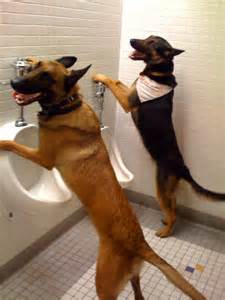
Symptoms of a Urinary Tract Infectiondog-with-urinals

Some signs your dog may have a urinary tract infection include:

✓ Suddenly urinating in the house ✓ Constant licking of urinary openings
✓ Visible blood in the urine; dark or cloudy urine ✓ Loss of bladder control; urine dribbling
✓ Inability to pass urine; passing very little urine ✓ Vomiting, lethargy and lack of appetite
✓ Straining to urinate; crying out in pain ✓ Drinking more water than usual

These are all signals that may indicate a potentially serious issue with your dog’s urinary tract or bladder. It’s important to get your canine companion, along with a urine sample, to your veterinarian as soon as possible. As an animal communicator, I received many calls from clients that desmonstrate these symptoms and behavioral issues that indicate you must take your pet to the vet!

A urinalysis will provide valuable information about why your dog is having urinary problems. In addition to providing information about the presence of blood, protein, glucose, ketones and bilirubin, a urinalysis will also determine how well your dog can concentrate his urine, which is an indicator of kidney health.

The urinalysis will also detect white blood cells, which means there is inflammation or infection, and a urine culture and sensitivity can determine if bacteria is present, and what type, to help devise a treatment plan. If an infection is present, medication will be needed to treat the problem.

However, sometimes pets experience inflammation or crystals without any infection present. In this latter case, a different set of medications may initially be needed, but ultimately, in both situations, this is often a sign that it may be time to change your dog’s diet (more about that shortly).

The Importance of Urine pH in Urinary Tract Health

Dogs are carnivores and should have a slightly acidic urine pH of between 6 and 6.5. (The higher the urine pH, the more alkaline it is.) Vegetarian mammals like rabbits and horses naturally have a very alkaline urine pH (above 8.0). Human urine is slightly more alkaline (between 6.5 and 7), and many pet owners wrongly assume their dog’s body functions in the same manner as their own.

It’s important to keep your healthy dog’s urine pH slightly acidic (below 7), because urine maintains its natural defenses when kept in the appropriate 6 to 6.5 range. When the pH creeps up toward the alkaline side, the urine loses its natural defenses and creates a more hospitable environment for bacterial growth and the development of struvite crystals.

The flip side of the coin is a urine pH below 6, which can cause your dog to develop a different type of problem — calcium oxalate stones. If your dog has had one or more infections or other problems with the urinary tract, I recommend buying pH strips from your veterinarian or at the local drug store, to check her urine pH at home so you know when it’s in or outside the desired range.

You should collect urine samples in the morning before you feed your dog. You can either hold the pH tape in the stream of urine while your dog is voiding, or you can catch a urine sample in a container and dip the tape into the sample to check the pH. This should be done immediately with a fresh sample to insure accuracy.

The Right Diet for a Healthy Urinary Tract

In my experience, poor or improper diet is the culprit in the vast majority of cases of dogs with chronic urinary tract problems. A prescription diet, which many conventional veterinarians recommend, typically combines high-carb foods with medications to lower your dog’s urine pH. This is never my approach. Instead, I transition dogs to a diet that does not contain pro-inflammatory alkalizing carbohydrates.

When we feed carnivores a cereal-based diet, their urine becomes alkaline as a result. Meat-based diets are naturally acidic, whereas alkalizing starch-based diets are frequently the cause of chronic UTIs, because lack of acidity removes the antimicrobial activity in urine.

Alkaline urine can also create cystitis (irritation of the lining of the bladder), crystals, and even uroliths, or stones, that require surgery.

Often, a dog’s urine pH can be maintained naturally between 6 and 6.5 by feeding a species-appropriate diet. To reduce urine pH, you must feed a low-carb, starch-free, potato/tapioca/lentil-free (so no “grain free” dry foods), and preferably fresh or at least canned food diet for the increased moisture content.

There are products on the market to reduce urine pH that contain the acidifying amino acid DL-methionine. This is a safe addition to your dog’s diet, but a more logical approach is to simply stop feeding grains and alkalizing foods.

dog-on-toliet

Moody Horses

Emotions have a powerful influence on how an individual behaves and views the world.1  The negative emotions that go along with mood swings can lead to pessimistic thinking and impact quality of life. Exactly what causes moodiness isn’t well understood. Various aspects of a horse’s environment and biology affect its emotional state, and a few of these are presented below.

If you are a horse owner or has been involved with horses at all you have heard the old saying “mood mares” are the worst! Let’s explore why that is….by the way all the mares that I have owned (2) were very sweet and not moody at all!

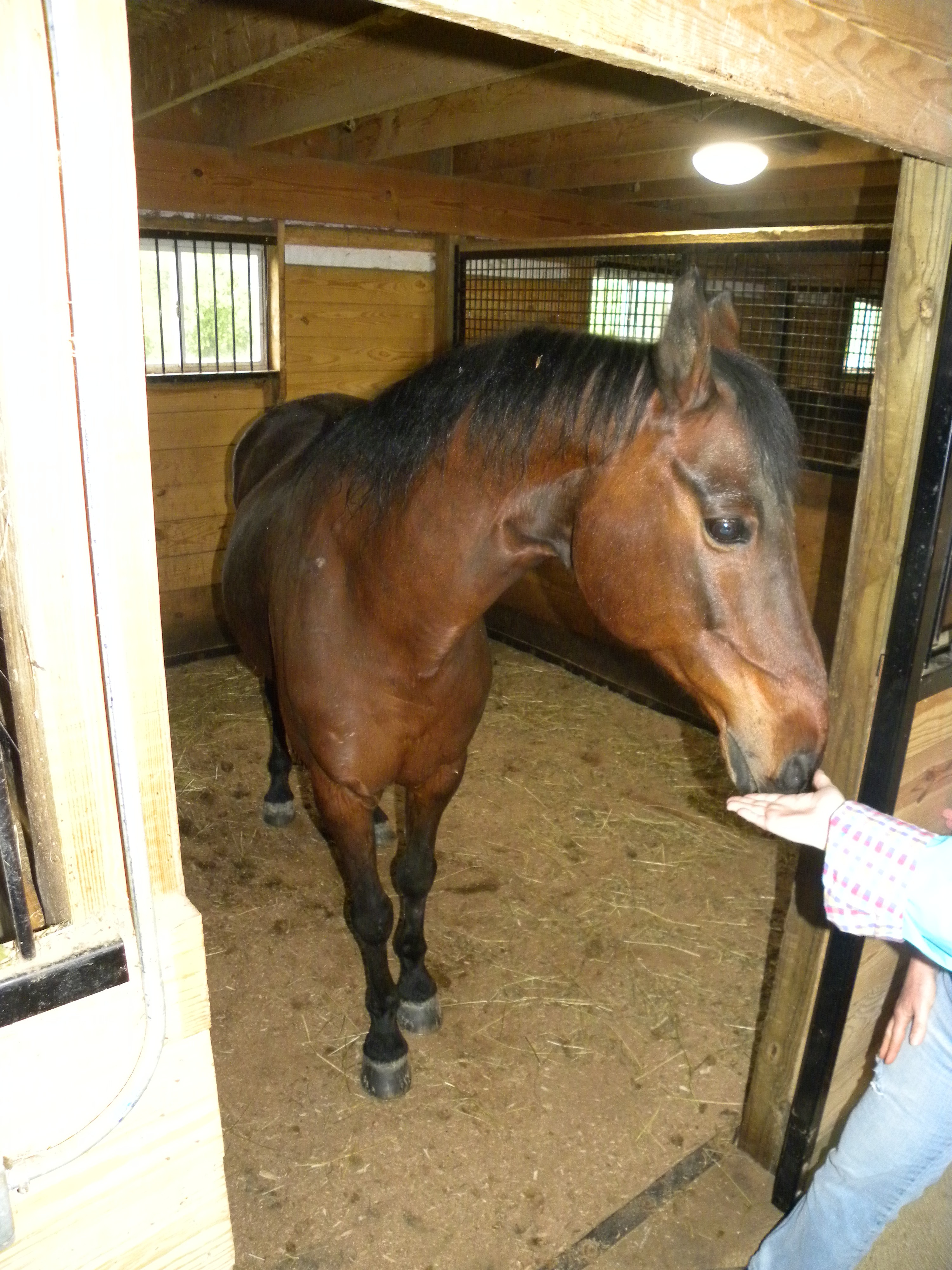
What Causes Mood Swings?DSCN2662_0011

Medical conditions

A veterinarian should exam a horses that experience mood fluctuations or persistent negative emotions. Moodiness can be a sign of underlying health issues that flare up periodically, such as allergies, joint and muscular pain, gastrointestinal issues, and disorders of the nervous and endocrine system. In humans, mood fluctuations are also associated with psychiatric conditions such as depression, bipolar disorder, and attention-deficit hyperactivity disorder. Whether horses suffer from these same mental disorders is not known. Previous injuries can cause occasional discomfort and associated changes in mood. If your horse grinds his teeth, it could be a sign that he is experiencing physical discomfort or stress.

Anxiety and stress

Moodiness has been linked to anxiety, and a string of bad days can lead to a loss of emotional control. Animals with an anxious temperament or who experience chronic stress tend to be more on edge, and negative emotions can be easily triggered by seemingly irrelevant or minor events. Interestingly, a recent study found that young horses showed larger swings in emotions than older horses in response in response to novel objects.2 Controlling mood swings caused by anxiety requires identifying and eliminating the sources of stress from the environment.

Hormonal changes

Hormones are known to play a role in controlling emotions and managing stress. They’re often blamed when a mare is moody, but much more is known about how hormones act on equine reproductive behavior than about how they affect emotions. Hormonal irregularities, including abnormal levels of thyroid and adrenal hormones, can cause fluctuations in emotions.  In humans, disruptions in daily activity can also lead to hormonal imbalances and increase the risk of mood disorders, including depression, bipolar disorder, and seasonal affective disorder.  It’s possible that disturbed routines also cause hormonal imbalances and moodiness in some horses. Sticking to a predictable routine by structuring activities at the same time every day can help maintain normal daily hormonal balance and stabilize mood.

“Keeping a journal can help identify patterns related to the horse’s shifting moods.”

Disrupted sleep

Disrupted sleep is closely linked to mood and anxiety disorders in humans, and when deprived of rapid eye movement (REM) sleep, people often become sad and irritable. Horses also suffer from sleep deprivation if they get less than 60 minutes of REM sleep a day, on average, for about a week. This can happen if the horse is unable to lay down in a laterally recumbent position, because of physical discomfort, insufficient space, insecurity about the environment, or social pressure.3 A horse deprived of REM sleep will become visibly drowsy, but it isn’t known if sleep disturbances are linked to negative moods in horses as they are in people.

Environment

Even when mood swings seem occur without rhyme or reason, the horse is probably reacting to something that the owner simply didn’t experience or notice. Events in the environment are nearly always involved to some extent in triggering negative emotions in a moody horse. Keeping a journal can help identify patterns related to the horse’s shifting moods.  It’s important to think broadly by looking at the horse’s routine, activities, locations, time of day, weather, social interactions, diet, and more.  Nutrition is considered a vital component to mood management; consult with an equine nutritionist for advice about your horse’s diet and feeding schedule.

Training the Moody Horsehorse-carrot

Figuring out the reasons for a horse’s mood swings can be complex, and negative emotions can interfere with and frustrate training. When your horse is having a bad day, being flexible and adopting a different approach can help. Below are some general strategies that can be used to protect against the emotional highs and lows.

  • Environmental and behavioral enrichment can reduce a horse’s baseline anxiety and vulnerability to stressors. Providing more positive experiences in general and during training can reduce a horse’s pessimistic outlook and improve mood.
  • Moody horses should get regular physical exercise, so don’t give up and put your horse back into his stall when he’s in a bad mood. Exercise causes the body to produce endorphins, and these hormones can help reduce the effects of stress and improve mood. Voluntary exercise is thought to be more beneficial than forced exercise.
  • Avoid punishing a moody horse; it will only make his negative outlook and emotions even worse. Instead, readjust your expectations and demands.  Set the horse up for success by removing stressors from the environment, asking the horse to complete simple tasks, and generously rewarding his small successes.

These strategies will have limited success if there is an underlying medical problem, so consult with a veterinarian first if your horse has emotional swings or persistent negative moods.


References

1 Briefer Freymond, S., Briefer, E.F., Zollinger, A., Gindrat-von Allmen, Y., Wyss, C., and Bachmann, I.  (2014) Behaviour or horses in a judgment bias test associated with positive or negative reinforcement.  Applied Animal Behaviour Science 158, 34-45.

2  Baragli, P., Vitale, V., Banti, L., and Sighieri, C. (2014) Effect of aging on behavioural and physiological responses to a stressful stimulus in horses (Equus caballus).  Behaviour 151, 1513-1533.

3 Larson, E.  (2012) Understanding equine sleep deprivation.  The Horse (April 4), http://www.thehorse.com/articles/28927/understanding-equine-sleep-deprivation

By Robin Foster, PhD, CAAB, IAABC-Certified Horse Behavior Consultant and comments by Diane Weinmann

Robin Foster, PhD, CAAB, IAABC-Certified Horse Behavior Consultant, is a research professor at the University of Puget Sound in Seattle, Washington, and an affiliate professor at the University of Washington. She holds a doctorate in animal behavior and has taught courses in animal learning and behavior for more than 20 years. Her research looks at temperament, stress, and burn-out as they relate to the selection, retention, and welfare of therapy horses. She also provides private behavior consultations and training services

13112755_641026502720401_5286172465589240582_o

Strokes in Cats

Strokes in Cats

By Dr. Justine A. Lee, DVM, DACVECC and http://www.askthecatdoctor.com/feline-stroke.html

cute-cat-paw-up-5151240

There are two types of strokes in cats:

(1) Ischemic – the blood supply to an area of the brain is cut off

(2) Hemorrhagic – the wall of a blood vessel is damaged and blood leaks out of it into an area of the brain

In either case, an area of the cat’s brain can be deprived of oxygen or damaged from pressure and a stroke follows.


It’s scary to see your cat suddenly not be able to walk, look drunk, fall over to his or her side, have a head tilt, or act neurologically inappropriate (e.g., seizure). Other signs that look like “acute strokes” in cats include:


  • sudden imbalance
  • falling over to the side
  • not being able to walk
  • vomiting
  • nausea
  • inappetance (who wants to eat when they are nauseated?)
  • rolling or circling to one side
  • nystagmus (abnormal eye movement)

When this happens, there are four primary causes:

  • an ischemic event secondary to hypertension
  • a life-threatening blood clot called a “saddle thrombus”
  • vestibular disease
  • a brain tumor


Keep in mind, however, that these symptoms are the symptoms of so many other diseases. Just because your cat has some of all of the above symptoms does not mean she has had a feline stroke. All of the symptoms are serious so an immediate trip to the veterinarian is essential. I know that I say this in almost every article I write, BUT the earlier a diagnosis is made, the better the outcome.

Possible Causes of a Feline Stroke

  • Trauma
  • Anything that interferes with the clotting ability of the blood
  • Blood clot
  • Heart Disease
  • High Blood Pressure
  • Hyperthyroidism
  • Diabetes
  • Kidney Disease


In older cats, secondary hypertension (high blood pressure) may be a result of chronic kidney diseasehyperthyroidism (an overactive thyroid gland), or even cardiac disease. With uncontrolled hypertension (in other words, if it wasn’t previously diagnosed or isn’t responding to blood pressure medication called “Norvasc,” or amlodipine), an acute ischemic event can occur. This means that lack of blood flow occurs in a region (typically in the brain or spinal cord), and results in neurologic abnormalities. Thankfully, ischemic events often respond well to symptomatic supportive care and anti-hypertensive blood pressure medications. However, these ischemic events can leave permanent neurologic defects in your cat like wobbliness, a head tilt, etc.


The second cause may be due to a blood clot (commonly called a “saddle thrombus”). This is typically due to severe heart disease, and may result in severe pain. Due to the complexity of this disease, which typically has a poor prognosis, I’ll cover it in a separate blog.


The third cause is similar to old dog vestibular disease in dogs. While cats rarely get acute vestibular disease (like a tinnitus in humans), it can occur acutely for several reasons: from ear infections; from a tumor in the ear; from sticking aQ-tip too far down in your cat’s ear; cleaning your cat’s ear with liquid ear medications; from old trauma or underlying metabolic problems; or just simply for no reason at all (we call this reason idiopathic vestibular disease in cats, which is a fancy way of saying that we have no idea what caused it!).


Lastly, underlying cancer or infections in the brain or spinal cord can cause these signs. When in doubt, a CT or MRI may be necessary to diagnose what’s going on. But before potentially euthanizing for an “acute stroke,” make sure to check with a veterinarian. Simple tests like a blood pressure, thyroid level, kidney test, and chest x-rays are a great place to start to help rule out some of the more benign versus malignant causes.


Simple tests like a blood pressure, thyroid level, kidney test, and chest x-rays are a great place to start to help rule out some of the more benign versus malignant causes.

However, for a definitive diagnosis, CT or MRI is needed. In reality, most cat owners do not have this type of testing capability in their area or cannot afford it, so in many, many cases, the diagnosis of a feline stroke is made on the basis of history, physical exam and the ruling out of other diseases through laboratory tests and radiology.

Treatment of a Cat Stroke

Treatment for a cat stroke is most often supportive (warmth, food, care) although IV fluids may be needed as well as anti-inflammatories, seizure medications, and other treatments as determined by the cat’s needs. If an underlying cause has been determined, then treatment will also be directed at that cause.

For example, if feline heart disease has been discovered, then heart medications, dietary changes, and other treatments directed at the underlying heart disease will be prescribed. If the cat has an elevated thyroid level and has been determined to have feline hyperthyroidism, then medication for hyperthyroidism in cats will be prescribed.

However, in many cases, an underlying cause is not found and treatment will involve time, patience, and support. Keeping your cat well hydrated, well fed, warm and comfortable goes a long way toward recovery.

Cat at the vet


Scoop the Poop

By Dr. Becker and comments by Diane Weinmanndog on toliet

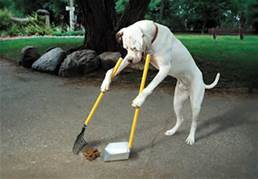
If you have a dog, picking up dog poop becomes just another part of life. After you’ve scooped up the poop and tossed it in the trash, you may not give it another thought, nor do most of the other owners of the 83 million pet dogs in the U.S.

Yet, perhaps we should give some thought to dog poop and, more importantly, how to best dispose of it. America’s pet dogs produce 10.6 million tons of poop each year.1 Add in enough plastic poop bags to contain it, and you’ve got a hefty load in the nation’s landfills.


In Cleveland, Ohio we spend a lot of time in the Metroparks with our dogs. The park system provides disposable bags to pick up your dog’s droppings which are biodegradable.

Dog Poop Leaves a Surprisingly Large Environmental Footprint

Dog poop creates a surprisingly high environmental burden. While it doesn’t compare to that created by industrial agriculture’s concentrated animal feeding operations (CAFOs), bacteria, viruses and parasites in dog waste can be a problem.

In some areas, dog waste can lead to high bacteria counts in rivers, streams and other waterways. It can even be “the difference between a beach closing and a beach not closing,” according to California Polytechnic State University microbiologist Christopher Kitts.2


Further, a study conducted by University of Colorado Boulder researchers revealed anywhere from 10 percent to more than 50 percent of bacteria in the air in wintertime may come from dog poop.3 OnEarth also reported:4“Studies have traced 20 to 30 percent of the bacteria in water samples from urban watersheds to dog waste.

Just two to three days of waste from 100 dogs can contribute enough bacteria, nitrogen, and phosphorous to close 20 miles of a bay watershed to swimming and shellfishing, according to the Environmental Protection Agency.”

 dog poop on beach

Forward-Thinking Dog Parks Turn Dog Waste Into Compost

There’s an alternative to tossing dog waste in the trash or, worse, leaving it on the ground in public places: compost.

It’s often said that dog waste can’t be composted because it carries potential pathogens, but when done correctly, dog waste can be composted safely and to great benefit of the surrounding environment.

A small number of dog parks have even caught on to the trend. At Brooklyn, New York’s East River State Park, for instance, two compost bins have been added for dog owners to dispose of their pet’s waste. The park even has a number of pooper-scoopers and brown paper bags for owners’ use.

After being mixed with sawdust and “cooked,” the poop will turn into useable compost that will be spread around city park gardens. “We figured we can use something people don’t want and turn it into something great,” Leslie Wright, New York City’s regional director of state parks, told the New York Post.5

Only two other state parks have similar dog waste composting programs, Robert H. Treman State Park in Ithaca, New York and Denali National Park in Alaska.

Considering one dog park that entertains 50 to 75 dogs daily may generate close to 1.5 tons of dog waste a year, such programs have the potential to make real positive change.6

Sled Dog Waste Composted at Alaska’s Denali National Park

The average dog excretes 274 pounds of waste a year, according to the Environmental Protection Agency (EPA). In Alaska, where sled dogs play an important cultural and practical role, dog waste can be a serious issue.

A musher with 20 sled dogs would need to dispose of more than 2 tons of dog waste each year.7


At Denali National Park kennels, which house a working sled dog team, up to 50 pounds of dog poop are produced daily. For years, the waste was simply flung down a hill behind the kennels, but in 1980 a composting program was established.

Now, the kennels serve as an important example of how to turn waste into an asset. According to the Denali National Park blog:8


“We built a four bin system in which the waste (nitrogen) is mixed with sawdust (carbon) and water and rotated regularly until it transforms into a soil that is jam-packed with nutrients.

The mixture of waste, sawdust, and water is carefully concocted to give us a carbon: nitrogen ratio of 20 or 30:1, with the consistency of a worn out sponge. Once the texture and ratio are adequate, we’ll start monitoring the temperature of the pile.

As the pile sits, microorganisms digest the nitrogen and carbon of the waste mixture and heat is produced. The temperature of the pile tells you the level of microbial activity within it. In Denali, we wait for a pile to heat up to 145 degrees before we turn it.

When the microorganisms have broken down all the organic material, the pile is done ‘cooking.’ This process can take anywhere from four to eight weeks. The odorless, nutrient-rich material that is produced is called humus.

It increases the nutrient content of soils and helps retain moisture. Composting also reduces the volume of waste by over 50 percent!”

How to Compost Your Own Dog’s Waste

If you already have a compost bin in your yard that you use for food scraps and yard waste, good for you! However, you’ll want to create a separate bin for composting dog waste.

To do this, you’ll need to add a carbon source such as sawdust. The University of Florida’s Institute of Food and Agricultural Services (UF/IFAS) Extension recommends a recipe of 2 parts dog manure to 1 part sawdust.9


Mix the two together well once a good-sized pile has been collected, then allow it to heat up to at least 140 degrees. You should turn the compost pile at least once a week. In about four to eight weeks, you should have dirt-like compost that you can add to your flower gardens.

An important caveat: researchers are not yet sure if composted dog waste gets hot enough to kill large roundworms (which are fairly heat-resistant).10


Because of this, you should only use the resulting compost on non-food gardens, such as flowerbeds and shrubs. UF/IFAS even has detailed plans for how to build your own self-contained, covered and turnable compost bin using a plastic or metal garbage can.

Diane is lucky because her dog Neko doesn’t really go in the grass but loves to go under trees, bushes and plants around the house so cutting the grass is not full of “land mines”!


Finally, if you don’t intend to compost your dog’s waste, you can also flush it, which is the disposal method recommended by the EPA. I never actually thought of flushing it which shows you how uncreative I am!

dog scooping poop


Cat’s Hunting Abilities

By Dr. Becker and Diane Weinmanncat hunting mouse

According to cat expert Jackson Galaxy, when we learn to walk through the world as our cats do, we understand their needs on a very basic level, and we naturally insure they have outlets for their curiosity, energy, and other innate gifts.

Today’s cats are still very much in touch with what Galaxy calls their raw cat. They’ve retained their drive to awake from a nap to go hunt, catch, kill and eat prey, groom, go back to sleep, and do it all over again in a few hours. That’s the life of a cat living in the wild, and when your indoor kitty isn’t given those outlets, she can wind up “hunting” your ankles, your children, or your dog!


Diane has found that as an animal communicator, many kitties enjoy stalking and killing bugs and flying insects in your home. Most of the time, cats assume this job as their daily work for their family’s household. If your cat does not take on this job and seems bored and destructive please tell them this is their job. Job assignment is a great way to motivate and challenge your pets to provide environmental enrichment in their life.


In addition, interactive play is also crucial in drawing out the raw cat. Interactive play means we become our cat’s prey — the mouse or the bird — moving the way it would, unpredictably, and really drawing out the cat’s hunter energy.

Galaxy has seen miraculous results when shy cats find their inner hunter. Their new confidence comes from the thought that “I just killed something,” which is 100 percent raw cat at its core. The toy moves across the floor, the cat pounces on it and “kills” it. He realizes, “This is what I was meant to do, isn’t it!”

cat hunting outside

This is what interactive play is all about. Finding ways to move the toys that energize your cat and bring out the swatting, batting, chasing, pouncing hunter in her. As Galaxy points out, cats are family members with very strong needs. Interactive prey play gives you a meaningful minute-by-minute bond with your cat and encourages her to be the feline hunter she was born to be.

So whether you give your beloved furry friend a job in the house or engage them in interactive play, you will be enriching their life and providing them with the means to get in touch with their inner hunter and to do what comes natural! Roar!!!!!!

cat playing

HORSE EMOTIONS

by Annabel Kent and comments by Diane Weinmannhorse and boy

Can your horse sense your mood? “We can hide our irritation from other people by masking our emotions, because humans are not good at reading energy fields,” says Margrit Coates, a part-time lecturer in the Department of Animal Behavior at Southampton University, and author of Healing for Horses and Horses Talking: How to Share Healing Messages with the Horses in your Life (www.thehorsehealer.com).

“A horse will read and see through everything we are feeling. Emotional health must be in control. We need to be a confident leader emotionally with our horses.” This means we need to be very vigilant about how we’re feeling when we’re around our horses.

“We need to look deeper at our inner state because the horse reacts to the truth,” says Margrit. “If horses could speak or write they would tell us exactly how we are. We cannot put horses into human boxes, analysing these animals as types from our viewpoint. Horses are full of emotional instinct, and the nearest we ever get to associating with a wild animal. “Past experiences will program a horse to behave in a certain way,” she adds. “They are incredibly emotional animals. Even our own past experiences will emotionally affect how we are with our horses. If we have been told that we are useless and feel it, this will come through when we are around horses. Finding it difficult to take criticism can also have an effect on our behavior.

This philosophy includes other people who will be working with your horse. “Before getting a trainer, you need to look at the emotional state, characteristics and qualities of that trainer before you let him/her near your horse, as they have a massive influence upon your horse emotionally.”

Training? Be happy “The first rule is that if you feel tense and angry, just don’t bother to school your horse,” says Sheila Bryant, who has been riding and training horses for over 30 years and uses the Bowen technique professionally on both horses and humans (www.healthwithbowen.co.uk). “When it comes to schooling, you need to feel emotionally positive and relaxed. Otherwise the horse will pick up on your mood and respond negatively.”

Sheila emphasizes the value of checking your breathing. “Is it easy and relaxed? This is of paramount importance as your breathing can influence the purity, strength and speed of your pace. If it’s ragged and aggressive, imagine what that can do to the horse.”

Breathing is also important to Jenny Rolfe, a classical trainer and author of the upcoming book, Ride from the Heart (www.spanishdressagehorses.co.uk). She has based her training methods on the horse’s sensitivity to our breathing. In her book, she shows how we can use lateral breathing exercises to help master our emotions and lead to a feeling of calmness. The horse responds to the deep breathing, becoming the rider’s emotional mirror, and the rider can then influence him with calm leadership.

“We can sometimes forget we are not programming a machine,” adds Jenny. “Horses are living animals. We have to make a conscious effort, especially in the beginning, to be very self-aware and vigilant about where our emotions are when training horses. By becoming aware of how much more perceptive horses are than humans, we then start to make it work for us when communicating with our horses. We need to treat them as our friends, not naughty students. We need to be emotionally consistent to develop a strong, solid relationship. It is no good being patient one day and impatient the next.”

For the best ride, Jenny also advises warming up to determine how your horse is feeling that day. “Loose work is very good before riding as it not only helps prepare the horse for ridden work, but it’s another way for the trainer to find out where her mood is at, rather than getting straight on without a thought,” says Jenny.

The same goes for you as the rider. If you’re feeling emotional, it’s important to get your feelings in line before riding, since the emotional and the physical are so deeply connected. “If we can learn to control our emotions and feelings, then we can control our physical body,” explains Jenny. “Rarely can we have a thought without a reaction from our body.”horse with girl

As an animal communicator, Diane can vouch for the fact that horses pick up on our moods and thoughts.  The minute you are around a horse, they know what you are thinking and what you’ve been through.  When I was sad, my horse would put her head against mine and just kind of sigh.  We would stand like that, head to head, for minutes on end just being with each other and sharing without saying a word.  It was hugely comforting to Diane and her horse felt that she had provided a great service to her beloved owner—which she had.

As you can see, emotions are the driving force behind everything we do, and play a huge part in how we and our horses learn. So take the time to stop and think about how you’re feeling when arriving at the stable. Look in that imaginary mirror before you get out of the car. Do it again when standing next to your horse, and you will feel it. A happy you is a happy horse.

Horse friends (2)