Does Saying Goodbye Help Prevent Dog Separation Anxiety?

By: Dr. Wailani Sung and comments by Diane Weinmann

Are you one of those dog owners who says goodbye to your pets as you walk out the door? Don’t be embarrassed—you are not alone.


Why do many dog owners feel the need to say goodbye or tell their dogs that they will be back?


Pet parents will say goodbye to their pets mostly because it is part of our human culture to notify our family of our imminent departure or to let them know when to expect us back.


But the question is, does your dog care if you do or don’t? Find out if it means anything to your dog, whether it actually makes things worse, and what you can do about dog separation anxiety.


Does Your Dog Need You to Say Goodbye to Him?


Research on dogs suffering from separation anxiety has indicated that dogs know well in advance when their owners are going to leave.


You may not realize that you are projecting your pending departure as you prepare to leave—well before you say “goodbye.” Most people will put their shoes on, grab their jackets, pick up a bag or purse and keys, and head towards the front door.


Some owners may put out special dog toys or treats for their dog right before they leave. These are all signals that tell your dog that you are going to leave.


Other pet parents will go through elaborate displays of affection such as hugging their dogs and/or kissing them and telling them they love them and will be back.

Animal communicators can tell you that your dog can read what’s in your head and that’s how they know you are going on vacation or to the grocery store.  Granted, picking up coats, keys and locking doors are outward indicators that you are leaving but for the most part, your dog can be sleeping in a bedroom on the bed completely away from visually seeing you perform these tasks and they will still know you are leaving—that’s how they miraculously show up as you are leaving the house!


Every dog’s reaction to their owner’s departure will vary according to their personality. It is not unusual to hear dogs vocalize after their owners leave. Some may whine, bark or howl briefly as the owners leave and, within a few minutes, settle down.


These dogs are exhibiting contact-calling behavior, which is a series of vocalizations some social species will use to try to contact other members of the group that may have wandered off beyond the immediate area. Dogs will typically demonstrate this behavior with barking or howling; it’s like they are saying, “Hello, are you there?”


Some dogs may even scratch at the door or run to the window to watch their owners leave.


The majority of dogs appear to tolerate their owners’ absence with minimal drama. However, 14-29 percent of the dog population may suffer from owner-separation-related distress.


For a dog with separation anxiety, making the departure and return greeting routine very exciting and dramatic may enhance the dog’s anxiety when they are all alone.


How to Know If Your Dog Suffers From Separation Anxiety


Most pet parents rely on signs that something’s amiss in their home—such as scratches on the door, items that are chewed up, or evidence of house soiling—to detect separation anxiety. If they do not see anything amiss, they usually think that their dogs were fine.


Some people may not find the house torn apart but may later hear from their neighbors or landlord that their dogs were vocalizing intensely when they first left or throughout the entire length of their absence.


If you are unsure whether your dog suffers from separation anxiety, record his behavior for 15-20 minutes after your departure using a device such as the Petcube Bites Wi-Fi pet camera or Pawbo+ Wi-Fi interactive pet camera. You can also use the camera on your computer or leave your phone behind to record their activity.


It is really important that you actually walk out the door, lock it, and walk or drive away. The dogs will know if you are just pretending to leave because they won’t hear the familiar indicators, such as your footsteps fading away or the start of the car engine.


Then you can review your dog’s behavior and show the recording to your veterinarian or a trainer or behaviorist. Dogs suffering from separation anxiety will exhibit the most intense anxiety and distress during the first moments the owners are absent.


Treating Separation Anxiety in Dogs


If your dog does not appear to get upset after you have left, then you can continue to say goodbye to them when you leave.


If you have determined that your dog does get upset in your absence, it is best to seek professional help right away. They can help determine whether your dog is suffering from mild, moderate or severe separation anxiety.


Mild Separation Anxiety


Dogs that show some mild anxiety may be less upset if they receive long-lasting dog treats, like WHIMZEES Stix dental dog treats, or if they have to work for their favorite treats in a dog puzzle toy, like the Milk-Bone Active biscuit-dispensing ball.


Moderate to Severe Separation Anxiety


For dogs that exhibit a moderate to severe level of anxiety, it is best to downplay your departures by not saying effusive goodbyes or greeting them excitedly when you return home.


A board-certified veterinary behaviorist can provide a diagnosis and recommend a treatment plan that includes immediate management options, behavior modification exercises and the potential use of anti-anxiety medication, if warranted.


Other educated dog professionals, such as Certified Applied Animal Behaviorists (CAAB) can also help but will not be able to make any recommendations regarding pet behavior meds.


Dogs that become so upset that they exhibit panicked behavior that may cause injury to themselves or damage the house might need prescription pet medication. In some cases of severe separation anxiety, injuries have included dogs breaking their teeth, pulling out toenails, jumping out of windows, or chewing holes through the walls.


When the owners do not have other options, such as the use of daycare or a pet sitter, medication can sometimes help to decrease the dog’s anxiety so that they can tolerate being left home alone.   Also, holistic avenues should be explored such as Bach Flower Essence Rescue Remedy and essential oils such as Calm-A-Mile by Dr. Melissa Shelton DVM to bring relief to your pet!


The distress these dogs experience is a mental health crisis. The quicker the problem is addressed, the better the prognosis.
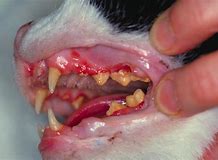



Cat Periodontal Disease

As seen in Petrax

Cat periodontal disease, or gum disease in cats, is an inflammation of some or all of a tooth’s deep supporting structures. It is one of the most common diseases in cats today.


If food particles and bacteria are allowed to accumulate along a cat’s gumline, it can form plaque, which, when combined with saliva and minerals, will transform into calculus (tartar). This causes gum irritation and leads to an inflammatory condition called gingivitis.


Gingivitis, which is evidenced by a reddening of the gums directly bordering the teeth, is considered to be an early stage of periodontal disease in cats.


After an extended period, the calculus eventually builds up under the gum and separates it from the teeth. Spaces will form under the teeth, fostering bacterial growth.


Once this happens, the cat has irreversible periodontal disease. This usually leads to bone loss, tissue destruction and infection in the cavities between the gum and teeth.


Symptoms and Types of Gum Disease in Cats


Periodontal disease in cats generally begins with the inflammation of one tooth, which may progress if not treated during different stages of the condition.


A cat with stage 1 periodontal disease in one or more of its teeth, for example, will exhibit gingivitis without any separation of the gum and tooth.


Stage 2 is characterized by a 25 percent attachment loss, while stage 3 involves a 25 to 30 percent attachment loss.


In stage 4 of cat periodontal disease, which is also called advanced periodontitis, there is more than a 50 percent attachment loss. In the most advanced stage of the disease, the gum tissue will usually recede and the roots of the teeth will be exposed.


Cats may also develop a cat gum disease called stomatitis (gingivostomatitis). Stomatitis is the severe inflammation of all of the gum tissue, which may affect the other tissues in the mouth.


Stomatitis occurs due to an overactive immune response to even small amounts of plaque and calculus.


Causes of Gum Disease in Cats


Cat periodontal disease can be caused by a variety of factors,  but is most commonly associated with bacterial infection. Bacteria under the gumline leads to pain and inflammation of the tissue.


There may also be a relationship between having a history of calicivirus infection and severe gingivitis.


Diagnosis of Periodontal Disease in Cats


In the exam room, your veterinarian will look inside your cat’s mouth for red, inflamed gums. That is the first indication of a problem. Your veterinarian may press gently on the gums to see if they bleed easily, which is a sign that a deep dental cleaning, or more, is needed.


Once under anesthesia, the diagnosis of cat periodontal disease involves a number of procedures. If periodontal probing reveals more than one millimeter of distance between the gingivitis-affected gum and tooth, a cat is considered to have some form of periodontal abnormality.


X-rays are extremely important in diagnosing periodontal disease in cats because up to 60 percent of the symptoms are hidden beneath the gumline.


In the disease’s early stages, X-rays will reveal loss of density and sharpness of the root socket (alveolar) margin. In more advanced stages, it will reveal loss of bone support around the root of the affected tooth.


Treatment


The specific treatment for cat periodontal disease depends on how advanced the disease is. In the early stages, treatment is focused on controlling plaque and preventing attachment loss.


This is achieved through daily brushing with pet-safe toothpaste, professional cleaning and polishing, and the prescribed application of fluoride or other pet prescription products to minimize the development of plaque.


Sometimes it is necessary to remove the teeth associated with severe stomatitis.


In the more advanced stages, bone-replacement procedures, periodontal splinting and guided tissue regeneration may become necessary.


Living and Management


Follow-up treatment for periodontal disease in cats consists mostly of maintaining good cat dental care and taking your cat for weekly, quarterly or biannual checks.


The prognosis will depend on how advanced the cat gum disease is, but the best way to minimize the adverse effects caused by the disease is to get an early diagnosis, adequate treatment and proper therapy.


Prevention


The best prevention for cat gum disease is to maintain your pet’s good oral hygiene and to regularly brush and clean her mouth and gums.


Cats can be trained to accept brushing when trained slowly over time and rewarded for their cooperation.


Prescription cat food dental diets are available for those cats who are unwilling to have their teeth brushed.


Cat dental treats, water additives and other products certified by the Veterinary Oral Health Council (VOHC) are also shown to help reduce plaque and calculus.


Is your Dog Anxious??

By Karen Becker and comments by Diane Weinmann

When we talk about “nervous” dogs, we’re really discussing dogs who are anxious. And while it may seem unlikely your pampered pooch has any reason to feel stressed, it’s important to recognize that dog stressors can be quite different from human stressors.

It’s also really important to understand that research clearly shows dogs can and often do experience stress, and according to one study, “There is evidence to suggest that the stress of living with a fear or anxiety disorder can have negative effects on health and lifespan in the domestic dog.”1

When dogs feel anxious, their bodies release an excessive amount of norepinephrine, the fight or flight hormone, which has the potential to alter gut bacteria and interfere with gastrointestinal (GI) tract motility.2 This flood of norepinephrine can result in physical symptoms like diarrhea, which only exacerbates your dog’s stress — especially if she has an accident in the house.

Some dogs primarily experience short-lived stress, but others suffer chronic stress. The more you know about what triggers your pet’s anxiety, the behaviors she tends to perform when she’s anxious, and the effect of stress on her health, the better able you’ll be to identify the signs and take action to minimize or eliminate stressors.

Signs Your Dog Is Anxious

Estimates are that about 30% of dogs show signs of anxiety, identified by either body language or behaviors such as obsessive licking. Since each dog has his own communication style, it’s important to learn your pet’s signals that he’s feeling nervous or stressed. There are many signs of anxiety in dogs, and they can change over time. Some of them include:3

Lowered or tucked tail Trembling/shaking
Ears pulled or pinned back Increased whining, howling and/or barking
Yawning or panting Diarrhea
Nose or lip licking Reduced or absent appetite
Cowering, crouched body posture and/or hiding Destructive behaviors

If your dog is showing one or more signs that he’s anxious, I strongly encourage you to make an appointment with your veterinarian for a wellness checkup. It’s important to rule out an underlying medical condition that may be the cause of or a contributor to the anxiety.

8 Common Triggers for Anxiety in Dogs

Some of the causes of stress in dogs are species-specific, while others are triggers that can cause anxiety in humans as well. And just like sensitive people, sensitive dogs generally tend to be more susceptible to stress. Some common triggers include:

  1. Sudden loud noises (e.g., fireworks, thunderstorms)
  2. Punishment-based training methods involving yelling, hitting, shock collars, etc.
  3. Adverse relationships with other pets or humans in the household
  4. Unwanted attention such as being randomly awakened from a nap, or being forcibly hugged, kissed or held
  5. Lack of opportunities to express normal species- and breed-specific behaviors such as running, retrieving, hunting, herding, etc.
  6. Exposure to the strange and unfamiliar (objects, animals, people, etc.)
  7. Changes in housing, household routine or household members
  8. Separation from family members, including other pets

As you go about identifying the triggers for your dog’s anxiety, also consider her history. If you adopted her, what do you know about her past? Was she abused or neglected? Is she anxious mainly around men or kids? Other dogs? Some of the things that cause anxiety in dogs can be unavoidable, such as thunderstorms passing through or a move to a new home. However, there are several things you can control to minimize stress and improve your dog’s quality of life. Examples:

  • Use only positive reinforcement behavior training/trainers.
  • Help everyone in the family understand and respect your dog’s need for uninterrupted sleep and human handling he feels comfortable with.
  • Increase your dog’s daily physical activity level, since the vast majority of dogs, especially large breeds, don’t get nearly enough. Daily movement is extremely important in mitigating your dog’s stress response.
  • Dogs left alone for several hours during the day get lonely and bored. If there’s often no one home to keep your dog company, recruit a friend or neighbor or hire a dog walker to take him for a stroll around the block, at a minimum. An alternative is doggy daycare.

Tips to Calm an Anxious Dog

  1. Consider adding a probiotic supplement or fermented veggies to your dog’s fresh, nutritionally balanced, species-appropriate whole food diet, as studies show probiotics reduce stress-related GI disturbances in dogs.
  2. Make sure your dog gets plenty of exercise, playtime, mental stimulation, attention and affection. Daily rigorous exercise is one of the most overlooked, free and effective treatments for reducing stress that very few pet parents take advantage of.
  3. Add a flower essence blend like Solutions Separation Anxiety to her drinking water and invest in an Adaptil pheromone collar or diffuser.
  4. When your dog will be home alone, leave him with an article of clothing or blanket with your scent on it and a treat-release toy, place small treats and his favorite toys around the house for him to discover, and put on some soothing doggy music before you leave.
  5. Also play calm, soothing music before a possible stressor occurs. This may relax your dog and have the added bonus of drowning out distressing noises.
  6. If your dog responds well to pressure applied to her body, invest in a wrap like the Thundershirt; also consider Ttouch, a specific massage technique that can help anxious pets.
  7. Consult a holistic or integrative veterinarian about homeopathic and TCM (traditional Chinese medicine) remedies, Rescue Remedy or other specific Bach flower remedies that could be helpful in alleviating your dog’s intermittent stress.   Diane makes custom blends depending on your unique situation after she talks with your pet to determine the triggers for stress and anxiety. Products I use, always in conjunction with behavior modification, include homeopathic aconitum (or whatever remedy fits the symptoms best), Hyland’s Calms Forte or calming milk proteins (variety of brands).

Calming nutraceuticals and herbs that can be of benefit include holy basil, l-theanine, rhodiola, ashwagandha, GABA, 5-HTP and chamomile.

The essential oil of lavender has been proven to reduce the stress response in dogs. Place a few drops on your pet’s collar or bedding before a stressor occurs or diffuse the oil around your house. There are also great oil blends specifically for calming animals. Diane likes Calm-A-Mile by Dr. Melissa Shelton DVM. http://www.animaleo.info/order-animaleo.html


  1. If you’ve adopted a dog who may have had a rocky start in life, I highly recommend a program called A Sound Beginning, which is designed to help rescue dogs and their adopters learn to communicate effectively and form an unbreakable bond.
  2. If your dog’s anxiety seems to be getting worse instead of better, consider an individualized approach to managing her stress by allowing her to choose what best soothes her via applied zoopharmacognosy (self-healing techniques offered through a trained professional).


Veterinary Science Can Help Our Pets

By Diana Bocco

Veterinary science has come a long way in the past decade. Pets are living longer, healthier and happier lives thanks to scientific developments such as transplants, new cancer treatments and even stem cell therapy.


Here are some of the incredible things our pets now have access to thanks to advancements in veterinary science.


New Canine Cancer Vaccine


Most common pet diseases already have an associated vaccine that can reduce or eliminate the risk of getting sick. So scientists are now exploring more advanced options to prevent and treat serious illnesses like cancer.


The Oncept canine melanoma vaccine is a unique therapeutic vaccine that seeks to treat canine cancer. It has revolutionized the world of veterinary science.


“The Oncept melanoma vaccine is Merial’s attempt to trigger the dogs’ own immune system to fight off cancer and heal itself,” says Dr. Carol Osborne, DVM, from Chagrin Falls Veterinary Center & Pet Clinic. Dr. Osborne is leading a US trial that maps the immune cycle of dogs to choose optimal cancer-treatment times. “This is opposed to chemotherapy, which has been the historical practice of trying to treat cancer with strong toxic drugs but in most cases not curing or eliminating the disease.”


The canine melanoma vaccine is made of DNA that is encoded with a human protein called tyrosinase (tyrosinase is found in cells called melanocytes that produce a pigment called melanin), Dr. Osborne explains.


“Human tyrosinase is very similar to canine tyrosinase,” says Dr. Osborne. “Melanoma cancer cells are loaded with tyrosinase, and the theory is that the two proteins cross-react and trigger the dog’s body to eliminate cancer.”


The canine melanoma vaccine is being used extensively by cancer specialists in dogs with stages 2 and 3 of malignant melanoma to try to help prevent it from spreading into the dog’s lymph nodes and lungs, explains Dr. Osborne.


“Since 2007, results indicate that dogs who receive surgery and the vaccine survive approximately 12 months longer than those who receive surgery but do not receive the vaccine,” Dr. Osborne adds.


Immunotherapy for Cancer in Pets


Immunotherapy has become the golden treatment for cancer in pets, thanks to new studies like those conducted by Mason Immunotherapy research studies at the University of Pennsylvania School of Veterinary Medicine.


Dog and cat immunotherapy involves getting modified bacteria to target a tumor-specific protein, explains Dr. Osborne. This forces the immune system to fight the cancer cells and heal on its own.


Gene Therapy Treatments


Scientists are also looking into recombinant DNA (rDNA) to help treat cancer in dogs.


“Recombinant DNA has opened the door for gene therapy,” says Dr. Osborne. “Despite ethical concerns, gene therapy would theoretically treat a wide range of diseases by allowing veterinarians to replace abnormal and/or missing genes in the animal.”


Preliminary studies include a new therapy for canine mammary cancer using a recombinant measles virus, and a 2018 study that concludes that “oncolytic viruses are gaining ground as an alternative approach for treating cancer in dogs and humans.”


While these treatment options are still in the early stages of development, they offer a world of possibilities for the treatment of cancer in dogs.


Transplants and Replacements for Pets


Eye lens transplants have become rather commonplace to treat cataracts in dogs, according to Dr. Bruce Silverman, VMD, MBA, owner of Village West Veterinary. Dr. Silverman also adds that pacemakers are also becoming more common in dogs.


“Organ transplants, on the other hand, are still quite rare and are generally done in university settings,” says Dr. Silverman.


The most common organ transplants at this time are kidney transplants for cats. According to the College of Veterinary Medicine at the University of Georgia—one of the few centers in the country that does cat kidney transplants—the typical patient is a cat with chronic kidney disease, as dogs’ metabolisms are different and more likely to reject the new kidney.


The transplant program, which is limited and costly (a kidney transplant can set you back $15,000), requires that all donor cats are adopted by the recipient’s family. 


Bone marrow transplants are also available for dogs with lymphoma, leukemia, multiple myeloma or generalized mast cell cancer, according to Dr. Osborne. “North Carolina State Veterinary Hospital in Raleigh, North Carolina, and Bellingham Veterinary in Bellingham, Washington, offer the procedure,” says Dr. Osborne.


The good news is that dogs weighing over 35 pounds without any major organ dysfunction have enjoyed a 50 percent cure rate for a disease that previously was uniformly fatal, says Dr. Osborne. 


“The procedure is quite involved and requires several steps,” says Dr. Osborne. “First dogs undergo chemotherapy, which is used to achieve remission of cancer, then the dogs’ own blood cells are harvested, after which these canines undergo two sessions of full-body radiation.”


Finally, the harvested blood cells are then transplanted back into the dog before he’s prepared for recovery, which requires two weeks in complete isolation, according to Dr. Osborne.


Stem Cell Therapy for Pets


Stem cell therapy is used most often for degenerative disorders in dogs and cats.


Although results are somewhat disappointing at this time because it’s such a new development, Dr. Osborne says stem cell therapy for dogs and cats is very effective to treat osteoarthritis of the hips, elbows, stifles and shoulders, primarily in dogs. 


Scientists are now working hard to extend the healing benefits of stem cell therapy for dogs and cats.


“At the moment, improvements in joint function, range of motion and quality of life have validated lasting effects for an average of 6 months post-procedure,” Dr. Osborne says.  


Excessing Drooling in your Dog??

As seen on PETMD -Reviewed for accuracy on April 1, 2019, by Dr. Jennifer Coates, DVM

When it comes to drooling in dogs, “normal” is a relative concept. “Saliva (drool) is a normal part of digesting food, and there is a ‘normal amount’ of saliva that is produced at all times,” explains Dr. Rory Lubold, DVM, CEO of Paion Veterinary in Arizona. “Some breeds of dog, and some dogs within a breed, can produce a higher-than-average amount of drool.”


As a general rule, most breeds of dogs do not normally have a problem with drooling, according to Dr. Jill Lopez, DVM, MBA, director of marketing and strategic partnerships at the Essentials Pet Care Clinic in Port Richey, Florida. “However, dogs with large upper lips are known to be droolers—and this includes Mastiffs, St. Bernards, Bloodhounds and Newfoundlands.”


Excessive drooling in dogs that don’t normally drool can be a sign of a health issue, so it is important to notice when your dog is drooling a lot or more than they usually do. Dr. Lubold advises pet parents to observe what’s typical for their pet so they can easily identify changes.


If you notice your dog drooling more than normal, it is important that you talk with your veterinarian as soon as possible.


Here are some potential causes of excessive drooling in dogs so you can have a more informed discussion during your vet visit. 


Anticipation and Stress Can Result in Excessive Drooling


Anticipation can be triggered by both positive and negative things. For example, you’ve probably seen your dog drool a little more than usual when it’s time for dinner or if they think you might share some tasty food with them.


“Some dogs may drool if they see a treat or maybe when you are opening up a can of food,” Lopez says. “The body is preparing to eat and is increasing the salivation level.”


You might also notice excessive salivation as the result of anxiety caused by visits to the vet, a car ride or even moving to a new home, says Dr. Lubold. Dogs may drool during a car ride due to stress and/or motion sickness.


“Stress can be a powerful reason for dogs to salivate,” Dr. Lubold says. “Often it is accompanied by other signs of anxiety, such as restlessness, panting or even diarrhea.”


Pain-Induced Drooling


“Oral pain or pain in the abdomen often leads to nausea, panting, vomiting and drooling,” says Dr. Lubold.


Abdominal pain often appears together with other signs, such as restlessness, diarrhea, loss of appetite or even abdominal distention. Some dogs will brace, or “guard,” their abdomen to avoid being touched where it hurts.


If you suspect the drooling is caused by periodontal disease or other oral problems such as a tumor or infection, Dr. Lubold recommends looking for signs such as a mass, blood, pus or a foul odor coming from the mouth.  


Eating Dangerous Plants Can Cause Drooling in Dogs


Many plants are irritating or poisonous to dogs when chewed on or eaten and can cause anything from drooling to life-threatening side effects. While there are literally thousands of potentially poisonous plants, Dr. Lopez says some are more likely to be found in households everywhere. 


“One type of plant that can cause drooling in pets are those that contain calcium oxalate crystals, such as peace lilies and mother-in-law’s tongue,” explains Dr. Lopez. “When the plant is bitten, the crystals inside cause irritation of the oral cavity, mouth, tongue and lips.”


While Dr. Lopez says these types of plants are not life-threatening to dogs, they will make them very uncomfortable if ingested. “Dogs will drool excessively and sometimes paw at their mouth,” says Dr. Lopez.


Furthermore, Dr. Lubold says, “If a plant is toxic enough to be the cause of excessive salivation, it likely also has other serious effects, and a veterinarian should always be consulted.”


You can also call a poison hotline, such as ASPCA Poison Control or the Pet Poison Hotline; it’s helpful if you can tell them the name of the plant your pet ate.


Neurological Conditions Will Cause Drooling


Dog drooling could indicate damage to the nerve that connects to the salivary gland, damage to the salivary gland or damage to the brain, says Dr. Lopez. “Other signs, like uneven pupils, lethargy and weakness may accompany this,” Dr. Lopez adds. 


Some neurological conditions can also cause too much saliva production or even make it difficult for your dog to swallow the saliva produced, says Dr. Lubold.


If you notice that your dog has difficulty swallowing, talk to your vet right away.  


Oral Injuries Can Lead to Excessive Dog Drooling


Injuries to the mouth are a common cause of excess drooling. Blunt force trauma, chewing on a sharp object, or foreign material that’s lodged in the mouth may all be to blame.


Dr. Lubold adds, “Many caustic chemicals (such as battery acid) and any electrical burn (like chewing an electrical cord) can cause bleeding and sometimes drooling. Many times, these injuries or chemicals can also cause other health problems, and seeking veterinary care right away can limit the extent of the injuries or toxins.” 


Chemical burns are often accompanied by pain and lesions, and your pet may paw at his mouth, says Dr. Lopez. If you notice any of these, call your vet right away, even if you can’t tell what caused the irritation.   


By: Diana Bocco


Pet-Safe Indoor Plants

Pet-Safe Indoor Plants

By Dr. Karen Becker

If you’re like a lot of pet parents, you’d love to fill your home with greenery, but are unsure which indoor plants are safe for dogs and cats. Whereas some pets are utterly uninterested in sampling houseplants, others — especially cats — can’t resist a nibble or even a mouthful, so your concern is warranted.

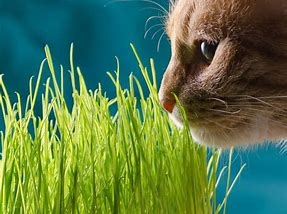
Actually, if you have cats that like to sample your houseplants, I recommend providing them roughage that is more palatable and safer than houseplants. You can do this in the form of cat grass, which is wheatgrass, or by offering fresh sunflower sprouts.

In addition to adding beauty and color to your home, plants improve the air quality as well by removing toxins like carbon monoxide, formaldehyde and benzene from the air you and your family (including pets) breathe. These toxic compounds are released into the air each time you use chemical-based products inside your home.

Plants also increase the level of health-inducing oxygen in homes by absorbing the carbon dioxide exhaled into the air by both humans and pets and replacing it with oxygen.

“Oxygen is critical for good brain and muscle function,” veterinarian Dr. Cathy Alinovi tells PetMD. “Therefore, stagnant air can lead to tiredness and brain dizziness, and can even affect heart function. The good news is, safe indoor plants help clean the air and increase oxygen concentration while decreasing waste products.”1

The following is a list provided by PetMD of a few plants that are safe for cats and dogs:2

Perennials Herbs Succulents Palms Ferns
African Violet Basil Blue Echeveria Areca Palm Boston Fern
Aluminum Plant Cilantro Christmas Cactus Dwarf Palm
Bamboo Dill Haworthia
Friendship Plant Lemon Balm Hens and Chicks
Spider Ivy Rosemary
Swedish Ivy Sage

For an extremely comprehensive list of both safe and unsafe plants, visit the ASPCA’s “Toxic and Non-Toxic Plant List – Dogs” and “Toxic and Non-Toxic Plant List – Cats.” The lists are in alphabetical order, and each entry links to a picture of the plant.


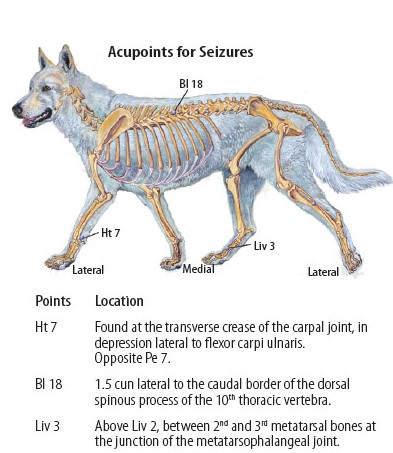
Boost your dog’s immunity with acupressure

By: Amy Snow as seen in Animal Wellness 2013


These four acupressure points are powerful allies for making sure your dog’s immunity is up to the job of protecting him from illness.

Your dog’s immunity is everything. His health depends on how well it protects him from all sorts of pathogens and toxins lurking in the environment, in food, and even in your house. Any breakdown in this system means his health can easily be compromised.

The immune system has a huge job to do. Your dog is constantly being bombarded with allergens and toxins from plants, bugs, fertilizers, and household chemicals. Trips to the dog park or doggie daycare expose him to bacterial and viral pathogens. When his immune system is strong – great, no problem, he stays healthy. In fact, a moderate level of daily exposure to allergy-causing irritants and other pathogens can actually make his immunity stronger. Your dog’s natural resistance builds when challenged by exposure to pathogens.

Health issues arise when the dog’s body is not able to resist pathogens because his immunity is weak. Allergies, respiratory problems, digestive issues, inflammation, and other immuno-mediated diseases are all due to a compromised immune system, according to Traditional Chinese Medicine (TCM).

TCM is all about the immune system

In TCM, every health issue goes back to the body’s ability to resist external pathogens and maintain internal balance. The key word here is “balance”. Health is maintained when chi (also seen as qi), the essential life-promoting force, fl ows in a harmoniously balanced fashion throughout the body. Any disruption to the smooth and balanced flow of both chi and blood interrupts the balance of the body.

When there’s an imbalance of chi and blood, the health of the animal is compromised. Chi is unable to vitalize the body, and blood can’t moisten and nourish it. This, in turn, leads to an inability of the internal organs to function properly. A domino effect occurs in which the immune system becomes weakened and your dog becomes vulnerable to pathogens.

Chinese medicine practitioners focus on restoring and supporting a balanced, harmonious flow of chi and blood. Chi and blood flow along energetic pathways, or meridians, throughout the dog’s body. Along these meridians are pools of energy called “acupoints”. We can influence the fl ow of chi and blood by stimulating specific acupoints.

Left: The Thumb Technique works best on larger dogs and on the trunks and necks of medium-sized dogs. Gently place the soft tip of your thumb on the acupoint, count to 20 very slowly, then move to the next point.


Right: The Two-Finger Technique is a good choice when working on small dogs or the lower extremities on medium to large dogs. Place your middle finger on top of your index finger to create a little tent; lightly put the soft tip of your index finger on the acupoint and slowly count to 20.

For instance, the Lung is responsible for creating and dispersing Protective or Defensive chi, also called Wei chi. Protective chi is immune system chi and defends the dog from external pathogens, such as Cold or Heat, that can enter the body and disrupt the balanced flow of chi and blood. We can select certain acupoints, known after thousands of years of clinical observation, that enhance the Lung’s capacity to perform its role in strengthening immunity.

Immune strengthening acupressure session

The only difference between acupressure and acupuncture is that in acupressure you don’t use needles to stimulate acupoints; you can use your thumb or index finger. By following the accompanying acupressure chart for Immune System Strengthening, you can support your dog’s health, help him maintain a balanced flow of chi and blood, and benefit his immune system.

Each of the four acupoints selected for this session are commonly used to boost immunity. Remember to stimulate these points on both sides of your dog’s body.

1. Lung 7 (Lu 7), Lie Que, Broken Sequence – Regulates and supports Lung function, enhancing Protective Wei chi in benefiting the immune system.

2. Large Intestine 4 (LI 4), He Gu, Adjoining Valley – This point is known to directly boost the function of Protective chi.

3. Large Intestine 11 (LI 11), Qu Chi, Pond in the Curve – LI 11 has many energetic properties; one is to benefit immunostimulation by energetically building Protective Wei chi while also clearing the Lungs of excess fluids.

4. Stomach 36 (St 36), Zu San Li, Leg Three Miles – St 36 also has a tremendous number of properties and is the goto acupoint for metabolic issues as well as enhancing Lung function and Protective chi.

These four acupoints are powerful allies for making sure your dog’s immune system is up to the job of protecting him from illness. Regular acupressure sessions, along with a healthy diet and lifestyle, mean you can relax and enjoy yourself when you’re out and about with your dog, because you know his body is strong and healthy.


Eight Annual Rainbow Bridge Sept 15

A loss of a pet can be heart-breaking.  Many wish they had a way to honor and remember that relationship.  The eighth annual Rainbow Bridge Walk on Sunday, September 15, provides an opportunity for pet owners who have lost a pet to come and pay tribute to their pets and the love they shared.

Mike Kovack, Medina County Auditor, is sponsoring the event at Buckeye Woods Park, 6335 Wedgewood Rd. (State Route 162) in Lafayette Township in Medina, with registration starting at 12:30 pm and the program starting at 1 pm.  Admission is free.

“We encourage anyone who has recently lost a pet to attend the walk,” said Kovack.  “Each year over 100 people who have suffered the loss of a beloved pet have found this ceremony to be a powerful benefit.”

The walk over the bridge at the park symbolizes the pet’s walk to a wonderful new home after it passes away and awaits its reunion with its owner.  

“It is comforting for attendees to be with others who understand the loss,” said Char Arthur, founder and coordinator of the Rainbow Bridge Walk. 

Attendees should feel free to bring other pets, but they should be on a non-retractable leash at all times. The event features a short memorial service, a pet blessing, various remembrance activities and a one-mile Tribute Walk. 

This year’s sponsors are All Creatures Vet Clinic, Animal Medical Centre, Awesome Paws, Barberton Animal Clinic – Wadsworth, Biegel’s Plumbing, Excellence in Eye Care, Medina Vet Clinic, Metropolitan Animal Hospital, Tender Loving Care.

For more information, to complete the requested registration form, to submit an online tribute, or view a video of the event, please log on to www.rainbowbridgewalk.com.

Contact: Beth Kilchenman 

Phone: 330-725-9756

Email: bkilchenman@medinaco.org

FOR IMMEDIATE RELEASE


How to treat hot spots on dogs

By: Animal Wellness

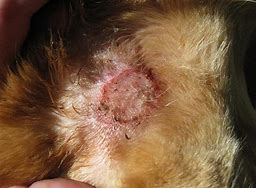
Hot spots bugging your dog? Here’s how to identify these irritating lesions and heal them as quickly as possible.

Canines with allergies, sensitivities or skin irritations are prone to developing hot spots. Excessive paw licking is the first sign of a developing hot spot, and the infection can quickly worsen if your dog continuously aggravates the area.  Luckily, there are a number of natural remedies available. But before you reach for a solution, let’s take a closer look at hot spots so you can identify whether your pet has one. Remember – the earlier you start the healing process, the better!

What causes hot spots in dogs?

Your dog will generally feel immediate relief from hot spots when gentle topical solutions are used. But first, it’s important to note that hot spots have an underlying cause — which, if not addressed, will result in additional problems.  Causes may include:

·         Skin fungal condition

·         Allergy to flea or tick bites

·         Skin disease

·         Dietary intolerance

·         Food allergy/sensitivity

·         Environmental allergy/sensitivity

Treating hot spots

You’ve identified the cause of your dog’s hot spot. Now it’s time to treat it. Your first step should be to heal him from the inside out with a healthy, high-quality diet. An allergy test can help you determine which ingredients are best for your pooch. Next, remove anything in his immediate environment that might be irritating his skin. Rule out causes of allergies such as fleas, dust mites, mold, or chemical-based cleaning products.

Once you’ve removed the underlying problem, reach for a non-toxic solution formulated for pets. Antibacterial and anti-fungal products like Banixx Pet Care are designed to help your dog make a speedy recovery from hot spots, regardless of the cause. This steroid-free, sting-free solution does not contain alcohol, and won’t harm the healthy tissue surrounding your dog’s hot spot. Simply apply twice a day to the affected area (disposable gloves are good for this), and take your dog on a short walk to allow the formula time to work its magic.

If your dog’s hot spots persist despite home treatment, seek help from your veterinarian


Dementia Symptoms Increasing in Older Dogs

Written by Dr. Karen Shaw Becker and comments by Diane Weinmann

Not many years ago, people with aging dogs focused only on keeping their pets healthy from the neck down, forgetting that such issues as weight control, possible arthritis and major organ support only go so far if their dog’s brain health is overlooked. Including your dog’s brain health in the overall picture is even more important as they get older, especially since more and more reports are emerging that show a “startling” number of older dogs starting to show signs of dementia.

According to veterinarian Melissa Bain, professor of Clinical Animal Behavior at UC Davis, canine cognitive dysfunction, or CCD, usually starts when the animals reach 9 or 10 years of age, and there are five typical signs that point to a dog’s cognitive decline:

  • Loss of house training or other previously acquired knowledge
  • Changes in sleep habits and reversed sleep cycles, e.g. sleeping all day
  • Failure to recognize their owners or other pets in the household
  • Anxiety in the form of excess panting, shivering, moaning and/or nervousness
  • A decrease in purposeful activity

Dog owners should also know about other signs to watch for. Witnessing certain behaviors may help you recognize something is happening with your dog’s cognitive abilities, especially if you’ve never seen them before. Examples that may indicate CCD, otherwise known as geriatric dementia, include:

  • Getting lost in the house
  • Getting stuck behind furniture
  • Becoming overly aggressive

Vetstreet1 notes other signs that indicate something might be wrong; such as noticing your dog staring at walls for long periods of time, repetitive behaviors like walking in a circle or pacing, changes in hearing and vision, and/or vocalizing at inappropriate times. My ancient Boston terrier, Rosco (over 18 years old in this picture), would often get “stuck” in the narrow space between the toilet and the wall and was unable to navigate himself out without assistance, a common sign of CCD in older dogs.

One of my friends has a 14 year old golden retriever who is just beginning to show signs of geriatric dementia.  He normally doesn’t leave her side—no need for a leash but just recently he wondered down the drive way and started walking down the sidewalk seemingly confused.  She called him and asked where he was going.  He seemed to come out of a fog, looked at her and realized he was leaving the yard then came back to her.  This is an example of the type of behavior you can experience when your dog begins geriatric dementia.

What Causes Canine Cognitive Dysfunction?

Helping your companion animals maintain bright, strong brain function throughout their senior years is even more important as you start noticing changes. If changes look as if they’re a mental or behavioral problem, it may actually be physical. Three main signs of age-related changes in dogs that cause gradual impairment stem from three main contributors:

  • Oxidative stress from free radical damage is physiological and impacts your dog’s brain tissue more than any other parts of their body, and can be evidenced both by decreased cognitive function as well as nerve disease, similar to Alzheimer’s disease in humans.
  • The formation of lesions on the brain may include nerve-damaging beta amyloid deposits, proteins that form “senile plaque” buildup that interferes with the transmission of brain signals.
  • Alterations in brain metabolism can diminish due to decreased availability of oxygen and energy, at least in part due to environmental stressors, including your dog’s diet.

Although human and canine brains are significantly different, they have remarkably striking similarities both anatomically and physiologically, and the way the diseases manifest themselves appear “almost identical,” Washington State University Veterinary Teaching Hospital explains further:

“More, dogs’ brains react to dementia treatments exactly as human brains do, making them ideal human dementia testbeds. As with human dementia, causes of CCD are not well known.

But accumulations of sticky proteins called beta-amyloid plaques around neurons, and the breakdown of neurons resulting in so-called neurofibrillary tangles, are considered leading causes. As in humans, both phenomena impact the brain by interrupting nerve impulse transmission.”2

Studies estimate that more than 60 percent of dogs between age 15 and 16 can show at least one symptom of CCD, but according to Bain, one reason more dogs have been showing signs of mental aging in recent years is simply because dogs are living longer due to advances in veterinary medicine.3


Danish Study: ‘Support’ Is Key for Dogs With CCD

A Danish study during which 94 dogs 8 years of age were investigated with a CCD questionnaire and observational sleep studies, subsequently published in the Journal of Veterinary Internal Medicine, notes that vitamin E was investigated as a potential marker of CCD. The researchers reported:

“Four key clinical signs dominated in dogs with CCD: sleeping during the day and restless at night, decreased interaction, disorientation at home, and anxiety … CCD did not influence survival negatively. Small breeds did not show better survival than large breeds and there was no difference between sexes.

A few key questions addressing sleep-wake cycle, interaction, and signs of confusion and anxiety can be used as a clinical marker of CCD. Special attention should be paid to anxiety in dogs with CCD because it may be especially stressful to both dog and owner. Dogs with CCD seem to have a good chance of living a full lifespan if supported by the veterinarian and the owner.”4

Significantly, most veterinarians are becoming more aware of CCD and asking questions earlier rather than later in the lives of the dogs they treat, but some experts maintain that as many as 80 percent of older dogs have CCD that is both unrecognized and undiagnosed.5

How a Dog’s Diet Influences His or Her Health, Including Cognitive Health

Rather than assuming it’s an age-related cognitive issue, investigating the underlying cause of what appears to be CCD with the help of a professional veterinarian is important, especially if the dog in question is young, such as 5 or 6 years old.

To view the overall picture of your dog’s health, Bain says taking a look at their diet may be a significant key. I couldn’t agree more. She also notes, “There could be anything from hypothyroidism to urinary tract infections to blindness to deafness that all can mimic the signs of canine cognitive dysfunction.”6

These and other physical problems can be addressed to the greatest degree by providing a balanced, fresh food diet that includes “brain food” coming from omega-3 fatty acids, such as krill oil, MCTs coming from coconut oil and plenty of food-based antioxidants (only found in fresh fruits and vegetables), which are crucial for cognitive health.

You may also be surprised to learn that aging dogs require more rather than less protein, but it should come from quality sources and include a variety of living, whole, easily-digestible, moisture-rich fresh meats that are suitable for a carnivore. Animal meat should be the foundation of your healthy dog’s diet throughout his life.

In some cases, a species-appropriate diet for your dog is also about what should be eliminated. Unfortunately, many commercial dog foods are loaded with processed ingredients, such as refined carbohydrates that turn to sugar.

Also, eliminate grains, potatoes and legumes in your aging dog’s diet and pay attention to the amount of fiber your dog consumes, as it’s often just unnecessary filler, displacing crucial meat-based protein your aging dog requires. Additionally, the byproducts of high heat processing, known as advanced glycation end products, or AGEs, negatively impact the aging process and may play into premature cognitive decline.7

Needless to say, exercise and lots of time outside is also important for dogs of any age. It not only keeps their blood pumping, but keeps them limber and enhances detoxification. Additionally, one of the most important aspects of maintaining cognitive health in aging humans is social interaction, but it’s also true for dogs.

Exposure to other humans besides his or her immediate family is helpful, and being around other animals is beneficial for them, as well. Continuing mentally engaging exercises on a daily basis is also important, including fun nose work games and treat release puzzles.

One of the most important things for dog owners to do is work with an integrative or functional medicine veterinarian early on in the disease process. I was able to manage my dog’s age-related dementia very well because I addressed it immediately, as soon as symptoms became noticeable.

Proactive vets have been using nootropic supplements for pets (used to enhance memory and brain health) for years, including specific B vitamins, rhodiola, phosphatidylserine, lion’s mane mushroom and a variety of specific brain-supportive herbs.