Warming Herbs for the Horse

Warming Herbs for the Horse


By: Jessica Lynn comments by Diane Weinmann

Here are the top four warming herbs you can offer him this winter.

During the cooler months of fall, we begin preparations to ensure our horses will be properly cared for during the winter. This includes getting blankets repaired and scotch guarded, and taking a look at diet changes to meet the caloric needs of the season. I also take a look at my herbs to make sure I have everything on hand I’ll need to support my horses through the winter.

Cold Weather Support

I have found that senior horses are usually the ones most adversely affected by the arrival of colder weather, along with some younger horses who have not yet gone through their first winter. Both have a harder time regulating their body heat – the seniors because of age and health-related issues (i.e. thyroid or metabolic), and the youngsters because they have not yet learned to regulate their bodies. For these horses, it is particularly important to put some diet changes in place, and this includes incorporating some nice warming herbs.

Hot and Cold

The Chinese categorized herbs by their “temperatures”, meaning they divided them into cold, cool, neutral, warm and hot. Cold and cool herbs reduce fevers, neutral herbs balance the effects of other herbs, and warm herbs alleviate chills and warm the meridians and extremities while promoting circulation. Hot herbs can dispel the cold, but the herb most often associated with this action is cayenne; however, it is not advisable to give cayenne to horses on a daily basis. Some will not even entertain eating it.

There are a number of herbs you can make into teas, which you can then pour over buckets of feed when you get into the very cold nights, snow and storms. These are known as warming herbs, and they can help warm a horse from the inside out on cold nights.

Top Four Warming Herbs

Cinnamon – This spice is a warming agent and also regarded as an antiseptic and digestive tonic. Recent studies have shown that for IR/metabolic horses, cinnamon may help regulate insulin and lower blood sugar. Cinnamon has the as a natural remedy – it helps dry dampness in the body and has the ability to warm people and horses who are always cold and suffering from poor circulation. But for horses, especially metabolically challenged ones, less is more. I would not give more than one teaspoon per day if you are feeding the powder form.

Ginger – This warming herb has long been used for the circulatory and digestive systems. It can improve circulation to all parts of the body, including the extremities, and is also known for its lymph-cleansing properties. The entire root can be used medicinally, and it can be made into a tea, which is my favorite way of using it for my own horses. By grating it coarsely or slicing it thinly, I add a handful to a one-quart mason jar, then steep it in boiling water. When cooled to just warm, I add the entire contents to a bucket of feed. Ginger can also be combined with other warming herbs to make a very fragrant and inviting addition to winter bucket feeds.

Kelp – This is another great herb for the winter months because it is also warming in nature. It contains micronutrients, as well as iodine, that support the thyroid (known to be the master “heater” of the body). The thyroid in horses and humans and body temperature. You only need to feed a small amount – maybe up to a tablespoon per day added to feed. This is not an herb you should free feed.

Liquorice root – Although not technically a warming herb, I like to use licorice root in the winter months because it aids in the production of stomach mucus. This lowers the high acid levels that can lead to stomach disorders including ulcers, and horses love the flavor – it’s great for those that are stalled more during the colder months.

Tea Time!

My favorite thing to do when it’s very cold is brew up a batch of warming herb tea for my horses. You can get the ingredients for the tea and keep them on hand for the coldest of nights. Your horse will thank you for it!

Diane used to make a hot bran mash for her horse using a metal pail, a heating element to get the water hot.  Then she dumped in peppermints (white & red pinwheels) and let them melt then added sweet feed and Bran to the mixture and carrots/and or apples if she had them.  All the horses in the barn nickered for her and stamped their feet to get some!  Delicious!!!!!


Jessica Lynn is a writer and the owner of Earth Song Ranch, a licensed supplement manufacturer, specializing in pre/probiotic blends, herbal blends and blends for horses, dogs and cats, based in Southern California. Jessica has been involved in alternative health care, homeopathy and nutrition for almost 50 years. She personally researches and formulates all of the earth song ranch nutritional products including her high potency probiotic and digestive enzymes, and sells other products that she uses and believes in on her website earthsongranch.com. Contact Jessica via e-mail at jessica@earthsongranch.com or 951-514-9700 friend earth song ranch on Facebook.


Why Cats Aren’t Wired to Live Together

By Dr. Karen Becker DVM comments by Diane Weinmann


Many pet owners make the mistake of assuming cats are just small dogs, when in reality, the two species don’t have much in common outside their roles as family pets. More than a few cat guardians have learned the hard way that it’s almost never as easy to add a second feline to the family as it is to welcome another dog.

In fact, it’s actually more likely than not that two unfamiliar adult cats, suddenly expected to coexist under the same roof, will not get along — at least initially.

Solitary Versus Social

According to U.K. veterinarian Dr. Sarah Heath, a certified clinical animal behaviorist, in an article for veterinary journal dvm360:

“Introducing cats to each other abruptly can be very stressful if they are not socially compatible. While physical confrontation may not be seen, passive signs of social tension, such as social and physical withdrawal, are likely to occur.

This may result in owners considering that there has been no problem with the introduction since there is no fur flying or blood being shed.

However cats that are expected to live close to cats with whom they are not socially compatible can suffer from chronic stress, and this can have physical health implications as well as behavioral ones.”1

Unlike dogs, cats aren’t naturally social beings. Heath calls them “solitary survivors.” Even domesticated kitties aren’t wired to seek out interactions with other animals (including humans), especially strangers. If they do choose to socialize, it’s usually with close relatives (e.g., siblings), cats they’ve grown up with, or their preferred humans.

When two unfamiliar cats are placed together in the same household, they usually don’t come with the skills necessary to cohabitate peacefully. The problem is exacerbated because often they are forced to live in close physical proximity to each other and must share food bowls, litterboxes, bedding, cat perches, etc.

Felines in the wild can easily avoid cats they don’t like. But inside your house, your kitties have limited options for steering clear of each other. This can set the stage for feline friction, which often takes the form of one cat stalking, chasing and showing aggression toward another cat.

Cats Don’t Require the Company of Other Cats

Since cats don’t need other cats around to be happy, if you already have a feline companion, don’t assume another cat will become your current cat’s BFF. It’s very likely cat #1 will not automatically welcome cat #2 simply because they’re the same species.

In fact, cat #1 will not initially view the new kitty as part of his social group. He may at some point … or he may not. As Heath explains:

“Anyone taking on a new cat should realize that the newcomer will be a single cat within the already existing household, like another tenant moving into a house of multiple occupancy.

The cats may tolerate each other’s presence if they are introduced gradually and their need for separate core territories is respected, but wanting the resident cat to have a friend is not a valid reason for taking on a second cat.”2

Even cats who have been friendly for years, including siblings, can lose their relationship.

“Natural feline social behavior leaves little capacity for reconciliation,” says Heath, “and the fragility of feline social relationships can be distressing for owners.”3

Seemingly minor bumps in the road from a human’s perspective can permanently damage the bond between cats. For example, a cat who has been hospitalized returns home smelling not like herself, but like the veterinary clinic she just left. In response, her feline housemate no longer views his long-time friend as part of his social group.

Setting the Scene for Success

The ideal way to create a harmonious multi-cat household is to bring home kitten siblings or unrelated young kittens who can establish a bond in their first few months of life. Getting cats are under the same roof at a young age is key, because by the time they reach social maturity at 2 to 3 years of age, they are naturally less open to interacting with new cats.

No matter the circumstances of who comes home when, it’s important to take steps to ensure a new kitty doesn’t present a perceived threat to the existing cat’s territory.

• Heath and other feline behavior experts recommend that cats who are cohabitating for the first time not be allowed to see each other for a few days or even a few weeks, to help cat #1 get used to the new cat’s scent in what he considers his territory before they actually meet.

• Forcing an introduction is an absolute no-no, as is offering food or treats as an enticement to get the cats physically closer to each other. Remember, kitties prefer to dine alone. To your cats, eating with another cat in close proximity is stressful.

• Provide the new kitty with her own food and water bowls separate from the existing cat’s. The new arrival should also have her own litterbox away from the existing one, and her own napping spot. Often the easiest way to do this is to set up a spare bedroom or bathroom for the new kitty with all the essentials.

• Consider using natural products like those from Bach Flower Remedies or Holistic Solutions to help your cats manage stressful feelings and events in their lives. Also talk to your integrative veterinarian about homeopathic remedies that fit each cat’s personality and symptom pattern to help reduce emotional responses. Diane has a “get along” bach flower remedy treatment that really works with most situations where pet cannot get along with each other!  Contact her at dianefortheloveofanimals@yahoo.com to learn more.

Also consider using Feliway, a pheromone product, to reduce stress levels and ease tensions between your cats. This product has been of huge benefit in assisting my two cats (who grew up together but don’t get along), in terms of reducing inter-cat aggression.

Keep in mind your goal in introducing the cats is to simply help them learn to live peacefully together. If they wind up friends, that’s wonderful, but if it happens it will be on their terms.

Additionally an animal communicator can sometimes explain the situation to each pet and provide expectations for getting along in harmony with each family member be it human or animal.  Sometimes all the pets need is a good talking to …explaining the reasoning for an additional pet and how they can coexist together for the good of the entire family.  If you have this situation and want an animal communicator to step in so to speak and discuss the reasoning with your pets email dianefortheloveofanimals@yahoo.com for information on her communication policy and fees.

Environmental Enrichment To-Do List

There are a number of things you can do to prevent and relieve stress for the feline members of your family:

• Make sure each cat has an individual, out-of-the-way resting spot. It could be the top of a cat tree, or a crate (with the door left open), or a little comfy spot on a closet shelf. If you notice one of your cats likes to hide or nap in a certain spot, consider adding a soft cat bed or blanket. It’s extremely important that each of your kitties has at least one private area he can retreat to.

• Offer plenty of scratching surface — one for each cat at a minimum. Cats scratch not only to sharpen their claws, but also to stretch, and to mark territory. There should be both vertical and horizontal surfaces, since cats often prefer one or the other. Also consider experimenting with different textured surfaces that offer a bit of variety.

• Provide lots an ample supply of toys that appeal to your cats’ prey instinct, including indoor hunting feeders, and also offer interactive toys that you can play with, with your cat. Also consider building or investing in a catio, which is an outdoor enclosure that allows kitties to get all the benefits of being outdoors, while keeping them safe from harm.

• Consider providing multiple perches at eye level or higher. Many cats are drawn to high roosts because they feel safe from predators and can keep an eye on activities and intruders at ground level.

You can provide access to high spaces in your home such as high closet shelves or plant ledges. Alternatively, you can buy traditional cat furniture like cat trees, or you can get creative and design your own custom kitty perches. Try to put at least a perch or two near windows so your cats can bird watch and keep an eye on neighborhood activities.

• Offer a multitude of litterboxes (one per cat, plus a spare, at a minimum), several water bowls and a food dish for each cat (that can be placed in different rooms so the cats can eat alone).

Finally, offer your kitties a fresh, nutritionally optimal, species-specific diet, and make sure they get adequate exercise. Many housecats today don’t get the physical activity they need to be optimally healthy. Under-exercised, under-stimulated cats can accumulate pent-up energy that takes the form of hostility toward other felines in the household.


Gut Issues?

Gut Issues?

Photo courtesy of ct.gov.

By Dr. Karen Becker

A recently published study conducted by veterinary researchers at the University of Pennsylvania suggests that some dogs with chronic enteropathy (CE), a form of inflammatory bowel disease (IBD), experience remission when a change in diet induces specific changes in their microbiome.1

Diet Influences the Microbiome, Which Plays a Crucial Role in Gut Health

Inflammatory bowel disease in both humans and pets is not well understood, however, we do know the colonies of microorganisms that inhabit the intestines — collectively known as the gut microbiome — are key contributors. Not surprisingly, the food we eat and feed to our animal companions has a profound influence on the microbiome.

In the Penn Vet study, researchers looked at links between a specific “therapeutic” diet fed to 29 dogs with CE, the microbiomes of those dogs, and remission of their disease. What they discovered was that in the 20 dogs whose disease went into remission, there were key features of the microbiome and associated metabolic products.

Specifically, the microbiomes of the dogs who achieved remission had an increase in metabolites known as secondary bile acids, which are produced when certain microbes in the gut consume bile released by the liver. One of the friendly microbes that produces secondary bile acids is Clostridium hiranonis, which was found in greater numbers in the dogs whose disease entered remission.

These dogs also had fewer pathogenic bacteria such as E. coli and Clostridium perfringens after they began the diet. The researchers performed two additional studies to test their hypothesis for what actually triggers remission.

“This allowed us to show that secondary bile acids and C. hiranonis aren’t just biomarkers of remission, they can actually effect change,” Daniel Beiting, senior study author and an assistant professor at Penn Vet told the publication Penn Today. “Bile acids can block the growth of pathogens, and C. hiranonis can improve gut health in mice.”2

Finally, the researchers analyzed information from children with Crohn’s disease (another form of inflammatory bowel disease) who responded to treatment with exclusive enteral nutrition, a specialized liquid diet. They found that the children’s microbiomes showed an increase in Clostridium scindens, another friendly microbial species that produces secondary bile acids.

To Repair Your Dog’s GI Tract, I Recommend Choosing a Better Option Than a Highly Processed ‘Therapeutic’ Diet

The Penn Vet study results are interesting for the fact that they reinforce the importance of a diverse microbiome to the health of dogs, and especially their digestive health. I couldn’t agree more with these sentiments. I believe 100% of pets with IBD also have dysbiosis, which thankfully can now be evaluated with a microbiome analysis.

Dr. Holly Gantz from AnimalBiome and I discuss the benefits of a feeding a diversified, fresh food diet in keeping our pets’ microbiomes balanced and resilient and recovering from GI disease in this interview. Most veterinarians agree that addressing a dysbiotic microbiome and the profound inflammatory response is the key to healing many chronic enteropathies.

However, I don’t agree that offering a feed-grade, highly processed “prescription” kibble containing hydrolyzed protein is the best approach to achieve improved gut health in dogs with inflammatory bowel disease. Although rendered, feed-grade pet food may improve GI symptoms in some pets, it’s worth noting that a third of the dogs in the study didn’t achieve remission on the “hypoallergenic” diet.

Researchers are beginning to identify potential systemic consequences, including chronic inflammatory responses, from consuming advanced glycation end products found in high-heat processed pet foods (kibble), which may explain why many pets don’t improve by switching from one pellet to another.

The traditional dietary recommendation for dogs with IBD, especially those with vomiting or diarrhea, is to feed a homemade, bland diet temporarily until symptoms improve, along with medications or nutraceuticals to manage the vomiting and diarrhea, if needed. The bland diet most veterinarians suggest is ground beef and rice, but it isn’t as effective, in my opinion, as the grain-free, highly digestible bland diet I suggest: cooked, fat free ground turkey and 100 percent canned pumpkin or cooked sweet potato.

Beef is relatively high in fat, which can increase GI upset and exacerbate pancreatitis, if also present. Rice is an unnecessary complex carbohydrate that often ferments in the gastrointestinal (GI) tract, causing gas, bloating, and additional GI irritation before being passed in the stool, undigested, in many cases.

If your dog has been diagnosed with IBD and you’re feeding a bland diet, I recommend working with an integrative veterinarian, because after the bland diet, you’ll need to choose a novel, balanced, low residue, preferably fresh food diet.

A novel (new) diet will give your dog’s GI tract and immune system a much-needed rest, and the anti-inflammatory nature of the diet will support healing.

I also recommend asking your veterinarian about microbiome restorative therapy, which is nontoxic, resonates with the body, and can have a profoundly positive effect on your dog’s health — not just GI health, but also organ function, immune system function and even behavior.

You and your veterinarian should also discuss appropriate supplements, including specific protocols to balance the microbiome and reseed the gut with healthy bacteria. In addition, there are numerous herbs and nutraceuticals that are excellent in helping to improve digestion and absorption and reduce GI inflammation.

Whether these supplements are introduced before, during, or after a dietary change depends on your dog’s individual situation. Transitioning too soon or incorrectly can actually lead to a worsening of symptoms, which is why I strongly encourage you to get professional guidance from an integrative veterinarian well-versed in gut health.

Other environmental and lifestyle factors you should address include future unnecessary vaccines (which I don’t automatically recommend) and other veterinary drugs (including the prescribing of dewormers without confirmation of parasites), as well as any potential toxins in your pet’s environment or lifestyle that could be contributing to unaddressed inflammation.


DO CATS LOSE THEIR TEETH??

DO CATS LOSE THEIR TEETH??

By: Laci Schaible, DVM, CVJ as seen in PetMD


Should you worry if your cat loses a tooth? Is it normal?


It depends on whether you’re talking about a kitten or an adult cat. Here’s a closer look at kitten and cat teeth so you’ll know when tooth loss is normal and when you need to visit the vet.


Do Kittens Lose Their Baby Teeth?


Like humans and all other domestic animals, cats do go through two sets of teeth throughout their lives—kitten teeth and adult cat teeth.


Kitten Teeth


At only a few weeks of age, kittens will begin to get their baby teeth, which are also called “milk teeth” or deciduous teeth.


The incisors—the small front teeth—are the first to erupt at 2-4 weeks of age. The premolars—larger teeth towards the back of the mouth—are the last to appear at 5-6 weeks of age, for a total of 26 baby teeth.


Kitten Teeth
Type of Tooth # Upper Teeth # Lower Teeth Age of Eruption

(weeks)

Function
Incisors 6 6 3-4 Grasping
Canines 2 2 3-4 Tearing
Premolars 6 4 5-6 Grinding
Molars 0 0 —- Grinding


Adult Cat Teeth


Around 4-7 months of age, permanent (adult) teeth will start replacing the baby teeth.


You may never even see the teeth as your kitten loses them, as they are often lost during mealtime or through play.


Long before their first birthday, your growing kitten should have 30 permanent teeth. Barring injury or oral disease, these should keep your kitty chewing into old age.


Adult Cat Teeth
Type of Tooth # Upper Teeth # Lower Teeth Age of Eruption

(months)

Function
Incisors 6 6 3.5-4.5 Grasping
Canines 2 2 5 Tearing
Premolars 6 4 4.5-6 Grinding
Molars 2 2 4-5 Grinding


What If Kittens Don’t Lose Their Baby Teeth?


The most commonly encountered tooth problem in kittens is the retention of baby teeth.


If the baby teeth are not lost when the corresponding permanent teeth are coming in, it can result in abnormal tooth position and bite, tartar and plaque buildup, and even abscesses.


But there are typically no complications if retained baby teeth are removed promptly by a veterinarian.


Is It Normal for Adult Cats to Lose Teeth?


It’s not normal for adult cats to lose any teeth.


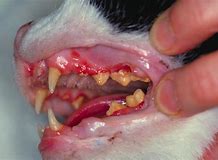
In adult cats, dental disease can start to escalate, and tooth loss can occur in cats suffering from severe dental issues.


Dental Disease and Tooth Loss in Adult Cats


While cats do not develop cavities like humans do, this does not make them exempt from dental disease and tooth loss.


In fact, dental disease is such a common feline ailment that approximately two-thirds of cats over 3 years of age have some degree of dental disease. Of course, not all tooth loss is caused by dental disease, and not all dental disease results in tooth loss.


As with humans, cats accumulate bacterial plaque on the surface of their teeth. If the plaque is not removed quickly, it becomes mineralized to form tartar and calculus.


If dental disease is caught at an early stage, a thorough dental scaling and polishing may be able to save most of your cat’s teeth.


However, if gingivitis is allowed to persist untreated, then irreversible damage to the bone and ligaments that support the tooth will lead to excessive tooth mobility and eventual tooth loss.


If you notice that your adult cat is missing a tooth, or you find a cat tooth around your house, please seek veterinary care, as this is a major sign of painful dental disease.


By: Laci Schaible, DVM, CVJ


How to Tell if Your Dog Has a Fever and What to Do About It

By Cathy Meeks, MS, DVM, DACVIM as seen in PETMD

Dog fevers are defined by having a higher-than-normal body temperature, and they have a variety of causes.

So how can you tell if your dog has a fever? How do you take their temperature, and what’s considered a fever in dogs? What causes dog fevers and how do you treat them?

How to Tell if a Dog Has a Fever

Dog fevers can be very difficult to detect at home and are often discovered at the veterinary office. This is because a dog’s temperature is naturally higher than a human’s, and it is almost impossible to detect a fever by touching a dog’s skin

How Do You Take a Dog’s Temperature?

The only way of accurately knowing if your dog has a fever is to take their rectal temperature with a digital thermometer. This is done by lubricating the tip of the thermometer and inserting it into the rectum approximately 1 inch. It is important to have another person holding your dog’s head while you do this, as some dogs may not be tolerant of this at home.

If a dog does not seem ill, there is no benefit to taking your dog’s temperature at home on a regular basis, because it can also go up with overactivity or if your dog  has been outside in a warm environment.

What Temperature Is Considered a Fever in Dogs?

The normal range for a dog’s body temperature is between 100ºF and 102.5ºF. Anything above 102.5ºF is considered a fever or hyperthermia (overheating). A true fever is the body’s response to a disease process, whereas hyperthermia is caused by exposure to excessive heat or overheating from overexertion.

What Are Some Symptoms of Dog Fevers?

Dog fever symptoms can vary from mild to severe depending on how high the temperature is and what disease is causing it. Symptoms can include:

What Causes Dog Fevers?

There can be several different causes of dog fevers, but they generally fall into one of these categories:

  • Inflammation
  • Infection
  • Immune-mediated
  • Cancer

In some cases, despite extensive diagnostics, a cause is not found. This is called “fever of unknown origin.”

Anything that can stimulate the immune system can cause a fever. For example, it is not uncommon for pets to get a low-grade fever after being vaccinated. This is because the immune system is being stimulated to protect the body against different diseases.

Bacterial infections, fungal infections, or viral infections can all stimulate an immune response and cause a fever as well. Cancer is another disease process that usually stimulates the immune system, resulting in a fever.

The most common cause of fever from inflammation is pancreatitis. This is an inflammation of the pancreas that can lead to vomiting, diarrhea, anorexia, and a painful abdomen. The cause is not clear and thought to be different in dogs than in cats and humans.

Autoimmune diseases are a group of diseases that can stimulate the immune system to attack a part of the body with no underlying cause. Examples of autoimmune diseases include lupus, uveitis, and rheumatoid arthritis. These diseases can also result in dog fevers.

What to Do if Your Dog Has a Fever

If you feel that your dog may be ill, taking their temperature at home is a good start if you can do so. If your dog has a fever above 102.5ºF, that warrants a visit to the veterinarian. It is considered an emergency if your dog is extremely lethargic, has blood in their stool or vomit, stops eating, or has a fever above 104.5ºF.

It is extremely important to never give your dog over-the-counter medications, such as ibuprofen, to reduce the fever. These medications are toxic to pets and can result in serious harm or death.

Getting a diagnosis for dog fevers as soon as possible and instituting treatment will usually result in more favorable outcomes. Most causes of fever can be treated if caught early.

How Are Dog Fevers Treated?

Treatment of a fever in dogs is largely dependent on the cause of the fever. Oftentimes several diagnostics, such as bloodwork, radiographs (x-rays), and ultrasound, are necessary to determine the cause. In some cases, a cause cannot be identified.

In dogs that have infections, the treatment is usually a course of antibiotics or antifungal medications. In other diseases, such as pancreatitis, there isn’t one anecdotal treatment, and medications are given to alleviate the symptoms until the inflammation subsides. This can take days to weeks and will depend on the level of severity.

Cancer is treated with either chemotherapy and/or radiation therapy depending on the type of cancer that is diagnosed. Some types of cancer respond well to these treatments, where others may not respond as well or at all. Autoimmune diseases require drugs that suppress the immune system so that it stops attacking the different areas of the body.

Most of these diseases are manageable but not usually curable.


Winterizing Horses

Winterizing Horses


As seen in The Horse  posted by Nancy S. Loving, DVM | Nov 10, 2019 | Article, Barns and Sheds, Body Condition, Horse Care, Musculoskeletal System, Nutrition, Respiratory System, Seasonal Care, Winter Care

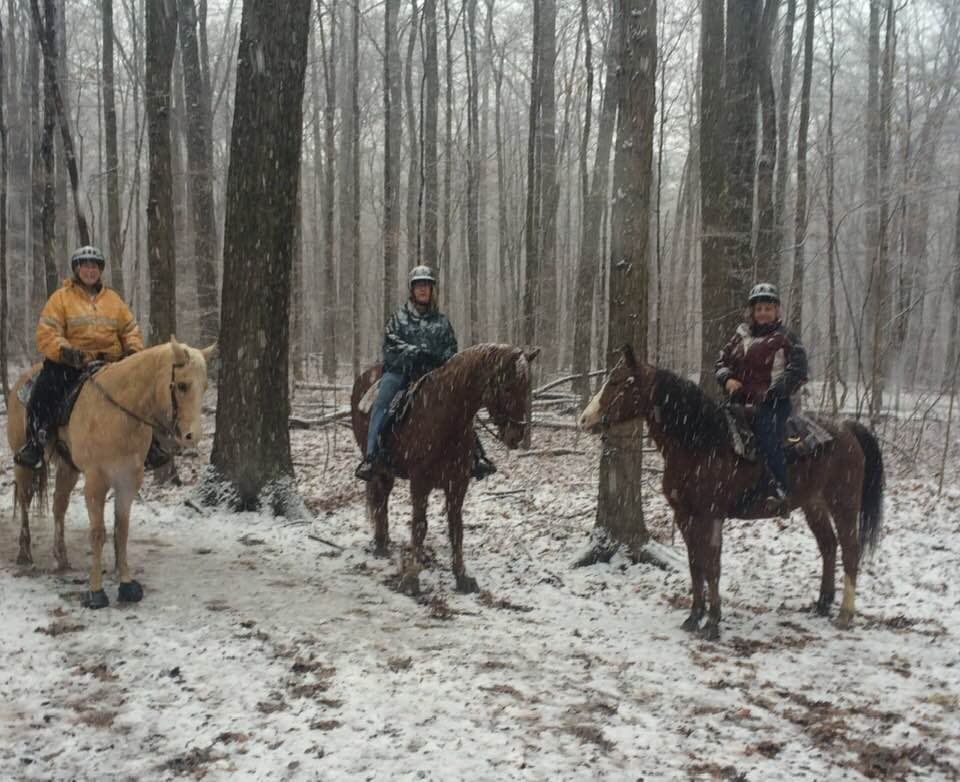
 NOTE:  horses  in the picture above have boots on front feet to help with traction

Here is an important discussion regarding your horse and their safety in the winter!

Turnout

While turning a horse out is ideal for his general health, doing so in questionable winter footing is not always a safe bet. “It’s dangerous to turn horses out when the ground is frozen in ruts created by hoof prints or vehicular traffic–I have seen coffin bone fractures as a result of a horse stepping into a frozen rut,” says Elford. “Also, following a thaw, ‘lakes’ of (pooled) water then freeze overnight with pastures turning into ‘glare ice.’ This increases the risk of fractured legs and split pelvises.” Plan ahead to have a safe, dry area to keep horses in times like these when traction is at a minimum. Alternatively, keep some form of gravel or even kitty litter available to put onto unavoidable icy areas.

Exercise and Feet

To keep your horse in moderate fitness and ready for more intense conditioning come spring, keep him in light exercise during winter. Besides benefiting musculoskeletal and mental health, Elford remarks, “Exercise is also important to maintain intestinal motility.” Turnout and/or consistent light riding both provide exercise.

In preparing your horse’s feet for winter, Elford recommends removing shoes if the horse isn’t worked heavily. However, “if you intend to ride consistently, particularly on trails, and feel the need for shoes,” he says, “then shoeing with snow pads helps clear snow from the bottom of shod hooves–this minimizes stumbling over ice balls.”

He describes methods to increase horseshoe traction on packed snow and ice: “Drilled-in studs about 1/4 to 1/8 of an inch long or borium-tipped horseshoe nails provide grip without causing excessive, unyielding hoof grab.”


Canine Equivalent of Alzheimer’s – Can You Spot the Signs

Canine Equivalent of Alzheimer’s – Can You Spot the Signs

By Dr. Karen Becker

Just like you, your canine BFF is getting older, and unfortunately, it’s happening at a greatly accelerated rate compared to your own aging process. The good news is that the care you’ve lovingly provided your dog up to this point will go a long way toward ensuring she continues to thrive during her golden years.

Once your pet begins to show signs of aging, it’s important to focus on making her senior and geriatric life stages as happy, healthy, and comfortable as possible. One age-related condition that many older dogs develop is canine cognitive dysfunc­tion (CCD), which is similar to Alzheimer’s diseases in people and is the result of an aging brain.

Clinical signs of cognitive dysfunction are found in 50% of dogs over the age of 11, and by the age of 15, 68% display at least one sign.1 And because large and giant breed dogs age more quickly than smaller breeds, dogs as young as 6 can begin to experience mental decline.

Signs of Cognitive Decline in Older Dogs

There are five classic signs of cognitive decline in dogs:

·         Decreased attention to surroundings, disinterest, apathy

·         Decreased purposeful activity

·         Increased total amount of sleep during a 24-hour period·         Intermittent anxiety expressed through apprehension, panting, moaning or shivering

·         Loss of formerly acquired knowledge, which includes housetraining

Other symptoms include failure to respond to commands and/or difficulty hearing, inability to recognize familiar people and difficulty navigating the environment. Additional physical manifestations of CCD can include excessive licking, lack of grooming, fecal and urinary incontinence, and loss of appetite.

5 Ways to Help Your Aging Pet Stay Mentally Sharp

1. Offer your dog lots of opportunities for exercise, socialization, and mental stimulation — Senior and even geriatric dogs still need daily exercise to maintain good health and physical conditioning.

While older dogs can’t exercise or compete with the same intensity as their younger counterparts, they still derive tremendous benefit from regular walks and other age-appropriate physical activity on a daily basis, or even better, twice daily. There are three types of strengthening exercises that can also be of tremendous help to aging canine bodies:

· Passive range-of-motion (PROM) exercises can benefit both incapacitated and physically healthy pets

· Balance and proprioception (spatial orientation and movement) exercises help older pets remain flexible while also encouraging improved balance and physical stability

· Targeted strengthening exercises are designed to work the big muscle groups that help with standing, walking and running

No matter how old your dog is he still needs regular social interaction with other pets and/or people. As is the case with humans as we age, if dogs don’t stay active and involved in life, their world can become a confusing, intimidating place. Your pet needs regular exposure to other pets and people, but never to the point of overstimulation. Short periods of socialization and playtime in controlled situations are ideal.

Food puzzle and treat release toys provide fun and a good mental workout, as does nose work and brief training sessions to refresh his memory or teach him a new skill.

2. Schedule regular senior wellness check-ups — I recommend twice-yearly wellness visits for pets no matter the age, but this becomes even more important for dogs getting up in years. Keeping abreast of your animal companion’s physical and mental changes as she ages is the best way to catch any disease process early.

Ask your functional medicine veterinarian to perform a blood test, including an A1c test to check your pet’s internal organ and metabolic health to make sure you’re identifying possible issues early on. Keeping abreast of her physical and mental changes as she ages is the very best way to catch any disease process early.

Over-vaccinating is something older animals do not need, so advocate for your older dog by refusing additional vaccines and insisting on titer tests instead. A titer is a blood test that measures protective immunity. Chances are your dog is very well-protected. Switch to titering to help reduce her toxic load.

3. Minimize stress in all aspects of your dog’s life — Fortunately, there are many things you can do to minimize anxiety and stress in your older dog. Senior and geriatric dogs, especially those with CCD, are often disoriented, so sticking to a consistent daily routine your pet can count on can help him stay oriented, which will in turn reduce his anxiety. Try to get up and go to bed at the same time each day, feed him at the same times, and go for walks on a set schedule.

Keeping your dog at a healthy weight and physically active will help control arthritis and degenerative joint disease as he ages, insuring he remains comfortable and mobile. Acupuncture and chiropractic care, stretching, and hydrotherapy (exercising in water) can also provide enormous benefits in keeping dogs mobile in their later years.

Regular massage can help keep your senior dog’s muscles toned and reduce the slackening that comes with aging. Massaged muscles are looser, which makes it easier for your pet to move around comfortably. Massage also improves circulation and encourages lymphatic drainage. It can ease the stiffness of arthritis, which helps him maintain his normal gait and active lifestyle. Massage also loosens the muscles around joints, which helps promote ease of movement.

If your dog is having some urine dribbling or incontinence as a result of his age (and not caused by an underlying condition that should be addressed), provide him with more frequent potty trips outside. You can also reintroduce him to a crate if he was crate trained initially. Acupuncture can also be very beneficial for age-related incontinence.

If your dog has problems hearing or seeing, use odor cues like essential oils or pheromone products to help him find his way around. Also consider purchasing or building ramps if he’s having trouble getting into the car or up on the bed or a favorite chair, and if he’s slipping or unsure on bare floors, add some runners, yoga mats or area rugs.

For sleep problems, try increasing his daytime activity level. Let him sleep in your bedroom. Sleeping near you should help ease any anxiety that may be contributing to his nighttime restlessness. Guide him with clear cues and easy-to-follow instructions, and when you talk to him, keep your voice quiet, calm and loving.

4. Feed a nutritionally optimal, species-appropriate fresh food diet — A species-appropriate, nutritionally balanced diet rich in healthy fats, including omega-3 fatty acids such as krill oil and others such as MCT oil, is very important for cognitive health.

The best fuel for an aging dog is a variety of living, whole foods suitable for a carnivore. Eliminate all refined carbohydrates (which are just unnecessary sugar), as well as grains, potatoes and legumes. Replace those unnecessary carbs with extra high-quality protein. Eliminate extruded diets (kibble) to avoid the toxic byproducts of the manufacturing process.

Processed dog foods are manufactured in a way that creates byproducts that can affect cognitive health, including heterocyclic amines, acrylamides and advanced glycation end products (AGEs). Fresh, biologically appropriate foods provide the whole food nutrients your pet’s aging brain requires. The right diet will also support the microbiome, which has been linked to improved cognitive health in humans, and I’ve seen an improvement in dogs as well.

5. Provide beneficial supplements — When it comes to supplements, I typically recommend digestive enzymes and probiotics for all older pets. If your dog needs additional fiber in the diet, choose natural sources such as psyllium husk powder, ground dark green leafy veggies, coconut fiber, or canned 100 percent pumpkin.

I also almost always recommend an omega-3 fatty acid supplement such as krill oil (my favorite), another fish body oil (but not cod liver oil), or algal DHA for pets who can’t tolerate seafood.

Most aging dogs can benefit from joint and antioxidant supplements such as glucosamine sulfate with MSM, cetyl myristoleate, egg­shell membrane, perna mussel (green-lipped clam), several homeopathic remedies, ubiquinol, supergreen foods, and natural anti-inflammatory formulas (herbs such as turmeric and yucca, proteolytic enzymes, SOD and nutraceuticals).

How to Create Quality Pet Time, Even if You’re Crazy Busy

How to Create Quality Pet Time, Even if You’re Crazy Busy

By Dr. Karen Becker


In case you hadn’t noticed (and how could you not?), you are the center of your dog’s universe. You are the sun, the moon and the stars to your canine companion. Given their lifelong devotion to us, we often wonder how we can ever repay our dogs for their unconditional love — especially when, in terms of time and energy, we’re already stretched to the limit.

Most of us have experienced periods in life when the days, weeks, or even months are just one long, busy blur of work and other commitments. Eventually it occurs to us that we haven’t been paying much attention to our precious furry companion, and yet there he sits — accepting, patient, and ever hopeful.

Unlike a cat who tends to get right up in your face (literally!) when she wants some attention, your dog is more likely to lie quietly at your feet when he can see that you’re busy, or simply sit and wait till you acknowledge him. And let’s face it — there are few things more guilt-inducing than realizing you’ve been ignoring the one friend in your life who would happily follow you off a cliff.

The good news is you don’t need to carve huge chunks of time out of your already overscheduled day to give your dog the undivided attention he needs and deserves. Instead, consider making a few minor adjustments to your usual routine that allow you to include him. With a little imagination, you may be surprised how much quality time you can spend doing things with him that let him know he’s the best dog in the whole wide world.

12 Inventive Ways to Improve Your Dog’s Life in a Hurry

1. Greet the day together — Try waking up 5 or 10 minutes early each morning to cuddle or play with your dog before you get out of bed. Most dogs are wildly happy in the morning and getting a few minutes of cuddle time with you will get your pup’s day off to a delightful start.

2. Be present — This is really just about remaining aware of your dog’s presence and observing his actions, behaviors, and emotions. Your pup is always communicating with you, and he feels loved when he knows you’re tuned into him. When you have two minutes to focus on your pup, really focus.

3. Include her in daily rituals at home — No matter what you’re doing around the house, try to make your dog a part of it. Talk to her in soothing tones as she follows you around or plays with a favorite toy while you get ready for work. Invite her to sit on your lap or lie at your feet while you work, read or watch TV.

4. Take 5-minute play breaks — Look for opportunities to play a quick game of tug while you’re doing chores or getting ready for work. Play hide-and-seek with your dog while you’re doing housework. Roll a ball down the stairs and have him retrieve it. When you bring home a new toy, make it extra-special by spending a few minutes playing with it with your dog.

5. Break out the brush — Many dogs really love to have their coats gently brushed. Be sure to avoid the face and go easy on the tail and the tender skin across the belly.

6. Make like a masseuse — Try spending 30 to 60 seconds gently stroking and massaging alternating areas of your dog’s body, avoiding the paws, tail, and backside. You’ll know he’s digging it when his body relaxes and his eyes close.

7. Do 5-minute training sessions — This is a great way to reinforce or refresh your dog’s obedience or trick training and provide her with mental stimulation as well. It’s also an opportunity for you to give her praise, affection, and a few yummy treats.

8. Take speed walks — Dogs absolutely love walks, so even if you only have 5 or 10 minutes to spare, the more often you can take your dog out for a walk, the better. Of course, when you have more time, it’s important to take longer walks to allow him to sniff, pick up his pee-mail, and do some exploring.

9. Take him along — Whenever possible bring your dog with you — to work, when you’re running errands, on road trips, and in any situation where he’ll be safe and welcome. This will not only strengthen the bond you share, it’s also an excellent way to maintain your dog’s socialization skills.

10. Minimize her time alone — Even the easiest going, non-destructive dog will feel isolated if she’s left alone for long stretches several days a week (not to mention she needs the opportunity to relieve herself). If you can’t get home to walk and play with her for a few minutes during the day, I recommend enlisting a friend or neighbor to do it. Another option is to hire a dog walker or consider a few days a week at doggy daycare.

11. Exercise together — If you can’t make the time every day to get your own workout in, much less exercise your dog, consider becoming workout partners. Dogs today don’t get nearly the exercise they need, and like us, they require an incentive to be physically active.

The best way to make sure your dog gets moving is to provide her with the companionship and motivation she needs to stay active. Healthy dogs should be getting an absolute minimum of 20 minutes of sustained heart-thumping exercise three times a week. Thirty minutes or an hour is better than 20, and six or seven days a week is better than three.

12. Beat back boredom — Most dogs have a strong “work mentality,” but in today’s world, we don’t give them fun and engaging “jobs” to do. Boredom is especially a problem for dogs left alone for long periods of time (which as I mentioned earlier, isn’t recommended). Bored dogs can develop annoying or destructive behaviors, for example, gnawing on furniture or chewing holes in carpet.

The very best hedge against boredom is lots and lots of exercise. Dogs who are well-exercised every day typically don’t get bored. Some great activities to consider doing with your dog include hiking, jogging, swimming and fetching a ball or playing Frisbee. Obedience training, nose work and interactive toys are excellent ways to keep your dog challenged and mentally sharp.

Improving your dog’s quality of life today can pay both immediate and future dividends in terms of his health and well-being. As an added bonus, you can shed those feelings of guilt that you aren’t doing enough for your furry best friend.


Cat losing weight? This may be why….

Cat losing weight?  This may be why….

Reviewed and updated for accuracy on November 8, 2019 by Dr. Elizabeth Bales, DVM as seen in PetMD


It’s not always easy to detect weight loss in your cat. The fluff of fur covering most cats can serve as camouflage for weight loss until there is a big change.


Unintentional weight loss in cats can be a cause for concern. If you weren’t trying to help your cat lose weight, and especially if your cat is a senior, there might be a health issue to blame.


The causes of unintentional weight loss in cats range from simple lifestyle changes to serious illness. Any noticeable weight loss in your cat warrants a visit to your veterinarian to rule out serious health conditions. They will be able to run the necessary tests to determine what might be at the root of the problem.


Here are some possible reasons why your cat is losing weight and what you should do about it.


Reasons Your Cat Might Be Losing Weight


Below is a list of a few common causes of weight loss in cats.


Not Getting Enough Food


Sometimes, your cat is eating less than you think.


Do you have another cat or dog in the house? Additional pets in your home could be eating your cat’s food or obstructing your cat’s access to their food bowl.


Or did you recently change brands of food? The calorie content in a cup of food can vary greatly from one brand to another.


Is the food dish up high on a counter? Your cat could be experiencing pain from arthritis that is making it difficult to jump up to where the food dish is.


Your veterinarian can help you determine if there are obstacles in your home that are preventing your cat from getting enough food.


Intestinal Parasites


Intestinal parasites are very common in cats and can lead to weight loss if left untreated.


Pregnant mothers can give their kittens parasites, and they can also pass parasites through their milk when they are nursing. Cats can also get parasites from hunting and eating prey, or even by walking through contaminated grass and dirt and then grooming.


Your vet can examine your cat’s feces to determine if he is carrying parasites that might be causing weight loss.


If parasites are the cause, a simple dewormer, directed at the appropriate parasite, can put your cat back on the road to a healthy weight.


Feline Diabetes


Diabetes is very common in cats and will require immediate veterinary care and ongoing treatment.


In addition to unexplained weight loss, diabetic cats typically drink an abnormally large amount of water and urinate large volumes as well.


Overtime, without treatment, diabetes is a fatal condition.


If your vet suspects diabetes, they will likely take blood and urine samples to confirm the diagnosis. Successful treatment involves diet changes and often insulin.


Feline Hyperthyroidism


Cats over 8 years old are at risk for hyperthyroidism.


The thyroid is a butterfly-shaped organ that is located in the throat. It produces hormones that perform many functions, including regulating the body’s metabolism.


When a cat becomes hyperthyroid, their metabolism goes into overdrive—they lose weight, are ravenously hungry all of the time, have a very high heart rate, and often meow at night and have trouble sleeping. They may also drink a lot of water and urinate large amounts.


Your vet will do bloodwork to see if this is the cause of the weight loss.


Treatment of hyperthyroidism involves controlling the thyroid gland, either with medicine, special food or inpatient radioactive iodine treatment. Your vet will guide you in choosing the best treatment.


Feline Viral Disease


FIP, FeLV and FIV are viral diseases in cats. These viruses have different causes and possible therapies, but weight loss is a common symptom of all three.


If your vet suspects that a virus is the cause of your cat’s weight loss, they may perform blood tests and possibly more tests to determine if one of these viruses is the cause.


If a diagnosis is made, management and treatment will be based on the symptoms your cat is showing.


Feline Kidney Disease


Feline kidney disease can also lead to weight loss in your cat.


To determine if kidney disease is the cause of your cat’s weight loss, your vet will do bloodwork and a urinalysis.


Treatment may include prescription food, medicine and even sterile fluids that your vet can teach you to administer at home on a regular basis.


Feline Cancer


Many different forms of cancer can cause weight loss.


The diagnosis and treatment plan will vary depending on the kind and stage of cancer suspected. Your vet might do some or all of the following to confirm a diagnosis:


·         Bloodwork

·         Urinalysis

·         X-rays

·         Ultrasound and/or biopsies


Always Discuss Cat Weight Loss With Your Veterinarian


Unintentional weight loss is a nonspecific sign that can have many causes. Anything short of a veterinary visit is just a guess.


If you notice that your cat is losing weight, you need to call the vet. Make the appointment now.


Your vet should have a documented weight from the last visit and can confirm the weight loss.


They will take a thorough history and do a complete physical exam. Based on those findings, your vet might recommend a fecal exam to check for intestinal parasites, and bloodwork to check for clues to get to the bottom of what is causing the weight loss.


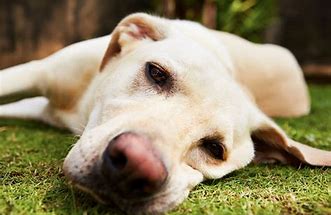
Is your Dog Depressed?

By Dr. Karen Becker and comments by Diane Weinmann

Dogs may or may not suffer from depression in the same way humans do, but they definitely experience mood and behavior changes that are typically short-lived and the result of a recent event in a dog’s life.

Some dogs feel let down at the start of the school year when their playmates are no longer around. Often, an existing dog shows signs of sadness when a second dog is added to the family. Dogs who suffer the loss of a family member (human or pet) often go through a grieving period. And of course, many new canine residents at animal shelters suffer a period of sorrow and uncertainty.

The problem with diagnosing clinical depression (which is different from transient episodes of depressed behavior) is that even in humans, there’s no biological test to identify the condition. A physician makes note of symptoms and what the patient tells them about their feelings and arrives at an “educated guess” diagnosis.

Using our powers of observation you can determine if your animal companion is feeling blue. Generally speaking, when a vet or veterinary behaviorist describes a patient as depressed, the dog is displaying a change in normal behavior.  Dogs can talk with an animal communicator so please contact Diane at dianefortheloveofanimals@yahoo.com if you believe your dog is suffering from depression.

Possible Causes of Depression in Dogs

Lack of exercise — Some dogs actually become socially inhibited when they aren’t getting enough exercise and playtime. This can take the form of a decrease in interaction with other family members or choosing to isolate themselves in their crate or another room. If your normally happy dog suddenly isn’t, consider the possibility that she needs more exercise. A lot more daily exercise.

Most dogs need much more physical activity than their owners realize. Your dog should be getting an absolute minimum of 20 minutes of sustained heart-thumping exercise three times a week. Thirty minutes is better than 20, and six or seven days a week is better than three.

Minimum exercise requirements prevent muscle atrophy, but don’t necessarily build muscle mass, strengthen tendons and ligaments, hone balance and proprioception, or enhance cardiovascular fitness, which is why more is always better. If you can provide your dog daily walks as well as additional daily training sessions to meet your other exercise goals, even better!

Lots of long smell sessions, as a part of your dog’s “cool down” period after exercise, is a fantastic way to let your dog meet her daily outdoor sniffing requirements, another important behavior that can provide tremendous mental enrichment. I believe sniffing isn’t just enjoyable for dogs, it’s a requirement for healthy cognitive stimulation.

Lack of human interaction — A healthy dog who is feeling depressed may lose interest in eating or playing, become destructive, have accidents in the house, or stop running to greet you when you come through the door. Like a sleepy, sluggish dog, a depressed pooch often just needs more quality time with his human.

Get into the habit of spending an uninterrupted hour with your dog each day engaging in physical pursuits, grooming rituals, training exercises, and good old belly rubs. It will lighten both your moods!

Punishment — Dogs who are punished for undesirable behavior instead of being rewarded for positive behavior may stop interacting with their owners in an attempt to avoid mistreatment. They adopt a depressive state of mind called “learned helplessness” because they feel powerless to avoid negative situations.

I can’t stress strongly enough the importance of positive reinforcement behavior training, not only to help your dog become a good canine citizen, but also to preserve and protect the all-important bond you share with him.

Undiagnosed medical problem — If your dog’s behavior changes, even if you suspect you know why, it’s always a good idea to make an appointment with your veterinarian.

Many changes in behavior symptomatic of depression, including lack of appetite, potty accidents in the house, sleeping more than usual, reluctance to exercise and sudden aggressive behavior in a dog who has never shown aggression, can also be signs of any number of underlying medical conditions.

You’re depressed — Your dog is very sensitive to your emotional state, which she can detect by observing the tone of your voice, your body language and other subtle clues, including your pheromones (how you smell). The way you move, speak and behave all send subtle signals to your dog that indicate your mood.

For example, when you’re in a situation that’s stressful to your dog, such as at your veterinarian’s office, she’ll look to you to help her calm down. If she senses tension in you, she’ll likely become even more anxious. Your dog is extremely intuitive; so, if you’re feeling blue, don’t be surprised if she seems depressed as well.

Loss of a human family member or pet — It’s not unusual for dogs to grieve the loss of a person or animal friend they’re bonded with. Experts in animal behavior believe dogs feel the same basic emotions humans do, including grief, fear, anger, happiness, sadness, and even possessiveness.

When a dog is mourning a loss, depression is common. Signs of depression in dogs mimic those in people, and include sleeping more than normal, moving more slowly, eating less, and showing a limited interest in playing.

If your dog seems depressed at the loss of a person or animal he was close to, engage him in daily activities he enjoys, such as a walk, a game of fetch, or a trip to the dog park. It’s really a matter of distracting him with things he enjoys until sufficient time has passed and he’s no longer looking around every corner for the one who is now absent from his life.

And it’s best not to expect a quick fix. It can take from a few weeks to a few months before your dog’s depressed mood begins to lift. Planning several engaging activities each day during this time is the best way to help him out of his funk.

5 Tips for Helping a Depressed Dog

  1. Keep daily routines as consistent as possible — Pets do best when they know what to expect from one day to the next. Try to keep mealtimes, exercise, walks, playtime, grooming, bedtime and other daily activities on a consistent schedule. Exercise is a powerful tool to help increase your pooch’s endorphins, or “feel good” hormones. Lots of walks (with plenty of opportunities to sniff) can be a powerful mood enhancer.
  2. Keep your dog’s diet and mealtimes the same and spice up the menu — It’s important to continue to offer him the same food he’s used to, at the same time each day, but if you find your dog isn’t interested in eating much, consider offering a yummy knucklebone for dessert, or make a tasty treat for training time that he hasn’t had before.

Store what he doesn’t eat in the fridge and offer it to him again at his next regularly scheduled mealtime. Use his hunger to help him get his appetite back by resisting the urge to entice him with unhealthy food toppers.

  1. Use natural remedies, if needed — There are some excellent homeopathic and Bach flower remedies that can be easily administered to your depressed dog until you see an emotional shift for the better. Some of my favorites include homeopathic Ignatia, several Bach flower remedies including Mustard and Honeysuckle, and Green Hope Farm Grief and Loss. Diane can make a special blend of Bach Flower essences for grief and loss if your pet has experienced these issues.
  2. Be careful not to inadvertently reward your dog’s depression — It’s only natural to want to comfort your sad pet, but unfortunately, giving attention to a dog who is displaying an undesirable behavior can reinforce the behavior. Obviously, the last thing you want to do is reward a lack of appetite, inactivity or other types of depressed behavior in your dog. Instead, you want to help her over the hump.

A better idea is to try to distract her with healthy, fun activities that provide opportunities for positive behavior reinforcement. This can be a walk, short training sessions, a game of fetch, nose work or offering her a food puzzle toy or recreational bone.

  1. Give it time — Your dog’s depression may take a few days or even weeks to blow over, but eventually most pets return to their normal lively selves. If at any point you feel your pet is suffering unnecessarily or there is something more going on than a case of the blues, I recommend discussing the situation with your animal communicator, vet or a veterinary behaviorist.


Additionally there are essential oils that can lift the spirits of both humans and pets that can be used daily.  Contact Diane for recommendations and links to purchase these oils. Dianefortheloveofanimals@yahoo.com