STROKES IN DOGS AND CATS

By W. Jean Dodds, DVM on March 24, 2019

With the untimely passing of actor Luke Perry, awareness of strokes came into the spotlight. Can dogs and cats have strokes? Yes; they can. Here’s what you need to know.

Types

Just like humans, dogs and cats can have one of two types of stroke: ischemic or hemmorhagic.

Ischemic
Ischemic strokes are caused by a blood clot, called a thrombus, which forms inside one of the brain’s arteries. The clot then blocks blood flow to a part of the brain. However, unlike humans, its typically only involve the smaller blood vessels in pets.

An embolism is a small blood clot (or piece of atherosclerotic plaque debris in people) that develops elsewhere in the body and then travels through the bloodstream to one of the blood vessels in the brain.

Hemorrhagic Stroke
There are two types of hemorrhagic strokes: intracerebral and subarachnoid.

An intracerebral hemorrhagic stroke occurs when a blood vessel inside the brain bursts and leaks blood into the surrounding brain tissue.

Subarachnoid strokes are typically caused by an aneurysm, which refers to a weakening of an artery wall that creates a bulge, or distention, of the artery. This type of stroke involves bleeding in the area between the brain and the tissue covering the brain, known as the subarachnoid space.

Signs

The symptoms or signs of strokes are similar in dogs and cats. They are rare and usually occur in geriatric pets.

Cats

·         Abnormal eye movements

·         Altered mental status

·         Circling

·         Head pressing

·         Head tilt

·         Muscle spasms

·         Not using the legs normally

·         Seizures

·         Unequal pupil sizes

·         Unsteadiness when walking

·         Weakness

Dogs

·         Abnormal behavior

·         Abnormal eye movements

·         Abnormal eye positioning

·         Blindness

·         Falling to one side

·         Head tilt

·         Inability to walk or walking with an uncoordinated gait

·         Loss of consciousness

Causes

Cats

·         Brain tumors

·         Cancer

·         Diabetes

·         Heart disease

·         High blood pressure

·         Hyperthyroidism

·         Kidney disease

·         Liver disease

·         Lung disease

·         Vestibular disease

Dogs

·         Bleeding disorders

·         Cancer

·         Cushing’s disease (hyperadrenocorticism)

·         Diabetes

·         Heart disease

·         High blood pressure

·         High and prolonged doses of steroids like prednisone

·         Hypothyroidism, severe

·         Kidney disease

·         Vestibular disease

Prevention

A stroke is usually caused by an underlying disease. The best preventative measure is to monitor the pet periodically in order to diagnose the disease before a stroke can occur. Disease diagnosis involves twice yearly check-ups in geriatrics and annually in younger pets , which includes routine blood, endocrine and urinalysis screening.

What to Do in the Event of a Stroke

If you think your companion dog or cat has suffered from a stroke, please take him or her to a veterinarian as soon as possible. As well, we recommend that you always keep the phone number and address of your area emergency veterinarian on hand for all pet related emergencies.


8 Fun Games You Can Play With Your Dog

By Dr. Karen Becker and comments by Diane Weinmann

We all love our pets but dogs seem to need a lot of entertaining, right?  No worries, you’ll have a lot of fun too if you play these games with them:


1. Play Frisbee fetch — If your dog loves to play fetch-the-ball, consider adding a Frisbee to the mix. Agile, athletic dogs can be taught to catch flying discs. It’s a good idea to start small, by rolling the Frisbee on the ground toward your dog. Once she’s picking up the disc as it’s rolled to her, try tossing it to her at a very low level.

If she’s able to catch or at least stop it in mid-air, you can gradually increase the height and distance you throw it. If the Frisbee seems to hold your dog’s interest and focus, you’ll can teach her to bring it back to you so you can continue throwing it for her.

2. Expand your dog’s vocabulary — With time, patience and lots of practice, most dogs can learn to associate certain words with certain objects. Here’s how to start. Give two of your dog’s favorite toys a name — something simple, like “ball,” “bear” or “baby.” Remove all other toys from sight to help him focus. Say the name of one toy and throw it so he can retrieve it. Do this a few times, repeating the name of the toy as you toss it. Then do the same with the other toy.

Now put both toys on the ground and say the name of the first toy. Each time he goes to it, reward him with praise and treats. If you want to make it more challenging, have him bring the toy to you for his reward. Repeat this with the other toy. When you’re sure your dog is consistently identifying the right toy by name, you can try expanding his vocabulary even further using additional toys or other objects.

3. Create a simple at-home agility course — Setting up an agility course for your dog and teaching her how to navigate it can be very mentally stimulating for her, and fun for you. Items to consider include a sturdy crate or stool, a chair to jump on or run under, a box with open ends to crawl through, a pole attached to two stools or boxes to jump over, a hula hoop to jump through and a disc or ball to catch.

Tailor the course to your dog’s physical ability, focus and attention span. Teach her to handle one obstacle at a time, and make sure to offer lots of praise, treats and other high-value rewards each time she conquers an obstacle. This should be all about fun, not work!

4. Play indoor hide-and-seek — Hide and seek challenges your dog’s obedience skills (so obedience training is a prerequisite for this activity) and provides both mental and scent stimulation. Here’s how to do it. Grab a few treats and give your dog a sit-stay command. Go into another room to hide, and once you’re out of sight, call him. When he finds you, reward him with praise and treats.

If you’ve taught your dog a find-it command that sends him in search of something, you can also play hide and seek with objects or food treats. To play, show your dog what you’re about to hide, and then do a sit-stay or put him behind a closed door so he can’t see you. Hide the object or treat, then go to your dog and tell him to find it.

Unless he’s a canine Einstein or has played the game awhile, you’ll probably need to give him verbal cues as he gets close to, or farther away from the object. You can also give physical hints by pointing or moving toward the hiding place until he catches on to the game. When he finds the hidden object or treat, be sure to make a huge deal out of it with lots of praise and a few additional treats.

5. Lead your dog in a stair aerobics session — If your dog is fully-grown (his joints are fully developed) and you have stairs in your home, this game is a good way to get his heart pumping.

Go to the bottom of the stairs and put him in a sit-stay. Throw a toy up to the landing, then give him the nod to go after it, bounding up the steps as fast as he can. Allow him to come back down the stairs at a slower pace, to reduce the risk of injury. Ten or so repetitions of this will get his heart rate up and tire him out. Stair exercise in conjunction with a device like Dr. Sophia Yin’s brilliant Treat&Train system can provide the foundation for an excellent winter workout program for dogs.

6. Turn on the water hose — If your dog isn’t afraid of spraying water or getting wet, on warm days you can turn your backyard hose into a fun chasing toy. It’s best to have a nozzle on the hose that shoots out a jet of water. Make sure the force of the jet isn’t too much for her and take care not to spray her in the face. This can be accomplished by standing a good distance away as you move the jet around for her to chase.

A word of caution: be sure to monitor your dog’s activity closely, since water from a hose (or sprinkler) is under pressure and she can ingest a great deal of it in a short amount of time, potentially causing water intoxication.

7. Bring out your dog’s prey drive with a flirt stick — Also called a flirt pole, it’s a simple pole or handle with a length of rope tied to one end, and a toy attached to the far end of the rope. You can buy one or create your own homemade version, just be sure to use regular rope and not flexible or bungee cord.

Flirt sticks appeal to the prey drive in dogs and they’re a fun way to exercise your pet in your backyard (or in the house if you have the space or your dog is small) without overly exerting yourself. The game is simple — just drag the toy on the ground in a circle, and your dog will chase and tug at it.

The flirt stick can be a fun way to help your dog with basic commands like sit, down, look, wait, take it, leave it and drop it. It’s also useful for helping him practice listening while in a state of high arousal and cooling down immediately on command.

8. Liven up your walks by playing find-it — On your daily walks with your dog, after she’s done her business and checked her pee-mail and the two of you are just strolling along, you can use the time to stimulate her mind. Give her a sit-stay, show her a treat and then place it on the ground out of her reach.

Return to her and give her a treat for holding her sit-stay, then give her the find-it command to get the other treat. Repeat this a few times, and then make the challenge a bit more difficult.

Place the treat under some leaves, behind a tree or on a rock. Stop at several spots as though you’re hiding the treat there but hide only one treat. If you’re playing the game off-leash, make sure you’re in a safe area, and don’t hide treats beyond your line of vision. Keep your dog in sight at all times.


How to Keep Your Dog Safe and Comfortable When Moving to a New Home

Written by:  Cindy Aldridge


Photo Credit: Pixabay

Moving can be stressful for people, but it can be even more so for dogs. The activities and sounds leading up to and on moving day can be frightening to dogs, so it is important to take the necessary steps to reduce his stress as much as possible and to prevent an accidental escape. When moving with a dog, there are steps you can take prior to the move and on moving day to keep your dog comfortable and safe.


Preparing for the Move


The stress of moving day increases the chances of your dog escaping, and your dog’s risk of running away increases when you first move into a new home. Before moving day, ensure your dog’s collar fits well, and ensure his tags are up to date with your name and current phone number. Have a tag with your new address handy too so that you can switch tags with the proper identification from day one. If you haven’t done it already, now is a good time to microchip your dog, which should cost you around $45.


Many dogs experience car sickness. Your dog’s veterinarian can prescribe medications and offer feeding recommendations to help lessen the likelihood of car sickness. Also, if you’re moving to a new state, ask about region-specific vaccines that your dog may need. Before you move, find a veterinarian in your new location


If you’re one of the millions of Americans making a long-distance move this year, locate pet-friendly hotels along your route and book rooms ahead of time. Also, when you make pit stops for yourself, be sure to give your dog a potty break and fresh water. Leash your pet before exiting the car and keep him or her leashed for the break.


While you’re probably feeling stressed from packing and preparing for the move, try to keep calm. Dogs can pick up on your emotions, so the more anxiety you show, the more stress your dog will feel. Maintaining your dog’s normal routine as much as possible will also help reduce his or her stress. These suggestions also apply to moving day.


On Moving Day


When moving day arrives, make sure your dog is secured in a crate or closed room until you’re ready to load him or her into your car. You can also ask a friend or family member to pet sit, hire a pet sitter, or board your dog for the day. One of the best options is to take your dog on a fun outing for the day. Hiring movers means you don’t have to worry about loading and moving all of your items. Instead, you can take your dog to the dog park or a nearby dog-friendly restaurant to hang out.


If you hire a professional moving company, inform them ahead of time you have a dog, as they may have policies regarding dogs. Many professional movers offer services that pack up your items for you as well, so they may be interacting with your dog. If so, they’ll need to know about your dog’s temperament. Sometimes, it’s best to keep your dog in a separate room or take him or her out while they work.


When the time comes to transport your pet, you’ll want to make sure he or she is restrained, even if your dog loves car rides and is normally obedient. Remember that moving day is stressful, so the anxiety can change his or her behavior. Also, never transport a pet in an open truck bed, car trunk, or storage area of a moving van.


Your dog will feel less anxious at the new home if you arrange his or her sleeping, playing, and feeding areas in a similar manner to the previous setup. Have plenty of treats and toys on hand to keep your dog distracted while you move in. Make sure the home has a wood fence to prevent your dog from escaping; average prices for a fence service in Cleveland are $2,103-$4,180.


The activities and sounds of packing and moving your home may cause your dog to experience anxiety. Your dog is also at great risk for accidentally escaping during the moving process. Fortunately, you can help reduce your dog’s stress and keep him or her safe and comfortable with a little preparation and thought.


Arthritic Pets

Arthritis in Pets

By Dr. Karen Becker and comments by Diane Weinmann

Like humans, pets can and do develop osteoarthritis (OA), also known as degenerative joint disease (DJD). About 20 percent of dogs and cats of all ages suffer some degree of OA, including 1 in 4 dogs in the U.S.1,2 The risk increases with age, just as it does in humans. In fact, one study showed that more than 90 percent of kitties over the age of 10 have arthritis in at least one joint.3

Inflammation Is a Primary Source of Pain in Arthritic Pets

OA is a chronic inflammatory joint disease that causes pain, soreness, stiffness, swelling and lameness in pets. One of the most important ways we help dogs and cats with arthritis is managing their pain. As veterinary pain specialist Dr. Robin Downing explains it:

 “… [U]nmanaged (or undermanaged) pain leads us down a dark rabbit hole in which pain moves from a minor nuisance, to decreased quality of life, to unbearable suffering, and it can ultimately result in physical pathology that leads to death. In other words, it’s not an exaggeration to state that pain kills.”4

Inflammation is one of the pain-causing factors in arthritic pets, so decreasing it is of paramount importance in keeping your dog or cat comfortable and mobile. In addition, inflammation increases the risk for many other serious diseases, including insulin resistance and Type 2 diabetes, high blood pressure, heart and respiratory disease, cranial cruciate ligament (CCL) disease, kidney disease and decreased life expectancy.

Another disease associated with inflammation is cancer. Inflammation kills the cells of the body. It also surrounds cells with toxic inflammatory byproducts that inhibit the flow of oxygen, nutrients and waste products between cells and blood. This creates an environment in which abnormal cells proliferate.

Excess Fat Is a Primary Source of Inflammation

Unfortunately, most pets with arthritis are already, or become overweight, in part because they can no longer move around comfortably.

“The white fat that accumulates in overweight and obese patients secretes inflammatory and proinflammatory hormones that can enhance and amplify the chronic pain experience,” writes Downing. “For this reason, normalizing body composition — decreasing both the pet’s weight and the size of its fat compartment — is a critical component of any multimodal pain management strategy.”5

Downing makes the point that simply cutting back on the amount of food your pet eats isn’t enough, because while body mass will decrease, the fat compartment will remain (in proportion to the smaller body size). “In other words, a large marshmallow will simply become a smaller marshmallow,” she explains, which is why it’s necessary to feed a diet that allows the body to burn fat selectively for energy.

Veterinarian Dr. Ernie Ward, founder of the Association for Pet Obesity Prevention (APOP), calls excess fat an “adipokine storm” inside your dog’s or cat’s body:

“Adipokines are signal proteins produced by fat tissue,” says Ward. “Leptin, adiponectin and interleukin-6 (IL-6) are examples. We know adipokines cause or contribute to hundreds of harmful inflammatory processes throughout the body. Think of every fat cell as a little factory pumping out hundreds of potentially toxic compounds. Multiply that by millions or billions in an obese pet. The real danger of excess fat isn’t the fat; it’s the inflammation the fat causes.”6

Ward firmly believes inflammation is the biggest threat pets face today. Scientific evidence of the damage excessive inflammation causes to the body continues to mount.

I agree, and I think toxic fat combined with a toxic environment (lawn chemicals, flame retardants/PBDEs, vaccines, and flea and tick pesticides, to name just a few) plus malnutrition, courtesy of the processed pet food industry, is a 100 percent guarantee pets will suffer from at least one degenerative condition such as arthritis in their lifetime.


Processed Pet Food Is a Primary Source of Obesity in Dogs and Cats

Most integrative veterinarians, including me, believe processed diets are by far the biggest contributor to pet obesity. Most processed pet food isn’t biologically appropriate and contains exactly the types of ingredients that promote weight gain and inflammation in the body.

It’s also true that today’s dogs and cats are overfed and under-exercised, however, the first thing I scrutinize with any overweight patient is the type of food he’s eating. I look for things like the omega-6 to omega-3 ratio in the diet. Food high in omega-6 essential fatty acids and low in omega-3s (which is the case with most processed pet diets) is associated with inflammatory conditions.

Commercial pet food is also typically high in pro-inflammatory carbohydrates, including processed, high glycemic grains and starchy vegetables like potatoes or legumes, which contain lectins. If a pet is fed any dry food it’s a red flag, because all kibble contains some form of starch — it can’t be manufactured without it.

Arthritic Pets (and All Pets) Should Eat an Anti-Inflammatory Diet

All dogs and cats, especially those with inflammatory conditions such as arthritis, should be fed a moisture-rich, nutritionally balanced, species-appropriate diet that is naturally anti-inflammatory, consisting of real, whole foods, preferably raw, organic and non-GMO. It should include:

High-quality protein, including muscle meat, organs and bone (protein coming from animal sources should make up more than 80 percent of a cat’s diet)
Low to moderate levels of animal fat (depending on your pet’s activity level)
High levels of EPA and DHA (omega-3 essential fatty acids)
A few fresh cut, fibrous vegetables, pureed
No grains or starches
A whole food vitamin/mineral supplement that meets the additional E, zinc, iron, copper, manganese and vitamin D deficiencies often found in homemade diets OR enough of these hard-to-source foods in whole food forms, daily
Beneficial additions such as probiotics, digestive enzymes and super green foods

Along with a nutritionally balanced, species-appropriate diet, it’s important to practice portion control at every meal. For most pets, this means a carefully measured morning and evening meal. And don’t forget to factor in any calories from treats. You also need to know exactly how many calories your dog or cat should be eating per day. Use these calorie calculators to determine how many calories your pet should take in to lose weight or maintain his or her current weight.

Natural Supplements to Manage the Inflammation and Pain of Arthritis

Chondroprotective agents (CPAs) protect the joints and slow the rate of cartilage degeneration, and include glucosamine sulfate, collagen, MSM, eggshell membrane, perna mussel (green-lipped clam), Adequan and cetyl myristoleate.

Natural substances that can reduce or eliminate the need for painkillers in the early stages of arthritis include a high-quality omega-3 supplement (krill oil), ubiquinol, turmeric (or curcumin), supergreen foods (spirulina, astaxanthin), natural anti-inflammatory formulas (such as proteolytic enzymes and SOD), homeopathic remedies (Rhus tox, Bryonia and Arnica, for example), and Esterified Fatty Acid Complex (EFAC).

I have found CBD oil to be a very safe, long-term management strategy for chronic pain, and there are also Ayurvedic and Chinese herbs and nutraceuticals that can be very beneficial, depending on the animal’s specific symptoms.

Additional Beneficial Treatment Modalities for Arthritic Pets

Laser therapy Maintenance chiropractic
Assisi loop Underwater treadmill
Massage Acupuncture
Daily stretching


Dr. Becker recommends bringing your arthritic pet for a wellness checkup with your integrative veterinarian at least twice a year to review the status of her health, and to check the range of motion in her joints, the muscle mass she’s either gaining or losing, and to make adjustments to her protocol as necessary to ensure her quality of life is optimal.

Diane also recommends essential oils like Dr. Shelton’s New Mobility along with routine energy healing using healing touch for animals or reiki.  Diane has many clients that schedule weekly healing touch for animal distance sessions.   She has a cat client that she has been healing for years now and he is 21 years old!  Yeah energy healing!!!!


Dog’s Teeth

By Deidre Grieves

According to a veterinary study, dental disease is one of the most common disorders reported by veterinarians. Another study estimates that 80 percent of dogs will develop some form of periodontal disease by the age of 2.


Regular dog dental care is recommended by veterinarians, but few pet owners actually brush their dogs’ teeth. According to a study conducted by Ipsos, just 7 percent of dog owners polled reported brushing their dog’s teeth daily.


“Just as with people a hundred years ago, we used to think that tooth loss was a normal aging change,” says Dr. Milinda Lommer, a board-certified veterinary dentist who practices at Aggie Animal Dental Center in Mill Valley, California. “Now we know that tooth loss is the direct result of a disease process and it is not normal.”


To better understand how to care for dog teeth, it’s important to understand the makeup of dog teeth and how to best ensure dog tooth health. Here are some facts you probably didn’t know about dog teeth.


Facts About Dog Teeth


  1. Dogs Go Through Two Sets of Teeth in Their Lifetime


Just like people have baby teeth, dogs have puppy teeth that are later replaced, says Dr. Donald Beebe, a board-certified specialist in veterinary dentistry and the hospital director at Apex Dog and Cat Dentistry in Englewood, Colorado.


“Puppy teeth—also known as deciduous teeth or milk teeth—work much like an adult dog’s teeth but on a smaller scale,” he says. “Starting around 4 months of age and extending to around 6 months of age, the deciduous teeth begin to exfoliate. Compared to human children, in which the process takes place over years, in puppies, the transition is very rapid, over a matter of weeks.”


Dr. Beebe says that puppies lose their teeth in a way similar to human children—they become loose and eventually fall out. The root of the tooth is then naturally absorbed into the gums, he says.


  1. Adult Dogs Have More Teeth Than Humans


Dr. Beebe explains that puppies have only about 28 deciduous dog teeth that they shed to make way for permanent adult dog teeth.


“Adult dogs have 42 teeth. Most people have 32,” he says. “In comparison, adult cats have 30 teeth.”


Dr. Beebe says that adult dog teeth begin to form before birth. “Later in life, they erupt into position as their deciduous counterparts are shed,” he says.


  1. Dogs Use Their Teeth Differently Than Humans


While the makeup and chemical structure of dog teeth is similar to those of human teeth, the size and shape of dog teeth are where the biggest differences come into play.


“The most prominent teeth are the long and pointy canines,” Dr. Beebe says. “They are used for grasping, lifting, pulling and potentially for defense. Further back in the mouth, the large carnassial teeth are designed to shear against one another, to provide a slicing action.”


“This is in contrast to human teeth, which typically grind against one another to pulverize food. Dogs can’t really smash up their food like people because their teeth are not designed that way,” explains Dr. Beebe.


  1. Canine Teeth Root Structure Differs a Bit From Humans


“Canine root structures are similar to human root structures except that in dogs, the three upper molars have two roots, whereas the two lower molars have three roots,” says Dr. Lisa Lippman, a veterinarian based in New York City.


Additionally, the roots of a dog’s tooth are long, adds Dr. Lommer. “Most people are surprised by how long the roots are,” she says. “The visible crown is usually only about one-third the length of the tooth. For incisor teeth, the crowns are only about one-fourth the length of the tooth.”


  1. Cavities in Dog Teeth Are Extremely Rare


Because the bacteria in a dog’s mouth are different from the bacteria in a human’s mouth, cavities in dogs don’t happen often.


“Cavities are caused by specific bacteria that live on flat surfaces of teeth and metabolize sugars into acid,” says Dr. Lommer. “Dogs don’t usually consume as much sugar as humans do, and the species of bacteria that causes cavities are very rare in dogs’ mouths.”


Dr. Beebe explains that when cavities occur in dogs, they are usually caused by sweet treats such as bananas or sweet potatoes. “The treatment for cavities in dogs is the same as for people,” he says. “The diseased tooth structure is removed and replaced with a composite filling.”


Dog Teeth: Signs of Dental Disease


Pet parents should watch for signs of periodontal disease in dogs. If you notice any signs of dental or gum disease, you should consult your veterinarian for care tips.


“Most dog owners don’t recognize that their dogs have a problem until the disease has progressed to an advanced stage,” says Dr. Beebe. “Further, dogs instinctively try to hide any pain or discomfort to avoid showing weakness, making it even harder to recognize a problem is present.”


Signs of periodontal disease in dogs, according to Dr. Beebe and Dr. Lippman, include:


  • Red gums
  • Bleeding gums
  • Plaque
  • Bad breath
  • Blood in water or food bowls
  • Thick saliva
  • Favoring one side of the mouth
  • Dropping food while eating
  • Facial swelling
  • Rubbing the face with the paws or on the floor


Dog Teeth: Tips for Care


“Brushing your dog’s teeth is the first defense against gum disease,” says Dr. Lippman. “Daily cleanings, coupled with occasional professional cleanings at your vet, will do a lot to keep gum disease at bay.”


For brushing dog teeth at home, pet parents can try the Vetoquinol Vet Solutions enzadent enzymatic toothbrush kit for adult dogs or the Nylabone advanced oral care dental kit for puppies. These dog dental kits come with a dog toothbrush and dog toothpaste specially designed to care for canine teeth.


To keep plaque at bay, easy-to-use dog dental wipes, like Petkin fresh mint dog plaque tooth wipes, may assist in getting rid of daily residue. You can also help freshen your dog’s breath with a water additive, like the TropiClean fresh breath water additive, which is formulated to prevent tartar buildup and promote overall oral health.


And, if you want to keep your pet’s teeth healthy between brushings and veterinary dental cleanings, try using dog dental chews or treats, such as Greenies dental dog treats or Dr. Lyon’s dental dog treats. These dog dental treats help to fight plaque and tartar buildup as well as work to freshen your dog’s breath.


Another great option is VetriScience Perio Support powder, which is a natural enzymatic cleaner for dogs and is simply added to their food daily.


Hug and Kiss your Dog(or cat )!

By Karen Becker and comments by Diane Weinmann

Scientists who specialize in studying all things canine are building an impressive body of research on the extraordinary bond between people and their dogs. Of course, those of us who share our lives with dogs reached the same conclusion long ago, but it’s still nice to have our suspicions confirmed!

Indeed, studies prove there is true chemistry between dogs and their humans. Daily interactions with your canine companion have a measurably uplifting effect on your biochemistry, thanks to a hormone called oxytocin, sometimes called the “hug hormone” or the “love chemical.”

Oxytocin is a naturally occurring substance in the body that makes skin-to-skin contact feel good. It also acts as a natural painkiller, and lowers stress levels and blood pressure.

It has long been established that human-to-human contact, for example, bonding with children or partners, triggers the release of oxytocin. More recently, studies have revealed that bonding with a completely different species also promotes release of this wonderful hormone.

When You Interact With Your Dog, Feel-Good Hormones Abound

In 2003, a study conducted at the University of Pretoria in South Africa revealed some fascinating insights about the interaction between dogs and their humans.1 Dog parents sat on a rug on the floor with their dogs and for 30 minutes, they focused solely on their pets. They talked softly to them, and stroked, scratched and petted them. The owners’ blood was drawn at the beginning and again at the end of the 30-minute session.

The researchers found that the dog owners’ blood pressure decreased, and they showed elevated levels not only of oxytocin, but also several other hormones. These included beta-endorphins, which are associated with both pain relief and euphoria; prolactin, which promotes bonding between parent and child; phenylethylamine, which is increased in people involved in romantic relationships; and dopamine, which heightens feelings of pleasure.

Interestingly, all the same hormones were also elevated in the dogs, which suggests the feelings of attachment are mutual. Next, the dog parents sat in the room and read a book for 30 minutes. None of the hormones, including oxytocin, increased as much as they did during the session with the dogs.

A decade ago, a Japanese study proved that when our dogs gaze at us, our oxytocin levels increase.2 The study involved 55 dogs and their owners. The people whose dogs gazed at them for two minutes or longer showed higher levels of oxytocin than owners whose dogs gazed at them for less time, and claimed to be happier with their dogs than owners whose dogs’ gaze was only around a minute long.

In a 2011 Swedish study, researchers found that people who kissed their dogs frequently had higher levels of oxytocin than other owners.3 And along with kissing, there were two other factors that contributed to elevated levels of oxytocin. One was that the owners perceived their relationship with their dog to be pleasurable rather than difficult or a chore, and the other was that they offered fewer treats to their pet, preferring to offer attention and affection instead.

Diane feels that what this proves that we should all hug and kiss our pets repeatedly several times a day for long periods of time (at least 30 minutes) in order to maintain good health and happiness!  She is making that her goal although, in reality she probably does it more than that right now!

Another joy she loves is gazing into the big blue eyes of her husky.  In fact, she studies her dog daily for several minutes memorizing his every hair and movement and she could pick out the exact color of her dog’s eyes before she could find her husbands’!  LOL!!!!  The connection between Diane and her dog as they gaze at each other is priceless.  Peace enters her very soul and she knows it happens to her dog as well (she’s an animal communicator)!  Try it yourself with your pet—you’ll feel an immense love and connection that will bring peace and serenity into every fiber of your being.

More Proof of the Bond We Share: Dogs Can Read Our Facial Expressions

Last year, a team of Italian researchers published a facial expression study involving 26 dogs.4 As the dogs ate, the scientists showed them photos of the same two human faces (a man and a woman). The pictures were deliberately positioned to the sides of the dogs’ line of sight, and showed the humans intensely expressing one of six emotions — anger, fear, happiness, sadness, surprise or disgust. A second face displayed a neutral (non-emotional) expression.

The researchers observed that when the dogs saw facial expressions such as anger, fear and happiness, their heart rates accelerated and they tended to turn their heads to the left. They also took longer to resume eating than when they were shown the neutral face.

The scientists concluded the dogs were experiencing more stress while these three particular facial expressions were displayed, and theorized that the happy face caused stress because dogs instinctively view bared teeth as threatening. Interestingly, when the dogs were shown surprised facial expressions they remained relaxed and tended to turn their head to the right. They showed no “side bias” with their heads when shown pictures of sadness, disgust or a neutral expression.

These study results are further evidence of just how closely connected dogs are with people. According to the researchers, the dogs turning their heads either left or right also suggests our furry companions use different parts of their brains to process human emotions.

The right side of the brain plays a more important role in regulating the sympathetic outflow to the heart, and is fundamental in controlling the fight-or-flight response necessary for survival. Arousing, negative emotions seem to be processed by the right hemisphere of a dog’s brain, and more positive emotions by the left hemisphere.

And Still More Proof: Dogs Respond to Our Communicative Intent

Research shows that dogs track human eye movements, and eye movements are linked with intent. A study published in 2012 in the journal Current Biology compared this ability in dogs to a similar one shown by human babies.5 For the study, 16 dogs were shown videos of a person turning toward one of two identical objects. In one video, the person looks directly at the dog and says in a lively voice, “Hi dog!” In the other video, the person avoided eye contact and said “Hi dog,” in a low voice.

An eye tracker was used to capture the dogs’ reactions, and researchers concluded from the data collected that the dogs were more likely to look at the object in the video featuring the more communicative person. This was the first study to use eye-tracking techniques to observe how dogs interact with people.

The study brought out an additional aspect of dogs’ attentiveness to humans by demonstrating that when a dog’s gaze follows a human, it’s not simply a reflex. It’s linked to the human’s “communicative intent.”

Even though your dog’s brain doesn’t process information the same way a human child’s does, his ability to interact with you at this level helps strengthen the bond you share. And when you consider the biological differences between humans and canines, the fact that we’re able to communicate back and forth is pretty remarkable!


Dog has a Runny Nose??—Check it out!

By Dr. Karen Becker DVM

Many pet parents believe if their dog’s nose is warm or dry, it means they’re sick. Actually, that’s a myth. A warm dry nose by itself doesn’t mean your pooch is under the weather. Normal, healthy dog noses go from moist and cool to warm and dry and back again quite easily.

However, it’s important to distinguish between a moist nose and a runny nose. Runny noses aren’t nearly as common in dogs as they are in children (thankfully), but they do happen, and for a variety of reasons. If your four-legged family member develops nasal discharge (the technical name for a runny nose), it’s important to investigate the cause.

Relatively Benign Reasons Your Dog Might Have a Runny Nose

In some dogs, an entirely harmless reason for occasional colorless, odorless, watery discharge from the nose can be exercise or excitement.

Another cause of this type of runny nose is irritation of the nasal cavities from seasonal or environmental allergies, or an inhaled foreign object. If your dog has been playing outdoors and suddenly develops nasal discharge, especially with sneezing, I recommend making an appointment with your veterinarian.

If you notice your dog’s nose tends to run whenever spring rolls around, or each time you light a scented candle in your home (which I don’t recommend, by the way), she could be dealing with seasonal allergies or an irritant in her indoor environment. Household chemicals that trigger a runny nose and sneezing in people can cause the same symptoms in dogs. Indoor irritants like cologne, cigarette smoke, household cleaners, fiberglass, pesticides and aerosol deodorants can trigger a reaction in sensitive dogs.

Situations like these should be addressed to identify and eliminate or at least minimize triggers related to your pet’s nasal discharge. Seasonal and environmental allergies in dogs tend to start out mild, but grow progressively worse over time.

A seemingly harmless occasional runny nose caused by an allergen can turn into a significant allergic response, which in dogs is most often expressed through the skin. Intense itching, hot spots and other skin problems are very often the culmination of months or years of unaddressed allergies.

It’s also important to note that in brachycephalic breeds (dogs with flat or “pushed in” faces) the nasal passages are compressed. This can trigger a runny nose and other symptoms when there’s an upper respiratory infection or exposure to irritants. These breeds include the Boston Terrier, Bulldog, Cavalier King Charles Spaniel, Pekingese and the Pug.

5 Serious Causes of Nasal Discharge in Dogs

There are several more serious reasons for nasal discharge in dogs, most of which also involve sneezing, coughing or other symptoms. The following five potential causes for your dog’s runny nose require veterinary attention.

1. Foreign bodies — A “foreign body” in your dog’s nose means there’s something in there that shouldn’t be. For example, if your furry family member likes to dig in the dirt or obsessively sniffs the ground, chances are she’ll wind up with some soil, grass or the occasional bug up her nose.

This can cause her nose to run, and will also trigger sneezing to expel the foreign material. Hunting and sporting dogs who spend a lot of time outdoors running at full speed through natural settings can also wind up with odd things (e.g., twigs or sticks) up their nose.

Sneezing and nasal discharge are your dog’s body’s attempt to expel the foreign invader. Sometimes, however, medical intervention is required. Signs of the presence of a foreign object in your dog’s nose include sneezing, pawing at the nose and nosebleeds.

You might also notice your pet’s breathing is noisier than normal, and there might be a visible bulge or lump on one side of the face or nose.

2. FoxtailsFoxtails are treacherous little plant awns that are ubiquitous in California, reported in almost every state west of the Mississippi and have recently spread to the east coast as well.

In late spring and early summer, foxtail plant heads turn brown and dry, and scatter across the landscape. The tiny spikes on the plant heads allow them to burrow into soil, and wildlife also helps spread them around. The foxtails can eventually make their way into the noses, eyes, ears, mouths and just about every other opening of a dog’s body. They can get deep into your dog’s nostril or ear canal or under the skin in no time, and often too fast for you to notice them.

If your dog’s nose suddenly starts running and he’s sneezing uncontrollably, he could have a foxtail in his nose. If you suspect he’s been exposed to foxtails or is exhibiting suspicious symptoms, I recommend you consult your veterinarian or an emergency animal clinic as soon as possible.

3. Infections — Whereas bacterial and viral infections of the upper respiratory tract typically cause coughing, an infection caused by the opportunistic Aspergillus fungus causes sneezing and nasal discharge.

A nasal Aspergillus infection is thought to develop from direct contact with the fungus through the nose and sinuses, which occurs when a dog is exposed to outdoor dust, hay or grass clippings. Symptoms include pain and bleeding and/or discharge from the nose, sneezing and visible swelling.

In addition, an infected tooth or its root can cause sneezing and nasal discharge. In canines, the third upper premolar has roots that are very close to the nasal passages. If this tooth or one close by becomes infected, sneezing and nasal drainage can be the result.

4. Nasal tumors — Chronic nasal discharge and sneezing can be symptoms of a nasal tumor. These tumors are unfortunately fairly common in dogs, especially breeds with longer muzzles like the Collie. Second- and third-hand tobacco smoke has been identified as a significant cause of nasal cancer in pets. Most types of nasal tumors do not metastasize, but they do spread locally, destroying the structures of the nose.

5. Nasal mites — Nasal mites are microscopic little bugs that can take up residence in your dog’s nose and sinuses. They cause terrible itching in the nose, which triggers fits of sneezing, as well as chronic nasal discharge and even nosebleeds.

Your dog can get a nasal mite infestation by digging in the dirt with her face, or by going nose-to-nose with an infected dog. The mites can be identified by taking a nasal swab and looking at it under a microscope. If there is an infestation, the mites will be visible.

If you notice nasal discharge, swelling or an unpleasant odor from your dog’s nose or the area around it, or if she seems to be having trouble breathing or is making abnormal respiratory sounds, it’s time to make an urgent appointment with your veterinarian.


Cranial Cruciate Ligament Disease (ACL)

Cranial Cruciate Ligament Disease (ACL)


By Dr. Karen Becker

Cranial cruciate ligament disease disease is an all-too-common problem in dogs today. In fact, CCL injuries are the most common soft tissue injury seen in veterinary medicine today.1 If you’ve had a pet with a CCL injury, you know how serious and debilitating this condition can be.

What I Discovered About My Canine Patients With CCL Damage

Many years ago I realized that very few of the CCL injuries I was seeing in my practice were the result of trauma substantial enough to cause a rupture, so I started doing some research. I found that the dogs in my practice with CCL injuries fell into one of four categories:

  1. Trauma (like being hit by a car)
  2. Size, weight, breed, sex hormone and vaccine status
  3. Dogs eating poor-quality processed diets (usually with very low-quality synthetic vitamins and minerals added to meet AAFCO minimum nutrient requirements)
  4. Dogs eating homemade prey model diets fed by misguided pet parents who believe any type of fresh food is all that matters, recipes are unnecessary and “balance will occur over time,” and without intentional additions to meet specific nutrient deficiencies

The cases of overt trauma were rare and easy to identify and in my mind, the only logical reason for healthy dogs to suddenly tear a ligament would be a traumatic accident. However, the vast majority of dogs I saw with this injury were tearing their ligaments in non-traumatic ways, such as getting on the couch, slipping on the grass or fetching a ball in the backyard. It was clear something else was in play.

Large and giant breed dogs had more CCL injuries than smaller dogs, but that was still a small fraction of my patients. Genetics may play a small part,2 but the other 75 percent of dogs I was seeing with CCL damage didn’t fit into the first three categories. Desexed (spayed and neutered) animals have more CCL damage than intact animals. Sex hormones appear to have a protective effect on the musculoskeletal system.

Overweight or out of shape dogs tax their ligaments more than lean dogs, but my patients weren’t fat or out of shape. They were active and healthy, they weren’t over-vaccinated, and they weren’t desexed.

Eventually I came to the conclusion that nutrition was a possible cause for the majority of CCL injuries I was seeing. Specifically, I suspected a lack of dietary manganese thanks to the human chiropractor (also licensed for animals) who was working at my veterinary hospital, and informed me this is the root cause of many human ACL injuries.

Manganese is required for healthy, strong ligament development and maintenance. A dog’s manganese requirements are high. Food sources vary on the amount of manganese present. For a much more detailed discussion of why I suspect today’s dogs aren’t getting sufficient manganese, read “What’s Behind the Epidemic of Cranial Cruciate Ligament Disease?

Healthy Cranial Cruciate Ligaments Are Essential to Your Dog’s Mobility

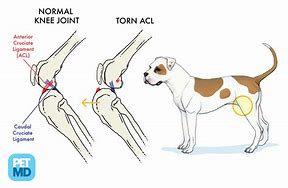
The cruciate ligaments are bands of fibrous tissue. Each knee joint (“stifle”) in a dog’s back legs has two cruciate ligaments, which connect the femur (the bone above the knee joint) with the tibia (the bone below the knee joint).

The cruciate ligaments are the main stabilizers of your dog’s knee joint. They cross over each other, with one band running from the inside to the outside of the knee joint, and the other from the outside to the inside. In humans, the CCL is called the anterior cruciate ligament (ACL).

Inside the knee joint between the femur and tibia is cartilaginous material called the meniscus. The job of the meniscus is to absorb shock and assist with load bearing, and it can be damaged when there is injury to the cruciate ligaments.

CCL injuries are seen in dogs of every size and age, but certain breeds are overrepresented, including the Akita, Chesapeake Bay Retriever, Labrador Retriever, Mastiff, Newfoundland, Rottweiler, Saint Bernard and Staffordshire Terrier. Research has identified a genetic component for the disease in Newfies and Labs.

Breeds unlikely to develop CCL disease include the Basset Hound, Dachshund, Greyhound and Old English Sheepdog. The condition is almost never seen in cats.

Most CCL Ruptures Occur After Years of Gradual Deterioration

Rupture of the CCL is a very common reason for hind limb lameness, pain and arthritis of the knee in affected dogs. Ruptures can be partial or complete.

The word “rupture” or “tear” draws a mental picture of an injury to a healthy ligament that occurs suddenly (acutely). However, according to the American College of Veterinary Surgeons (ACVS), and in my own experience, in the vast majority of affected dogs, the ligament has been gradually deteriorating over a period of months or years.3

When the CCL tears or ruptures, the knee bones no longer move normally and your dog will have difficulty putting weight on the leg without it collapsing. That’s because the tibia is no longer supported by the cruciate ligament and thrusts forward when any weight is exerted on the leg.

Indeed, with complete tears (picture a rope torn in half), only surgical correction or replacement will make the joint completely functional again. The type of surgical technique selected and the competence of the surgeon have a lot to do with outcome success, along with rehabilitation therapy and long-term joint support.

However, the majority of dogs suffer from recurring sprains rather than complete ruptures (picture a frayed rope). In these situations, I recommend you avoid surgery as long as possible by instituting an intensive management protocol. CCL injuries are painful for your dog, and without proper treatment, permanent joint damage can result. Unfortunately, estimates are that from 40 to 60 percent of dogs with CCL disease in one knee go on to develop the problem in the other knee.

Treating CCL Disease Non-Surgically

Treating CCL disease non-surgically involves three essential strategies:

  • Controlling pain
  • Supporting and improving joint health, slowing degenerative joint disease (DJD)
  • Restoring function and strength to the injured leg

The supplement, exercise and dietary regimen I select for my patients is based on each dog’s specific circumstances, age, activity level and job (for example, agility athletes and police dogs have different ligament stress than other dogs).

In my experience, there is no “one size fits all” treatment approach when a dog is diagnosed with CCL damage. Partnering with a proactive integrative veterinarian who will adjust treatment protocols as your dog’s body dictates is a critical part of managing “joint dogs” throughout their lifetime.

Natural Supplements and Medications

Instituting chondroprotective agents (CPAs) as soon as possible helps reduce further damage to joints. For genetically predisposed breeds this means beginning CPAs proactively, at 6 months to 1 year of age. The most commonly used CPAs are perna mussel (green-lipped clam), eggshell membrane, glucosamine sulfate, MSM and cetyl myristoleate.

Dogs who have had substantial CCL injury should be on progressive joint supportive protocols for the rest of their lives to slow degenerative joint disease in the injured knee and improve ligament resiliency in the opposite knee. Medications should be given for as long as necessary to control both the pain of the CCL injury, as well as any maladaptive pain that has developed as a result, such as low back pain.

I also use injections of Adequan and platelet-rich plasma therapy4 to slow joint degeneration and promote joint fluid production in cases of chronic knee problems. Prolo therapy, which involves injecting small amounts of various natural substances into the soft tissues of a damaged joint, can be beneficial for these patients as well.

In addition, I incorporate many natural anti-inflammatories for long-term management. It’s important to always give CPAs with anti-inflammatories, including:

Devil’s claw SOD
Feverfew Serrapeptase
Scutellaria Turmeric and ginger
Boswellia Willow bark (not for cats)
SAMe Proteolytic enzymes

There are some excellent homeopathic remedies and Chinese herbs that can be beneficial as well, but these natural treatments should be given in addition to CPAs, not in place of them.

Physical Therapy and Exercise

There are several orthopedic braces that can be beneficial for limiting range of motion and supporting the rest of the body (including the over-stressed, opposite knee joint). I have found it’s important to match the type of brace to the breed of dog, so work with an animal rehab therapist to determine which brace may be beneficial for your dog.

Once a dog’s pain and lameness are improved, a physical rehabilitation program can be instituted to improve function and rebuild strength. I have found water therapy to be very beneficial in helping dogs recover from CCL injuries, because it helps build strength and muscle mass with little to no discomfort.

On an underwater treadmill, your dog can exercise in a normal posture without putting excess weight on damaged joints. Water also provides resistance during movement, which helps strengthen muscles. During this time, I also typically recommend laser therapy, the Assisi loop,5 acupuncture and electro-acupuncture to help alleviate joint pain.

Chiropractic care can help your dog’s postural imbalances, and may help reduce compensatory stress on the other knee. In addition, massage is excellent for tight, overworked muscles.

It’s important to note that even with intense therapy, there are cases where complete rupture eventually occurs. That’s why many dogs end up requiring CCL surgery to maintain an excellent quality of life. Every patient and situation is different, so the challenge is always finding the methods of treatment that are most suitable and helpful for the individual pet and his family.

Dietary and Additional Recommendations

Don’t guess at your dog’s diet. Feed a homemade, fresh food diet you know is balanced for optimal nutrient intake, including 3.1 mg of manganese per 1,000 kcal (calories). This is the average amount of manganese provided by the canine ancestral diet.

I’m a firm believer in nutrigenomics — you can up- or down-regulate genetic potential by what you feed your dog. If dogs are eating a ligament-supportive diet they should not have degenerative cruciate damage over time. My recommendations for feeding a manganese-rich diet:

  • Follow a homemade recipe that gives amounts of manganese per serving or 1000 kcal
  • Call the pet food company and ask what guidelines they follow, or how much manganese (per 1000 kcal) is in their food, so you know you are meeting optimal intake for your dog
  • Supplement, as necessary (with whole foods or a supplement such as Standard Process E-Manganese) to meet Mn requirements

In addition, it’s very important to keep your dog lean and well-conditioned, preferably intact (opt for an ovary-sparing spay or vasectomy, when possible), and titered versus over-vaccinated. If your dog has sustained a CCL injury, partner with a good canine rehabilitation facility and proactive integrative veterinarian to offer your dog the best chance of recovering from this common injury.

Diane’s dog, Neko, partially tore his ACL over a year ago and just this past May, he completed the job requiring surgery and months of recuperation.  None of this was easy on a lively husky or his owners!  You must be diligent to ensure a complete recovery but after paying $4,000 we were bound and determined that he would heal completely!

Aging Pet Needs Your Attentive Care

By Dr. Becker


Have you noticed that your once laid-back, happy-go-lucky pooch has become anxious, crabby or noticeably more aggressive? Changes in behavior and personality are not unheard of in dogs, especially as they get older.

Unfortunately, some owners may give up on their long-time pets rather than attempting to understand the underlying reasons for the personality changes and taking steps to address them.

In one study published in the Journal of Applied Animal Welfare Science, 65 percent of owners who relinquished their dog to a shelter reported a behavioral reason — most often aggression — behind the decision.1

Surrendered dogs also tended to be significantly older, which suggests that in some cases a lingering behavioral issue combined with age may have triggered the family’s breaking point.

You can prevent this from happening in your own family by first understanding some common reasons why a “good” dog may suddenly turn “mean.”

Be Aware of Changes as Your Dog Ages

Chronic pain, cognitive impairment, changes in vision, sense of smell and hearing and metabolic problems all become more common as your dog gets up in years, and each may contribute to crankiness and aggression.

Your dog may startle more easily, which could lead to seemingly unprovoked aggression. If your dog feels more vulnerable or weak, he may act aggressive out of fear or may nip at anyone who touches him in a painful area.

If your dog was at all prone to anxiety as a pup, such as struggling with separation anxiety or noise phobias, he’s likely to become even more anxious with age.

This, in turn, may result in increased irritability and fear, which may result in aggression toward strangers or unfamiliar pets. Your dog may also have less tolerance for being touched and may act aggressively if you try to restrain him.

Other medical issues, including changes in mobility and hormones, may also lead to increased aggression. In addition, dogs of all ages may be affected by changes in your household (such as the addition of a new baby or pet) and may act out of sorts until he’s given time to adjust.

Cognitive Decline May Also Result in Aggression

Changes in your dog’s brain function may also occur with age. Dogs suffering from cognitive decline or dementia may desire less interaction with other pets and even their owners. If pressed to play or interact, some dogs may become agitated, distressed or even aggressive in order to stop the interaction.

A dog with dementia may become easily disoriented or startled, which can also lead to formerly uncharacteristic aggression. Even if your senior dog is generally healthy, don’t startle him awake — if you must wake him up, try blowing on him gently, as it will be far less stressful.

Personality changes, increased irritability and less patience are more the rule rather than the exception in aging pets and this may be further heightened by cognitive decline.

Seeking Professional Help Is a Must

If your dog has become unpredictably aggressive and you’re at the point where you’re fearful of having him around strangers or even your own children, there’s still hope.

A professional trainer or behavior expert may be able to modify your pet’s behavior and give you practical solutions as well so your pet can stay in your home.

For instance, Dr. Ilana Reisner, a veterinary specialist in animal behavior and spokesman for the American Veterinary Medical Association (AVMA), advises parents to avoid leaving children in a room with a dog who has a history of biting, unless two adults are also present (one of whom keeps a close eye on the dog at all times).2

Dr. Reisner also suggests seeking the help of an animal behavior specialist who can visit your home environment and work with all family members to come up with a solution.

Calming herbs and acupuncture can also be helpful when used in conjunction with behavior modification. There are several excellent cognitive-supportive nutraceuticals that may also be of benefit to aging dogs.

Changes You Can Make to Support Good Behavior in Your Aging Dog

While unprovoked aggression is best tended to with professional help, there are many DIY solutions you can try out if your dog has simply become crabbier, more anxious, irritable or easily startled with age.

For starters, respect his boundaries. If he seems to no longer enjoy being rubbed on his belly, don’t force it. And if he growls, avoid punishing him for it. Instead, recognize that your dog is giving you a warning or telling you he needs to be removed from the situation.

Stop doing whatever is making your dog uncomfortable and/or move him to a location where he feels safe again.

In addition, if you know loud noises make your pet anxious, try to avoid them in your home and certainly take extra precautions during thunderstorms, the Fourth of July or large gatherings in your home.

A dog that used to be social during family parties and events may now exclude himself. Some older dogs may be safer kept in a separate room with a chew toy during social events.

You may, for instance, create a cozy space for your dog in a quiet room, with softly playing music or white noise, to protect your dog from undue stress.

In addition, you should seek regular preventive veterinary care for your dog. Your pet should be seen at least once a year for a regular check-up in conjunction with organ function testing, which helps identify degenerative changes before organ failure occurs.

However, if he is older or has a chronic health condition, a check-up with a proactive, functional medicine vet every six months is wise. It’s during these exams proactive vets measure muscle mass, range of motion, cognitive health and early changes in vision and other senses that can be best addressed when identified early on.

Your veterinarian can help you determine any painful areas in your pet and, if your pet is suffering from chronic or acute pain, provide natural options for relief. This alone may dramatically change your pet’s behavior for the better. It’s important to keep in mind that if your pet suddenly has a change in personality or behavior, there’s virtually always an underlying reason why. Once you figure out what it is, there are often steps that can be taken to improve it.

Like humans, dogs may become crankier with advancing age. Rather than assuming there’s no hope, recognize that this means they’re depending on your attentive care more than ever and address the situation as soon as minor changes in behavior are noted.


Walking Your Dog vs. Just Letting Your Dog Out in the Backyard

By Paula Fitzsimmons and comments by Diane Weinmann

Letting your dog use your fenced-in backyard for potty breaks and exercise is convenient, especially when life gets hectic. It’s also a great way for her to get fresh air and exercise in a safe environment.


Walking your dog, however, is associated with a myriad of physical and mental benefits, which contributes to your dog’s well-being. Learn how to balance the backyard with the sidewalk to make sure your pup gets the exercise and bonding time she needs.


Is a Backyard Enough for Your Dog?


Letting your dog run around in the backyard is a beneficial supplement to walking your dog. But dogs thrive on variety, says Dr. Pam Reid, a certified applied animal behaviorist (CAAB) and vice president of the ASPCA Anti-Cruelty Behavior Team. “Most dogs enjoy seeing different things, smelling new smells, feeling novel substrates under their feet and hearing unfamiliar sounds.”


Relying solely on the backyard for your dog’s exercise can lead to problems. “It is not uncommon for these dogs to become bored and frustrated, which can lead to destructive behaviors, barking, repetitive behaviors (like perimeter circling, and even escape attempts. It is also common for many backyard dogs to begin showing territorial behaviors like barking, rushing at the fence and running the fence when people or other dogs pass by,” says Jenn Fiendish, a veterinary behavior technician who runs Happy Power Behavior and Training in Portland, Oregon.


If solely kept in enclosed spaces, they can also become sheltered, says Dr. Ari Zabell, a Vancouver, Washington-based veterinarian with Banfield Pet Hospital. As a result, “They can become less confident and comfortable with new people, pets and experiences that they aren’t exposed to on a regular basis.”


While walking your dog does provide them with exercise, a fenced-in backyard can, too. “The backyard is the safest option to let the dog run full tilt and burn off some steam, so both activities should be incorporated into a happy dog’s lifestyle,” says Dr. Reid.


Be sure that you have a secure, fenced yard so that animals cannot escape. You should also microchip your pet, as many animals get out through small holes or by digging under fences.


What Walks Provide That Backyards Don’t


Aside from the physical health benefits, dog walking provides opportunities for enrichment, socialization and training that a backyard may not. “Dogs are, by nature, curious explorers, so going on a walk or hike is a great way to let them explore,” says Fiendish.


Dr. Reid agrees: “Walks are great for providing the mental stimulation that comes from visiting places outside of the familiar backyard. Sniff walks (allowing the dog to set the pace and stop and sniff whenever she likes) are particularly gratifying to dogs.”


Walking your dog on a dog leash also plays an important role in developing her social skills, she adds. “They see, and perhaps even get to meet, unfamiliar adults, children, dogs and other pets. They become comfortable with motorcycles and bicycles zipping by, kids on skateboards, and just about anything else you can imagine!”


Leash walking requires you to be with your dog, providing an opportunity to strengthen your bond, says Dr. Reid. “It’s no fun walking a dog that pulls on leash or zigzags back and forth all over the place, so you’ll be motivated to work on training your dog to be more mannerly while on leash.”


Finding the Right Balance Between the Backyard and Walking Your Dog


The right balance of yard and walk time is unique to every pet, family, home environment, neighborhood and lifestyle, says Dr. Zabell. “Exercise is an important component of every well-rounded dog’s life, but young, high-energy dogs, for example, will likely require more walks (or runs) than low-energy or geriatric dogs.”


Some dogs prefer the familiarity of a backyard, but still need the exposure that leash walking provides, while others quickly become bored and thrive when walked, says Dr. Reid. “Also, if you’re in a hurry to make sure your dog is ‘empty’ before heading out for a few hours, walking is by far the best option for encouraging the dog to empty his bladder and bowels. The sustained movement plus the novel vegetation that invariably contain the smells of other dogs’ eliminations will quickly prompt your dog to urinate and defecate.”


Walking Your Dog for Maximum Benefits


How often should you walk your dog? Fiendish recommends at least one 15 to 20 minute session each day, and “more if your dog doesn’t have a backyard to be in.” (Experts recommend speaking with your vet if your dog has health problems to determine the appropriate walk duration.)


Any dog collar or harness you use should be comfortable, fit properly and be safe for your dog, she adds. “It is not recommended to use products that cause pain or discomfort as these can inhibit learning, cause fear and harm the human-animal bond.”


If your dog has a tendency to pull, a dog harness has an advantage over a collar because it relieves pressure from her neck, says Laura Hills, certified dog trainer and owner of The Dogs’ Spot, based in North Kansas, Missouri. “In addition, many harnesses have a place in the front, on the dog’s chest, to clip the leash. When used in this way, a dog that pulls will find themselves turned back toward the person holding the leash. This makes pulling more difficult, as it causes the dog to be slightly off balance, and like training wheels, is a great aid while working on loose leash walking.”


If your dog doesn’t typically pull, a flat collar may be a good option, she says. And if you typically walk your dog in the evenings, “Collars and harnesses that are reflective will help dogs be seen better in lower light, which is especially good during the shorter days of winter.”


Learning how to properly exercise your dog includes knowing how to balance walks and yard time. Your vet or dog training professional is in the best position to help. “Your veterinarian should be able to advise you on the best ways to keep your pet safe, exercised and socialized, based on their individual needs, characteristics and lifestyle,” advises Dr. Zabell.

Diane plays with her dog in the backyard, spends time relaxing and reading there with her dog, even having dinner/lunch outside in the company of her dog; however, they go to the park daily (weather permitting) for the enrichment aspect to her dog’s life.  Many experiences, good or bad, cannot be found anywhere but on a walk in the park, neighborhood or woods.  Walk with a friend today!