Defining Senior Age in Dogs

Reviewed and updated for accuracy on May 13, 2019 by Dr. Hanie Elfenbein, DVM, PhD as seen in PetMD
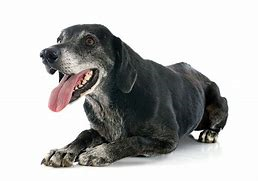
 

Our pets are family no matter their age. We love senior dogs just as much as when they were puppies, but some of us might be in denial when it comes to admitting that they’ve entered their senior years.

And it can also be confusing knowing exactly when you should call your pup a senior, especially when that range is different for different breeds and sizes of dogs.

Here’s a guide for determining when your dog is truly considered to be a senior and recognizing signs of health issues so you can adapt her care to fit her needs.

Is There a Set Range for a Senior Dog’s Age?

According to the Journal of the American Animal Hospital Association (AAHA), the term “senior” can describe an aging pet, but the number of years a pet is considered to be “senior” varies.

Identifiers such as weight, breed and the state of their organs can also help determine if your pet has reached old age.

“Though many old guidelines talk about seven dog years being equal to one human year, the size of the dog really depends on the extent to which you can follow that rule,” says Dr. Heidi Lobprise, DVM, DAVDC, and spokesperson for the International Veterinary Senior Care Society.

For example, large dogs will typically age faster than smaller dogs. “For a dog between 20-40 pounds, these guidelines are more effective, but it’s not uncommon to see a geriatric Great Dane at age 7 or a Chihuahua in [his] 20s,” Dr. Lobprise says. 

In most cases, however, dogs can be considered senior between 5 and 10 years old.

“The terms ‘geriatric’ and ‘senior’ also differ,” Dr. Lobprise says. “While a dog may be considered senior, they’re likely still healthy or just beginning to experience signs of aging. Geriatric animals are at the older end of the aging spectrum and often experience more health-related issues.”

Signs of Aging for Senior Dogs

“There is a wide range of factors to help you recognize signs of aging in your pet—many of them similar to the signs of aging in people,” Dr. Lobprise says. Some of these factors may be more obvious, like an intolerance to exercise or limited mobility, while others are much more subtle.

Your pet’s behavior may also help indicate signs of aging. While cats don’t always show that something is wrong until their issues become more advanced, many dogs are more demonstrative and vocal with their discomfort.

Here are some things to keep an eye on:

Eating Patterns and Weight

You’ll want to monitor your dog’s eating patterns and body weight, as obesity can cause issues, including osteoarthritis and diabetes. A too-thin animal or dog that won’t eat could be having dental or stomach issues.

Sleeping Patterns and Cognitive Health

Sleeping patterns and cognitive behavior are also things to look out for. A dog that isn’t aware of his surroundings or has difficulty recognizing people may be experiencing early canine dementia.

Drinking Patterns and Urination

“A less obvious but just as important sign of aging is how much your pet is drinking and urinating,” Dr. Lobprise says. How much your pet is or isn’t drinking can be indicative of many problems, from endocrine issues to kidney disease.

Urinary incontinence in female dogs may also be a sign of trouble. It’s challenging to watch for, especially in multi-pet households, but should be monitored if possible.

Monitoring your dog’s urination and defecation on walks can be a useful tool. Even if both are normal, you may notice your senior dog being slower or more resistant to posturing.

Lumps and Bumps

Being aware of your pet’s overall body condition may also help you spot any abnormalities, like cancer.

“We’re keeping animals healthier and healthier now, and as our pet population is graying, an eventual cause of death is cancer, especially in specific breeds,” Dr. Lobprise says. “We need to be aware of lumps and bumps.”

Many dogs develop lumps and bumps while they age. Not every lump will need to be tested or removed, but keeping track of them can avoid problems. Lumps that are new, growing or are different from the other ones on your pet can indicate a problem.

Recognizing Common Diseases for Senior Dogs

“A very common and preventable disease that is prevalent in senior pets is dental disease,” Dr. Lobprise says. “While it’s not always a serious disease to have, it is one worth paying attention to and can change your dog’s demeanor if treated early and effectively.”

You can spot periodontal disease by smelling your dog’s breath and regularly checking their teeth and gums for signs of bacterial infection, such as inflammation, reddened gums and tartar.

Left untreated, dental issues can impact a dog’s heart, kidneys and the rest of the body. If dental disease is causing discomfort, it may make your dog not want to eat, which can lead to all sorts of other problems; that is why your veterinarian recommends regular dental cleanings.

Kidney and liver disease can be an issue for both cats and dogs, as can heart valve disease. Endocrine issues, including those impacting the adrenal glands and thyroid, can also affect aging dogs.

Hypothyroidism can make older dogs feel lethargic and potentially gain weight.

Unfortunately, Dr. Lobprise says, it’s more common for multiple problems to compound each other in senior pets than in younger animals.

Your pet’s cognitive function is also a common issue; are they aware of their surroundings? Do they recognize their people? There are minor, natural declines in cognition as a part of the aging process, but as it advances, it can disrupt a pet’s quality of life.

Working With Your Veterinarian

Dr. Lobprise recommends getting senior animals checked by their vets at least twice a year, complete with blood work, urine analysis and a full body examination, in addition to yearly dental cleaning, if needed.

Unfortunately, however, the AAHA reports that only 14 percent of senior animals have regular health screenings as recommended by their vets. Having just an annual exam may [allow an issue to] progress into something worse that can impact the life span of your dog,” Dr. Lobprise says.

“Whether it’s kidney disease, heart disease or cancer, the earlier something is caught, the better,” Dr. Lobprise adds.

Talk to your veterinarian about what and how much your pet is eating, as different conditions will require different dietary needs to maintain a healthy weight. Some senior pets benefit from prescription dog food diets aimed to help treat specific diseases.

You should also take into consideration their lean muscle mass and body score. Your pet could be the same weight as always, but they may be retaining fluids and losing muscle as a result of some illness. To help keep track and recognize changes in your dog’s weight, you can take photos or keep a body score chart at home.

Depression and anxiety can also be issues with older pets, so you’ll want to discuss this and any other behavior-related issues with your veterinarian. Your vet can provide you with prescription pet medication to help ease anxiety and behavior modification training tools, but you’ll also want to make sure their lives at home are as comfortable as possible.

“When looking at the senior or geriatric pet, there will be some rough days,” Dr. Lobprise says.  

As a pet parent, you can help your pets thrive in their senior years by first admitting that they are indeed seniors, taking them twice a year to the vet for a checkup, and looking out for any issues that require your vet’s immediate attention.

By: Jessica Remitz
 

Going to Foster a Dog?

By Dr. Karen Becker DVM


Congratulations! You’ve made the decision to bring a foster dog into your home — or you’re seriously considering it. This is an altruistic act that will change the animal’s life forever, and is key to helping the approximately 3.3 million dogs that enter U.S. animal shelters annually.1

Not only is there simply not enough room to keep every dog in need of a permanent home in a community animal shelter, but such shelters are notoriously stressful places to be. As a result, dogs don’t show their true personalities, making it harder for them to get adopted.

It’s also common for animals to become sick in shelters, and the typical animal shelter environment, with its concrete floors, kennels and chaotic environment, is so traumatic for many dogs that it brings out behavioral issues, like fearfulness or excessive barking, that may keep them from getting adopted.

Imagine, then, that a dog that would otherwise end up cowering in a corner in a shelter kennel is able to instead spend his days waiting for his forever family while cozying up on a couch, in a home, with a temporary family to show him love and get him used to the routines of a household environment. Fosterers like you make that possible.

Getting Prepared for Your Foster

Once you fill out an application to foster a dog, be aware that your new foster could arrive sooner than you expect, so it’s a good idea to get prepared right away. While the animal shelter or rescue group that you’re fostering for will typically pay for veterinary care for the animal, you’ll need to supply basics, like food, shelter and other supplies.

Not knowing the personality of the animal you’ll be fostering, it’s also smart to prepare your home for your new guest much like you would do for a human toddler coming to visit: put away all items on the floor you don’t want investigated, keep electrical cords out of reach, and close off rooms you don’t want the foster pup to have access to.

Items to have on hand include food and water bowls (preferably non-plastic), a leash and harness, a pet bed, toys, food and treats. You’ll also need poop bags and a crate or pen. If your foster has had a negative experience with the crate, time in your home is a perfect opportunity to help them reframe this experience.

Next, decide where in your home you plan to keep these items, particularly where your foster dog will sleep, eat, go to the bathroom and spend time in his crate.

The biggest part of being prepared for a foster animal is knowing that your time with your pup will vary, and you’ll be working together to develop a relationship during this time, as well as care for a dog that may come with physical and behavioral challenges that need to be positively and appropriately addressed.

According to Second Chance Rescue, based in New York, the average time a dog spends in foster care is two weeks, but some dogs get adopted in a couple of days, while others may spend a month or more in foster care.2 In addition to caring for the dog in your home, some rescue organizations will ask their foster volunteers to bring the animal to adoption events to increase their chances of being adopted.

Making Your Foster Feel at Home

As soon as you bring your foster pup home, show him where to use the potty and where he can find a safe place to rest. This will help the dog feel less anxious, as he’s just been through a number of sudden, unpleasant experiences. You’ll want to do your best to keep his first hours and days in your home as calm as possible to help him feel at ease.

According to Karen B. London, Ph.D., who co-authored the book, “Love Has No Age Limit: Welcoming an Adopted Dog into Your Home,” “For introductions, that means having him meet every person in your household one at a time in a calm way with no pressure and perhaps some treats or toys if he likes them. He should also meet other dogs, cats and any other species in your household one at a time, with a break between each introduction.”3

During this time of transition, London also advises keeping the dog on a leash when you take him outside, even if you have a fenced yard. A stressed-out dog may run away and be difficult to convince to come inside when you call him, and he may also appreciate having you nearby when he’s outside.

Helping your foster dog feel safe, secure and loved is the primary goal of foster care. While you may want to engage in some brief positive training sessions, the goal right now isn’t to teach him obedience but rather trust and acceptance.

“He may know a lot or he may not even know his name or how to sit when asked. Perhaps he is too overwhelmed to learn much right now. Keep training relaxed and low-key. Consider it a fun way to interact with him rather than a way for him to learn any particular skills,” London says, suggesting that you want your foster dog to associate you with love and attention more than anything else.4

Fostered Animals Are More Likely to Get Adopted

Fostering a dog is rewarding for those who want to make a difference in a dog’s life without making the full-time commitment to adopting. And it’s a proven fact that fostering makes an immense difference to animals, helping dogs to get adopted into permanent homes.

In a comparison of 30 dogs put into foster care and 30 dogs that stayed in a shelter for one week or more, those given foster care had significant improvements in behavior and wellbeing. Specifically, dogs in foster care were rated as being more playful, happier, friendlier and confident than the shelter dogs, as well as showing less signs of insecurity, anxiousness, barking and repetitive behaviors.5

Not only will your love help your foster find a home faster, but it will open up space in shelters and rescues so more animals can get the help they need. It’s a win-win scenario for everyone involved — and sometimes foster parents even end up falling for their foster and becoming their permanent home.

The possibility of “foster failure” is just one more part of the job to be aware of, but when it happens, it’s still a winning scenario for everyone.


3 Remedies for Upset Stomach in Dogs

Katherine Smith, DVM, CVA, CVSMT


 When you have an upset stomach, you probably reach for ginger ale or crackers to settle your tummy. But what should you do when your dog’s stomach is out of sorts?

Here’s some information about the causes and symptoms of upset stomach in dogs and tips for how to make your pup feel better with natural remedies. 

Common Causes of Upset Stomach in Dogs

There are many reasons your dog may have an upset stomach, though there’s one common cause: they ate something they shouldn’t have, says Kathy Backus, DVM, at Holistic Veterinary Services in Kaysville, Utah.

“Dogs are curious like kids; they’re always putting things in their mouth,” she says. “Vomiting and diarrhea are signs that a dog’s body is trying to expel something that shouldn’t be in their system. In a healthy dog, it’s a protective mechanism of the body that’s totally normal.”

These are a few (of many) things that can trigger an upset stomach in dogs:

  • Ingesting something that they shouldn’t
  • Bacterial imbalances within the digestive tract
  • Chronic conditions such as food sensitivities

Symptoms of Upset Stomach in Dogs

The most common signs of upset stomach in dogs are diarrhea and vomiting. If your dog is nauseous, you may also see him eat grass to soothe his stomach or try to induce vomiting, says Jody Bearman, DVM at Anshen Veterinary Acupuncture, Madison, Wisconsin.

Watch for other signs of upset stomach in dogs, such as:

  • Decreased appetite or loss of appetite
  • Fatigue
  • Drinking less water
  • Seeming depressed
  • Looking uncomfortable and stretching more often (like they are attempting a downward dog)
  • Gulping to combat reflux
  • Licking their lips, the air, or objects

When to Call Your Vet

Monitor your pup’s symptoms. If your dog is consistently uncomfortable, or if the signs worsen at any point, call your veterinarian.

Watch for these signs:

  • Increasing discomfort
  • Vomiting or having an episode of diarrhea more than twice
  • Blood in their vomit or stool
  • Toy or other foreign object in their vomit or stool
  • Weakness or collapse

These can all be signs of something more serious, including pancreatitis, stomach bloating, a severe allergic reaction, or internal parasites.

If you realize that your dog has eaten something he shouldn’t have—a plant, food, toy, or chemical—you should seek immediate veterinary care.

If your primary veterinarian is unavailable, call your local emergency veterinary hospital. They will be able to advise whether your pet needs to be seen or whether you can continue to monitor him at home.

You can also call the ASPCA Animal Poison Control hotline at 888-426-4435 for a fee. They can also determine a poison’s level of toxicity and recommended care for your dog.

3 Remedies for Upset Stomach in Dogs

It is crucial to consult with your veterinarian before administering any home remedies to soothe your pup’s tummy troubles. If your veterinarian recommends at-home monitoring, these are a few ideas you can ask them about trying while you are at home with your dog.

Fasting

When your dog’s stomach is trying to get rid of something, it can be helpful to stop putting more things in their stomach for 12-24 hours, Dr. Backus says. “If the gastrointestinal (GI) system is having a tough time, you don’t want it to digest things.” 

Fasting may seem simple enough, but it’s important to speak with your veterinarian first because some dogs (particularly small breeds or those with prior health conditions) cannot tolerate fasting as well as others.

If your veterinarian does recommend fasting, ask whether they would like you to start a bland diet (and what they recommend) after the fasting period is complete.

Ice Cubes

When your dog is vomiting or has diarrhea, you want them to stay hydrated, but giving him too much water may make his stomach even more upset, Dr. Backus says.

Monitoring your dog’s water intake and discouraging gulping is important. Offer your dog ice chips to help encourage drinking.

If your dog can keep down small quantities of water or ice chips, you can gradually increase the amount and how often you are offering the water and ice.

Canned Pumpkin

When fighting indigestion and upset stomach in dogs, 100% canned pumpkin is a favorite of many holistic veterinarians.

“It has a low glycemic index, so it slowly absorbs, which helps with upset stomach and digestion,” Dr. Bearman says.

Make sure to get 100% canned pumpkin, not pumpkin pie mix, as you don’t want to feed your dog spices and other ingredients, she says. Check that there are no ingredients listed other than pumpkin (such as sugar or sugar substitutes).

According to Dr. Bearman, smaller dogs (approximately 5 pounds) can be fed one-half teaspoon of canned pumpkin, while larger dogs (approximately 75 pounds) can be fed 1 tablespoon.

Is Upset Stomach in Dogs a Sign of Food Allergies?

An upset stomach every once in a while can be normal in a dog, but if it happens often, it could signal that something is wrong in their GI tract, says Randy Aronson, DVM, of P.A.W.S. Veterinary Center in Tucson, Arizona.

If digestive upset is a frequent occurrence for your dog, discuss the possibility of a food allergy with your veterinarian. When food allergies are diagnosed in dogs, it is often an allergy to a protein source, which is why a more “novel” protein (one that your dog has never eaten) may be recommended.

There are many options on the market, but examples may include beef, buffalo, venison, or lamb.

How to Help Prevent Upset Stomach in Dogs

To help your dog maintain a healthy gut, consider giving them a prebiotic and probiotic, Dr. Aronson says. There are both prebiotics and probiotics that are made specifically for dogs, some of which are available over the counter. Be sure to ask your veterinarian if they have a particular brand recommendation.

Always talk to your veterinarian first to find out the best course of action.

Got Dog? They go back to the Ice Age!!!!

Stunning Evidence Suggests Dogs Lived During the Ice Age

by Dr. Karen Becker


While it’s known that dogs descended from wolves to become humans’ best friends, when — and exactly how — this occurred remains a great mystery and highly debated topic. Genetic data confirms that dogs are descendants of Eurasion grey wolves, and early humans and wolves were known to share resources and territories dating back hundreds of thousands of years.

Skeletal changes suggestive of dog domestication have been discovered dating back to the Aurignacian period some 43,000 to 26,000 years ago, and by 16,000 to 12,000 BP (before present), domestic dogs were known to exist in Western Europe, Asia and North America, with purposeful burials of dogs also occurring at this time.

Still, researchers wrote in the Journal of Archaeological Science, “The beginning of this domestication process … remains a point of debate, with purported originations ranging from 15,000 to over 40,000 BP.”1

Understanding when this process occurred isn’t only a matter of satisfying curiosity — animal domestication signals a shift in humans’ relationship with nature and changes in human cognition and behavior. Uncovering when this first occurred will help researchers to also understand early Homo sapiens.

Researchers from the University of Arkansas may be one step closer to figuring out the mystery, after an analysis of Paleolithic-era teeth showed evidence of two groups of canids — “one dog-like and the other wolf-like”2 — existing at that time.

Dental Differences Suggest Dogs Emerged During Ice Age

The study involved fossils from a 28,500-year-old site known as Predmostí in the Czech Republic. A dental microwear texture analysis was performed on the ancient teeth, which identified distinctive microwear patterns on the differing canids. The dog-like canids, which the researchers called “protodogs,” had larger wear scars that suggest they ate more hard, brittle foods such as bones.

The wolf-like canids, on the other hand, had smaller scars, which could indicate they ate more flesh-based food, such as mammoth flesh. Peter Ungar, distinguished professor of anthropology at the University of Arkansas, explained in a news release:

“Our primary goal was to test whether these two morphotypes expressed notable differences in behavior, based on wear patterns … Dental microwear is a behavioral signal that can appear generations before morphological changes are established in a population, and it shows great promise in using the archaeological record to distinguish protodogs from wolves.”3

While the fossil site is believed to contain fossils from wolf-like and dog-like canids, the dental differences provide supporting evidence that the animals had distinct diets. The wolf-like canids likely feasted on flesh caught by hunting while the dog-like canids may have eaten more bones and other food scraps that came from a human settlement.

“Dental microwear is a behavioral signal that may appear generations before morphological changes are established in a population. It shows promise for distinguishing protodogs from wolves in the Pleistocene and domesticated dogs from wolves elsewhere in the archaeological record,” researchers wrote in the Journal of Archaeological Science.4

Paleolithic Dog Skulls Revealed

In 2012, researchers analyzing skull material from the same fossil site in the Czech Republic came to the conclusion that both dog and wolf skulls exist there.5

Three complete skulls were identified as belonging to ancient dogs, which were characterized by short skulls and snouts and wide palates and braincases compared to wolves. The ancient dogs had skulls shaped similar to that of a modern-day Siberian husky, but larger in size and heavier.

Three other skulls could not be identified, with researchers suggesting they could be from hybrids or captive wolves. Further, they noted that the skull and canine remains were modified by humans, which suggests a relationship existed between humans and large canids at the time.

For instance, one of the dogs had a mammoth bone in his mouth, which was believed to have been placed there after death. “The mammoth bone in the dog’s mouth could signify “that the dog was ‘fed’ to accompany the soul of the dead (animal) on its journey,” according to lead study author Mietje Germonpré.

Their conclusions, however, particularly the supposed presence of two distinct canid populations at the fossil site, were met with debate. The featured study, with its detailed dental analysis, adds further support that ancient dogs may have existed alongside wolves during the Ice Age. The researchers even made suggestions as to their respective diets:

“Isotope analysis suggests wolves and humans focused on mammoth, while dogs and lions focused on reindeer and other prey. Protodogs fed scraps would have been better able to break and consume the bones of reindeer and smaller prey compared to mammoths, and this may help explain the signal.

Alternatively, protodogs may have opportunistically scavenged off felid kills, as felids typically leave more flesh as well as marrow containing bones than do canids or hyaenids.”6

Still, even with this combined evidence, it’s possible that the two canid groups were actually different wolf populations that had developed different dietary behaviors due to increased competition or environmental changes. Further research will be necessary before the ongoing debate will be ended revealing when dogs were first domesticated.

As for why domestication occurred, it’s believed that wolves may have become integrated into human society because canids fulfilled important functions in the daily life of Paleolithic people, helping them with hunting and other work, offering protection and, just as they do today, providing a source of faithful companionship.


Got a Velcro Dog that You’d like to Liberate?

By Dr. Karen Becker


Some of you reading here today have dogs that are, shall we say, extremely bonded to you. They follow you from room to room all over the house. When you stand still or sit down, they immediately put their body in contact with yours. You’re never in the bathroom without an audience. The small ones are constantly, literally underfoot; the larger guys trot behind or next to you, an adoring look on their faces, as you move about.

“Velcro dog” behavior can be charming and lovable, but there are times when it can also be annoying or even dangerous. For example, a tiny dog at your feet trying to follow your every movement is a trip-and-fall accident waiting to happen.

Another potential issue is that clingy canine behavior can progress to or be a feature of separation anxiety, which in many dogs is a serious emotional and behavioral problem.

Most Velcro Dogs Are Made, Not Born

According to veterinarian Dr. Joanna Pendergrass in an article for PetMD, “Clinginess is often a learned dog behavior.”1 Needless to say, they learn it based on how we respond to them when they follow us about. If we reward them in some way (e.g., with a treat or a scratch behind the ears), the behavior will very quickly become imprinted.

“If we give puppies constant attention when they’re developing,” says Pendergrass, “they can become fearful of being alone and subsequently never want to leave our side. Dogs can also become clingy if we change their daily routine.”

Other reasons for clinginess can include the gradual loss of vision, hearing or cognition in older dogs, as well as illness or boredom in dogs of any age. Anxious dogs are often clingy, and because our canine companions are so attuned to our moods, they can also become clingy when they sense anxiety or stress in us.

“As if all of these reasons weren’t enough,” writes Pendergrass, “some dog breeds are prone to clinginess. For example, lapdogs, like Shih Tzus, tend be needy dogs. Also, working dogs, who are trained to be dependent, can become clingy.”

Clinginess Can Progress to Separation Anxiety in Some Dogs

While clingy dogs and those with separation anxiety share certain behavioral characteristics, the major difference between them is the way in which they handle being apart from their humans. In a nutshell, your Velcro dog wants to be as close as possible to you when you’re home but doesn’t have the canine version of panic attack when left home alone.

Separation anxiety is what triggers panic attacks in affected dogs, causing them to engage in behaviors that can be destructive and self-harming. It’s important to understand that dogs with true separation anxiety aren’t “acting out” because their owners are away — they’re feeling overwhelming panic they have no control over.

Unfortunately, clinginess can progress to separation anxiety in some dogs, so it’s important to keep a close eye on your Velcro pup for any signs of nervousness or panic when left alone. If you suspect your dog’s clingy behavior is moving in the direction of separation anxiety, it’s important to address the situation right away.

How to Discourage Your Dog’s Clinginess and Encourage Independence

The best approach to managing Velcro dogs is to help build confidence and encourage their independence while you’re at home with them, which will increase their ability to manage any anxiety they feel when you’re away. Pendergrass suggests increasing physical exercise and mental stimulation, creating a special space where they can hang out instead of trailing you around the house, and desensitization.

• Increase your dog’s daily exercise — Engage your dog in at least one rigorous exercise session daily. I can’t stress enough how beneficial intense exercise is for not only anxiety, but boredom and behavior problems as well.

If you’re concerned that your dog’s clinginess is heading into separation anxiety territory, go for a strenuous exercise (or ball playing) session before you leave the house. A tired dog gets into less physical and mental mischief when left alone.

• Stimulate her mind — Keeping your dog’s mind active is also critically important in preventing undesirable behaviors. Boredom is the breeding ground for all manner of “bad dog” behavior. In addition to daily activities to engage her brain, your dog should be continuously socialized throughout her life with frequent opportunities to interact with other dogs, cats, and people.

Regular training sessions are also a great way to keep her mind occupied and strengthen the bond you share with her. Nose work, which encourages her to use her natural hunting instincts and scenting abilities, can be a great way to keep her mentally stimulated. Even allowing your dog to have 10 minutes a day of sniff-time in a natural setting will enrich her senses and fulfill her need to experience the world through her nose.

And don’t overlook the value of treat-release and food puzzle toys, which not only challenge your dog’s mind, but also provide appropriate objects for her to chew. I find the Treat & Train Manners Minder a great tool for this purpose.

It’s also a good idea to rotate your dog’s toys regularly. If you leave all of them out in a big basket, she may lose interest in them quickly. A better idea is to leave out one or two and put the rest away. In a day or two, swap them out. Also be sure to play with your dog using her toys; rigorous, engaging play sessions several times a day are a great way to her pent-up energy and bond with her at the same time.

• Create a special dog-friendly space — This can be a crate (with the door left open) if your dog is crate trained (which I highly recommend), or a corner of the room outfitted with a comfy, nontoxic dog bed, perhaps an earthing mat or grounding pad, and a favorite toy.

Use positive reinforcement behavior training to teach your dog to respond reliably to a verbal cue such as “Go to your crate,” or “Go to your special space,” and give him the cue when you notice he’s obsessing over your every move.

• Desensitize your dog to your movements — If your dog is made of Velcro, she’s acutely aware of the movements you make as you prepare to leave the house, such as putting on your “outside” shoes, pulling on a coat/sweater/hat, grabbing your car keys, etc.

Pendergrass recommends “normalizing” these movements by performing them when you’re not planning to leave the house. Once these movements no longer signal to your dog that you’re leaving her, she’ll pay less attention to them.

Needless to say, the goal is always to prevent clinginess in the first place, which is best accomplished by asking a prospective breeder what socialization steps are taken with the litter as a part of your pre-purchase interview process. Good breeders know puppies should already have a month of focused, intentional, diversified socialization prior to going to their forever homes. Obviously, this is impossible if you rescue pups.

Once puppies reach their new homes, positive socialization must start immediately and include several opportunities for new experiences on a daily basis for the first year of life. Creating confident puppies that feel safe being alone is the best way to avoid this situation later on.

For adult dogs, if their extreme clinginess persists after you implement these suggestions, or you’re concerned it’s progressing to separation anxiety, it’s important to make an appointment with your integrative veterinarian and/or a veterinary behaviorist.

You might also find these articles on soothing an anxious dog and helping a dog with separation anxiety helpful.


Can your Dog smell Fear?

As seen in PetMD By: Dr. Sarah Wooten

Have you ever noticed that when you are feeling fearful, your dog becomes more attentive and clingy?

Have you also noticed that your dog may behave differently around people who like dogs versus people who are afraid of dogs?

Dogs have an incredible sense of smell, but can they smell fear? And if so, how?

Is It True That Dogs Can Smell Fear?

The science is in, and the answer is a resounding YES—dogs can smell fear. Dogs have olfactory superpowers that can detect a human’s emotional state by the scent that a human emits. That’s right—you can’t hide fear from dogs. They’ve got your number!

Until recently, the idea that dogs can smell fear was only a theory, but a study called “Interspecies transmission of emotional information via chemosignals: from humans to dogs” actually proves that dogs (or at least Golden Retrievers and Labrador Retrievers) can smell human emotions and respond accordingly.

When a person gets scared, their sweat glands will start secreting moisture, especially in the armpits. This sweat contains chemical signals that dogs can pick up on.

Can Dogs Smell the Difference Between Fear and Happiness?

Researchers correctly postulated that dogs would respond differently to human odors that were emitted under different emotional states—namely, fear and happiness.

In the study, dogs were exposed to three stimuli—their owner, a stranger (the control) and an odor dispenser. Dogs were assigned to different odor conditions randomly.

They collected odors from humans in three different emotional states: fearful, happy and neutral (no sweat). The odors were collected from the armpits of random male donors who were not otherwise involved in the experiment procedures.

The dogs were then observed for responses, including behaviors directed at the three targets, stress behaviors and heart rate. Researchers found that when the dogs were exposed to “happy odors,” they interacted more with the stranger and had lower heart rates.

In contrast, when the dogs were exposed to the “fear odor,” they displayed more stress behaviors and had higher heart rates associated with the fight, flight or freeze response—a  bodily response of the autonomic nervous system that is essential for adaptation and survival.

The dogs also sought more reassurance from their owners and interacted with the stranger less than the dogs that were exposed to the “happy odor.”

Researchers concluded that chemosignals—odors that we emit in response to our emotional state—communicate across species to dogs. So, if we are scared, they can smell it and get scared, too.

What Your Dog’s Senses Can Tell You About Your Own Emotions

Dogs can help us recognize our own emotional states. Many people who have chronic anxiety may not even be aware that they are walking around in fight, flight or freeze mode.

A dog that’s in tune with how you exhibit stress or fear can help signal the onset of these emotions and help you better work through feelings of anxiety.

It’s also important to acknowledge that dogs can feed off of your energy. So, try to temper your mindset throughout tense situations—say, like at your next vet visit—to help keep your pet more at ease.

Your mental health and that of your pet are both important. If you take note of how your dog is behaving, you might learn more about your own mood and mental state than expected.


5 Types of Dog Eye Discharge (and What They Mean)

5 Types of Dog Eye Discharge (and What They Mean)

Reviewed and updated for accuracy on February 13, 2020, by Dr. Jennifer Coates, DVM

Eye discharge is a common problem in dogs. Some types are completely normal, while others are associated with potentially serious health concerns.


In order to determine when you need to take your dog to the vet, you’ll need to understand the various types of dog eye discharge and what each may mean.


5 Common Types of Eye Discharge in Dogs


Let’s take a look at five common types of dog eye discharge and what you should do about them.


1. A Little Goop or Crust


Tears play an essential role in maintaining eye health. They provide oxygen and nourishment to the cornea (the clear layer of tissue at the front of the eye) and help remove debris from the eye’s surface.


Tears normally drain through ducts located at the inner corner of each eye, but sometimes a little bit of goop or crust will accumulate there. This material is made out of dried tears, oil, mucus, dead cells, dust, etc., and is typically clear or a slightly reddish-brown color.


It’s most evident in the morning and is often perfectly normal. The amount of eye goop a dog produces each night (or after long naps) should stay relatively constant.


The goop or crust should be easy to remove with a warm, damp cloth. The eyes shouldn’t be red, and your dog should not exhibit any signs of eye discomfort (rubbing, squinting, blinking, and/or sensitivity to light).


If at any point you notice an increase in your dog’s eye goop or other worrisome symptoms, make an appointment with your veterinarian.


2. Watery Eyes


Excessive eye watering (epiphora) is associated with many different conditions that run the range from relatively benign to serious. Here are a few common causes of watery eyes in dogs:


·         Allergies

·         Irritants

·         Foreign material in the eye

·         Anatomical abnormalities (e.g., prominent eyes or rolled-in eyelids),

·         Blocked tear ducts

·         Corneal wounds

·         Glaucoma (increased eye pressure)


If your dog has a relatively mild increase in tearing, but his eyes look normal in all other respects—and he doesn’t seem to be in any discomfort—it’s reasonable to monitor the situation for a day or two.


Your dog may have simply received a face full of pollen or dust, and the increased tearing is working to solve the problem. But if his eyes continue to be watery or your dog develops red, painful eyes or other types of eye discharge, make an appointment with your veterinarian.


3. Reddish-Brown Tear Stains


Light-colored dogs often develop a reddish-brown discoloration to the fur near the inner corner of their eyes. This occurs because tears contain a pigment called porphyrin that turns reddish-brown with prolonged exposure to air.


In the absence of other problems, tear staining in this area is normal and is just a cosmetic concern. If you want to minimize your dog’s tear stains, try one or more of these solutions:


·         Wipe the area a few times a day with a cloth dampened with warm water or an eye-cleaning solution that’s made specifically for dogs

·         Keep the fur around your dog’s eyes trimmed short

·         Try giving your dog an antibiotic-free nutritional supplement that reduces tear staining


Keep in mind that it can take several months for porphyrin-stained fur to grow out and for the effects of any of these remedies to become obvious.


Make an appointment with your veterinarian for an eye examination if you notice any of the following:


·         An increase in the amount of tear staining

·         A change in the appearance of your dog’s tear staining

·         Your dog’s eyes become red and painful


4. White-Gray Mucus


Dry eye (keratoconjunctivitis sicca or KCS) is a condition that usually develops when a dog’s immune system attacks and destroys the glands that produce tears.


With fewer tears, the body tries to compensate by making more mucus to lubricate the eyes. But mucus can’t replace all the functions of tears, so the eyes become red and painful and may develop ulcers and abnormal corneal pigmentation.


Left untreated, KCS can result in severe discomfort and blindness.


If you notice white-gray mucus collecting around your dog’s eyes, make an appointment with your veterinarian. They can perform a simple procedure called a “Schirmer Tear Test” to differentiate KCS from other diseases that are associated with increased eye mucus production.


Most dogs respond well to treatment for KCS, which may involve cyclosporine, tacrolimus, artificial tears, and/or other medications.


Surgery can also be considered but should be reserved for those cases when medical treatment is unsuccessful.


5. Yellow or Green Eye Discharge


A dog whose eyes produce yellow or green discharge often has an eye infection, particularly if eye redness and discomfort are also evident.


Eye infections can develop as a primary problem or as a result of another condition (wounds, dry eye, etc.) that weakens the eye’s natural defenses against infection.


Sometimes what looks to be an eye infection is actually a sign that a dog has a systemic illness or a problem affecting the respiratory tract, nervous system, or other part of the body.


Any dog who looks like he might have an eye infection should be seen by a veterinarian as quickly as possible.


By Jennifer Coates, DVM


Arthritis In your dog?

Arthritis In your dog?

By Dr. Karen Becker

Just like older people, many dogs who are getting up in years develop arthritis, and while the condition is more often seen in large and giant breeds, it can affect dogs of any age, any size, and either sex.

The good news is that if your own dog is dealing with arthritis, there are many things you can do to help him remain comfortable and mobile in spite of his condition.

5 Critical Areas to Focus on If Your Dog Has Arthritis

In many cases, dogs with degenerative joint disease can be well managed with a natural, nontoxic protocol. The earlier supportive joint protocols are started, the better. In my experience, which is fortunately also a growing trend in the conventional veterinary community, a multimodal approach is best for slowing the progression of the disease and keeping arthritic dogs comfortable.

  1. Weight management — Keeping your four-legged family member at a lean, healthy weight is absolutely crucial in alleviating arthritis symptoms. An overweight dog with arthritis can have noticeable improvement in symptoms after losing just a small amount of body weight.
  2. Exercise — Dogs need to move their bodies more, not less, as they age. Although the intensity, duration and type of exercise will change, daily activity is still crucial to prevent musculoskeletal weakness. Muscles maintain your dog’s frame, so preserving muscle tone will also slow the amount of joint laxity (which causes arthritis) as well.

Daily, consistent, lifelong aerobic exercise is the very best long-term strategy to delay the onset of arthritis symptoms. Without it, dogs exhibit more profound symptoms much earlier in life.

  1. An anti-inflammatory diet — All dogs, and especially those with inflammatory conditions such as arthritis, should be fed a moisture-rich, nutritionally optimal, species-appropriate diet that is naturally anti-inflammatory, consisting of real, whole foods, preferably raw, organic, and non-GMO. It should include:
High-quality, lean protein, including muscle meat, organs and bone (protein coming from animal sources should make up more than 80 percent of a cat’s diet)
Low to moderate levels of animal fat (depending on your pet’s activity level)
High levels of EPA and DHA (omega-3 essential fatty acids)
A few fresh cut, fibrous vegetables, pureed
No grains or starches
A whole food vitamin/mineral supplement that meets the additional E, zinc, iron, copper, manganese, iodine and vitamin D deficiencies often found in homemade diets OR enough of these hard-to-source foods in whole food forms, daily
Beneficial additions such as probiotics, digestive enzymes, and super green foods

There is one commercially available “veterinary recommended” raw, therapeutic diet on the market that takes the guess work out of creating a balanced, fresh food diet for arthritic dogs.

Along with a nutritionally balanced, species-appropriate diet, it’s important to practice portion control at every meal. For most pets, this means a carefully measured morning and evening meal. And don’t forget to factor in any calories from treats.

You also need to know exactly how many calories your dog or cat should be eating per day. Use these calorie calculators to determine how many calories your pet should take in to lose weight or maintain his or her current weight.

  1. Increasing comfort and mobility at home — Arthritic dogs should be provided with non-toxic, well-padded bedding located in a warm, dry area of the house. A carpet-covered ramp or steps to access the bed or couch can be very helpful, along with a gently sloped ramp to the outdoors. Slippery floors should be covered with throw rugs or runners.
  2. Physical therapy — Physical therapy is an absolute must for arthritic dogs and should be designed to maintain and increase joint strength, muscle tone, and range of motion. This can be accomplished with therapeutic exercises, swimming, and massage.

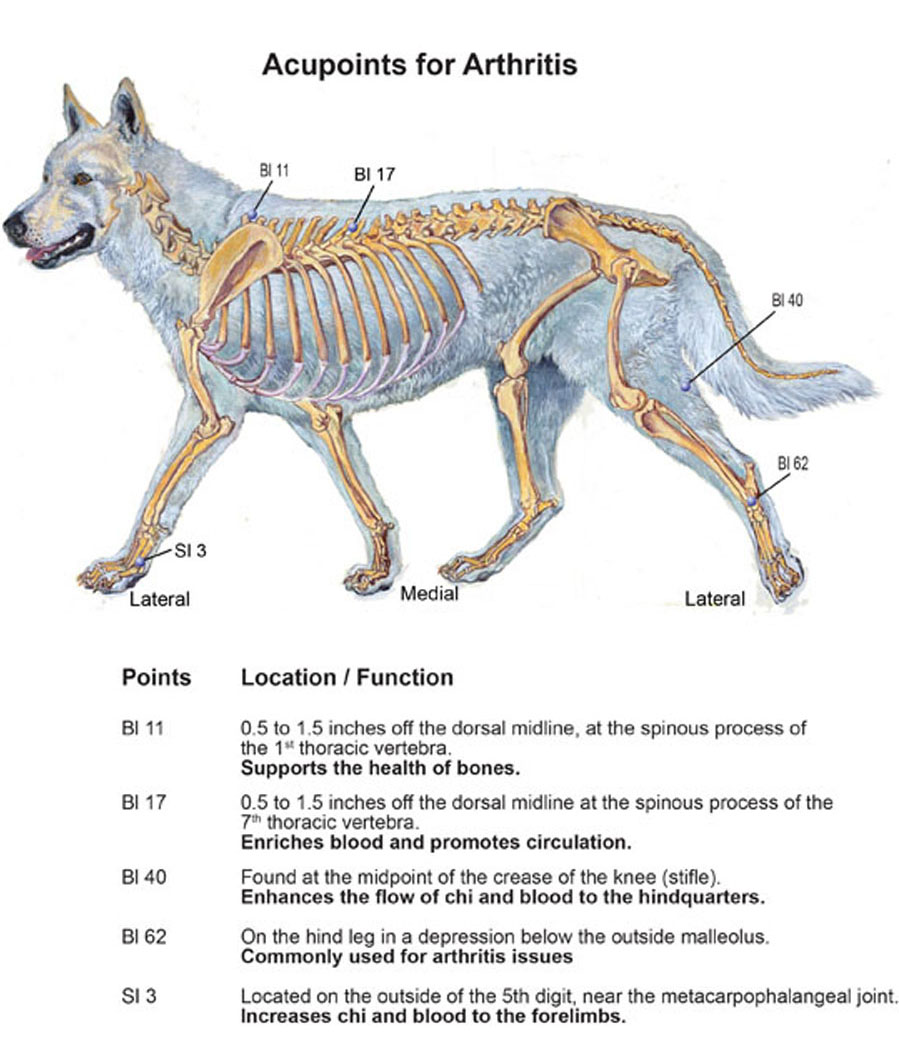
In addition to therapies such as laser treatments and the Assisi loop, I’ve found that incorporating maintenance chiropractic, underwater treadmill, massage, acupuncture, and daily stretching, along with an oral protocol (discussed below) to manage pain and inflammation yields the best results possible for an arthritic dog, and can dramatically delay the need for pharmaceutical interventions if instituted early on in the disease process.

Essential Beneficial Supplements for Arthritic Dogs

Chondroprotective agents (CPAs) that protect the joints (e.g., glucosamine sulfate, collagen, MSM, eggshell membrane, perna mussel aka green-lipped clam, Adequan and cetyl myristoleate) are essential for dogs with arthritis.

CPAs slow the rate of cartilage degeneration, which is critical. The form, dose and type of CPA your veterinarian prescribes should be based on a careful assessment of your dog’s individual needs. CPAs should be blended with pain control options as necessary.

There are many natural remedies for arthritis that can reduce or eliminate the need for painkillers in the early stages, including:

High-quality omega-3 supplement (krill oil) Devil’s Claw
Ubiquinol Supergreen foods (spirulina, astaxanthin)
Turmeric (curcumin) Natural anti-inflammatory formulas (e.g., proteolytic enzymes and SOD)
Traditional Chinese Herbs Homeopathic remedies such as Rhus tox, Bryonia, and Arnica
Boswellia serrata Esterified Fatty Acid Complex (EFAC)
Corydalis CBD oil

There are also ayurvedic herbs and nutraceuticals that can be very beneficial for dogs with arthritis, depending on their individual symptoms.

Why It’s so Important to Continually Monitor Your Dog’s Condition

It’s important to monitor your pet’s symptoms on an ongoing basis, since arthritis is a progressive disease. Your dog’s body is constantly changing, and her treatment protocol will need to evolve as well, which is why partnering with an integrative veterinarian is so important toward your goal of maintaining your furry BFF’s quality of life for as long as possible without drugs.

In the vast majority of mild to moderate joint pain cases, if CPAs and natural pain control options are initiated early, the need for intermittent NSAID therapy can be minimized to those occasional bad days when the weather or activities temporarily exacerbate the dog’s discomfort.

Moderate to severe joint pain cases (requiring consistent NSAID drug administration to maintain quality of life) can rely on lower drug doses by using an integrative protocol that is instituted early on and evolves with a patient’s age.

I definitely recommend finding an integrative or proactive, functional medicine veterinarian to work with you to customize a comprehensive protocol for your pet. Practitioners who’ve gone beyond their traditional veterinary school training of simply prescribing nonsteroidal pain medication, to learn and incorporate complimentary therapies into their practice, will have many more options to offer your dog over the course of her lifetime.

Some newer regenerative medicine options reaching small animal medicine include stem cell therapy and PRP (platelet rich plasma) injections, as well as Prolo therapy. The safety and efficacy of these treatments depends on the condition and technique used, which is another reason to partner with a functional medicine or integrative veterinarian who is well-versed in these promising, emerging procedures.

I also recommend bringing your dog for a wellness checkup with your proactive veterinarian at least twice a year to review the status of her health, and to check the range of motion in her joints, the muscle mass she’s either gaining or losing, and to make adjustments to her protocol as necessary to ensure her quality of life is optimal.

  • 0

Got yourself a Door Dasher?

Got yourself a Door Dasher? 

By Dr. Karen Becker DVM

Many of you who have dogs or have friends or family with dogs are familiar with the phrase “door darting.” Door darting is what happens when an unrestrained, untrained dog spies an open door and dashes through it to parts unknown.

The frustrated owners of these dogs are uniformly desperate to get the situation under control. Not only is door darting dangerous, it can also be embarrassing when there’s a visitor at your door who witnesses your furry family member making his wild-eyed escape.

So why does your extravagantly well-kept canine companion, who wants for absolutely nothing, launch himself out open doors like he’s leading a prison break? In the words of certified dog behavior consultant and dog trainer Pat Miller, because it’s fun!

“The outside world can be endlessly reinforcing for a dog,” Miller writes in Bark magazine. “If you have an ‘investigate-and-sniff-everything-on-walks’ kind of dog, you know that from experience. The door-darter has also learned that dashing outside is a great way to get his couch-potato human to play with him — which is also very reinforcing.

Finally, if you’ve ever made the mistake of being angry at your dog when you finally got your hands on him, you’ve taught him that being captured makes good stuff go away (he doesn’t get to play anymore) and makes bad stuff happen (you yell at him).

Making good stuff go away is the definition of ‘negative punishment’ and making bad stuff happen is ‘positive punishment.’ Basically, he’s punished twice, and neither punishment is associated with the act of dashing out the door! Rather, both are connected with you catching him, which will make it even harder to retrieve him the next time he gets loose.”1

Profile of a Door Darter

Many canine escape artists are first and foremost in dire need of more physical exercise and mental stimulation. Often, they are high-energy breeds, or dogs who spend all day inside by themselves. Generally speaking, dogs who aren’t given sufficient opportunities to exercise and explore are much more likely to seek out those opportunities for themselves.

A dog who is well-exercised through structured activities (walking, running, hiking, playing fetch, trips to the dog park, etc.) is typically more relaxed and compliant than an under-exercised dog.

Another consideration is your dog’s breed and temperament. Some breeds naturally prefer to stick close to home and their humans, while others are more inclined to be adventurers. For example, certain dogs, including some terriers, were bred to work independently and at a distance from humans. Those dogs are more likely to feel the urge to dash out the door than dogs bred for companionship.

Breeds whose nature is to track and hunt wildlife (e.g., scenthounds and sighthounds) are also more likely to run out an open door to pursue an enticing smell or a small animal.

Dangers of Door Dashing

The dangers for a dog running free through the neighborhood are countless. They include being hit by a moving vehicle, encountering an aggressive dog or wild animal, or getting lost, stolen, or picked up by animal control. There’s also the possibility a dog running wild could knock over a small child or an elderly person or run through a neighbor’s open door or backyard gate and cause a problem.

Unfortunately, most door darters, even after being scared or hurt during an escape, aren’t able to associate the act of running loose with the consequence of fear or pain. As soon as there’s another opportunity to bolt through an open door, these dogs are in the wind once again.

The thrill the dog gets by running loose and having the opportunity to chase other animals (or people) provides instant reinforcement and self-reward for the behavior.

Taking Action: First, Get Your Dog Back

Just as preventing your dog from darting out the door is easier said than done, so is retrieving him in many cases.

“An accomplished door-darter is often an accomplished keep-away player as well,” writes Miller. “Don’t chase your dog; you’ll just be playing his game. Play a different game. Grab a squeaky toy, take it outside and squeak. It may be counter-intuitive, but when your dog looks, run away from him, still squeaking.

If the dog chases you, let him grab one end of the toy. Play tug, trade him for a treat, then squeak and play some more. Let him follow you, playing tug-the-squeaky, into your fenced yard, then close the gate (or into your garage or house, if you don’t have a fence). Play more squeaky with him.”

If your dog happens to love trips in the car, Miller suggests asking him if he wants to go for a ride. Open the door, wait for him to jump in, and take him for short ride. If he loves taking walks or visits to the dog park, offer them instead. The idea is to propose an alternate activity he enjoys so you can get him back under your control.

Once you have him back, no matter how upset you are, do not punish him. Don’t yell, don’t even calmly read him the riot act. And don’t take him back inside immediately, Miller advises, because that’s punishment, too. Stay outside and play with him a while.

“I promise, if you punish him or march him sternly back into the house, he’ll be harder to catch the next time,” she writes. “Instead, happily and genuinely reinforce him with whatever he loves best.”

Needless to say, all dogs, and especially escape artists, should wear an up-to-date ID collar or tag at all times. If your dog is microchipped, make sure to keep his registration current in the microchip company’s database. Other methods for identifying pets include GPS tracking devices and permanent tattoos.

If you have a dog that is a genuine Houdini, I recommend you also safeguard him with a multitude of restraints. I always recommend that pets have a standard up-to-date ID collar or tag in addition to whatever other ID method you choose, since the easiest, fastest way for someone who has found your pet to find you, is to take a quick look at the contact info contained on his tag or collar.

9 Tips for Curbing Door Dashing

There are many different ways to train dogs to perform desirable behaviors. The steps listed below are among several that can be used to successfully teach your dog not to dash out open doors.

The most effective and humane training method, and the one I always recommend, involves setting your dog up for success, using positive reinforcement to train the behaviors you want to see more of, and ignoring (not punishing) undesirable behaviors.

With a door darting dog, the first order of business is to put an immediate and permanent stop to her ability to scoot out the door. This means gaining the cooperation of everyone in the household, and all visitors to your home.

  1. Doorknob rule — A technique many people use is the dog-doorknob rule. Everyone living in and visiting your home should be trained not to turn the doorknob until they know where the dog is and ensure she can’t get loose and get to the door. The door should never be opened until the dog is secure, which means confined in another room, on a leash someone is holding, or reliably following a verbal command to “stay” or “wait.”
  2. Secure the yard — If you have a fence around your yard or a driveway gate, make sure to close and even lock any access points so that in the event someone breaks the doorknob rule, you’ve got a second opportunity to recapture your escapee before she disappears down the street.
  3. Leash rule — Until your dog is trained not to run out the door, keep a leash on her at all times throughout the day when someone is due to enter or leave your home. If there tends to be constant activity at your door, it means your dog will be on leash most of the time in the beginning. Yes, this is a pain, but remember the goal is to put an immediate and permanent stop to her ability to bolt out the door.
  4. Before training sessions, take your dog out to relieve herself — Before attempting any at-the-door training, make sure your dog has an opportunity to relieve herself. If she really needs to go, she might wind up confused about what you want from her, since she’s accustomed to charging out the door to go pee or poop — an activity you normally encourage.
  5. Teach a “back” command at the door — While inside your home, grab some training treats and go to the door with your dog. As you open the door, tell her “back.” As you give the command, shuffle your feet forward toward her, which should cause her to back up to avoid being crowded.

When she backs up, immediately give her a treat. Repeat this exercise as often as necessary until she automatically backs up whenever the door starts to open.

  1. Teach a “wait” command at the door — Again, grab some treats, go to the door with your dog, and tell her to sit. Hold a treat close to her nose with one hand, tell her to “wait,” and open the door with the other hand. If she stays still, give her the treat and lots of praise. If she dives for the door, close it, tell her to sit again, and repeat the exercise. Continue training the “wait” command until she sits and waits at the door reliably.
  2. Teach “back” and “wait” at every door — Don’t assume once your dog is consistently following “back” and “wait” commands at one door that she’ll do the same at another door. Habituate her to the behavior at all entrances to your home by practicing at each door a couple of times a day.
  3. Introduce distractions — Once your dog is reliably obeying your commands at each door, clip on her leash, grab some treats, and begin introducing distractions so that you can teach her to pay attention to you in a distracting environment.

For example, have people arrive at the door to greet you while she waits beside you. Bring her to the door for package or mail deliveries. Ask a neighbor or friend with a dog to stand on the sidewalk or curbside in front of your house and open the door so your dog can see them.

  1. Never let your guard down — Preventing escapes and training your dog to behave properly at the door should extinguish most door-dashing behavior. However, it’s impossible to extinguish your pet’s natural curiosity, nor would you want to. So, it’s important to never let your guard down when it comes to your adventurous canine companion and open doors.
  • 0


The Most Common Dog Health Issue – Are You Doing Your Part?

By Dr. Karen Becker


Dental disease remains the most common medical problem in dogs today, with the majority suffering some form of periodontal (gum) disease by the age of 3. The reason for this is most family dogs don’t eat the kind of food that helps keep their teeth clean.

In addition, most dogs don’t receive regular home and/or professional dental care, and they don’t show signs of discomfort or pain until there’s a significant problem in their mouth.

Unfortunately, the risk of painful mouth conditions — in particular, gum disease, tooth resorption and oral cancer — is dramatically increased for older dogs. This means that for your senior or geriatric pet, proper dental care is especially important.

Oral Disease Can Set the Stage for Heart Disease

When plaque isn’t removed from your dog’s teeth, it collects there and around the gum line and within a few days hardens into tartar. Tartar sticks to the teeth and ultimately irritates the gums. Irritated gums become inflamed — a condition known as gingivitis.

If your dog has gingivitis, the gums will be red rather than pink and his breath may be noticeably smelly. If the tartar isn’t removed, it will build up under the gums, eventually causing them to pull away from the teeth. This creates small pockets in the gum tissue that become repositories for additional bacteria.

At this stage, your pet has developed an irreversible condition, periodontal disease, which causes considerable pain and can result in abscesses, infections, loose teeth and bone loss.

When periodontal disease is present, the surface of the gums is weakened. The breakdown of gum tissue allows mouth bacteria to invade your pet’s bloodstream and travel throughout his body. If his immune system doesn’t kill off the bacteria, it can reach the heart and infect it.

Studies have shown that oral bacteria, once in the bloodstream, seem able to fight off attacks by the immune system. What many pet parents don’t realize is there’s an established link between gum disease and endocarditis, which is an inflammatory condition of the valves or inner lining of the heart.

Researchers also suspect certain strains of oral bacteria may lead to heart problems. Some types of bacteria found in the mouths of dogs produce sticky proteins that can adhere to artery walls, causing them to thicken. Mouth bacteria are also known to promote the formation of blood clots that can damage the heart.

How quickly these events take place depends on a number of factors, including your dog’s age, breed, genetics, diet, overall health, and the frequency and quality of dental care he receives. It’s also important to realize that some pets will require regular professional cleanings even when their owners are doing everything right in terms of home care.

Why Dental Procedures to Treat Moderate to Severe Oral Disease Require Anesthesia

Veterinary dental cleanings for dogs with moderate to severe oral disease require general anesthesia, because a truly thorough oral exam and cleaning (and extractions, if needed) can’t be accomplished on a pet who is awake. It’s dangerous to use sharp instruments in the mouth of a conscious animal, and needless to say, the procedure is very stressful for the pet with significant oral disease.

Prior to the oral exam and cleaning, your pet will undergo a physical exam and blood tests to ensure she can be safely anesthetized for the procedure. The day of the cleaning, she’ll be sedated, and a tube will be placed to maintain a clear airway and so that oxygen and anesthetic gas can be given.

An intravenous (IV) catheter should also be placed so that fluids and anesthesia can be administered as appropriate throughout the procedure and your pet should be monitored by sophisticated anesthetic monitoring equipment. Make sure your veterinarian does both these things.

If you’re wondering why pets require general anesthesia and intubation for a seemingly simple procedure, there are a number of benefits:

·         Anesthesia immobilizes your dog to ensure her safety and cooperation during a confusing, stressful procedure

·         It provides for effective pain management during the procedure

·         It allows for a careful and complete examination of all surfaces inside the oral cavity, as well as the taking of digital x-rays, which are necessary to address issues that are brewing below the surface of the gums that can’t been seen and could cause problems down the road

·         It permits your veterinarian to probe and scale as deeply as necessary below the gum line where 60% or more of plaque and tartar accumulate

·         Intubation while the patient is under general anesthesia protects the trachea and prevents aspiration of water and oral debris

What Actually Happens During Your Dog’s Dental Cleaning

While your pet is anesthetized, her teeth will be cleaned with an ultrasonic scaler as well as a hand scaler to clean under and around every tooth. Your veterinarian will use dental probes to measure the depths of the pockets in the gum around each tooth, and x-rays should be taken.

Most vets use digital technology now, so you don’t have to panic about overwhelming radiation exposure from dental x-rays. Digital x-rays are important because they identify issues we can’t see externally.

I’ve had patients require a second anesthesia and dental procedure within several months of the first, because x-rays were refused, and a retained baby tooth or festering tooth root infection wasn’t caught on the first go-round. The only way to know what’s happening below the crown of the tooth is to check by taking a digital x-ray.

Once all the plaque and tartar are off the teeth, your dog’s mouth will be rinsed, and each tooth will be polished. The reason for polishing is to smooth any tiny grooves on the teeth left by the cleaning so they don’t attract more plaque and tartar. After polishing, the mouth is rinsed again.

Average Costs for Canine Dental Procedures

The cost of veterinary dental procedures is influenced by a number of factors, including where you live, and the degree of disease involved. Some veterinary practices bill for dental work according to the type of procedure performed, while others price their services based on the time it takes to complete a procedure.

An oral exam, x-rays and cleaning with no tooth extractions usually takes about 45 minutes to an hour. Average costs range from around $300 to $1,000, plus x-rays at $150 to $200. Veterinary dental specialists often charge more.

It’s important if you comparison-shop to ensure quotes on the low end don’t involve skimping on important items that help ensure your dog’s safety, such as pre-op screening, IV fluids, x-rays, and certified veterinary technicians. Ask for itemized quotes.

Extractions are typically priced according to the type of tooth and the time and work needed to remove it. There are simple extractions that can run as little as $10 to $15, elevated extractions that can average $25 to $35, and extractions of teeth with multiple roots, which tend to be the priciest — up to $100 in some cases.

Root canals are commonly priced by the root. A root canal on a tooth with three roots can range from $1,000 to $3,000, hence most owners opting for extraction.

Tips to Help Keep Your Dog’s Mouth Healthy

·         Feed a nutritionally balanced, species-specific, fresh food diet, and feed it raw if possible. When your dog gnaws on raw meat, it acts as a kind of natural toothbrush and dental floss.

·         Offer recreational bones and/or a fully digestible, high quality dental dog chew to help control plaque and tartar. The effect of dental chews is similar to raw bones, but safer for power chewers or dogs who have restorative dental work and can’t chew raw bones.

·         Brush your pet’s teeth, preferably every day. If every day is too tall an order, commit to do it several times a week. A little time spent each day brushing your dog’s teeth can be tremendously beneficial in maintaining her oral health and overall well-being.

·         Perform routine mouth inspections. Your dog should allow you to open his mouth, look inside, and feel around for loose teeth or unusual lumps or bumps on the tongue, under the tongue, along the gum line and on the roof of the mouth. After you do this a few times, you’ll become aware of any changes that occur from one inspection to the next. You should also make note of any differences in the smell of your pet’s breath that aren’t diet-related.

·         Arrange for regular oral exams performed by your veterinarian. He or she will alert you to any existing or potential problems in your pet’s mouth, and recommend professional teeth cleaning under anesthesia, if necessary.

Daily homecare and as-needed professional cleanings by your veterinarian or dental professional are the best way to keep your pet’s mouth healthy and disease-free. They’re also important for dogs with chronic conditions such as diabetes, heart disease and kidney failure.