Can Street Cats and Stray Cats Become Pets?

By Nancy Dunham as seen in PetMD

Comments by Diane Weinmann


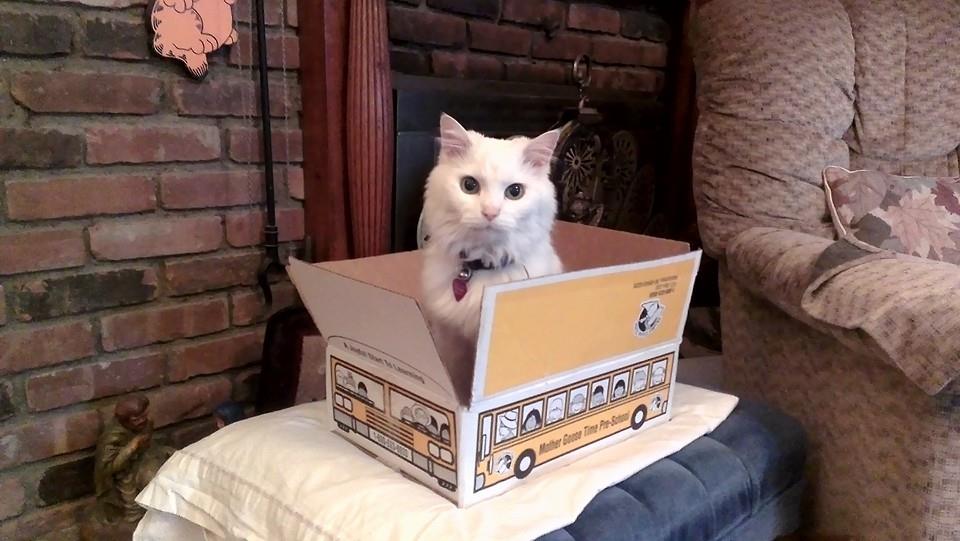
(Piper who was a stray feral kitten living happily in my girlfriend’s home)


Is there a stray cat hanging out outside your home? Or slowly spending more and more time in your yard? You might very well have been adopted by a local street cat and are now probably asking yourself, “Can you turn a stray cat into a house cat?”


Yes, that stray cat or alley cat can become your beloved house cat, but there are some caveats you should consider.


First, understand the difference between a stray cat, an alley cat and a feral cat. It’s often impossible to tell at first glance. Both types of cats may seem skittish when you first approach them.


So, what’s the difference? Feral cats are wild and not used to people or domesticated. Stray cats and some alley cats have often had socialization and may have even been neutered and received health care. These distinctions can be critical for the health of your other pets and family members.


Domesticating Feral Cats


Dr. Ann Hohenhaus, DVM, DACVIM (SAIM, oncology) at The Animal Medical Center in New York, urges extreme caution when attempting to turn a street cat into a pet. “Feral cats are likely to have some health issues. Stray cats can too, of course,” she says. “But feral cats have lived outdoors and likely haven’t had any health care.”


Street cats may have serious illnesses that can spread—ringworm, feline leukemia, rabies and other infectious diseases can infect other pets and humans.


“If you adopt a feral cat, you are setting yourself up for heartbreak,” said Dr. Hohenhaus. “”I am not saying you shouldn’t ever take a feral cat [into your home] but think carefully about it first.”


Pet behaviorist Pamela Uncles, Companion Animal Behavior, a practice in the Washington, DC, metropolitan area, adds that behavioral challenges may abound.


“I don’t think you shouldn’t take them. I think you should be informed,” she says. “You need to know the risks going in. That’s the bottom line with everything.”


Taylor Truitt, CEO and founder of The Vet Set, Brooklyn, New York, says that feral cats might be best cared for outside as community cats. “If cats aren’t socialized by 16 weeks of age, it usually doesn’t go well,” she says.


“I have owners who say they have feral cats as pets, but they feed the cats outside,” says Truitt. “The cat is never in the house….It’s tough to catch a feral cat, and when you do, they are more afraid than anything….I always say don’t do it.”


Diane Weinmann’s in laws had great luck domesticating two feral cats together.  They were born outside and after vet appointments they were welcomed into their home but be aware—they did not have any other pets!


Adopting a Stray Cat


Generally, stray cats—those that have had basic human socialization—may easily adapt to home life and form bonds with people.


Stray Cat Health


And unlike feral cats, strays are often fixed and have had some medical care. So you’re generally not starting from the beginning with major medical expenses. That doesn’t mean you shouldn’t take your new friend to the vet. Always take a new pet to your veterinarian for a checkup for any vaccines they might need or health issues you need to address.


Make Gradual Introductions


Cats brought into the home should be secluded from other animals, even after their vet visit, says Dr. Truitt. That will allow them to adapt to the sights, sounds and smells in their new environments. You and others in your home might be used to the sound of the dishwasher or doorbell, but new pets aren’t.


You may want your new cat to become best friends with your current cat or other pet. That can happen if you slowly introduce them. For first meetings, Uncles recommends that you keep it to just a few minutes long. Each day, allow the pets to see each other for longer periods of time, and allow them to gradually interact with you.


Allowing cats to see each other for short times, such as through glass doors, is another way to begin to introduce them. But depending on the stray cat’s background, she may not acclimate as you would hope, says Uncles.


Pet Supplies for Bringing Home a Stray Cat


If you are taking in a stray cat, here are some cat supplies you should have on hand:


§  Litter Boxes. When cats have lived outdoors they often must be reintroduced to using cat litter boxes. Dr. Truitt says that it’s a wise idea to have one on each floor of your home.


§  Cat Toys. It’s a great idea to have a few cat toys for your new kitty to play with to keep them mentally and physically stimulated. In the beginning, keep the new cat’s toys separate from those of your other cat or pet, advises Dr. Truitt. Try different types of toys, like cat feather wands, interactive laser pointers and cat toy mice. Playing with your cat is a great way to build trust and strengthen your bond while also providing a healthy outlet for their exercise needs.


§  Cat Scratchers and Trees. Some cats prefer to scratch vertically, while others enjoy horizontal scratching. Buy a few different types of cat scratchers so you can discover which your new cat prefers, says Uncles. You can also get something that offers both options and gives your cat a safe, high place to go to—a tall cat tree. Don’t assume that your new cat will have the same cat-scratching preferences as your current or previous cat.


§  Catnip. Some cats find it appealing, says Dr. Hohenhaus, but about 25 percent of cats aren’t affected by it. But don’t worry—there are other safe and healthy catnip alternatives. Here are some recommended by Dr. Hohenhaus:


o    Silver Vine (Actinidia polygama)


o    Tatarian Honeysuckle (Lonicera tatarica) 


o    Valerian (Valeriana officinalis)


§  Calming Aids. There are some natural cat calming products you can discuss with your veterinarian when bringing any new cat into the household—especially a stray or feral cat. Cat pheromone diffusers and cat calming treats can be helpful if used correctly.

Essential oils of Lavender or Calm-A-Mile RTU (ready to use) petted on or diffused  (Calm-A-Mile neat) will help along with Bach Flower Essence’s rescue remedy 4-5 drops on their food (only on food) three times per day. http://www.animaleo.info/calm-a-mile-rtu.htm or http://www.animaleo.info/calm-a-mile-neat.html or http://www.animaleo.info/g-to-m-singles.html (lavender)

Email Diane Weinmann with questions on essential oil or Bach Flower Essences at dianefortheloveofanimals@yahoo.com


Hyperthyroidism in Cats

Hyperthyroidism in Cats

By Dr. Karen Becker

Recent research has revealed that yet another chemical substance found in households may be contributing to feline hyperthyroidism, a disease that affects a significant percentage of cats over the age of 10. The chemicals are called per- and polyfluoroalkyl substances (PFAS), and they are widely used as water and oil repellents. According to ScienceDaily:

“PFAS are a family of more than 3,000 structures of highly fluorinated chemicals used in industrial processes and consumer products, such as protective coatings for carpets, furniture and apparel, paper coatings, insecticide formulations, and other items.”1

PFAS are used in many industrial applications calling for nonstick or slick surfaces, such as food packaging, stain- and water-resistant fabrics, nonstick cookware and firefighting foam. These chemicals are now ubiquitous in our environment, having migrated into the air, household dust, food, soil, and ground, surface and drinking water.

Study Links PFAS Chemicals to Hyperthyroidism in Cats

For the study, a team of researchers at the California Environmental Protection Agency looked at blood levels of PFAS in two separate groups of Northern California kitties, most of which were at least 10 years old. The first group of 21 was evaluated between 2008 and 2010; the second group of 22 was sampled between 2012 and 2013.2

The researchers observed that the higher the blood levels of PFAS, the more likely the cat was to be hyperthyroid. One type of PFAS in particular, perfluorooctanoic acid (PFOA) was significantly higher in hyperthyroid kitties. These findings “… may indicate a possible link between PFAS levels and cat hyperthyroid, warranting a larger study for further investigation,” according to the research team.

In a bit of good news, the scientists noted a slight decline in PFAS blood levels between the first group of cats tested eight to 10 years ago, and the second group tested more recently. This mirrors recent results in humans as more companies phase out use of these chemicals, and presumably, as people gradually replace PFAS-treated household items.

Reducing Your Family’s and Pet’s Exposure to PFAS

Your best bet is to avoid all products that contain or were manufactured using PFAS, which will typically include products that are stain-resistant, waterproof or nonstick. From the Environmental Working Group:3

Find products that haven’t been pre-treated and skip optional stain-repellent treatment on new carpets and furniture
Cut back on fast food and greasy carryout food, since these foods often come in PFC-treated wrappers
Especially when buying outdoor gear, choose clothing that doesn’t carry Gore-Tex or Teflon tags, and be wary of all fabrics labeled stain- or water-repellent
Avoid nonstick pans and kitchen utensils — opt for stainless steel or cast iron instead
Pop popcorn the old-fashioned way, on the stovetop, since microwaveable popcorn bags are often coated with PFCs on the inside.
Choose personal care products without “PTFE” or “fluoro” ingredients; also avoid Oral-B Glide floss, which is made by Gore-Tex

It’s also important to filter your pet’s drinking water, and yours, to remove contaminants such as fluoride, chlorine, heavy metals and others. Household tap water typically contains enough toxic minerals, metals, chemicals and other unhealthy substances to damage your pet’s health long term.

Flame Retardants: Another Enemy of Indoor Kitties

Polybrominated diphenyl ethers (PBDEs), or flame retardants, are another type of household chemical that has been linked to overactive thyroid in cats, and a 2017 study confirmed the results of earlier studies that prove the high levels of PBDEs measured in indoor kitties are from house dust.4

PBDEs have been used since the 1970s in textiles, electronics and furniture to prevent them from burning, but like PFAS, they aren’t chemically bound to the product material, so they drift into the environment and cling to particles in the air such as house dust.

A number of these chemicals have been banned for use in household products, but they are extremely persistent and can leach into the environment for many years. Contaminated household dust can be inhaled as well as ingested, and can have an adverse effect on the health of kitties.

Brominated Flame Retardants Are Known Endocrine Disruptors

Prior studies of PBDE blood levels in cats have focused primarily on potential causes of feline hyperthyroidism, however, the intent of this study was to measure levels in healthy cats to establish their dust exposure.

The researchers took “paired samples” from the homes of each of the cats, meaning they took both dust samples and blood samples at the same time. They found evidence not only of brominated and chlorinated contaminants currently in use, but also chemicals that have been banned for decades. According to study co-author Jana Weiss, Ph.D.:

“By taking paired samples, we have greater insight into the environment that the cats live in. Moreover the cats in the study spent the majority of their time indoors and therefore air and dust in the home is expected to contribute more than the outdoor environment.”5

The study results are a heads up not only for cat guardians, but also anyone with small children, because both kitties and kiddos engage in a lot of “hand-to-mouth activities.”

“The brominated flame retardants that have been measured in cats are known endocrine disruptors. It’s particularly serious when small children ingest these substances because exposure during development can have consequences later in life, such as thyroid disease,” said Weiss.

Minimizing PDBE Exposure at Home

Most new foam products are not likely to have PBDEs added. If you have foam items in your home, office or vehicle that were purchased before 2005, however, they probably contain PBDEs. The Environmental Working Group offers the following tips to help limit your family’s and pet’s exposure to PBDE-containing products:6

Whenever possible choose PBDE-free electronics and furniture; PBDEs shouldn’t be in mattresses, couches and other foam products sold in 2005 or later, however they’re still put in some new televisions and computer monitors
Avoid contact with decaying or crumbling foam that might contain fire retardants, including older vehicle seats, upholstered furniture, foam mattress pads, carpet padding and kid’s products made of foam
Use a high-efficiency particulate air (HEPA) filter vacuum cleaner, since these vacuums capture the widest range of particles and are also good for reducing lead or allergens in house dust
Replace couches, stuffed chairs, automobile seats and the like that have exposed foam (if you can’t afford to replace them, cover them with sturdy cloth and vacuum around them frequently)
Don’t reupholster your older foam furniture, especially in homes where children or pregnant women live
Be careful when removing or replacing old carpet, since PBDEs are found in the foam padding beneath carpets; isolate the work area with plastics, and avoid tracking construction dust into the rest of your house
The replacement chemicals for PBDEs in foam are not fully tested for their health effects, so buy products made with natural fibers (like cotton and wool) that are naturally fire-resistant and may contain fewer chemicals

Did You Know PBDEs Are Also in Commercial Cat Food?

The same researchers who published the 2017 study I mentioned earlier also measured PBDE levels in cat food (both canned and kibble) matching the diets of the kitties in the study. They found that blood levels of PBDEs in the cats also significantly correlated with concentrations of those chemicals in the cat food.

In addition, another recent study concluded that fish-flavored cat food is a problem.7 A team of Japanese scientists evaluated cat food and feline blood samples and discovered that the type of polychlorinated biphenyl (PCB) and PBDE byproducts found in both the food and blood samples are derived from marine organisms.

The researchers were also able to simulate the way in which the bodies of cats convert the type of chemical present in the food into the type of chemical seen in the cats’ blood samples.

Based on their results, the team concluded the byproducts detected at high levels in cats’ blood samples likely came from fish-flavored food and not exposure to PCBs or PBDEs. However, further work is needed to determine the link between the metabolites (byproducts) and hyperthyroidism. If you’re wondering how these chemicals wind up in fish-flavored cat food, Dr. Jean Hofve of Little Big Cat explains it very well:

“There is a link between the feeding of fish-based cat foods and the development of hyperthyroidism, which is now at epidemic levels. New research suggests that cats are especially sensitive to PBDEs … [which are] found at higher levels in both canned and dry cat foods than dog foods; and more in dry than canned cat foods.

Fish-based foods are even worse, because marine organisms produce PDBEs naturally and can bioaccumulate up the food chain to high levels in fish; this compounds the exposure cats get from fabrics and dust.”8

5 Tips to Help Prevent Hyperthyroidism in Your Cat

  1. Rid your environment of flame-retardant chemicals
  2. Provide an organic pet bed
  3. Feed a nutritionally balanced, fresh, species-appropriate diet to control iodine levels in your cat’s food, since iodine has also been linked to hyperthyroidism
  4. Avoid feeding your cat a fish-based diet, since seafood is a very rich source of iodine, and cats aren’t designed to process a lot of iodine
  5. Avoid feeding soy products to your kitty, as they have also been linked to thyroid damage

I also recommend checking your cat’s thyroid levels annually after the age of 7.


Your Kitty Loves This More Than Just About Anything

Written by Dr. Becker and comment by Diane Weinmann


As pet lovers, we all recognize that the connection we have with our cats is very different from the way we interact with our dogs. It’s not just a myth that kitties are more independent and self-reliant than dogs — it’s a fact. Cats simply don’t view their humans in the same way dogs do. For instance, they don’t get crazy happy when we arrive home. Their primary attachment is to their environment/territory/turf, not to us, whereas our dogs tend to treat us as if we hung the moon.

Unlike Small Kids and Dogs, Cats Don’t Develop ‘Secure Attachments’ to Their Human Caregivers

Even kittens who were properly socialized to people at precisely the right age and are quite comfortable around humans, don’t form the type of emotional attachment to their owners that dogs do, which was illustrated by a small 2015 study in the U.K.1

For the study, two University of Lincoln researchers used the Ainsworth Strange Situation Test (SST), a tool that measures whether a small child or dog has developed a secure attachment to a caregiver who represents safety and security in strange or threatening environments. They used the SST, adapted for cats, to evaluate 20 kittles and their owners.

Beyond the observation that the cats vocalized more when their owners left them with strangers than the other way around, the researchers found no other evidence to suggest the kitties had formed a secure attachment to their humans. According to the researchers:

“These results are consistent with the view that adult cats are typically quite autonomous, even in their social relationships, and not necessarily dependent on others to provide a sense of security and safety.”

This obviously doesn’t mean cats have no ties to their humans; however, we need to develop alternative tools to better measure the normal characteristics of the cat-human bond, since the concept of secure attachment isn’t among them.

Cats Evolved as Self-Sufficient Loners

If you know much about felines, it’s no great mystery why they’re so different from dogs and therefore, in their relationships with people. Cats evolved as independent loners, unlike dogs, whose wolf ancestors lived in packs with a well-defined social structure.

The domestic cat’s ancestor is the African wildcat, which hunts alone for small prey animals such as mice, rats, birds and reptiles. Wolves, on the other hand, need members of their pack to help them bring down bigger prey. The exception to this rule is the lion, who lives in packs (prides) like wolves, and hunts and eats communally.

In domestic cats, socialization during the first 2 to 8 weeks of life gives them the ability to socially attach to their human, but only on their terms, of course. Once a feral kitten, for example, is over 2 months old, it can be very challenging to try to “tame” him or turn him into an indoor kitty.

But regardless of how well-socialized a kitten is, she’ll retain her independence throughout her life. She can be extremely friendly and extroverted, but she’ll never submit to you as a dog will. She won’t hesitate to set you straight if you do something that displeases her, either.

And because cats evolved to be loners, they don’t have the communication skills dogs do. That’s why it’s so important to monitor your kitty’s behavior for signs she’s feeling stressed, ill or has an injury. If you find her hiding in her covered litterbox or in a closet she never visits, for example, chances are something’s wrong and you need to investigate.

Despite Their Aloofness, Cats Enjoy Interacting With Their Humans

In a 2017 study, a pair of U.S. university researchers concluded that cats actually seem to like humans a lot more than they let on.2 According to Phys.org:

“[The researchers] point out that cats may simply be misunderstood, noting that recent research has found that cats have complex socio-cognitive and problem solving abilities. They suggest further that the commonly held belief that cats are less reactive to social stimuli might be due to a lack of knowledge regarding the things that cats actually find stimulating.”3

The researchers set out to determine what types of things stimulate cats, and to what degree. There were two groups of kitties involved — one group lived with families, the other group consisted of shelter cats. For the study, the cats were isolated for a few hours, after which they were presented with three items from one of four categories: food, scent, toy and human interaction.

The researchers mixed up the items for the cats so they could better evaluate which they found most stimulating, and determined the kitties’ level of interest for a given stimulus by whether they went for it first, and how and how long they interacted with it. The researchers observed a great deal of variability from one cat to the next, regardless of whether they lived in a home or a shelter. But overall, the cats preferred interacting with a human to all other stimuli, including food.

The kitties spent an average of 65 percent of their time during the experiment interacting with a person, leading the study authors to conclude that cats really do like being around their humans, despite how they might behave around them.

You Have More Influence on Your Cat Than You May Think

A study published in 2013 offered further insights into captive feline behavior.4 For example, did you know our cats take on human habits, or that they adapt their lifestyles to ours?

While genetics certainly play a role in feline personality and behavior, it’s clear environment is also a significant factor. “Our findings underline the high influence of human presence and care on the amount of activity and daily rhythm in cats,” says study co-author Giuseppe Piccione of the University of Messina’s Faculty of Veterinary Medicine.5

The purpose of the study was to explore the effect of different housing environ­ments on daily rhythm of total locomotor activity (TLA) in cats. The cats in the study lived with owners who worked during the day and were home in the evenings. They were all well cared for. The kitties were separated into two groups, with the first group living in smaller homes and in close proximity to their humans. The other group lived in more space, had an indoor/outdoor lifestyle and spent their nights outside.

Over time, the cats in the first group adopted similar lifestyles to their owners in terms of eating, sleeping and activity patterns. The second group became more nocturnal. Their behaviors were similar to those of semi-feral cats, for example, farm cats. Dr. Jane Brunt of the CATalyst Council made this observation to Seeker:

“Cats are intelligent animals with a long memory. They watch and learn from us, (noting) the patterns of our actions, as evidenced by knowing where their food is kept and what time to expect to be fed, how to open the cupboard door that’s been improperly closed and where their feeding and toileting areas are.”6

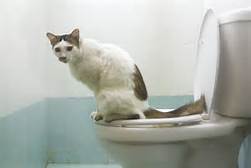
Indoor cats who spend a lot of time with their humans tend to mimic their eating habits, including those that lead to obesity. And if you happen to keep the litterbox in your bathroom like many cat parents do, you might notice Fluffy often seems to use her “toilet” while you’re using yours.

Feline personalities are often described in terms like “aggressive,” “arrogant,” “curious” or “timid.” These traits apply to people as well, and researchers theorize that cats’ environments may have a greater impact on their personality than previously thought.

Cats Appreciate Reciprocal Relationships With Their Caregivers

Dr. Dennis Turner is a leading expert on the feline-human bond and his research shows that unlike dogs, cats follow their human’s lead when it comes to how much involvement they have with each other.7 Some cat owners prefer a lot of interaction with their pet, others don’t have much time to devote or simply prefer less interaction.

Kitties are quite adaptable to their humans’ needs in this regard and fall into step easily with the pace the owner sets. They do this without complaint, and their independent, self-sufficient nature helps them get along without a need for the same level of interaction their canine counterparts demand.

Even more fascinating is Dr. Turner’s discovery that cats seem to understand the need for balance in their relationship with their humans:

“What we found was the more the owner complies with the cats wishes to interact, the more the cat complies with the owners wishes, at other times. They go up together, or they go down together. If the person doesn’t comply with the cat’s wish to interact then the cat doesn’t comply with the person’s wishes. It’s a fantastic give and take partnership. It’s a true social relationship between owners and cats.”

 As an animal communicator, I have found that cats love their owners very much but are not as demonstrative as dogs based on their physical differences in body types.  They cannot wag a tail and shake paws (usually but I have seen cats do a high five). I also find they are great cuddlers and take comfort in sleeping with their owners and being close to them.  They also like to hear your voice and enjoy when you talk with them.  They like being greeted when you get home and I had one cat client that told me when his mom got home she would yell LEEEEOOOOO (Leo) just like that. He really enjoyed hearing that and would come running.  Many of my cat clients come when called.  Not unlike our canine companions.  They also enjoy treats!


Disposing of cat litter in an eco-friendly manner

Disposing of cat litter in an eco-friendly manner


By Kate Hughes

Many pet parents are concerned with the impact that their pets are having on the environment. Maybe they’ve already adjusted their lifestyles to incorporate more sustainable products—like bamboo toothbrushes and reusable straws, taken a closer look at their recycling habits and even started to dabble in composting. But, for even the most eco-friendly pet parents, there’s one item that isn’t that easy to find a green alternative for—cat litter.


But there are green ways to dispose of cat waste and cat litter. With the right materials and a little know how, cat owners can reduce their eco-paw print and dispose of their kitty’s leavings in a way that is less harmful to the environment.


Searching for a Sustainable Cat Litter


Disposing of cat litter in an eco-friendly manner begins with the composition of that litter. “Clay litter is not the most sustainable option,” notes Ramsey Bond, a recent graduate of Colorado Mountain College in Glenwood Springs, Colorado, whose studies focus on sustainability. For her senior project, Bond worked closely with the Colorado Animal Rescue (C.A.R.E.), a nonprofit animal care organization in Glenwood Springs, Colorado, to develop animal waste composting procedures that lessened the shelter’s eco-footprint and transformed it into an overall more sustainable facility.


Bond strongly suggests that any person looking to lessen the environmental impact of their cat litter switch to a wood pellet-based product. “Wood pellet-based litters are a renewable resource and are ideal for composting,” she explains.


C.A.R.E. uses wood pellets from a local feed store, but other available options include the Okocat natural wood clumping cat litter, Simply Pine cat litter, Feline Pine original cat litter and Next Gen Pet Products Cypress Fresh litter with green tea.


Tracey Yajko, canine behavior and community outreach manager at C.A.R.E., says that her organization had been using pine pellets as their go-to cat litter for many years. “We switched to pine pellets for two reasons—cost and disease prevention,” she explains. “When bought in bulk, it’s less expensive than clay-based litters, and it’s dust-free.”


While seasoned cat owners might be hesitant to change the type of cat litter they’ve been using, as cats are notoriously picky about their cat litter boxes, Yajko adds that most of the cats at C.A.R.E. have no issues with the pine pellet litter. “There are some older cats that are a little finicky about their litter, but 90 percent of our animals take to the pine litter without any issues,” she says.


To the Compost Heap


As Bond noted, wood-based cat litter is ideal for composting, which is perhaps the eco-friendliest way to dispose of cat litter and waste. But you must be very careful about reaching the correct temperature to destroy pathogens.


Unless you’re using an enzyme to help break down waste or can guarantee that the compost bin is heating to over 145°F, you don’t want to use this fertilizer in a vegetable garden. “There are some pathogens in cat waste that are harmful to humans. If you can get temperatures over 145°F, you can destroy those pathogens and the fertilizer should be safe,” Bond says.


“By combining wood and cat feces, you’re creating instant compost,” she explains. “All you need to start composting is a carbon source and nitrogen source. Wood is carbon; cat waste is nitrogen. Add sunlight, water and time, and all of those components will break down naturally.” Bond’s project launched this spring, and by summer, she and C.A.R.E. are hoping that the compost is far enough along that it can be used as fertilizer for trees and other plants.


How to Compost


Bond says that people looking to compost their cat’s waste should research their options and look into local ordinances before they begin. “There are so many different ways to compost, but the two most popular are the bucket method and starting an in-ground compost area,” she notes.


Buckets can be expensive and are only able to compost a small amount at a time, but this may not be an issue for people with only one cat. In-ground methods can handle more volume, but you should research to make sure your property isn’t anywhere near a water source. “You’ve got to check where your water table is if you live near a water source, because there can be runoff and leaching from your compost. You have to consider that you’re basically creating a mini landfill and should treat it as such,” Bond explains.


Bond suggests that anyone thinking about composting their cat’s waste read the book, “The Pet Poo Pocket Guide” by Rose Seemann. “It has so much information and really lays out all of your options as a pet owner,” she says.


Flushing Cat Waste


For apartment dwellers, composting what’s in your cat’s litter box might not be possible. However, Bond says that there is another eco-friendly way to dispose of cat waste—flushing it.


“If someone lives in an apartment, I’d say their best bet would be using a wood pellet litter and disposing of solid waste in the toilet,” she says. Keep in mind that we’re only talking about flushing the actual cat waste here.


“But if you’re going to go this route, check with local waste management companies first. You want to be sure that their treatment methods will kill all the bacteria and pathogens commonly found in cat feces,” says Bond.


But, can you flush the cat litter with it?


Bond cautions that people who live near the coasts or other major waterways shouldn’t flush their cat litter. “In coastal regions in particular, you never want to flush cat waste because it can contain Toxoplasma gondii, a bacteria that causes toxoplasmosis,” she says. “This bacteria can contaminate water and cause people to get sick.”


Keep an Open Mind


Bond says that part of the reason cat waste is having such a negative impact on the environment is that so many people are simply used to using clay litter. There are other options out there that are so much more eco-friendly. “All you have to do is be open to using them and you can decrease your—and your cat’s—carbon footprint,” Bond says.


Image via Africa Studio/Shutterstock.com


Feline inappropriate elimination

Feline inappropriate elimination

By Dr. Karen Shaw Becker and comments by Diane Weinmann
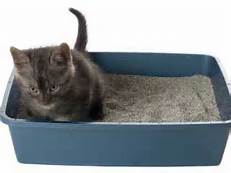
Feline inappropriate elimination — a fancy name for those times when kitty pees (or poops) outside the litterbox — accounts for about half of all reported behavior problems in cats. Sadly, it’s the reason pet owners give most often when they relinquish their kitty to an animal shelter. According to Dr. Nicholas Dodman, a professor at Tufts University’s Cummings School of Veterinary Medicine and founder of the Tufts Animal Behavior Clinic:

“It is a cold, hard fact that cats who fail to use the litter box once a week are four times more likely to be relinquished; if they eliminate outside the litter box daily, these odds increase to over 28:1. About 4 percent of cats urinate outside the litter box weekly, and 1 percent eliminate outside the litter box daily.”1

Cats relieve themselves outside the litterbox for a number of reasons, some having to do with natural feline tendencies, and others involving their environment. Often there are both natural and situational factors underlying a problem with inappropriate elimination. The three main causes for feline inappropriate elimination are:

1.    A medical problem

2.    Urine marking

3.    Aversion to the litterbox

Estimates are that 10 to 24 percent of all kitties have an inappropriate elimination problem at some point in their lives.

Medical Conditions That Can Cause Inappropriate Elimination

If your cat suddenly forgets her manners and starts either peeing or pooping outside the litterbox — especially if she starts using the bathtub or a sink instead —the first thing I recommend is a visit to your veterinarian. There are a number of medical conditions that can contribute to inappropriate elimination, including feline lower urinary tract disease (FLUTD), urinary tract infection, cystitis, obstruction of the urethra, diabetes, cognitive dysfunction and hyperthyroidism.

Diagnosing and treating an underlying medical condition is extremely important to your kitty’s health and to resolving inappropriate elimination behavior. Your veterinarian will perform a physical exam, and order a complete blood count, a blood chemistry profile, a urinalysis and check the thyroid if your cat is older. If the problem involves pooping outside the box, a fecal sample will be taken.

If your cat gets a clean bill of health from the vet but is a senior or geriatric kitty, it’s possible the aging process is causing changes in her elimination habits. For example, does she have to climb stairs to get to the litterbox? Is the box easy for her to get into and out of? It can be challenging to determine if a cat is uncomfortable or in pain. If your older cat is otherwise healthy but could be experiencing joint pain, make sure you’re doing all you can to make it easy for her to use her litterbox.

Urine Marking

Urine marking can be hormonally driven, but it’s most often the result of a natural system of feline communication, or stress. Both male and female cats spray, as do both neutered and intact cats. However, neutered cats spray less, and neutering can reduce or eliminate spraying in some cases.

Kitties who urine-mark generally use the litterbox normally, but also perform marking behaviors. Some cats do both house soiling and urine marking, but it’s easy to tell the difference between the two once you know what to look for.

Urine marking, when it takes the form of spraying, typically happens on vertical surfaces. However, some cats urine-mark on horizontal surfaces, which can make it more difficult to determine whether you have a marking problem or a house-soiling problem. Where your cat marks is of primary significance. Generally speaking:

·         If he marks under windows or on baseboards, he may perceive a threat from animals outside, usually other cats

·         If he marks on or near furniture or doors inside your home, he might be having problems with other cats in the household

·         If your cat marks personal belongings, such as clothes, bed linens, a favorite chair or a computer keyboard, he’s probably experiencing some anxiety about the human who owns those things

Other places cats are known to urine-mark are on shopping bags just coming into the house, heating registers and household appliances.

Resolving urine marking involves identifying and addressing the source of your kitty’s stress. When did the marking begin, and what was happening in your cat’s environment at that time? Just as cats favor certain scratching surfaces, they also return to the same spot to urine-mark. You’ll need to use an enzyme-based product for cleanups to remove stains and odor.

You might also want to spray a synthetic pheromone like Feliway on kitty’s favorite marking spots. Cats also “mark” by rubbing their cheeks against objects (for example, the top of their human’s head), and Feliway may encourage your cat to mark with his cheeks instead of his urine.

It’s important to note that urine marking can be difficult to manage, as often the root cause, if determined, can’t be resolved completely. And sometimes despite addressing all possibilities, cats still mark. 

One option is talking to an animal communicator, like Diane Weinmann to understand the underlying problems your kitty has.

Litterbox Aversion

Cats who are happy with their bathrooms behave more or less like this:

·         Approach and jump or climb into the box without hesitating

·         Take a little time to poke around and choose a good spot

·         Dig a hole

·         Turn around and do their business

·         Inspect the result and then cover it up with litter

Cats who are developing a litterbox aversion may approach it tentatively. They may balance on the side of the box or put only two feet in. They may actually use the litter, but immediately leap from the box when finished. Worst case they may walk to the box, sniff at it, turn, walk away — and eliminate elsewhere. Pooping outside the box, but very close to it, is almost always a litterbox aversion problem.

Your cat can decide she doesn’t like her litterbox for any number of reasons. Perhaps it isn’t being cleaned frequently, or not frequently enough for her comfort. Maybe she’s sensitive to a chemical used to clean the box, or perhaps she’s not fond of a box with a hood. The box may be in a noisy or high-traffic location, or where another pet in the household can trap her in there.

Tackling Kitty’s Litterbox Aversion

Extra boxes for multi-cat households. If you have multiple cats, you may need to add more boxes. The general guideline is one box per cat, and one extra.

Litter preference. It could be kitty doesn’t like the type of litter in the box, or it’s not deep enough (4 inches is recommended). You can discover your pet’s litter preference by buying the smallest amount available of several kinds of litter, and several inexpensive litterboxes. Place the boxes with different litters side by side and see which box gets used most often.

Studies on the types of litter cats prefer show they are quite particular about particle size. The cat’s evolutionary substrate, for potty purposes, is sand. When kitties started living indoors, clay litter came along and most cats were okay with it. But clay has its own issues, as do corn- and wheat-based litters.

These days, there’s a wide selection of organic and natural types of litters on the market, but many of them feature big particle sizes, which don’t appeal to most cats. Kitties also don’t like synthetic scents or odor control additives in their litter. The litter I use for my own cats is our own Biocharged Kitty Litter made with organic biochar. Biochar has a large surface area and is a recalcitrant, which means the charcoal itself holds onto things such as water and smells.

Our litter has incredible clumping properties, which means it lasts longer and there’s less total wetness and mess. It’s also 100 percent biodegradable and compostable. And it’s entirely fragrance-free, because the carbon helps to lock in odors.

Litterbox location. Find locations for litterboxes that are somewhat out of the way, and away from noisy household machinery and appliances. Choose warm locations in the house rather than the basement or garage. And make sure boxes aren’t close to kitty’s food or water bowls.

Litterbox cleanliness. Boxes should be kept scrupulously clean. They should be scooped at least once a day and more often if you’re dealing with a potential litterbox aversion situation. Dump all the used litter every two to four weeks (I recommend every two weeks, minimum), sanitize the box with soap and warm water (no chemicals), dry thoroughly and add fresh litter. Plastic litterboxes should be replaced every year or two.

To review, litter box aversion can usually be resolved by:

·         Determining the type of litter and litter box your kitty prefers

·         Using the right amount of litter (4 inches, minimum, at all times)

·         Keeping the boxes scooped, and doing a thorough cleaning at least every two weeks

·         Having enough boxes and locating them in safe, easy-to-access locations

Diane has encountered many litter box issues in her 20 years as an animal communicator.  Many litterbox problems are related to changes in the household, cleanliness and actual litter preference.  Please note that sometimes cats change their mind about the preference of litter they like so the tried and true litter you’ve used for years may not cut it any longer.  Contact Diane at Dianefortheloveofanimals@yahoo.com to schedule an animal communication session.


Kidney Disease and your Cat

By Dr. Karen Shaw Becker and comments by Diane Weinmann


Feline expert Dr. Lisa Pierson, founder of the fabulous website CatInfo.org. Dr. Lisa graduated from the University of California, Davis veterinary school in 1984. For the last 15 years, she has focused almost exclusively on feline nutrition and feline medicine. Her passion is trying to help prevent some of the diseases we see in kitties today (e.g., diabetes and urethral obstructions) by feeding them properly.

“My biggest goal, as you well know,” says Dr. Lisa, “is to get people to stop feeding dry food to cats due to the water depletion, which can lead to urethral obstruction, and the carbohydrates, which make cats more susceptible to diabetes.”

Feline Kidney Disease May Be Linked to a Particular Vaccine

The no. 1 problem veterinarians see in cats today is kidney disease, and so I wanted to talk with Dr. Lisa about the best way to feed kitties with kidney disease. When I was in veterinary school 20 years ago, I was told 3 out of 4 cats will die of kidney disease. No reason was given. We were told, “There’s nothing you can do. Cats are predisposed to die of kidney failure.” We were taught how to identify the problem, but not what causes it. I asked Dr. Lisa for her thoughts on what’s behind the epidemic of kidney disease in cats.

“That’s a fabulous question I wish I had the answer to,” she replied. “We do know that a well-respected researcher, Dr. Michael Lappin at Colorado State University, has established a possible link between feline kidney disease and the feline viral rhinotracheitis, calicivirus and panleukopenia (FVRCP) vaccine, which is grown in feline kidney cell cultures.”

“We really want to be very careful not to over-vaccinate cats,” Dr. Pierson continued, “because they can possibly set up an autoimmune type of reaction to their own kidney cells. Having said that, my own cats still developed kidney disease.

I assure you they were not over-vaccinated. They got vaccinated as kittens. They passed away between 18 and 20 years of age. They were never vaccinated again after their kitten shots, yet they still got kidney disease. They were not on dry food. They were on a water-rich diet. So the short answer to your question is, ‘I don’t know, but I wish I did.'”

An important point to make here is that as Dr. Lisa’s situation demonstrates, we can do everything right and our cats may still acquire a debilitating disease, including kidney disease. Many parents of sick cats say, “I don’t know what I’ve done wrong.” Often, they’ve done nothing wrong. Even in optimal environments, cats can and do get sick.

How Many Vaccines Do Indoor-Only Cats Require?

I usually recommend, for people with indoor-only cats, that they skip all vaccines. If you know your cat will never step foot outside and no other cats will be brought into the home, there’s virtually no risk of exposure to the diseases we vaccinate against. I asked Dr. Lisa what she thinks about not vaccinating indoor-only cats at all.

“While I’m definitely against over-vaccinating, I always give at least one vaccine when the kitten is at least 16 weeks of age,” Dr. Lisa says. “I’ve seen enough cats die from panleukopenia to make me uncomfortable with the thought of no vaccines at all.

We do take these cats to veterinary clinics and many people do wear shoes in their homes so there is not zero exposure. I would at least vaccinate once. I differ with you on this issue. I’d be worried about leaving them completely unvaccinated for panleukopenia.

I had five cats two years ago. I lost four out of my five cats in the last two years. They were between 18 and 20 years of age. They received [two] FVRCP vaccines as kittens with the last dose administered when they were at least 16 weeks of age. A couple of them may have received another FVRCP vaccine a year later but no FVRCP vaccine was administered after that. None had been vaccinated since they were kittens or maybe a year old.

On their last day with me, I ran panleukopenia titers to measure the antibody levels in their bloodstream. Antibodies aren’t the only things that fight disease, of course, but for all intents and purposes, all the cats’ titers indicated they were protected against panleukopenia.

My mom’s cat is 20 years old. I don’t think I vaccinated him after age 5. I ran a couple of panleukopenia titers on him when he was 18 and again just recently and the titers were at a level that immunologists feel is a protective level against this disease.

My own cats are 100 percent indoor-only. They get vaccinated with FVRCP when they’re kittens, with the last vaccine at about 16 weeks of age when the maternal antibodies should be gone. I do not administer the FVRCP vaccine again.”

So Dr. Lisa does vaccinate her indoor-only cats, but minimally. Historically my indoor cats also received one vaccine at 16 weeks. But I think if I get another kitten who will live strictly indoors, I’ll probably not vaccinate at all. I’ll probably do none, since his or her exposure will be none, in my opinion.

‘Protein Is NOT the Enemy of the Cat Kidney!’

Next I asked Dr. Lisa for her thoughts on what cat parents can do early on in their pet’s life to try to prevent kidney disease.

“I really don’t know anything concrete,” she explained. “Some people believe a water-depleted diet of dry food can harm the kidneys, but I don’t know if there’s any research to support that theory.”

Often, cats fed exclusively dry food have super-concentrated urine because their kidneys are trying to preserve water for the body. “Does that cause or lend itself to kidney disease?” asks Dr. Lisa. “I really don’t know.”

“I feed a water-rich diet. I feed a species-appropriate highprotein/moderate fat/zero carb diet. With regard to how protein affects the kidneys, it’s important to understand protein is not the enemy of the cat kidney. Protein doesn’t cause kidney disease. It doesn’t exacerbate kidney disease. It is not the enemy of the kidney.

If there’s one take-home message I want to get across, it’s ‘Please stop vilifying protein!’ I would not feed any of the protein-restricted, so-called ‘prescription’ diets to any cat in my care. There are always better options.”

The Problem With Protein-Restricted Diets for Cats

Back in 1994, Dr. Delmar Finco proved cats will die of hypoproteinemia (insufficient protein) long before they die of kidney disease. I can’t figure out why, if we’ve had research available for over two decades, there’s still this pervasive idea in veterinary medicine that we should restrict protein. I asked Dr. Lisa why she thinks veterinarians still have not recognized that limiting protein is a really bad idea.

“We have to ask why this idea of protein-restricted diets came to be in the first place,” she replied. “Why did our profession glom onto the idea that protein is the bad guy? When we eat protein, our bodies break it down. We use what we need and our bodies produce BUN (blood urea nitrogen, or urea), which is a waste product of protein metabolism.

The more protein we eat, the higher the BUN load. If the kidneys are efficient and healthy, they filter the BUN out into the urine. When the kidneys become less efficient filtration organs, the BUN rises in the bloodstream. So the powers that be decided, ‘BUN comes from dietary protein. Let’s just minimize dietary protein.’

I do not have a problem with cutting back a little bit (say, from 60 or 70 percent to 40 percent) but I do not agree with feeding cats only 20 percent of their calories from protein.”

My thought is that if you’re feeding a poor-quality, rendered, dehydrated protein that conceivably consists of indigestible animal parts such as hooves and nails, it may negatively affect the kidneys long term. High-quality, human-grade, bioavailable protein — which is what cats in the wild eat — should have little to no negative impact on organ systems. If it did, felines wouldn’t have survived as a species.

However, we’ve preached the low-protein thing for so long, to switch viewpoints now could dramatically impact the billion-dollar pet food industry. I fear it’s possible we’ve gone too far to turn back.

“I’m still hopeful,” says Dr. Lisa. “I spoke with a colleague the other day. She had just attended a seminar at which someone said, ‘We’ve got to stop protein-starving these cats.’ And I thought to myself, ‘Hallelujah!’ I’ve been preaching this for 15 years, as have you.”

What Amount of Protein in a Cat’s Diet Is the Right Amount?

“I want to give your listeners some numbers to chew on,” says Dr. Lisa. “If you look at metabolizable energy, meaning the calories from protein, fat and carbs, they have to add up to 100 percent. Hill’s k/d, Purina NF, Royal Canin are prescription diets that restrict protein to a level between 20 [to] 27 percent of calories. A cat’s natural diet is about 60 to 70 percent.

When I formulate recipes for my chronic kidney disease (CKD) cats, or I recommend over-the-counter diets, using my proteins, fats, carbs, phosphorus chart at CatInfo.org, I recommend a nice happy medium of 40 percent calories from protein. I don’t think cats truly need the 60 to 70 percent they find in the wild. All you are doing is adding to the BUN load. I don’t think it’s necessary.

I’ve had fabulous results over the last 15 years feeding thousands of CKD cats right around 40 percent protein, and less than 10 percent carbs. My homemade diets have zero carbs. That means they have 60 percent fat, because it has to add up to 100 percent.

So those are some numbers I want to share with your listeners. In the vast majority of patients, I find that 40 percent protein calories will support muscle mass and the immune system without unnecessarily overloading the BUN bucket that the kidney then has to deal with.

Of course, more BUN is generated with a 40 percent protein diet than one with 20 percent protein. That is obvious. However, all disease processes are a trade-off and one has to remember a very basic equation: 6 ounces of a 20 percent protein diet = 3 ounces of a 40 percent protein diet in terms of grams of protein ingested — assuming the same caloric and water density.

Sure, a cat can meet their protein requirements on a diet that has only 20 percent of the calories from protein, IF they eat enough of it. But what happens when a cat on a protein-restricted diets starts to eat less? The answer is they will become protein malnourished and the diet needs to be more protein dense to make up for the decrease in volume intake.”

When You Lower the Protein in a Cat’s Diet, You Should Raise the Fat Content, Not the Carbohydrate Content

Interestingly, Dr. Lisa’s 60 percent fat figure lines up with the recommended fat intake in ketogenic diets. I think we need to educate pet parents that fat is an excellent source of energy, and it’s also dogs’ and cats’ evolutionary source of energy.

“In the wild, cats eat about 60 to 70 percent protein, 0 to 2 percent carbs, and then 10 to 30 or 40 percent fat,” says Dr. Lisa. “So the 60 percent fat for a CKD diet can end up being double what their natural diet is if we want to hold back on the protein a bit and NOT overload them with carbohydrates.

Research on fat content in cat diets indicates that some cats with GI problems such as chronic vomiting, chronic diarrhea, inflammatory bowel disease, and pancreatitis don’t do well on a 60 percent fat diet, but it’s rare.

Felines are obligate carnivores. They’re designed to eat protein, fat and no carbs. When pet food producers formulate prescription diets, k/d for example, with lower protein, they have to raise the percentage of either fat or carbs to get to 100 percent. Hill’s raises the carbohydrates, which makes the diet even more species-inappropriate.

Royal Canin actually chooses to raise the fat and keep the carbs down a bit. That’s much more species-appropriate. If you’re going to lower protein at all, don’t raise the carbohydrates. Raise the fat. Cats deal with fat more efficiently than carbohydrates.”

A Brilliant Tip for Monitoring Your Cat’s Kidney Function at Home

In my experience, many people with CKD cats are frustrated that the condition wasn’t discovered earlier. That’s why I like to be proactive and perform annual bloodwork to identify subtle changes that can occur in cats’ bodies long before they start showing symptoms of kidney dysfunction. I asked Dr. Lisa what she feels is the best age to start doing annual bloodwork on cats.

“That’s a great question, but I’m going to turn it around,” she replied. “What I check, because it’s usually the first thing to head south with respect to kidney disease, is urine specific gravity. I have a spoon sitting next to all my litterboxes — the boxes are uncovered because I’m not a fan of covered or hooded litterboxes — and a little syringe.

For around $50 to $70, you can buy a refractometer — this information is actually on my urinary tract diseases page towards the bottom under the video showing how to obtain a free-catch urine sample at home. There’s a link there to a refractometer. I put a couple of drops of urine from the syringe on it and look at urine specific gravity, which is a measure of the concentrating ability of the kidneys.

All my cats go in for annual bloodwork anyway, no matter their age. Of course, if they’re sick, I’ll take them in more frequently. Bottom line is, I do annual bloodwork, but I’m checking their urine specific gravity frequently ([four to six] times a year) when they get to be 10 years of age or if I notice them drinking more than usual. My cats are very used to spoons stuck under their butt!

The SDMA test — which is the proprietary IDEXX urine test that is supposedly better than creatinine levels in detecting early kidney disease — can also be run. However, measuring urine specific gravity can be done at home for no cost other than a refractometer and it may be even better than the SDMA, in some cases, to help us recognize kidney disease earlier.

Urine specific gravity parameters:1.040 and above shows a normal urine concentrating ability of the kidneys; 1.012 is rock bottom. When you start getting 1.030, 1.025, 1.020, you may want to take your cat in to check the BUN, the creatinine, the phosphorus and the potassium.”

That’s really great advice. Cheap, easy, and you’re not stressing out your cat. Just follow kitty with your spoon when he goes into his litterbox, stick spoon under butt, collect a bit of urine, pull it into your syringe and put a couple drops in your refractometer. You can start when he’s a kitten, or as soon as you bring a new adult cat home. You can continue to do it proactively throughout their lives. It’s a brilliant tip!

The Kidney Disease Staging System (IRIS) Has Serious Flaws

“I also suggest setting up an Excel spreadsheet for all the BUN, creatinine, phosphorus, potassium and urine specific gravity results,” Dr. Lisa continues. “Those are my big five: BUN, creatinine, phosphorus, potassium and urine specific gravity. I’ve charted all my cats, which brings me to the IRIS staging system.

The IRIS staging system — IRIS stands for International Renal Interest Society — establishes parameters for judging the severity of kidney disease. When the creatinine is over X, they’re stage one. When it’s over Y, they’re stage two. There are four stages.

I personally strongly dislike this system. I think it’s far too strict. Creatinine over 1.6 is deemed a problem. I disagree with that. My own cat, Robbie, has had a creatinine in the low [2s] for the past 10 years.

He’s 17 years of age, and his kidneys are still fine. I think the IRIS staging system alarms people unnecessarily, and too early. I think it’s too strict. I just want readers and your listeners to understand that when your vet says stage 1 kidney failure it’s a case of maybe, or maybe not.”

This is very true. There’s a whole lot of doom and gloom around IRIS staging. I think it can actually lead to premature euthanasia, when the fact is there is much that can be done for these cats, sometimes for years to come.

“The cats are put on a prescription renal diet, which I strongly dislike,” says Dr. Lisa. “It’s also one of the reasons I have a problem with the SDMA test, because these cats are being put on protein-restricted diets even earlier. I think to myself, ‘Great. We’ve got an early marker, but now these 6-, 7-, 8-year-old cats are being put on protein-restricted diets, which makes me cringe.'”

Why Supplementing With Fish Oil/Omega-3s Is so Important

So let’s say we have a cat for which we regularly check urine specific gravity, and all is well until kitty turns 9 or 10 and his number dips to, say, 1.025. We take him in for an SDMA test, and the vet determines he’s in the beginning stages of renal disease. I asked Dr. Lisa how she would proceed at that point.

“First of all, let’s hope the cat has been off of dry food all his life, or at least as soon as his owner learned dry food is not a very healthy diet for a cat,” she says. “So let’s hope he’s on a water-rich diet.

Regarding urine specific gravity: Picture a sieve in your kitchen, and the holes of that sieve are getting bigger and bigger and bigger. When urine specific gravity drops, it means the kidneys are leaking more and more water. They’re unable to save water for the body.

There’s nothing that frustrates me more than to see cat owners leave their vet’s office with a bag of fluids under one arm and a bag of dry food under the other arm. They’ve been told to feed a water-depleted diet and then stick a needle in their cat’s back to put water into him. That’s pretty nonsensical

The sensible approach? Step one, provide a water-rich diet. Step two, the diet should be low in phosphorus. Step three, supplement with omega-3 fatty acids— fish oil, fish oil, fish oil. When we do post-mortems on these cats, we see nephritis. ‘Neph-‘ means kidney, ‘-itis’ means inflammation.

We know that fish oil and omega-3 fatty acids, specifically eicosapentaenoic acid (EPA) plus docosahexaenoic acid (DHA), are anti-inflammatory. There was a meta-data study done that looked back at all the individual CKD studies that were done, and the researchers discovered that cats getting high amounts of fish oil seemed to live the longest.

Now, I’m not that bright, but two plus two might equal four in this case, where we have an inflammatory process. Fish oil happens to have anti-inflammatory properties, so it stands to reason that fish oil may slow the progression of kidney disease.

Here’s my goal: one capsule per cat per day. One regular strength capsule should have about 300 milligrams of combined EPA plus DHA. They’ve done safety studies to show that 600 milligrams of combined EPA plus DHA per cat per day is safe.

Fish oil can cause bleeding problems in some patients, which is why if you’ve gone in for surgery in recent years you’ve probably been told to stop taking aspirin and also fish oil ahead of time because they have anti-clotting properties. But 300 milligrams of combined EPA plus DHA is safe.”

“We also treat with potassium as needed,” explains Dr. Lisa, “because sometimes these cats get very hypokalemic, meaning they have low blood potassium levels.

One of the reasons I don’t like the prescription renal diets is because toward the end stage, CKD cats can get hyperkalemic, meaning they have too much potassium in the blood. All the renal diets are fortified with potassium, so they end up compounding the problem of hyperkalemia and are detrimental to the patient.”

Switching a Dry Food-Addicted Cat to a Moisture-Rich Diet

“I really love homemade diets,” says Dr. Lisa. “I’m a big fan. The recipes I formulate mimic the prescription diets in that they include plenty of B vitamins and antioxidants, plenty of fish oil, and I can adjust the potassium as needed based on the patient’s blood levels.

They’re low in phosphorus. They contain a moderate amount of high-quality proteins versus the prescription diets, [which] are more protein-restricted and often have very [poor-quality] (low biological value) sources of protein (e.g., [Brewers’] rice). My patients thrive on these homemade diets.”

I’m of course a huge proponent of homemade diets as well. The number one complaint I get from clients, though, is their cat won’t it eat.

“First of all, there is no need to make diet ‘all or nothing,'” says Dr. Lisa. “Many cats will not eat a diet of 100 percent homemade and always need a bit of commercial canned food mixed in to make it more flavorful. It’s fine to mix commercial with homemade. Some homemade is better than nothing.

That said, I find that people give up far too easily when trying to get their cats to eat a new diet. People shouldn’t get discouraged as quickly as they do. They have to roll up their sleeves, work at it, and be patient. Also, the key issue is change the diet before your cat is really sick. No sick cat wants to try something new.

And use your cat’s hunger as your friend. Don’t put the food down, watch them walk away from it, and just give up by putting their old food back down. Make them go 12 hours without food. Make them go 18 hours without food. Get a little tough.

Look at my tips for transitioning a dry food addict. It’s applicable when you need to change any diet. Hunger is your friend, number one. Take the diet they like, 90 percent of it. Mix in 10 percent homemade, then go 80-20 or 70-30. Or do the opposite, take 90 percent of the homemade, start slipping in a little Fancy Feast or Sheba, or whatever you want to feed.

But be patient. Don’t give up. You can actually out-stubborn your cat, but people give up far too easily. It took me three months to get my cats off 100 percent dry food. Some of them had never seen canned food in their entire lives, including my 10-year-old. It took me three months to get them from dry food to canned food.

And then it took me a little bit longer to get them from the canned to the homemade, because the canned tends to be gamier-smelling, and probably a little bit more flavorful.

I love FortiFlora, which is a Purina probiotic. I use it as a flavor enhancer, not as a probiotic. If I were to put that powder on cardboard my cats would eat it! I just use it like salt and pepper, just sprinkle it on their meals. It’s a liver digest. If you’re going to pick something that a cat likes, most cats love liver.

Or you can buy something like Fancy Feast Chicken and Liver or Turkey and Liver, the classic feast, which is kind of my go-to enticement. I try to stay away from fish. I don’t want to create a fish addict. There are other problems with fish. But when you’re trying to transition a cat away from dry food, I don’t mind giving them a little bit of fish, but you’ll have to wean them off it.”

A Word About Fish Versus Fish Oil

For those of you confused as to why we’re recommending fish oil but not fish, I should clarify that our issue with fish as a protein source is that not only are many types of fish contaminated, they are also high in iodine, which can cause hyperthyroidism. Good-quality fish oil supplements don’t contain iodine and are tested for purity and potency, which means they’re screened for heavy metals and PCBs.

Fish oil also doesn’t cause food sensitivities, unlike fish fed as a protein source. Bottom line, fish oil is really in an entirely different category from fish fed as a protein source. It’s protein versus fat, as Dr. Lisa points out. Fish oil is safe and a good source of omega-3 essential fatty acids. However, feeding fish to cats is not recommended.

If Your Cat Has Kidney Disease, Ask Your Vet About Calcitriol

I asked Dr. Lisa what else she would suggest cat parents do to help enhance their kitty’s quality of life, longevity and kidney function.

“You might want to ask your veterinarian about calcitriol,” she answered. “Calcitriol is the active form of vitamin D. One of the jobs of the kidneys is to take the inactive form of vitamin D and activate it. In other words, it makes calcitriol.

The parathyroid gland, not the thyroid gland, but the parathyroid gland, is very intimately involved with calcium and phosphorus balance. It secretes parathyroid hormones (PTH), which can be toxic to the kidneys if it gets too elevated. The off switch for PTH production is calcitriol.

If we don’t have enough calcitriol in our body, there’s nothing to tell the parathyroid gland, ‘Shut up. Be quiet. Stop making so much PTH.’ The research on cats is scant and a little iffy. But calcitriol proved to be beneficial in a study of dogs.

There are some feline specialists who are big proponents of calcitriol for cats, and I personally think it’s a ‘can’t hurt, may help’ issue. Your viewers should ask their vets about administering calcitriol to their CKD cats. It’s recommended early in the disease. If the dosage is adhered to properly, I think it’s a can’t-hurt-may-help.

When we first tried the calcitriol we got some hypercalcemia early on because we were giving it every day and at higher doses than we currently use. We now give it twice a week instead. And for the record, I don’t recheck CKD patients to death. I feed a high[-]quality, low-phosphorus diet with plenty of antioxidants and anti-inflammatories. I use calcitriol and call it a day. Beyond that, the chips are going to fall where they may.

I find that most of my clients get frantic, asking ‘What can I do, what can I do, what can I do?’ The truth is, not much. Cats’ kidney disease will progress as it’s going to progress. So again, don’t over-vaccinate. Feed a water-rich diet. Sit back and relax with your cat. Don’t keep fretting about it because the kidneys are going to do what they’re going to do on their own timetable. There’s really nothing we can do about it beyond the basics I’ve just discussed.”

If Your Cat Is Diagnosed With Kidney Disease, There’s No Need to Panic

I am always impressed with how resilient cats’ bodies are. Even in a state of decompensation (organ failure) they keep going and going and going. Often the BUN is very high and they’re still eating and physically look fine. If we’re chasing a number or making decisions based on a lab result, I think it’s easy to become so overwhelmed that it takes away from our quality of life. It’s possible to fret so much about the future that we don’t enjoy the time we have left with our pet.

“I’m glad you brought that up,” says Dr. Lisa. “I find that subcutaneous fluids are used far too early in the disease process. I’m also not a fan of Azodyl. I don’t feel it works. I don’t feel there’s any benefit. I don’t want to see cats being pilled with these humongous capsules.

You know me, I’m typically not much of a supplement person. I’m a ‘Give them good food, give them fresh water, love them and don’t keep poking a needle in their back until it’s really time’ sort of person.”

Dr. Lisa brings up a great point. I love Azodyl, but I do not believe we should be shoving anything down a cat’s throat. I think if your kitties will eat supplements like Azodyl or probiotics on their own, awesome. But the last thing you want to do is chase a cat, especially a sick cat around the house and have her hide under the bed and fear you.

This is completely disruptive to your relationship with your kitty, and even more important, it significantly increases her stress response, which will end her life sooner than anything else. There’s no reason we should be cramming anything down a cat’s throat. If they take supplements voluntarily, great. If they don’t, don’t force it.

“Absolutely,” says Dr. Lisa. “I have an article on pilling cats on my website. I hate pilling cats. I may be a real weeny about it, but I just hate it. And again, be careful about starting fluids too early. Cats can live a long time with CKD.

My cats got kidney disease at 14 and 16. They both died four years later, but not from kidney disease. They died from cancer. And I want to also mention that just because your cat has a low urine specific gravity, it isn’t the kiss of death. Cats whose kidneys have stopped fully concentrating the urine can live three, four, five years and longer and quite often die from something else. If your cat starts to get a low urine specific gravity number, there’s no reason to panic.”

Honoring Your Sick Cat’s Wishes

All of Dr. Lisa’s suggestions today have been common sense and very respectful of the feline body and spirit. But I think, most importantly, they should provide peace of mind for those of you watching or reading who are worried about your cat and kidney disease.

Sometimes the more information we gather — even though we want to understand everything we can so we can make good decisions — can create profound stress. It can also cause vets to give their clients with CKD cats long lists of tasks to perform that can be daunting. Often, we’re making decisions not on how the cat looks or seems to feel, but on a theoretical disease progression that may or may not occur. We end up creating stress for everyone in the family, including the cat, and it doesn’t have to be that way.

“Exactly,” Dr. Lisa says. “When I go on VIN (the Veterinary Information Network), colleagues are asking each other questions like, ‘When do you start fluids?’ The answer more often than not is something like, ‘When the creatinine is 3,’ which is a very arbitrary approach to a procedure that is stressful for both the cat and the owner.

Instead, you need to look at the patient. Are they eating a water-rich diet? Are they eating plenty of it? Do they have any vomiting or diarrhea? Are they bright and alert? You don’t just start fluids arbitrarily at a number. You look at the patient.

It’s also important to understand that plain water (no sodium, chloride, etc.) taken in orally is healthier for a body then the fluids that are administered subcutaneously. Therefore, we should do whatever we can to increase oral water intake before starting sub Q fluids. This means feeding no dry food and adding some extra water to canned food or a homemade diet.”

I think if an animal is saying, “Don’t do that to me,” we need to not do it to them. That’s one of the hardest things to convince clients of, that “This will be a really nice approach IF our patient participates.” But if we have a cat who chooses not to participate, we need to respect that. I think we need to encourage our clients to be more respectful and push less. “I agree 100 percent,” says Dr. Lisa. “My Toby, I thought he’d be very easy to give fluids to. I tried it, and he hated it, so I didn’t force him to accept the procedure.”

Sometimes we end up making decisions to not treat the patient, because they have decided they don’t want to be treated. That’s called honoring our patients’ wishes. To honor their wishes, why not ask your cat?  Contact an animal communicator like Diane Weinmann at dianefortheloveofanimals@yahoo.com to discover your cat’s wishes.

“Quality over quantity,” Dr. Lisa agrees. “Because let’s face it, we want everybody, human and animal, to live forever. There’s a selfish component to it, because you don’t want to lose them. But don’t be selfish with your cats. Listen to them.”

I very much appreciate Dr. Lisa Pierson making time for me today and sharing her tips, tricks, ideas, thoughts and amazing information with us. Be sure to visit her website, CatInfo.org, which provides a wealth of extremely helpful and practical information about your cat’s health.

 

1 in 3 Household Pets are Overweight

1 in 3 Household Pets are Overweight


By Aly Semigran  comments by Diane Weinmann   


Over the past decade, there’s been a steady climb in the number of obese domestic cats and dogs, according to an eye-opening report released by Banfield Pet Hospital. 


The State of Pet Health report breaks down the obesity epidemic with shocking numbers, including a 169 percent rise in overweight cats and a 158 percent rise in overweight dogs since 2007. 


The report found that 1 in every 3 household pets is overweight, stemming from both overfeeding and a lack of exercise. 


“Obesity is so common that many people underestimate their pet’s body condition, preventing them from taking action to manage their pet’s weight,” the report stated. (The Banfield report was conducted by its BARK Research Team, which analyzed data on over 2.5 million dogs and 500,000 cats from Banfield’s 975 veterinary hospitals.) 


Though some pet breeds are more prone to obesity, Banfield breaks down how to determine if your pet is at risk (by calculating their body condition score), and also offers diet and exercise tips. Maintaining your pet’s weight is important, considering excess pounds can lead to conditions like arthritis and diabetes.


The report also points out that pet parents take a hit financially when their pet is obese, estimating that overweight dogs can cost their owners over $2,000 more a year in medical costs. 


While these guidelines can help educate pet parents on how to prevent their cat or dog from becoming a statistic, it’s always wise to consult with your veterinarian first to determine the best plan for your pet. 

Being certified in canine nutrition, most pets can benefit from veggies and fruits in their food bowl.  My husky is tricky – he will only eat his bigger veggies with dip (guess where he learned that from? … my son!) so we chop the broccoli, carrots and cauliflower until it’s almost ground up then mix it with his regular food.  We also do that with melon and berries, although once in a while, he will eat a whole blue berry.  Be sneaky and your pet will benefit!


5 Ways to Help a Hiding Cat

5 Ways to Help a Hiding Cat

By John Gilpatrick

It’s hard to say if Garfield started the stereotype of the mischievous, anti-social cat, but he certainly reinforced it, and to be fair, there’s some basis in truth.


While some cats are friendly and cuddly, many others spend their days in dark enclosed spaces and prowl the house at night.


“A lot of cats lead nocturnal lives,” says Myrna Milani, DVM, an author and veterinary scholar in the fields of pathology and anthrozoology.


If your cat usually spends its day hidden, that’s generally fine and normal, Milani says. The problem arises, however, when social cats suddenly start hiding. This behavior is often indicative of stress, fear, a medical issue, or some combination of these.


Continue reading for tips on identifying problematic forms of hiding behavior in cats and what you can do to resolve the underlying issue.


Allow Your Cat to Warm Up to Visitors

One of the primary causes of stress in cats is a change in their environments, and one big change that often induces hiding is the addition of a new person to the household.


Whether this is in the form of a temporary visitor or a permanent resident, cats are naturally inclined to assume a new person is a threat to their territory. (The same goes for the addition to a new animal.) As such, you might find your feline hiding or marking areas with her scent.


Milani says it’s important to give a cat time to adjust to the change and accept the new person on her own terms. “The worst thing you can tell the new person to do is play nice and ‘kissy face’ with the cat,” she says.


Instead, short-term visitors can sit near the hiding spot and let the cat come to them, maybe coaxing her out with a treat or a toy that will boost her confidence and make her feel more like predator than prey.


Milani suggests longer-term visitors or new permanent residents rub themselves all over with a dry towel or washcloth. Then, leave the towel in the middle of the floor overnight and allow the cat to explore the scent on her own time and at her own speed.


The cat should start feeling more comfortable the next day, though if the towel has been peed on, “That’s a message, and you need to keep being patient,” Milani says.


Try to Normalize a New Environment


Another cause of this type of stress is a move. It might take your cat a while to adjust to the new house, and that’s made worse, Milani says, the more you change things around. Trying to give your cat normalcy in a new house—whether that’s setting up her cat tree by a window or avoiding clutter with empty boxes—will help your cat adjust.


“I know it’s not what people who move want to hear, but the best thing you can do for a cat after a move is to unpack everything and settle in as quickly as possible,” she says.


Give Your Cat a Safe Space


It’s not uncommon for cats to be fearful of visitors or changes in their environments or routines. Fear in cats is often marked by prey behavior, which includes running away and hiding.


Dilara G. Parry, a certified cat behavior consultant, says “safe spaces” are an easy way for the owner to make sure that the hiding that’s taking place is healthy and safe.


“A sturdy cardboard box, turned on its side with a nice blanket placed inside, can be an alluring hiding space that is safe,” Parry says.


Milani adds that cutting a cat-sized hole in an upside-down cardboard box is another great DIY safe space because the cat can face the opening and know nothing is coming up behind her.


Monitor Your Cat’s Behavior Changes


Hiding behavior in cats could signal an illness or serious medical condition, and owners need to pay attention when this behavior emerges and is out of the ordinary.


Milani says if a cat begins hiding, it’s paramount that the owner monitors the cat’s eating, drinking, urinating, and defecating. She recommends blocking off the bathroom to the cat and marking his water dish with a marker so you know exactly how much water is being consumed every day.


Other easily observable signs of an illness or condition that’s forcing hiding are discharge from the eyes or nose, limping, and non-specific diarrhea.


Make an Appointment With Your Vet


If your cat is suddenly hiding, and seems more antisocial than normal, a visit to the veterinarian is recommended to rule out any medical issues. After all, it’s better to be safe than sorry.


“Sometimes, the first indication to the guardian that their cat is sick is hiding behavior,” Parry says. “I have seen this in cases of urinary blockage, which can quickly turn fatal if untreated, so I definitely urge guardians to take hiding behavior seriously, especially if it is not ‘par for the course’ for that particular cat.”


Collecting Urine from your pet

by HomeoPet | Feb 26, 2018 | Natural pet health

Getting a urine sample can be a simple or frustrating experience depending on how accommodating or shy your pet is, but a little know how can make for a much easier and more pleasant experience.  For a homeopathic vet, the information gleaned even from the collection process can be very helpful in coming to a suitable treatment.

So ‘how?’; ‘how much?’; ‘when?’ and even ‘why might you need to collect your pet’s urine?’

Lets answer ‘when’ first.  

A urine sample is best obtained first thing in the morning, with the patient having been kept indoors overnight with free access to water. In some cases water restriction is necessary, but only on your vet’s say so – never restrict access to water without veterinary instruction.  For example, a kidney patient can die from the consequences of water deprivation.   Another advantage of an early morning urine sample, especially, if you live in a town or city, is that you are unlikely to become of too much interest to the neighbours as you follow your pet around with a scoop or saucer!

Next to ‘how?

Collecting urine from dogs

For dogs, take them out on lead (so they can’t get too far away from you, unless you have awfully long arms or a polystyrene cup attached to a broom handle). Male dogs usually cock their leg and urinate on a regular basis, especially over the competitions’ sprinklings. Then it is just a matter of placing a urine sample collector or pre-sterilized dish (such as a margarine container or other flat plastic food container) in the stream of urine to collect the sample. Proper urine sample containers are available from a local chemist, drug store, pet store or your veterinarian. Alternatively, the dish needs to be cleaned and sterilized by washing in boiling water. Special urine collection scoops and vials can be bought, but are in many cases unnecessary for initial samples. Avoid the use of vitamin containers or containers with similar contents as contamination can alter the results.

For bitches, the situation can sometimes take more work. You need to have her on a lead and you must wait for her to start passing urine before putting the saucer underneath. If you attempt to put the saucer underneath a bitch before she starts, whatever chance you had of collecting the urine sample is gone! Some bitches will hold on for days if disturbed before starting to urinate. Yet once a bitch starts urinating they can rarely stop before you get a sample!

Collecting urine from cats

For cats, a whole different set of rules apply and the litter tray rules supreme for sample collection at home. You will need to provide a clean, sterilized litter tray with no cat litter in it. The litter tray should be slightly tilted to one end so that the urine runs away from any faeces the cat may also do in the tray. You can put in commercially produced plastic pearls (see photo left in pack and right in litter tray), or shredded plastic, but this is not as easy to get in these days of paper shopping bags. What I do is roll up the plastic and use scissors to cut strips off the roll, which looks just like shredded paper. Then I shake the cut plastic strips apart to make fluffy, sterile, non-absorbent litter, which for some reason almost all cats will use, especially if they are locked in a room with a lino floor.

If the bathroom is normally used as your feline’s toilet room, then be sure to put about an inch of water in the sink and bath so kitty doesn’t decide to use one of these giant litter trays!

As I was originally writing this article and had duly told my client all the things to remove from the bathroom, only to discover the cat had started using the potted plants in the bathroom as the ideal replacement litter tray – once removed a sample was forthcoming, so you really need to think like a cat, when setting up the room.

Why Do Cats Groom So Often?

Why Do Cats Groom So Often?

By PetPav and comments by Diane Weinmann

Cat lovers know how our cats are such clean pets because they groom themselves all the time.  Not that we’re complaining.  As it turns out, cats spend as much as half of their waking time grooming themselves or other cats! We absolutely enjoy the benefits, but why do cats groom so often?

Cats learn grooming from birth

The mother cat’s first job after giving birth is to remove the amniotic sac, then lick the kitten with her rough tongue to help stimulate its breathing.  Kittens, emulating their mothers, start self-grooming by the time they’re a few weeks old. If they are part of a litter, they are likely to lick and groom one another as well.  Or even when simply sitting next to each other…in harmony!

Here are some of the reasons your cat will groom (which is why it can happen all day!):

Cleanliness

Cats usually groom themselves to stay clean. Their tongue is used like a comb and removes old fur, loose fur, and dirt. Cats are naturally clean animals and this helps maintain a healthy coat and is a sign of good health.

To clean injuries

Cats wash their injuries to cleanse the wounds, and possibly to prevent infection. Licking with a rough tongue can also remove dead skin cell.

To hide their scent from predators

Cats’ sense of smell is fourteen times more powerful than that of humans. Most predators, including cats, track prey through scent. A mother cat in the wild will try to hide her young kittens by removing evidence of their feeding. She will wash herself and them thoroughly after nursing. This is the same instinct as when a cat scratches the floor around the food dish after eating.

To lubricate their fur

When cats groom, their barb-like tongues stimulate the sebaceous glands at the base of their hairs and spread the resultant sebum throughout the hairs.  Their self-grooming also helps rid the coat of dirt and parasites such as fleas.

Emotional grooming

This type of grooming helps a cat feel better emotionally. If your cat was just frightened or feels tense, grooming is a calming mechanism. Emotional or displacement grooming helps them deal with stress.

Temperature control

Cats don’t sweat so grooming themselves is a way to cool themselves down in warm weather and keeps the fur closer to their skin to retain heat in cold weather. When a cat licks and tugs at its fur, it stimulates the follicles to release oils that can also help waterproof your cat.

Mutual grooming

If you have two or more cats, they may groom each other from time to time. It’s a way to express friendship and more of a social activity than a hygienic one. Mutually grooming usually expresses comfort, companionship, and even love among cats. Your cat may even groom you (sign of love).

If your cat stops grooming, this could be a sign of a health issue and it might be time to take your cat to the vet.  On the other hand, if your cat is excessively grooming and pulling out his or her fur, you should speak with your vet to find out the cause.

In my 20 year’s experience with pets, and of course by life with my two cats who have passed into spirit, you will witness a marked decrease in the ability to clean and groom themselves in their later years.  Many reasons cause this decline but the most obvious is their lack of flexibility to contort their bodies to be able to do the job!  Much like people in our later years—we have a hard time touching our toes.