9 Tips to Keep Your Cats and Dogs Summer Safe

Summer is here! And your pets cannot be more excited. Here are a few quick tips to help keep your pet safe this summer.cool-5042406

  1. Do not leave your pet alone in your car – vehicles heat up quickly in the sun, and animals left in them can succumb to heat stroke within minutes. Heat stroke is life threatening for both dogs and cats. Signs to watch for include heavy, loud breathing; a staggering gait; a bright red tongue or gum tissue; vomiting; diarrhea (sometimes blood); or even seizures. If heat stroke is suspected, bring the animal to a cool place, put cold compresses on its belly, or wet it down. Because this is a medical emergency, take your pet to your veterinarian as quickly as possible.
  2. Overheating – Short nosed dogs, like Pugs and Bulldogs, are particularly susceptible to overheating during hot, humid days. To prevent your dog from overheating, do not exercise her in very hot weather. If you want to run or walk with your dog, do it in the cool hours of the early morning or late evening. And be careful when walking your dog on hot pavement, as it can sometimes burn the footpads.
  3. Shade and Water – Dogs and cats need a cool, shady place to sleep during hot weather, as well as plenty of clean, fresh water that is accessible at all times. Feed your dog or cat in the cooler hours of the day. Older animals have a hard time in hot weather, so be extra sensitive to their needs during the hottest hours of the day.
  4. Risk of Disease – Some diseases may be more prevalent during warmer months. Parvovirus tends to flourish in hotter weather. Also, during the summer months, pets often spend more time outdoors, increasing their chances of encountering wildlife (possible rabies carriers). Your veterinarian can help you decide the best ways to prevent diseases in your area.
  5. Heartworm, Flea and Tick Prevention – If your dog hasn’t been tested for heartworm this year, you may want to see your veterinarian and discuss prevention. Heartworm is transmitted by mosquitoes, and the best time to attempt prevention is between June and November. Additionally, making sure your pet is free of fleas and ticks reduces the chances of other health problems. Many fleas and ticks carry infectious diseases that can affect your pet (e.g. Lyme Disease).
  6. Keep your pet well groomed – Daily brushing or combing lets you check for fleas and ticks. Ticks can carry infectious diseases and fleas can cause allergic reactions and “hot spots” in dogs. Hot spots are large, wet lesions that appear suddenly in areas where the dog has scratched. See your veterinarian for flea and tick preventives or if a hot spot appears.  I found a tick on my husky right by his ear and I thought he was completely immune to ticks and fleas because his coat is so thick…not so – where there is a will there is a way!  Scan your pets daily for fleas and ticks!
  7. Keep dogs away from picnic garbage –  Ingesting corncobs and chicken bones can be life threatening. Keep an eye on your dog!
  8. Water Safety – Believe it or not, not all dogs can swim (or swim well)! Know your dog’s abilities in water before leaving him or her unattended around a swimming pool or other water. Consider a life vest if your dog is not a strong swimmer.
  9. Open Window Safety – Use a heavy screen on windows or keep them closed if you have cats. During the summer, the number of cats suffering from “high rise” syndrome, or falling from windows, increases dramatically. Contrary to myth, cats do not always land on their feet when falling from heights. The most severe injuries occur when cats fall from second- or third-floor windows.

And most of all – have fun with your pet companions!  Enjoy the sun, flowers, grass, picnics and great exercise the warmer weather affords for everyone – humans and pets alike!

Dog Urine Assessment: The Low-Cost Annual Test That Every Dog Needs

By Dr. Becker and comments by Diane Weinmann  peeing-puppy-13629056

Urine, of course, is the end product of a filtering process that removes waste products and metabolic end products from your pet’s blood.  You watch your dog pee all the time— on fire hydrants, trees, bushes, fence posts, on the grass and yes- maybe somewhere he is not supposed to like your couch!  So we’ve establish that he pees a lot after all what goes in my come out.  But did you know that there’s actually much that can be learned about your dog’s health by evaluating several aspects of his urine.

Kidneys contain nephrons that are comprised of the glomerulus, which acts as a filtration unit, and the tubule, which modifies the filtrate (waste products). The filtrate passes out of the kidneys through the ureters into the bladder, where it is stored until it is excreted from the body through the urethra.

The urine that is excreted from your dog’s body contains sediment that reflects the health of all the cells and structures of the urinary tract. A complete urinalysis measures the function of the nephrons, and gives information about the animal’s metabolic and fluid status. The test is also used to evaluate substances in the urine that might indicate an underlying disease process.

What Color Is Your Dog’s Pee?

One of the most obvious things about dog urine is, of course, its color. Generally speaking, there are three categories of dog pee colors:

  • Clear to light yellow
  • Bright or dark yellow
  • Brown, orange, or reddish-pink
  • Water intoxication can lead to a very serious condition called hyponatremia (excessively low sodium levels), which is a rare but frequently fatal condition in dogs. More commonly, dogs over-hydrate due to thirst brought on by a problem with the kidneys. If your dog is drinking so much water that her urine is clear most or all of the time, you should make an appointment with your veterinarian
  • .Make sure your pet has fresh, clean, filtered drinking water available at all times, and if he refuses to drink or the color of his urine doesn’t improve, it’s time to call your veterinarian. I never suggest adding anything into your pet’s drinking water except homeopathic remedies or flower essences (which are tasteless), as other additions (vinegar, medications, herbal tinctures, or nutraceuticals) can cause the water to have an unpalatable taste and pets may not consume as much water as they need. If your pet’s liver is producing too much bilirubin it will be excreted in urine, turning the urine brown. Old blood in the urinary tract from a past kidney infection, stones in the kidneys or bladder, a bladder infection, or a tumor, can also give urine a brown tinge.
  • The When, How and Why of Urinalysis
  • Many veterinarians prefer to collect sterile urine samples from their patients using a diagnostic procedure called cystocentesis. A small needle attached to a syringe is inserted directly into the bladder wall to collect the sample. Urine samples obtained this way avoid contamination with debris from the animal’s genitalia and believe it or not, are typically pain free for cats.Since the “gold standard” for human urine bacterial cultures calls for sterile samples that the patients themselves provide (otherwise known as “pee in the cup please”), I don’t see a reason to put dogs through a potentially painful experience when research shows a cystocentesis does not provide any more information than a collected sterile sample. For this reason, I just send home sterile specimen cups with all my dog owners. Under no circumstances (except when a patient is paralyzed) should veterinary staff attempt to squeeze your dog’s bladder to collect a urine sample, as this can be quite painful and can cause injury to the bladder.The timing of the actual sample collection isn’t important unless your veterinarian wants to assess your dog’s ability to concentrate urine or to check cortisol levels if Cushing’s disease is suspected. In these cases, a first morning urine sample is needed.
  • What Your Dog’s Urine Sample Can Reveal About His Health
  • The dipstick test uses a thin piece of plastic with small strips of chemically treated pads that change color when they encounter certain substances in the urine. The test can check the following measures:
  • The first test of a urine sample is a visual examination. Your veterinarian will note the color of the urine as described earlier, and whether or not it is cloudy, which may suggest an infection or the presence of protein. The color and clarity of the urine is important because in some cases it can adversely affect the next phase of testing, the dipstick test. For example, if the sample is bright red in color, it can falsely elevate the dipstick readings for protein, acidity, and specific gravity.
  • All urine samples collected for culture and sensitivity testing when a potential urinary tract infection is suspected should be collected in a sterile specimen cup and delivered to the veterinary clinic immediately for the most accurate test results.
  • Urine samples are best analyzed within 30 minutes of collection, but no more than 2 hours for an unrefrigerated sample, or 6 hours if the sample has been refrigerated.
  • A last-ditch option is to collect urine via catheterization, as not only is this uncomfortable for the pet, but the potential to cause a secondary infection is significant.
  • Collecting a sterile sample from a dog is significantly easier using other methods than collecting one from a cat, so I save cystocentesis primarily for cats, who don’t seem to mind. In my experience, dogs seem to mind the procedure a lot more than cats.
  • Your veterinarian will use a test called a urinalysis to assess the overall health of your dog’s urinary tract, including the kidneys and bladder, and to check for other health indicators such as glucose regulation and liver function. I recommend a yearly urinalysis for all pets, and more frequent testing for older animals and those with chronic health conditions.
  • If your dog’s pee takes on a pink or red color, it indicates current bleeding due to one or more of the conditions just mentioned, or some other serious problem. Obviously, if your dog’s urine is any color other than clear or yellow, you should seek help immediately from your veterinarian.
  • If your dog’s pee is any color other than clear or yellow – if it appears brown, orange, or reddish-pink, for example – it is cause for concern. Brown or orange urine can indicate the presence of a protein called myoglobin, which is released by your dog’s muscles when they are stressed or injured.
  • If your dog’s pee is a bright or dark yellow, he is very likely dehydrated or having another medical problem. This can occur from lack of an adequate supply of drinking water, or because he is sick, in which case it’s also time for a visit to your vet.
  • The color you want your dog’s urine to be is clear to light yellow. This means she is well-hydrated. You do want to see some yellow in there, because pee that looks consistently like water with no yellow at all is a sign that your dog is drinking too much water or is unable to concentrate her urine.
  • Acidity (pH). The pH level indicates the acidity of the urine. In healthy dogs, urine pH should be in the 6.0 to 6.5 range.
  • Specific gravity. This is a measure of your dog’s urine concentration, which is a measure of kidney function. Urine can be very dilute or very concentrated. Dilute urine (low specific gravity) is the color of water, whereas concentrated urine (high specific gravity) is bright or dark yellow. It’s important to know that a healthy dog’s urine specific gravity will vary throughout the day depending on her activity level and the amount of water she’s drinking.
  • Protein. Protein isn’t a normal component of urine, so a positive dipstick test for protein may indicate a bacterial infection, a problem with the kidneys, or blood in the urine. If your pet is passing protein, ask your vet to complete a urine protein to creatinine ratio (UPC) or microalbuminuria (MA) level to quantitatively determine how much protein is being passed.
  • Sugar. Sugar is also not normally found in urine. Its presence signals the possibility of diabetes mellitus.
  • Ketones. Ketones are byproducts produced by the cells of your dog’s body when they aren’t receiving adequate energy in the form of nutrients. Ketones in the urine are another red flag for diabetes.
  • Bilirubin. Bilirubinuria (bilirubin in urine) is a sign that red blood cells are being destroyed at a higher-than-normal rate. The condition exists in dogs with liver disorders and autoimmune disease. It’s important to note that blood in the urine from a bladder infection can stain the bilirubin pad on the dipstick, causing a false reading for potential liver disease.
  • Blood. The dipstick test will pick up the presence of red blood cells or other components of blood in urine. This finding should always lead to a microscopic evaluation of the urine to check for infection, inflammation, or bladder or kidney stones.  Another test that should be performed on your dog’s urine sample is a microscopic evaluation of urine sediment. This is accomplished by putting the urine in a centrifuge, which ultimately deposits any cells or other abnormalities (the urine sediment) in the bottom of the test tube where they can be collected and evaluated under a microscope.
  • Urine sediment findings requiring further investigation include:
  • Another Important Test: Microscopic Evaluation of Urine Sediment
  • White blood cells. The presence of white blood cells can be a sign of an infection or inflammation in the bladder or kidneys.
  • Red blood cells. Red blood cells in urine sediment may indicate trauma or irritation to the bladder wall or kidneys, and are commonly found in dogs with bladder or kidney infections or stones, interstitial cystitis (inflammation of the bladder lining), and cancer in the urinary tract.
  • Bacteria. Bacteria in urine sediment can be a sign of infection, however, if no bacteria is seen in the sediment, it doesn’t rule out an infection in the bladder or kidney if bacteria was found in the urine sample itself. You should always request a urine culture for clarification if the sediment does not support a diagnosis of a urinary tract infection and your pet is showing classic symptoms, such as urinating more frequently or pain on urination.
  • Likewise, if the sample was not collected in a sterile specimen cup provided by the veterinary clinic, there could be bacterial contaminants that may prompt your vet to prescribe unnecessary antibiotics. If your vet thinks there may be a bladder infection present, always insist on a culture as proof of infection, and to insure the appropriate treatment is given.
  • Casts. Casts are the interior lining of cells found in the tubes of the kidneys, and when they show up in urine sediment, they are a sign of a problem with the kidneys such as infection, inflammation. or an ingested toxin.
  • Crystals. Crystals in your dog’s urine generally occur when the urine pH is out of range, or when bacteria is present.
  • Atypical cells. Pets with bladder tumors occasionally shed atypical cells into their urine, as well as animals with irritated bladder walls.A routine urinalysis in healthy pets, and certainly in dogs showing signs of a urinary tract issue or other illness, is an essential part of providing proactive health care for four-legged family members.

Hopefully I’ve given you some valuable information today about why your dog’s urine is an important measure of her health. There are some additional tests that can also be performed on a urine sample that aren’t routinely a part of a basic urinalysis, including the Bladder Tumor Antigen test.  So since we all must go….I won’t say to “enjoy the go”, I will leave you with information that is helpful to your pet’s wellbeing — if you take the time to pay attention to him/her when they are outside with you….so you know what that means don’t you?   GET YOUR NOSE OUT OF YOUR PHONE….TRULY BE PRESENT WITH YOUR PET!

Environmental Enrichment

dog-listen-to-music-23638440By Dr. Becker and Diane Weinmannplayful-dogs-beach-stick-1757357

When veterinarians and other pet care experts talk about “environmental enrichment,” they’re often referring to improving a pet’s environment. All companion and captive animals can benefit from environmental enrichment. Today I want to talk specifically about ways to enhance your pet’s quality of life.

So what is Environmental Enrichment?

Environmental enrichment for pets, also called behavioral enrichment, means enhancing an animal’s surroundings and lifestyle so that he is presented with novelty in his environment, opportunities to learn, and encouragement to engage in instinctive, species-specific behaviors.

Environmental enrichment is used to address many behavioral disorders in dogs and or cats, including “rowdiness,” cognitive dysfunction syndrome, storm and noise phobias, separation anxiety, obsessive-compulsive behaviors, and behaviors resulting from boredom and/or frustration.

In addition to treating behavioral disorders, environmental enrichment should be viewed as an essential part of providing an excellent quality of life for all pets due to its proven positive effect on the health and well-being of animal companions.

 Toys

When you offer a new toy to your pet, you’ve probably noticed that while she’s very excited by it initially, she loses interest within a day or so (or within hours or even minutes, depending on the pet and the toy). That’s because pets habituate to toys, meaning they get used to them. The new toy quickly becomes just another inanimate object in your pet’s environment.

You can work around the problem by rotating your pet’s toys. Provide your pet with a supply of different types of toys in varying shapes, sizes, textures, colors, and scents. A general guideline is to offer three toys per day. At the end of the day remove them, and reintroduce them about every five days so they remain “new” to your pet.

Exercise

Dogs especially need daily exercise to be optimally healthy and emotionally balanced, and this goes double for young pets and high-energy breeds. It’s important to understand that your dog – no matter how small – can’t get adequate exercise running around your home or backyard by himself.   You may be able to stimulate play with your cat but again, probably not enough as a daily routine.

In a perfect world, every dog would have opportunities to do some high-intensity endurance running on a regular basis to release endocannabinoids, which are the “happy hormones” responsible for the “runner’s high” in both humans and canines.

Most pets don’t engage in intense exercise with their owners for a variety of reasons, but your dog really does need your help to get the most out of exercise and playtime. There are lots of activities you can enjoy with your pet, no matter your own level of physical fitness or limitations.

Suggestions:

Take a walk or hike with your dog

Play a game of tug-of-war

Roller blade or jog with your dog

Take your dog for a swim and play fetch in the water

Take a bike ride alongside your dog using a special dog bike leash

Play hide-and-seek with treats or your dog or cat’s favorite toys

Play fetch the ball using a ball launcher to extend the distance your dog runs to retrieve and return the ball

Take your dog swimming

Play with feathers or strings on a stick to stimulate stalking, jumping and attacking for your cat

Provide catnip filled toys along with stuffed leg kickers for your kitty to wrestle with

Use a flashlight, pen light or laser to lure your cat to chase it

Get another pet for your current pet to play with.  You’d be surprised how much exercise they will get playing with each other

Walking Your Dog

Another way to enhance your dog’s experience of her environment is to take her on a variety of different types of walks. For example:

  • There are short purposeful walks in which your pet will only be outside long enough to relieve herself.
  • There are mentally stimulating walks during which your dog is given time to stop, sniff, investigate, mark a spot, and discover the great outdoors with her nose and other senses.

Most leashed dogs don’t get to spend much time sniffing and investigating. Allowing your pet time to explore canine-style is good for him mentally. Dogs gather knowledge about the world through their noses.

  • There are training walks that can expand your dog’s skills and confidence. You can use them to improve his leash manners, teach basic or advanced obedience commands, or for ongoing socialization opportunities.
  • You might also want to consider power walks to improve your dog’s fitness level (and yours!).
  • Take your dog into the woods and let him jump up on stumps; walk on logs and cross creeks.

Social Enrichment

If your canine companion does well at the dog park or dog water parks, visits there can provide opportunities for dog-to-dog interaction, exercise, and vigorous play.

If you have friends with dogs, arrange play dates. These can be excellent low-pressure social situations for dogs that need to hone their interaction skills without being overwhelmed by too many dogs, or an overly dominant dog.

Involve your dog in agility, obedience, dance, dock dogs, nose work, tracking, flyball, or another dog-centered event.

Additional Enrichment Strategies

  • Provide your dog with visual enrichment by giving her a view outside through a window (unless she’s reactive to external stimuli).
  • Provide auditory enrichment by leaving a television or radio on, playing music or outdoor sounds on a CD, and offering your dog toys that make noise. Animal planet is a favorite of a lot of animals!
  • I know some people have made a screened in area for their cat to “spend time outdoors” without the worry of other critters bothering them or running away. Being able to spend time in nature is very stimulating to cats.
  • Let the flies stay in your house –there are entertainment for your cat or dog! They will get them eventually without you chasing them around with a swatter.
  • Provide tactile enrichment by petting, massaging, and brushing your dog. Make sure to follow her cues for what type of touch she does and doesn’t like.
  • Appeal to your dog’s olfactory senses by placing her toys in the clothes hamper so they pick up the scent of her humans. Use essential oils that are safe for pets – lavender is a great one! (Only use therapy grade oils) Hide treats around the house or in cardboard boxes.
  • Puzzle and treat release toys can help focus the attention of high-energy dogs, and keep dogs with storm phobia or separation anxiety occupied before and during anticipated stressful events.

It’s a good idea to stuff the toys with small amounts of healthy, species-appropriate treats for both cats and dogs so they’ll hold his interest. You can also try freezing the toys to keep your pet occupied for longer periods. And since you want to avoid weight gain in your pet (unless he’s underweight), be sure to account for the calories in the treats by adjusting the amount of food you offer at regular mealtimes.

Heartworm Disease in Dogs

WebMD Pet Health Feature

Please note: This article has been provided for informational purposes only. If your pet is showing any signs of illness, please consult a veterinarian as quickly as possible.

Reviewed by Amy Flowers, DVM

I never knew a lot about heartworm, then I heart an adoption counselor at the Parma Animal shelter where I volunteer at explain to prospective adopters about the need to have your pet on heartworm medicine and her experience when her dog almost died from the disease.  She scared the bee-geebees out of me and the people listening but I learned a great deal.  I now take this disease very seriously and encourage everyone to read the information I found about heartworms and what they can do to your pet!  By the way – since I have a husky, I figured no mosquito could ever penetrate his thick coat but in the last couple of weeks I found a tick by his ear!  I NEVER have ever found anything on him in the six years we’ve had him.  So obviously, my reasoning is faulty!   Here is the info you need to arm yourself against this disease!professional-vet-doctor-examining-pet-dog-skin-examining-light-29924440

Heartworm infection starts when the dog is bitten by an infected mosquito, which injects heartworm larvae (known as microfilaria) into the dog’s skin.

The larvae injected into the dog by the mosquito then proceed to go through their maturation cycle and eventually end up living as adults inside of the heart and lungs. Dogs may be infected with heartworms but not yet have adult heartworms living inside of the heart and blood vessels.

Dogs that are infected with heartworms may not be sick. Because they do not yet have adult heartworms living in the heart and blood vessels, the damage to these tissues has not yet occurred and the signs of heartworm disease will not be evident.

In contrast, dogs with heartworm disease are sick.

Once the adult worms have moved into the blood vessels and the heart, the damage begins to occur. The worms living within the pulmonary arteries cause damage to the arteries themselves.

The arteries become dilated and also take on a tortuous appearance.

At the same time, the worms in the pulmonary arteries make it more difficult for the heart to pump blood through the arteries to the lungs. As a result, the heart muscle, especially that on the right side of the heart, starts to thicken from the increased workload.

As heartworm disease progresses, blood clots are formed because of the damaged arteries. These clots flow through the arteries and eventually plug up some of the smaller blood vessels. When this happens in the lungs, fluid will begin to build up in the lung tissue surrounding the blocked blood vessel and the lung is not able to oxygenate the blood normally.

Signs of Heartworm Disease in Dogs

  • Coughing may be one of the first signs noted in dogs with heartworm disease.
  • Exercise intolerance is also common. These signs occur because of the damage to the heart and lungs done by the heartworms.
  • Pneumonia can also occur. When the body detects the heartworms in the pulmonary arteries and smaller vessels entering the lungs, it sends inflammatory cells into the lungs to try to fight the parasite. These inflammatory cells cause a non-infectious form of pneumonia as they attempt to kill the organisms.
  • Dogs with heartworm disease may also have abnormal clotting, especially in the lungs. Nosebleeds can happen as a result.
  • Cardiac arrhythmias (abnormal heart beats) can occur also because of the thickening within the heart muscle. An arrhythmia can cause fainting, weakness or even sudden death.

Caval Syndrome

Caval syndrome is an especially serious form of heartworm disease. In caval syndrome, there are so many adult heartworms present that the entire right side of the heart is filled and the worms start to overflow into the vessels that lead into the right side of the heart.

This leads to shock, red blood cell destruction and collapse. Death can occur relatively quickly in caval syndrome and, in some cases, this may be the first sign of heartworm disease.

Heartworm Treatment Options

Heartworms in dogs are easy to prevent, but difficult and costly to cure. We asked Sheldon Rubin, 2007-2010 president of the American Heartworm Society, to separate facts from the myths about heartworm infestations in dogs.

Q: How do dogs get heartworms?

A: Only by the bite of an infected mosquito. There’s no other way dogs get heartworms. And there’s no way to tell if a mosquito is infected. That’s why prevention is so important.

Heartworm disease has been reported in all 50 states. And the bite of just one mosquito infected with the heartworm larvae will give your dog heartworm disease.

Heartworm disease has not only spread throughout the United States, but it’s also now found in areas where veterinarians used to say “Oh, we don’t have heartworm disease.” Areas like Oregon, California, Arizona, and desert areas — where irrigation and building are allowing mosquitoes to survive. And if you have mosquitoes and you have animals, you’re going to have heartworms. It’s just that simple.

It takes about seven months, once a dog is bitten by an infected mosquito, for the larvae to mature into adult heartworms. They then lodge in the heart, lungs, and surrounding blood vessels and begin reproducing. Adult worms can grow up to 12 inches in length, can live 5-7 years, and a dog can have as many as 250 worms in its system.

Q: Can people get heartworms from their dogs?

A: It can only be passed on by mosquitoes. It’s a specific parasite that only affects dogs and cats and ferrets and other mammals. In rare cases, heartworms have infected people, but it does not complete its life cycle. The heartworm will migrate to the lung and cause a round lesion that looks like a tumor. But these are very rare cases.

Q: If one of my dogs has heartworms, can he give it to my other dogs?

A: No. Again, the only way heartworms are transmitted is through the bite of an infected mosquito. And even if an uninfected mosquito bit your infected dog, and then bit your uninfected dog the same night, he wouldn’t transmit the parasite from one dog to the other. That’s because when a mosquito bites an infected animal, the heartworm needs to undergo an incubation period in the mosquito before the mosquito can infect other animals.

Q: Is it OK to adopt a dog with heartworms?

A: It’s a very common problem in animal shelters today, and public shelters rarely have the money to treat heartworm disease. It’s perfectly acceptable to adopt a dog with heartworms, but you have to be dedicated to having the disease treated appropriately, because it’s a horrible disease that can lead to a dog’s death if left untreated.

Q: How can I prevent my dogs from getting heartworms?

A: For less than the cost of going to Starbucks for a weekly coffee, you can prevent heartworm disease in your dog. There are monthly pills, monthly topicals that you put on the skin, and there’s also a six-month injectable product. The damage that’s done to the dog and the cost of the treatment is way more than the cost to prevent heartworm disease. A year’s supply of heartworm preventative will cost about $35 to $80, depending on a dog’s weight.

Q: What are the symptoms of heartworm infestations in dogs?

A: Initially, there are no symptoms. But as more and more worms crowd the heart and lungs, most dogs will develop a cough. As it progresses, they won’t be able to exercise as much as before; they’ll become winded easier. With severe heartworm disease, we can hear abnormal lung sounds, dogs can pass out from the loss of blood to the brain, and they can retain fluids. Eventually, most dogs will die if the worms are not treated.

Q: Once my dog has heartworms, what’s the treatment? How much will it cost?

A: The drug that you treat with is called Immiticide. It’s an injectable, arsenic-based product. The dog is given two or three injections that will kill the adult heartworms in the blood vessels of the heart.

The safest way to treat heartworms includes an extensive pre-treatment workup, including X-rays, blood work, and all the tests needed to establish how serious the infection is. Then the dog is given the injections. With all the prep work, it can run up to $1,000. But just the treatment can be done for about $300 in some areas.

Q: Why do I have to keep my dog quiet during the several months he’s being treated for heartworms?

A: After treatment, the worms begin to die. And as they die, they break up into pieces, which can cause a blockage of the pulmonary vessels and cause death. That’s why dogs have to be kept quiet during the treatment and then for several months afterward. Studies have shown that most of the dogs that die after heartworm treatment do so because the owners let them exercise. It’s not due to the drug itself.

Q: If my dog is diagnosed with heartworms, can I just give him his monthly preventative instead of having him go through treatment? Won’t that kill his heartworms?

A: Studies have shown that if you use ivermectin, the common preventative, on a monthly basis in a dog with heartworm disease, after about two years you’ll kill off most of the dog’s young heartworms. The problem is, in the meantime, all of those heartworms are doing permanent damage to the heart and blood vessels.

But if there’s no way someone can afford the actual treatment, at least using the preventative on a monthly basis could be a lesser alternative.

Q: Can I skip giving my dog his preventative during colder months, when there aren’t any mosquitoes?

A: The American Heartworm Society recommends year-round heartworm prevention. One reason is, there’s already a serious problem with people forgetting to give their dogs the heartworm preventatives. It’s a universal problem. Now if you use it year-round, and you miss a month, your dog will probably still be protected. But if you miss more than one or two months your dog could become infected.

The other reason not to stop is that many of the preventatives today also include an intestinal parasite control for roundworms, whipworms, or tapeworms. You want your dog to be protected against those at all times.

Q: If I don’t treat my dog with heartworms, will he “outgrow” his heartworms?

A: No. He stands a good chance of dying from the disease.

Q: I’ve heard the treatment for heartworms can be dangerous. Are there any newer, safer alternatives?

A: We used to use plain arsenic to treat it, which had many side effects. What we use now is a safer product with fewer side effects. It’s a safe product if used correctly.

Q: If my dog gets heartworms, and is treated for them, can he get them again?

A: Yes, he can get them again. That’s why prevention is so important.

Lighting has struck once again – Dog Reincarnated!

Colt
Colt

As in my book, “A Tail of Hope’s Faith”, another dog, who was my client, has blessed us with the miracle of his return through reincarnation to be reunited with her previous owner.   So how does this work you may ask? I will tell you the story of how it happened with Colt and Kim.

Colt was a wonderful German Shepard dog who was my client for several years before passing on into spirit. When Colt passed away I continued to talk with him as requested by his owner, Kim. Colt provided many reassurances that he would indeed come back to her when he and she were both ready. As with all wishful thinking…we had even discussed what type of dog he would return as. He had strong feelings about returning as a large dog since he had leg and hip issues. He originally mentioned to me he was thinking about returning as a smaller dog such as a beagle. I said “BEAGLE!!??” I just couldn’t picture big, strong Colt as a beagle. He told me he didn’t want to be small in stature because he needed to be big enough to protect Kim. He thought since I didn’t really like the beagle idea, he’d think about a lab or lab-mix. I told him whatever he preferred—I had just been teasing him about the beagle. (Don’t get me wrong I love beagles – my husband’s family had one and he was a darling).

As you can imagine, time went by, two years in fact, and Kim had many changes in her life. She was first separated, moved in with her mom for a while and then was finally divorced. All during this time, Kim asked Colt if he would be returning to her and he always responded to me that when she was completely ready – he wanted her settled down again and be in a house. In fact, he specified what the house should be like and especially detailed how he wanted his “new” back yard to look.

Finally, out of the blue, Colt contacted me and told me that Kim was looking for a house and that he saw the one that he wanted. He explained it had a big back yard and that’s the one he wanted. I called Kim to verify that she was indeed house shopping and guess what? She had just looked at houses and when I explained what Colt told me– she knew exactly which house he wanted – she wanted that one too! She had picked a specific house just for him but she didn’t know he had been WATCHING!

Once we were all on the same page with the house, I told Colt that we had to start the arrangements up in heaven to come back. That was his job to do. On the flip side, Kim had some requests as to the timing or his return because of job and vacation plans so we all discussed it. Then all was quiet for a while.

One night, in the middle of the night, I was awoken by a dream or so I thought but what I saw was a picture of Colt right in front of me as I knew him before he died. I said “Hi Colt”. He always made me smile. All of a sudden he disappeared and was replaced by a small yellow lab puppy. The pup was sitting in front of me with the cutest “grin” on his face. I thought, I don’t know you and the picture immediately flipped over to Colt again. Then the dog in front of me switched back to the puppy. I didn’t understand what was going on since I don’t have any yellow labs as clients at this time (actually I never had). Then I heard it…whenever I question something in my head I hear the answer from spirit. I am Colt. I am back. I sat straight up in bed, grinning like a fool and said “when and where?” right out loud! Good thing my husband is almost deaf and cannot hear anything without his hearing aids – he would of thought I was nuts!

I heard, today May 29th and saw a large letter “P”. I thought, oh, good maybe in Parma where I live. He told me he was a boy. I smiled and thanked all my guides, St. Francis and “Colt” and told him I would see him soon.

Once daylight had hit and it was a decent hour, I called Kim to give her the news. Needless to say, she flipped out! I would too, but here I was going through another reincarnation again just like in my book. I was ESTATIC to say the least. My happiness could not be contained—I couldn’t stop grinning like a fool.

Of course, Colt had planned it perfectly just as we had discussed in prior conversations. Kim would be leaving for vacation in the next few days, then she would be home for a week or two and I was scheduled to leave on my vacation. I didn’t start looking for Colt but started the “thinking” process of how this was going to pan out. I looked in the newspaper a bit but no one was advertising for a puppy   this young. I figured that breeders would wait until the pups were about 5-6 weeks old before starting to look for homes for them. I gave a bunch of instructions to Kim to keep her eyes open while I was gone on vacation and away I went.

Fast forward, we are all back from our wonderful vacations and I get an email from Kim stating she had no luck finding Colt while I was gone. No worries – I was back now and the hunt was on!

I talked to him and he was content, happy and healthy. That was good news. I settled back into my normal routine at home with the nagging in the back of my head telling me to start looking for Colt. All of a sudden one day the nagging was so distracting that I couldn’t think so I started skimming the papers for yellow labs. I called a couple of people but the birth dates were not matching. One lady was very nice and accommodating. She really wanted me to get one of her dog’s and even told me that she was going to name the puppies after guns, like COLT! This was really weird since I never said I was looking for a dog named Colt. She just offered that info and it struck me that this lady was somehow going to be influential in my search. I just didn’t realize how as of yet.  This same lady was extremely helpful and told me that I should go to the AKC website since they show all the birthdays of the dogs, I broke down and told her I was specifically looking for a dog with the birthdate of May 29th because he was a reincarnated dog. She didn’t laugh or anything—I really appreciated that!

I got busy that day and had a million and one jobs to do but I kept hearing “go to the PC, go to the PC”. I finally broke down after I completed some of my work and said “ALL RIGHT!” I went up to my office and sat down at my computer. Hours later, I was extremely frustrated because I was not finding what I was looking for. All I knew was that he was a yellow lab born on May 29th and “P” had something to do with it. I was just about the give up for the day and thought this is a waste of time. I heard “keep going just a few more”. I sighed and kept going a few more pages then all of a sudden my heart started pounding and I couldn’t breathe. It was like I was hyperventilating or something! I pushed the key to advance to the next page of dogs and my eyes hit the date May 29th. I looked at the dog’s picture and heard “Hi ya— here I am”. I then gasped when my eyes rested on his name. It was PHOENIX! My brain just registered the “P” in his name, I whispered Phoenix with a big grin on my face to myself. I heard the voice of my spirit guides in my head say “and out of the ashes he rises”. At that, the tears started pouring down my face. I was laughing, grinning like a fool and crying like a baby all at the same time. Kim was never going to believe this – we did it! We found Colt, aka Phoenix.

I immediately called Kim, still crying and I think she thought I was dying or something. I never cry to my clients. Once I was able to get the information out of my mouth she was beside herself with happiness. I sent her a picture of him for her to confirm my find. I knew, as his mom, that she would recognize his soul and that would be the final confirmation I would need. Needless to say, he was our Colt returned as Phoenix.

Now the fun part began…how to get him to her? We contacted the breeder, found out he was in Illinois and made all the necessary arrangement to bring him home. She had already bought everything she needed to be a new puppy mom weeks earlier so she was all set for Phoenix to arrive.

As a new proud parent , Kim shared lots of pictures of him with me but to my utter joy she surprised me at a book signing I was doing at the shelter where I volunteer –she brought Phoenix to meet me. I can honestly say I didn’t want to give him back but I knew my husky, Neko would not be happy! Welcome back Colt – glad to have you, Phoenix!

Now, I have one question left for the universe… WHERE IS MY CAT, MILO?????? When do I get him back???? You see, I am just like any other pet parent who misses their beloved furry family member …I want mine back too! Phoenix

As a follow up – please watch for my October Newsletter with the topic of Pet Reincarnation.

Signs that your Pet may be losing their Eyesight

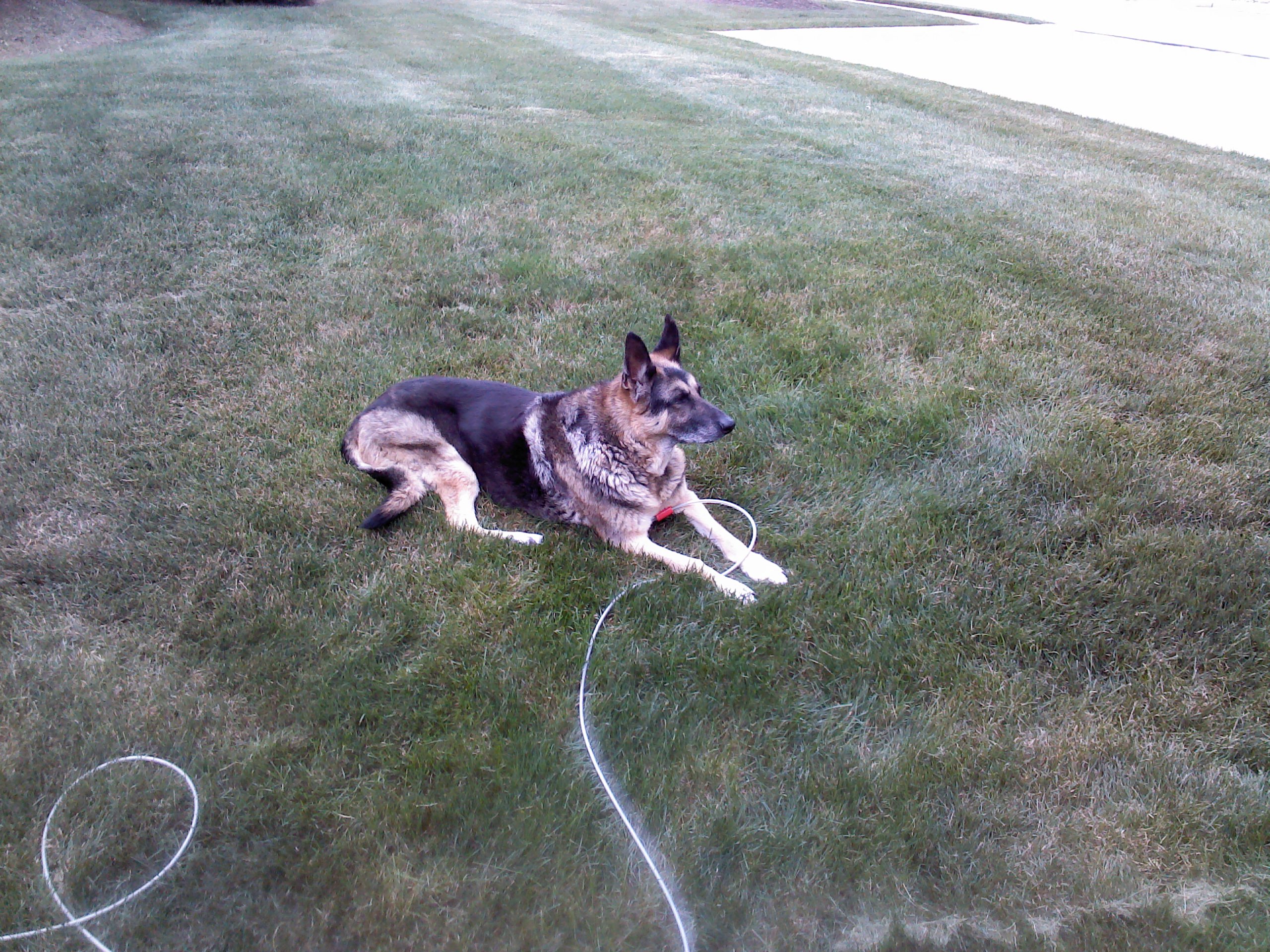
german-shepherd-122706565 Signs Your Pet May Be Losing Her Eyesight

By Dr. Becker, DVM and comments by Diane Weinmann

Blindness is partial or total loss of vision that can be present from birth, occur suddenly as a result of an injury or illness, or come on gradually as a pet ages due to diseases such as cataracts, glaucoma, or retinal degeneration.

Dogs and cats of any breed and any age can become blind, but it’s more commonly seen in elderly pets.

Causes of Blindness

In addition to congenital (from birth) blindness and gradual age-related blindness, there are several medical conditions of the eye that can ultimately lead to blindness in pets.

  • Progressive retinal atrophy (PRA) is an inherited disease that causes dogs, and to a much lesser extent kitties, to lose their eyesight over a period of months to years. PRA is most often seen in Cocker Spaniels, Border Collies, Irish Setters, Norwegian Elkhounds, Schnauzers, Poodles, and in Bengal, Abyssinian, and Persian cats.
  • The retina, which is in the back of the eye, is composed of rods that perceive light and cones that perceive color. Normally the rods and cones mature by the time an animal reaches about 12 weeks of age, but in some pets with PRA, they never completely mature and may begin to degenerate at an early age.
  • Sudden acquired retinal degeneration syndrome (SARDS) generally strikes dogs between 7 and 14 years of age and is more common in females. The syndrome causes total destruction of the rods and cones of the retina. The typical onset of SARDS is sudden – sometimes it happens literally overnight. There’s often a dramatic increase in a dog’s thirst and appetite in the weeks before blindness occurs.
  • Taurine deficiency in cats can cause progressive retinal degeneration that often goes unnoticed until the condition is quite advanced. The damage to the rods and cones of the retina and the underlying tapetum lucidum cannot be reversed by taurine supplementation. This is one reason I often discuss the importance of a balanced, species-appropriate diet for cats that includes natural dietary sources of taurine like fresh meat.
  • In an autoimmune disease called uveodermatologic syndrome, a dog’s body attacks its own melanocytes, which are the cells that produce pigment primarily in the skin, the retina, and the uveal tract of the eye. Usually, the first ocular sign pointing to uveodermatologic syndrome is uveitis, which ultimately leads to blindness.
  • Diabetes mellitus can cause blindness in dogs, and rarely, in cats.
  • Other potential causes of blindness in both dogs and cats include untreated eye infections, inflammation of the eye, glaucoma, cataracts, dry eye syndrome, infectious disease, trauma to the eye, high blood pressure secondary to another disease, stroke, cancer or another type of tumor located in the eye or brain, and a drug reaction. If your dog or cat is experiencing a gradual loss of vision, chances are she is compensating and adapting quite well, which can make it difficult for you to detect vision problems. On the other hand a sudden, complete loss of vision is very obvious.
  • Some of the signs your pet may be losing her eyesight more slowly include:
  • Symptoms and Diagnosis
  • Misjudging heights (for example, your cat tries to jump as she normally would from one object to another, but lately she doesn’t always make it)
  • Bumping into things (for some pets with gradual loss of vision, even the transition from carpet to tile can throw them)
  • Showing confusion in new or changed surroundings (this can include furniture rearrangement, or moving the food or water bowl to a different location)
  • General clumsiness and disorientation; being easily startled
  • Eye rubbing; squinting; cloudy, discolored or inflamed-appearing eyes; excessive tearing; abnormally large pupils
  • Prevention Tips
  • Congenital blindness isn’t something you can prevent in your pet, but many causes of acquired blindness are entirely within your control.
  • Diagnosis of a partial or complete loss of vision can be made with a thorough eye examination performed by a veterinary ophthalmologist.
  • Examine your pet’s eyes regularly, and make an appointment with your veterinarian if his eyes change or look different, or if you notice personality or behavioral changes.
  • Keep your pet at a healthy weight and feed a low carbohydrate, species-appropriate diet. This will dramatically reduce the likelihood of diabetes, which can lead to blindness.
  • Allow your dog to maintain his sex hormones as he’s maturing, as this may reduce the incidence of adrenal disease, which has been linked to SARDS.
  • Feed a fresh food diet that is high in antioxidants, including lutein, lycopene, vitamins C and E, beta-carotene, and astaxanthin. This will help nourish and support your pet’s eye health throughout his life.  There are many things you can do as the guardian of a partially or completely blind pet to help your companion feel secure and comfortable at home.
  • Caring for a Pet with Vision Loss
  • Avoid moving furniture around; don’t leave objects in hallways
  • Also avoid moving food and water bowls, bedding, and litter boxes – consistency and routine are even more important to pets with poor or no vision
  • Make sure your pet has a safe spot she can access easily
  • Cover sharp corners or objects with something soft to prevent injuries and unnecessary trauma
  • Place barriers at the top and bottom of staircases, around the pool if you have one, and any area where your pet might fall; if necessary, carry your pet up and down stairs and wherever else she might stumble or take a tumble
  • Always supervise your visually impaired pet when she’s outside
  • When you enter a room where your pet is, avoid making loud sounds or startling her; speak softly to her before touching or petting herOne exceptional resource I recommend to all my clients with blind pets or pets with vision loss is Caroline Levin’s book Living with Blind Dogs: A Resource Book and Training Guide for the Owners of Blind and Low-Vision Dogs. If you have a pet who is blind or is losing his vision, I highly recommend this book.
  • Recently I also ran across a potentially helpful device developed by the loving owner of a toy Poodle who is going blind. It’s called Muffin’s Halo Guide for Blind Dogs

Holistically Speaking

As a person who talks with animals and performs holistic energy healing I have worked on animals that have vision issue with some success.  Once a 37 year old horse had a “stroke” and was knocking into things because he couldn’t see.   I connected with him and I realized he could see some shadows.  I took this as a good sign and started performing Healing Touch for Animals on his eyes.  Within less than 2 weeks he could see much better. His owner was so cute when she came up to me and said, “oh Diane, thank you so much, he can see now!”  I laughed and said I know!  Love it when the pets show me what they see and how they feel…except that time I received Hope’s diarrhea — that was not a good time!  Stupid me asked for it so I got it!  I’ve sort of learned from that experience!

Pet Food Recall Bravo Pet Foods

Bravo Pet Foods are recalling several varieties of their pet food for dogs and cats after routine testing found salmonella in the chicken- based product.  They are recalling their chicken based product Bravo blend Chicken diet and Bravo Balance Chicken Dinner for dogs in both chub and patty varieties (products are stored frozen).  Fill out a claim for a refund at the company’s website http://bit.ly/1Ko9fAF.

Any questions call 1-866-922–9222 Monday thru Friday 9 am  4 pm EST.  good-dog-food-2620000

Pet Identification – Do you have one on your pet at all times?

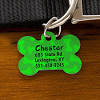
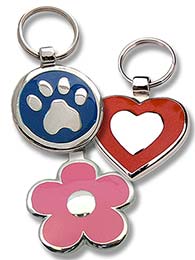
dog tagpet tag 2by Dr. Becker and Diane Weinmann

All pet parents should insure your dog, cat or other companion animal is equipped with up-to-date ID information in the event he gets separated from you. Sadly, the American Society for the Prevention of Cruelty to Animals (ASPCA) found that while 80 percent of pet owners realize the importance of ID tags, just 33 percent say their pet always wears one.

If you’re among the majority of pet guardians who aren’t always as disciplined as you would like to be about ID tags, the good news is that tags aren’t the only way to identify your pet in the event she is lost. There are actually several other methods for identifying dogs and cats, including GPS tracking devices, radio frequency identification devices, microchips, and tattoos.

The most popular method for ID’ing pets, second only to ID tags, is microchipping.

How Microchipping Works

The pet microchip is about the size of a grain of rice. It is injected under the skin in the neck area between the shoulders, and provides a permanent means of identifying your pet.

Microchip placement is very similar to a vaccination. A bit of loose skin between the animal’s shoulder blades is gently pulled up, and the needle containing the chip is inserted. The trigger is depressed, injecting the microchip beneath the skin. Each chip is equipped with an electromagnetic transponder with a unique code that must be registered with a recovery program like HomeAgain or Avid. Before it is placed, the chip is scanned while still in the package to validate that the identification code of the transponder matches the code printed on the package label. Once inserted in your pet, it is scanned again to verify that it can be read.

If a pet is lost, most veterinary offices, shelters, and humane societies have scanners that can locate the chip inside the animal’s body and read the code on it. So as long as your pet’s microchip has been registered and your information is up-to-date in the recovery program database, the vet clinic or shelter should be able to reunite you with your furry family member.

Pros and Cons of Microchipping

Microchips have become extremely popular. Many shelters now implant chips in every animal before he or she goes home with a new family. And chips have become a standard method of identifying strays. Any lost animal brought to a veterinary clinic or animal shelter is automatically scanned for at least the two most common brands (HomeAgain and Avid). The primary benefit of microchipping is, of course, that your pet can’t lose his ID.

One drawback is that the insertion of the chip can be a bit painful like any injection. When I’m asked to insert a microchip, which is rare, I always use a local anesthetic to alleviate any discomfort.

Another potential disadvantage is that chips have been known to migrate away from the injection site, which makes them more difficult to locate with a scanner. Also, there are several microchip manufacturers, but to my knowledge, there’s no universal scanner that reads every brand of chip.

Another extremely important point to remember about microchips is that your pet’s chip must be registered to be of any use, and your contact information must be kept up to date in the recovery program database for the same reason.

Also, the people doing the scanning must know how to correctly and thoroughly scan a pet to locate a microchip – especially one that may have migrated away from the injection site.

Health Concerns Related to Microchips

The primary concern any time something foreign is introduced into the body — whether it’s a microchip or, say, a metal plate to repair a fractured bone, or a transplanted organ – is the potential for the body to reject the foreign material.

There have been documented cases in veterinary medicine of sarcomas or fibrosarcomas (soft tissue tumors) developing at microchip injection sites. Research shows that between 1996 and 2006, between 0.8 and 10.2 percent of laboratory animals developed malignant tumors around or near implanted microchips. There are also two documented cases of chip-related malignancies in dogs.2

My recommendation, if you’re considering chipping your pet, is to assess how much risk there is that she will ever get out of your sight. If you have an indoor-only cat, for example, or a well-trained (responsive) dog that is always on a leash outdoors, I believe the potential risks of microchipping outweigh the benefits.

An Alternative to Microchipping: A Permanent Tattoo

This method of ID’ing your pet involves tattooing a unique code or information on the inner pinna (ear flap), the tummy or inner leg of a mature (fully grown) pet. Ideally, ID tattoos are done while an animal is under anesthesia for another procedure. Otherwise, a sedative and local anesthesia should be used.

Tattooing is the method I use to permanently identify my pets. I put my phone number (which hasn’t changed in a very long time) on their inner thighs. Obviously, if your phone number or other personal information changes frequently, this may not be a good option for you.

Another potential downside is that you have to hope the person who finds your pet knows to look for a tattoo, and this is especially challenging if your pet is very furry. In this case, the earflap is a better location for a tattoo, but many people don’t like earflap markings for aesthetic reasons.

You can increase the likelihood of your tattooed pet being returned by registering the number with AKC Reunite, the National Dog Registry, or Tattoo-a-Pet. Any number can be registered with the National Dog Registry, and all tattooed animals can be enrolled in AKC Reunite program regardless of species, age, size or number used.

A drawback to a tattoo is that it may fade or blur over time and become difficult to read. Another layer of black ink can be applied to restore the tattoo.

Each method for ID’ing your pet has pros and cons, so the ultimate decision is yours and should be based on your pet’s personality and lifestyle, as well as your comfort level with the identification method you choose for your furry family member.

Dr. Becker and I both recommend that every pet have a standard up-to-date ID collar or tag in addition to whatever other ID method their owner chooses, since the easiest, fastest way for someone who has found your pet to find you, is to take a quick look at the contact info contained on his tag or collar. Being a long term volunteer at the Parma Animal Shelter, I can’t tell you how many pets are brought into the animal shelter without an ID –most of the pets are without tags—don’t let this happen to your beloved furry friend. By the way, my most favorite thing about the shelter is when I see RTO – RETURN TO OWNER! Makes me smile!

12 Great Reasons to Adopt Your Next Pet from a Shelter

12 Great Reasons to Adopt Your Next Pet from a Shelter

Homeless need Family-- can you help?
Homeless need Family– can you help?

By Dr. Becker with comments by Diane Weinmann


  1. Every dog or cat not purchased from a pet store or backyard breeder improves the pet overpopulation problem created by irresponsibility and greed.
  2. Adopting a dog or cat from a no-kill shelter can free up space for older or special needs pets that may not find new homes before the end of their natural lives. It also helps when pets must be rehomed due to financial difficulty.
  3. There are plenty of animals to choose from at most shelters. They come in every age, shape, size, coat color, and breed mix, and you can find purebreds at shelters as well. In fact, many breeds have their own rescue organizations, so if you’re looking for a purebred, make sure to check both your local shelter and breed rescue organization. If you don’t see a pet that tugs at your heart strings, check back in a week —the turn over is usually great in shelters thanks to many pets being adopted and the animal wardens doing a terrific job of helping the lost/homeless pets off of the streets.
  4. Compared to the cost of purchasing a pet, adopting one from an animal shelter is relatively inexpensive. And if you get a slightly older dog or cat, there’s a good chance he is already fully vaccinated and neutered and may be even cheaper if the shelter is running a promotion.
  5. Adopting an older pet allows you to skip over the time consuming, often frustrating puppy or kitten stage of development. The chewing and potty training is very work intensive so adopting an older pet may be ideal for your situation.
  6. Adopting a mature dog or cat also takes the guesswork out of determining what your pet will look like as an adult – what size she’ll grow to, the thickness and color of her coat and her basic temperament, for example.
  7. Depending on his background, your older pet may already be housebroken or litter box trained and know basic obedience commands like come, sit, stay, and down and know how to walk with a leash.

8.Most shelters and rescue organizations do assessments on every new pet taken in, to determine things like temperament, whether the pet has any aversion to other pets or people, whether he is housebroken, has had obedience training, etc. Many of these organizations also have resources to help pets with lack of training or behavioral issues. So when you adopt a pet from one of these organizations, you have a pretty good idea what to expect from your new dog or cat when you bring him home.   As an animal communicator, I do assessments of the dogs at the Parma Animal Shelter to help establish the dogs background and likes/dislikes.  It’s all about placing the right pet with the right owner!

  1. Many shelters and rescues also provide lots of new owner support in the form of materials about training, common behavior problems, nutrition, basic grooming, and general care. In some cases there are even free hotlines you can call for questions on behavior, training, and other concerns.
  2. If you have kids, and especially if the new pet will belong to a child, adopting a shelter animal can open a young person’s eyes to the plight of homeless pets. It can also help him learn compassion and responsibility, as well as how wonderful it feels to provide a forever home to a pet that might otherwise live life in a cage, or be euthanized.
  3. An older adoptive pet can be the perfect companion for an older person. Many middle-aged and senior dogs and cats require less physical exertion and attention than younger animals.
  4. An adopted pet can enrich your life in ways both big and small. The unconditional love and loyalty of a dog or cat can lift depression, ease loneliness, lower blood pressure, and give you a reason to get up in the morning. A kitty asleep in your lap feels warm and comforting. A dog that loves to walk or run outdoors can be just the incentive you need to start exercising regularly.

There are countless benefits to pet ownership, and when you know you saved your furry companion from an unpleasant fate, it makes the bond you share that much more meaningful.  Adopt today, you will be so happy you did and your new family member will reward you with love and affection.  Who would not want that?