Your Aging Kitty

By Dr. Becker and Diane WeinmannPoppy-oldest-cat-main_tcm25-20149
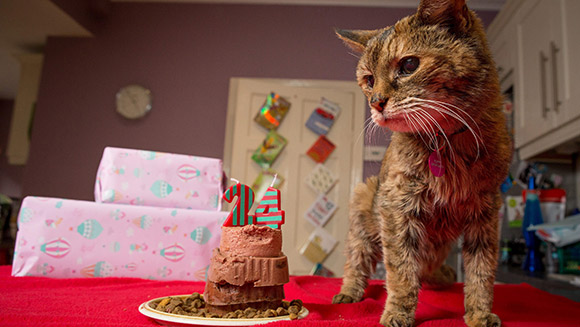
Just like us, our feline companions face physical and mental challenges as they age. At around 10 years, your kitty is considered a senior and will start to slow down a bit. For instance, she might not jump up on high surfaces as often as she once did, or she might settle for a lower perch on the cat tree.


Kitties of all ages do best with a consistent daily routine, but older cats tend to get extra stressed when presented with anything new or different in their environment.

You might also notice Mr. Whiskers doesn’t always run to greet you when you come home as he once did. He may play less and sleep more. Many cats also tend to become more vocal as they age, and more easily startled by strange or loud noises.

In addition, aging cats can suffer from many of the same health problems older humans face, including arthritis, diabetes, thyroid problems, and kidney disease. That’s why it’s important to bring your pet for twice-yearly wellness visits with your veterinarian.


At veterinary visits, be sure to mention any behavior changes you’ve noticed in your cat, no matter how minor, as these can provide important clues about health problems that may be brewing under the surface. It’s also important to monitor your cat’s weight to ensure she isn’t becoming too heavy or too thin. It is Diane’s opinion that a senior cat who does not go outside should not require any vaccinations. I feel that vaccinations stress your cat’s system. If your cat is not subjected to being outside they should not encounter any diseases that would threaten their life.

A Cat at 16 is Comparable to an 80 Year-Old Human

Your senior kitty may also be experiencing some vision and hearing loss, less tolerance for the cold and mental confusion. Cats can and do develop age-related dementia, which means even the smallest change in your kitty’s routine can cause stress.

Your senior cat may become a little cranky and easily irritated. If there are young children or a playful dog at home, it’s important that all family members approach your kitty in a quiet, non-aggressive manner. It’s also important to protect an aging cat from potential bullying by younger or more active pets.

During those twice-yearly veterinary visits I mentioned earlier, your vet will perform a senior wellness checkup, including a physical exam and blood (including thyroid levels), urine, and stool sample tests. The results will provide a snapshot of how well your cat’s organs are functioning, and point to any potential problems.


As a point of reference, a cat at 16 is the approximate equivalent of an 80-year-old human. If your kitty is seeing the vet at least twice a year and between visits you’re keeping an eye out for significant or sudden behavior or health changes, you’re on the right track.

However, as he ages, try to avoid becoming a “helicopter pet parent” who constantly hovers over kitty. He’s still a cat after all, and prefers attention on his own terms!

Do make every effort to keep him comfortable, secure and relaxed by maintaining a consistent daily routine and providing him with a quiet, cozy hideaway with comfy bedding and a favorite toy or two.

How to Provide an Excellent Quality of Life for Your Aging Cat

  1. Feed balanced, antioxidant rich, species-appropriate nutrition. Your cat’s diet should include omega-3 essential fats, such as krill oil.

Moisture is a cat’s best friend, so encourage hydration by offering kitty a variety of water bowls around the house or a drinking fountain, in addition to minimizing or (preferably) eliminating dry food. You can even put some broth or tuna water into their drinking dish to encourage hydration.

If your cat is addicted to a poor-quality processed diet, consider adding a supplement such as Feline Whole Body Support.


  1. Keep your pet’s body and mind active with regular exercise appropriate for her age and physical condition, and mental stimulation (puzzles and treat-release toys can be beneficial).

Think of creative ways to enrich your cat’s indoor environment and if kitty never touches the earth’s surface directly (many indoor cats don’t), consider a grounding pad.

  1. Provide your cat with a SAMe (S-adenosylmethionine) supplement as a safe and effective way to stall or improve mental decline, enhance mobility, and assist in liver detoxification.

Periodic detoxification with the herbs milk thistle and dandelion can also be very beneficial, along with super green foods in the form of fresh “cat grass” to nibble on. Chlorophyll, chlorella, or spirulina can also be offered in supplement form to enhance your cat’s detoxification processes.

  1. If your cat seems disoriented, consider limiting her access to certain parts of the house. Keep doors closed so she can’t wander into a closet or any place where she might be unable to get herself out.

Medium-chain triglycerides (MCTs) have been shown to be safe for cats and can improve brain energy metabolism and decrease the amyloid protein buildup that results in brain lesions in older pets. Coconut oil is a rich source of MCTs and may also reduce hairball issues.


I recommend one-fourth teaspoon for every 10 pounds of body weight twice daily for basic MCT support, if your cat will voluntarily eat it.

  1. Some older cats tend to vocalize loudly and often from cognitive decline. Sometimes all a talkative cat needs to quiet down is to hear her owner’s voice, so try calling your kitty’s name when she starts to vocalize from another room or in the middle of the night.

Calming flower essences, such as Senior Citizen, Bach flower essences or homeopathics, such as low potency Belladonna or Aconitum, depending on your cat’s specific symptoms, may also reduce yowling. If that doesn’t do the trick and the nighttime crying is really a problem for you, consider earplugs. Consult an animal communicator, like Diane Weinmnn, to find out the reason for the howling. Diane can also create a custom Bach flower essence treatment bottle to help your kitty through these emotional changes as they age.


  1. For aging kitties who are on the prowl all night, consider low dose melatonin, which is not only a sedative with a calming effect, but also an antioxidant. I also use rhodiola, chamomile, and l-theanine with good results. Night Owl Solution may also help.

You can also try gently waking him up from naps during the day. The more active you can keep him during daylight hours, the more likely he’ll be to sleep on your schedule.

  1. Set aside time each day to hang out with your cat. Make sure meals are provided on a consistent schedule, along with playtime and petting/lap time. If your cat tolerates being brushed or combed, work that into the daily schedule as well, to help her with grooming chores.
  2. If eliminating outside the litterbox is an issue, try putting additional boxes around the house. Also insure your cat can get into and out of the box easily. Remember that kitties are very adept at hiding arthritis and other aches and pains, which can limit their ability to climb into high-sided boxes, or boxes kept in bathtubs or up a flight of stairs, for example. Again if providing more boxes doesn’t do the trick to help your cat to eliminate in the appropriate place please contact an animal communicator.


Senior cats are a blessing. They bring love and a gentleness into our daily lives. Let’s treat them right, honor their place in our life and ensure their lives are stress free. Don’t forget to kiss the kitty often!

 

Healing with Color

banner


The International Year of Light – a UN-sponsored tag for thousands of events unfolding  worldwide throughout 2015, showed off the power of light. We are finally starting to fully appreciate the power of light, globally. Its advanced uses on land, at sea, deep under ground and far out in space prove us able to tap the essence of the world around us. But how about the world inside us? Health-related uses of light range from diagnostics to  surgery, from psychiatry to psychology, from revitalization to rejuvenation, from emotional to spiritual makeovers. We have LASER-based instruments, LED-based apparatuses, full-spectrum lights, various digital and analogue devices using light and much, much more.

Where we lag behind is in understanding how exactly our bodies respond to light. This is why terms such as chromotherapy, phototherapy and light therapy in general – although ancient in origin  – very slowly progress toward full endorsement of the medical establishment.

Auto-immune problems, emotional trauma, allergies, metabolic imbalances, seasonal affective disorder, jet lag, sleep and attention deficit disorders etc. – often respond better to light than to traditional interventions. And there’s good reasons for that, we just haven’t explored them enough.

In the 20th century, a photo-biologist John Ott was hired to document the effects of pharmaceutical drugs on living cells, with an electronic microscope and a special camera.  Ott noticed that changing the color filters on his camera lens changed the cells’ behavior. In fact, lens color change had a more dramatic effect on the cells than did the observed drugs.

So on the “ground level”, where life in our bodies unfolds, light and color have more say than chemical compounds which we concoct. Our cells understand the language of light and its messages, which the colors through their frequencies convey: ignite, burn, sizzle, scorch, smolder or go off. (That’s the same cycle the stars in our universe undergo).

I’m often asked how color light therapy really works. It appears esoteric and mystical, bordering on magic. The best analogy  I know, one we all know well, is fire.

COLOR LIGHT THERAPY HOW IT REALLY WORKS © March 2016. Julianne Bien

LUMALIGHT BY SPECTRAHUE

Fire is quirky. It is our species’ first tool, process and weapon. It gives off light and heat on demand, echoing our life-giving star in the sky, yet we get to wield it at will. And if you look closely, it varies in color, depending on intensity. It’s yellow and orange at first; green flame tips and blueish bursts will tell you it’s sizzling; you’ll want it bright white, if you wish to, say, melt metal or bake clay.

Still, starting and maintaining a fire is tricky at best. It’s moody. It might flare up in an instant or just smolder for hours. Sometimes a trained hand gives up in frustration, another time a fire will light itself up. Too much moisture around it and it won’t even start; too little and it burns itself out.

So it is with us. We are internal combustion engines, with trillions of tiny burners. Our cells burn up oxygen and produce heat. They use the resulting light as an ultra-fast messaging system. It all works to perfection – from toes to teeth – except when it won’t.

When an imbalance sets in, our internal flame in an organ dies down. Or it flares up, past all safety limits, causing redness, fever and pain. We don’t know what triggers this any more than we can pinpoint the cause of or control a wild forest fire.

Knowing how small, how tiny our internal burners are, it’s easy to see how fine-tuned, how delicate any support we give them must also be.

Most light-based treatments rely on emitting an intense light beam or outputting a wide swath of bright light, one way; interaction is not usually foreseen. In contrast, hand-held color light illuminators work off the silent communication between the person sending faint light and the person receiving it.

Instant reactions – live bio-feedback – guide the hand holding the penlight. By spontaneously adjusting the angle and the height of the light beam, we work within the aura and can affect all levels (physical, emotional and spiritual). As with lighting a fire, intuition and experience play a part. This adaptability is why low-intensity, hand-held color light therapy tools and protocols are so effective.

Color light therapy is ancient. Thousands of years-old records exist of diagnoses and cures based on colors. Chromotherapy is a well-traveled road to wellness we’ve all but forgotten over time.

With more research and even a fraction of resources poured into developing chemical cures, we could restore much of what was known long ago about light and potentially discover more color power than we ever imagined.

Julianne Bien is the inventor of The Spectrahue Method of light therapy. She owns Spectrahue Light & Sound Inc., a Toronto-based company which distributes its original Lumalight hand-held tools and educational materials, including books, DVDs, and live trainings. Her website is http://www.spectrahue.com.

*No medical claims are made or implied. This information does not replace the advice and care of your medical health care professional. © March 2016. Julianne Bien

color-light-therapy-works-bien-2016

Ingredients to avoid in Dog Food

By Dr. Becker and Diane Weinmann hungry-dog-5434576

If you’re like most pet owners, you’ve probably given a lot of thought to the type of food you feed your animal companion. Even I, Diane, being certified in canine nutrition does not know everything about the chemicals that go into your pet’s processed food!

It seems recalls of commercial pet foods are happening on a weekly basis these days, so it’s no wonder so many dog and cat guardians are concerned that the food they buy for their furry family members could make them sick. No one wants to feel like they’ve poisoned their pet even if it was inadvertently. After all, many pet food-associated illnesses (i.e., any disease or disorder linked to or caused by pet food) can be life-threatening.

When pet food triggers a sudden illness in a dog or cat, it often involves either infection from a bacterial contaminant, or toxicosis. According to Dr. Becker, two frequent offenders are aflatoxins and salmonella.

Aflatoxins

Aflatoxin contamination was responsible for a number of regional pet food recalls in 2011, as well as several major disease outbreaks over the past 20 years.1

Aflatoxins are noxious metabolites produced by the Aspergillus flavus and Aspergillus parasiticus fungi, and are the most extensively researched mycotoxins in the world.

Aflatoxins are known to cause acute toxic illness and cancer in animals and humans, and are considered among the most carcinogenic substances on the planet. Cats and dogs are more sensitive to aflatoxins than many other animals.

Aflatoxins can infect agricultural crops before they are harvested. Conditions that promote contamination include high temperatures, prolonged periods of drought, and insect activity.

Aflatoxins can also be a problem after harvesting if the crop stays wet for too long. They can grow on stored crops, as well, if the moisture level is too high and mold develops.

The three plants with the highest rate of aflatoxin contamination are corn, peanuts and cottonseed. Other frequently contaminated agricultural products include:

  • Maize, sorghum, pearl millet, rice, and wheat cereals
  • Peanut, soybean, and sunflower oilseeds
  • Chili peppers, black pepper, coriander, turmeric, and ginger spices
  • Almonds, pistachios, walnuts, coconuts, and brazil nutsAflatoxins in Pet FoodA 2016 survey of premium and super premium pet food in Brazil highlights the ongoing, serious problem of mycotoxin contamination:The survey looked at 14 commercially available premium and super premium dry dog and cat food samples purchased from pet shops in Brazil. Almost 100 tests were run to check for the presence of mycotoxins frequently found in agricultural crops intended for pet food production.
  • The test results were stunning:
  • “Based on the results of this survey, it is the belief that pet food which contains grain should not be considered safe for cats and dogs in Brazil. Grains and grain by-products such as maize, maize gluten meal, wheat, soya, etc. are the most important sources of mycotoxins in pet food.”2
  • In the U.S., aflatoxin contamination is more common in processed dog food than cat food because commercial dog food formulas more often contain corn products.
  • Processed foods containing corn can also carry a risk of aflatoxin adulteration. Infected corn and cottonseed meal fed to dairy cows has resulted in aflatoxin contamination of milk and other dairy products including cheese and yogurt.
  • 93 percent of the pet food samples were contaminated with the mycotoxin fumonisin B1 (FB1)
  • 85 percent were contaminated with fumonisin B2 (FB2)
  • 43 percent contained the mycotoxin ZEN
  • 22 percent contained aflatoxin B1If you feed kibble to your pet (which I only recommend if you cannot afford to feed better quality food), be sure to study the ingredient list carefully and avoid brands containing grains or corn in any form, including corn gluten meal, whole grain corn, corn flour, etc. Additionally, the ingredient carrageenan can be found in many variety of wet cat/dog food is a known carcinogenic.The disease caused by aflatoxins is called aflatoxicosis, and in animals it primarily involves the liver. Clinical signs of a problem with the liver include gastrointestinal dysfunction, reproductive issues, anemia and jaundice.
  • Certain types of aflatoxins are associated with the development of cancer in animals. If your pet becomes ill from food contaminated with aflatoxins, you’ll see one or more of these symptoms:

Signs of Aflatoxicosis in Pets

  • Many inexpensive, low quality pet foods rely heavily on all these ingredients. Many treats also contain these ingredients, including organic “cookies” (made from organic whole wheat or rice), which are an under-represented potential source of toxicosis, in my opinion.
  • Along with the increased risk of aflatoxin contamination, corn is a notoriously allergenic food that is difficult for many animals to digest. Also avoid formulas containing cereal grains like maize, sorghum, pearl millet, rice and wheat. Rice can also contain toxic levels of arsenic.
  • Most of the mycotoxins found in the samples were at concentrations considered “medium.”
  • Severe, persistent vomiting combined with bloody diarrhea
  • Loss of appetite
  • Fever and sluggishness
  • Discolored urine
  • Jaundice (yellow whites of the eyes, gums, belly)Bring your pet’s food with you if possible, for testing. You should also consult your holistic veterinarian for recommendations on natural liver detox agents like NAC, glutathione, milk thistle, SAMe and chlorophyll. Salmonella contamination is the leading cause of pet food (and human food) recalls. And despite what many in the conventional veterinary community would have you believe, the vast majority of recalls are for processed pet food diets, not raw diets. The most important thing to understand about salmonella contamination of pet food is that the risk of illness is primarily to human family members, not the four-legged kind. Dogs and cats are built to handle bacterial loads from food that would cause significant illness in humans. Your pet’s body is well equipped to deal with heavy doses of familiar and strange bacteria because he evolved to catch, kill and consume prey. Your pet’s stomach is highly acidic, with a pH range of 1 to 2.5. Nothing much can survive that acidic environment. It exists so that dogs and cats can consume potentially contaminated raw meat and other foods.Risk factors for clinical disease include the age of the pet, his nutritional status, the presence of cancer or another concurrent disease, his stress level, and whether he’s been given antibiotics, steroids, or chemotherapy.

Keeping Your Pet Safe from a Salmonella Infection

    • In addition to the acid, dogs and cats also naturally produce a tremendous amount of bile. Bile is both anti-parasitic and anti-pathogenic. So if something potentially harmful isn’t entirely neutralized by stomach acid, the bile is a secondary defense. Now, that’s not to say no dog or cat has ever become ill from salmonella. However, healthy pets typically do not.
    • That’s because dogs and cats naturally have some salmonella in their GI tracts much of the time. Salmonella is not an unknown foreign invader — it’s bacteria your pet’s body is familiar with. The most common strain found in dogs and cats is salmonella typhimurium

Salmonella

    • If you suspect your pet has ingested aflatoxins (if your pet becomes ill after switching to a new food or grain-based treat), even if he seems normal, get him to your veterinarian or an emergency animal clinic right away, since the mortality rate is high once a pet is showing symptoms.
  • Feed a balance, fresh, whole, and species-appropriate diet that is free of genetically modified ingredients.
  • If you feed raw, freeze the meat or meat mixture in individual serving-size packets for at least 3 days before serving. Defrost in the refrigerator overnight.
  • Use safe food handling techniques. Clean and sterilize all utensils, bowls, surfaces and equipment after each use.
  • Discard any uneaten fresh food after 30 minutes.
  • Minimize the drugs your pet takes, including vaccines.
  • Reseed the gut during and after antibiotic therapy with a probiotic. It’s also a good idea to maintain your dog or cat on a daily probiotic to balance the ratio of good to bad bacteria (gut flora).
  • Help your pet’s body get the most out of the food you feed by offering a good-quality digestive enzyme.

Safe Handling of Processed Pet Food

  • Wash your hands thoroughly after handling any pet food or treats.
  • Don’t allow very young children, elderly people or those who are immunocompromised to handle pet food or treats.
  • Keep all pet foods and treats away from your family’s food.
  • Do not prepare pet foods in the same area or with the same equipment/utensils you use to prepare human foods.
  • Wash pet food bowls after each meal.
  • Do not allow pets on countertops or other areas where human food is prepared.
  • Feeding pets in the kitchen can be a source of salmonella infection. Feed your pet in an area other than your kitchen, or as far away from human food preparation areas as possible

pet-treat

Vet Checks- What’s is all about?

By Dr. Becker and Diane Weinmann

dog with vet
dog with vet

When you take your dog or cat for a wellness exam, do you have any idea what your veterinarian is looking for as he or she pokes, pushes, prods and palpates your pet? My educated guess is, probably not! I know I don’t have a clue….but I do ask and you should too!

While some vets are quite forthcoming and explain what they’re doing and why each step of the way, others are considerably less communicative.

Of course, some clients aren’t especially interested in the details of their pet’s physical exam. But if you’re curious about what your vet is doing and learning about your pet during an exam, I encourage you to ask questions. If an answer you receive is confusing, ask for clarification and don’t feel shy about asking what is normal and what is not!

Your Dog’s or Cat’s Physical Exam

The physical exam is a critically important part your pet’s wellness checkup. All body systems should be assessed to check for any abnormalities.

During the physical exam your vet should also check a pet’s weight, muscle tone, and joint range of motion, and measure the animal’s current status against past exam findings as well as norms for the breed, age, and gender.

The following chart provided by dvm360 with Dr Becker’s additions, may help you better prepare for your next veterinary wellness visit with your dog or cat.1

Body Part What Your Vet Is Looking For
Mouth ·         Signs of periodontal disease in teeth and gums

·         Bad breath

·         Tooth wear

·         Fractured teeth

·         Plaque accumulation patterns

·         Tongue coat and color

·         Gum hydration and color

Neck ·         Irregularities or changes in size of lymph nodes and thyroid gland

·         Cervical range of motion

·         Muscle tension from collar

Eyes ·         Signs of disease

·         Discharge

·         Squinting or tearing

·         Abnormal movement or reaction to light

·         Clouding of the lens

·         Iris health and irregularities

·         Eyelid, corneal, and sclera (the white part) health

·         Changes in vision

Ears ·         Signs of an ear infection (pain, tenderness, redness, swelling, yeasty smell, discharge)

·         Excessive wax

·         Color of the pinna (flappy part)

Heart ·         Weak or abnormal heart sounds

·         An abnormally fast or slow rate

·         Irregular beats or murmurs

Lungs ·         Wheezing, crackling, or other abnormal lung sounds
Abdomen ·         Any irregularities in the margins of the liver, spleen, kidneys, and bladder

·         Masses or tumors

·         Thickened intestines

·         Mammary chain abnormalities

Base of tail ·         Abnormalities in anal glands

·         Fecal mats

·         Evidence of soft stools

·         Growths

·         Parasites, like tapeworm segments and flea dirt

Legs ·         Limited range of motion in all limbs

·         Signs of pain or discomfort

·         Grinding sound in joints

Coat, skin, and nails ·         Poor overall quality of coat

·         Lumps and bumps

·         Warts and skin tags

·         Rashes

·         Areas of hair loss or excessive dander

·         Matted or saliva-stained fur

·         Fleas or ticks

·         Calluses

·         Ingrown, overgrown, or flakey toenails

·         Dehydration

Holistic vets will also palpate the vertebrae down the spinal column, assess joint range of motion and health, assess the body according to TCM (traditional Chinese medicine), ayurvedic or homeopathic principles, and assess pain or guarding behaviors as well as areas of tension, heat or cold.

This list is very comprehensive and most, if not all, of these areas are checked when I perform an acupressure session. The outcome or findings from checking these areas on your pet will help determine how to proceed with the acupressure session and what points will require work.

Other Tests Commonly Performed During Wellness Checkups

  • Complete blood count (CBC)
  • The CBC gives information on hydration status, anemia, infection, the blood’s clotting ability, and the ability of your pet’s immune system to respond. It provides a detailed look at the blood itself and reveals problems such as anemia or the presence of infection.
  • Urinalysis
  • The urinalysis is used to assess the overall health of your pet’s urinary tract, including the kidneys and bladder, and to check for other health indicators such as glucose regulation and liver function. A complete urinalysis measures the function of the nephrons in the kidneys and gives information about your pet’s metabolic and fluid status. The test is also used to evaluate substances in the urine that might indicate an underlying disease process.
  • Thyroid screenDecreased levels of thyroid hormones often signal hypothyroidism in dogs, while high levels indicate hyperthyroidism, commonly diagnosed in cats. Performing a complete thyroid panel is important, as measuring just a T4 may not reveal an underlying thyroid problem.
  • The thyroid screen helps diagnose thyroid disease, which is an especially common ailment in older cats and dogs. T4 (thyroxine) is a thyroid hormone.
  • Glaucoma screen
  • Glaucoma testing measures the pressure in each of your pet’s eyes quickly and painlessly. This is an important test because undetected glaucoma can lead to permanent blindness.
  • Retinal exam
  • This eye test is used to check for evidence of problems deep in the eyes by viewing the structures beyond the lens, through the pupil. The retinas should be healthy and there should be no signs of bleeding, degeneration, inflammation, or detachment.
  • Blood pressure measurement
  • This test checks your pet for hypertension (high blood pressure). Like humans, pets with hypertension are at significantly increased risk for kidney problems, heart disease, blindness, and other complications. Cats are especially prone to high blood pressure.
  • X-raysAbdominal x-rays can be used to assess the liver and kidneys. X-rays best define problems within the skeletal system, such as arthritis and bone tumors.
  • Since many vet clinics don’t have digital x-ray equipment and their x-rays still involve radiation, I don’t typically order them unless the results of other tests indicate a potential problem requiring further investigation.
  • Radiographs (x-rays), if indicated, can also be helpful as part of a pet wellness checkup. If your vet finds abnormalities on physical examination, digital x-rays may be needed to identify the underlying problem. Chest x-rays, for example, can reveal certain things about the heart and lungs.
  • SNAP 4Dx Plus or Accuplex4 (dogs)
  • These tests check for tick-borne illnesses, including heartworm, Lyme disease, ehrlichiosis, and anaplasmosis. They should be done once or even twice a year for dogs living in areas where ticks are a problem.
  • FeLV/FIV testing (cats)These viruses can suppress the immune system and lead to secondary infections, anemia, and even cancer. Early identification of viral positive cats gives you the best chance of managing infections optimally. As an involved, hands-on guardian, you are in the best position to make informed decisions for your pet — decisions that may not always agree 100 percent with the recommendations of your veterinarian.
  • Let me give you an example: I went to my vet for my husky, Neko. He was due for his shots and I was prepared to tell the vet what I wanted and why. They seemed surprised but understood that I was prepared for this visit. I discussed the Lepto shot at length with the vet talking about the pros and cons and the how my dog could come into contact with the disease. After careful consideration I decided that they vet’s responses to my questions and the type of area I frequently walked my dog necessitated him receiving the shot. After I agreed and he received the shot I found out that the shot actually only works for approximately 5 different strains of Lepto while there are 50 or more strains to the disease! I was not a happy camper. Needless to say, my dog has not received the shot again. Be wise people, consider carefully. I am not hating on vets – I love them, in fact, some of my favorite people are vets; however, we all have our unique way of looking at health and wellness. Make sure it’s the appropriate choice for your pet!
  • Partnering with your veterinarian in the care of your dog or cat should always be the goal. While it’s true your vet is the degreed veterinary professional in the partnership, you know your pet better than anyone, and are therefore the primary advocate for your animal companion. Tell your vet what you have observed, any behavior changes or anything you can think of that could make a difference to the quality of life your pet may have.
  • When it makes sense (like if you’ve just rescued a kitty or your cat has never been tested), these tests are run to check for the presence of the feline leukemia and feline immunodeficiency viruses. These viruses can suppress the immune system and lead to secondary infections, anemia, and even cancer. Early identification of viral positive cats gives you the best chance of managing infections optimally.Partnering with your veterinarian in the care of your dog or cat should always be the goal. While it’s true your vet is the degreed veterinary professional in the partnership, you know your pet better than anyone, and are therefore the primary advocate for your animal companion. Tell your vet what you have observed, any behavior changes or anything you can think of that could make a difference to the quality of life your pet may have.

    As an involved, hands-on guardian, you are in the best position to make informed decisions for your pet — decisions that may not always agree 100 percent with the recommendations of your veterinarian.

    Let me give you an example: I went to my vet for my husky, Neko.  He was due for his shots and I was prepared to tell the vet what I wanted and why.  They seemed surprised but understood that I was prepared for this visit.  I discussed the Lepto shot at length with the vet talking about the pros and cons and the how my dog could come into contact with the disease.  After careful consideration I decided that they vet’s responses to my questions and the type of area I frequently walked my dog necessitated him receiving the shot.  After I agreed and he received the shot I found out that the shot actually only works for approximately 5 different strains of Lepto while there are 50 or more strains to the disease!  I was not a happy camper.  Needless to say, my dog has not received the shot again.  Be wise people, consider carefully.  I am not hating on vets – I love them, in fact, some of my favorite people are vets; however, we all have our unique way of looking at health and wellness.  Make sure it’s the appropriate choice for your pet!


Seizures in Dogs

Seizures in Dogs german-shepherd-12270656

You dog is perfectly healthy one minute and the next he’s having a seizure. It may be small or it may be a long lasting one.  What do you do?

Your veterinarian can perform several tests to help ascertain the cause of seizures, including CBC, chemistry panel, liver function test, and advance imaging of the brain (i.e., CT or MRI scans). However, it is helpful if you note when the attack occurred, the duration of the seizure, and what the dog was doing prior to the incident.

As your dog is having a seizure, don’t put anything in his mouth. Dogs cannot choke on their tongues. If you can, time the seizure – it is important info for your vet.

If the seizure lasts for more than a couple of minutes, your dog is at risk of overheating. Turn a fan on your dog and put cold water on his paws to cool him down. The longer a seizure goes on, the higher a dog’s body temperature can rise, and he may have problems breathing. This can raise his risk of brain damage. Your vet may give your dog IV Valium to stop the seizure.

Talk to your dog softly and gently touch him to assure him if you feel it is safe to do so.

What Should I Expect When I Take My Dog to the Vet?

Your vet will want to do a thorough physical exam and get some lab work to look for the causes of your dog’s seizures.

Your vet may prescribe medicines to control seizures, like phenobarbital or potassium bromide. You can give your dog phenobarbital twice a day, but over time it can damage his liver. Dogs that take phenobarbital need blood tests about every 6 months.

Potassium bromide doesn’t work its way through the liver, making it a better choice for young dogs that need medicine for life.

Please note that the activity you observed is very important. In order to determine if seizures are due to an underlying disease or are a result of idiopathic inherited epilepsy, your veterinarian will consider the age and breed of your dog and the changes you observed, do various diagnostic tests to rule out other possible causes, and ask questions such as whether your dog may have been exposed to any toxins or possibly received a head injury.

My dog, Cocoa, went into numerous seizures because he ate rat poison that my husband put in a mole hole in the backyard—don’t ever do this! We had a happy outcome- $600 dollars later (and this was at least 15 years ago!) I like to spread the word since this episode that you NEVER, NEVER put chemicals or poisons in any area where your pet may wander especially in the house or back/front yard! Use natural deterrents and check to see if ingesting the product would cause harm to your pet before you use it!   The sudden onset of frequent seizures usually indicates an active brain disease (except in my poison scenario above), whereas otherwise normal animals that have a few seizures a year likely have idiopathic epilepsy.

Prevention

Most forms of prevention will depend upon the frequency and underlying cause of the seizures. Your veterinarian may prescribe medication(s) or, if there is a behavioral cause (loud surroundings, etc.) to the seizures, he or she may teach you techniques for avoiding such triggers or direct you to a behavioral specialist

Seizures from unknown causes are called idiopathic epilepsy.  They usually happen in dogs between 6 months and 6 years old. Although any dog can have a seizure, idiopathic epilepsy is more common in border collies, Australian shepherds, Labrador retrievers, beagles, Belgian Tervurens, collies, and German shepherds.

HOW TO MASSAGE YOUR DOG

According to Modern Dog magazine, massaging your pup can be quite simple.

“Use a flat palm to slowly touch all the parts of your dog’s body. Really focus on what you are feeling, and pay attention to all the layers, from hair through skin, fat, muscle, and down to bone.”

While rubbing is great for the larger muscles, they recommend that for the legs you “wrap your fingers around each lower leg and squeeze gently.”

Gently squeeze paws and tips of ears.relaxing

You can then finish up any massage session with a gentle full-body petting using the intention to heal and relax.

Read more: http://ilyke.co/this-is-why-you-should-give-your-dog-a-massage-regularly/74297#ixzz3zJ4a1oJk


Fish or Coconut Oil for Dogs—Why Not Both?

Coconut oilBenefits of Fish Oil for Dogs

Adding fish oil to our dogs’ meals can help a variety of aliments :

  • joint and ligament health; acts as an anti-inflammatory and lubricant
  • eases allergy symptoms
  • boosts digestive health
  • produces healthy skin and shiny coat; reduces shedding

Did you know that it has been written that fish oil can slow the growth of cancer too. Seems to me it is a wonder food product!  So where can you get it and which do you buy?

I know a blogger and raw food advocate that feeds Bonnie & Clyde, because it’s concentrated, made with wild caught fish, has human grade ingredients, and the vitamin E is sourced from sunflowers. She feels the biggest benefit of using Bonnie & Clyde fish oil is that the EPA and DHA levels are far superior to other fish oil products for dogs on the market today.

Benefits of Coconut Oil for Dogs

Giving your dog coconut oil promotes healthy skin and helps with the following:

  • disinfects cuts – I use it on scrapes and abrasions
  • promotes shiny, lovely smelling coats
  • supports a healthy digestive system
  • freshens breath
  • supports healthy joints and ligaments
  • prevents and controls diabetes
  • helps with weight loss
  • helps promote a healthy thyroid
  • treat hot stops, dry/cracked paw pads, and dry skin
  • massage into a dog’s coat, then brush to roots

Fish Oil or Coconut Oil for Dogs

So which do you choose, fish or coconut oil? I think we should feed both to our dogs, because alternating oils is an excellent idea for dogs because each offers different flavors, and it keeps meal time interesting. Fish oil and coconut oil aren’t the same or similar beyond the “oil.”

Fish oil is rich in Omega 3 fatty acids (EPA and DHA).  Being certified in canine nutrition I can tell you that fatty acids derived from animal sources have EPA and DHA which are easier for dogs to absorb into their system.  Fatty acids derived from some plant sources contain short form fatty acids, ALA, which needs to be converted to EPA before being absorbed into you dog’s system; something that becomes more difficult as a dog ages. However, my husband is allergic to all fish products so giving fish oil is not really favored in my household.

Coconut oil is rich in saturated fat.  That sounds bad, because we’ve been told that saturated fat is bad, but what we’re getting in coconut oil is easier to digest, so it’s considered good for you (and your dog).  Coconut oil also contains lauric acid, which is what gives it the antifungal and antibacterial benefits. I personally use the organic kind for my face to clean off makeup and I use it in my dog’s food.  It’s great for your hair and your dog’s coat and for  immune systems both human and canine.

So how much should I give my Dog?

URL for Bonnie & Clyde Pet Goods

http://bncpet.com/

Bottle_Complete_Kit_-_1024px

Probiotics for Pets

By Dr. Becker and comments by Diane Weinmannpet-probiotics

The holistic human medicine and veterinary communities have long touted the health benefits of probiotics, while traditional practitioners have been slow to come around.

But given the rapidly growing number of probiotic products popping up on store shelves, it seems they’re really starting to catch on with mainstream consumers.

So what are probiotics, exactly?

According to Dr. Becker, probiotics are gut-friendly strains of bacteria that help maintain healthy levels of good bacteria in the gastrointestinal tract, and also defend against opportunistic, potentially pathogenic bacteria.

The digestive tract is the largest immune organ in the body, and despite her much smaller size, your dog or cat has even more intestinal bacteria than you do, in fact her microbes outnumber her cells ten to one.

The GI tracts of companion animals are designed to handle a tremendous bacterial load — bacteria that would likely develop into a life-threatening infection if found elsewhere in the body.

A healthy population of friendly bacteria keeps your pet’s immune system in good working order. If the ratio of bad-to-good intestinal bugs gets out of balance, your dog or cat will eventually develop GI symptoms and an increased susceptibility to illness.

Studies have shown that animals raised without friendly bacteria in the gut, or with a poor balance of good-to-bad gut bacteria, are at significantly increased risk for disease.

Why Most Dogs and Cats Can Benefit from a Probiotic Supplement

The bacteria in your pet’s GI tract can be easily influenced by a number of factors, ranging from emotional stress to an unhealthy lifestyle.

Among the most powerful influences on your dog’s or cat’s gut bacteria are antibiotics. These drugs are designed to kill harmful bacteria that cause illness, but they work indiscriminately.

They kill healthy bacteria right along with disease-causing bacteria. In addition, antibiotics are overprescribed in both human and veterinary medicine. I know often times when I’ve been prescribed antibiotics I have gotten a yeast infection afterwards.  Many dogs have the same problems with their ears after treatment with antibiotics.  Other stressors that can throw off the balance of good-to-bad gut bacteria include:


Sudden change in diet Veterinary drugs (e.g., prednisone, dewormers)
Poor quality diet Surgery
Strange eating habits (feces, grass, rocks, etc.) GI disease, nutritional disease
Unclean/contaminated drinking water (fluoride and chlorine) Stress (boarding at a kennel or shelter, travel)
Ingestion of fertilizers, pesticides or chemicals in the water supply GMOs in food
Vaccinations Emotional stress


When GI stressors upset the balance of bacteria in your pet’s digestive system, it can create a cascade of nutritional and other health problems, including poor food absorption and intermittent or chronic diarrhea. The quality of your pet’s poop should be consistent.

It also opens the door to leaky gut (dysbiosis), which means your dog or cat can absorb partially digested amino acids, foreign proteins, and allergens into the bloodstream. This in turn can trigger a host of other health problems, from allergies to autoimmune disease.

How Probiotics Work

The exact mechanism by which probiotics work in the GI tract is still being studied, but a reasonable working theory is that friendly bacteria establishes itself in the gut, and its presence discourages proliferation of potentially pathogenic (unfriendly) bacteria and opportunistic yeast.

More simply, probiotics help good bacteria compete with bad bacteria for nutrients and intestinal binding sites, while also supporting the immune system in its fight against pathogens. Once the natural bacterial balance is reestablished, if no other issues exist, GI function returns to normal.

When your pet’s gut bacteria are in balance with the right amount and type of healthy bugs, several vital functions take place inside the body including:

  • Vitamins are made
  • Vegetable fiber is processed as it should be
  • Unfriendly bacteria are kept in check
  • Toxins are well-managed

Veterinary Use of Probiotics Is Expanding

Most of us who practice holistic and integrative veterinary medicine have known of the benefits of probiotics for decades. But because probiotics are a supplement rather than a drug, the traditional veterinary community has been slow to incorporate it into pet health care protocols.

Fortunately, things are changing. An increasing number of veterinarians, pet guardians and animal shelters are using probiotics to:

  • Treat diarrhea
  • Help cats and dogs in shelters manage the stress of abandonment and confinement
  • Alleviate GI upset while pets are being boarded
  • Reseed the gut with beneficial bacteria after a round of antibiotics
  • Calm digestive upsets caused by travel and dietary changes
  • Improve digestion and stool quality in large and giant breed dogs
  • Boost immune system function, especially in pets that are very young, elderly, or have compromised health

The intestinal bacteria puppies and kittens are exposed to by their mothers during their first few weeks of life can ultimately affect their long-term bacteria colonization. Studies show that probiotics can benefit orphaned animals, and may be one of the mechanisms behind why microbiome restorative therapy is so effective in pets.

Another encouraging sign is a greater focus by new veterinary school graduates on preventing illness, and the importance of nutrition and digestion in keeping pets healthy.

Now that the use of probiotics to support digestion and immune function is growing in acceptance, both MDs and veterinarians are more willing to consider other types of conditions that respond to probiotics. For example in humans, research suggests that asthma and other immune-related disturbances may be reduced with probiotic use.

All Probiotics Are Not Created Equal

In most cases, probiotic formulas developed for human consumption aren’t appropriate, in terms of being most efficacious, for companion animals.

Pets have strains of bacteria unique to them — they require organisms derived from their own species for best results, for instance the “poo probiotic” species E. faecium. This strain is considered a pathogen in human medicine (many production companies will not bring this strain into their facilities), but is one of the more effective strains used for dogs and cats.

In Dr. Becker’s opinion, commercial pet foods containing probiotics are a waste of money. The bacteria in a probiotic must be live and able to reproduce in order to do its job in your pet’s GI tract. The pet food manufacturing process kills too many of the live bacteria, rendering the probiotic effect useless.

Even if they are added to the food post-production, the extended shelf life of processed diets means the probiotics are probably not present in high enough concentration to affect the GI tract in any way.

Many commercially available probiotic supplements for pets are of low quality (feed grade or “animal grade”, and not food grade or “human grade”). Often, what’s on the label can’t be found in the supplement. There are also contamination, potency and purity issues with many products.

There are three crucial components to a high quality pet probiotic:

1.It should contain 10 or more strains of beneficial bacteria

2.Each serving should contain a minimum 20 million beneficial bacteria –— the higher the number, the better

3.It should be GMP certified to assure the viability, potency and purity of the product

If your dog or cat has specific health challenges, talk with your veterinarian about the best approach to probiotic supplementation for your pet’s individual needs.

I personally give a probiotic to my horse starting in September due to weather changes and he continues to get this as a supplement until the weather stabilizes. Needless to say, Ohio weather does not cooperate very well and I do end up giving my horse his daily dose into late spring.  You would think I would be able to stop in the winter but our last few winters have seen temperature changes from in the single digits to 40 degrees every other day!

As Dr. Becker was saying very few products have all the necessary strains of bacteria that is necessary to accomplish our goals. Listed below is a link to where I would recommend to obtain your probiotics for your dog and cat.

http://probiotics.mercola.com/probiotics-for-pets.html

Label Snapshot for Complete Probiotics For Pets

Supplement Facts Serving Size: (3 grams) Servings Per Container: 30
Amt. Per Serving (billion viable organisms) % Daily Value
Bifidobacteruim lactis 5 *
Lactobacillus acidophilus 5 *
Bifidobacteruim longum 5 *
Bifidobacteruim bifidum 5 *
Lactobacillus casei 5 *
Lactobacillus plantarum 5 *
Bifidobacteruim breve 5 *
Streptococcus thermophilus 5 *
Saccromyces boulardi 5 *
Bifidobacterium animalis 5 *
E. faecium 5 *
Lactobacillus rhamnosus 1 *
Lactobacillus bulgaricus 1 *
Lactospore ® Lactobacillus sporogenes 1 *

View Full Product Label Snapshot

*Daily Value (DV) not established.

Other ingredients: Microcrystalline Cellulose, Silica


×

How Much Do You Need? One container lasts for…


Cats Normal: 3 months Therapeutic: 1.5 months


Medium Dogs: Normal: 1.5 months Therapeutic: 3 weeks


Small Dogs: Normal: 3 months Therapeutic: 1.5 months


Large Dogs: Normal: 1 month Therapeutic: 2 weeks

Bile in Cats

Information based on internet searches:

I have a client that is a cat that was throwing up fluid that was not associated with a hair ball and I wanted to learn more about what that was all about.  Here is what I found……cat-doctor-8931746

Bile is a bitter, yellow-green fluid that is created in the liver and stored in the gallbladder until food has been ingested. It is then released into the small intestine to aid in digestion of food and to emulsify the food so that it can be used appropriately by the body. Bile also carries various waste materials out of the body along with the feces.

Bilious vomiting syndrome occurs due to motility problems, when bile abnormally enters into the stomach, causing irritation and vomiting. That is, when the gastrointestinal tract fails to react automatically to the normal functions that occur within the tract, contents in the tract do not move as they should, causing abnormal behaviors within the system. Bile that has entered into the stomach is expelled by the cat, and the vomit contents are found to contain bile.

This reaction is usually seen in the early morning or late night just before eating, especially in cats that are fed once daily. It is a rare condition in cats; when it does occur it is usually in older cats. Both genders are equally affected.

Symptoms and Types

Chronic intermittent vomiting containing bile

  • Usually occurs in the morning or late night just before eating
  • Abdominal discomfort
  • Nausea
  • Lack of appetite
  • Weight loss

Causes

The exact cause is still unknown

  • Diseases causing gastritis or inflammation of the intestine, leading to modified gastrointestinal motility

 Diagnosis

You will need to give a thorough history of your cat’s health, a background history of symptoms, possible incidents that might have led to this condition, and recent activities. As much as you can, you will need to tell your veterinarian when the symptoms began, and how frequently the vomiting occurs.

Your veterinarian will then perform a thorough physical exam on your cat, with a complete blood profile, a chemical blood profile, a complete blood count, and a urinalysis.

A history of intermittent vomiting with bile contents is usually enough for a preliminary diagnosis. In the course of diagnosing this disease, laboratory testing is not of much help as the results are usually within normal ranges. Specific radiographic and ultrasound imaging studies of the abdomen may reveal delayed stomach motility. Endoscopic examination often returns normal in these patients.

 Treatment

If there is no serious underlying disease present, your doctor will decide on an appropriate line of treatment based on the symptoms. Drugs to enhance gastric motility will be used to overcome delayed emptying of stomach, increase stomach and gut motility and thus prevent reflux. Also, drugs that will decrease acid secretion in the stomach can be used to prevent damage to the stomach wall due to the increased acidic contents of the bile.

Most patients respond well to such treatment; the length of time your cat is going to need medication will depend on its individual response. Some animals respond quickly to the treatment, while others need a longer course of medication. For patients suffering chronic bilious vomiting, dietary management is a very important component of treatment, usually involving feeding small, frequent meals, especially late at night. Preventing the stomach from being empty for long periods of time will help to increase normal stomach motility. Diets low in fat and fiber content will also help the stomach to empty and reduce gastric retention of food.

Your veterinarian may also suggest canned or liquefied diets, which also can be helpful in such patients because solid food tend to stay longer in the stomach.

Living and Management

The prognosis is excellent for most cats, given that they respond well to dietary changes and medications.


Gastroesophageal Reflux in Cats

woman-cat-1077355


Did you know that cats can get gastroesophageal reflux just like us humans? I had a sneaky suspicion that one of my cat clients had it so I decided to look further into if this type of ailment plagued cats too. Here is what I found:

Gastroesophageal reflux is fairly common in cats, and may occur at any age, although younger cats are at greater risk. Technically it is the uncontrollable reverse flow of gastric or intestinal fluids into the tube connecting the throat and the stomach (esophagus) and is medically referred to as gastroesophageal reflux. This may be due to a brief relaxation of the muscular opening at the base of the esophagus (referred to as the sphincter), as well as chronic vomiting.

Gastric stomach acids, pepsin, bile salts, and other components of the gastrointestinal juices cause damage to the protective mucus lining the esophagus. This can result in inflammation of the esophagus (esophagitis). Just like in us humans! Amazing!

Symptoms and Types

According to vets, gastroesophageal reflux can cause esophagitis with varying amounts of damage. Mild esophagitis is limited to a mild inflammation of the esophageal lining, while more severe ulcerative esophagitis causes damage to the deeper layers of the esophagus.

Your cat’s behavioral history can reveal symptoms such as spitting up (regurgitation) of food, evidence of pain (mewling or howling, for example) while swallowing, lack of appetite, and weight loss. A physical exam will often not reveal any concrete findings. Severe esophagitis may include symptoms of fever and extreme salivation.

Causes

Gastroesophageal reflux may occur when an anesthetic is administered, causing the opening between the stomach and the esophagus (gastroesophageal sphincter) to relax. Improper positioning of the patient during anesthesia, as well as a failure to fast the animal properly prior to anesthesia can also result in gastroesophageal reflux.

An associated condition is congenital hiatal hernia, which is suspected of heightening the risk for gastroesophageal reflux. Young cats are at greater risk of developing this condition as well because their gastroesophageal sphincters are still developing. Long-term or chronic vomiting is another risk factor.

Diagnosis

The best means vets have of getting a diagnosis is generally an esophagoscopy, which is an examination that uses an internal camera to view the lining of the esophagus. This is the most effective way to determine if changes in the mucus of the esophagus are consistent with esophagitis due to gastroesophageal reflux. The examination may also reveal an irregular surface in the mucus lining, or active bleeding in the esophagus.

Alternative diagnoses include ingestion of a caustic agent, a foreign body or tumor in the esophagus, a hernia in the upper portion of the stomach (hiatal hernia), or disease of the throat or mouth.

Treatment

The good news is that most treatments can be done at home. Your veterinarian may advise you to withhold food for one to two days, thereafter following a dietary regimen of low-fat, low-protein meals given in small, frequent feedings. Dietary fat and protein should be limited, as fat decreases the strength of the muscle between the stomach and esophagus, while protein stimulates the secretion of gastric acid.

Medications are an additional option. Drugs known as gastrointestinal pro-kinetic agents improve the movement of stomach contents through the intestines and also strengthen the gastroesophageal sphincter. Regardless of whether medications are given, a change in diet is advisable.

Do NOT provide your cat Bismuth subsalicylate (Pepto-Bismol). It is considered unsafe for use in cats due to a cat’s sensitivity to salicylates. Likewise – NO Tums! It is never wise to give your cat medicines intended for human consumption!

Living and Management

After initial treatment and alteration of diet, it is advisable to continue monitoring for gastroesophageal reflux. Watch for signs of discomfort. A continued low-fat, low-protein diet will prevent future incidences, and high-fat foods should be avoided, as they may worsen gastroesophageal reflux.

If your cat does not respond to initial medical treatments, a follow-up esophagoscopy may be advised.

Prevention

High-fat foods can worsen acid reflux. The best prevention is a healthy diet that is low in fatty foods.