Senior Cats

By Dr. Becker and comments by Diane Weinmann


By the time your cat reaches the age of 10, she’s officially a senior citizen. The good news is that many cats today are living into their late teens and even early 20s. With the proper care, a kitty in good health at 10 can easily live another 8, 10 or even 12 years. There’s no need to worry that your feline companion is getting older. In fact, this is a great time to take steps to make the second half of kitty’s life with you as healthy and happy as the first half.

7 Tips to Keep Your Senior Cat Healthy and Happy

1. Schedule twice-yearly veterinary visits

Once your cat is into her senior years and beyond, her wellness and nutritional needs can require fine-tuning every four to six months. It’s very important to review weight, muscle tone, joint range of motion, diet, supplement protocol and exercise habits at least semi-annually for older pets.

At veterinary visits, be sure to mention any behavior changes you’ve noticed in your cat, no matter how minor, as these can provide important clues about health problems that may be brewing under the surface. It’s also important to monitor your cat’s weight to ensure she isn’t becoming too heavy or too thin.

The senior pet wellness screen is an excellent tool for early detection of changes in your cat’s health so that treatment, including appropriate lifestyle changes, can begin immediately. As part of the checkup, your vet will perform a physical exam and blood (including thyroid levels), urine and stool sample tests.

The results will provide a snapshot of how well your cat’s organs are functioning, and point to any potential problems. Regular wellness screens also allow your vet to compare current test results with past results to check for changes that may need further investigation.

2. Minimize environmental stressors

Kitties of all ages do best with a consistent daily routine, but older cats tend to get extra stressed when presented with anything new or different in their environment. Your senior kitty may be dealing with some vision and hearing loss, less tolerance for the cold and mental confusion. Cats can and do develop age-related cognitive decline, which means even the smallest change in your kitty’s routine can cause stress.

Your senior cat may become a little cranky and easily irritated. If there are young children or a playful dog at home, it’s important that all family members approach your kitty in a quiet, non-aggressive manner. It’s also important to protect an aging cat from potential bullying by younger or more active pets.

Of course, it’s important to avoid becoming a “helicopter pet parent” who constantly hovers over kitty. He’s still a cat after all, and prefers attention on his own terms! But do make a concerted effort to keep him comfy, secure and relaxed by maintaining a consistent daily routine and providing him with a quiet, cozy hideaway with comfy bedding and a favorite toy or two.

3. Feed your cat like a carnivore

Contrary to what many cat parents and even veterinarians believe, aging pets need MORE protein than their younger counterparts, and the quality is of paramount importance. The more digestible and assimilable the protein is, and the higher the moisture content of the food, the easier it will be for aging organs to process.

Feed kitty a nutritionally balanced, antioxidant-rich, species-appropriate diet that includes omega-3 essential fats such as krill oil. Since moisture is a cat’s best friend, be sure to encourage hydration by offering kitty a variety of water bowls around the house or a drinking fountain, in addition to minimizing or (preferably) eliminating dry food. If your cat is addicted to a poor-quality processed diet, consider adding a supplement such as Feline Whole Body Support.

4. Provide appropriate supplementation

Offering your cat SAMe (S-adenosylmethionine) is a safe and effective way to stall mental decline, improve mobility and assist in liver detoxification. Consult your holistic veterinarian for the right dose size.

Periodic detoxification with the herbs milk thistle and dandelion can also be very beneficial, as can providing super green foods in the form of fresh “cat grass” to nibble on. Chlorophyll, chlorella or spirulina can also be offered in supplement form to enhance your cat’s detoxification processes.

Medium-chain triglycerides (MCTs) have been shown to be safe for cats and can improve brain energy metabolism and decrease the amyloid protein buildup that results in brain lesions in older pets. Coconut oil is a rich source of MCTs and may also reduce hairball issues. I recommend 1/4 teaspoon for every 10 pounds of body weight twice daily for basic MCT support, if your cat will voluntarily eat it.

For aging kitties who prowl the house all night and vocalize, consider low-dose melatonin, which is not only a sedative with a calming effect, but also an antioxidant. I also use rhodiola, chamomile and l-theanine with good results.

5. Make sure kitty stays physically and mentally stimulated

Keep your cat’s body and mind active with regular exercise appropriate for your cat’s age and physical condition, and mental stimulation (puzzles and treat-release toys can be beneficial). Think of creative ways to enrich your cat’s indoor environment and if your kitty never touches the earth’s surface directly (most housecats don’t), consider a grounding pad to help reduce the buildup of EMFs.

Regular massage can help keep your senior cat’s muscles toned and reduce the slackening that comes with aging. Massaged muscles are looser, which makes it easier for your pet to move around comfortably. Massage also improves circulation, encourages lymphatic drainage and eases joint stiffness.

6. Take steps to keep your cat’s aging body comfortable

If kitty seems physically uncomfortable, it’s important not to assume it’s just a natural part of aging. You want to make sure she’s not in pain, so a visit to your vet is in order. The sooner a health problem is diagnosed and treated, in most cases, the better the outcome.

Keeping your cat at a good weight and physically active will help control arthritis and degenerative joint disease as he ages. Chiropractic adjustments and acupuncture can also be very helpful in keeping cats fully mobile in their later years. There are a wide range of supplements that can be added to your cat’s diet to help maintain healthy tendons, ligaments, joints and cartilage. These include:

• Glucosamine sulfate with MSM and eggshell membrane

• Omega-3 fats (krill oil)

• Ubiquinol

• Supergreen foods like spirulina and astaxanthin

• Natural anti-inflammatory formulas (herbs, proteolytic enzymes and nutraceuticals)

In addition, talk to your vet about Adequan injections, which can stimulate joint fluid very rapidly in pets with arthritis. Also insure your cat can get into and out of the litterbox easily. Remember that kitties are very adept at hiding arthritis and other aches and pains, which can limit their ability to climb into high-sided boxes, or boxes kept in bathtubs or up a flight of stairs, for example.

7. Spend some time with your cat every day

Set aside time each day to hang out with your kitty. If she tolerates being brushed or combed, work that into the daily schedule as well, to help her with grooming chores. Trimming the hair around the perineal area is usually much appreciated by older cats. Make sure meals are provided on a consistent schedule, along with playtime and petting/lap time. Organic catnip (for kitties who respond to it — not all do) can be a very effective way to encourage your cat to play.

I know my older cats, Arron and Milo both really enjoyed their snuggle time.  It’s very important for both your pet’s and your own emotional security to spend time together sharing the love and demonstrating how much you mean to each other.  Make sure you spend time each day cuddling because the memories you make together are irreplaceable!


 

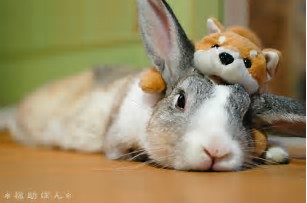
How to care for oral and vision health in rabbits

How to Care for Oral and Vision Health in Rabbits


By Dr. Karen Shaw Becker

There are more than 3 million pet rabbits in the U.S., according to the American Veterinary Medical Association (AVMA),1 and although they’re decidedly different from the most popular pets — dogs and cats — they require a similar level of care, including attention to their oral and vision health.

Your rabbit needs an annual wellness exam with an exotic veterinarian experienced with rabbits. He or she will check your rabbit’s teeth and eyes then, but you should also keep a watch out for potential problems during the rest of the year. As prey animals, rabbits are masters at disguising signs of pain or illness, so a dental or eye problem may not be readily apparent, even if one exists.

Proper Oral Health for Rabbits

Dental health is important for all animals, but while dogs and cats can survive without their teeth (not that this is recommended), rabbits cannot. Rabbits have hypsondontal teeth, which means they grow continuously, explaining why they’re avid chewers.

A fresh source of hay is essential for rabbits, not only because of the beneficial fiber it contains but also because it helps wear down their teeth. Your rabbit should, in fact, primarily eat grass, hay and vegetables such as celery, lettuce, Bok choy and carrot tops (sparingly).

If you notice something in common, it’s that these foods require serious chewing and grinding to consume, which is one of the things rabbits do best. Dr. Krista Keller, a veterinarian at the University of Illinois Veterinary Teaching Hospital in Urbana told the Herald Review, “Rabbits’ dental anatomy is designed to allow them to eat grass, weeds, and hay. Their fibrous diet grinds down their teeth, so rabbits need teeth that continue to grow throughout their entire life.”2

Problems arise when rabbits’ teeth grow too long or in the wrong direction, the latter of which is more common in dwarf and lop-eared breeds. Their shortened faces may cause crowding of their teeth, causing them to grow abnormally, Keller said. In the case of rabbits’ teeth growing too long, this is usually due to a poor diet, including not enough fibrous food.

Ideally, your rabbit should eat as much grass hay as she likes, along with leafy greens and herbs, including cilantro, dill, kale (sparingly), broccoli leaves, mustard and collard and dandelion greens. Fresh pellets are acceptable as a supplement for rabbits’ diet, especially if they’re low in protein and high in fiber, but processed pellets should not be fed as a sole food source.

You should also avoid feeding your adult rabbit alfalfa, which is too high in protein and sugar. As for what to look for as a sign of dental problems in rabbits, the Herald Review noted:3

“Rabbits in pain may be less interested in food or may not eat at all. They may also be picky about their food and select softer options (pellets, produce) that are more comfortable to chew. Their fecal balls may be small, the rabbits may be less active, and infections may be likely to develop in the mouth and throughout the body.”

If you notice these signs, visit your veterinarian right away. If there’s a problem, a tooth extraction, tooth trimming or pain management may be necessary. For some rabbits, regular tooth trimming may be necessary, but you can help prevent overgrown teeth using the dietary strategies mentioned as well as by providing proper nontoxic chew toys, such as untreated wood blocks, rings made of willow wood or cardboard.

Caring for Your Rabbit’s Eye Health

Rabbits have large eyes; it’s part of what makes them so irresistibly cute. However, their large size, coupled with their placement on either side of their head, makes them prone to injury. It’s common for rabbits to get irritants or other foreign objects (such as a piece of hay or bedding) stuck in their eyes.

This can be flushed out with an eye washing solution, but if you’re unsure how to do this safely, or whether an irritant is the problem, you should have your exotic vet take care of this. Other relatively common eye problems in rabbits include:4

  • Eye abcesses, which may occur if the eye is infected or punctured. A bump may form under your rabbit’s eye due to the abcess and will need to be treated by your vet.
  • Eye ulcers, which can occur if an irritant or trauma damages the cornea, leading to an ulcer or hole. Signs of an eye ulcer in rabbits include not wanting to open the eye or pawing at the eye because it’s painful.
  • Conjunctivitis, or pink eye, in rabbits is usually caused by bacteria, resulting in inflammation to the pink area surrounding the eye (the conjunctivitis).

If your rabbit has milky or clear discharge coming from her eye, the problem could be a plugged nasolacrimal duct, a tube that drains tears from the eye to the nose. Modesto, California veterinarian Jeff Kahler told The Modesto Bee:5

“If this duct becomes occluded, either partially or completely, the tears that are normally drained into the nose have nowhere else to go other than to drain from the eye socket. If left plugged for some period of time, a condition known as [dacryocystitis] can develop. This involves infection with bacteria within the nasolacrimal duct. These rabbits will have discharge from the eye, often milky.”

In any event, any sign of trouble in your rabbit’s eyes is worthy of a trip to your vet to get it checked out. Because exotic vets that care for rabbits can be few and far between, it’s a good idea to locate one before you decide on a rabbit for a pet.

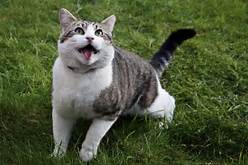
Panting in Cats — When Is It a Sign of Trouble?

Panting in Cats — When Is It a Sign of Trouble?


By Dr. Becker

Unlike dogs, kitties don’t naturally pant, so it can be disconcerting to see little Fluffy breathless, and rightfully so. In most cases, panting in a cat is a sign of an underlying health concern that requires attention. However, there are a few situations in which panting in cats is harmless and short lived. Some cats pant during or after exercise or to try to cool off. Young, energetic kittens might pant for a short time while playing.

Some kitties who live or spend time outdoors may pant to cool down in warm weather. In addition, a cat who’s enduring a stressful event, for example, a car ride or veterinary visit, might pant.

Outside of momentary episodes with an obvious cause, panting in cats indicates there’s an underlying problem involving either the respiratory tract or the heart. In older kitties who start panting, a potential cause is congestive heart failure. In younger cats, especially those who are also coughing, the more likely cause is a respiratory disorder such as feline asthma.

Congestive Heart Failure as a Cause of Panting in Kitties

When a cat’s heart can’t pump enough blood to the body, fluid backs up into the lungs, and congestive heart failure is the result. There are many causes of congestive heart failure in cats, but most often it results from hypertrophic cardiomyopathy. Thyroid disease, high blood pressure, birth defects and other conditions can also cause congestive heart failure.

Hypertrophic cardiomyopathy (HCM) is by far the most common type of primary heart disease in kitties, accounting for 85 to 90 percent of all cases. The word “hypertrophic” means thickened, so this is a condition in which the walls and ventricles of the heart become too thick, or hypertrophied.

HCM is often inherited in cats. In fact, there’s a test available now for a specific gene mutation in Maine Coons and Ragdolls. Purebred cats such as the Persian, other oriental breeds and American shorthairs are also predisposed to develop the condition. However, it’s the regular house cat that is most commonly diagnosed with HCM. Cats usually develop the condition in midlife, but it can occur at any age.

Symptoms of feline hypertrophic cardiomyopathy vary and depend to some extent on the severity of the disease. Cats with mild disease don’t necessarily have symptoms. But in a kitty with significant HCM, there are usually obvious signs.

As we know, kitties mask illness very well, so until this condition is severe, even a cat with significant disease may have no symptoms, or very mild symptoms that don’t seem to be indicative of heart disease. In cats with obvious symptoms, there can be respiratory distress caused by congestive heart failure, or leg paralysis due to a blood clot.

Cats suffering congestive heart failure don’t cough like people or dogs do. Instead, they tend to breathe through an open mouth, and sometimes they pant. You should watch for breathing difficulties during exertion. Some kitties with HCM and congestive heart failure have a hard time walking any distance without stopping to rest and recuperate.

Feline Asthma Can Also Cause Panting

Feline asthma, also called bronchial asthma, allergic bronchitis and chronic bronchitis, affects cats of all ages worldwide. Asthma is a condition in which there is recurring constriction of the airways to the lungs.

Excessive amounts of mucus form in the airways, which causes them to become inflamed and sometimes ulcerated. This situation leads to spasms of the muscles of the airways, which is what causes the constriction or narrowing. Kitties with asthma can’t draw a deep breath.

Symptoms to watch for include a dry hack, which often sounds like gagging or retching. In fact, it’s not unheard of for an asthmatic cat to be diagnosed with hairballs. Wheezing, which can sound like a high-pitched sigh or a whistle, is another classic symptom. Labored breathing and exercise intolerance are also signs.

Even if your cat has a dry cough as her only symptom, it’s not necessarily a measure of the severity of her asthma. Kitties can have really serious asthma but very few symptoms. Some cats have no symptoms at all, except they suddenly are unable to breathe. An acute asthma attack such as this can occur any time and obviously can be life-threatening for your cat.

Cats with serious asthma can also suffer obvious symptoms like panting or open-mouthed breathing. Brachycephalic cats with pushed in faces, such as Persians and Himalayans, are especially susceptible to breathing problems, including asthma. Sudden airway constriction can occur for no apparent reason. It can also result from an allergic reaction to inhaled triggers like grasses, pollens, ragweed, aerosol sprays, smoke, mildew, molds, dust mites, household chemicals — even kitty litter dust.

How to Tell If Your Cat’s Panting Is Cause for Concern

To determine if there’s a problem, it’s important to pay attention to how often your kitty pants. Obviously, panting that is continuous or recurs is cause for concern. Persistent panting, especially in a cat with other behavior changes such as lack of appetite or lethargy, means it’s time to call your veterinarian for an appointment.

The 3 Stages of Your Senior Cat’s Life, and What to Expect of Each


By Dr. Becker

By the time your cat reaches the age of 10, she’s officially a feline senior citizen. The good news is that many cats today are living into their late teens and even early 20s. With the proper care, a kitty in good health at 10 can easily live another 8, 10, or even 12 years.

So there’s no need to panic if your purr-y companion is getting older, but it IS time to start taking some steps to insure your pet stays as happy and healthy as possible throughout her senior and geriatric years.

But first, let’s take a look at how cats show signs of aging and what you can expect as your kitty gets older.

What to Expect at 10 to 12 Years

By the time most kitties turn 10, they have slowed down a little (or a lot, depending on how high-energy they were as youngsters). You might notice your cat isn’t jumping up on high surfaces as much anymore, or isn’t climbing to the uppermost spot on the cat tree.

And while all cats, regardless of age, do best with a consistent daily routine, older cats can become especially stressed when presented with anything new or different in their environment.

You might also notice your kitty doesn’t always run right out to greet you when you get home. He may not initiate play as often as he once did, and he may take more naps.  

Many cats also become more vocal as they age, and more fearful of strange or loud noises and unfamiliar people.

Older cats can also suffer from many of the same health challenges older humans face, including arthritis, diabetes, thyroid problems, and kidney disease, so it’s really important to bring your cat for twice-yearly wellness visits with your veterinarian. The sooner a change in your kitty’s health is identified and addressed, the easier it will be to resolve or manage the problem.

At veterinary visits, be sure to mention any and all behavior changes you’ve noticed in your cat, no matter how minor, as these can provide important clues about health problems that may be brewing under the surface. It’s also important you and your vet keep regular tabs on your cat’s weight, to assure she isn’t gaining or shrinking over time.

What to Expect at 13 to 15 Years

From 13 to 15 years of age, not only are most cats moving quite a bit slower than they once did, many are also experiencing at least some loss of vision and hearing. They may also have less tolerance for cold temperatures.

Elderly cats can develop age-related dementia, making small changes in their environment or routine increasingly stressful. Some older kitties are also easily confused.

Along with more napping and less activity, your senior cat may grow a bit cranky and easily irritated. If your household includes young children or a rambunctious dog, everyone will need to learn to approach kitty in a quiet, non-aggressive manner. And if yours is a multi-pet household, it’s important not to allow your aging cat to be bullied by younger pets who may sense a change in the natural pecking order.

You may also notice that your cat prefers to spend more time alone these days. You can enhance his feelings of safety and security by making his favorite hideout a warm, comfy little spot he can retreat to whenever he likes. But keep in mind that senior cats still need to interact with their humans regularly, so set aside some time each day to spend with your pet. You can engage him in gentle play, an ear scratching session, or some brushing or combing.

As I mentioned earlier, your cat is now at the age where twice-yearly veterinary checkups are essential in order to safeguard his health. Your vet will perform a geriatric workup, including a physical exam and blood, urine, and stool sample tests. The results of these tests will provide a snapshot of how well your cat’s organs are functioning, and point to any potential problems.

Your vet will also check the condition of your kitty’s coat and skin, his footpads and nails, and his teeth and gums.

What to Expect at 16 Years and Older

If you’re lucky enough to share your life with a cat of 16 or more, first of all, congratulations! Either you’ve done a bang-up job raising your kitty to a ripe old age, or you’ve opened your heart to an elderly cat in need of a loving home in her final years. Regardless, you did good!

As a point of reference, you can reasonably compare your cat at 16 to an 80-year-old human. She’s moving and thinking more slowly these days, and she may have an assortment of age-related health challenges. She’s probably not as alert or responsive as she once was, and at times she may seem quite confused.

Even if she’s still in good health, chances are she’s sleeping and vocalizing more, and interacting with family members less. She may not be as perfectly groomed as she was in her younger years, and even the most well-mannered geriatric cat may occasionally forget to use her litter box.

As long as your cat is seeing the vet at least twice a year for checkups, and between visits you’re keeping an eye out for significant or sudden behavior or health changes, there’s no reason to be alarmed. Try not to hover, as your cat is still a cat and prefers attention on her own terms. Do make every effort to keep her comfortable, secure and relaxed by maintaining a consistent daily routine and providing her with a quiet, cozy hideaway equipped with comfy bedding and a familiar toy or two.

At your regular vet visits, you’ll want to mention any changes you’ve noticed in your pet, including increased or decreased appetite or water consumption, constipation or incontinence, aggressive behavior, or mental confusion. You’ll also want to keep an eye out for signs that your cat is in pain, which can include hiding, teeth grinding, panting, shortness of breath, loss of interest in food, or reluctance to move around.

10 Tips for Helping Your Senior Cat Sail Through Old Age

1.    Feed a balanced, antioxidant rich species-appropriate diet. Your kitty’s diet should include omega-3 essential fats, such as krill oil. Moisture is an aging cat’s best friend, so encourage adequate hydration by offering a variety of water bowls around the house or a drinking fountain, in addition to minimizing dry food. If your cat is addicted to terrible food, adding a whole body supplement, such as Feline Whole Body Support is a good idea.

2.    Keep your pet’s body and mind active with regular exercise appropriate for your cat’s age and physical condition, and mental stimulation (puzzles and treat-release toys can be beneficial). Think of creative ways to enrich your cat’s indoor environment and if your kitty never touches the earth’s surface directly (most housecats don’t), consider a grounding pad to help reduce the buildup of EMFs.

3.    Provide your kitty with a SAMe (S-adenosylmethionine) supplement as a safe and effective way to stall or improve mental decline, improve mobility, as well as assist in liver detoxification. Consult your holistic veterinarian for the right dose size. Periodic detoxification with the herbs milk thistle and dandelion can also be very beneficial, as can providing super green foods in the form of fresh “cat grass” to nibble on. Chlorophyll, chlorella, or spirulina can also be offered in supplement form to enhance your cat’s detoxification processes.

4.    Medium-chain triglycerides (MCTs) have been shown to be safe for cats and can improve brain energy metabolism and decrease the amyloid protein buildup that results in brain lesions in older pets. Coconut oil is a rich source of MCTs and may also reduce hairball issues. I recommend 1/4 teaspoon for every 10 pounds of body weight twice daily for basic MCT support, if your cat will voluntarily eat it.

5.    For aging kitties who prowl the house all night and vocalize, consider low dose melatonin, which is not only a sedative with a calming effect, but also an antioxidant. I also use Rhodiola, chamomile, and l-theanine with good results.

6.    If your cat seems disoriented, consider limiting her access to certain parts of the house. Keep doors closed so she can’t wander into a closet or any place where she might be unable to get herself out.

7.    Set aside time each day to interact with your kitty. Make sure meals are provided on a consistent schedule, along with playtime and petting/lap time. If your cat tolerates being brushed or combed, work that into the daily schedule as well, to help her with grooming chores. Trimming hair around her perineal area reduces her grooming chores and is usually much appreciated by retired cats.

8.    If your cat has turned into a midnight prowler, if possible, try gently waking him up from naps during the day. The more active you can keep him during daylight hours, the more likely he’ll be to sleep on your schedule.

9.    Sometimes all a vocalizing cat needs to quiet down is to hear his owner’s voice, so try calling your kitty’s name when he starts to vocalize from another room or in the middle of the night. If that doesn’t do the trick and the nighttime crying is really a problem for you, consider earplugs. Flower essences and homeopathics (such as low potency Belladonna) may also reduce yowling.

10. If eliminating outside the litter box is an issue, try putting additional boxes around the house. Also insure it’s comfortable for your cat to get into and out of the box. Cats are very adept at hiding arthritis and other aches and pains, which can limit their ability to climb into high-sided boxes, or boxes kept in bathtubs or up a flight of stairs, for example.

As you can see taking care of a senior cat can be challenging but they are well worth it.  If you wonder if you are doing something incorrectly or need help knowing what may be bothering them please contact me, Diane Weinmann, animal communicator and holistic healer at dianefortheloveofanimals@yahoo.com


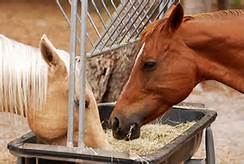
Senior Horse Care Tips

Nutrena Posted on August 25, 2015 by Megan C. comments by Diane Weinmann


These days, horses are living longer, more productive lives than ever before.  Thanks to advances in care, medicine, nutrition and veterinary practices, it’s not unusual to find a horse active into their thirties.  But with more active years comes the need to provide accommodations which meet the special needs of the aging equine.

Turn-out and Exercise

Moving is a key factor in keeping your senior comfortable.  Not only does moving about help with preserving muscle mass, motion also aids in digestion, reducing inflammation and increasing circulation.  Daily turnout is a great way to provide this opportunity, as is regular exercise.  Some ideas to exercise include light schooling, trail rides, driving or hand walking.  Whether in a pasture or dry lot, daily turnout and frequent exercise of your senior horse will go a long way in providing a happy, healthy retirement. Plus it’s more time to spend with your aging friend.


Dentition

As horses age, their teeth change due to wear.  Hopefully your senior horse has had the advantage of regular dental care in their earlier years, setting them up for success later in life.  Regular dental checks and floats not only help to maintain good dental health, it also provides your senior with the best chance at chewing and digesting their feed and forage.

Forage and alternative options

With the change in teeth comes some accommodation to forage.  Though aged, the equine senior still requires fiber as the main source of energy. Changes in dental efficacy as well as digestive system changes means the importance of good quality fiber is even higher.  If high quality hay (more leafy, less stems) is not readily available, hay cubes are a good alternate source of easy to chew fiber.  If needed, hay cubes can be soaked, providing an easy to chew fiber source.

Feed and Mashes

Changes in the digestive efficiency of the senior horses requires some specific nutritional needs.  As the digestive system ages, the ability to digest and absorb nutrients is more of a challenge than in earlier years.  In addition, nutrients are needed in different ratios to support the aging body.  For example, higher levels of quality amino acids are required to maintenance muscle mass in the senior horse.  Feeds that are specially formulated for senior horses provide these higher levels of nutrients in the proper ratio.  Many varieties of senior feeds are considered ‘complete’, in that they contain higher levels of fiber, providing an alternative to forage, thereby making it easier for the senior horse to get the nutrients needed.

Blanketing

You may notice a difference in your horse’s ability to stay warm during cold or wet weather.  Blanketing may be needed to help keep your senior horse warm during inclement weather.  Not only does blanketing help with warmth, your senior horse isn’t spending valuable calories trying to stay warm, burning off energy and their weight.  Blanketing in extreme cold or dampness may help your horse in maintaining a desired body condition.

Senior horse care may require some extra steps and more attention to details, but with the right adjustments, your senior can enjoy productive, happy and healthy golden years.


Is your Cat Depressed?

by Jessica Vogelsang, DVM and comments by Diane Weinmann


You’re probably familiar with Grumpy Cat, the little feline whose frown has made her famous across the internet. You may also be familiar with your own grumpy cat, if you happen to have a particularly temperamental one at home.


Cats are known for their diverse, often feisty, personalities; some are anxious, some reserved, others inquisitive. But what does it mean if your cat is acting depressed? Do cats even suffer from depression? Well, yes and no.


How is Depression in Cats Defined?


Certainly cats can exhibit depressed behavior, but the general consensus is that they do not experience the same emotional changes associated with clinical depression in humans.


“In general, depression in humans is considered a multifactorial disease,” says Dr. Lynn Hendrix, the owner of Beloved Pet Mobile Vet in Davis, California and a palliative care expert. Depression can be situational, caused by a stressful situation, or medical, due to chemical imbalances in the brain. The diagnosis is based on self-reported symptoms, says Hendrix, meaning that the symptoms can be expressed verbally to the doctor or psychologist.


Those diagnostic criteria are not available to veterinarians. Since  most people  can’t ask cats exactly what they are feeling, whether they’re sad or angry or anxious or joyous, they must rely on the clues that the cat gives us through their behavior and daily activities and make our assessments based on that.  If  you talk with an animal communicator you can find out for sure.


“The clinical signs we see tend to be loss of appetite, avoidance behavior, less active, and abnormal behavior, like hissing,” says Hendrix. Some cats may show changes in litterbox usage, while others have disturbed sleep patterns.


Other Causes for Symptoms of Depression in Cats


Unfortunately, those symptoms are caused by a wide variety of conditions in felines, so getting to the root of the problem usually involves a visit to the veterinarian to rule out other problems. Medical problems such as kidney disease or GI cancer can cause nausea and decreased appetite that mimic depression.


According to Hendrix, pain is one of the most underdiagnosed conditions in cats, seniors in particular, and is one of the leading causes of clinical signs of depression. “Most of the time, there is pain or physical disease causing a cat to act ‘depressed’,” she says.


In Hendrix’s experience, many pet owners who are dealing with terminally cats are concerned that their cat is experiencing depression, often mirroring their own sadness about a pet’s illness. Hendrix encourages those owners to consider medical causes instead. Often, “it is sick behavior,” she says. “Their terminal illness [is] making them feel sick, nauseous, painful.”


As a hospice and palliative care veterinarian, Hendrix is able to address those specific symptoms and help cats feel much more comfortable, even during the end of life process. In some cases, owners who were considering euthanasia actually postponed their decision due to the improvement in their pet’s temperament once proper treatment was instituted. For that reason, she recommends people seek veterinary care for pets exhibiting depressed behavior, as accurate diagnosis and treatment can significantly improve quality of life.


The Evaluation Process for Depression in Cats


Veterinarians will begin the evaluation by taking a full history of the symptoms and performing a complete physical examination.


“Bloodwork, chest x-rays, and abdominal ultrasound may be suggested by your veterinarian,” says Hendrix. Those baseline tests usually provide a good overall look at a pet’s health and organ function. Depending on the results, other tests may be recommended.  Infections, tumors, and inflammatory diseases of the nervous system can result in significant behavioral changes in cats. Changes due solely to stress and anxiety can be difficult to differentiate from medical conditions, so it is often a process of elimination to reach a diagnosis in cats.


Again, if the issue is physical in nature these tests will help; however, if the cause of the depression is emotional, you will learn nothing.  At that point you should consult an animal communicator, like Diane Weinmann, to determine how to proceed.


Although cats tend to be independent and resilient, they can suffer from anxiety due to changes in routine, feeling threatened, or the addition or loss of family members. Anxiety is, in fact, one of the major behavioral conditions seen by veterinarians. Chronic stress can have an impact on a pet’s emotional, and even physical, health. Self-inflicted hair loss, aggression, or changes in litterbox usage are often traced back to anxiety.


Treating the Cat’s Stress Instead of Depression


If a stressor can be identified and eliminated, often the symptoms will improve or resolve. A veterinarian, trainer or animal communicator experienced in cat behavior can help with recommendations to make a home environment less stressful to an anxious cat. A cat that feels exposed and doesn’t have a place to hide, for example, may respond to more covered furniture or additional vertical spaces in the house so he or she feels more in control of the environment.


Competition in multi-cat households can also cause stress. Depending on the situation, owners may need to add resources in the form of additional litterboxes and food bowls, or even separate cats that are not getting along.


As another environmental modification, some cats respond to pheromone diffusers such as Feliway, which can have a calming effect.  Diane has had success with essential oils and bach flower essences to alleviate emotional issues.


Using Medication to Treat Stress in Cats


For more severe cases, veterinarians can prescribe prescription medications which have been known to help with anxiety in some cats. Trazodone, gabapentin, alprazolam, and midazolam are just some of the options that a veterinarian may recommend, depending on the situation.


Regardless of the cause, a cat showing signs of depression can benefit greatly from a prompt evaluation by a veterinarian. If we resist applying the human definitions of mood disorders to our feline friends and instead evaluate them strictly from a cat-friendly perspective, there is often much we can do to make our beloved kitties happier and healthier!  If the issue doesn’t seem to be physical—call an animal communicator (like Diane Weinmann-  www.theloveofanimals.com)


My Moment


Do you ever get down in the dumps?  Feel like life is going nowhere or that it is not what you planned or expected?  We’ve all been there.  Life can be a real downer sometimes.  I am not going to sit here and tell you that there is a silver lining and that you should count your blessings but I will tell you how I handle those set- backs in my life.  I remember.


It came to me as I was convalescing from a terrible accident that caused me to have three operations and forced me to stop doing one of the things in life that brought me my greatest joy—horseback riding.  I have had horse for 42 years and now I am horse-less thanks to this accident.  In order to try to bring sense to my life I pondered on what gave me joy.  I am truly blessed with a wonderful family, friends and I am retired from my 9-5 banking job.  This freedom enabled me to concentrate my talents where my heart always led me all my life—to animals.


So then I thought, what has been my defining moment in my life?  Was it my wedding? No, I am happily married to a wonderful man, who I love with all my heart, but that was not a defining moment for me.  Was my moment when I gave birth to my pride and joy –my son?  No, although I have been blessed to have a great child who is the one of the biggest blessing I have in life– his birth was not my defining moment.  Was it the 35 years I spent in banking, working myself up from entry level to being in charge or over 50 people?  Definitely not!  That was what I had to do to survive. It was a career, not just a job, but I wasn’t doing what I longed for–what made my heart sing.

You know what I mean by defining moment—when you are so proud of what you, yourself, have accomplished, on your own, using your own talents? Then I closed my eyes and thought what have I done that made me proud to be me?  Then it came to me—I saw myself, standing up behind a podium talking at my book launch party about the book I had written.  A Tail of Hope’s Faith was an accumulation of years of learning, practicing and working with animals.  It defines who I am deep down inside—it is who I am and who I will always want to be and what I believe in my soul. 

So when I get down in the dumps, when I think life is not as interesting without my precious horses in it– I picture myself behind that podium.  I smile and tears come to my eyes as I remember that moment.  I am so very proud that I was able to change someone’s life, to bring comfort and healing to an animal and her family and then to document it for anyone else who may be going through the same experience of a terminally ill pet.  That’s my moment—that’s what I am proudest of! 

What is your moment?  We all have one.  Think about it and then recall it whenever you need a reminder that you are freaking awesome and no one can take that away from you!

Do Dogs Experience Grief?

By Samantha Drake is a freelance writer & editor in the Philadelphia area who writes about pets, business & general interest topics.

Comments by animal communicator, Diane Weinmann

Dogs’ loyalty to their human companions is the stuff of legends. But do dogs really experience grief?

Sentimental tales of dogs grieving for their departed owners once inspired statues. There’s the story of Greyfriars Bobby, the Skye Terrier who maintained a vigil at his master’s grave at the Greyfriars Church yard in Edinburgh, Scotland for 14 years, until his own death in 1872. A statue was erected in the dog’s honor in 1873, and his story was also popularized in the 1961 Disney film “Greyfriars Bobby: The True Story of a Dog.”

Today, photos of canine mourning go viral on the internet. In May 2016, for example, the family of Abraham Martinez, who had died in a car accident, tweeted a photo of his dog lying in front of a memorial set up in the family’s home.

Because of these stories, scientists, animal behaviorists and dog lovers alike all have their own thoughts on canine mourning.

Do Dogs Grieve?

Many scholars think that dogs and other animals experience emotions like grief, says Laurie Santos, director of the Comparative Cognition Laboratory and the Canine Cognition Center at Yale University in New Haven, Connecticut.

“People report that dogs grieve after similar events that might cause grief in humans, such as the loss of a loved one,” she says. “But it’s always hard to know what an animal’s inner emotional life is since they don’t have language to tell us. There aren’t many direct studies on this, in part because it’s hard for scientists to test what a dog’s inner feelings are really like using our normal scientific tools.”

Dogs have been companion animals throughout human history, and we have thousands of years of co-evolution with them, says Barbara King, the author of “How Animals Grieve” and emerita professor of anthropology at the College of William and Mary in Williamsburg, Virginia, so it’s no surprise that dogs are very in tune with humans. The question is, are we just as in touch with the feelings of dogs?


How to Determine if a Dog is Grieving

Animals, including dogs, tell us what they feel by how they behave, King says. Grieving animals may exhibit changes in behavior that are similar to the way grief manifests in humans. This can include withdrawing socially, experiencing altered sleeping patterns, and displaying changes in their affections and expressions, she says.

Experts suggest a few ways to help a dog that you believe is having a difficult time. “In lots of ways, you can help a grieving dog like you’d help a grieving human—be sure to give lots of extra affection and try to provide some distractions,” says Santos.

King says that adding a new animal into the home may help as well. Pairing a grieving dog with a younger pet can help rejuvenate and distract the older dog by bringing out his or her nurturing instinct, she says. A new playmate may also help the depressed dog get more exercise.

Dog Grief: A Matter of Perception?

Dog owners shouldn’t jump to conclusions about their pet’s behavior, says King. Dogs may experience emotions like grief differently than humans, and it could manifest for a variety of reasons, such as missing a human loved on or experiencing a change in routine. Pinpointing the cause is unlikely, since dogs cannot put their problems into words.

Animal lovers also like to anthropomorphize animal behavior and label certain behaviors as grief, King adds. The media is particularly guilty of making assumptions about dog behavior. For instance, a photo of a German Shepherd that had dug a hole under a gravestone in Serbia made the rounds on the internet in 2015. Publications initially reported that the dog was mourning her departed owner, but in reality, news organizations eventually revealed that the stray dog had dug a hole to protect her four puppies in the best place she could find.

Even the heart-tugging story of Greyfriars Bobby has its skeptics. According to Dr. Jan Bondeson, a professor at Cardiff University in Wales, two terriers actually lingered at the gravesite, with the second dog appearing after the first one died, and neither belonged to the man buried there. The Daily Mail newspaper reported that Bondeson theorized the dogs were strays fed by the cemetery’s curator and people simply assumed the dogs were mourning their owner. As the story spread, visitors to the graveyard increased, as did church donations and food for the dogs. The curator and surrounding businesses had little incentive to dispel the story, the Daily Mail report noted.

Still, many examples of a dog’s devotion can’t be explained away.

During devastating flooding in Rio de Janeiro in 2011, the photo of a dog lying beside its owner’s fresh grave for several days captured the world’s attention. While it’s easy to believe that people see what they want to see in such photos, it’s also not difficult to believe that the relationship between a dog and his or her owner constitutes a strong and enduring bond, and that humans and canines feel and express the loss of the other in his or her own way.

As an animal communicator, I have had many human clients call regarding the depression/grief of their pet based on their actions or lack thereof!  Pets just like people display many of the same responses to depression and grief from moping, not eating, their zest for life is diminished, need for reassurance/cuddling, or lack of interest in things they previously found enjoying, for example, car rides.

Several scenarios can cause this from the death or a friend or companion pet to a divorce, house change, debilitating illness or change in household such as a student going away to college.  So how do we fix this??  I can talk with them, provide a custom Bach Flower Essence treatment (holistic remedy) or recommend an essential oil that will help them deal with the feelings of abandonment and sadness.  I have had great success over the years with these methods and highly recommend that you contact me to learn more about them at dianefortheloveofanimals@yahoo.com.  After all, our pets can’t got to a physiatrist so I’m the next best thing!


Canine Skin Issues

Canine Skin Issues

By Dr. Becker


Today I’m here with my model , Rosco, a Boston terrier who is one of my pack. He’s going to help me demonstrate how to deal with minor skin abrasions, cuts, infections and hot spots.

Rosco swims in a small body of water in front of our house. It’s a pond in the spring, and more like a swamp during the summer months.

Rosco swims and splashes around out there every day during warm weather, and as a result, he gets an impressive collection of bacteria on his skin.

When Regular Bathing Isn’t Enough

Even though Rosco and our other dogs get regular baths, all of them still wind up with localized skin infections on their bellies. It happens every summer without fail. I don’t panic about it, but I do know I need to address the situation as soon as I see it or the bacteria will continue to spread.

If a localized skin infection is left untreated, your dog could wind up on antibiotics, which is something we want to avoid.

I’ve never had to resort to antibiotics to treat my dogs’ bacterial skin infections, because I do two things as soon as I notice a problem:

·     Clean the skin and keep it clean

·     Disinfect the area regularly to stay ahead of the infection

Rosco’s Bumpy Belly

Rosco and our other dogs started getting these acne-like bumps on their bellies a couple weeks ago.

What’s interesting about these infections is one pimple will appear while another is healing. There’s a cycle of eruption and healing – as one pimple is erupting, another is slowly disappearing.

You can think of these bumps as similar to human acne. It’s not a life-threatening condition, but if you don’t address and control it, it can get much worse and may ultimately require medication.

As you can see when I stand Rosco up here that his infection is on his sternum. We can see healing eruptions, and we can also see a few lesions below those. They’re not bothering Rosco, but they bother me because I don’t want them to spread.

So, it’s time for another treatment.

Treating with Povidone Iodine

For skin infections like Rosco’s, and also hot spots, minor abrasions, and any other skin problem that either is infected or could become infected, we want to disinfect with a gentle solution.

The solution I’m about to use will take care of staph, yeast, and pretty much any common bacteria, but doesn’t sting or irritate the dog’s skin at all. And it’s safe if dogs lick the area after cleaning.

It’s povidone iodine, and I use it here at Natural Pet and also at home. You can buy it at any pharmacy.

For the purpose of disinfecting skin, you want to dilute the povidone iodine until it’s the color of iced-tea. I’ll pour a little of the iodine in a dish and add some warm water to dilute it.

The Disinfecting Process

Now I take a clean washcloth and soak it in the diluted povidone iodine solution.

My helper is going to hold Rosco up so I can access his belly and disinfect his sores. I’m just wiping the iodine-soaked washcloth over his sores, which removes the bacteria around the eruptions.

All animals, including humans, have normal levels of flora (bacteria) on the skin, as does Rosco. The goal isn’t to rub the skin raw of all bacteria, but just gently disinfect the whole belly, paying special attention to the areas where there are lesions and eruptions that could evolve into a more serious, secondary skin infection.

Now I’ll rinse out the washcloth, do one more swipe across Rosco’s tummy, and pat him dry.

The great thing about povidone iodine is it’s completely harmless if ingested. So Rosco can lick his belly with no problem.

I recommend you do this disinfecting process twice a day if your dog has a minor skin infection or other problem. It has effectively resolved all the skin infections my dogs have acquired and prevented the need for antibiotics.


Dementia in Pets

By Dr. Becker and comments by Diane Weinmann

According to the U.K.’s The Telegraph, a growing number of dogs and cats in Britain are suffering from dementia, and veterinarians are warning pet parents that sedentary lifestyles and poor diets are to blame.

An increasing number of dogs are dying of the condition, and cats are displaying “clumsiness” and confusion.

According to veterinarians, an estimated 1.3 million pets in Britain suffer from dementia, with a third of dogs showing signs of mental decline by the age of 8, and two-thirds by the age of 15. In cats, the condition is seen in about half of all kitties 15 and older, and a third aged 11 to 14.

Professor Dr. Holger Volk, a leading veterinary scientist at the Royal Veterinary College, told the Telegraph, “I don’t think that people really realize how serious this problem is.”1 He believes a lack of physical activity and a diet of “cheap pet food” play a primary role in the onset of dementia in dogs and cats.

“We are seeing an increase in pet obesity,” says Volk. “Just as we see health problems among people who are less active so we see the same problems with their pets eating more and getting less exercise and this may lead to an increase in dementia.”

Volk says U.K. pet parents have very little understanding of the problems they create by allowing their animal companions to become inactive and overweight, and this lack of awareness is causing them to miss the signs of declining health in their pets.

Signs of Dementia in Dogs and Cats

According to The Telegraph, signs of dementia in pets include:


✓ Getting “stuck” behind furniture and needing help to get out ✓ Walking in circles
✓ Forgetting what they’ve just done, for example, greeting their owner, and immediately doing it again ✓ Forgetting to eat, or forgetting they just ate
✓ Standing near the hinge side of a door instead of the side that opens ✓ Struggling to find their way around
✓ “Drifting away” from activities

Volk believes the key to preventing or slowing the onset of dementia is to make sure pets get regular, vigorous exercise. “Neurons in the brain go into decline with dementia,” says Volk, “and the more you exercise the more they remain active.”

He also recommends transitioning pets to a high-quality pet food containing fatty acids.

Dementia Rates in U.S. Dogs

Here in the U.S., dementia or cognitive dysfunction syndrome (CDS) in dogs and cats has been on the radar of researchers, the veterinary community and many pet parents for at least a decade.

About a quarter of U.S. dogs 10 years and older show signs of brain aging, and over 60 percent of dogs have symptoms by the age of 15.2 However, dogs as young as 6 can begin to experience mental decline.

In a relatively young dog, it’s especially important to investigate for an underlying illness or disease before making a diagnosis of age-related cognitive decline. In dogs, we look for one or more of the following five common signs of CDS:

  1. Increased total amount of sleep during a 24-hour period
  2. Decreased attention to surroundings, disinterest and apathy
  3. Decreased purposeful activity
  4. Loss of formerly acquired knowledge, which includes housebreaking
  5. Intermittent anxiety expressed through apprehension, panting, moaning or shivering

Other signs of mental decline include failure to respond to commands and/or difficulty hearing, inability to recognize familiar people and difficulty navigating the environment.

There are three main contributors to the changes in an aging brain that cause a gradual impairment in cognitive functioning: oxidative stress from free radical damage, formation of lesions on the brain and alterations in oxygen and energy availability.

The brain is thought to be more sensitive to the effects of oxidation than other tissues of the body. The damage to your dog’s brain caused by oxidative stress can cause a decrease in cognition as well as degenerative nerve disease similar to, for example, Alzheimer’s disease in humans.

The aging process also involves the accumulation of beta amyloid deposits on the brain. These deposits consist of nerve-damaging protein that forms plaque. This “senile plaque” buildup interferes with the transmission of signals from the brain.

How Feline Cognitive Dysfunction Is Measured

Cats can also suffer a decline in their mental faculties, and many veterinarians and feline experts use the acronym DISH to measure cognitive dysfunction in kitties.

D = disorientation. Kitties with CDS may wander aimlessly, stare at walls and appear lost or confused at times. They may also intermittently fail to recognize family members.

I = reduced social interactions. A cat with CDS may seem confused when his guardian arrives home at the end of the day. He may also show less interest in being petted or sitting in his owner’s lap.

S = changes in sleep patterns. An affected cat may sleep more during the day but turn into an insomniac at bedtime, wandering the house and often crying out for no obvious reason.

H = house soiling/housetraining. Cats with CDS frequently lose their housetraining skills. This happens because they either forget the location of the litterbox, or they are no longer terribly concerned about their own cleanliness or perhaps a bit of both.

CDS in cats hasn’t been studied, so no scientific explanation currently exists for what causes the problem in felines. However, in humans and dogs, the condition is thought to be caused by Alzheimer’s-related changes in the brain (the formation of beta-amyloid plaques) or cerebrovascular disease.

In dogs with CDS, it is known that pathological changes in the brain are closely associated with the severity of dementia symptoms, and the same probably holds true for cats.

10 Tips to Help Your Aging Pet Stay Mentally Sharp

Fortunately, there are many things you can do to help your dog or cat maintain good mental function for as long as possible, and delay the onset and progression of cognitive decline.

  1. Feed a nutritionally balanced, species-appropriate diet that includes omega-3 essential fats, such as krill oil, which are critical for cognitive health. The perfect fuel for aging pets is a healthy variety of fresh, living food suitable for your carnivorous cat or dog.
  2. Eliminate all refined carbohydrates (grains, potatoes and legumes) to allow more room for excellent-quality protein, full of critical amino acids, to be fed.

Eliminating extruded foods (kibble) means your pet won’t be consuming the toxic byproducts of the manufacturing process, including heterocyclic amines and acrylamides. You can improve digestion and absorption of nutrients by feeding a less processed diet, not to mention improving your pet’s microbiome, which has been linked to improved cognitive health in humans.

  1. Stop vaccinating and start titering. Vaccines don’t “wear out” over time, and more vaccines means more adjuvants and heavy metals that accumulate in your pet’s brain.
  2. Keep your pet’s body and mind active with regular exercise appropriate for her age and physical condition, and mental stimulation (puzzles and treat-release toys can be beneficial). Make sure your dog has opportunities to socialize with other pets and people. Think of creative ways to enrich your cat’s indoor environment.
  3. Provide a SAMe (S-adenosylmethionine) supplement as a safe and effective way to stall or improve mental decline. Consult your holistic veterinarian for the right dose size for your dog or cat. There are also commercial cognitive support products available.
  4. Medium-chain triglycerides (MCTs) have been shown to improve brain energy metabolism and decrease the amyloid protein buildup that results in brain lesions in older pets. Coconut oil is a rich source of MCTs. I recommend 1/4 teaspoon for every 10 pounds of body weight twice daily for basic MCT support.
  5. Other supplements to consider are jellyfish extracts, resveratrol (Japanese knotweed), which protects against free radical damage and beta-amyloid deposits, ginkgo biloba, gotu kola and phosphatidylserine — a nutritional supplement that can inhibit age-related cognitive deficits. Consult a holistic veterinarian for dosing guidance.
  6. Keep your pet at a healthy size — overweight dogs and cats are at significant increased risk for disease as they age.
  7. Maintain your pet’s dental health.
  8. I recommend twice-yearly veterinary visits for pets no matter the age, but this becomes even more important for dogs and cats getting up in years. Keeping abreast of your animal companion’s physical and mental changes as he ages is the best way to catch any disease process early.

Ask your vet to perform a blood test to check your pet’s internal organ health to make sure you are identifying possible issues early on. There’s also a blood test that measures inflammatory fats you may want to consider. You can find more information at VRD Health.

These recommendations won’t be tremendously helpful for a pet in the advanced stages of cognitive decline, which is why it’s so important to diagnose and begin treating the problem as early as possible. Cognitive dysfunction is a progressive disease that can’t be cured, but early diagnosis and intervention can slow mental decline and offer your aging pet good quality of life.