Why do Cat like Heights?

Why Do Cats Like Heights?


By Monica Weymouth


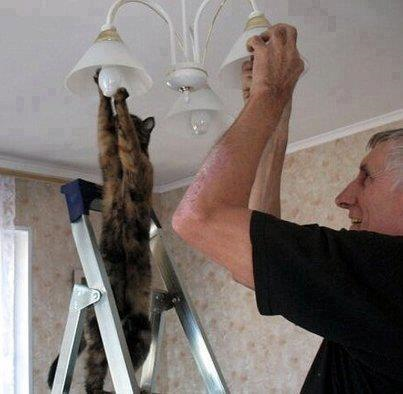
To us humans, a refrigerator is simply a kitchen appliance—no more, no less. But to some cats the top of the refrigerator is the Promised Land, a must-visit destination to be reached at all costs. 


What’s behind the strange choice of hang-out? It’s not about the food (this time, at least). As one of the highest vantage points in your home, the refrigerator holds a special place in your cat’s height-loving heart.


“Cats live in three dimensions—they’re not earthbound creatures like dogs,” says Trish McMillan Loehr, a certified cat behavior consultant. “They simply love to climb.”


Why Do Cats Like Heights?


Cats have a long and storied history with heights. Long before your kitty was scaling the dining room curtains and prowling across the top of the kitchen cabinets, his wild, just-as-agile ancestors were climbing trees to survey their meal options.


“In the wild, a higher place serves as a concealed site from which to hunt,” explains Bridget Lehet, a certified feline training and behavior specialist.


Trees also help wild animals from becoming meals themselves, perfect for escaping land-bound predators and hiding from birds of prey. While your home likely isn’t teeming with hyenas, it may have two other pesky threats that require constant monitoring and quick exits: dogs and children.


“Cats feel safe when they’re up high, especially if you have small kids or dogs who may follow and annoy them,” explains Loehr, who stresses that it’s important to provide cats with plenty of vertical space to feel secure.


There’s also a certain prestige that comes along with the highest spot in the house. For multi-cat households, the position is equivalent to the corner office—and may be defended just as aggressively.


“Height can indirectly be a sign of status,” says Lehet. “The cat who controls the best perches is generally the most dominant, literally the ‘top cat.’ From that location, the cat can survey his ‘realm’ and be more aware of activities of people and other pets.”


How to Give Cats Vertical Space at Home

Yes, cats instinctually like and take comfort from heights, but they also require vertical spaces to feel mentally stimulated. So it’s crucial that you provide kitty with plenty of opportunities to climb and explore inside the home.


“Vertical space is very, very important to cats,” says Dr. Jennifer Fry, a Pennsylvania-based veterinarian who stresses that a lone bookcase won’t cut it. “You can increase vertical space by hanging shelves on the wall for them to climb, and you should have at least one tall condo for each cat.”


Katenna Jones, a certified cat behavior consultant, agrees that homes should be outfitted with cat-specific vertical spaces to keep everyone engaged, happy, and healthy. City-dwellers in particular want to make sure to maximize their square-footage—if you think your apartment’s tiny, imagine spending all day in it. “The smaller your home, the more you need vertical space,” she advises. “Climbing posts are like litter boxes—they’re simply a must-have.”


Windows provide an especially exciting vantage point for cats—especially windows frequented by birds. But keep in mind that curiosity has notoriously gotten the best of cats, and an open window or balcony door or a loose screen can turn deadly. During the warmer months, cats are at risk of “high-rise syndrome,” a term coined by veterinarians to refer to injuries sustained from falls from buildings.


Still, you can give kitty a safe and entertaining window hangout with a little creativity, says Lehet. Consider a suction-cup perch for prime-time viewing, or positioning cat trees near closed windows—if the window has a bird feeder, all the better. “This safely provides much-needed enrichment through watching birds—also known as ‘Bird TV’ for cats,” she says.


How to care for oral and vision health in rabbits

How to Care for Oral and Vision Health in Rabbits


By Dr. Karen Shaw Becker

There are more than 3 million pet rabbits in the U.S., according to the American Veterinary Medical Association (AVMA),1 and although they’re decidedly different from the most popular pets — dogs and cats — they require a similar level of care, including attention to their oral and vision health.

Your rabbit needs an annual wellness exam with an exotic veterinarian experienced with rabbits. He or she will check your rabbit’s teeth and eyes then, but you should also keep a watch out for potential problems during the rest of the year. As prey animals, rabbits are masters at disguising signs of pain or illness, so a dental or eye problem may not be readily apparent, even if one exists.

Proper Oral Health for Rabbits

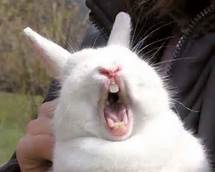
Dental health is important for all animals, but while dogs and cats can survive without their teeth (not that this is recommended), rabbits cannot. Rabbits have hypsondontal teeth, which means they grow continuously, explaining why they’re avid chewers.

A fresh source of hay is essential for rabbits, not only because of the beneficial fiber it contains but also because it helps wear down their teeth. Your rabbit should, in fact, primarily eat grass, hay and vegetables such as celery, lettuce, Bok choy and carrot tops (sparingly).

If you notice something in common, it’s that these foods require serious chewing and grinding to consume, which is one of the things rabbits do best. Dr. Krista Keller, a veterinarian at the University of Illinois Veterinary Teaching Hospital in Urbana told the Herald Review, “Rabbits’ dental anatomy is designed to allow them to eat grass, weeds, and hay. Their fibrous diet grinds down their teeth, so rabbits need teeth that continue to grow throughout their entire life.”2

Problems arise when rabbits’ teeth grow too long or in the wrong direction, the latter of which is more common in dwarf and lop-eared breeds. Their shortened faces may cause crowding of their teeth, causing them to grow abnormally, Keller said. In the case of rabbits’ teeth growing too long, this is usually due to a poor diet, including not enough fibrous food.

Ideally, your rabbit should eat as much grass hay as she likes, along with leafy greens and herbs, including cilantro, dill, kale (sparingly), broccoli leaves, mustard and collard and dandelion greens. Fresh pellets are acceptable as a supplement for rabbits’ diet, especially if they’re low in protein and high in fiber, but processed pellets should not be fed as a sole food source.

You should also avoid feeding your adult rabbit alfalfa, which is too high in protein and sugar. As for what to look for as a sign of dental problems in rabbits, the Herald Review noted:3

“Rabbits in pain may be less interested in food or may not eat at all. They may also be picky about their food and select softer options (pellets, produce) that are more comfortable to chew. Their fecal balls may be small, the rabbits may be less active, and infections may be likely to develop in the mouth and throughout the body.”

If you notice these signs, visit your veterinarian right away. If there’s a problem, a tooth extraction, tooth trimming or pain management may be necessary. For some rabbits, regular tooth trimming may be necessary, but you can help prevent overgrown teeth using the dietary strategies mentioned as well as by providing proper nontoxic chew toys, such as untreated wood blocks, rings made of willow wood or cardboard.

Caring for Your Rabbit’s Eye Health

Rabbits have large eyes; it’s part of what makes them so irresistibly cute. However, their large size, coupled with their placement on either side of their head, makes them prone to injury. It’s common for rabbits to get irritants or other foreign objects (such as a piece of hay or bedding) stuck in their eyes.

This can be flushed out with an eye washing solution, but if you’re unsure how to do this safely, or whether an irritant is the problem, you should have your exotic vet take care of this. Other relatively common eye problems in rabbits include:4

  • Eye abcesses, which may occur if the eye is infected or punctured. A bump may form under your rabbit’s eye due to the abcess and will need to be treated by your vet.
  • Eye ulcers, which can occur if an irritant or trauma damages the cornea, leading to an ulcer or hole. Signs of an eye ulcer in rabbits include not wanting to open the eye or pawing at the eye because it’s painful.
  • Conjunctivitis, or pink eye, in rabbits is usually caused by bacteria, resulting in inflammation to the pink area surrounding the eye (the conjunctivitis).

If your rabbit has milky or clear discharge coming from her eye, the problem could be a plugged nasolacrimal duct, a tube that drains tears from the eye to the nose. Modesto, California veterinarian Jeff Kahler told The Modesto Bee:5

“If this duct becomes occluded, either partially or completely, the tears that are normally drained into the nose have nowhere else to go other than to drain from the eye socket. If left plugged for some period of time, a condition known as [dacryocystitis] can develop. This involves infection with bacteria within the nasolacrimal duct. These rabbits will have discharge from the eye, often milky.”

In any event, any sign of trouble in your rabbit’s eyes is worthy of a trip to your vet to get it checked out. Because exotic vets that care for rabbits can be few and far between, it’s a good idea to locate one before you decide on a rabbit for a pet.

Should you get a younger playmate for your older pet??

Should you get a younger playmate for your older pet?


By Dr. Karen Shaw Becker

There’s both art and science involved in insuring older pets remain healthy and comfortable as they age. Fortunately, these days devoted pet parents of aging dogs and cats are very interested in understanding what’s happening to their animal companion’s body, and how to give him the best care in his golden years. Veterinarian Dr. Patty Khuly, writing for VetStreet, lists seven common questions owners ask about their aging pets.1

7 Questions Pet Parents Ask About an Older Dog or Cat

  1. Is she too thin?

The aging process brings with it loss of muscle tone and balance, which can lead to inactivity. Inactivity and loss of muscle mass/balance promotes faster aging, as well as significantly increased risk of injury from slips, trips, falls, strains and sprains. But like human senior citizens, older pets can benefit tremendously from anti-aging activities, including:

Some of these activities require the expertise or guidance of an animal physical therapist, but you can still take your furry companion out for several short walks each day to promote cardiovascular fitness. You can also learn how to massage your pet from your vet, most animal physical therapists or a professional small animal massage practitioner.

  1. Should I change his diet or supplements?

Ideally, you’re bringing your senior or geriatric pet in for wellness visits with your veterinarian at least twice a year. During these visits, your vet should review your pet’s diet and supplement protocol and made adjustments based on your dog’s or cat’s changing needs.

When it comes to your aging pet’s diet, it’s important to know that some foods are metabolically stressful, while others create low metabolic stress on the body. The nutrition that generates the least amount of metabolic stress for most dogs and cats is whole, unprocessed, raw or gently cooked, organic, non-GMO and in its natural form.

This of course includes animal protein, which should be the foundation of your pet’s diet throughout her life. Foods that have not been highly processed are the most assimilable for your pet’s body. In addition, all the moisture in the food remains in the food. If you can’t feed fresh food (raw or gently cooked), the second best diet is a dehydrated or freeze-dried balanced diet that has been reconstituted with an abundance of water.

I recommend serving food in its natural state to provide needed moisture, and to insure the highest level of biologic assimilation and digestion. That means feeding a balanced, antioxidant-rich, species-appropriate diet that includes omega-3 essential fats, such as krill oil.

Your integrative vet will recommend supplements and proper dosing based on your pet’s individual needs. At a minimum, aging dogs and cats typically benefit from supplements to maintain joint mobility and cognitive function. There’s now even a raw food diet designed specifically for dog joint health.

  1. Is he too old for anesthesia?

Fortunately, in the right hands, anesthesia is just as safe for older pets as it is for younger animals. And that’s a good thing, because just as with humans, cats and dogs tend to develop more health problems as they age.

If you’re nervous about anesthesia for your older cat or dog, you should know that it’s actually quite safe when performed according to current standards of practice. The reason senior pets are handled more cautiously for anesthesia is because they are more likely to have a systemic illness.

That’s why additional tests are run on older pets prior to scheduling procedures requiring anesthesia. These tests usually include a complete blood panel, urinalysis, chest x-rays and a BNP test which checks for certain forms of heart disease.

If your pet’s test results show no problems with her general health, there is no increased risk for anesthesia. And even if there are some borderline numbers in an animal’s test results, we must weigh the benefits of the medical procedure against the potential risks associated with anesthesia.

A well-trained, skilled and experienced veterinary staff, following the most current standards of practice, can safely anesthetize senior and geriatric pets, as well as pets with significant systemic disease. By using the latest anesthetic monitoring equipment, pets can benefit from the same diagnostics as people undergoing anesthesia. Make sure to check with your vet about how anesthetic monitoring is performed during your pet’s procedure and recovery period.

  1. Is she sick or is she just getting old?

It can be challenging to know whether the changes you see in your older furry companion are part of the normal aging process, or due to illness or disease. For example, if your pet is slowing down, it could be nothing more than aging bones and muscles — or it could be painful arthritis.

Older pets may also forget they are house- or litterbox-trained. It’s important to first rule out any underlying disorders that might cause your pet to forget her potty manners. If there’s nothing physically wrong, there are things you can do to help prevent house soiling.

For these and many other reasons, I can’t stress enough the importance of twice-yearly senior wellness checkups. The senior pet wellness screen is an excellent tool for early detection of changes in your dog’s or cat’s health so that treatment, including appropriate lifestyle modifications, can begin immediately.

Regular wellness screens allow your veterinarian to compare current test results with past results to check for changes that may need further investigation. A huge benefit of early detection of disease is that treatments are often more effective and less costly, and the quality of your pet’s life can be maintained.

  1. Is it a good idea to get him a new puppy or kitten?

Many parents of a dog or cat who is getting up in years wonder if they should add a younger pet to the family. Often, they are hoping the newcomer may invigorate the older animal, while also softening the blow when the current beloved pet passes.

Introducing a new pet to a home with a senior animal can be hugely successful, or it can be a decision everyone in the family ends up regretting. When an existing pet and a newbie don’t get along, it can create lots of behavior problems and stress all around. Tips for helping your senior dog or cat accept a new family pet:

Keep your focus on the needs of your senior pet rather than the appeal of a new pet Choose a second pet that has the best chance of getting along well with your older dog or cat
If your current pet is an older cat, consider getting a dog To successfully introduce a new dog to a senior cat, proceed with caution
Make sure both pets have their own gear Feed them in separate areas
Give your senior pet lots of extra time and attention
  1. Apart from medicines, procedures and supplements, what can I do to help her joints?

There are ayurvedic and Chinese herbs as well as homeopathic remedies and nutraceuticals that can be very beneficial for pets with OA, depending on their individual symptoms. It’s important to monitor your dog’s or cat’s symptoms on an ongoing basis, because arthritis progresses over time.

Your pet’s body is constantly changing, and her treatment protocol will need to evolve as well. At your twice-yearly wellness checkups, your veterinarian should check the range of motion in her joints, the muscle mass she is either gaining or losing and make adjustments to her protocol as necessary to ensure her quality of life is optimal.

I have always found that a multimodal approach to managing arthritis is critical for slowing its progression and keeping pets comfortable and mobile. Incorporating maintenance chiropractic, massage, acupuncture, daily stretching and mild exercise along with an oral protocol to manage pain and inflammation will yield the best results possible for an arthritic pet.

  1. What else can I do to improve his quality of life?

Consider increasing the number of potty walks for your dog, especially if he’s having some urine dribbling. Dogs with age-related incontinence can be fitted with dog bloomers or panties with absorbent pads — you can even use human disposable diapers and cut a hole for the tail.

Keep in mind urine is caustic and should not remain on your pet’s skin for long periods, so if you use diapers, be sure to change them frequently or remove them during times when your pet isn’t apt to be incontinent. If your pet is leaky primarily during sleep, there are pet incontinence beds that work by pulling moisture away from the animal and down into a tray. Older cats should have easily accessible litterboxes that are kept immaculately clean.

Gently brush or comb your older pet several times a week to help remove dead fur, dander and debris from his coat. If your pet has problems hearing or seeing, use odor cues like essential oils (but not scented candles, incense or air freshener sprays/plug-ins) to help him find his way around. Using hand signals and eye contact will help you communicate with a hard-of-hearing pet.

Consider purchasing or building ramps for a pet who is having trouble getting into the car or up on the bed or a favorite chair. Avoid moving furniture around, keep household travel lanes clear and minimize clutter if your pet is losing his vision. Cover uncarpeted surfaces with yoga mats or nonskid rugs to prevent slipping, and use baby gaits to prevent accidental falls down stairs. Dr. Buzby’s ToeGrips can also be a live saver for animals who have a hard time keeping their feet under them.

For sleep problems in an older pet, try increasing his daytime activity level. Let your pet sleep in your bedroom. Sleeping near you should help ease any anxiety that is contributing to his nighttime restlessness. Guide your pet with clear cues and easy-to-follow instructions, especially if he’s showing signs of mental decline. And when you talk to him, keep your voice quiet, calm and kind.

Provide your older pet with adequate social interaction with other pets and people, but take care not to overstimulate him — short periods of exercise and playtime in controlled situations are best for older dogs and kitties.


Do Horses Need Hay Around the Clock?

Do Horses Need Hay Around the Clock?

By Clair Thunes, PhD

Q. I have heard that horses need hay kept in front them all the times, but also that they don’t need 24-hour access to hay. I feed my 20-year-old horse 8 ounces of protein feed in the morning with two to three flakes of hay, and then turn him out on the pasture in afternoon until it gets dark. Now that it’s dark at 5: 30 p.m., I bring him in but don’t give him any hay for the night. Am I feeding him enough?

A. Accurately evaluating if you’re currently feeding the right amount of hay is challenging because I don’t have all the information I need about your horse and what you’re currently feeding. There are really two ways to look at your question:

1.      The first is are you feeding enough to meet your horse’s nutritional requirements; and

2.      Are you feeding enough to maintain gut health?

I will try to address both using some general considerations and hope you’ll find it helpful.

You’re correct that some owners/barns keep forage in front of their horses 24 hours a day while others meal feed. If you think back to where horses come from, they evolved in an environment where they could eat around the clock. Because available forage was low in nutritional value, they had to eat a lot of it, and their digestive tracts evolved accordingly. As a result, their digestive tracts are set up to receive small amounts of food almost constantly and always secrete stomach acid; most of their digestive tract volume is dedicated to forage fermentation.

Traditionally, our domesticated horses were fed in the morning before they went to work. They might receive a meal during the day in a nose bag or similar and then would receive another meal or be turned out on return from work at night. Meal feeding has remained our model for feeding horses even though few horses work all day and this pattern of feeding goes against how their digestive tracts are designed. Feeding this way was a necessity of the lifestyle, and meal feeding remains a mainstay of feeding practice in many barns.

When we apply these considerations to your horse, you’re doing a combination of both as you meal feed, but your horse also gets access to pasture for at least some of the day. It sounds as though your horse likely has feed for most of the daylight hours, assuming the morning hay lasts until turnout. However, overnight there is no feed available. Having no forage available overnight goes counter to the way your horse’s digestive tract is designed. Yet it’s how many horses are fed.

That said it’s also true that the risks of developing issues such as equine gastric ulcer syndrome and some forms of colic increase when horses are meal fed and go for long periods without forage access. So feeding some forage after return from pasture might benefit gastrointestinal health especially now that you are bringing your horse in earlier and the time spent in the stall without forage has increased.

This brings us to the other consideration: Are you feeding enough to meet your horse’s nutritional needs? The first consideration, and what I am going to focus on here, is calories–are you feeding enough calories to maintain body condition? Reducing your horse’s turnout time on pasture means less time for him to consume pasture and the possibility he’s consuming fewer calories. I say possibility because horses have actually been shown to consume the greatest amount of pasture when they are initially turned out, so reducing turnout time might or might not have a significant impact on total pasture intake.

However, at this time of year pasture quality drops off considerably. Rate of plant growth is reduced, so there’s a strong likelihood that your horse is not getting the calories from the pasture that he did over summer and early fall. This could lead to a loss of condition. Not knowing what condition your horse is in currently, I can’t determine whether this would actually be beneficial or not for your horse.

If current condition is ideal, then a loss of condition should cause concern and would require that these missing calories be provided some other way such as additional hay. This could be achieved by feeding some hay when you bring your horse in which would also help solve the issue of the long overnight period without feed.

If your horse needs to lose a little weight, or the reduction in pasture intake does not cause a loss of condition, then you could look at restructuring your current feeding program to spread out the hay you are feeding throughout the day and overnight. Instead of increasing hay intake in this scenario you could feed some of the morning hay in the evening.

Whether you feed more total hay or spread out the current hay fed, consider using a slow feeder so that it takes longer for your horse to eat the hay you are feeding. Some horses can handle constant access to forage without gaining undesirable weight. This typically requires finding an appropriate hay that has low nutritional value and restricting access with slow feeders. However, not all horses adjust to this even when the hay is of low nutritional value and display undesirable weight gain and therefore must have their intake limited.

One last general rule of thumb to keep in mind when debating the issue of whether you’re feeding enough total feed is how much feed your horse is consuming as a percentage of body weight. Research suggests that most mature horses in grazing situations consume 1.5-2% of their body weight per day as dry matter. While studies have shown wide variation in the amount consumed by each individual, veterinarians and nutritionists typically recommend a minimum of 1.5% of body weight as dry matter to maintain gut function.

Hopefully as you consider these general guidelines and your current feeding program they will help you to determine how best to make feeding adjustments if you decide changes are necessary.


Panting in Cats — When Is It a Sign of Trouble?

Panting in Cats — When Is It a Sign of Trouble?


By Dr. Becker

Unlike dogs, kitties don’t naturally pant, so it can be disconcerting to see little Fluffy breathless, and rightfully so. In most cases, panting in a cat is a sign of an underlying health concern that requires attention. However, there are a few situations in which panting in cats is harmless and short lived. Some cats pant during or after exercise or to try to cool off. Young, energetic kittens might pant for a short time while playing.

Some kitties who live or spend time outdoors may pant to cool down in warm weather. In addition, a cat who’s enduring a stressful event, for example, a car ride or veterinary visit, might pant.

Outside of momentary episodes with an obvious cause, panting in cats indicates there’s an underlying problem involving either the respiratory tract or the heart. In older kitties who start panting, a potential cause is congestive heart failure. In younger cats, especially those who are also coughing, the more likely cause is a respiratory disorder such as feline asthma.

Congestive Heart Failure as a Cause of Panting in Kitties

When a cat’s heart can’t pump enough blood to the body, fluid backs up into the lungs, and congestive heart failure is the result. There are many causes of congestive heart failure in cats, but most often it results from hypertrophic cardiomyopathy. Thyroid disease, high blood pressure, birth defects and other conditions can also cause congestive heart failure.

Hypertrophic cardiomyopathy (HCM) is by far the most common type of primary heart disease in kitties, accounting for 85 to 90 percent of all cases. The word “hypertrophic” means thickened, so this is a condition in which the walls and ventricles of the heart become too thick, or hypertrophied.

HCM is often inherited in cats. In fact, there’s a test available now for a specific gene mutation in Maine Coons and Ragdolls. Purebred cats such as the Persian, other oriental breeds and American shorthairs are also predisposed to develop the condition. However, it’s the regular house cat that is most commonly diagnosed with HCM. Cats usually develop the condition in midlife, but it can occur at any age.

Symptoms of feline hypertrophic cardiomyopathy vary and depend to some extent on the severity of the disease. Cats with mild disease don’t necessarily have symptoms. But in a kitty with significant HCM, there are usually obvious signs.

As we know, kitties mask illness very well, so until this condition is severe, even a cat with significant disease may have no symptoms, or very mild symptoms that don’t seem to be indicative of heart disease. In cats with obvious symptoms, there can be respiratory distress caused by congestive heart failure, or leg paralysis due to a blood clot.

Cats suffering congestive heart failure don’t cough like people or dogs do. Instead, they tend to breathe through an open mouth, and sometimes they pant. You should watch for breathing difficulties during exertion. Some kitties with HCM and congestive heart failure have a hard time walking any distance without stopping to rest and recuperate.

Feline Asthma Can Also Cause Panting

Feline asthma, also called bronchial asthma, allergic bronchitis and chronic bronchitis, affects cats of all ages worldwide. Asthma is a condition in which there is recurring constriction of the airways to the lungs.

Excessive amounts of mucus form in the airways, which causes them to become inflamed and sometimes ulcerated. This situation leads to spasms of the muscles of the airways, which is what causes the constriction or narrowing. Kitties with asthma can’t draw a deep breath.

Symptoms to watch for include a dry hack, which often sounds like gagging or retching. In fact, it’s not unheard of for an asthmatic cat to be diagnosed with hairballs. Wheezing, which can sound like a high-pitched sigh or a whistle, is another classic symptom. Labored breathing and exercise intolerance are also signs.

Even if your cat has a dry cough as her only symptom, it’s not necessarily a measure of the severity of her asthma. Kitties can have really serious asthma but very few symptoms. Some cats have no symptoms at all, except they suddenly are unable to breathe. An acute asthma attack such as this can occur any time and obviously can be life-threatening for your cat.

Cats with serious asthma can also suffer obvious symptoms like panting or open-mouthed breathing. Brachycephalic cats with pushed in faces, such as Persians and Himalayans, are especially susceptible to breathing problems, including asthma. Sudden airway constriction can occur for no apparent reason. It can also result from an allergic reaction to inhaled triggers like grasses, pollens, ragweed, aerosol sprays, smoke, mildew, molds, dust mites, household chemicals — even kitty litter dust.

How to Tell If Your Cat’s Panting Is Cause for Concern

To determine if there’s a problem, it’s important to pay attention to how often your kitty pants. Obviously, panting that is continuous or recurs is cause for concern. Persistent panting, especially in a cat with other behavior changes such as lack of appetite or lethargy, means it’s time to call your veterinarian for an appointment.

Peppermint – Good tasting and good for your horse!

by Hilary Self, BSc (Hons), MNIMH comments by Diane Weinmann

Peppermint is one of the main herbs for digestion and contains between 0.5% and 1.5% of volatile oil, found in all parts of the plant. The oil content is highest just before flowering. The quantity of oil in the plant can vary depending on the variety of mint, the soil it is grown in and the climate. The oil consists of about 50% menthol.

The reason peppermint is such a valuable herb for the digestive system is because of this oil. It has a carminative action, helping to relax sphincters and the smooth muscles of the digestive system, assist in the expulsion of intestinal gas, tone mucous membrane surfaces and increase peristalsis. Peppermint oil is sometimes administered to people in capsules for irritable bowel syndrome.

The oil has a cooling, soothing and anesthetic effect on the smooth muscles of the stomach and intestines, which makes it one of the key herbs to choose when dealing with horses prone to colic, gastric or duodenal ulceration, smooth muscle spasm, trapped gas, digestive cramping or poor appetite.

Peppermint contains a bitter quality that increases bile secretion and helps stimulate the appetite as well as tannins, which can help with horses who suffer from loose droppings or bouts of diarrhea.

Other internal and external benefits

For the respiratory system, antibacterial peppermint oil can be added to a pad or steam inhalant and used to help loosen residual mucus/catarrh, relieve and reduce the frequency of a troublesome cough, encourage perspiration in the early phases of colds and flu, or help combat lung infections.

The menthol content of the plant is antiseptic and when used in high concentrations can act as a disinfectant. The oil has been extensively trialed and shown to offer very significant antimicrobial and antifungal effects against over 25 bacterial and 20 fungal species.

Externally, peppermint oil can be sparingly added to topical lotions or blended with a carrier oil (such as almond oil) and applied directly on the skin or mucus membrane. The oil can act as an insect repellent and is often used to reduce the sensitivity of skin receptors, helping to reduce pain, itching, or sensitivity to temperature, making it fantastic for topical use on skin conditions such as eczema, psoriasis and neuralgia.

In the winter time I used to melt peppermint candies in hot water and add sweet feed and some bran to make a hot bran mash for my horse.  It helps keep things moving (if you get my drift with the bran) and it’s a favorite treat to warm their bellies!

Next time you brush past some peppermint and smell that fresh aroma, remember how many benefits this humble herb has to offer.

Equine Rehabilitation with Reiki

by Kathleen Prasad

Featured in Equine Wellness Magazine ~ Vol. 11 Issue


Healing Hands using Healing Touch for Animals or Reiki

Follow these simple Reiki steps for powerful rehabilitation results in your horse!

If you love to ride your horse, chances are you’ve rehabbed him from an injury at one time or another. There are many ingredients for creating a successful journey back to health and soundness, and sharing Reiki with your horse can be a very helpful part of the healing program. Besides helping you navigate the difficulties of rehabbing with a peaceful outlook, Reiki can give you the opportunity to deepen your bond with your horse!

What is Reiki?

Reiki is a meditative practice that nurtures heart-to-heart connections with your horse. Healing starts where our hearts connect, and because of it’s gentle approach in which the horses leads each session, it’s ideal for helping even the most sensitive horses heal from injury.

When rehabbing your horse, stall rest and a controlled exercise program may be recommended. Reiki can be extremely beneficial for helping your horse stay mentally peaceful and happy while exercising less. It can also help balance his body, mind and spirit – creating ideal conditions for powerful self-healing.

If your horse is recovering from an injury, you’ve got lots of time to just “be” with him – often we spend the time with our horses “doing” things. Since Reiki is really about “being”, rehab time is ideal Reiki time.

Exercises for sharing Reiki with your horse

So how do we “do” Reiki with horses? I like to use the term “share” instead. Through our Reiki meditation practice, all we are really “doing” is returning to peace and harmony within ourselves. Once we are in that balanced space, our horse can shift more easily back into balance himself. Thus, to really help a horse with Reiki, we first need to get in the right state of mind. We have to let go of our agendas, of the pressure to get the horse better, of our desires to force this and fix that. Instead, we have to practice stilling our minds, opening our hearts, and just being with our horses.

Try this Reiki exercise

  1. Choose a quiet time to be with your horse. Afternoon naptime, when your horse is quietly grazing, or dinnertime (once he is settled) is an ideal time to share Reiki. Choose a place to stand nearby, without directly touching your horse.
  1. Take a moment to let go. Take stock of your thoughts about your horse in this moment. Observe the things you are worried about, the things about the situation that frustrate you, or any other bothersome thoughts and emotions. Imagine these thoughts and emotions transforming into clouds in the sky. Watch them float away. Just let them go without judgment.
  1. Center yourself and set your intent. Place your hands on your lower belly and breathe deeply. Visualize roots coming down from the bottoms of your feet, anchoring you deep into the earth. Feel yourself stable and strong like a tree. Imagine your heart is radiating a beautiful light. Hold an intention of perfect health, wellness or well-being in your heart and mind.


Kathleen and Kodiak

  1. Create a “Reiki Space” for healing. Expand the light of your heart throughout your whole body. Every cell is full of this beautiful and bright light. This light is full of perfect healing, harmony and balance. Imagine this wonderful healing light can radiate out of your body into the space around you. Slowly expand your hands outward from your belly as you visualize the light shining out.
  1. Invite your horse to share this space with you. As you stand radiating this beautiful light, look deeper than the physical/emotional struggles your horse may be facing. See your horse’s heart as a beautiful, perfect and bright light just like yours. Realize that at the heart, your horse is full of healing power! At the heart, in this moment, all is well, physically, mentally, emotionally and spiritually. Invite your horse to connect with your heart and share this bright space of perfect balance.
  1. Let go of physical touch. If the horse chooses to come to your hands at this point, Reiki may involve direct physical contact in the form of light touch on areas of the body he is comfortable with. Your horse will guide you in this. Although Reiki is just as effective without this direct contact, because it’s really about a state of heart and mind, for many horses the power of touch is a very strong way to convey compassion and care while nurturing a heart-to-heart connection. Just follow your horse’s lead.
  1. Relax and just “be”. Continue to stand in a relaxed way, focusing on your roots, on the light at your heart, and on the intent of perfect health and wellness. Let troubling or distracting thoughts float away like clouds in the sky. Observe your horse moving closer or farther away, or standing quietly with you, without judgment. Notice the signs of relaxation, happiness and connection that your horse may show.
  1. Give thanks. After a time, your horse may disconnect and move away, or become more active. This is often a sign that “Reiki time” is over. Bring your hands back to your belly and feel yourself grounding as you set your intent to finish. Take a moment to thank your horse for connecting with you before you leave the space. Realize that the Reiki Space is a place where separations soften, hearts unify and healing happens for all. Notice any feelings of peace, well-being and healing that you feel within yourself.
  1. Follow these steps every day or as often as possible while your horse recovers. Notice how much easier the rehabilitation process becomes for both you and your horse!

Sharing Reiki with our horses is about being completely and utterly present in the here and now. When our horses are injured, our first instinct might be to run from difficulties, hide from suffering, shift our focus into anger over past causes, or worry about future outcomes. With the openness and compassionate presence that Reiki meditation brings, we can learn to see from the heart instead of focusing on all the outer things that are “wrong”. In this way, we can support a return to balance. Be patient, “be Reiki” and you will not only support a beautiful healing rehab journey, but also deepen your bond with your horse.


Dog Stomach Noises: What Do They Mean?

Dog Stomach Noises: What Do They Mean?


By Matt Soniak


When your stomach growls or gurgles, you usually know what it means. Sometimes, it’s because you’re hungry. Sometimes it’s because you’re digesting a meal. Unfortunately, sometimes it’s because you’re sick. Your dog’s stomach can make plenty of noise, too, but does a dog’s stomach make noises for the same reasons as yours?


Abdominal rumblings (which aren’t always necessarily coming from the stomach, and are often produced in the intestines) are known as borborygmi in medical terminology, and they’re a normal part of life for both dogs and humans. And you may be surprised that in both dogs and humans, these noises have the same causes.


Common Causes of Dog Stomach Noises


Digestion

During digestion, the gastrointestinal tract breaks down food. That food moves around, the gases that are created by the digestive process move around, and even some of the organs involved in the digesting move a bit. “Most sounds audible to a pet owner are related to gas moving through the intestines,” says Dr. Mark Rondeau, DVM, a clinical professor of internal medicine at the University of Pennsylvania School of Veterinary Medicine. All of that moving gas creates soft, gurgling borborygmi. Sometimes, digestion can produce louder-than-normal sounds when the process creates a lot of gas or when the gastrointestinal tract suddenly experiences an increase in activity, like when a dog eats after having an empty stomach.


Hunger

A dog’s stomach will sometimes growl due to hunger, just like yours. Again, the noises are produced by the movement and contractions of the gastrointestinal tract and are usually a little louder than the sounds of digestion, says Rondeau. These hunger rumbles are, of course, most common in the morning before breakfast, a little before dinner, or anytime a dog has gone a while without food.


Air

Ingesting a lot of air, whether while scarfing down food or just breathing heavily, can cause “excessive” stomach noise in dogs (and doggy burps), Rondeau says. If your pup is eating too fast, you can try using a special type of food bowl or other techniques, like putting a large ball or toy in a regular bowl, to slow your dog’s eating.


More Serious Causes of Dog Stomach Noises


While the majority of dog stomach noises are normal and harmless, some stomach noises in dogs can result from—and be a sign of—potentially serious gastrointestinal problems. If a dog gets into the garbage, eats something that doesn’t agree with him, or has his diet changed suddenly, stomach upset—and accompanying gastrointestinal noises—may occur.


More serious problems that can be associated with dog stomach noises include intestinal parasites, swallowing foreign objects, or a gastrointestinal diseases or disorders. In rare cases, excessive stomach noises can be associated with certain endocrine or metabolic disorders.


“Pet owners should mainly be concerned if the noises are associated with other clinical signs,” says Rondeau. These symptoms could include decreased appetite, vomiting, diarrhea, hypersalivation (drooling), and lethargy. You should also be on the lookout for signs of abdominal pain, such as a hunched posture.


If these symptoms are persistent, you should consult your veterinarian, says Rondeau. 


The 3 Stages of Your Senior Cat’s Life, and What to Expect of Each


By Dr. Becker

By the time your cat reaches the age of 10, she’s officially a feline senior citizen. The good news is that many cats today are living into their late teens and even early 20s. With the proper care, a kitty in good health at 10 can easily live another 8, 10, or even 12 years.

So there’s no need to panic if your purr-y companion is getting older, but it IS time to start taking some steps to insure your pet stays as happy and healthy as possible throughout her senior and geriatric years.

But first, let’s take a look at how cats show signs of aging and what you can expect as your kitty gets older.

What to Expect at 10 to 12 Years

By the time most kitties turn 10, they have slowed down a little (or a lot, depending on how high-energy they were as youngsters). You might notice your cat isn’t jumping up on high surfaces as much anymore, or isn’t climbing to the uppermost spot on the cat tree.

And while all cats, regardless of age, do best with a consistent daily routine, older cats can become especially stressed when presented with anything new or different in their environment.

You might also notice your kitty doesn’t always run right out to greet you when you get home. He may not initiate play as often as he once did, and he may take more naps.  

Many cats also become more vocal as they age, and more fearful of strange or loud noises and unfamiliar people.

Older cats can also suffer from many of the same health challenges older humans face, including arthritis, diabetes, thyroid problems, and kidney disease, so it’s really important to bring your cat for twice-yearly wellness visits with your veterinarian. The sooner a change in your kitty’s health is identified and addressed, the easier it will be to resolve or manage the problem.

At veterinary visits, be sure to mention any and all behavior changes you’ve noticed in your cat, no matter how minor, as these can provide important clues about health problems that may be brewing under the surface. It’s also important you and your vet keep regular tabs on your cat’s weight, to assure she isn’t gaining or shrinking over time.

What to Expect at 13 to 15 Years

From 13 to 15 years of age, not only are most cats moving quite a bit slower than they once did, many are also experiencing at least some loss of vision and hearing. They may also have less tolerance for cold temperatures.

Elderly cats can develop age-related dementia, making small changes in their environment or routine increasingly stressful. Some older kitties are also easily confused.

Along with more napping and less activity, your senior cat may grow a bit cranky and easily irritated. If your household includes young children or a rambunctious dog, everyone will need to learn to approach kitty in a quiet, non-aggressive manner. And if yours is a multi-pet household, it’s important not to allow your aging cat to be bullied by younger pets who may sense a change in the natural pecking order.

You may also notice that your cat prefers to spend more time alone these days. You can enhance his feelings of safety and security by making his favorite hideout a warm, comfy little spot he can retreat to whenever he likes. But keep in mind that senior cats still need to interact with their humans regularly, so set aside some time each day to spend with your pet. You can engage him in gentle play, an ear scratching session, or some brushing or combing.

As I mentioned earlier, your cat is now at the age where twice-yearly veterinary checkups are essential in order to safeguard his health. Your vet will perform a geriatric workup, including a physical exam and blood, urine, and stool sample tests. The results of these tests will provide a snapshot of how well your cat’s organs are functioning, and point to any potential problems.

Your vet will also check the condition of your kitty’s coat and skin, his footpads and nails, and his teeth and gums.

What to Expect at 16 Years and Older

If you’re lucky enough to share your life with a cat of 16 or more, first of all, congratulations! Either you’ve done a bang-up job raising your kitty to a ripe old age, or you’ve opened your heart to an elderly cat in need of a loving home in her final years. Regardless, you did good!

As a point of reference, you can reasonably compare your cat at 16 to an 80-year-old human. She’s moving and thinking more slowly these days, and she may have an assortment of age-related health challenges. She’s probably not as alert or responsive as she once was, and at times she may seem quite confused.

Even if she’s still in good health, chances are she’s sleeping and vocalizing more, and interacting with family members less. She may not be as perfectly groomed as she was in her younger years, and even the most well-mannered geriatric cat may occasionally forget to use her litter box.

As long as your cat is seeing the vet at least twice a year for checkups, and between visits you’re keeping an eye out for significant or sudden behavior or health changes, there’s no reason to be alarmed. Try not to hover, as your cat is still a cat and prefers attention on her own terms. Do make every effort to keep her comfortable, secure and relaxed by maintaining a consistent daily routine and providing her with a quiet, cozy hideaway equipped with comfy bedding and a familiar toy or two.

At your regular vet visits, you’ll want to mention any changes you’ve noticed in your pet, including increased or decreased appetite or water consumption, constipation or incontinence, aggressive behavior, or mental confusion. You’ll also want to keep an eye out for signs that your cat is in pain, which can include hiding, teeth grinding, panting, shortness of breath, loss of interest in food, or reluctance to move around.

10 Tips for Helping Your Senior Cat Sail Through Old Age

1.    Feed a balanced, antioxidant rich species-appropriate diet. Your kitty’s diet should include omega-3 essential fats, such as krill oil. Moisture is an aging cat’s best friend, so encourage adequate hydration by offering a variety of water bowls around the house or a drinking fountain, in addition to minimizing dry food. If your cat is addicted to terrible food, adding a whole body supplement, such as Feline Whole Body Support is a good idea.

2.    Keep your pet’s body and mind active with regular exercise appropriate for your cat’s age and physical condition, and mental stimulation (puzzles and treat-release toys can be beneficial). Think of creative ways to enrich your cat’s indoor environment and if your kitty never touches the earth’s surface directly (most housecats don’t), consider a grounding pad to help reduce the buildup of EMFs.

3.    Provide your kitty with a SAMe (S-adenosylmethionine) supplement as a safe and effective way to stall or improve mental decline, improve mobility, as well as assist in liver detoxification. Consult your holistic veterinarian for the right dose size. Periodic detoxification with the herbs milk thistle and dandelion can also be very beneficial, as can providing super green foods in the form of fresh “cat grass” to nibble on. Chlorophyll, chlorella, or spirulina can also be offered in supplement form to enhance your cat’s detoxification processes.

4.    Medium-chain triglycerides (MCTs) have been shown to be safe for cats and can improve brain energy metabolism and decrease the amyloid protein buildup that results in brain lesions in older pets. Coconut oil is a rich source of MCTs and may also reduce hairball issues. I recommend 1/4 teaspoon for every 10 pounds of body weight twice daily for basic MCT support, if your cat will voluntarily eat it.

5.    For aging kitties who prowl the house all night and vocalize, consider low dose melatonin, which is not only a sedative with a calming effect, but also an antioxidant. I also use Rhodiola, chamomile, and l-theanine with good results.

6.    If your cat seems disoriented, consider limiting her access to certain parts of the house. Keep doors closed so she can’t wander into a closet or any place where she might be unable to get herself out.

7.    Set aside time each day to interact with your kitty. Make sure meals are provided on a consistent schedule, along with playtime and petting/lap time. If your cat tolerates being brushed or combed, work that into the daily schedule as well, to help her with grooming chores. Trimming hair around her perineal area reduces her grooming chores and is usually much appreciated by retired cats.

8.    If your cat has turned into a midnight prowler, if possible, try gently waking him up from naps during the day. The more active you can keep him during daylight hours, the more likely he’ll be to sleep on your schedule.

9.    Sometimes all a vocalizing cat needs to quiet down is to hear his owner’s voice, so try calling your kitty’s name when he starts to vocalize from another room or in the middle of the night. If that doesn’t do the trick and the nighttime crying is really a problem for you, consider earplugs. Flower essences and homeopathics (such as low potency Belladonna) may also reduce yowling.

10. If eliminating outside the litter box is an issue, try putting additional boxes around the house. Also insure it’s comfortable for your cat to get into and out of the box. Cats are very adept at hiding arthritis and other aches and pains, which can limit their ability to climb into high-sided boxes, or boxes kept in bathtubs or up a flight of stairs, for example.

As you can see taking care of a senior cat can be challenging but they are well worth it.  If you wonder if you are doing something incorrectly or need help knowing what may be bothering them please contact me, Diane Weinmann, animal communicator and holistic healer at dianefortheloveofanimals@yahoo.com
 

The EYES have it!

by Joshua Corn

Is Your Dog or Cat’s Vision Deteriorating? Most Likely YES!

It’s often said that eyes are the window to the soul, and your pet’s eyes are certainly no exception.

Maintaining healthy vision is vital for the well-being of dogs and cats as they age. Our pets use their eyes to communicate with us, and to navigate the world around them.

Did you know that your pet relies on their eyes to communicate with you? That’s right, the results of a new study found that dogs especially rely on establishing eye contact with you in order to communicate.[4]

Vision Loss Is Your Pet’s Worst Enemy, Too

Dogs and cats, like us humans, experience eye changes as they age, such as retinal and lens functional decline, hardening and clouding of the lens, and accumulated oxidative damage due to environmental factors (like UV radiation from the sun).[1,2]

Along with the many external factors that can speed up deterioration, genetics play a large role in your pet’s eye health, too. And unfortunately, many breeds have predispositions to certain eye conditions (more on that later).[3]

So if you want to take one big step toward helping your beloved furry friend stay healthy and active for years to come, then please don’t ignore the problem of vision loss.

So it’s critical you take special care of your pet’s eyes over the years and look out for any signs of trouble. As a loving pet owner, be sure to watch out for these symptoms:[3]

Signs Your Pet’s Eye Health is in Danger

  •  Squinting
  •  Eye drainage
  •  Rubbing of eyes
  •  Swelling around eyes
  •  Visible third eyelid
  •  Reduced playfulness
  •  Change in eye color
  •  Cloudy eyes
  •  Unequal pupil size
  • Eye redness

These all-too-prevalent signs can be indicators of…

Common Eye Problems in Aging Pets

Any changes in your pet’s eyes, or behaviors that signify ocular irritations, need to be examined as soon as possible, because they can indicate a severe underlying problem.

Widespread vision ailments in pets include:

Retinal Issues: A leading cause of abrupt vision loss in dogs, retinal problems plague thousands of dogs per year.[5,6] These alarming issues typically go unnoticed by pet owners due to their slow development — it can take months for visual lesions or warnings of vision deterioration to become apparent. And then, blindness can suddenly ensue. Retinal problems have infected many different breeds (including felines), and are more common in middle-aged dogs.[7]

Increased Eye Pressure: This common issue is marked by an increase in pressure in the eye leading to blindness, and it can be highly painful for your dog or cat. Certain dog breeds are innately predisposed to the problem including Cocker Spaniels, Beagles and Jack Russell Terriers, but an increase in eye pressure can also result from inflammation, trauma, tumors, oxidative stress and more. Unfortunately, in most cases, it can go undetected until it’s too late.[7,8]

Lens Issues: Classified as opacities of the lens, these can decrease vision, cause inflammation in the eye, and even result in blindness.[9] Lens issues are common in dogs, and many breeds are genetically predisposed to them including Cocker Spaniels, Poodles, Golden and Labrador Retrievers, Huskies and terriers. Additional causes of these problems include blood sugar imbalances, trauma and inflammation.[7,10]

Dry Eye: This all-too-common health issue is the result of inadequate tear production. It is prevalent in various dog breeds including Cocker Spaniels, Bulldogs, Shih Tzus, Schnauzers and West Highland White Terriers (“Westies”). When left untreated, prolonged eye dryness can severely disrupt the cornea and ultimately result in impaired eyesight.[7]

With the alarming abundance of hidden vision traumas in pets, it’s important to remember that it’s never too early to start caring for your pet’s eye health.