Identifying Behavioral Pain Indicators in Ridden Horses

by Erica Larson, News Editor

Your horse might buck if a bug bites, swish his tail if you give a whip-tap on his haunches, or show the whites of his eyes if he spots a very scary object. But one researcher recently reported that if these behaviors become regular occurrences, especially without provocation, your horse is probably trying to tell you he’s in pain.

In a series of studies over the past few years, Sue Dyson, MA, Vet MB, PhD, DEO, Dipl. ECVSMR, FRCVS, head of Clinical Orthopaedics at the Animal Health Trust Centre for Equine Studies, in Newmarket, U.K., and colleagues developed and validated an ethogram for ridden horses—a catalog of behaviors a horse might display under saddle and what they mean. She designed the ethogram to help identify low-grade lameness or pain in ridden horses.

In her most recent study Dyson compared horse behavior and pain scores before and after diagnostic analgesia (nerve blocks given during a lameness exam) to see if individuals with no specific training on the ethogram could use it to reliably recognize pain in horses working under saddle. She shared the results at the 2018 American Association of Equine Practitioners Convention, held Dec. 1-5 in San Francisco, California.

“Owners and trainers are often poor at recognizing lameness,” especially if it’s subtle, Dyson said. “Performance problems are often labeled as training-related, behavioral, or ‘just how he’s always gone.’

24 Pain-Associated Behaviors

Face

  • Ears rotated back behind vertical or flat
  • Eyelids closed or semiclosed
  • Sclera (whites of the eye) exposed
  • Intense stare
  • Opening mouth repeatedly
  • Tongue exposed and/or moving in and out of the mouth
  • Bit pulling through the mouth, to the left or right

Body

  • Repeated head position changes
  • Head tilt
  • Head in front of the vertical
  • Head behind the vertical
  • Head moving constantly from side to side and/or head tossing
  • Tail clamped or held to one side or large tail swishing movements
  •  

Gait

  • Rushed gait/irregular rhythm
  • Sluggish gait/irregular rhythm
  • Hind limbs not following in the front limbs’ tracks
  • Repeated wrong lead and/or change of lead in front or behind in canter
  • Spontaneous gait changes
  • Stumbling and/or repeated toe-dragging
  • Sudden change in direction of movement
  • Spooking
  • Reluctance to move freely/stopping spontaneously
  • Rearing
  • Bucking with or without kicking out backward

“Horses are trying to communicate with us,” she added. “We need to learn to listen.”

Dyson said the original ridden horse ethogram contained 117 behaviors. In the current study she and colleagues focused on 24 behaviors they identified as most closely associated with pain (see sidebar). She said the presence of eight or more of these markers likely reflects musculoskeletal pain.

In the study Dyson had one assessor trained in how to apply the ethogram and 10 untrained assessors (two veterinarian interns, one junior clinician, five vet techs, and two veterinary nurses) assessors each watch videos of 21 horses ridden in working trot and canter in both directions by professional riders, before and after diagnostic analgesia (42 videos total). The videos were presented in a random order, she said.

“The ethogram was applied in a binary fashion for each behavior: yes or no for the presence of the behavior,” she added.

The study horses had various diagnoses of unilateral or bilateral lameness in the front and/or hind limbs, kissing spines, or sacroiliac pain. Before veterinarians administered the diagnostic analgesia, the trained assessor identified three to 12 (with an average of 10) behavioral indicators of pain in ridden horses, Dyson said. After analgesia, the trained assessor pinpointed zero to six (an average of three) behavioral indicators of pain—a significant decrease in behavior scores, she said.

“The untrained assessors also had significant reductions in behavior scores for all the horses after resolution of pain,” she said.

Additionally, “the reduction in behavior scores verifies a likely causal relationship between pain and behavior,” she said.

Dyson and her colleagues also analyzed agreement among assessors—how often they independently came to the same conclusions about a horse’s behavioral indicators:

  • Agreement was “fair” among the untrained assessors for lame horses;
  • Agreement between the trained assessor and the untrained assessors for lame horses was moderate; and
  • After diagnostic analgesia, there was fair agreement among the untrained assessors and slight to no agreement between the untrained assessors and the trained assessor.

Based on these findings, Dyson concluded that both trained and untrained assessors can use the ridden horse ethogram to identify the likely presence of musculoskeletal pain. However, veterinarians, owners, trainers, and others using it require education on the ethogram for best results, she said.


9 Things to Consider Before Adopting a Pet

By Dr. Karen Becker with comments by Diane Weinmann

So you are thinking about adopting a pet…good for you!  Now have you thought of these topics:

  1. Do you have time every day to devote to a pet? — Even relatively low-maintenance pets require attention from their humans, so if your life is already very busy or you’re not home much, a pet may not be the best idea.

Many animals, especially dogs, exotic birds, and yes, even cats require lots of daily interaction with their humans. Pocket pets and other animals who live in cages or other enclosures need supervised time outside their habitats each day. Without social interaction and stimulation, pets tend to develop behavior and emotional problems.

  1. Do you have the energy to dedicate to a pet? — In addition to spending time with you, your pet also needs and deserves to be exercised, played with, trained, groomed and cuddled. If you come home every night exhausted, you should think seriously about whether you have the energy reserves you’ll need to offer an animal companion a good quality of life.
  2. Can you afford a pet? — Caring properly for a pet can put a dent in your bank account. You should think realistically about whether you can afford the cost of a high-quality diet, toys, other supplies, obedience training, wellness visits to the veterinarian, etc.

In addition, your pet could get sick or injured, and you should have a plan in mind for how you’ll pay those vet bills in the event something serious happens to your animal companion.

  1. Is everyone in the household sold on the idea of a pet? — It’s ideal if everyone in the family or household is onboard with getting a pet. Otherwise, resentments can build, and relationships can suffer. It’s a good idea to involve all members of the household in the decision-making process, openly discuss concerns and determine who will have primary responsibility for the pet’s care.
  2. Does your prospective new pet come with emotional or behavioral “baggage” you can accept or commit to dealing with? — Behavior issues are the No. 1 reason pets are dumped at shelters. Most of these animals didn’t have the best start in life. For example, they weren’t socialized at the ideal age, were over-vaccinated or endured traumatic events that created behavioral quirks you will need to be prepared to deal with.

Combine a lack of healthy socialization with the potential for negative, fear-based training or a neglectful/abusive first few months, and you have the recipe for a lifetime of dysfunctional behaviors and responses to everyday life in the animal you just adopted.

Are you committed to a lifetime of “damage control” when it comes to positively addressing negative behaviors and phobias that your newly adopted furry companion may arrive with? And can you trust everyone in your household to participate in positive training to correct behavior issues?

Knowing your every response will fuel or diffuse unwanted behaviors can be daunting, so having a positive trainer or behaviorist on hand will be crucial in helping you deal with unwanted behaviors in a way that enhances your relationship with your adopted pet. I strongly recommend low-stress welcoming techniques the minute your new addition arrives home.

  1. Will your existing pet (if you have one) accept a new pet? — You definitely need to plan ahead if you already have a pet and want to add another to the household. Most animals can learn to get along or at least tolerate each other, but there are situations in which it’s just too dangerous or stressful to keep two poorly matched pets under the same roof.

If possible, introduce your existing pet to your potential adoptee in a neutral setting and see how they interact. If it doesn’t go well, I encourage you to consult with an animal behavior specialist before throwing in the towel on adopting a second pet. Often it just takes some time and a few helpful tips to put an existing pet and a new one on the road to a harmonious relationship.

  1. Are you prepared to prioritize your pet over your belongings? — Pet ownership means there will be the inevitable accidents and other messes in the house, furballs on your furniture and bedding, and the random destroyed slipper or other personal belonging.

If you can’t tolerate the thought of a less than perfectly clean house, you might want to reconsider the idea of pet ownership. Even the most well-behaved, well-trained animal companion makes the occasional mess or forgets his manners.

  1. What kind of relationship do you want with your pet? — It’s important to think about how you’d like your new pet to fit into your lifestyle. For example, if you do a lot of traveling and want to take your pet along, a small dog is probably a better choice than a large breed or a cat.

If you plan to jog with your pet, some dogs are better suited to long runs than others. It’s also important to think about what you can offer a potential pet. If, for instance, you’re the outdoorsy type who enjoys hiking and camping, those activities have tremendous appeal to certain dog breeds, such as retrievers and retriever mixes.

Ideally, you do plan to include your pet in many of your leisure time pursuits, so it’s important to give the subject some careful thought.

  1. What changes do you expect in your life in the next five, 10 or 15 years? — While we can’t predict the future, most of us have a vision for our lives that extends years down the road. Regardless of the type of pet you’re considering, you’ll be taking on a multi-year commitment. It’s important to be reasonably sure your lifestyle will be as pet-friendly in five, 10 or 20 years as it is today.

Any addition to the household should we well thought out.  Additionally, contacting an animal communicator for the potential adoptee along with talking with any existing fur family members is helpful for a smooth transition.  Do not underestimate the opinions of your current pets (if applicable).


Walking the dog-how are you doing it?

By Dr. Karen Becker comments by Diane Weinmann

Thinking About Dog Walks in a Whole New Way


Many pet parents tend to look at dog walks as chores to be quickly finished, and I think part of the reason is they’re simply in a rut. They’re not using their imaginations. There are actually lots of ways to change up your dog walking routine that can make it fun for both you and your canine BFF, and something you look forward to. Different types of dog walks:

1. Purposeful walks — These are typically short and have a specific goal, for example, walking your dog to her potty spot.

2. Training walks — These walks can be about improving leash manners, learning basic or advanced obedience commands, ongoing socialization, or anything else you can think of that can be done on a leashed walk. Be sure to bring some healthy training treats on these outings.

Ongoing training throughout your dog’s life is a great way to keep his faculties sharp and boredom at bay. It’s also a wonderful way to strengthen the bond between you and your pet.

3. Power walks — Power walks keep your dog’s frame strong, his weight in check, and help alleviate arthritis and other degenerative joint diseases. These walks can also be an essential method for ensuring your dog gets the exercise he needs, as long as you’re consistent with them.

Remember: A healthy dog needs to exercise an absolute minimum of every three days (every other day is better; every day is ideal) at an intensity that elevates his heart rate for 20 minutes to maintain cardiovascular conditioning and muscle tone. If your dog is out of shape, you’ll need to start slow and build gradually to 20 minutes per power walk.

4. Mentally stimulating walks — Most leashed dogs don’t get to spend nearly as much time sniffing and investigating as they would like, so allowing your pet some time to explore is good mental stimulation for her. These walks allow her to stop, sniff, investigate, and pick up and send pee-mail. Dogs accumulate knowledge about the world through their noses.  Take them to the woods—it’s great for their mind and body.  They sniff all kinds of stimulating smells, walk over logs and branches which gently helps with coordination and they can find treasures of leaves and rocks and if lucky, maybe a glimpse of wildlife.  The woods is a treasure trove of activity for your pet to enjoy just remember to leave the leash on!

5. Sniffaris — I don’t know who coined this term, but I love it! Sniffaris are walks during which your dog takes the lead, you follow, and he gets to sniff whatever he pleases. Sniffaris are upgraded mentally stimulating walks, more or less, with your dog making all the navigational and investigational decisions!

6. Change-of-scenery walks — Instead of heading outside in the same old direction, instead, buckle your dog in and drive a few blocks away or to a neighborhood park or nearby hiking trail for your walk. Both you and she will find new things to see, smell and experience.

7. Walks with friends — If your dog is comfortable around other dogs, consider meeting up with neighbors or friends with dogs for group walks. Everyone on two legs and four gets to socialize and exercise simultaneously, and dog parents can also be valuable resources for one another.

8. Different dog-walker walks — Everyone walks a dog a little differently, so the more members of your household who walk your dog, the more variety she’ll enjoy. And since walks done right are bonding experiences, everyone in the family gets to spend one-on-one time with the dog.

A variation on this if you work outside the home is to hire a professional dog walker a few times a week or ask a willing friend or neighbor to take your dog out for a walk in your absence.

One of the most important things you can give your dog whenever you interact with him, including on walks, is your undivided attention. Put down the phone and other distractions and let your dog know through your focus on him how much he means to you.

Carri Westgarth, Ph.D., a research fellow at the University of Liverpool and the lead author of a 2017 study titled “I Walk My Dog Because It Makes Me Happy: A Qualitative Study to Understand Why Dogs Motivate Walking and Improved Health”3 also suggests leaving your cell phone behind to thoroughly enjoy the walk and the time with your dog.

“Dog walking can be really important for our mental health, and there is no joy like seeing your dog having a good time,” Westgarth told Health Newsletter. “In this age of information and work overload, let’s thank our dogs for — in the main — being such a positive influence on our well-being … leave the mobile and worries at home and try to focus on observing our dog and appreciating our surroundings.”4


When to Worry if Your Pet Refuses to Eat

By Dr. Karen Becker


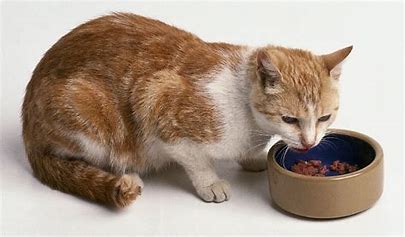
Generally speaking, healthy dogs and cats love mealtime. That’s why a change in appetite — especially a decreased interest in eating — is something pet parents and veterinarians must closely monitor. Cats, in particular, can’t go long without eating due to the risk of feline hepatic lipidosis, or fatty liver disease. There are actually three different forms your pet’s lack of appetite can take:1

  • Anorexia is a complete lack of food intake. There is no such thing as partial anorexia.
  • Hyporexia is a reduction in food intake, regardless of the reason or cause.
  • Dysrexia is distortion of normal appetite or eating patterns, for example, a dog who refuses to eat his regular diet but will eat cooked chicken and rice.

While it’s beneficial to keep these terms in mind, what’s most important when a pet’s appetite suddenly decreases or disappears is finding the root cause.

8 Potential Causes of Lack of Appetite in Dogs and Cats

In the vast majority of cases, when a pet loses interest in eating, it’s a symptom of an underlying medical problem. Some potential triggers include:

  1. Pain — A painful condition anywhere in the body, and especially in the gastrointestinal (GI) tract, can cause your dog or cat to eat less or refuse to eat.
  2. Nausea — While relatively uncommon in dogs and cats, nausea can certainly put your pet off her food. Unless there’s an underlying illness, nausea most often accompanies car travel.
  3. Illness — A pet who feels sick will often show little or no interest in eating. Sometimes it’s just a passing GI disturbance; other times it’s much more serious, such as liver or kidney disease, or cancer.
  4. Obtundation — This describes a lack of alertness more pronounced than lethargy, and is usually the result of an underlying medical condition such as hypercalcemia, or trauma.
  5. Dental or gum disease — Sometimes a problem in your pet’s mouth can make eating unbearably uncomfortable. This can be a broken or loose tooth, severe gum disease, an oral tumor or a condition such as feline stomatitis.
  6. Recent vaccination — Loss of appetite can be an immediate adverse effect of vaccination.
  7. Stress — If your pet is feeling stressed for some reason, he may turn away from his food bowl. For example, some dogs don’t have much appetite when they’re in an unfamiliar place, or when their favorite human is away from home. Your cat may refuse to eat if her food bowl is in a high traffic area or there are other pets around at mealtime.
  8. Food aversion or “pickiness” — Food aversion can occur if you make a sudden change to your pet’s diet. It’s almost never a good idea to do this quickly because it often causes diarrhea. If you want or need to change the diet you’re feeding your pet, do it gradually by mixing the new food in with the old food in a slow transition.

Some pets, especially kitties, refuse to eat certain foods for reasons that may or may not make sense. And some animals are simply notoriously picky eaters who often require special menus or lots of coaxing.

Loss of Appetite Always Requires a Veterinary Visit

If your dog or cat refuses to eat for longer than a day, especially if there are other symptoms, or if there’s a sudden noticeable reduction in her food intake, it’s important to see your veterinarian right away. If the decrease is gradual, it’s just as important to get her checked out, but it’s not as urgent a situation as a sudden, dramatic change.

It’s crucially important that your veterinarian searches thoroughly for the underlying cause of your pet’s loss of interest in eating, because there almost always is one, and her appetite isn’t likely to improve if the problem isn’t identified and addressed.

It’s also important to know that appetite stimulants (which were originally designed as antidepressants) prescribed by your veterinarian can be useful in the short-term, but they don’t address the underlying problem of inappetence. In other words, they may for a time successfully treat the symptom (refusal to eat), but not the cause.

When it comes to treating a pet who won’t eat, there’s no one-size-fits-all approach. Your veterinarian must do a thorough physical exam and diagnostic workup, and investigate metabolic changes such as hypertension, blood potassium levels, anemia or vomiting. He or she should also consider any medications or supplements your pet is taking to rule those out as a cause.

You’ll also want to fill your vet in on any changes that have occurred in your household or daily routine that might be causing stress for your pet. The cause of your dog’s or cat’s disinterest in eating will determine an appropriate treatment approach. If there’s an underlying disorder that can be successfully treated or managed, your pet’s appetite should pick up as the condition resolves.

Sometimes, In appetence Disappears With a Change to a Better Diet

Needless to say, the diet you feed your pet can play a big role in both maintaining his interest in food and for his health and overall vitality. As always, I recommend a nutritionally balanced, diverse, species-appropriate fresh food diet.

Over the years, I’ve known many dogs and cats on processed diets who were considered fussy eaters, or who spent as much time playing with their food as eating it. When their owners gradually transitioned them from a kibble or feed-grade canned diet to raw or gently cooked fresh food, the weird eating habits disappeared.

One client of mine adopted a tiny dog who came home with a bag of the same dry food he’d been eating at the shelter. She knew to continue the diet until he was settled in to avoid tummy troubles, but she wasn’t prepared for his odd eating behavior.

At mealtime, the little guy approached the bowl of kibble slowly and pushed it around on the floor with his nose. Eventually he’d pick a piece of food out of the bowl and drop it on the floor. Sometimes he ate it, sometimes he didn’t before pushing the bowl around some more. He seemed anxious about the whole experience.

Since he was tiny to begin with and slightly underweight, she was concerned he wasn’t getting enough calories. She noticed he seemed quite interested in her cat’s canned food, so she went out and bought a couple cans of high-quality dog food and mixed it with the kibble.

He immediately gobbled up the moist food and left the kibble in the bowl. He did have loose stools for a few days from the sudden change in diet, but since he was eating like a champ, she just kept a careful eye on him until his poop was firm again. From there, she did a gradual transition to a nutritionally balanced, commercial raw diet. He’s been a chowhound ever since, with no sign of his initial odd eating behaviors.

If your cat or dog gets a clean bill of health from your veterinarian but still isn’t eating well, review the diet you’re offering and see where it falls on my latest ranking of best-to-worst pet foods. Make upgrades as you’re able to, and see if your pet’s appetite improves.


Dog’s Teeth

By Deidre Grieves

According to a veterinary study, dental disease is one of the most common disorders reported by veterinarians. Another study estimates that 80 percent of dogs will develop some form of periodontal disease by the age of 2.


Regular dog dental care is recommended by veterinarians, but few pet owners actually brush their dogs’ teeth. According to a study conducted by Ipsos, just 7 percent of dog owners polled reported brushing their dog’s teeth daily.


“Just as with people a hundred years ago, we used to think that tooth loss was a normal aging change,” says Dr. Milinda Lommer, a board-certified veterinary dentist who practices at Aggie Animal Dental Center in Mill Valley, California. “Now we know that tooth loss is the direct result of a disease process and it is not normal.”


To better understand how to care for dog teeth, it’s important to understand the makeup of dog teeth and how to best ensure dog tooth health. Here are some facts you probably didn’t know about dog teeth.


Facts About Dog Teeth


  1. Dogs Go Through Two Sets of Teeth in Their Lifetime


Just like people have baby teeth, dogs have puppy teeth that are later replaced, says Dr. Donald Beebe, a board-certified specialist in veterinary dentistry and the hospital director at Apex Dog and Cat Dentistry in Englewood, Colorado.


“Puppy teeth—also known as deciduous teeth or milk teeth—work much like an adult dog’s teeth but on a smaller scale,” he says. “Starting around 4 months of age and extending to around 6 months of age, the deciduous teeth begin to exfoliate. Compared to human children, in which the process takes place over years, in puppies, the transition is very rapid, over a matter of weeks.”


Dr. Beebe says that puppies lose their teeth in a way similar to human children—they become loose and eventually fall out. The root of the tooth is then naturally absorbed into the gums, he says.


  1. Adult Dogs Have More Teeth Than Humans


Dr. Beebe explains that puppies have only about 28 deciduous dog teeth that they shed to make way for permanent adult dog teeth.


“Adult dogs have 42 teeth. Most people have 32,” he says. “In comparison, adult cats have 30 teeth.”


Dr. Beebe says that adult dog teeth begin to form before birth. “Later in life, they erupt into position as their deciduous counterparts are shed,” he says.


  1. Dogs Use Their Teeth Differently Than Humans


While the makeup and chemical structure of dog teeth is similar to those of human teeth, the size and shape of dog teeth are where the biggest differences come into play.


“The most prominent teeth are the long and pointy canines,” Dr. Beebe says. “They are used for grasping, lifting, pulling and potentially for defense. Further back in the mouth, the large carnassial teeth are designed to shear against one another, to provide a slicing action.”


“This is in contrast to human teeth, which typically grind against one another to pulverize food. Dogs can’t really smash up their food like people because their teeth are not designed that way,” explains Dr. Beebe.


  1. Canine Teeth Root Structure Differs a Bit From Humans


“Canine root structures are similar to human root structures except that in dogs, the three upper molars have two roots, whereas the two lower molars have three roots,” says Dr. Lisa Lippman, a veterinarian based in New York City.


Additionally, the roots of a dog’s tooth are long, adds Dr. Lommer. “Most people are surprised by how long the roots are,” she says. “The visible crown is usually only about one-third the length of the tooth. For incisor teeth, the crowns are only about one-fourth the length of the tooth.”


  1. Cavities in Dog Teeth Are Extremely Rare


Because the bacteria in a dog’s mouth are different from the bacteria in a human’s mouth, cavities in dogs don’t happen often.


“Cavities are caused by specific bacteria that live on flat surfaces of teeth and metabolize sugars into acid,” says Dr. Lommer. “Dogs don’t usually consume as much sugar as humans do, and the species of bacteria that causes cavities are very rare in dogs’ mouths.”


Dr. Beebe explains that when cavities occur in dogs, they are usually caused by sweet treats such as bananas or sweet potatoes. “The treatment for cavities in dogs is the same as for people,” he says. “The diseased tooth structure is removed and replaced with a composite filling.”


Dog Teeth: Signs of Dental Disease


Pet parents should watch for signs of periodontal disease in dogs. If you notice any signs of dental or gum disease, you should consult your veterinarian for care tips.


“Most dog owners don’t recognize that their dogs have a problem until the disease has progressed to an advanced stage,” says Dr. Beebe. “Further, dogs instinctively try to hide any pain or discomfort to avoid showing weakness, making it even harder to recognize a problem is present.”


Signs of periodontal disease in dogs, according to Dr. Beebe and Dr. Lippman, include:


  • Red gums
  • Bleeding gums
  • Plaque
  • Bad breath
  • Blood in water or food bowls
  • Thick saliva
  • Favoring one side of the mouth
  • Dropping food while eating
  • Facial swelling
  • Rubbing the face with the paws or on the floor


Dog Teeth: Tips for Care


“Brushing your dog’s teeth is the first defense against gum disease,” says Dr. Lippman. “Daily cleanings, coupled with occasional professional cleanings at your vet, will do a lot to keep gum disease at bay.”


For brushing dog teeth at home, pet parents can try the Vetoquinol Vet Solutions enzadent enzymatic toothbrush kit for adult dogs or the Nylabone advanced oral care dental kit for puppies. These dog dental kits come with a dog toothbrush and dog toothpaste specially designed to care for canine teeth.


To keep plaque at bay, easy-to-use dog dental wipes, like Petkin fresh mint dog plaque tooth wipes, may assist in getting rid of daily residue. You can also help freshen your dog’s breath with a water additive, like the TropiClean fresh breath water additive, which is formulated to prevent tartar buildup and promote overall oral health.


And, if you want to keep your pet’s teeth healthy between brushings and veterinary dental cleanings, try using dog dental chews or treats, such as Greenies dental dog treats or Dr. Lyon’s dental dog treats. These dog dental treats help to fight plaque and tartar buildup as well as work to freshen your dog’s breath.


Another great option is VetriScience Perio Support powder, which is a natural enzymatic cleaner for dogs and is simply added to their food daily.


What You Need to Know Before You Adopt a Rabbit

What You Need to Know Before You Adopt a Rabbit


By Dr. Laurie Hess, DVM, Diplomate ABVP (Avian Practice) and comments by Diane Weinmann

Rabbits are one of the most popular exotic animals kept as pets these days, and—when adopted into the appropriate home—they can make terrific companions. Bunnies come in all colors, shapes and sizes, and are readily adoptable from shelters and breeders.


They are perfect pets for small living quarters, as they don’t take up a lot of space, don’t need to go outside and are generally very quiet.


Typically cute and cuddly looking, rabbits can bond to their owners closely and respond to them by sight and sound. Unfortunately, because of their adorable appearance, too many people impulsively adopt a rabbit, especially around Easter time, without knowing what kind of care or supplies these animals require. 


As a result, new rabbit owners may ultimately become disillusioned with their pets once they realize that these animals require time and effort to care for properly. Too many bunnies are abandoned in shelters as a result of impulsive rabbit adoption.


If you’re deciding whether or not to adopt a rabbit, there are several things you should know before bringing one home:


Rabbits Have a Long Expected Life Span


With proper diet and medical care, rabbits can live eight-12 years or more—which is longer than many other small animal pets.


So, before you adopt a rabbit, be sure you are prepared to feed, house and offer attention to a pet for that many years.


Bunnies Do Best as Indoor Pets


Unlike their wild counterparts, pet rabbits live longer and healthier lives when kept inside. Outside, these prey species are exposed to dangerous wild predators, including hawks, foxes, coyotes and stray dogs.


Plus, their thick fur coats and absence of sweat glands often lead them to overheat easily when exposed to temperatures over 80 degrees Fahrenheit. On the other hand, rabbits typically have little fur on their ears and on the bottoms of their feet, predisposing them to frostbite if they are outside in freezing weather.


If bunnies are allowed outside, they should be provided with shade if it is excessively hot and a heated area if it is excessively cold. They also must have access to water at all times when they are outside and be monitored at all times to protect them from attack by predatory wild animals.


Rabbits Need Exercise


Although rabbits don’t need to go outside or be walked like dogs, they do need time every day out of their rabbit cages.


Daily exercise aids in their digestion and prevents excessive weight gain, plus many rabbits enjoy running around and jumping on top of things. Ideally, rabbits are provided with a bunny-safe room or penned off area indoors which they can explore.


However, they should never be out of their cages unsupervised, as they are known to chew on inappropriate objects (such as painted surfaces and electrical wires) and notoriously get into trouble.


Every Bunny Has Her Own Personality


Rabbits’ personalities differ just like those of people. Some bunnies are reserved and quiet, while others are energetic and outgoing. Before taking a new rabbit home, a person considering whether to adopt a rabbit should spend time getting to know the bunny’s demeanor to make sure it is well-suited to theirs.


Rabbits Need to Be Socialized


While some rabbits are gregarious, others may be shy and try to hide when they are first adopted. Therefore, it’s critical that new owners spend time petting and handling their new bunnies to help them transition happily into their new environment.


New owners must always handle their rabbits safely and gently, being sure to support their hind legs so they feel secure and safe from injury. Rabbits whose hind ends are not properly supported when they are held can kick their strong back legs and break their backs.


Rabbits Need a High-Fiber Diet to Stay Healthy


Bunnies are herbivores (vegetable eaters) who need to consume large amounts of hay each day, not only to help wear down their continuously growing teeth, but also to provide fiber to the bacteria in their gastrointestinal (GI) tracts that break down their food. 


A proper daily diet for a bunny includes unlimited amounts of timothy or other grass hay plus a smaller amount of leafy green vegetables—including romaine lettuce, carrot tops, endive, basil, kale, cabbage, radicchio, wheat grass, squash, brussels sprouts, parsley, pea pods (not loose peas), and collard, beet or dandelion greens.


While appropriate for young, growing bunnies and pregnant or nursing rabbits, alfalfa hay is not generally recommended for full-grown rabbits as they approach 1 year of age as it is too high in calcium and calories. Hay may be provided in a bowl or from a commercially available basket or net that hangs inside the cage.


In general, rabbits should not be offered much fruit other than an occasional small slice of high-fiber apple, pear, plum or peach. Carrots are also high in sugar and should be offered only in small quantities.


To ensure they receive all the micronutrients they need, rabbits should be provided limited amounts of high-fiber, timothy hay-based rabbit pellets (no more than ½ cup per 4-5 pounds of rabbit weight per day).


Excess pellet consumption can lead to diarrhea and obesity. Pellets should not be mixed with seeds, grains or nuts, as rabbits’ GI tracts are not equipped to digest these high-fat items. If ingested, these items can cause GI upset and weight gain.


Bunnies also should be provided with fresh water daily in both a sipper bottle and a bowl, as different rabbits have preferred methods of drinking.


Bunnies Are Fastidious Groomers


Rabbits typically groom themselves often and keep themselves quite clean, so they don’t require professional grooming. However, like cats and dogs, they need their nails trimmed every few weeks, and long-haired breeds—such as the Angora—should be brushed weekly to prevent matting of their hair.


Bunnies do not generally need to be bathed unless stool sticks to their hind ends. Bunnies normally produce two types of droppings: fecal pellets and cecotropes. Cecotropes are partially digested foods that rabbits ingest for essential vitamins and other nutrients.


Rabbit cages should be lined with paper-based bedding (shredded newspaper or a commercially produced, recycled, paper-based products) that should be spot-cleaned daily and completely cleaned out once a week.


Bunnies can be trained easily to use a small litter pan in the corner of the cage containing a type of paper-based bedding that’s different from that in the cage. The litter box should be scooped daily and completely cleaned weekly.


Bunnies Can Live With Other Pets


While rabbits are prey species, and other commonly kept pets, such as cats, dogs and ferrets, are predators whose instinct is to catch prey. However, these animals can live harmoniously in one household if they are constantly supervised.


A well-meaning predatory pet may only want to play with a bunny by picking it up in its mouth; however, their sharp teeth, long claws and germ-laden saliva may inadvertently hurt the bunny. Thus, dogs, cats and ferrets should never be left alone with a rabbit, no matter how gentle and friendly they seem.


Rabbits Must Chew


All rabbits’ teeth—both front and back—grow continuously. Thus, it is essential that they have an unlimited amount of hay as well as safe rabbit toys, such as hard wooden blocks and sticks (like commercially available applewood branches), to chew on to help keep teeth worn down.


If not provided with safe objects to chew on, rabbits will chew on furniture, moldings, door frames, carpets, flooring, wires and other inappropriate objects. Thus, bunnies must be supervised at all times when they are out of their cages, and all areas they have access to must be bunny-proofed in advance.


In addition, their cages should be lockable, as rabbits are notorious escape-artists.


Rabbits Require Veterinary Care


While bunnies don’t require annual vaccinations like dogs and cats, they do require annual preventative veterinary care, including checkups and fecal examinations to look for GI parasites. They also should be examined by a veterinarian as soon as they are adopted to ensure that they are healthy.


In addition, after 6 months of age, all female rabbits should be spayed, since 70-80 percent of unspayed female bunnies develop fatal uterine cancer after age 3.


Rabbits can be phenomenal, long-lived companions when cared for properly, but they are not right for everyone and should not be adopted impulsively.


If you learn about the care they require and have the time to spend with them, look no farther than your local rabbit shelter to find a bunny just waiting to be taken home.


Diane has had several rabbits in her lifetime and can attest to the fact that they are a joy to have.  They are loving and fun to play with but require consistent care.  Diane was allowed to have her first bunny when she was 10 years old so that became the rule for her son when he was 10.  Of course when her son got one, Diane had to have one too!  LOL


Hair Shedding


I have a husky and he sheds a lot! I vacuumed every day sometimes twice a day. If I skip a day, it looks like the fur is taking over and I have tumbleweeds of fur piles blowing through my house. No exactly a sight you want people to see when they visit.


Now everybody knows when you have a pet they shed a lot especially when they have a lot of hair.  It’s a constant struggle to keep the loose hair under control but there are some ways to help stop the constant shedding or at least control it a little better.


 First, let’s talk about hair— did you know that your pet’s coat grows in cycles?  This is a normal and it’s a necessary process just like your hair comes out of your head.  The initial phase is when the hair shaft is actually growing then the hair (actually the shaft) matures and as it comes to a mature length it enters what they call a resting phase.  After that resting phase the shaft actually loosens and falls out and that’s when the cycle begins all again. Most of your pets go through this process unless they’re the type that do not shed.  Those of you that have the breed of dog that doesn’t shed have probably chosen that dog for that very reason!


Did you realize that the shedding process begins because it’s actually influenced by the amount of light in the day.  For example, when the time changes and the days gets longer with more daylight hours you will notice that your dog will start shedding and when August rolls around especially late August you’ll start seeing that they shed less because the days are getting shorter and they’re starting to keep their hair in preparation for the winter.  It’s funny, that your pet is trying to get their winter coat but it’s still hot outside!  On the flip side, even though they still need their winter coat in February, as the days get longer, they start shedding so my rugs are filled with hair constantly.  Additionally, the health of your pet along with their DNA gene pool also plays into how much your pet will shed their coat.


Now sometimes you can think that the hair is an allergen but it depends on whether you’re actually allergic, like my husband is allergic to pet dander; however, it’s not actually the hair that causes the problem. It seems that it’s the dander that causes the allergic reaction in him so I have to keep the house very clean.


Be aware that cutting your pet’s hair doesn’t really stop the shedding—your pet is never going to stop shedding no matter what the length of the hair.  Short hair will not stop it from falling out.  Basically, in the war of the excessive hair –you can do a lot of de-shedding and brushing your pet which does help a lot.  If you had a really brave pet, you could actually vacuum them.  My dog doesn’t like the noise of the vacuum so I actually have to let him outside or have my husband take him for a walk while I’m vacuuming. (which is probably an evil plan hatched by the dog to get more walks)


Also, sometimes when your pet is nervous or stressed their hair will start falling out just like you’ll notice changes in your body when you’re nervous and stressed out.  Hair loss can occur especially if your pet is stressed for any length of time.  You may have noticed that if you’re going to a vet appointment it will trigger a stress-related issue with your pet.   Pets may lose more hair for a couple days if they actually go to the groomers, which sometimes stresses out a pet immensely.  So you may see them actually lose more hair.  In order to combat this stress response, you could try to keep them well-groomed at home by doing it yourself.   As you probably already know, it’s just a constant battle to eliminate those wonderful fibers of glistening joy out of your pet!  On the bright side, daily routine grooming will help control the mess that you have on your floor and the more you do it the easier it will be on your pet.  They just get used to it!


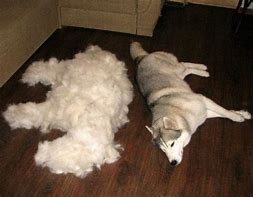
I’m sure you’ve all seen the pictures of a Husky who has been shed out and there is a whole other husky sitting next to you!  I used to have that –I actually still do have it with my husky and I used to have that with my horse too.   I figured all those magical fibers of love will help a whole lot of birds when nest building in the spring!  Since your pet is probably shedding right now because spring is coming, I gather the hair and throw it outside for the birds.   So that’s helping the birds is one positive aspect of shedding.  Some talented people can actually make things out of the collected loose hair but I have no talent in that area.


Safety precautions – tips to protect you and your horse

Safety Precautions – tips to protect you and your horse

By Tom Scheve and comments by Diane Weinmann

From the barn to the trail, and everywhere in between, preventing injury is a major consideration. These safety precautions can make all the difference.

Horses are big animals, and forgetting to take those extra safety precautions to protect yourself and your equine partner from injury could have serious consequences. An accident can happen fast, and afterwards is not the time to be thinking about how you could have prevented it. To help remind you what to keep in mind, clip this article of simple but invaluable safety precautions, and keep it in a prominent place for frequent reference.

Barn safety

  • Horses are curious and like to check out new things, so keep all chemicals, pesticides, fertilizers, paints and medications securely locked in a storage room or cabinet.
  • Ensure barn doors and aisles are unobstructed and there are no projections that could injure you or your equine partner.
  • Tack, brooms, forks, shovels, wheelbarrows and other equipment and tools should be stored in their own space away from your horses. Tack rooms should be large enough to safely and conveniently store all your gear, without clutter.
  • Keep flooring surfaces clean, level, and free of ropes, halters and other equipment, and make sure the surface provides adequate traction to prevent slippage and falls. Consider slip resistant flooring if necessary.
  • Stalls for washing and grooming should be well lit and have cross-ties with safety release snaps to secure the horse. They should also be equipped with adequate drainage and ventilation. Keep these areas clean and neat.
  • Double check that all water sources inside the barn are properly grounded. Electrical outlets in wash stalls or other areas where water is used should be equipped with ground fault circuit interrupters.
  • It should go without saying that working fire extinguishers and a sprinkler system are musts in the barn.
  • Both the interior and exterior of the barn should be amply illuminated with UL or CSA approved lighting. All wiring and switches needs to be encased in weather proof metal boxes and metal conduit, while light fixtures should be protected with heavy duty screening wire.
  • Consider motion detector lights outside the barn to warn of potential intruders, or even a closed circuit video monitoring/security system.
  • Store hay away from sources of heat and electricity. In fact, it’s wise to keep all combustible material in a separate storage building away from horses, and keep a fire extinguisher there.
  • If your barn has a hayloft, ensure the ladder or stairs have handrails that are firmly secured and in good condition. Rails should also be installed around the loft area. All stall doors and latches should open easily.
  • Get rodent and weatherproof containers to store feed, grain, and treats in. Take further steps to rodent proof the barn by trimming trees, weeds and grass near the barn.
  • Are there any areas where moisture collects and puddles? Consider installing rain gutters and downspouts if you haven’t already.
  • Disposing of garbage promptly helps prevent rodents and reduces the risk of fire. Have several garbage cans or bins both inside and outside the barn.
  • Use safety glass or Plexiglas covered with metal screening or steel bars in stall windows.
  • Do regular safety checks of your barn, stalls and other outbuildings. Look for things like loose or protruding nails, splintered boards, curled stall mats, broken latches, etc.
  • Carry a cell phone on you at all times when you are at the barn, and have emergency numbers programmed into it.
  • Keep a close eye on any children or dogs around the horses.
  • Inside or outside the barn, stay aware when handling your horse. Lead him from the side, not in front. Do not walk directly behind him or under his neck. Make sure you let the horse know where you are at all times so you do not surprise him, and pay attention to how he is reacting to things.

Additional safety tips for riding

  • Make sure you’re riding a horse that’s suited to your skill and experience, and that you always can maintain control of.
  • Ride with a friend whenever possible. If you’re riding alone, let someone at home know your trail route, and give them your cell phone number and the time you expect to be back.
  • Carry your cell phone on your person. Do not pack it on your horse, as it will be useless to you if you fall off and your horse runs away, or you can’t get up.
  • Bring along emergency reins and a GPS.
  • If you’re riding with a group of people at different skill levels, stick to the speed of the least experienced rider and maintain a safe distance between horses.
  • Make sure your gear is in good shape.
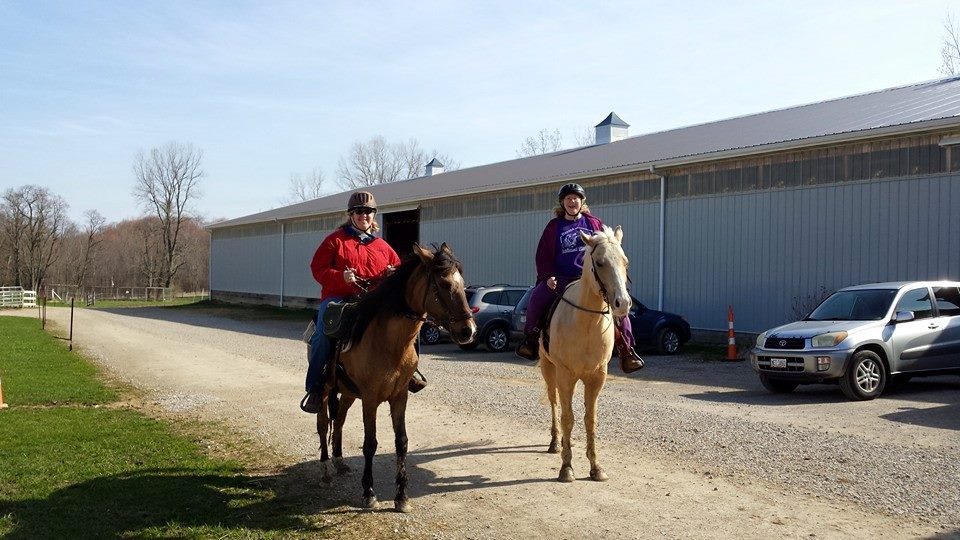
  • Wear your safety gear, including your helmet and proper riding boots (a 1″ heel is recommended). Additional gear could include reflective wear for riding on the trails/roads and/or a safety vest.
  • Check out the weather forecast, and avoid riding if storms are imminent.
  • Bring water – for you and your horse.
  • Take along a basic first aid kit in your saddlebag.
  • Stick to marked trails; you don’t know what obstacles or hazards you might encounter in unknown areas.

Please be aware that all the planning, safety gear and training you have will not prepare you for someone to spook your horse intentionally thereby unseating you and cause an accident.  This happened to me and I was prepared with all the steps mentioned above.  Animals react to stimulus that you can’t expect.  It’s very unfortunate that some people don’t use the good sense God gave them and choose to risk lives with stupid acts.

Trailer safety

  • Make sure your trailer has brakes and that they meet state or provincial regulations. Electric brakes are the most common and more widely accepted than the hydraulic variety. In the U.S., two wheel brakes are required on trailers over 3,000 pounds in 31 states, while 11 states require brakes on both axles.
  • A breakaway brake is almost always required. Located on the coupler of the trailer, it activates the trailer brakes if the trailer separates from your vehicle. It must have a fully charged battery that will engage the brakes for 15 minutes.
  • All U.S. states either require or recommend safety chains on your trailer, whether it’s a tagalong or gooseneck type.
  • If you’re transporting one horse in a two-horse trailer, put him on the left side. This might seem less safe, but because most roads are higher in the middle, having the weight on the driver’s side will help keep your trailer more stable. It follows that if you’re traveling with two horses, you should put the heaviest one on the left.
  • Before heading out, check everything over carefully. Inspect the trailer hitch, ensure ramps are up and and that doors are securely closed. Check that your horses are tied.
  • If you’re traveling a long distance, stop every five hours or so, depending on the weather, and give your horse a break.
  • Make sure your horse has water in the trailer, and check the levels every time you stop.
  • Your horse should be tied so that he can comfortably lower his head.
  • Do your homework when putting together your rig. First, consider your horses, then fit the trailer to the horses, and finally fit the tow vehicle to the loaded trailer. Always buy a trailer that fits your current horses while also considering the size of your future horses. Consider the climate in which you live. Dark colors, single wall trailers and aluminum all hold heat. Insulated walls and roofs can help control the interior temperatures in colder climates.
  • When buying a new trailer, make sure it’s large enough to comfortably accommodate your equine partner. Horses don’t like being in enclosed spaces, so it’s important that the trailer has adequate space, light and ventilation. Your horse should have enough room to move his legs back and forth to keep his balance while the trailer is moving. Horses that stand more than 15.3h need 7’ of stall length and 3’ of headroom.
  • Consider a trailer that combines a variety of today’s technologically advanced materials, rather than one that’s all steel or all aluminum. A composite built trailer uses steel for the frame and chassis and aluminum or fiberglass for the parts that don’t get as stressed. This helps reduce the overall weight of the trailer without compromising on the strength and safety.


Safety when Traveling with your Pet

Excerpts from Dr. Karen Becker and comments by Diane Weinmann

The safety of our pets is paramount in our minds and hearts.  Plus, we love to be with our pet and have them experience all the wonderful things the world has to show us together.  Many people take their pets in their car for short rides to break up their routine and for enrichment purposes.

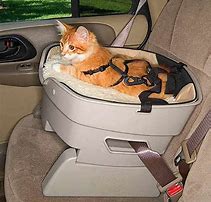
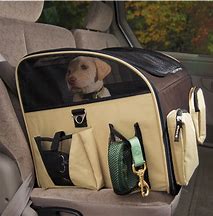
In addition to being mindful of the weather and heat index when leaving and traveling with pets in a car, you must also be careful to ensure they are safely harnessed in the car—after all you’re wearing a seatbelt right??? It’s the law—right?  Well, did you know that it is the law in some state for animals as well?

As of this writing, eight states (Connecticut, Hawaii, Maine, Massachusetts, Minnesota, New Hampshire, New Jersey and Rhode Island) have enacted laws requiring animals to be restrained while traveling in a vehicle.


10 Important Tips for Safe Road Trips With Your Pet

  1. Make sure your dog or cat is wearing a collar with a current ID tag. If your pet is microchipped, make sure the information is current in the microchip company’s database.
  2. Put together a travel kit for your pet. Include appropriate paperwork, food, fresh bottled water, bowls, treats, a harness and leash, and any supplements or medications your pet is taking.
  3. A first aid kit for emergencies is also a good idea. You can include a comb or brush, some toys and bedding. It’s also an excellent idea to include some recent pictures of your pet from various angles that would show any unique markings or any unique characteristics about her in the event (heaven forbid) she gets separated from you while traveling.
  4. If you plan to feed fresh or raw homemade food during the trip, obviously you need to pack an ice chest or some way to keep the food frozen. If you opt to switch to canned food for your journey, it’s important you make the dietary transition a week or so before you plan to leave, so you don’t encounter any unexpected bouts of diarrhea during your trip.
  5. Have clean up supplies on hand. Sometimes, there are potty accidents or vomit episodes that need cleaning up.
  6. Most cats won’t use a litterbox in a moving vehicle. If you make stops along the way, you can try to entice him to use the box at rest areas. It’s important to have a litterbox available when you make stops, but it also means that you’ll need a litter scoop and some plastic bags for used litter if your cat does decide to take advantage of the litterbox.
  7. Never open your cat’s carrier while there are any car doors or windows, even a sunroof, open. It’s a precaution you should follow religiously at all times when traveling with your cat.
  8. If you’re traveling with a dog, make sure his leash is attached to his harness or collar before allowing him off his travel harness or out of his travel crate.
  9. Don’t try to feed your pet while the car is moving. It’s best to offer a light meal a few hours before departure. If you’re traveling some distance and will be staying at a hotel in the evening, feed a second meal once your dog or cat has settled down in your room for the night. In the morning, feed some breakfast a couple hours before you get back on the road.
  10. Never leave your pet unattended in your car for any reason.

Essential Oils and carrier oils- great for people and pets!

By: Cynthia Lankenau, DVM, CVA, CVCHM, RH (AHG) and comments by Diane Weinmann

While essential oils have long been popular for healing in people and animals, more than merely treating animal’s ailments, essential oils are excellent for treating the home environment – people, living space and animals.

USE AND APPLICATIONS

There are three ways to use essential oils:

  1. Topical application for bodywork and cranial-sacral work.


  1. Topical application on acupuncture points for point stimulation, or on discrete areas of the body. Topical application depends on the humors you want to affect –lymphatics, blood or nerves – and the regions you want to influence. Massaging the ears with oils can have an effect on the nervous system. Massaging the paws will have an effect on the circulation of blood.


  1. Medical grade essential oils can be given orally in a one- or two-drop dose. (Remember that cats are sensitive to the eugenols of the phenol group.)

Many oils that we want to use topically are what are considered “hot” oils that could cause burns to the skin; therefore, you need a “carrier” oil.  Examples of hot oils are camphor, wintergreen, and oregano, thyme, cinnamon bark, and lemongrass.

Examples of carrier oils that can be used are:

Hazelnut oil can penetrate the epidermis and find its way into the dermis; it’s astringent and good for oily skin in any animal, including humans.

Macadamia oil is an appropriate carrier for dry or aged skin.

Almond oil is energetically absorbed through the skin very quickly; it’s high in antioxidants, vitamins E and B, and is very protective and nourishing for the skin.

Olive oil is green and very heavy; it has a descending effect on the body, so it’s very good for hyperacidity in any animal. It’s also good for heart conditions and promotes drainage of stagnation in the blood. It nourishes the blood and can be used in cases of anemia.

Sunflower oil opens the Heart and the Zhong Qi, is very good for respiratory conditions and cardiovascular conditions, resonates with CV 17 and stimulates Wei energy, and is very high in antioxidants, especially vitamin E.

Safflower oil is similar to sunflower but resonates more with the chest for cardiovascular issues; it promotes blood circulation and is good for blood stagnation.

Coconut and palm oils are very high in amino acids. They resonate with our Jing (essence).They help with constitution and neurologic issues, and whenever there is a problem with the curious vessels, bowels, brain, spine, genitals, bones and marrow (they would be good for arthritic conditions).