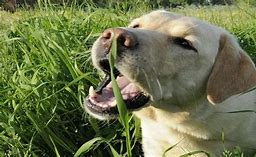
14 Common Health Warning Signs in Dogs

By Dr. Karen Becker


When our dogs don’t feel well, or we suspect they don’t, it would be such a relief if they could just tell us, wouldn’t it? It’s incredibly stressful to have a dog who, for example, is clearly miserable judging by her hunched posture, tucked tail and sad eyes, and there’s no way to gauge what’s going on, how long it might last or how serious it is.

Even if you’re very disciplined about taking your dog for regular veterinary checkups, it’s still very important to be alert for changes in her health or behavior between visits. After all, you know your furry best friend better than anyone, and you’re her first line of defense when there’s a problem brewing beneath the surface.

The Morris Animal Foundation lists common signs to watch for in dogs that should always prompt a call to your veterinarian.1

1. Skin lumps or bumps — Most of the time, lumps and bumps on a dog’s skin are harmless, though they can be unsettling and ugly. However, it’s important to have new growths evaluated by your veterinarian. It’s rare that a growth requires emergency action, however, occasionally a mass like an abscess or cyst may require urgent care.

My recommendation when you find a growth is to monitor it. If it’s growing or changing quickly, you’ll want to see your veterinarian as soon as possible. However, if you notice, for example, a discoloration on the skin or what looks like a skin tag that doesn’t get bigger or change over the course of days, weeks or months, then just mention it to your vet at your pet’s next wellness exam.

2. Sudden collapse — this is an emergency! — When a dog collapses, it means he experiences a sudden loss of strength that causes him to fall and not be able to get back up. If a collapsed dog also loses consciousness, he has fainted. Either of these situations is an emergency, even if your dog recovers quickly and seems normal again within seconds or minutes of the collapse.

All the reasons for fainting or collapsing are serious and require an immediate visit to your veterinarian. They include a potential problem with the nervous system (brain, spinal cord or nerves), the musculoskeletal system (bones, joints, muscles), the circulatory system (heart, blood vessels, blood) or the respiratory system (mouth, nose, throat, lungs).

3. Dramatic weight gain or loss — If your dog seems to be gaining a lot of weight, it’s most likely a result of what she’s eating (e.g., a dry diet), how much she’s eating and a lack of physical activity (most dogs — no matter their size or age — don’t get nearly the exercise they need).

However, it’s also possible that a tumor in her abdomen can make your dog appear to be gaining weight or getting fat, so it’s best to give your veterinarian a call if your dog is getting bigger and you don’t know why.

On the flip side, often a loss of appetite is the first sign of an underlying illness in dogs. There can be many reasons your dog isn’t hungry or refuses to eat, but not eating can begin to negatively impact his health within 24 hours. And for puppies 6 months or younger, the issue is even more serious.

Weight loss is the result of a negative caloric balance, and it can be the consequence of anorexia (loss of appetite) or when a dog’s body uses or eliminates essential dietary nutrients faster than they are replenished. Weight loss exceeding 10 percent of your dog’s normal body weight will be a red flag for your veterinarian. There can be several underlying causes, some of which are very serious.

4. Changes in chewing, eating and drinking habits — If your dog is having difficulty chewing, there’s something painful going on in his mouth that needs investigating. Possibilities include dental or gum disease, a broken tooth or tooth resorption.

Changes in your dog’s appetite or eating habits can signal any number of underlying problems, from oral disease to a gastrointestinal (GI) disorder to cancer. If your dog is suddenly drinking his water bowl dry, it’s also cause for concern. Excessive thirst (along with excessive urination) are symptoms of several disorders, including urinary tract problems and kidney disease.

5. Non-healing sores or wounds — If your dog has a sore or wound that isn’t healing, the most immediate concerns are pain and the potential for infection. There are many nontoxic therapies that can successfully treat these wounds, including manuka honey, negative pressure wound therapy (NPWT), shockwave therapy and laser therapy.

Since sores that won’t heal can also be a sign of a more serious underlying disease such as cancer, I recommend making an appointment with your veterinarian for diagnosis and treatment.

6. Loss of energy — A lethargic dog will appear drowsy, “lazy” and/or indifferent. She may be slow to respond to sights, sounds and other stimuli in her environment. Lethargy or exhaustion is a non-specific symptom that can signal a number of potential underlying disorders, including some that are serious or life-threatening. If your pet is lethargic for longer than 24 hours, it’s time to make an appointment with your veterinarian.

7. Bleeding or discharge from any orifice — “Orifices,” or openings into and out of your dog’s body, include the eyes, ears, nose, mouth, anus and urethra. If you notice bleeding or unusual discharge from any of these openings, make an appointment with your veterinarian. Be aware that digested blood in your dog’s poop will appear as black tarry stools. Fresh blood in the stool indicates bleeding in the colon or rectum. Either situation is cause for concern and should be investigated as soon as possible.

Blood in your dog’s urine, called hematuria, can be obvious or microscopic. There are a number of serious disorders that can cause bloody urine, including a blockage in the urinary tract, a bacterial infection and even cancer. Vomited blood can be either bright red (fresh) or resemble coffee grounds (indicating partially digested blood). There are a variety of reasons your dog might vomit blood, some of which are relatively minor, but others are serious and even life-threatening.

8. Persistent cough — Coughing in dogs, unless it’s a one-and-done situation, generally indicates an underlying problem. Examples include a possible windpipe obstruction, kennel cough, bronchitis, pneumonia, heartworm disease, heart failure, and tumors of the heart and lungs. All causes of coughing require investigation, and in most cases, treatment.

9. Change in breath or body odor — A common cause of stinky breath in dogs is dental or gum disease, which is entirely preventable in the vast majority of cases. If your pet’s mouth has reached the point of emitting a foul odor, it’s past time to make an appointment with your veterinarian for an oral exam.

Poor skin and coat condition can cause unpleasant body odor in dogs, as can a yeast infection. If your pet’s normal “doggy smell” suddenly turns sour, give your veterinarian a call.

10. Persistent lameness, stiffness or limping — Mobility problems in dogs are always a sign of an underlying, often painful condition such as arthritis. There are many things you and your veterinarian can do to either resolve or effectively manage the disorders that inhibit your dog’s ability to move around comfortably, so it’s important to have him seen by your vet as soon as possible.

11. Difficulty breathing, urinating or defecating — A dog in respiratory distress will have labored breathing or shortness of breath that can occur when he breathes in or out. Breathing difficulties can mean that not enough oxygen is reaching his tissues. Additionally, dogs with heart failure may not be able to pump enough blood to their muscles and other tissues.

Respiratory distress often goes hand-in-hand with a buildup of fluid in the lungs or chest cavity that leads to shortness of breath and coughing. If your dog has sudden undiagnosed breathing problems or appears to be breathing harder, heavier or faster than before, he should see a veterinarian immediately.

Difficulty urinating includes discomfort while urinating, straining to urinate and frequent attempts to urinate with little success. If your dog cries out while relieving himself, seems preoccupied with that area of his body or is excessively licking the area, you should make an appointment with your veterinarian right away. There are several underlying causes of urinary difficulties, some of which can result in death within just a few days.

Your dog should poop at least once every day because it’s an important part of his body’s natural detoxification process. He’s constipated when he either has difficulty pooping (and the stool he produces is dry and hard), or he isn’t pooping at all. This is why it’s so important to keep an eye on those daily “deposits.” The quantity, color, texture and smell, along with the presence of mucus or blood in your pet’s feces (and urine), are all indicators of his general well-being.

Often, what passes from (or in the case of constipation, doesn’t pass from) your pet’s body is the first sign of a health problem, so you should regularly monitor your dog’s potty area and familiarize yourself with what “normal” looks like for your pet.

On potty walks, constipated dogs tend to look like they’re trying to go or need to go, but nothing’s happening. If after a few minutes of hunching and straining your dog doesn’t go or produces poop that is small, hard and dry, you can reasonably assume he’s constipated.

Sometimes constipated dogs appear bloated and painful, especially when trying unsuccessfully to poop. The stool a constipated dog does manage to pass is often darker than normal and may contain mucus, blood or strange debris. If your dog seems constipated, make an appointment with your veterinarian so she or he can check for underlying conditions.

12. Vomiting or diarrhea — Unless your dog vomits or has a bout of diarrhea as the result of eating something she shouldn’t have, which you have identified, it’s cause for concern. Chronic vomiting or diarrhea are red flag signs of an underlying problem that requires your veterinarian’s attention.

13. Eating more than normal — If your dog suddenly becomes food-obsessed (or more food-obsessed than usual), a relatively unlikely but potentially serious possibility is the presence of an underlying medical condition that causes excessive hunger, no matter how much he eats.

I recommend making an appointment with your veterinarian if your dog seems to be extra hungry even though he’s eating well, and especially if he’s also losing weight.

14. Excessive drinking, panting, scratching or urination — A brewing bladder infection, other types of infection, a metabolic problem such as Cushing’s disease and diabetes can cause excessive thirst and water consumption. Some forms of cancer cause pets to drink more. If your dog is drinking more water than normal, you should have her checked by your veterinarian to rule out an underlying condition.

Normal panting typically occurs when your dog’s body is overheating and is considered a natural, healthy response. Abnormal panting, on the other hand, may be a sign that your dog has a physical or emotional issue that needs further investigation.

Abnormal panting is excessive compared to your dog’s normal panting behavior and occurs during times when she isn’t overly warm and doesn’t need to cool her body down. It doesn’t sound quite like normal panting — it may be louder or harsher, for example, and requires more exertion.

If your dog suddenly starts panting at inappropriate times or the panting seems heavier than usual, you should be concerned, but there’s no need to panic. Make an appointment with your veterinarian to discuss your pet’s symptoms and have her checked out.

If your dog is scratching a lot, there can be any number of causes, all of which deserve investigation. A chronically itchy dog feels miserable, and in addition, underlying causes of itching almost always get worse over time when they aren’t diagnosed and effectively treated.

Excessive urination in dogs typically goes hand-in-hand with excessive thirst as discussed above. Both situations are clear signs of an underlying disorder that requires a vet visit.



Training Kitty to Come When Called


Training Kitty to Come When Called

by Karen Becker and comments by Diane Weinmann


Can you imagine your cat coming when called just like your dog?  Well, it can be done and he/she might already be trained to respond you just don’t realize it.

So why would you need to have your cat respond to you when called?  Life and death situations come to mind in the event of a natural disaster or fire.  It’s also important not to use this training to call your cat for anything he might (or will surely) find unpleasant, like giving him medication or taking him for a veterinary appointment. In those situations, says Christensen, it’s better to go find him so that he doesn’t make any associations between being called and a negative result.

You may not realize it, but your cat probably already comes when he’s “called” by any sound that tells him it could be mealtime, such as the whir of the electric can opener. If there’s no sound involved, he’ll be called by the aroma of his meal being prepared. Since he’s already answering these calls, you can easily build on this foundation, says veterinary behaviorist E’Lise Christensen in an interview with Adventure Cats.1 The trick is to pair calling your cat with something he’s already responding to.

First you need to decide precisely how you’ll call him from now on when you want him to come to you. For example, you can call him by his name using a different vocal inflection, or by his name followed by “come” (“Fluffy, come”) or preceded by “here” (“Here, Fluffy Fluffy”). The key is to consistently use the same words and tone of voice each time you call him to you.  According to an animal communicator, it helps the “call” if you visualize the cat coming to you in your head as you call their name.

You can also use high-value treats to train kitty to come when called. Standing next to him, call him to come and then immediately give him a treat. When it’s obvious he’s made the connection between your call and yummy treats, you can start increasing the distance.

Move a few feet away from him, call him, and when he comes to you, give him a treat. Once he’s doing this consistently, gradually increase the distance between you. If things go according to plan, he’ll be reliably responding to your call from all over the house. Keys to successful training sessions:

  • Plan to do several sessions each day to help your cat maintain his training; keep each one short — no more than five minutes
  • Never, ever punish your cat for not coming when you call — it’s ineffective and can cause him to become stressed or fearful
  • Always reward him, no matter how long it takes him to respond to you; remember that you’re asking him to do something entirely unnatural for a cat

Grow Fresh Air With Plants That Are Safe for Cats and Dogs

By Carly Sutherland

Plants that are safe for cats and dogs are great for decorating, but they can provide the benefit of fresh air for pets and pet parents alike.


Dr. Cathy Alinovi, DVM, author and pet health expert, explains it like this, “These days, many houses are built for energy efficiency. This can mean fewer fresh air opportunities for people or their pets. For those who can open their windows wide, city living/pollution might make it such that the better air is on the inside.”


She goes on to say, “Stale air can adversely affect health. Stale air has higher levels of carbon dioxide, possibly carbon monoxide and other waste gases. Higher wastes mean less oxygen availability.”


Houseplants cleanse the air we breath from toxins found in many household products—formaldehyde, benzene and carbon monoxide, just to name a few. These toxins are found in household cleaners, paint, solvents, vinyl, cigarettes—the list goes on. Plants play a vital role in improving indoor air quality and helping to remove trace levels of toxic vapors from the air.


Indoor, Pet-Friendly Plants Release Oxygen


One standout benefit is more oxygen. You may be wondering why more oxygen in the home is ideal. When we breathe, we inhale oxygen, and when we exhale, we are releasing carbon dioxide.


During photosynthesis, plants essentially do just the opposite. Plants absorb carbon dioxide and release oxygen, which creates a healthy and symbiotic relationship between plants and animals (both human and nonhuman). Plants undoubtedly increase oxygen levels, and our bodies—as well as our pets’ bodies—certainly appreciate it!


Dr. Alinovi goes on to explain, “Oxygen is critical for good brain and muscle function. Therefore, stagnant air can lead to tiredness and brain dizziness, and can even affect heart function. The good news is, safe indoor plants help clean the air and increase oxygen concentration while decreasing waste products.”


As Dr. Alinovi explains, plants make great natural air purifiers!


Houseplants Can Raise the Humidity Level


According to a study conducted by Virginia Lohr of the Department of Horticulture and Landscape Architecture at Washington State University, increased oxygen in the home isn’t the only benefit plants provide for both pets and owners. They also raise the air’s humidity by releasing water in the form of moisture vapor. This means softer skin, less dandruff on your furry family members, and clean and healthy airways for both you and your pets.


In a natural environment, a plant’s roots tap the groundwater table, and through a process known as transpiration, the water evaporates through its leaves. Evidently, the same thing happens in our home—of course with a different water supply.


Choose Plants That Are Safe for Cats and Dogs

Dr. David Dorman, DVM and professor of Toxicology at North Carolina State University of Veterinary Medicine, explains the importance of researching safe plants for dogs and safe plants for cats.


“Exposure of dogs and cats to household plants occurs commonly, especially with younger animals that tend to be very inquisitive. Some plants are extremely toxic to our pets. For example, cats ingesting small amounts of Easter lily leaves can develop life-threatening kidney failure. This is just one of many examples,” he says.


Dr. Dorman goes on to explain, “It’s important to remember that your pet cannot distinguish between safe-to-eat plants and those that are dangerous. The key to preventing poisonings in your pets is to prevent exposure.” Thus, don’t bring poisonous plants into the home with cats and dogs, period.


“Some plants can cause vomiting without actually being poisonous. Poinsettia and spider plants are an example [of this]. On the other hand, many lily species are poisonous, can cause kidney failure and should not be used in the home with pets,” says Dr. Alinovi. She suggests trying succulents and herbs in the home.


If you’re concerned that you pet has ingested a poisonous plant, or they’re showing symptoms of poisoning, contact your veterinarian immediately. The ASPCA and Pet Poison Helpline have valuable information regarding safe, non-poisonous plants for use around pets.


Here a few examples of plants that are safe for cats and dogs:


Ferns:

  • Boston Fern

Herbs:

  • Basil
  • Cilantro
  • Dill
  • Lemon Balm
  • Rosemary
  • Sage

Perennials:

  • African Violet
  • Aluminum Plant (aka Watermelon plant)
  • Bamboo
  • Friendship Plant
  • Spider Ivy (aka Spider Plant)
  • Swedish Ivy

Succulents:

  • Blue Echeveria (aka Wax Rosette, Painted Lady)
  • Christmas Cactus
  • Haworthia
  • Hens and Chickens

Palms:

  • Areca Palm
  • Dwarf Palm (aka Good Luck Palm)


Consider Edible Grasses

The benefits of pet-friendly plants in the home will only work if they aren’t eaten or chewed-on, Dr. Alinovi explains. “The downside of trying to grow cat mint or edible grasses is they both taste great, and the challenge will be to keep pets from eating the plants. (If the plants are eaten, they will have difficulty cleaning the air.),” she says.


Having cat-safe houseplants and plants that are safe for dogs doesn’t necessarily mean they won’t be nibbled on from time to time. This is where adding pet grass, such as The Cat Ladies organic pet grass kit with planter, comes in handy!


Dr. Dorman explains why some cats enjoy nibbling on indoor plants. “Some cats enjoy chewing on these types of grass materials. Other cats may occasionally develop vomiting even from this ingestion. Most high-quality cat food based diets are complete, meaning they provide all of the nutrients your cat needs—so supplementing their diet with plant materials is not required,” he says.


If your dog or cat enjoys a pet grass to munch on and doesn’t get stomach upset, then pet grass kits, like Pet Greens self-grow garden pet grass, might be the solution to keeping a happy pet.


Do your research on plants that are safe for cats and dogs, and add functional décor to you and your pets’ most treasured spaces for a healthier and happier home!


How to Keep Your Dog Safe and Comfortable When Moving to a New Home

Written by:  Cindy Aldridge


Photo Credit: Pixabay

Moving can be stressful for people, but it can be even more so for dogs. The activities and sounds leading up to and on moving day can be frightening to dogs, so it is important to take the necessary steps to reduce his stress as much as possible and to prevent an accidental escape. When moving with a dog, there are steps you can take prior to the move and on moving day to keep your dog comfortable and safe.


Preparing for the Move


The stress of moving day increases the chances of your dog escaping, and your dog’s risk of running away increases when you first move into a new home. Before moving day, ensure your dog’s collar fits well, and ensure his tags are up to date with your name and current phone number. Have a tag with your new address handy too so that you can switch tags with the proper identification from day one. If you haven’t done it already, now is a good time to microchip your dog, which should cost you around $45.


Many dogs experience car sickness. Your dog’s veterinarian can prescribe medications and offer feeding recommendations to help lessen the likelihood of car sickness. Also, if you’re moving to a new state, ask about region-specific vaccines that your dog may need. Before you move, find a veterinarian in your new location


If you’re one of the millions of Americans making a long-distance move this year, locate pet-friendly hotels along your route and book rooms ahead of time. Also, when you make pit stops for yourself, be sure to give your dog a potty break and fresh water. Leash your pet before exiting the car and keep him or her leashed for the break.


While you’re probably feeling stressed from packing and preparing for the move, try to keep calm. Dogs can pick up on your emotions, so the more anxiety you show, the more stress your dog will feel. Maintaining your dog’s normal routine as much as possible will also help reduce his or her stress. These suggestions also apply to moving day.


On Moving Day


When moving day arrives, make sure your dog is secured in a crate or closed room until you’re ready to load him or her into your car. You can also ask a friend or family member to pet sit, hire a pet sitter, or board your dog for the day. One of the best options is to take your dog on a fun outing for the day. Hiring movers means you don’t have to worry about loading and moving all of your items. Instead, you can take your dog to the dog park or a nearby dog-friendly restaurant to hang out.


If you hire a professional moving company, inform them ahead of time you have a dog, as they may have policies regarding dogs. Many professional movers offer services that pack up your items for you as well, so they may be interacting with your dog. If so, they’ll need to know about your dog’s temperament. Sometimes, it’s best to keep your dog in a separate room or take him or her out while they work.


When the time comes to transport your pet, you’ll want to make sure he or she is restrained, even if your dog loves car rides and is normally obedient. Remember that moving day is stressful, so the anxiety can change his or her behavior. Also, never transport a pet in an open truck bed, car trunk, or storage area of a moving van.


Your dog will feel less anxious at the new home if you arrange his or her sleeping, playing, and feeding areas in a similar manner to the previous setup. Have plenty of treats and toys on hand to keep your dog distracted while you move in. Make sure the home has a wood fence to prevent your dog from escaping; average prices for a fence service in Cleveland are $2,103-$4,180.


The activities and sounds of packing and moving your home may cause your dog to experience anxiety. Your dog is also at great risk for accidentally escaping during the moving process. Fortunately, you can help reduce your dog’s stress and keep him or her safe and comfortable with a little preparation and thought.


Arthritic Pets

Arthritis in Pets

By Dr. Karen Becker and comments by Diane Weinmann

Like humans, pets can and do develop osteoarthritis (OA), also known as degenerative joint disease (DJD). About 20 percent of dogs and cats of all ages suffer some degree of OA, including 1 in 4 dogs in the U.S.1,2 The risk increases with age, just as it does in humans. In fact, one study showed that more than 90 percent of kitties over the age of 10 have arthritis in at least one joint.3

Inflammation Is a Primary Source of Pain in Arthritic Pets

OA is a chronic inflammatory joint disease that causes pain, soreness, stiffness, swelling and lameness in pets. One of the most important ways we help dogs and cats with arthritis is managing their pain. As veterinary pain specialist Dr. Robin Downing explains it:

 “… [U]nmanaged (or undermanaged) pain leads us down a dark rabbit hole in which pain moves from a minor nuisance, to decreased quality of life, to unbearable suffering, and it can ultimately result in physical pathology that leads to death. In other words, it’s not an exaggeration to state that pain kills.”4

Inflammation is one of the pain-causing factors in arthritic pets, so decreasing it is of paramount importance in keeping your dog or cat comfortable and mobile. In addition, inflammation increases the risk for many other serious diseases, including insulin resistance and Type 2 diabetes, high blood pressure, heart and respiratory disease, cranial cruciate ligament (CCL) disease, kidney disease and decreased life expectancy.

Another disease associated with inflammation is cancer. Inflammation kills the cells of the body. It also surrounds cells with toxic inflammatory byproducts that inhibit the flow of oxygen, nutrients and waste products between cells and blood. This creates an environment in which abnormal cells proliferate.

Excess Fat Is a Primary Source of Inflammation

Unfortunately, most pets with arthritis are already, or become overweight, in part because they can no longer move around comfortably.

“The white fat that accumulates in overweight and obese patients secretes inflammatory and proinflammatory hormones that can enhance and amplify the chronic pain experience,” writes Downing. “For this reason, normalizing body composition — decreasing both the pet’s weight and the size of its fat compartment — is a critical component of any multimodal pain management strategy.”5

Downing makes the point that simply cutting back on the amount of food your pet eats isn’t enough, because while body mass will decrease, the fat compartment will remain (in proportion to the smaller body size). “In other words, a large marshmallow will simply become a smaller marshmallow,” she explains, which is why it’s necessary to feed a diet that allows the body to burn fat selectively for energy.

Veterinarian Dr. Ernie Ward, founder of the Association for Pet Obesity Prevention (APOP), calls excess fat an “adipokine storm” inside your dog’s or cat’s body:

“Adipokines are signal proteins produced by fat tissue,” says Ward. “Leptin, adiponectin and interleukin-6 (IL-6) are examples. We know adipokines cause or contribute to hundreds of harmful inflammatory processes throughout the body. Think of every fat cell as a little factory pumping out hundreds of potentially toxic compounds. Multiply that by millions or billions in an obese pet. The real danger of excess fat isn’t the fat; it’s the inflammation the fat causes.”6

Ward firmly believes inflammation is the biggest threat pets face today. Scientific evidence of the damage excessive inflammation causes to the body continues to mount.

I agree, and I think toxic fat combined with a toxic environment (lawn chemicals, flame retardants/PBDEs, vaccines, and flea and tick pesticides, to name just a few) plus malnutrition, courtesy of the processed pet food industry, is a 100 percent guarantee pets will suffer from at least one degenerative condition such as arthritis in their lifetime.


Processed Pet Food Is a Primary Source of Obesity in Dogs and Cats

Most integrative veterinarians, including me, believe processed diets are by far the biggest contributor to pet obesity. Most processed pet food isn’t biologically appropriate and contains exactly the types of ingredients that promote weight gain and inflammation in the body.

It’s also true that today’s dogs and cats are overfed and under-exercised, however, the first thing I scrutinize with any overweight patient is the type of food he’s eating. I look for things like the omega-6 to omega-3 ratio in the diet. Food high in omega-6 essential fatty acids and low in omega-3s (which is the case with most processed pet diets) is associated with inflammatory conditions.

Commercial pet food is also typically high in pro-inflammatory carbohydrates, including processed, high glycemic grains and starchy vegetables like potatoes or legumes, which contain lectins. If a pet is fed any dry food it’s a red flag, because all kibble contains some form of starch — it can’t be manufactured without it.

Arthritic Pets (and All Pets) Should Eat an Anti-Inflammatory Diet

All dogs and cats, especially those with inflammatory conditions such as arthritis, should be fed a moisture-rich, nutritionally balanced, species-appropriate diet that is naturally anti-inflammatory, consisting of real, whole foods, preferably raw, organic and non-GMO. It should include:

High-quality protein, including muscle meat, organs and bone (protein coming from animal sources should make up more than 80 percent of a cat’s diet)
Low to moderate levels of animal fat (depending on your pet’s activity level)
High levels of EPA and DHA (omega-3 essential fatty acids)
A few fresh cut, fibrous vegetables, pureed
No grains or starches
A whole food vitamin/mineral supplement that meets the additional E, zinc, iron, copper, manganese and vitamin D deficiencies often found in homemade diets OR enough of these hard-to-source foods in whole food forms, daily
Beneficial additions such as probiotics, digestive enzymes and super green foods

Along with a nutritionally balanced, species-appropriate diet, it’s important to practice portion control at every meal. For most pets, this means a carefully measured morning and evening meal. And don’t forget to factor in any calories from treats. You also need to know exactly how many calories your dog or cat should be eating per day. Use these calorie calculators to determine how many calories your pet should take in to lose weight or maintain his or her current weight.

Natural Supplements to Manage the Inflammation and Pain of Arthritis

Chondroprotective agents (CPAs) protect the joints and slow the rate of cartilage degeneration, and include glucosamine sulfate, collagen, MSM, eggshell membrane, perna mussel (green-lipped clam), Adequan and cetyl myristoleate.

Natural substances that can reduce or eliminate the need for painkillers in the early stages of arthritis include a high-quality omega-3 supplement (krill oil), ubiquinol, turmeric (or curcumin), supergreen foods (spirulina, astaxanthin), natural anti-inflammatory formulas (such as proteolytic enzymes and SOD), homeopathic remedies (Rhus tox, Bryonia and Arnica, for example), and Esterified Fatty Acid Complex (EFAC).

I have found CBD oil to be a very safe, long-term management strategy for chronic pain, and there are also Ayurvedic and Chinese herbs and nutraceuticals that can be very beneficial, depending on the animal’s specific symptoms.

Additional Beneficial Treatment Modalities for Arthritic Pets

Laser therapy Maintenance chiropractic
Assisi loop Underwater treadmill
Massage Acupuncture
Daily stretching


Dr. Becker recommends bringing your arthritic pet for a wellness checkup with your integrative veterinarian at least twice a year to review the status of her health, and to check the range of motion in her joints, the muscle mass she’s either gaining or losing, and to make adjustments to her protocol as necessary to ensure her quality of life is optimal.

Diane also recommends essential oils like Dr. Shelton’s New Mobility along with routine energy healing using healing touch for animals or reiki.  Diane has many clients that schedule weekly healing touch for animal distance sessions.   She has a cat client that she has been healing for years now and he is 21 years old!  Yeah energy healing!!!!


Identifying Behavioral Pain Indicators in Ridden Horses

by Erica Larson, News Editor

Your horse might buck if a bug bites, swish his tail if you give a whip-tap on his haunches, or show the whites of his eyes if he spots a very scary object. But one researcher recently reported that if these behaviors become regular occurrences, especially without provocation, your horse is probably trying to tell you he’s in pain.

In a series of studies over the past few years, Sue Dyson, MA, Vet MB, PhD, DEO, Dipl. ECVSMR, FRCVS, head of Clinical Orthopaedics at the Animal Health Trust Centre for Equine Studies, in Newmarket, U.K., and colleagues developed and validated an ethogram for ridden horses—a catalog of behaviors a horse might display under saddle and what they mean. She designed the ethogram to help identify low-grade lameness or pain in ridden horses.

In her most recent study Dyson compared horse behavior and pain scores before and after diagnostic analgesia (nerve blocks given during a lameness exam) to see if individuals with no specific training on the ethogram could use it to reliably recognize pain in horses working under saddle. She shared the results at the 2018 American Association of Equine Practitioners Convention, held Dec. 1-5 in San Francisco, California.

“Owners and trainers are often poor at recognizing lameness,” especially if it’s subtle, Dyson said. “Performance problems are often labeled as training-related, behavioral, or ‘just how he’s always gone.’

24 Pain-Associated Behaviors

Face

  • Ears rotated back behind vertical or flat
  • Eyelids closed or semiclosed
  • Sclera (whites of the eye) exposed
  • Intense stare
  • Opening mouth repeatedly
  • Tongue exposed and/or moving in and out of the mouth
  • Bit pulling through the mouth, to the left or right

Body

  • Repeated head position changes
  • Head tilt
  • Head in front of the vertical
  • Head behind the vertical
  • Head moving constantly from side to side and/or head tossing
  • Tail clamped or held to one side or large tail swishing movements
  •  

Gait

  • Rushed gait/irregular rhythm
  • Sluggish gait/irregular rhythm
  • Hind limbs not following in the front limbs’ tracks
  • Repeated wrong lead and/or change of lead in front or behind in canter
  • Spontaneous gait changes
  • Stumbling and/or repeated toe-dragging
  • Sudden change in direction of movement
  • Spooking
  • Reluctance to move freely/stopping spontaneously
  • Rearing
  • Bucking with or without kicking out backward

“Horses are trying to communicate with us,” she added. “We need to learn to listen.”

Dyson said the original ridden horse ethogram contained 117 behaviors. In the current study she and colleagues focused on 24 behaviors they identified as most closely associated with pain (see sidebar). She said the presence of eight or more of these markers likely reflects musculoskeletal pain.

In the study Dyson had one assessor trained in how to apply the ethogram and 10 untrained assessors (two veterinarian interns, one junior clinician, five vet techs, and two veterinary nurses) assessors each watch videos of 21 horses ridden in working trot and canter in both directions by professional riders, before and after diagnostic analgesia (42 videos total). The videos were presented in a random order, she said.

“The ethogram was applied in a binary fashion for each behavior: yes or no for the presence of the behavior,” she added.

The study horses had various diagnoses of unilateral or bilateral lameness in the front and/or hind limbs, kissing spines, or sacroiliac pain. Before veterinarians administered the diagnostic analgesia, the trained assessor identified three to 12 (with an average of 10) behavioral indicators of pain in ridden horses, Dyson said. After analgesia, the trained assessor pinpointed zero to six (an average of three) behavioral indicators of pain—a significant decrease in behavior scores, she said.

“The untrained assessors also had significant reductions in behavior scores for all the horses after resolution of pain,” she said.

Additionally, “the reduction in behavior scores verifies a likely causal relationship between pain and behavior,” she said.

Dyson and her colleagues also analyzed agreement among assessors—how often they independently came to the same conclusions about a horse’s behavioral indicators:

  • Agreement was “fair” among the untrained assessors for lame horses;
  • Agreement between the trained assessor and the untrained assessors for lame horses was moderate; and
  • After diagnostic analgesia, there was fair agreement among the untrained assessors and slight to no agreement between the untrained assessors and the trained assessor.

Based on these findings, Dyson concluded that both trained and untrained assessors can use the ridden horse ethogram to identify the likely presence of musculoskeletal pain. However, veterinarians, owners, trainers, and others using it require education on the ethogram for best results, she said.


9 Things to Consider Before Adopting a Pet

By Dr. Karen Becker with comments by Diane Weinmann

So you are thinking about adopting a pet…good for you!  Now have you thought of these topics:

  1. Do you have time every day to devote to a pet? — Even relatively low-maintenance pets require attention from their humans, so if your life is already very busy or you’re not home much, a pet may not be the best idea.

Many animals, especially dogs, exotic birds, and yes, even cats require lots of daily interaction with their humans. Pocket pets and other animals who live in cages or other enclosures need supervised time outside their habitats each day. Without social interaction and stimulation, pets tend to develop behavior and emotional problems.

  1. Do you have the energy to dedicate to a pet? — In addition to spending time with you, your pet also needs and deserves to be exercised, played with, trained, groomed and cuddled. If you come home every night exhausted, you should think seriously about whether you have the energy reserves you’ll need to offer an animal companion a good quality of life.
  2. Can you afford a pet? — Caring properly for a pet can put a dent in your bank account. You should think realistically about whether you can afford the cost of a high-quality diet, toys, other supplies, obedience training, wellness visits to the veterinarian, etc.

In addition, your pet could get sick or injured, and you should have a plan in mind for how you’ll pay those vet bills in the event something serious happens to your animal companion.

  1. Is everyone in the household sold on the idea of a pet? — It’s ideal if everyone in the family or household is onboard with getting a pet. Otherwise, resentments can build, and relationships can suffer. It’s a good idea to involve all members of the household in the decision-making process, openly discuss concerns and determine who will have primary responsibility for the pet’s care.
  2. Does your prospective new pet come with emotional or behavioral “baggage” you can accept or commit to dealing with? — Behavior issues are the No. 1 reason pets are dumped at shelters. Most of these animals didn’t have the best start in life. For example, they weren’t socialized at the ideal age, were over-vaccinated or endured traumatic events that created behavioral quirks you will need to be prepared to deal with.

Combine a lack of healthy socialization with the potential for negative, fear-based training or a neglectful/abusive first few months, and you have the recipe for a lifetime of dysfunctional behaviors and responses to everyday life in the animal you just adopted.

Are you committed to a lifetime of “damage control” when it comes to positively addressing negative behaviors and phobias that your newly adopted furry companion may arrive with? And can you trust everyone in your household to participate in positive training to correct behavior issues?

Knowing your every response will fuel or diffuse unwanted behaviors can be daunting, so having a positive trainer or behaviorist on hand will be crucial in helping you deal with unwanted behaviors in a way that enhances your relationship with your adopted pet. I strongly recommend low-stress welcoming techniques the minute your new addition arrives home.

  1. Will your existing pet (if you have one) accept a new pet? — You definitely need to plan ahead if you already have a pet and want to add another to the household. Most animals can learn to get along or at least tolerate each other, but there are situations in which it’s just too dangerous or stressful to keep two poorly matched pets under the same roof.

If possible, introduce your existing pet to your potential adoptee in a neutral setting and see how they interact. If it doesn’t go well, I encourage you to consult with an animal behavior specialist before throwing in the towel on adopting a second pet. Often it just takes some time and a few helpful tips to put an existing pet and a new one on the road to a harmonious relationship.

  1. Are you prepared to prioritize your pet over your belongings? — Pet ownership means there will be the inevitable accidents and other messes in the house, furballs on your furniture and bedding, and the random destroyed slipper or other personal belonging.

If you can’t tolerate the thought of a less than perfectly clean house, you might want to reconsider the idea of pet ownership. Even the most well-behaved, well-trained animal companion makes the occasional mess or forgets his manners.

  1. What kind of relationship do you want with your pet? — It’s important to think about how you’d like your new pet to fit into your lifestyle. For example, if you do a lot of traveling and want to take your pet along, a small dog is probably a better choice than a large breed or a cat.

If you plan to jog with your pet, some dogs are better suited to long runs than others. It’s also important to think about what you can offer a potential pet. If, for instance, you’re the outdoorsy type who enjoys hiking and camping, those activities have tremendous appeal to certain dog breeds, such as retrievers and retriever mixes.

Ideally, you do plan to include your pet in many of your leisure time pursuits, so it’s important to give the subject some careful thought.

  1. What changes do you expect in your life in the next five, 10 or 15 years? — While we can’t predict the future, most of us have a vision for our lives that extends years down the road. Regardless of the type of pet you’re considering, you’ll be taking on a multi-year commitment. It’s important to be reasonably sure your lifestyle will be as pet-friendly in five, 10 or 20 years as it is today.

Any addition to the household should we well thought out.  Additionally, contacting an animal communicator for the potential adoptee along with talking with any existing fur family members is helpful for a smooth transition.  Do not underestimate the opinions of your current pets (if applicable).


Walking the dog-how are you doing it?

By Dr. Karen Becker comments by Diane Weinmann

Thinking About Dog Walks in a Whole New Way


Many pet parents tend to look at dog walks as chores to be quickly finished, and I think part of the reason is they’re simply in a rut. They’re not using their imaginations. There are actually lots of ways to change up your dog walking routine that can make it fun for both you and your canine BFF, and something you look forward to. Different types of dog walks:

1. Purposeful walks — These are typically short and have a specific goal, for example, walking your dog to her potty spot.

2. Training walks — These walks can be about improving leash manners, learning basic or advanced obedience commands, ongoing socialization, or anything else you can think of that can be done on a leashed walk. Be sure to bring some healthy training treats on these outings.

Ongoing training throughout your dog’s life is a great way to keep his faculties sharp and boredom at bay. It’s also a wonderful way to strengthen the bond between you and your pet.

3. Power walks — Power walks keep your dog’s frame strong, his weight in check, and help alleviate arthritis and other degenerative joint diseases. These walks can also be an essential method for ensuring your dog gets the exercise he needs, as long as you’re consistent with them.

Remember: A healthy dog needs to exercise an absolute minimum of every three days (every other day is better; every day is ideal) at an intensity that elevates his heart rate for 20 minutes to maintain cardiovascular conditioning and muscle tone. If your dog is out of shape, you’ll need to start slow and build gradually to 20 minutes per power walk.

4. Mentally stimulating walks — Most leashed dogs don’t get to spend nearly as much time sniffing and investigating as they would like, so allowing your pet some time to explore is good mental stimulation for her. These walks allow her to stop, sniff, investigate, and pick up and send pee-mail. Dogs accumulate knowledge about the world through their noses.  Take them to the woods—it’s great for their mind and body.  They sniff all kinds of stimulating smells, walk over logs and branches which gently helps with coordination and they can find treasures of leaves and rocks and if lucky, maybe a glimpse of wildlife.  The woods is a treasure trove of activity for your pet to enjoy just remember to leave the leash on!

5. Sniffaris — I don’t know who coined this term, but I love it! Sniffaris are walks during which your dog takes the lead, you follow, and he gets to sniff whatever he pleases. Sniffaris are upgraded mentally stimulating walks, more or less, with your dog making all the navigational and investigational decisions!

6. Change-of-scenery walks — Instead of heading outside in the same old direction, instead, buckle your dog in and drive a few blocks away or to a neighborhood park or nearby hiking trail for your walk. Both you and she will find new things to see, smell and experience.

7. Walks with friends — If your dog is comfortable around other dogs, consider meeting up with neighbors or friends with dogs for group walks. Everyone on two legs and four gets to socialize and exercise simultaneously, and dog parents can also be valuable resources for one another.

8. Different dog-walker walks — Everyone walks a dog a little differently, so the more members of your household who walk your dog, the more variety she’ll enjoy. And since walks done right are bonding experiences, everyone in the family gets to spend one-on-one time with the dog.

A variation on this if you work outside the home is to hire a professional dog walker a few times a week or ask a willing friend or neighbor to take your dog out for a walk in your absence.

One of the most important things you can give your dog whenever you interact with him, including on walks, is your undivided attention. Put down the phone and other distractions and let your dog know through your focus on him how much he means to you.

Carri Westgarth, Ph.D., a research fellow at the University of Liverpool and the lead author of a 2017 study titled “I Walk My Dog Because It Makes Me Happy: A Qualitative Study to Understand Why Dogs Motivate Walking and Improved Health”3 also suggests leaving your cell phone behind to thoroughly enjoy the walk and the time with your dog.

“Dog walking can be really important for our mental health, and there is no joy like seeing your dog having a good time,” Westgarth told Health Newsletter. “In this age of information and work overload, let’s thank our dogs for — in the main — being such a positive influence on our well-being … leave the mobile and worries at home and try to focus on observing our dog and appreciating our surroundings.”4


When to Worry if Your Pet Refuses to Eat

By Dr. Karen Becker


Generally speaking, healthy dogs and cats love mealtime. That’s why a change in appetite — especially a decreased interest in eating — is something pet parents and veterinarians must closely monitor. Cats, in particular, can’t go long without eating due to the risk of feline hepatic lipidosis, or fatty liver disease. There are actually three different forms your pet’s lack of appetite can take:1

  • Anorexia is a complete lack of food intake. There is no such thing as partial anorexia.
  • Hyporexia is a reduction in food intake, regardless of the reason or cause.
  • Dysrexia is distortion of normal appetite or eating patterns, for example, a dog who refuses to eat his regular diet but will eat cooked chicken and rice.

While it’s beneficial to keep these terms in mind, what’s most important when a pet’s appetite suddenly decreases or disappears is finding the root cause.

8 Potential Causes of Lack of Appetite in Dogs and Cats

In the vast majority of cases, when a pet loses interest in eating, it’s a symptom of an underlying medical problem. Some potential triggers include:

  1. Pain — A painful condition anywhere in the body, and especially in the gastrointestinal (GI) tract, can cause your dog or cat to eat less or refuse to eat.
  2. Nausea — While relatively uncommon in dogs and cats, nausea can certainly put your pet off her food. Unless there’s an underlying illness, nausea most often accompanies car travel.
  3. Illness — A pet who feels sick will often show little or no interest in eating. Sometimes it’s just a passing GI disturbance; other times it’s much more serious, such as liver or kidney disease, or cancer.
  4. Obtundation — This describes a lack of alertness more pronounced than lethargy, and is usually the result of an underlying medical condition such as hypercalcemia, or trauma.
  5. Dental or gum disease — Sometimes a problem in your pet’s mouth can make eating unbearably uncomfortable. This can be a broken or loose tooth, severe gum disease, an oral tumor or a condition such as feline stomatitis.
  6. Recent vaccination — Loss of appetite can be an immediate adverse effect of vaccination.
  7. Stress — If your pet is feeling stressed for some reason, he may turn away from his food bowl. For example, some dogs don’t have much appetite when they’re in an unfamiliar place, or when their favorite human is away from home. Your cat may refuse to eat if her food bowl is in a high traffic area or there are other pets around at mealtime.
  8. Food aversion or “pickiness” — Food aversion can occur if you make a sudden change to your pet’s diet. It’s almost never a good idea to do this quickly because it often causes diarrhea. If you want or need to change the diet you’re feeding your pet, do it gradually by mixing the new food in with the old food in a slow transition.

Some pets, especially kitties, refuse to eat certain foods for reasons that may or may not make sense. And some animals are simply notoriously picky eaters who often require special menus or lots of coaxing.

Loss of Appetite Always Requires a Veterinary Visit

If your dog or cat refuses to eat for longer than a day, especially if there are other symptoms, or if there’s a sudden noticeable reduction in her food intake, it’s important to see your veterinarian right away. If the decrease is gradual, it’s just as important to get her checked out, but it’s not as urgent a situation as a sudden, dramatic change.

It’s crucially important that your veterinarian searches thoroughly for the underlying cause of your pet’s loss of interest in eating, because there almost always is one, and her appetite isn’t likely to improve if the problem isn’t identified and addressed.

It’s also important to know that appetite stimulants (which were originally designed as antidepressants) prescribed by your veterinarian can be useful in the short-term, but they don’t address the underlying problem of inappetence. In other words, they may for a time successfully treat the symptom (refusal to eat), but not the cause.

When it comes to treating a pet who won’t eat, there’s no one-size-fits-all approach. Your veterinarian must do a thorough physical exam and diagnostic workup, and investigate metabolic changes such as hypertension, blood potassium levels, anemia or vomiting. He or she should also consider any medications or supplements your pet is taking to rule those out as a cause.

You’ll also want to fill your vet in on any changes that have occurred in your household or daily routine that might be causing stress for your pet. The cause of your dog’s or cat’s disinterest in eating will determine an appropriate treatment approach. If there’s an underlying disorder that can be successfully treated or managed, your pet’s appetite should pick up as the condition resolves.

Sometimes, In appetence Disappears With a Change to a Better Diet

Needless to say, the diet you feed your pet can play a big role in both maintaining his interest in food and for his health and overall vitality. As always, I recommend a nutritionally balanced, diverse, species-appropriate fresh food diet.

Over the years, I’ve known many dogs and cats on processed diets who were considered fussy eaters, or who spent as much time playing with their food as eating it. When their owners gradually transitioned them from a kibble or feed-grade canned diet to raw or gently cooked fresh food, the weird eating habits disappeared.

One client of mine adopted a tiny dog who came home with a bag of the same dry food he’d been eating at the shelter. She knew to continue the diet until he was settled in to avoid tummy troubles, but she wasn’t prepared for his odd eating behavior.

At mealtime, the little guy approached the bowl of kibble slowly and pushed it around on the floor with his nose. Eventually he’d pick a piece of food out of the bowl and drop it on the floor. Sometimes he ate it, sometimes he didn’t before pushing the bowl around some more. He seemed anxious about the whole experience.

Since he was tiny to begin with and slightly underweight, she was concerned he wasn’t getting enough calories. She noticed he seemed quite interested in her cat’s canned food, so she went out and bought a couple cans of high-quality dog food and mixed it with the kibble.

He immediately gobbled up the moist food and left the kibble in the bowl. He did have loose stools for a few days from the sudden change in diet, but since he was eating like a champ, she just kept a careful eye on him until his poop was firm again. From there, she did a gradual transition to a nutritionally balanced, commercial raw diet. He’s been a chowhound ever since, with no sign of his initial odd eating behaviors.

If your cat or dog gets a clean bill of health from your veterinarian but still isn’t eating well, review the diet you’re offering and see where it falls on my latest ranking of best-to-worst pet foods. Make upgrades as you’re able to, and see if your pet’s appetite improves.


Dog’s Teeth

By Deidre Grieves

According to a veterinary study, dental disease is one of the most common disorders reported by veterinarians. Another study estimates that 80 percent of dogs will develop some form of periodontal disease by the age of 2.


Regular dog dental care is recommended by veterinarians, but few pet owners actually brush their dogs’ teeth. According to a study conducted by Ipsos, just 7 percent of dog owners polled reported brushing their dog’s teeth daily.


“Just as with people a hundred years ago, we used to think that tooth loss was a normal aging change,” says Dr. Milinda Lommer, a board-certified veterinary dentist who practices at Aggie Animal Dental Center in Mill Valley, California. “Now we know that tooth loss is the direct result of a disease process and it is not normal.”


To better understand how to care for dog teeth, it’s important to understand the makeup of dog teeth and how to best ensure dog tooth health. Here are some facts you probably didn’t know about dog teeth.


Facts About Dog Teeth


  1. Dogs Go Through Two Sets of Teeth in Their Lifetime


Just like people have baby teeth, dogs have puppy teeth that are later replaced, says Dr. Donald Beebe, a board-certified specialist in veterinary dentistry and the hospital director at Apex Dog and Cat Dentistry in Englewood, Colorado.


“Puppy teeth—also known as deciduous teeth or milk teeth—work much like an adult dog’s teeth but on a smaller scale,” he says. “Starting around 4 months of age and extending to around 6 months of age, the deciduous teeth begin to exfoliate. Compared to human children, in which the process takes place over years, in puppies, the transition is very rapid, over a matter of weeks.”


Dr. Beebe says that puppies lose their teeth in a way similar to human children—they become loose and eventually fall out. The root of the tooth is then naturally absorbed into the gums, he says.


  1. Adult Dogs Have More Teeth Than Humans


Dr. Beebe explains that puppies have only about 28 deciduous dog teeth that they shed to make way for permanent adult dog teeth.


“Adult dogs have 42 teeth. Most people have 32,” he says. “In comparison, adult cats have 30 teeth.”


Dr. Beebe says that adult dog teeth begin to form before birth. “Later in life, they erupt into position as their deciduous counterparts are shed,” he says.


  1. Dogs Use Their Teeth Differently Than Humans


While the makeup and chemical structure of dog teeth is similar to those of human teeth, the size and shape of dog teeth are where the biggest differences come into play.


“The most prominent teeth are the long and pointy canines,” Dr. Beebe says. “They are used for grasping, lifting, pulling and potentially for defense. Further back in the mouth, the large carnassial teeth are designed to shear against one another, to provide a slicing action.”


“This is in contrast to human teeth, which typically grind against one another to pulverize food. Dogs can’t really smash up their food like people because their teeth are not designed that way,” explains Dr. Beebe.


  1. Canine Teeth Root Structure Differs a Bit From Humans


“Canine root structures are similar to human root structures except that in dogs, the three upper molars have two roots, whereas the two lower molars have three roots,” says Dr. Lisa Lippman, a veterinarian based in New York City.


Additionally, the roots of a dog’s tooth are long, adds Dr. Lommer. “Most people are surprised by how long the roots are,” she says. “The visible crown is usually only about one-third the length of the tooth. For incisor teeth, the crowns are only about one-fourth the length of the tooth.”


  1. Cavities in Dog Teeth Are Extremely Rare


Because the bacteria in a dog’s mouth are different from the bacteria in a human’s mouth, cavities in dogs don’t happen often.


“Cavities are caused by specific bacteria that live on flat surfaces of teeth and metabolize sugars into acid,” says Dr. Lommer. “Dogs don’t usually consume as much sugar as humans do, and the species of bacteria that causes cavities are very rare in dogs’ mouths.”


Dr. Beebe explains that when cavities occur in dogs, they are usually caused by sweet treats such as bananas or sweet potatoes. “The treatment for cavities in dogs is the same as for people,” he says. “The diseased tooth structure is removed and replaced with a composite filling.”


Dog Teeth: Signs of Dental Disease


Pet parents should watch for signs of periodontal disease in dogs. If you notice any signs of dental or gum disease, you should consult your veterinarian for care tips.


“Most dog owners don’t recognize that their dogs have a problem until the disease has progressed to an advanced stage,” says Dr. Beebe. “Further, dogs instinctively try to hide any pain or discomfort to avoid showing weakness, making it even harder to recognize a problem is present.”


Signs of periodontal disease in dogs, according to Dr. Beebe and Dr. Lippman, include:


  • Red gums
  • Bleeding gums
  • Plaque
  • Bad breath
  • Blood in water or food bowls
  • Thick saliva
  • Favoring one side of the mouth
  • Dropping food while eating
  • Facial swelling
  • Rubbing the face with the paws or on the floor


Dog Teeth: Tips for Care


“Brushing your dog’s teeth is the first defense against gum disease,” says Dr. Lippman. “Daily cleanings, coupled with occasional professional cleanings at your vet, will do a lot to keep gum disease at bay.”


For brushing dog teeth at home, pet parents can try the Vetoquinol Vet Solutions enzadent enzymatic toothbrush kit for adult dogs or the Nylabone advanced oral care dental kit for puppies. These dog dental kits come with a dog toothbrush and dog toothpaste specially designed to care for canine teeth.


To keep plaque at bay, easy-to-use dog dental wipes, like Petkin fresh mint dog plaque tooth wipes, may assist in getting rid of daily residue. You can also help freshen your dog’s breath with a water additive, like the TropiClean fresh breath water additive, which is formulated to prevent tartar buildup and promote overall oral health.


And, if you want to keep your pet’s teeth healthy between brushings and veterinary dental cleanings, try using dog dental chews or treats, such as Greenies dental dog treats or Dr. Lyon’s dental dog treats. These dog dental treats help to fight plaque and tartar buildup as well as work to freshen your dog’s breath.


Another great option is VetriScience Perio Support powder, which is a natural enzymatic cleaner for dogs and is simply added to their food daily.