Common Reasons Your Dog Might be Limping and When to See a Vet

Common Reasons Your Dog Might be Limping and When to See a Vet

Veterinarian Reviewed by Dr. Janice Huntingford, DVM on August 12, 2018
Posted in Dog Injury by PetWellbeing

Limping is never a good sign, and it may be easy to feel worried or distressed when signs of limping begin to show in your beloved companion dog. While a veterinarian visit is most likely inevitable, you may want or need more information before making the decision to take your dog in for medical attention. The more you know about your dog’s limping, the easier the veterinarian’s job will be in order to start the process of diagnosis and treatment.

Recognizing a limp and taking action

It is important to know what to watch for when you see limping in your dog. Most of the time limping is due to an internal injury, but when you first notice limping it will behoove you to check for things like tics, barbs, or other external causes to the leg and/or foot. Once you have ruled out any sort of external injury, you can focus on what may be happening on the inside.

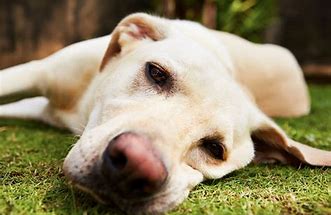
Your dog will most likely be shifting their weight unnaturally or spending an inordinate amount of time laying down. Your dog may even change their eating habits, eating less or losing interest in things that once brought them joy. These are all signs that something is wrong.

Recommended Posts

Dogs and People Food: What’s Safe and What Isn’t?Comfort Gold – Dog Pain Support

Sudden limping

Sudden limping in dogs is almost exclusively caused by trauma, including breaks or tears of muscle tissue.

Dogs are an active species, often jumping, running and rolling around. Trauma can easily occur when dogs participate in any of these types of activities. Just like humans, the spectrum of trauma injuries is quite wide, including but not limited to breaks, sprains, strains, dislocations, fractures, back injuries, and muscle tears.

Some may be easier to spot, for example a broken bone that shows an unnatural angle in your dog’s leg. Most of these injuries require medical attention and some even require periods of recovery in the form of physical therapy.

Gradual limping

Regardless of the age of your dog, if you notice gradual limping that gets worse over time, this could be a sign of some sort of degeneration of bone or muscle strength. Although it is more common in older dogs, arthritis, spinal degeneration and disease or infection can all be causes of limping in dogs. Disease and infection are harder to diagnose and treat, and may require x-rays or other more in-depth medical procedures.

There are some dog-specific medications that your veterinarian may be able to prescribe your pooch for any pain they may experience due to arthritis especially. Natural supplements for bone and joint health may also prove to be beneficial to your dog’s daily health.

Home remedies

Cold compresses can help lower a dog’s pain in some cases and could be a good idea. If, however, you administer a cold compress for a period longer than 24 hours with no signs of relief, switch to a hot compress and plan on taking your dog in to the vet.

Under no circumstances should you administer over-the-counter human medications to your dog without the supervision or advice of a veterinarian specialist, as this could result in severe side-effects that could harm the well-being of your furry friend.

Never exercise a limping dog

There is never a case where exercise will improve the limping of your dog. Be sure to let them sleep, rest and simply lie down when you notice a limp. If your dog is small enough, you can even carry them instead of having them walk around, which is great for when they need to relieve themselves, eat, drink or move positions.

This may be easier or harder depending on the age of your dog as well as size. If you have a puppy that has a limp, the puppy may be more brazen in its attempts to play instead of rest. Try confining your puppy to an enclosed space as much as possible to prevent further injury, at least until there are signs of improvement.

When to see a vet

The unfortunate part about knowing when to take your dog to the veterinarian is that dogs cannot tell you what hurts or how much it hurts. This leaves their humans guessing pain level and balancing that against both costs of a vet visit, as well as the well-being of their companion.

Here’s the thing—you know your dog best, and if your dog is in pain, it’s best to simply get them to someone who can diagnose and treat the injury, whether it be sudden or gradual onset. A vet will be able to qualify your pet’s pain and provide solutions that get them back on the road to a full recovery.

 

Pancreatitis in Dogs

By Dr. Karen Shaw Becker


Pancreatitis (inflammation of the pancreas) is a very serious condition that probably doesn’t get the attention it warrants. In humans, the disease is reportedly fatal in 5 to 15 percent of cases. In dogs, it’s even more dangerous — from 27 to 58 percent of patients with the disease don’t survive it.1

Inflammation of the pancreas disrupts its normal functions, which include secreting insulin to balance blood sugar levels, and producing digestive enzymes such as amylase, lipase and protease, which are necessary for nutrient digestion and absorption.

Severe damage to the pancreas can trigger a massive inflammatory reaction known as systemic inflammatory response syndrome (SIRS), characterized by increased capillary permeability, fever, rapid heart rate, a drop in blood pressure and ultimately, multiple organ failure. In addition, as the result of a process called autodigestion, dogs can develop severe necrotizing pancreatitis in which entire portions of the pancreas are completely destroyed.

Potential Risk Factors and Triggers for Pancreatitis in Dogs

Risk factors for canine pancreatitis include:

Obesity Hypothyroidism
Diabetes Middle age or older
Cushing’s disease Small breed
Pre-existing gastrointestinal (GI) disease

According to veterinary journal dvm360, about 25 percent of dogs with acute diabetes also have acute pancreatitis.2 The condition is also more common in dogs who have had recent surgery, especially procedures involving the abdominal cavity. In addition, certain drugs are also suspected of triggering acute pancreatitis, including anti-seizure drugs such as potassium bromide or phenobarbital, prednisone and other catabolic steroids, and even the diuretic Lasix.

Dietary indiscretions are also very commonly implicated in attacks of pancreatitis and typically involve high-fat foods such as fatty meats, turkey skin, bacon grease, etc. In my experience, processed pet food also plays a role in pancreatitis in pets (more about that shortly).

Any dog can develop pancreatitis, but several small breed dogs are predisposed, including the Miniature Schnauzer, Cavalier King Charles Spaniel, Cocker Spaniel, Sheltie, Toy Poodle and the Yorkshire Terrier.

Signs to Watch For

Pancreatitis in dogs can cause a variety of symptoms that are also seen in many other conditions, and they can range from mild to very severe. A 1999 study showed that in dogs with acute pancreatitis that ultimately proved fatal, the following symptoms were reported:3

Anorexia (91 percent) Abdominal pain (58 percent)
Vomiting (90 percent) Dehydration (46 percent)
Weakness (79 percent) Diarrhea (33 percent)

When the disease is very severe, inflammation can become systemic, which can cause shock or cardiovascular (circulatory) collapse. The most common symptoms veterinarians see when examining dogs with acute pancreatitis are dehydration, excessive drooling and lip-licking (signs of nausea), and abdominal pain. Since these symptoms are present in a wide variety of diseases and disorders, a thorough diagnostic workup should be performed, including bloodwork and x-rays or scans.

Veterinarians have historically diagnosed pancreatitis using a blood test called the PLI (pancreatic lipase immunoreactivity) test. More recently, Texas A&M University has developed a test for canine pancreatic-specific immunoreactivity called the Spec cPL test. There’s also now a cPL test that offers results almost immediately at the vet clinic, without the need to ship the sample to an outside lab.

Treatment Options and Prognosis for Dogs With Pancreatitis

There is no procedure or medication that cures pancreatitis, so treatment is supportive, with the goal of reducing the dog’s symptoms. Supportive therapy includes:

  • Intravenous (IV) fluids to address dehydration, hypovolemia (decreased blood volume) and electrolyte imbalances
  • Pain management
  • Antiemetics to alleviate nausea and vomiting
  • Enteral nutrition (tube feeding)

In most cases of pancreatitis, antibiotics are unnecessary and unhelpful. In addition, nonsteroidal anti-inflammatory drugs (NSAIDs) and steroid medications like prednisone should be avoided.

Dogs who suffer an acute bout of pancreatitis can have different outcomes. Some recover fully with no further issues, some recover but go on to suffer from chronic pancreatitis, and some dogs have recurrences of acute pancreatitis. In dogs with coexisting conditions such as diabetes, successful treatment of pancreatitis depends on successful treatment or management of other diseases.

Preventing Pancreatitis (or Its Recurrence)

Veterinarians are seeing increasing numbers of both dogs and cats with pancreatitis, and I’m convinced processed pet food plays a big role. High-carbohydrate diets affect insulin levels, which affect the pancreas.

KetoPet Sanctuary has made some interesting discoveries about dogs consuming unadulterated (raw) fat versus dogs eating cooked (processed) fat, in that raw fat (even very high-fat diets) did not cause pancreatitis in their cohort of patients, but cooked fat did induce pancreatitis in some patients, even in small amounts.

So the question we should be asking is, do the highly processed, poor-quality fats (heated repeatedly, up to four times during the manufacturing process before “pet food” is created) contribute to the epidemic of chronic, low-grade pancreatitis occurring worldwide in pets? I’m suspicious.

In addition, processed pet food is devoid of natural enzymes that help reduce pancreatic stress, which is why I suspect the pancreas of many pets exists in a state of chronic, low-grade inflammation. Food that doesn’t contain natural enzymes triggers the pancreas to try to make up the difference. If it fails to perform adequately, pancreatitis results. In addition, many pets are fed high-fat diets, which we know are a cause of pancreatitis.

Dogs (and cats) are designed to get supplemental enzymes from the foods they consume, since their ancestral diet is loaded with living foods that contain abundant enzymes. In the wild, dogs consume portions of the GI tracts of their prey, which is a rich source of enzymes. They also consume the glands, including pancreatic tissue, which are abundant in naturally occurring enzymes.

Even if you’re a raw feeder, chances are you aren’t giving your dog the stomach contents of prey animals, since this is where parasites reside. What this means is that even pets consuming a nutritionally balanced, species-appropriate raw food diet can be enzyme deficient.

One of the most important steps you can take to lower your dog’s risk of a repeat episode of pancreatitis is to provide a rich source of digestive enzymes, either through feeding pancreatic tissue (which is unappealing to most pet parents, and can be difficult to source) or a supplement. This will help reduce the stress your pet’s pancreas is under to produce enough enzymes to process food.

So if you have a dog who’s currently dealing with pancreatitis, has had it in the past or if you want to take preventive measures to reduce the likelihood your pet will develop the condition, adding digestive enzymes to his food that contains no cooked or processed fat at mealtime is a great way to help reduce pancreatic stress.


Mistakes Which Can Make Your Dog Depressed

Mistakes Which Can Make Your Dog Depressed

By Dr. Karen Shaw Becker and comments by Diane Weinmann

Science hasn’t figured out yet whether dogs suffer from depression in the same way people do. They certainly experience mood and behavior changes, but those changes are usually temporary and traceable to a recent event in the dog’s life. For example, perhaps the kiddos just headed back to school after a summer spent swimming and playing with their dog, and she misses having them around. Or maybe you’ve just added a puppy to the family and your older dog is feeling left out.

Dogs who suffer the loss of a family member (human or pet) often go through a grieving period. And of course many dogs abandoned at shelters suffer a period of sadness and uncertainty.  Grief relief in the form of a custom made bach flower essence can help the transition period of loss.  Contact Diane at Dianefortheloveofanimals@yahoo.com for a custom treatment bottle to deal with grief for yourself or your pet.

The problem with diagnosing clinical depression (which is different from short-lived episodes of depressed behavior) is that even in humans, there’s no biological test to identify the condition. Medical doctors take note of symptoms and what the patient tells them about their feelings to arrive at a diagnosis.

Many people who cannot talk and hear pets must rely on their powers of observation to determine if a canine companion is feeling down in the dumps. Generally speaking, when a vet or veterinary behaviorist or animal communicator describes a patient as depressed, the dog is displaying a change in normal behavior.

6 Reasons Dogs Get Depressed

1. She’s dealing with an undiagnosed medical problem

If your dog’s behavior changes, even if you suspect you know why, it’s always a good idea to check in with your veterinarian. Many changes in behavior symptomatic of depression, including lack of appetite, potty accidents in the house, sleeping more than usual, reluctance to exercise and sudden aggressive behavior in a dog who has never shown aggression, can also be signs of any number of underlying medical conditions.

2. He’s feeling ignored

A healthy dog who is feeling depressed may lose interest in eating or playing, become destructive, have accidents in the house or stop running to greet you when you come through the door. Like a sleepy, sluggish dog, a depressed pooch often just needs more quality time with his human.

Get into the habit of spending an uninterrupted hour with your dog each day engaging in physical pursuits, grooming rituals, training exercises and good old tummy rubs. It will lighten both your moods!

3. She’s not getting enough exercise

Sadly, some dogs become socially inhibited when they aren’t getting enough exercise and playtime. This can take the form of a decrease in interaction with other family members, or choosing to isolate themselves in their crate or another room. If your normally happy dog suddenly isn’t, consider the possibility that she needs more exercise.

Most dogs need much more physical activity than their owners realize. Your dog should be getting an absolute minimum of 20 minutes of sustained heart-thumping exercise three times a week. Thirty minutes is better than 20, and six or seven days a week is better than three.

Minimum exercise requirements prevent muscle atrophy, but don’t necessarily build muscle mass, strengthen tendons and ligaments, hone balance and proprioception, or enhance cardiovascular fitness, which is why more is always better. If you can provide your dog daily walks as well as additional daily training sessions to meet your other exercise goals, even better!

4. He’s suffered the loss of a human family member or pet

It’s not unusual for dogs to grieve the loss of a person or animal friend they are bonded with. According to the late Dr. Sophia Yin, a veterinarian and applied animal behavior specialist, dogs feel the same basic emotions humans do, including grief, fear, anger, happiness, sadness and even possessiveness.

When a dog is mourning a loss, depression is common. Signs of depression in dogs mimic those in people — sleeping more than normal, moving more slowly, eating less and showing a limited interest in playing.

If your dog seems depressed at the loss of a person or animal he was close to, engage him in activities he enjoys, such as a walk, a game of fetch or a trip to the dog park. It’s really a matter of distracting him with things he enjoys until sufficient time has passed and he’s no longer looking around every corner for the one who is now absent from his life.

And it’s best not to expect a quick fix. It can take from a few weeks to a few months before your dog’s depressed mood begins to lift.  Again as mentioned above,  a custom Bach Flower essences treatment bottle can help your pet deal with their grief holistically.

5. Her favorite human is depressed

Your dog is very observant of your emotional state, which she can detect by observing the tone of your voice, your body language and other subtle clues, including your pheromones (how you smell). The way you move, speak and behave all send subtle signals to your dog that indicate your mood.

For example, when you’re in a situation that’s stressful to your dog, such as at your veterinarian’s office, she’ll look to you to help her calm down. If, however, you seem tense and nervous, she’ll likely become even more anxious. Your dog is extremely intuitive; so if you’re feeling blue, don’t be surprised if she seems depressed as well.

6. He’s being subjected to punitive behavior training

Dogs who are punished for undesirable behavior instead of being rewarded for positive behavior may stop interacting with their owners in an attempt to avoid punishment. They adopt a depressive state of mind called “learned helplessness” because they feel powerless to avoid negative situations.

I can’t stress strongly enough the importance of positive reinforcement behavior training, not only to help your dog become a good canine citizen, but also to preserve and protect the close and priceless bond you share with him.

5 Tips for Helping a Depressed Dog

1. Keep daily routines as consistent as possible. Pets do best when they know what to expect from one day to the next. Try to keep mealtimes, exercise, walks, playtime, grooming, bedtime and other daily activities on a consistent schedule. Exercise is a powerful tool to help increase your pooch’s endorphins, or “feel good” hormones. Lots of walks (with plenty of opportunities to sniff) can be a powerful mood enhancer.

2. Keep your dog’s diet and mealtimes the same and spice up what’s on the menu. It’s important to continue to offer him the same food he’s used to, at the same time each day, but if you find your dog isn’t interested in eating much, consider offering a yummy knucklebone for dessert, or make a tasty treat for training time that he hasn’t had before.

Store what he doesn’t eat in the fridge, and offer it to him again at his next regularly scheduled mealtime. Use his hunger to help him get his appetite back by resisting the urge to entice him with unhealthy food toppers.

3. Be careful not to inadvertently reward your dog’s depression. It’s only natural to want to comfort your sad pet, but unfortunately, giving attention to a dog who is displaying an undesirable behavior can reinforce the behavior. Obviously the last thing you want to do is reward a lack of appetite, inactivity or other types of depressed behavior in your dog. Instead, you want to help her over the hump.

A better idea is to try to distract her with healthy, fun activities that provide opportunities for positive behavior reinforcement. This can be a walk, short training sessions, a game of fetch, nose work or offering her a food puzzle toy or recreational bone.

4. Give it time. Your dog’s depression may take a few days or even weeks to blow over, but eventually most pets return to their normal lively selves. If at any point you feel your pet is suffering unnecessarily or there is something more going on than a case of the blues, I recommend discussing the situation with your vet or a veterinary behaviorist.

5. Use natural remedies, if needed. There are some excellent homeopathic and Bach flower remedies that can be easily administered to your depressed dog until you see an emotional shift for the better. Some of my favorites include homeopathic Ignatia, several Bach flower remedies including Mustard and Honeysuckle, and Green Hope Farm Grief and Loss.  Custom treatment bottles for your unique situation can be obtained from Diane Weinmann at Dianefortheloveofanimals@yahoo.com.


5 Classic Signs of Canine Aging

By Dr. Karen Shaw Becker


Much as we’d like our canine companions to stay forever young, sadly, just like us, they get older. The good news is it’s the care and love we give them throughout their lives that allows them to grow and thrive and reach their golden years.

Once your dog starts to show signs of aging, it’s important to focus on making his senior and geriatric years as happy, healthy and comfortable as possible. One age-related condition that many older dogs develop is canine cognitive dysfunc­tion (CCD), which is similar to Alzheimer’s diseases in people and is the result of an aging brain.

Clinical signs of cognitive dysfunction are found in 50 percent of dogs over the age of 11, and by the age of 15, 68 percent of dogs display at least one sign.1 And because large and giant breed dogs age more quickly than smaller breeds, dogs as young as 6 can begin to experience mental decline.

Symptoms of CCD

There are five classic signs of cognitive decline in dogs:

1.    Increased total amount of sleep during a 24-hour period

2.    Decreased attention to surroundings, disinterest, apathy

3.    Decreased purposeful activity

4.    Loss of formerly acquired knowledge, which includes housetraining

5.    Intermittent anxiety expressed through apprehension, panting, moaning or shivering

Other symptoms include failure to respond to commands and/or difficulty hearing, inability to recognize familiar people and difficulty navigating the environment. Additional physical manifestations of CCD can include excessive licking, lack of grooming, fecal and urinary incontinence, and loss of appetite.

5 Ways to Help Your Older Dog Maintain Cognitive Function

1. Feed a nutritionally balanced, species-appropriate diet

A species-appropriate, nutritionally balanced diet that is rich in healthy fats, including omega-3 fatty acids such as krill oil and other healthy fats, including MCT oil, is very important for cognitive health.

The perfect fuel for an aging dog is a variety of living, whole foods suitable for a carnivore. Eliminate all refined carbohydrates, which are just unnecessary sugar. No grains, potatoes or legumes. Replace those unnecessary carbs with extra high-quality protein. Eliminate extruded diets (kibble) to avoid the toxic byproducts of the manufacturing process.

Dog foods are manufactured in a way that creates byproducts that can affect cognitive health, including heterocyclic amines, acrylamides and advanced glycation end products, or AGEs. Fresh, biologically appropriate foods provide the whole food nutrients an aging brain requires. The right diet will also enhance the microbiome, which has been linked to improved cognitive health in humans, and I’ve seen an improvement in dogs as well.

2. Offer supplements beneficial to older dogs

When it comes to supplements, I typically recommend digestive enzymes and probiotics for all older pets. If your dog needs additional fiber in the diet, choose natural sources such as psyllium husk powder, ground dark green leafy veggies, coconut fiber or canned 100 percent pumpkin.

I also almost always recommend an omega-3 fatty acid supplement such as krill oil (my favorite), another fish body oil (but not cod liver oil) or algal DHA for pets who are allergic to seafood.

Most aging dogs can benefit from joint and antioxidant supplements such as glucosamine sulfate with MSM, cetyl myristoleate, egg­shell membrane, perna mussel (green-lipped clam), several homeopathic remedies, ubiquinol, supergreen foods and natural anti-inflammatory formulas (herbs such as turmeric and yucca, proteolytic enzymes, SOD and nutraceuticals).

3. Provide plenty of opportunities for exercise, socialization and mental stimulation

Senior and even geriatric dogs still need daily exercise to maintain good health and a resilient frame. While older dogs can’t exercise or compete with the same intensity as the younger set, they still derive tremendous benefit from regular walks and other age-appropriate physical activity. There are three types of strengthening exercises that can also be of tremendous help to aging canine bodies:

·         Passive range-of-motion (PROM) exercises can benefit both incapacitated and physically healthy pets

·         Balance and proprioception (spatial orientation and movement) exercises help older pets remain flexible while also encouraging improved balance and physical stability

·         Targeted strengthening exercises are designed to work the big muscle groups that help with standing, walking and running

No matter how old your dog is he still needs regular social interaction with other pets and/or people. As is the case with humans as we age, if your four-legged family member doesn’t stay active and involved in life, his world can become a confusing, intimidating place. He needs regular exposure to other pets and people, but take care not to over stimulate him — short periods of socialization and playtime in controlled situations are ideal.

Food puzzle and treat release toys provide fun and a good mental workout, as does nose work and brief training sessions to refresh his memory or teach him a new skill.

4. Minimize stress

Fortunately, there are many things you can do to minimize anxiety and stress in your older dog. Senior and geriatric dogs, especially those with CCD, are often disoriented, so sticking to a dependable daily routine can help your pet stay oriented, which will reduce her anxiety. Try to get up and go to bed at the same time each day, feed her at the same times and go for walks on a set schedule.

Keeping your dog at a healthy weight and physically active will help control arthritis and degenerative joint disease as she ages, ensuring she remains comfortable and mobile. Chiropractic adjustments, stretching, water exercises and acupuncture can also provide enormous benefits in keeping dogs mobile in their later years.

Regular massage can help keep your senior dog’s muscles toned and reduce the slackening that comes with aging. Massaged muscles are looser, which makes it easier for her to move around comfortably. Massage also improves circulation and encourages lymphatic drainage. It can ease the stiffness of arthritis, which helps your pet maintain his normal gait and active lifestyle. Massage also loosens the muscles around joints, which helps promote ease of movement.

If your dog is having some urine dribbling or incontinence as a result of her age (and not caused by an underlying condition that should be addressed), provide her with more frequent potty trips outside. You can also reintroduce her to her crate if she was crate trained initially. Acupuncture can also be very beneficial for age-related incontinence.

If your dog has problems hearing or seeing, use odor cues like essential oils or pheromone products to help her find her way around. Also consider purchasing or building ramps if your dog is having trouble getting into the car or up on the bed or a favorite chair, and if she’s slipping or unsure on bare floors, add some runners or area rugs.

For sleep problems, try increasing her daytime activity level. Let her sleep in your bedroom. Sleeping near you should help ease any anxiety that is contributing to her nighttime restlessness. Guide your dog with clear cues and easy-to-follow instructions, and when you talk to her, keep your voice quiet, calm and loving.

5. Schedule regular senior wellness check-ups

I recommend twice-yearly wellness visits for pets no matter the age, but this becomes even more important for dogs getting up in years. Keeping abreast of your animal companion’s physical and mental changes as he ages is the best way to catch any disease process early.

Ask your vet to perform a blood test to check your pet’s internal organ health to make sure you are identifying possible issues early on. Keeping abreast of your pet’s physical and mental changes as he ages is the very best way to catch any disease process early.

Over-vaccinating is something older animals do not need, so advocate for your older dog by refusing additional vaccines. You can replace the vaccines with titers. A titer is a blood test that measures protective immunity. Chances are your dog is very well-protected. Switch to titering to help reduce her toxic load.


How to Stop Your Dog From Barking at Other Dogs

How to Stop Your Dog From Barking at Other Dogs

From PetPav and comments by Diane Weinmann


Dogs will bark for many reasons as it is their way to communicate and react.  And we never want our dogs to stop barking as it can help us to understand how our dogs are feeling or if there is a threat nearby.  However, if your dog constantly barks at other dogs, it can be a headache for you and distressing.  There are many things you can do to get your dog to stop barking at other dogs.

Below are some of the things you can try to keep your dog from barking at other dogs.  As always, consistency and repetition is key to stop the barking and/or any unwanted behavior.   You and all family members need to be on-board with the same behavior techniques to keep the training consistent.

Remove the motivation that causes your dog to bark

Your dog gets some kind of reward when he barks. Even if it is just attention from you.  If you can figure out what he gets out of barking and remove it, it’s the simplest deterrent.

If your dog barks at other dogs passing by the living room window, manage your dog’s behavior by closing the curtains or putting your dog in another room.  If you live in an apartment, try keeping the music or TV on to mask the barking sounds.

Block your dog’s access to doors and windows while he is indoors so he can’t see outside if the barking is continuous or put him in another room as other dogs pass by (at least while you are training).

There are also some devices that you can use that create a loud noise when your dog starts barking like the Doggie Don’t Device which are very effective to stop the barking.

Ignore the barking

Ignore your dog’s barking for as long as it takes him to stop. Which means don’t give him any attention at all while he’s barking; don’t talk to him and don’t even look at him. When your dog finally quiets down, than reward him with a treat or a hug.  The point is that when the barking is done, all is good!

Be patient even if he barks for a very long time…just let the barking session end and then reward your dog at the end.  Your dog will learn that he gets the reward when he stops barking.  In other words –catch him doing something good and reward him!

Desensitize your dog to the stimulus which in this case means other dogs

Gradually get your dog used to whatever is causing him to bark or in this case, other dogs.  Try to get your dog used to the idea that merely hearing and seeing other dogs does not mean (or allow) barking.

A training technique that works is to have someone, a friend, relative who owns a dog to have his or her dog on a leash and walk towards you.  When your friend approaches, let her feed your dog treats.  When the dog walks away, you stop feeding your dog treats and therefore the dog will learn that when another dog is visible and your dog does not bark is a good thing!   And they are rewarded.

This can take some time so be patient and it’s a big behavior to learn.  It could take weeks or months but consistency is key.

Use the “quiet” command when your dog barks

When your dog starts to bark, teach him the “quiet” command.  When he starts barking, say “quiet” and stick a treat in front of his face. Praise him for being quiet and give him the treat.  Your dog will learn that “quiet” gets a treat and positive reinforcement.  If your dog masters the quiet command, you can apply it to other times when he starts barking.  Praise and reinforce the good, quiet behavior and don’t yell “quiet”- it will scare your dog and he won’t understand it.  Be aware that depending on the excitement level or stimulus all the training in the world may not make this effective 100% of the time.

Ask your dog for an incompatible behavior while barking

When your dog starts barking, ask him to do something that’s incompatible with barking. Teach your dog to react to barking with something that stops him from barking, such as lying down in his bed or chasing his favorite toy or ball.  In fact, you can even give him a toy or a chew toy to put in his mouth which will certainly stop the barking.  Barking, chew toy – no sound!  Again this will only work in the house or yard verses out on a walk.

Make sure that your dog isn’t bored and gets daily exercise

Make sure your dog is getting enough physical and mental exercise every day. A tired dog is a good dog (we’ve all seen the commercials) and one who is less likely to bark from boredom or frustration.  Exercising is important for your dog for so many reasons and it can also help to control the barking.

If none of the above work and you really need more help, it’s best to hire a trainer who can work with you and your dog to stop the barking.   Always keep the training positive and don’t overdue the treats so your dog gains weight.  A hug and a ‘good boy’ is great for positive reinforcement too.

If training doesn’t seem to work you can always call me, an animal communicator to see if we are dealing with a root cause that is just not the normal and expected greetings from one being to another.  Sometimes there is a deeper motivation that we need to understand in order to combat it.  Additionally, if your dog is reactive on walks using bach flower essences before a trip into the public can help curb unwanted behaviors like barking, pulling and jumping.  Again contact me, Diane Weinmann at Dianefortheloveofanimals@yahoo.com if you need a custom bach flower essence treatment bottle.

1 in 3 Household Pets are Overweight

1 in 3 Household Pets are Overweight


By Aly Semigran  comments by Diane Weinmann   


Over the past decade, there’s been a steady climb in the number of obese domestic cats and dogs, according to an eye-opening report released by Banfield Pet Hospital. 


The State of Pet Health report breaks down the obesity epidemic with shocking numbers, including a 169 percent rise in overweight cats and a 158 percent rise in overweight dogs since 2007. 


The report found that 1 in every 3 household pets is overweight, stemming from both overfeeding and a lack of exercise. 


“Obesity is so common that many people underestimate their pet’s body condition, preventing them from taking action to manage their pet’s weight,” the report stated. (The Banfield report was conducted by its BARK Research Team, which analyzed data on over 2.5 million dogs and 500,000 cats from Banfield’s 975 veterinary hospitals.) 


Though some pet breeds are more prone to obesity, Banfield breaks down how to determine if your pet is at risk (by calculating their body condition score), and also offers diet and exercise tips. Maintaining your pet’s weight is important, considering excess pounds can lead to conditions like arthritis and diabetes.


The report also points out that pet parents take a hit financially when their pet is obese, estimating that overweight dogs can cost their owners over $2,000 more a year in medical costs. 


While these guidelines can help educate pet parents on how to prevent their cat or dog from becoming a statistic, it’s always wise to consult with your veterinarian first to determine the best plan for your pet. 

Being certified in canine nutrition, most pets can benefit from veggies and fruits in their food bowl.  My husky is tricky – he will only eat his bigger veggies with dip (guess where he learned that from? … my son!) so we chop the broccoli, carrots and cauliflower until it’s almost ground up then mix it with his regular food.  We also do that with melon and berries, although once in a while, he will eat a whole blue berry.  Be sneaky and your pet will benefit!


Collecting Urine from your pet

by HomeoPet | Feb 26, 2018 | Natural pet health

Getting a urine sample can be a simple or frustrating experience depending on how accommodating or shy your pet is, but a little know how can make for a much easier and more pleasant experience.  For a homeopathic vet, the information gleaned even from the collection process can be very helpful in coming to a suitable treatment.

So ‘how?’; ‘how much?’; ‘when?’ and even ‘why might you need to collect your pet’s urine?’

Lets answer ‘when’ first.  

A urine sample is best obtained first thing in the morning, with the patient having been kept indoors overnight with free access to water. In some cases water restriction is necessary, but only on your vet’s say so – never restrict access to water without veterinary instruction.  For example, a kidney patient can die from the consequences of water deprivation.   Another advantage of an early morning urine sample, especially, if you live in a town or city, is that you are unlikely to become of too much interest to the neighbours as you follow your pet around with a scoop or saucer!

Next to ‘how?

Collecting urine from dogs

For dogs, take them out on lead (so they can’t get too far away from you, unless you have awfully long arms or a polystyrene cup attached to a broom handle). Male dogs usually cock their leg and urinate on a regular basis, especially over the competitions’ sprinklings. Then it is just a matter of placing a urine sample collector or pre-sterilized dish (such as a margarine container or other flat plastic food container) in the stream of urine to collect the sample. Proper urine sample containers are available from a local chemist, drug store, pet store or your veterinarian. Alternatively, the dish needs to be cleaned and sterilized by washing in boiling water. Special urine collection scoops and vials can be bought, but are in many cases unnecessary for initial samples. Avoid the use of vitamin containers or containers with similar contents as contamination can alter the results.

For bitches, the situation can sometimes take more work. You need to have her on a lead and you must wait for her to start passing urine before putting the saucer underneath. If you attempt to put the saucer underneath a bitch before she starts, whatever chance you had of collecting the urine sample is gone! Some bitches will hold on for days if disturbed before starting to urinate. Yet once a bitch starts urinating they can rarely stop before you get a sample!

Collecting urine from cats

For cats, a whole different set of rules apply and the litter tray rules supreme for sample collection at home. You will need to provide a clean, sterilized litter tray with no cat litter in it. The litter tray should be slightly tilted to one end so that the urine runs away from any faeces the cat may also do in the tray. You can put in commercially produced plastic pearls (see photo left in pack and right in litter tray), or shredded plastic, but this is not as easy to get in these days of paper shopping bags. What I do is roll up the plastic and use scissors to cut strips off the roll, which looks just like shredded paper. Then I shake the cut plastic strips apart to make fluffy, sterile, non-absorbent litter, which for some reason almost all cats will use, especially if they are locked in a room with a lino floor.

If the bathroom is normally used as your feline’s toilet room, then be sure to put about an inch of water in the sink and bath so kitty doesn’t decide to use one of these giant litter trays!

As I was originally writing this article and had duly told my client all the things to remove from the bathroom, only to discover the cat had started using the potted plants in the bathroom as the ideal replacement litter tray – once removed a sample was forthcoming, so you really need to think like a cat, when setting up the room.

4 Popular Home Remedies For Itchy Skin In Dogs

4 Popular Home Remedies For Itchy Skin In Dogs

Veterinarian Reviewed by Dr. Janice Huntingford, DVM on January 18, 2018
Posted in Dog Skin Allergies


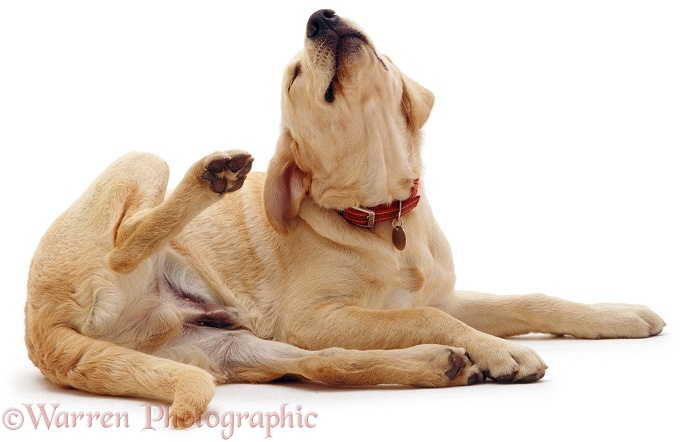
Yellow Labrador scratching

Itchy skin is one of the most common health problems for dogs, largely because it can be triggered by so many things. If fleas or ticks are not the culprit, your dog’s skin might have become inflamed, infected or excessively dry thanks to allergies, yeast, or dust mites. Some dogs have allergies to seemingly harmless foods like chicken, corn or wheat, while others have naturally dry skin that causes them to scratch or lick themselves to the point where bumps and scabs arise.

Making itchy skin even more troublesome is the fact that traditional medications aren’t always as effective as they should be. Apoquel and medicated shampoos, for example, might achieve temporary relief at best. This has prompted resourceful pet parents to turn to simple home remedies that have proven to treat dryness and eliminate several other triggers of itchy skin. The number of these remedies continues to grow, as does the amount of pet parents reporting their effectiveness.

  1. Apple Cider And Vinegar

A 50/50 mix of raw, unfiltered apple cider and vinegar is a highly recommended home remedy because each ingredient has multiple functions. Apple cider balances the pH levels of the skin while eradicating fleas and mites. Vinegar has antibacterial, antiviral and anti-fungal properties. While it is generally recommended that you mix the remedy with water, some pet parents have found success after adding brewed green tea as well.

The solution can reportedly be applied via a spray bottle or sponge as much as twice a day until the itching has subsided. It might sting, however, if it comes into contact with wounds or raw skin. Results can usually be seen after two weeks, which is the same amount of time the solution can be refrigerated before turning moldy.

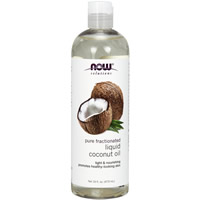
  1. Coconut Oil

Coconut oil has been known to stop itching when applied topically and/or orally. The first function stems from coconut oil’s fatty acids that moisturize and repair damaged skin, while the latter boosts your dog’s immune system and fights internal infections. Coconut oil can be mixed into your dog’s food, though it might have to be heated beforehand during winter months.

Dosage typically determines on age and size, though numerous pet parents have said that just about any reputable human brand of extra-virgin, pure coconut oil will work for your dog. It seems that the quickest relief (as little as one week) was experienced by pet parents who performed both applications at least once a day.

  1. Yogurt

Yogurt fights skin and yeast infections with natural probiotics that keep healthy bacteria in your dog’s gastrointestinal system. It’s extremely important to note that unless your vet says otherwise, the only type of yogurt your dog should be eating is low-fat, plain and free of sugar or additives.

Small or young dogs are usually recommended one teaspoon a day compared to two teaspoons for larger or older dogs. Some pet parents have seen results in a little over a week, and these results aren’t just limited to skin. Your vet will likely see no issue in continuing to add yogurt to your dog’s meals to ward off all sorts of infections and prevent diarrhea.

  1. Baking Soda

A 50/50 mix of baking soda and water is said to eliminate skin-irritating pathogens while exfoliating itchy skin. The usual recommendation is to use two tablespoons of baking soda and then apply the thickened paste to the affected areas once or twice a day. The paste should then be left on for fifteen to twenty minutes before it is washed off. If your dog is itching all over his or her body instead of a few affected areas, you might want to try adding one cup of baking soda to your dog’s bath water.

Don’t Hesitate To Act

These are just a small portion of the dozens of solutions touted by pet parents whose dogs had itchy skin in every physical area you can think of. In addition to natural home remedies, it would be wise to ask your vet about anything else you can do to prevent itchy skin from emerging ever again, like simply brushing your dog’s coat every day. And whatever the cause may be, itchy skin is not a problem that should be taken lightly since they can indicate serious internal problems, like cancer.


Untreated Types of Pain in Dogs

Untreated Types of Pain in Dogs


By Dr. Karen Shaw Becker and comments by Diane Weinmann

The practice of scoring pain is almost exclusively a human medicine tool. A doctor or nurse asks a patient to rate the pain he or she is experiencing with a number, for example, 0 to 10, with 0 indicating no pain, and 10 signifying excruciating pain.

Sadly, the veterinary community has been slow to follow suit. In fact, I regularly have pet parents tell me their vets won’t administer pain medications after surgeries or accidents, even when the client demands them. It breaks my heart that so many animals suffer needlessly, and it infuriates me that doctors who take an oath to relieve suffering fail to do so.

Assessing Pain in Canine Patients

In veterinary medicine, our canine patients can’t tell us in words how much they’re hurting, so pain scoring must be done primarily through observation. It can be used not only with dogs who’ve had surgery, but also any pet dealing with an injury or illness. Since every animal is an individual with a specific pain threshold, to use pain scoring effectively, we must observe the dog before painkillers are given and before any procedure is attempted, no matter how minor (e.g., a blood draw).

We also need to apply some science to the art of observation when determining a dog’s pain score. We need to know average pain levels for the condition the animal has or the surgery about to be performed, and factor those into the equation. This is necessary because many dogs are stoic even when in significant pain.

Pet Pain Scales

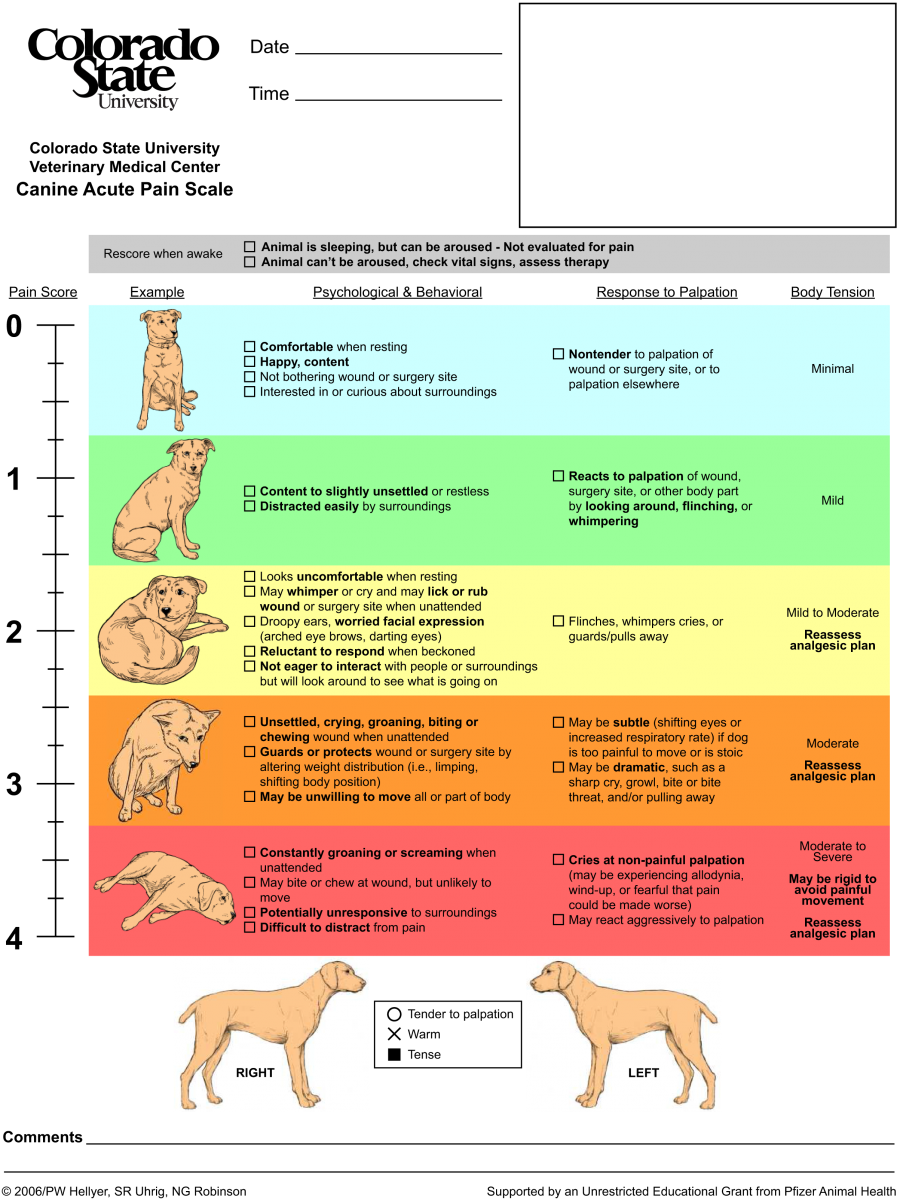
Pain scales such as Colorado State University’s (CSU) below are intended for use by veterinarians and their staffs, but they can also be helpful for pet parents who want to learn what signs to look for to determine if their dog might be in pain.1

Pain score: 0 No pain present. The patient is happy, acts normally, moves comfortably, has a normal appetite and (if applicable) does not bother the surgery site. TPR (temperature) is normal.
Pain score: 1 Mild pain present. This is usually displayed by a slight limp, difficulty getting up or down or a slight increase in TPR. The patient is eating, tail wagging and not depressed.
Pain score: 2 Moderate pain present. The patient shows sensitivity and may lick or chew at the surgical site or wound. The patient may refuse to eat and may seem depressed, and has slow, shallow respirations.
Pain score: 3 Severe pain present. Signs include depression, reluctance to move and sensitivity at the surgical site or wound. The patient will usually not eat, may vocalize and may lie down but not sleep.
Pain score: 4 Excruciating pain present. The patient shows all the signs described with a pain score of 3, in addition to intermittent panting, increased TPR — even at rest — constant vocalizing, profound depression, dilated pupils, aggressiveness and deep breathing.

To view the full detailed CSU pain scales, which include rough drawings of how your dog might appear with a pain score of 0, 1, etc.: Canine Pain Scale.

Signs to Watch for at Home

Determining if your pet is hurting is all about picking up subtle cues. Generally speaking, a cat in pain will make herself scarce, whereas a hurting dog is often a dog with a sad or tense expression. Canines don’t typically whine or cry unless they are in tremendous pain, so here are some other signs to keep an eye out for:2

Lack or loss of appetite Not greeting you as usual
Trembling/shivering Crouching
Not bearing weight on a leg Taking longer than usual to urinate or defecate
Reluctance to climb up or down stairs Excessive panting

What to Do if You Think Your Dog Is in Pain

How your canine companion’s pain is managed depends on what’s causing it, so it’s crucially important to make an appointment with your veterinarian for a thorough exam. Once your vet has evaluated your dog and depending on the root cause of his discomfort, there are a number of integrative therapies that blend nicely to reduce the amount of medications needed to manage pain, including:

There are also some newer therapies I’ve used with good success, including the Assisi Loop, a form of pulsed electromagnetic field therapy. In addition, there are a variety of beneficial supplements you can add to your pet’s diet, again depending on his diagnosis and treatment protocol.

A Type of Pain in Dogs That Often Goes Undiagnosed

Myofascial pain, which is pain in the muscles that results from one or more trigger points, is common in dogs, but because it doesn’t show up on x-rays or other diagnostic tests, it’s often left untreated. The result is that many dogs suffer needlessly with significant, chronic muscle pain.

Trigger points, sometimes described as knots in the muscles, are focal points for inflammation and irritation. They may be in an active or latent phase. In the active phase, a trigger point may be very painful for your pet.

If pressure is applied, pain may radiate from the trigger point to other areas of your dog’s body, such as down the limbs (this is known as referred pain). He may also have latent trigger points that are sensitive, but not as acutely painful as active trigger points. However, even latent trigger points may lead to problems for your dog, including stiffness and restricted range of motion.

Causes of Myofascial Pain

There are many situations that can lead to this type of muscle pain. Some of them may occur suddenly, such as an injury from an unexpected wrenching movement, a fall or a blow to a muscle. Often, however, the development of such pain, and its related trigger points, is gradual.

Just like in humans, dogs may suffer from muscle pain as a result of overuse or muscle imbalance. For example, if your dog runs along a fence every day or favors a back leg due to arthritis, some muscles are being overused and others underused, leading to muscle imbalance and the development of trigger points.

When the pain and related dysfunction becomes chronic, it’s known as myofascial pain syndrome (MPS). Unfortunately, MPS is rarely mentioned in conventional veterinary schools, so it’s often overlooked and left untreated. As veterinarian Dr. Michael Petty notes in his article for dvm360:

“Myofascial pain syndrome is a difficult-to-diagnose and seldom-treated condition in dogs. This is despite the fact that it’s been a recognized pain issue for more than 400 years and entered mainstream human medicine almost 80 years ago. It’s rarely taught in the university setting and there are no books about it.”3

Potential signs of myofascial pain include weakness, muscle tension and stiffness and lameness, or your dog may jump from pain or twitch if you happen to press on a trigger point. Without treatment, trigger points and myofascial pain can turn into a chronic and worsening condition

Treating Myofascial Pain by Relieving Trigger Points

If you suspect your dog is suffering from myofascial pain, see a holistic veterinarian who is experienced at finding trigger points. Once they’ve been located, there are a couple of options for treatment.

One, which is fairly invasive, is dry needling. This involves using an acupuncture needle that is pushed through your pet’s skin to stimulate the trigger point. This may release the tight muscle bands associated with the trigger point, leading to decreased pain and improved function.

Electro-acupuncture and acupressure may also be helpful for some dogs with myofascial pain. Cold laser therapy and ultrasound therapy may be beneficial for dogs that won’t tolerate acupuncture. Another less invasive option is manual manipulation of trigger points using trigger point massage or trigger point therapy. I have found that recurrent trigger point problems can be a result of an underlying chiropractic issue, so if your pet isn’t getting better, consider getting a chiropractic evaluation.


Real life experience from Diane Weinmann

My dog Neko went crazy because some dogs tried to put their faces through our fence.  After they left he ran laps around our back yard because he was so over wrought.  Did I mention he’s a husky?  So once I got him inside and calmed down he flopped down and refused to move.  I figured he was tired from all the running but he was hurting.  Eventually he got up and was limping then holding his leg up and walking on 3 legs.  He was also whimpering.  I immediately started performing reiki energy healing and healing touch for animals on him.  I put an ice pack on the muscle on his hip/leg area.  I also gave him CBD oil to help with pain as I continued to reiki/HTA him and ice his leg.  It took approximately 6 hours for him to really stop whimping when he moved but with rest and repeated healings he completely recovered.  I could have also performed acupressure but was afraid to inflict pressure on an already sensitive area.  In hindsight, I should of went ahead and provided acupressure in addition to the reiki/HTA energy healing. Ah well, live and learn –it’s not like he won’t do it again..he’s a HUSKY!


Canine Aggression

By Dr. Karen Shaw Becker and comments by Diane Weinmann

Aggression in dogs can be a touchy subject, because there are many competing schools of thought on what causes it, as well as a lot of emotion around the issue. However, no matter the cause, we can all agree aggressive behavior in canines is a significant problem, with serious ramifications.

Millions of dog bites occur in the U.S. each year, and thousands of people seek medical treatment for their injuries. In addition, aggressiveness is the leading reason for relinquishment of dogs to shelters. Given the extent and seriousness of the issue, it’s important to investigate all potential causes and remedies for canine aggression.

Toward that end, a group of university biologists has been studying the role of two specific hormones in domestic dog aggression, and published their findings recently in the journal Frontiers in Psychology.1

“If there are ways to intervene and affect biological processes that produce aggression, that could have a huge benefit both for people and dogs,” says Evan MacLean, Ph.D., assistant professor of anthropology and director of the Arizona Canine Cognition Center in the University of Arizona School of Anthropology.2

Two Hormones That May Play a Role in Dog Aggression

Past studies of aggression in dogs and other animals have explored the role of testosterone and serotonin. MacLean and his collaborators decided instead to evaluate oxytocin and vasopressin because they’re often considered the “yin and yang” hormones and may play an important role in shaping social behavior.

Oxytocin, nicknamed the “love hormone,” increases in humans when they are physically affectionate with a loved one. Vasopressin, while closely related to oxytocin, is associated with aggression in humans. In fact, studies show high levels of vasopressin in people with chronic aggression problems.

Study of Dogs Shows Link Between Increased Vasopressin Levels and Aggression

For their study, the researchers recruited leash-aggressive family dogs of both sexes and varying ages and breeds. They paired each of those dogs with a nonaggressive dog of the same sex, age and breed (the control group).

Each dog in the study was held on a leash by its owner while a person across the room and behind a curtain played a recording of a dog barking. Then the curtain was pulled back, revealing a life-size dog model with a human. The same scenario was repeated with everyday noises coupled with three common objects: a cardboard box, a trash bag and a yoga ball.

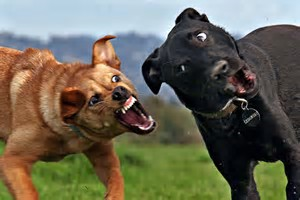
The dogs’ responses and hormone levels were assessed both before and after each presentation. None of the dogs showed aggression toward the box, bag or ball. However, many of the leash-aggressive dogs had aggressive responses (growling, barking and lunging) to the life-size dog model, and those same dogs had higher levels of vasopressin in their systems.

The oxytocin levels remained about the same in the two groups of dogs, so the researchers compared their levels to the oxytocin levels in a group of assistance dogs who are selectively bred to have nonaggressive temperaments. The assistance dogs had higher levels of oxytocin than the study dogs, and higher oxytocin-to-vasopressin ratios as well.

“Seeing high oxytocin levels in assistance dogs is completely consistent with their behavioral phenotype — that they’re very, very friendly dogs that are not aggressive toward people or other dogs,” MacLean said.

These study results suggest a link between vasopressin and aggression, and they also suggest that oxytocin plays a role in inhibiting aggression in dogs.

Findings Could Open the Door for New Ways to Manage Canine Aggression

Past research has focused on the role of testosterone and serotonin in canine aggression, with the result that dog parents are often advised to neuter male dogs to lower their testosterone levels either to prevent or treat aggression. Serotonin is thought to reduce aggression, so it’s not uncommon for dogs with aggressive tendencies to be treated with SSRIs (selective serotonin reuptake inhibitors), which are antidepressants. Neither of these solutions is ideal for every aggressive dog.

Research into vasopressin and oxytocin may lead to new approaches to treating aggressive dogs. Unfortunately, with conventional veterinary medicine leading the charge, those new approaches will most likely be in the form of synthetic drugs that manipulate natural vasopressin and/or oxytocin levels in the body. The good news is the holistic veterinary community is often able to use this type of research to discover nontoxic substances with similar actions and few or no side effects.

Life Experiences May Play a Role in Increasing Vasopressin Levels

MacLean believes life experiences may play a role in increasing a dog’s level of vasopressin.

“There’s a lot of work showing that experiences in your lifetime can change the way hormones function,” MacLean told ScienceDaily. “For a lot of dogs that have aggression problems, the owners report that the onset of the aggressive symptoms happened after some sort of traumatic experience.

Often it was that the dog was attacked by some other dog and is in a hypervigilant state after that event — almost like a post-traumatic reaction.”

The good news is that it’s possible to influence your dog’s behavior by interacting with him in a friendly, nonthreatening way. Studies show these types of loving dog-human interactions actually increase oxytocin release in dogs, and lower vasopressin levels. An added bonus is that your hormone levels also respond positively:

“These are bidirectional effects,” says MacLean. “It’s not just that when we’re petting a dog, the dog is having this hormonal response — we’re having it, too.”

The Ultimate Goal: To Preserve and Protect the Unique and Long-Standing Relationship Between People and Their Dogs

In the final paragraphs of the study, the co-authors make a compelling case for why their work is so important:

“Ultimately, dog aggression is a normal and adaptive social behavior, but expressed in the wrong contexts, or to an extreme extent, its consequences jeopardize the welfare of both humans and dogs in our society. It is likely that dog aggression can be motivated by diverse psychological states, including fear and anger.

These emotional processes may be facilitated by, or produce effects on, OT [oxytocin] and AVP [vasopressin] signaling in the brain. Thus, it is important to consider dog aggression at multiple levels of analysis, addressing both the cognitive processes (e.g., appraisal, learning, inhibition), and underlying physiological mechanisms, which mediate these behaviors.

The studies presented here suggest that OT and AVP may play important roles in these socioemotional processes, and set the stage for future work evaluating whether treatments and interventions for aggression can be improved by considering the roles of these neuropeptides.

Ultimately, we hope that these investigations will lead to increased knowledge of the biology of social behavior, promote human and animal welfare, and help to preserve the unique and long-standing relationship between humans and dogs.”3

Dogs with aggressive or fear-based behaviors aren’t happy campers, and studies such as this one shed light on how we can make life better for those pets and their humans. Dogs are individuals, and a dog’s seemingly inappropriate response to certain stimuli may be entirely appropriate based on his internal wiring and life experiences.

How we manage dogs with aggression is critical in helping them have happier futures, and new treatments coming out of studies like this may provide promising adjunctive therapies to behavior modification programs that help aggressive dogs live more balanced lives.

Diane Weinmann’s dog, Neko, started becoming dog-aggressive while in his backyard and on walks in the parks when he reached the age of 6.  He was raised with a lot of dogs to play with so I feel that it’s definitely hormone based issue.  He’s never had a traumatic incident with another animal that would cause his behavior.  I wish the holistic vets would come up with an essential oil or herb blend to help this issue.