Do Dogs Experience Grief?

By Samantha Drake is a freelance writer & editor in the Philadelphia area who writes about pets, business & general interest topics.

Comments by animal communicator, Diane Weinmann

Dogs’ loyalty to their human companions is the stuff of legends. But do dogs really experience grief?

Sentimental tales of dogs grieving for their departed owners once inspired statues. There’s the story of Greyfriars Bobby, the Skye Terrier who maintained a vigil at his master’s grave at the Greyfriars Church yard in Edinburgh, Scotland for 14 years, until his own death in 1872. A statue was erected in the dog’s honor in 1873, and his story was also popularized in the 1961 Disney film “Greyfriars Bobby: The True Story of a Dog.”

Today, photos of canine mourning go viral on the internet. In May 2016, for example, the family of Abraham Martinez, who had died in a car accident, tweeted a photo of his dog lying in front of a memorial set up in the family’s home.

Because of these stories, scientists, animal behaviorists and dog lovers alike all have their own thoughts on canine mourning.

Do Dogs Grieve?

Many scholars think that dogs and other animals experience emotions like grief, says Laurie Santos, director of the Comparative Cognition Laboratory and the Canine Cognition Center at Yale University in New Haven, Connecticut.

“People report that dogs grieve after similar events that might cause grief in humans, such as the loss of a loved one,” she says. “But it’s always hard to know what an animal’s inner emotional life is since they don’t have language to tell us. There aren’t many direct studies on this, in part because it’s hard for scientists to test what a dog’s inner feelings are really like using our normal scientific tools.”

Dogs have been companion animals throughout human history, and we have thousands of years of co-evolution with them, says Barbara King, the author of “How Animals Grieve” and emerita professor of anthropology at the College of William and Mary in Williamsburg, Virginia, so it’s no surprise that dogs are very in tune with humans. The question is, are we just as in touch with the feelings of dogs?


How to Determine if a Dog is Grieving

Animals, including dogs, tell us what they feel by how they behave, King says. Grieving animals may exhibit changes in behavior that are similar to the way grief manifests in humans. This can include withdrawing socially, experiencing altered sleeping patterns, and displaying changes in their affections and expressions, she says.

Experts suggest a few ways to help a dog that you believe is having a difficult time. “In lots of ways, you can help a grieving dog like you’d help a grieving human—be sure to give lots of extra affection and try to provide some distractions,” says Santos.

King says that adding a new animal into the home may help as well. Pairing a grieving dog with a younger pet can help rejuvenate and distract the older dog by bringing out his or her nurturing instinct, she says. A new playmate may also help the depressed dog get more exercise.

Dog Grief: A Matter of Perception?

Dog owners shouldn’t jump to conclusions about their pet’s behavior, says King. Dogs may experience emotions like grief differently than humans, and it could manifest for a variety of reasons, such as missing a human loved on or experiencing a change in routine. Pinpointing the cause is unlikely, since dogs cannot put their problems into words.

Animal lovers also like to anthropomorphize animal behavior and label certain behaviors as grief, King adds. The media is particularly guilty of making assumptions about dog behavior. For instance, a photo of a German Shepherd that had dug a hole under a gravestone in Serbia made the rounds on the internet in 2015. Publications initially reported that the dog was mourning her departed owner, but in reality, news organizations eventually revealed that the stray dog had dug a hole to protect her four puppies in the best place she could find.

Even the heart-tugging story of Greyfriars Bobby has its skeptics. According to Dr. Jan Bondeson, a professor at Cardiff University in Wales, two terriers actually lingered at the gravesite, with the second dog appearing after the first one died, and neither belonged to the man buried there. The Daily Mail newspaper reported that Bondeson theorized the dogs were strays fed by the cemetery’s curator and people simply assumed the dogs were mourning their owner. As the story spread, visitors to the graveyard increased, as did church donations and food for the dogs. The curator and surrounding businesses had little incentive to dispel the story, the Daily Mail report noted.

Still, many examples of a dog’s devotion can’t be explained away.

During devastating flooding in Rio de Janeiro in 2011, the photo of a dog lying beside its owner’s fresh grave for several days captured the world’s attention. While it’s easy to believe that people see what they want to see in such photos, it’s also not difficult to believe that the relationship between a dog and his or her owner constitutes a strong and enduring bond, and that humans and canines feel and express the loss of the other in his or her own way.

As an animal communicator, I have had many human clients call regarding the depression/grief of their pet based on their actions or lack thereof!  Pets just like people display many of the same responses to depression and grief from moping, not eating, their zest for life is diminished, need for reassurance/cuddling, or lack of interest in things they previously found enjoying, for example, car rides.

Several scenarios can cause this from the death or a friend or companion pet to a divorce, house change, debilitating illness or change in household such as a student going away to college.  So how do we fix this??  I can talk with them, provide a custom Bach Flower Essence treatment (holistic remedy) or recommend an essential oil that will help them deal with the feelings of abandonment and sadness.  I have had great success over the years with these methods and highly recommend that you contact me to learn more about them at dianefortheloveofanimals@yahoo.com.  After all, our pets can’t got to a physiatrist so I’m the next best thing!


Canine Skin Issues

Canine Skin Issues

By Dr. Becker


Today I’m here with my model , Rosco, a Boston terrier who is one of my pack. He’s going to help me demonstrate how to deal with minor skin abrasions, cuts, infections and hot spots.

Rosco swims in a small body of water in front of our house. It’s a pond in the spring, and more like a swamp during the summer months.

Rosco swims and splashes around out there every day during warm weather, and as a result, he gets an impressive collection of bacteria on his skin.

When Regular Bathing Isn’t Enough

Even though Rosco and our other dogs get regular baths, all of them still wind up with localized skin infections on their bellies. It happens every summer without fail. I don’t panic about it, but I do know I need to address the situation as soon as I see it or the bacteria will continue to spread.

If a localized skin infection is left untreated, your dog could wind up on antibiotics, which is something we want to avoid.

I’ve never had to resort to antibiotics to treat my dogs’ bacterial skin infections, because I do two things as soon as I notice a problem:

·     Clean the skin and keep it clean

·     Disinfect the area regularly to stay ahead of the infection

Rosco’s Bumpy Belly

Rosco and our other dogs started getting these acne-like bumps on their bellies a couple weeks ago.

What’s interesting about these infections is one pimple will appear while another is healing. There’s a cycle of eruption and healing – as one pimple is erupting, another is slowly disappearing.

You can think of these bumps as similar to human acne. It’s not a life-threatening condition, but if you don’t address and control it, it can get much worse and may ultimately require medication.

As you can see when I stand Rosco up here that his infection is on his sternum. We can see healing eruptions, and we can also see a few lesions below those. They’re not bothering Rosco, but they bother me because I don’t want them to spread.

So, it’s time for another treatment.

Treating with Povidone Iodine

For skin infections like Rosco’s, and also hot spots, minor abrasions, and any other skin problem that either is infected or could become infected, we want to disinfect with a gentle solution.

The solution I’m about to use will take care of staph, yeast, and pretty much any common bacteria, but doesn’t sting or irritate the dog’s skin at all. And it’s safe if dogs lick the area after cleaning.

It’s povidone iodine, and I use it here at Natural Pet and also at home. You can buy it at any pharmacy.

For the purpose of disinfecting skin, you want to dilute the povidone iodine until it’s the color of iced-tea. I’ll pour a little of the iodine in a dish and add some warm water to dilute it.

The Disinfecting Process

Now I take a clean washcloth and soak it in the diluted povidone iodine solution.

My helper is going to hold Rosco up so I can access his belly and disinfect his sores. I’m just wiping the iodine-soaked washcloth over his sores, which removes the bacteria around the eruptions.

All animals, including humans, have normal levels of flora (bacteria) on the skin, as does Rosco. The goal isn’t to rub the skin raw of all bacteria, but just gently disinfect the whole belly, paying special attention to the areas where there are lesions and eruptions that could evolve into a more serious, secondary skin infection.

Now I’ll rinse out the washcloth, do one more swipe across Rosco’s tummy, and pat him dry.

The great thing about povidone iodine is it’s completely harmless if ingested. So Rosco can lick his belly with no problem.

I recommend you do this disinfecting process twice a day if your dog has a minor skin infection or other problem. It has effectively resolved all the skin infections my dogs have acquired and prevented the need for antibiotics.


Dementia in Pets

By Dr. Becker and comments by Diane Weinmann

According to the U.K.’s The Telegraph, a growing number of dogs and cats in Britain are suffering from dementia, and veterinarians are warning pet parents that sedentary lifestyles and poor diets are to blame.

An increasing number of dogs are dying of the condition, and cats are displaying “clumsiness” and confusion.

According to veterinarians, an estimated 1.3 million pets in Britain suffer from dementia, with a third of dogs showing signs of mental decline by the age of 8, and two-thirds by the age of 15. In cats, the condition is seen in about half of all kitties 15 and older, and a third aged 11 to 14.

Professor Dr. Holger Volk, a leading veterinary scientist at the Royal Veterinary College, told the Telegraph, “I don’t think that people really realize how serious this problem is.”1 He believes a lack of physical activity and a diet of “cheap pet food” play a primary role in the onset of dementia in dogs and cats.

“We are seeing an increase in pet obesity,” says Volk. “Just as we see health problems among people who are less active so we see the same problems with their pets eating more and getting less exercise and this may lead to an increase in dementia.”

Volk says U.K. pet parents have very little understanding of the problems they create by allowing their animal companions to become inactive and overweight, and this lack of awareness is causing them to miss the signs of declining health in their pets.

Signs of Dementia in Dogs and Cats

According to The Telegraph, signs of dementia in pets include:


✓ Getting “stuck” behind furniture and needing help to get out ✓ Walking in circles
✓ Forgetting what they’ve just done, for example, greeting their owner, and immediately doing it again ✓ Forgetting to eat, or forgetting they just ate
✓ Standing near the hinge side of a door instead of the side that opens ✓ Struggling to find their way around
✓ “Drifting away” from activities

Volk believes the key to preventing or slowing the onset of dementia is to make sure pets get regular, vigorous exercise. “Neurons in the brain go into decline with dementia,” says Volk, “and the more you exercise the more they remain active.”

He also recommends transitioning pets to a high-quality pet food containing fatty acids.

Dementia Rates in U.S. Dogs

Here in the U.S., dementia or cognitive dysfunction syndrome (CDS) in dogs and cats has been on the radar of researchers, the veterinary community and many pet parents for at least a decade.

About a quarter of U.S. dogs 10 years and older show signs of brain aging, and over 60 percent of dogs have symptoms by the age of 15.2 However, dogs as young as 6 can begin to experience mental decline.

In a relatively young dog, it’s especially important to investigate for an underlying illness or disease before making a diagnosis of age-related cognitive decline. In dogs, we look for one or more of the following five common signs of CDS:

  1. Increased total amount of sleep during a 24-hour period
  2. Decreased attention to surroundings, disinterest and apathy
  3. Decreased purposeful activity
  4. Loss of formerly acquired knowledge, which includes housebreaking
  5. Intermittent anxiety expressed through apprehension, panting, moaning or shivering

Other signs of mental decline include failure to respond to commands and/or difficulty hearing, inability to recognize familiar people and difficulty navigating the environment.

There are three main contributors to the changes in an aging brain that cause a gradual impairment in cognitive functioning: oxidative stress from free radical damage, formation of lesions on the brain and alterations in oxygen and energy availability.

The brain is thought to be more sensitive to the effects of oxidation than other tissues of the body. The damage to your dog’s brain caused by oxidative stress can cause a decrease in cognition as well as degenerative nerve disease similar to, for example, Alzheimer’s disease in humans.

The aging process also involves the accumulation of beta amyloid deposits on the brain. These deposits consist of nerve-damaging protein that forms plaque. This “senile plaque” buildup interferes with the transmission of signals from the brain.

How Feline Cognitive Dysfunction Is Measured

Cats can also suffer a decline in their mental faculties, and many veterinarians and feline experts use the acronym DISH to measure cognitive dysfunction in kitties.

D = disorientation. Kitties with CDS may wander aimlessly, stare at walls and appear lost or confused at times. They may also intermittently fail to recognize family members.

I = reduced social interactions. A cat with CDS may seem confused when his guardian arrives home at the end of the day. He may also show less interest in being petted or sitting in his owner’s lap.

S = changes in sleep patterns. An affected cat may sleep more during the day but turn into an insomniac at bedtime, wandering the house and often crying out for no obvious reason.

H = house soiling/housetraining. Cats with CDS frequently lose their housetraining skills. This happens because they either forget the location of the litterbox, or they are no longer terribly concerned about their own cleanliness or perhaps a bit of both.

CDS in cats hasn’t been studied, so no scientific explanation currently exists for what causes the problem in felines. However, in humans and dogs, the condition is thought to be caused by Alzheimer’s-related changes in the brain (the formation of beta-amyloid plaques) or cerebrovascular disease.

In dogs with CDS, it is known that pathological changes in the brain are closely associated with the severity of dementia symptoms, and the same probably holds true for cats.

10 Tips to Help Your Aging Pet Stay Mentally Sharp

Fortunately, there are many things you can do to help your dog or cat maintain good mental function for as long as possible, and delay the onset and progression of cognitive decline.

  1. Feed a nutritionally balanced, species-appropriate diet that includes omega-3 essential fats, such as krill oil, which are critical for cognitive health. The perfect fuel for aging pets is a healthy variety of fresh, living food suitable for your carnivorous cat or dog.
  2. Eliminate all refined carbohydrates (grains, potatoes and legumes) to allow more room for excellent-quality protein, full of critical amino acids, to be fed.

Eliminating extruded foods (kibble) means your pet won’t be consuming the toxic byproducts of the manufacturing process, including heterocyclic amines and acrylamides. You can improve digestion and absorption of nutrients by feeding a less processed diet, not to mention improving your pet’s microbiome, which has been linked to improved cognitive health in humans.

  1. Stop vaccinating and start titering. Vaccines don’t “wear out” over time, and more vaccines means more adjuvants and heavy metals that accumulate in your pet’s brain.
  2. Keep your pet’s body and mind active with regular exercise appropriate for her age and physical condition, and mental stimulation (puzzles and treat-release toys can be beneficial). Make sure your dog has opportunities to socialize with other pets and people. Think of creative ways to enrich your cat’s indoor environment.
  3. Provide a SAMe (S-adenosylmethionine) supplement as a safe and effective way to stall or improve mental decline. Consult your holistic veterinarian for the right dose size for your dog or cat. There are also commercial cognitive support products available.
  4. Medium-chain triglycerides (MCTs) have been shown to improve brain energy metabolism and decrease the amyloid protein buildup that results in brain lesions in older pets. Coconut oil is a rich source of MCTs. I recommend 1/4 teaspoon for every 10 pounds of body weight twice daily for basic MCT support.
  5. Other supplements to consider are jellyfish extracts, resveratrol (Japanese knotweed), which protects against free radical damage and beta-amyloid deposits, ginkgo biloba, gotu kola and phosphatidylserine — a nutritional supplement that can inhibit age-related cognitive deficits. Consult a holistic veterinarian for dosing guidance.
  6. Keep your pet at a healthy size — overweight dogs and cats are at significant increased risk for disease as they age.
  7. Maintain your pet’s dental health.
  8. I recommend twice-yearly veterinary visits for pets no matter the age, but this becomes even more important for dogs and cats getting up in years. Keeping abreast of your animal companion’s physical and mental changes as he ages is the best way to catch any disease process early.

Ask your vet to perform a blood test to check your pet’s internal organ health to make sure you are identifying possible issues early on. There’s also a blood test that measures inflammatory fats you may want to consider. You can find more information at VRD Health.

These recommendations won’t be tremendously helpful for a pet in the advanced stages of cognitive decline, which is why it’s so important to diagnose and begin treating the problem as early as possible. Cognitive dysfunction is a progressive disease that can’t be cured, but early diagnosis and intervention can slow mental decline and offer your aging pet good quality of life.


Supplements for Horses

equine-supplements-39100


As a horse lover I have provided many supplements to my various horses through my 42 years of owning and loving horses.  Obviously many of us horse lovers want the very best for our beloved equine friends and we turn to supplements to keep them comfortable and happy.  I have used hoof supplements, joint supplements, blood enhancers such as Red Cell and many more.  Ah, what we do for our pets!  Read all about supplements by clicking on the link.  Enjoy and learn!


Do-It-Yourself At-Home Dog Checkup

By Dr. Becker DVM

Dr. Shea Cox of Bridge Veterinary Services in northern California, writing for The Bark, offers a do-it-yourself (DIY) dog checkup in seven simple steps, to which I added a few notes of my own:1Do-It-Yourself At-Home Dog Checkup

Dr. Shea Cox of Bridge Veterinary Services in northern California, writing for The Bark, offers a do-it-yourself (DIY) dog checkup in seven simple steps, to which I added a few notes of my own:1


  1. Your dog’s temperature should be between 100 and 102.5 degrees F. Take her temp using a digital rectal thermometer by lubricating the end with a bit of coconut oil and gently inserting it about 1 inch into the rectum of a small dog, and about 2 inches if your dog is larger. If it doesn’t slide in easily, don’t force it.
  2. You can check your dog’s pulse by locating the femoral artery inside her thigh. Use your fingers to gently feel for the roll of the artery and a pulse. Then just as you would when taking your own pulse, count the number of beats over a 15-second period and multiply that number by 4.

Dogs’ heart rates cover a wide range, but 80 to 120 beats per minute is considered normal for most dogs. Larger breeds, especially canine athletes, sporting and working dogs, tend to have slower pulses than small breeds and puppies.


  1. Starting at your dog’s head, take a careful look at his nose, which should be smooth and soft to the touch, and clean. (It doesn’t necessarily have to be cool or moist, by the way. Healthy dogs sometimes have dry, warm noses.)


Next, check his eyes, which should be bright, moist and clear, with little or no discharge. The pupils should be the same size, and the whites should be white (not yellow, pink or red), with just a few visible blood vessels. His ears should be clean, dry and odorless (or nearly).

His gums should be a healthy pink color and moist. There should be no lesions or swelling in his mouth, and no bad breath. His teeth should be free of tartar and plaque, the tongue clear and the roof of the mouth clean and free from debris.

  1. Moving down to your dog’s chest, notice how he breathes. His chest should move in and out without effort, and the breaths should be rhythmic. Unless he’s panting or is a flat-faced (brachycephalic) breed, his breathing shouldn’t be audible.

The normal resting respiration rate for dogs is 15 to 30 breaths per minute. If your dog is sleeping, his rate will be closer to 15 breaths per minute. If he’s excited or anxious, it will be on the higher end of the range. Small dogs tend to have faster breathing while at rest than larger dogs.

  1. Next, take a careful look at your dog’s skin, which is actually the largest organ of her body and can give a pretty accurate picture of her overall health. Her skin should be soft and smooth with no lesions.

There should be no redness or rough spots, and very little odor. Her coat should be soft, shiny and smooth (unless she’s a wirehaired breed).

  1. Check to insure your dog is well-hydrated. You can do this by gently lifting the skin of her neck or back into a “tent” and releasing it. It should quickly return to its normal position. If it returns slowly or remains in the shape of a tent, she may need more drinking water or moisture in her diet.

Now to the torso. Put your hands just behind her ribs and gently press on her tummy. If she’s just had a meal, you may feel a fullness on the left side of her stomach just under the ribs, which is normal.

Evaluate her muscle tone and weight. If you feel she’s carrying extra weight, you’ll want to address the issue with more exercise and feeding a nutritionally balanced, species-appropriate diet.

Check for heat and swelling over her body, and test the range of motion of the joints, which should move freely, without resistance or difficulty.

Moving your hands over her body toward the rear, feel for lumps, bumps and masses; signs of discomfort; or distention of the belly that may warrant further investigation by your veterinarian.

If you notice an unusual lump, bump or wart during your DIY exam and you don’t think it warrants immediate attention, it’s a good idea to start a body chart for your pet. Draw a simple diagram of her body and note whatever you’ve found in the appropriate place on the drawing.

Be sure to include exactly where it was found, when you found it, how big it is and whether you’ve noticed it changing. If you notice a lump that has grown bigger or changed appearance a day or two later, make an appointment with your vet.

Finally, examine her toes, nails and the pads of her feet. There should be no debris between the toes, the nails should be clipped to a comfortable length and the pads of her feet should contain no cuts or sores.

I need Diane’s lotion bar please!

If you examine your dog regularly, you’ll quickly become familiar with what’s normal and what’s not. Performing regular at-home exams is a simple and very effective way for you to keep a close eye on your canine companion’s health.


Vet-Approved Human Medications for Pets

By Helen Anne Travis

When our pets are sick, we want to do everything possible to make them feel better. Sometimes that means giving them the same medications we use to treat our own strains, sprains, and symptoms.


While some of the pills and potions in our medicine cabinets are safe for pets, it’s imperative to consult your veterinarian before administering any new medication, says Dr. Cathy Meeks, a board-certified internal medicine specialist and a Group Medical Director at BluePearl Veterinary Partners in Tampa, Florida.


“We have to remember the size of our pets compared to us,” she says. “Even with the medications that are safe for pets, the dosages are drastically different.” And some drugs are flat out dangerous for pets at even the tiniest doses.

Here are nine “human medicines” that, when dosed properly, are vet-approved to help your pet feel better faster.

Pepcid

Uses: Helps reduce stomach acid and protect the stomach lining

Pepcid can be used to treat or prevent ulcers and inflammation caused by stomach acid in pets and humans. Some pet owners also administer it to pets to help with vomiting. But this isn’t always a sure-fire plan, Meeks says. If your pet is vomiting and uninterested in her food, it could be a sign of a bigger problem. Consult your veterinarian if symptoms continue, she advises.

While Pepcid is relatively safe for pets, in dogs it may cause side effects such as loss of appetite and drowsiness, says Dr. Carol Osborne, an integrative veterinarian and author of the books “Naturally Healthy Cats” and “Naturally Healthy Dogs.”

“Signs of overdose include vomiting, increased heart rate, red mouth and ears, pale gums, restlessness, low blood pressure, and collapse,” Osborne says.

Prilosec

Uses: Helps reduce stomach acid

Prilosec is another acid-reducing medication that’s generally safe for pets, Osborne says. But it’s not without its side effects, which may include decreased appetite, vomiting, diarrhea, flatulence, and changes in urination or behavior

Lomotil

Uses: Antidiarrheal and cough reliever

While Lomotil can treat diarrhea, it’s most often used as a cough suppressant in dogs. Smaller toy breeds are predisposed to collapsing trachea, a condition whose symptoms include a persistent cough, Meeks says. Lomotil can help dry out the air passages and reduce the spasms that cause coughing.

Lomotil is a relatively safe drug, but since it’s also an antidiarrheal, side effects may include constipation in pets and confusion in pet owners, she says.

“Whenever I prescribe it, people will call back and say, ‘I think you gave us the wrong medicine,’” Meeks says.

Benadryl

Uses: Antihistamine and mild sedative

Just like with humans, Benadryl can be used to help treat acute allergic reactions, Osborne says. It can also serve as a mild sedative for pets who are stressed out by road trips or fireworks and as a preventative for motion sickness.

Side effects include dry mouth, decreased urination, vomiting, and loss of appetite, Osborne says. It may also cause hyperexcitability in cats.

To learn more about giving Benadryl to dogs, watch this video. By Jessica Vogelsang, DVM

Benadryl, also known by its generic name diphenhydramine, is one of the few over-the-counter drugs that veterinarians routinely have owners administer at home.  While it is generally well tolerated and has a wide safety margin, there are a few things owners should keep in mind before dosing it at home:

1. What is Benadryl used for?

Benadryl is an antihistamine, blocking the H-1 receptors on smooth muscle and blood vessels. Some of its most common indications are the treatment of environmental allergies, allergic reactions to insect bites or stings, and pre-treatment of vaccine reactions. It also has some efficacy in the prevention of motion sickness in dogs and as a mild sedative.

2. When should I not use Benadryl?

Benadryl is contraindicated with certain conditions, such as pets with glaucoma, high blood pressure, and cardiovascular disease. It’s always best to contact your veterinarian for guidance before administering any medication to your pet, including Benadryl.

  1. How much Benadryl should I give?

The standard dosage for oral Benadryl is 1 mg per pound of body weight, given 2-3 times a day. Most drug store diphenhydramine tablets are 25 mg, which is the size used for a 25 pound dog. Always double check the dosage before giving an over the counter medication. In addition, many formulations are combined with other medications such as Tylenol so make sure Benadryl tablets contain only diphenhydramine.

  1. When should I contact my veterinarian?

Oral Benadryl is considered a mild to moderately effective antihistamine. If a pet is having an acute allergic reaction with facial swelling or difficulty breathing, skip the oral medications and go straight to the vet. Many allergic diseases require a combination of medications and treatment of underlying infections; if your pet is not responding to the medication, talk to your vet for other options.

Saline Eye and Nose Drops

Uses: Rinses, moisturizes, and relieves congestion

Meeks says she uses children’s nose drops to help clear the upper airways of congested cats. Saline eye drops can also help relieve mild conjunctivitis and other eye irritations.

Dramamine

Uses: Relieves motion sickness and vertigo

Pets get dizzy too, Meeks says. Properly dosed Dramamine can help relieve the symptoms of carsickness and vertigo. The most common side effect is drowsiness, she says.

 Glucosamine, Chondroitin, and Omega-3 Fatty Acids

Uses: Improves joint health

These supplements can be administered to older or injured animals to help alleviate the pain caused by arthritis and other joint problems, Meeks says. There are little, if any, side effects, she says.

Hydrogen Peroxide

Uses: Emetic

Everyone’s favorite stinging antiseptic can also help induce vomiting in pets who have swallowed something they’re not supposed to, say a dog who just ate five chocolate bars. But call your vet first. You don’t always want to induce vomiting when a pet has eaten something dangerous. Batteries, among many other examples.

Stroke in Pets

By Dr. Becker and comments by Diane Weinmann

It wasn’t until fairly recently that the veterinary community realized that just like humans, dogs and cats also suffer strokes — perhaps more frequently than we thought.

With increased use of magnetic resonance imaging (MRI) and computerized tomography (CT) scans in pets, strokes are being diagnosed more often. Fortunately, they are still a relatively rare occurrence in both dogs and cats.

What Exactly Is a Stroke?

In a nutshell, a stroke is a brain abnormality that occurs as the result of a disruption of the blood supply to the area. Circulating blood feeds oxygen and glucose to the brain. If a blood vessel becomes blocked or ruptures, the brain is deprived of those critical nutrients.

Most strokes are ischemic strokes caused by a blood clot (embolus) that develops in the circulatory system. The clot at some point dislodges and travels to a blood vessel that feeds nutrients to the brain, interrupting blood flow and causing surrounding tissue to die.

Strokes in dogs and cats can also result from bleeding in the brain (called hemorrhagic strokes) caused by the rupture of blood vessels or a clotting disorder. Hemorrhagic strokes are much less common in pets than ischemic strokes, and are usually the result of trauma or disease.

There’s also a non-brain related type of stroke called a fibrocartilaginous embolism (FCE). An FCE is a blockage in a blood vessel in the spinal cord. It’s often referred to as a spinal cord stroke.

There are several disorders that are associated with strokes in pets, including bleeding disorders, diabetes, hypertension, heart, kidney or thyroid disease, Cushing’s syndrome, Rocky Mountain Spotted Fever (a tick-borne disease) and cancer.

Internal parasites, tumors, ingestion of toxins, head trauma and high doses of steroids such as prednisone can also be contributing factors.

Symptoms to Watch For

The symptoms of stroke in dogs and cats depend on the location and extent of bleeding from cerebral arteries in the case of hemorrhagic stroke, or much more commonly, blockage of cerebral arteries in the event of an ischemic stroke. Symptoms typically come on suddenly and can include:

✓ Head tilt ✓ Weakness ✓ Abnormal eye movements (nystagmus) or eye positioning Seizures
✓ Difficulty walking or inability to walk ✓ Disorientation ✓ Loss of bowel control ✓ Collapse
✓ Loss of balance ✓ Persistent circling ✓ Inappropriate urination ✓ Coma
✓ Loss of coordination ✓ Sudden vision impairment ✓ Stupor ✓ Other sudden behavioral changes

Pet parents often remark that one minute their dog or cat was fine, and the next minute the animal was down and couldn’t get up. These episodes can last for just a few minutes, or for hours or even days.

When a pet recovers from one or more signs of a stroke in less than 24 hours, it’s usually considered a transient ischemic attack (TIA). Fortunately, TIAs typically don’t result in permanent brain damage.

Stroke Diagnosis

If your pet is exhibiting symptoms of a stroke, it’s important to get him to your veterinarian or an emergency animal hospital right away. Since there are many unrelated disorders with stroke-like symptoms, quick action and a proper diagnosis are critical.

For example, vestibular disease in geriatric dogs is often mistaken for stroke. The vertigo caused by the disease can be particularly intense in older dogs with symptoms of nausea, difficulty or complete inability to stand up, head tilt, nystagmus and circling.

Your veterinarian will need to run a variety of diagnostic tests, including bloodwork and a urinalysis, to rule out other possible causes for your pet’s symptoms.

If the problem isn’t obvious from initial test results, additional diagnostics will be required to look for evidence of a stroke, including an MRI or CT scan of your pet’s brain.

Your pet may be sent to a veterinary specialist (neurologist) for these scans, and may need to be hospitalized for the procedures. CT and MRI scans are the gold standard for diagnosing strokes in pets, including whether the stroke is ischemic or hemorrhagic. Other tests that may be needed include:

  • Arterial blood gases to assess oxygenation of blood
  • Coagulation profiles to assess blood clotting
  • X-rays of the skull to look for evidence of trauma or fractures
  • Electrocardiogram (ECG) to evaluate heart rhythm
  • A spinal tap to evaluate cerebrospinal fluid

Treating a Pet Who Has Had a Stroke

If your pet’s symptoms are severe, she may need to be hospitalized to receive oxygen and fluid therapy and other supportive care.

Treatment of stroke patients is focused on minimizing brain swelling and tissue damage, maximizing oxygen flow to the brain, identifying and treating the underlying cause of the stroke if possible and physical therapy.

Initial treatment typically involves intravenous fluids and IV corticosteroids to control brain swelling and support blood circulation to the brain.

This is a situation in which giving corticosteroids immediately can be life-saving and help prevent permanent damage. Seizures must also be controlled with conventional drugs to prevent further brain damage. Anti-seizure herbs usually do not work quickly enough to help during the initial crisis, and are difficult to administer to a vomiting dog.

The neurologic symptoms of a stroke gradually resolve on their own as the animal’s body re-establishes normal blood flow to the brain and swelling resolves. During this period, acupuncture, antioxidants (SOD and astaxanthin), Chinese herbs and homeopathy can be very beneficial.

The most crucial supplement to add for these patients, in my opinion, is nattokinase, which can also help prevent additional strokes from occurring. The brain has the ability to recover given time. As always, early diagnosis and treatment can dramatically improve your pet’s chances for a full recovery.

Pets who survive the first few days following a stroke have a good chance for a full or nearly full long-term recovery when the underlying cause can be identified and either eliminated, or successfully controlled.

My personal experience was a horse who seemed to have a stoke and could not longer see.  He was walking weirdly and bumping into things, leaning against his stall wall and seemed very confused.  I started doing several healing touch for animal techniques on him about 4 times per week and within less than a month he was walking normally and he could see again.  Did I help, I pray that was true!

horse-with-girl

TLC Therapies Many Pet Owners Now Embrace

By Dr. Becker with comments by Diane Weinmannpet-rehabilitation

Rehabilitation therapy can be invaluable for pets, but it hasn’t always been considered as part of mainstream veterinary care.

Demand for such services has been growing significantly in recent years, however, including for upscale facilities that improve pets’ strength, functional ability and quality of life using tools ranging from obstacle courses and underwater treadmills to laser therapy and massage.

Let me tell you a brief story about a dog with a loving message about rehabilitation:  I was asked to talk with a dog that a vet’s office basically took care of for at least a year. The owners didn’t want to deal with his medical issues any longer and signed him over to the vet.  I was told that everyone at the clinic was heartbroken that the dog had passed away and would appreciate a message from him.  I talked to the dog and he gave many loving messages for the people who cared for him in the clinic.  One of the most profound messages didn’t make sense to me but brought all of the workers to tears.  He told me to thank them for the water.  What I didn’t know is that they let him participate a lot in hydrotherapy because he has terrible painful arthritis.   Obviously the water therapy was extremely helpful to him medically and it meant a lot to him that they took the time to let him participate .  So, that being said, listed below are some reasons why therapy helps pets…..

3 Reasons Why Rehabilitation Centers Are on the Rise

There are a number of reasons why rehabilitation centers are growing so rapidly, starting with pet obesity.


The majority of dogs and cats in the U.S. are not a healthy weight, according to the Association for Pet Obesity Prevention (APOP). The organization revealed that 58 percent of cats and 54 percent of dogs were overweight or obese in 2015.1


The extra weight puts stress on joints, which can leave your pet unable to get around. Other common complications of excess weight in pets include arthritis, torn knee ligaments and diseased discs in the spine, along with other orthopedic diseases.

While the foundational solution to address these complications is weight loss, rehabilitation is incredibly beneficial for stimulating your pet’s metabolism through movement.

For extremely obese pets who are unable to move around, rehabilitation centers can provide life-saving solutions to get your pet moving, such as walking in water, which takes pressure off joints.

Some owners also bring in their aging pets to help them retain and recover mobility and strength. Why else are rehab services becoming so sought after by pet owners?

  • High-Impact Activities: Some dogs suffer from sports-related injuries as a result of running or engaging in other strenuous activities with their owners.
  • Pets Are Part of the Family: About 90 percent of pet owners view their pets as part of their family and, as such, want to provide them with similar medical services to those available to humans, such as post-surgery physical therapy, which improves surgical outcomes and speeds recovery time.

Michael San Filippo, spokesman for the American Veterinary Medical Association (AVMA) told the Daily Herald:2

“Over the last few generations we have brought our pets into our houses, into our beds in some cases and included them as a part of our families … Along with that comes a demand or expectation that they can get the same kinds of treatments that we get as humans.”

What Types of Treatments Are Available at Pet Rehab Facilities?

From dogs with obesity and arthritis to those recovering from surgery or a sports-related injury, there are rehab options that can support your pet. These include more familiar strategies like massage, therapeutic exercise and stretching, heat therapy and acupuncture as well as:

  • Cold laser therapy (aka low-level laser therapy): This is used to stimulate cell regeneration and increase blood circulation to promote wound healing and treat arthritis, tendon injuries, sprains and strains, back disc problems and more.
  • Acoustic compression therapy: This technique uses sound waves to provide deep-tissue massage in muscles, tendons and joints. It offers increased circulation and pain relief.
  • Transcutaneous electrical nerve stimulation (TENS): This involves a battery-powered device that sends a low electrical current to the body, which disrupts pain perception pathways, helping to relieve pain. TENS is also sometimes used to stimulate acupuncture points.
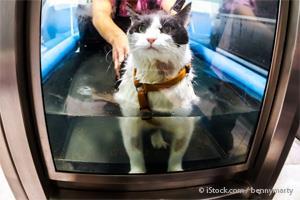
  • Aquatic therapy: Various therapies using water are available, including underwater treadmills to promote weight loss, strengthen cardiovascular health and muscle strength. As explained by the American Association of Rehabilitation Veterinarians (AARV):3

“The [underwater] treadmill can be used in the very early stages of learning to move well again; the higher the water level, the more of your pet’s weight that is supported.

As strength and correct movement improves, the water level is lowered each session to further increase strength. Underwater treadmills can decrease recovery time from surgery, improve arthritis through low impact exercise, and improve cardiovascular fitness.”

  • Thermography: Thermography is the study of how much heat the body is giving off, which reveals areas with inflammation and, therefore, likely pain. Thermography may be used at rehab facilities to diagnose orthopedic or other health issues or to monitor progress during therapy sessions.4

There are many other therapeutic modalities used as well, including:

✓ Pulsed magnetic therapy ✓ Active exercise
✓ Veterinary chiropractic ✓ Therapeutic ultrasound
✓ Joint mobilization ✓ Neuromuscular electrical stimulation

Health Conditions That May Be Treated With Rehabilitation Therapies

If your pet is having trouble recovering from an injury, is struggling with mobility, or has unresolved pain, a rehabilitation specialist may help. AARV provided the following list of conditions that may be successfully treated with rehabilitation, as well as the types of improvements that may be experienced:5

Osteoarthritis: Increased mobility and range of motion, decreased inflammation Hip dysplasia: Build-supporting muscle mass, increase mobility and comfort Muscle injuries: Speed healing, restore normal functional length and decrease inflammation
Back injuries: Prevent reinjury and manage pain Fractures: Speed recovery and prevent muscle contracture Amputation: Help with adaptation, build supporting muscles and manage pain
Neuromuscular disease: Strengthening, adaptation and pain management Joint dislocation: Strengthen supporting muscles and ligaments and prevent reinjury Tendon injury: Increase range of motion and strength, decrease inflammation and scar tissue

Keep in mind that rehabilitation isn’t only for dogs. Cats, horses, rabbits and many other pets may also benefit. In the video below, for instance, you can see underwater treadmill therapy for a rabbit. These therapies excel at providing your pet with improved quality of life, regardless of species, so if your pet is in need of extra physical support and healing, consider seeking the help of a professional rehabilitation specialist.


Cry me a River- Pet’s Unsightly Tear Stains

By Dr. Becker and Diane Weinmanntear-stain

Tear staining refers to reddish brown streaks that appear under your dog or cat’s eyes. It’s most common in dog breeds like the Maltese, Lhasa Apso and Shih Tzu, and will be much more noticeable on animals with light-colored fur.

Many owners fret over tear staining because they believe it to be unsightly, but it could be more than a purely aesthetic concern. Epiphora, or excessive tear production, is the most common cause of the discoloration.

This is because your pet’s tears contain porphyrins, which are molecules containing iron as the result of breakdown of red blood cells.

The amount of porphyrins your pet makes and secretes can be influenced by genetics, environmental factors and overall health status. If the porphyrins sit on your pet’s fur, they can leave a rust-colored stain.

I’ll explain some natural options for removing tear stains below, but first it’s important to rule out certain medical issues that could be causing your pet’s excessive tear production.

Medical Reasons for Excess Tearing and Tear Stains

There are many conditions that may result in excess tearing. If your dog has protruding eyes and a flatter snout, check to be sure facial hair is not rubbing on her cornea, leading to irritation and tearing.

Keeping fur trimmed short around her eyes will solve this problem. Other medical conditions that may cause excess tearing include:

  • Entropion: A condition in which the lower eyelid folds inward, resulting in pain, irritation and excessive tearing
  • Trichiasis: A condition in which eyelashes grow in the wrong direction, causing pain and irritation
  • Ectropion: A condition in which the lower eyelid droops or rolls out from the surface of the eye, causing irritation and watery eyes

If structural abnormality of your pet’s eyelid or eyelashes isn’t to blame, chronic eye irritation leading to excessive tearing could be due to viral conjunctivitis (which is especially common in cats), glaucoma or an allergic reaction.

Acute injury, such as if a foreign object gets stuck in your pet’s eye, can also cause eye irritation and tearing.

Some Breeds Struggle With Normal Tear Drainage

Tear stains may also be the result of abnormal tear drainage, which is quite common in brachycephalic breeds (dogs and cats with “pushed in” faces). Examples include boxers, bulldogs, Pekingese, pugs, Shih Tzus, Himalayan (cat) and Persians (cat).

Eyelid problems are common with these breeds and due to their protruding eyes, they may have difficulty closing their eyes all the way. This can lead to drying and irritation, leading to excessive tearing as the body attempts to keep the corneas moist and well lubricated. Some of these breeds also have abnormal tear drainage.

Instead of their tears being funneled into their tear ducts, they may instead spill out onto their faces, which means their eyes may be chronically runny. In some cases, your pet’s tear ducts may simply be blocked, and your veterinarian may be able to flush them out and solve the problem.

Some dogs have tear ducts that have been sealed shut since birth (this is sometimes seen in Cocker Spaniels and poodles, for instance). Others, as mentioned, may struggle with normal tear draining because of their flat face and shallow eye sockets.1

If your pet has a tear drainage problem that can be resolved with surgery, such as prolapsed third eyelid, I recommend you make sure the procedure is done correctly (the gland is replaced verses being removed).

Consulting with a veterinary ophthalmologist for complicated cases is well worth it. These vet specialists will have the training, experience and specialized equipment necessary to perform delicate eye surgery.

Excessive Tearing Can Lead to Infectiontear-stain-cat

Constant watery discharge from your pet’s eyes is likely uncomfortable for your pet and, due to the area staying constantly wet, may lead to infection. If an unpleasant odor is present, your pet may have developed a yeast infection (this is especially true if the stains are more brownish than reddish).

If yeast or another infection is present, see a holistic veterinarian for natural treatment options. You can try colloidal silver, for instance, by applying a small amount (via a cotton ball) to your pet’s face. Colloidal silver has antimicrobial properties that may help reduce yeast infection or dermatitis in the area.

You can also use a diluted organic tear-free baby shampoo to gently cleanse the skin around your dog’s eyes twice a day until the infection resolves.

Tips for Removing and Preventing Tear Stains

Some dogs are more prone to tear stains than other, even within the same breed. One of the simplest methods of prevention, however, applies to all dogs: wipe her face with a warm, damp cloth at least twice a day, which will help to clear away porphyrin-containing moisture. Keeping her face hair trimmed is also important.

If the hair around your pet’s eyes is notably annoying to her, ask a groomer to shave the hair under the eyes and then apply a thin layer of coconut oil to the area. This may help to reduce irritation and inflammation.

There are some herbal eye wash products available that may be useful for pets prone to tear stains. I have also found supplements that assist in detoxification, including milk thistle, SAMe, dandelion, olive leaf, chlorophyll, colostrum and probiotics, to be effective in decreasing the amount of tear staining in my patients.

At a foundational level, you’ll also want to feed your pet a fresh, balanced and species-appropriate diet and fresh, filtered drinking water. This will ensure she’s not taking in excess iron or impurities that will further stress her body (and perhaps contribute to staining).

If you feed a commercial diet, I recommend rotating brands and flavors/recipes to provide a variety of nutrients to your pet but to also to give him a break from the exact same amount of premixed vitamins and minerals you feed on a daily basis. Many pet foods meet AAFCO minimum nutrient requirements but can also contain borderline toxic levels of some nutrients (such as iron) and over time feeding a diet too high or low in nutrients is stressful on the body.

By keeping your pet’s face clean, providing her with a healthy diet and addressing any injuries or structural or infectious factors in her excessive tearing, you can likely keep tear staining to a minimum. Whatever you do, do not attempt to remove tear stains with products like milk of magnesia, medicated powders intended for humans, makeup remover, corn syrup or hydrogen peroxide.

Also, avoid tearstain-removal products that contain antibiotics, which may or may not be listed on the label. Any product you use for tear stains should be clearly labeled “antibiotic-free.” If you’re interested in a natural tearstain remover, your holistic veterinarian should be able to recommend one. Research has found that many tear stain products contain Tylosin, an ingredient that is potentially harmful and may promote negative side effects

Tearplex™ has been vet recommended as superior in all these categories for cats or dogs:


Marketed to Reduce Appearance of Existing Tear Stains Marketed to Target Future Tear Stains  Does NOT   Contain Tylosin†Potentially  Harmful Ingredient Marketed to Contain Natural Ingredients Marketed for Dogs of ALL Breeds

tearplex


http://tear-stain-center.com/tearplex/


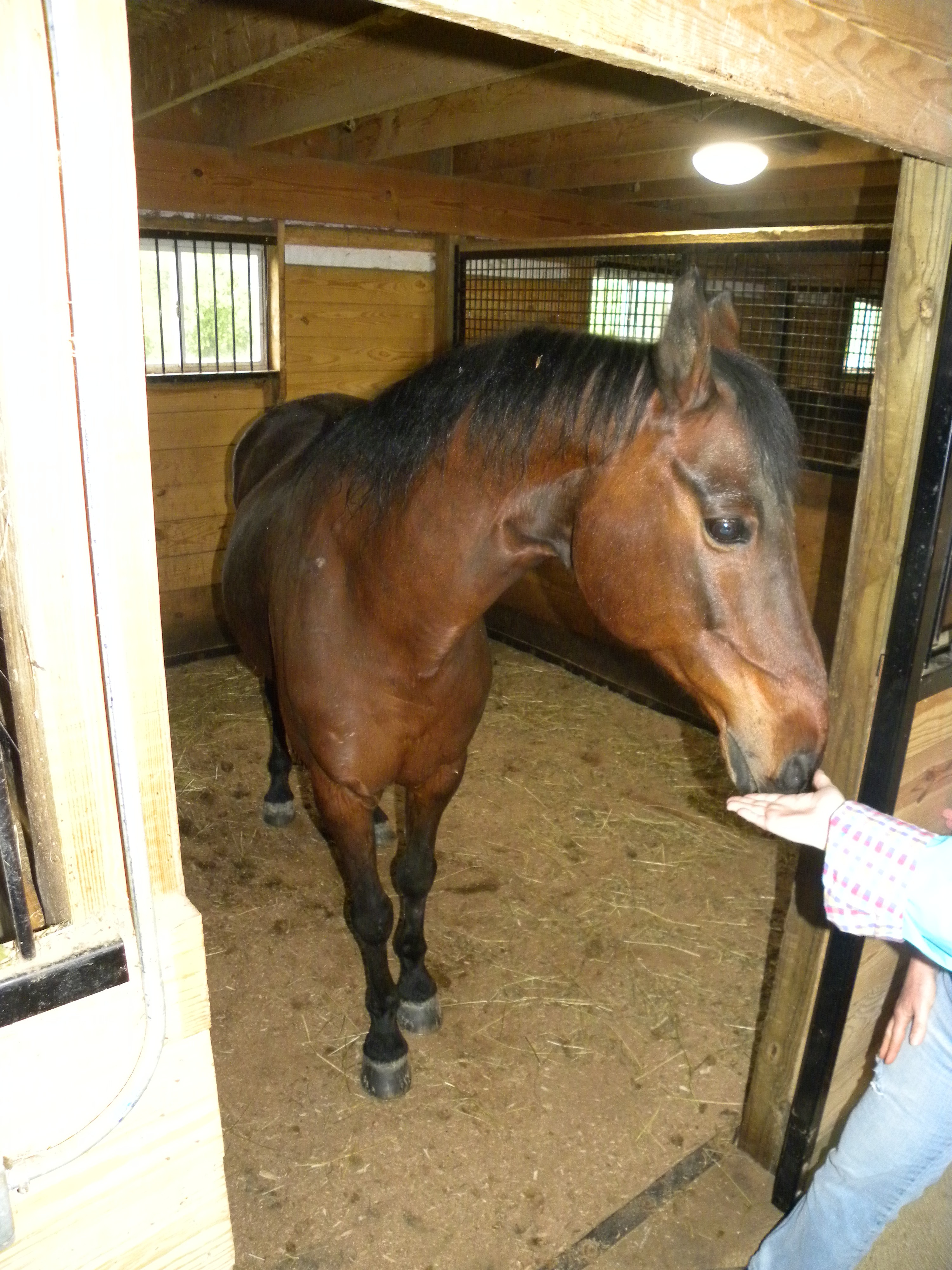
Moody Horses

Emotions have a powerful influence on how an individual behaves and views the world.1  The negative emotions that go along with mood swings can lead to pessimistic thinking and impact quality of life. Exactly what causes moodiness isn’t well understood. Various aspects of a horse’s environment and biology affect its emotional state, and a few of these are presented below.

If you are a horse owner or has been involved with horses at all you have heard the old saying “mood mares” are the worst! Let’s explore why that is….by the way all the mares that I have owned (2) were very sweet and not moody at all!

What Causes Mood Swings?DSCN2662_0011

Medical conditions

A veterinarian should exam a horses that experience mood fluctuations or persistent negative emotions. Moodiness can be a sign of underlying health issues that flare up periodically, such as allergies, joint and muscular pain, gastrointestinal issues, and disorders of the nervous and endocrine system. In humans, mood fluctuations are also associated with psychiatric conditions such as depression, bipolar disorder, and attention-deficit hyperactivity disorder. Whether horses suffer from these same mental disorders is not known. Previous injuries can cause occasional discomfort and associated changes in mood. If your horse grinds his teeth, it could be a sign that he is experiencing physical discomfort or stress.

Anxiety and stress

Moodiness has been linked to anxiety, and a string of bad days can lead to a loss of emotional control. Animals with an anxious temperament or who experience chronic stress tend to be more on edge, and negative emotions can be easily triggered by seemingly irrelevant or minor events. Interestingly, a recent study found that young horses showed larger swings in emotions than older horses in response in response to novel objects.2 Controlling mood swings caused by anxiety requires identifying and eliminating the sources of stress from the environment.

Hormonal changes

Hormones are known to play a role in controlling emotions and managing stress. They’re often blamed when a mare is moody, but much more is known about how hormones act on equine reproductive behavior than about how they affect emotions. Hormonal irregularities, including abnormal levels of thyroid and adrenal hormones, can cause fluctuations in emotions.  In humans, disruptions in daily activity can also lead to hormonal imbalances and increase the risk of mood disorders, including depression, bipolar disorder, and seasonal affective disorder.  It’s possible that disturbed routines also cause hormonal imbalances and moodiness in some horses. Sticking to a predictable routine by structuring activities at the same time every day can help maintain normal daily hormonal balance and stabilize mood.

“Keeping a journal can help identify patterns related to the horse’s shifting moods.”

Disrupted sleep

Disrupted sleep is closely linked to mood and anxiety disorders in humans, and when deprived of rapid eye movement (REM) sleep, people often become sad and irritable. Horses also suffer from sleep deprivation if they get less than 60 minutes of REM sleep a day, on average, for about a week. This can happen if the horse is unable to lay down in a laterally recumbent position, because of physical discomfort, insufficient space, insecurity about the environment, or social pressure.3 A horse deprived of REM sleep will become visibly drowsy, but it isn’t known if sleep disturbances are linked to negative moods in horses as they are in people.

Environment

Even when mood swings seem occur without rhyme or reason, the horse is probably reacting to something that the owner simply didn’t experience or notice. Events in the environment are nearly always involved to some extent in triggering negative emotions in a moody horse. Keeping a journal can help identify patterns related to the horse’s shifting moods.  It’s important to think broadly by looking at the horse’s routine, activities, locations, time of day, weather, social interactions, diet, and more.  Nutrition is considered a vital component to mood management; consult with an equine nutritionist for advice about your horse’s diet and feeding schedule.

Training the Moody Horsehorse-carrot

Figuring out the reasons for a horse’s mood swings can be complex, and negative emotions can interfere with and frustrate training. When your horse is having a bad day, being flexible and adopting a different approach can help. Below are some general strategies that can be used to protect against the emotional highs and lows.

  • Environmental and behavioral enrichment can reduce a horse’s baseline anxiety and vulnerability to stressors. Providing more positive experiences in general and during training can reduce a horse’s pessimistic outlook and improve mood.
  • Moody horses should get regular physical exercise, so don’t give up and put your horse back into his stall when he’s in a bad mood. Exercise causes the body to produce endorphins, and these hormones can help reduce the effects of stress and improve mood. Voluntary exercise is thought to be more beneficial than forced exercise.
  • Avoid punishing a moody horse; it will only make his negative outlook and emotions even worse. Instead, readjust your expectations and demands.  Set the horse up for success by removing stressors from the environment, asking the horse to complete simple tasks, and generously rewarding his small successes.

These strategies will have limited success if there is an underlying medical problem, so consult with a veterinarian first if your horse has emotional swings or persistent negative moods.


References

1 Briefer Freymond, S., Briefer, E.F., Zollinger, A., Gindrat-von Allmen, Y., Wyss, C., and Bachmann, I.  (2014) Behaviour or horses in a judgment bias test associated with positive or negative reinforcement.  Applied Animal Behaviour Science 158, 34-45.

2  Baragli, P., Vitale, V., Banti, L., and Sighieri, C. (2014) Effect of aging on behavioural and physiological responses to a stressful stimulus in horses (Equus caballus).  Behaviour 151, 1513-1533.

3 Larson, E.  (2012) Understanding equine sleep deprivation.  The Horse (April 4), http://www.thehorse.com/articles/28927/understanding-equine-sleep-deprivation

By Robin Foster, PhD, CAAB, IAABC-Certified Horse Behavior Consultant and comments by Diane Weinmann

Robin Foster, PhD, CAAB, IAABC-Certified Horse Behavior Consultant, is a research professor at the University of Puget Sound in Seattle, Washington, and an affiliate professor at the University of Washington. She holds a doctorate in animal behavior and has taught courses in animal learning and behavior for more than 20 years. Her research looks at temperament, stress, and burn-out as they relate to the selection, retention, and welfare of therapy horses. She also provides private behavior consultations and training services

13112755_641026502720401_5286172465589240582_o