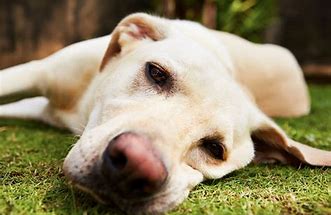
5 Classic Signs of Canine Aging

By Dr. Karen Shaw Becker


Much as we’d like our canine companions to stay forever young, sadly, just like us, they get older. The good news is it’s the care and love we give them throughout their lives that allows them to grow and thrive and reach their golden years.

Once your dog starts to show signs of aging, it’s important to focus on making his senior and geriatric years as happy, healthy and comfortable as possible. One age-related condition that many older dogs develop is canine cognitive dysfunc­tion (CCD), which is similar to Alzheimer’s diseases in people and is the result of an aging brain.

Clinical signs of cognitive dysfunction are found in 50 percent of dogs over the age of 11, and by the age of 15, 68 percent of dogs display at least one sign.1 And because large and giant breed dogs age more quickly than smaller breeds, dogs as young as 6 can begin to experience mental decline.

Symptoms of CCD

There are five classic signs of cognitive decline in dogs:

1.    Increased total amount of sleep during a 24-hour period

2.    Decreased attention to surroundings, disinterest, apathy

3.    Decreased purposeful activity

4.    Loss of formerly acquired knowledge, which includes housetraining

5.    Intermittent anxiety expressed through apprehension, panting, moaning or shivering

Other symptoms include failure to respond to commands and/or difficulty hearing, inability to recognize familiar people and difficulty navigating the environment. Additional physical manifestations of CCD can include excessive licking, lack of grooming, fecal and urinary incontinence, and loss of appetite.

5 Ways to Help Your Older Dog Maintain Cognitive Function

1. Feed a nutritionally balanced, species-appropriate diet

A species-appropriate, nutritionally balanced diet that is rich in healthy fats, including omega-3 fatty acids such as krill oil and other healthy fats, including MCT oil, is very important for cognitive health.

The perfect fuel for an aging dog is a variety of living, whole foods suitable for a carnivore. Eliminate all refined carbohydrates, which are just unnecessary sugar. No grains, potatoes or legumes. Replace those unnecessary carbs with extra high-quality protein. Eliminate extruded diets (kibble) to avoid the toxic byproducts of the manufacturing process.

Dog foods are manufactured in a way that creates byproducts that can affect cognitive health, including heterocyclic amines, acrylamides and advanced glycation end products, or AGEs. Fresh, biologically appropriate foods provide the whole food nutrients an aging brain requires. The right diet will also enhance the microbiome, which has been linked to improved cognitive health in humans, and I’ve seen an improvement in dogs as well.

2. Offer supplements beneficial to older dogs

When it comes to supplements, I typically recommend digestive enzymes and probiotics for all older pets. If your dog needs additional fiber in the diet, choose natural sources such as psyllium husk powder, ground dark green leafy veggies, coconut fiber or canned 100 percent pumpkin.

I also almost always recommend an omega-3 fatty acid supplement such as krill oil (my favorite), another fish body oil (but not cod liver oil) or algal DHA for pets who are allergic to seafood.

Most aging dogs can benefit from joint and antioxidant supplements such as glucosamine sulfate with MSM, cetyl myristoleate, egg­shell membrane, perna mussel (green-lipped clam), several homeopathic remedies, ubiquinol, supergreen foods and natural anti-inflammatory formulas (herbs such as turmeric and yucca, proteolytic enzymes, SOD and nutraceuticals).

3. Provide plenty of opportunities for exercise, socialization and mental stimulation

Senior and even geriatric dogs still need daily exercise to maintain good health and a resilient frame. While older dogs can’t exercise or compete with the same intensity as the younger set, they still derive tremendous benefit from regular walks and other age-appropriate physical activity. There are three types of strengthening exercises that can also be of tremendous help to aging canine bodies:

·         Passive range-of-motion (PROM) exercises can benefit both incapacitated and physically healthy pets

·         Balance and proprioception (spatial orientation and movement) exercises help older pets remain flexible while also encouraging improved balance and physical stability

·         Targeted strengthening exercises are designed to work the big muscle groups that help with standing, walking and running

No matter how old your dog is he still needs regular social interaction with other pets and/or people. As is the case with humans as we age, if your four-legged family member doesn’t stay active and involved in life, his world can become a confusing, intimidating place. He needs regular exposure to other pets and people, but take care not to over stimulate him — short periods of socialization and playtime in controlled situations are ideal.

Food puzzle and treat release toys provide fun and a good mental workout, as does nose work and brief training sessions to refresh his memory or teach him a new skill.

4. Minimize stress

Fortunately, there are many things you can do to minimize anxiety and stress in your older dog. Senior and geriatric dogs, especially those with CCD, are often disoriented, so sticking to a dependable daily routine can help your pet stay oriented, which will reduce her anxiety. Try to get up and go to bed at the same time each day, feed her at the same times and go for walks on a set schedule.

Keeping your dog at a healthy weight and physically active will help control arthritis and degenerative joint disease as she ages, ensuring she remains comfortable and mobile. Chiropractic adjustments, stretching, water exercises and acupuncture can also provide enormous benefits in keeping dogs mobile in their later years.

Regular massage can help keep your senior dog’s muscles toned and reduce the slackening that comes with aging. Massaged muscles are looser, which makes it easier for her to move around comfortably. Massage also improves circulation and encourages lymphatic drainage. It can ease the stiffness of arthritis, which helps your pet maintain his normal gait and active lifestyle. Massage also loosens the muscles around joints, which helps promote ease of movement.

If your dog is having some urine dribbling or incontinence as a result of her age (and not caused by an underlying condition that should be addressed), provide her with more frequent potty trips outside. You can also reintroduce her to her crate if she was crate trained initially. Acupuncture can also be very beneficial for age-related incontinence.

If your dog has problems hearing or seeing, use odor cues like essential oils or pheromone products to help her find her way around. Also consider purchasing or building ramps if your dog is having trouble getting into the car or up on the bed or a favorite chair, and if she’s slipping or unsure on bare floors, add some runners or area rugs.

For sleep problems, try increasing her daytime activity level. Let her sleep in your bedroom. Sleeping near you should help ease any anxiety that is contributing to her nighttime restlessness. Guide your dog with clear cues and easy-to-follow instructions, and when you talk to her, keep your voice quiet, calm and loving.

5. Schedule regular senior wellness check-ups

I recommend twice-yearly wellness visits for pets no matter the age, but this becomes even more important for dogs getting up in years. Keeping abreast of your animal companion’s physical and mental changes as he ages is the best way to catch any disease process early.

Ask your vet to perform a blood test to check your pet’s internal organ health to make sure you are identifying possible issues early on. Keeping abreast of your pet’s physical and mental changes as he ages is the very best way to catch any disease process early.

Over-vaccinating is something older animals do not need, so advocate for your older dog by refusing additional vaccines. You can replace the vaccines with titers. A titer is a blood test that measures protective immunity. Chances are your dog is very well-protected. Switch to titering to help reduce her toxic load.


Homeopathic remedies for Colic

by Dr. Dan Moore DVM


 It’s difficult for me to discuss any health issue without the mention of a few homeopathic remedies for colic is no exception and overload or excess of anything can often be helped with a remedy called nux- vomica It is my first response favorite remedy for anything related and is great at what I call energetically detoxing as well as for other health issues such as post-anesthesia.


It’s actually also good for people who have eaten or drank too much!


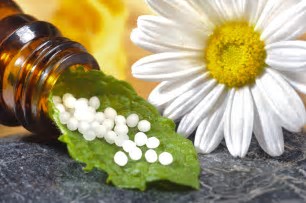
 Most homeopathic remedies are available as liquids but I prefer the little BB sized pellets packaged in lipstick tubes most health food stores and some big grocery change chains can carry them potencies of 30C or 30X are generally used by most people unless they are trained otherwise.


 I am totally convinced that homeopathic remedies can never hurt and can only help in any case we never leave home without a remedy box and there’s always one at the barn.


 Another remedy to consider is Colocynthis should the nux not give comfort it is especially helpful for cramps that would be characterized by kicking and rolling and looking or biting at the belly. Additionally, Colchicum especially if neither of the other remedies seem to work.


 I usually give nux a few times every 10 minutes or so followed by Colocynthis and Colchicum  rotating each at 10 minute intervals.  I also try to prevent rolling by walking the horse because this process often takes his mind off the pain and gets the gut moving


Kidney Disease and your Cat

By Dr. Karen Shaw Becker and comments by Diane Weinmann
 

Feline expert Dr. Lisa Pierson, founder of the fabulous website CatInfo.org. Dr. Lisa graduated from the University of California, Davis veterinary school in 1984. For the last 15 years, she has focused almost exclusively on feline nutrition and feline medicine. Her passion is trying to help prevent some of the diseases we see in kitties today (e.g., diabetes and urethral obstructions) by feeding them properly.

“My biggest goal, as you well know,” says Dr. Lisa, “is to get people to stop feeding dry food to cats due to the water depletion, which can lead to urethral obstruction, and the carbohydrates, which make cats more susceptible to diabetes.”

Feline Kidney Disease May Be Linked to a Particular Vaccine

The no. 1 problem veterinarians see in cats today is kidney disease, and so I wanted to talk with Dr. Lisa about the best way to feed kitties with kidney disease. When I was in veterinary school 20 years ago, I was told 3 out of 4 cats will die of kidney disease. No reason was given. We were told, “There’s nothing you can do. Cats are predisposed to die of kidney failure.” We were taught how to identify the problem, but not what causes it. I asked Dr. Lisa for her thoughts on what’s behind the epidemic of kidney disease in cats.

“That’s a fabulous question I wish I had the answer to,” she replied. “We do know that a well-respected researcher, Dr. Michael Lappin at Colorado State University, has established a possible link between feline kidney disease and the feline viral rhinotracheitis, calicivirus and panleukopenia (FVRCP) vaccine, which is grown in feline kidney cell cultures.”

“We really want to be very careful not to over-vaccinate cats,” Dr. Pierson continued, “because they can possibly set up an autoimmune type of reaction to their own kidney cells. Having said that, my own cats still developed kidney disease.

I assure you they were not over-vaccinated. They got vaccinated as kittens. They passed away between 18 and 20 years of age. They were never vaccinated again after their kitten shots, yet they still got kidney disease. They were not on dry food. They were on a water-rich diet. So the short answer to your question is, ‘I don’t know, but I wish I did.'”

An important point to make here is that as Dr. Lisa’s situation demonstrates, we can do everything right and our cats may still acquire a debilitating disease, including kidney disease. Many parents of sick cats say, “I don’t know what I’ve done wrong.” Often, they’ve done nothing wrong. Even in optimal environments, cats can and do get sick.

How Many Vaccines Do Indoor-Only Cats Require?

I usually recommend, for people with indoor-only cats, that they skip all vaccines. If you know your cat will never step foot outside and no other cats will be brought into the home, there’s virtually no risk of exposure to the diseases we vaccinate against. I asked Dr. Lisa what she thinks about not vaccinating indoor-only cats at all.

“While I’m definitely against over-vaccinating, I always give at least one vaccine when the kitten is at least 16 weeks of age,” Dr. Lisa says. “I’ve seen enough cats die from panleukopenia to make me uncomfortable with the thought of no vaccines at all.

We do take these cats to veterinary clinics and many people do wear shoes in their homes so there is not zero exposure. I would at least vaccinate once. I differ with you on this issue. I’d be worried about leaving them completely unvaccinated for panleukopenia.

I had five cats two years ago. I lost four out of my five cats in the last two years. They were between 18 and 20 years of age. They received [two] FVRCP vaccines as kittens with the last dose administered when they were at least 16 weeks of age. A couple of them may have received another FVRCP vaccine a year later but no FVRCP vaccine was administered after that. None had been vaccinated since they were kittens or maybe a year old.

On their last day with me, I ran panleukopenia titers to measure the antibody levels in their bloodstream. Antibodies aren’t the only things that fight disease, of course, but for all intents and purposes, all the cats’ titers indicated they were protected against panleukopenia.

My mom’s cat is 20 years old. I don’t think I vaccinated him after age 5. I ran a couple of panleukopenia titers on him when he was 18 and again just recently and the titers were at a level that immunologists feel is a protective level against this disease.

My own cats are 100 percent indoor-only. They get vaccinated with FVRCP when they’re kittens, with the last vaccine at about 16 weeks of age when the maternal antibodies should be gone. I do not administer the FVRCP vaccine again.”

So Dr. Lisa does vaccinate her indoor-only cats, but minimally. Historically my indoor cats also received one vaccine at 16 weeks. But I think if I get another kitten who will live strictly indoors, I’ll probably not vaccinate at all. I’ll probably do none, since his or her exposure will be none, in my opinion.

‘Protein Is NOT the Enemy of the Cat Kidney!’

Next I asked Dr. Lisa for her thoughts on what cat parents can do early on in their pet’s life to try to prevent kidney disease.

“I really don’t know anything concrete,” she explained. “Some people believe a water-depleted diet of dry food can harm the kidneys, but I don’t know if there’s any research to support that theory.”

Often, cats fed exclusively dry food have super-concentrated urine because their kidneys are trying to preserve water for the body. “Does that cause or lend itself to kidney disease?” asks Dr. Lisa. “I really don’t know.”

“I feed a water-rich diet. I feed a species-appropriate highprotein/moderate fat/zero carb diet. With regard to how protein affects the kidneys, it’s important to understand protein is not the enemy of the cat kidney. Protein doesn’t cause kidney disease. It doesn’t exacerbate kidney disease. It is not the enemy of the kidney.

If there’s one take-home message I want to get across, it’s ‘Please stop vilifying protein!’ I would not feed any of the protein-restricted, so-called ‘prescription’ diets to any cat in my care. There are always better options.”

The Problem With Protein-Restricted Diets for Cats

Back in 1994, Dr. Delmar Finco proved cats will die of hypoproteinemia (insufficient protein) long before they die of kidney disease. I can’t figure out why, if we’ve had research available for over two decades, there’s still this pervasive idea in veterinary medicine that we should restrict protein. I asked Dr. Lisa why she thinks veterinarians still have not recognized that limiting protein is a really bad idea.

“We have to ask why this idea of protein-restricted diets came to be in the first place,” she replied. “Why did our profession glom onto the idea that protein is the bad guy? When we eat protein, our bodies break it down. We use what we need and our bodies produce BUN (blood urea nitrogen, or urea), which is a waste product of protein metabolism.

The more protein we eat, the higher the BUN load. If the kidneys are efficient and healthy, they filter the BUN out into the urine. When the kidneys become less efficient filtration organs, the BUN rises in the bloodstream. So the powers that be decided, ‘BUN comes from dietary protein. Let’s just minimize dietary protein.’

I do not have a problem with cutting back a little bit (say, from 60 or 70 percent to 40 percent) but I do not agree with feeding cats only 20 percent of their calories from protein.”

My thought is that if you’re feeding a poor-quality, rendered, dehydrated protein that conceivably consists of indigestible animal parts such as hooves and nails, it may negatively affect the kidneys long term. High-quality, human-grade, bioavailable protein — which is what cats in the wild eat — should have little to no negative impact on organ systems. If it did, felines wouldn’t have survived as a species.

However, we’ve preached the low-protein thing for so long, to switch viewpoints now could dramatically impact the billion-dollar pet food industry. I fear it’s possible we’ve gone too far to turn back.

“I’m still hopeful,” says Dr. Lisa. “I spoke with a colleague the other day. She had just attended a seminar at which someone said, ‘We’ve got to stop protein-starving these cats.’ And I thought to myself, ‘Hallelujah!’ I’ve been preaching this for 15 years, as have you.”

What Amount of Protein in a Cat’s Diet Is the Right Amount?

“I want to give your listeners some numbers to chew on,” says Dr. Lisa. “If you look at metabolizable energy, meaning the calories from protein, fat and carbs, they have to add up to 100 percent. Hill’s k/d, Purina NF, Royal Canin are prescription diets that restrict protein to a level between 20 [to] 27 percent of calories. A cat’s natural diet is about 60 to 70 percent.

When I formulate recipes for my chronic kidney disease (CKD) cats, or I recommend over-the-counter diets, using my proteins, fats, carbs, phosphorus chart at CatInfo.org, I recommend a nice happy medium of 40 percent calories from protein. I don’t think cats truly need the 60 to 70 percent they find in the wild. All you are doing is adding to the BUN load. I don’t think it’s necessary.

I’ve had fabulous results over the last 15 years feeding thousands of CKD cats right around 40 percent protein, and less than 10 percent carbs. My homemade diets have zero carbs. That means they have 60 percent fat, because it has to add up to 100 percent.

So those are some numbers I want to share with your listeners. In the vast majority of patients, I find that 40 percent protein calories will support muscle mass and the immune system without unnecessarily overloading the BUN bucket that the kidney then has to deal with.

Of course, more BUN is generated with a 40 percent protein diet than one with 20 percent protein. That is obvious. However, all disease processes are a trade-off and one has to remember a very basic equation: 6 ounces of a 20 percent protein diet = 3 ounces of a 40 percent protein diet in terms of grams of protein ingested — assuming the same caloric and water density.

Sure, a cat can meet their protein requirements on a diet that has only 20 percent of the calories from protein, IF they eat enough of it. But what happens when a cat on a protein-restricted diets starts to eat less? The answer is they will become protein malnourished and the diet needs to be more protein dense to make up for the decrease in volume intake.”

When You Lower the Protein in a Cat’s Diet, You Should Raise the Fat Content, Not the Carbohydrate Content

Interestingly, Dr. Lisa’s 60 percent fat figure lines up with the recommended fat intake in ketogenic diets. I think we need to educate pet parents that fat is an excellent source of energy, and it’s also dogs’ and cats’ evolutionary source of energy.

“In the wild, cats eat about 60 to 70 percent protein, 0 to 2 percent carbs, and then 10 to 30 or 40 percent fat,” says Dr. Lisa. “So the 60 percent fat for a CKD diet can end up being double what their natural diet is if we want to hold back on the protein a bit and NOT overload them with carbohydrates.

Research on fat content in cat diets indicates that some cats with GI problems such as chronic vomiting, chronic diarrhea, inflammatory bowel disease, and pancreatitis don’t do well on a 60 percent fat diet, but it’s rare.

Felines are obligate carnivores. They’re designed to eat protein, fat and no carbs. When pet food producers formulate prescription diets, k/d for example, with lower protein, they have to raise the percentage of either fat or carbs to get to 100 percent. Hill’s raises the carbohydrates, which makes the diet even more species-inappropriate.

Royal Canin actually chooses to raise the fat and keep the carbs down a bit. That’s much more species-appropriate. If you’re going to lower protein at all, don’t raise the carbohydrates. Raise the fat. Cats deal with fat more efficiently than carbohydrates.”

A Brilliant Tip for Monitoring Your Cat’s Kidney Function at Home

In my experience, many people with CKD cats are frustrated that the condition wasn’t discovered earlier. That’s why I like to be proactive and perform annual bloodwork to identify subtle changes that can occur in cats’ bodies long before they start showing symptoms of kidney dysfunction. I asked Dr. Lisa what she feels is the best age to start doing annual bloodwork on cats.

“That’s a great question, but I’m going to turn it around,” she replied. “What I check, because it’s usually the first thing to head south with respect to kidney disease, is urine specific gravity. I have a spoon sitting next to all my litterboxes — the boxes are uncovered because I’m not a fan of covered or hooded litterboxes — and a little syringe.

For around $50 to $70, you can buy a refractometer — this information is actually on my urinary tract diseases page towards the bottom under the video showing how to obtain a free-catch urine sample at home. There’s a link there to a refractometer. I put a couple of drops of urine from the syringe on it and look at urine specific gravity, which is a measure of the concentrating ability of the kidneys.

All my cats go in for annual bloodwork anyway, no matter their age. Of course, if they’re sick, I’ll take them in more frequently. Bottom line is, I do annual bloodwork, but I’m checking their urine specific gravity frequently ([four to six] times a year) when they get to be 10 years of age or if I notice them drinking more than usual. My cats are very used to spoons stuck under their butt!

The SDMA test — which is the proprietary IDEXX urine test that is supposedly better than creatinine levels in detecting early kidney disease — can also be run. However, measuring urine specific gravity can be done at home for no cost other than a refractometer and it may be even better than the SDMA, in some cases, to help us recognize kidney disease earlier.

Urine specific gravity parameters:1.040 and above shows a normal urine concentrating ability of the kidneys; 1.012 is rock bottom. When you start getting 1.030, 1.025, 1.020, you may want to take your cat in to check the BUN, the creatinine, the phosphorus and the potassium.”

That’s really great advice. Cheap, easy, and you’re not stressing out your cat. Just follow kitty with your spoon when he goes into his litterbox, stick spoon under butt, collect a bit of urine, pull it into your syringe and put a couple drops in your refractometer. You can start when he’s a kitten, or as soon as you bring a new adult cat home. You can continue to do it proactively throughout their lives. It’s a brilliant tip!

The Kidney Disease Staging System (IRIS) Has Serious Flaws

“I also suggest setting up an Excel spreadsheet for all the BUN, creatinine, phosphorus, potassium and urine specific gravity results,” Dr. Lisa continues. “Those are my big five: BUN, creatinine, phosphorus, potassium and urine specific gravity. I’ve charted all my cats, which brings me to the IRIS staging system.

The IRIS staging system — IRIS stands for International Renal Interest Society — establishes parameters for judging the severity of kidney disease. When the creatinine is over X, they’re stage one. When it’s over Y, they’re stage two. There are four stages.

I personally strongly dislike this system. I think it’s far too strict. Creatinine over 1.6 is deemed a problem. I disagree with that. My own cat, Robbie, has had a creatinine in the low [2s] for the past 10 years.

He’s 17 years of age, and his kidneys are still fine. I think the IRIS staging system alarms people unnecessarily, and too early. I think it’s too strict. I just want readers and your listeners to understand that when your vet says stage 1 kidney failure it’s a case of maybe, or maybe not.”

This is very true. There’s a whole lot of doom and gloom around IRIS staging. I think it can actually lead to premature euthanasia, when the fact is there is much that can be done for these cats, sometimes for years to come.

“The cats are put on a prescription renal diet, which I strongly dislike,” says Dr. Lisa. “It’s also one of the reasons I have a problem with the SDMA test, because these cats are being put on protein-restricted diets even earlier. I think to myself, ‘Great. We’ve got an early marker, but now these 6-, 7-, 8-year-old cats are being put on protein-restricted diets, which makes me cringe.'”

Why Supplementing With Fish Oil/Omega-3s Is so Important

So let’s say we have a cat for which we regularly check urine specific gravity, and all is well until kitty turns 9 or 10 and his number dips to, say, 1.025. We take him in for an SDMA test, and the vet determines he’s in the beginning stages of renal disease. I asked Dr. Lisa how she would proceed at that point.

“First of all, let’s hope the cat has been off of dry food all his life, or at least as soon as his owner learned dry food is not a very healthy diet for a cat,” she says. “So let’s hope he’s on a water-rich diet.

Regarding urine specific gravity: Picture a sieve in your kitchen, and the holes of that sieve are getting bigger and bigger and bigger. When urine specific gravity drops, it means the kidneys are leaking more and more water. They’re unable to save water for the body.

There’s nothing that frustrates me more than to see cat owners leave their vet’s office with a bag of fluids under one arm and a bag of dry food under the other arm. They’ve been told to feed a water-depleted diet and then stick a needle in their cat’s back to put water into him. That’s pretty nonsensical

The sensible approach? Step one, provide a water-rich diet. Step two, the diet should be low in phosphorus. Step three, supplement with omega-3 fatty acids— fish oil, fish oil, fish oil. When we do post-mortems on these cats, we see nephritis. ‘Neph-‘ means kidney, ‘-itis’ means inflammation.

We know that fish oil and omega-3 fatty acids, specifically eicosapentaenoic acid (EPA) plus docosahexaenoic acid (DHA), are anti-inflammatory. There was a meta-data study done that looked back at all the individual CKD studies that were done, and the researchers discovered that cats getting high amounts of fish oil seemed to live the longest.

Now, I’m not that bright, but two plus two might equal four in this case, where we have an inflammatory process. Fish oil happens to have anti-inflammatory properties, so it stands to reason that fish oil may slow the progression of kidney disease.

Here’s my goal: one capsule per cat per day. One regular strength capsule should have about 300 milligrams of combined EPA plus DHA. They’ve done safety studies to show that 600 milligrams of combined EPA plus DHA per cat per day is safe.

Fish oil can cause bleeding problems in some patients, which is why if you’ve gone in for surgery in recent years you’ve probably been told to stop taking aspirin and also fish oil ahead of time because they have anti-clotting properties. But 300 milligrams of combined EPA plus DHA is safe.”

“We also treat with potassium as needed,” explains Dr. Lisa, “because sometimes these cats get very hypokalemic, meaning they have low blood potassium levels.

One of the reasons I don’t like the prescription renal diets is because toward the end stage, CKD cats can get hyperkalemic, meaning they have too much potassium in the blood. All the renal diets are fortified with potassium, so they end up compounding the problem of hyperkalemia and are detrimental to the patient.”

Switching a Dry Food-Addicted Cat to a Moisture-Rich Diet

“I really love homemade diets,” says Dr. Lisa. “I’m a big fan. The recipes I formulate mimic the prescription diets in that they include plenty of B vitamins and antioxidants, plenty of fish oil, and I can adjust the potassium as needed based on the patient’s blood levels.

They’re low in phosphorus. They contain a moderate amount of high-quality proteins versus the prescription diets, [which] are more protein-restricted and often have very [poor-quality] (low biological value) sources of protein (e.g., [Brewers’] rice). My patients thrive on these homemade diets.”

I’m of course a huge proponent of homemade diets as well. The number one complaint I get from clients, though, is their cat won’t it eat.

“First of all, there is no need to make diet ‘all or nothing,'” says Dr. Lisa. “Many cats will not eat a diet of 100 percent homemade and always need a bit of commercial canned food mixed in to make it more flavorful. It’s fine to mix commercial with homemade. Some homemade is better than nothing.

That said, I find that people give up far too easily when trying to get their cats to eat a new diet. People shouldn’t get discouraged as quickly as they do. They have to roll up their sleeves, work at it, and be patient. Also, the key issue is change the diet before your cat is really sick. No sick cat wants to try something new.

And use your cat’s hunger as your friend. Don’t put the food down, watch them walk away from it, and just give up by putting their old food back down. Make them go 12 hours without food. Make them go 18 hours without food. Get a little tough.

Look at my tips for transitioning a dry food addict. It’s applicable when you need to change any diet. Hunger is your friend, number one. Take the diet they like, 90 percent of it. Mix in 10 percent homemade, then go 80-20 or 70-30. Or do the opposite, take 90 percent of the homemade, start slipping in a little Fancy Feast or Sheba, or whatever you want to feed.

But be patient. Don’t give up. You can actually out-stubborn your cat, but people give up far too easily. It took me three months to get my cats off 100 percent dry food. Some of them had never seen canned food in their entire lives, including my 10-year-old. It took me three months to get them from dry food to canned food.

And then it took me a little bit longer to get them from the canned to the homemade, because the canned tends to be gamier-smelling, and probably a little bit more flavorful.

I love FortiFlora, which is a Purina probiotic. I use it as a flavor enhancer, not as a probiotic. If I were to put that powder on cardboard my cats would eat it! I just use it like salt and pepper, just sprinkle it on their meals. It’s a liver digest. If you’re going to pick something that a cat likes, most cats love liver.

Or you can buy something like Fancy Feast Chicken and Liver or Turkey and Liver, the classic feast, which is kind of my go-to enticement. I try to stay away from fish. I don’t want to create a fish addict. There are other problems with fish. But when you’re trying to transition a cat away from dry food, I don’t mind giving them a little bit of fish, but you’ll have to wean them off it.”

A Word About Fish Versus Fish Oil

For those of you confused as to why we’re recommending fish oil but not fish, I should clarify that our issue with fish as a protein source is that not only are many types of fish contaminated, they are also high in iodine, which can cause hyperthyroidism. Good-quality fish oil supplements don’t contain iodine and are tested for purity and potency, which means they’re screened for heavy metals and PCBs.

Fish oil also doesn’t cause food sensitivities, unlike fish fed as a protein source. Bottom line, fish oil is really in an entirely different category from fish fed as a protein source. It’s protein versus fat, as Dr. Lisa points out. Fish oil is safe and a good source of omega-3 essential fatty acids. However, feeding fish to cats is not recommended.

If Your Cat Has Kidney Disease, Ask Your Vet About Calcitriol

I asked Dr. Lisa what else she would suggest cat parents do to help enhance their kitty’s quality of life, longevity and kidney function.

“You might want to ask your veterinarian about calcitriol,” she answered. “Calcitriol is the active form of vitamin D. One of the jobs of the kidneys is to take the inactive form of vitamin D and activate it. In other words, it makes calcitriol.

The parathyroid gland, not the thyroid gland, but the parathyroid gland, is very intimately involved with calcium and phosphorus balance. It secretes parathyroid hormones (PTH), which can be toxic to the kidneys if it gets too elevated. The off switch for PTH production is calcitriol.

If we don’t have enough calcitriol in our body, there’s nothing to tell the parathyroid gland, ‘Shut up. Be quiet. Stop making so much PTH.’ The research on cats is scant and a little iffy. But calcitriol proved to be beneficial in a study of dogs.

There are some feline specialists who are big proponents of calcitriol for cats, and I personally think it’s a ‘can’t hurt, may help’ issue. Your viewers should ask their vets about administering calcitriol to their CKD cats. It’s recommended early in the disease. If the dosage is adhered to properly, I think it’s a can’t-hurt-may-help.

When we first tried the calcitriol we got some hypercalcemia early on because we were giving it every day and at higher doses than we currently use. We now give it twice a week instead. And for the record, I don’t recheck CKD patients to death. I feed a high[-]quality, low-phosphorus diet with plenty of antioxidants and anti-inflammatories. I use calcitriol and call it a day. Beyond that, the chips are going to fall where they may.

I find that most of my clients get frantic, asking ‘What can I do, what can I do, what can I do?’ The truth is, not much. Cats’ kidney disease will progress as it’s going to progress. So again, don’t over-vaccinate. Feed a water-rich diet. Sit back and relax with your cat. Don’t keep fretting about it because the kidneys are going to do what they’re going to do on their own timetable. There’s really nothing we can do about it beyond the basics I’ve just discussed.”

If Your Cat Is Diagnosed With Kidney Disease, There’s No Need to Panic

I am always impressed with how resilient cats’ bodies are. Even in a state of decompensation (organ failure) they keep going and going and going. Often the BUN is very high and they’re still eating and physically look fine. If we’re chasing a number or making decisions based on a lab result, I think it’s easy to become so overwhelmed that it takes away from our quality of life. It’s possible to fret so much about the future that we don’t enjoy the time we have left with our pet.

“I’m glad you brought that up,” says Dr. Lisa. “I find that subcutaneous fluids are used far too early in the disease process. I’m also not a fan of Azodyl. I don’t feel it works. I don’t feel there’s any benefit. I don’t want to see cats being pilled with these humongous capsules.

You know me, I’m typically not much of a supplement person. I’m a ‘Give them good food, give them fresh water, love them and don’t keep poking a needle in their back until it’s really time’ sort of person.”

Dr. Lisa brings up a great point. I love Azodyl, but I do not believe we should be shoving anything down a cat’s throat. I think if your kitties will eat supplements like Azodyl or probiotics on their own, awesome. But the last thing you want to do is chase a cat, especially a sick cat around the house and have her hide under the bed and fear you.

This is completely disruptive to your relationship with your kitty, and even more important, it significantly increases her stress response, which will end her life sooner than anything else. There’s no reason we should be cramming anything down a cat’s throat. If they take supplements voluntarily, great. If they don’t, don’t force it.

“Absolutely,” says Dr. Lisa. “I have an article on pilling cats on my website. I hate pilling cats. I may be a real weeny about it, but I just hate it. And again, be careful about starting fluids too early. Cats can live a long time with CKD.

My cats got kidney disease at 14 and 16. They both died four years later, but not from kidney disease. They died from cancer. And I want to also mention that just because your cat has a low urine specific gravity, it isn’t the kiss of death. Cats whose kidneys have stopped fully concentrating the urine can live three, four, five years and longer and quite often die from something else. If your cat starts to get a low urine specific gravity number, there’s no reason to panic.”

Honoring Your Sick Cat’s Wishes

All of Dr. Lisa’s suggestions today have been common sense and very respectful of the feline body and spirit. But I think, most importantly, they should provide peace of mind for those of you watching or reading who are worried about your cat and kidney disease.

Sometimes the more information we gather — even though we want to understand everything we can so we can make good decisions — can create profound stress. It can also cause vets to give their clients with CKD cats long lists of tasks to perform that can be daunting. Often, we’re making decisions not on how the cat looks or seems to feel, but on a theoretical disease progression that may or may not occur. We end up creating stress for everyone in the family, including the cat, and it doesn’t have to be that way.

“Exactly,” Dr. Lisa says. “When I go on VIN (the Veterinary Information Network), colleagues are asking each other questions like, ‘When do you start fluids?’ The answer more often than not is something like, ‘When the creatinine is 3,’ which is a very arbitrary approach to a procedure that is stressful for both the cat and the owner.

Instead, you need to look at the patient. Are they eating a water-rich diet? Are they eating plenty of it? Do they have any vomiting or diarrhea? Are they bright and alert? You don’t just start fluids arbitrarily at a number. You look at the patient.

It’s also important to understand that plain water (no sodium, chloride, etc.) taken in orally is healthier for a body then the fluids that are administered subcutaneously. Therefore, we should do whatever we can to increase oral water intake before starting sub Q fluids. This means feeding no dry food and adding some extra water to canned food or a homemade diet.”

I think if an animal is saying, “Don’t do that to me,” we need to not do it to them. That’s one of the hardest things to convince clients of, that “This will be a really nice approach IF our patient participates.” But if we have a cat who chooses not to participate, we need to respect that. I think we need to encourage our clients to be more respectful and push less. “I agree 100 percent,” says Dr. Lisa. “My Toby, I thought he’d be very easy to give fluids to. I tried it, and he hated it, so I didn’t force him to accept the procedure.”

Sometimes we end up making decisions to not treat the patient, because they have decided they don’t want to be treated. That’s called honoring our patients’ wishes. To honor their wishes, why not ask your cat?  Contact an animal communicator like Diane Weinmann at dianefortheloveofanimals@yahoo.com to discover your cat’s wishes.

“Quality over quantity,” Dr. Lisa agrees. “Because let’s face it, we want everybody, human and animal, to live forever. There’s a selfish component to it, because you don’t want to lose them. But don’t be selfish with your cats. Listen to them.”

I very much appreciate Dr. Lisa Pierson making time for me today and sharing her tips, tricks, ideas, thoughts and amazing information with us. Be sure to visit her website, CatInfo.org, which provides a wealth of extremely helpful and practical information about your cat’s health.


Growing Your Own Medicinal Herbs

Growing Your Own Medicinal Herbs

Lemon Balm

Before horses were domesticated, they roamed free and kept themselves healthy by grazing on a large variety of plants and herbs. They used their deeply-ingrained instincts to seek out the plants they needed to maintain their health. A wealth of herbal knowledge was acquired by ancient herders who spent their lives watching the animals in their charge seek out certain plants at different times according to their needs. This information was handed down through many generations.

The Benefits of Having your Own Garden

Cut and dried herbs can be very expensive to purchase, but they are often very easy and inexpensive to grow yourself. Growing an herb garden for your horse will give you the ability to harvest fresh herbs whenever you need them. The herbs can be dried and stored for later use, or made into tinctures or extracts that can be given orally or added to various equine grooming and health products.

Many herbs offer wonderful health benefits for horses when added to feed rations, or by allowing the animals to graze on the fresh plants. Herbs can be a beneficial addition to hoof oils, poultices, wound, skin and coat products, and insect repellents. Planting herbs around the barn can also repel insects. Garlic, geraniums, lavender, rue and wormwood planted near stables and pastures can help control overpopulations of bothersome bugs. Also useful for repelling insects are eucalyptus, citronella, lemongrass and tea tree – these herbs are often used in all-natural insect repellents and applied externally to help repel flies, mosquitos and other pests.

Top 8 Herbs for Your Garden:

  1. Aloe Vera (Aloe barbadensis)

Aloes are semi-tropical succulent plants. They can be grown outdoors in climates where there is no chance of freezing (USDA Zones 10 to 11). Aloe vera is relatively easy to grow indoors if given sufficient light. If grown outdoors, it should be planted in full sun or light shade. The plant is fairly drought-tolerant, but some water should be provided. Watering should be minimal in the winter when the plant becomes somewhat dormant. In the summer, the soil should be soaked and allowed to dry completely before watering again.

Parts used: Juice or gel from the leaves.

Use: The gel soothes itchy dry skin and heal burns and wounds.

Cautions: This plant should be used externally only. Do not let horses ingest it, as it is a strong purgative.

  1. Arnica (Arnica montana)

This perennial herb is native to continental Europe. It is also known as leopard’s bane, mountain tobacco, and mountain arnica. Arnica montana is a member of the aster family, and is closely related to the sunflower and daisy. The plant reaches heights of 12” to 24”; it is hardy and can be grown successfully in Zones 4 to 9. It grows best in full sun, but can do well in partial shade. The stems carry single yellow/orange flowers from mid-spring to the end of summer. The plant can be slow to start from seed but can be propagated by division or from cuttings.

Parts used: Roots and dried flowers.

Use: Apply it externally for musculoskeletal injuries such as sprains, strains, bruises and sore muscles. Arnica stimulates blood circulation and specifically stimulates the action of white blood cells to relieve congested blood and trapped fluids from bruised tissues. Its anti-inflammatory and anti-bacterial qualities can help reduce pain and swelling and improve healing. It is an excellent addition to hoof treatments to prevent and treat bruised soles and sensitive hooves.

Cautions: The plant contains some toxins and should not be taken internally. Arnica may also be toxic when used on open wounds for long periods.

  1. Calendula (Calendula officinalis)

Also known as pot marigold, calendula is an essential part of your medicinal garden. It can grow to almost 24” in height, displays bright yellow/orange flowers, and prefers full sun or partial shade.

Parts used: Flowers.

Use: Entire flower heads can be used in preparations for healing cuts, scrapes, burns, insect bites and irritated skin. Calendula has antiseptic and anti-inflammatory properties. It is my first choice for the topical treatment of wounds.

Cautions: Do not give internally unless under the supervision of a qualified herbalist.

  1. Chamomile (Matricaria recutita)

An annual with small, daisy like flowers, chamomile is native to Europe and naturalized in North America. It is a relative of the sunflower and has a sweet characteristic smell. Chamomile seeds are among the few that need light to germinate, so growing can be a delicate process. Chamomile can be planted outdoors by broadcasting the seeds and mixing them very lightly with soil after all chance of frost has past. Seeds can also be started indoors and then transplanted outside after a hardening-off period. Once the plants are established, chamomile is very hardy. It prefers full sun but can tolerate partial shade.

Parts used: Fresh or dried flowers.

Use: Chamomile has anti-inflammatory, relaxant, analgesic (pain relieving), anti-fungal, anti-allergy, tissue-healing and antibacterial properties. The German Commission E has approved chamomile for external use in supporting skin care and inflammation, with several clinical trials supporting its efficacy. Chamomile is used for burns, ulcers, wounds, skin sensitivity and for enhancing coat appearance. Its anti-inflammatory action can be attributed to the natural chemicals alpha bisbolol and chamazulene contained within the flower; they have the ability to inhibit arachidonic acid metabolism. Chamomile’s ability to relieve pain may be due to a prostaglandin-inhibiting action.

Cautions: In rare instances, chamomile may cause an allergic sensitivity in susceptible individuals.

  1. Comfrey (Symphytum officinalis)

This perennial herb originated in Europe. Comfrey is a hardy plant that can grow in a wide range of climates. It does best in USDA Zones 3 to 9, but will grow almost anywhere. Comfrey is most easily propagated from root cuttings and needs three-foot spacing for proper root development.

Parts used: Root and main rib of leaf.

Use: Applied externally for contusions, sprains, wounds, burns, and inflammatory skin disorders. Comfrey decreases healing time and acts as a mild analgesic.

Cautions: Should not be used internally without the guidance of a qualified herbalist.

  1. Dandelion (Taraxacum officinalis)

Like arnica, the dandelion is another plant in the Asteraceae or aster family. Often considered a weed, dandelions actually have some amazing health benefits. They are a wealthy source of many nutrients including vitamins A, B, C, D, potassium, calcium, manganese, sodium, sulfur and choline. You probably don’t need to do much to grow dandelions and will very likely find them growing on their own.

Parts used: Whole plant, leaves, flowers, roots.

Use: The dandelion stimulates liver function and bile production, as well as pancreas and kidney function. It is highly beneficial to the digestive system as a whole. Dandelion cleans the blood and stimulates excretion processes. It makes an excellent spring tonic and can be a great plant for horses to graze on during rehabilitation and conditioning. Dandelion is a very effective diuretic, and is also used for rheumatism, arthritis, laminitis, and as a mild laxative.

Cautions: Because many people consider dandelions a weed, exercise caution when harvesting them or allowing horses to graze on them – be sure they have not been treated with pesticides.

  1. Echinacea (Echinacea purpurea)

Another member of the aster family that’s also known as coneflower, Echinacea is native to the central and eastern United States. It adds color to the garden, blooming with purplish-pink flower heads accented by a raised disk center. It is best to plant Echinacea in spring or fall. It’s very tolerant of heat, humidity and dry conditions. This plant attracts butterflies to the garden.

Parts used: Mostly roots, and seeds/flowers.

Use: Echinacea has immune-dilating, anti-inflammatory, anti-viral, antibacterial, and anti-fungal properties. It is used to increase white blood cell production in the blood and helps clear infection from the body. Can be given dried or as a vinegar extract.

Cautions: Echinacea is possibly contraindicated in cases of autoimmune diseases and cancer.

  1. Peppermint (Mentha piperita)

More than 25 species of mint are grown around the world. Peppermint is distinguished by its square stem with a reddish hue. It prefers partial shade but will grow in full sun. Because it spreads vigorously by underground runners, you may prefer to grow it in containers so it doesn’t take over your garden. Peppermint is usually not grown from seed, but propagated from roots or runners.

Parts used: Leaves

Use: Peppermint can be added to horse feeds to make them more palatable. It has a beneficial effect on the digestive system and helps soothe the GI tract. The oils in peppermint can also be added to skin and coat products to alleviate and cool dry itchy skin.

Cautions: No known contraindications.

Urinary tract infections

Urinary tract infections

By Integrative Vet Care

Urinary tract infections (UTI) are frequently seen in small animal practice. They are estimated to affect up to 5% of all dogs, but are far more common in female and older dogs with diabetes.

Signs of a UTI include difficulty urinating, bloody or cloudy urine, increased urinary frequency along with decreased volume, accidents in the home, strong odor, vomiting, lethargy and increased water consumption. UTIs are caused by bacteria, with Escherichia coli (E.coli) being the most common. Other bacteria implicated in UTIs include Enterococcus, Klebsiella, Staphylococcus pseudintermedius and Pseudomonas.

Antibiotics are commonly prescribed for UTIs, and include cephalosporins, aminoglycosides, tetracyclines, fluoroquinolones and chloramphenicols. This has unfortunately resulted in increased antibiotic resistance among a variety of canine isolates, including E.coli.

Complicating the issue is that many UTI bacteria are present as a biofilm. A biofilm is a community of bacteria surrounded by a protective extracellular polymeric matrix consisting of a variety of compounds, including polysaccharides and glycoproteins. The biofilm matrix provides a physical barrier that protects the bacteria from the effects of antibiotics as well as the host immune system. The matrix is also porous enough to allow for the exchange of fluids and nutrients, resulting in an ideal environment for bacteria to thrive. Several studies have shown that the antibiotic-sensitivity profile of biofilm bacteria is very different than that of non-biofilm (planktonic) bacteria. In fact, biofilm bacteria may be more than 1,000 times more resistant to antibiotics than planktonic bacteria.

Traditional antibiotic culture and sensitivity testing of UTIs involves culturing a urine sample and exposing the resulting bacteria to a variety of antibiotics. A problem with this approach is that these bacteria are not grown as a biofilm. As a result, the test population does not accurately reflect the form of bacteria in the patient, and incorrect antibiotic sensitivity profiles are often obtained. In addition to being ineffective, continued use of the incorrect antibiotic promotes widespread antibiotic-resistance in bacteria.

The BecSCREEN assay has been developed to determine antibiotic-sensitivity profiles specifically for biofilm bacteria. In this assay, the bacteria are first grown as a biofilm and then exposed to a variety of antibiotics and concentrations. The end result is a test that determines the antibiotic sensitivity of the bacteria as it would naturally exist in the UTI. This approach may allow for a more accurate antibiotic sensitivity profile and more effective treatment. Additionally, by treating the infection with the proper antibiotics, the possibility of antibiotic-resistant strains emerging is reduced.

As we learn more about UTIs and the dangers of acquired antibiotic resistance, the need for assays that more accurately test the effectiveness of antibiotics on bacteria as they naturally appear becomes obvious, and provides us with better treatment and improved quality of life for our patients.


Collecting Urine from your pet

by HomeoPet | Feb 26, 2018 | Natural pet health

Getting a urine sample can be a simple or frustrating experience depending on how accommodating or shy your pet is, but a little know how can make for a much easier and more pleasant experience.  For a homeopathic vet, the information gleaned even from the collection process can be very helpful in coming to a suitable treatment.

So ‘how?’; ‘how much?’; ‘when?’ and even ‘why might you need to collect your pet’s urine?’

Lets answer ‘when’ first.  

A urine sample is best obtained first thing in the morning, with the patient having been kept indoors overnight with free access to water. In some cases water restriction is necessary, but only on your vet’s say so – never restrict access to water without veterinary instruction.  For example, a kidney patient can die from the consequences of water deprivation.   Another advantage of an early morning urine sample, especially, if you live in a town or city, is that you are unlikely to become of too much interest to the neighbours as you follow your pet around with a scoop or saucer!

Next to ‘how?

Collecting urine from dogs

For dogs, take them out on lead (so they can’t get too far away from you, unless you have awfully long arms or a polystyrene cup attached to a broom handle). Male dogs usually cock their leg and urinate on a regular basis, especially over the competitions’ sprinklings. Then it is just a matter of placing a urine sample collector or pre-sterilized dish (such as a margarine container or other flat plastic food container) in the stream of urine to collect the sample. Proper urine sample containers are available from a local chemist, drug store, pet store or your veterinarian. Alternatively, the dish needs to be cleaned and sterilized by washing in boiling water. Special urine collection scoops and vials can be bought, but are in many cases unnecessary for initial samples. Avoid the use of vitamin containers or containers with similar contents as contamination can alter the results.

For bitches, the situation can sometimes take more work. You need to have her on a lead and you must wait for her to start passing urine before putting the saucer underneath. If you attempt to put the saucer underneath a bitch before she starts, whatever chance you had of collecting the urine sample is gone! Some bitches will hold on for days if disturbed before starting to urinate. Yet once a bitch starts urinating they can rarely stop before you get a sample!

Collecting urine from cats

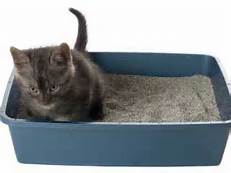
For cats, a whole different set of rules apply and the litter tray rules supreme for sample collection at home. You will need to provide a clean, sterilized litter tray with no cat litter in it. The litter tray should be slightly tilted to one end so that the urine runs away from any faeces the cat may also do in the tray. You can put in commercially produced plastic pearls (see photo left in pack and right in litter tray), or shredded plastic, but this is not as easy to get in these days of paper shopping bags. What I do is roll up the plastic and use scissors to cut strips off the roll, which looks just like shredded paper. Then I shake the cut plastic strips apart to make fluffy, sterile, non-absorbent litter, which for some reason almost all cats will use, especially if they are locked in a room with a lino floor.

If the bathroom is normally used as your feline’s toilet room, then be sure to put about an inch of water in the sink and bath so kitty doesn’t decide to use one of these giant litter trays!

As I was originally writing this article and had duly told my client all the things to remove from the bathroom, only to discover the cat had started using the potted plants in the bathroom as the ideal replacement litter tray – once removed a sample was forthcoming, so you really need to think like a cat, when setting up the room.

Why Do Cats Groom So Often?

Why Do Cats Groom So Often?

By PetPav and comments by Diane Weinmann

Cat lovers know how our cats are such clean pets because they groom themselves all the time.  Not that we’re complaining.  As it turns out, cats spend as much as half of their waking time grooming themselves or other cats! We absolutely enjoy the benefits, but why do cats groom so often?

Cats learn grooming from birth

The mother cat’s first job after giving birth is to remove the amniotic sac, then lick the kitten with her rough tongue to help stimulate its breathing.  Kittens, emulating their mothers, start self-grooming by the time they’re a few weeks old. If they are part of a litter, they are likely to lick and groom one another as well.  Or even when simply sitting next to each other…in harmony!

Here are some of the reasons your cat will groom (which is why it can happen all day!):

Cleanliness

Cats usually groom themselves to stay clean. Their tongue is used like a comb and removes old fur, loose fur, and dirt. Cats are naturally clean animals and this helps maintain a healthy coat and is a sign of good health.

To clean injuries

Cats wash their injuries to cleanse the wounds, and possibly to prevent infection. Licking with a rough tongue can also remove dead skin cell.

To hide their scent from predators

Cats’ sense of smell is fourteen times more powerful than that of humans. Most predators, including cats, track prey through scent. A mother cat in the wild will try to hide her young kittens by removing evidence of their feeding. She will wash herself and them thoroughly after nursing. This is the same instinct as when a cat scratches the floor around the food dish after eating.

To lubricate their fur

When cats groom, their barb-like tongues stimulate the sebaceous glands at the base of their hairs and spread the resultant sebum throughout the hairs.  Their self-grooming also helps rid the coat of dirt and parasites such as fleas.

Emotional grooming

This type of grooming helps a cat feel better emotionally. If your cat was just frightened or feels tense, grooming is a calming mechanism. Emotional or displacement grooming helps them deal with stress.

Temperature control

Cats don’t sweat so grooming themselves is a way to cool themselves down in warm weather and keeps the fur closer to their skin to retain heat in cold weather. When a cat licks and tugs at its fur, it stimulates the follicles to release oils that can also help waterproof your cat.

Mutual grooming

If you have two or more cats, they may groom each other from time to time. It’s a way to express friendship and more of a social activity than a hygienic one. Mutually grooming usually expresses comfort, companionship, and even love among cats. Your cat may even groom you (sign of love).

If your cat stops grooming, this could be a sign of a health issue and it might be time to take your cat to the vet.  On the other hand, if your cat is excessively grooming and pulling out his or her fur, you should speak with your vet to find out the cause.

In my 20 year’s experience with pets, and of course by life with my two cats who have passed into spirit, you will witness a marked decrease in the ability to clean and groom themselves in their later years.  Many reasons cause this decline but the most obvious is their lack of flexibility to contort their bodies to be able to do the job!  Much like people in our later years—we have a hard time touching our toes.


Here’s the Scoop on Cat Poop

Here’s the Scoop on Cat Poop

 By Cheryl Lock

While most cat owners are on the lookout for litter box problems, they may not be paying close enough attention to what’s going on inside the box. As unappealing as it may sound, keeping an eye on your cat’s poop can provide an important window into his health.

By knowing what a healthy bowel movement is supposed to look like, you can notice when something isn’t quite right with your kitty, and figure out what to do about it.

What Cat Poop Reveals About Overall Health

Just like for humans, your cat’s feces can be a predictor of important things going on inside his body. For example, a cat with abnormal feces may be suffering from a digestive disorder or liver or kidney disease, says Dr. Alan Schwartz of Compassion Veterinary Health Center in Poughkeepsie, New York. “In a relatively normal cat, [problems with bowel movements] can also be a sign of a sensitivity to the diet offered, as well as parasites,” he adds.

Many times, when cats start to show signs of kidney disease, they become dehydrated, which causes them to have hard stools, says Dr. M. Duffy Jones of Peachtree Hills Animal Hospital in Atlanta, Georgia. “This can lead to constipation, but also should tip you off to get some blood work run to see if there is early kidney disease.” Of course, constipation can have other causes as well, including anything else that leads to dehydration, intestinal blockages, dirty litter boxes, inactivity, neurologic disorders, painful defecation, and the use of some types of drugs.

Diarrhea can also indicate intestinal upset and inflammation, Jones adds, so it’s important to get it checked out. “It can be caused by anything from worms to things stuck in the intestines,” and many other potential problems, he says.

abrupt change in your cat’s diet will almost always cause a change in stool, Schwartz says. Diet changes can temporarily affect the smell, color, and quality of your cat’s poop, notes Dr. Mark Waldrop of the Nashville Cat Clinic. If your cat is otherwise healthy, however, these symptoms should resolve within three to five days. “While your cat’s feces will never smell like roses, a notable worsening in smell should be evaluated, as it can be a symptom of intestinal disease,” Waldrop stresses.

Frequency of Your Cat’s Bowel Movements


“Cats are all different as far as regularity, but most will have once daily bowel movements,” Schwartz says.

As cats age, however, they may have less frequent bowel movements, Waldrop says. “You may even see times when they skip a day.”

But if your cat goes more than two days without stool production, it’s best to call your vet. When cats are constipated, “they will strain or take an inordinately long time in the box, or frequent the box with no stool produced,” Schwartz says.

On the other hand, too much stool can also indicate something is wrong. If your cat consistently has more than two bowel movements a day, you should consult with your vet, Waldrop says.

Color of Your Cat’s Poop

Under normal circumstances, a cat’s stool is dark brown, Waldrop says. “Black is consistent with digested blood in the stool, especially if it’s shiny and looks like road tar,” he describes. Tan or light brown can be an indication of liver or pancreatic issues, he says, but diets high in fiber will also produce a lighter-colored stool.

If you notice blood in your pet’s stool, make an appointment to see your veterinarian, Schwartz advises, as that can be a sign of a potentially serious problem and provide a route for bacteria to enter your cat’s bloodstream.

Pet parents should also call their vet if they notice mucus in the stool. Your cat’s poop should not have any coating, Waldrop adds. “If you find coating on the stool, it could be an indication of colitis.”

Consistency of Your Cat’s Poop

To know what loose or hard stool looks like, you’ll first need to know what regular, healthy stool looks like. The ideal stool should be firm (but not rock hard) and shaped like a log, a nugget, or a combination of the two, Waldrop says.


Keep in mind that the ancestors of domestic cats were desert dwelling creatures. As such, their colons are very effective at removing moisture from the stool, which means it’s normal for their stool to be firm, Waldrop says. “I have a lot of clients bring in normal stool for analysis thinking their cat is constipated,” he says.

Anything that is not formed (i.e., soupy or soft stool) is considered diarrhea, Waldrop says. “Whether it’s liquid or pasty, it’s abnormal and should be evaluated.”

Schwartz notes that it’s important to keep an eye on the consistency of your cat’s stools, especially since cats are prone to inflammatory bowel disease, which is a relatively common cause of diarrhea.

Content of Your Cat’s Poop

“Hair is the most common item noticed in stool, and if it’s not excessive, then this is totally normal,” Waldrop says. If you find large amounts of hair in your cat’s poop, it can be an indication that the cat is over-grooming, he explains, which can be associated with anxiety, itchy skin, or diseases causing excessive shedding.

Tapeworms may also be seen in your cat’s poop, Waldrop says. “They are shiny, white, and about the size of rice,” he describes. “They may also be moving.” Most other intestinal parasites are not visible in the feces.

Other things to watch out for include pieces of cat toys or other household items, such as thread or dental floss. “Some cats are chewers, and if you see these kinds of things in your cat’s stool, you will really need to keep those items out of your cat’s reach, as they can potentially lead to an obstruction,” Waldrop says.

If you notice any of these objects in your cat’s stool, make an appointment with your veterinarian.

What to Do About Cat Poop Issues

As a rule of thumb, never try a home remedy for your cat’s poop issues—or for any malady—without first checking in with your veterinarian, Schwartz says. “Cats are very particular with their sensitivity and tolerance to over-the-counter medicines,” he says.

In addition, it’s always important to make sure your cat has access to fresh water and is drinking enough of it, he says. “Elderly cats are commonly dehydrated because they tend to drink less,” and are prone to diseases that increase their water intake needs.

Jones reminds pet parents to relate their cat’s stools with how the cat is acting. “If your cat is lethargic and the stools change, that is cause for concern,” he says. “If the cat is normal and the stools change, normally I will give them a little time and look for other clinical signs of disease.”

Cat Talk- what the meow means

When Your Cat’s Meowing May Be a Red Flag in Disguise


By Dr. Karen Shaw Becker

A very common question many pet parents have is, “Why does my cat meow constantly? Is he sick, or is he just trying to drive me nuts?” Even if the crying isn’t constant, it can be frequent enough to be of concern, and sometimes it’s just plain annoying. Just as some dogs bark more than others, some kitties tend to meow a lot (just ask anyone with a Siamese at home). If Mr. Whiskers is otherwise healthy and is meowing right at you, he probably wants something. And that something is usually food or attention.

Cats whose owners answer their meows tend to grow more meow-y over time, until the cat and his human are actually having lengthy conversations. And kitties who learn they get food if they meow will ramp up the behavior — especially around mealtime. Senior and geriatric cats also tend to vocalize more, especially at night.

8 Types of Cat Vocalizations

Cats meow to communicate with other cats as well as with humans, and they actually have a rather extensive range of vocalizations. You may know the difference between your cat’s dinnertime meow, for example, and the way she sounds if she’s frightened or annoyed. But many kitty sounds and intonations are more subtle and don’t fit a particular pattern, which can make them harder to interpret. Here’s a cheat sheet for decoding some common kitty chatter:1

Vocalization How It Sounds What It Means Translation
Meow The classic mee-yoww Usually just a shout-out to whoever is around “Hey there!”
Purr Similar to a low idling motor; made by contracting the muscles of the larynx A sign of contentment in most cats; rarely, a sign of anxiety or illness “Backrub feels great… don’t stop!”
Murmur, trill Soft rhythmic “thump” made on exhalation A request or greeting “Pet me?”
Growl, hiss, spit Low-pitched, severe, “I mean business” sound Kitty is feeling fearful, stressed, defensive or aggressive “Back off!”
Shriek or screech High-pitched, loud, harsh scream Kitty is either in pain or about to cause some “Ouch!”
“Don’t touch me!” “Get away from me!”
Chatter Teeth chattering; jaw vibrating Feline hunting sound; frustration from being unable to hunt visible prey “Let me at it… let me at it… let me at it!”
Howl or yowl Loud, drawn out calls Cognitive dysfunction in older cats; aggression; distress “Where are you?”
“Where am I?”
“Why am I yelling?”
Moan Long, low, throaty cry Prelude to vomiting, bringing up a hairball “Get here quick I’m about to make a mess!”

When to Worry About Your Cat’s Meowing

Since you know your pet better than anyone else, it’s up to you to learn his “normal” when it comes to vocalizations so you can immediately pick up on any change in the way he communicates.

Changes in your cat’s meow can signal an underlying medical condition, such as laryngeal disease, high blood pressure or hyperthyroidism. It can also mean he’s dealing with a painful and potentially life-threatening problem such as a urinary tract blockage, especially if he cries out while in his litterbox.

In older cats, increased meowing can be the result of cognitive dysfunction, which is essentially a form of dementia. If your senior or geriatric kitty also seems disoriented, he could be vocalizing due to stress or confusion.

When to Call the Vet

Generally speaking, almost any feline medical condition that results in physical or mental discomfort can cause your cat to vocalize more often or abnormally. If kitty is typically fairly quiet but suddenly gets talkative, or cries when she jumps onto or off of high surfaces, or when you’re holding or petting her, you should make an appointment with your veterinarian.

This is especially true if you’ve noticed other changes, such as a decrease or increase in appetite or sleep patterns, eliminating outside the litterbox, a change in the way she walks or sits or rests, a lack of interest in grooming or a desire to hide away from the rest of the family. Also keep in mind that a normally talkative cat who suddenly grows quiet can also be cause for concern.

Untreated Types of Pain in Dogs

Untreated Types of Pain in Dogs


By Dr. Karen Shaw Becker and comments by Diane Weinmann

The practice of scoring pain is almost exclusively a human medicine tool. A doctor or nurse asks a patient to rate the pain he or she is experiencing with a number, for example, 0 to 10, with 0 indicating no pain, and 10 signifying excruciating pain.

Sadly, the veterinary community has been slow to follow suit. In fact, I regularly have pet parents tell me their vets won’t administer pain medications after surgeries or accidents, even when the client demands them. It breaks my heart that so many animals suffer needlessly, and it infuriates me that doctors who take an oath to relieve suffering fail to do so.

Assessing Pain in Canine Patients

In veterinary medicine, our canine patients can’t tell us in words how much they’re hurting, so pain scoring must be done primarily through observation. It can be used not only with dogs who’ve had surgery, but also any pet dealing with an injury or illness. Since every animal is an individual with a specific pain threshold, to use pain scoring effectively, we must observe the dog before painkillers are given and before any procedure is attempted, no matter how minor (e.g., a blood draw).

We also need to apply some science to the art of observation when determining a dog’s pain score. We need to know average pain levels for the condition the animal has or the surgery about to be performed, and factor those into the equation. This is necessary because many dogs are stoic even when in significant pain.

Pet Pain Scales

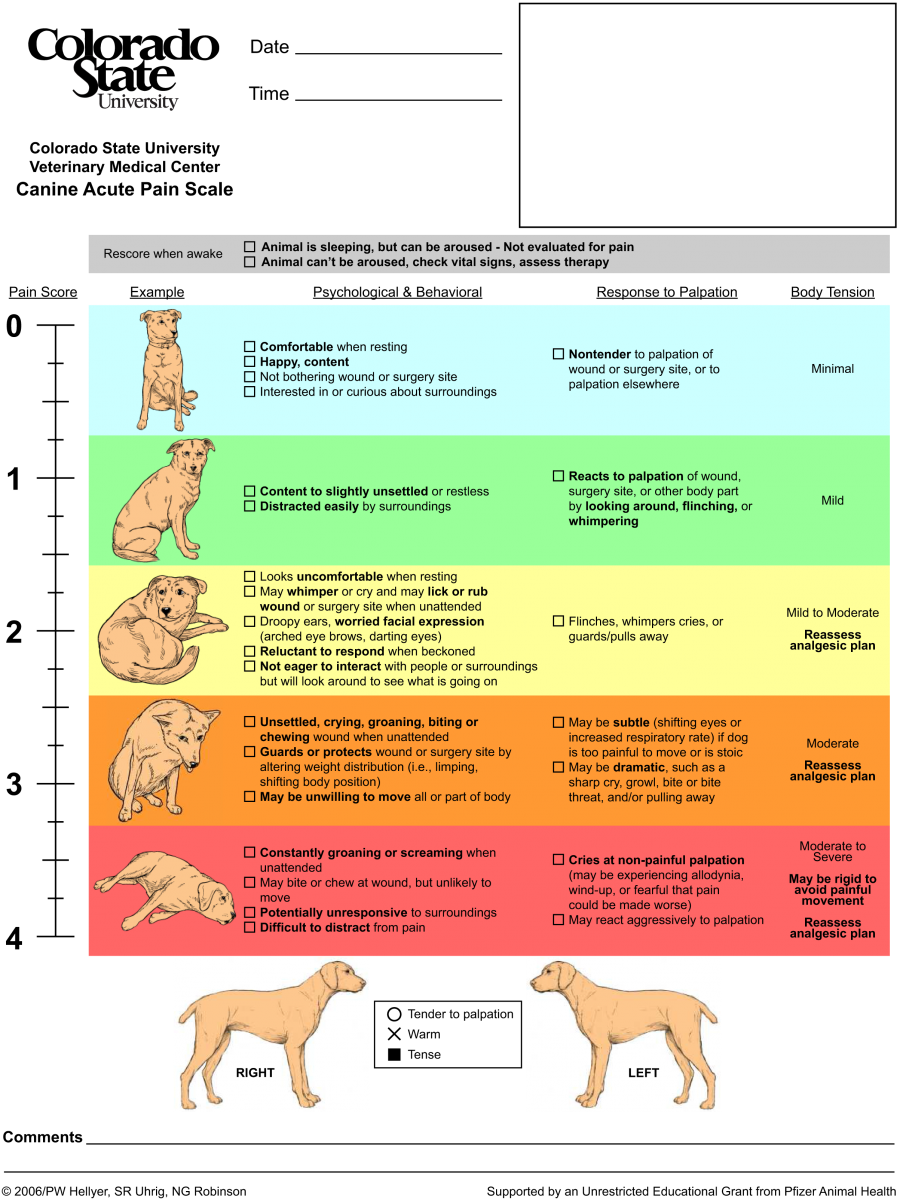
Pain scales such as Colorado State University’s (CSU) below are intended for use by veterinarians and their staffs, but they can also be helpful for pet parents who want to learn what signs to look for to determine if their dog might be in pain.1

Pain score: 0 No pain present. The patient is happy, acts normally, moves comfortably, has a normal appetite and (if applicable) does not bother the surgery site. TPR (temperature) is normal.
Pain score: 1 Mild pain present. This is usually displayed by a slight limp, difficulty getting up or down or a slight increase in TPR. The patient is eating, tail wagging and not depressed.
Pain score: 2 Moderate pain present. The patient shows sensitivity and may lick or chew at the surgical site or wound. The patient may refuse to eat and may seem depressed, and has slow, shallow respirations.
Pain score: 3 Severe pain present. Signs include depression, reluctance to move and sensitivity at the surgical site or wound. The patient will usually not eat, may vocalize and may lie down but not sleep.
Pain score: 4 Excruciating pain present. The patient shows all the signs described with a pain score of 3, in addition to intermittent panting, increased TPR — even at rest — constant vocalizing, profound depression, dilated pupils, aggressiveness and deep breathing.

To view the full detailed CSU pain scales, which include rough drawings of how your dog might appear with a pain score of 0, 1, etc.: Canine Pain Scale.

Signs to Watch for at Home

Determining if your pet is hurting is all about picking up subtle cues. Generally speaking, a cat in pain will make herself scarce, whereas a hurting dog is often a dog with a sad or tense expression. Canines don’t typically whine or cry unless they are in tremendous pain, so here are some other signs to keep an eye out for:2

Lack or loss of appetite Not greeting you as usual
Trembling/shivering Crouching
Not bearing weight on a leg Taking longer than usual to urinate or defecate
Reluctance to climb up or down stairs Excessive panting

What to Do if You Think Your Dog Is in Pain

How your canine companion’s pain is managed depends on what’s causing it, so it’s crucially important to make an appointment with your veterinarian for a thorough exam. Once your vet has evaluated your dog and depending on the root cause of his discomfort, there are a number of integrative therapies that blend nicely to reduce the amount of medications needed to manage pain, including:

There are also some newer therapies I’ve used with good success, including the Assisi Loop, a form of pulsed electromagnetic field therapy. In addition, there are a variety of beneficial supplements you can add to your pet’s diet, again depending on his diagnosis and treatment protocol.

A Type of Pain in Dogs That Often Goes Undiagnosed

Myofascial pain, which is pain in the muscles that results from one or more trigger points, is common in dogs, but because it doesn’t show up on x-rays or other diagnostic tests, it’s often left untreated. The result is that many dogs suffer needlessly with significant, chronic muscle pain.

Trigger points, sometimes described as knots in the muscles, are focal points for inflammation and irritation. They may be in an active or latent phase. In the active phase, a trigger point may be very painful for your pet.

If pressure is applied, pain may radiate from the trigger point to other areas of your dog’s body, such as down the limbs (this is known as referred pain). He may also have latent trigger points that are sensitive, but not as acutely painful as active trigger points. However, even latent trigger points may lead to problems for your dog, including stiffness and restricted range of motion.

Causes of Myofascial Pain

There are many situations that can lead to this type of muscle pain. Some of them may occur suddenly, such as an injury from an unexpected wrenching movement, a fall or a blow to a muscle. Often, however, the development of such pain, and its related trigger points, is gradual.

Just like in humans, dogs may suffer from muscle pain as a result of overuse or muscle imbalance. For example, if your dog runs along a fence every day or favors a back leg due to arthritis, some muscles are being overused and others underused, leading to muscle imbalance and the development of trigger points.

When the pain and related dysfunction becomes chronic, it’s known as myofascial pain syndrome (MPS). Unfortunately, MPS is rarely mentioned in conventional veterinary schools, so it’s often overlooked and left untreated. As veterinarian Dr. Michael Petty notes in his article for dvm360:

“Myofascial pain syndrome is a difficult-to-diagnose and seldom-treated condition in dogs. This is despite the fact that it’s been a recognized pain issue for more than 400 years and entered mainstream human medicine almost 80 years ago. It’s rarely taught in the university setting and there are no books about it.”3

Potential signs of myofascial pain include weakness, muscle tension and stiffness and lameness, or your dog may jump from pain or twitch if you happen to press on a trigger point. Without treatment, trigger points and myofascial pain can turn into a chronic and worsening condition

Treating Myofascial Pain by Relieving Trigger Points

If you suspect your dog is suffering from myofascial pain, see a holistic veterinarian who is experienced at finding trigger points. Once they’ve been located, there are a couple of options for treatment.

One, which is fairly invasive, is dry needling. This involves using an acupuncture needle that is pushed through your pet’s skin to stimulate the trigger point. This may release the tight muscle bands associated with the trigger point, leading to decreased pain and improved function.

Electro-acupuncture and acupressure may also be helpful for some dogs with myofascial pain. Cold laser therapy and ultrasound therapy may be beneficial for dogs that won’t tolerate acupuncture. Another less invasive option is manual manipulation of trigger points using trigger point massage or trigger point therapy. I have found that recurrent trigger point problems can be a result of an underlying chiropractic issue, so if your pet isn’t getting better, consider getting a chiropractic evaluation.


Real life experience from Diane Weinmann

My dog Neko went crazy because some dogs tried to put their faces through our fence.  After they left he ran laps around our back yard because he was so over wrought.  Did I mention he’s a husky?  So once I got him inside and calmed down he flopped down and refused to move.  I figured he was tired from all the running but he was hurting.  Eventually he got up and was limping then holding his leg up and walking on 3 legs.  He was also whimpering.  I immediately started performing reiki energy healing and healing touch for animals on him.  I put an ice pack on the muscle on his hip/leg area.  I also gave him CBD oil to help with pain as I continued to reiki/HTA him and ice his leg.  It took approximately 6 hours for him to really stop whimping when he moved but with rest and repeated healings he completely recovered.  I could have also performed acupressure but was afraid to inflict pressure on an already sensitive area.  In hindsight, I should of went ahead and provided acupressure in addition to the reiki/HTA energy healing. Ah well, live and learn –it’s not like he won’t do it again..he’s a HUSKY!