What You Need to Know Before You Adopt a Rabbit

What You Need to Know Before You Adopt a Rabbit


By Dr. Laurie Hess, DVM, Diplomate ABVP (Avian Practice) and comments by Diane Weinmann

Rabbits are one of the most popular exotic animals kept as pets these days, and—when adopted into the appropriate home—they can make terrific companions. Bunnies come in all colors, shapes and sizes, and are readily adoptable from shelters and breeders.


They are perfect pets for small living quarters, as they don’t take up a lot of space, don’t need to go outside and are generally very quiet.


Typically cute and cuddly looking, rabbits can bond to their owners closely and respond to them by sight and sound. Unfortunately, because of their adorable appearance, too many people impulsively adopt a rabbit, especially around Easter time, without knowing what kind of care or supplies these animals require. 


As a result, new rabbit owners may ultimately become disillusioned with their pets once they realize that these animals require time and effort to care for properly. Too many bunnies are abandoned in shelters as a result of impulsive rabbit adoption.


If you’re deciding whether or not to adopt a rabbit, there are several things you should know before bringing one home:


Rabbits Have a Long Expected Life Span


With proper diet and medical care, rabbits can live eight-12 years or more—which is longer than many other small animal pets.


So, before you adopt a rabbit, be sure you are prepared to feed, house and offer attention to a pet for that many years.


Bunnies Do Best as Indoor Pets


Unlike their wild counterparts, pet rabbits live longer and healthier lives when kept inside. Outside, these prey species are exposed to dangerous wild predators, including hawks, foxes, coyotes and stray dogs.


Plus, their thick fur coats and absence of sweat glands often lead them to overheat easily when exposed to temperatures over 80 degrees Fahrenheit. On the other hand, rabbits typically have little fur on their ears and on the bottoms of their feet, predisposing them to frostbite if they are outside in freezing weather.


If bunnies are allowed outside, they should be provided with shade if it is excessively hot and a heated area if it is excessively cold. They also must have access to water at all times when they are outside and be monitored at all times to protect them from attack by predatory wild animals.


Rabbits Need Exercise


Although rabbits don’t need to go outside or be walked like dogs, they do need time every day out of their rabbit cages.


Daily exercise aids in their digestion and prevents excessive weight gain, plus many rabbits enjoy running around and jumping on top of things. Ideally, rabbits are provided with a bunny-safe room or penned off area indoors which they can explore.


However, they should never be out of their cages unsupervised, as they are known to chew on inappropriate objects (such as painted surfaces and electrical wires) and notoriously get into trouble.


Every Bunny Has Her Own Personality


Rabbits’ personalities differ just like those of people. Some bunnies are reserved and quiet, while others are energetic and outgoing. Before taking a new rabbit home, a person considering whether to adopt a rabbit should spend time getting to know the bunny’s demeanor to make sure it is well-suited to theirs.


Rabbits Need to Be Socialized


While some rabbits are gregarious, others may be shy and try to hide when they are first adopted. Therefore, it’s critical that new owners spend time petting and handling their new bunnies to help them transition happily into their new environment.


New owners must always handle their rabbits safely and gently, being sure to support their hind legs so they feel secure and safe from injury. Rabbits whose hind ends are not properly supported when they are held can kick their strong back legs and break their backs.


Rabbits Need a High-Fiber Diet to Stay Healthy


Bunnies are herbivores (vegetable eaters) who need to consume large amounts of hay each day, not only to help wear down their continuously growing teeth, but also to provide fiber to the bacteria in their gastrointestinal (GI) tracts that break down their food. 


A proper daily diet for a bunny includes unlimited amounts of timothy or other grass hay plus a smaller amount of leafy green vegetables—including romaine lettuce, carrot tops, endive, basil, kale, cabbage, radicchio, wheat grass, squash, brussels sprouts, parsley, pea pods (not loose peas), and collard, beet or dandelion greens.


While appropriate for young, growing bunnies and pregnant or nursing rabbits, alfalfa hay is not generally recommended for full-grown rabbits as they approach 1 year of age as it is too high in calcium and calories. Hay may be provided in a bowl or from a commercially available basket or net that hangs inside the cage.


In general, rabbits should not be offered much fruit other than an occasional small slice of high-fiber apple, pear, plum or peach. Carrots are also high in sugar and should be offered only in small quantities.


To ensure they receive all the micronutrients they need, rabbits should be provided limited amounts of high-fiber, timothy hay-based rabbit pellets (no more than ½ cup per 4-5 pounds of rabbit weight per day).


Excess pellet consumption can lead to diarrhea and obesity. Pellets should not be mixed with seeds, grains or nuts, as rabbits’ GI tracts are not equipped to digest these high-fat items. If ingested, these items can cause GI upset and weight gain.


Bunnies also should be provided with fresh water daily in both a sipper bottle and a bowl, as different rabbits have preferred methods of drinking.


Bunnies Are Fastidious Groomers


Rabbits typically groom themselves often and keep themselves quite clean, so they don’t require professional grooming. However, like cats and dogs, they need their nails trimmed every few weeks, and long-haired breeds—such as the Angora—should be brushed weekly to prevent matting of their hair.


Bunnies do not generally need to be bathed unless stool sticks to their hind ends. Bunnies normally produce two types of droppings: fecal pellets and cecotropes. Cecotropes are partially digested foods that rabbits ingest for essential vitamins and other nutrients.


Rabbit cages should be lined with paper-based bedding (shredded newspaper or a commercially produced, recycled, paper-based products) that should be spot-cleaned daily and completely cleaned out once a week.


Bunnies can be trained easily to use a small litter pan in the corner of the cage containing a type of paper-based bedding that’s different from that in the cage. The litter box should be scooped daily and completely cleaned weekly.


Bunnies Can Live With Other Pets


While rabbits are prey species, and other commonly kept pets, such as cats, dogs and ferrets, are predators whose instinct is to catch prey. However, these animals can live harmoniously in one household if they are constantly supervised.


A well-meaning predatory pet may only want to play with a bunny by picking it up in its mouth; however, their sharp teeth, long claws and germ-laden saliva may inadvertently hurt the bunny. Thus, dogs, cats and ferrets should never be left alone with a rabbit, no matter how gentle and friendly they seem.


Rabbits Must Chew


All rabbits’ teeth—both front and back—grow continuously. Thus, it is essential that they have an unlimited amount of hay as well as safe rabbit toys, such as hard wooden blocks and sticks (like commercially available applewood branches), to chew on to help keep teeth worn down.


If not provided with safe objects to chew on, rabbits will chew on furniture, moldings, door frames, carpets, flooring, wires and other inappropriate objects. Thus, bunnies must be supervised at all times when they are out of their cages, and all areas they have access to must be bunny-proofed in advance.


In addition, their cages should be lockable, as rabbits are notorious escape-artists.


Rabbits Require Veterinary Care


While bunnies don’t require annual vaccinations like dogs and cats, they do require annual preventative veterinary care, including checkups and fecal examinations to look for GI parasites. They also should be examined by a veterinarian as soon as they are adopted to ensure that they are healthy.


In addition, after 6 months of age, all female rabbits should be spayed, since 70-80 percent of unspayed female bunnies develop fatal uterine cancer after age 3.


Rabbits can be phenomenal, long-lived companions when cared for properly, but they are not right for everyone and should not be adopted impulsively.


If you learn about the care they require and have the time to spend with them, look no farther than your local rabbit shelter to find a bunny just waiting to be taken home.


Diane has had several rabbits in her lifetime and can attest to the fact that they are a joy to have.  They are loving and fun to play with but require consistent care.  Diane was allowed to have her first bunny when she was 10 years old so that became the rule for her son when he was 10.  Of course when her son got one, Diane had to have one too!  LOL
 

Hair Shedding


I have a husky and he sheds a lot! I vacuumed every day sometimes twice a day. If I skip a day, it looks like the fur is taking over and I have tumbleweeds of fur piles blowing through my house. No exactly a sight you want people to see when they visit.


Now everybody knows when you have a pet they shed a lot especially when they have a lot of hair.  It’s a constant struggle to keep the loose hair under control but there are some ways to help stop the constant shedding or at least control it a little better.


 First, let’s talk about hair— did you know that your pet’s coat grows in cycles?  This is a normal and it’s a necessary process just like your hair comes out of your head.  The initial phase is when the hair shaft is actually growing then the hair (actually the shaft) matures and as it comes to a mature length it enters what they call a resting phase.  After that resting phase the shaft actually loosens and falls out and that’s when the cycle begins all again. Most of your pets go through this process unless they’re the type that do not shed.  Those of you that have the breed of dog that doesn’t shed have probably chosen that dog for that very reason!


Did you realize that the shedding process begins because it’s actually influenced by the amount of light in the day.  For example, when the time changes and the days gets longer with more daylight hours you will notice that your dog will start shedding and when August rolls around especially late August you’ll start seeing that they shed less because the days are getting shorter and they’re starting to keep their hair in preparation for the winter.  It’s funny, that your pet is trying to get their winter coat but it’s still hot outside!  On the flip side, even though they still need their winter coat in February, as the days get longer, they start shedding so my rugs are filled with hair constantly.  Additionally, the health of your pet along with their DNA gene pool also plays into how much your pet will shed their coat.


Now sometimes you can think that the hair is an allergen but it depends on whether you’re actually allergic, like my husband is allergic to pet dander; however, it’s not actually the hair that causes the problem. It seems that it’s the dander that causes the allergic reaction in him so I have to keep the house very clean.


Be aware that cutting your pet’s hair doesn’t really stop the shedding—your pet is never going to stop shedding no matter what the length of the hair.  Short hair will not stop it from falling out.  Basically, in the war of the excessive hair –you can do a lot of de-shedding and brushing your pet which does help a lot.  If you had a really brave pet, you could actually vacuum them.  My dog doesn’t like the noise of the vacuum so I actually have to let him outside or have my husband take him for a walk while I’m vacuuming. (which is probably an evil plan hatched by the dog to get more walks)


Also, sometimes when your pet is nervous or stressed their hair will start falling out just like you’ll notice changes in your body when you’re nervous and stressed out.  Hair loss can occur especially if your pet is stressed for any length of time.  You may have noticed that if you’re going to a vet appointment it will trigger a stress-related issue with your pet.   Pets may lose more hair for a couple days if they actually go to the groomers, which sometimes stresses out a pet immensely.  So you may see them actually lose more hair.  In order to combat this stress response, you could try to keep them well-groomed at home by doing it yourself.   As you probably already know, it’s just a constant battle to eliminate those wonderful fibers of glistening joy out of your pet!  On the bright side, daily routine grooming will help control the mess that you have on your floor and the more you do it the easier it will be on your pet.  They just get used to it!


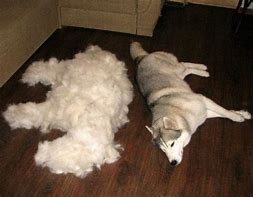
I’m sure you’ve all seen the pictures of a Husky who has been shed out and there is a whole other husky sitting next to you!  I used to have that –I actually still do have it with my husky and I used to have that with my horse too.   I figured all those magical fibers of love will help a whole lot of birds when nest building in the spring!  Since your pet is probably shedding right now because spring is coming, I gather the hair and throw it outside for the birds.   So that’s helping the birds is one positive aspect of shedding.  Some talented people can actually make things out of the collected loose hair but I have no talent in that area.


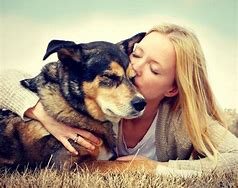
Hug and Kiss your Dog(or cat )!

By Karen Becker and comments by Diane Weinmann

Scientists who specialize in studying all things canine are building an impressive body of research on the extraordinary bond between people and their dogs. Of course, those of us who share our lives with dogs reached the same conclusion long ago, but it’s still nice to have our suspicions confirmed!

Indeed, studies prove there is true chemistry between dogs and their humans. Daily interactions with your canine companion have a measurably uplifting effect on your biochemistry, thanks to a hormone called oxytocin, sometimes called the “hug hormone” or the “love chemical.”

Oxytocin is a naturally occurring substance in the body that makes skin-to-skin contact feel good. It also acts as a natural painkiller, and lowers stress levels and blood pressure.

It has long been established that human-to-human contact, for example, bonding with children or partners, triggers the release of oxytocin. More recently, studies have revealed that bonding with a completely different species also promotes release of this wonderful hormone.

When You Interact With Your Dog, Feel-Good Hormones Abound

In 2003, a study conducted at the University of Pretoria in South Africa revealed some fascinating insights about the interaction between dogs and their humans.1 Dog parents sat on a rug on the floor with their dogs and for 30 minutes, they focused solely on their pets. They talked softly to them, and stroked, scratched and petted them. The owners’ blood was drawn at the beginning and again at the end of the 30-minute session.

The researchers found that the dog owners’ blood pressure decreased, and they showed elevated levels not only of oxytocin, but also several other hormones. These included beta-endorphins, which are associated with both pain relief and euphoria; prolactin, which promotes bonding between parent and child; phenylethylamine, which is increased in people involved in romantic relationships; and dopamine, which heightens feelings of pleasure.

Interestingly, all the same hormones were also elevated in the dogs, which suggests the feelings of attachment are mutual. Next, the dog parents sat in the room and read a book for 30 minutes. None of the hormones, including oxytocin, increased as much as they did during the session with the dogs.

A decade ago, a Japanese study proved that when our dogs gaze at us, our oxytocin levels increase.2 The study involved 55 dogs and their owners. The people whose dogs gazed at them for two minutes or longer showed higher levels of oxytocin than owners whose dogs gazed at them for less time, and claimed to be happier with their dogs than owners whose dogs’ gaze was only around a minute long.

In a 2011 Swedish study, researchers found that people who kissed their dogs frequently had higher levels of oxytocin than other owners.3 And along with kissing, there were two other factors that contributed to elevated levels of oxytocin. One was that the owners perceived their relationship with their dog to be pleasurable rather than difficult or a chore, and the other was that they offered fewer treats to their pet, preferring to offer attention and affection instead.

Diane feels that what this proves that we should all hug and kiss our pets repeatedly several times a day for long periods of time (at least 30 minutes) in order to maintain good health and happiness!  She is making that her goal although, in reality she probably does it more than that right now!

Another joy she loves is gazing into the big blue eyes of her husky.  In fact, she studies her dog daily for several minutes memorizing his every hair and movement and she could pick out the exact color of her dog’s eyes before she could find her husbands’!  LOL!!!!  The connection between Diane and her dog as they gaze at each other is priceless.  Peace enters her very soul and she knows it happens to her dog as well (she’s an animal communicator)!  Try it yourself with your pet—you’ll feel an immense love and connection that will bring peace and serenity into every fiber of your being.

More Proof of the Bond We Share: Dogs Can Read Our Facial Expressions

Last year, a team of Italian researchers published a facial expression study involving 26 dogs.4 As the dogs ate, the scientists showed them photos of the same two human faces (a man and a woman). The pictures were deliberately positioned to the sides of the dogs’ line of sight, and showed the humans intensely expressing one of six emotions — anger, fear, happiness, sadness, surprise or disgust. A second face displayed a neutral (non-emotional) expression.

The researchers observed that when the dogs saw facial expressions such as anger, fear and happiness, their heart rates accelerated and they tended to turn their heads to the left. They also took longer to resume eating than when they were shown the neutral face.

The scientists concluded the dogs were experiencing more stress while these three particular facial expressions were displayed, and theorized that the happy face caused stress because dogs instinctively view bared teeth as threatening. Interestingly, when the dogs were shown surprised facial expressions they remained relaxed and tended to turn their head to the right. They showed no “side bias” with their heads when shown pictures of sadness, disgust or a neutral expression.

These study results are further evidence of just how closely connected dogs are with people. According to the researchers, the dogs turning their heads either left or right also suggests our furry companions use different parts of their brains to process human emotions.

The right side of the brain plays a more important role in regulating the sympathetic outflow to the heart, and is fundamental in controlling the fight-or-flight response necessary for survival. Arousing, negative emotions seem to be processed by the right hemisphere of a dog’s brain, and more positive emotions by the left hemisphere.

And Still More Proof: Dogs Respond to Our Communicative Intent

Research shows that dogs track human eye movements, and eye movements are linked with intent. A study published in 2012 in the journal Current Biology compared this ability in dogs to a similar one shown by human babies.5 For the study, 16 dogs were shown videos of a person turning toward one of two identical objects. In one video, the person looks directly at the dog and says in a lively voice, “Hi dog!” In the other video, the person avoided eye contact and said “Hi dog,” in a low voice.

An eye tracker was used to capture the dogs’ reactions, and researchers concluded from the data collected that the dogs were more likely to look at the object in the video featuring the more communicative person. This was the first study to use eye-tracking techniques to observe how dogs interact with people.

The study brought out an additional aspect of dogs’ attentiveness to humans by demonstrating that when a dog’s gaze follows a human, it’s not simply a reflex. It’s linked to the human’s “communicative intent.”

Even though your dog’s brain doesn’t process information the same way a human child’s does, his ability to interact with you at this level helps strengthen the bond you share. And when you consider the biological differences between humans and canines, the fact that we’re able to communicate back and forth is pretty remarkable!


Safety precautions – tips to protect you and your horse

Safety Precautions – tips to protect you and your horse

By Tom Scheve and comments by Diane Weinmann

From the barn to the trail, and everywhere in between, preventing injury is a major consideration. These safety precautions can make all the difference.

Horses are big animals, and forgetting to take those extra safety precautions to protect yourself and your equine partner from injury could have serious consequences. An accident can happen fast, and afterwards is not the time to be thinking about how you could have prevented it. To help remind you what to keep in mind, clip this article of simple but invaluable safety precautions, and keep it in a prominent place for frequent reference.

Barn safety

  • Horses are curious and like to check out new things, so keep all chemicals, pesticides, fertilizers, paints and medications securely locked in a storage room or cabinet.
  • Ensure barn doors and aisles are unobstructed and there are no projections that could injure you or your equine partner.
  • Tack, brooms, forks, shovels, wheelbarrows and other equipment and tools should be stored in their own space away from your horses. Tack rooms should be large enough to safely and conveniently store all your gear, without clutter.
  • Keep flooring surfaces clean, level, and free of ropes, halters and other equipment, and make sure the surface provides adequate traction to prevent slippage and falls. Consider slip resistant flooring if necessary.
  • Stalls for washing and grooming should be well lit and have cross-ties with safety release snaps to secure the horse. They should also be equipped with adequate drainage and ventilation. Keep these areas clean and neat.
  • Double check that all water sources inside the barn are properly grounded. Electrical outlets in wash stalls or other areas where water is used should be equipped with ground fault circuit interrupters.
  • It should go without saying that working fire extinguishers and a sprinkler system are musts in the barn.
  • Both the interior and exterior of the barn should be amply illuminated with UL or CSA approved lighting. All wiring and switches needs to be encased in weather proof metal boxes and metal conduit, while light fixtures should be protected with heavy duty screening wire.
  • Consider motion detector lights outside the barn to warn of potential intruders, or even a closed circuit video monitoring/security system.
  • Store hay away from sources of heat and electricity. In fact, it’s wise to keep all combustible material in a separate storage building away from horses, and keep a fire extinguisher there.
  • If your barn has a hayloft, ensure the ladder or stairs have handrails that are firmly secured and in good condition. Rails should also be installed around the loft area. All stall doors and latches should open easily.
  • Get rodent and weatherproof containers to store feed, grain, and treats in. Take further steps to rodent proof the barn by trimming trees, weeds and grass near the barn.
  • Are there any areas where moisture collects and puddles? Consider installing rain gutters and downspouts if you haven’t already.
  • Disposing of garbage promptly helps prevent rodents and reduces the risk of fire. Have several garbage cans or bins both inside and outside the barn.
  • Use safety glass or Plexiglas covered with metal screening or steel bars in stall windows.
  • Do regular safety checks of your barn, stalls and other outbuildings. Look for things like loose or protruding nails, splintered boards, curled stall mats, broken latches, etc.
  • Carry a cell phone on you at all times when you are at the barn, and have emergency numbers programmed into it.
  • Keep a close eye on any children or dogs around the horses.
  • Inside or outside the barn, stay aware when handling your horse. Lead him from the side, not in front. Do not walk directly behind him or under his neck. Make sure you let the horse know where you are at all times so you do not surprise him, and pay attention to how he is reacting to things.

Additional safety tips for riding

  • Make sure you’re riding a horse that’s suited to your skill and experience, and that you always can maintain control of.
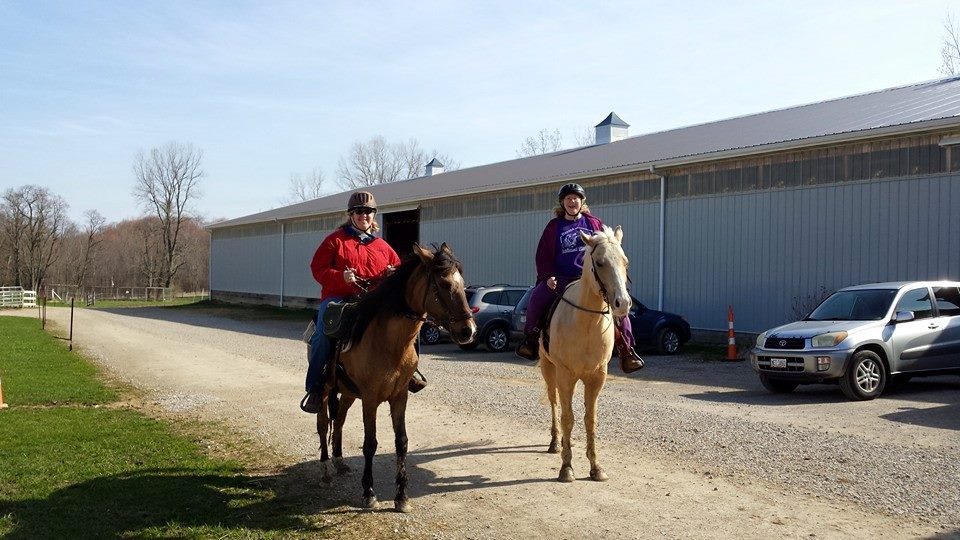
  • Ride with a friend whenever possible. If you’re riding alone, let someone at home know your trail route, and give them your cell phone number and the time you expect to be back.
  • Carry your cell phone on your person. Do not pack it on your horse, as it will be useless to you if you fall off and your horse runs away, or you can’t get up.
  • Bring along emergency reins and a GPS.
  • If you’re riding with a group of people at different skill levels, stick to the speed of the least experienced rider and maintain a safe distance between horses.
  • Make sure your gear is in good shape.
  • Wear your safety gear, including your helmet and proper riding boots (a 1″ heel is recommended). Additional gear could include reflective wear for riding on the trails/roads and/or a safety vest.
  • Check out the weather forecast, and avoid riding if storms are imminent.
  • Bring water – for you and your horse.
  • Take along a basic first aid kit in your saddlebag.
  • Stick to marked trails; you don’t know what obstacles or hazards you might encounter in unknown areas.

Please be aware that all the planning, safety gear and training you have will not prepare you for someone to spook your horse intentionally thereby unseating you and cause an accident.  This happened to me and I was prepared with all the steps mentioned above.  Animals react to stimulus that you can’t expect.  It’s very unfortunate that some people don’t use the good sense God gave them and choose to risk lives with stupid acts.

Trailer safety

  • Make sure your trailer has brakes and that they meet state or provincial regulations. Electric brakes are the most common and more widely accepted than the hydraulic variety. In the U.S., two wheel brakes are required on trailers over 3,000 pounds in 31 states, while 11 states require brakes on both axles.
  • A breakaway brake is almost always required. Located on the coupler of the trailer, it activates the trailer brakes if the trailer separates from your vehicle. It must have a fully charged battery that will engage the brakes for 15 minutes.
  • All U.S. states either require or recommend safety chains on your trailer, whether it’s a tagalong or gooseneck type.
  • If you’re transporting one horse in a two-horse trailer, put him on the left side. This might seem less safe, but because most roads are higher in the middle, having the weight on the driver’s side will help keep your trailer more stable. It follows that if you’re traveling with two horses, you should put the heaviest one on the left.
  • Before heading out, check everything over carefully. Inspect the trailer hitch, ensure ramps are up and and that doors are securely closed. Check that your horses are tied.
  • If you’re traveling a long distance, stop every five hours or so, depending on the weather, and give your horse a break.
  • Make sure your horse has water in the trailer, and check the levels every time you stop.
  • Your horse should be tied so that he can comfortably lower his head.
  • Do your homework when putting together your rig. First, consider your horses, then fit the trailer to the horses, and finally fit the tow vehicle to the loaded trailer. Always buy a trailer that fits your current horses while also considering the size of your future horses. Consider the climate in which you live. Dark colors, single wall trailers and aluminum all hold heat. Insulated walls and roofs can help control the interior temperatures in colder climates.
  • When buying a new trailer, make sure it’s large enough to comfortably accommodate your equine partner. Horses don’t like being in enclosed spaces, so it’s important that the trailer has adequate space, light and ventilation. Your horse should have enough room to move his legs back and forth to keep his balance while the trailer is moving. Horses that stand more than 15.3h need 7’ of stall length and 3’ of headroom.
  • Consider a trailer that combines a variety of today’s technologically advanced materials, rather than one that’s all steel or all aluminum. A composite built trailer uses steel for the frame and chassis and aluminum or fiberglass for the parts that don’t get as stressed. This helps reduce the overall weight of the trailer without compromising on the strength and safety.


Safety when Traveling with your Pet

Excerpts from Dr. Karen Becker and comments by Diane Weinmann

The safety of our pets is paramount in our minds and hearts.  Plus, we love to be with our pet and have them experience all the wonderful things the world has to show us together.  Many people take their pets in their car for short rides to break up their routine and for enrichment purposes.

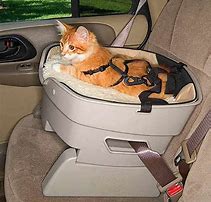
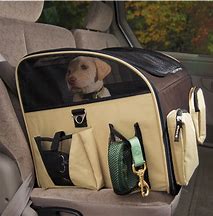
In addition to being mindful of the weather and heat index when leaving and traveling with pets in a car, you must also be careful to ensure they are safely harnessed in the car—after all you’re wearing a seatbelt right??? It’s the law—right?  Well, did you know that it is the law in some state for animals as well?

As of this writing, eight states (Connecticut, Hawaii, Maine, Massachusetts, Minnesota, New Hampshire, New Jersey and Rhode Island) have enacted laws requiring animals to be restrained while traveling in a vehicle.


10 Important Tips for Safe Road Trips With Your Pet

  1. Make sure your dog or cat is wearing a collar with a current ID tag. If your pet is microchipped, make sure the information is current in the microchip company’s database.
  2. Put together a travel kit for your pet. Include appropriate paperwork, food, fresh bottled water, bowls, treats, a harness and leash, and any supplements or medications your pet is taking.
  3. A first aid kit for emergencies is also a good idea. You can include a comb or brush, some toys and bedding. It’s also an excellent idea to include some recent pictures of your pet from various angles that would show any unique markings or any unique characteristics about her in the event (heaven forbid) she gets separated from you while traveling.
  4. If you plan to feed fresh or raw homemade food during the trip, obviously you need to pack an ice chest or some way to keep the food frozen. If you opt to switch to canned food for your journey, it’s important you make the dietary transition a week or so before you plan to leave, so you don’t encounter any unexpected bouts of diarrhea during your trip.
  5. Have clean up supplies on hand. Sometimes, there are potty accidents or vomit episodes that need cleaning up.
  6. Most cats won’t use a litterbox in a moving vehicle. If you make stops along the way, you can try to entice him to use the box at rest areas. It’s important to have a litterbox available when you make stops, but it also means that you’ll need a litter scoop and some plastic bags for used litter if your cat does decide to take advantage of the litterbox.
  7. Never open your cat’s carrier while there are any car doors or windows, even a sunroof, open. It’s a precaution you should follow religiously at all times when traveling with your cat.
  8. If you’re traveling with a dog, make sure his leash is attached to his harness or collar before allowing him off his travel harness or out of his travel crate.
  9. Don’t try to feed your pet while the car is moving. It’s best to offer a light meal a few hours before departure. If you’re traveling some distance and will be staying at a hotel in the evening, feed a second meal once your dog or cat has settled down in your room for the night. In the morning, feed some breakfast a couple hours before you get back on the road.
  10. Never leave your pet unattended in your car for any reason.

Essential Oils and carrier oils- great for people and pets!

By: Cynthia Lankenau, DVM, CVA, CVCHM, RH (AHG) and comments by Diane Weinmann

While essential oils have long been popular for healing in people and animals, more than merely treating animal’s ailments, essential oils are excellent for treating the home environment – people, living space and animals.

USE AND APPLICATIONS

There are three ways to use essential oils:

  1. Topical application for bodywork and cranial-sacral work.


  1. Topical application on acupuncture points for point stimulation, or on discrete areas of the body. Topical application depends on the humors you want to affect –lymphatics, blood or nerves – and the regions you want to influence. Massaging the ears with oils can have an effect on the nervous system. Massaging the paws will have an effect on the circulation of blood.


  1. Medical grade essential oils can be given orally in a one- or two-drop dose. (Remember that cats are sensitive to the eugenols of the phenol group.)

Many oils that we want to use topically are what are considered “hot” oils that could cause burns to the skin; therefore, you need a “carrier” oil.  Examples of hot oils are camphor, wintergreen, and oregano, thyme, cinnamon bark, and lemongrass.

Examples of carrier oils that can be used are:

Hazelnut oil can penetrate the epidermis and find its way into the dermis; it’s astringent and good for oily skin in any animal, including humans.

Macadamia oil is an appropriate carrier for dry or aged skin.

Almond oil is energetically absorbed through the skin very quickly; it’s high in antioxidants, vitamins E and B, and is very protective and nourishing for the skin.

Olive oil is green and very heavy; it has a descending effect on the body, so it’s very good for hyperacidity in any animal. It’s also good for heart conditions and promotes drainage of stagnation in the blood. It nourishes the blood and can be used in cases of anemia.

Sunflower oil opens the Heart and the Zhong Qi, is very good for respiratory conditions and cardiovascular conditions, resonates with CV 17 and stimulates Wei energy, and is very high in antioxidants, especially vitamin E.

Safflower oil is similar to sunflower but resonates more with the chest for cardiovascular issues; it promotes blood circulation and is good for blood stagnation.

Coconut and palm oils are very high in amino acids. They resonate with our Jing (essence).They help with constitution and neurologic issues, and whenever there is a problem with the curious vessels, bowels, brain, spine, genitals, bones and marrow (they would be good for arthritic conditions).


Dog has a Runny Nose??—Check it out!

By Dr. Karen Becker DVM

Many pet parents believe if their dog’s nose is warm or dry, it means they’re sick. Actually, that’s a myth. A warm dry nose by itself doesn’t mean your pooch is under the weather. Normal, healthy dog noses go from moist and cool to warm and dry and back again quite easily.

However, it’s important to distinguish between a moist nose and a runny nose. Runny noses aren’t nearly as common in dogs as they are in children (thankfully), but they do happen, and for a variety of reasons. If your four-legged family member develops nasal discharge (the technical name for a runny nose), it’s important to investigate the cause.

Relatively Benign Reasons Your Dog Might Have a Runny Nose

In some dogs, an entirely harmless reason for occasional colorless, odorless, watery discharge from the nose can be exercise or excitement.

Another cause of this type of runny nose is irritation of the nasal cavities from seasonal or environmental allergies, or an inhaled foreign object. If your dog has been playing outdoors and suddenly develops nasal discharge, especially with sneezing, I recommend making an appointment with your veterinarian.

If you notice your dog’s nose tends to run whenever spring rolls around, or each time you light a scented candle in your home (which I don’t recommend, by the way), she could be dealing with seasonal allergies or an irritant in her indoor environment. Household chemicals that trigger a runny nose and sneezing in people can cause the same symptoms in dogs. Indoor irritants like cologne, cigarette smoke, household cleaners, fiberglass, pesticides and aerosol deodorants can trigger a reaction in sensitive dogs.

Situations like these should be addressed to identify and eliminate or at least minimize triggers related to your pet’s nasal discharge. Seasonal and environmental allergies in dogs tend to start out mild, but grow progressively worse over time.

A seemingly harmless occasional runny nose caused by an allergen can turn into a significant allergic response, which in dogs is most often expressed through the skin. Intense itching, hot spots and other skin problems are very often the culmination of months or years of unaddressed allergies.

It’s also important to note that in brachycephalic breeds (dogs with flat or “pushed in” faces) the nasal passages are compressed. This can trigger a runny nose and other symptoms when there’s an upper respiratory infection or exposure to irritants. These breeds include the Boston Terrier, Bulldog, Cavalier King Charles Spaniel, Pekingese and the Pug.

5 Serious Causes of Nasal Discharge in Dogs

There are several more serious reasons for nasal discharge in dogs, most of which also involve sneezing, coughing or other symptoms. The following five potential causes for your dog’s runny nose require veterinary attention.

1. Foreign bodies — A “foreign body” in your dog’s nose means there’s something in there that shouldn’t be. For example, if your furry family member likes to dig in the dirt or obsessively sniffs the ground, chances are she’ll wind up with some soil, grass or the occasional bug up her nose.

This can cause her nose to run, and will also trigger sneezing to expel the foreign material. Hunting and sporting dogs who spend a lot of time outdoors running at full speed through natural settings can also wind up with odd things (e.g., twigs or sticks) up their nose.

Sneezing and nasal discharge are your dog’s body’s attempt to expel the foreign invader. Sometimes, however, medical intervention is required. Signs of the presence of a foreign object in your dog’s nose include sneezing, pawing at the nose and nosebleeds.

You might also notice your pet’s breathing is noisier than normal, and there might be a visible bulge or lump on one side of the face or nose.

2. FoxtailsFoxtails are treacherous little plant awns that are ubiquitous in California, reported in almost every state west of the Mississippi and have recently spread to the east coast as well.

In late spring and early summer, foxtail plant heads turn brown and dry, and scatter across the landscape. The tiny spikes on the plant heads allow them to burrow into soil, and wildlife also helps spread them around. The foxtails can eventually make their way into the noses, eyes, ears, mouths and just about every other opening of a dog’s body. They can get deep into your dog’s nostril or ear canal or under the skin in no time, and often too fast for you to notice them.

If your dog’s nose suddenly starts running and he’s sneezing uncontrollably, he could have a foxtail in his nose. If you suspect he’s been exposed to foxtails or is exhibiting suspicious symptoms, I recommend you consult your veterinarian or an emergency animal clinic as soon as possible.

3. Infections — Whereas bacterial and viral infections of the upper respiratory tract typically cause coughing, an infection caused by the opportunistic Aspergillus fungus causes sneezing and nasal discharge.

A nasal Aspergillus infection is thought to develop from direct contact with the fungus through the nose and sinuses, which occurs when a dog is exposed to outdoor dust, hay or grass clippings. Symptoms include pain and bleeding and/or discharge from the nose, sneezing and visible swelling.

In addition, an infected tooth or its root can cause sneezing and nasal discharge. In canines, the third upper premolar has roots that are very close to the nasal passages. If this tooth or one close by becomes infected, sneezing and nasal drainage can be the result.

4. Nasal tumors — Chronic nasal discharge and sneezing can be symptoms of a nasal tumor. These tumors are unfortunately fairly common in dogs, especially breeds with longer muzzles like the Collie. Second- and third-hand tobacco smoke has been identified as a significant cause of nasal cancer in pets. Most types of nasal tumors do not metastasize, but they do spread locally, destroying the structures of the nose.

5. Nasal mites — Nasal mites are microscopic little bugs that can take up residence in your dog’s nose and sinuses. They cause terrible itching in the nose, which triggers fits of sneezing, as well as chronic nasal discharge and even nosebleeds.

Your dog can get a nasal mite infestation by digging in the dirt with her face, or by going nose-to-nose with an infected dog. The mites can be identified by taking a nasal swab and looking at it under a microscope. If there is an infestation, the mites will be visible.

If you notice nasal discharge, swelling or an unpleasant odor from your dog’s nose or the area around it, or if she seems to be having trouble breathing or is making abnormal respiratory sounds, it’s time to make an urgent appointment with your veterinarian.


Dog’s bad breath—Don’t think you can fix it by using your toothpaste!!!!

Dog’s bad breath—Don’t think you can fix it by using your toothpaste!!!!

By Dr. Karen Becker and comments by Diane Weinmann

In the U.K., the Royal Society for the Prevention of Cruelty to Animals (RSPCA) is warning pet parents not to use human toothpaste when they brush their dog’s teeth. The alert was issued “… after research suggested it was being seen as a solution to bad breath,” according to The Telegraph.1

The RSPCA cautioned that the presence of fluoride in many human toothpaste brands, along with the growing use of the artificial sweetener xylitol, could be toxic to dogs if ingested. It’s important to realize that unlike humans, dogs don’t spit out toothpaste, so every bit of it gets swallowed or absorbed through the tissues in the mouth.

In addition to fluoride and xylitol, most human toothpaste contains a long list of chemicals and other substances your dog (and you) may be better off avoiding. My recommendation is to use an all-natural enzymatic dental gel designed specifically for pets.

Survey Says: Lots of Dogs Have Halitosis, and Lots of Dog Parents Are Clueless

According to the Kennel Club, dental disease is the second most commonly diagnosed health issue for dogs in the U.K. In the U.S., it’s the number one medical problem — 80 percent of dogs have some degree of gum disease by the age of 3.

The RSPCA’s warning followed a survey of 2,000 pet parents that showed nearly 8 percent had tried to get rid of their dog’s bad breath with human toothpaste. Some people fed their dogs mints to freshen their breath, others offered sticks of gum and some thought a good grooming would solve the problem. There were even pet parents who vowed to keep their toilet lid down, fearing the time-honored canine tradition of drinking from the bowl was causing their dog’s stinky breath.

“While we applaud owners who take responsibility for caring for their dogs teeth, we would also stress that only toothpaste formulated for dogs should ever be used,” a Kennel Club spokeswoman told the Telegraph.

This is worth repeating. Regularly brushing your pet’s teeth is the single most effective thing you can do to keep those teeth and gums in good condition. Daily brushing is ideal, but if that’s not workable, set a goal of four to five times a week.

Bad Breath Resulting From Gum Disease Isn’t ‘Normal’ for Dogs — It’s a Serious Problem

More than half the U.K. pet parents surveyed believed bad doggy breath was normal and not a symptom of poor dental health; only a fifth worried about bad breath being a sign of a serious health problem. When plaque isn’t removed from your dog’s teeth, it collects there and around the gum line and within a few days hardens into tartar. Tartar sticks to the teeth and ultimately irritates the gums. Irritated gums become inflamed — a condition known as gingivitis.

If your dog develops gingivitis, the gums will be red rather than pink and his breath will probably be noticeably foul-smelling. If the tartar isn’t removed, it will build up under the gums, eventually causing them to pull away from the teeth. This creates small pockets in the gum tissue that become repositories for additional bacteria.

At this stage, your dog has developed an irreversible condition, periodontal disease, which causes considerable pain and can result in abscesses, infections, loose teeth and bone loss.

When periodontal disease is present, the surface of the gums is weakened. The breakdown of gum tissue allows mouth bacteria to invade the bloodstream and travel throughout your dog’s body. If his immune system doesn’t kill off the bacteria, it can reach the heart and infect it.

Studies have shown that oral bacteria, once launched into the bloodstream, are able to fight off attacks by the immune system. What many pet parents don’t realize is there’s an established link between gum disease and endocarditis, which is an inflammatory condition of the valves or inner lining of the heart.

Researchers also suspect certain strains of oral bacteria may lead to heart problems. Some types of bacteria found in the mouths of pets produce sticky proteins that can adhere to artery walls, causing them to thicken. Mouth bacteria are also known to promote the formation of blood clots that can damage the heart.

How quickly these events take place depends on a number of factors, including your pet’s age, breed, genetics, diet, overall health, and the frequency and quality of dental care he receives. It’s also important to realize that some dogs will require regular professional cleanings even when their owners are doing everything right in terms of home care.

Signs of Possible Dental Disease in Your Pet

If you notice any of the following signs in your dog, it’s time to make an appointment with your veterinarian to prevent a dental problem from negatively impacting her health and quality of life:

Redness of the gums Tenderness around the mouth and/or teeth
Bad breath Drooling or dropping food
Loose teeth Bleeding from the mouth
Discolored teeth Loss of appetite/poor appetite
Broken teeth Weight loss

5 Steps to Help Keep Your Dog’s Mouth Healthy

  1. Feed a nutritionally balanced, species-appropriate, fresh food diet, and feed it raw if possible. When your dog gnaws on raw meat, it acts as a natural toothbrush and dental floss.
  2. Offer recreational bones and/or a fully digestible, high-quality dental dog chew to help control plaque and tartar. The effect of dental chews is similar to raw bones, but safer for power chewers or dogs who have restorative dental work and can’t chew raw bones.
  3. Brush those teeth, preferably every day. If every day is too tall an order, commit to do it several times a week. A little time spent each day brushing your dog’s teeth can be tremendously beneficial in maintaining her oral health and overall well-being.
  4. Perform routine mouth inspections. Your dog should allow you to open his mouth, look inside and feel around for loose teeth or unusual lumps or bumps on the tongue, under the tongue, along the gum line and on the roof of the mouth. After you do this a few times, you’ll become aware of any changes that occur from one inspection to the next. You should also make note of any differences in the smell of your dog’s breath that aren’t diet-related.
  5. Arrange for regular oral exams performed by your veterinarian. He or she will alert you to any existing or potential problems in your dog’s mouth, and recommend professional teeth cleaning under anesthesia, if necessary.

Daily homecare and as-needed professional cleanings or nonprofessional dental scaling (NPDS) by your veterinarian or dental professional are the best way to keep your pet’s mouth healthy and disease-free. It’s important to note that while NPDS can be a great way to prevent dental disease from occurring, it’s not a good substitute in cases of moderate to severe dental disease.

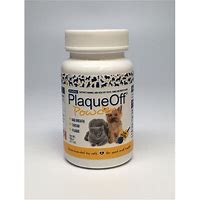
Diane has had great results using a product call PlaqueOff. This product can be used by dogs and cats alike and you sprinkle the granules on your pet’s food based on their weight.  Here is how this product can help:

Helps control plaque and tartar
-Improves bad breath
-A natural seaweed supplement
-Add it to your pet’s daily food

ProDen Plaqueoff is ingested via a powder placed over your pet’s daily food. The natural compound in the product comes out through the saliva and works to break down the bacterial biofilm that forms on the teeth and gums. This is how the natural bacteria in the mouth take hold onto the teeth and gums, colonizing and creating the oral problems of plaque and tartar, bad breathe and gingivitis. It does not change the ph of the mouth or kill off the normal levels of bacteria. ProDen Plaqueoff has been proven to reduce plaque and tartar on the teeth and gums, depending on composition, diet and how long it has been there. It then works to prevent bad breath, plaque and tartar from returning.

Small Dogs & Cats < 25 lbs  /    1/2 – 1 scoop

Medium Dogs 25 – 50 lbs      /    1 – 2 scoops

Large & Giant Dogs 50 lbs + /   2 – 3 scoops


Please note *Not recommended for animals undergoing treatment for hyperthyroidism. Keep away from children and animals

Diane has used this product for over 7 years with her husky and he has fabulous teeth!  I recommend it to many of my clients with great results.  If your dog has really bad teeth I would suggest you get a professional cleaning then begin using this product on a daily basis.

Homeopathy for Pets

Homeopathy for Pets

See in Dogs Naturally Magazine By Deva Khalsa VMD and additional info from the Honest Kitchen

Homeopathy is fun to use and the fact that it works so very well with so many medical problems makes it all the more rewarding!  So what exactly is Homeopathy?

Homeopathy is a form of ‘energy medicine’ that uses remedies made from highly diluted natural compounds. Most of the commonly used remedies are inexpensive and easy to find. They can be found at most health food markets, some human pharmacies, online at a multitude of sites and even at K-Mart. I suggest you compile a kit of common remedies to have ready and waiting when minor emergencies occur because there’s often not the time to run to the store and this stuff always seem to happen late at night or on a major holiday!

Homeopathy has particular rules associated with using it and this can be confusing and put off prospective students. But for many simple and common accidents and illnesses, it can be pretty simple to use. The first thing to do is to assemble a homeopathic kit to have at home and then buy a book or two about homeopathy. Homeopathic remedies number in the thousands and are made from anything and everything. But you only need to learn some of the rules of homeopathy and have about a dozen remedies to be off and running.

HOMEOPATHY SIMPLIFIED

Here is the straight goods on how to work with homeopathic remedies.

  • Homeopathic remedies need to melt on the gums so they should not be hidden in a treat or in food. Our dogs have a built in pouch on the side of their mouth and the remedies can go right in there.


  • Try not to handle the remedies but drop them straight from the bottle into your dog’s cheek.


  • Remedies come in tiny white pellet or liquid form. Either form can be placed directly into your dog’s cheek.


  • It’s not important if you give one drop of the remedy or five or one homeopathic pellet or three because homeopathy is an energy medicine and there is typically none of the physical substance left in the remedy. One tiny white pellet could treat an elephant and 10 pellets could treat a mouse. That’s a hard one to digest, if you’ll excuse my pun, but people are always worried about how much to give and how often to give. The amount is no big deal and you give it until they get better. If it’s not working at all, you stop giving the remedy. We’re all just too used to using antibiotics that have to be calculated to the weight of the dog and have a certain time they need to be given. This is simply not the case with homeopathy.


  • Because homeopathy is an energy medicine the remedies should not be stored next to heavy electromagnetic appliances such as televisions and computers or left in the bright hot sun for a long time.

WHAT DOSE SHOULD I GIVE ?

Unlike drugs, Homeopathy does not work by body weight (e.g., give 500 mg per 25 pounds of body weight). With Homeopathy, the original physical substance is sequentially diluted and this is why you have the funny numbers after the name of the remedy. Arnica 6x does not mean that you have to give it six times! It means that the remedy has been diluted six times. To confound you even more, the more dilute the remedy the more powerful it is, so very highly diluted remedies are usually only available to doctors. The potencies most commonly available to you are 6x and 30x (diluted 1/10 either 6 or 30 times) and 6c and 30c ( diluted 1/100 either 6 or 30 times).

WHAT MAKES IT BETTER AND WHAT MAKES IT WORSE

Homeopathic remedies are chosen in accordance with how the patient experiences his illness. For instance, one person who has a cold may want everyone in the house at attendance and worrying about him while another wants to be left alone to lie quietly in the dark. Each of these individuals would need a different remedy based on the individual picture they present. Let’s say your dog has arthritis and stiffness. Look that up in a Homeopathy text book and you’ll be given a choice of remedies. The specific way the problem presents in your dog will determine the remedy you choose.

For example, look at arthritic stiffness in dogs. Your choice of remedy might depend on whether your dog is worse or better when he first gets up after resting. If he’s better after resting, he might need the remedy Bryonia as noted above. I’ve found that most dogs are stiff at first but after walking a bit they get less stiff after they move around for a bit. Oftentimes these same dogs are worse in cold damp weather. With this presentation you’d likely choose the remedy Rhus toxidendron.

Rhus tox, as it is commonly known, is much cheaper than NSAID’s and also much safer to use. If you were to determine that Rhus tox was the best remedy for your dog, you would simply put a few pellets to melt in his cheek pouch about three times a day and watch him over the next week, noting changes in his condition. If he gets better, you’ve got the right remedy and if there is no change, there’s no harm done. Go back and do a little more reading in your handy books on homeopathy. When you have the right remedy, and you’ll know because there will be improvement.

HANDY REMEDIES

Here are several homeopathic remedies that you can keep on hand for basic needs. You may want to go out and purchase these commonly used remedies to have on hand in case the need arises. They are small and make a great travel kit too.

  • Apis mellifica – great for bee and other insect bites. Give every 20 minutes for a few doses after a bee sting. This remedy is made from the Honeybee, is used for insect bites and stings that produce sensitive swellings. Animals who can benefit from apis may be very hot but not thirsty and their pain is often alleviated by cold.


  • Arnica montana – good for general pain, stiffness due to overexertion, soreness and musculoskeletal injuries and is one of the best known homeopathic remedies. It is commonly used in humans, in both topical creams and oral pellets. Arnica is excellent for bruising, muscle aches, sprains and general injuries especially where the animal is shocked. Animals who benefit from arnica may be fearful of touch and restless, constantly moving from one spot to another because of their discomfort.


  • Arsenicum album – great for GI upsets from eating spoiled food where there is both vomiting and diarrhea. When any digestive upset is caused by food poisoning or the consumption of garbage this remedy should be given twice an hour for a few hours.  It is also great remedy for diarrhea. Pets that need this remedy often feel chilly and their symptoms are alleviated by warmth. It’s especially useful in younger animals, and for those who are anxious, restless and thirsty. They are afraid to be alone and especially fearful of strangers.


  • Borax (the remedy, not the powder) – excellent for fear of thunderstorms and fireworks. Give this at the 6c potency twice a day for a month during the season.


  • Calendula (can be used both as an oral remedy and as an external ointment) – use for skin infections or any kind of external infection. It’s a remarkable healing agent and a tube of the ointment should always be on hand to apply topically to scrapes, infections and wounds. You can also buy a tincture and dilute it 1/10 and flush any cuts or wounds with it.


  • Carbo vegetabilis is made from charcoal, and is used for the alleviation of gas. It is a great remedy to keep on hand for dogs who are prone to bloat. Weakness, shock and general exhaustion indicate the need for carbo veg.


  • Thuja occidentalis is indicated for the treatment of warts and skin complaints. It is also used to help with adverse vaccine reactions, especially those reactions that cause skin problems
  • Hepar sulphur – is wonderful to treat painful abscesses anywhere on the body and painful infected anal glands.


  • Hypericum – is an excellent remedy to give for any pain due to nerve damage or injuries to nerve-rich areas. I once closed my finger in a window and learned firsthand the wonders of Hypericum. Great for when you cut your dog’s toenails too short.


  • Myristica – phenomenal remedy for anal sac infections and chronic anal sac problems.


  • Rhus tox – for arthritis that’s better after moving around, general musculoskeletal injuries, red swollen eyes, skin infections and skin itching.


  • Ruta – fantastic for any injury to tendons or ligaments and this remedy has a real affinity for the knee so you would use it immediately after any knee or cruciate injury.


  • Silicea – pushes foreign bodies like splinters or foxtails out of the skin.


  • Ledum – the first choice for any type of puncture wound, including those from insect bites. Insect bites that require


  • Apis will be hot and red whereas bites that require Ledum will be cool and appears bruised.


  • Fragariaif your dog has terrible tartar buildup, try using the homeopathic remedy called Fragaria (6x).  Give 1-2 pellets twice a day for a month (do not mix with food) and you should see an improvement.


Homeopathic remedies have been used to treat illness in people and animals since the late eighteenth century. Homeopathic treatment stimulates the body’s own defenses to cure itself and promote health. The majority of homeopathic remedies are made from a special dilution of plants or minerals.

*Remedies are placed on small lactose pellets or in a water based solution for oral administration. They are designed to enter the blood stream directly through the mucous membranes of the mouth so they should be separated from food and water by 30-60 minutes. One dose may last 3 weeks or longer. It is important to monitor your pet’s symptoms and report any changes to your holistic veterinarian.

Avoid touching homeopathic remedies with your hands. Put pellets in a teaspoon and tip it onto your pet’s tongue or for liquids, drip them from the eyedropper onto the tongue without touching the mouth.

   ***IMPORTANT***

Store homeopathic remedies 15 feet away from computers, televisions, microwave ovens, and any other devices that emit strong radiation. Keep the remedies away from strong odors. Do not use the remedies in the presence of strong odors such as camphor, mothballs, Tiger Balm, mint, coffee or turpentine. Both electromagnetic forces and strong odors could inactivate the remedy.
*Store in a cool place away from direct sunlight*

With a small investment and a little planning, you can build your own homeopathy kit. These remedies aren’t that difficult to use and can give your dog fast and effective relief from many common injuries and illnesses.

As always, we recommend that you consult with a veterinarian who’s familiar with the use of homeopathy, when using a modality for your pet.

Here is link to a store to purchase remedies:

http://www.abchomeopathy.com/shop.php

https://www.homeopathyworks.com/


Giving Remedies

To give remedies, make sure you don’t touch the pellets (if you have to, that’s fine but try to pop them from the cap into your dog’s mouth – if that doesn’t work, place three pellets in a glass of water, stir with a metal spoon, then give the water to your dog in a dropper). Give the remedy before you leave and take some extras along for the ride, in case you need a second or third dose. Don’t give remedies with food.

Homeopathic dosing isn’t based on weight. Give the same dose for all size dogs.

  • Pills – give 3 of the larger pellets or a capful of the smaller little granular pellets
  • Liquid – mix the same amount of pellets in a glass of water. Give a half dropper full, regardless of your dog’s size.

Remedies for Upset Tummies

Homeopathy is also a great option for motion sickness.

Cocculus indicus – can be given just before getting in the car and is the most popular remedy for nausea due to motion sickness. Give your dog three pellets or crush them in a spoon and drop them in some water for him to drink (or in a dropper bottle so you can administer them).

Remedies for Anxiety

Rescue Remedy – this flower essence can also be given right before getting in the car to ease your dog’s anxiety. Follow the directions on the bottle.

Argentum nitricum – this is the first remedy to consider when nausea is accompanied by nervousness and anxiety. Give your dog three pellets or crush them in a spoon and drop them in some water for him to drink (or in a dropper bottle so you can administer them).

With a little help, and a little time, your dog may soon enjoy running errands with you, instead of waiting at home.

Can Street Cats and Stray Cats Become Pets?

By Nancy Dunham as seen in PetMD

Comments by Diane Weinmann


(Piper who was a stray feral kitten living happily in my girlfriend’s home)


Is there a stray cat hanging out outside your home? Or slowly spending more and more time in your yard? You might very well have been adopted by a local street cat and are now probably asking yourself, “Can you turn a stray cat into a house cat?”


Yes, that stray cat or alley cat can become your beloved house cat, but there are some caveats you should consider.


First, understand the difference between a stray cat, an alley cat and a feral cat. It’s often impossible to tell at first glance. Both types of cats may seem skittish when you first approach them.


So, what’s the difference? Feral cats are wild and not used to people or domesticated. Stray cats and some alley cats have often had socialization and may have even been neutered and received health care. These distinctions can be critical for the health of your other pets and family members.


Domesticating Feral Cats


Dr. Ann Hohenhaus, DVM, DACVIM (SAIM, oncology) at The Animal Medical Center in New York, urges extreme caution when attempting to turn a street cat into a pet. “Feral cats are likely to have some health issues. Stray cats can too, of course,” she says. “But feral cats have lived outdoors and likely haven’t had any health care.”


Street cats may have serious illnesses that can spread—ringworm, feline leukemia, rabies and other infectious diseases can infect other pets and humans.


“If you adopt a feral cat, you are setting yourself up for heartbreak,” said Dr. Hohenhaus. “”I am not saying you shouldn’t ever take a feral cat [into your home] but think carefully about it first.”


Pet behaviorist Pamela Uncles, Companion Animal Behavior, a practice in the Washington, DC, metropolitan area, adds that behavioral challenges may abound.


“I don’t think you shouldn’t take them. I think you should be informed,” she says. “You need to know the risks going in. That’s the bottom line with everything.”


Taylor Truitt, CEO and founder of The Vet Set, Brooklyn, New York, says that feral cats might be best cared for outside as community cats. “If cats aren’t socialized by 16 weeks of age, it usually doesn’t go well,” she says.


“I have owners who say they have feral cats as pets, but they feed the cats outside,” says Truitt. “The cat is never in the house….It’s tough to catch a feral cat, and when you do, they are more afraid than anything….I always say don’t do it.”


Diane Weinmann’s in laws had great luck domesticating two feral cats together.  They were born outside and after vet appointments they were welcomed into their home but be aware—they did not have any other pets!


Adopting a Stray Cat


Generally, stray cats—those that have had basic human socialization—may easily adapt to home life and form bonds with people.


Stray Cat Health


And unlike feral cats, strays are often fixed and have had some medical care. So you’re generally not starting from the beginning with major medical expenses. That doesn’t mean you shouldn’t take your new friend to the vet. Always take a new pet to your veterinarian for a checkup for any vaccines they might need or health issues you need to address.


Make Gradual Introductions


Cats brought into the home should be secluded from other animals, even after their vet visit, says Dr. Truitt. That will allow them to adapt to the sights, sounds and smells in their new environments. You and others in your home might be used to the sound of the dishwasher or doorbell, but new pets aren’t.


You may want your new cat to become best friends with your current cat or other pet. That can happen if you slowly introduce them. For first meetings, Uncles recommends that you keep it to just a few minutes long. Each day, allow the pets to see each other for longer periods of time, and allow them to gradually interact with you.


Allowing cats to see each other for short times, such as through glass doors, is another way to begin to introduce them. But depending on the stray cat’s background, she may not acclimate as you would hope, says Uncles.


Pet Supplies for Bringing Home a Stray Cat


If you are taking in a stray cat, here are some cat supplies you should have on hand:


§  Litter Boxes. When cats have lived outdoors they often must be reintroduced to using cat litter boxes. Dr. Truitt says that it’s a wise idea to have one on each floor of your home.


§  Cat Toys. It’s a great idea to have a few cat toys for your new kitty to play with to keep them mentally and physically stimulated. In the beginning, keep the new cat’s toys separate from those of your other cat or pet, advises Dr. Truitt. Try different types of toys, like cat feather wands, interactive laser pointers and cat toy mice. Playing with your cat is a great way to build trust and strengthen your bond while also providing a healthy outlet for their exercise needs.


§  Cat Scratchers and Trees. Some cats prefer to scratch vertically, while others enjoy horizontal scratching. Buy a few different types of cat scratchers so you can discover which your new cat prefers, says Uncles. You can also get something that offers both options and gives your cat a safe, high place to go to—a tall cat tree. Don’t assume that your new cat will have the same cat-scratching preferences as your current or previous cat.


§  Catnip. Some cats find it appealing, says Dr. Hohenhaus, but about 25 percent of cats aren’t affected by it. But don’t worry—there are other safe and healthy catnip alternatives. Here are some recommended by Dr. Hohenhaus:


o    Silver Vine (Actinidia polygama)


o    Tatarian Honeysuckle (Lonicera tatarica) 


o    Valerian (Valeriana officinalis)


§  Calming Aids. There are some natural cat calming products you can discuss with your veterinarian when bringing any new cat into the household—especially a stray or feral cat. Cat pheromone diffusers and cat calming treats can be helpful if used correctly.

Essential oils of Lavender or Calm-A-Mile RTU (ready to use) petted on or diffused  (Calm-A-Mile neat) will help along with Bach Flower Essence’s rescue remedy 4-5 drops on their food (only on food) three times per day. http://www.animaleo.info/calm-a-mile-rtu.htm or http://www.animaleo.info/calm-a-mile-neat.html or http://www.animaleo.info/g-to-m-singles.html (lavender)

Email Diane Weinmann with questions on essential oil or Bach Flower Essences at dianefortheloveofanimals@yahoo.com